
The 15 Best Things to do in Antarctica
A journey to the world’s end, the frozen Antarctic Peninsula’s is blessed not just with icy landscapes and some of the world’s stunning scenery, but awash with wildlife, adventure and life-changing experiences. Yet navigating this last frontier can be a challenge, so to help ensure travelers get the very best out of the stunning and frozen wilderness of the continent of Antarctica — from kayaking with whales, to drinking at the bar at the end of the world — we’ve rounded out our top 15 adventures and spots within the frozen frontier of Antarctica:
1.) Crossing the Drake Passage and arriving on Antarctic Splendor
Overview: Reaching Antarctica isn’t just a destination—it’s a rite of passage. The journey begins with one of the most notorious bodies of water in the world: the Drake Passage. This legendary stretch of sea, separating South America from the Antarctic Peninsula, is a proving ground for adventurers and a dramatic prelude to the White Continent. It’s here, between the familiar shores of Ushuaia and the icy unknown, that travelers begin to grasp the magnitude of what lies ahead.
The Drake is a place of extremes. Known either as the “Drake Shake” or the “Drake Lake,” this ever-changing sea is both a challenge and a privilege to cross. One day, the ship may pitch and roll beneath steel-gray skies. The next, it might glide over a calm glassy surface, escorted by soaring albatrosses. But no matter the conditions, the Drake sets the stage for one of Earth’s most profound encounters—with a continent that defies comparison.
Where: The Drake Passage spans approximately 1,000 kilometers between Cape Horn, Chile, and the South Shetland Islands of Antarctica. Most voyages depart from Ushuaia, Argentina—the southernmost city on Earth—and take between 36 to 48 hours to complete the crossing, depending on sea conditions.
Top Highlights
Embarking from Ushuaia: The journey begins in Ushuaia, nestled on the edge of the Beagle Channel. As passengers board their polar-class vessel, the enormity of what lies ahead begins to settle in. Ushuaia buzzes with energy—explorers, scientists, and travelers all preparing to leave the known world behind.
The Drake Passage: Gateway to Antarctica: Spanning the powerful confluence of the Southern, Atlantic, and Pacific Oceans, the Drake Passage is a swirling cauldron of sea and sky. There are no nearby landmasses to slow the currents, making it one of the most unpredictable maritime corridors in the world—and one of the most iconic.
The Drake Shake and the Drake Lake: No two crossings are the same. When the seas are rough, the “Drake Shake” lives up to its name, with towering swells that challenge even the hardiest sailors. On calm days, the “Drake Lake” offers a surprisingly gentle ride, where ice-blue skies stretch endlessly over a flat, mirror-like ocean. Either way, it’s an unforgettable part of the Antarctic story.
Adapting to Life at Sea: The crossing is more than a transition—it’s an immersion. Onboard lectures cover polar history, climate science, glaciology, and penguin biology. Naturalists help guests spot seabirds from the deck, while photography workshops prep cameras for the icy vistas to come. Mealtimes are filled with shared excitement as fellow travelers bond over the journey.
Sea Birds as Companions: Throughout the voyage, majestic seabirds ride the ocean winds alongside the ship. Wandering albatrosses, with wingspans over three meters, dip and glide in graceful arcs. Cape petrels and shearwaters dart across the waves. These avian companions remind travelers that they are moving into one of Earth’s last great wild places.
Arrival at the Antarctic Peninsula: The moment of arrival is almost spiritual. The first sightings of tabular icebergs floating in the deep blue sea signal that the continent is near. Snow-covered peaks begin to pierce the horizon. Glaciers gleam beneath sunlight. The silence is immense. The beauty, otherworldly.
Land Ho!: A hush falls over the ship before someone calls out, “Land ho!” Passengers rush to the decks as the Antarctic Peninsula emerges in full view. It’s a scene lifted straight from imagination—jagged mountains, drifting pack ice, and colonies of penguins dotting the shoreline.
First Foot on Antarctic Soil: Then comes the moment explorers have dreamed of: stepping off the Zodiac and placing a boot on Antarctic terrain. Whether landing on a rocky beach, a snowy expanse, or beside a sleeping seal, the experience is deeply moving. For many, it’s a lifelong goal fulfilled. For others, it sparks an insatiable desire to see more.
Practical Tips: Prepare for motion—anti-nausea medication is essential for many travelers. Dress in warm, layered clothing and waterproof outer gear. Use the crossing to attend briefings, practice with your camera, and adjust to shipboard routines. Keep binoculars handy for birdwatching and iceberg spotting. If prone to seasickness, choose a cabin lower and more central in the ship.
Cost: The journey to Antarctica is one of the most exclusive in the world, and the Drake Passage is part of every route. Expedition cruises typically start from $5,000 to $15,000 USD per person depending on duration, itinerary, and cabin type. This includes lectures, meals, excursions, and safety gear—but not flights to Ushuaia or gratuities. Upgrades like sea kayaking or ice camping are often available for an additional cost.
Iconic Photo Spot: One of the most powerful moments to capture is the first iceberg seen from deck—an eerie, glowing shape in the distance, signaling entry into Antarctic waters. Another classic is from the bow at sunrise, when the light hits the jagged Peninsula peaks. And of course, the moment you step ashore—with penguins waddling nearby—is one for the ages.
Final Word: The Drake Passage is more than just a stretch of ocean—it’s the emotional and physical threshold to Antarctica. It marks the space between the known and the wild, between comfort and challenge, between ordinary and truly extraordinary. Those who cross it earn their stripes as modern explorers, and what waits beyond is a world that few ever get to see.
2.) Antarctic Wildlife Encounters: Symphony of Life on the Frozen Frontier
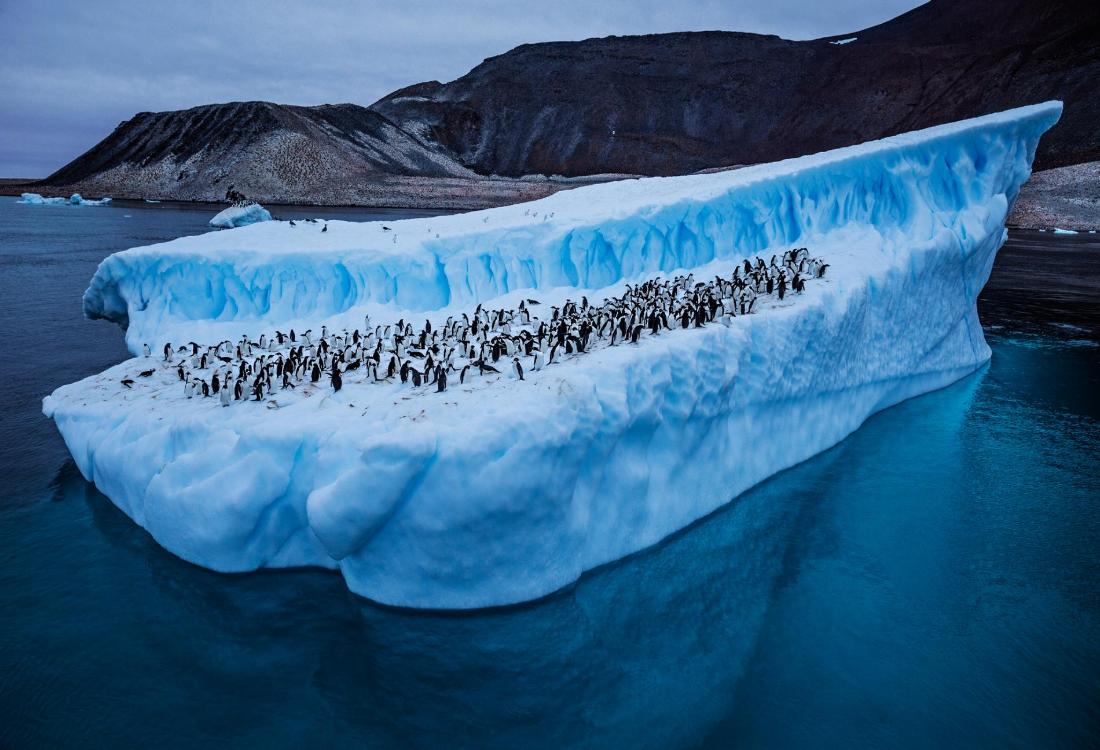
Overview: The Antarctic Peninsula is one of the most remote and untamed wildlife sanctuaries on Earth. In this icy realm, life flourishes in defiance of the elements. From waddling penguin parades and colossal elephant seals to breaching whales and soaring seabirds, every encounter offers a raw and intimate glimpse into nature at its most elemental. This is not a zoo or a safari—it’s a front-row seat to one of the most resilient ecosystems on the planet.
Here, wildlife is not framed behind fences or glass—it’s all around you. Penguins nest beside your landing zone, seals nap on drifting icebergs, and whales glide silently beneath your Zodiac. Antarctica humbles, inspires, and teaches you the quiet power of wildness. It’s a place where silence roars and every sighting feels like a secret the Earth decided to share just with you.
Where: Most Antarctic wildlife encounters occur along the western side of the Antarctic Peninsula, including places like the South Shetland Islands, Paradise Bay, Neko Harbour, and Danco Island. These regions are accessed via expedition cruise from Ushuaia, Argentina, typically after crossing the Drake Passage.
Top Highlights
Penguin Parades on Pristine Shores: The stars of the show are undoubtedly the penguins. Adélie, Chinstrap, and Gentoo penguins dominate the landscape, waddling comically but purposefully across snowy slopes. Colonies number in the thousands, creating a cacophony of braying calls, stone-stealing antics, and charming chick-rearing scenes. There’s nothing like standing in the middle of a penguin highway and watching the drama of daily life unfold.
Seals Basking on Ice Floes: As your Zodiac cruises through glittering sea ice, you may spot crabeater, Weddell, or the formidable leopard seals lounging on floes. Watch them blink lazily in the sun or dive gracefully into the frigid water. Their presence is a reminder that Antarctica’s ecosystem is both serene and ruthless.
Whale Watching Extravaganza: The Southern Ocean offers some of the best whale watching in the world. Humpback whales are frequent companions, often breaching or slapping their tails within meters of your boat. Minke whales dart beneath the surface, while orcas (killer whales) cruise in pods, hunting and socializing. Each encounter is a moment of awe—intimate, powerful, and unforgettable.
Seabird Symphony in the Skies: Antarctica’s airspace is filled with elegant flyers. Cape petrels, skuas, snow petrels, and Antarctic terns swoop and soar above the glaciers. These birds are a constant presence—guardians of the sky and scavengers of opportunity—adding motion and music to the icy silence.
Leopard Seals: Masters of the Hunt: The leopard seal is both beautiful and formidable. Sleek, muscular, and predatory, they often prowl the edges of penguin colonies. Seeing one surface beside your Zodiac, with a flick of its spotted body and an inquisitive gaze, is a chilling and thrilling experience.
Scientific Station Insights: Visiting research bases like Port Lockroy or González Videla offers a unique chance to learn from the scientists who live and work in Antarctica. Gain perspective on penguin population studies, climate monitoring, and marine life research. These visits bridge the gap between adventure travel and global conservation.
Iceberg Alley’s Avian Abundance: Glide through Iceberg Alley, where sculpted icebergs provide nesting platforms for seabirds. Imperial cormorants, kelp gulls, and Wilson’s storm petrels nest in the crevices or skim over the water. The contrast between sharp wings and soft ice is striking—a living diorama of survival and elegance.
Elephant Seals on Secluded Beaches: On some landings, particularly on nearby sub-Antarctic islands like South Georgia or Deception Island, you may come face-to-face with massive southern elephant seals. These blubbery behemoths grunt, bellow, and squabble as they haul themselves across black sand beaches. Their sheer size and prehistoric appearance are unforgettable.
Practical Tips: Wildlife encounters are best experienced with a spirit of patience and quiet observation. Dress warmly in layers and waterproof gear, bring binoculars and a telephoto lens, and always respect distance guidelines. Animals here are protected—and surprisingly unafraid—so approach gently, never chase, and let the moments unfold naturally.
Cost: Wildlife-rich Antarctic expeditions typically range from $6,000 to $15,000 USD, depending on length, ship, and cabin type. Excursions, expert guides, and wildlife-focused lectures are usually included. Some cruises offer optional experiences like sea kayaking, snowshoeing, or photography workshops for an extra fee.
Iconic Photo Spot: One of the most iconic Antarctic wildlife shots is a Gentoo penguin silhouetted against a towering glacier or iceberg, flippers outstretched as it waddles across the snow. Another favorite is a humpback whale’s tail fluke rising from the icy sea at sunset. For truly cinematic drama, capture a leopard seal mid-hunt—or a lone albatross soaring over the open Drake.
Final Word: Antarctica’s wildlife doesn’t just survive—it thrives in a realm few humans will ever see. These animals are not accustomed to people, making each encounter feel deeply raw and unfiltered. It’s humbling. It’s exhilarating. And it leaves you with a profound respect for the tenacity of life at the edge of the world.
3.) Kayaking with Whales in Antarctica: A Majestic Aquatic Ballet
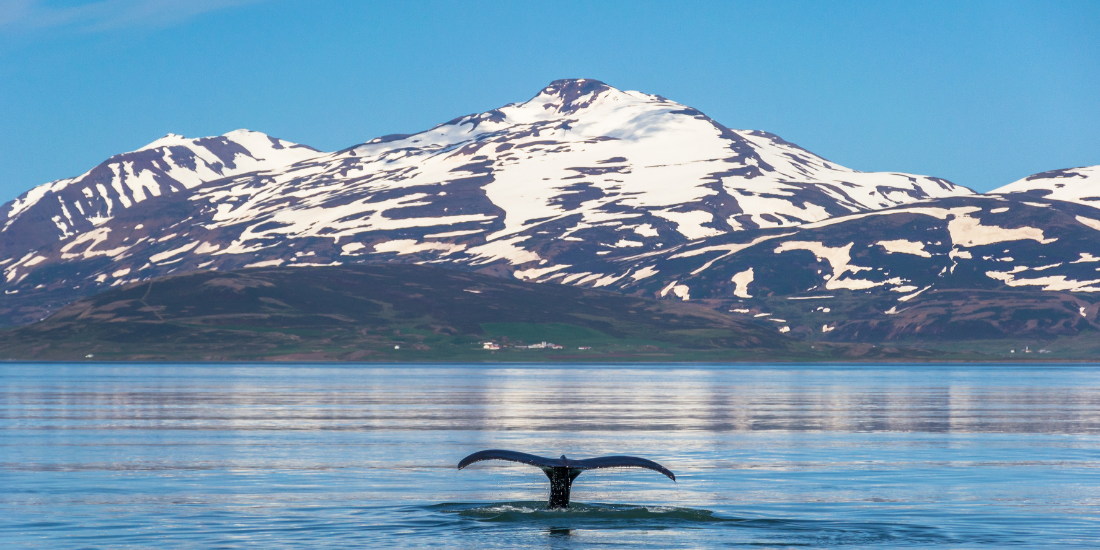
Overview: Kayaking in Antarctica is not just an activity—it’s an immersion. Now imagine paddling through glassy polar waters as a humpback whale surfaces beside you, close enough to feel the spray of its exhale. In a land defined by extremes, this silent, human-powered adventure offers one of the most intimate and awe-inspiring ways to connect with the White Continent. With each paddle stroke, you glide between floating ice, under towering glaciers, and into the territory of giants.
Unlike larger expedition vessels, kayaks allow you to drift quietly into the heart of Antarctica’s wildness. Wildlife doesn’t scatter—it gets curious. Penguins porpoise beside you, seals watch from nearby floes, and whales rise from the depths in a slow, deliberate dance. This is not adrenaline—it’s reverence. A kind of stillness that stays with you long after the journey ends.
Where: Sea kayaking excursions are typically offered along the Antarctic Peninsula and surrounding islands such as Cuverville Island, Wilhelmina Bay, and Neko Harbour. These areas are rich in marine life and sheltered enough for safe paddling, with access granted through licensed polar expedition cruises departing from Ushuaia, Argentina.
Top Highlights
Whale Encounters at Water Level: The ultimate reward of Antarctic kayaking is sharing space with whales. Glide silently as humpbacks lunge feed, breach, or slowly surface beside your kayak. The scale is humbling—the stillness broken only by the thunder of a blowhole and your own heartbeat.
Penguins and Porpoising Companions: Gentoo and Chinstrap penguins often race kayaks through the water, leaping in and out like aquatic acrobats. They’ll swim in formation beside you or suddenly pop up inches away before diving beneath your bow.
Floating Among Icebergs: Navigate through maze-like fields of brash ice and towering blue icebergs. Each formation is sculpted by wind and time, some glowing from within. The sound of melting ice crackling around your boat adds a surreal soundtrack to the experience.
Seal Sightings on Ice Floes: Crabeater and leopard seals are frequently seen lounging on drifting ice. Kayaks allow you to approach at eye level, watching as they lift their heads or lazily roll over. Leopard seals, in particular, are curious and may swim near your craft for a closer look.
Paddling Through Silence: Perhaps the most unexpected highlight is the silence. Without engine noise, the polar world opens up—you hear whale songs under the water, the snap of ice, the whisper of wind over snow. It’s meditative. Hypnotic. Transformative.
Expert-Led Adventures: Kayaking excursions are led by experienced polar guides trained in safety, wildlife protocols, and emergency procedures. These guides not only keep you safe but enrich the experience with naturalist knowledge and storytelling.
Photographer’s Paradise: With the low perspective and slow pace, kayaks offer some of the best photo ops in Antarctica. Capture reflections of jagged peaks on still waters, close-up whale tails, or the eye of a seal staring curiously into your lens.
Physical Experience, Emotional Impact: Kayaking here isn’t just about what you see—it’s about what you feel. The cold splash of sea spray, the pull of the paddle, the humbling nearness of wildlife. It’s an all-body, all-heart kind of memory.
Practical Tips: Kayaking excursions are optional add-ons that must be booked in advance and have limited slots. Most operators require a basic level of fitness and comfort on the water. You’ll be provided with a dry suit, life jacket, and gloves, but bring warm base layers, a waterproof phone case, and a GoPro if you have one. No experience is necessary, but paddling in calm waters before your trip is recommended.
Cost: Kayaking in Antarctica is typically offered as an add-on package ranging from $700 to $1,200 USD for a series of outings during the expedition. This includes all gear, safety equipment, and guided sessions. Not every day is paddle-worthy—weather and ice conditions will determine availability—but when conditions are right, it’s pure magic.
Iconic Photo Spot: One of the most surreal photo ops is paddling through Wilhelmina Bay as a whale surfaces beside your kayak, framed by glaciers and mirror-like waters. Another unforgettable moment? Catching your reflection beneath a massive blue iceberg as penguins dive beside you. It’s like kayaking through a living postcard.
Final Word: Kayaking with whales in Antarctica strips away everything but the essential. There are no crowds. No distractions. Just you, the water, and a world so untouched it feels sacred. It’s not just a way to explore Antarctica—it’s a way to feel it, fully and deeply. If you’re looking for one experience that will change how you think about wild places, this is it.
4.) Polar Plunge in Antarctica: Immersing in the Icy Embrace of the Southern Ocean
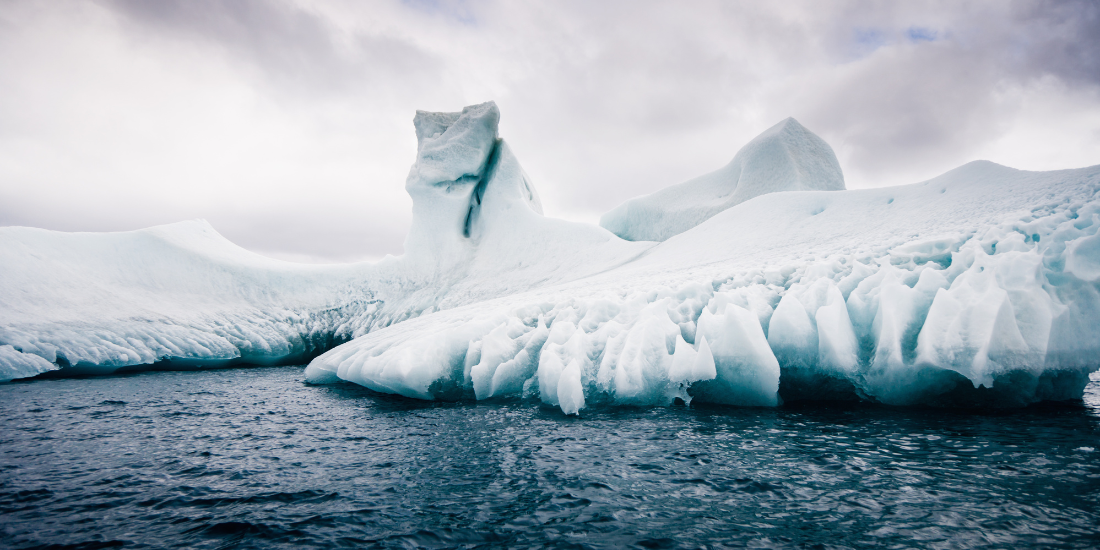
Overview: The Polar Plunge in Antarctica is less of an activity and more of a rite of passage—an icy baptism into one of the world’s wildest frontiers. Standing on the edge of a ship or zodiac in nothing but a swimsuit (and maybe a beanie for style), you stare into the sub-zero waters of the Southern Ocean. Then, you jump. It’s over in seconds, but the memory—and the jolt of life that comes with it—lasts forever.
Whether you’re an adrenaline junkie or a reluctant participant egged on by your fellow travelers, the Polar Plunge delivers an unparalleled rush. Equal parts shocking, hilarious, and exhilarating, it’s one of the most unforgettable moments of any Antarctic expedition—and the photos prove it.
Where: Most expedition cruises to Antarctica offer the Polar Plunge as a one-time optional event, usually in a sheltered bay along the Antarctic Peninsula or the South Shetland Islands. Popular plunge sites include Deception Island (a flooded volcanic caldera with slightly “warmer” water) and Neko Harbour.
Top Highlights
The Build-Up: You’ll know it’s coming. The announcement crackles over the ship’s PA system: “Polar Plunge this afternoon. Sign-ups on Deck 4.” The mood shifts. Nervous laughter bubbles up. Bathing suits appear. GoPros are mounted. Onlookers gather—some to cheer, some to document, all to witness.
The Jump: This is the heart-stopping moment. You step to the edge. The cold air bites. The countdown begins. And then—splash. Your body hits the water, and every nerve fires at once. It’s not pain, exactly—it’s electric. You’re alive. Very alive.
The Aftershock: Within seconds, you’re hauled back onto the ship or zodiac, greeted with towels, applause, and maybe even a shot of vodka or hot chocolate. Your teeth chatter. Your heart pounds. You can’t stop smiling. You did it.
The Photos: The Polar Plunge is nothing if not photogenic. Expedition crew often capture mid-jump shots, reaction faces, or the moment you emerge from the water gasping and victorious. These become some of the most shared and treasured mementos from the trip.
Safety First: Every Polar Plunge is carefully monitored. Safety lines are attached to jumpers, crew are ready to assist, and medical staff are on standby. The experience is optional and not recommended for those with certain health conditions—but for most, it’s totally safe and unforgettable.
A Badge of Honour: Few travel stories earn the same kind of respect as “I jumped into Antarctic waters.” You’ll carry it home like a secret weapon—a tiny tale of madness, courage, and connection to the planet’s final frontier.
Practical Tips: Bring a swimsuit and something warm to change into immediately after. Consider water shoes or neoprene socks to protect your feet from the icy surface. Don’t overthink it—when your name is called, just go. And smile for the camera.
Cost: The Polar Plunge is typically included in your expedition package and offered once during the voyage, weather and location permitting. There’s no extra charge—just your courage on the line.
Iconic Photo Spot: The best photos are usually captured mid-air, just before you hit the water, or as you emerge with wild eyes and flailing arms. If you’re lucky enough to plunge near Deception Island, the dramatic black-sand shoreline and volcanic cliffs make for an epic backdrop.
Final Word: The Polar Plunge is not about how long you last in the water—it’s about saying yes to the moment. In a place defined by ice, silence, and scale, it’s a brief, chaotic burst of human thrill. Silly? Absolutely. Worth it? One hundred percent. Because in Antarctica, even a few seconds of madness becomes a story for a lifetime.
5.) Deception Island: Exploring the Enigmatic Caldera of Antarctic Intrigue
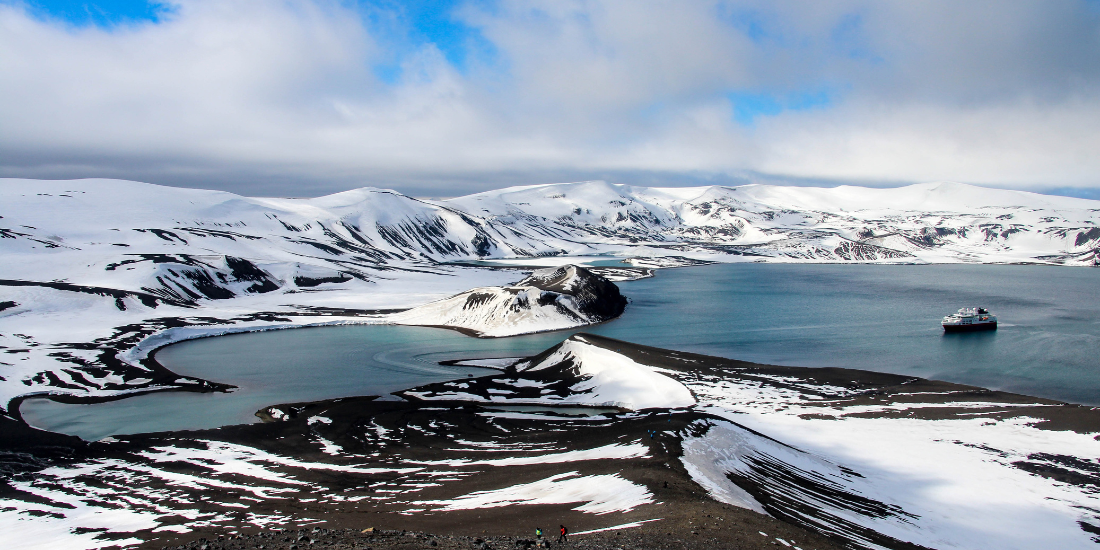
Overview: Deception Island is one of Antarctica’s most extraordinary landing sites—a flooded volcanic caldera that invites visitors to step inside an active volcano surrounded by ice. From steaming beaches and black sand shores to abandoned whaling stations and surreal geothermal landscapes, this horseshoe-shaped island in the South Shetlands is a striking juxtaposition of fire and ice.
This is where history, geology, and eerie beauty collide. Set foot on volcanic ash instead of snow. Walk through rusted ruins slowly being consumed by time. Watch steam rise from the shoreline as your boots sink into warm sands, all while penguins waddle past in the Antarctic chill. Deception Island isn’t just a location—it’s an experience that bends expectations of what Antarctica is supposed to be.
Where: Part of the South Shetland Islands, Deception Island is located off the northern tip of the Antarctic Peninsula. Ships enter through a narrow channel known as Neptune’s Bellows—navigating into the flooded caldera of an active volcano.
Top Highlights
Neptune’s Bellows: The entrance to Deception Island is both dramatic and iconic. Ships carefully pass through the narrow channel known as Neptune’s Bellows, flanked by steep cliffs and often cloaked in mist. It’s one of the most thrilling maritime entries in the polar regions and sets the tone for what lies beyond.
Whalers Bay: Step ashore at Whalers Bay, where the rusting remains of a 20th-century Norwegian whaling station scatter the black sand. Abandoned oil tanks, dilapidated buildings, and sunken boats paint a ghostly picture of a brutal past. It’s haunting, cinematic, and thought-provoking.
Geothermal Beaches: One of Deception Island’s most unique features is its geothermal activity. Hot springs beneath the surface cause steam to rise from the sand, and at low tide, you can even dig shallow holes to feel warm water bubble up. It’s a rare volcanic phenomenon in the heart of Antarctica.
Hiking to Neptune’s Window: For panoramic views, hike to Neptune’s Window—a rocky outcrop with commanding vistas of the sea and surrounding cliffs. On clear days, you might glimpse the Antarctic Peninsula across the water. The path up is relatively short but windswept and rugged, offering a perfect sense of remote adventure.
Pendulum Cove: Another potential landing site, Pendulum Cove is known for its thermal activity and for being the site of early scientific research. The remains of a destroyed Chilean research station serve as a stark reminder of the island’s volcanic eruptions in 1967 and 1969, which led to multiple evacuations.
Volcanic History: Deception Island is one of the few active volcanoes in Antarctica. Its last eruptions reshaped the caldera and forced human evacuations, but its geothermal warmth continues to shape its unique landscape. The contrasts—hot and cold, industrial and wild—are unlike anywhere else on Earth.
Penguin Colonies: Despite the eerie surroundings, wildlife finds a foothold. Chinstrap penguins often gather along the dark sand beaches, and seabirds like skuas and petrels soar overhead. Watching life thrive in such an unusual setting is one of the more profound moments of any landing.
A Window into Antarctica’s Past: More than just a volcanic marvel, Deception Island offers a deep dive into Antarctic human history—from the whalers of the early 1900s to Cold War-era research expeditions. Decaying machinery, weather-worn grave markers, and collapsing barracks silently echo the stories of those who came before.
Practical Tips: Wear waterproof boots and be prepared for muddy, volcanic terrain—Deception’s black sands are wetter and warmer than most Antarctic landings. Layers are key, as the geothermal ground can feel oddly warm even as polar winds whip across the island. Respect marked boundaries around fragile ruins and wildlife habitats.
Cost: Visiting Deception Island is included in many Antarctic cruise itineraries, but landings are always weather-dependent. Some operators also offer kayak excursions or photography outings inside the caldera as optional activities—these may carry a small additional cost.
Iconic Photo Spot: Capture the haunting contrast of Whalers Bay: rusty storage tanks half-buried in black sand with icy cliffs in the background. Another favorite is the misty view from Neptune’s Window, where the open sea and the island’s volcanic shape create a surreal Antarctic panorama.
Final Word: Deception Island is not the Antarctica of glossy brochures—it’s stranger, wilder, and more unforgettable. To walk on volcanic sand while watching steam rise and penguins march past is to feel the raw, layered story of this continent in your bones. It’s a place where Antarctica breaks all its own rules—and becomes even more magical for it.
5.) Deception Island: Exploring the Enigmatic Caldera of Antarctic Intrigue
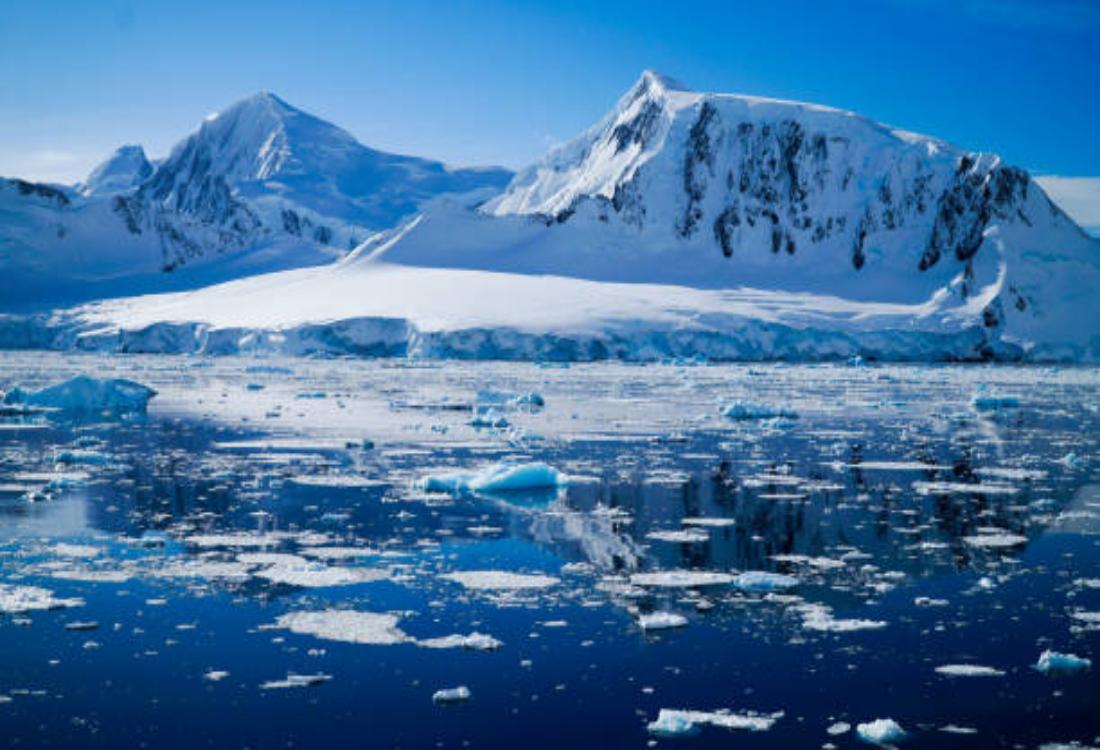
Journey into the Abyss: Unraveling the Mysteries of Deception Island
6.) Summiting Mount Vinson: Conquering the Apex of Antarctica’s Frozen Majesty
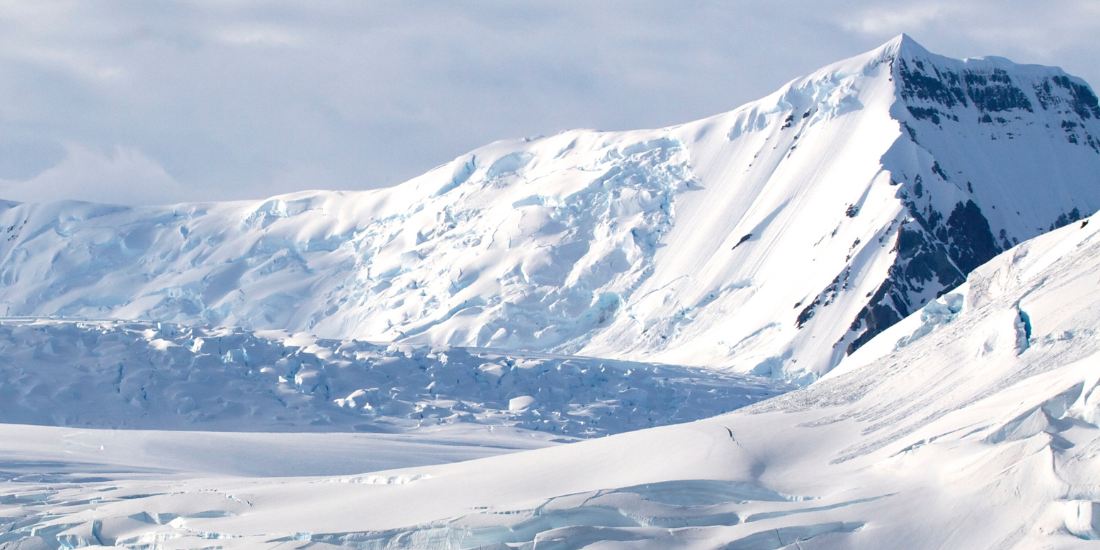
Overview: Mount Vinson, standing tall at 4,892 meters (16,050 feet), is the highest peak in Antarctica and one of the most remote mountains on Earth. Part of the Sentinel Range in the icy Ellsworth Mountains, it is a crown jewel for climbers chasing the Seven Summits—the tallest peaks on each continent. But Vinson is more than a box to tick; it’s a once-in-a-lifetime expedition into the heart of Antarctica’s wilderness.
This is a place of silence, wind, and white that stretches endlessly in every direction. With 24-hour daylight during the climbing season, surreal light bathes vast glaciers and jagged ridgelines. Summiting Mount Vinson is not only a physical triumph but a powerful communion with the stark beauty and raw extremes of the last continent.
Where: Mount Vinson lies about 1,200 kilometers (750 miles) from the South Pole in the remote interior of Western Antarctica. Climbers usually fly from Punta Arenas, Chile, to Union Glacier Camp via specialized aircraft, and then transfer to base camp via smaller ski-equipped planes.
Top Highlights
Union Glacier Base Camp: Your Antarctic adventure begins at Union Glacier Camp—a remote but well-equipped field camp nestled in the Ellsworth Mountains. Here, climbers acclimatize, receive safety briefings, and wait for a weather window before flying to Vinson Base Camp. The camp itself is a marvel of logistics and sustainability, offering heated tents, gourmet meals, and a strong sense of camaraderie.
Vinson Base Camp: Perched at around 2,100 meters (6,900 feet), Vinson Base Camp is the launchpad for summit attempts. Surrounded by ice walls and granite spires, this is where the journey becomes real. From here, climbers begin their multi-day ascent, hauling gear by sled and roped up for glacier travel.
Low Camp & High Camp: The climb is typically staged over multiple days, with overnights at Low Camp (around 2,800 meters) and High Camp (around 3,900 meters). The route involves steep ascents, fixed ropes, crevasse navigation, and brutally cold conditions. The upper mountain demands stamina and mental grit, but also offers breathtaking views of the ice plateau stretching to the horizon.
The Summit Push: The final push to the summit is an unforgettable challenge. Temperatures can plunge below ‑30°C (-22°F), and high winds are common. But as you crest the summit ridge and see the untouched expanse of Antarctica below, every ounce of effort is rewarded. There are no crowds, no banners—just you, the wind, and a 360° panorama of the world’s most alien landscape.
24-Hour Sunlight: Climbs are done during the austral summer (November to January), when the sun never sets. The constant daylight adds a surreal quality to the expedition—casting long shadows over icefields at midnight, turning snow pink and gold, and fueling round-the-clock activity.
Glaciology and Geology: The Sentinel Range is a dramatic fusion of geology and glaciology. Learn about ancient rock formations, shifting ice sheets, and climate research being conducted in the region. Climbing Vinson is also a firsthand look at how Antarctica is changing—and why it matters.
Wildlife-Free Wilderness: Unlike coastal Antarctica, the interior has no penguins, seals, or visible life. It’s a true frozen desert—harsh, silent, and still. The absence of wildlife underscores the starkness and purity of the environment, intensifying the feeling of isolation and awe.
Climbing Culture: Mount Vinson attracts elite mountaineers, polar explorers, and those seeking their final summit of the Seven. Campfire stories, shared meals, and the camaraderie of people united by extreme ambition make for an unforgettable social experience amid the ice.
Practical Tips: This climb is for experienced mountaineers with prior high-altitude expedition experience. Fitness, cold-weather resilience, and glacier travel skills are essential. Expect to carry loads of 20–25 kg and face temperatures as low as ‑40°C with wind chill. Training on peaks like Denali or Aconcagua is highly recommended.
Cost: Summiting Mount Vinson is a high-investment expedition. Guided trips typically cost between $40,000 and $50,000 USD per person, including flights from Chile, logistics, guides, permits, and equipment support. Most trips last 10–21 days depending on weather and acclimatization.
Iconic Photo Spot: The summit ridge of Mount Vinson offers a photo moment unlike any other: the endless ice fields of Antarctica below, lit by the midnight sun, with you standing on the roof of the frozen world. For a dramatic base camp shot, capture the shadow of the Sentinel Range stretching across the polar plateau.
Final Word: Mount Vinson isn’t just about reaching Antarctica’s highest point—it’s about entering a world few will ever see. The isolation, the silence, the challenge, and the icy majesty make it a deeply humbling and exhilarating journey. This is not just a climb—it’s a statement of human endurance in the most extreme environment on Earth.
7.) Penguin Post Office: A Quirky Antarctic Tale of Mail and Fluffy Residents
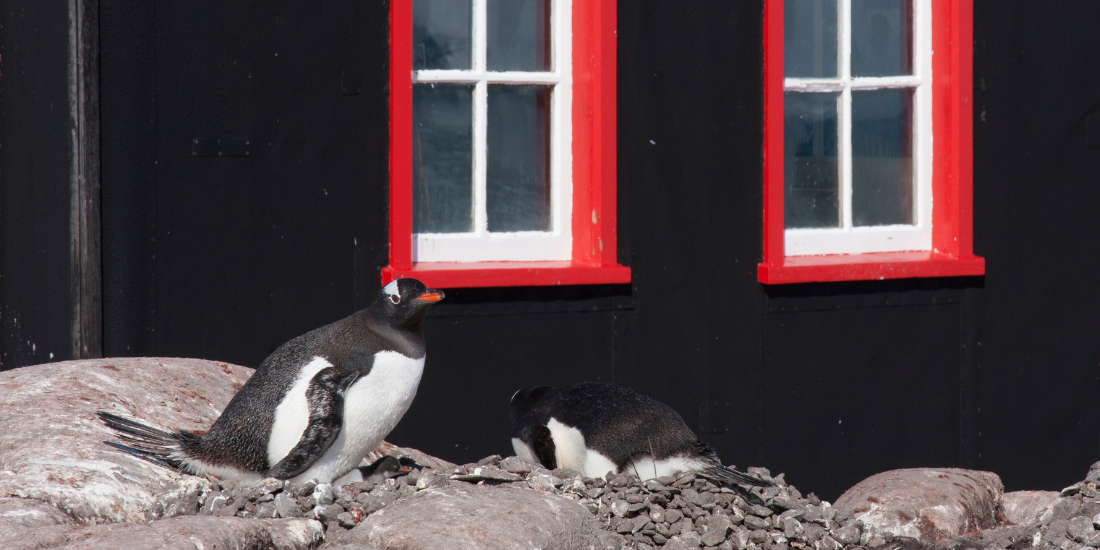
Overview: Tucked away on Goudier Island off the Antarctic Peninsula, Port Lockroy is home to the world’s most southerly public post office—affectionately known as the Penguin Post Office. Once a secret British military base during World War II, it has since been transformed into a heritage site managed by the UK Antarctic Heritage Trust. Today, it functions as a living museum, gift shop, and fully operational postal hub during the austral summer. For many travelers, sending a postcard from this remote red hut is a rite of passage—one that comes with the thrill of a genuine Antarctic postmark.
Where: Port Lockroy is located on Goudier Island, a tiny rocky outcrop nestled in the scenic bay of Wiencke Island on the northwestern edge of the Antarctic Peninsula. Accessible only by ship and weather permitting, it’s a popular stop on Antarctic expedition cruises from November to March. While small in size, the island offers an unforgettable mix of historical intrigue and thriving wildlife encounters.
Top Highlights
The Historic Post Office: The centerpiece of Port Lockroy is its restored post office, originally established in 1944 as Base A. Inside, visitors can see original rooms preserved with vintage equipment and handwritten logs, offering a glimpse into the early days of Antarctic exploration and research. During the cruise season, a small team operates the post office, processing more than 70,000 postcards annually—each bearing the coveted Port Lockroy stamp, a prized collectible among travelers and philatelists.
Gentoo Penguin Colony: What makes Port Lockroy even more remarkable is the coexistence of human and wildlife presence. The island is home to a bustling colony of gentoo penguins, whose constant activity provides delightful entertainment. Guests often find penguins waddling past the post office, nesting under windowsills, or calling to each other in their characteristic honking voices. The penguins share the island freely, and their proximity allows for intimate observation—so long as visitors respect strict wildlife distance rules.
Living Museum and Gift Shop: Base A also houses a small museum, curated to showcase what daily life was like for early Antarctic researchers. Exhibits include sleeping quarters, a radio room, and preserved artifacts such as typewriters, canned food, and weather logs. The adjacent gift shop helps fund ongoing conservation efforts and sells Antarctica-themed books, gear, and souvenirs. It’s one of the only places on Earth where you can buy a T‑shirt next to a nesting penguin and mail it home directly from the source.
Scenic Wildlife Viewing: While penguins are the main stars, Port Lockroy offers ample opportunity to spot other wildlife. Skuas and sheathbills patrol the skies, occasionally swooping in to investigate the scene, and seals are sometimes seen resting along the rocky shoreline. The entire island is framed by towering snow-covered mountains and glacier-tipped bays, making every step feel like a scene from a documentary. It’s a small island packed with visual drama.
Practical Tips: Visits to Port Lockroy are regulated and depend on weather and ice conditions. Most visits last around one hour and are coordinated through your cruise itinerary. Wear warm, waterproof layers and sturdy boots, as the terrain can be icy and uneven. Mail your postcards early in your trip to allow time for processing and delivery. And while it may be tempting to get close to the penguins, always maintain a respectful distance—usually two meters—as part of Antarctic conservation protocols.
Cost: There is no separate fee to visit Port Lockroy; it’s included in the cost of most Antarctic cruises. Postcards, stamps, and souvenirs are available for purchase inside the post office, with prices in British pounds. Sending a postcard to most international destinations costs around £2–£3 (roughly $3–$5 USD), and the proceeds support the UK Antarctic Heritage Trust’s preservation and education efforts.
Iconic Photo Spot: The classic shot at Port Lockroy features the vivid red post office hut set against an epic Antarctic backdrop, with gentoo penguins in the foreground and the snowy peaks of Wiencke Island beyond. It’s a whimsical, yet powerful image that perfectly captures the surreal contrast between human presence and raw polar nature.
Final Word: Port Lockroy is not just a novelty stop—it’s a testament to the spirit of polar exploration, the delicate balance between history and habitat, and the enduring human need to send messages across vast distances. Whether you’re stamping a postcard, observing penguins up close, or soaking in the silence of the icy bay, Port Lockroy offers an experience that’s both deeply personal and utterly unforgettable.
8.) Camping Beneath Antarctic Stars: A Frozen Bivouac in the Polar Night
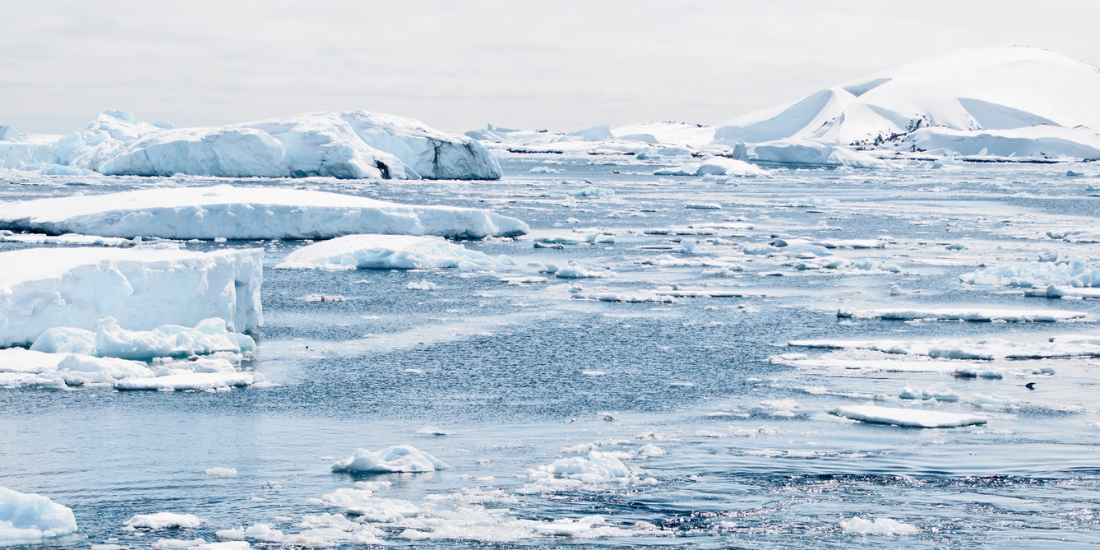
Overview: Camping in Antarctica is the ultimate wilderness experience—an adventure that strips travel to its raw, elemental core. Far from the comfort of a cruise cabin, spending a night out on the ice beneath the polar sky allows you to fully immerse yourself in one of the most remote and pristine environments on Earth. With no trees, no buildings, no artificial noise—just the silence of snow, the crack of distant ice, and the occasional call of a penguin—this is solitude at its purest.
Where: Most Antarctic camping experiences take place on the Antarctic Peninsula or nearby islands such as Danco Island or Leith Cove, depending on weather and ice conditions. These sites are chosen for their safety, accessibility by zodiac, and scenic beauty. The experience is typically offered as an optional overnight excursion on small-ship expedition cruises, operating during the austral summer months (November–March).
Top Highlights
Sleeping Under the Stars (or Clouds): There are no tents, no fires, and no shelters—just a waterproof bivy sack and a high-performance sleeping bag to keep you warm. After digging your own snow trench (with help from guides), you’ll bed down on the frozen continent itself. On clear nights, you might see the glow of the Southern Cross, or even faint auroras shimmering on the horizon. Cloudy nights offer their own magic, as snow mutes the landscape into a surreal silence.
Total Antarctic Silence: One of the most powerful aspects of camping is the profound quiet. Without engines, electronics, or crowds, you’ll hear nothing but nature—the crunch of shifting snow, the distant crack of calving glaciers, the occasional honk of a penguin colony. It’s a meditative and humbling experience that few places on Earth can offer.
Wildlife Encounters: While you won’t camp right next to a penguin colony (for conservation reasons), wildlife is always nearby. You might spot seals lounging on icebergs offshore or hear penguins calling in the distance. The chance to observe these creatures in their natural habitat, without barriers or enclosures, is a powerful reminder of the wildness of this land.
Zodiac Drop-Off and Pick-Up: Campers are ferried ashore by zodiac in the evening, after dinner onboard. Once on land, you’ll help set up camp and enjoy some quiet time with fellow adventurers. There are no fires or cooking—the goal is minimal impact—so most participants return to the ship for breakfast after their early morning pickup.
Bragging Rights (and a Certificate): Not everyone can say they’ve camped on Antarctica. It’s a story you’ll tell for the rest of your life—and most operators even give you a certificate to prove it. But beyond the bragging rights, it’s a deeply personal and reflective moment, one that lingers long after your sleeping bag has been packed away.
Practical Tips: Camping in Antarctica is strictly regulated and subject to weather conditions. Participants must be in good health and able to follow environmental protocols. No food, waste, or gear is left behind—everything brought ashore must be taken back. Dress in layers, use high-quality thermal gear, and prepare mentally for the cold and isolation. Most cruises provide the necessary camping equipment, but it’s wise to bring extra hand warmers, moisture-wicking layers, and a strong sense of adventure.
Cost: Camping is usually offered as an add-on experience on Antarctic cruises, with prices ranging from $250 to $350 USD per person for the night. This includes all equipment, briefings, and logistics. Availability is limited, and spots fill quickly—so book early if you’re keen to join.
Iconic Photo Spot: A snapshot of your minimalist bivy setup with the polar landscape stretching out behind you—snowfields, peaks, and glacial valleys bathed in late-summer light—is as iconic as it gets. Bonus points if a curious penguin photobombs the shot.
Final Word: Camping in Antarctica isn’t about comfort—it’s about connection. Connection to the environment, to the moment, and to a planet that still holds wild, untouched spaces. One night on the ice may be short, but the memories will last a lifetime. For those brave enough to leave the ship and embrace the cold, it offers something that no hotel, no cruise, and no postcard ever could: the feeling of being a true part of Antarctica.
ecosystem.
9.) Submerging into Antarctic Depths: A Chilled Odyssey through Icy Waters
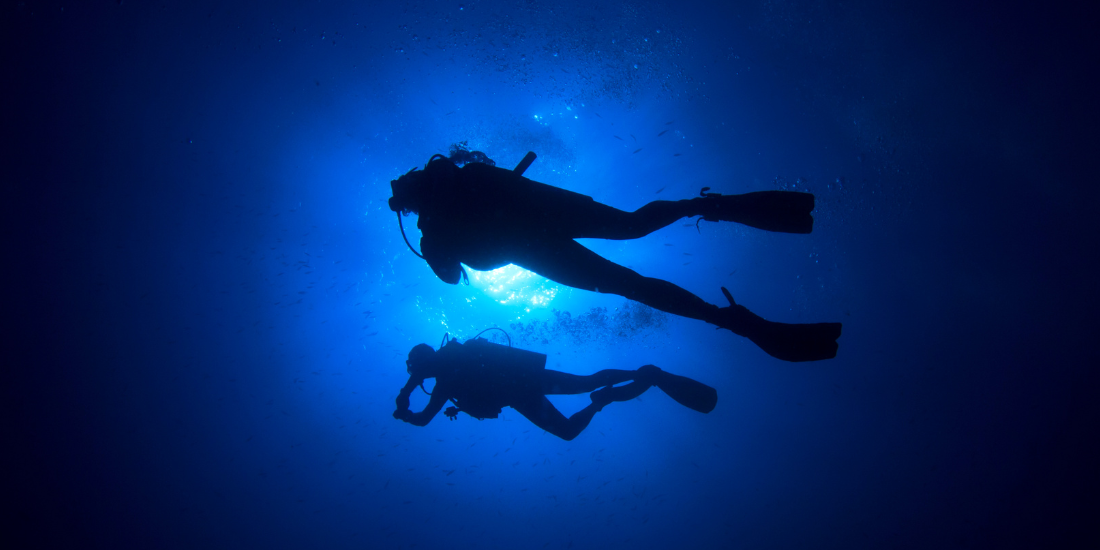
Overview: Scuba diving in Antarctica is an extraordinary plunge into one of the planet’s last frontiers, where divers descend beneath icy waters to witness a surreal, otherworldly ecosystem. This extreme adventure combines technical skill with raw natural beauty, offering encounters with unique marine life framed by dazzling ice formations, crystal-clear visibility, and temperatures that test human limits. Far from typical tropical dives, Antarctic scuba immerses you in a stark, pristine environment few have experienced firsthand.
Where: Diving expeditions usually take place around the Antarctic Peninsula and the South Shetland Islands, where relatively shallow waters, abundant marine life, and access from expedition ships make for ideal conditions. Sites include ice-covered coves, fjords, and under floating ice shelves. Dive locations are carefully chosen for safety, biodiversity, and visual spectacle.
Top Highlights
Diving Under Ice Shelves: One of the most thrilling experiences is swimming beneath massive ice shelves, where the water glows with ethereal blue light filtering through the ice above. The surreal underwater landscape features towering ice formations, delicate icicles, and a kaleidoscope of light and shadow that transforms each dive into a dreamlike journey.
Unique Antarctic Marine Life: Antarctic waters host an array of fascinating creatures adapted to the cold. Divers may encounter vibrant sponges, starfish, and anemones clinging to the seafloor, as well as curious fish species like the Antarctic icefish, which has antifreeze proteins in its blood. Occasional visits from seals and penguins add an unforgettable wild touch.
Crystal-Clear Visibility: The frigid Antarctic waters are often remarkably clear, with visibility sometimes exceeding 30 meters. This pristine clarity enhances the sense of otherworldliness, allowing divers to fully appreciate the stark contrasts of white ice and dark ocean depths.
Technical Challenges and Safety: Diving in Antarctica demands advanced certification and specialized cold-water gear, including dry suits, thick gloves, and hoods. Divers undergo thorough briefings and practice safety protocols such as tether lines and support divers, essential in the cold, remote environment where conditions can change rapidly.
Polar Night Diving: For the truly adventurous, some expeditions offer night dives beneath the Antarctic sky, where the darkness amplifies the glowing ice and bioluminescent creatures. These rare dives are mesmerizing and provide a window into the rhythms of Antarctic marine life in extreme conditions.
Learning and Conservation: Many Antarctic dive programs include scientific collaboration, allowing divers to contribute to research projects such as underwater photography for species identification or environmental monitoring. This deepens understanding of fragile polar ecosystems and promotes responsible exploration.
Practical Tips: Due to extreme cold and logistical challenges, Antarctic scuba diving is reserved for experienced divers in excellent health. Physical conditioning and mental preparation are crucial. Divers should pack multiple thermal layers, spare gloves, and equipment suited for polar conditions. Travel is usually via specialized expedition ships offering limited dive spots, so early booking is essential.
Cost: Antarctic scuba diving is a premium experience, often included as an add-on to expedition cruises. Prices vary but typically range from $500 to $1,000 USD per dive, depending on the operator and location. Dive packages may include training, gear rental, and support.
Iconic Photo Spot: Underwater shots capturing the interplay of blue ice above and curious marine life below are the quintessential Antarctic dive images. Photographs of divers silhouetted against ice formations or seals playfully inspecting explorers become treasured mementos.
Final Word: Scuba diving in Antarctica is a journey beyond adventure—it’s a profound encounter with one of Earth’s most fragile and captivating environments. For those with the skills, stamina, and spirit, the frozen depths reveal a hidden world of pristine beauty and remarkable resilience. Every dive is a story of discovery, awe, and respect for the icy heart of our planet.
10.) Journey to the South Pole: Navigating the Frozen Heart of Antarctica
Overview: A journey to the South Pole is one of the most iconic and challenging adventures on Earth—a pilgrimage to the very bottom of the planet where few have stood. This epic expedition tests endurance, mental strength, and survival skills amid Antarctica’s vast, frozen wilderness. Traveling across endless white plains, battling extreme cold, fierce winds, and high altitude, explorers are rewarded with the awe-inspiring achievement of reaching the geographic South Pole, a place of immense historic and symbolic significance.
Where: The South Pole lies on the Antarctic Plateau at an elevation of about 2,835 meters (9,300 feet). Most expeditions begin from Antarctic research stations like Union Glacier or McMurdo Station, where explorers embark on their ski or sled journeys, supported by logistics teams and occasionally aircraft drops.
Top Highlights
Crossing the Antarctic Plateau: The journey involves traversing the high, flat expanse of the Antarctic Plateau—a vast sea of ice stretching hundreds of kilometers. The plateau’s stark, pristine landscape creates an eerie sense of solitude and scale. Temperatures here plunge to brutal lows, often reaching ‑40°C (-40°F) or colder, with strong katabatic winds adding to the challenge.
Skiing and Sledging: Most travelers reach the Pole by skiing while pulling sleds loaded with supplies and equipment. This physical test demands stamina and resilience as participants cover up to 20 kilometers per day, often hauling heavy loads over uneven ice and snow, sometimes navigating crevasse fields and sastrugi (wind-formed snow ridges).
Historic Sites and Monuments: Reaching the South Pole means standing near the famous ceremonial marker—a red and white striped pole topped with a globe, surrounded by flags of the Antarctic Treaty nations. Nearby, visitors find plaques commemorating explorers like Roald Amundsen and Robert Falcon Scott, whose early 20th-century expeditions epitomize human courage and the spirit of discovery.
Wildlife Sightings: While the interior of Antarctica is largely devoid of wildlife, the journey’s start and finish points near coastal stations offer encounters with penguins, seals, and seabirds, highlighting the continent’s unique ecosystem.
Scientific Engagement: The South Pole is home to the Amundsen-Scott South Pole Station, a hub for cutting-edge research on climate, astronomy, and glaciology. Many expeditions include tours or briefings at the station, providing fascinating insights into life and science at the planet’s most remote outpost.
Polar Night and Midnight Sun: Depending on the timing, adventurers may experience the surreal polar night—months of continuous darkness—or the midnight sun, where the sun never sets. These phenomena shape the environment and the psychological experience of the journey.
Team Camaraderie and Mental Challenge: Enduring the physical demands and isolation fosters strong bonds among team members. Mental toughness is as crucial as physical fitness, as explorers face monotony, fatigue, and the ever-present cold, requiring determination and mutual support.
Practical Tips: Preparation is key: rigorous physical training, cold-weather gear, and familiarization with skiing and navigation are essential. Expeditions often last several weeks and require careful planning for nutrition, equipment, and safety. Booking with experienced guides and reputable operators ensures support through the harsh conditions.
Cost: Traveling to the South Pole is an exclusive and costly endeavor. Prices vary widely based on logistics and services but typically range from $50,000 to over $100,000 USD per person. This covers transport, equipment, guides, permits, and support.
Iconic Photo Spot: The classic South Pole shot is standing beside the striped marker with the endless white expanse stretching in every direction. Photos of your team crossing the ice fields, hauling sleds against the wind, or at the research station also capture the essence of this epic adventure.
Final Word: A journey to the South Pole is more than a trip—it’s a monumental test of human spirit and endurance set against one of Earth’s most extreme environments. It’s a voyage of discovery, perseverance, and profound connection with the planet’s wildest frontiers. For those who undertake it, the South Pole offers a life-changing experience that redefines limits and inspires awe.
11.) Into the Antarctic Sanctuary: A Sojourn to Research Stations at the End of the Earth
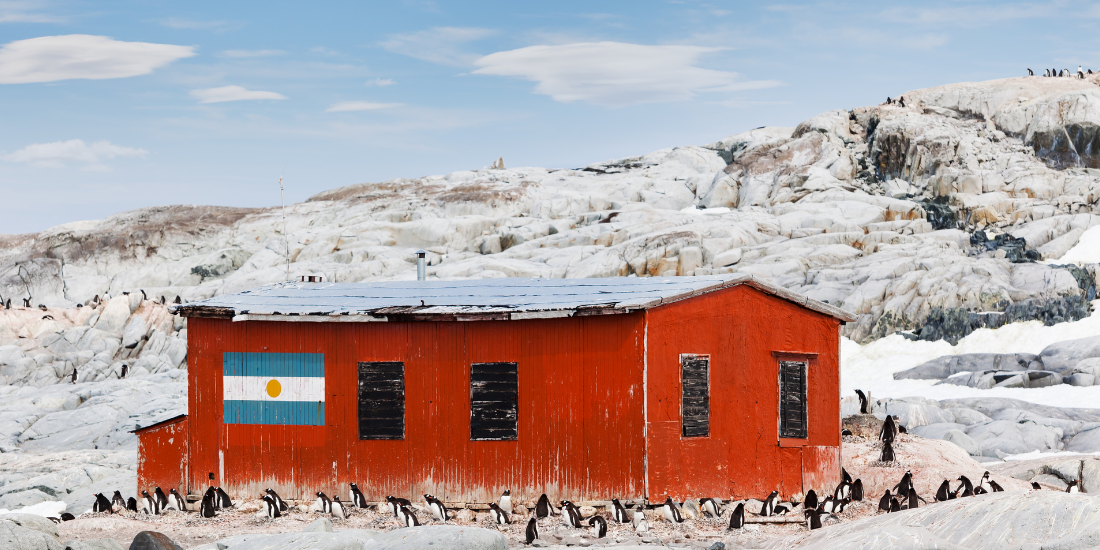
Overview: Visiting an Antarctica research station offers a rare glimpse into life and science at the edge of the world. These remote outposts are hubs of cutting-edge research, where scientists study everything from climate change and glaciology to astronomy and marine biology. For travelers, stepping inside a research station is stepping into a world of resilience, innovation, and international cooperation amid one of Earth’s harshest environments.
Where: Research stations are scattered across Antarctica, from the icy coasts to the continent’s interior. Notable stations open to visitors include the United States’ McMurdo Station, New Zealand’s Scott Base, Argentina’s Esperanza Station, and Chile’s Presidente Eduardo Frei Montalva Station. Access often depends on your expedition route and permits.
Top Highlights
Touring Scientific Facilities: Inside the station, visitors can explore labs and monitoring equipment that track atmospheric changes, ice core samples, and wildlife populations. Learning about these projects illuminates how Antarctica’s fragile environment influences global systems and why protecting it matters.
Meeting the Scientists: Interacting with researchers and support staff offers firsthand stories about daily life on the ice, challenges of polar research, and the passion driving scientific discovery. These exchanges reveal the human side of this extreme frontier.
Living Quarters and Amenities: Stations feature surprisingly comfortable living spaces designed for safety and functionality. Visitors see how teams adapt to isolation with communal dining areas, recreation rooms, and communication facilities, balancing hard work with moments of camaraderie.
Environmental Protocols: Strict environmental guidelines govern station operations to preserve Antarctica’s pristine conditions. Visitors learn about waste management, energy use, and wildlife protection practices, highlighting the global commitment to responsible stewardship.
Historic Sites: Many stations have museums or exhibits detailing Antarctic exploration history, showcasing artifacts from early expeditions and illustrating the evolution of polar science.
Wildlife Viewing Opportunities: Stations located near the coast often provide chances to see penguins, seals, and seabirds in their natural habitats, adding a vibrant dimension to the visit.
Practical Tips: Visits are usually part of organized expeditions, requiring advance arrangements. Respect station rules, dress warmly, and be prepared for limited internet and phone connectivity. Photography may be restricted in certain areas to protect sensitive research.
Cost: Access to research stations is generally included in expedition packages, which can range from $7,000 to $30,000 USD or more depending on trip length and services. These fees support station operations and environmental conservation efforts.
Iconic Photo Spot: Capturing the colorful research buildings against the stark Antarctic landscape or photographing scientists at work provides unique and memorable images symbolizing human ingenuity amid the ice.
Final Word: A visit to an Antarctic research station transcends typical travel—it’s an immersion into a living laboratory where the planet’s future is studied and safeguarded. This experience deepens appreciation for scientific endeavors and the extraordinary environment that makes Antarctica a global treasure.
12.) Blood Falls: Unraveling the Crimson Mysteries of Antarctica’s Icy Heart
Overview: Blood Falls is one of Antarctica’s most striking and enigmatic natural phenomena. Located at the edge of the Taylor Glacier in the McMurdo Dry Valleys, this flowing cascade of vivid red water stains the ice, evoking images of blood seeping through the pristine white landscape. But this eerie spectacle is far from sinister—it’s a fascinating window into the hidden microbial life and ancient geochemistry beneath the ice.
Where: Blood Falls emerges from a fissure in the Taylor Glacier, one of Antarctica’s coldest and driest regions. The McMurdo Dry Valleys are accessible mainly by specialized scientific expeditions and select guided tours, often as part of a larger Antarctic research or adventure trip.
Top Highlights
The Crimson Flow: Blood Falls pours a rusty red stream over the glacier’s face, creating a dramatic contrast with the surrounding ice and rocks. The iron-rich water oxidizes upon contact with the air, giving it its distinctive color, which makes for a surreal and unforgettable sight.
Hidden Ecosystem: Beneath the glacier lies a subglacial reservoir of hypersaline, iron-laden water that has been isolated for millions of years. This environment supports extremophile microbes, living in total darkness without oxygen, offering valuable clues about life’s resilience in extreme conditions—insights that have implications for astrobiology and the search for life beyond Earth.
Scientific Research Hub: Visiting Blood Falls often involves learning about the ongoing scientific studies that have uncovered its secrets. Researchers use this site to study ancient microbial ecosystems, biogeochemical cycles, and climate history locked in ice.
McMurdo Dry Valleys: The surrounding Dry Valleys are among the harshest deserts on Earth, with almost no precipitation and extreme cold. The stark terrain features vast glaciers, salt flats, and rocky outcrops, making the area a natural laboratory for planetary analog research.
Photography Opportunities: The striking color contrast and rugged icy landscape provide photographers with dramatic, otherworldly scenes. The interplay of light, ice, and iron-rich water creates images unlike any other in Antarctica.
Practical Tips: Access is limited and usually part of a scientific or guided expedition. Visitors should be prepared for cold, windy conditions and follow strict environmental protocols to protect this delicate ecosystem. Good waterproof gear, sturdy boots, and layered clothing are essential.
Cost: Visits to Blood Falls are included in some specialized Antarctic expeditions, which can vary widely in price depending on itinerary length and inclusions, generally starting from $10,000 USD for extended trips.
Iconic Photo Spot: The vivid red cascade itself against the stark white glacier is the quintessential shot, especially when framed by the rugged Dry Valley landscape or under the clear Antarctic sky.
Final Word: Blood Falls is a mesmerizing spectacle and a testament to Antarctica’s hidden depths and ongoing scientific discovery. This natural wonder combines stunning visual impact with profound scientific significance, offering travelers a rare glimpse into Earth’s ancient past and the resilience of life in extreme environments.
13.) Racing the Frozen Horizon: Conquering the Antarctic Ice in the Antarctica Marathon
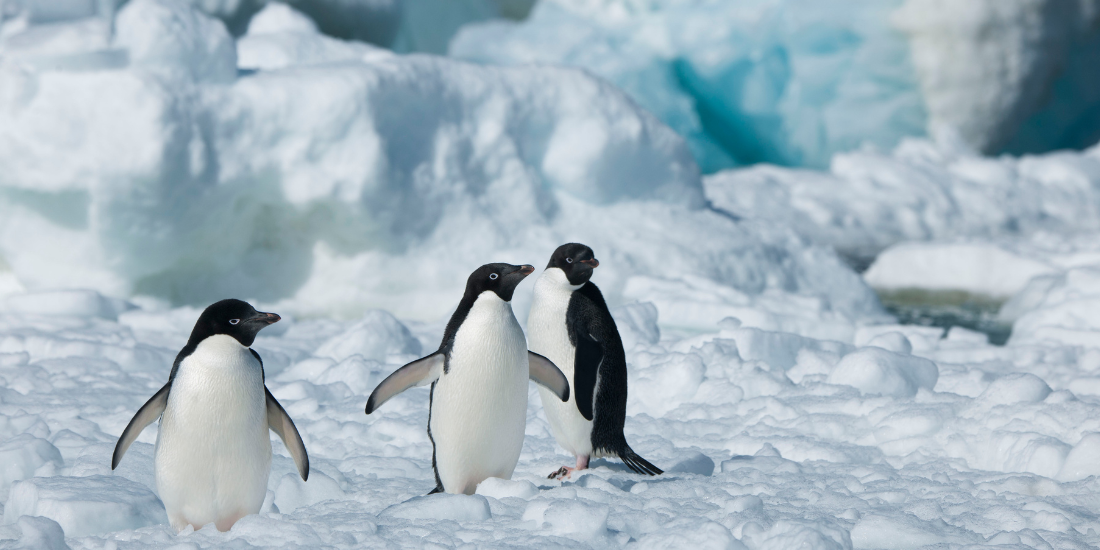
Overview: The Antarctica Marathon is widely regarded as one of the world’s most extreme and exhilarating races. Set against the backdrop of pristine glaciers, towering icebergs, and vast, snow-covered plains, this marathon offers runners the rare opportunity to test their endurance on the Earth’s southernmost continent. More than just a race, it’s an epic adventure that combines physical challenge with unparalleled natural beauty and the thrill of running where few have gone before.
Where: The marathon typically takes place on or near King George Island or the Antarctic Peninsula, depending on the organizing expedition. The course navigates icy terrain, compacted snow paths, and icy coastal stretches, all while runners contend with the continent’s frigid and unpredictable weather conditions.
Top Highlights
Unique Terrain: Unlike traditional road marathons, the Antarctica Marathon challenges participants with uneven, icy surfaces and often strong winds. The course demands stamina, agility, and careful footing, turning every step into a test of resilience and focus amid breathtaking surroundings.
Wildlife Encounters: Runners might share the route with curious penguins, seals, and seabirds, adding an extraordinary wildlife element to the race experience. The natural Antarctic inhabitants offer a reminder of the fragile environment being navigated.
Polar Spirit: Completing this marathon is more than a personal athletic achievement—it’s a badge of honor among extreme sports enthusiasts. The camaraderie among runners, all drawn to this icy frontier, creates a powerful sense of community and shared purpose.
Preparation and Gear: Participants must prepare extensively, training in cold-weather conditions and ensuring they have appropriate gear including thermal running layers, windproof jackets, gloves, and specialized footwear for traction on ice and snow.
Environmental Stewardship: Race organizers emphasize minimizing environmental impact. Participants follow strict protocols to protect Antarctica’s pristine ecosystems, including waste management and restrictions on disturbing wildlife or natural features.
Support and Logistics: Due to Antarctica’s remoteness, the marathon is usually part of an expedition package including transportation, accommodation on research stations or ships, and guided excursions. Medical support and safety personnel accompany the event to ensure runner well-being.
Photography and Memories: The visual spectacle of runners against the stark white and blue Antarctic landscape makes for unforgettable photos and stories. Crossing the finish line here is a moment many describe as life-changing.
Practical Tips: Acclimatize to cold conditions ahead of time and consult with expedition leaders on gear and fitness requirements. Expect the unexpected in terms of weather and be mentally prepared for the challenge of running in extreme conditions.
Cost: Participating in the Antarctica Marathon is a premium experience, with expedition packages often starting at $15,000 USD or more, covering travel, lodging, race entry, and guided tours.
Iconic Photo Spot: Capturing the moment at the finish line with the vast icy landscape and oceanic horizon behind is the quintessential Antarctica Marathon shot—symbolizing triumph over both nature and self.
Final Word: Running the Antarctica Marathon is not just about crossing a finish line; it’s an immersive adventure that tests limits and rewards with unmatched natural beauty and a profound sense of accomplishment. For those seeking the ultimate cold-weather endurance challenge, this race offers an experience as extraordinary as the continent itself.
14.) Raising a Glass at the Southernmost Bar: Sipping Spirits in Antarctica’s Frozen Oasis
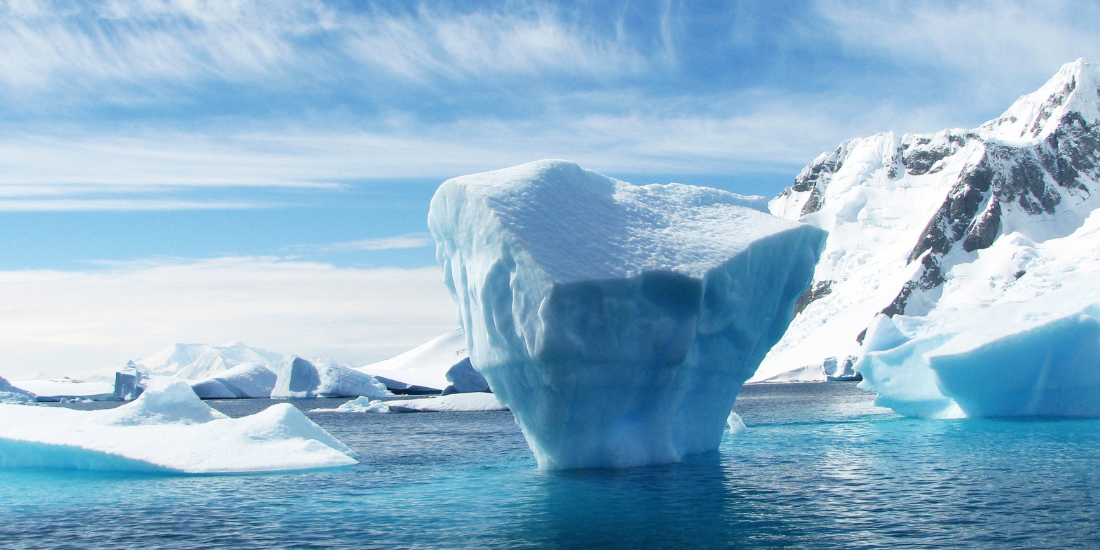
Overview: Enjoying a drink at the southernmost bar in Antarctica is a truly unique experience, combining the spirit of adventure with a rare moment of relaxation in one of the most remote and extreme places on Earth. Whether it’s a warming cocktail after a day of exploration or simply sharing stories with fellow travelers beneath the pristine Antarctic skies, this bar offers a convivial retreat amid the ice and snow.
Where: The southernmost bar is often found aboard expedition ships or at some of the continent’s research stations, such as the iconic “Bar 169” on a vessel or pop-up bars set up temporarily during tourist seasons. These intimate, cozy venues provide a striking contrast to the vast, icy wilderness outside.
Top Highlights
Atmosphere Like No Other: The ambiance is incomparable—imagine clinking glasses with fellow explorers while surrounded by panoramic views of glaciers, icebergs, and possibly even penguins outside the window. The bar’s warmth and camaraderie create a social hub that feels worlds away from everyday life.
Signature Antarctic Cocktails: Many bars offer specialty drinks inspired by the region, incorporating unique ingredients or themes that pay homage to the icy surroundings. From vodka-infused concoctions to hot toddies designed to fend off the chill, these drinks add a memorable flavor to your Antarctic adventure.
Sunset and Midnight Sun Sips: Depending on the season, you might enjoy a cocktail while watching a fiery Antarctic sunset or under the eerie glow of the midnight sun during the summer months. These rare natural light shows enhance the magic of the moment.
Sharing Stories and Making Friends: The bar serves as a meeting point for adventurers, scientists, and crew members to share tales of their journeys, wildlife encounters, and the incredible challenges of life at the bottom of the world. It’s a place where friendships are forged over ice-cold drinks and shared awe.
Practical Tips: Remember, alcohol can increase dehydration and cold sensitivity, so drink responsibly and stay hydrated with water too. Temperatures outside remain extreme, so enjoy your drink indoors or in designated safe outdoor areas only.
Cost: Drinks at Antarctic bars are typically included in expedition packages or sold at a premium onboard ships, reflecting the logistical challenges of supplying such remote locations.
Iconic Photo Spot: A photo of your drink with the icy Antarctic panorama in the background captures the spirit of adventure and the surreal experience of sipping cocktails at the bottom of the world.
Final Word: Having a drink at the southernmost bar in Antarctica isn’t just about the beverage—it’s a celebration of reaching one of the last frontiers on Earth. It’s a chance to relax, reflect, and toast to the extraordinary journey that brought you to this frozen edge of the planet. Cheers to adventure!
15.) Capturing Frozen Eternity: Photography in Antarctica’s Icy Embrace
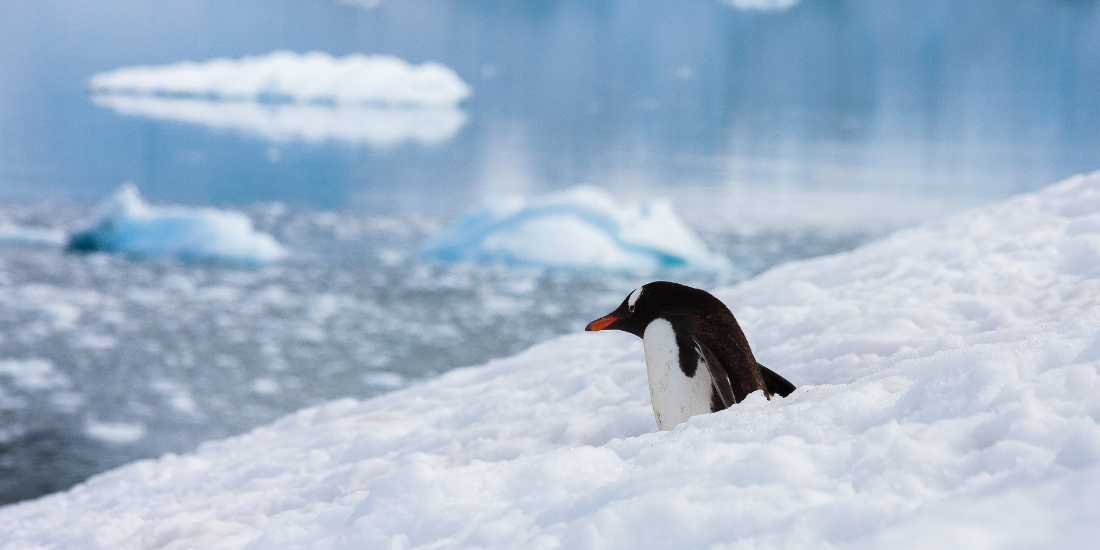
Overview: Antarctica is a photographer’s dream—an ever-changing canvas of stark white ice, crystal-clear waters, towering glaciers, and remarkable wildlife. The dramatic contrasts, unique light conditions, and vast untouched landscapes offer endless opportunities for stunning and unforgettable images. Whether you’re an amateur or a professional, Antarctica challenges and rewards your creativity in equal measure.
Where: Photographic hotspots are scattered throughout the Antarctic Peninsula, South Shetland Islands, and surrounding ice fields. Expedition ships often provide daily excursions to prime locations, while zodiac cruises and landings give close-up access to wildlife and ice formations.
Top Highlights
Icebergs and Glaciers: The colossal, sculpted icebergs drifting in the ocean present endlessly fascinating shapes and textures, from jagged blue pinnacles to smooth, snow-covered forms. Glaciers carving into the sea provide dramatic backdrops, their crevasses and icefalls catching light in mesmerizing ways. Early morning or late afternoon light often reveals brilliant blues and deep shadows, perfect for evocative landscape shots.
Penguin Colonies: Antarctica’s penguins are iconic photographic subjects. Large colonies of Adélie, Gentoo, and Chinstrap penguins allow you to capture everything from group dynamics and playful behavior to close portraits of these charismatic birds. The contrast of their black and white plumage against the icy environment creates visually striking compositions.
Whales and Marine Life: Whale sightings, including humpbacks, orcas, and minkes, offer spectacular photo ops as these giants breach, tail slap, or glide gracefully through icy waters. Seals hauled out on ice floes and curious seabirds soaring overhead add layers of interest and dynamism to your wildlife portfolio.
Dramatic Skies and Light: Antarctica’s unique atmospheric conditions produce extraordinary skies—from soft pastel sunrises and sunsets to crisp, clear daylight and the eerie glow of the midnight sun. Cloud formations, fog, and the interplay of light and shadow over ice make for compelling, moody images that capture the continent’s ethereal beauty.
Historic Sites: Photographing relics of early explorers, such as the huts of Ernest Shackleton or Robert Falcon Scott, adds historical depth to your collection. These weather-beaten structures, set against vast icy backdrops, tell stories of endurance and human spirit.
Ice Formations and Textures: Close-up shots of frost patterns, ice crystals, and frozen bubbles reveal the intricate details of the Antarctic environment. Macro photography opportunities abound for those who love to explore textures and patterns in nature.
Zodiac Cruising Perspectives: Small inflatable boats allow you to get up close to ice cliffs, caves, and wildlife, offering unique angles and perspectives inaccessible from land or larger vessels. These intimate encounters make for dynamic and engaging photographs.
Practical Tips: Protect your camera gear from moisture and cold; use lens hoods and keep batteries warm as they drain quickly in freezing temperatures. Use polarizing filters to reduce glare from ice and water, and consider wide-angle lenses for expansive landscapes alongside telephoto lenses for wildlife shots. Be patient and ready—Antarctica’s magic often happens in fleeting moments.
Cost: Photography equipment costs vary widely depending on your needs, but remember that specialized cold-weather accessories may be necessary. Many expedition operators offer photography workshops or guided shoots as part of their programs, which can add value and expertise to your trip.
Iconic Photo Spot: One classic shot is the massive ice cliffs framing a colony of penguins with the sun low on the horizon, casting long shadows and golden light. Another unforgettable image is the silhouette of an orca breaching against a backdrop of towering blue icebergs.
Final Word: Antarctica challenges photographers with its harsh environment but rewards them with some of the most awe-inspiring and unique imagery on Earth. Each frame captured here tells a story of wildness, resilience, and pristine beauty—making it a bucket-list destination for anyone passionate about photography.
The Travel Lantern:


