
The 25 Best Things to do in Europe
1.) Colosseum Chronicles: Unveiling the Gladiatorial Grandeur of Rome
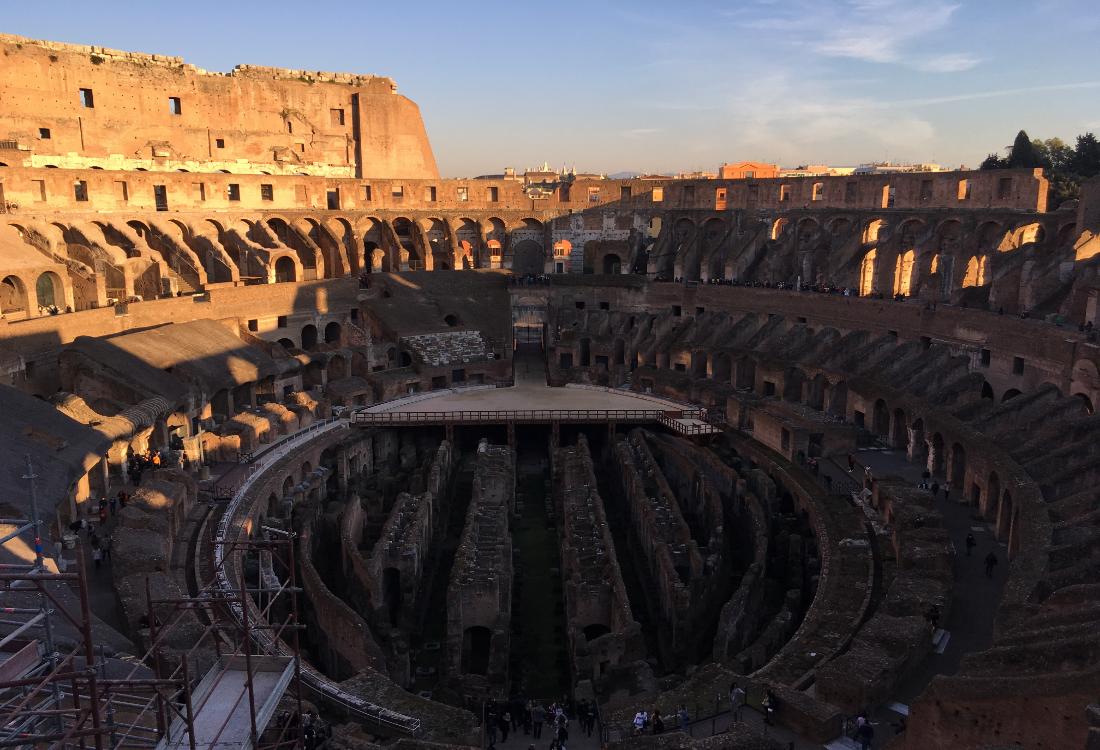
Overview: Rising from the heart of Rome, the Colosseum is a monumental testament to the grandeur and ingenuity of the Roman Empire. This iconic amphitheater, also known as the Flavian Amphitheatre, was completed in 80 AD and could hold up to 50,000 spectators, who came to witness gladiatorial combat, mock naval battles, and public spectacles. Its imposing arches, subterranean passageways, and tiered seating reveal not just architectural brilliance, but also the social and political fabric of ancient Rome. Walking through the Colosseum is a journey back in time, where stone and shadow whisper the tales of triumph, courage, and spectacle.
Where: Located in the historic center of Rome, Italy, just east of the Roman Forum, the Colosseum is easily accessible on foot from central piazzas and major transit lines. It forms part of the larger archaeological complex that includes the Roman Forum and Palatine Hill.
Top Highlights
Entering Through the Arches: Passing under the massive exterior arches, visitors are immediately struck by the scale and precision of Roman engineering. Each arch tells a story, not only structurally but as part of the amphitheater’s grand design that allowed tens of thousands of spectators to circulate efficiently.
The Arena Floor: Standing on the arena floor—or peering down from above—provides a visceral sense of the battles and performances that once captivated audiences. Beneath the wooden floor lay the hypogeum, a network of tunnels and cages where gladiators and animals awaited their entrances, showcasing the ingenuity of Roman stagecraft.
Hypogeum Exploration: Descending into the hypogeum, visitors discover the labyrinthine underground chambers, trapdoors, and pulleys that allowed for the dramatic emergence of wild beasts and gladiators. This hidden world reveals the technical mastery and theatrical flair of the Romans, a marvel of ancient showmanship.
Seating Tiers and Social Stratification: Climbing through the tiered seating areas, it becomes evident how the Colosseum mirrored Roman society. Senators, nobles, and the general populace each had designated sections, highlighting the intersection of entertainment, status, and civic identity.
Panoramic Views from the Upper Levels: From the top tiers, the full expanse of the Colosseum comes into view, framed by the surrounding Roman skyline. These vantage points allow for breathtaking photographs and a greater appreciation of the amphitheater’s monumental scale.
Roman Forum and Palatine Hill: A visit to the Colosseum is enriched by exploring adjacent historical sites. The Roman Forum offers ruins of temples, basilicas, and public spaces, while Palatine Hill provides insight into Rome’s legendary origins and elite residences, offering context to the Colosseum’s central role in city life.
Gladiator Insights: Guided tours often include stories about the gladiators, their training, and the rules of combat. Understanding the lives of these ancient warriors adds humanity to the spectacle, transforming the visit from sightseeing to storytelling.
Practical Tips: Arrive early to avoid peak crowds and consider purchasing skip-the-line tickets. Wear comfortable shoes, as the terrain is uneven and largely stone. Bring water and sun protection, especially in summer months. Audio guides or professional guides greatly enhance understanding of historical and architectural details.
Cost: Standard entry to the Colosseum costs approximately €18 for adults, with reduced rates for EU citizens under 26 and children. Combined tickets with the Roman Forum and Palatine Hill are available, and guided tours typically range from €30 to €50 depending on depth and duration.
Iconic Photo Spot: Capture the Colosseum’s grandeur from the exterior viewpoint along Via di San Gregorio, which frames the arches beautifully. For interior shots, the arena floor and upper tiers provide dramatic perspectives, especially during morning light when shadows accentuate architectural detail.
Final Word: The Colosseum is far more than an ancient ruin—it is a symbol of human ambition, creativity, and the enduring power of storytelling. Walking its corridors, imagining the roar of the crowd, and tracing the footprints of gladiators offers an immersive encounter with history. For travelers to Rome, it’s an unmissable journey into the epic heart of the Eternal City.
2.) Chasing the Aurora Symphony: Marveling at the Northern Lights Across Iceland, Tromsø, and Lapland
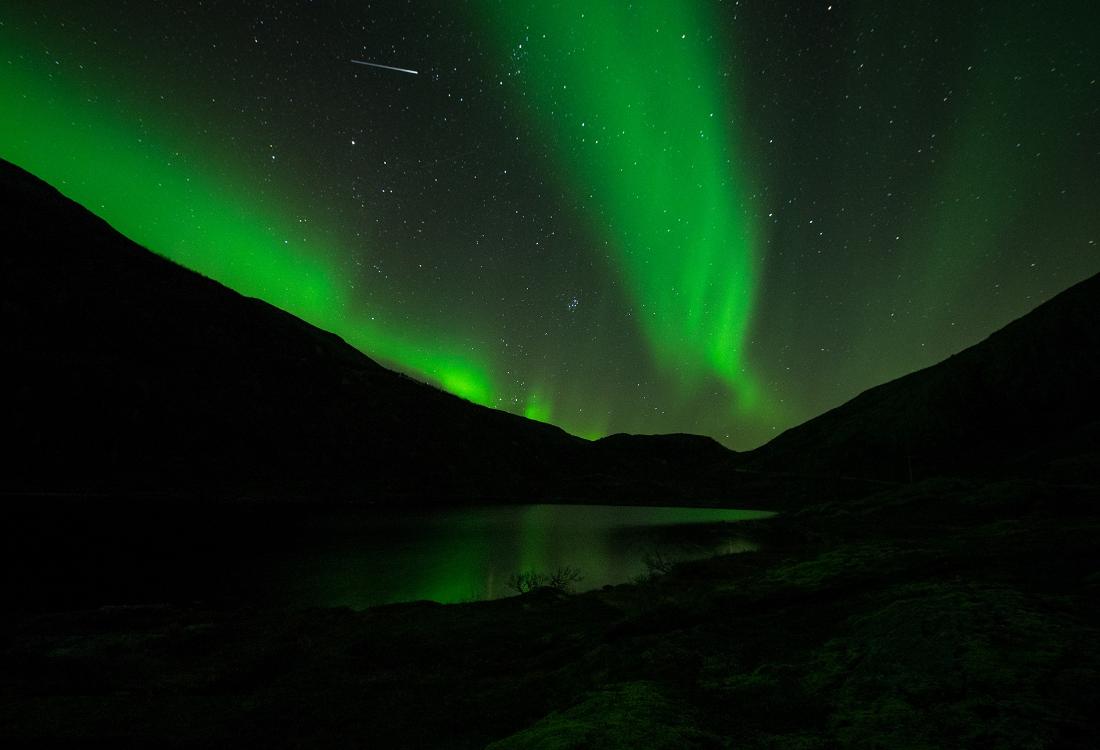
Overview: The Northern Lights, or Aurora Borealis, are one of nature’s most mesmerizing performances—a celestial symphony of color and motion dancing across the Arctic sky. Iceland, Tromsø in Norway, and Finland’s Lapland are among the prime viewing destinations, offering crisp, dark nights, minimal light pollution, and landscapes that range from volcanic fields to snow-blanketed forests. Witnessing the aurora is an awe-inspiring experience, where the sky pulses with greens, purples, and pinks, and every flicker feels like a fleeting brushstroke from another world.
Where: Iceland offers numerous vantage points across its dramatic landscapes, from Thingvellir National Park to the frozen expanses of the north. Tromsø, Norway, lies above the Arctic Circle and serves as a hub for aurora tours. Lapland, Finland, provides remote wilderness lodges and glass igloos, perfect for uninterrupted night-sky viewing.
Top Highlights
Iceland’s Volcanic Backdrop: Viewing the aurora in Iceland is a dramatic encounter with contrasts. Dark skies stretch over steaming geothermal fields, jagged lava formations, and icy glaciers. Whether from the Reykjanes Peninsula or the northern fjords, the Northern Lights shimmer above landscapes sculpted by fire and ice, creating an almost mythical tableau.
Tromsø: Arctic City and Wilderness: Tromsø offers a unique blend of urban comfort and Arctic adventure. Venture just outside the city for dark-sky experiences, or join a guided snowmobile or dog-sledding aurora chase. The combination of snowy mountains, fjords, and the sky’s luminous display makes Tromsø a top-tier Northern Lights destination.
Lapland’s Glass Igloos and Wilderness Lodges: In Finnish Lapland, accommodations like glass igloos provide a surreal way to watch the aurora from the warmth of your bed. Far from city lights, the aurora dances overhead, mirrored in frozen lakes or glittering snowfields, creating reflections that double the magic.
Aurora Photography and Night Excursions: Capturing the Northern Lights on camera is both challenging and rewarding. Photographers and enthusiasts can experiment with long exposures, framing the aurora over mountains, ice caves, or frozen waterfalls. Guided tours often provide equipment tips and the best vantage points to catch the most vivid displays.
Cultural Encounters Under the Lights: Many Northern Lights experiences are paired with local cultural immersion. In Lapland, meet Sámi communities, enjoy traditional storytelling, and taste reindeer dishes or hot berry drinks by a fire—all while keeping an eye on the sky for aurora activity.
Snow Adventures and Aurora Chases: Combining aurora watching with daytime adventures adds depth to the trip. Snowmobiling, ice caving, dog sledding, and glacier hikes allow travelers to experience Arctic landscapes fully before nightfall transforms them into a Northern Lights stage.
Practical Tips: Plan visits between September and March for optimal aurora visibility. Dress in insulated layers, wear sturdy boots, and bring gloves and hats. Check aurora forecasts and weather reports—clear skies are essential. Patience is key; sometimes the display is subtle, other times it erupts in brilliant, sweeping colors.
Cost: Aurora-focused tours vary by region and activity. Guided excursions from Tromsø or Lapland can range from $100 to $250 USD per person, while glass igloo accommodations in Lapland may start at $200 per night. In Iceland, rental cars or guided tours for aurora spotting typically cost $75–$150 per person per night.
Iconic Photo Spot: Capture the aurora reflecting on Jokulsarlon Glacier Lagoon in Iceland, or frame the lights over Tromsø’s snow-draped mountains. In Lapland, a glass igloo with the aurora overhead provides one of the most iconic and intimate photographic moments.
Final Word: Chasing the Northern Lights is more than a visual experience—it’s a sensory and emotional journey. The combination of Arctic landscapes, crisp air, and the sky’s celestial ballet makes it a once-in-a-lifetime encounter. Whether viewed from Iceland’s volcanic fields, Tromsø’s fjords, or Lapland’s remote wilderness, the aurora leaves travelers in quiet awe, connecting them to one of nature’s most extraordinary spectacle
3.) Eiffel Ascent: Scaling the Iconic Heights of Paris
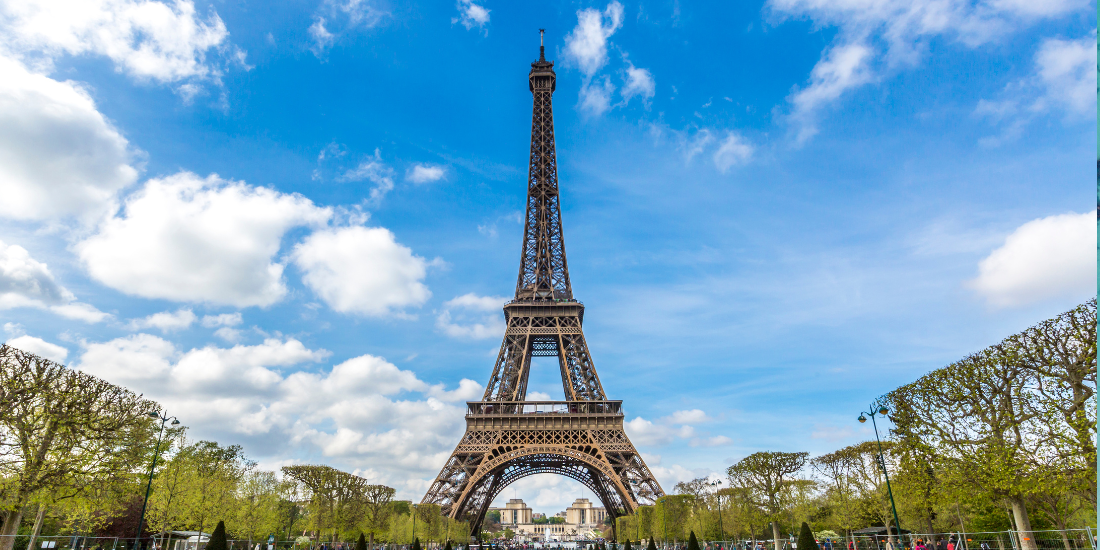
Overview: Few landmarks capture the romance, innovation, and skyline of a city quite like the Eiffel Tower. Rising 330 meters above the heart of Paris, this wrought-iron masterpiece is more than just a symbol—it’s a testament to human ingenuity and the artistic spirit of the Belle Époque. Whether viewed from the Champ de Mars or ascended in person, the Eiffel Tower offers a panorama that defines the Parisian experience, blending history, culture, and architectural wonder.
Where: Located on the Champ de Mars in the 7th arrondissement of Paris, the Eiffel Tower is easily accessible from most city districts. Metro lines, buses, and riverboats provide convenient approaches, while nearby landmarks like Trocadéro Gardens and the Seine River enhance the experience.
Top Highlights
Ascending the Tower: Visitors can choose between taking the elevator or the iconic winding staircases. The climb itself is part of the adventure, with each platform offering increasingly dramatic views of Paris, from the rooftops of historic neighborhoods to the shimmering Seine below.
First Platform: The first level introduces you to the tower’s intricate iron latticework up close. Glass floors allow daring travelers to look straight down, while exhibitions detail the tower’s history, construction, and role as a symbol of France. Cafés and souvenir shops make this a comfortable place to pause and soak in the surroundings.
Second Platform: At this mid-level height, Paris begins to unfold in a breathtaking panorama. Landmarks such as the Louvre, Notre-Dame, and Montmartre become distinguishable, and the Seine’s meandering path glints in the sunlight. Outdoor terraces provide a perfect vantage point for photographs and city gazing.
Summit Experience: The summit is the pinnacle of the Eiffel ascent. From here, the city stretches endlessly in every direction. A small champagne bar offers a unique celebratory touch, while telescopes allow detailed views of distant landmarks. On clear days, the Alps can even be glimpsed far in the horizon, a reminder of France’s vast and varied landscape.
Nighttime Illumination: The Eiffel Tower takes on an entirely new persona after dark. Thousands of twinkling lights create a sparkling spectacle every hour, while the city below glows with Parisian warmth. Whether from the tower itself or from the banks of the Seine, the nighttime view is magical.
Cultural Significance: Beyond its architectural brilliance, the Eiffel Tower is woven into the cultural fabric of Paris. It has inspired countless films, artworks, and literary works, standing as a symbol of innovation and the city’s timeless elegance.
Practical Tips: Book tickets in advance to avoid long lines, especially during peak tourist season. Dress in comfortable shoes if you plan to climb stairs. Visit early in the morning or later in the evening for fewer crowds and optimal lighting for photography. Don’t forget binoculars or a camera to capture both distant and close-up views.
Cost: Ticket prices vary depending on access level: the first and second platforms typically cost around €18–€25 for adults, while summit access can range up to €30–€35. Elevator and stair options differ slightly in cost, and guided tours or special experiences like dinner reservations are additional.
Iconic Photo Spot: The classic shot is taken from the Trocadéro Gardens, framing the tower against open lawns and fountains. From the summit, capturing the grid of Parisian streets beneath provides a geometric and expansive perspective. Sunset or twilight adds a particularly enchanting glow.
Final Word: The Eiffel Tower is more than a tourist attraction—it’s a vertical journey through history, culture, and the soul of Paris. Each ascent offers new perspectives, breathtaking vistas, and a profound connection to the city’s heart. Whether admired from afar or experienced firsthand, the Eiffel Tower remains an unforgettable emblem of human creativity and Parisian charm.
4.) Neuschwanstein Chronicles: Exploring Fairytale Grandeur in Bavaria
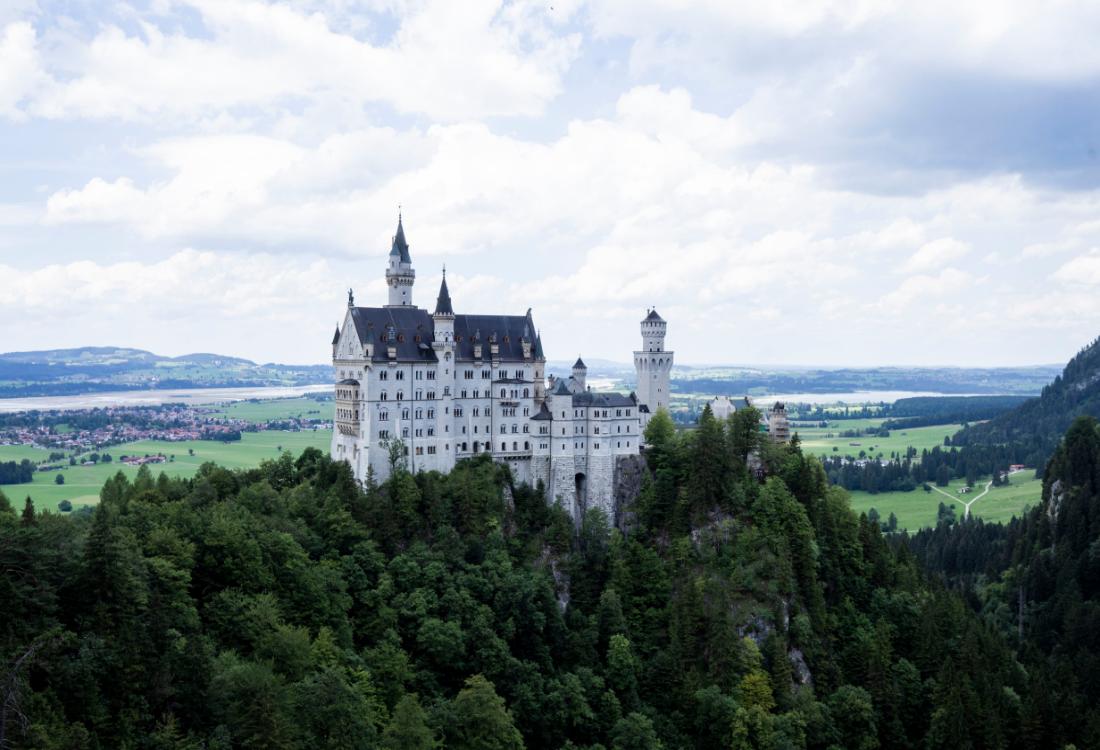
Overview: Perched atop a rugged hill in the Bavarian Alps, Neuschwanstein Castle looks as if it has stepped straight out of a storybook. Commissioned in the 19th century by King Ludwig II of Bavaria, this whimsical palace combines Romanesque, Gothic, and Byzantine architectural influences, resulting in soaring towers, delicate turrets, and ornate interiors. Often cited as the inspiration for Disney’s Sleeping Beauty Castle, Neuschwanstein is as much a monument to imagination as it is to history, captivating travelers with its dreamlike presence amidst Alpine scenery.
Where: Neuschwanstein Castle is located near the village of Hohenschwangau, in southern Bavaria, Germany, roughly a two-hour drive from Munich. The surrounding region includes the quaint town of Füssen and the scenic Alpsee lake, both ideal for combining cultural exploration with natural beauty.
Top Highlights
Approach and Panorama: The journey to the castle begins along winding mountain paths. As visitors ascend, the castle gradually emerges above the forested slopes, framed by rugged cliffs and distant Alpine peaks. The views from Marienbrücke bridge are particularly spectacular, offering sweeping vistas of the castle and the Hohenschwangau valley below.
Interior Splendor: Inside, Neuschwanstein dazzles with richly decorated rooms that reflect King Ludwig II’s romantic vision. The Throne Hall, adorned with intricate murals and gilded embellishments, and the Singers’ Hall, echoing with echoes of medieval operas, showcase the king’s fascination with art, music, and legend. Every chamber reveals lavish details, from ornate chandeliers to intricately carved furniture.
King Ludwig II’s Chambers: Explore the private rooms of the king, including his bedroom, complete with ornate wood carvings and murals depicting legends of Germanic heroes. These spaces provide an intimate glimpse into Ludwig’s reclusive personality and his obsession with medieval tales.
Courtyards and Towers: Wander through the castle’s courtyards and climb towers to capture unique perspectives of the palace’s architecture and the surrounding Alps. Each turret and spire seems meticulously designed to harmonize with the rugged terrain, creating a sense of whimsical integration with nature.
Alpine Surroundings: Beyond the castle itself, the surrounding landscapes are a highlight. Hike along trails through forests and past glacial lakes like Alpsee and Schwansee. The vistas of verdant valleys, sparkling waters, and snow-capped mountains enhance the fairytale ambiance.
Photographic Opportunities: Every angle of Neuschwanstein is picture-perfect. The classic shot from Marienbrücke captures the full fairy-tale silhouette against the valley below, while aerial perspectives from higher trails reveal the castle nestled amid the dramatic Alpine scenery. Sunrise and sunset cast magical light, intensifying the castle’s dreamlike aura.
Practical Tips: Purchase tickets in advance, especially during peak tourist season, to avoid long lines. Wear comfortable shoes for walking the steep paths and exploring the grounds. Consider combining your visit with Hohenschwangau Castle or a boat ride on Alpsee for a full-day excursion. Guided tours enhance understanding of the castle’s history and Ludwig II’s visionary imagination.
Cost: Admission to Neuschwanstein Castle is around €15–€20 for adults, with discounts for youth, students, and seniors. Guided tours are included in the ticket price. Additional costs may include shuttle buses to the castle, horse-drawn carriage rides, and parking fees.
Iconic Photo Spot: Marienbrücke (Mary’s Bridge) offers the quintessential view of Neuschwanstein Castle, spanning the gorge below and capturing the full grandeur of the turrets and towers. For a broader perspective, hiking up nearby trails provides panoramic vistas of both the castle and the surrounding Alpine valleys.
Final Word: Neuschwanstein Castle is more than a Bavarian landmark—it’s a testament to imagination, artistry, and romantic vision. Whether admired from the bridge, explored inside, or viewed across the Alpine landscape, this fairytale fortress enchants travelers of all ages and reminds us of the enduring power of dreams made concrete in stone.
5.) Vatican Voyage: Unveiling Sacred Beauty in the Heart of Rome
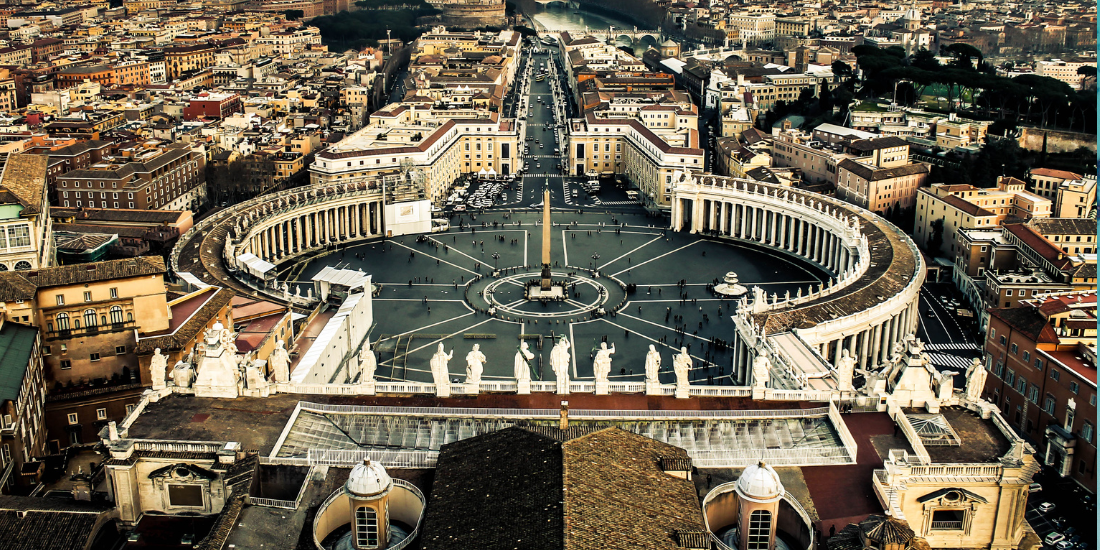
Overview: Nestled within the city of Rome, Vatican City is the spiritual and administrative heart of the Roman Catholic Church and the world’s smallest independent state. From the grandeur of St. Peter’s Basilica to the priceless treasures of the Vatican Museums and the Sistine Chapel, the Vatican is a repository of faith, art, and history. Its walls hold centuries of religious devotion, artistic genius, and architectural mastery, offering travelers a profound glimpse into both the sacred and the sublime.
Where: Vatican City is an independent city-state enclaved within Rome, Italy. Its central location makes it easily accessible from the heart of the Eternal City, with major sites concentrated around St. Peter’s Square.
Top Highlights
St. Peter’s Basilica: The pinnacle of Vatican architecture, St. Peter’s Basilica is a Renaissance masterpiece with an awe-inspiring dome designed by Michelangelo. Step inside to behold ornate chapels, marble floors, and iconic artworks like Bernini’s Baldachin and Michelangelo’s Pietà. The climb to the dome rewards visitors with sweeping panoramic views of Rome and St. Peter’s Square below.
St. Peter’s Square: Designed by Gian Lorenzo Bernini, the square is an architectural marvel framed by elegant colonnades that embrace visitors in a sense of grandeur. Witnessing the square filled with pilgrims and tourists alike gives a sense of the Vatican’s global significance and the devotion it inspires.
Vatican Museums: Home to one of the world’s most extensive art collections, the Vatican Museums house treasures from ancient sculptures to Renaissance masterpieces. Galleries such as the Gallery of Maps, Raphael Rooms, and the modern religious art collections showcase the breadth and depth of human creativity curated over centuries.
Sistine Chapel: Perhaps the Vatican’s most famous gem, the Sistine Chapel is celebrated for Michelangelo’s breathtaking ceiling frescoes, including the iconic Creation of Adam. The vibrant colors, intricate details, and spiritual narratives captivate all who enter, making it a pinnacle of artistic achievement.
Vatican Gardens: A lesser-known treasure, the Vatican Gardens offer serene pathways, lush greenery, and beautifully landscaped terraces. Accessible only via guided tours, they provide a quiet escape from the bustling city and a glimpse into the private, meditative spaces of the Vatican.
Apostolic Palace: While many areas are restricted, glimpsing the Apostolic Palace—the official residence of the Pope—adds context to the living traditions and governance of the Catholic Church. Special tours occasionally allow access to select areas, offering unique insights into Vatican life.
Practical Tips: Book tickets in advance, especially for the Vatican Museums and Sistine Chapel, to avoid long queues. Dress modestly, covering shoulders and knees, as a sign of respect within religious sites. Allow ample time to explore both the museums and basilica, as rushing can diminish the experience. Guided tours or audio guides enhance understanding of the historical, religious, and artistic significance of the sites.
Cost: General admission to the Vatican Museums is around €17–€25 per adult, with discounts for students and children. St. Peter’s Basilica is free to enter, though access to the dome costs approximately €10. Guided tours vary widely, generally ranging from €30 to €80 depending on duration and inclusions.
Iconic Photo Spot: Capture the majesty of St. Peter’s Square from the steps of the basilica, where the colonnades frame the expansive plaza. The view from the dome is another must for panoramic shots of Vatican City and the rooftops of Rome. Inside the Sistine Chapel, photography is prohibited, but the visual memory of Michelangelo’s ceiling remains unforgettable.
Final Word: Vatican City is more than a destination—it’s a living museum of faith, history, and art. From the soaring architecture to the masterpieces housed within its walls, every corner tells a story of devotion, creativity, and human achievement. A visit here is both a spiritual journey and an exploration of some of humanity’s greatest artistic triumphs.
6.) Oktoberfest Odyssey: Imbibing the Spirit of Bavarian Revelry
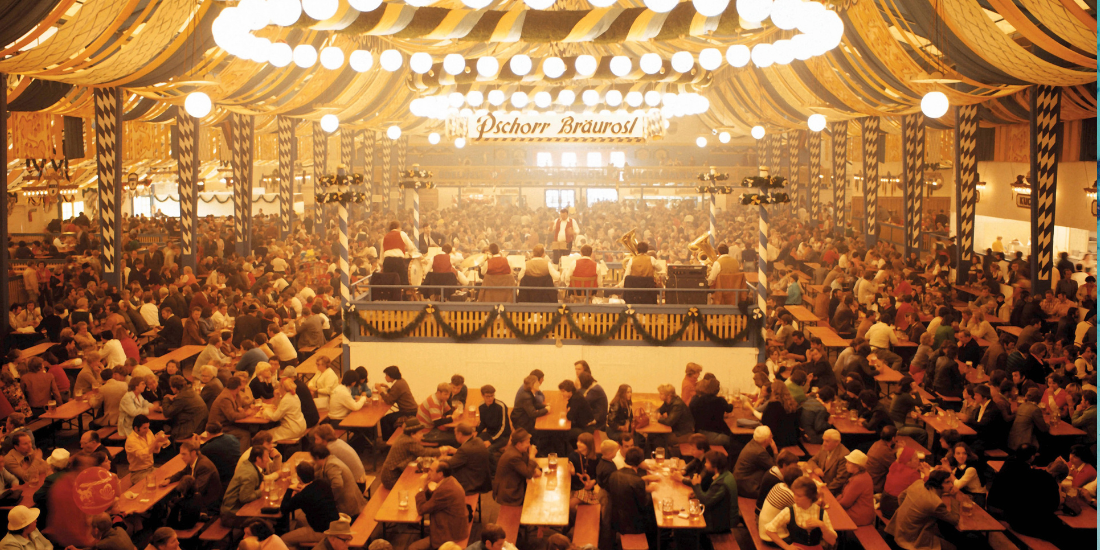
Overview: Each fall, Munich transforms into a global celebration of Bavarian culture, where traditions, music, and beer collide in one of the world’s most iconic festivals: Oktoberfest. Dating back to 1810, this legendary event draws millions of revelers to the heart of Bavaria, eager to experience hearty cuisine, lively polka, and, of course, world-class brews. Oktoberfest is not just a festival—it’s an immersive experience that captures the essence of Bavarian hospitality, cheer, and conviviality.
Where: Oktoberfest takes place at Theresienwiese, a large open space in central Munich, Germany. The festival runs for about 16–18 days, typically from late September to the first weekend in October, providing ample time for both first-timers and returning enthusiasts to soak in the festivities.
Top Highlights
The Beer Tents: Oktoberfest is synonymous with its enormous beer tents, each with its own character, ambiance, and specialty brews. From the grand Hofbräu-Festzelt, known for lively sing-alongs, to the cozy Schottenhamel tent where the first keg is ceremoniously tapped, each tent offers an authentic Bavarian drinking experience.
Traditional Bavarian Cuisine: Beyond beer, the festival is a feast for the senses. Sample roast chicken (Hendl), pork knuckles (Schweinshaxe), pretzels, sausages, and regional delicacies. Sweet treats like gingerbread hearts (Lebkuchenherzen) and apple strudel complete the culinary journey.
Music and Dance: Live bands fill the tents with traditional oompah music, setting the rhythm for dancing, singing, and communal cheer. Performers don traditional attire, and festival-goers often join in, creating an infectious atmosphere of joy and togetherness.
Parades and Costume Displays: Oktoberfest isn’t confined to the tents. Colorful parades showcase Bavarian pageantry, with locals in traditional dirndls and lederhosen, horse-drawn beer wagons, and marching bands. These lively processions highlight the cultural heritage that makes Oktoberfest unique.
Carnival Rides and Games: Beyond food and drink, Oktoberfest is a full-fledged amusement festival. Ferris wheels, roller coasters, carousels, and shooting galleries provide entertainment for visitors of all ages, adding a playful contrast to the boisterous beer halls.
Family Days: While famous for its beer, Oktoberfest also offers family-friendly experiences. Special discounted days, quieter tents, and children’s rides ensure that the festival remains accessible and enjoyable for all members of the family.
Practical Tips: Arrive early, especially if you want a table inside popular tents—reservations are recommended. Dress in traditional Bavarian attire if you wish to immerse fully in the experience. Bring cash, as some smaller vendors may not accept cards. Pace yourself when sampling beers, and enjoy plenty of water and hearty food between steins.
Cost: Entry to Oktoberfest is free, but beers typically cost between €12–€15 per liter depending on the tent, and meals range from €10–€25. Reserved seating for tents may require additional fees. Carnival rides and attractions are priced separately, usually a few euros per ride.
Iconic Photo Spot: Capture the essence of Oktoberfest from inside a bustling tent, with golden steins raised in unison, or photograph the grand parade featuring colorful floats and traditional costumes. The Ferris wheel at sunset offers a panoramic view of the sprawling festival grounds.
Final Word: Oktoberfest is a celebration of life, Bavarian style. Whether you come for the beer, the music, the food, or the rich cultural traditions, the festival offers an unparalleled experience of joy, community, and revelry. Stepping into Oktoberfest is stepping into a centuries-old tradition that continues to unite locals and visitors alike in the spirit of Bavarian cheer.
7.) Acropolis Adventure: Unveiling Ancient Splendor in Athens, Greece
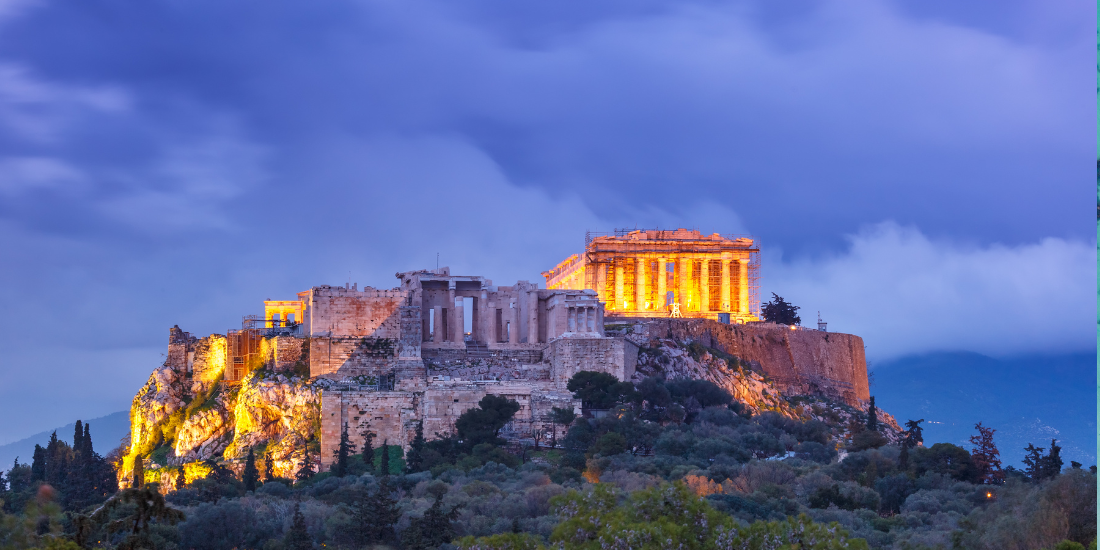
Overview: Perched above the bustling city of Athens, the Acropolis is an enduring symbol of ancient Greek civilization, philosophy, and art. Dominating the skyline with its classical columns and iconic Parthenon, this UNESCO World Heritage Site tells the story of a city that was once the cradle of democracy, theater, and monumental architecture. Visiting the Acropolis is not just a journey through ruins—it’s a step back into a world that shaped Western thought and continues to inspire awe nearly 2,500 years later.
Where: The Acropolis sits on a rocky hill rising 150 meters above the center of Athens, Greece. The site is easily accessible from Plaka, the historic neighborhood at its base, which offers a charming network of streets, cafes, and souvenir shops for visitors to explore before or after their climb.
Top Highlights
The Parthenon: The centerpiece of the Acropolis, the Parthenon is a temple dedicated to Athena, the city’s patron goddess. Its massive Doric columns, intricate metopes, and sculpted friezes showcase the height of classical Greek artistry. Standing within its shadow, visitors are struck by the precision, proportion, and enduring majesty of this architectural masterpiece.
Erechtheion and the Porch of the Caryatids: This temple, slightly off to the north side, is famous for the Porch of the Caryatids—six elegant female figures serving as structural supports. The Erechtheion’s asymmetrical design and storied history add depth to the Acropolis’s architectural narrative.
Propylaea: The grand entrance to the Acropolis, the Propylaea is a gateway of marble and columns that sets a ceremonial tone for the visit. Passing through it evokes the feeling of stepping into a sacred precinct, linking the modern city below to the ancient world above.
Temple of Athena Nike: This small yet elegant temple celebrates victory and is perched on a bastion overlooking the city. Its friezes and sculptural details offer a glimpse into religious and artistic practices of classical Athens.
Odeon of Herodes Atticus: Dating to 161 AD, this semi-circular stone theater still hosts performances today. Its acoustics and dramatic backdrop provide insight into the cultural life of ancient Athens and the enduring influence of Greek theater.
Panoramic Views: The Acropolis provides sweeping vistas over Athens, with the Aegean Sea in the distance on clear days. From these heights, the juxtaposition of ancient ruins and modern city life underscores the continuum of Greek history.
Practical Tips: Arrive early in the morning or late afternoon to avoid crowds and the midday heat. Wear sturdy walking shoes, as the marble pathways can be uneven and slippery. Bring water, sunscreen, and a hat. Hiring a knowledgeable guide enhances the experience, providing context for the myths, politics, and artistry embedded in the ruins.
Cost: Entry to the Acropolis is around €20 for adults, with discounts for students and seniors. A combined ticket including other Acropolis sites, such as the Ancient Agora and the Roman Agora, costs about €30–€35. Guided tours vary depending on duration and group size.
Iconic Photo Spot: Capture the Parthenon from the southeast corner, where its columns align perfectly with the cityscape behind. For panoramic shots, climb nearby Filopappou Hill, which offers a stunning view of the Acropolis framed against the Athens skyline.
Final Word: The Acropolis is more than a collection of ancient ruins—it’s a testament to human ingenuity, cultural ambition, and the timeless pursuit of beauty and knowledge. Standing among its temples and theaters, visitors experience a profound connection to the past, leaving with a deeper appreciation for the civilization that laid the foundation for much of Western culture.
8.) Sagrada Família Sojourn: Discovering Architectural Marvels in Barcelona, Spain
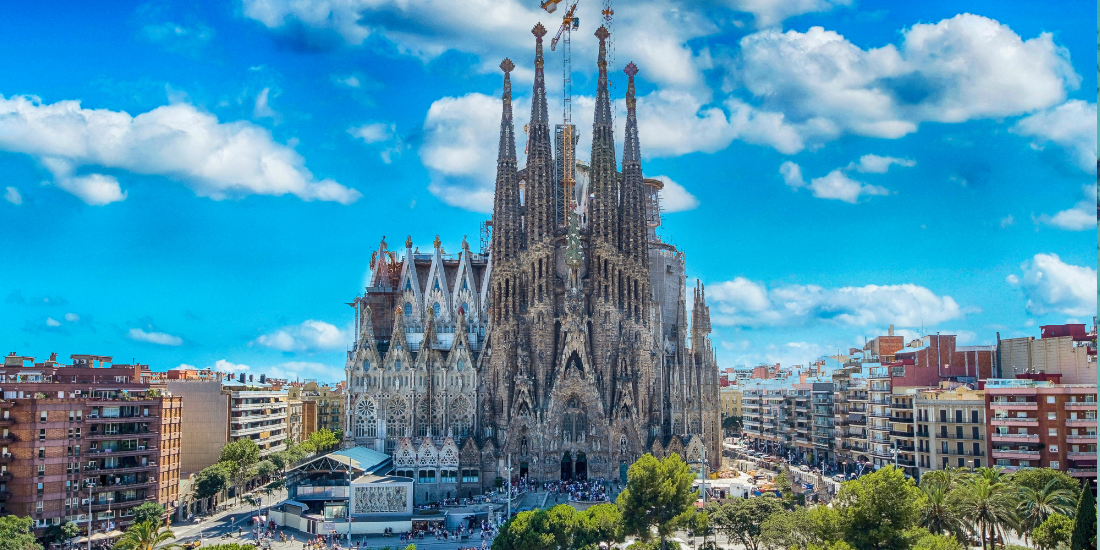
Overview: Rising like a surreal cathedral from the heart of Barcelona, the Sagrada Família is one of the most extraordinary architectural creations in the world. Designed by the visionary Antoni Gaudí, construction began in 1882 and continues to this day, blending Gothic traditions with organic, nature-inspired forms. Its soaring spires, intricate façades, and kaleidoscopic stained glass make the basilica not only a place of worship but also a living canvas of artistry, imagination, and devotion. Visiting the Sagrada Família is a journey into the mind of a genius who transformed stone into storytelling.
Where: Located in the Eixample district of Barcelona, Spain, the Sagrada Família is easily accessible by metro, bus, and tram. Its central location allows visitors to combine a visit with nearby attractions such as Park Güell, Passeig de Gràcia, and the bustling streets of the Gothic Quarter.
Top Highlights
Nativity Façade: The east-facing façade is Gaudí’s celebration of life and creation. Elaborate sculptures depict scenes from the birth of Christ, angels, and natural motifs, capturing the harmony between the divine and the natural world. The detailing invites visitors to pause, study, and marvel at each carved element.
Passion Façade: In stark contrast, the west-facing Passion Façade portrays the suffering and death of Christ. Its angular, austere figures evoke emotion and reflection, showcasing Gaudí’s ability to use architectural forms to tell a dramatic, human story.
Interior Columns and Vaulting: Inside, the forest of tree-like columns soars toward a vaulted ceiling that filters light through stunning stained-glass windows. The colors shift with the day, casting rainbows across the floors and walls, creating a spiritual and almost otherworldly atmosphere.
Stained Glass Spectacle: The vibrant stained-glass windows are designed not only for beauty but also for illumination. Morning light brings warm oranges and reds, while the afternoon transforms the nave into a cool palette of blues and greens, highlighting Gaudí’s genius in manipulating natural light.
Towers and Panoramic Views: Visitors can ascend select towers for sweeping views over Barcelona. From above, the intricate patterns of the city, the Mediterranean coastline, and Gaudí’s urban vision unfold in a breathtaking panorama.
Crypt and Museum: The Sagrada Família Museum provides insight into Gaudí’s life, sketches, models, and construction techniques. The crypt below the church, where Gaudí himself is buried, offers a quieter, contemplative experience.
Practical Tips: Book tickets in advance to avoid long lines, especially during peak tourist seasons. Wear comfortable shoes for walking and climbing towers, and bring a hat and water for sunny days. Modest attire is recommended when entering the basilica, as it remains an active place of worship.
Cost: General admission to the Sagrada Família starts at approximately €26–€30 USD. Tower access is an additional €8–€12, while guided tours and audio guides range from €15 to €35, depending on language and duration. Combination tickets with the museum and towers are also available.
Iconic Photo Spot: Capture the Nativity Façade from the adjacent plaza at sunrise for dramatic light and shadow contrasts. Inside, the nave is perfect for vertical shots highlighting the soaring columns and stained-glass reflections. Exterior shots from Avinguda de Gaudí also frame the basilica with the city streets leading the eye toward the spires.
Final Word: The Sagrada Família is more than an architectural wonder—it’s an evolving testament to human creativity, faith, and perseverance. Experiencing its grandeur, both inside and out, leaves visitors with a profound appreciation for Gaudí’s vision and the enduring spirit of Barcelona, where art, architecture, and devotion converge in stone and light.
9.) Norwegian Fjord Expedition: Immersing in Nature’s Grandeur
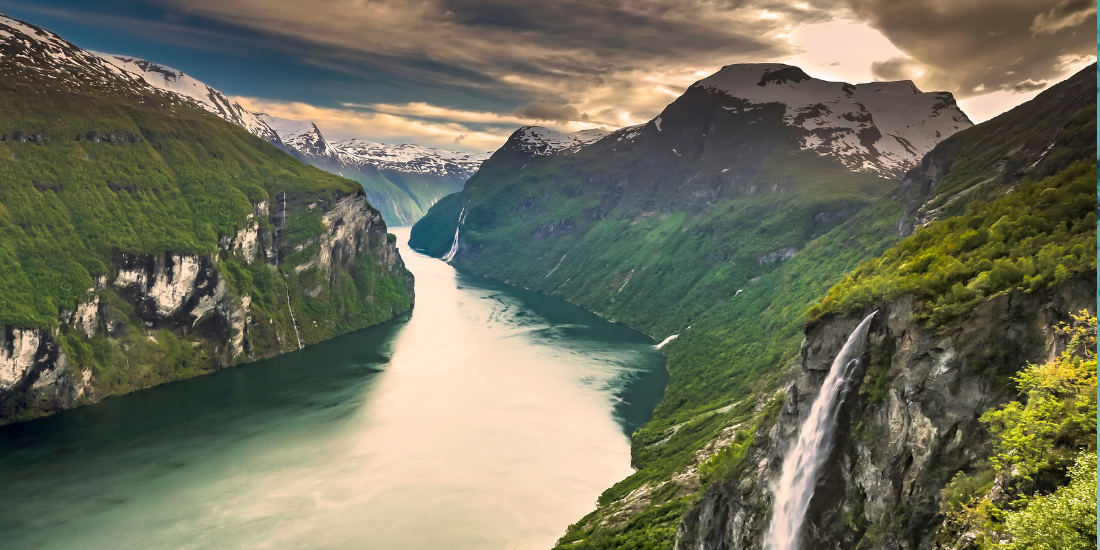
Norwegian Fjord Expedition: Immersing in Nature’s Grandeur
Overview: Carved over millennia by glaciers and rivers, Norway’s fjords are among the planet’s most breathtaking natural wonders. Towering cliffs, cascading waterfalls, and tranquil waters create a landscape that feels simultaneously dramatic and serene. Embarking on a fjord expedition is more than sightseeing—it’s an immersion into a living canvas where geology, wildlife, and culture converge in stunning harmony. Whether gliding along the water, hiking above the cliffs, or exploring quaint villages, Norway’s fjords offer an unforgettable encounter with raw, unspoiled beauty.
Where: The fjords of western Norway stretch from Bergen northward, with iconic destinations including the UNESCO-listed Nærøyfjord, Sognefjord, and Geirangerfjord. Bergen, Ålesund, and Flam serve as popular gateways for cruises, kayak trips, and hiking adventures.
Top Highlights
Cruising the Fjords: The quintessential fjord experience is aboard a scenic cruise. From the deck, sheer rock walls rise dramatically on either side, waterfalls spill from dizzying heights, and small villages dot the shoreline. The calm, deep waters reflect the surrounding peaks, creating mirror-like vistas perfect for photography.
Hiking Trails with Panoramic Views: Trails like the hike to Pulpit Rock (Preikestolen) or Trolltunga reward trekkers with jaw-dropping panoramas of fjords below. Each path offers unique perspectives—towering cliffs, hidden coves, and the interplay of light and shadow across the water.
Waterfall Wonders: Norway’s fjords are punctuated by majestic waterfalls. The Seven Sisters in Geirangerfjord and Kjosfossen near the Flåm Railway are spectacular displays of nature’s power and grace, often accompanied by rainbows in the mist.
Kayaking Adventures: For a more intimate connection with the fjords, kayaking lets visitors glide silently through narrow inlets, past cliffs and waterfalls, and even beneath cascading streams. Paddling offers a close-up view of wildlife and the serene atmosphere of these hidden corners.
Wildlife Encounters: The fjords are home to a variety of wildlife. Seals often lounge on rocky outcrops, sea eagles soar above, and, in deeper waters, porpoises or whales may appear. Birdwatchers will delight in spotting puffins, cormorants, and other seabirds along the cliffs.
Village Life and Cultural Experiences: Quaint fjord-side villages like Flåm, Gudvangen, and Bergen offer insights into Norwegian culture. Wooden stave churches, traditional fishing practices, and local cuisine—including freshly caught seafood—add depth to the natural exploration.
Practical Tips: Bring layered clothing suitable for unpredictable fjord weather, including waterproof jackets and sturdy footwear for hiking. Binoculars and a camera with zoom capabilities enhance wildlife spotting and landscape photography. Book cruises and guided excursions in advance, especially during peak summer months.
Cost: Fjord cruises vary widely: short sightseeing trips start around €40–€50, while multi-day expeditions with meals and excursions can range from €200 to €600 per person. Hiking is generally free, but guided tours or kayak rentals are additional costs. Accommodation in fjord towns ranges from €50 per night in hostels to €200–€400 in boutique hotels or lodges.
Iconic Photo Spot: Pulpit Rock offers arguably the most famous fjord panorama, overlooking Lysefjord. Geirangerfjord’s Seven Sisters waterfall is a perfect backdrop for dramatic shots, while a cruise along Nærøyfjord captures the quintessential fjord reflection in calm waters. Sunrise and sunset light enhance every image with magical hues.
Final Word: Norway’s fjords are a masterclass in natural grandeur. From towering cliffs and cascading waterfalls to serene waters and charming villages, every moment immerses travelers in a landscape that feels both timeless and alive. Experiencing the fjords is to witness nature at its most spectacular—a journey that leaves the soul invigorated and the memory card full.
10.) Highland Odyssey: Embracing the Majestic Beauty of Scotland’s Highlands
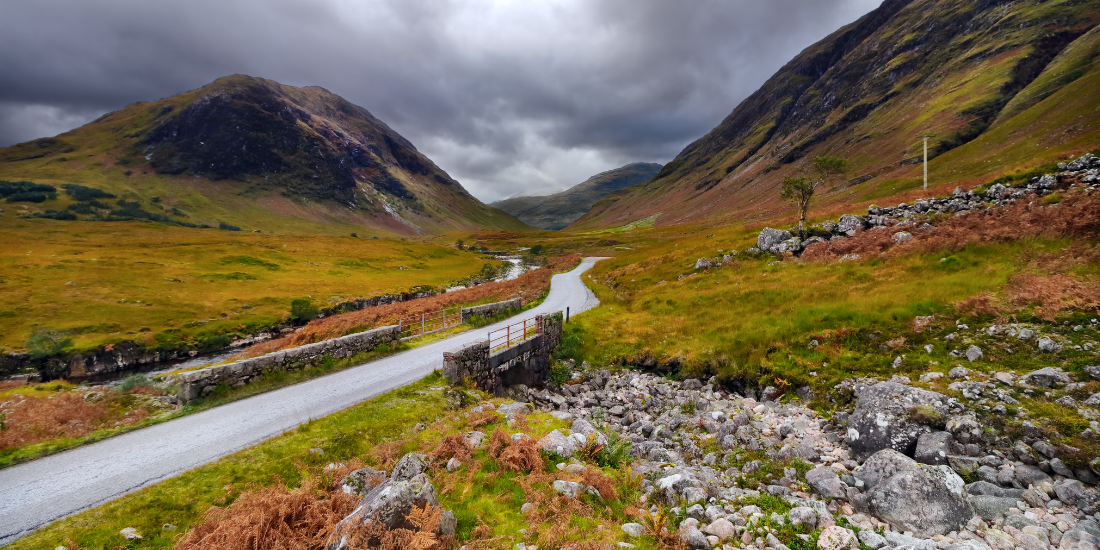
Overview: Scotland’s Highlands are a land where rugged mountains, misty lochs, and windswept glens converge into a landscape of epic drama and serene beauty. From ancient castles perched on cliffs to remote villages tucked into valleys, the Highlands offer a journey into both natural splendor and centuries of history. Whether hiking along heather-clad trails, cruising through deep lochs, or tracing the paths of clans past, the Highlands immerse travelers in a timeless wilderness that is as inspiring as it is untamed.
Where: The Scottish Highlands cover the northern third of Scotland, with key hubs including Inverness, Fort William, and Aviemore. Famous regions include Loch Ness, Glencoe, the Isle of Skye, and the Cairngorms National Park, each offering unique landscapes and experiences.
Top Highlights
Loch Ness and its Mysteries: No Highland journey is complete without visiting the legendary Loch Ness. Beyond the tales of the elusive Nessie, the loch is surrounded by dramatic scenery—steep hills, dense forests, and historic ruins like Urquhart Castle, which offers panoramic views across the water.
Glencoe: A Valley of Legends: Glencoe’s towering peaks and sweeping valleys are synonymous with both natural beauty and history. Hiking or driving through this iconic glen reveals waterfalls, rugged ridges, and the haunting remnants of the 1692 Massacre of Glencoe, giving the landscape a deeply emotional resonance.
Isle of Skye: A jewel in the Highlands, Skye is famed for the Quiraing landslip, the Old Man of Storr, and the Fairy Pools. Its dramatic cliffs, cascading waterfalls, and hidden lochs provide endless exploration opportunities for photographers, hikers, and adventurers alike.
Cairngorms National Park: Scotland’s largest national park offers a blend of mountains, forests, and rivers. Wildlife enthusiasts can spot red deer, golden eagles, and Scottish wildcats, while hikers and skiers enjoy trails, slopes, and scenic viewpoints across this vast wilderness.
Historic Castles and Clan Heritage: The Highlands are dotted with castles and historic estates, from Eilean Donan perched on a tidal island to Inverness Castle overlooking the city. Visiting these sites reveals stories of clans, battles, and centuries of Scottish history intertwined with the landscape.
Adventure Activities: Outdoor enthusiasts can engage in hiking, mountain biking, kayaking, and even whisky tours. Whether climbing Ben Nevis, Scotland’s highest peak, or exploring hidden lochs by canoe, the Highlands offer an array of exhilarating experiences.
Practical Tips: Weather can be unpredictable—dress in layers, wear waterproof clothing, and sturdy walking shoes. Renting a car provides flexibility for exploring remote areas. Bring binoculars for wildlife spotting and a camera to capture dramatic vistas. Summer months offer the most accessible conditions, but the Highlands are enchanting year-round.
Cost: Travel in the Highlands can be tailored to any budget. Accommodation ranges from cozy B&Bs around €50 per night to luxury lodges exceeding €300. Guided tours, castle entries, and adventure activities add to costs, typically between €20–€100 per experience. Food and transport vary, with self-catering or pub meals being affordable, while fine dining and specialty tours carry higher prices.
Iconic Photo Spot: The view of Eilean Donan Castle framed by Loch Duich is one of Scotland’s most photographed scenes. The Quiraing on Skye provides dramatic cliffs and rolling hills ideal for sunrise and sunset shots, while Glencoe’s sweeping valleys capture the raw essence of the Highlands.
Final Word: Scotland’s Highlands are an invitation to explore a land where nature, history, and legend intertwine. Every loch, mountain, and glen tells a story, and every turn offers a new vista to marvel at. Traversing the Highlands is more than a journey—it’s an immersion into a world of majestic beauty, enduring culture, and unforgettable adventure.
11.) Legends Etched in Stone: A Visual Tale of Giant’s Causeway, Northern Ireland
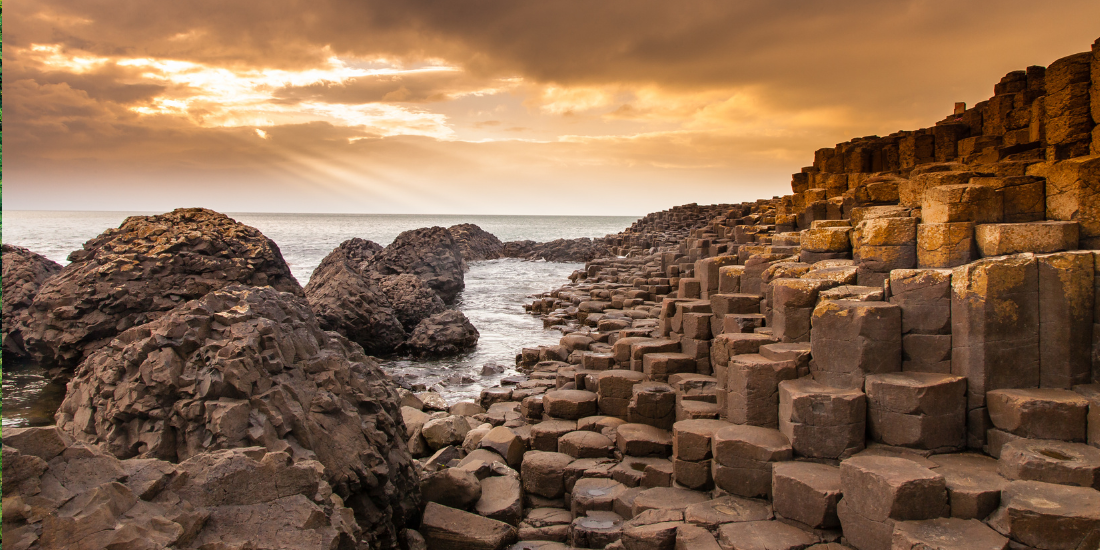
Overview: The Giant’s Causeway is a geological wonder that seems plucked from myth, where thousands of interlocking basalt columns rise like a pathway from the sea. Formed over 60 million years ago by volcanic activity, the site has long inspired folklore, most famously the legend of the giant Finn MacCool, who is said to have built the causeway to challenge a Scottish rival. Today, visitors are drawn not only to its scientific significance but also to its otherworldly beauty and the stories etched into every stone.
Where: The Giant’s Causeway is located on the northeast coast of Northern Ireland, near the town of Bushmills in County Antrim. It sits within a UNESCO World Heritage Site and is managed by the National Trust, providing visitor facilities, walking paths, and interpretive displays.
Top Highlights
The Basalt Columns: The hexagonal columns are the defining feature, with over 40,000 individual stones ranging from small steps to towering pillars. Walking across them feels like stepping onto the set of a fantastical landscape, where nature’s geometry takes center stage.
Legend of Finn MacCool: The local lore enriches the experience. According to legend, Finn MacCool constructed the causeway to cross the North Channel and confront a Scottish giant. The tale adds a playful and mystical layer, making the visit as much about imagination as geology.
Cliffs and Coastal Views: Surrounding the columns are dramatic cliffs that rise sharply from the Atlantic Ocean. Walking along cliff-top paths offers panoramic views of the rugged coastline, sea stacks, and crashing waves, providing perfect vantage points for photography and reflection.
The Visitor Centre: A modern facility blends seamlessly with the landscape, offering interactive exhibits on the geological formation, local wildlife, and myths of the area. It also provides maps, guided tours, and insights into conservation efforts.
Nature Trails and Wildlife: Several walking trails extend from the causeway into the surrounding coastal landscape. Along these paths, visitors can spot seabirds, wildflowers, and occasional seals in the waters below, adding a dynamic natural element to the adventure.
Sunset and Photography Opportunities: The Giant’s Causeway is particularly magical during golden hour. The warm glow highlights the textures of the basalt columns and casts long shadows across the stones, creating a surreal and photogenic landscape.
Practical Tips: Wear sturdy shoes, as the rocks can be slippery, especially when wet. Bring a waterproof jacket, binoculars, and a camera. The site is exposed to wind and rain, even in summer, so dress in layers. Arriving early helps avoid crowds and provides more serene conditions for photography and contemplation.
Cost: Entry to the Giant’s Causeway Visitor Centre is approximately £13 per adult, with discounts for children, students, and families. Guided tours are available for an additional fee, though exploring the columns themselves is included in the admission price. Parking and refreshments are available on-site.
Iconic Photo Spot: The classic view of the hexagonal columns stretching toward the sea is best captured from the eastern end of the causeway. For dramatic coastal shots, head to the cliff paths above, where the Atlantic waves and jagged cliffs provide a cinematic backdrop.
Final Word: The Giant’s Causeway is more than a natural wonder—it’s a place where science and legend coexist. Each column tells a story of fire, time, and imagination, and each vista reminds visitors of the raw beauty of Northern Ireland’s coast. Standing on these stones, with the Atlantic wind at your back, it’s easy to feel connected to both the ancient earth and the enduring myths that continue to inspire awe.
12.) A Renaissance Reverie: Capturing Florence’s Artistic Tapestry
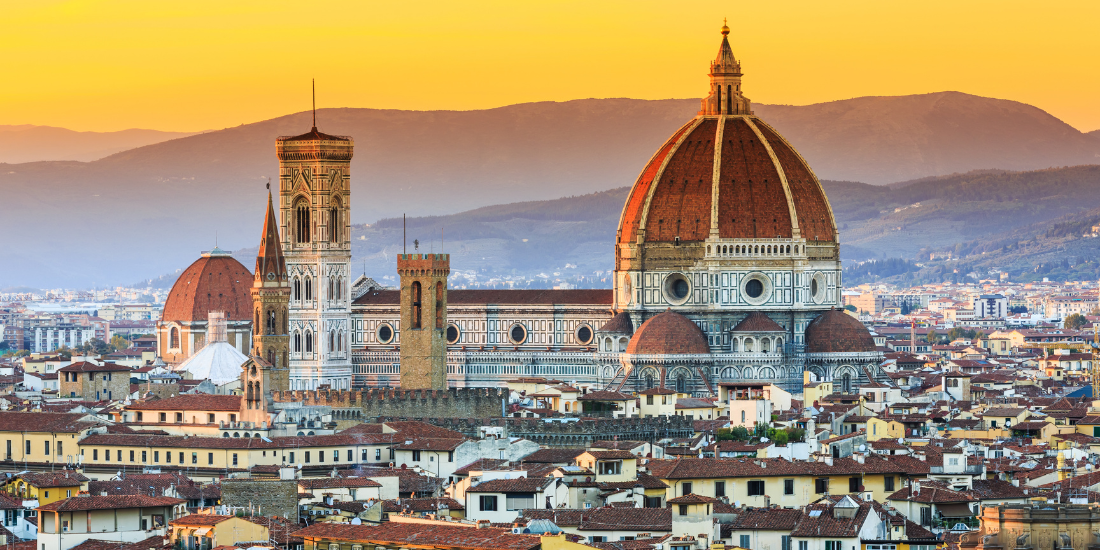
Overview: Florence, the cradle of the Renaissance, is a city where art, architecture, and history intertwine at every corner. From the soaring domes of its cathedrals to the intimate beauty of its galleries, Florence is a living museum that has inspired generations of artists and thinkers. Walking its streets, visitors are immersed in centuries of creativity, where masterpieces by Michelangelo, Botticelli, and Leonardo da Vinci coexist with charming piazzas, artisan workshops, and timeless Italian culture.
Where: Florence is located in the heart of Tuscany, northern-central Italy, along the Arno River. Its historic center, a UNESCO World Heritage Site, is compact and walkable, making it easy to explore landmarks, museums, and local markets on foot.
Top Highlights
The Duomo and Brunelleschi’s Dome: Florence’s skyline is dominated by the Cathedral of Santa Maria del Fiore and its iconic dome, engineered by Filippo Brunelleschi. Climbing to the top rewards visitors with breathtaking panoramic views of the city’s red-tiled roofs, the Arno River, and the Tuscan hills beyond.
Uffizi Gallery: Home to some of the world’s most celebrated Renaissance art, the Uffizi houses masterpieces such as Botticelli’s The Birth of Venus and Leonardo da Vinci’s Annunciation. Wandering its halls provides an intimate encounter with the genius of Florence’s artistic heritage.
Ponte Vecchio: This medieval bridge, adorned with jewelers’ shops, spans the Arno River and is a vibrant symbol of the city’s history and commerce. Strolling across it at sunset, with the river reflecting the golden light, captures the essence of Florence’s romantic charm.
Accademia Gallery: Home to Michelangelo’s David, the Accademia offers a chance to witness one of the most iconic sculptures in human history up close. Beyond David, the gallery’s collection showcases other Renaissance works that illuminate the era’s artistic evolution.
Piazzas and Street Life: Florence’s squares, such as Piazza della Signoria and Piazza del Duomo, are alive with culture, history, and bustling energy. Street performers, local artisans, and cafés combine to create a vibrant atmosphere, perfect for soaking in everyday Florentine life.
Boboli Gardens and Medici Legacy: Behind the Pitti Palace, the Boboli Gardens present a green retreat filled with sculptures, fountains, and carefully designed landscapes. This space reflects the Medici family’s influence on the city and offers both beauty and history in one stroll.
Sunset Views from Piazzale Michelangelo: For the quintessential cityscape, head to Piazzale Michelangelo. The terrace provides sweeping views of Florence’s rooftops, bridges, and domes, bathed in the warm hues of sunset—a photographer’s and romantic’s dream alike.
Practical Tips: Wear comfortable shoes for walking on cobblestone streets. Start early to avoid crowds in popular museums and galleries. Book tickets in advance for the Uffizi and Accademia to skip long lines. Bring a camera, water, and layers for changing weather.
Cost: Museum entrance fees vary—Uffizi tickets are around €20–€25, Accademia around €16. Climbing Brunelleschi’s dome costs roughly €15. Walking the city and enjoying piazzas is free. Budget for meals, gelato, and artisan shopping depending on your tastes.
Iconic Photo Spot: Capture Florence from Piazzale Michelangelo at sunset for a sweeping panorama. The view of the Duomo framed against terracotta roofs is a classic shot, while the Ponte Vecchio at golden hour offers another unforgettable perspective.
Final Word: Florence is a city that immerses visitors in the genius of the Renaissance. Every street, gallery, and piazza tells a story of creativity, passion, and history. Whether admiring a masterpiece, wandering cobblestone lanes, or watching the sun set over the Arno, Florence leaves an indelible mark on the soul of every traveler.
For a full guide on visiting Florence Click Here.
13.) Icelandic Odyssey: A land of Fire and Ice
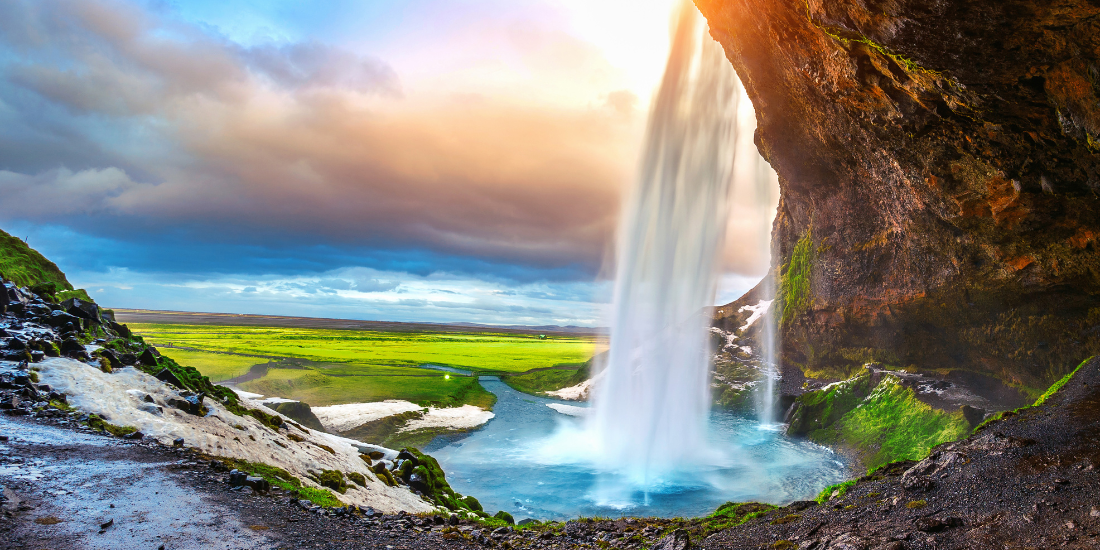
Overview: Iceland is a land where extremes coexist in dramatic harmony—volcanic fire meets icy glaciers, roaring waterfalls cascade beside black sand beaches, and geysers erupt against stark, otherworldly landscapes. Known as the “Land of Fire and Ice,” Iceland captivates adventurers, photographers, and nature lovers alike with its raw beauty and unspoiled wilderness. From geothermal springs to jagged lava fields, every corner of the island tells a story of geological wonder and natural artistry.
Where: Iceland sits on the Mid-Atlantic Ridge between North America and Europe, with Reykjavik as its capital and main gateway. Popular routes include the Ring Road, which circles the island, connecting fjords, waterfalls, volcanic craters, and glaciers, allowing visitors to explore both the highlands and coastal regions.
Top Highlights
The Golden Circle: A classic introduction to Iceland’s wonders, this route includes Þingvellir National Park, Geysir geothermal area, and Gullfoss waterfall. Þingvellir offers tectonic rift valleys and historical significance as the site of Iceland’s first parliament. Geysir’s hot springs and erupting Strokkur delight visitors, while Gullfoss showcases thunderous cascading waters in a dramatic canyon.
Reykjavik and Culture: Iceland’s capital offers a lively blend of modern culture and Nordic charm. Explore the Hallgrímskirkja church, Harpa concert hall, and local art galleries, or sample Icelandic cuisine in cozy cafés. Reykjavik serves as both a cultural hub and a launchpad for excursions into the wild.
Waterfalls and Glaciers: Iceland’s landscapes are punctuated by spectacular waterfalls like Seljalandsfoss, Skógafoss, and Dettifoss. Glaciers, such as Vatnajökull, dominate the horizon, offering opportunities for ice hiking, snowmobiling, and exploring ice caves beneath the crystal-blue ice.
Volcanic Landscapes: From the black sands of Reynisfjara to the dramatic volcanic peaks of Landmannalaugar, Iceland’s volcanic heritage is omnipresent. Geothermal areas like Hverir and Krafla display boiling mud pools, fumaroles, and mineral-streaked earth, providing a vivid contrast to the icy surroundings.
Northern Lights and Midnight Sun: Iceland’s extreme latitudes provide natural spectacles unmatched elsewhere. In winter, the aurora borealis illuminates the night sky with dancing ribbons of green, pink, and purple. In summer, the midnight sun bathes the landscape in golden light, allowing near-24-hour exploration.
Hot Springs and Relaxation: Geothermal pools and hot springs are scattered across the island, offering both relaxation and immersion in Icelandic nature. The Blue Lagoon near Reykjavik is world-famous, while hidden gems like the Secret Lagoon or Reykjadalur hot river provide more intimate encounters with soothing geothermal waters.
Highlands Adventure: The interior highlands, accessible in summer via 4x4 vehicles, reveal rugged terrain, volcanic deserts, and remote beauty. Destinations like Askja Caldera, Landmannalaugar, and Þórsmörk reward adventurers with hiking, photography, and an unparalleled sense of isolation.
Practical Tips: Dress in layers and prepare for rapidly changing weather. Waterproof clothing and sturdy hiking boots are essential. Renting a car or joining guided tours helps navigate the country’s sometimes challenging roads. Respect fragile landscapes and geothermal zones for safety and preservation.
Cost: Iceland is known for its high cost of living. Accommodation ranges from hostels at €30–€50 per night to luxury hotels exceeding €400. Entrance to natural sites is mostly free, though guided excursions and tours vary from €50 to €300 depending on activity and season. Dining out is expensive, so budget accordingly.
Iconic Photo Spot: Capture Seljalandsfoss from behind the waterfall for a unique perspective, or photograph the black sand beach of Reynisfjara with its basalt columns and Atlantic waves. The northern lights over a snow-covered landscape or the sweeping vista of Jökulsárlón glacier lagoon are other unforgettable shots.
Final Word: Iceland is a land of contrasts, where fire and ice coexist in breathtaking beauty. Every waterfall, glacier, volcano, and hot spring tells a story of nature’s power and artistry. Whether chasing the aurora, hiking volcanic landscapes, or soaking in geothermal pools, Iceland delivers experiences that are both humbling and unforgettable—a true odyssey in the raw heart of the North.
For a full guide on visiting Iceland Click Here.
14.) Greek Island Odyssey: Cruising through Aegean Splendor
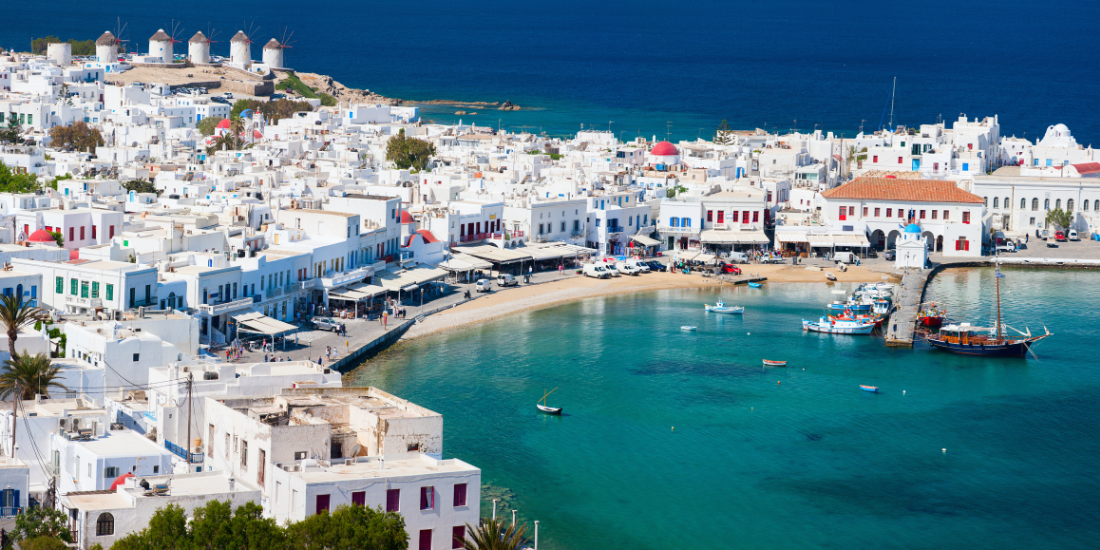
Overview: The Greek Islands are the very definition of sun-soaked romance and timeless beauty, a scattered constellation of whitewashed villages, sapphire waters, and ancient history. Cruising the Aegean Sea offers a front-row seat to this Mediterranean masterpiece, where each island tells its own story—whether through classical ruins, vibrant markets, or tranquil beaches. From the volcanic silhouettes of Santorini to the lush greenery of Corfu, island-hopping in Greece is both a feast for the eyes and a journey into the heart of Hellenic culture.
Where: The Greek Islands are divided into several groups, including the Cyclades, the Dodecanese, the Ionian, and the Sporades. Popular cruise itineraries depart from Athens’ port of Piraeus or Crete, often covering Santorini, Mykonos, Rhodes, and smaller gems along the way. Each island is accessible by ferry or private yacht, offering flexibility for exploration.
Top Highlights
Santorini Sunsets: Perhaps the most iconic of all, the sunsets of Oia are a spectacle of fiery reds and golds reflected across the caldera. Strolling through narrow cobblestone streets lined with blue-domed churches, visitors experience both romance and awe as the sky transforms over the volcanic cliffs.
Mykonos’ Vibrant Energy: Known for its cosmopolitan nightlife and charming old town, Mykonos offers a blend of boutique shopping, windmill-lined promenades, and beach parties. By day, the island’s sandy shores and azure waters invite sunbathing and swimming; by night, it becomes a hub of music, dining, and celebration.
Rhodes’ Medieval Splendor: Rhodes boasts an impressive medieval Old Town, with cobbled streets, ancient fortresses, and the Palace of the Grand Master. Exploring the island is a journey through history, where Byzantine, Ottoman, and Knights of St. John influences intertwine.
Crete’s Cultural Mosaic: Crete, Greece’s largest island, offers a diverse mix of landscapes and experiences—from the Minoan ruins of Knossos to the dramatic Samaria Gorge. Olive groves, local tavernas, and mountain villages reveal traditional Greek life, while beaches like Elafonissi showcase pristine pink sands and turquoise waters.
Hidden Gems: Islands like Naxos, Paros, and Milos offer quieter escapes, with charming villages, natural hot springs, and dramatic coastlines. Milos, with its lunar-like rock formations, is particularly popular among photographers, while Naxos boasts ancient temples and lush inland valleys.
Culinary Adventures: Greek island cuisine is an essential part of the journey. Savor fresh seafood by the sea, sample meze platters and local cheeses, and sip ouzo or chilled rosé as you watch the world go by. Markets and seaside tavernas provide an authentic taste of island life.
Island-Hopping by Sea: Cruising is the most enchanting way to experience the Aegean. Daily sailings allow visitors to wake up to new harbors, explore hidden coves, and enjoy the ever-changing hues of the Mediterranean waters. Onboard life blends relaxation with adventure, from sunbathing on deck to participating in guided excursions onshore.
Practical Tips: Book early during peak season (June–September) to secure preferred cabins and island excursions. Pack layers for cool evenings and sun protection for daytime adventures. While some islands have extensive infrastructure, others may require comfortable walking shoes and light backpacks for exploring.
Cost: Greek island cruises vary widely—from budget-friendly ferry-hopping at €50–€100 per island to luxury yacht charters exceeding €500 per day. Onboard meals, guided excursions, and premium accommodations may add to costs, but the diversity of options ensures a range for every budget.
Iconic Photo Spot: Capture the cliffside blue-and-white villages of Santorini, the windmills of Mykonos at sunset, or the medieval streets of Rhodes’ Old Town. Off the beaten path, Milos’ Sarakiniko beach with its stark white volcanic rocks against turquoise water creates a dramatic, almost lunar, image.
Final Word: Cruising the Greek Islands is more than a journey—it’s an immersion in a living mosaic of history, culture, and natural beauty. Each island offers a unique rhythm and charm, from the epic sunsets of Santorini to the serene coves of Milos. For travelers seeking sun, sea, and a touch of mythology woven into everyday life, a Greek Island Odyssey delivers an unforgettable Mediterranean adventure.
For a full guide on visiting Santorini Click Here.
15.) Russian Wonders Expedition: Unveiling Cultural Marvels in Moscow and St. Petersburg

Overview: Russia’s twin capitals, Moscow and St. Petersburg, offer a captivating blend of imperial grandeur, artistic mastery, and vibrant modern culture. From the colorful onion domes of Red Square to the gilded halls of the Hermitage, these cities showcase the country’s rich history and creative spirit. Exploring Moscow and St. Petersburg is a journey through centuries of political intrigue, architectural innovation, and cultural achievement—a window into the soul of Russia.
Where: Moscow, the nation’s bustling capital, lies in western Russia along the Moskva River, while St. Petersburg sits to the northwest on the Neva River near the Baltic Sea. High-speed trains, domestic flights, and river cruises provide convenient connections between the two cities, making a multi-city itinerary highly accessible.
Top Highlights
Red Square and the Kremlin, Moscow: At the heart of Moscow lies Red Square, flanked by the vibrant Saint Basil’s Cathedral with its kaleidoscopic onion domes, the imposing State Historical Museum, and the grand Kremlin fortress. Walking these cobbled streets, visitors encounter centuries of history, from Tsarist power to Soviet symbolism, all within striking architectural frames.
Bolshoi Theatre: Moscow’s Bolshoi Theatre is a pinnacle of performing arts. Attending a ballet or opera here is an immersive cultural experience, where opulent interiors and world-class performances merge to leave an indelible impression of Russia’s artistic excellence.
Arbat Street and Moscow Metro: For a taste of local life, stroll along the historic Arbat Street, lined with boutiques, cafés, and street performers. Complement this with a journey through the Moscow Metro, whose palatial stations, mosaics, and chandeliers are works of art in themselves.
Hermitage Museum, St. Petersburg: One of the world’s largest and most impressive art museums, the Hermitage spans multiple palaces and houses masterpieces from Da Vinci to Rembrandt. Each gallery tells a story of art, politics, and the opulence of Russian aristocracy, making it a must-see for any visitor.
Peterhof and Catherine Palace: St. Petersburg’s suburbs are dotted with grand palaces. Peterhof, often called the “Russian Versailles,” dazzles with cascading fountains and manicured gardens. At Tsarskoye Selo, the Catherine Palace amazes with its famed Amber Room, a testament to imperial extravagance and artistic mastery.
St. Isaac’s Cathedral and Church of the Savior on Spilled Blood: St. Petersburg is home to stunning churches, from the monumental dome of St. Isaac’s Cathedral to the intricate mosaics of the Church of the Savior on Spilled Blood. Each site reflects Russia’s religious and architectural heritage, offering both spiritual and aesthetic inspiration.
Neva River Cruise: Experience the cities from a different perspective by taking a cruise along the Moskva or Neva rivers. Passing beneath elegant bridges, alongside historic palaces, and past bustling embankments, travelers see the urban beauty and vibrant life that define these metropolises.
Practical Tips: Winter visits require warm clothing and careful planning for shorter daylight hours, while summer offers long days and festivals. Book tickets in advance for major attractions and performances. Guided tours can greatly enhance appreciation of Russia’s complex history and rich cultural tapestry.
Cost: Expenses vary based on travel style. Museum tickets generally range from €5–€15, guided tours €20–€50, while premium performances at the Bolshoi or Hermitage may cost €50–€200. Accommodation ranges from budget hostels to luxury hotels, providing options for every traveler.
Iconic Photo Spot: Capture the vivid domes of Saint Basil’s Cathedral against a blue Moscow sky, the golden fountains of Peterhof at sunset, or the intricate mosaics of the Church of the Savior on Spilled Blood. The Neva River at dawn or dusk offers atmospheric shots of the palaces and bridges reflecting in the water.
Final Word: Moscow and St. Petersburg are more than cities—they are living monuments to Russia’s history, culture, and creativity. From the grandeur of imperial palaces to the vibrant pulse of modern streets, the Russian Wonders Expedition offers travelers a deep, immersive journey into one of the world’s most fascinating and enigmatic countries.
For a full guide on visiting the Red Square and the Kremlin Click Here.
16.) Swiss Alps Expedition: Embarking on a Road Trip and Conquering Verzasca Dam Bungee
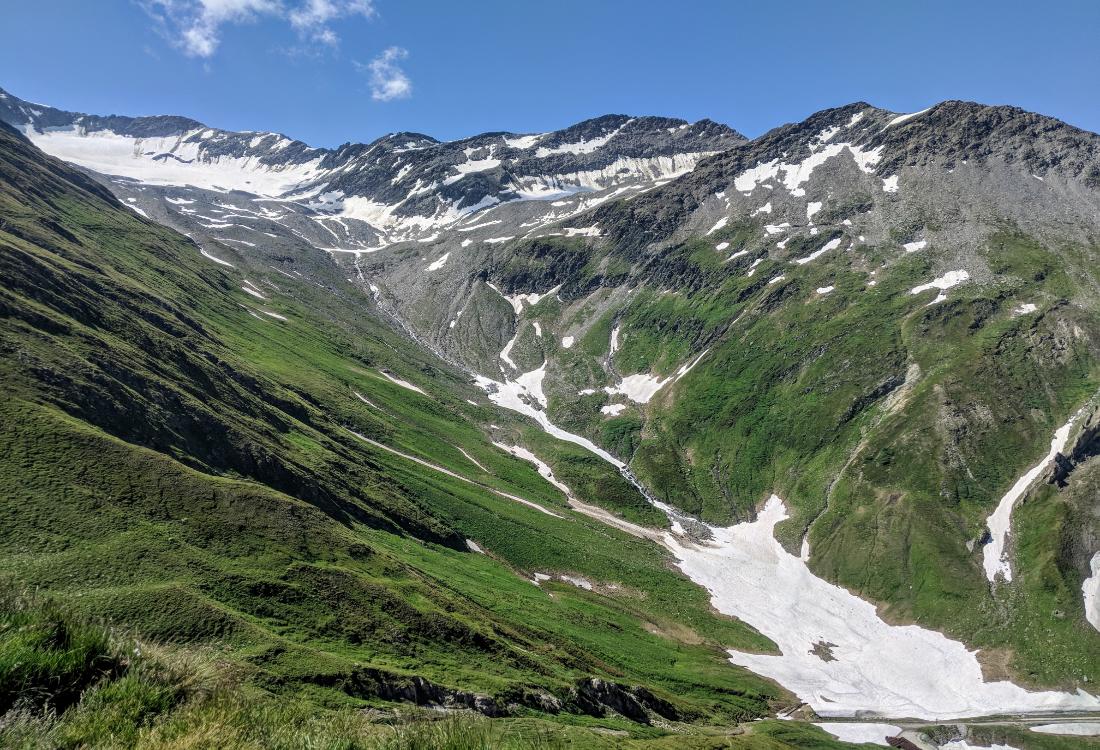
Overview: The Swiss Alps are the embodiment of rugged beauty, snow-capped peaks, and verdant valleys, offering travelers a playground of adventure and awe-inspiring scenery. A road trip through this alpine paradise reveals charming villages, winding mountain roads, and dramatic vistas at every turn, culminating in the thrill of leaping from the iconic Verzasca Dam—the birthplace of modern bungee jumping. From tranquil lakes to adrenaline-fueled heights, this expedition perfectly blends natural splendor with unforgettable adventure.
Where: The Swiss Alps span multiple cantons in Switzerland, including Valais, Ticino, Graubünden, and Bern. The Verzasca Dam, located in the picturesque canton of Ticino near the village of Locarno, is a focal point for adventure seekers. Road trips typically begin in Zurich, Geneva, or Milan (Italy), providing easy access to the alpine routes.
Top Highlights
Scenic Alpine Road Trip: Begin your journey by cruising along the winding alpine roads that offer panoramic views of towering peaks, cascading waterfalls, and crystal-clear lakes. Stops in villages like Zermatt, Lauterbrunnen, and Grindelwald allow you to soak in the local culture, sample Swiss cuisine, and capture postcard-perfect landscapes.
Lakes and Villages: The Swiss Alps are dotted with pristine lakes such as Lake Geneva, Lake Lucerne, and Lake Brienz. Each lake offers serene reflections of surrounding mountains, quaint villages, and opportunities for boat rides or lakeside picnics. Cobblestone streets, chalets adorned with flower boxes, and alpine markets enhance the charm.
Hiking and Alpine Trails: Whether short walks or multi-day treks, the trails of the Alps showcase the region’s natural beauty. Hike to viewpoints overlooking glaciers, valleys, and jagged peaks, or explore trails lined with wildflowers and pastures filled with grazing cows. Every step immerses you in the majesty of the mountains.
Verzasca Dam Bungee Jump: The highlight of any thrill-seeker’s Swiss adventure is the 220-meter Verzasca Dam jump. As you stand at the edge, the dam’s colossal face towers above the turquoise Verzasca River. The leap is both exhilarating and liberating, offering a rush of adrenaline against a backdrop of unspoiled alpine scenery. Made famous by James Bond’s GoldenEye, the dam remains a bucket-list adventure for adrenaline enthusiasts worldwide.
Mountain Villages and Swiss Cuisine: After the jump, unwind in nearby alpine villages. Sample local delicacies such as raclette, fondue, and Swiss chocolate, or sip espresso in a terrace café overlooking snow-capped peaks. These culinary stops enrich the journey with authentic tastes of Swiss culture.
Practical Tips: Driving in the Alps requires careful attention to winding roads, weather conditions, and altitude changes. Rent a reliable vehicle, ensure your camera is ready for breathtaking vistas, and dress in layers for changing alpine temperatures. For the bungee jump, confirm age and weight restrictions, wear secure clothing, and listen closely to the safety briefing.
Cost: A Swiss Alps road trip can vary widely depending on accommodation and activities. Budget travelers might spend $150–$200 USD per day, while mid-range options are around $250–$400 USD per day. The Verzasca Dam bungee costs approximately $150–$200 USD per jump, including safety gear and instruction.
Iconic Photo Spot: Capture the turquoise waters of the Verzasca River framed by the dam, alpine villages with towering mountains in the background, or panoramic vistas from high mountain passes like the Furka or Grimsel. Sunrise or sunset in the Alps creates magical lighting for unforgettable photography.
Final Word: The Swiss Alps combine natural grandeur with the thrill of adventure, from winding scenic roads to heart-pounding bungee jumps. This expedition invites travelers to embrace the beauty, challenge themselves, and experience a landscape that is both serene and electrifying—a true testament to the majesty of the mountains.
For a full guide on visiting the Swiss Alps Click Here.
17.) London Discovery: Navigating the Cultural Tapestry of the UK’s Capital
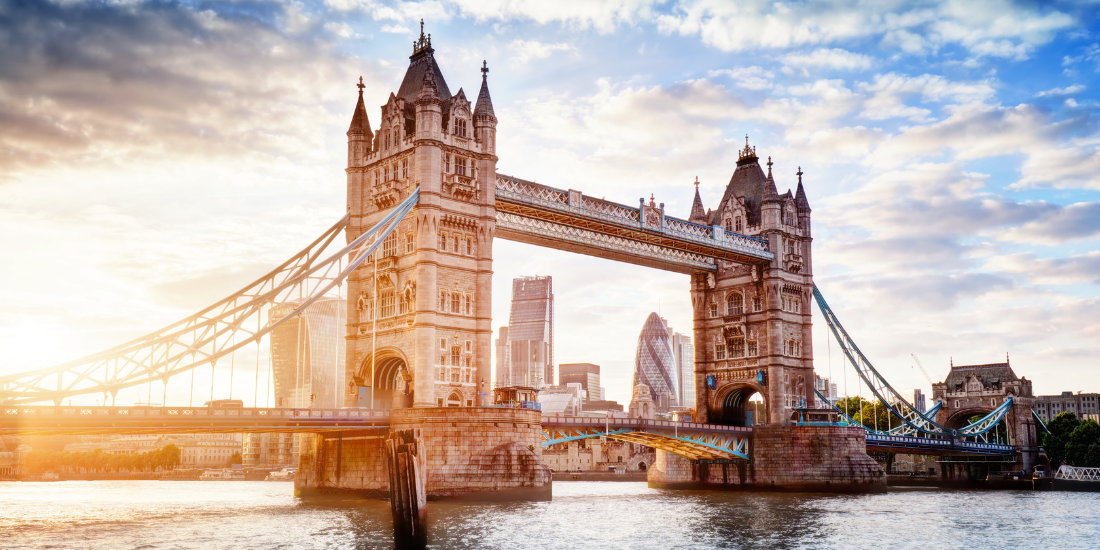
Overview: London is a city where history and modernity collide in spectacular fashion, creating a vibrant cultural mosaic. From iconic landmarks that span centuries to bustling markets, world-class museums, and cutting-edge theatre, London offers an immersive experience for every type of traveler. Wandering its streets reveals stories etched into every brick, from royal pageantry to revolutionary art movements, making the city both a historical treasure and a contemporary hub.
Where: London, the capital of the United Kingdom, sits on the River Thames in southeastern England. Key neighborhoods include Westminster for politics and landmarks, Covent Garden and Soho for entertainment and dining, South Bank for riverside culture, and Camden or Shoreditch for eclectic markets and street art. The city is well connected via the Underground, buses, and river transport, making it easy to navigate.
Top Highlights
The Tower of London: Start your exploration at this historic fortress on the Thames, home to the Crown Jewels and centuries of royal intrigue. Guided tours by the Yeoman Warders bring the medieval past alive, from tales of imprisonment to legendary executions.
The British Museum: Step inside one of the world’s greatest museums, where artifacts from every corner of the globe tell stories of human civilization. Highlights include the Rosetta Stone, the Elgin Marbles, and mummies from ancient Egypt, offering a journey through time without leaving the city.
Westminster and Big Ben: The seat of British power, Westminster is home to the Houses of Parliament and the iconic clock tower, Big Ben. Nearby, Westminster Abbey offers centuries of coronation history, intricate Gothic architecture, and a sense of national identity.
The London Eye: For a modern perspective, take a ride on the London Eye. From this giant observation wheel, the city unfolds below—historic palaces, modern skyscrapers, and the meandering Thames create a panoramic view that is unforgettable.
Covent Garden and Soho: Explore London’s vibrant cultural quarters, filled with boutique shops, street performers, theatres, and restaurants. Covent Garden offers a blend of heritage and entertainment, while Soho is alive with nightlife, eclectic dining, and artistic energy.
Tate Modern and National Gallery: London is a haven for art lovers. The Tate Modern showcases contemporary works in a repurposed power station, while the National Gallery houses masterpieces from Europe’s greatest painters. Both offer immersive encounters with visual culture.
Markets and Hidden Gems: For a taste of local life, wander Borough Market for artisanal foods, Camden Market for quirky crafts, and Portobello Road Market for antiques and vintage finds. Each market offers a sensory overload of colors, scents, and sounds unique to London.
Practical Tips: London is best explored on foot combined with public transport. Wear comfortable shoes for walking cobbled streets and riverbanks. Purchase an Oyster card for efficient travel across buses, trains, and the Underground. Book popular attractions in advance to avoid long queues, especially the London Eye and Tower of London.
Cost: London caters to a range of budgets. Free attractions like the British Museum and National Gallery coexist with paid experiences, which typically range from £15–£40 GBP ($20–$50 USD). Dining and accommodations vary widely—from budget hostels at $50 USD per night to luxury hotels exceeding $400 USD per night.
Iconic Photo Spot: Capture the classic view of Big Ben and the Houses of Parliament across the River Thames, or snap a dynamic street-level photo in Covent Garden with performers in action. The Millennium Bridge offers a modern, artistic perspective with St. Paul’s Cathedral in the background.
Final Word: London is a city that constantly evolves while keeping one foot firmly in history. Its streets, museums, theatres, and riverside walks invite travelers to experience a tapestry of culture, innovation, and storytelling. Whether tracing royal footsteps, admiring world-class art, or losing yourself in vibrant neighborhoods, London promises a journey that is endlessly rich and endlessly rewarding.
18.) Embark on the Pilgrim’s Trail: Navigating the Spiritual Journey of the Camino de Santiago
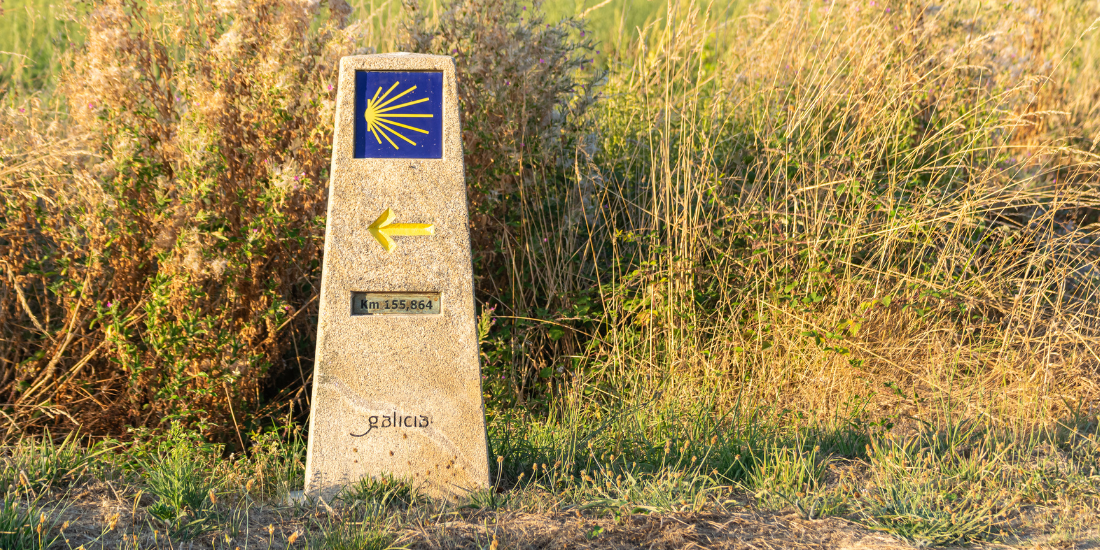
Overview: The Camino de Santiago, or “Way of St. James,” is more than a long-distance walk—it is a centuries-old pilgrimage that intertwines spirituality, culture, and adventure. Traversing northern Spain, pilgrims follow ancient routes that lead to the shrine of Saint James in Santiago de Compostela. Along the way, the journey unfolds as a blend of reflection, camaraderie, and discovery, offering profound insights into both history and the self. Pilgrims of all backgrounds and motivations—whether seeking spiritual growth, personal challenge, or cultural immersion—find themselves captivated by the trail’s timeless rhythm.
Stretching across varied landscapes, from the Pyrenees mountains to the flat expanses of the Meseta and the lush hills of Galicia, the Camino provides a deeply immersive experience. Villages, towns, and historic landmarks punctuate the trail, offering glimpses into centuries of European history and local traditions. Every step taken is both a literal and metaphorical journey, blending the physical challenge of walking long distances with the contemplative rewards of solitude, connection, and reflection. The Camino de Santiago is not just a path—it’s a transformative experience that lingers long after the final arrival at Santiago de Compostela.
Where: The Camino comprises multiple routes across Spain, France, and Portugal, with the most popular being the Camino Francés, stretching approximately 800 kilometers from Saint-Jean-Pied-de-Port in France to Santiago de Compostela in Spain. Other routes include the Camino Portugués, Camino del Norte, and the Camino Primitivo, each offering unique landscapes, traditions, and levels of challenge.
Top Highlights
Saint-Jean-Pied-de-Port: Many pilgrims begin in this quaint French town at the foot of the Pyrenees. The cobbled streets and historic architecture set a reflective tone for the journey ahead. Crossing the Pyrenees itself is a rite of passage, offering panoramic mountain views and a sense of accomplishment from the very first steps.
Pamplona and Logroño: As the Camino winds through Spain, it passes through vibrant towns like Pamplona—famous for its running of the bulls—and Logroño, the heart of La Rioja wine country. These towns provide a perfect blend of culture, cuisine, and opportunities to rest and rejuvenate.
The Meseta: The flat, open plains of the Meseta region offer a meditative walking experience. Endless fields, historic villages, and rustic churches create a serene backdrop, where the rhythm of footsteps mirrors the rhythm of reflection.
Burgos and León: Architectural treasures abound in Burgos, with its Gothic cathedral, and León, home to historic cathedrals and bustling plazas. Pilgrims can explore centuries of religious art and architecture while enjoying local tapas and hospitality.
O Cebreiro: Nestled in the Galician mountains, O Cebreiro is a picturesque village offering breathtaking vistas and a glimpse into traditional Galician life. Its stone houses and thatched roofs create an atmosphere of timeless charm.
Santiago de Compostela: The journey culminates at the magnificent Cathedral of Santiago, believed to house the remains of Saint James. Pilgrims arrive in triumph, often participating in the Pilgrim’s Mass, where the swinging Botafumeiro incense thurible adds an awe-inspiring, sensory dimension to the spiritual experience.
Pilgrim Albergues and Community: Along the way, pilgrims can stay in albergues—simple hostels designed specifically for Camino travelers. These spaces foster camaraderie, storytelling, and a sense of shared purpose, enhancing the journey beyond mere walking.
Practical Tips: Plan for moderate to long daily distances and pack light with durable walking shoes, layered clothing, and essential gear for varied weather. Carry a pilgrim passport (“credencial”) to collect stamps at each stop, which grants access to accommodations and serves as a keepsake of the journey. Mind your pace—resting and hydration are essential.
Cost: The Camino is relatively affordable. Albergues typically cost €5–€15 per night, while private accommodations range from €20–€50. Daily meals at pilgrim-friendly restaurants usually run €10–€20. Additional costs include transportation to the starting point and any guided experiences or cultural visits.
Iconic Photo Spot: Capture the silhouette of pilgrims walking along the Meseta at sunrise, the medieval streets of Burgos or León, or the triumphant approach to the spires of Santiago de Compostela Cathedral. Each frame tells a story of perseverance and reflection.
Final Word: The Camino de Santiago is more than a trek—it’s a transformative journey through history, landscape, and the inner self. Whether walking for spiritual reasons, personal challenge, or cultural exploration, each step brings new discoveries, friendships, and moments of reflection. Completing the Camino is not just reaching Santiago—it’s embracing a centuries-old path that continues to inspire modern pilgrims.
19.) Croatian Odyssey: Navigating the Adriatic Gems and Cultural Riches
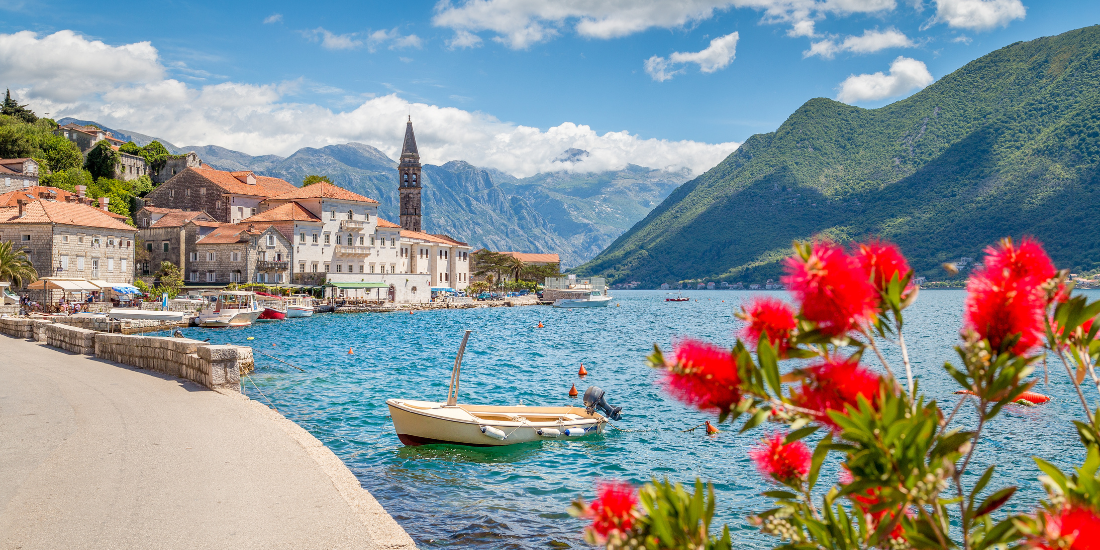
Overview: Croatia, perched along the sparkling Adriatic Sea, offers a tapestry of medieval towns, sun-drenched islands, and rugged coastline that has captivated travelers for centuries. From the UNESCO-listed streets of Dubrovnik to the pristine beaches of the Dalmatian islands, the country seamlessly blends natural beauty with rich history and vibrant culture. Every bay, fortress, and cobblestone alley reveals layers of heritage, storytelling, and the enduring allure of the Adriatic.
Traversing Croatia is a journey through contrasts—ancient Roman ruins alongside Renaissance palaces, secluded coves alongside bustling seaside promenades, and olive groves juxtaposed with crystal-clear waters. Whether exploring by boat, car, or on foot, travelers are immersed in a living mosaic of culture, cuisine, and landscape. Croatia is more than a destination; it’s an invitation to experience the Adriatic at its most enchanting.
Where: Croatia stretches along the eastern Adriatic coast of Europe, with highlights including Dubrovnik, Split, Hvar, Korčula, and Plitvice Lakes National Park. Ferries and private boats connect the islands, while well-maintained roads link coastal towns and inland cultural centers.
Top Highlights
Dubrovnik’s Old Town: Known as the “Pearl of the Adriatic,” Dubrovnik’s ancient city walls, terracotta rooftops, and limestone streets offer a captivating glimpse into the past. Walking along the fortifications provides panoramic views of the Adriatic and the iconic red roofs below.
Island-Hopping in Dalmatia: The Dalmatian islands, from Hvar’s lively port to Korčula’s medieval charm and Vis’s secluded beauty, each offer distinct experiences. Crystal-clear waters, hidden beaches, and charming villages make island-hopping a highlight of any Croatian itinerary.
Split and Diocletian’s Palace: Split’s historic core is dominated by the massive Diocletian’s Palace, a Roman emperor’s retirement residence turned vibrant town. Narrow alleys, bustling squares, and centuries-old architecture create a dynamic blend of history and modern life.
Plitvice Lakes National Park: Inland, the cascading waterfalls, turquoise lakes, and lush forests of Plitvice National Park provide a serene escape from coastal bustle. Boardwalk trails wind through this natural wonder, offering countless photo opportunities and immersive encounters with Croatian flora and fauna.
Rovinj and Istrian Coast: On the Istrian Peninsula, Rovinj’s pastel-hued houses, cobbled streets, and seaside charm embody the region’s Venetian heritage. Explore the surrounding vineyards, olive groves, and fishing villages for a taste of authentic coastal life.
Traditional Cuisine and Wine: Croatian culinary traditions shine through fresh seafood, grilled meats, and local delicacies like black risotto or pašticada. Pair these dishes with regional wines from Dalmatia and Istria to complete the sensory experience.
Cultural Festivals and Music: Croatia’s towns host numerous cultural events—from summer music festivals in Hvar to traditional folklore celebrations in inland villages. Engaging with local traditions adds depth and vibrancy to the journey.
Practical Tips: Travel light and wear comfortable shoes for exploring cobblestone streets. Ferries between islands can get crowded in summer, so book in advance. Sunscreen, swimwear, and a reusable water bottle are essential for coastal adventures, while a guide can enrich visits to historic sites and hidden gems.
Cost: Daily expenses vary, with meals at local taverns ranging from €10–€25, mid-range hotels from €50–€120 per night, and ferries or boat tours between €5–€30. Entrance fees for historic sites and national parks range from €5–€30.
Iconic Photo Spot: Capture Dubrovnik’s Old Town from the city walls, Hvar’s harbor at sunset, or Plitvice’s cascading waterfalls framed by vibrant greenery. Each shot tells the story of Croatia’s natural and cultural richness.
Final Word: Croatia is a destination where history, landscape, and the Adriatic’s crystalline waters converge to create an unforgettable journey. Whether wandering medieval streets, hopping between islands, or savoring local flavors, travelers experience a vibrant, sun-kissed adventure that lingers long after departure.
20.) Greenlandic Odyssey: Crossing the Arctic Wilderness
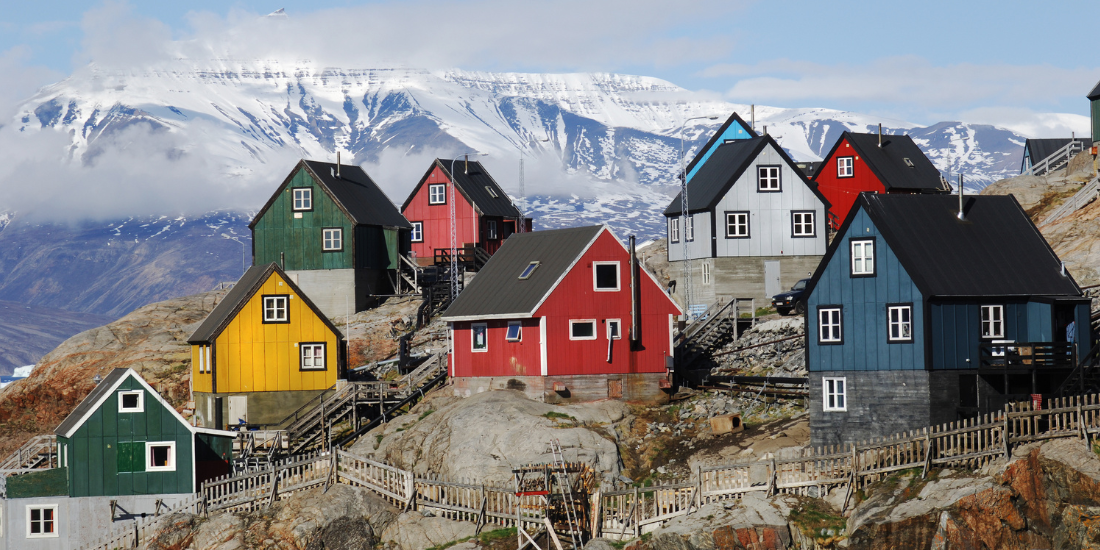
Overview: Greenland, the world’s largest island, is a land of dramatic contrasts, where vast ice sheets meet jagged fjords and remote settlements cling to the edges of the Arctic. Traversing Greenland is a journey into a raw, unspoiled wilderness where nature dictates the rhythm of life. Towering glaciers calve into sapphire waters, icebergs drift silently through fjords, and snow-dusted mountains rise sharply against endless skies, creating a landscape both harsh and breathtakingly beautiful.
Beyond its staggering scenery, Greenland is rich in cultural heritage. The Inuit communities that have thrived here for millennia offer insights into life in extreme conditions, blending tradition with modern resilience. Exploring Greenland is not merely about witnessing nature—it’s about experiencing the interplay between humans and a formidable environment, where every journey becomes an encounter with the Arctic’s timeless majesty.
Where: Greenland stretches between the Arctic and Atlantic Oceans, with key points of access including Nuuk, Ilulissat, and Kangerlussuaq. Travel often involves a combination of flights, boats, and rugged overland routes, depending on whether the focus is glaciers, fjords, or remote settlements.
Top Highlights
Ilulissat Icefjord: A UNESCO World Heritage Site, Ilulissat Icefjord is home to one of the world’s most active glaciers. Towering icebergs drift toward Disko Bay, creating a hypnotic spectacle of color, texture, and sound as massive chunks calve into the sea.
Greenland’s Fjords: The fjords are the lifeblood of Greenland’s coastal regions. Cruising or kayaking through these icy channels offers intimate encounters with wildlife, including seals, whales, and seabirds, while providing unparalleled views of snow-capped peaks mirrored in glassy waters.
Dog Sledding Adventures: Traversing Greenland’s snowy expanses by dog sled offers a unique perspective on Arctic life. Teams of huskies pull travelers across frozen tundra, revealing landscapes inaccessible by motorized vehicles and providing a visceral connection to traditional Inuit transportation.
Northern Lights Spectacle: During winter months, Greenland’s long nights offer prime opportunities to witness the aurora borealis. Dancing ribbons of green, pink, and violet illuminate the Arctic sky, creating an ethereal experience set against frozen wilderness.
Cultural Encounters: Visit small settlements to learn about Greenlandic life, from traditional hunting techniques to modern adaptation. Museums, local workshops, and community events offer a window into the island’s unique heritage and the resilience of its people.
Glacier Hiking and Ice Climbing: For adventurous travelers, guided glacier treks and ice climbing excursions provide an exhilarating way to experience Greenland’s ice sheets firsthand. Navigating crevasses and ice formations brings both physical challenge and awe-inspiring scenery.
Whale Watching in Disko Bay: The rich Arctic waters surrounding Greenland are home to humpback whales, minke whales, and the occasional blue whale. Excursions offer a rare chance to observe these giants against a backdrop of floating ice and towering fjords.
Practical Tips: Greenland’s weather is unpredictable—dress in layers and be prepared for wind, snow, and sudden temperature changes. Travel is often seasonal, with summer offering easier access to fjords and winter providing prime conditions for dog sledding and northern lights. Bring binoculars, waterproof gear, and a good camera, as opportunities for breathtaking shots arise at every turn.
Cost: Greenland is a premium Arctic destination. Flights and accommodations range widely, with mid-range hotels typically €100–€250 per night. Guided tours, excursions, and boat trips can range from €50 to €500 depending on duration and activity. Meals in remote settlements are often pricier than in larger towns, reflecting the logistical challenges of the region.
Iconic Photo Spot: Capture Ilulissat Icefjord from elevated viewpoints for panoramic shots of drifting icebergs. A kayak journey through a narrow fjord or the vibrant aurora over a frozen settlement offers equally unforgettable imagery.
Final Word: Greenland is a land where solitude meets spectacle, and every journey is an immersion into the raw forces of nature. From shimmering icebergs to resilient communities, the Arctic wilderness challenges and inspires, leaving travelers with experiences that are as profound as the landscape itself.
21.) Step into Yuletide Bliss: Navigating the Enchanting Christmas Markets of Europe, Spotlight on Budapest
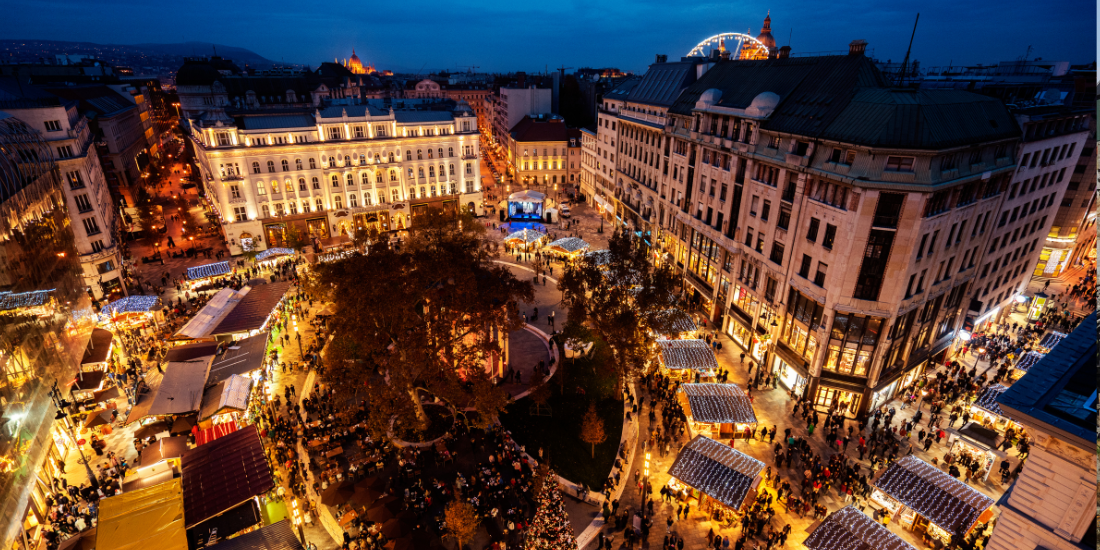
Overview: When winter descends upon Europe, cities transform into twinkling wonderlands, and Christmas markets become the heart of festive celebration. Budapest, straddling the banks of the Danube, offers some of the continent’s most magical yuletide experiences. Cobblestone streets, historic squares, and grand boulevards are adorned with sparkling lights, handcrafted ornaments, and the scent of mulled wine, cinnamon, and roasted chestnuts. Here, centuries-old architecture forms the perfect backdrop for the warmth and cheer of the season.
The city’s Christmas markets are more than festive displays—they are cultural gatherings where local traditions, crafts, and cuisine converge. From intricate handmade gifts to culinary delights, each market tells a story of Budapest’s rich history and the Hungarian way of celebrating winter. Whether strolling through the grand squares or warming up with a hot beverage beside a live performance, visiting Budapest’s markets is an immersive experience that captures the essence of European holiday magic.
Where: Budapest’s most famous Christmas markets are located in the heart of the city, with the main attractions centered at Vörösmarty Square and near St. Stephen’s Basilica. These locations are easily accessible on foot from the city center and are often complemented by smaller, charming markets scattered across districts.
Top Highlights
Vörösmarty Square Market: The city’s flagship Christmas market is a bustling hub of festive cheer. Browse stalls filled with handcrafted toys, traditional Hungarian jewelry, and intricate ornaments. Artisans demonstrate skills such as wood carving and embroidery, making every item a unique keepsake.
St. Stephen’s Basilica Market: Set against the stunning neoclassical cathedral, this market dazzles with lights and a massive ice-skating rink nearby. Culinary delights abound, from chimney cakes (kürtőskalács) dusted in sugar to steaming bowls of goulash. In the evening, the square glows with a projection mapping show, bringing the basilica’s façade to life.
Cultural Performances: Throughout the season, live music, folk dancing, and carolers fill the air with holiday spirit. Performances often include traditional Hungarian instruments, creating a rich auditory tapestry that complements the visual splendor.
Mulled Wine and Culinary Treats: Warm up with mulled wine (forralt bor) or locally brewed hot chocolate, and sample a variety of street foods. From roasted chestnuts to langos (fried dough with toppings), the markets offer a taste of authentic Hungarian winter cuisine.
Artisan Crafts and Gifts: Beyond food, the markets showcase an array of handmade items perfect for gifts or souvenirs. Glass ornaments, hand-painted ceramics, and woolen goods highlight the skill and creativity of local craftsmen.
Ice Skating and Festive Rides: Many markets feature ice rinks, carousels, and other festive rides for children and adults alike. Skating beneath illuminated trees or taking a spin on a vintage carousel adds a playful dimension to the holiday experience.
Practical Tips: Visit early in the day to avoid the evening crowds, though dusk provides the most magical lighting. Dress warmly—layers, scarves, and gloves are essential—and bring comfortable walking shoes for cobblestone streets. Currency is Hungarian Forint (HUF), and while many stalls accept cards, cash is often preferred.
Cost: Entry to the markets themselves is free, though attractions such as ice skating, rides, or special workshops have fees ranging from €2–€10. Food and drink typically cost €3–€10 per item, with souvenirs priced according to craftsmanship and uniqueness.
Iconic Photo Spot: The illuminated façade of St. Stephen’s Basilica with the bustling market in the foreground is a must-capture scene. Vörösmarty Square’s festive lights reflected on wet cobblestones create another quintessential Budapest holiday shot.
Final Word: Budapest’s Christmas markets offer an enchanting blend of history, culture, and festive cheer. Whether sampling local delicacies, discovering artisanal crafts, or simply soaking in the sparkling lights, a visit to Budapest during the yuletide season is an unforgettable journey into Europe’s most magical winter traditions.
22.) Parisian Panorama: Navigating the City of Lights and Louvre Splendors
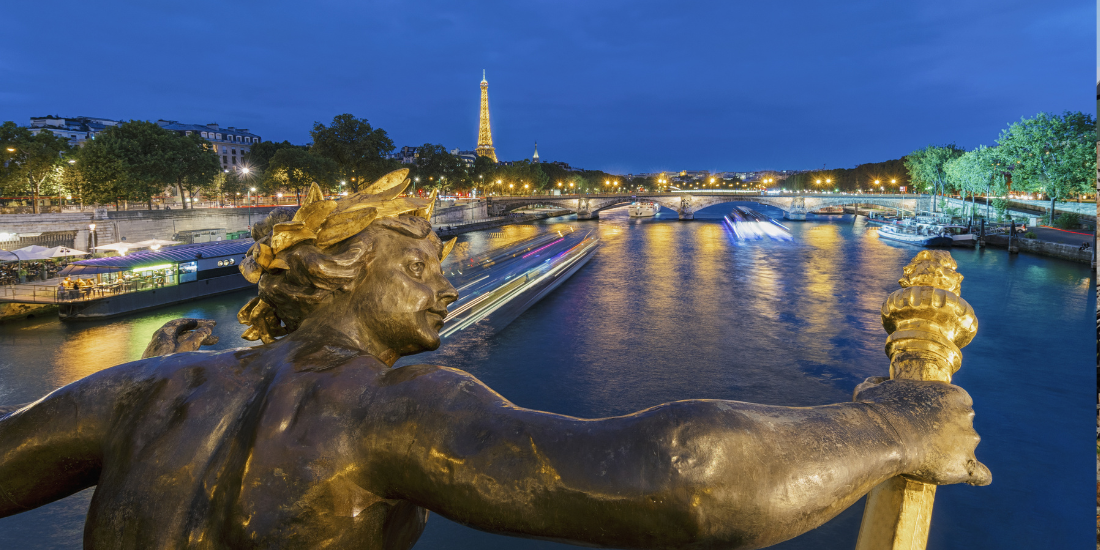
Overview: Paris, the City of Lights, has long captivated travelers with its blend of art, history, and romance. From the glittering Seine to tree-lined boulevards and grand boulevards, Paris is a city where every corner holds a story. Among its countless treasures, the Louvre stands as a pinnacle of human creativity—a repository of masterpieces spanning centuries, from ancient civilizations to modern art. Visiting Paris is not merely sightseeing; it’s an immersion into a living canvas, where architecture, cuisine, and culture intertwine to create an unforgettable urban tapestry.
The city’s charm lies in its contrasts: bustling streets juxtaposed with serene gardens, historic monuments alongside cutting-edge contemporary design, and world-class museums amid quaint cafés. The Louvre, with its iconic glass pyramid, offers an unparalleled window into the evolution of art and human expression. Whether wandering its vast galleries or strolling through Parisian neighborhoods, visitors experience a city that is both timeless and dynamically alive—a celebration of culture, elegance, and creativity.
Where: The Louvre Museum sits in the 1st arrondissement, along the right bank of the Seine, easily accessible via Paris Metro (Palais Royal – Musée du Louvre station). Key Parisian attractions like Notre-Dame, Musée d’Orsay, and the Eiffel Tower are within a short distance, making the Louvre a central hub for exploring the city.
Top Highlights
The Glass Pyramid Entrance: The Louvre’s modern glass pyramid, designed by architect I. M. Pei, contrasts with the classical palace structure and serves as a stunning gateway. Visitors passing through it are immediately immersed in a space where past and present coexist harmoniously.
Mona Lisa: Leonardo da Vinci’s world-famous portrait draws countless admirers daily. Its enigmatic smile, subtle details, and the history surrounding its creation make it a must-see masterpiece. Timing your visit early or late in the day can help avoid the densest crowds.
Venus de Milo: This iconic Hellenistic sculpture, believed to depict Aphrodite, captivates with its elegance, proportion, and timeless beauty. The statue exemplifies the Louvre’s ability to showcase both artistic achievement and historical significance.
The Winged Victory of Samothrace: Perched dramatically atop a staircase, this marble masterpiece exudes movement and power. Its dynamic composition and striking display make it one of the museum’s most photographed works.
Egyptian Antiquities: Explore ancient Egypt through mummies, statues, and daily-life artifacts. The exhibits provide insight into the ingenuity, beliefs, and culture of one of history’s most influential civilizations.
Napoleon III Apartments: A lavish peek into 19th-century French aristocracy, these rooms feature ornate ceilings, gilded walls, and sumptuous furnishings—a reminder of the opulence that once defined Parisian elite life.
Temporary Exhibitions: The Louvre regularly hosts rotating exhibits, ranging from Impressionist collections to contemporary installations, ensuring that each visit offers fresh discoveries.
Seine River Strolls Nearby: After exploring the Louvre, take a stroll along the Seine to view Paris from another perspective. Bridges, bookstalls, and riverside cafés enhance the city’s charm and provide countless photographic opportunities.
Practical Tips: Purchase tickets online to skip long queues. Comfortable walking shoes are essential—the Louvre is massive, and exploring the galleries can take hours. Audio guides or guided tours enhance understanding of the museum’s complex collection. Check the museum’s schedule, as it is closed on Tuesdays.
Cost: Standard adult admission is around €17 when purchased online. Certain exhibitions, tours, or special events may carry additional fees. Many under-26 visitors from the EU enjoy free entry.
Iconic Photo Spot: The juxtaposition of the glass pyramid against the historic palace at sunset is a quintessential Parisian shot. Inside, capturing the Winged Victory of Samothrace or framing the Mona Lisa in the bustling gallery provides memorable photographic moments.
Final Word: Paris is a city that rewards curiosity and wonder, and the Louvre serves as its crown jewel. From its legendary artworks to its architectural splendor, a visit offers both cultural enrichment and a deep connection to the heart of human creativity. Exploring Paris is not just sightseeing—it’s an ongoing dialogue with history, art, and the enduring allure of the City of Lights.
23.) Transfagarasan Highway: Serpentine Symphony
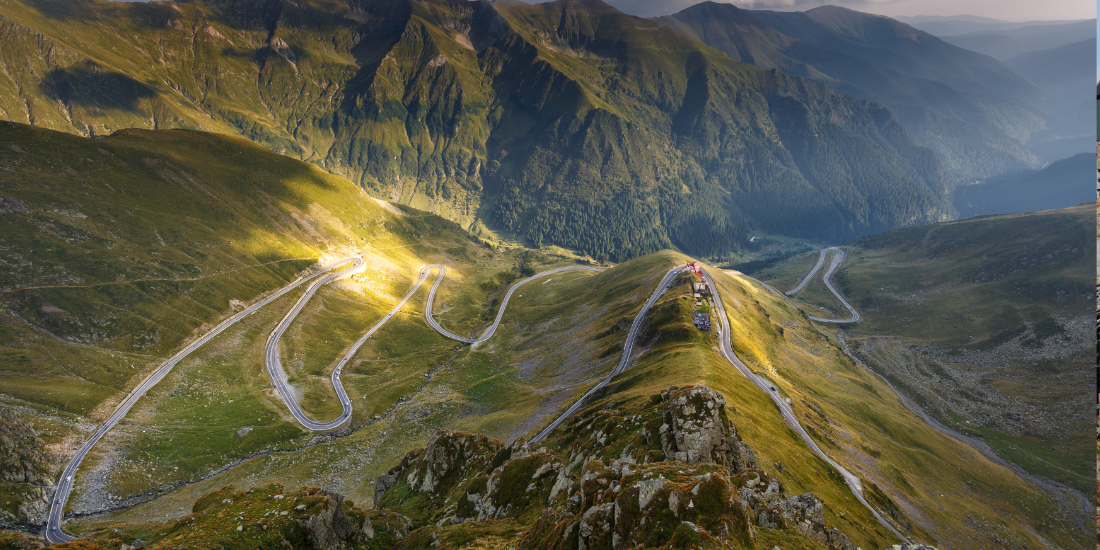
Overview: Winding through the heart of Romania’s Carpathian Mountains, the Transfăgărășan Highway is celebrated as one of the world’s most dramatic and breathtaking drives. Stretching over 90 kilometers, this engineering marvel carves its way through steep mountain slopes, dense forests, and high-altitude passes, offering travelers a perfect blend of adventure and natural splendor. With its hairpin turns, sweeping curves, and panoramic vistas, the Transfăgărășan is more than a road—it’s an experience that combines adrenaline, history, and awe-inspiring scenery.
Constructed in the 1970s under the regime of Nicolae Ceaușescu, the highway was originally built for strategic military purposes, yet today it has become a mecca for driving enthusiasts, cyclists, and photographers alike. Along the route, the landscape shifts dramatically—from serene alpine meadows to rugged cliffs and cascading waterfalls—providing endless opportunities to pause, explore, and marvel at Romania’s Carpathian beauty. Every bend reveals a new perspective, making the journey as rewarding as the destination itself.
Where: The Transfăgărășan Highway connects the historic regions of Muntenia and Transylvania, running between the towns of Curtea de Argeș in the south and Sibiu in the north. The road is typically open from late June to early October, depending on snow conditions, and is accessible via car, motorcycle, or guided tour.
Top Highlights
Bâlea Lake: A stunning glacial lake at 2,034 meters above sea level, Bâlea Lake offers crystal-clear waters surrounded by dramatic peaks. It’s a perfect stop for hiking, photography, and enjoying the alpine air. The nearby Bâlea Waterfall adds another layer of natural beauty to this high-altitude oasis.
Vidraru Dam: An impressive feat of engineering, Vidraru Dam spans the Argeș River, creating a turquoise reservoir framed by steep mountain slopes. Visitors can admire the dam’s massive structure and enjoy panoramic views of the surrounding Carpathians.
Poenari Fortress: Accessible via a challenging climb of 1,480 steps, this historic fortress offers a glimpse into Vlad the Impaler’s (Dracula’s) history. The views from the top reward visitors with sweeping panoramas of the surrounding valleys and mountains.
Hairpin Turns and Mountain Passes: The highway’s serpentine curves are legendary among drivers and cyclists. Navigating these twists while taking in breathtaking mountain vistas is both thrilling and visually spectacular. Each bend reveals new peaks, valleys, and forests, making the drive an ever-changing panorama.
Făgăraș Mountains: Towering peaks line the highway, offering hiking trails for every level. Adventurers can explore alpine meadows, encounter native wildlife, or simply pause to soak in the vastness of the Carpathians. The interplay of light and shadow across the mountains enhances every photograph.
Capra Waterfall: A hidden gem along the route, Capra Waterfall cascades dramatically over rocky cliffs. It’s a serene spot for short hikes, nature photography, and a refreshing break from the winding road.
Tunnel of the Transfăgărășan: The 884-meter-long tunnel piercing the mountains near Bâlea Lake is an engineering wonder. Driving through it feels like a journey from one world to another, linking valleys and peaks while offering a brief respite from the open mountain air.
Practical Tips: The road can be narrow and steep; drive cautiously and check local weather before setting out. Summer months offer the most reliable access, while winter snows close the route. Bring water, snacks, and a camera to capture the constantly changing scenery. Cycling enthusiasts should prepare for challenging climbs and steep descents.
Cost: Access to the Transfăgărășan is free; however, parking at certain viewpoints or near attractions like Bâlea Lake may carry small fees. Guided tours, rental cars, and accommodation along the route vary widely in price.
Iconic Photo Spot: The sweeping curves near Bâlea Lake, with peaks rising dramatically in the background, are among the most photographed locations. Other memorable shots include Vidraru Dam from above and Poenari Fortress perched against the rugged mountainside.
Final Word: Driving the Transfăgărășan Highway is more than a road trip—it’s an immersive journey through Romania’s wild heart. Each turn delivers new vistas, history, and exhilaration, making it a must-experience adventure for nature lovers, photographers, and thrill-seekers alike. The highway is a true symphony of serpentine curves and alpine majesty, leaving an indelible mark on all who traverse it.
24.) Nordic Capitals Adventure: Navigating the Elegance of Helsinki, Stockholm, Copenhagen, and Oslo
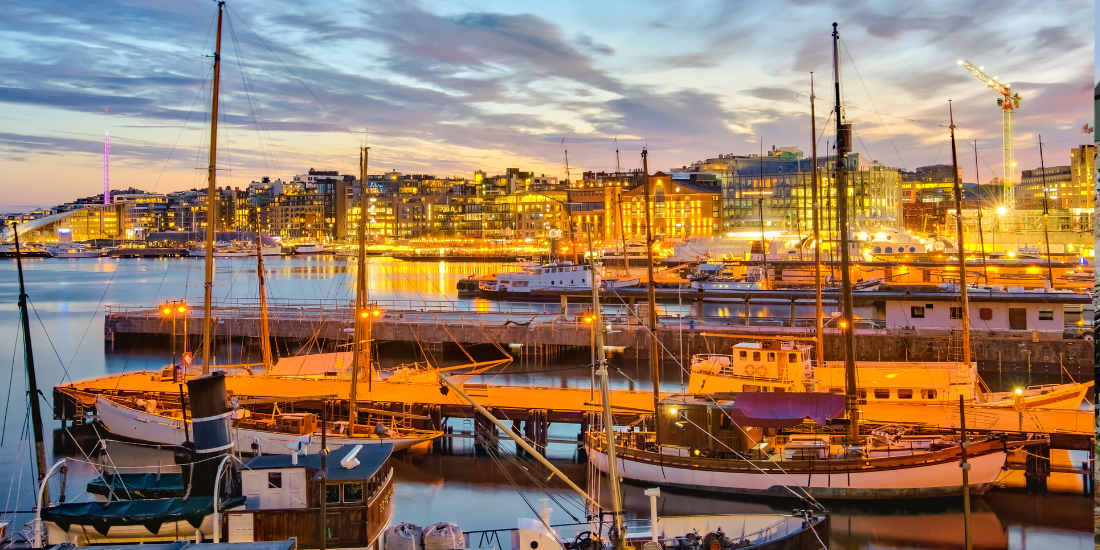
Overview: Journeying through the Nordic capitals is an exploration of sleek design, rich history, and vibrant culture set against the backdrop of stunning Scandinavian landscapes. Helsinki, Stockholm, Copenhagen, and Oslo each offer a unique blend of old-world charm and modern innovation, from cobblestone streets and historic fortresses to cutting-edge architecture and world-class gastronomy. Traveling between these cities immerses visitors in a region where natural beauty and urban sophistication coexist seamlessly, offering both cultural enrichment and sensory delight.
Beyond their urban allure, the Nordic capitals are gateways to breathtaking fjords, archipelagos, and lush parks. Whether wandering Stockholm’s cobbled Gamla Stan, cruising through Helsinki’s harbor, savoring Danish pastries in Copenhagen, or exploring Oslo’s waterfront museums, each city presents a distinct story shaped by centuries of maritime trade, royal heritage, and Nordic resilience. Together, these capitals provide a panoramic snapshot of Scandinavian life—an elegant, inspiring, and endlessly walkable journey.
Where: Helsinki is Finland’s vibrant capital on the Gulf of Finland, Stockholm sprawls across 14 islands connected by bridges in Sweden, Copenhagen sits on the eastern coast of Denmark facing the Øresund Strait, and Oslo rests at the head of Norway’s Oslofjord. Convenient flight and ferry connections make it easy to navigate among the four cities.
Top Highlights
Helsinki’s Design District: Wander through Helsinki’s Design District, where boutique shops, galleries, and cafés showcase Finnish creativity. From modern furniture and glasswork to local fashion, this neighborhood epitomizes Finland’s design ethos.
Suomenlinna Fortress: A UNESCO World Heritage Site, this sea fortress spreads across several islands just off Helsinki’s coast. Explore its historic cannons, tunnels, and museums while enjoying sweeping views of the harbor.
Stockholm’s Gamla Stan: Step into the medieval heart of Stockholm, where narrow streets, colorful buildings, and cobblestone alleys transport visitors back in time. Key landmarks include the Royal Palace, Storkyrkan Cathedral, and cozy cafés tucked into historic corners.
Vasa Museum: In Stockholm, the Vasa Museum is a must-see, housing a 17th-century warship salvaged from the harbor floor. The intricately preserved vessel offers insight into Sweden’s maritime history and craftsmanship.
Copenhagen’s Nyhavn: The iconic harbor of Nyhavn, lined with vibrant 17th- and 18th-century townhouses, invites visitors to enjoy canal-side dining, boat tours, and the city’s lively atmosphere. It’s the perfect blend of history and contemporary Danish culture.
Tivoli Gardens: Copenhagen’s famed amusement park and garden complex combines thrilling rides, live entertainment, and beautifully landscaped spaces. Tivoli has been delighting visitors since 1843 and remains a symbol of Danish leisure and charm.
Oslo’s Vigeland Park: This open-air sculpture park features more than 200 works by Gustav Vigeland, portraying the human condition in expressive and dramatic forms. It’s a peaceful yet evocative space that captures Norway’s artistic spirit.
Oslofjord Cruise: Experience Norway’s natural beauty with a scenic cruise along the Oslofjord. Islands, pine-clad shores, and glimmering waters create a serene contrast to the bustling city streets.
Practical Tips: Nordic capitals are best explored on foot or by bike; public transport is efficient and easy to navigate. Weather can be variable, so dress in layers and bring waterproof gear. Helsinki, Stockholm, and Copenhagen are compact and pedestrian-friendly, while Oslo’s highlights are spread out along the waterfront and fjord.
Cost: Accommodation, meals, and attractions in the Nordic capitals are relatively high compared to other European cities. City passes offering museum entry and transport can provide savings. A mid-range daily budget ranges from $120–$200 USD per person, with variations depending on activities and dining choices.
Iconic Photo Spot: Capture Helsinki’s colorful harborfront and the sea fortress, Stockholm’s Gamla Stan from a bridge over the waterways, Copenhagen’s Nyhavn at dusk with lights reflecting in the canal, and Oslofjord vistas from a cruise, framed by the fjord’s rugged shoreline.
Final Word: Navigating the Nordic capitals is a harmonious blend of history, design, and natural splendor. Each city offers its own personality and treasures, yet together they form a cohesive narrative of Scandinavian elegance. From vibrant urban centers to serene coastal and fjord landscapes, this adventure leaves travelers inspired by the innovation, heritage, and beauty that define Northern Europe.
25.) Venetian Sojourn: Navigating the Canals and Culture of Venice

Overview: Venice, often hailed as the “City of Canals,” is a floating masterpiece where art, architecture, and history intertwine on a labyrinth of waterways. Built upon more than a hundred small islands in the Venetian Lagoon, the city’s intricate network of canals, charming bridges, and ornate palaces creates an environment unlike any other in the world. From the grandeur of Piazza San Marco to the quiet alleyways of Dorsoduro, Venice is a living museum, where centuries of commerce, culture, and creativity have left an indelible mark.
Beyond its architectural splendor, Venice is a sensory experience—gondoliers calling across the canals, the scent of fresh pastries wafting from cafés, and the reflective shimmer of water under the sunset. Every turn offers a story, whether in the intricate mosaics of St. Mark’s Basilica, the bustling markets along the Rialto, or the hidden squares where local life continues largely unchanged. Venice is a city that invites exploration, contemplation, and endless discovery.
Where: Venice sits in northeastern Italy, in the Veneto region, accessible via Venice Marco Polo Airport or train connections from major Italian cities. The historic center is entirely pedestrianized, with canals serving as the main thoroughfares.
Top Highlights
St. Mark’s Square (Piazza San Marco): The heart of Venice, this iconic square is home to St. Mark’s Basilica and the Campanile. Admire the Byzantine mosaics, intricate facades, and the bustling energy of locals and visitors alike.
Grand Canal Cruise: Glide along the Grand Canal, the city’s main waterway, flanked by palaces, churches, and historic buildings. Daytime cruises reveal Venetian grandeur, while evening rides showcase the city bathed in warm, golden light.
Rialto Bridge and Market: Venice’s most famous bridge offers stunning views of the Grand Canal, while the nearby Rialto Market is a lively hub of fresh produce, seafood, and local crafts—a feast for the senses.
Gondola Experience: No visit to Venice is complete without a gondola ride. Navigate smaller canals to experience a quieter, more intimate side of the city, with gondoliers sharing stories of Venice’s past and present.
Doge’s Palace (Palazzo Ducale): Explore the former seat of Venetian power, with its opulent chambers, grand staircases, and secret passages. The palace offers a glimpse into the political and artistic history of the Republic of Venice.
Murano and Burano Excursions: Take a short boat ride to the islands of Murano, famous for glassmaking, and Burano, renowned for its vividly painted houses and lace craftsmanship. These islands offer a colorful and hands-on cultural experience.
Peggy Guggenheim Collection: Modern art enthusiasts will enjoy this museum housed in the former home of the American heiress, featuring works by Picasso, Pollock, and Dalí, set along the Grand Canal.
Practical Tips: Venice is best explored on foot or by vaporetto (water bus). Wear comfortable shoes, as cobblestones and bridges are frequent. Start early to avoid crowds at major attractions, and carry a refillable water bottle for hot summer days. Be mindful of the tide schedules, as acqua alta (high water) can affect certain areas during peak season.
Cost: Entry fees to major attractions like St. Mark’s Basilica, Doge’s Palace, and museums range from $10–$30 USD. Gondola rides typically cost $80–$100 USD for a 30–40 minute experience. Vaporetto day passes range from $20–$25 USD. Accommodation varies widely from boutique hotels to luxury palaces along the canals.
Iconic Photo Spot: Capture the Grand Canal framed by the Rialto Bridge, St. Mark’s Basilica reflected in the square’s pools after a rain, or the rainbow-colored houses of Burano for a striking and quintessentially Venetian image.
Final Word: Venice is a city that mesmerizes, charms, and occasionally bewilders. Its waterways, historic architecture, and vibrant culture create an immersive experience unlike anywhere else on Earth. Every visit offers new perspectives and hidden corners to explore, making Venice a timeless destination that rewards curiosity and wonder.
The Travel Lantern:
