
The Adventurers Bucket List:
From Scaling the seven summits to reaching the top of the world, Life should be a compilation of heart-pounding, awe-inspiring adventures that leaves you on the edge of your seat.
So, whether you’re an adrenaline junk looking for the next big wave, an avid hiker looking for the best trail, or keen to get your motor running on the best road trips on the planet – we’ve rounded out the top 100 Adventure Bucket list experiences – that are guaranteed to ignite your wanderlust and ensure your time on earth is a true exhilarating adventure….
1.) Crossing the Antarctic Circle (To visit the Seven continents)
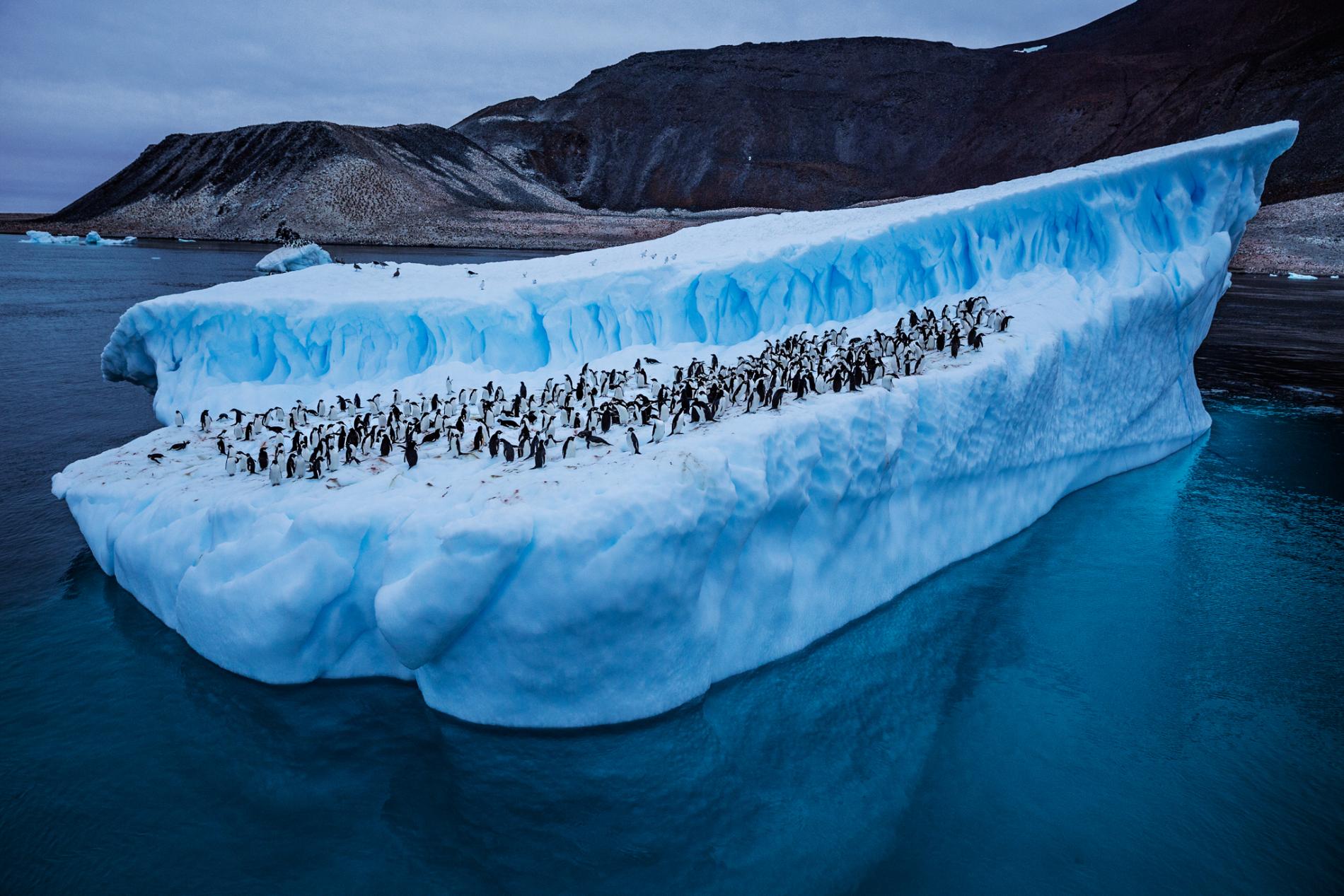
Embark on an awe-inspiring journey to one of Earth’s most remote and pristine destinations, where icebergs tower and wildlife thrives in a frozen paradise, as you tick off the seven continents from your bucket list.
Activity Type: Adventure Travel / Sightseeing.
Overview: The requirement of adventure travel for any explorer — the almost mandatory completion of stepping foot on each continent will bring explorers from the Great Migration in Africa, to the art of Europe and to the heights of the Himalayas in Asia. Yet it is crossing the Antarctic Circle, where this adventure bucket list reaches its pinnacle — with the infamous crossing across the Drake passage leading you to the beauty of Antarctica — where a surreal landscape of towering glaciers, expansive ice fields, and a diverse array of wildlife, including penguins, seals, and whales — await you.
A journey that will see you at sea for at least 10 days, and require some savings and logistical planning, heading to Antarctica is not just a journey to the ends of the earth, but a chance to see the earth and nature in its most untouched form — while crossing off adventures from your bucket list you won’t encounter anywhere else. Whether that be trekking across icy terrains, kayaking through serene, iceberg-dotted waters, or simply standing in awe of the breathtaking scenery, Antarctica promises an unparalleled adventure that marks the pinnacle of both global exploration — and the greatest way to complete your journey across the Seven Summits of the world.
Where: Global — Visit all Seven continents. For the the Antarctic Circle, located south of the Antarctic Peninsula. Most expeditions start from Ushuaia, Argentina, the world’s southernmost city.
Best time to Visit: Africa (April — October) Asia (February — June), Antarctica (November — March), Australiasia (September — April), Europe (March — October), North America (May — October), South America (September — December).
Duration of Adventure: Most cruises last 10 to 23 days, depending on the specific itinerary and cruise chosen.
Estimated Cost: Prices for an Antarctic Circle expedition can range from $8,000 to $25,000 USD or more, depending on the luxury of the cruise, duration, and included activities. Budget options can be found, but premium experiences with more comprehensive exploration will be at the higher end of the scale.
Top Tip: Book your trip well in advance, as spots on Antarctic expeditions fill quickly. Layer up with proper thermal clothing and bring high-quality photography gear to capture the stunning landscapes and wildlife. Consider choosing a cruise that includes activities such as kayaking or guided hikes for an even more immersive experience.
2.) Explore the Seven wonders of the world
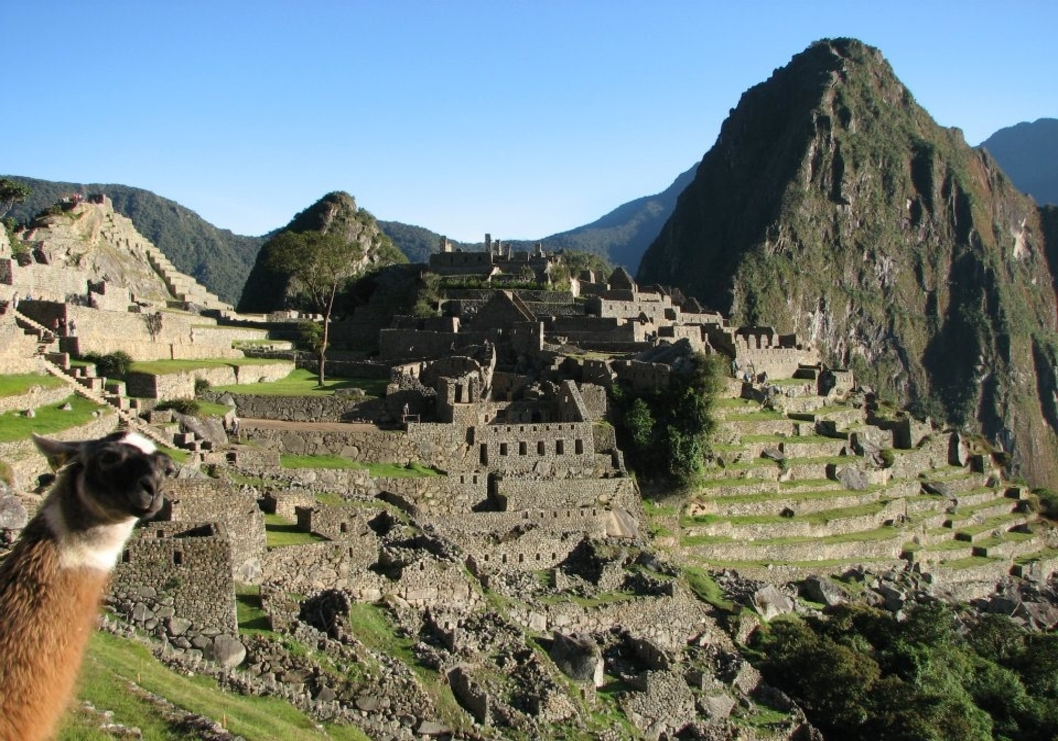
Embark on an epic journey to marvel at the world’s most breathtaking and historically significant landmarks that span centuries and continents.
Activity Type: Cultural exploration, historical sightseeing, and travel adventure.
Overview: Exploring the Seven Wonders of the World is the ultimate travel adventure, taking travelers on a journey through history, culture, and human ingenuity. These iconic sites, each with its unique story and significance, showcase the diversity of human achievement. From the architectural brilliance of the Great Wall of China, which winds over 13,000 miles across rugged landscapes, to the ancient city of Petra in Jordan, carved intricately into rose-red cliffs, each wonder invites awe and reflection. Standing before these marvels, one can appreciate not only their beauty but also the rich histories that have shaped civilizations for millennia.
The journey continues with other mesmerizing wonders: Machu Picchu in Peru, perched high in the Andes and shrouded in mist; Christ the Redeemer in Brazil, offering panoramic views of Rio de Janeiro; Chichen Itza in Mexico, echoing with the stories of the ancient Maya; The Colosseum in Rome, which stands as a testament to the grandeur and resilience of the Roman Empire; and The Taj Mahal in India, a masterpiece of love and architectural artistry. Each site offers a unique blend of history, culture, and natural beauty, creating memories that resonate long after the journey is complete.
Where: The Seven Wonders are spread across different countries: The Great Wall of China (China), Petra (Jordan), Machu Picchu (Peru), Christ the Redeemer (Brazil), Chichen Itza (Mexico), The Colosseum (Italy), and The Taj Mahal (India). Exploring all Seven Wonders can take several months to a year, depending on travel plans, distances, and time spent at each location.
Best Time to Visit: The best time to visit each wonder varies: the Great Wall of China is best visited in spring or autumn for cooler weather; Petra is most pleasant in spring or autumn; Machu Picchu’s dry season from May to September offers ideal conditions; Christ the Redeemer sees warm weather from December to March; Chichen Itza is best from November to April; The Colosseum shines in April to June or September to October; and the Taj Mahal is most comfortable between October and March.
Cost: The cost of visiting the Seven Wonders varies widely depending on airfare, accommodations, tour guides, and entry fees. Budget travelers might spend around $15,000 to $30,000 USD, while those seeking luxury accommodations and guided tours can expect to pay significantly more.
Top Tips: Plan each visit around peak and off-peak seasons to avoid heavy crowds and high prices. Hire local guides to gain deeper insight into the history and significance of each site. Ensure you’re equipped with travel essentials like comfortable walking shoes, weather-appropriate clothing, and a camera to capture these awe-inspiring moments.
3.) Summit Mount Everest, Nepal.
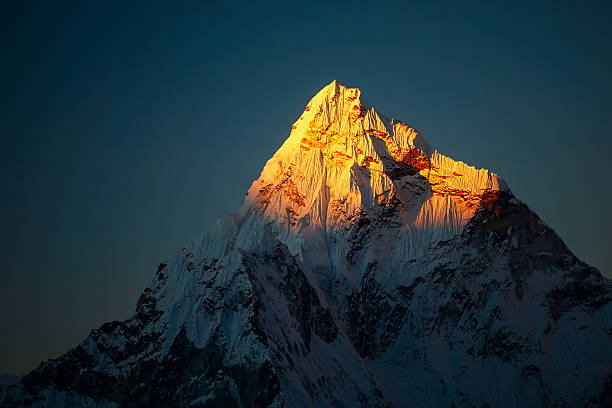
Experience the ultimate mountaineering adventure by summiting the world’s tallest peak, where the journey is as monumental as the destination.
Activity Type: Extreme mountaineering and high-altitude trekking.
Overview: Climbing Mount Everest is considered the pinnacle of mountaineering achievements and represents the ultimate test of endurance, resilience, and determination. Situated in the Himalayas on the border of Nepal and Tibet, Everest stands at 8,848 meters (29,029 feet), drawing climbers from around the world who seek the challenge and prestige of conquering its peak. The trek begins with a journey to the base camp, where climbers acclimate to the altitude and prepare for the demanding ascent. The adventure is fraught with challenges including severe weather conditions, thin air, and the physical and mental demands of climbing to such heights.
Reaching the summit of Mount Everest offers unmatched views and an unparalleled sense of accomplishment, with breathtaking vistas of snow-capped peaks stretching endlessly into the horizon. However, the journey itself is as significant as reaching the top. Climbers experience the profound beauty of Nepal’s landscapes, Sherpa culture, and the camaraderie that comes from tackling one of the world’s most formidable feats together. The sheer magnitude of the climb ensures that it remains a once-in-a-lifetime experience for those who dare to attempt it.
Where: Mount Everest is located in the Himalayas on the border between Nepal and the Tibet Autonomous Region of China. Most expeditions start from the Nepalese side, beginning at the village of Lukla and progressing through the Khumbu Valley to Everest Base Camp.
Duration of Activity: Climbing Everest typically takes around 60–75 days from arrival in Nepal to reaching the summit and returning. This period includes acclimatization, training, and waiting for optimal weather conditions.
Best Time to Visit: The best time to attempt the climb is during the pre-monsoon (late April to early June) or post-monsoon (late September to early November) seasons, when weather conditions are most stable.
Cost: The cost of a Mount Everest expedition can vary widely, typically ranging from $30,000 to over $100,000 USD. This includes permits, guides, oxygen supplies, gear, and logistical support.
Top Tips: Prepare extensively, both physically and mentally, before attempting the climb. Hiring a reputable guide company is essential for safety and support. Invest in high-quality gear to withstand extreme conditions. Ensure you have comprehensive insurance that covers high-altitude climbing. Lastly, respect local customs and practice sustainable, eco-friendly trekking to preserve the natural beauty and cultural integrity of the region.
4.) Conquering the rest of the Seven Summits
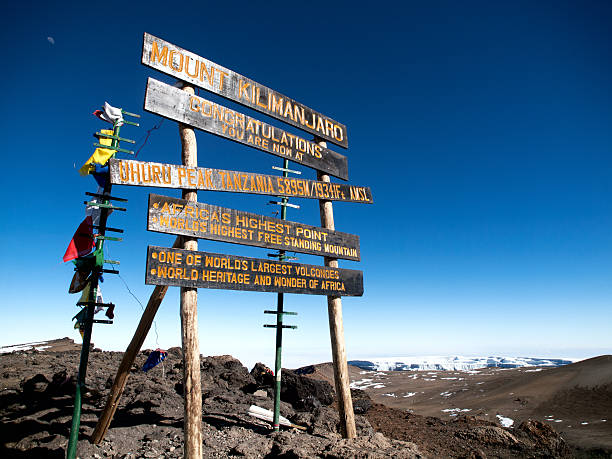
Push beyond Everest to complete the ultimate mountaineering challenge, experiencing the highest peak on each remaining continent.
Activity Type: High-altitude mountaineering and global trekking.
Overview: For those who have taken on Everest, conquering the rest of the Seven Summits represents the next level of achievement in mountaineering. Each of these peaks poses its unique challenges, from the icy wilderness of Antarctica’s Mount Vinson to the high altitudes of Aconcagua in Argentina. Completing the Seven Summits requires not just technical skill but a strong commitment to global adventure and resilience. These climbs test the mettle of even the most seasoned mountaineers, offering dramatic and diverse landscapes: the vast tundras of Denali in Alaska, the volcanic slopes of Kilimanjaro in Africa, and the rugged Caucasus mountains that host Mount Elbrus in Europe.
What sets the Seven Summits apart from other climbing achievements is the sheer range of conditions and terrains they encompass. The humid jungles leading to Carstensz Pyramid (or the more accessible Mount Kosciuszko for those choosing an alternative), the relentless wind of Denali, and the ice-clad slopes of Vinson provide a stark contrast to Everest’s high-altitude grandeur. Conquering these peaks not only completes an extraordinary personal journey but also brings insight into the diverse environments and cultures of the world.
Where: The Seven Summits (excluding Everest) are found across different continents:
- Aconcagua (South America) – Argentina
- Denali (North America) – Alaska, USA
- Mount Kilimanjaro (Africa) – Tanzania
- Mount Elbrus (Europe) – Russia
- Mount Vinson (Antarctica) – Ellsworth Mountains
- Mount Kosciuszko/Carstensz Pyramid (Oceania) – Australia/Indonesia
Duration of Activity: Depending on the peak, climbs can range from a few days (Mount Kosciuszko) to several weeks (Denali and Vinson). Completing all six remaining climbs may span several years based on logistics, availability, and training schedules.
Best Time to Visit:
- Aconcagua: December to March
- Denali: May to early July
- Mount Kilimanjaro: June to October, December to March
- Mount Elbrus: June to September
- Mount Vinson: November to January
- Kosciuszko/Carstensz Pyramid: Year-round for Kosciuszko; April to November for Carstensz Pyramid
Cost: The total cost varies significantly based on travel, guides, permits, and gear, ranging from $100,000 to $200,000 USD for completing all six. Denali and Vinson are among the more costly due to their remote locations and logistics.
Top Tips: Preparation and adaptability are crucial for success. Tailor your training for each mountain’s specific demands, building strength and stamina for extreme cold, high altitudes, or long treks. Hire reputable guides who know the terrain and ensure safety, particularly on more technical routes like Carstensz Pyramid and Denali. Acclimatize appropriately, especially for Aconcagua and Elbrus. Lastly, respect environmental guidelines and local customs to preserve these magnificent landscapes for future climbers.
5.) Great White Shark Cage Diving, Port Lincoln

Experience the thrill of facing the ocean’s most formidable predator in the safety of a submerged cage.
Activity Type: Adventure, marine wildlife encounter, and cage diving.
Overview: Great White Shark cage diving in Port Lincoln, Australia, is one of the most heart-pounding experiences for adrenaline seekers and marine life enthusiasts. Nestled on the southern coast of Australia, Port Lincoln is known as the “Great White Capital of the World,” offering one of the best opportunities to observe these majestic apex predators up close. The diving experience involves descending into the crystal-clear waters in a reinforced cage, where you’ll come face-to-face with Great Whites as they glide powerfully past, revealing their immense size and grace. The thrill of seeing these sharks in their natural habitat is an unforgettable moment that combines excitement and awe.
Unlike conventional diving, shark cage diving is accessible even to non-divers, making it an inclusive adventure for anyone seeking an extraordinary wildlife encounter. Port Lincoln’s tours are conducted with a strong emphasis on safety and environmental responsibility, allowing participants to appreciate the importance of shark conservation while experiencing an unmatched rush of excitement. The sight of a Great White emerging from the deep is a testament to nature’s power and beauty, providing a unique blend of fear, fascination, and respect.
Where: Port Lincoln is located on the Eyre Peninsula in South Australia. Tours depart from the marina, and most operators provide transport to prime shark-spotting locations in the Neptune Islands.
Duration of Activity: A typical shark diving tour lasts one full day, with options for multi-day excursions to increase the chance of shark sightings.
Best Time to Visit: The best time for Great White Shark cage diving in Port Lincoln is between May and October, when sightings are most frequent due to the cooler water temperatures.
Cost: Expect to pay around $350 to $600 USD for a single-day tour, depending on the operator and package. Multi-day tours and private charters may cost significantly more.
Top Tips: Book your tour in advance, especially during peak seasons. Bring a waterproof camera or GoPro to capture the sharks in action, but be prepared for splashes and quick movements. If you’re prone to seasickness, take preventative medication as the boat ride can be choppy. Listen carefully to safety briefings and trust your guides to ensure a memorable and safe encounter.
6.) Base Jumping off Angel Falls, Venezuela
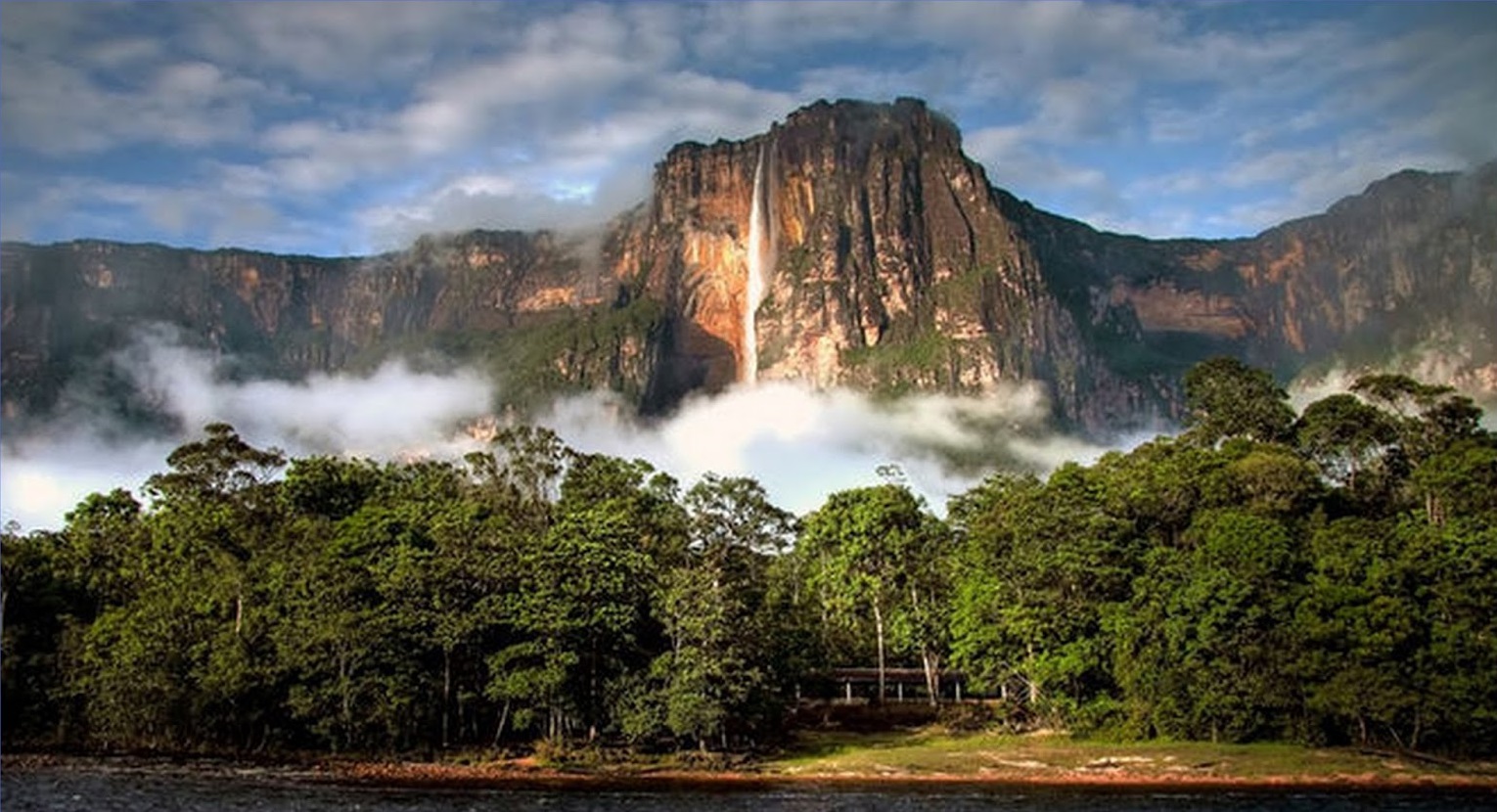
Soar through the sky from the world’s tallest uninterrupted waterfall in an adrenaline-fueled leap of a lifetime.
Activity Type: Extreme sports, base jumping, and aerial adventure.
Overview: Base jumping off Angel Falls in Venezuela is considered one of the most daring and exhilarating adventures on the planet. Angel Falls, known locally as Salto Ángel, plummets nearly 3,212 feet (979 meters) from a tabletop mountain, making it the tallest uninterrupted waterfall in the world. The setting is dramatic, with the falls surrounded by dense tropical rainforest and remote wilderness in Canaima National Park. For base jumpers, leaping from the edge of this natural wonder combines breathtaking views with a surge of pure adrenaline as they freefall and deploy their parachutes amidst the roar of cascading water and mist.
This adventure is not for the faint-hearted; it’s a challenge that requires skill, courage, and expert preparation. The journey to Angel Falls itself is an adventure involving flights, boat rides, and jungle treks, which adds to the sense of accomplishment for those who make the leap. The thrill of soaring through the air, with the spray of the falls around you and the rainforest stretching out below, makes base jumping here a unique and awe-inspiring experience.
Where: Angel Falls is located in Canaima National Park in the Gran Sabana region of southeastern Venezuela. The remote location requires careful logistical planning, including travel by plane and boat, often starting from the town of Ciudad Bolívar or Puerto Ordaz.
Duration of Activity: The entire adventure, including the journey to the falls and the jump itself, typically takes several days to a week, factoring in travel, weather conditions, and preparation time.
Best Time to Visit: The best time for base jumping at Angel Falls is during the rainy season (May to November), when the waterfall is at its fullest and most spectacular. However, this is also when the weather can be unpredictable, so flexibility is essential.
Cost: Costs vary widely depending on permits, travel expenses, guides, and gear. Expect to budget $3,000 to $7,000 USD or more, including transport to the remote site and arrangements with professional base jumping operators.
Top Tips: Only experienced base jumpers should attempt this jump, and it’s critical to coordinate with a licensed operator familiar with the area. Ensure all gear, including parachutes and backup systems, is in top condition. Arrive early to acclimate to the environment and practice jumps if possible. Respect local regulations and environmental guidelines to minimize your impact on the fragile ecosystem of Canaima National Park.
7.) Conquering Death Road

Conquer one of the most dangerous roads in the world on an exhilarating downhill bike ride through stunning Andean landscapes.
Activity Type: Adventure biking and extreme sports.
Overview: Biking Death Road, known as El Camino de la Muerte, is an adrenaline-pumping experience that draws thrill-seekers from around the globe. This notorious road, which stretches about 43 kilometers (27 miles) from La Paz to Coroico, was once considered the most dangerous road in the world due to its steep drops, narrow paths, and unpredictable weather conditions. However, today it has become a popular attraction for mountain bikers looking to test their limits against a backdrop of breathtaking scenery, including lush valleys, waterfalls, and snow-capped peaks.
Riding down Death Road provides a unique blend of fear and excitement, as bikers navigate through hairpin turns and past sheer cliffs with spectacular views. The ride begins in the high-altitude capital of La Paz and descends over 3,600 meters (11,800 feet) to the subtropical region of Coroico. Along the way, riders encounter diverse ecosystems and rich wildlife, making this not just a thrilling descent, but also a journey through Bolivia’s remarkable natural beauty. The sense of accomplishment and exhilaration upon reaching the bottom is an unforgettable highlight for any adventure enthusiast.
Where: Death Road is located in the Yungas region of Bolivia, starting near La Paz and ending in the town of Coroico. Most tours include transportation to the starting point and back from Coroico.
Duration of Activity: The biking adventure typically lasts a full day, including transportation, safety briefings, and the ride itself, which usually takes around 3 to 4 hours.
Best Time to Visit: The ideal time to bike Death Road is during the dry season from May to October, when the weather is more stable and the road conditions are safer.
Cost: Expect to pay between $50 and $150 USD for a guided biking tour, which generally includes bike rental, safety gear, and transportation. Prices can vary based on the tour operator and additional amenities.
Top Tips: Wear appropriate gear, including a good helmet, gloves, and padded clothing for comfort during the ride. Listen carefully to your guide’s safety instructions and familiarize yourself with your bike before starting the descent. It’s also wise to stay hydrated and wear sunscreen, as the sun can be intense in the high altitudes. Lastly, take your time and enjoy the ride; the breathtaking views along the way are just as rewarding as the thrill of the descent.
8.) Exploring the Amazon Rainforest
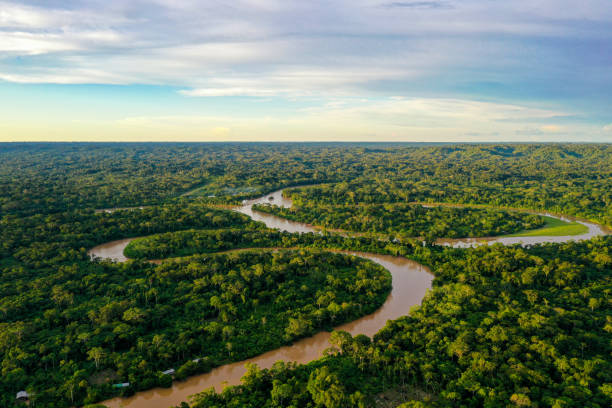
Immerse yourself in the world’s largest tropical rainforest and discover its incredible biodiversity through guided expeditions and eco-adventures.
Activity Type: Eco-tourism, wildlife exploration, and adventure travel.
Overview: Exploring the Amazon Rainforest is an extraordinary journey into one of the most biodiverse ecosystems on the planet. Spanning across Brazil and Peru, the Amazon is home to millions of species, many of which cannot be found anywhere else on Earth. Travelers can embark on guided tours that range from river cruises to deep jungle treks, offering a unique opportunity to witness the vibrant flora and fauna of the rainforest firsthand. The experience can include everything from spotting exotic wildlife, such as pink river dolphins and sloths, to navigating through lush canopies and interacting with local indigenous communities who call this vast wilderness home.
The Amazon’s rich tapestry of life and breathtaking landscapes provide endless opportunities for adventure. Kayaking down winding rivers, trekking through dense foliage, and spending nights in eco-lodges allow for a deep connection with nature and a chance to learn about conservation efforts aimed at preserving this vital environment. The sounds of the jungle—chirping insects, distant howls, and rustling leaves—create an immersive backdrop for exploration, making every moment in the Amazon a memorable experience.
Where: The Amazon Rainforest stretches across several countries, with significant portions in Brazil and Peru. Popular entry points for exploration include Manaus in Brazil and Iquitos in Peru, where numerous tour operators offer packages to various jungle lodges and riverboat excursions.
Duration of Activity: Amazon exploration trips can vary greatly in length, ranging from short 3‑day excursions to extended 10-day journeys or longer, depending on the itinerary and the areas covered.
Best Time to Visit: The dry season, from June to November, is generally considered the best time to visit the Amazon, as conditions are more favorable for wildlife viewing and trekking. However, the wet season (December to May) also has its charm, with lush greenery and active wildlife.
Cost: Prices for Amazon rainforest exploration can range from $300 to $2,000 USD or more, depending on the type of tour, duration, and level of luxury. Budget options are available, but comprehensive packages that include accommodations, meals, and guided activities tend to be more expensive.
Top Tips: Prioritize packing lightweight, breathable clothing suitable for humidity, along with waterproof gear to protect against rain. Insect repellent is essential to ward off mosquitoes, and sturdy shoes are necessary for trekking through the jungle. Be open to learning from local guides, who can offer invaluable insights into the ecosystem and the cultural significance of the rainforest. Lastly, engage in sustainable travel practices to minimize your environmental impact and help preserve this precious habitat for future generations.
9.) Rim to Rim on the Grand Canyon
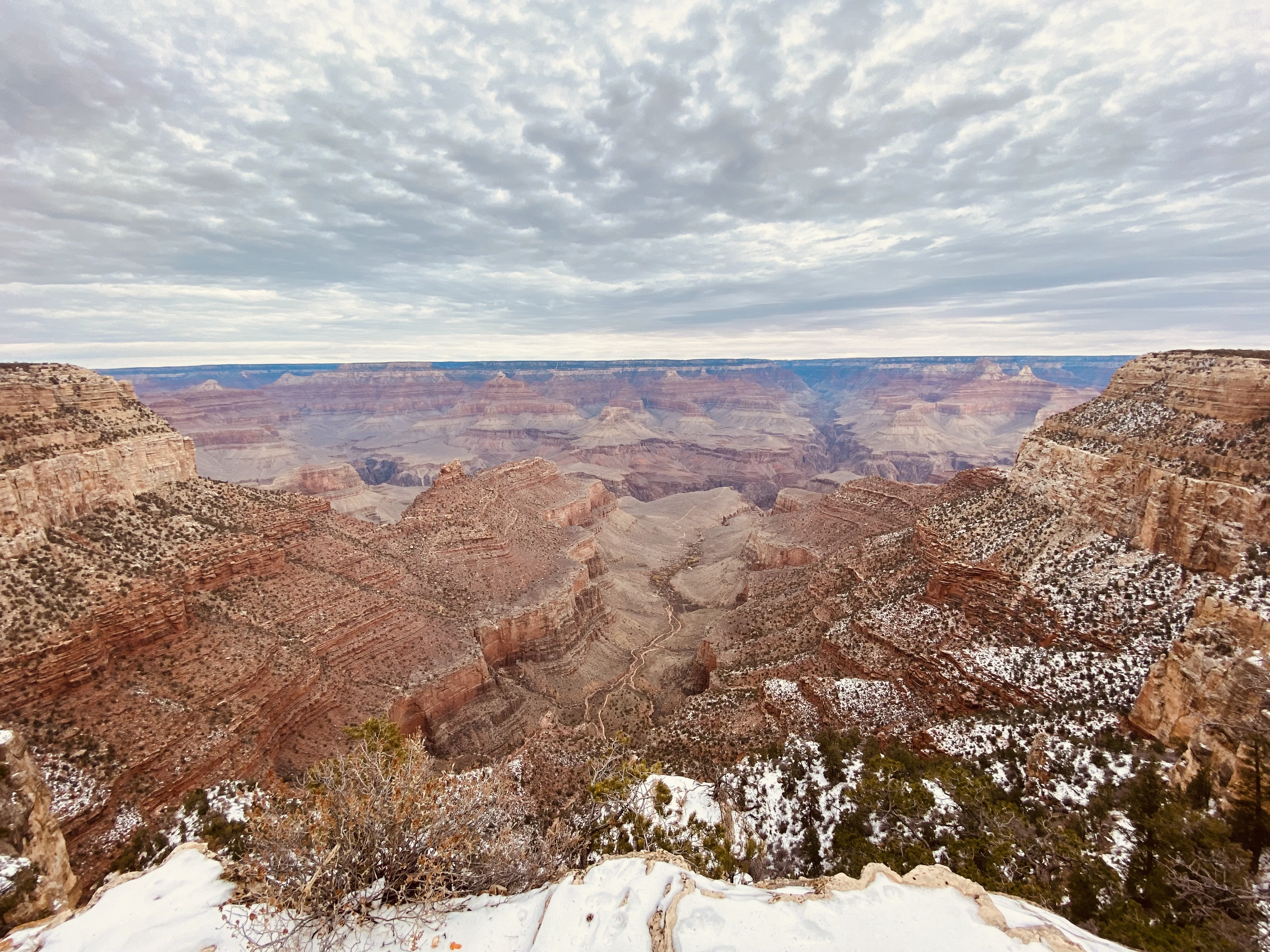
Embark on an unforgettable adventure traversing one of nature’s most iconic landscapes, experiencing the breathtaking beauty of the Grand Canyon from rim to rim.
Activity Type: Hiking, adventure trekking, and nature exploration.
Overview: Exploring the Grand Canyon from rim to rim is an extraordinary hiking experience that takes you deep into one of the world’s most awe-inspiring natural wonders. The Grand Canyon, carved over millions of years by the Colorado River, offers dramatic vistas, unique rock formations, and a diverse range of ecosystems. The journey from the North Rim to the South Rim—or vice versa—spans approximately 24 miles (39 kilometers) and involves steep descents, challenging climbs, and breathtaking views at every turn. This hike allows adventurers to witness the canyon’s grandeur up close, from the colorful layers of rock that tell the Earth’s geological history to the serene flow of the Colorado River below.
The trek can take anywhere from two to five days, depending on your pace and the route chosen. As you traverse the canyon, you will encounter various environments, from lush forests on the rims to arid desert landscapes in the canyon’s depths. Campgrounds and hiking trails provide opportunities to experience the canyon’s beauty intimately, while guided tours can enhance your understanding of the region’s ecology and history. Whether you’re an experienced hiker or a novice adventurer, the rim-to-rim experience offers an unforgettable connection with nature and the chance to challenge yourself physically.
Where: The Grand Canyon National Park is located in Arizona, USA. Hikers can start their journey from either the North Rim or the South Rim, with the South Rim being more accessible and popular among visitors.
Duration of Activity: The rim-to-rim hike typically takes between two to five days, depending on your fitness level, chosen trails, and overnight camping arrangements.
Best Time to Visit: The best times to hike the Grand Canyon are during the spring (March to May) and fall (September to November) when temperatures are milder. The summer months can be extremely hot, especially in the inner canyon, while winter conditions can make the North Rim inaccessible.
Cost: A permit for backcountry camping in the Grand Canyon costs around $10, with additional fees for camping sites, which range from $18 to $25 per night. Day hikers must pay a park entrance fee of approximately $35 per vehicle.
Top Tips: Prepare thoroughly by checking trail conditions and weather forecasts. Hydration is crucial; carry plenty of water and consider using a hydration system for convenience. Layer your clothing to adapt to changing temperatures throughout the day, as conditions can vary significantly between the rim and the canyon floor. Plan your itinerary carefully, factoring in rest days and recovery time, especially if you’re unfamiliar with long-distance hiking. Lastly, respect the environment by following Leave No Trace principles, ensuring this natural wonder remains pristine for future explorers.
10.) Ice picking your way through the W Trek
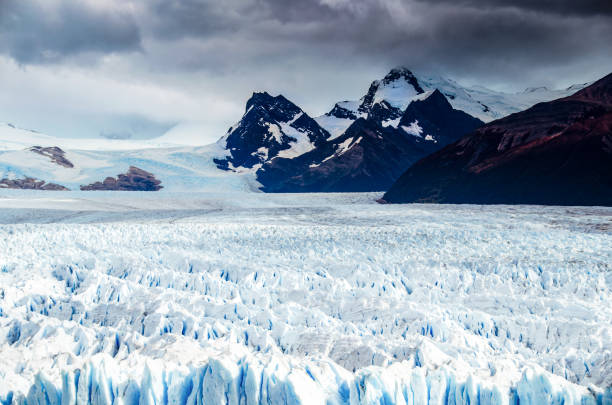
Challenge yourself with thrilling ice climbing and breathtaking treks through one of the world’s most stunning national parks.
Activity Type: Ice climbing, trekking, and adventure travel.
Overview: The W Trek in Torres del Paine National Park, located in the breathtaking landscapes of Patagonia, Chile, is a renowned hiking route that showcases the region’s dramatic scenery, including towering granite peaks, turquoise lakes, and sprawling glaciers. This multi-day trek typically spans about 50 miles (80 kilometers) and allows adventurers to experience the natural beauty of the park while encountering unique wildlife, including guanacos, condors, and even the elusive puma. The iconic backdrop of the Torres del Paine, three granite spires that rise dramatically above the landscape, provides a stunning setting for trekking enthusiasts and nature lovers alike.
For those looking to enhance their adventure, ice climbing on the nearby glaciers adds an exhilarating dimension to the experience. Guided ice climbing tours are available, where participants can learn the fundamentals of the sport while ascending frozen waterfalls and crevasses. The combination of trekking and ice climbing offers a comprehensive Patagonia experience, allowing explorers to witness the grandeur of the landscape from both ground and ice, creating memories that last a lifetime.
Where: Torres del Paine National Park is located in southern Chilean Patagonia. The W Trek begins at the park entrance, typically at either the Torres del Paine Refugio or the Hostería Lago Pehoé.
Duration of Activity: The W Trek generally takes four to five days to complete, while ice climbing excursions can be arranged as half-day or full-day activities in conjunction with the trek.
Best Time to Visit: The best time for trekking in Torres del Paine is during the summer months (November to March), when the weather is milder and the trails are accessible. Ice climbing is typically best from late spring to early summer.
Cost: Trekking permits for Torres del Paine National Park cost approximately $35 USD, while guided trekking packages can range from $300 to $1,500 USD, depending on the level of service, accommodation options, and duration. Ice climbing excursions usually cost between $150 to $300 USD per person, depending on the tour provider.
Top Tips: Plan your trek in advance, as accommodations and guided tours can fill up quickly during peak season. Bring layered clothing to adapt to changing weather conditions, and ensure you have waterproof gear for protection against rain and snow. Staying hydrated is essential, so carry a refillable water bottle or a hydration system. Consider hiring a knowledgeable guide, especially for ice climbing, to ensure safety and gain valuable insights into the region’s unique ecology and geography. Lastly, embrace the remote beauty of Patagonia and take time to soak in the awe-inspiring landscapes along your journey.
11.) White-Water Rafting on the Zambezi River, Zambia/Zimbabwe
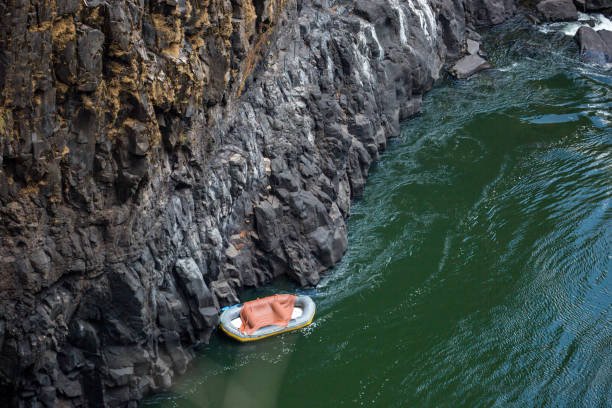
Experience the exhilarating rush of navigating one of the world’s most thrilling rivers while surrounded by breathtaking landscapes.
Activity Type: Adventure sports, white-water rafting, and eco-tourism.
Overview: White-water rafting on the Zambezi River, which forms the border between Zambia and Zimbabwe, is a must-do for adventure enthusiasts seeking an adrenaline-filled experience. This iconic river is renowned for its challenging rapids, particularly those found below the majestic Victoria Falls. The Zambezi offers some of the best white-water rafting in the world, with grades ranging from 3 to 5, providing both exciting challenges for experienced rafters and manageable rapids for beginners. The stunning scenery along the river, characterized by lush gorges and dramatic cliffs, enhances the thrill of navigating the turbulent waters.
Rafting on the Zambezi is not just about the adrenaline; it’s also an opportunity to connect with nature. As you paddle through the river’s rapids, you may spot wildlife such as elephants, hippos, and crocodiles along the banks. The experience is often complemented by the beauty of the surrounding national parks and the chance to explore the vibrant local culture. After a day of thrilling rafting, participants can relax and enjoy stunning sunsets over the river, making it an unforgettable adventure.
Where: The Zambezi River runs through several countries in Southern Africa, with the most popular rafting section located near Victoria Falls, accessible from both Zambia and Zimbabwe. Rafting tours typically start from the town of Livingstone in Zambia or Victoria Falls in Zimbabwe.
Duration of Activity: A typical rafting trip lasts a full day, with pre-trip briefings and post-raft celebrations included. Multi-day rafting adventures are also available, combining rafting with camping and other activities.
Best Time to Visit: The best time for white-water rafting on the Zambezi is during the low-water season, from June to early February, when the rapids are at their most thrilling and the river levels are safer for rafting.
Cost: Day rafting trips on the Zambezi typically range from $120 to $250 USD, including equipment, safety gear, and a guide. Multi-day packages may cost between $500 and $1,500 USD, depending on inclusions such as accommodation and meals.
Top Tips: Ensure you choose a reputable rafting company with experienced guides to guarantee safety and maximize your experience. Wear a secure life jacket, and consider using a helmet for added protection. Bring quick-drying clothing, as you’re likely to get wet, and waterproof bags for your belongings. Hydration is key, so drink plenty of water throughout the day. Finally, be prepared for an adventure filled with excitement, laughter, and unforgettable memories as you conquer the Zambezi’s wild waters!
12.) Gorilla trekking in the heart of Africa
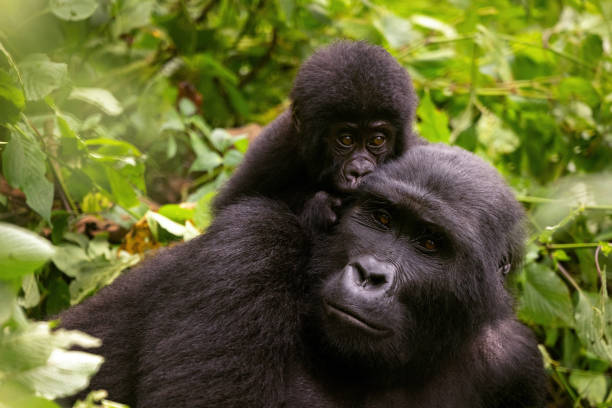
Embark on a once-in-a-lifetime journey to encounter majestic mountain gorillas in their natural habitat, a profound experience that fosters conservation awareness.
Activity Type: Wildlife trekking and eco-tourism.
Overview: Gorilla trekking in the heart of Africa offers a unique and intimate experience with one of the world’s most endangered species. The trek typically takes place in the mountainous regions of Uganda, Rwanda, and the Democratic Republic of the Congo, where mountain gorillas roam freely in lush forests. This adventure allows visitors to observe these magnificent creatures up close in their natural environment, witnessing their social behaviors, interactions, and playful antics. The trek can be both exhilarating and challenging, as it often involves hiking through dense vegetation and steep terrain to locate the gorilla families, sometimes requiring several hours of trekking.
Aside from the thrill of seeing gorillas in the wild, the experience is deeply rewarding, as it contributes to wildlife conservation efforts and local community support. Engaging with local guides provides insights into the gorillas’ habitat, behaviors, and the ongoing efforts to protect these gentle giants from poaching and habitat loss. The overall journey through the stunning landscapes of the African highlands is also breathtaking, filled with opportunities to appreciate the region’s rich biodiversity and scenic beauty.
Where: Gorilla trekking can be experienced in several national parks, including Bwindi Impenetrable National Park and Mgahinga Gorilla National Park in Uganda, Volcanoes National Park in Rwanda, and Virunga National Park in the Democratic Republic of the Congo.
Duration of Activity: Gorilla trekking trips typically last one day for the actual trek, but most visitors spend several days in the region to accommodate travel and acclimatization. Many tour packages include additional activities, such as cultural visits or wildlife safaris.
Best Time to Visit: The best times for gorilla trekking are during the dry seasons from June to September and December to February, when trails are less muddy, and visibility is better.
Cost: Gorilla trekking permits range from $400 to $1,500 USD per person, depending on the country and park regulations. This fee typically includes park entrance and a guided trek. Additional costs for accommodations, transportation, and other activities should also be considered.
Top Tips: Secure your gorilla trekking permit well in advance, as they are limited and in high demand. Wear sturdy hiking boots and dress in layers, as temperatures can vary significantly. Bring a rain jacket, as sudden rain showers are common in the rainforest. Follow your guide’s instructions closely for safety and to minimize stress on the gorillas. Finally, keep your distance, remain quiet, and enjoy the incredible opportunity to observe these remarkable animals in their natural habitat.
13.) Trekking to the North Pole
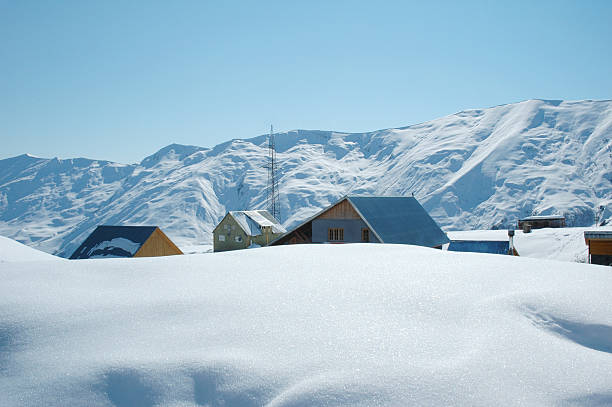
Embark on an extraordinary adventure to the top of the world, where the land meets the Arctic Ocean and the spirit of exploration thrives.
Activity Type: Extreme trekking and polar expedition.
Overview: Trekking to the North Pole is one of the most ambitious and thrilling adventures on the planet, offering intrepid explorers the chance to stand at the northernmost point on Earth. This unique journey involves traversing the Arctic ice cap, where you will encounter breathtaking landscapes of frozen seas, shifting ice floes, and the stark beauty of the polar environment. The trek typically begins in Longyearbyen, Svalbard, Norway, where you will board an icebreaker or small aircraft to reach the starting point on the ice. From there, you’ll embark on a guided expedition, often lasting about 10 to 14 days, depending on weather conditions and the chosen route.
During the trek, you will navigate through a pristine wilderness filled with challenges and surprises, including navigating crevasses and changing ice conditions. The North Pole is not only about the destination; it’s a journey that fosters a deep connection to nature and the forces of the Arctic. Participants often have the opportunity to witness stunning wildlife, including seals, polar bears, and a variety of seabirds, while learning about the fragile ecosystem and the impacts of climate change on the polar region.
Where: The journey to the North Pole typically begins in Longyearbyen, Svalbard, Norway, with expeditions traveling across the Arctic Ocean ice cap to reach the geographic North Pole.
Duration of Activity: The entire expedition usually lasts between 10 to 14 days, including travel to and from Svalbard and time spent trekking on the ice.
Best Time to Visit: The prime window for trekking to the North Pole is during the Arctic spring, typically from late March to early May, when conditions are more stable and temperatures are milder.
Cost: Trekking to the North Pole is a luxury adventure, with costs ranging from $20,000 to $30,000 USD per person, covering expedition fees, equipment, guides, and logistical support. Prices can vary based on the expedition company and included amenities.
Top Tips: Prepare physically and mentally for the demands of Arctic trekking, as it requires stamina and resilience. Invest in high-quality gear, including insulated clothing, waterproof boots, and appropriate camping equipment. Familiarize yourself with polar survival skills, as conditions can change rapidly. Follow your guide’s instructions closely for safety and navigation, and respect the fragile Arctic environment. Finally, embrace the unique experience of standing at the top of the world, taking in the pristine beauty and vastness of the Arctic landscape.
14.) Kayaking with Orcas in British Columbia, Canada
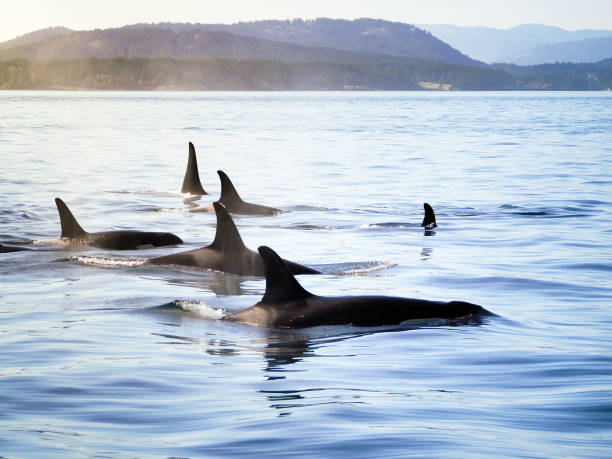
Experience the thrill of paddling alongside majestic orcas in the stunning waters of British Columbia, where adventure meets marine wildlife.
Activity Type: Wildlife kayaking and eco-tourism.
Overview: Kayaking with orcas in British Columbia offers a unique opportunity to connect with these magnificent marine mammals in their natural habitat. The coastal waters surrounding Vancouver Island, particularly in the Johnstone Strait and the waters of the Gulf Islands, are renowned for their vibrant ecosystems and rich marine life, making it one of the best places in the world to witness orcas in the wild. Guided kayaking tours allow adventurers to explore this breathtaking region while keeping a respectful distance from the whales, ensuring a safe and responsible encounter with these intelligent creatures.
Paddling alongside orcas is an exhilarating experience, as these striking black-and-white whales breach, slap their tails, and create an unforgettable spectacle in the waters. Kayaking also offers the chance to observe other wildlife, including seals, sea lions, and a variety of seabirds, all set against the backdrop of rugged coastlines and lush forests. The combination of adventure, breathtaking scenery, and the chance to witness orcas in their natural environment makes this an unforgettable experience for nature lovers and adventure seekers alike.
Where: The best locations for kayaking with orcas in British Columbia include the Johnstone Strait, near Campbell River, and the waters surrounding the Gulf Islands, particularly in the area of Victoria and the San Juan Islands.
Duration of Activity: Kayaking tours typically last from half a day to multi-day adventures, with options for guided trips ranging from four hours to several days of camping and exploration.
Best Time to Visit: The prime time for orca sightings in British Columbia is from May to September, with peak months in June and July when the whales are most active and visible.
Cost: Prices for guided kayaking tours with orcas vary based on duration and inclusions, typically ranging from $100 to $300 USD per person for half-day tours. Multi-day expeditions may cost between $600 and $1,500 USD, depending on accommodation and meals.
Top Tips: Book your kayaking tour in advance, especially during the peak summer season, to secure your spot. Dress in layers to accommodate changing weather conditions, and bring a waterproof bag for your belongings. A drysuit or wetsuit can enhance comfort during your trip. Listen closely to your guide’s instructions, both for safety and to ensure a responsible approach to wildlife encounters. Lastly, be prepared to be amazed as you glide through the waters, listening to the sounds of the ocean and witnessing the awe-inspiring beauty of orcas in their natural environment.
15.) Exploring the Darien Gap, Panama/Colombia
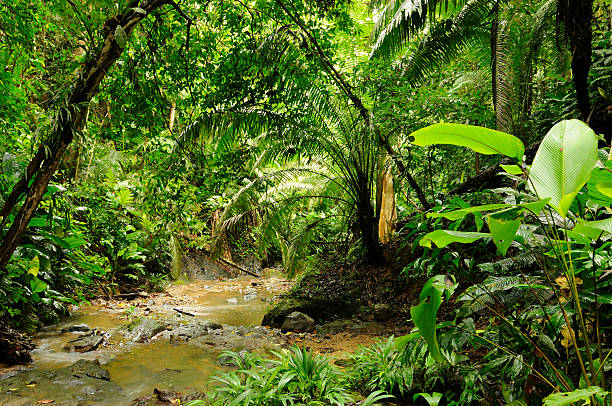
Venture into one of the world’s last great wildernesses, where adventure awaits in the untamed beauty of the Darien Gap.
Activity Type: Jungle trekking, eco-tourism, and cultural exploration.
Overview: The Darien Gap is a mysterious and largely uncharted region that serves as a natural barrier between Panama and Colombia, characterized by dense rainforests, swamps, and rugged mountains. This unique area is known for its rich biodiversity and the indigenous communities that call it home, making it an extraordinary destination for adventurous travelers. Exploring the Darien Gap involves navigating through lush jungles, crossing rivers, and encountering diverse wildlife, including monkeys, sloths, and exotic birds. The remote nature of the region offers an unparalleled opportunity to immerse yourself in one of the planet’s most pristine ecosystems.
While the journey can be physically demanding, it is also rewarding, providing insights into the rich cultures of the Emberá and Wounaan indigenous peoples. Guided tours often include visits to local communities, where travelers can learn about traditional customs, crafts, and the daily lives of the people who inhabit this beautiful yet challenging landscape. The Darien Gap offers a unique blend of adventure, culture, and stunning natural beauty that is not easily found elsewhere.
Where: The Darien Gap stretches across the border between Panama and Colombia, with various entry points depending on the chosen trekking route. Most travelers begin their journey in the Panamanian town of Metetí or the Colombian town of Turbo.
Duration of Activity: Exploring the Darien Gap typically takes between five to ten days, depending on the chosen itinerary, trekking routes, and activities included in the tour.
Best Time to Visit: The best time to explore the Darien Gap is during the dry season, from December to April, when conditions are more favorable for trekking and wildlife observation. The rainy season can make travel more difficult due to muddy trails and swollen rivers.
Cost: Guided tours to the Darien Gap can range from $500 to $2,000 USD per person, depending on the duration, level of comfort, and inclusions such as meals and accommodations.
Top Tips: Choose a reputable guide or tour company that specializes in the Darien region for a safe and enriching experience. Prepare for challenging conditions by bringing proper gear, including sturdy hiking boots, lightweight clothing, and insect repellent. It’s essential to stay hydrated, so carry enough water or a purification system. Embrace the local culture by engaging with indigenous communities respectfully and learning about their traditions. Lastly, be ready for an adventure of a lifetime as you navigate the untamed beauty and rich biodiversity of the Darien Gap.
16.) Diving the Blue Hole, Belize
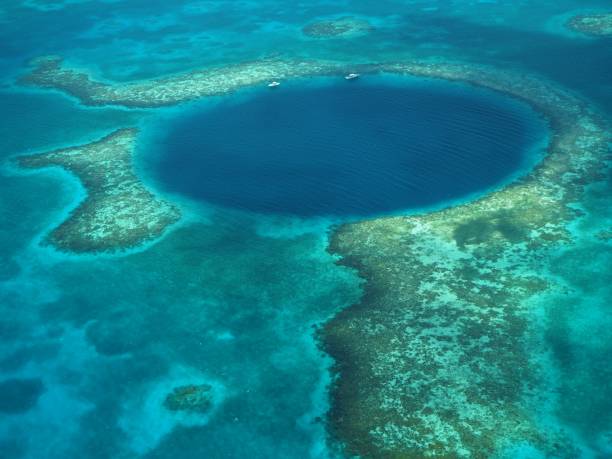
Immerse yourself in the breathtaking underwater world of the Blue Hole, a UNESCO World Heritage Site renowned for its stunning marine biodiversity and dramatic geological formations.
Activity Type: Scuba diving and eco-tourism.
Overview: The Great Blue Hole is one of the most famous diving destinations in the world, located just off the coast of Belize in the Belize Barrier Reef Reserve System. This massive underwater sinkhole is approximately 1,000 feet (300 meters) across and 410 feet (125 meters) deep, offering divers a unique opportunity to explore its stunning vertical walls adorned with stalactites and limestone formations. The crystal-clear waters provide exceptional visibility, allowing divers to appreciate the striking colors and intricate textures of the marine life that inhabit the area.
The dive site is home to a variety of species, including reef sharks, nurse sharks, and a plethora of tropical fish, making it a thrilling experience for both novice and experienced divers. The surrounding reef, part of the larger Belize Barrier Reef, is teeming with life, offering opportunities to encounter turtles, rays, and vibrant coral formations. The Blue Hole is not only a diver’s paradise but also a location of significant geological and ecological importance, drawing divers and nature enthusiasts from around the globe.
Where: The Great Blue Hole is located approximately 60 miles (97 kilometers) from the coast of Belize, within the Belize Barrier Reef, and is accessible by boat from various dive operators in Belize City or the nearby islands of Caye Caulker and Ambergris Caye.
Duration of Activity: Diving trips to the Blue Hole are typically half-day to full-day excursions, with most operators offering two or three dives, including other nearby sites in a single trip.
Best Time to Visit: The best time for diving the Blue Hole is during the dry season from April to June and in October, when conditions are most favorable for diving. However, it is a popular year-round destination.
Cost: Prices for diving trips to the Blue Hole generally range from $150 to $300 USD per person, depending on the operator, inclusions (such as equipment rental and meals), and the number of dives.
Top Tips: Ensure you are certified for deep diving, as the Blue Hole involves depths that require appropriate training. Arrive well-rested and consider doing a dive or two at shallower sites beforehand to acclimate. Bring an underwater camera to capture the incredible underwater scenery and marine life. Always follow your dive guide’s instructions for safety, and be respectful of the fragile ecosystem. Lastly, take a moment to appreciate the unique beauty of the Blue Hole as you descend into its depths, creating memories that will last a lifetime.
17.) Take on the Greatest American Road Trip: Route 66 & the Pacific Coast Highway

Embark on a classic journey across America, exploring iconic landscapes and vibrant towns along the legendary Route 66 and the breathtaking Pacific Coast Highway.
Activity Type: Road trip and scenic travel.
Overview: Taking on the greatest American road trip is a dream for many travelers, offering an unforgettable experience filled with adventure, stunning scenery, and a rich tapestry of culture and history. Route 66, often referred to as the “Main Street of America,” stretches over 2,400 miles from Chicago, Illinois, to Santa Monica, California. This historic highway is dotted with charming diners, quirky roadside attractions, and nostalgic motels that evoke the spirit of the American road trip. As you traverse this iconic route, you’ll encounter the vibrant culture of small towns, the vastness of the Midwest, and the unique landscapes of the Southwest, making each mile a new discovery.
Transitioning from Route 66 to the Pacific Coast Highway (California State Route 1) offers a spectacular change of scenery, as you journey along the stunning coastline of California. This scenic drive features dramatic cliffs, sweeping ocean views, and picturesque beaches. Highlights along the Pacific Coast Highway include the charming town of Carmel-by-the-Sea, the breathtaking vistas of Big Sur, and the vibrant city of San Francisco. Along the way, travelers can stop for outdoor adventures, indulge in local cuisine, and explore the rich history and culture of California’s coastal communities.
Where: The road trip begins in Chicago, Illinois, on Route 66, and concludes in Santa Monica, California. The Pacific Coast Highway can be accessed along the California coast, starting from San Luis Obispo and running north to San Francisco and beyond.
Duration of Activity: A comprehensive road trip covering both Route 66 and the Pacific Coast Highway typically takes about 2 to 4 weeks, depending on how many stops you make and how long you spend in each location.
Best Time to Visit: The best time for this road trip is during the spring (April to June) and fall (September to October) when the weather is mild, and crowds are fewer. Summer can be busy, especially along the Pacific Coast Highway.
Cost: The cost of the road trip will vary significantly based on factors such as accommodation choices, dining, fuel, and activities. A budget of $1,500 to $3,000 USD per person is a reasonable estimate for a two-week trip, including a mix of budget and mid-range accommodations.
Top Tips: Plan your route in advance, but also leave room for spontaneity and unexpected detours. Invest in a good map or GPS system, as some areas may have limited cell service. Be sure to try local diners and roadside attractions along Route 66 for an authentic experience. When driving the Pacific Coast Highway, allocate extra time for stops to enjoy the views and take photos. Finally, embrace the journey and the stories that unfold along the way, as this iconic road trip is as much about the experience as it is about the destination.
18.) Exploring the Skeleton Coast, Namibia
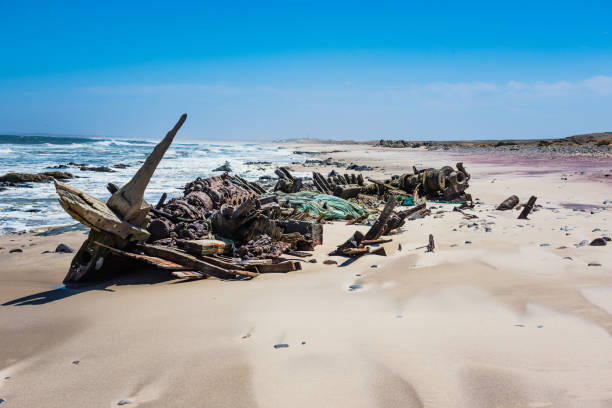
Venture into one of Africa’s most desolate yet striking landscapes, where the haunting beauty of the Skeleton Coast awaits your exploration.
Activity Type: Wilderness adventure and eco-tourism.
Overview: The Skeleton Coast in Namibia is an otherworldly destination known for its dramatic coastline, shipwrecks, and arid landscapes that evoke a sense of adventure and mystery. Stretching along the Atlantic Ocean, this remote area is characterized by towering sand dunes, rugged cliffs, and vast stretches of desolate beach. Named for the bones of stranded whales and shipwrecks that litter its shores, the Skeleton Coast is a unique ecosystem home to an array of wildlife, including seals, desert-adapted elephants, and the elusive brown hyena. Exploring this remote coastline offers a glimpse into the raw and untamed beauty of Namibia’s wilderness.
Visitors can engage in a variety of activities, from scenic flights over the coast to guided tours of its most iconic shipwrecks. The Skeleton Coast National Park provides access to pristine wilderness areas, where travelers can hike, explore sand dunes, and enjoy the stark contrast of the Namib Desert meeting the Atlantic Ocean. The experience is both exhilarating and humbling, as the rugged landscapes and vast emptiness invite introspection and appreciation for nature’s power.
Where: The Skeleton Coast is located along the northwest coast of Namibia, extending from the Swakopmund area in the south to the Angolan border in the north. Key access points include Skeleton Coast National Park and the nearby towns of Swakopmund and Henties Bay.
Duration of Activity: Exploring the Skeleton Coast typically takes between 3 to 7 days, depending on the chosen itinerary and activities, with options for guided tours, self-drive adventures, or fly-in safaris.
Best Time to Visit: The best time to explore the Skeleton Coast is during the dry season from May to October, when temperatures are cooler and wildlife is more active. However, each season offers its unique charm, including the lush vegetation during the brief rainy season from January to March.
Cost: Costs for exploring the Skeleton Coast can vary widely, depending on the type of accommodation, transportation, and activities. A budget of $1,500 to $3,000 USD per person for a week-long trip is a reasonable estimate, including a mix of budget and mid-range options.
Top Tips: Book your accommodations and guided tours in advance, as options can be limited in this remote region. Ensure you have a reliable vehicle if self-driving, and consider renting a 4x4 for better access to rougher terrain. Bring plenty of water, sun protection, and a good camera to capture the breathtaking landscapes. Respect the fragile environment and follow guidelines for wildlife interactions. Lastly, take the time to soak in the solitude and beauty of the Skeleton Coast, as it offers a unique adventure that is both awe-inspiring and transformative.
19.) Run the Marathon des Sables
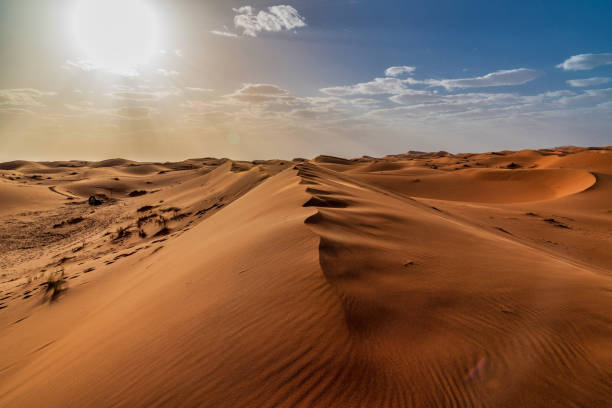
Challenge your endurance and push your limits in one of the toughest footraces on the planet, the Marathon des Sables, set against the breathtaking backdrop of the Sahara Desert.
Activity Type: Endurance running and adventure racing.
Overview: The Marathon des Sables (Marathon of the Sands) is a grueling multi-day ultramarathon that takes place annually in the Moroccan Sahara Desert. Covering approximately 156 miles (251 kilometers) over the course of six days, this legendary race tests the limits of physical and mental endurance. Participants carry their own food and gear, making strategic planning and preparation essential for success in this harsh environment. The race consists of various stages, with distances ranging from 20 to 50 miles (32 to 80 kilometers) per day, all while navigating sand dunes, rocky terrains, and extreme temperatures.
Beyond the physical challenge, the Marathon des Sables offers participants an unparalleled experience in one of the world’s most beautiful and remote locations. Runners are greeted with stunning desert landscapes, the camaraderie of fellow athletes, and the spirit of adventure that defines this iconic race. From the adrenaline of the starting line to the moment of crossing the finish, the Marathon des Sables is an unforgettable journey that inspires personal growth and achievement.
Where: The Marathon des Sables takes place in the Sahara Desert, primarily in southern Morocco, with the race usually starting in the town of Ouarzazate and winding through remote desert landscapes.
Duration of Activity: The race spans six days, with each stage varying in distance, culminating in the final marathon stage.
Best Time to Visit: The Marathon des Sables typically occurs in April, when temperatures are cooler compared to the extreme summer heat of the Sahara, making it more manageable for runners.
Cost: Entry fees for the Marathon des Sables generally range from €1,000 to €2,000 (approximately $1,200 to $2,400 USD), which includes race registration, accommodations in tents during the event, and logistical support. Additional expenses for travel, gear, and training can add to the overall cost.
Top Tips: Prepare thoroughly with a training regimen that includes long runs in challenging conditions. Familiarize yourself with desert running techniques, including hydration strategies and foot care to prevent blisters. Invest in high-quality gear designed for ultramarathons, such as lightweight shoes and moisture-wicking clothing. Familiarize yourself with the race rules and logistics, as each participant must be self-sufficient. Finally, embrace the experience, as the Marathon des Sables is not just a race, but a journey that will test your limits and create lasting memories.
20.) Camp under the Northern Lights

Experience the magic of the Arctic as you camp under the ethereal glow of the Northern Lights, a breathtaking natural phenomenon that captivates the soul.
Activity Type: Camping and nature observation.
Overview: Camping under the Northern Lights is a truly enchanting adventure that offers a unique opportunity to witness one of nature’s most spectacular displays. Known as the Aurora Borealis, the Northern Lights paint the night sky with vibrant colors, from greens to purples and reds, creating a stunning visual experience. Popular destinations for this magical experience include the remote wilderness of Lapland in Finland, the Canadian Arctic, and the rugged landscapes of Iceland and Norway. Each location offers its own unique setting, whether it’s the tranquility of a frozen lake, the silhouette of snow-covered mountains, or the vast expanse of a starry sky.
Camping experiences can vary from traditional tents to cozy cabins or even luxurious igloos, allowing travelers to immerse themselves in the serene beauty of the Arctic environment. Many tour operators provide guided trips that include snowshoeing, dog sledding, and photography workshops, enhancing the overall experience. As you sit by the warmth of a campfire, sipping hot cocoa and sharing stories with fellow adventurers, the anticipation of the Northern Lights dancing across the sky creates an unforgettable atmosphere that lingers long after the last flicker fades.
Where: Popular locations for camping under the Northern Lights include Lapland in Finland, Tromsø in Norway, the Yukon Territory in Canada, and various spots in Iceland, such as Thingvellir National Park and near Reykjavik.
Duration of Activity: Camping trips typically last between 3 to 7 days, depending on the itinerary and desired experiences, such as guided tours and excursions.
Best Time to Visit: The best time to view the Northern Lights is during the winter months, from late September to early April, when nights are longest and skies are darkest. The peak viewing months are usually from November to March.
Cost: Prices for camping under the Northern Lights can vary widely based on the type of accommodation and guided services. A budget of $1,000 to $2,500 USD per person is reasonable for a 3- to 7‑day trip, including accommodation, meals, and guided activities.
Top Tips: Dress in layers and prepare for cold temperatures, as nights can be frigid. Opt for thermal clothing and waterproof gear to ensure comfort. Choose a location with minimal light pollution for the best viewing conditions and consider using an app to track aurora forecasts. Bring a good camera with a tripod to capture the stunning visuals of the Northern Lights. Lastly, be patient and stay alert; the Aurora Borealis can be unpredictable, but the wait is often worth it when the sky comes alive with color.
21.) Walking or skiing the Skiing the Haute Route, France/Switzerland

Embark on an unforgettable journey through the majestic Alps, traversing the legendary Haute Route, a classic trek that promises stunning landscapes and a true sense of adventure.
Activity Type: Hiking or skiing adventure.
Overview: The Haute Route, or High Route, is one of the most famous and breathtaking trekking and skiing routes in the world, connecting Chamonix in France to Zermatt in Switzerland. Spanning approximately 180 kilometers (111 miles) and crossing multiple mountain passes, this iconic route takes adventurers through some of the most stunning alpine scenery imaginable. Hikers and skiers will be treated to panoramic views of snow-capped peaks, glistening glaciers, and charming mountain villages, making every step a feast for the eyes.
The Haute Route can be completed as a multi-day trek in the summer months, ideal for walkers, or as a ski tour during the winter, offering a different perspective of the stunning terrain. Along the way, trekkers and skiers will experience the rich culture of the region, enjoying delicious alpine cuisine and the warmth of traditional mountain huts. This journey is not only a physical challenge but also a chance to immerse oneself in the beauty and tranquility of the Alps.
Where: The Haute Route begins in Chamonix, France, and ends in Zermatt, Switzerland, traversing the border of the two countries and passing through the Mont Blanc region and the Pennine Alps.
Duration of Activity: The trek typically takes about 10 to 12 days, depending on the chosen itinerary and pace, while skiing the route can take approximately 7 to 9 days.
Best Time to Visit: The best time for hiking the Haute Route is from late June to mid-September when the trails are clear of snow. For skiing, the optimal time is from mid-January to early April, when snow conditions are at their best.
Cost: The cost of completing the Haute Route can vary greatly based on the choice of accommodations, guided services, and meals. A budget of $1,500 to $3,500 USD per person is typical for a fully supported trek or ski tour, including lodging, meals, and guide fees.
Top Tips: If you choose to go independently, ensure you have good navigation skills, as some sections can be challenging to find. Consider hiring a local guide, especially for skiing, to navigate the more technical terrain and to enhance your experience with local knowledge. Pack appropriately for changing weather conditions, and invest in quality hiking or skiing gear. Staying hydrated and well-nourished during the trek is crucial, so carry energy-rich snacks and ample water. Finally, take the time to pause and soak in the breathtaking views; the Haute Route offers some of the most spectacular scenery in the Alps, making every moment worthwhile.
22) Dive the Great Barrier Reef in Queensland, Australia

Discover the underwater paradise of the Great Barrier Reef, where vibrant coral reefs and diverse marine life create an unforgettable diving experience.
Activity Type: Scuba diving and snorkeling adventure.
Overview: The Great Barrier Reef is one of the world’s most iconic natural wonders and the largest coral reef system, stretching over 2,300 kilometers (1,430 miles) along the coast of Queensland, Australia. A UNESCO World Heritage site, the reef is home to an astonishing diversity of marine life, including over 1,500 species of fish, 400 species of coral, and numerous sea turtles and dolphins. Divers and snorkelers can explore colorful coral gardens, vibrant fish communities, and stunning underwater topographies, making each dive a new adventure filled with breathtaking sights.
Diving in the Great Barrier Reef can be tailored to suit all experience levels, from beginners to seasoned divers. Numerous dive operators offer day trips and liveaboard experiences, allowing for deeper exploration of remote sites. Popular diving spots include the Cod Hole, known for its friendly potato cod, and the famous Osprey Reef, which boasts stunning walls and abundant pelagic species. With crystal-clear waters and a vibrant underwater ecosystem, the Great Barrier Reef is a must-visit destination for anyone looking to experience the beauty of the ocean.
Where: The Great Barrier Reef is located off the coast of Queensland, Australia, with major access points from towns like Cairns, Port Douglas, and the Whitsunday Islands.
Duration of Activity: A typical diving trip can range from half-day excursions to multi-day liveaboard trips, with durations varying from a few hours to a week, depending on the desired experience.
Best Time To Visit: The best time to dive the Great Barrier Reef is from June to October during the dry season, when the weather is more stable, and visibility is at its peak. However, diving is possible year-round.
Cost: Costs for diving the Great Barrier Reef can vary widely based on the type of trip chosen. Day trips typically range from $100 to $250 USD per person, while liveaboard experiences can cost between $500 to $1,500 USD for several days, depending on the level of comfort and inclusions.
Top Tip:: Ensure you book your diving trips in advance, especially during peak season, to secure your spot with reputable operators. Don’t forget to check the current health of the coral and marine life in the area, as environmental factors can impact diving conditions. Bring your own dive gear if possible, as many operators charge extra for rentals. Additionally, consider taking a course to enhance your diving skills or to become certified if you are a beginner. Finally, take the time to learn about the reef’s ecosystem and the importance of its conservation to ensure that this natural wonder can be enjoyed for generations to come.
23.) Wildlife Safari in the Okavango Delta, Botswana
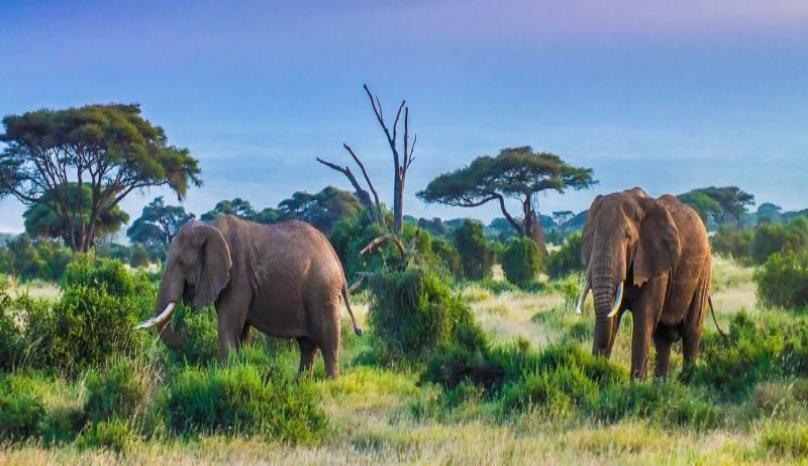
Embark on an unforgettable wildlife safari in the stunning Okavango Delta, where diverse ecosystems teem with life and offer a true African adventure.
Activity Type: Wildlife safari and eco-tourism.
Overview: The Okavango Delta is a UNESCO World Heritage site and one of the most unique inland deltas in the world, located in northern Botswana. This vast network of lagoons, islands, and floodplains creates a rich habitat for an incredible array of wildlife. As the waters of the Okavango River flood the area seasonally, the delta transforms into a lush paradise that attracts elephants, lions, hippos, crocodiles, and numerous bird species. A wildlife safari in the Okavango is not just about observing animals; it’s an immersive experience that connects you to nature and the vibrant cultures of the region.
Visitors can explore the delta in various ways, including traditional mokoro (dugout canoe) excursions, guided walking safaris, and game drives. Each method offers a unique perspective on the landscape and its inhabitants. The interaction between land and water creates a dynamic ecosystem, making every safari adventure a chance to witness the natural rhythms of life in the African wilderness. Whether you’re watching elephants bathing in the waterways or listening to the calls of the wild at sunset, a safari in the Okavango Delta is a breathtaking experience that captivates the heart and soul.
Where: The Okavango Delta is located in northern Botswana, with access points typically from Maun, the nearest major town, or via charter flights to various camps and lodges within the delta.
Duration of Activity: A typical wildlife safari in the Okavango Delta lasts from 3 to 7 days, depending on your chosen itinerary and accommodation style.
Best Time to Visit: The best time for wildlife safaris in the Okavango Delta is during the dry season, from May to October. This period coincides with the flooding of the delta, attracting wildlife to the water sources and enhancing visibility for game viewing.
Cost: The cost of a wildlife safari in the Okavango Delta can vary significantly depending on accommodation choices and activities. Budget travelers might find options starting at $150 per day, while luxury safaris can cost upwards of $1,000 per day per person, including all meals and activities.
Top Tips: Book your safari well in advance, especially for peak season, as accommodations can fill quickly. Consider staying in a variety of camps to experience different aspects of the delta. A guided walking safari can provide a deeper understanding of the ecosystem, while a mokoro trip allows for a unique, tranquil perspective of the wildlife. Pack binoculars for birdwatching, and bring a good camera with a zoom lens to capture the incredible wildlife moments. Lastly, respect the local cultures and wildlife, ensuring that your visit contributes to the conservation of this stunning natural environment.
24) Ice Diving in White Sea, Russia

Dive into a surreal underwater world with ice diving in the White Sea, where pristine waters and unique marine life create an unforgettable experience.
Activity Type: Ice diving adventure.
Overview: The White Sea, located in northwestern Russia, is renowned for its stunning underwater landscapes and diverse marine ecosystems. Ice diving here is a unique experience, allowing divers to explore beneath the frozen surface of the sea during the winter months. The clear, cold waters provide exceptional visibility, revealing a mesmerizing world of colorful marine life, intricate underwater formations, and stunning ice sculptures. This region is home to a variety of species, including seals, flounder, and unique sea creatures, making every dive a thrilling exploration of the underwater environment.
Ice diving in the White Sea typically involves a guided experience, as the conditions can be challenging and require specialized training. Divers enter the water through holes cut in the ice, descending into a serene underwater realm filled with fascinating sights. The experience is not just about the dive itself; it also includes the exhilaration of being surrounded by ice and the thrill of exploring one of the most remote and beautiful parts of the world. After diving, participants can warm up in cozy lodges and enjoy the local culture and cuisine, adding to the overall adventure.
Where: The White Sea is located in northwestern Russia, with popular diving locations around the cities of Murmansk and Arkhangelsk.
Duration of Activity: Ice diving trips can vary in length, typically ranging from a weekend excursion to a full week of diving, depending on the tour package and diver experience level.
Best Time to Visit: The best time for ice diving in the White Sea is from late January to early March, when the ice cover is thickest, and the underwater visibility is optimal.
Cost: The cost for ice diving in the White Sea can vary significantly based on the package chosen. Expect to pay between $400 to $1,200 USD for a multi-day trip that includes guided dives, accommodations, and meals.
Top Tips: Ensure you have proper ice diving certification, as the conditions can be demanding and require specific skills. Dress in layers and invest in high-quality drysuits and thermal undergarments to keep warm in the frigid waters. Prioritize safety by diving with experienced guides who know the area well and can provide necessary support. Bring a camera designed for cold conditions to capture the breathtaking underwater scenery. Finally, embrace the entire experience, from the adventure of entering the icy waters to the serene beauty of the underwater landscape, making memories that will last a lifetime.
25.) Witness a Total Solar Eclipse

Experience the awe-inspiring phenomenon of a total solar eclipse, where day turns to night in a breathtaking celestial display.
Activity Type: Astronomical observation.
Overview: Witnessing a total solar eclipse is one of nature’s most extraordinary events, offering a rare opportunity to see the moon completely obscure the sun, casting a shadow on Earth and transforming the sky into a dramatic spectacle. During totality, the sun’s corona becomes visible, creating an ethereal glow that can leave onlookers speechless. Eclipses are not only visually stunning but also carry cultural significance across various civilizations, making the experience even more profound. People travel from all over the world to be in the path of totality, where the eclipse can be fully experienced for several minutes.
The path of totality changes with each eclipse, making planning essential for those who wish to see it. Locations may vary, and certain areas can experience a total eclipse only once every few decades. Events surrounding a total solar eclipse often include educational talks, festivals, and community gatherings, enhancing the overall experience. Whether you’re an astronomy enthusiast or simply seeking an unforgettable adventure, witnessing a total solar eclipse is an unparalleled experience that will resonate for years to come.
Where: The path of totality varies with each eclipse, and popular locations often include regions in the United States, South America, and parts of Europe and Asia, depending on the date of the event.
Duration of Activity: The total eclipse itself lasts only a few minutes, but the entire event, including the partial phases leading up to and following totality, can take several hours.
Best Time to Visit: Total solar eclipses occur approximately every 18 months somewhere on Earth, but specific locations may only see a total eclipse every 375 years. Check eclipse maps for upcoming dates and paths of totality, with the next total solar eclipse taking place on April 8, 2024, across parts of North America.
Cost: Costs can vary widely based on travel arrangements, accommodation, and any special events or tours. A budget of $500 to $2,000 USD is reasonable for a well-planned trip that includes lodging, meals, and transportation.
Top Tips: Always prioritize safety when viewing a solar eclipse—never look directly at the sun without proper eclipse glasses or solar filters. Plan your trip well in advance to secure accommodations in the path of totality, as they tend to book up quickly. Arrive at your viewing location early to avoid traffic and to enjoy the atmosphere leading up to the event. Consider joining organized events or groups to enhance your experience with educational resources and a sense of community. Finally, remember to capture the moment with a camera designed for astrophotography, but take the time to put it down and simply enjoy the magical experience of witnessing one of nature’s greatest spectacles.
26.) Bungee jump off the Kawarau Bridge in Queenstown, New Zealand.
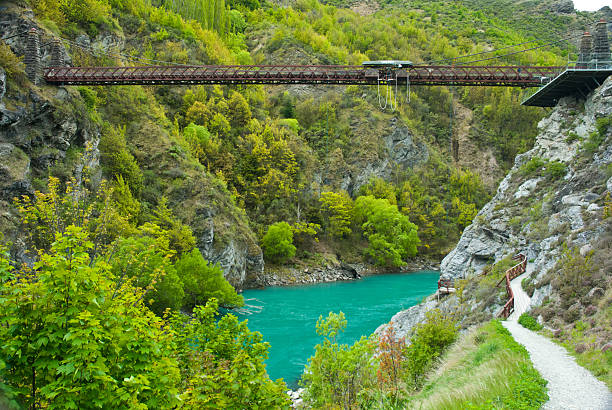
Experience the ultimate adrenaline rush as you bungee jump off the iconic Kawarau Bridge, the birthplace of commercial bungee jumping.
Activity Type: Adventure sport.
Overview: The Kawarau Bridge, located just outside Queenstown, is renowned as the world’s first commercial bungee jumping site, established in 1988. This breathtaking jump offers thrill-seekers a chance to leap 43 meters (141 feet) into the stunning Kawarau River gorge below, surrounded by spectacular scenery and the rugged landscape of the Southern Alps. As you take the plunge, you’ll experience a rush like no other, with the exhilaration of free-falling before the bungee cord pulls you back up. It’s not just a jump; it’s a leap into adventure and an unforgettable way to experience the natural beauty of New Zealand.
The Kawarau Bridge bungee jump is suitable for both first-timers and seasoned jumpers, with trained professionals ensuring safety and providing guidance throughout the experience. Participants are given the option to jump solo or with a buddy, and many choose to capture the moment with video or photo packages available for purchase. The surrounding area offers additional activities, such as scenic hikes and wine tours, making Queenstown a perfect destination for both adventure and relaxation.
Where: Kawarau Bridge is located approximately 25 minutes from Queenstown, New Zealand, in the Otago region.
Duration of Activity: The bungee jump experience, including preparation, jump, and post-jump activities, typically lasts around 1 to 2 hours.
Best Time to Visit: Bungee jumping at Kawarau Bridge is available year-round, though the best time to visit Queenstown for outdoor activities is during the spring (September to November) and autumn (March to May) when the weather is mild and the scenery is particularly beautiful.
Cost: The cost for a bungee jump off the Kawarau Bridge generally ranges from $200 to $300 NZD (approximately $130 to $200 USD), which may include options for video and photo packages at an additional cost.
Top Tips: Book your jump in advance, especially during peak tourist seasons, to secure your spot. Arrive early to allow time for check-in and safety briefings. Wear comfortable clothing and closed-toe shoes, and leave any loose items behind to ensure safety during your jump. If you’re feeling nervous, remember that it’s completely normal—trust the professionals and focus on the breathtaking views. Finally, embrace the experience fully; the moment you step off the platform is both exhilarating and liberating, providing memories that will last a lifetime.
27.) Hang out in the Devil’s pool

Take a daring dip in the Devil’s Pool, a natural infinity pool perched on the edge of Victoria Falls, offering breathtaking views and a thrilling experience.
Activity Type: Adventure swimming and sightseeing.
Overview: The Devil’s Pool is a world-renowned natural wonder located on the edge of Victoria Falls, straddling the border between Zambia and Zimbabwe. This unique swimming hole offers an exhilarating experience for adventurous travelers who want to take a dip in one of the most spectacular settings on Earth. During the dry season, when water levels are lower, visitors can safely swim to the edge of the falls and peer over the precipice, experiencing the thrill of being right at the edge of the mighty Victoria Falls without falling over. The pool is surrounded by breathtaking views of the cascading water and lush landscapes, creating an unforgettable backdrop for this exhilarating activity.
To access the Devil’s Pool, visitors typically take guided tours that include a short hike and a swim across the Zambezi River. Safety is a top priority, and experienced guides are on hand to ensure that participants navigate the area safely. The experience is not only about the thrill of swimming at the edge of the falls; it’s also about enjoying the natural beauty of one of the largest waterfalls in the world, with opportunities for stunning photography and unforgettable memories.
Where: The Devil’s Pool is located on the Zambian side of Victoria Falls, near Livingstone, Zambia, and is easily accessible from the Zimbabwean side as well.
Duration of Activity: The visit to the Devil’s Pool typically lasts around 1 to 2 hours, depending on the tour and conditions.
Best Time to Visit: The best time to swim in the Devil’s Pool is during the dry season, from late August to early January, when water levels are low, making it safe to enjoy the pool.
Cost: The cost for a guided tour to the Devil’s Pool can range from $100 to $150 USD per person, depending on the tour operator and inclusions, such as transport and refreshments.
Top Tips: Always book your tour in advance, especially during the high season, to secure your spot. Wear a swimsuit and water shoes, as the rocks can be slippery. Be prepared for a short hike and a swim across the river to reach the pool. Listen to your guide’s instructions carefully to ensure safety. Bring a waterproof camera or a GoPro to capture the incredible views without risking your gear. Lastly, take a moment to soak in the experience; the thrill of being at the edge of one of the world’s natural wonders is something you will remember for a lifetime.
28.) Scuba dive in the Silfra crack in Thingvellir lake Iceland
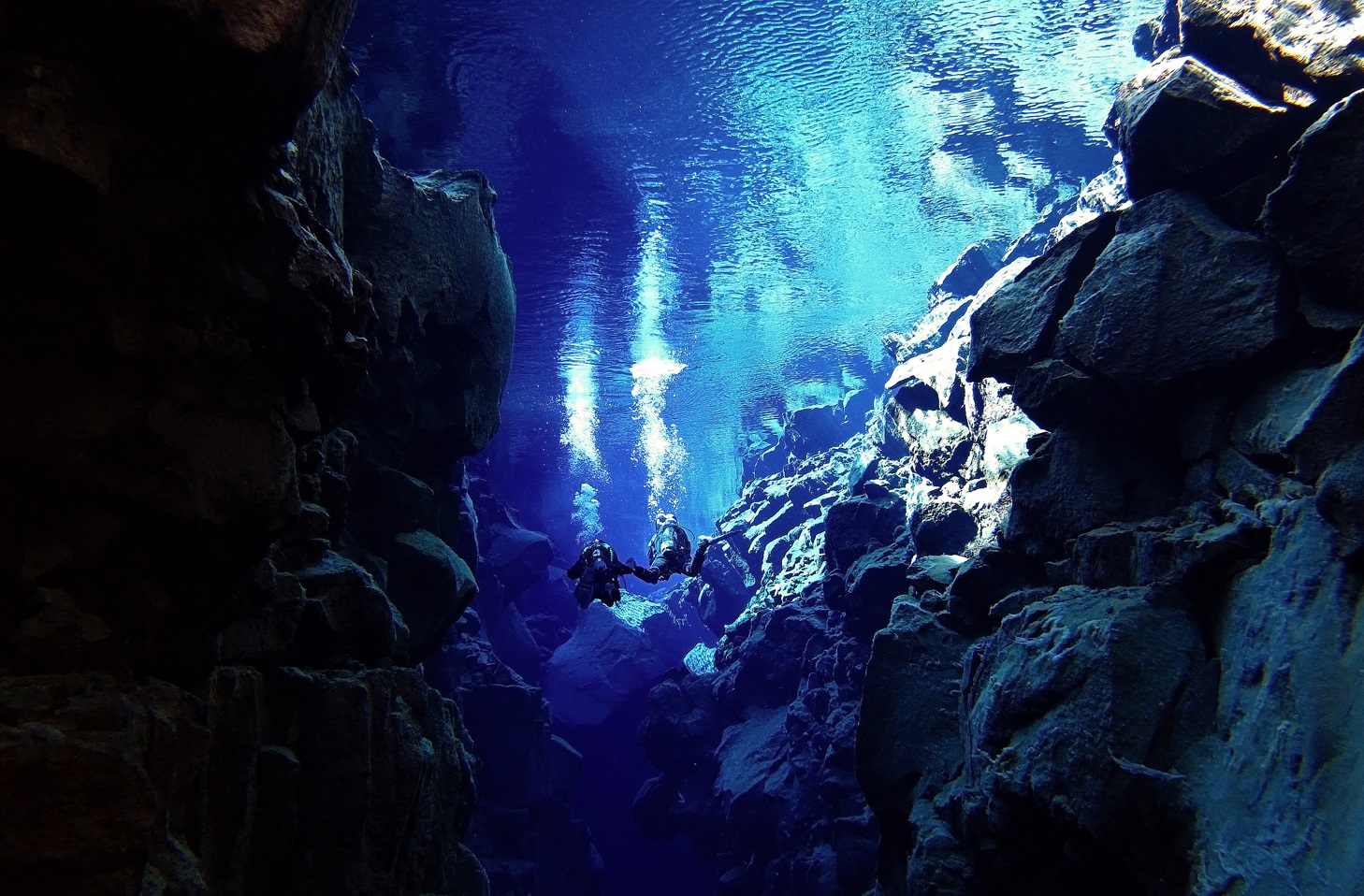
Immerse yourself in the crystal-clear waters of the Silfra Crack, where you can dive between two tectonic plates and explore one of the world’s most unique underwater environments.
Activity Type: Scuba diving and geological exploration.
Overview: The Silfra Crack is a stunning underwater fissure located within Þingvellir National Park in Iceland, recognized for its unparalleled clarity and remarkable geological features. This unique dive site is situated between the North American and Eurasian tectonic plates, making it one of the few places on Earth where divers can literally swim between two continental plates. The water in Silfra comes from melted glaciers and is filtered through volcanic rock, resulting in visibility that often exceeds 100 meters (328 feet). This crystal-clear environment allows divers to appreciate the vibrant colors of the underwater flora and the fascinating rock formations that create an ethereal landscape.
Diving in Silfra is not only about the experience of the dive itself; it’s also an opportunity to explore the geological history of the region. The dive typically includes various sections, such as the Silfra Hall, Silfra Cathedral, and the Lagoon, each offering different perspectives of this geological wonder. The unique combination of geology and marine life, along with the serene atmosphere, makes diving in Silfra an unforgettable experience for divers of all levels.
Where: Silfra is located within Þingvellir National Park, about 45 minutes from Reykjavik, Iceland’s capital.
Duration of Activity: A typical dive experience at Silfra lasts around 3 to 4 hours, including equipment setup, safety briefings, and the dive itself.
Best Time to Visit: Diving in Silfra is possible year-round, but the best time is from June to September when water temperatures are slightly warmer, ranging from 4°C to 10°C (39°F to 50°F). Winter diving offers a unique beauty with the chance to see ice formations.
Cost: The cost for a guided dive in Silfra typically ranges from $150 to $300 USD per person, depending on the tour operator, which often includes rental gear, guides, and transportation from Reykjavik.
Top Tips: Ensure you have a valid dry suit certification, as diving in Silfra requires dry suits due to the cold water temperatures. Dress warmly for the surface conditions, as it can be chilly, even in summer. Arrive prepared to experience rapid changes in weather and water conditions. Consider booking your dive in advance, especially during peak tourist seasons, as spots can fill up quickly. Bring a camera with an underwater housing to capture the stunning underwater scenery, and don’t forget to enjoy the mesmerizing experience of diving between two tectonic plates—it’s an adventure like no other!
29.) Exploring the lava lakes of Mount Nyiragongo, DRC
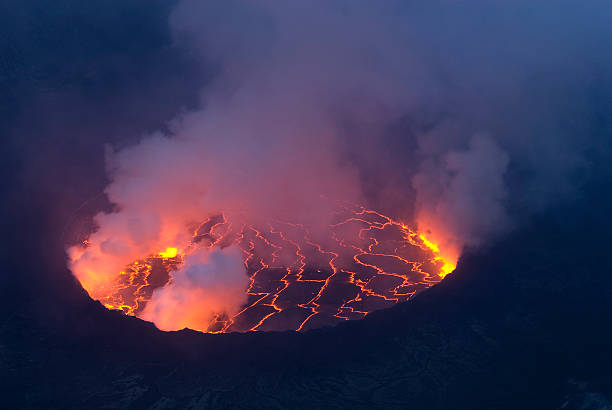
Embark on a thrilling expedition to the lava lakes of Mount Nyiragongo, where you can witness one of the most active volcanoes in the world and gaze into its fiery depths.
Activity Type: Volcanic trekking and adventure tourism.
Overview: Mount Nyiragongo, located in the Democratic Republic of the Congo, is famed for its stunning lava lakes, making it a bucket-list destination for adventurous travelers and volcanology enthusiasts alike. Standing at 3,470 meters (11,382 feet), Nyiragongo is one of the most active volcanoes on the planet, with its lava lake—often described as one of the largest and most accessible in the world—regularly bubbling and erupting. Trekking to the summit offers an exhilarating challenge, with lush landscapes and diverse wildlife providing a stunning backdrop as you ascend. The reward for your efforts is a breathtaking view of the glowing lava lake, where molten rock spills and bubbles, creating an awe-inspiring spectacle.
The trek to the summit typically takes about 4 to 6 hours, depending on your fitness level and the trail conditions. Guided tours are essential for safety and navigation, as the area is remote and can be unpredictable. The experience not only includes the thrill of reaching the summit but also the chance to learn about the geology and ecology of the region. Exploring the surrounding Virunga National Park, a UNESCO World Heritage Site, offers additional opportunities for wildlife viewing and immersion in the breathtaking African landscape.
Where: Mount Nyiragongo is located in the Virunga National Park in the eastern Democratic Republic of the Congo, near the town of Goma.
Duration of Activity: The complete trek to the summit and back typically takes about 2 days, with one night spent at a summit shelter to witness the lava lake during the night.
Best Time to Visit: The ideal time to explore Mount Nyiragongo is during the dry season, from December to February and June to September, when trails are more accessible and weather conditions are more stable.
Cost: The cost of a guided trek to Mount Nyiragongo typically ranges from $300 to $500 USD, including permits, guides, accommodations, and meals.
Top Tips: Ensure you are in good physical condition, as the trek can be strenuous. Wear sturdy hiking boots and dress in layers to accommodate changing temperatures. Booking your trek in advance is crucial, especially during peak tourist seasons, as permits are limited. Carry sufficient water and snacks to maintain energy during the hike. Lastly, don’t forget to bring a camera with a zoom lens to capture the mesmerizing views of the lava lake, but remember to keep a safe distance from the crater edge for safety. Embrace the adventure, and take time to appreciate the unique beauty and power of nature that Mount Nyiragongo embodies.
30.) Explore the mysteries of Easter island during the Tapati Rapa Nui Festival
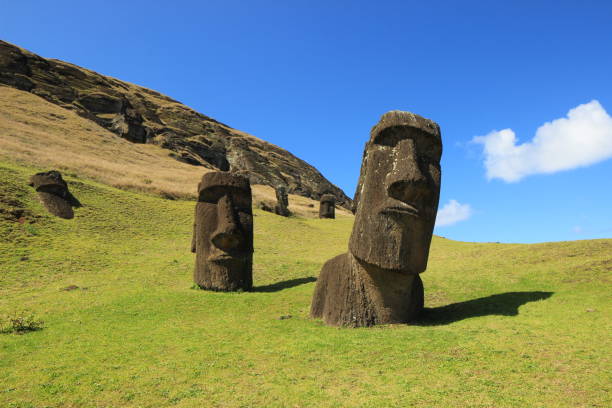
Immerse yourself in the vibrant culture of Easter Island at the Tapati Rapa Nui Festival, where ancient traditions and modern festivities come together in a spectacular celebration.
Activity Type: Cultural festival and exploration.
Overview: Easter Island, or Rapa Nui, is famous for its enigmatic moai statues and rich Polynesian heritage. Each February, the island comes alive during the Tapati Rapa Nui Festival, a week-long celebration that showcases the island’s unique culture and traditions. Visitors have the rare opportunity to engage with the local community and participate in various activities that highlight Rapa Nui’s artistic expressions, music, dance, and culinary delights. The festival features traditional games, craft markets, and competitions that reflect the island’s history and heritage, including the iconic “Oro de Pahu” and “Haka Pei” events, which involve exciting races and challenges.
The festival is not only a time for celebration but also an opportunity for visitors to deepen their understanding of Rapa Nui’s history and its people’s resilience. The atmosphere is festive, with vibrant decorations, traditional music, and lively dance performances filling the streets. Exploring Easter Island during the Tapati Rapa Nui Festival allows travelers to connect with the island’s past while experiencing the warmth and hospitality of its residents. The combination of cultural immersion and the breathtaking landscape of the island, with its iconic moai and stunning coastlines, makes for an unforgettable experience.
Where: Easter Island (Rapa Nui) is located in the southeastern Pacific Ocean, approximately 2,200 miles (3,500 km) off the coast of Chile.
Duration of Activity: The Tapati Rapa Nui Festival lasts for about a week, typically in early February, offering a full schedule of events and activities.
Best Time to Visit: The best time to visit Easter Island is during the Tapati Rapa Nui Festival in February, but the island can be visited year-round for its stunning landscapes and archaeological sites.
Cost: Traveling to Easter Island can be relatively expensive due to its remote location, with flights from mainland Chile typically ranging from $500 to $1,000 USD round trip. Accommodations can vary, with budget options starting at $50 USD per night, while festival activities may incur additional costs, such as entrance fees and local tours.
Top Tips: Book your flights and accommodations well in advance, as the festival attracts many visitors and spaces fill up quickly. Engage with locals and participate in as many activities as possible to fully appreciate the cultural richness of the festival. Bring sun protection and stay hydrated, as the island’s climate can be hot and sunny. Consider renting a bicycle or a car to explore the island’s archaeological sites, including the famous moai, during your visit. Lastly, be open to learning and experiencing the vibrant traditions of Rapa Nui—each moment will deepen your appreciation for this remote and mysterious island.
31.) Horseback riding through the Gobi Desert, Mongolia
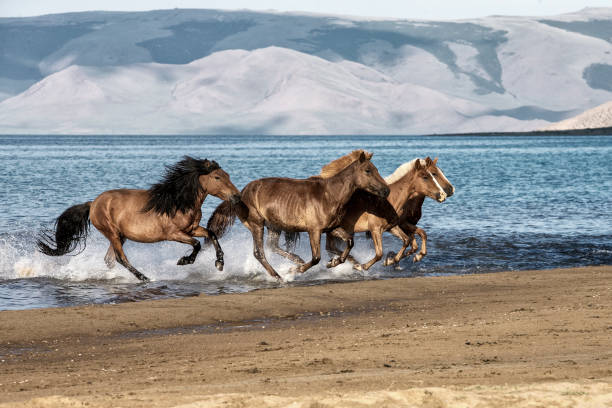
Experience the vastness and beauty of the Gobi Desert on horseback, traversing stunning landscapes and immersing yourself in the nomadic culture of Mongolia.
Activity Type: Adventure riding and cultural exploration.
Overview: The Gobi Desert, one of the largest deserts in the world, is a land of striking contrasts, characterized by its rolling sand dunes, rugged mountains, and expansive grasslands. Horseback riding in the Gobi offers a unique opportunity to explore this remote wilderness while following in the footsteps of Mongolia’s legendary horse riders. Riding through the desert, you’ll encounter breathtaking landscapes, from the stunning Khongoryn Els sand dunes to the dramatic Flaming Cliffs, where the remains of prehistoric creatures have been found. This adventure allows riders to experience the tranquility of the desert, connect with nature, and witness the incredible diversity of flora and fauna that thrive in this harsh environment.
The journey typically includes guided tours led by experienced horsemen who share their knowledge of Mongolian culture, traditions, and the unique ecosystems of the Gobi. Riders may stay in traditional ger (yurt) camps, enjoying local cuisine and warm hospitality from nomadic families. The experience not only showcases the natural beauty of the Gobi but also highlights the resilience and adaptability of the people who call this desert home.
Where: The Gobi Desert spans northern China and southern Mongolia, with popular starting points for horseback riding tours located in Mongolia, such as Ulaanbaatar and Dalanzadgad.
Duration of Activity: Horseback riding trips in the Gobi Desert typically range from a few days to several weeks, depending on the tour itinerary and the rider’s experience level.
Best Time to Visit: The best time for horseback riding in the Gobi Desert is during the warmer months, from late spring (May) to early autumn (September), when temperatures are milder and conditions are more favorable for riding.
Cost: The cost of a guided horseback riding tour in the Gobi Desert can vary significantly, typically ranging from $600 to $1,500 USD per person for multi-day trips, which often include accommodation, meals, and guides.
Top Tips: Prepare for a variety of weather conditions, as temperatures can fluctuate dramatically between day and night. Wear layers and choose comfortable riding gear. Familiarize yourself with horseback riding techniques, especially if you are not an experienced rider, as the terrain can be challenging. Bring essentials such as sunscreen, a hat, and insect repellent, and don’t forget to capture the breathtaking scenery with your camera. Embrace the nomadic lifestyle during your stay, and take the time to connect with your guides and the local culture for a truly enriching experience in the heart of the Gobi Desert.
32.) Finding freedom on the Trans Siberian express journey

Embark on an epic adventure across Russia on the Trans-Siberian Express, where you can experience the vastness of the Russian landscape and immerse yourself in the rich cultures along the route.
Activity Type: Train travel and cultural exploration.
Overview: The Trans-Siberian Express is one of the most iconic train journeys in the world, stretching over 9,000 kilometers (5,600 miles) from Moscow to Vladivostok. This legendary railway connects diverse landscapes, from the bustling streets of Moscow to the remote beauty of Siberia, offering travelers a unique opportunity to witness the incredible diversity of Russia’s natural beauty and cultural heritage. Along the way, passengers can experience the enchanting scenery of the Ural Mountains, pristine lakes, and endless taiga forests, all while enjoying the comfort and camaraderie of train travel. The journey is not just about the destination; it’s about the freedom of the open road (or rail) and the stories shared with fellow travelers.
The Trans-Siberian journey can be customized based on the traveler’s preferences, with options for shorter segments or the full journey. Highlights include stops in historical cities like Yekaterinburg, Irkutsk (near Lake Baikal), and Ulan-Ude, where travelers can explore local traditions, taste regional cuisine, and experience the warmth of Russian hospitality. The train itself offers various classes of service, from basic seating to luxurious cabins, allowing travelers to choose the experience that best suits their needs.
Where: The Trans-Siberian Express route begins in Moscow and ends in Vladivostok, traversing through several key cities and regions across Russia.
Duration of Activity: The entire journey from Moscow to Vladivostok typically takes about 7 days, but travelers can choose to break up the trip with stops along the way.
Best Time to Visit: The best time to embark on the Trans-Siberian Express journey is during the late spring to early autumn months (May to September) when temperatures are milder and the landscapes are vibrant.
Cost: Ticket prices for the Trans-Siberian Express vary widely depending on the class of service, route, and duration of travel, generally ranging from $200 to $1,500 USD for the full journey, including meals and accommodations.
Top Tips: Book your tickets well in advance, especially during peak travel seasons, as seats can fill up quickly. Bring along snacks, drinks, and entertainment to enjoy during the long stretches of travel. Familiarize yourself with the train schedule and stops to make the most of your journey. Engage with fellow travelers and locals to share stories and experiences, and don’t hesitate to explore the towns and cities along the way for a more immersive experience. Lastly, keep your camera handy to capture the breathtaking scenery and unforgettable moments on this incredible journey through the heart of Russia.
33.) Journey across the Silk Road
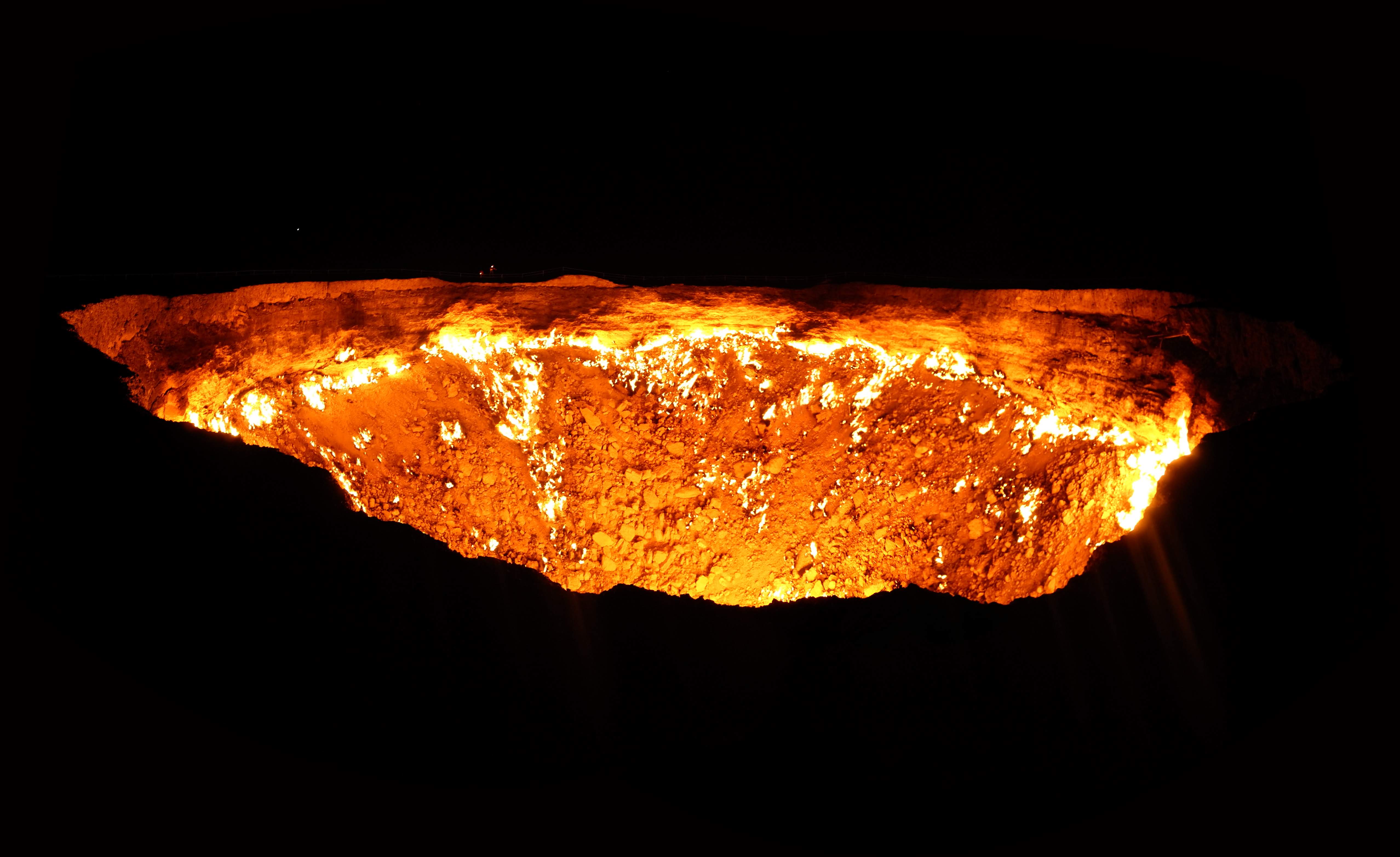
Embark on a historic adventure along the Silk Road, a legendary trade route that connects East and West, rich in culture, history, and breathtaking landscapes.
Activity Type: Cultural exploration and adventure travel.
Overview: The Silk Road, an ancient network of trade routes, stretches over 4,000 miles from China to Europe, traversing some of the most diverse and fascinating regions in the world. This historic route played a crucial role in the exchange of goods, ideas, and cultures, making it one of the most significant corridors in human history. Traveling along the Silk Road offers the chance to explore vibrant markets, taste exotic cuisines, and encounter the rich heritage of the numerous civilizations that flourished along its path. From the bustling cities of Xi’an and Samarkand to the stunning landscapes of the Taklamakan Desert and the Pamir Mountains, each stop along the journey unveils a tapestry of stories and experiences.
Modern travelers can embark on guided tours or create their own itineraries to explore the Silk Road, with highlights including the Terracotta Warriors in Xi’an, the stunning Registan in Samarkand, and the ancient city of Bukhara. Engaging with local communities, visiting ancient caravanserais, and exploring historical sites provides a deep understanding of the cultural significance of this route. Each region offers its own unique customs and traditions, making the journey an enriching experience for those seeking to understand the interconnectedness of civilizations.
Where: The Silk Road spans several countries, including China, Kazakhstan, Uzbekistan, Turkmenistan, Iran, and Turkey, with significant cities like Xi’an, Samarkand, Bukhara, and Istanbul along the way.
Duration of Activity: The duration of the journey can vary widely depending on the route taken and the number of stops, typically ranging from a couple of weeks to several months for a comprehensive experience.
Best Time to Visit: The best time to explore the Silk Road is during the spring (April to June) and autumn (September to October) when temperatures are mild and favorable for travel.
Cost: The cost of traveling the Silk Road can vary significantly based on the mode of travel, accommodations, and activities. Budget travelers can expect to spend around $50 to $100 USD per day, while more luxurious tours can range from $150 to $500 USD per day.
Top Tips: Plan your route in advance, as the Silk Road offers a vast array of options and experiences. Engage with local guides who can provide valuable insights and enrich your understanding of the history and culture. Bring a mix of cash and cards, as many remote areas may not accept cards. Learn a few basic phrases in the local languages to enhance your interactions with residents. Finally, be open to new experiences, and take the time to savor the diverse cultures, delicious foods, and breathtaking landscapes that make the Silk Road a truly remarkable journey through history.
34.) Trekking the Milford Trek
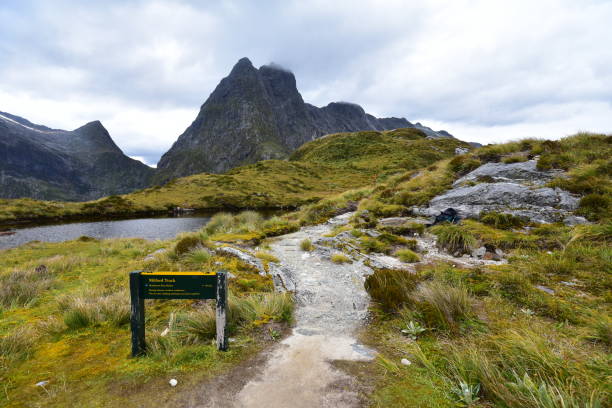
Discover the stunning natural beauty of New Zealand’s South Island on the Milford Track, a renowned hike that takes you through lush rainforests, majestic mountains, and breathtaking valleys.
Activity Type: Hiking and nature exploration.
Overview: The Milford Track is often referred to as one of the finest walks in the world, showcasing the incredible landscapes of Fiordland National Park. Spanning approximately 53.5 kilometers (33 miles), this multi-day trek takes hikers through diverse ecosystems, from ancient beech forests to alpine meadows, culminating at the iconic Milford Sound. The track is rich in wildlife, with opportunities to see unique flora and fauna, including native birds such as the kiwi and the kea. Along the way, trekkers will encounter stunning waterfalls, glacial rivers, and panoramic mountain views, making every step an awe-inspiring experience.
The journey typically takes four days, with accommodation provided in comfortable huts along the trail, allowing hikers to enjoy the tranquility of the wilderness. Each day offers its own challenges and rewards, including the climb to Mackinnon Pass, where breathtaking views await those who reach the summit. The Milford Track is not only a physical challenge but also an opportunity to connect with nature and experience the untouched beauty of New Zealand.
Where: The Milford Track is located in Fiordland National Park on New Zealand’s South Island, starting at Glade Wharf and ending at Milford Sound.
Duration of Activity: The trek typically takes four days, with approximately 10–12 kilometers (6–7.5 miles) of hiking each day.
Best Time to Visit: The best time to trek the Milford Track is during the Great Walks season, which runs from late October to late April, when the weather is generally milder and the track is more accessible.
Cost: The cost of trekking the Milford Track can vary, with prices for guided tours ranging from $500 to $1,200 USD per person, including accommodations, meals, and transportation to the trailhead.
Top Tips: Reserve your spot well in advance, especially during peak season, as the Milford Track is a popular destination. Prepare for changing weather conditions by bringing layered clothing and waterproof gear. Ensure you have a good pair of hiking boots and sufficient supplies, including food, water, and first aid kits. Take time to enjoy the scenery and capture photographs, but also remember to be present in the moment. Lastly, familiarize yourself with the Leave No Trace principles to help preserve the natural beauty of this incredible landscape for future generations.
35.) Ride the iron ore train in Mauritania
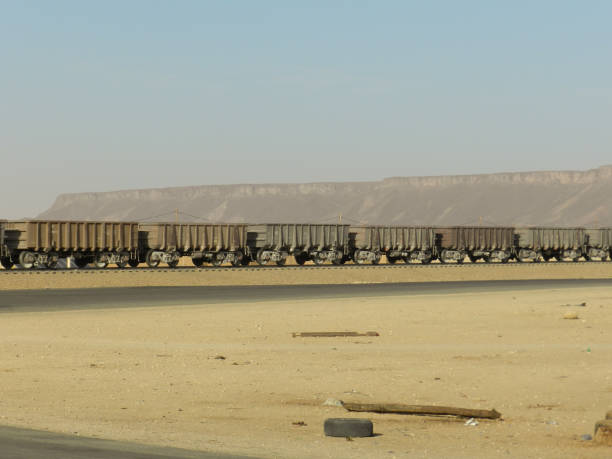
Embark on an extraordinary journey aboard the iron ore train in Mauritania, one of the longest and heaviest freight trains in the world, and experience the stark beauty of the Sahara Desert.
Activity Type: Train travel and adventure exploration.
Overview: The iron ore train in Mauritania is not just a means of transportation; it is an adventure that takes travelers through some of the most remote and breathtaking landscapes in the Sahara Desert. This train, operated by the Société Nationale Industrielle et Minière (SNIM), runs between the mining town of Zouérat and the port city of Nouadhibou, covering a distance of approximately 700 kilometers (435 miles). Passengers can hop aboard the open-air freight cars, which are used to transport iron ore from the mines to the coast, providing a unique opportunity to witness the vast, barren beauty of the desert. The train ride offers panoramic views of sand dunes, rocky plateaus, and occasional glimpses of local wildlife, creating an unforgettable experience.
Traveling on the iron ore train allows visitors to interact with fellow passengers, including locals and adventurous travelers. The journey can take around 15 to 20 hours, depending on various factors, and offers a glimpse into the daily life of those living in this harsh environment. The experience is enhanced by the sense of freedom and adventure that comes with traversing the Sahara, where the stark landscape can feel both isolating and awe-inspiring.
Where: The iron ore train travels between Zouérat, a mining town in northern Mauritania, and Nouadhibou, the country’s main port on the Atlantic coast.
Duration of Activity: The train ride typically takes about 15 to 20 hours, depending on stops and delays, making it an all-day and overnight adventure.
Best Time to Visit: The best time to ride the iron ore train is during the cooler months from November to February when temperatures are more manageable, and the harsh summer heat is avoided.
Cost: Riding the iron ore train is very affordable, with prices ranging from $5 to $20 USD, making it an excellent option for budget travelers. However, the cost of food and accommodations in nearby towns should be factored in.
Top Tips: Bring plenty of water and snacks for the journey, as facilities along the route are limited. Prepare for extreme temperature changes, especially if traveling overnight, by dressing in layers. Don’t forget sunscreen, a hat, and sunglasses to protect against the intense sun during the day. Arrive early to secure a good spot on the train, as seating can fill up quickly. Finally, be ready to embrace the adventure, connect with fellow travelers, and enjoy the breathtaking scenery that unfolds along this remarkable railway journey through the Sahara Desert.
36.) Skydiving over Mount Everest, Nepal

Experience the thrill of a lifetime as you skydive over the majestic peaks of the Himalayas, with Mount Everest as your breathtaking backdrop.
Activity Type: Adventure sports and extreme experiences.
Overview: Skydiving over Mount Everest offers an unparalleled adventure that combines the exhilaration of freefalling with the stunning beauty of the world’s highest mountain. The journey typically begins with a scenic helicopter ride that takes you to an altitude of around 11,000 feet above sea level, offering stunning views of the surrounding peaks and valleys. After a brief safety briefing and gear check, you’ll jump from the helicopter, plunging into the thin mountain air and experiencing the breathtaking scenery of Everest and the Khumbu region from an entirely new perspective. The adrenaline rush of freefalling, combined with the stunning Himalayan landscape, creates a once-in-a-lifetime experience that many adventure seekers dream of.
During your descent, you will have the opportunity to capture incredible aerial photos and videos, showcasing the dramatic contrasts of the rugged mountain terrain and the vibrant colors of the surrounding environment. As you float down under parachute, the views become even more spectacular, allowing you to take in the beauty of the Khumbu Icefall, the serene glacial lakes, and the remote Sherpa villages nestled in the valleys below. This skydiving experience not only offers an extreme adrenaline rush but also a unique chance to witness one of the most stunning landscapes on Earth.
Where: The skydiving experience takes place in the vicinity of Mount Everest, typically launching from locations in the Khumbu region, such as Lukla or directly from a helicopter near Everest Base Camp.
Duration of Activity: The entire experience, including the helicopter ride, briefing, jump, and landing, lasts approximately 2–3 hours, with the actual freefall lasting about 30–60 seconds.
Best Time to Visit: The best time for skydiving over Mount Everest is during the spring (March to May) and autumn (September to November) when weather conditions are most favorable, offering clear skies and stunning views.
Cost: The cost of skydiving over Mount Everest varies significantly based on the operator and package chosen, typically ranging from $2,500 to $4,000 USD, which may include the helicopter ride, equipment rental, and professional video footage.
Top Tips: Ensure you choose a reputable skydiving operator with experienced instructors, as safety is paramount in such extreme conditions. Dress in layers, as temperatures at altitude can be quite cold, even during the day. Bring a camera to capture your adventure, but also consider opting for the professional video and photo package offered by the operators for high-quality memories. Stay hydrated and acclimatize properly before your jump to reduce the risk of altitude sickness. Lastly, embrace the experience—take a moment to enjoy the breathtaking views before the jump and soak in the thrill of this extraordinary adventure above the highest point on Earth.
37.) Trekking to the Lost City, Colombia
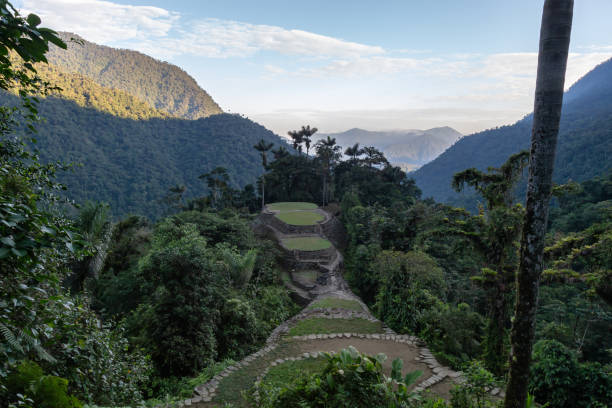
Embark on a thrilling expedition to the ancient archaeological wonder known as the Lost City (Ciudad Perdida), hidden deep within the Colombian jungle and steeped in rich history and vibrant culture.
Activity Type: Hiking and cultural exploration.
Overview: The Lost City, or Ciudad Perdida, is an ancient site dating back to the 9th century, built by the Tairona civilization and located in the Sierra Nevada mountains of Colombia. Trekking to this remarkable destination takes you through lush, tropical rainforests, rushing rivers, and steep hills, offering a unique opportunity to experience Colombia’s stunning biodiversity and indigenous cultures. The journey typically spans around six days and covers approximately 44 kilometers (27 miles) of rugged terrain. Along the way, trekkers will encounter diverse wildlife, cascading waterfalls, and local communities that have preserved their traditional ways of life.
The trek culminates in the awe-inspiring Lost City, where ancient stone terraces and pathways, long overtaken by jungle foliage, reveal the ingenuity of the Tairona people. This archaeological site consists of over 200 terraces and is believed to have been an important ceremonial center. Exploring the ruins allows visitors to connect with the rich history of the region while enjoying breathtaking views of the surrounding mountains and valleys. The trek is challenging yet immensely rewarding, making it a highlight for adventure seekers and history enthusiasts alike.
Where: The Lost City trek is located in the Sierra Nevada de Santa Marta region, about 42 kilometers (26 miles) from the town of Santa Marta, Colombia.
Duration of Activity: The trek typically lasts six days and five nights, with daily hiking sessions ranging from 4 to 8 hours.
Best Time to Visit: The ideal time to trek to the Lost City is during the dry seasons, which run from December to March and July to August, when the weather is more stable and less rainy.
Cost: Guided tours for the Lost City trek generally range from $300 to $600 USD, depending on the tour operator and the included amenities, such as meals, accommodations, and transportation.
Top Tips: Choose a reputable tour operator with experienced guides to ensure safety and a knowledgeable experience. Prepare for the trek by getting in shape, as it can be physically demanding. Bring lightweight, moisture-wicking clothing, sturdy hiking boots, and plenty of insect repellent to protect against bugs in the jungle. Pack a refillable water bottle and snacks to keep your energy up along the way. Lastly, take your time to enjoy the stunning natural beauty and cultural richness of the journey—it’s not just about reaching the Lost City but also about experiencing the incredible landscapes and local cultures along the way.
38.) Face to Face with prehistoric predators in Kakadu

Experience the thrill of coming face-to-face with Australia’s ancient saltwater crocodiles while kayaking through the breathtaking landscapes of Kakadu National Park, one of the world’s most extraordinary natural wonders.
Activity Type: Adventure sports and wildlife exploration.
Overview: Kakadu National Park, a UNESCO World Heritage site, is renowned for its stunning wetlands, diverse ecosystems, and rich Aboriginal cultural heritage. One of the most thrilling ways to explore this vast wilderness is by braving the Cage of Death, an exhilarating experience that allows participants to dive with saltwater crocodiles in a protective cage. This unique encounter offers a rare opportunity to observe these prehistoric predators up close, providing insight into their behavior and ecology while you’re safely submerged in their habitat. The Cage of Death experience typically takes place in the Adelaide River, where participants can witness the impressive size and agility of these magnificent creatures as they leap out of the water to snatch bait.
After your heart-pounding adventure in the cage, you can continue to explore the wonders of Kakadu by kayaking through its serene waterways. Paddle along the lush floodplains and tranquil rivers, surrounded by stunning scenery, and keep an eye out for an array of wildlife, including birds, wallabies, and more crocodiles basking on the banks. The combination of adrenaline and tranquility makes this dual adventure in Kakadu an unforgettable experience, offering the perfect balance between thrilling encounters and the peaceful exploration of one of Australia’s most iconic landscapes.
Where: Kakadu National Park, located in the Northern Territory of Australia, approximately 171 kilometers (106 miles) southeast of Darwin.
Duration of Activity: The Cage of Death experience lasts about 30 minutes for the dive, while kayaking trips can range from half a day to multiple days, depending on the chosen tour and route.
Best Time to Visit: The best time for these activities is during the dry season, from May to October, when the weather is milder and wildlife is more active.
Cost: The Cage of Death experience typically costs around $200 to $300 AUD per person, while kayaking tours can range from $100 to $300 AUD, depending on the duration and inclusions.
Top Tips: Book your Cage of Death experience in advance, as it can be quite popular and spots may fill up quickly. Wear comfortable clothing and closed-toed shoes, and bring a change of clothes for after the dive. For kayaking, pack sunscreen, a hat, and plenty of water, as well as snacks to keep your energy up. If you’re kayaking, consider bringing a camera to capture the stunning scenery and wildlife encounters, but be cautious about protecting it from water damage. Embrace the adventure and take your time to soak in the unique beauty of Kakadu—whether you’re in the cage or on the water, this experience will be one for the books!
39.) Riding the waves of Hawaii, USA

Immerse yourself in the thrill of surfing in Hawaii, the birthplace of the sport, where you can catch some of the most iconic waves in the world against a backdrop of stunning landscapes.
Activity Type: Surfing and beach activities.
Overview: Hawaii is renowned as the ultimate surfing destination, attracting wave riders from around the globe. With its diverse array of surf breaks, from the beginner-friendly shores of Waikiki Beach to the challenging swells of the North Shore on Oahu, Hawaii offers something for surfers of all skill levels. The warm waters, consistent waves, and breathtaking scenery make this island paradise a mecca for surf enthusiasts. Not only do surfers get to ride some of the most famous waves, but they also experience the rich cultural history of surfing that is deeply embedded in Hawaiian tradition.
Surfing in Hawaii is not just about catching waves; it’s also about connecting with the ocean and the local culture. The islands are home to numerous surf schools and rental shops that cater to both novices and experienced surfers, offering lessons, board rentals, and guided surf trips. Beyond the thrill of riding the waves, visitors can explore the vibrant marine life, enjoy the sun on pristine beaches, and experience the unique Aloha spirit that makes Hawaii a truly special place for any adventurer.
Where: Various locations across the Hawaiian Islands, with notable spots including Waikiki Beach on Oahu, Banzai Pipeline on Oahu’s North Shore, Hanalei Bay on Kauai, and Sunset Beach on the Big Island.
Duration of Activity: Surfing sessions can last anywhere from 1.5 to 3 hours, depending on whether you’re taking a lesson, renting equipment, or joining a guided surf tour.
Best Time to Visit: The best time for surfing in Hawaii is during the winter months (November to March) when the North Shore swells are at their peak, although summer months (May to September) also offer great conditions, especially for beginners.
Cost: Surf lessons typically range from $80 to $150 USD per person, while board rentals can cost between $20 to $60 USD for a half-day or full day, depending on the type of board.
Top Tips: If you’re new to surfing, consider booking a lesson with a qualified instructor who can guide you through the basics and ensure your safety. Always check the local surf conditions and be aware of your skill level when choosing a surf spot. Don’t forget to wear sunscreen, as the sun can be intense, and bring a hat and sunglasses for protection. Hydrate before and after your surfing sessions, and take time to relax and enjoy the beach environment. Finally, embrace the spirit of Aloha—respect the ocean, fellow surfers, and the local culture for a truly enriching experience in paradise.
40.) Hiking the Pacific Crest Trail, USA
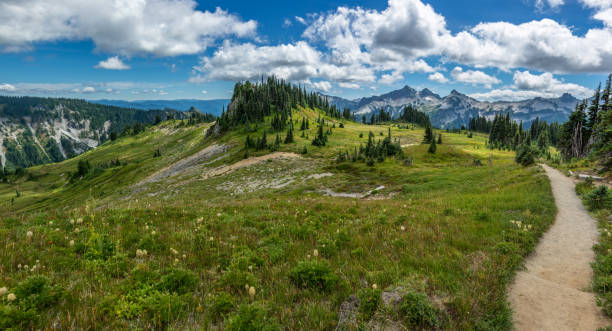
Embark on an unforgettable adventure along the Pacific Crest Trail, a stunning long-distance hiking route that spans over 2,650 miles from Mexico to Canada, showcasing some of the most breathtaking landscapes in the Western United States.
Activity Type: Hiking and outdoor exploration.
Overview: The Pacific Crest Trail (PCT) is one of the most iconic hiking trails in the United States, traversing diverse ecosystems, including deserts, mountains, and forests. Spanning from the arid landscapes of Southern California to the lush wilderness of the Pacific Northwest, the PCT offers hikers a chance to experience the incredible natural beauty of the West. Along the way, trekkers encounter a variety of terrains, including the Sierra Nevada mountain range, the volcanic peaks of Oregon, and the scenic Cascade Range in Washington. This incredible journey allows hikers to witness diverse wildlife, stunning vistas, and an array of unique flora and fauna.
Completing the entire trail can take several months, with hikers often opting for a “thru-hike” experience, starting in the spring and finishing by fall. The trail is well-marked and maintained, offering a mix of challenging sections and more accessible parts, making it suitable for both experienced hikers and those looking for shorter, section hikes. Whether you’re seeking solitude in the wilderness or the camaraderie of fellow hikers, the PCT provides a remarkable opportunity to connect with nature and explore some of America’s most stunning landscapes.
Where: The Pacific Crest Trail stretches from the southern border of California at the Mexican border to the northern border of Washington at the Canadian border.
Duration of Activity: A full thru-hike typically takes about 4 to 6 months, while shorter section hikes can range from a few days to several weeks, depending on the chosen segment.
Best Time to Visit: The best time to hike the PCT is generally from late April to early October, with specific timing varying based on the segment and elevation. Spring is ideal for the southern section, while late summer and early fall are best for the northern parts.
Cost: Costs can vary significantly based on gear, permits, food, and accommodations. A typical budget for a thru-hike can range from $3,000 to $6,000 USD, depending on personal spending habits and preparation.
Top Tips: Research and prepare thoroughly before embarking on the hike. Proper gear is essential; invest in a quality backpack, tent, and hiking shoes, and ensure you have a reliable navigation system. Familiarize yourself with the trail regulations and obtain necessary permits for specific sections. Stay hydrated and practice Leave No Trace principles to preserve the beauty of the trail. Finally, listen to your body and pace yourself—hiking the PCT is as much about the journey as it is about the destination, so take the time to enjoy the breathtaking landscapes and connect with fellow hikers along the way.
41.) Complete the Dakar Rally
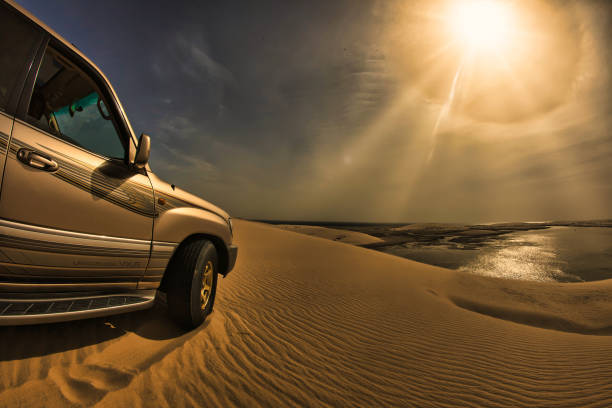
Take on one of the world’s most grueling and unforgettable off-road races, traversing extreme landscapes and pushing your endurance to the limit on a 5,000+ mile journey through deserts, mountains, and sand dunes.
Activity Type: Off-road racing and endurance challenge.
Overview: The Dakar Rally is considered one of the toughest motorsport challenges on the planet. Originally held from Paris to Dakar, Senegal, the race is now hosted across the rugged terrains of Saudi Arabia, where drivers and riders in cars, motorcycles, trucks, quads, and side-by-sides battle the elements and their own endurance across several grueling stages. Each day brings a new challenge, from steep dunes and rocky paths to searing heat and navigational trials, testing not only the capabilities of the vehicles but also the resolve and grit of every participant. Completing the Dakar Rally isn’t just about crossing the finish line—it’s about facing and overcoming some of the most intense environments and demanding conditions on Earth.
Participating in the Dakar Rally requires careful planning, a deep understanding of vehicle mechanics, and a high level of physical and mental fitness. Many racers partner with a skilled co-driver to navigate the course’s many obstacles and make split-second decisions on direction and speed. Whether you’re a seasoned rally enthusiast or a newcomer to the world of off-road racing, the Dakar Rally is a test of will, endurance, and perseverance that promises an experience unlike any other.
Where: Currently held in Saudi Arabia, though the course and stages vary each year, covering diverse terrains across the country.
Duration of Activity: The Dakar Rally spans approximately two weeks, with each day comprising a new stage of the race.
Best Time to Visit: The rally is held in January, making it the optimal time for both participants and spectators to experience the event.
Cost: Participating in the Dakar Rally can be quite expensive, with total costs ranging from $75,000 to over $250,000 USD, depending on the vehicle, support team, and preparation expenses.
Top Tips: Preparation is everything—train physically and mentally well in advance, as the rally demands a high level of fitness and resilience. Ensure you have a reliable and well-maintained vehicle with spare parts and a knowledgeable support team. Brush up on navigational skills, as route-finding is a critical element. Lastly, immerse yourself in the camaraderie of the event and embrace the spirit of adventure that defines the Dakar Rally.
42.) Witness the great migration in the Maasai Mara, Kenya and Serengeti Tanzania
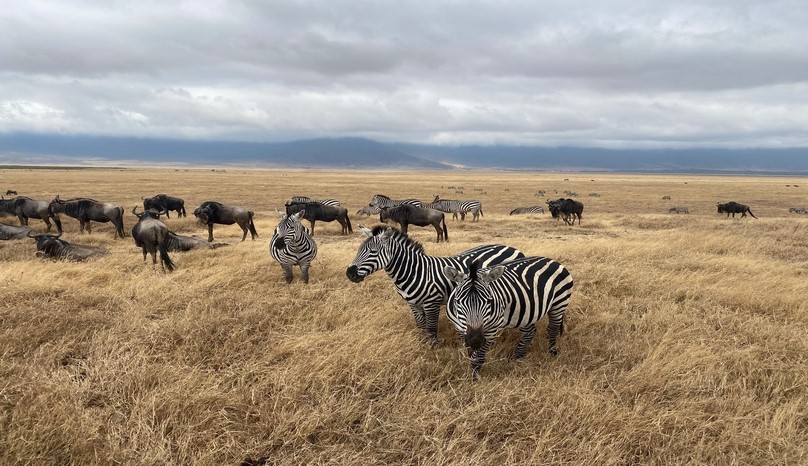
Experience one of nature’s most awe-inspiring spectacles as millions of wildebeests, zebras, and gazelles traverse the plains of East Africa, braving predators and crossing rivers in an epic journey of survival.
Activity Type: Wildlife safari and nature observation.
Overview: The Great Migration is one of the most dramatic wildlife events on Earth, attracting adventurers, photographers, and nature lovers from around the world. Each year, over two million wildebeests, accompanied by hundreds of thousands of zebras and gazelles, embark on a circular journey through the Serengeti in Tanzania and the Maasai Mara in Kenya. This remarkable migration is driven by the search for fresh grazing grounds and water, taking the animals through treacherous river crossings and predator-rich plains. Witnessing this spectacle offers an unparalleled glimpse into the raw power of nature, with scenes that range from thrilling predator-prey chases to tranquil moments of animals grazing on the plains.
The migration’s most famous spectacle occurs at the Mara River, where herds brave dangerous waters teeming with Nile crocodiles, creating one of the most iconic wildlife experiences. However, the journey itself is ever-changing, with different stages of the migration offering unique experiences. The calving season, typically in the southern Serengeti, presents heartwarming moments of newborns taking their first steps, while the river crossings offer intense drama and suspense. No matter where or when you witness the migration, this journey is a celebration of life, resilience, and the intricate balance of the African ecosystem.
Where: The Serengeti in Tanzania and the Maasai Mara in Kenya.
Duration of Activity: Safaris to witness the migration typically last 3 to 7 days, depending on the locations visited and the tour’s duration.
Best Time to Visit: The Great Migration is a year-round event, but the best times to witness it vary. The Mara River crossings generally occur from July to September, while the calving season takes place from January to March in the southern Serengeti.
Cost: Safari costs can vary widely, ranging from $2,000 to $10,000 USD or more, depending on the level of accommodation, duration, and additional experiences included.
Top Tips: Book your safari well in advance, especially if you’re aiming to see the river crossings, as these periods are popular. Opt for a knowledgeable guide who can provide insight into animal behavior and knows where to go for optimal viewing. Bring high-quality binoculars, a camera with a zoom lens, and pack light, breathable clothing, as well as insect repellent and sunscreen. Finally, be patient—nature is unpredictable, and sometimes waiting can lead to witnessing unforgettable moments.
43.) Crossing the Karakom Highway

Journey along one of the highest paved roads in the world, connecting Pakistan and China through breathtaking mountain landscapes, ancient trading routes, and diverse cultures.
Activity Type: Scenic road trip and cultural exploration.
Overview: The Karakoram Highway, also known as the “Eighth Wonder of the World,” is an engineering marvel and one of the most iconic routes for adventurous travelers. Winding through the majestic Karakoram Range, this highway spans over 800 miles, connecting Pakistan’s Punjab region to China’s Xinjiang region. As one of the highest paved international roads, reaching elevations over 15,000 feet, the journey offers unparalleled views of towering peaks, including glimpses of K2, the world’s second-highest mountain, and other giants like Nanga Parbat and Rakaposhi. This historic route follows ancient Silk Road paths and passes through small villages, where travelers can experience warm hospitality, sample local cuisines, and immerse themselves in the region’s cultural richness.
The Karakoram Highway isn’t just a road; it’s a gateway to some of the world’s most incredible landscapes, from the lush valleys of Hunza and Gilgit in Pakistan to the stark desert beauty of China’s Tashkurgan. As you travel, you’ll encounter diverse topographies—from alpine forests to glacial rivers, pristine lakes, and high-altitude passes. Despite the remote, rugged terrain, the road is surprisingly accessible for most vehicles, allowing travelers to experience this epic journey in comfort or even by motorbike for a more immersive experience.
Where: The Karakoram Highway connects Hasan Abdal, Pakistan, to Kashgar, China, crossing through some of the most stunning areas of the Karakoram Range.
Duration of Activity: The trip typically takes about 7 to 10 days, depending on stops and side trips along the way.
Best Time to Visit: The best time to travel the Karakoram Highway is from May to October when the road is most accessible, and the weather is relatively mild.
Cost: Costs for the journey can vary depending on transport and accommodation choices. A guided tour, which is highly recommended, might range from $1,500 to $3,000 USD, depending on the package.
Top Tips: Bring warm clothing, as temperatures can drop drastically in high-altitude areas, even in summer. Ensure you have your visa and border crossing permits if planning to travel between Pakistan and China. Plan for potential altitude sickness, especially at high passes, and take time to acclimate. Finally, be prepared for limited phone connectivity and enjoy the disconnection—embrace the beauty, peace, and unique cultures that the journey offers.
44.) Diving the Cenotes in Yucatán, Mexico

Explore the magical underwater caves and crystal-clear pools of Mexico’s Yucatán Peninsula, where mystical cenotes offer one of the world’s most unique and unforgettable dive experiences.
Activity Type: Cave diving and underwater exploration.
Overview: The cenotes of Yucatán are part of an extensive network of limestone sinkholes and underground rivers, formed thousands of years ago, and offer some of the most ethereal diving experiences in the world. Known for their pristine water clarity and stunning cave formations, the cenotes hold a deep cultural significance, once revered by the ancient Maya as sacred entrances to the underworld. As you dive beneath the surface, you’ll be transported into a mystical realm of stalactites, stalagmites, and unique light effects that create an otherworldly atmosphere. Some of the most famous cenotes include Dos Ojos, The Pit, and Gran Cenote, each offering different depths, formations, and underwater landscapes to explore.
Cenote diving isn’t just about the sights; it’s also about the feeling of adventure and discovery. With visibility often exceeding 100 feet, divers experience an incredible sense of floating in vast caverns filled with surreal rock formations and shimmering sunlight beams that filter through openings above. The gentle currents make for relaxed dives, allowing divers to take in the intricate details of these submerged wonders at their own pace. Whether you’re an experienced cave diver or a novice wanting to explore the cenotes’ open water areas, diving in these hidden worlds is a truly magical experience.
Where: The cenotes are located throughout the Yucatán Peninsula in Mexico, with popular diving spots near Tulum and Playa del Carmen.
Duration of Activity: Dives typically last 1 to 2 hours, with many divers opting for multiple cenote dives over a day or two.
Best Time to Visit: November to April is the ideal time for diving in the cenotes, with stable weather and good visibility.
Cost: A guided cenote dive usually costs between $100 and $200 USD per person, depending on the cenote and equipment rental needs.
Top Tips: Some cenotes are accessible to open-water certified divers, but for deeper cave exploration, you’ll need an advanced cave diving certification. Bring a powerful underwater flashlight to fully appreciate the cave’s structures and rock formations. Dive early in the day to enjoy quieter conditions, and remember to bring cash for entrance fees, as most cenotes charge an access fee.
45.) Cycling the Danube River, Europe

Pedal your way through Europe’s diverse landscapes and vibrant cultures along the Danube River, an epic cycling route that takes you from the Black Forest in Germany all the way to the Black Sea.
Activity Type: Long-distance cycling and cultural exploration.
Overview: The Danube Cycle Path is one of Europe’s most famous cycling routes, stretching over 1,700 miles through ten countries, including Germany, Austria, Hungary, and Romania. This incredible journey allows cyclists to immerse themselves in picturesque river landscapes, historic cities, and charming villages, all while following the natural flow of Europe’s second-longest river. The route is mostly flat and well-marked, making it suitable for cyclists of all levels, whether you’re planning a multi-week adventure or just a short ride through a specific region. Along the way, cyclists can explore Vienna’s classical architecture, Budapest’s vibrant city life, and Serbia’s rugged landscapes, making each leg of the journey unique.
Cycling the Danube is as much about the cultural experience as it is about the physical journey. Each country along the route has its own distinct traditions, food, and language, giving travelers a truly immersive European experience. Many sections of the path are car-free, winding through beautiful countryside, riverbanks, and ancient castles, creating a sense of tranquility and adventure. With plenty of accommodations, eateries, and bike services along the way, the Danube Cycle Path is ideal for those seeking a blend of scenic beauty, historical exploration, and cultural enrichment.
Where: The Danube Cycle Path runs from Donaueschingen, Germany, to the Danube Delta at the Black Sea in Romania.
Duration of Activity: The full route can take around 4 to 8 weeks, depending on your pace and stops. Many cyclists choose to do smaller sections, which can range from a few days to two weeks.
Best Time to Visit: The best time for cycling the Danube is between May and September, with warm temperatures and longer daylight hours.
Cost: Costs can vary based on accommodations and dining choices. Budget travelers might spend $50–$100 USD per day, while more upscale options could range from $150–$250 USD per day.
Top Tips: Plan your route in advance to identify the sections you want to explore, and book accommodations early during peak summer months. Pack lightly but ensure you have essentials like a rain jacket, cycling repair kit, and spare parts. Try the local food along the way—each region offers unique dishes worth sampling. Also, remember to take time off the bike to explore local attractions and interact with locals, enriching your journey along the Danube.
46.) Finding freedom on a Pan-AmericanRoad Trip

Embark on the ultimate overland adventure, journeying from the northern tip of Alaska to the southern reaches of Argentina, exploring diverse landscapes, cultures, and experiences along the Pan-American Highway.
Activity Type: Long-distance road trip and cultural exploration.
Overview: A Pan-American road trip spans over 19,000 miles, stretching from Prudhoe Bay in Alaska to Ushuaia, Argentina—the world’s southernmost city. This epic journey encompasses nearly every environment imaginable, from icy tundras and towering mountain ranges to lush rainforests and arid deserts. As you travel southward, you’ll encounter vibrant cities, historic towns, UNESCO World Heritage Sites, and remote, untouched regions. The Pan-American Highway not only showcases breathtaking natural wonders, such as the Canadian Rockies, the wilds of Patagonia, and Costa Rica’s pristine beaches, but it also offers a chance to experience the unique cultures and traditions of each country along the way.
The adventure demands flexibility and an open mind, as the route presents diverse conditions, languages, and terrains. Whether you’re camping under the stars, staying in cozy guesthouses, or taking in lively city life, each day brings new encounters and surprises. The trip can take months to a year, allowing you to immerse yourself fully in the places you visit. Some road trippers choose to bike sections, backpack, or even hitchhike, but driving allows you the freedom to explore at your own pace and truly connect with the expansive journey before you.
Where: The Pan-American Highway runs from Prudhoe Bay, Alaska, through the Americas to Ushuaia, Argentina, with a brief interruption at the Darién Gap between Panama and Colombia.
Duration of Activity: Typically takes 6 to 12 months, though some complete it in less time depending on their pace and stops.
Best Time to Visit: Timing varies based on the region; ideally, plan your route according to seasonal weather patterns. For instance, summer is best for Alaska, while South America is ideal in the Southern Hemisphere’s warmer months from November to March.
Cost: Costs vary based on travel style, with budget travelers spending around $30–$60 USD daily, while those opting for more comfort may spend between $100–$150 USD daily.
Top Tips: Research visa requirements for each country and prepare for border crossings in advance. Learn basic phrases in Spanish, as it will help with navigation and interactions in Latin America. Make sure your vehicle is well-prepared for diverse climates, terrains, and high altitudes, and carry spare parts and tools for minor repairs. Lastly, embrace the slower pace and engage with local cultures—this journey is as much about the people and places as it is about the destinations.
47.) Into the Wild in search of spirits Look out for your spirit bears, Canada
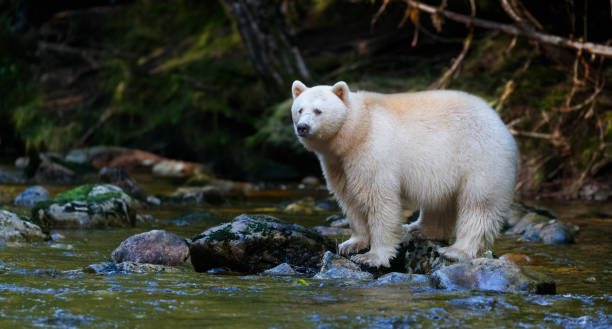
Venture deep into the misty rainforests of British Columbia in search of the rare and mystical spirit bear, a unique adventure that connects you with nature in one of the world’s most pristine wildernesses.
Activity Type: Wildlife expedition and nature exploration.
Overview: In the remote Great Bear Rainforest of British Columbia, Canada, lies a magical encounter waiting to happen—the chance to glimpse the elusive spirit bear, also known as the Kermode bear. These rare, white-furred black bears hold cultural significance for Indigenous tribes and are seen as symbols of peace and wisdom. Only a handful exist in the wild, and they are found nowhere else in the world. The Great Bear Rainforest itself is a breathtaking landscape of towering trees, misty fjords, and pristine rivers, making it an ideal setting for an otherworldly wilderness experience. As you traverse this dense, ancient forest, you’ll be surrounded by lush flora, teeming with wildlife like eagles, otters, and the occasional grizzly or black bear.
The journey into spirit bear territory requires patience and respect for nature’s rhythms, as sightings depend on timing and luck. Guided by local experts who know the terrain and the habits of the spirit bear, you’ll explore both on land and by water, taking in scenic fjords and riverbanks where these bears are most commonly spotted. Beyond spirit bears, you’ll experience the rainforest’s biodiversity and learn about conservation efforts to protect this unique environment. The adventure fosters a deep connection with the land, offering not just incredible wildlife sightings but also a profound sense of peace and wonder in one of the world’s most untouched regions.
Where: Great Bear Rainforest, British Columbia, Canada.
Duration of Activity: Tours typically last 3 to 7 days, allowing ample time for multiple wildlife excursions.
Best Time to Visit: The best time to spot spirit bears is between August and October, when salmon runs attract them to the riverbanks.
Cost: Tours range from $2,000 to $5,000 USD, depending on tour length and accommodation options, with some eco-lodges providing immersive experiences.
Top Tips: Bring a good camera with a zoom lens to capture these elusive bears from a respectful distance. Prepare for variable weather, as the rainforest can be wet and chilly. Book with a certified eco-tour operator that supports Indigenous-led conservation initiatives, helping protect both the spirit bears and their habitat. Embrace patience and immerse yourself in the surroundings—the spirit bear sightings are rare, but the experience of the rainforest is unforgettable.
48.) Hiking the Salkantay Trail to Machu Picchu, Peru

Challenge yourself on the less-traveled Salkantay Trail, an adventurous route to Machu Picchu that offers breathtaking mountain scenery, remote wilderness, and an unforgettable journey to the legendary Inca citadel.
Activity Type: Multi-day trek and cultural exploration.
Overview: The Salkantay Trail is a stunning alternative to the Inca Trail, taking hikers through diverse ecosystems, from snowy Andean peaks to lush cloud forests. Named after the imposing, snow-capped Salkantay Mountain, this challenging route traverses rugged landscapes and passes through remote villages, giving trekkers an immersive experience in Peru’s natural beauty and cultural heritage. Along the way, you’ll witness dramatic views of towering mountains, azure glacial lakes, and vibrant forests, with far fewer crowds than the classic Inca Trail. After several days of trekking, you’ll finally reach the ancient city of Machu Picchu, a reward well worth the journey.
The Salkantay Trail is known for its diversity of landscapes and climates, taking you from icy mountain passes over 15,000 feet in altitude to the warmth of subtropical valleys filled with exotic flora and fauna. The trek requires a good level of fitness, as the path can be steep and challenging at times. Local guides often share stories of Inca history, adding cultural depth to the adventure. By choosing the Salkantay Trail, you’ll experience a less-commercialized side of the Machu Picchu pilgrimage and enjoy a greater sense of solitude along the way.
Where: Begins in Mollepata, Peru, and ends at Machu Picchu.
Duration of Activity: The full trek typically takes 4 to 6 days.
Best Time to Visit: The ideal time for the Salkantay Trek is between April and October, during Peru’s dry season, when conditions are clearer and safer for hiking.
Cost: Guided treks range from $500 to $1,000 USD, including permits, food, guides, and sometimes camping gear.
Top Tips: Acclimate to the altitude in Cusco for a few days before starting the trek to prevent altitude sickness. Pack layers, as temperatures can vary widely throughout the day. Bring a high-quality camera to capture the surreal mountain and jungle landscapes along the way. Book well in advance, especially if you’re hiking during the peak season, and consider trekking with a group for added camaraderie and safety.
49.) Hug a Whale in Baja California, Mexico

Get up close and personal with majestic gray whales as they migrate to the warm lagoons of Baja California, where friendly encounters and unforgettable moments await.
Activity Type: Whale-watching and wildlife encounter.
Overview: Baja California is one of the few places in the world where gray whales actively approach boats, often allowing people to touch, “hug,” or even kiss them. Each winter, these gentle giants make an incredible journey from the cold Arctic seas to the warmer waters of Baja’s sheltered lagoons, where they breed and raise their young. Witnessing a gray whale, some reaching lengths of over 40 feet, is awe-inspiring, but it’s their curiosity and friendliness that make the experience even more unique. Encounters typically take place in three primary lagoons: Magdalena Bay, San Ignacio Lagoon, and Laguna Ojo de Liebre, where close-up interactions with whales have become a surreal reality.
On these guided whale-watching excursions, you’ll have the opportunity to see baby whales (calves) and their mothers up close, a rare experience that many describe as deeply moving. Gray whales are known for their gentle nature, and some even appear to “seek out” human contact. With expert guides who respect the animals’ comfort, visitors can enjoy safe, memorable interactions with these extraordinary creatures. The experience is as emotional as it is thrilling, leaving visitors with a new appreciation for marine life and conservation efforts.
Where: Baja California, Mexico, specifically in Magdalena Bay, San Ignacio Lagoon, and Laguna Ojo de Liebre.
Duration of Activity: Whale-watching tours typically last 2 to 3 hours, with multi-day options available for those seeking a more immersive experience.
Best Time to Visit: The prime season for gray whale encounters is between January and April, during their winter migration.
Cost: A single whale-watching tour costs around $50–$100 USD, while multi-day packages with accommodations and meals start at approximately $400 USD.
Top Tips: Book tours with licensed eco-tour operators who prioritize whale safety and responsible interaction practices. Bring a waterproof camera to capture close encounters, as you may get splashed! Dress in layers and bring a windbreaker, as conditions on the water can be chilly. Remember that every encounter is different; go with an open mind and enjoy the privilege of being in the presence of these gentle giants.
50.) Visit North Korea

Step into one of the world’s most enigmatic countries, where unique cultural experiences, strictly curated tours, and rare glimpses into a closed society await the adventurous traveler.
Activity Type: Guided cultural exploration and historical tour.
Overview: Visiting North Korea is unlike any other travel experience, offering an unparalleled look at life within one of the world’s most secretive nations. Tours are tightly controlled, with government-approved guides accompanying travelers at all times. While this limits independent exploration, it offers a rare chance to visit significant historical sites, such as the capital, Pyongyang, the Korean Demilitarized Zone (DMZ), and the grand Kumsusan Palace of the Sun. Every destination within North Korea is carefully curated, presenting a specific narrative, but the country’s architecture, monuments, and unique way of life offer intriguing insights into its culture and political history.
Despite restrictions, a trip to North Korea provides a deep dive into the ideology, aesthetics, and customs of a society vastly different from the rest of the world. Visitors can see mass events, such as the Arirang Mass Games, if the timing is right, or visit notable museums and landmarks that celebrate North Korea’s leadership and heritage. This unusual experience appeals to those with a fascination for geopolitics, history, and culture, making North Korea a destination as mysterious as it is memorable.
Where: Entry is typically through Pyongyang, the capital, with visits to other approved locations like the DMZ, Mt. Myohyang, and Kaesong.
Duration of Activity: Tours typically range from 3 to 10 days, with most travelers opting for a 5‑day stay to explore the primary sites.
Best Time to Visit: April to October offers the most pleasant weather, although unique events like the Arirang Mass Games (when held) are best seen in summer.
Cost: Tours start around $1,000 USD for a short trip and can reach $3,000 USD or more for longer, more comprehensive packages. All travel arrangements must be made through an approved tour operator.
Top Tips: Be respectful of the country’s customs and laws, as regulations are strictly enforced. Do not bring any reading material or media that could be considered offensive to North Korean policies. Pack conservative clothing, as local customs favor modest dress. Prepare for limited internet access and interaction with locals, as all experiences are mediated by guides. Approach the visit with an open, respectful mindset to gain a better understanding of this rare and controlled travel experience.
51.) Finding spirituality on the Camino di Santiago

Embark on a soul-searching journey across Spain, walking the ancient Camino de Santiago, where spiritual reflection, personal growth, and stunning landscapes await.
Activity Type: Pilgrimage, spiritual journey, and hiking.
Overview: The Camino de Santiago, or Way of St. James, is an ancient pilgrimage route that has attracted travelers for over a thousand years. Stretching across northern Spain, this iconic trail leads to the city of Santiago de Compostela, where the remains of St. James are believed to be buried. The Camino is as much a journey of the mind and spirit as it is of the body. Whether you walk it for spiritual reasons, personal reflection, or simply as a challenge, the path offers an opportunity for self-discovery, peace, and connection with fellow pilgrims. The route winds through quaint villages, rolling hills, medieval towns, and beautiful countryside, each step bringing a deeper sense of tranquility and purpose.
While the Camino is a religious pilgrimage for some, it’s open to all—many travelers walk the path for its sense of community, serenity, and the chance to unplug from the pressures of everyday life. Along the way, you’ll encounter centuries-old churches, cathedrals, and historical landmarks, each offering a moment for contemplation. The journey itself is as transformative as the destination, with many pilgrims choosing to complete sections of the route or walk the entire 500-mile stretch, depending on their time and fitness levels. As you walk toward Santiago, you’ll join thousands of other travelers, forming a unique bond of shared experience and reflection.
Where: The Camino de Santiago starts in various locations across Europe, with the most popular starting points in France (Saint-Jean-Pied-de-Port) and Spain (Roncesvalles). The journey ends at the Cathedral of Santiago de Compostela in Galicia, Spain.
Duration of Activity: The full Camino de Santiago route (Camino Francés) typically takes 30 to 35 days to walk. However, many pilgrims opt to complete shorter sections over multiple trips.
Best Time to Visit: The best months for walking the Camino are from late spring to early autumn (April to October), with the most popular months being May and September.
Cost: A pilgrimage typically costs around $30–$50 USD per day, including accommodation (usually in albergues, or pilgrim hostels), meals, and travel expenses. A full journey can cost around $1,000–$2,000 USD depending on your choices.
Top Tips: Don’t overpack! Keep your backpack light—around 10% of your body weight is ideal. Be sure to train for the trek and wear in your shoes before starting the journey. If you’re walking for spiritual reasons, take time each day to reflect, meditate, or journal. Embrace the slow pace of the Camino and the opportunity to connect with nature, others, and yourself. Always carry your pilgrim’s passport (credencial), which allows you to stay in pilgrim hostels and collect stamps along the way.
52.) Crossing the final frontier on a great Alaskan Road trip

Embark on an unforgettable journey through the wild landscapes of Alaska, where rugged mountains, vast glaciers, and untamed wildlife await on a road trip through the “Final Frontier.”
Activity Type: Road trip, adventure travel, and scenic exploration.
Overview: A road trip through Alaska is a once-in-a-lifetime adventure that lets you explore the true beauty and wilderness of the United States’ northernmost state. Known as the “Last Frontier,” Alaska offers an awe-inspiring mix of dramatic landscapes, from towering mountain ranges and expansive glaciers to lush rainforests and rugged coastlines. The trip can begin in Anchorage, where you’ll travel north to Denali National Park to view North America’s highest peak, or south toward the stunning Kenai Peninsula, home to pristine lakes and abundant wildlife. Along the way, you’ll pass through charming towns like Talkeetna, and visit awe-inspiring spots such as the Glacier Bay National Park and Wrangell-St. Elias National Park.
The Alaskan road trip isn’t just about the destinations—it’s about the journey itself. The route is filled with opportunities to stop and soak in the landscape, whether you’re fishing by the roadside, hiking through dense forests, or simply marveling at the northern lights. Expect wildlife sightings along the way, from moose and bears to whales and seals along the coast. Depending on your route, you may also venture onto the famous Alaska Highway or the Dalton Highway, each with its own unique challenges and rewards. Whether you’re seeking adventure, solitude, or simply the joy of being in one of the world’s most pristine environments, an Alaskan road trip has it all.
Where: Alaska, USA – routes often begin in Anchorage or Fairbanks, with popular stops in Denali National Park, Seward, Homer, Kenai Peninsula, and the Alaska Highway.
Duration of Activity: A full Alaskan road trip can take anywhere from 7 days to 2–3 weeks, depending on the itinerary and pace.
Best Time to Visit: The best time to visit is from late May to September, when the weather is milder, and most of the attractions and activities are open. The summer months offer long days for driving and sightseeing.
Cost: Costs can range from $100–$200 USD per day for accommodation, food, and gas. Renting an RV or camper can add an extra cost of $150–$300 per day, but this allows flexibility for camping along the way.
Top Tips: Prepare for unpredictable weather, even in summer. Pack layers and waterproof gear. Be sure to fill up on gas and supplies in larger towns, as remote areas may not have many services. Don’t miss the opportunity to see the northern lights (Aurora Borealis) in the fall or winter months. Keep your camera ready to capture the incredible landscapes and wildlife sightings. Also, take your time—Alaska’s roads can be long, but the views are well worth it.
53.) Take the Great Australian Roadtrip — Exploring the Outback, Australia

Venture into the heart of Australia’s vast and rugged Outback, where remote landscapes, iconic landmarks, and a deep sense of adventure await.
Activity Type: Road trip, adventure travel, and cultural exploration.
Overview: A road trip through Australia’s Outback is an epic adventure into one of the most unique and remote landscapes on earth. The Outback stretches across much of the Australian continent, offering travelers a chance to experience the country’s vast wilderness, Aboriginal culture, and some of its most iconic landmarks. Starting in cities like Adelaide or Alice Springs, the journey takes you through red deserts, endless plains, and ancient rock formations. Highlights include the famous Uluru (Ayers Rock), Kata Tjuta (The Olgas), Kings Canyon, and the MacDonnell Ranges, all set against the backdrop of stunning sunsets and starry skies.
Driving through the Outback means experiencing a sense of isolation and space that is hard to find elsewhere. You’ll traverse vast highways, where the nearest town or petrol station might be hundreds of kilometers away. While the roads are typically well-maintained, travelers must be prepared for the conditions—think remote, unpaved tracks, strong heat, and occasional wild animals. However, the experience is unmatched, as you can explore ancient rock art sites, visit Aboriginal communities, and camp under the endless sky. The Outback is as much about the journey as it is the destination, offering an unforgettable road trip that mixes nature, culture, and adventure.
Where: The Outback covers a vast portion of central and western Australia, with popular routes starting in Alice Springs or Adelaide, heading toward Uluru, Kings Canyon, and the Red Centre.
Duration of Activity: A typical road trip through the Outback can range from 7 to 14 days, depending on how many stops you plan to make and the route you take.
Best Time to Visit: The best time to visit is from May to September, when the weather is cooler and more pleasant. The summer months can be extremely hot, with temperatures often exceeding 40°C (104°F).
Cost: The cost can vary widely depending on the length of the trip and whether you rent a car or camper. A budget road trip may cost around $100–$150 AUD per day for car rental, gas, accommodation, and meals. Renting a campervan or 4WD vehicle will increase costs to around $200–$300 AUD per day.
Top Tips: Make sure to carry plenty of water, food, and fuel, as the Outback can be very remote, with services few and far between. Always check the condition of the roads before traveling and be prepared for sudden weather changes. Pack for the heat during the day and colder temperatures at night. It’s also important to have a reliable GPS system and a satellite phone, as mobile reception can be spotty in many areas. Take time to learn about the region’s Aboriginal culture and history, and always respect the sacred sites you visit.
54.) Exploring and stargazing in the Atacama Desert, Chile
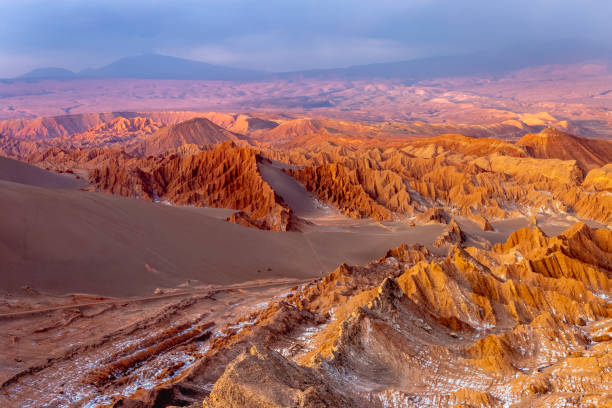
Venture into one of the driest and most surreal landscapes on Earth, where the stark beauty of the Atacama Desert offers an unparalleled stargazing experience and adventure in an otherworldly environment.
Activity Type: Desert exploration, stargazing, and cultural experience.
Overview: The Atacama Desert, located in northern Chile, is renowned for its otherworldly landscapes and some of the clearest, most awe-inspiring skies on the planet. With its unique geological formations, salt flats, and ancient oasis towns, the Atacama provides an unforgettable adventure for those looking to explore its surreal beauty. The desert is home to extraordinary natural wonders like the Valle de la Luna (Valley of the Moon), where dramatic rock formations and shifting sand dunes resemble a lunar landscape, and the El Tatio Geysers, one of the highest geyser fields in the world. You can also explore the salt flats of Salar de Atacama, a vast expanse where flamingos gather in shallow pools, creating striking contrasts against the white salt crusts.
But perhaps the Atacama’s most alluring feature is its sky. The desert’s high altitude, lack of light pollution, and dry air make it one of the best stargazing spots in the world. Travelers can enjoy guided tours to some of the world’s most famous observatories, such as the ALMA Observatory, where cutting-edge research is done on the far reaches of the universe. Whether you’re an astronomy enthusiast or a first-time stargazer, the experience of watching the Milky Way rise over the desert horizon is a magical highlight of any trip to the Atacama.
Where: The Atacama Desert is located in northern Chile, with the town of San Pedro de Atacama serving as the central hub for exploration.
Duration of Activity: A typical visit lasts between 3 and 5 days, with many tours offering stargazing trips in the evenings and desert excursions during the day.
Best Time to Visit: The best time to visit is during the dry season, from April to October, when the skies are clear and the temperatures are cooler, especially at night.
Cost: The cost of a trip to the Atacama Desert varies depending on the activities you choose. Expect to spend around $150–$300 USD per day for tours, meals, and accommodations. Stargazing tours and visits to observatories are usually additional costs ranging from $50 to $150 USD per night.
Top Tips: Bring warm clothing for the evenings, as temperatures can drop significantly despite the desert heat during the day. Make sure to acclimatize to the high altitude to avoid altitude sickness, as the desert is located at over 2,400 meters (7,900 feet). Be sure to take a guided stargazing tour for the best experience, and remember to bring a camera with a wide-angle lens to capture the stunning night sky. Don’t miss the opportunity to explore the desert’s unique landscapes during the day, and take time to appreciate the peaceful solitude and beauty of this extraordinary location.
55.) Exploring the Ice Caves in Iceland

Delve into the frozen wonders of Iceland’s ice caves, where shimmering blue ice, intricate formations, and otherworldly landscapes offer an adventure like no other.
Activity Type: Ice cave exploration, adventure travel, and natural wonder discovery.
Overview: Iceland is known for its dramatic landscapes, and one of the most mesmerizing features of the island is its ice caves. These natural wonders form in glaciers during the winter months, when meltwater carves stunning patterns and colors into the ice. The caves themselves are a work of art—glimmering with blue hues, translucent ice walls, and crystal-clear ceilings. Popular locations to explore ice caves include Vatnajökull, Europe’s largest glacier, and Langjökull, where guided tours take visitors deep inside the caves to witness the ethereal beauty of these frozen formations. Some caves even have stunning ice stalactites and waterfalls that flow within them, creating a surreal and magical experience.
Visiting the ice caves in Iceland isn’t just about the caves themselves—it’s also about the surrounding landscapes. As you journey through the country, you’ll pass glaciers, volcanoes, lava fields, and waterfalls, each adding to the adventure. The tours typically include a hike across glaciers or a snowmobile ride to reach the caves, adding a sense of adventure and excitement to the experience. Many of the caves are temporary, formed by the unique and ever-changing nature of glaciers, which makes each visit to the ice caves a once-in-a-lifetime opportunity.
Where: Iceland, with popular locations including Vatnajökull Glacier, Langjökull Glacier, and Mýrdalsjökull Glacier.
Duration of Activity: Ice cave tours typically last between 2 to 4 hours, though full-day tours are available for those wishing to explore more of Iceland’s glaciers.
Best Time to Visit: The best time to visit the ice caves is during the winter months, from November to March, when the ice is most stable and the caves are at their most spectacular.
Cost: Ice cave tours generally cost between $100 to $200 USD per person, depending on the tour’s length and location. Prices can increase if you opt for guided tours that include snowmobiling or other glacier activities.
Top Tips: Always go with a certified guide, as ice caves can be dangerous due to the instability of the ice. Wear sturdy waterproof boots, warm clothing, and gloves to protect yourself from the cold temperatures. Remember to bring a good camera to capture the stunning blue ice and intricate formations. Make sure to book your tour in advance, as ice cave tours can fill up quickly, especially during peak winter months. Don’t forget to check the weather forecast, as ice caves can sometimes be closed due to weather conditions or melting glaciers.
56.) Diving with Whale Sharks in Mexico / Australia

Experience the awe-inspiring encounter of a lifetime as you dive with the gentle giants of the ocean, the whale sharks, in the crystal-clear waters of Mexico and Australia.
Activity Type: Scuba diving, wildlife encounter, ocean adventure.
Overview: Whale sharks are the largest fish in the world, and diving with them is a breathtaking experience for any marine life enthusiast. Both Mexico and Australia offer exceptional opportunities to encounter these majestic creatures in their natural habitats. In Mexico, the waters off Isla Holbox, Isla Mujeres, and the Yucatán Peninsula provide prime spots for whale shark sightings, especially during the summer months (June to September). Similarly, Ningaloo Reef in Western Australia offers one of the best places in the world to swim with whale sharks, with the best opportunities occurring from March to July.
These incredible creatures are filter feeders, which means they pose no threat to humans. Swimming alongside them, you’ll feel dwarfed by their enormous size, yet calm in the knowledge that they’re harmless. During the dive, you may also encounter other marine life, such as manta rays, sea turtles, and schools of tropical fish. Whether you’re diving or snorkeling, the experience of seeing these magnificent creatures up close is both humbling and exhilarating.
Where: Isla Holbox, Isla Mujeres, and the Yucatán Peninsula, Mexico; Ningaloo Reef, Western Australia.
Duration of Activity: A typical whale shark diving experience lasts between 3 to 6 hours, depending on the tour, including boat ride and time spent in the water.
Best Time to Visit: The best time to dive with whale sharks in Mexico is from June to September when they migrate through the region. In Australia, the best time is from March to July, during the peak of the whale shark season.
Cost: Prices for whale shark tours typically range from $100 to $250 USD per person, depending on the destination, duration, and whether the tour includes additional experiences like snorkeling with other marine life.
Top Tips: Be sure to book your tour with a reputable and eco-friendly operator, as these creatures are protected and their habitats need to be respected. While you don’t need to be an expert diver, a basic swimming ability is essential, as you’ll be snorkeling or diving in open water with the sharks. Bring a GoPro or waterproof camera to capture this once-in-a-lifetime encounter. Make sure to wear eco-friendly sunscreen to protect both yourself and the delicate marine ecosystem.
57.) Exploring other worlds whilst hiking the Laugavegur Trail, Iceland

Embark on a surreal adventure through Iceland’s otherworldly landscapes, where volcanic craters, geothermal springs, and striking glaciers await along the iconic Laugavegur Trail.
Activity Type: Hiking, adventure travel, and nature exploration.
Overview: The Laugavegur Trail is one of Iceland’s most famous and breathtaking hikes, spanning over 55 kilometers (34 miles) between the Landmannalaugar Valley and the Þórsmörk Valley. This multi-day trek takes you through some of the planet’s most unique and diverse landscapes, from rhyolite mountains painted in vibrant hues of red, orange, and yellow, to black sand deserts and icy glaciers. The route passes through areas where geothermal activity creates steaming hot springs, bubbling mud pots, and vast fields of lava rock. Along the way, you’ll encounter stunning vistas, waterfalls, and valleys that feel like something straight out of a science fiction movie.
The Laugavegur Trail offers a truly transformative experience, not just for the stunning views but for the sense of isolation and immersion in nature that it provides. As you hike through rugged terrain, you’ll be surrounded by the forces of nature that shape Iceland’s unique topography. Whether you’re camping under the midnight sun or staying in mountain huts, the trail offers a chance to disconnect and experience the wild beauty of Iceland’s volcanic heart. The hike is suitable for intermediate to experienced trekkers, and while it’s accessible during the summer months, it requires careful planning due to its remote location.
Where: The Laugavegur Trail stretches from Landmannalaugar to Þórsmörk in southern Iceland, crossing a variety of terrains and climates.
Duration of Activity: The hike typically takes 4 to 6 days, depending on your pace and how many stops you make to explore the surroundings.
Best Time to Visit: The best time to hike the Laugavegur Trail is from late June to mid-September when the trail is clear of snow and the weather is more favorable. However, it’s important to note that weather in Iceland can be unpredictable, so be prepared for changes in conditions.
Cost: The cost of hiking the Laugavegur Trail can vary widely depending on your choice of accommodation and food. Budget options like camping can cost as little as $30–$50 USD per day, while staying in mountain huts can range from $60–$150 USD per night. Additionally, transportation costs to and from the trailheads can add another $50–$100 USD.
Top Tips: Be sure to pack layers of clothing to accommodate for Iceland’s fluctuating weather, including waterproof gear and sturdy hiking boots. It’s also highly recommended to book your mountain hut accommodations in advance, as they can fill up quickly during the peak summer season. Carrying a lightweight backpack and sufficient food and water will make your hike more enjoyable, as well as a power bank to keep your electronics charged for capturing those stunning landscapes. Most importantly, take time to pause and appreciate the surreal beauty of Iceland, from its colorful geothermal areas to its glacial rivers and volcanic summits.
58.) Finding top gear during the Mongol rally
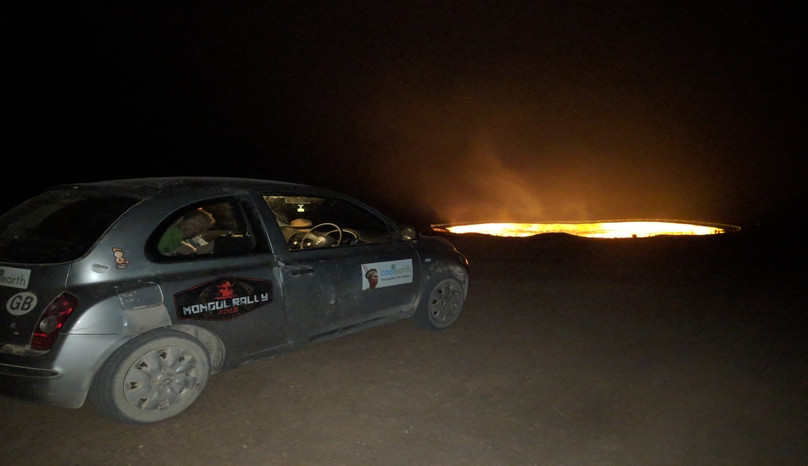
Embark on a true test of adventure and endurance as you navigate the vast landscapes of Europe and Asia, all while searching for the best gear for survival and excitement on the infamous Mongol Rally.
Activity Type: Rally driving, adventure travel, cultural exploration.
Overview: The Mongol Rally is one of the most iconic and unpredictable road trips in the world, stretching over 10,000 miles from London to Ulaanbaatar, Mongolia. Unlike traditional races or rallies, the Mongol Rally is not about speed—it’s about navigating challenging terrain, testing your limits, and experiencing the diverse cultures, landscapes, and hardships of some of the world’s most remote regions. The rally is an open challenge to anyone brave enough to take on the adventure in a vehicle that isn’t meant for such a journey—often old cars, vans, or motorbikes. While there is no specific route, participants generally follow a course through Europe, Russia, Kazakhstan, Uzbekistan, Turkmenistan, and finally into Mongolia.
Along the way, competitors often find themselves needing to seek out top gear to handle the physical and mental challenges of the rally. From rugged tires for off-road stretches in Central Asia to heavy-duty car parts to ensure the vehicle survives the journey, every step of the way involves problem-solving and resourcefulness. In addition to the adventure of the road, the rally offers the opportunity to meet fascinating people, experience a range of cultures, and explore some of the world’s most breathtakingly remote landscapes, from the deserts of Kazakhstan to the steppes of Mongolia. The search for “top gear” is not only about finding the right equipment but also about discovering hidden parts of the world and testing your resilience in an unforgettable, once-in-a-lifetime experience.
Where: Starting from London, UK, and finishing in Ulaanbaatar, Mongolia, passing through countries like Russia, Kazakhstan, Uzbekistan, and Turkmenistan.
Duration of Activity: The Mongol Rally typically takes between 6 to 8 weeks, depending on the route, pace, and any unexpected challenges along the way.
Best Time to Visit: The best time to participate in the Mongol Rally is during the summer months, from July to early September, when weather conditions are more favorable for driving and most border crossings are open.
Cost: The entry fee for the Mongol Rally is generally between $1,000 to $2,000 USD per vehicle, depending on the event organizer. Additional costs include fuel, car maintenance, visas, insurance, and provisions for the journey, which can add another $2,000–$4,000 USD or more. The cost of repairing or replacing parts along the route can also add to the total expenses.
Top Tips: Make sure your vehicle is well-prepared for the rally. Bring essential tools, spare parts, and top gear items like extra tires, a high-quality jack, and a portable car battery charger. Keep your car in good working condition by conducting thorough pre-rally checks. Be ready to adapt to unpredictable weather and road conditions, especially when crossing remote deserts or mountain ranges. Plan your route carefully and ensure that you have all necessary visas and documentation in order. Most importantly, have a sense of humor, as the Mongol Rally is about the journey, the unexpected challenges, and the friendships you form along the way.
59.) Trekking across the Great Wall
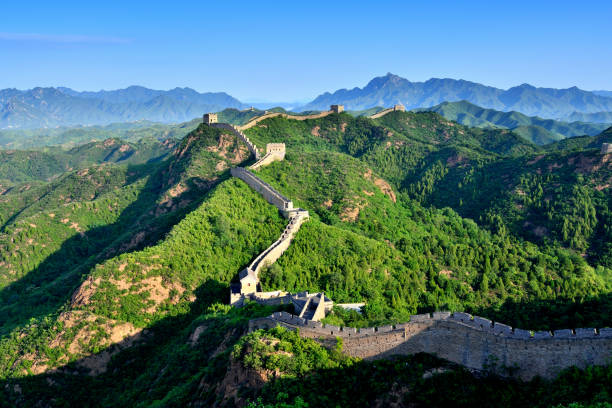
Venture into the heart of Chinese history by trekking along one of the most iconic and ancient structures in the world—the Great Wall of China—while exploring breathtaking landscapes and ancient fortifications.
Activity Type: Hiking, historical exploration, cultural adventure.
Overview: The Great Wall of China is not just a singular monument but a sprawling network of walls and fortifications that stretches over 13,000 miles across northern China. Trekking along the Great Wall is an incredible way to immerse yourself in the country’s rich history while experiencing its diverse landscapes. While many tourists visit the well-preserved sections near Beijing, such as Badaling, other parts of the Wall, like Mutianyu, Jinshanling, and Simatai, offer more rugged and less-crowded trails. The Wall, originally built to protect China from invasions, is dotted with watchtowers, forts, and spectacular scenic vistas, which offer a glimpse into the past and an opportunity for adventurers to walk through centuries of history.
Trekking the Great Wall offers a truly unique experience—one where you can challenge yourself physically while being surrounded by the beauty of mountains, forests, and ancient architecture. Whether you opt for a one-day hike or a multi-day trek, the adventure is a rewarding one, combining physical endurance with cultural discovery. Along the way, you’ll encounter sections of the Wall that have been worn down by time and nature, some crumbling into the landscape, while others remain remarkably intact. No matter where you start or how far you go, trekking the Great Wall offers a journey unlike any other, taking you through remote villages, past ancient watchtowers, and offering unparalleled views of the surrounding countryside.
Where: The Great Wall stretches across northern China, with popular trekking locations near Beijing including Badaling, Mutianyu, Jinshanling, and Simatai, though there are also remote and less-visited sections in other parts of the country.
Duration of Activity: Depending on the section you choose, the trek can range from a few hours to several days. A one-day hike along the Wall typically takes 4 to 6 hours, while multi-day treks can last up to a week.
Best Time to Visit: The best time to trek the Great Wall is during the spring (April to June) and autumn (September to October) months, when the weather is mild and the landscapes are especially beautiful. Summer can be hot, while winter may be too cold and snowy for some sections of the Wall.
Cost: The cost of trekking the Great Wall depends on your choice of tour or independent travel. A guided day tour can range from $50 to $150 USD per person, depending on the inclusions (transportation, meals, and entry fees). For multi-day treks, costs can range from $500 to $1,500 USD per person.
Top Tips: Choose your section wisely based on your fitness level and preferences—sections like Badaling are easily accessible but crowded, while Mutianyu and Jinshanling offer more rugged trails with fewer tourists. Wear comfortable shoes with good grip, as the Wall’s uneven steps can be challenging. Carry plenty of water and snacks, as amenities may be sparse in more remote sections. It’s also helpful to bring a light backpack for your belongings and a good camera to capture the awe-inspiring views and ancient architecture. Lastly, be prepared for both sunny and rainy weather, and always check the weather forecast before your trek.
60.) See a snow leopard in the wild
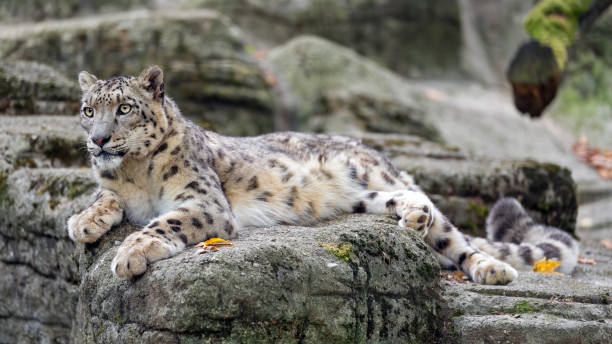
Embark on an elusive and awe-inspiring adventure to spot one of the world’s most elusive and enigmatic creatures— the snow leopard— in its natural habitat, high in the mountains of Central Asia.
Activity Type: Wildlife spotting, trekking, adventure travel.
Overview: The snow leopard is a majestic and mysterious creature that has long captured the imaginations of wildlife enthusiasts. Known for its elusive nature and stunning camouflage, seeing a snow leopard in the wild is one of the rarest and most rewarding wildlife experiences you can have. These elusive big cats roam the rugged and remote mountain ranges of Central Asia, particularly in the high-altitude regions of the Himalayas, the Tibetan Plateau, and parts of Mongolia and Kyrgyzstan. Often found in environments above 3,000 meters (10,000 feet), snow leopards thrive in rocky, snow-covered terrain, making them incredibly difficult to spot.
Trekking to see a snow leopard involves navigating challenging terrain and staying in remote regions where conservation efforts are ongoing to protect these endangered animals. Areas like the Spiti Valley in India, Nepal’s Dolpo region, and Mongolia’s Altai Mountains are some of the best places to attempt a snow leopard sighting. Wildlife experts and conservationists work tirelessly to track and protect these elusive cats, and many tour operators offer guided treks to increase the chances of an encounter. While seeing a snow leopard in the wild is never guaranteed, the experience of trekking through stunning landscapes, surrounded by wildlife and breathtaking scenery, makes the journey worthwhile. For wildlife enthusiasts and photographers, it’s a once-in-a-lifetime opportunity to witness the beauty of one of nature’s most elusive predators.
Where: High-altitude regions of the Himalayas (India, Nepal), the Tibetan Plateau, Mongolia (Altai Mountains), Kyrgyzstan, and Pakistan.
Duration of Activity: A typical wildlife trek to see a snow leopard lasts anywhere from 7 to 14 days, depending on the region and difficulty of the terrain.
Best Time to Visit: The best time to spot snow leopards is during the winter months, from November to March, when the leopards descend to lower altitudes and the snowy conditions make tracking easier. Summer months are more challenging, as the snow leopards are at higher altitudes and harder to locate.
Cost: Prices for snow leopard tracking tours typically range from $2,000 to $5,000 USD, depending on the length of the trek, the region, and whether the tour includes guide services, transportation, and accommodations. Tours in remote areas with higher chances of sightings may be more expensive.
Top Tips: Spotting a snow leopard requires patience, perseverance, and good luck. Be prepared for long hours of trekking in high-altitude conditions, so it’s crucial to be physically fit and acclimatized to the altitude. Always go with experienced local guides who know the best spots and tracking methods. Carry high-quality binoculars and a camera with a good zoom lens, as sightings can be brief and from a distance. Be respectful of the local wildlife and communities, and follow ethical wildlife watching practices to ensure minimal impact on the environment.
61.) Explore the Soo Doong Cave
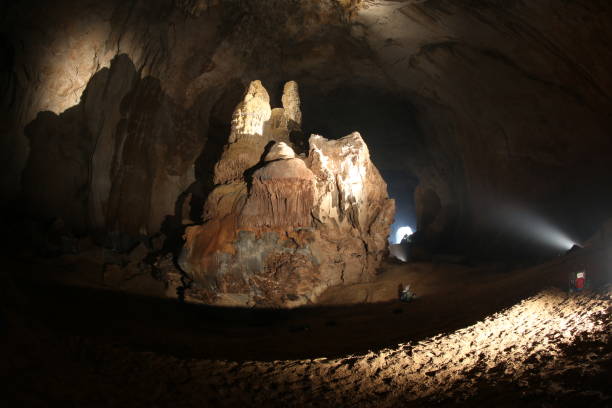
Venture into the heart of Vietnam’s mysterious and awe-inspiring underground world by exploring the largest cave in the world, the Son Doong Cave, located in Phong Nha-Kẻ Bàng National Park.
Activity Type: Caving, adventure exploration, nature trekking.
Overview: The Son Doong Cave, located in Vietnam’s Phong Nha-Kẻ Bàng National Park, holds the title of the largest cave in the world by volume. Discovered in 1991 and opened to the public in 2013, this incredible natural wonder is more than 5.5 miles (9 kilometers) long, and in some places, its chambers are wide enough to fit an entire city block. The cave features dramatic landscapes, with enormous stalagmites, underground rivers, and its own unique ecosystem. Inside the cave, explorers are treated to a surreal world, with towering rock formations, lush vegetation, and even an entirely enclosed jungle within its vast chambers.
To explore Son Doong Cave, travelers must embark on a multi-day adventure with a licensed tour operator, as access to the cave is strictly regulated to preserve its delicate environment. The journey involves a mix of trekking through dense jungle, wading through underground rivers, and climbing up to the cave’s grand entrance. The experience is both physically demanding and mentally rewarding, offering trekkers the rare chance to witness an underground landscape unlike any other. Aside from the cave itself, the surrounding landscape of Phong Nha-Kẻ Bàng National Park is a UNESCO World Heritage site, home to other incredible caves, lush jungles, and unique wildlife. Exploring Son Doong is truly a once-in-a-lifetime adventure that promises not only the discovery of an ancient, otherworldly environment but also a chance to marvel at the raw power of nature.
Where: Phong Nha-Kẻ Bàng National Park, Quảng Bình Province, Vietnam.
Duration of Activity: The trek to explore Son Doong Cave typically lasts 4 to 6 days, including trekking, caving, and camping in the wilderness.
Best Time to Visit: The best time to explore Son Doong Cave is from February to August when the weather is dry and the terrain is more manageable. The rainy season from September to January can make access more challenging and dangerous.
Cost: Access to Son Doong Cave is available through licensed tour operators, with prices ranging from $3,000 to $4,000 USD per person. This cost typically includes transportation, accommodation, meals, professional guides, and caving equipment.
Top Tips: Given the strenuous nature of the trek, it’s important to be in good physical condition and prepare for long hours of hiking in rugged conditions. Be sure to follow all safety protocols provided by your guide and wear sturdy hiking boots. A high level of fitness is required, as the trek can be challenging, with steep climbs and river crossings. Since the cave is in a remote area, it’s best to pack light, but also ensure that you have all necessary gear, including waterproof clothing, good-quality trekking poles, and a camera to capture the otherworldly beauty of the cave. Book your trip well in advance, as access to Son Doong Cave is limited to only a few hundred tourists per year to preserve its fragile ecosystem.
62.) Cracking the ice with wild polar bears- Traking polar bears in the tundra
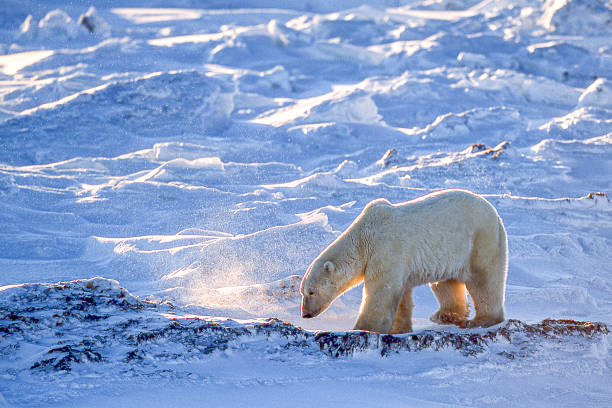
Embark on a thrilling Arctic adventure as you track polar bears in their natural habitat, navigating the frozen wilderness of the tundra and witnessing these majestic creatures in their icy domain.
Activity Type: Wildlife tracking, photography, adventure safari.
Overview: The frozen tundra of the Arctic is one of the harshest yet most awe-inspiring landscapes on the planet, and it is here that you can embark on one of the world’s most exciting wildlife adventures—tracking polar bears in their natural environment. The polar bear, the world’s largest land carnivore, is a symbol of the wild, untamed north, and seeing these magnificent animals up close in their icy home is a once-in-a-lifetime experience. The most famous destination for polar bear tracking is Churchill, Manitoba, Canada, often called the “Polar Bear Capital of the World.” The town lies on the edge of the Hudson Bay, where polar bears congregate during the fall as they await the freeze of the bay, which allows them to begin their hunt for seals.
Tracking polar bears in the wild is not only a thrilling wildlife experience but also an opportunity to explore one of the most pristine and remote ecosystems in the world. Guided expeditions in specialized vehicles known as tundra buggies provide a safe and unique way to get close to polar bears without disturbing their natural behavior. These excursions offer a chance to witness the bears as they roam the frozen landscape, hunt, and interact in their natural habitat. The surrounding tundra offers breathtaking views of icy expanses, with occasional sightings of other Arctic wildlife, such as foxes, wolves, and migratory birds, making the experience even more immersive. For photographers, this is a perfect opportunity to capture the stark beauty of the Arctic and the raw power of the polar bear.
Where: Churchill, Manitoba, Canada; Svalbard, Norway; and the Arctic regions of Russia and Alaska.
Duration of Activity: Polar bear tracking tours usually last 3 to 7 days, with a combination of wildlife viewing, tundra excursions, and photography sessions.
Best Time to Visit: The best time to track polar bears is during the fall, from October to November, when the bears congregate near the Hudson Bay before the ice forms. In Svalbard and other Arctic regions, tracking is best from late winter to early spring (March to May) when the sea ice is stable and bears are actively hunting.
Cost: Polar bear tracking tours generally cost between $4,000 to $7,000 USD per person, depending on the location, duration, and type of accommodation. Costs often include meals, transportation, tundra buggy tours, and professional guides.
Top Tips: Polar bear tracking is an extraordinary experience, but it requires patience and preparation. Be ready for cold temperatures, strong winds, and long hours in remote, rugged conditions. Dress in layers, with warm, windproof clothing, and ensure you have quality boots and gloves. Always follow the guidance of your expert trackers and guides, as polar bears are dangerous animals, and safety protocols are essential. Make sure to bring a good camera with a zoom lens for capturing polar bears from a safe distance, and keep in mind that sightings are not guaranteed—however, the chance of encountering these magnificent creatures in their natural environment is a true privilege.
63.) Feeling the beat at the Rio carnival

Join one of the world’s most vibrant and thrilling celebrations by immersing yourself in the dazzling energy, music, and culture of the Rio Carnival, an iconic festival that brings the streets of Rio de Janeiro to life every year.
Activity Type: Cultural celebration, music and dance festival, street party.
Overview: The Rio Carnival is one of the most famous events in the world, drawing millions of visitors each year to the streets of Rio de Janeiro for an unforgettable experience. It is a spectacular display of Brazilian culture, with the city’s famous samba schools competing in the Sambadrome, colorful parades, street parties, and vibrant celebrations across the entire city. The carnival is a feast for the senses, filled with glittering costumes, infectious rhythms, and performances that reflect Brazil’s rich cultural diversity. The event typically spans five days, with the main festivities taking place just before Lent, often in February or March.
During the Rio Carnival, the streets are alive with samba music, and everyone—from locals to visitors—dances in the streets, participating in impromptu block parties known as “blocos.” These celebrations happen all over the city, from the iconic beaches of Copacabana to the lively neighborhoods of Santa Teresa. One of the highlights is the Samba Parade at the Sambadrome, where samba schools from across the country compete with elaborate floats, costumes, and synchronized dances. The energy is contagious, and there’s no better way to experience the spirit of Rio de Janeiro than by becoming a part of this colorful, high-energy celebration. Whether you’re watching the parade or dancing with the crowds at a bloco, the Rio Carnival offers an immersive experience that blends culture, music, and a sense of community.
Where: Rio de Janeiro, Brazil.
Duration of Activity: The Rio Carnival lasts for five days, with the main events typically taking place from Friday to Tuesday (before Ash Wednesday).
Best Time to Visit: The Rio Carnival takes place annually, just before Lent, usually in February or March, depending on the year. It’s essential to book accommodations and tickets well in advance, as the city fills up quickly during this time.
Cost: Costs for attending the Rio Carnival can vary widely depending on your experience. General entry to street parties and blocos is free, but attending the Samba Parade at the Sambadrome or securing a spot in one of the samba schools can cost anywhere from $50 to $500 USD, with premium experiences like VIP access or tickets to exclusive events reaching upwards of $1,000 USD.
Top Tips: Be prepared for large crowds and high energy, so stay hydrated and wear comfortable clothing and shoes. If you want to experience the Samba Parade, it’s worth purchasing tickets for the Sambadrome in advance, as the event sells out quickly. For the full carnival experience, don’t miss the street blocos, where you can join in the dancing, singing, and partying with locals. Keep your belongings secure, as the carnival is a busy event, and be mindful of the intense heat and humidity in Rio during this time. Finally, embrace the rhythm—dance, sing, and enjoy every moment of the spectacular festivities!
64.) Row across the Atlantic ocean
Test your endurance, resilience, and adventure spirit by taking on one of the most challenging and rewarding feats on earth—rowing across the vast expanse of the Atlantic Ocean.
Activity Type: Ocean rowing, adventure expedition, endurance challenge.
Overview: Rowing across the Atlantic Ocean is an extreme adventure that pushes the limits of human strength and endurance. For many, this challenge is the ultimate test of physical and mental fortitude. The most popular route for ocean rowing is the “Atlantic Rowing Race,” which typically involves starting from the Canary Islands off the coast of Spain and rowing to the Caribbean Islands of Antigua. The journey spans approximately 3,000 nautical miles (5,600 km) across the vast and unpredictable Atlantic, requiring careful preparation and teamwork.
Rowing across the Atlantic is a test of patience and skill. It can take anywhere from 30 to 60 days to complete, depending on the route and weather conditions. Rowers must manage everything from the mechanical aspects of their boat to the psychological demands of isolation. Along the way, participants face unpredictable weather, waves, and ocean currents, but also have the chance to witness unparalleled beauty—unbroken horizons, sunsets, and a stunning variety of marine life. This expedition is as much about personal growth and camaraderie as it is about completing an immense challenge. It offers a profound connection with nature, and a chance to experience the vastness and solitude of the ocean like few others ever will.
Where: The most common route starts from the Canary Islands (Spain) and finishes in Antigua (Caribbean), though alternative routes across the Atlantic are also possible.
Duration of Activity: The crossing typically takes between 30 to 60 days, depending on the weather conditions, the type of boat, and the rowers’ experience.
Best Time to Visit: The best time to row across the Atlantic is during the winter months, from December to February, when weather patterns are generally more favorable for ocean rowing expeditions.
Cost: The cost of an ocean rowing expedition varies greatly, with the price of a solo or team boat crossing ranging between $15,000 to $50,000 USD. Costs typically include the purchase or rental of a rowing boat, equipment, food, safety gear, support team, and permits. Some expedition packages also include professional guides and coaches.
Top Tips: Ocean rowing is not for the faint of heart. Be prepared for a physically demanding and mentally challenging experience. You must be in peak physical condition and mentally prepared for isolation, long hours of rowing, and the unpredictability of the sea. It’s also important to undergo proper training in navigation, survival skills, and boat handling. Ensure you have all necessary safety equipment, including a satellite phone, GPS, life raft, and emergency beacons. Join an organized race or challenge for the necessary logistical support and guidance. Don’t forget to embrace the experience—take in the views, the stars, and the amazing sense of accomplishment that comes from completing one of the world’s greatest adventures.
65.)Walking in the Treetops of the Guatemalan Jungle
Step into the heart of the ancient Maya world and experience the lush, vibrant canopy of the Guatemalan jungle from an entirely new perspective as you walk amongst the treetops, exploring a breathtaking ecosystem filled with wildlife and history.
Activity Type: Jungle trekking, canopy walk, wildlife exploration.
Overview: The Guatemalan jungle, home to the mysterious ruins of the ancient Maya civilization, is a destination that offers an unforgettable blend of natural beauty and historical intrigue. One of the most unique ways to explore this dense, tropical rainforest is by walking in the treetops, experiencing the jungle from above. The most famous location for this experience is Tikal National Park, a UNESCO World Heritage Site located in the heart of Guatemala’s northern Petén region. Tikal is one of the largest and most impressive Maya archaeological sites in the world, surrounded by a thriving jungle teeming with wildlife such as howler monkeys, toucans, and jaguars.
Walking along the Tikal canopy bridges provides a rare opportunity to witness the flora and fauna of the Guatemalan jungle up close, while also giving you a bird’s‑eye view of the sprawling ancient ruins that lie beneath the forest’s dense foliage. The experience is both thrilling and peaceful, as you stroll across suspension bridges high in the trees, surrounded by the sounds of the jungle and the sight of exotic creatures flitting among the branches. It’s an immersive adventure that allows you to connect with nature and history in a way few other activities can offer. As you explore the towering temples and hidden passageways of Tikal, you’ll also have the chance to spot wildlife in its natural habitat, making this adventure a perfect mix of archaeology and nature.
Where: Tikal National Park, Petén region, Guatemala.
Duration of Activity: The canopy walk experience typically lasts between 2 to 4 hours, depending on your pace and the time spent exploring the park. You can combine this with a full-day visit to the Tikal ruins.
Best Time to Visit: The dry season, from November to April, is the best time to visit, as the weather is more pleasant and there is less chance of rain. However, visiting in the green season (May to October) offers lush foliage and fewer crowds.
Cost: Entrance fees to Tikal National Park are around $20 USD, with canopy walk tours costing an additional $10 to $30 USD per person. Guided tours, which offer expert insight into the history and wildlife of the area, can cost between $50 and $150 USD depending on the length of the tour and the guide’s expertise.
Top Tips: The Guatemalan jungle can be hot and humid, so it’s important to stay hydrated and wear light, breathable clothing. Insect repellent is a must to protect against mosquitoes, and sturdy footwear is recommended for walking on the often uneven jungle paths. While you can visit the Tikal ruins independently, hiring a guide can enrich your experience with detailed historical and cultural insights. For the best wildlife sightings, start your day early to catch the jungle’s creatures at their most active. Don’t forget to bring binoculars and a camera to capture the breathtaking views and rare wildlife encounters!
66.) Swinging from trees with wild Orangutans in Borneo.

Get up close to one of the most fascinating and endangered species on the planet by swinging through the lush rainforests of Borneo with wild orangutans, a once-in-a-lifetime opportunity to witness these incredible creatures in their natural habitat.
Activity Type: Wildlife adventure, jungle trekking, animal conservation experience.
Overview: Borneo is a vast and diverse island, home to some of the world’s most unique wildlife, including the critically endangered orangutan. One of the most thrilling and heartwarming ways to experience this stunning island is by visiting the rainforests where orangutans roam freely, and you may even have the chance to swing through the treetops alongside them. The best places to engage in this adventure are the renowned rainforests of Sabah and Sarawak, particularly in protected reserves like the Sepilok Orangutan Rehabilitation Centre and the Borneo Rainforest Lodge. These areas are dedicated to the conservation of orangutans and their habitats, providing a rare chance to see these intelligent primates in the wild.
The experience often involves guided treks through the jungle, where you might find yourself suspended on canopy walkways, high above the forest floor, looking for orangutans as they swing from tree to tree. The canopy walk offers a thrilling bird’s‑eye view of the rainforest, and with luck, you may spot orangutans feeding, playing, or nesting in the trees. It’s a truly magical experience that allows you to appreciate both the beauty of the jungle and the delicate balance required to protect its wildlife. As you traverse the forest, a local guide will teach you about the conservation efforts underway to protect the orangutan population and other endangered species that call the rainforest home.
Where: Sabah and Sarawak, Borneo (Malaysia), particularly in the Sepilok Orangutan Rehabilitation Centre, Borneo Rainforest Lodge, and Danum Valley Conservation Area.
Duration of Activity: Wildlife treks and canopy walks generally last between 2 to 4 hours, but tours that include overnight stays in the rainforest can last several days.
Best Time to Visit: The dry season, between March and October, is the best time for jungle trekking and wildlife spotting in Borneo. However, the rainforest is lush year-round, and the wet season (November to February) offers fewer tourists.
Cost: Entrance fees to the Sepilok Orangutan Rehabilitation Centre are around $10 USD, with canopy walks and jungle treks typically costing between $50 to $150 USD per person, depending on the location and the type of experience. Multi-day tours or stays at eco-lodges can cost upwards of $500 USD.
Top Tips: Borneo’s rainforest is humid and can get muddy, so be sure to wear lightweight, moisture-wicking clothing and sturdy shoes. Don’t forget insect repellent to guard against mosquitoes and other bugs. Early morning treks offer the best chance to see orangutans and other wildlife, as animals tend to be more active during this time. Be respectful of the orangutans and other animals—keep your distance and follow your guide’s instructions. Finally, remember to bring a camera with a zoom lens to capture the incredible moments, but try not to disturb the wildlife by getting too close!
67.) Classic Cars and Cuban Cigars – Exploring Revolution in Cuba
Step back in time and immerse yourself in the vibrant culture and history of Cuba, where colorful classic cars and world-famous cigars tell the story of the island’s revolutionary past.
Activity Type: Cultural exploration, historical tour, adventure, and relaxation.
Overview: Cuba is a land of fascinating contrasts, where time seems to have stood still in many ways, and yet modern vibrancy pulses through the streets of Havana and beyond. One of the most iconic aspects of Cuban life is the classic cars that still dominate the roads, a result of decades of ingenuity in maintaining and restoring pre-1950s American vehicles. The sight of these colorful, vintage cars cruising through the streets of Havana is a reminder of Cuba’s unique history and the endurance of its people. Exploring Cuba’s streets in one of these classic cars is one of the most memorable experiences, and many tours allow you to cruise around key landmarks, such as the Malecón, Old Havana, and the Plaza de la Revolución.
Beyond the cars, Cuba is also world-renowned for its cigars. The island’s tobacco fields are considered the best in the world, producing cigars that are coveted by aficionados across the globe. While exploring the countryside, you can visit tobacco plantations in Pinar del Río and watch the meticulous process of cigar rolling by hand. Whether you’re enjoying a freshly rolled cigar in one of Havana’s famed cigar lounges or participating in a cigar-tasting workshop, experiencing the craftsmanship and passion behind Cuba’s cigars is an unforgettable part of the island’s cultural heritage. From the lively music scene and colorful streets to the warm, welcoming people, exploring Cuba offers a deep dive into a country that is as rich in history as it is in character.
Where: Havana, Viñales Valley, and other key regions of Cuba.
Duration of Activity: Exploring Cuba’s classic cars and cigars can take a few hours for a day tour, or several days for a deeper dive into the island’s culture, including visits to cigar factories and tobacco farms.
Best Time to Visit: The best time to visit Cuba is from December to March, during the dry season, when the weather is warm but not too hot. However, Cuba is a year-round destination, with fewer tourists during the summer months (June to September).
Cost: Classic car tours typically range from $30 to $100 USD for a half-day experience, with more elaborate, private tours costing upwards of $200 USD. Cigar-related activities, such as factory visits or tasting sessions, typically cost $30 to $50 USD per person. The overall cost of a trip to Cuba can vary depending on your accommodation, meals, and length of stay, but expect to budget around $50 to $150 USD per day.
Top Tips: To fully immerse yourself in Cuban culture, take a classic car tour during sunset, when the city’s vibrant colors come alive. Be sure to bring cash in US dollars (or euros), as credit cards from U.S. banks are not always accepted in Cuba. If you’re interested in cigars, remember that authentic Cuban cigars are only sold at authorized stores or directly from tobacco farms—be wary of counterfeit cigars sold by street vendors. Finally, enjoy the rhythm of Cuba’s music scene, from lively street performances to intimate jazz clubs, as it’s an essential part of the island’s charm.
68.) Rock Climbing in Yosemite National Park, USA
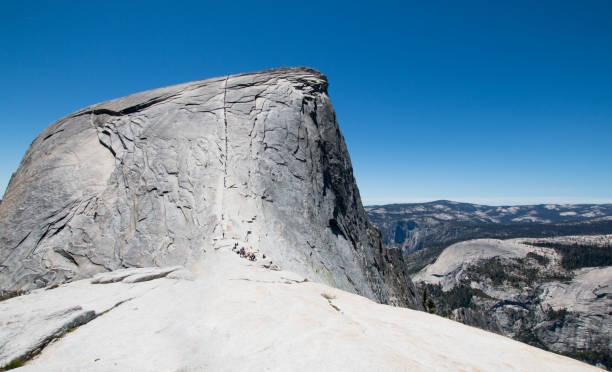
Challenge yourself against some of the most iconic rock faces in the world and experience the thrill of rock climbing in Yosemite National Park, one of the most revered climbing destinations on the planet.
Activity Type: Rock climbing, outdoor adventure, mountaineering.
Overview: Yosemite National Park is a mecca for rock climbers, offering a range of climbing experiences from novice routes to some of the most technical and famous climbs in the world. Known for its stunning granite cliffs, towering waterfalls, and expansive views, Yosemite attracts climbers of all skill levels. The park’s most famous feature, El Capitan, is one of the largest granite monoliths in the world and presents a challenge for climbers daring enough to attempt its sheer 3,000-foot vertical face. Whether you’re a seasoned climber looking to take on this world-famous route or a beginner keen to try smaller routes, Yosemite offers something for everyone.
Beyond El Capitan, Yosemite is also home to other legendary climbing spots, including Half Dome, which offers a challenging ascent with incredible views of the park. Other notable climbing areas include the Cathedral Spires, the iconic Tuolumne Meadows, and the Yosemite Valley. The park’s unique mix of granite rock formations, varied routes, and breathtaking landscapes make it a true climbing paradise. It’s not just about scaling the rocks; it’s about immersing yourself in the wild beauty of the California wilderness, with towering cliffs and panoramic vistas that are the reward for each ascent. For those looking to take their climbing skills to new heights, Yosemite offers a combination of technical difficulty and natural beauty unlike anywhere else in the world.
Where: Yosemite National Park, California, USA.
Duration of Activity: Climbing trips can vary depending on the route and your climbing experience. A half-day introductory climbing lesson can last about 4 hours, while multi-day climbs on routes like El Capitan can take anywhere from 3 to 7 days.
Best Time to Visit: The best time to climb in Yosemite is during the spring and fall (May to October), when the weather is mild and the park is less crowded. The summer months can be hot, especially in Yosemite Valley, so the cooler months are ideal for tackling more strenuous climbs.
Cost: Prices for guided climbing tours typically range from $150 to $400 USD per person, depending on the route and duration. For example, a half-day introductory climb on a smaller route may cost around $150 USD, while multi-day climbs or specialized tours (like El Capitan) can exceed $500 USD. National Park entrance fees are around $35 USD per vehicle for a 7‑day pass.
Top Tips: Due to the popularity of Yosemite’s climbing routes, especially El Capitan, it’s advisable to book permits and guided tours well in advance. Be prepared for the altitude and strenuous nature of climbing in a national park—Yosemite’s environment can be demanding. Always take plenty of water, wear proper gear, and if you’re not experienced, consider hiring a guide to ensure your safety and enhance your climbing experience.
69.) Witnessing Blue Lava – Night Volcano Trekking in Java
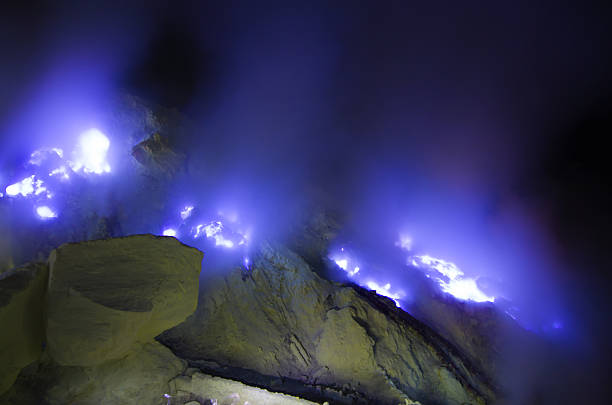
Embark on a thrilling night trek through Java’s volcanoes to witness the mystical blue lava phenomenon, an awe-inspiring sight that only a few places on Earth can offer.
Activity Type: Night trekking, volcanic adventure, nature exploration.
Overview: Java, Indonesia, is home to some of the world’s most active volcanoes, and one of the most surreal experiences you can have here is witnessing the phenomenon of blue lava. While the concept of “lava” is usually associated with fiery orange and red molten rock, the blue lava found in Java’s Ijen Crater is caused by the combustion of sulfuric gases that ignite when they come into contact with air. This rare and extraordinary sight can only be observed during the night, when the glow from the lava becomes visible in the dark. The Ijen Crater, located on the eastern tip of Java, is one of the few places in the world where this blue lava phenomenon occurs, making it a must-visit destination for adventure seekers and nature enthusiasts.
To witness the blue lava, trekkers must begin their hike in the dark, navigating the steep and sometimes treacherous terrain of the volcano. The hike to the crater’s rim typically takes 1.5 to 2 hours, but it’s well worth the effort once you arrive and see the eerie blue glow emanating from the sulfur mines below. The contrast of the blue lava against the dark volcanic landscape creates an otherworldly scene, unlike anything else on Earth. After the blue lava spectacle, visitors can explore the Ijen Crater’s turquoise acidic lake, one of the largest of its kind, before descending back down. The trek is physically demanding, but the beauty and rarity of the experience make it a bucket-list adventure for those seeking a unique natural wonder.
Where: Ijen Crater, East Java, Indonesia.
Duration of Activity: The trek typically takes around 4 to 6 hours, with most visitors hiking for about 2 hours to reach the rim of the crater and spend time observing the blue lava and the sulfur miners at work. The entire activity can take up to a half-day, including both the ascent and descent.
Best Time to Visit: The best time to visit Ijen is during the dry season, from May to October, when the trail is less slippery, and visibility is better. The phenomenon of blue lava can be seen year-round, but visiting during these months will give you the best conditions for trekking.
Cost: A guided tour to witness the blue lava typically costs between $40 to $80 USD per person, depending on whether it’s a group or private tour. Entrance fees for Ijen Crater are around $10 USD per person, and you’ll need to hire a guide, as it’s mandatory for safety reasons. For those looking for a more immersive experience, overnight stays in nearby hotels can range from $20 to $60 USD per night.
Top Tips: The trek to Ijen Crater is challenging and involves climbing in the dark, so bring a flashlight or headlamp, wear sturdy shoes, and dress in layers to adjust to the cold temperatures at the summit. Be aware that the sulfuric gases emitted by the volcano can be overpowering, so bring a gas mask, which is often available for rent at the base. For the best experience, try to time your visit to catch both the blue lava and the sunrise over the crater lake. Lastly, respect the sulfur miners working in the area—this is a difficult and hazardous job, and they should be approached with courtesy.
70.) Visit an active volcano at Volcan Pacaya, Guatemala.
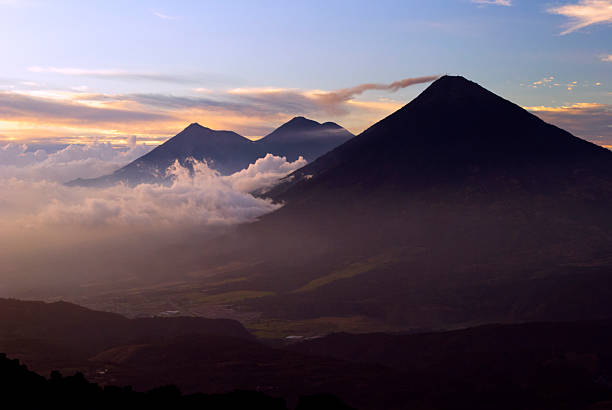
Experience the raw power of nature by visiting one of Central America’s most active volcanoes, where you can witness flowing lava and stunning volcanic landscapes up close.
Activity Type: Volcano trekking, adventure tourism, nature exploration.
Overview: Volcán Pacaya, located just 30 kilometers south of Guatemala City, is one of the most active volcanoes in Central America, offering an exciting opportunity for adventurers to explore a dynamic and unpredictable landscape. A trek to the summit of Pacaya is a thrilling experience, as hikers get to witness the force of an active volcano in real-time. The volcano’s continuous activity means visitors often have the chance to see flowing lava, billowing fumaroles, and glowing lava fields. The landscape around Pacaya is rugged and dramatic, with sharp rocks, dark ash, and blackened terrain formed from previous eruptions. While the summit itself is not always accessible due to volcanic activity, the trek provides stunning views of the surrounding region, including nearby volcanoes and the lush landscapes of Guatemala.
The trek itself is moderate, taking around 1.5 to 2 hours to reach the lower lava fields, where many trekkers can get up close to the glowing lava. For those with a bit more experience or with a guide, it’s possible to trek closer to the summit and enjoy breathtaking panoramic views of the surrounding region, including the distant Lake Amatitlán. However, it’s essential to note that because Pacaya is an active volcano, it is subject to changes in volcanic activity, and safety precautions must be followed. Most tours are led by local guides who are familiar with the terrain and the volcano’s behavior, ensuring that adventurers are safe while experiencing the stunning power of one of the world’s most active volcanoes.
Where: Volcán Pacaya, Guatemala.
Duration of Activity: A typical tour to Pacaya lasts around 4 to 5 hours, with about 1.5 to 2 hours spent hiking to the lava fields and additional time spent observing the volcano’s activity before returning.
Best Time to Visit: The dry season, from November to April, is the best time to visit Volcán Pacaya. This is when the trails are less slippery, and the weather is more conducive to hiking. However, the volcano is active year-round, so visitors can experience it at any time, though it’s important to check for volcanic activity alerts before planning your trip.
Cost: Guided tours to Volcán Pacaya typically range from $20 to $50 USD per person, including transportation, entrance fees, and a local guide. Some tours may offer additional services, such as transportation from Guatemala City or Antigua, which may increase the overall cost. The entrance fee to the park is around $8 USD per person.
Top Tips: Since the terrain around Pacaya can be rugged and sometimes hot due to the volcanic activity, it’s important to wear sturdy, closed-toe shoes and dress in layers. The air at the summit can be thin, so make sure to bring plenty of water and snacks. Be prepared for the possibility of encountering volcanic gases, which can be intense, so it’s a good idea to bring a face mask. For the most dramatic experience, consider visiting at sunset, when the lava glow against the darkening sky offers incredible photo opportunities. Always follow your guide’s instructions for safety, especially regarding proximity to active lava flows.
71.) Watch the Argentinean derby match in La Boca

Feel the electrifying atmosphere of one of the world’s fiercest football rivalries as you watch Boca Juniors take on River Plate in the heart of Buenos Aires.
Activity Type: Cultural experience, sports tourism.
Overview: Few sporting events capture the passion and intensity of the Argentinean Superclásico, the derby between Boca Juniors and River Plate. Held at La Bombonera stadium in the colorful La Boca neighborhood of Buenos Aires, this legendary match is more than just a football game—it’s a clash of culture, class, and history. The energy is palpable as the blue-and-gold-clad fans of Boca Juniors rally against the “Millonarios” of River Plate. Known for their immense loyalty, Boca fans turn La Bombonera into a cauldron of fervor, with choreographed chants, smoke bombs, and giant banners. Watching a derby in this iconic stadium provides not only a thrilling game but also an authentic window into Argentina’s deep love of football.
The derby between these two teams is rooted in a century-old rivalry that divides the country, with Boca traditionally representing the working-class port district of La Boca and River Plate associated with the wealthier northern suburbs. This cultural rivalry makes the Superclásico one of the most intense and celebrated sporting events globally, with fans and media alike building up to the match for weeks. Spectators lucky enough to witness it in person often say it’s as much about experiencing the charged atmosphere as watching the game itself. As the players take to the field, the intensity of the crowd, the cacophony of chants, and the passion in the air make this a must-do experience for sports fans and cultural travelers alike.
Where: La Bombonera Stadium, La Boca, Buenos Aires, Argentina.
Duration of Activity: The match itself lasts around 90 minutes, with additional time for pre-game festivities and post-game celebrations, so expect around 3 to 4 hours in total.
Best Time to Visit: The Superclásico matches typically take place during the Argentine football season from August to May. Check the schedule to catch a Boca Juniors home game at La Bombonera. These matches usually sell out quickly, so plan well in advance.
Cost: Ticket prices vary widely, depending on seating and demand, and can range from $100 to over $500 USD. Many visitors opt to purchase tickets through a reputable tour operator, as getting tickets independently can be challenging due to high demand and local ticket restrictions.
Top Tips: Arrive early to soak in the pre-match atmosphere and witness the lively street celebrations around La Boca. Avoid wearing any rival colors to ensure you blend in with the Boca Juniors fans. Bring cash, as many vendors and souvenir stalls around the stadium do not accept cards. Consider going with a local guide or tour group who can help you navigate the stadium and fully experience this incredible cultural event safely.
72.) Mountain trek on horses through the Tian Shan mountain range in Kyrgyzstan

Discover remote, pristine landscapes and immerse yourself in the nomadic traditions of Central Asia on a horseback journey through Kyrgyzstan’s majestic Tian Shan mountains.
Activity Type: Horseback trekking, mountain adventure, cultural experience.
Overview: Journey through the “Mountains of Heaven,” or Tian Shan, one of the most stunning and remote mountain ranges in the world. This horseback adventure offers an authentic way to experience the vast wilderness of Kyrgyzstan, known for its alpine lakes, dramatic valleys, and snow-capped peaks. The trek winds through rugged paths, high-altitude passes, and lush valleys dotted with wildflowers and grazing yaks. On horseback, you can navigate some of the most difficult terrain with ease, just as the local Kyrgyz nomads have done for centuries. Riding alongside your guides, you’ll also gain insight into traditional Kyrgyz culture, stopping at remote yurt camps to enjoy local hospitality and sample dishes like beshbarmak, a hearty meat and noodle dish.
This trek through the Tian Shan is a journey back in time, taking you through landscapes that remain largely untouched by modern development. The scenery is breathtaking, with towering mountains, crystal-clear glacial lakes, and verdant pastures. You’ll pass through high-altitude meadows, where nomadic families tend to their livestock, providing a rare opportunity to witness this unique way of life. Each night, you’ll rest in cozy yurts or under the stars, surrounded by mountain peaks and pristine wilderness. For those seeking an authentic adventure and a taste of Central Asia’s nomadic culture, this horseback trek is the ultimate experience.
Where: Tian Shan mountain range, Kyrgyzstan.
Duration of Activity: Treks can range from a few days to several weeks. A typical tour lasts about 7 to 10 days, covering various terrains and scenic spots in the region.
Best Time to Visit: June to September is the ideal time, as the weather is warmer and the mountain passes are accessible. During these months, you’ll also find lush landscapes and clear skies, ideal for photography.
Cost: A multi-day trek, including horses, guides, accommodation, and meals, typically costs between $1,000 and $2,500 USD per person, depending on the length of the trek and level of service.
Top Tips: Pack layers to accommodate varying temperatures and bring a good-quality sleeping bag for colder nights in the mountains. It’s recommended to have basic horse-riding skills, although most tours cater to all experience levels. Embrace the local hospitality by bringing small gifts or photographs to share with nomadic families you may meet along the way. Also, consider acclimatizing for a few days before the trek to adjust to the altitude, especially if your route includes higher passes.
73.) Dog-sledding across the Arctic Circle
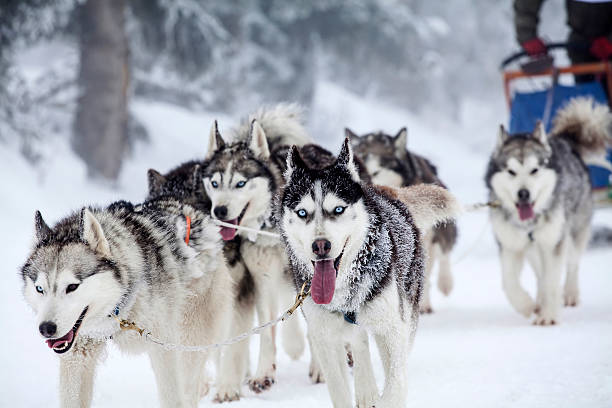
Embark on an exhilarating journey across the frozen expanse of the Arctic Circle, led by a team of huskies under the dazzling glow of the northern lights.
Activity Type: Dogsledding, winter adventure, Arctic expedition.
Overview: Dogsledding across the Arctic Circle is an unforgettable journey into one of the world’s most pristine and untouched wilderness areas. Guided by experienced mushers and teams of Siberian or Alaskan huskies, you’ll glide across the snow-covered tundra and through frosty forests, surrounded by the endless white expanse and serene silence of the Arctic. The connection with the sled dogs, who are born and trained to thrive in these conditions, is a major part of the experience, and they’ll be your loyal partners as you venture deeper into the wild. Throughout the journey, you’ll learn the art of handling and caring for the dogs, understanding their personalities, and building a bond with your team. The Arctic winter landscapes are stunning, with sweeping panoramas, snow-draped trees, and, on clear nights, the spectacular aurora borealis illuminating the sky.
This challenging but rewarding expedition allows adventurers to experience life in the Arctic as traditional hunters and trappers once did. You’ll have the opportunity to explore remote Arctic landscapes few people ever see and might encounter local wildlife like reindeer, arctic foxes, or even polar bears (at a distance!). Depending on the journey, you’ll stay in rustic cabins or tents, immersing yourself in the simple, sustainable lifestyle of Arctic explorers. Days are spent mushing through vast, snow-covered landscapes, while nights are spent around a fire, sharing stories under the stars. For those seeking adventure, solitude, and a deep connection with nature, this dogsledding expedition is unparalleled.
Where: Arctic Circle regions in Norway, Sweden, Finland, Greenland, or Canada.
Duration of Activity: Dogsledding tours vary from day trips to multi-day expeditions, with longer journeys typically ranging from 5 to 14 days.
Best Time to Visit: December through March offers the best conditions for dogsledding, with colder weather, thick snow, and optimal chances to witness the northern lights.
Cost: A multi-day Arctic dogsledding trip generally costs between $2,000 and $6,000 USD per person, depending on the length of the expedition and inclusions like gear, food, and accommodations.
Top Tips: Dress in several warm layers to handle the Arctic temperatures, and invest in quality gloves, boots, and a face mask to protect from frostbite. Bring a camera with extra batteries as cold weather can deplete battery life quickly. Don’t forget to take time to bond with the dogs—they are the heart of the experience and bring joy and companionship to the expedition. Embrace the Arctic’s slow pace and be ready to unplug and truly connect with nature.
74.) Meeting the Japanese God’s, Climbing Mount Fuji, Japan
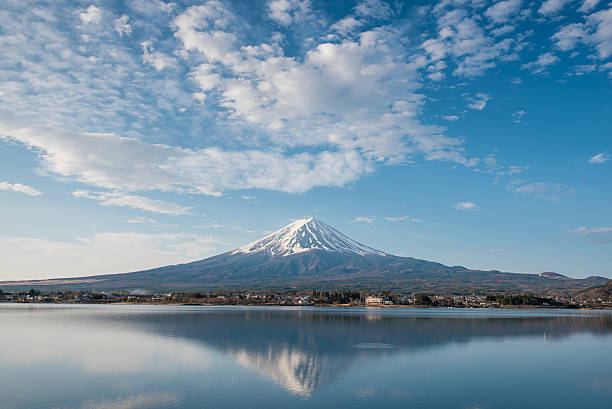
Ascend Japan’s most iconic peak, a journey steeped in spirituality and natural beauty that’s inspired pilgrims and poets for centuries.
Activity Type: Mountain trekking, spiritual pilgrimage, cultural experience.
Overview: Climbing Mount Fuji, the highest mountain in Japan, is more than just a hike; it’s a spiritual pilgrimage revered by locals and visitors alike. Known as “Fuji-san,” this active volcano is deeply woven into Japanese culture, with its perfect symmetry symbolizing tranquility and beauty. Traditionally, the mountain is believed to be inhabited by spirits, and climbers often take on this journey with a sense of respect and reflection. The experience begins in the dense forests at the base, and as you ascend, the scenery shifts dramatically from lush greenery to rocky, barren landscapes. Reaching the summit in time for sunrise, known as “Goraiko,” is a mystical moment where you’re said to feel the presence of the gods, watching the sun break over Japan’s landscape. Many climbers see this as a way of connecting with Japan’s spiritual heritage and the raw beauty of nature.
Climbing Mount Fuji is physically challenging but manageable for most, with well-maintained trails and regular rest stations. During peak season, the trails are bustling with climbers of all ages, from seasoned hikers to first-time adventurers, creating a communal atmosphere that adds to the sense of shared pilgrimage. As you approach the summit, the air thins, and the landscape becomes increasingly surreal—a stark reminder of Fuji’s volcanic nature. At the top, the stunning panoramic views and the sense of accomplishment make the journey worthwhile, offering memories that last a lifetime.
Where: Mount Fuji, Shizuoka and Yamanashi Prefectures, Japan.
Duration of Activity: Climbing Mount Fuji usually takes 5 to 10 hours to ascend, with an additional 3 to 5 hours for the descent. Many climbers opt for an overnight hike to witness the sunrise from the summit.
Best Time to Visit: The official climbing season is from early July to early September, when trails are open, weather conditions are safest, and facilities are accessible.
Cost: The climb is affordable, with an optional summit donation of about 1,000 yen ($10 USD) for trail maintenance. Additional costs include transportation, equipment rental if needed, and accommodations if staying overnight near the base.
Top Tips: To maximize your experience, consider starting your hike in the evening to reach the summit at sunrise. Wear layers to adjust for altitude and temperature changes, and bring plenty of water to stay hydrated in the thinner air. Renting a walking stick as a memento is a popular tradition among climbers, and you can have it stamped at various stations on your way up. Finally, remember to take in the spiritual essence of the journey; for many, the ascent is as much an inner experience as it is a physical one.
75.) Underwater Paradise: Diving in Sipadan, Malaysia

Dive into one of the world’s richest marine environments, home to breathtaking coral reefs and abundant marine life.
Activity Type: Scuba diving, marine exploration, underwater photography.
Overview: Sipadan, Malaysia’s only oceanic island, is a diver’s dream come true. Formed by a volcanic eruption thousands of years ago, it now stands as a thriving underwater oasis where more than 3,000 fish species and hundreds of coral types make their home. Known for its crystal-clear waters, steep drop-offs, and diverse marine life, Sipadan’s coral walls plunge over 600 meters, creating dramatic underwater scenes filled with color and life. Schools of barracuda swirl in mesmerizing vortexes, sea turtles glide effortlessly through the currents, and reef sharks patrol the depths. This underwater wonderland has been protected as a marine park, ensuring that its unique biodiversity and ecosystem are carefully preserved for future generations of divers.
Considered one of the top dive spots in the world, Sipadan is surrounded by dive sites that offer their own unique attractions. Barracuda Point is famed for its spectacular fish tornadoes, while Turtle Cavern is known for its intriguing maze of caves and tunnels filled with turtle skeletons. The drop-off near the main beach, nicknamed “The Wall,” plunges abruptly, showcasing an extraordinary range of corals and underwater life right from the shore. Sipadan’s marine scenes are ideal for photographers, offering rare encounters with macro species, vibrant coral gardens, and an abundance of larger pelagics, making it a destination like no other.
Where: Sipadan Island, Sabah, Malaysia.
Duration of Activity: Most dive trips are multi-day excursions, with day-long trips to various dive sites. Due to conservation efforts, only 120 divers are allowed per day, so permits must be arranged in advance.
Best Time to Visit: April to December offers the best diving conditions, with reduced monsoon activity and ideal water clarity. June to September is particularly popular for warm, calm seas and high marine visibility.
Cost: Dive packages to Sipadan vary, ranging from $200 to $500 USD per day, including permits, gear, and boat fees. Longer packages and high-end dive resorts will cost more.
Top Tips: Plan your dive well in advance as daily permits are limited. To maximize your experience, book a liveaboard or stay on nearby Mabul or Kapalai Islands, where day trips to Sipadan are more accessible. If possible, bring an underwater camera to capture Sipadan’s stunning scenery. Lastly, practice responsible diving to protect Sipadan’s fragile reefs—its beauty depends on our care and respect.
76.) Hang Gliding Over Rio de Janeiro
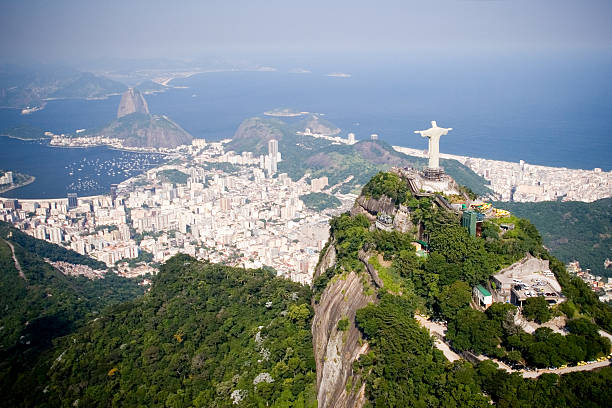
Soar like a bird over one of the world’s most iconic cityscapes, taking in breathtaking views of Rio’s beaches, mountains, and urban landscapes.
Activity Type: Hang gliding, aerial adventure, sightseeing.
Overview: Hang gliding over Rio de Janeiro is an unforgettable adventure that lets you experience the city’s beauty from an entirely new perspective. Launching from Pedra Bonita, a mountain located within Tijuca National Park, you’ll glide smoothly above lush rainforest, with spectacular views of Sugarloaf Mountain, the Christ the Redeemer statue, and the stunning coastline stretching out below. Rio is one of the few places in the world where you can hang glide directly over both urban and natural landscapes, allowing you to take in a mix of breathtaking city and beach views in a single flight. Whether you’re soaring over Ipanema or glimpsing the surf at Copacabana, the city unfolds below in a visual symphony of blue, green, and sandy hues.
This activity is safe for beginners, as you’ll be flying tandem with an experienced instructor who will guide you throughout the flight, allowing you to relax and enjoy the scenery. The thrill of takeoff is quickly replaced by a sense of peaceful awe as you glide over Rio’s iconic sights. Your flight will end with a gentle landing on the sandy shores of São Conrado Beach, where you’ll have the chance to soak in the incredible experience with your feet back on solid ground. For thrill-seekers and nature lovers alike, hang gliding over Rio offers an extraordinary way to see the city from a bird’s‑eye view.
Where: Pedra Bonita, Rio de Janeiro, Brazil.
Duration of Activity: The entire experience typically takes about 1–2 hours, with 10–20 minutes of actual flight time depending on wind conditions.
Best Time to Visit: December to March, during Rio’s summer, offers warmer temperatures and clear skies, though flights run year-round.
Cost: Tandem hang gliding flights in Rio range from $100 to $150 USD, including equipment, flight, and pilot fees. Some packages also include photos and videos.
Top Tips: Book your flight early in the morning for the calmest winds and the best chance of clear skies. Wear comfortable clothes and closed shoes for a secure takeoff and landing. Don’t forget a small, secure camera or phone strap to capture the unforgettable views mid-flight. Embrace the experience, trust your guide, and prepare for a once-in-a-lifetime view of Rio!
77.) Tracing Evolution: Wildlife Viewing in the Galapagos Islands
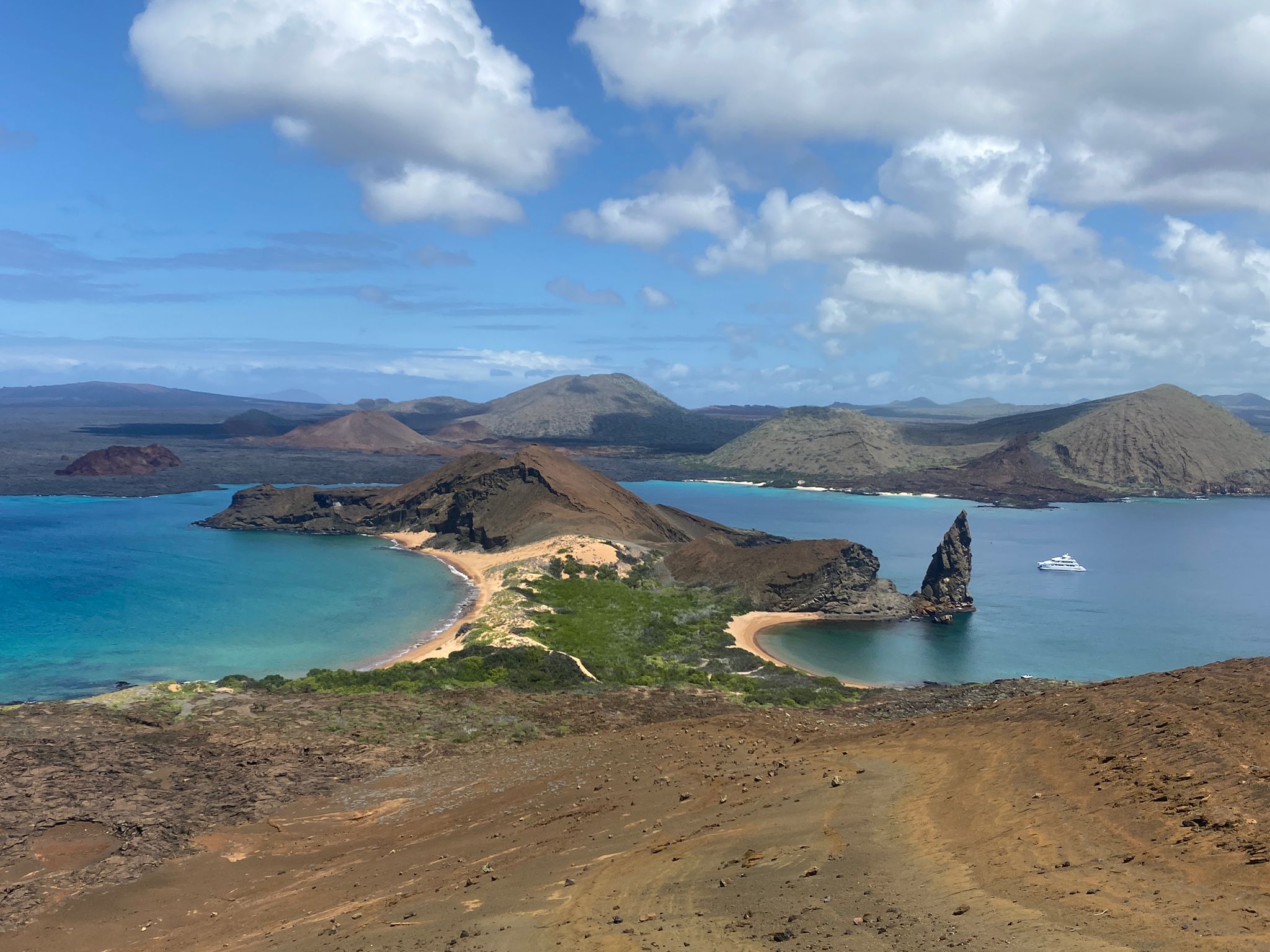
Step back in time on the Galapagos Islands, where unique wildlife offers a living glimpse into Darwin’s theory of evolution.
Activity Type: Wildlife viewing, island hopping, snorkeling, nature photography.
Overview: The Galapagos Islands, a UNESCO World Heritage site, are a paradise for wildlife lovers and scientists alike, where creatures that inspired Darwin’s theory of evolution still thrive in their natural habitats. Located off Ecuador’s coast, these volcanic islands host an extraordinary range of species found nowhere else on Earth—from the giant Galapagos tortoises that can live over a century to the striking blue-footed boobies, marine iguanas, and playful sea lions. Each island has its own unique ecosystem, offering visitors a chance to see different species and habitats in close proximity. The wildlife here has little fear of humans, allowing for incredibly close encounters that make it feel as though you’re part of a grand natural experiment.
Exploring the Galapagos is more than just observing animals; it’s stepping into a pristine, almost otherworldly environment where time seems to stand still. Whether snorkeling with hammerhead sharks, kayaking alongside sea turtles, or spotting Galapagos penguins, every experience offers new insight into these islands’ delicate ecosystems. The landscapes are as diverse as the wildlife, ranging from volcanic craters and rugged coastlines to white sand beaches and lush highlands, creating stunning backdrops for every wildlife interaction. It’s a once-in-a-lifetime adventure that offers a profound connection to the natural world and a chance to witness evolution in action.
Where: The Galapagos Islands, Ecuador.
Duration of Activity: Wildlife tours typically range from 4–8 days, with day trips to individual islands or longer cruises that allow exploration of multiple locations.
Best Time to Visit: The Galapagos are a year-round destination. From December to May, warmer water temperatures make snorkeling and diving ideal, while June to November brings cooler weather and increased marine life activity.
Cost: Multi-day cruises or island-hopping tours range from $1,500 to over $7,000 USD, depending on the length and luxury of the trip. Day tours are available for around $150 to $300 USD.
Top Tips: Book with an environmentally responsible tour operator to ensure your visit supports conservation efforts. Bring reef-safe sunscreen, a dry bag, and a quality camera or underwater gear to capture every moment. Consider a longer stay to fully appreciate each island’s unique species, landscapes, and rich natural history. Above all, remember to tread lightly—this is one of the most fragile ecosystems on the planet.
78.) The Best of Foliage: Hiking the Appalachian Trail in October, USA
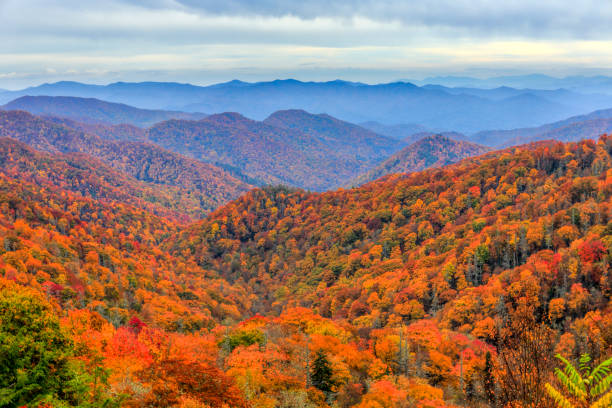
Immerse yourself in vibrant autumn scenery while traversing one of America’s most iconic long-distance hiking trails.
Activity Type: Hiking, backpacking, nature photography.
Overview: Hiking the Appalachian Trail in October is a dream for nature lovers, offering a front-row seat to some of the most beautiful fall foliage in the world. The trail stretches over 2,190 miles from Georgia to Maine, passing through 14 states, dense forests, rolling hills, and scenic mountain ranges. October brings an explosion of color to the trail, with maples, oaks, and birches blazing in hues of red, orange, and yellow. This unique season transforms the rugged landscapes into a stunning natural tapestry, creating a picturesque backdrop for hikers. The Appalachian Trail, known as the “A.T.,” is a journey of endurance and discovery, with diverse ecosystems and varying terrain that make each mile a new adventure.
The A.T. attracts hikers from all over, whether they’re attempting the full thru-hike or exploring shorter sections for a few days. Popular stretches for fall foliage include the Smoky Mountains in Tennessee and North Carolina, Shenandoah National Park in Virginia, and the White Mountains of New Hampshire. In addition to breathtaking views, October brings cooler temperatures, fewer crowds, and abundant opportunities for spotting wildlife. Hiking the A.T. in autumn is as challenging as it is rewarding, offering a refreshing, peaceful experience in the heart of nature.
Where: Appalachian Trail, Eastern United States, stretching from Springer Mountain, Georgia to Mount Katahdin, Maine.
Duration of Activity: Ranges from day hikes or weekend trips to a full thru-hike lasting 5–7 months. October section hikes are popular due to manageable weather and beautiful scenery.
Best Time to Visit: October is the peak season for fall foliage, particularly in mid-October. This month also brings mild temperatures, ideal for hiking.
Cost: Permits are generally free or low-cost, but multi-day hikes require budgeting for gear, food, and accommodations in nearby towns if needed. An average day on the trail may cost $20–$50 for supplies.
Top Tips: Pack warm layers, as temperatures can drop quickly in October. Plan your hike in advance, especially for popular sections, to avoid any permit restrictions. Carry a map and a charged GPS, as weather changes can obscure views. Finally, embrace the solitude and beauty—fall on the A.T. is an unforgettable wilderness experience that offers some of the best foliage views in North America.
79.) Climb Leukerbad Via Ferrata in Switzerland

Challenge your limits on one of Switzerland’s most thrilling Via Ferratas, scaling rocky cliffs with awe-inspiring views of the Alps.
Activity Type: Via Ferrata climbing, mountain adventure, adrenaline experience.
Overview: Nestled in the Swiss Alps, the Leukerbad Via Ferrata offers an exhilarating adventure for climbing enthusiasts looking to experience high-altitude thrills without the technical demands of traditional rock climbing. This Via Ferrata—known for being one of the highest and most challenging in the Alps—takes climbers up sheer rock faces with stunning panoramic views of the Rhone Valley below. Featuring ladders, cables, suspension bridges, and metal rungs embedded into the rock, the Leukerbad route is designed for both safety and adrenaline, making it accessible to climbers with moderate fitness and a willingness to push their limits. The ascent rewards climbers with breathtaking alpine scenery, including the majestic Gemmi Pass and endless mountain vistas.
With several routes and sections of varying difficulty, Leukerbad offers something for both beginners and experienced climbers. The Daubenhorn Via Ferrata, for example, is one of the longest and most demanding Via Ferratas in Switzerland, climbing to over 2,940 meters (9,646 feet). Along the way, climbers will cross heart-racing bridges, navigate steep ladders, and make their way along narrow ridges, all while safely harnessed to the metal cable. The Leukerbad Via Ferrata is a true bucket-list climb, providing an unforgettable blend of adventure, beauty, and alpine spirit.
Where: Leukerbad, Swiss Alps, Switzerland.
Duration of Activity: The climb can take 6–8 hours depending on the chosen route and climber’s pace.
Best Time to Visit: Late June to early September offers ideal weather and accessibility. Avoid early spring and late autumn, as ice and snow can make the trail hazardous.
Cost: Entry to the Via Ferrata is generally free, but climbers need to rent or bring Via Ferrata equipment (harness, helmet, and gloves) for around $30–$50 USD. Guided tours are available for about $100–$150 USD.
Top Tips: Proper equipment is essential—ensure you have a secure harness and suitable footwear for the climb. Start early in the morning to maximize daylight, and bring plenty of water and high-energy snacks. Be prepared for rapidly changing mountain weather, and consider hiring a guide if you’re unfamiliar with Via Ferrata techniques. Lastly, take your time and enjoy the scenery—few places offer such spectacular alpine views while hanging onto the side of a mountain.
80.) Iceburg Encouter, Sea kayaking greenlands fjords
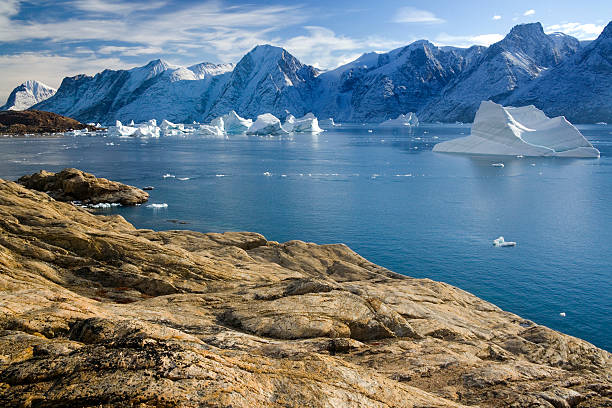
Paddle through Greenland’s majestic fjords, navigating icebergs and exploring a landscape frozen in time.
Activity Type: Sea kayaking, wilderness exploration, glacier viewing.
Overview: Greenland’s fjords offer some of the most awe-inspiring and pristine kayaking experiences on the planet, allowing adventurers to glide past towering icebergs and explore rugged coastlines shaped by glaciers over millennia. Kayaking in Greenland’s fjords immerses you in an icy wilderness where colossal icebergs drift silently by, fjords stretch to the horizon, and wildlife sightings—from seals and seabirds to whales—are common. The sheer beauty of this Arctic setting is complemented by the thrill of maneuvering around these natural ice sculptures, some as tall as multi-story buildings and glistening in mesmerizing shades of blue and white.
Exploring these fjords by kayak gives you a peaceful, up-close experience of Greenland’s remote beauty, far from any noise or crowds. Popular launch points include the town of Ilulissat, known for its UNESCO-listed Icefjord, and Tasermiut Fjord, where jagged mountains rise directly from the sea. Depending on the time of year, you may also be treated to the dance of the Northern Lights or the midnight sun. Greenland’s fjords invite you to paddle into a world almost untouched by time, where each day brings new and breathtaking encounters with nature’s raw power.
Where: Greenland’s west coast fjords, with popular routes around Ilulissat and Tasermiut Fjord.
Duration of Activity: Day trips to multi-day expeditions are available, ranging from 4‑hour paddles to 5–7 day journeys.
Best Time to Visit: Summer months from June to September are best for kayaking, with milder temperatures, accessible fjords, and wildlife activity.
Cost: Day kayaking tours start around $100–$150 USD, while multi-day expeditions can range from $1,500 to $4,000 USD, including gear, meals, and guided support.
Top Tips: Dress in layers suitable for Arctic conditions, and bring a waterproof bag for any essentials. Guided tours are recommended for beginners, as conditions can change rapidly. Keep your distance from icebergs—they can unexpectedly flip or break apart. Also, bring a camera to capture the surreal beauty of the fjords, but be mindful of your surroundings for a safe and unforgettable adventure in one of the world’s last great wildernesses.
81.) Road Trip through the Scottish Highlands, UK
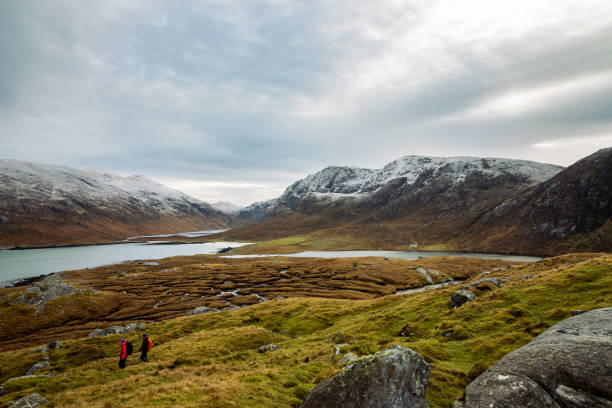
Embark on a breathtaking journey through rugged mountains, deep lochs, and charming villages on one of the world’s most scenic drives.
Activity Type: Road trip, nature exploration, cultural immersion.
Overview: The Scottish Highlands offer one of the most dramatic and beautiful landscapes in the UK, and a road trip through this area is an unforgettable adventure. Driving through the Highlands, you’ll be immersed in spectacular vistas, with towering peaks, rolling hills, crystal-clear lochs, and historic castles at every turn. Whether it’s the mystique of Loch Ness, the ancient beauty of Glencoe, or the rugged majesty of Ben Nevis, the Highlands are steeped in history and natural wonder. The route takes you through small villages where you can experience authentic Scottish culture and hospitality, and past ancient ruins, distilleries, and the occasional Highland cow grazing by the roadside.
Some of the most iconic routes include the North Coast 500, which loops around the northernmost part of Scotland, and the Isle of Skye’s breathtaking coastal roads, with dramatic cliffs, hidden beaches, and fairy-tale-like landscapes. Along the way, you’ll discover historical landmarks like Eilean Donan Castle and Urquhart Castle, as well as opportunities to spot wildlife such as red deer, golden eagles, and seals. This road trip is as much about the journey as the destination, with every mile offering an ever-changing tapestry of Scotland’s wild beauty.
Where: Scottish Highlands, UK, with popular routes including the North Coast 500 and Isle of Skye.
Duration of Activity: Typically 5–7 days for a full road trip, but can be adjusted depending on the route and stops you choose.
Best Time to Visit: Late spring to early autumn (May to September) offers the best weather for driving and sightseeing. Winter is beautiful, but conditions can be harsher and some roads may be closed.
Cost: Depending on the length of the trip, the cost can range from $50–$150 USD per day for car rental, fuel, food, and accommodation. Budget-conscious travelers can save by camping or staying in hostels.
Top Tips: Be prepared for rapidly changing weather conditions—bring layers and waterproof gear. Take your time to explore the small towns and local attractions along the way, as they offer a glimpse into Scottish life. Also, remember that some roads in the Highlands can be narrow and winding, so drive carefully and enjoy the slow pace. Lastly, be sure to stop at a local pub for a traditional Scottish meal and a dram of whisky—it’s all part of the authentic Highland experience.
82.) Jaguar-spotting in the Pantanal, Brazil
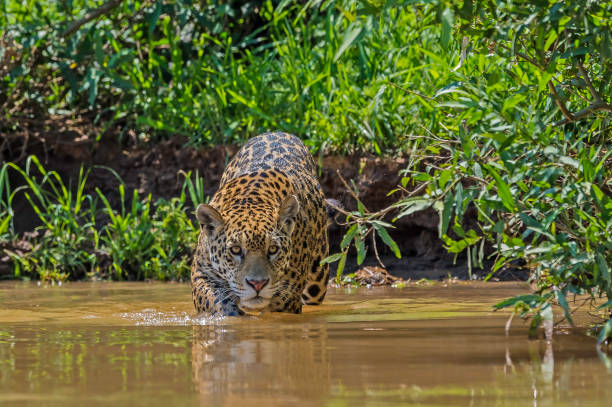
Venture into the heart of South America’s largest tropical wetland to witness one of nature’s most elusive and powerful predators in the wild.
Activity Type: Wildlife safari, nature exploration, wildlife photography.
Overview: The Pantanal, a vast wetland ecosystem in Brazil, is one of the best places in the world to see jaguars in their natural habitat. Spanning over 140,000 square miles, the Pantanal is teeming with wildlife, making it an incredible destination for nature lovers and wildlife enthusiasts. Jaguars, the largest cats in the Americas, roam these forests and grasslands, often hiding in the dense undergrowth but sometimes emerging on the banks of rivers or along game trails. Spotting a jaguar in the wild is a rare and thrilling experience, and the Pantanal offers some of the highest chances of success, thanks to its network of rivers and open landscapes that make these magnificent predators easier to track.
In addition to jaguars, the Pantanal is home to a wide variety of animals including caimans, capybaras, anteaters, giant river otters, and hundreds of bird species such as toucans and the endangered hyacinth macaw. The best way to explore the Pantanal’s diverse wildlife is by boat, as it allows access to areas of the wetlands that are otherwise inaccessible, and it offers the chance to quietly approach animals without disturbing them. For jaguar-spotting, morning and evening are the prime times to search, as the cats tend to be most active during the cooler parts of the day.
Where: Pantanal, Brazil, primarily in the southern region, including areas near Porto Jofre, Cuiabá, and the Transpantaneira Highway.
Duration of Activity: Safari tours typically last 3–5 days, with multiple excursions to maximize the chances of seeing jaguars.
Best Time to Visit: Dry season (June to September) is ideal for jaguar-spotting, as the waters are lower and animals are easier to observe around water sources.
Cost: Tours range from $500–$2,500 USD, depending on the length of the safari, accommodation, and guide services. High-end, all-inclusive packages with luxury lodges can be more expensive.
Top Tips: Be patient and flexible, as jaguars are elusive and sightings are never guaranteed. Bring binoculars and a good camera with a zoom lens for wildlife photography. Guided tours are essential for finding jaguars, as experienced local guides know the best areas and techniques for tracking these elusive animals. Don’t forget to pack insect repellent and sun protection, as the Pantanal can get hot and humid. Lastly, respect the wildlife and their environment, keeping a safe distance and avoiding loud noises that could disturb the animals.
83.) Climbing K2, Pakistan/China
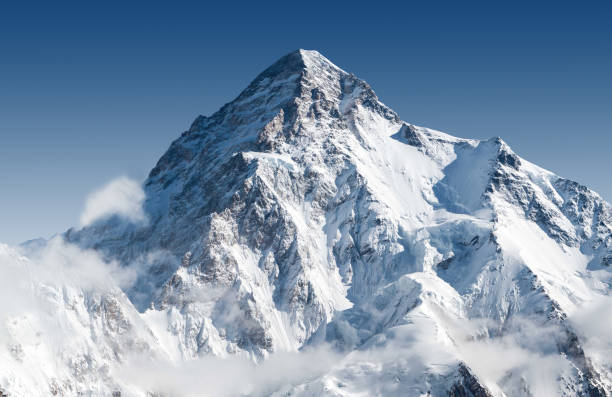
Challenge yourself on one of the world’s most demanding climbs, known as the Savage Mountain, where only the boldest mountaineers dare to tread.
Activity Type: High-altitude mountaineering, extreme adventure.
Overview: Rising to 8,611 meters (28,251 feet) on the Pakistan-China border, K2 is the second-highest mountain in the world, but it’s often considered the most challenging and dangerous of all the 8,000-meter peaks. Known as the “Savage Mountain,” K2 presents extreme technical difficulties, with steep ice walls, unpredictable weather, and treacherous rock faces that push climbers to their limits. Unlike Everest, K2 has no commercial routes or Sherpa support, making it a true test of endurance, skill, and resilience. Each year, only a handful of climbers make it to the top, and every ascent is met with immense respect in the climbing world.
The journey begins at the Karakoram Range in Pakistan, where climbers trek through the rugged Baltoro Glacier to K2 Base Camp, passing breathtaking landscapes of towering peaks and remote valleys. The ascent itself requires tackling sections like the Black Pyramid, the Bottleneck, and the infamous “Serac” ice overhang, all under the threat of avalanches and severe storms. Climbing K2 is not only a physical ordeal but a mental battle against altitude, exhaustion, and fear, and for those who succeed, the summit rewards them with one of the most spectacular views on Earth.
Where: Border of Pakistan and China, Karakoram Range.
Duration of Activity: Typically 6–8 weeks, including acclimatization and summit attempts.
Best Time to Visit: Summer (June to August), when conditions are at their most favorable, though weather remains highly unpredictable.
Cost: Expeditions can cost between $15,000–$40,000 USD, including permits, gear, guide services, and supplies.
Top Tips: Prepare for the extreme mental and physical demands of high-altitude climbing, and ensure you have previous 8,000-meter peak experience. Train rigorously for endurance, technical skills, and strength before attempting K2, as this is not a mountain for beginners. Select an experienced guide service, and plan for flexible timing, as weather can cause delays. Lastly, respect the mountain and always prioritize safety—K2 is as unforgiving as it is rewarding, and reaching the summit is only half the journey.
84.) Diving with humpback whales
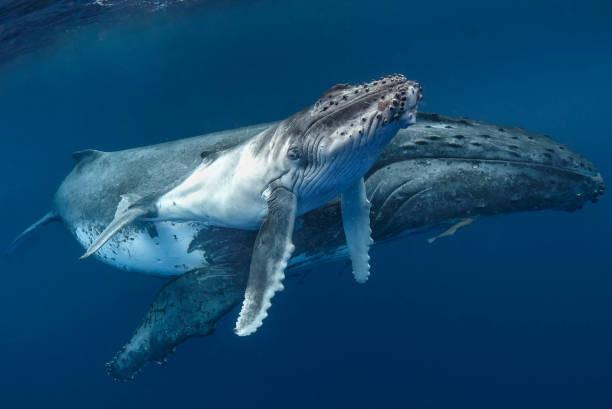
Experience an extraordinary underwater encounter with the gentle giants of the ocean as you dive alongside humpback whales in the clear blue waters of Tonga.
Activity Type: Scuba diving, snorkeling, wildlife encounter.
Overview: Tonga is one of the few places in the world where you can dive and swim alongside humpback whales, making it a top destination for those seeking close, breathtaking encounters with these magnificent creatures. Every year from July to October, humpbacks migrate to the warm waters of Tonga to breed and give birth, offering divers and snorkelers the rare opportunity to witness mothers and calves bonding and playful males competing for attention. The experience of watching these massive whales glide gracefully through the water, singing their hauntingly beautiful songs, is truly unforgettable. Diving with humpbacks allows you to appreciate their immense size and gentle nature up close, creating memories that will last a lifetime.
Tonga’s pristine, crystal-clear waters provide ideal visibility, enhancing your chances of a meaningful encounter. The islands of Vava’u, Ha’apai, and Tongatapu are popular spots where whale-watching tours and diving excursions offer both in-water interactions and surface sightings. Local tour operators prioritize safety and respect for the whales, ensuring that each interaction is a non-intrusive and respectful experience, allowing divers to witness these incredible animals in their natural habitat while minimizing any disruption to their behaviors.
Where: Vava’u, Ha’apai, and Tongatapu islands, Tonga.
Duration of Activity: Typically 3–7 days to allow multiple opportunities for whale encounters.
Best Time to Visit: Peak season is from July to October when the humpbacks migrate to Tonga’s warm waters.
Cost: Whale diving tours generally range from $200 to $400 USD per day, with week-long packages available.
Top Tips: Book early, as whale diving is in high demand during peak season. Choose a reputable tour operator that follows ethical whale-watching practices. Bring an underwater camera to capture this once-in-a-lifetime experience, but remember to prioritize the moment over the photo. And finally, respect the guidelines provided by your guides to ensure the safety and well-being of both you and the whales during each encounter.
85.) Being awed by 100,000 king penguins, South Georgia
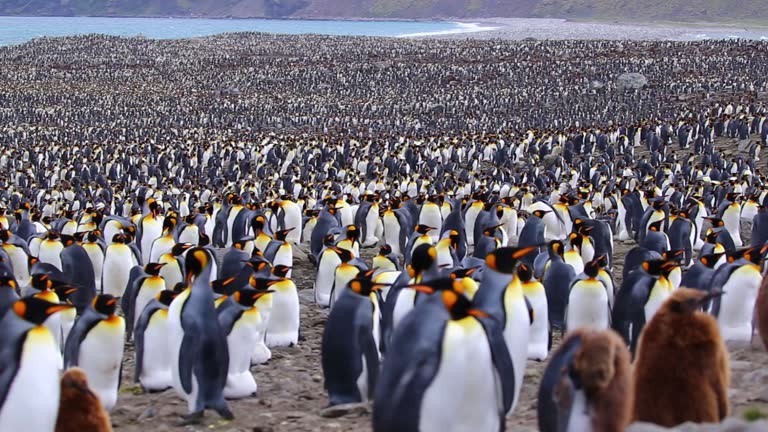
Stand among a colony of over 100,000 king penguins and witness one of nature’s most extraordinary wildlife spectacles in the remote wilderness of South Georgia.
Activity Type: Wildlife viewing, nature exploration, photography.
Overview: South Georgia Island is a rugged, sub-Antarctic paradise where towering peaks and icy waters are home to some of the planet’s most breathtaking wildlife spectacles. Perhaps the most iconic of these is the sight of over 100,000 king penguins gathered in vast colonies along the beaches of the island. Standing amidst such a dense gathering of these striking birds, with their sleek black and white feathers and vivid orange accents, feels like stepping into a different world. The sounds of the penguins calling, the endless activity, and the surreal sight of thousands of chicks huddled together make this an unforgettable experience. South Georgia’s remoteness keeps it protected, and the limited number of visitors each year ensures an untouched and pristine habitat, adding to the majesty of the encounter.
Beyond the penguins, South Georgia teems with life, from elephant seals lounging on the beaches to giant petrels soaring overhead. The island also carries historical significance, with sites from Sir Ernest Shackleton’s legendary Antarctic expeditions scattered along the rugged terrain. The journey to South Georgia is an adventure in itself, accessible only by sea, often as part of a larger Antarctic expedition. But for those who make the trip, the sights and sounds of the king penguins provide a deeply moving and rare connection to some of Earth’s most remote and beautiful wildlife.
Where: South Georgia Island, Southern Atlantic Ocean.
Duration of Activity: Visits usually last 1–3 days as part of a longer Antarctic cruise.
Best Time to Visit: November to March, during the Austral summer, when conditions are more favorable for wildlife viewing.
Cost: Antarctic cruises, including stops at South Georgia, range from $10,000 to $20,000 USD, depending on the length of the trip and the level of accommodation.
Top Tips: Be prepared for extreme weather, as South Georgia can be cold, wet, and windy even in summer. Bring a high-quality camera and telephoto lens to capture the vast penguin colonies and dramatic landscapes. Plan ahead, as permits and Antarctic cruises fill up quickly, and be sure to choose an expedition company that prioritizes sustainable tourism and minimizes environmental impact on these delicate ecosystems.
86.) Mountain climbing in eastern Tajikistan
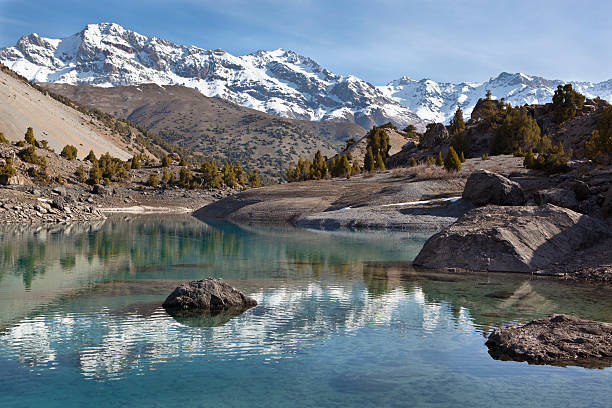
Venture into the rugged wilderness of Eastern Tajikistan for an untouched climbing experience among some of Central Asia’s highest peaks and pristine alpine landscapes.
Activity Type: Mountain climbing, trekking, high-altitude adventure.
Overview: Eastern Tajikistan, particularly the Pamir Mountains, is a dream for adventurous climbers seeking dramatic landscapes, challenging peaks, and solitude away from the usual mountaineering crowds. This region, known as the “Roof of the World,” boasts mountains that reach over 7,000 meters, with notable summits such as Peak Korzhenevskaya and Ismoil Somoni (formerly Peak Communism), the highest mountain in the former Soviet Union. These peaks offer a variety of climbing experiences, from technical routes with ice and rock faces to trekking paths that allow less-experienced climbers to enjoy stunning alpine scenery. The rugged terrain, deep valleys, and remote trails make for an unforgettable and demanding experience for climbers seeking adventure in a more isolated setting.
Beyond the climbing challenges, Eastern Tajikistan is known for its unique cultural encounters and pristine beauty. The Wakhan Valley, shared between Tajikistan and Afghanistan, is rich in history, dotted with ancient fortresses and traditional villages. Tajik hospitality adds to the allure, as locals welcome climbers and trekkers into their homes, providing glimpses into a way of life that has remained unchanged for centuries. For climbers willing to navigate the logistical challenges, the rewards are vast: untamed landscapes, rare glimpses of wildlife, and a climbing experience that feels like a step back in time.
Where: Pamir Mountains, Gorno-Badakhshan Autonomous Region, Eastern Tajikistan.
Duration of Activity: Expeditions typically range from 10 days to 4 weeks, depending on the summit and acclimatization needs.
Best Time to Visit: July to September, when conditions are warmer and more stable.
Cost: An expedition can range from $2,000 to $8,000 USD, including permits, guides, gear, and transportation within Tajikistan.
Top Tips: Acclimatization is key due to the high altitudes, so plan for a gradual ascent. Bring sturdy, cold-weather gear, as temperatures can drop dramatically at high elevations even in summer. Consider hiring local guides to navigate the region’s rugged terrain and to support local communities. Lastly, be prepared for limited infrastructure—eastern Tajikistan’s remoteness is part of its charm, but it also means carrying sufficient supplies and being self-sufficient.
87.) Wildlife Safari in the Sundarbans, India/Bangladesh
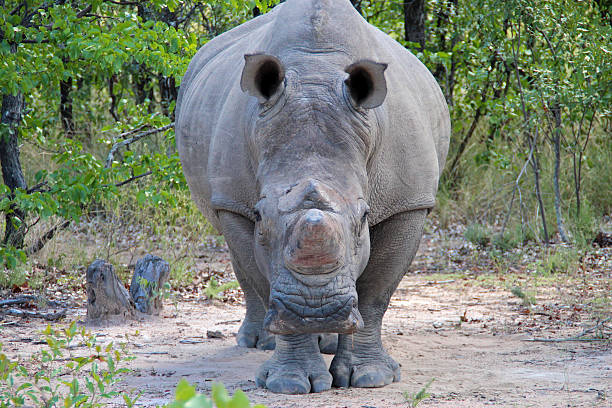
Embark on a thrilling river safari through the largest mangrove forest in the world, home to the elusive Bengal tiger and a diverse ecosystem of unique wildlife.
Activity Type: Wildlife safari, river cruise, nature exploration.
Overview: The Sundarbans, spanning the coastal regions of India and Bangladesh, form one of the world’s most enchanting and ecologically rich landscapes. Recognized as a UNESCO World Heritage Site, this vast mangrove forest and river delta is renowned for its mysterious and raw beauty. Visitors navigate the intricate network of rivers, creeks, and channels by boat, gliding through dense mangroves that are home to an astonishing variety of wildlife. The Sundarbans is famously known as one of the last strongholds of the Bengal tiger, and while spotting these elusive predators is rare, the knowledge that they roam nearby adds a sense of thrilling anticipation to every journey. Aside from the iconic tigers, the Sundarbans is home to saltwater crocodiles, spotted deer, Indian otters, macaques, and more than 250 bird species.
Beyond wildlife, the Sundarbans has an ethereal beauty unique to its mangrove forests and tidal islands, where the daily ebb and flow of the tides dramatically shape the landscape. The region’s local communities have adapted to this challenging environment, providing glimpses into the lives of people who coexist closely with nature and the inherent dangers it holds. Exploring the Sundarbans on a river safari is a captivating experience of both discovery and respect for nature’s delicate balance and power.
Where: Sundarbans National Park, West Bengal, India, and Sundarbans Reserve Forest, Bangladesh.
Duration of Activity: 2–5 days, allowing for boat safaris and wildlife excursions.
Best Time to Visit: November to February, during the dry, cooler winter months.
Cost: Tours typically range from $200 to $1,000 USD depending on the duration, accommodations, and level of luxury.
Top Tips: Opt for early morning and late afternoon boat safaris for the best wildlife spotting opportunities. Bring insect repellent, sunscreen, and a good pair of binoculars for birdwatching. Choose a licensed eco-friendly tour operator that adheres to conservation practices, and always respect the natural habitat by maintaining silence and minimizing disturbances. Finally, remember that patience is key; the beauty of the Sundarbans lies as much in its quiet mystery as in the wildlife sightings themselves.
88.) Walking across a frozen river on the Chadar trek in Zanskar River Valley, India.
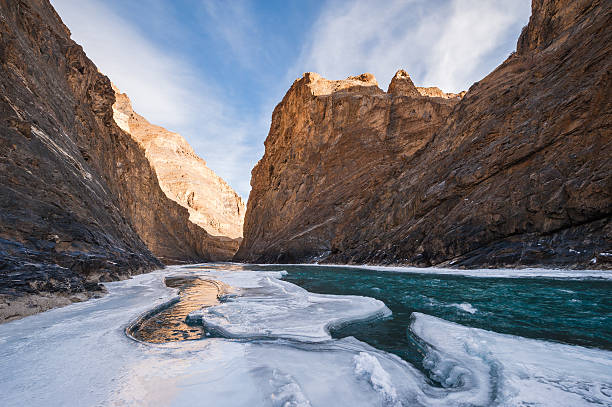
Trek the icy path of the Zanskar River for a once-in-a-lifetime winter adventure through frozen landscapes, remote villages, and dramatic canyons.
Activity Type: High-altitude winter trekking, wilderness expedition.
Overview: The Chadar Trek, also known as the Zanskar Gorge trek, offers an incredible opportunity to walk over the frozen Zanskar River in the winter months, a pathway that locals have used for centuries to connect remote villages during the harsh winter season. Set in the Ladakh region of India, this trek is a true test of endurance and resilience as trekkers brave freezing temperatures, icy terrain, and rugged landscapes. With towering cliffs on either side and breathtaking scenery throughout, the Chadar Trek is a unique journey that combines awe-inspiring beauty with a taste of cultural traditions. You’ll traverse frozen river sections, navigate patches of thick ice, and at times be forced to skirt around open water, making this trek both unpredictable and exhilarating.
The highlight of the Chadar Trek is the surreal scenery—a frozen world where sounds are muted, and the stark white landscape reflects the clear blue skies. Along the way, you’ll encounter small, resilient communities and Buddhist monasteries nestled within the rocky terrain. Nights are spent in caves or makeshift camps, offering glimpses into the rugged lifestyle of the region’s locals. Although challenging, the trek rewards its adventurers with unparalleled views and an unforgettable sense of accomplishment in completing one of the most unique treks on Earth.
Where: Zanskar River Valley, Ladakh, India.
Duration of Activity: 9–12 days, depending on weather conditions and route.
Best Time to Visit: January to February, when the river is completely frozen and safe for trekking.
Cost: Approximately $500 to $1,000 USD, including permits, guide fees, equipment rental, and logistics.
Top Tips: Prepare well for extreme cold with high-quality winter gear and proper layering. Acclimatization is crucial due to the high altitude, so consider arriving early in Ladakh. Pack energy-dense snacks, and ensure all equipment, including shoes, is designed for icy terrain. Since the trek is physically demanding, a good fitness level is necessary, and it’s highly recommended to go with a reputable tour operator who can ensure safety on this rugged winter journey.
89.) Mountain Biking Paradise, Riding the famous mountain bike slickrock trails in Moab, Utah, USA.

Experience the ultimate thrill on Moab’s iconic slickrock trails, where rugged sandstone and stunning desert vistas create a world-class mountain biking adventure.
Activity Type: Mountain biking, desert adventure, outdoor exploration.
Overview: Moab, Utah, is revered as a mountain biking mecca, drawing riders from all corners of the world to tackle its famous slickrock trails. These unique trails, carved into the region’s expansive sandstone, provide unmatched grip for tires, allowing for steep climbs, thrilling descents, and challenging technical maneuvers. The Slickrock Trail, one of the most famous mountain biking routes, offers a 10.5‑mile loop that showcases the best of the area’s rocky landscapes. Riding here is like nowhere else—sweeping vistas of canyons, red rock formations, and distant mountain ranges provide breathtaking scenery at every turn, making it an unforgettable experience for biking enthusiasts.
Beyond the legendary Slickrock Trail, Moab is filled with additional routes catering to all skill levels, from beginner to expert. Trails like Porcupine Rim, Amasa Back, and Gemini Bridges offer variety and challenge, allowing riders to tailor their experience. The landscape shifts dramatically as you ride, and while the terrain is demanding, the adrenaline rush and stunning desert views make every mile worthwhile. Moab’s slickrock trails are more than just a ride—they’re a journey through one of the world’s most rugged and beautiful outdoor playgrounds.
Where: Moab, Utah, USA.
Duration of Activity: Half-day to multi-day biking experiences, depending on trail selection.
Best Time to Visit: Spring (March to May) and Fall (September to November), when temperatures are mild.
Cost: Free for self-guided riders; bike rentals range from $50 to $150 USD per day. Guided tours cost around $100 to $300 USD.
Top Tips: The slickrock can be physically demanding, so ensure you’re prepared for intense climbs and technical sections. Carry plenty of water, as desert conditions can be dehydrating even in cooler weather. Always check trail conditions and opt for early morning rides during warmer months to avoid peak temperatures. For the best experience, a high-quality mountain bike with solid suspension and knobby tires is essential.
90.) Tramping Overland
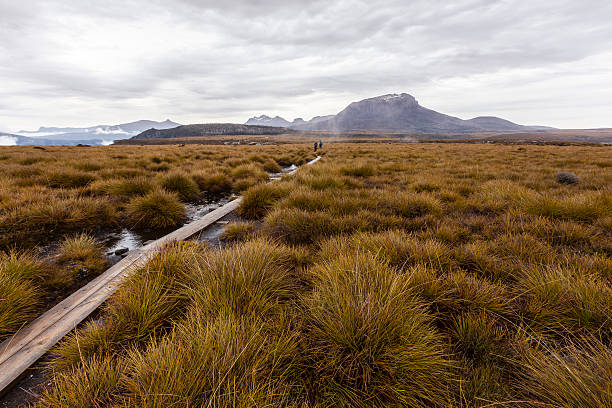
Challenge yourself on Tasmania’s renowned Overland Track, a journey through ancient rainforests, alpine plains, and rugged wilderness.
Activity Type: Multi-day trek, wilderness exploration, mountain adventure.
Overview: Tasmania’s Overland Track is one of Australia’s premier long-distance hikes, offering trekkers a mix of stunning landscapes, from misty rainforests and grassy plains to dramatic mountains and glacial valleys. Spanning approximately 65 kilometers, this multi-day trek takes adventurers through the heart of Tasmania’s World Heritage-listed Cradle Mountain-Lake St Clair National Park. It’s an awe-inspiring journey through pristine wilderness, filled with breathtaking views, ancient flora, and diverse wildlife, including the infamous Tasmanian devil, spotted among the track’s secluded sections. Each day reveals a new facet of Tasmania’s unique environment, from mossy forests and cascading waterfalls to crystalline lakes and towering dolerite peaks.
The Overland Track is a physically demanding experience but a deeply rewarding one, drawing trekkers into landscapes virtually untouched by modern civilization. Cradle Mountain and Mount Ossa, Tasmania’s highest peak, are standout features, and the ever-changing weather adds an element of unpredictability that only enhances the adventure. Nights are spent at huts or campsites along the trail, allowing trekkers to truly immerse themselves in the tranquility of nature. The Overland Track is an opportunity to disconnect and test your endurance while connecting deeply with the wild, ancient soul of Tasmania.
Where: Cradle Mountain-Lake St Clair National Park, Tasmania, Australia.
Duration of Activity: 6–7 days, depending on weather and trail conditions.
Best Time to Visit: Summer and early autumn (December to April) offer the best weather, though winter treks are possible for experienced hikers.
Cost: Permits are required, with prices around $200 to $300 USD; additional costs for gear rental, food, and accommodation before and after the trek.
Top Tips: Prepare for rapidly changing weather, as conditions can shift from sunny to snowy within hours. Pack layers, sturdy boots, and high-quality rain gear. Reserve campsites and book permits well in advance, as the Overland Track is a popular destination during peak season. Carry plenty of food and remember that the trail’s huts have limited facilities—always practice Leave No Trace principles to help preserve this stunning environment.
91.) England’s green and pleasant lands’ Walking the pennine way Derbyshire to Scotland
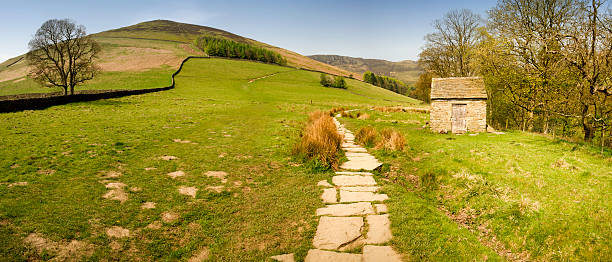
Traverse the iconic Pennine Way, a scenic journey through England’s rolling hills, moors, and charming villages, from Derbyshire to the Scottish Borders.
Activity Type: Long-distance walking trail, cultural exploration, countryside adventure.
Overview: The Pennine Way is one of Britain’s most beloved long-distance footpaths, stretching 268 miles (431 km) from the Peak District in Derbyshire to the border of Scotland. Known as the “backbone of England,” the trail takes hikers through some of the country’s most beautiful landscapes, including the rugged moorlands of the Yorkshire Dales, the high limestone ridges of the Pennines, and the breathtaking vistas of the Cheviot Hills. This challenging journey is a mix of history, nature, and quintessential English countryside charm, leading walkers through idyllic villages, past ancient stone walls, and across sweeping upland scenery that captures the essence of England’s green and pleasant lands.
The Pennine Way also offers a unique cultural experience, as it passes by historical sites such as Hadrian’s Wall, picturesque villages like Malham, and iconic natural landmarks, including High Force Waterfall and the atmospheric moors of Brontë Country. Along the trail, you’ll encounter cozy inns and welcoming locals, making it easy to experience the rich heritage and warmth of England. The Pennine Way is an endurance trek for those seeking both physical challenge and scenic beauty, and it’s a journey that leaves lasting memories of England’s pastoral landscapes.
Where: Starting in Edale, Derbyshire, and ending at Kirk Yetholm, Scotland.
Duration of Activity: Typically 16–21 days, depending on pace and weather.
Best Time to Visit: Late spring to early autumn (May to September) offers the best weather, though it’s possible to walk the trail year-round with proper gear.
Cost: Free to access the trail; however, accommodation costs vary from around $50 to $150 USD per night in inns, B&Bs, or campsites.
Top Tips: The trail can be muddy and challenging in sections, so sturdy, waterproof hiking boots are essential. Pack for changing weather, as conditions can be unpredictable even in summer. Plan accommodations and food stops ahead, as some sections are remote. Consider breaking up longer days with short detours to local landmarks and allow time to enjoy the English hospitality in the villages along the way.
92.) Snowboarding volcanes in Nicaragua

Take on a unique adrenaline rush as you snowboard down the ash-covered slopes of Nicaragua’s Cerro Negro volcano, experiencing an exhilarating mix of speed and stunning landscapes.
Activity Type: Volcanic boarding, adventure sports, outdoor exploration.
Overview: Volcano boarding in Nicaragua offers a once-in-a-lifetime thrill, combining breathtaking views with an extreme sport that’s gaining popularity among adventurers worldwide. Located near the colonial city of León, Cerro Negro is an active volcano with steep, ashy slopes ideal for snowboarding or sledding down at high speeds. Since its eruption in the mid-1800s, Cerro Negro’s slopes have become a playground for adrenaline seekers. As you approach the summit after a steep 45-minute hike, the thrill sets in with panoramic views of Nicaragua’s volcanic landscapes stretching across the horizon.
At the top, you’ll gear up for a wild descent down a black-sand slope, carving your way down volcanic ash and pumice. Riders can reach speeds of up to 50 mph on the descent, making it an unforgettable adventure against an unforgettable backdrop. There’s no snow here, but the loose volcanic gravel adds a unique twist that’s different from any traditional snowboarding experience. For those looking to take things up a notch, Cerro Negro is one of the few places in the world where you can board down an active volcano!
Where: Cerro Negro Volcano, near León, Nicaragua.
Duration of Activity: About 3–4 hours total, including hiking to the summit and boarding down.
Best Time to Visit: The dry season from November to April offers the most stable weather, but boarding is possible year-round.
Cost: Guided tours typically range from $30 to $60 USD, including board rental, safety gear, and transportation.
Top Tips: Wear sturdy clothing and consider goggles to protect against volcanic dust, which can be abrasive. Choose lightweight, breathable clothing to keep cool on the hike up. Consider wearing long sleeves and pants for added protection on the descent. Bring water and sunscreen, as the hike can be hot, and be ready to embrace the thrill of one of the most unique snowboarding experiences in the world.
93.) A white-knuckle drive in Norway driving the Trollstigen & climbing trolltunga
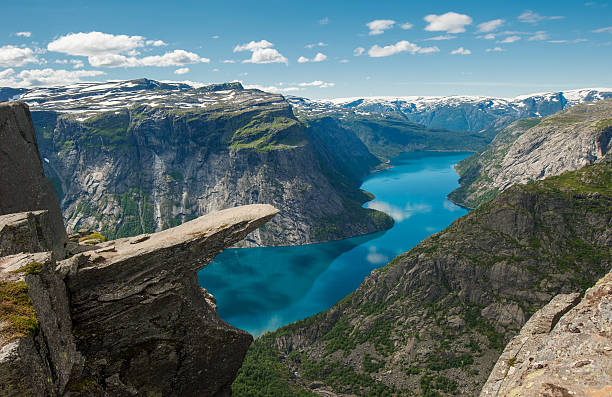
Take on two of Norway’s most iconic adventures: the hair-raising Trollstigen road and the unforgettable climb to the stunning Trolltunga rock formation.
Activity Type: Scenic driving, hiking, adrenaline adventure.
Overview: Norway is a country known for its dramatic landscapes, and a journey through Trollstigen and Trolltunga combines two of the country’s most exhilarating experiences. The Trollstigen, or “Troll’s Ladder,” is a serpentine mountain pass that twists and turns through steep valleys, offering heart-stopping views of waterfalls, lush forests, and rugged peaks. Driving this iconic road feels like an adventure in itself, with sharp hairpin bends and a dizzying ascent to the top of the mountains. Once you reach the summit, the panoramic views of the valley below, the majestic fjords, and the surrounding peaks will take your breath away.
After conquering the Trollstigen road, your adventure continues with a hike to Trolltunga, one of Norway’s most famous landmarks. The Trolltunga (Troll’s Tongue) is a dramatic rock formation that juts out over Lake Ringedalsvatnet, offering spectacular views of the surrounding mountains and fjords. The hike to Trolltunga is challenging, taking 8–10 hours round-trip, but the reward is one of the most stunning viewpoints in the world. The feeling of standing on the edge of the cliff, with nothing but vast wilderness below, is unmatched. Together, these two iconic experiences make for a truly unforgettable Norwegian adventure.
Where: Trollstigen is located in the Rauma Municipality of Norway, and Trolltunga is in the Hardanger region, near the town of Odda.
Duration of Activity: Driving Trollstigen takes about 30–45 minutes, while the hike to Trolltunga typically takes 8–10 hours round-trip.
Best Time to Visit: Summer months (June to September) are the best for both activities, as Trolltunga’s trail is often closed in the winter due to snow, and Trollstigen is most accessible in warmer weather.
Cost: Driving Trollstigen is free, though there may be fees for parking. Guided tours for the Trolltunga hike range from $100 to $200 USD, including transport and guidance.
Top Tips: For the Trollstigen drive, take your time and enjoy the scenery, but be prepared for narrow roads and tight turns. If you’re tackling the Trolltunga hike, start early to avoid crowds, and make sure to wear sturdy hiking boots, bring enough water, and pack some food. The weather can change rapidly, so carry layers and be prepared for wind and rain. Lastly, be cautious on the rock formation at Trolltunga, as it can be slippery, and never attempt to get too close to the edge without proper caution.
94.) Nature unleashed; The Ultimate Trekking Adventure in Madagascar

Embark on a once-in-a-lifetime trekking adventure through Madagascar’s otherworldly landscapes, from its iconic rainforests to its dramatic canyons and unique wildlife.
Activity Type: Trekking, wildlife exploration, cultural discovery.
Overview: Madagascar, the world’s fourth-largest island, is a true natural wonder, home to diverse ecosystems and an incredible array of endemic species. A trekking adventure here offers an unparalleled opportunity to explore lush rainforests, dry spiny forests, and towering limestone formations. One of the best ways to experience Madagascar’s raw beauty is by trekking through its national parks and reserves, such as Andringitra National Park and the famous Avenue of the Baobabs. Andringitra, with its high-altitude landscapes, provides a challenging trek with awe-inspiring views of the island’s highest peak, Pic Boby, while the Avenue of the Baobabs offers a unique photo opportunity with towering, ancient trees lining the dusty road.
Madagascar is also a haven for wildlife enthusiasts, with the island being home to over 100 species of lemurs, chameleons, and a host of birds and reptiles that can’t be found anywhere else on Earth. The rainforest treks, such as those in Ranomafana and Andasibe-Mantadia, give trekkers the chance to encounter these fascinating creatures in their natural habitat. Trekking through Madagascar isn’t just a physical challenge, but a cultural immersion as well, as you can visit local villages and interact with Malagasy communities, who live in harmony with the island’s unique ecosystems. The combination of adventure, wildlife, and culture makes Madagascar an ideal destination for those seeking the ultimate trekking experience.
Where: Andringitra National Park, Ranomafana National Park, Andasibe-Mantadia National Park, Avenue of the Baobabs, and other remote regions of Madagascar.
Duration of Activity: Trekking can range from a few days to up to two weeks, depending on the chosen route.
Best Time to Visit: The best time for trekking in Madagascar is during the dry season, from April to November, as the trails are more accessible and the weather is more comfortable.
Cost: Guided trekking tours typically range from $50 to $100 USD per day, with additional costs for park entry fees, equipment rental, and accommodations. Longer treks or multi-day tours may cost more.
Top Tips: Madagascar’s trails can be challenging and sometimes remote, so it’s essential to trek with a guide who knows the terrain. Be prepared for sudden weather changes, especially in the rainforests, and pack lightweight, moisture-wicking clothes to stay comfortable. Make sure to bring a good pair of hiking boots, insect repellent, and plenty of water. Be respectful of the local culture and wildlife; while trekking, keep your distance from animals and never disturb the fragile ecosystems.
95.) Snowboarding down the slopes of Hokkaido, Japan.
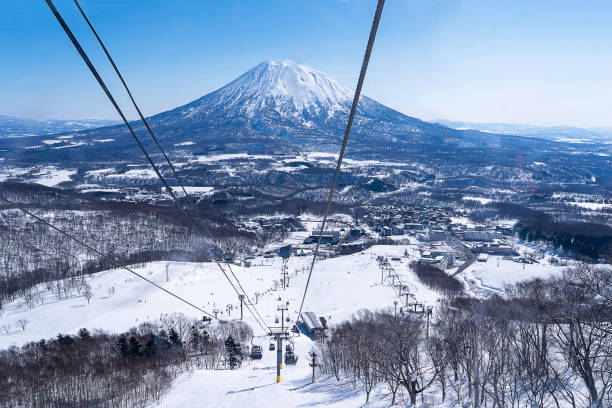
Experience the thrill of snowboarding on some of the world’s best powder snow in Hokkaido, Japan, a winter wonderland renowned for its exceptional conditions and picturesque landscapes.
Activity Type: Snowboarding, winter sports, adventure travel.
Overview: Hokkaido, Japan’s northernmost island, is a snowboarding paradise, famed for its light, dry powder snow and expansive terrain that attracts riders from around the world. With some of the best snow conditions on the planet, the island offers a variety of slopes, from beginner-friendly runs to challenging backcountry routes. The most famous snowboarding destinations in Hokkaido are Niseko, Furano, and Rusutsu. Niseko is the most well-known, offering an extensive network of well-groomed runs, powder-filled tree runs, and a vibrant après-ski scene. Furano, known for its wide, open terrain and stunning mountain views, is a favorite for riders seeking a less crowded experience. Rusutsu combines great snow with a more relaxed vibe, perfect for snowboarders looking to escape the crowds without sacrificing quality.
Hokkaido’s snowboarding experience isn’t just about the slopes — it’s about the entire winter adventure. After a day on the mountain, you can relax in one of the many onsens (hot springs) to soothe your muscles, or enjoy the local cuisine, which includes warm bowls of ramen, freshly caught seafood, and hearty Japanese comfort food. The island’s natural beauty, with its snowy peaks, forests, and coastal views, creates a magical winter atmosphere that makes snowboarding in Hokkaido a must-do for any winter sports enthusiast.
Where: Niseko, Furano, Rusutsu, and other ski resorts in Hokkaido, Japan.
Duration of Activity: Snowboarding can be enjoyed for a day, a weekend, or a week, depending on how much time you have and how many resorts you wish to explore.
Best Time to Visit: The best time to visit for snowboarding is between December and February, when Hokkaido’s famous powder snow is at its peak, although the ski season typically runs from late November to early April.
Cost: A one-day lift pass typically costs between $40 and $60 USD, depending on the resort. For multi-day stays, package deals can range from $200 to $500 USD, depending on the resort and accommodation. Rentals for equipment typically range from $30 to $50 USD per day.
Top Tips: If you’re planning to explore Hokkaido’s backcountry, always go with a guide and ensure you have the proper avalanche safety gear. The snow in Hokkaido can be deep and fast, so make sure to check the avalanche forecast and follow all safety advice. Consider staying in nearby towns like Hirafu (Niseko) for easy access to the slopes and vibrant après-ski options. Lastly, don’t miss out on the Japanese hot springs after a long day of snowboarding – they’re the perfect way to relax and unwind.
96.) Admiring your reflection at the Salar de Uyuni.
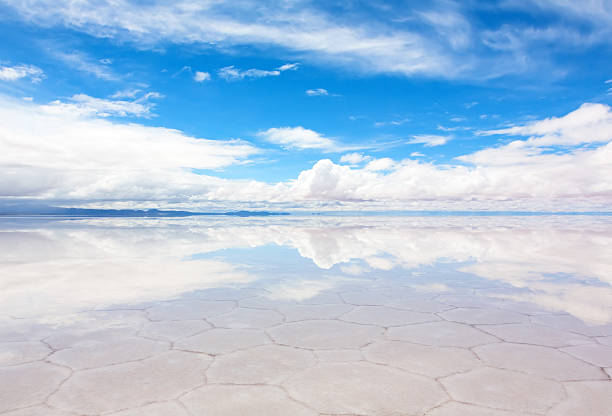
Step into one of the most surreal and awe-inspiring landscapes on Earth: the vast, endless expanse of the Salar de Uyuni, Bolivia’s incredible salt flats, where you can admire the sky’s perfect reflection.
Activity Type: Sightseeing, photography, adventure travel.
Overview: The Salar de Uyuni is the largest salt flat in the world, stretching over 10,000 square kilometers in southwestern Bolivia. This unique landscape is truly a photographer’s dream, with its flat, white surface creating the illusion of an endless mirror. During the rainy season (typically December to March), the flats become covered with a thin layer of water, transforming it into a giant reflective surface that mirrors the sky above, creating an almost otherworldly experience. On a clear day, the contrast between the pure white salt and the bright blue sky is equally stunning, making it an ideal spot for photography, reflection, and pure wonder.
Beyond its stunning surface, the Salar de Uyuni is rich in natural beauty. Visitors can explore nearby attractions like the Eduardo Avaroa National Reserve, with its colorful lagoons, flamingo populations, and volcanic landscapes. You can also visit the train graveyard, where old steam locomotives rust in the middle of the desert, adding a sense of history to this remote part of the world. Whether you’re there to witness the sunrise, take breathtaking photos, or simply immerse yourself in the quiet solitude, the Salar de Uyuni offers an unforgettable experience in one of the most unique environments on the planet.
Where: Salar de Uyuni, located in the southwest of Bolivia, near the border with Chile and Argentina.
Duration of Activity: A visit to the Salar de Uyuni typically takes 2 to 3 days to explore the area fully, including nearby attractions.
Best Time to Visit: The dry season (May to October) is the most popular for visiting, as the salt flats are fully exposed and easy to explore. However, visiting during the rainy season (December to March) offers the opportunity to see the mesmerizing reflective surface of the flats.
Cost: Tours of the Salar de Uyuni generally range from $50 to $150 USD per day, depending on the length and type of tour, with additional costs for transportation and guide services.
Top Tips: The vastness of the Salar de Uyuni can be disorienting, so it’s a good idea to travel with a guide, especially if you plan to explore further into the salt flats or nearby attractions. Be sure to bring plenty of water, sunscreen, and a hat to protect yourself from the intense sun and altitude. If you visit during the rainy season, be prepared for wet conditions and don’t forget to bring waterproof gear for your camera to capture the incredible reflections. For photographers, bring a tripod to capture the landscape in the best light during sunrise or sunset when the colors are most vibrant.
97.) Crossing Sri Lanka in a Tuk Tuk.
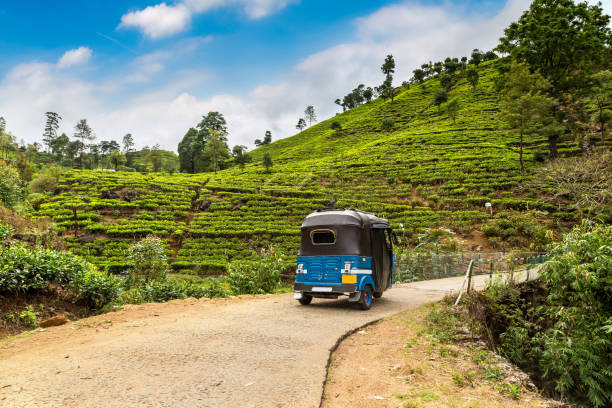
Experience the island’s beauty and charm at ground level by embarking on an unforgettable journey across Sri Lanka in a classic tuk tuk, a colorful and iconic vehicle that offers an intimate, immersive way to explore this stunning island nation.
Activity Type: Road trip, cultural exploration, adventure travel.
Overview: Traveling across Sri Lanka in a tuk tuk is one of the most unique and thrilling ways to see the country’s diverse landscapes and vibrant culture. These small, three-wheeled vehicles are ubiquitous in Sri Lanka, offering a low-cost and eco-friendly mode of transport. The tuk tuk journey allows you to see everything from bustling cities to tranquil rural villages, with opportunities to stop at scenic viewpoints, ancient temples, tea plantations, and beaches along the way. Starting in Colombo, the capital, you can travel along the island’s picturesque coastal roads, visit the UNESCO World Heritage sites of Kandy and Sigiriya, and wind through the lush hill country of Nuwara Eliya.
Sri Lanka’s tuk tuk routes offer a perfect blend of adventure and relaxation. While the open-air design of the tuk tuk allows you to feel the warmth of the tropical climate and hear the sounds of local life, it also provides flexibility and the ability to go off-the-beaten-path. Enjoy spontaneous stops at local markets, roadside food stalls, and rural villages that might be missed when traveling by car or bus. This journey offers the chance to connect deeply with the local culture, as the tuk tuk becomes your mobile base for exploration, offering the freedom to stop and linger where you like.
Where: Across Sri Lanka, with popular routes including Colombo to Kandy, Kandy to Nuwara Eliya, and along the southern coastal road.
Duration of Activity: A complete cross-island tuk tuk journey can take from 5 to 7 days, depending on your route and the amount of time spent at various stops.
Best Time to Visit: The best time to visit Sri Lanka for a tuk tuk journey is during the dry season, from December to April, which offers the best weather for road travel.
Cost: Renting a tuk tuk for a road trip in Sri Lanka typically costs between $25 to $50 USD per day, depending on the rental company and the quality of the vehicle. Additional expenses will include fuel (around $2 to $3 USD per liter), accommodation, food, and entry fees to attractions.
Top Tips: While tuk tuks are fun to drive, it’s important to be comfortable navigating the roads, as they can be narrow and busy with local traffic. Make sure your tuk tuk is in good condition, especially if you plan to travel long distances. It’s also advisable to have a reliable map or GPS, as some areas can be remote. Don’t forget to bring sunscreen, water, and a hat to protect yourself from the sun. Lastly, be sure to take some time to talk with the locals – they are always friendly and full of stories about their culture and country!
98.) Getting your Motor running; Motorcycle journey through Vietnam

Hit the open road and immerse yourself in the stunning landscapes, vibrant culture, and rich history of Vietnam on an unforgettable motorcycle journey. Vietnam’s roads offer the perfect opportunity to explore the country’s diverse terrain, from bustling cities to quiet villages, lush mountains to sun-kissed beaches.
Activity Type: Motorcycle adventure, cultural exploration, road trip.
Overview: Vietnam is a country made for motorcycle travel. With over 80 million motorbikes on the road, it’s the most common form of transport and a quintessential part of the local culture. A motorcycle journey through Vietnam allows you to travel at your own pace, soaking in the beauty of the country’s scenic landscapes and interacting with its friendly people. Starting in the bustling streets of Hanoi, you can venture south along the famous Ho Chi Minh Trail, passing through dramatic mountains, picturesque rice paddies, and charming towns like Phong Nha, Hue, and Hoi An. You’ll also have the chance to explore Vietnam’s coastline, stopping in the vibrant cities of Da Nang, Nha Trang, and Ho Chi Minh City (Saigon), and experiencing the diverse cultures of each region.
For those who crave adventure, Vietnam’s roads offer a mixture of well-paved highways, winding mountain paths, and rural trails that lead to hidden gems, from remote hill tribes to pristine beaches. Riding a motorcycle provides the freedom to discover off-the-beaten-path destinations, allowing you to stumble upon local markets, street food stalls, and ancient temples. Whether you’re seeking an adrenaline rush or a relaxed exploration, a motorcycle journey through Vietnam offers an immersive experience of this captivating country.
Where: From Hanoi in the north to Ho Chi Minh City (Saigon) in the south, or vice versa, with popular stops in places like Ha Long Bay, Hue, Hoi An, Nha Trang, and the Mekong Delta.
Duration of Activity: A motorcycle journey through Vietnam can take anywhere from 7 to 14 days, depending on your route, stops, and the pace at which you travel.
Best Time to Visit: The best time to travel by motorcycle in Vietnam is during the dry season, from October to April, when the weather is warm and pleasant.
Cost: Renting a motorcycle in Vietnam costs between $10 to $30 USD per day, depending on the type of bike and rental company. Additional costs will include fuel (around $1 USD per liter), accommodation, food, and entrance fees to attractions. Tours with guides can range from $50 to $150 USD per day.
Top Tips: Before embarking on a motorcycle journey, make sure you’re comfortable with the local traffic and road conditions. Vietnam’s traffic can be chaotic, and driving can be a challenge for those not used to it. Always wear a helmet (it’s mandatory) and follow local safety regulations. It’s a good idea to book your accommodations in advance in popular areas, especially during peak travel seasons. Lastly, take time to savor the local cuisine – street food in Vietnam is a highlight of the trip, and riding allows you to stop whenever you’re hungry!
99.) Pristine Alps & lakes from above; a Paragliding adventure in Interlaken, Switzerland.
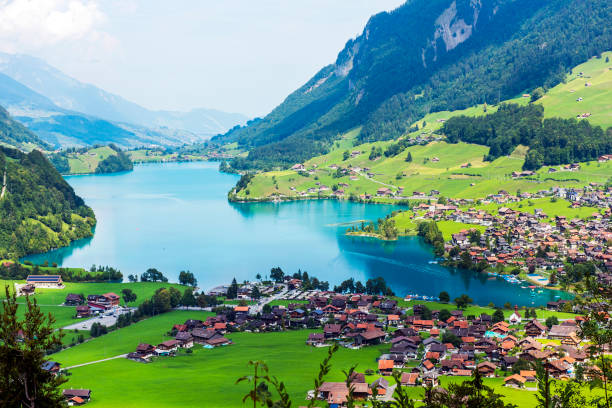
Soar above the iconic Swiss Alps and pristine lakes of Interlaken on a paragliding adventure that offers breathtaking aerial views of one of the most scenic spots on Earth. Interlaken, nestled between Lake Thun and Lake Brienz, is known as the adventure capital of Switzerland and the perfect place to experience the thrill of flying.
Activity Type: Paragliding, adventure sports, scenic flight.
Overview: Interlaken, Switzerland, is renowned for its spectacular natural beauty, making it a prime location for paragliding. With the towering peaks of the Eiger, Mönch, and Jungfrau as a backdrop and crystal-clear lakes at your feet, paragliding in Interlaken offers an unrivaled view of the Swiss Alps. Whether you’re an experienced paraglider or a first-timer, Interlaken offers tandem flights with experienced pilots, so you can take to the skies without any prior experience. After a short briefing and a scenic lift to the launch site, you’ll glide effortlessly over the region’s stunning landscapes, experiencing the thrill of flying while taking in views of snow-capped mountains, lush green valleys, charming villages, and tranquil lakes below.
The flight offers a perspective of Interlaken that’s impossible to replicate from the ground. As you soar through the air, you’ll witness the dramatic contrast of rugged mountain peaks meeting the serene blue of the lakes, all framed by Switzerland’s alpine charm. The region’s weather conditions, especially in the summer months, are perfect for paragliding, with light winds and clear skies. This unforgettable aerial adventure gives you the sensation of floating in the open air, with views that will stay with you long after you’ve touched down.
Where: Interlaken, located in the Bernese Oberland region of Switzerland, surrounded by the Jungfrau, Eiger, and Mönch mountains.
Duration of Activity: Tandem paragliding flights typically last between 10 to 20 minutes, depending on weather conditions and the flight route.
Best Time to Visit: The best time for paragliding in Interlaken is from late spring to early autumn (May to October), when the weather is warmer and the skies are clear. Winter flights are possible, but they are subject to weather conditions.
Cost: The cost of a tandem paragliding flight in Interlaken typically ranges from $150 to $250 USD, depending on the duration of the flight and the tour provider. Additional costs may include transportation to the takeoff point.
Top Tips: Always check the weather forecast before booking your paragliding flight, as conditions can change rapidly in the mountains. Make sure to wear warm, comfortable clothing, as temperatures can drop significantly at higher altitudes. Bring a camera to capture the views, but make sure it’s securely attached to avoid losing it during the flight. Lastly, book your paragliding experience in advance, especially during peak tourist seasons, as flights can fill up quickly.
100.) Kicking back on a secluded tropical island.

Escape to a hidden paradise where time slows down, the only sound is the rustling of palm trees, and the turquoise waters invite you to unwind. A secluded tropical island offers the ultimate escape from the hustle and bustle of daily life, providing a serene environment to relax, recharge, and embrace the natural beauty of your surroundings.
Activity Type: Relaxation, beach getaway, nature immersion.
Overview: A secluded tropical island is the perfect destination for those seeking tranquility, pristine beaches, and a slice of paradise. Whether you choose a remote island in the Maldives, the Seychelles, or a lesser-known gem in the Pacific or Caribbean, the essence of these islands remains the same – crystal-clear waters, soft white sands, and an unspoiled natural environment. These islands are often free from the distractions of modern life, making them ideal for couples on a romantic getaway, solo travelers looking to reconnect with nature, or anyone seeking a peaceful retreat.
While each secluded island is unique, many offer private beach bungalows, luxury resorts, or eco-friendly accommodations that blend seamlessly into the landscape. You can spend your days lounging in a hammock, sipping fresh coconut water, snorkeling in vibrant coral reefs, or exploring lush jungles. With no crowds to compete with, you’ll have the beach to yourself and the freedom to enjoy the beauty of nature without interruption. Whether you’re seeking solitude or simply looking to disconnect, a secluded tropical island promises an unforgettable experience of relaxation and natural wonder.
Where: Popular secluded tropical island destinations include the Maldives, Bora Bora (French Polynesia), Seychelles, Fiji, and the Galápagos Islands, but there are also hidden gems around the world like the Cook Islands, the Philippines, and the Solomon Islands.
Duration of Activity: Depending on your preferences, a tropical island escape can range from a weekend retreat to a long-term getaway, typically lasting between 3 to 10 days.
Best Time to Visit: The best time to visit tropical islands generally depends on the region. For most destinations in the Pacific, the dry season from May to October offers sunny skies and pleasant temperatures. For the Caribbean, the dry season between December and April is ideal.
Cost: The cost of a stay on a secluded tropical island varies greatly based on the destination and the type of accommodation. Budget travelers can find more affordable options in places like the Philippines or Thailand, with prices ranging from $30 to $100 USD per night. Luxury resorts in the Maldives or Bora Bora can cost between $300 to $1,500 USD per night, depending on the season and the level of exclusivity.
Top Tips: If you’re aiming for true seclusion, choose a less-visited island, as some popular tropical destinations can become crowded, especially during peak seasons. Pack light, breathable clothing and reef-safe sunscreen to protect both your skin and the environment. Many secluded islands are only accessible by boat or small aircraft, so ensure you book transportation in advance. Be sure to check for any local restrictions, as remote destinations can sometimes have limited access to services or amenities.
101.) BONUS ! – Journey into Space

For the ultimate adventure, imagine leaving the comfort of Earth and venturing into the vastness of outer space. A journey into space offers a once-in-a-lifetime experience to witness our planet from a completely new perspective, as well as the extraordinary beauty and mystery of the cosmos. Whether you’re a space enthusiast or simply seeking the ultimate thrill, the opportunity to go into space is the pinnacle of human exploration.
Activity Type: Space tourism, adventure travel, extreme experience.
Overview: With the rise of commercial space travel, going into space is no longer just a dream for astronauts—it’s becoming a reality for adventurous civilians. Pioneering companies like SpaceX, Blue Origin, and Virgin Galactic are making space tourism more accessible to the public, offering suborbital flights that allow you to experience weightlessness, see Earth from above, and witness the curvature of the planet. These companies have created experiences that bring the thrill of space travel to those with a sense of adventure and the financial means to take part.
Space tourism typically involves a brief journey beyond Earth’s atmosphere, where you can float in zero gravity and observe the stunning view of our planet from space. You’ll be able to look out from a spacecraft window and gaze at the Earth’s curvature, with the vast, dark expanse of space stretching out before you. While the experience is brief, lasting anywhere from a few minutes to a few hours, the memories last a lifetime. Some companies, such as SpaceX, also plan for longer missions, including orbital flights or even trips to the Moon and Mars, opening up new horizons for travelers who are seeking to push the boundaries of human exploration.
Where: Commercial space flights currently operate from locations such as the United States (Texas, Florida), and New Mexico, with plans to expand globally. Blue Origin launches from West Texas, while Virgin Galactic departs from New Mexico. SpaceX plans to operate out of Kennedy Space Center in Florida.
Duration of Activity: Space tourism flights typically last between 10 minutes to 1.5 hours, depending on whether you’re taking a suborbital or orbital flight. Suborbital flights allow a brief weightless experience, while orbital missions could last days or even weeks.
Best Time to Visit: The best time for a space flight depends on the company’s schedule. Space tourism companies are continuing to refine their offerings and expand their schedules, so availability can fluctuate. For suborbital flights, weather conditions are also considered for safety and visibility.
Cost: Space tourism is still a luxury experience, with prices for suborbital flights ranging from $200,000 to $500,000 USD per person. Orbital missions are expected to cost significantly more, potentially reaching millions of dollars. However, with more private space ventures emerging, the cost of space travel may decrease in the coming decades, making it more accessible to a wider audience.
Top Tips: Space travel requires careful preparation, both physically and mentally. Make sure to undergo the necessary medical assessments and training as required by the space tourism company. While the experience is brief, the impact it can have on your perspective of the world and the universe is profound. Keep in mind that space tourism is still in its infancy, so expect new technologies, safety measures, and flight schedules to evolve rapidly. Prepare for the incredible sensation of weightlessness and the breathtaking view of our home planet from a vantage point like no other.
Safe Travels — and may your adventures be filled with wonder, excitment and leave you with ever life lasting memories!
