
The 15 Best Wildlife Experiences Africa
The home of wildlife adventures – Asia’s stunning landscapes, rich ecosystem and diverse wildlife set the stage for some of the World’s most exhilarating wildlife encounters.
From tracking Orangutans in Borneo to exploring Mongolia’s steppes on horseback, and even summiting the peaks of the Himalayas to patiently wait for Snow Leopards, the adventure, thrill and truly beautiful wildlife that awaits you across Asia is truly life-changing.
While Asia offers endless exploration of the rarest wildlife across stunning scenery, below are our top 15 bucket list worthy wildlife adventures that offer to true best of Wildlife activities within Africa:
1.) Hot Air Balloon Safari over the Serengeti, Tanzania

Soar Above the Serengeti on a Magical Hot Air Balloon Safari and Witness the Majestic Landscape of Tanzania’s Iconic Wildlife Haven.
2.) Gorilla Trekking in Volcanoes National Park, Rwanda
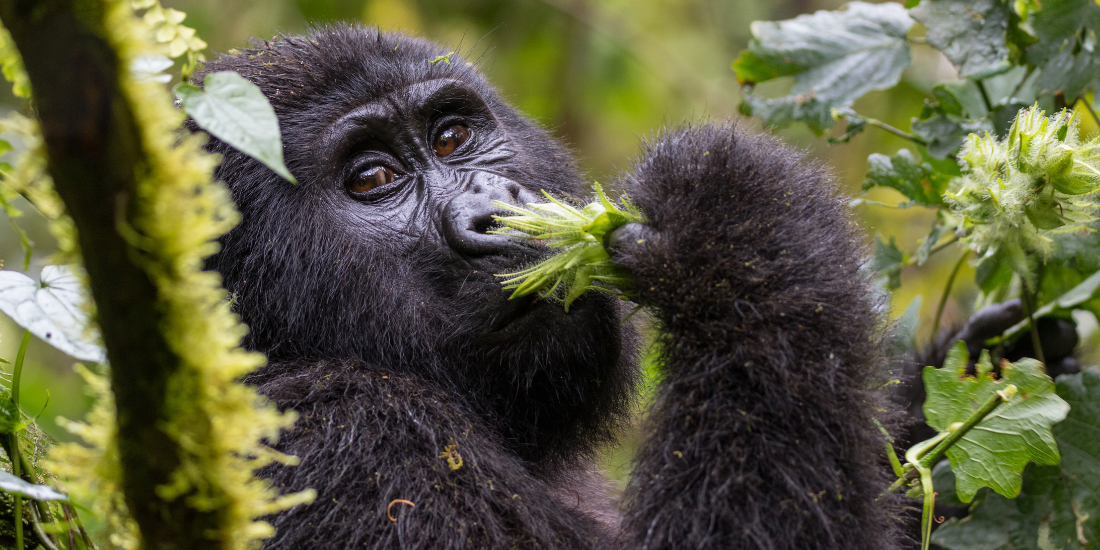
Embark on an Extraordinary Gorilla Trekking Adventure in Volcanoes National Park, Rwanda, and Experience an Up-Close Encounter with the Majestic Mountain Gorillas.
Overview of the Activity: Gorilla trekking in Volcanoes National Park offers a once-in-a-lifetime opportunity to observe mountain gorillas in their natural habitat. This immersive experience involves trekking through the lush, misty forests of the Virunga Mountains, guided by experienced rangers who help track and locate the gorilla families. The trek typically includes an hour of close observation of the gorillas, allowing you to witness their behaviors and interactions up close. The overall experience usually spans a full day, including the trek to and from the gorilla groups.
Location: Volcanoes National Park: Located in northwestern Rwanda, this park is part of the Virunga Mountains range and is renowned for its mountain gorilla populations. The park’s dense forests and volcanic landscapes provide the perfect habitat for these endangered primates.
Duration: Gorilla trekking trips generally last a full day. The trek itself can range from 1 to 6 hours, depending on the location of the gorilla families, with additional time for preparation and the return journey.
Estimated Cost: Costs for gorilla trekking in Volcanoes National Park typically range from $1,500 to $2,500 per person. This price usually includes the park entry fees, ranger guides, and a permit to track the gorillas. Costs may vary based on the tour operator and any additional services or accommodations included.
How to Get There: Fly into Kigali International Airport from major international hubs. From Kigali, take a road transfer to Volcanoes National Park, which is approximately a 2.5‑hour drive.
Top Tip: To maximize your gorilla trekking experience, secure your permit well in advance, as they are highly sought after and limited. Wear comfortable, moisture-wicking clothing and sturdy hiking boots suitable for trekking in muddy and uneven terrain. Bring a rain jacket, as the weather can be unpredictable, and consider hiring a porter to assist with your gear and support your trek. Finally, respect the gorillas by maintaining a safe distance and following the guidelines provided by your guides to ensure a safe and respectful encounter.
3.) Canoe Safari in the Okavango Delta, Botswana

Experience the Serenity of Botswana’s Okavango Delta with a Tranquil Canoe Safari Through Its Untamed Waterways and Lush Wetlands.
4.) Walking Safari in South Luangwa National Park, Zambia

Step into the Wild with a Walking Safari in South Luangwa National Park, Zambia, and Immerse Yourself in the Raw Beauty of Africa’s Untamed Wilderness.
5.) Big Five Safari Marathon in the Masai Mara, Kenya
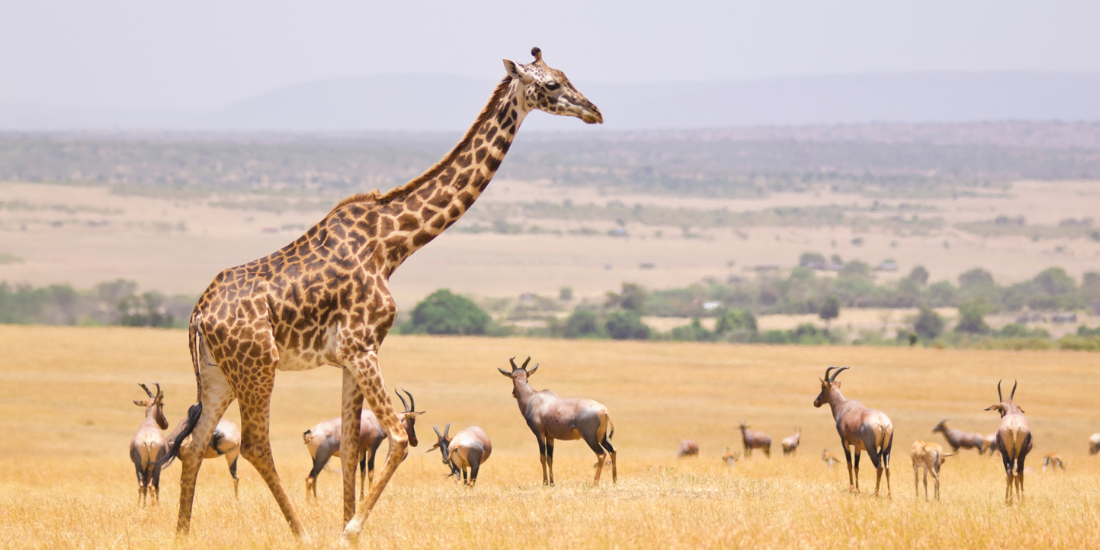
Combine Your Love for Running and Wildlife with the Big Five Safari Marathon in Kenya’s Masai Mara, and Experience an Unforgettable Race Through Africa’s Premier Game Reserve.
6.) Tracking Desert-adapted Elephants in Damaraland, Namibia

Embark on a Unique Adventure Tracking Desert-Adapted Elephants in Damaraland, Namibia, and Witness the Resilience of Africa’s Remarkable Wildlife.
Overview of the Activity: Tracking desert-adapted elephants in Damaraland offers an extraordinary wildlife experience in one of Namibia’s most rugged and remote landscapes. These remarkable elephants have adapted to survive in the arid desert environment of Damaraland, traveling long distances to find water and food. Guided by expert trackers, you’ll follow their tracks through the striking desert scenery, gaining insight into their behavior and survival strategies. The experience typically includes guided walks and drives, with opportunities to learn about the region’s ecology and conservation efforts. The adventure usually spans 3 to 5 days, allowing for in-depth tracking and exploration.
Location: Damaraland: Located in northwestern Namibia, Damaraland is known for its dramatic desert landscapes and unique wildlife. The area is renowned for its desert-adapted elephants, which have evolved to thrive in this harsh environment.
Duration: Tracking desert-adapted elephants generally lasts between 3 to 5 days. This includes time for tracking the elephants, exploring the landscape, and participating in educational and conservation-focused activities.
Estimated Cost: Costs for tracking desert-adapted elephants in Damaraland generally range from $2,000 to $4,000 per person for a 3 to 5‑day trip. This price typically includes guided tracking, park entry fees, accommodation, some meals, and transportation within the area. Prices can vary based on the level of comfort and the tour operator.
How to Get There: Fly into Hosea Kutako International Airport in Windhoek from major international hubs. From Windhoek, take a domestic flight or drive to Damaraland, with many tour operators offering transportation to and from the tracking sites.
Top Tip: For the best tracking experience, visit during the cooler months from April to October when the weather is more favorable and wildlife is more active. Wear lightweight, durable clothing suitable for desert conditions, and bring plenty of water, sunscreen, and a wide-brimmed hat. Binoculars and a camera with a zoom lens will enhance your ability to spot and observe the elephants from a distance. Embrace the slow pace of tracking and enjoy the incredible beauty and vastness of Namibia’s desert landscapes.
7.) Shark Cage Diving in Gansbaai, South Africa

Dive into Adventure with Shark Cage Diving in Gansbaai, South Africa, and Get Up Close with the Ocean’s Most Majestic Predators.
Overview of the Activity: Shark cage diving in Gansbaai offers an adrenaline-pumping opportunity to see great white sharks in their natural habitat. Gansbaai, located on South Africa’s southern coast, is renowned for its high concentration of great white sharks, making it one of the world’s premier destinations for this thrilling activity. During the dive, you’ll be safely enclosed in a cage submerged in the ocean, allowing you to observe these powerful predators as they swim around and even approach the cage. The experience typically lasts between 3 to 5 hours, including the boat trip to the dive site, preparation, and the dive itself.
Location: Gansbaai: Situated about 2 hours from Cape Town, Gansbaai is famous for its shark diving opportunities, especially in the waters around Dyer Island and Geyser Rock, which are known for their shark populations.
Duration: Shark cage diving trips generally last between 3 to 5 hours. This includes the boat ride to the diving site, time spent in the cage, and the return journey.
Estimated Cost: Costs for shark cage diving in Gansbaai typically range from $150 to $300 per person. This price usually includes boat transport, cage diving equipment, a guide, and sometimes light refreshments. Prices can vary based on the tour operator and the inclusivity of the package.
How to Get There: Fly into Cape Town International Airport from major international hubs. From Cape Town, take a road transfer or join a tour that includes transportation to Gansbaai, which is approximately a 2‑hour drive.
Top Tip: To maximize your shark cage diving experience, book your trip during the prime shark season, which typically runs from May to October. Wear comfortable clothing and bring a change of clothes, as the boat and the cage can get wet. Don’t forget to bring a waterproof camera or GoPro to capture the thrilling moments underwater. Additionally, consider motion sickness medication if you’re prone to seasickness, as the boat ride can be choppy.
8.) Night Safari in Addo Elephant National Park, South Africa
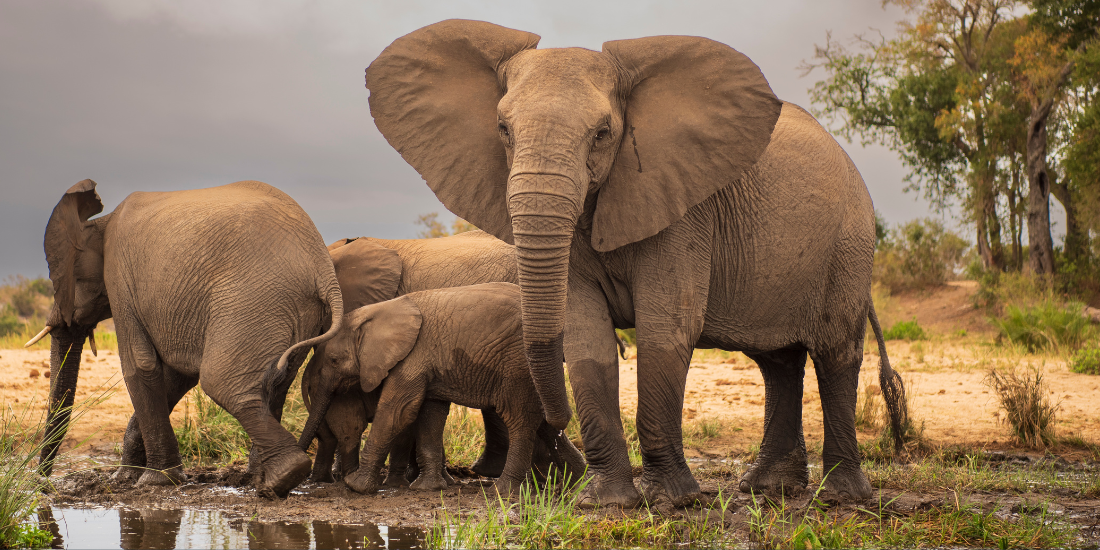
Experience the Thrill of the Wild After Dark with a Night Safari in Addo Elephant National Park, South Africa, and Discover the Park’s Nocturnal Wonders.
Overview of the Activity: A night safari in Addo Elephant National Park offers an exciting and unique way to explore South Africa’s third-largest national park. As darkness falls, guided tours reveal the park’s nocturnal wildlife, including elusive predators and other creatures that are rarely seen during the day. Equipped with powerful spotlights and accompanied by experienced guides, you’ll venture through the park’s diverse landscapes, observing animals like lions, hyenas, and aardvarks as they become active after sunset. The night safari usually lasts about 2 to 3 hours, providing an immersive experience in the park’s nighttime environment.
Location: Addo Elephant National Park: Located in the Eastern Cape of South Africa, Addo Elephant National Park is known for its large elephant herds and diverse wildlife. The park’s varied habitats, including dense bushveld and open plains, offer a rich setting for night safaris.
Duration: Night safaris in Addo Elephant National Park generally last between 2 to 3 hours. This duration includes time for observing wildlife and navigating the park’s roads with the aid of spotlights.
Estimated Cost: Costs for a night safari in Addo Elephant National Park typically range from $50 to $100 per person. This price usually includes the guided tour and park entry fees. Prices may vary based on the tour operator and any additional services provided.
How to Get There: Fly into Port Elizabeth International Airport from major South African cities. From Port Elizabeth, it’s a 45-minute to 1‑hour drive to Addo Elephant National Park. Many tour operators offer transportation from Port Elizabeth to the park.
Top Tip: For the best experience, dress in neutral, comfortable clothing and bring a light jacket, as temperatures can drop in the evening. Use insect repellent to avoid bites from mosquitoes and other insects. Remember to bring a camera with a good low-light capability to capture the nocturnal wildlife, and keep noise to a minimum to avoid disturbing the animals. Be prepared for an unforgettable experience as you witness the African bush come alive after dark.
9.) Mountain Biking in Hells Gate National Park, Kenya
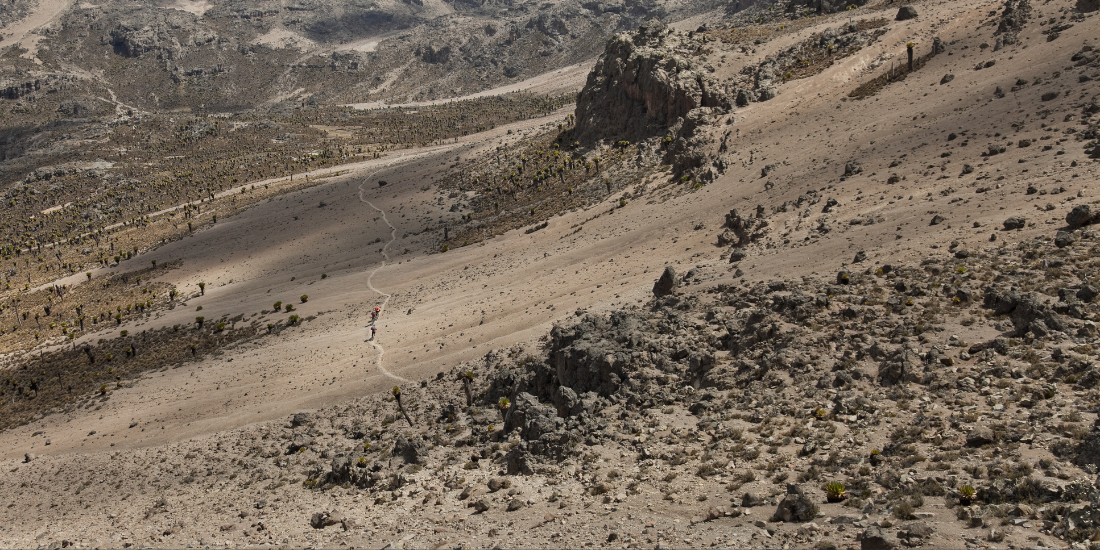
Gear Up for an Adrenaline-Fueled Mountain Biking Adventure in Hells Gate National Park, Kenya, and Conquer the Park’s Rugged Terrain and Scenic Trails.
10.) Whale Watching and Kayaking in Hermanus, South Africa

Combine the Thrill of Whale Watching with the Serenity of Kayaking in Hermanus, South Africa, and Witness Majestic Whales Up Close in Their Natural Habitat.
11.) Tracking Rhinos on Foot in Matobo Hills, Zimbabwe
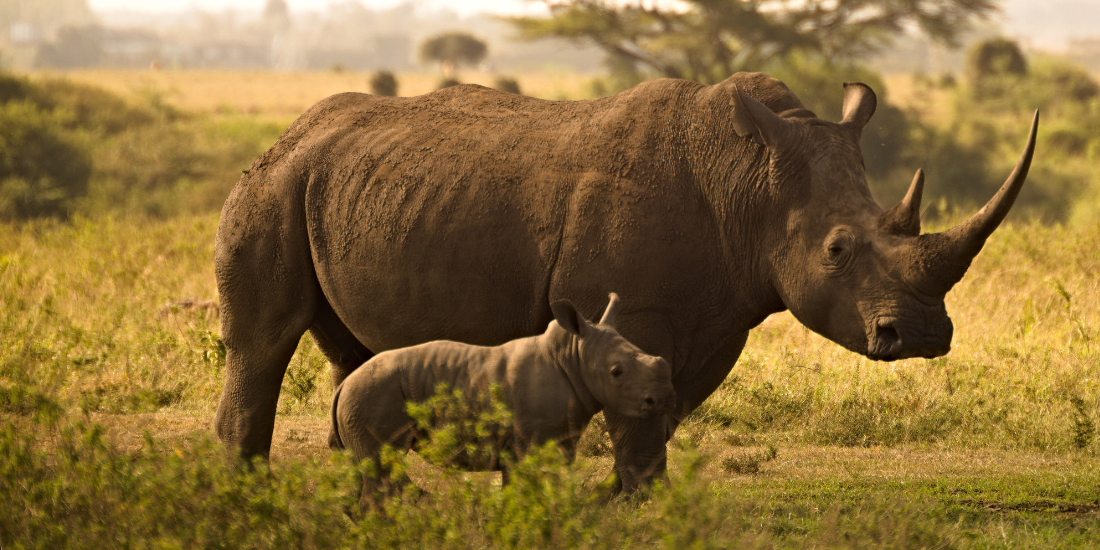
Embark on a Thrilling Rhino Tracking Adventure on Foot in Matobo Hills, Zimbabwe, and Experience the Intensity of Encountering These Majestic Creatures Up Close.
Overview of the Activity: Tracking rhinos on foot in Matobo Hills provides an extraordinary and immersive wildlife experience, allowing you to get close to one of Africa’s most endangered species in their natural habitat. Guided by experienced rangers, you’ll trek through the rugged, rocky landscapes of Matobo Hills, tracking both black and white rhinos. This adventure focuses on understanding rhino behavior, tracking techniques, and the surrounding ecosystem. The experience typically lasts 4 to 6 hours, including the trek, wildlife observation, and educational insights into rhino conservation.
Location: Matobo Hills National Park: Located in southwestern Zimbabwe, Matobo Hills is renowned for its unique granite formations and rich biodiversity. The park is a critical conservation area for both black and white rhinos, making it an ideal location for on-foot tracking experiences.
Duration: Rhino tracking on foot generally lasts between 4 to 6 hours. This includes time for tracking, observing rhinos, and learning about their conservation.
Estimated Cost: Costs for tracking rhinos on foot in Matobo Hills typically range from $300 to $500 per person. This price usually includes a guided tracking experience, park entry fees, and sometimes additional educational activities. Prices may vary depending on the tour operator and the level of service provided.
How to Get There: Fly into Harare International Airport from major international hubs. From Harare, take a domestic flight to Bulawayo or drive approximately 4 to 5 hours to reach Matobo Hills National Park. Many tour operators offer transportation services to and from the park.
Top Tip: For the best experience, book your tracking adventure in advance, as this activity is highly sought after and permits can be limited. Wear sturdy, comfortable hiking boots and long-sleeved clothing to protect against the sun and potential insects. Bring binoculars for better wildlife viewing and a camera with a zoom lens to capture close-up shots from a respectful distance. Ensure you follow all safety guidelines provided by your guides to ensure a safe and respectful interaction with the rhinos and their environment.
12.) Diving with Manta Rays in Mozambique

Dive into an Awe-Inspiring Underwater World with Manta Rays in Mozambique, and Experience the Grace and Majesty of These Gentle Giants Up Close.
Overview of the Activity: Diving with manta rays in Mozambique offers an exhilarating opportunity to encounter these magnificent creatures in their natural marine habitat. Mozambique’s pristine waters, particularly around the Bazaruto Archipelago and Tofo Beach, are renowned for their vibrant marine life and frequent manta ray sightings. During the dive, you’ll explore underwater landscapes while observing the graceful movements of manta rays as they glide through the ocean. The experience typically lasts between 2 to 4 hours, including the boat ride to the dive site, the dive itself, and time for briefing and debriefing.
Location: Mozambique: Key diving spots for manta rays include the Bazaruto Archipelago and Tofo Beach, both of which are celebrated for their rich marine biodiversity and clear waters. These locations offer some of the best conditions for observing manta rays.
Duration: Diving with manta rays generally lasts between 2 to 4 hours. This includes the boat ride to the dive site, the dive itself, and time for briefing and debriefing.
Estimated Cost: Costs for diving with manta rays in Mozambique typically range from $150 to $300 per person per dive. This price usually includes boat transport, dive gear rental, the guided dive experience, and sometimes refreshments. Prices may vary based on the dive operator and the inclusivity of the package.
How to Get There: Fly into Maputo International Airport from major international hubs. From Maputo, take a domestic flight to either Vilanculos (for Bazaruto Archipelago) or Inhambane (for Tofo Beach), followed by a transfer to your diving base.
Top Tip: To make the most of your manta ray diving experience, plan your trip during the optimal season for manta sightings, which is typically from May to November. Ensure you have proper scuba certification, as diving conditions can vary. Wear a wetsuit to stay comfortable and protect yourself from sunburn and stings. Bring an underwater camera with a good quality lens to capture the beauty of the manta rays while maintaining a respectful distance to avoid disturbing the animals.
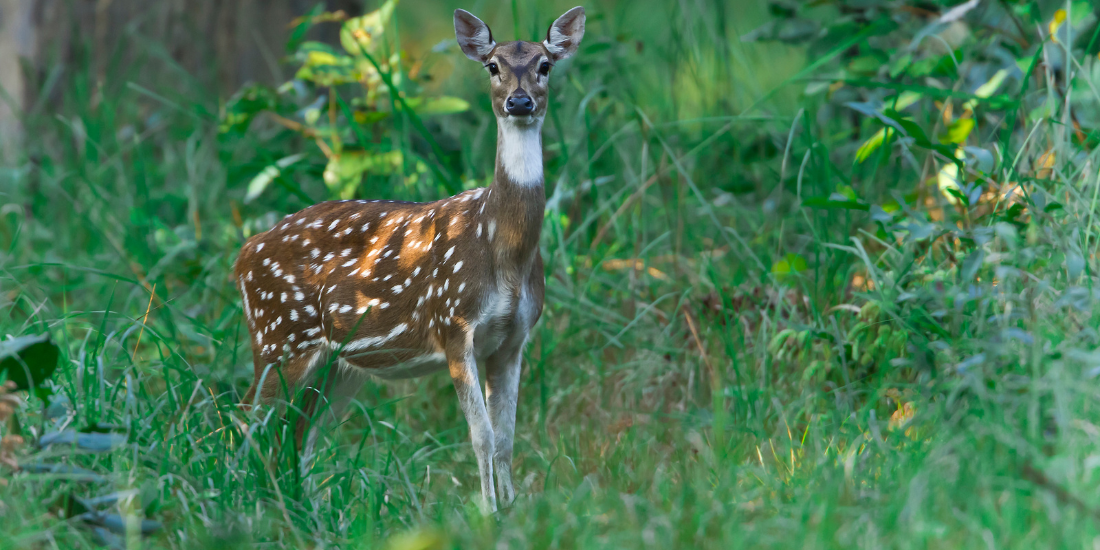
13.) Musk Deer Tracking in Nepal
Soar Above and Dive Into Adventure with a Scenic Flight and Safari in the Okavango Delta, Botswana, and Experience the Majesty of Africa’s Great Wetlands from Above and Below.
Overview of the Activity: A scenic flight and safari in the Okavango Delta combines the exhilaration of aerial views with the thrill of exploring this iconic wetland by land. The scenic flight, typically conducted in a light aircraft, offers breathtaking aerial views of the delta’s intricate network of channels, lagoons, and wildlife-rich floodplains. Following the flight, you’ll embark on a land safari, which may include game drives and walking safaris, to immerse yourself in the delta’s diverse ecosystems and spot wildlife up close. The entire experience usually spans 4 to 6 hours, including the flight, safari activities, and some time for relaxation and meals.
Location: Okavango Delta: Located in northern Botswana, the Okavango Delta is one of the world’s largest inland deltas, famous for its rich biodiversity and unique wetland environment. The delta’s expansive waterways and seasonal floods create a dynamic habitat for wildlife and provide stunning vistas from the air.
Duration: The combined scenic flight and safari experience generally lasts between 4 to 6 hours. This includes the scenic flight, safari activities, and additional time for brief stops and relaxation.
Estimated Cost: Costs for a scenic flight and safari in the Okavango Delta typically range from $500 to $1,000 per person. This price usually includes the scenic flight, safari activities, park entry fees, and sometimes refreshments. Prices can vary based on the tour operator and the level of comfort provided.
How to Get There: Fly into Maun Airport from major international cities. From Maun, you can take a light aircraft flight directly into the heart of the Okavango Delta or to a nearby lodge or camp where the scenic flight and safari activities are organized.
Top Tip: For the best views and experience, schedule your scenic flight and safari during the delta’s dry season (May to October) when the landscape is more open and wildlife congregates around water sources. Dress in light, comfortable clothing suitable for both the flight and safari, and bring a camera with a zoom lens to capture the aerial views and wildlife. Be prepared for varying temperatures and possible weather changes, and consider bringing binoculars for enhanced wildlife viewing.
14.) Paragliding Over the Victoria Falls, Zimbabwe/Zambia

Experience the Thrill of Paragliding Over Victoria Falls, Zimbabwe/Zambia, and Soar Above One of the World’s Most Iconic Natural Wonders.
Overview of the Activity: Paragliding over Victoria Falls offers an exhilarating and unique perspective of one of the world’s most spectacular natural wonders. This adventure lets you glide gracefully above the roaring falls and the surrounding Zambezi River, providing breathtaking aerial views of the cascading water, lush rainforest, and the surrounding landscape. Flights are typically conducted with an experienced instructor and include a brief safety briefing before taking off. The entire experience usually lasts about 1 to 2 hours, including preparation, flight time, and landing.
Location: Victoria Falls: Straddling the border between Zimbabwe and Zambia, Victoria Falls is renowned for its massive curtain of water and dramatic surroundings. The paragliding takeoff points are typically located on the Zambezi River’s edge or from nearby launch sites with prime views of the falls.
Duration: Paragliding experiences generally last between 1 to 2 hours. This includes time for pre-flight preparation, the flight itself (usually around 20 to 30 minutes), and the landing process.
Estimated Cost: Costs for paragliding over Victoria Falls typically range from $150 to $300 per person. This price usually includes the paragliding equipment, the flight with an experienced instructor, and sometimes a video or photo package to capture your adventure. Prices may vary depending on the tour operator and any additional services provided.
How to Get There: Fly into either Victoria Falls Airport (Zimbabwe) or Livingstone Airport (Zambia) from major international hubs. From the airport, it’s a short drive to the paragliding launch sites, with many operators offering transfers or being conveniently located near the falls.
Top Tip: For the best experience, schedule your paragliding flight during the dry season (May to October) when weather conditions are more stable and the views are clearer. Wear comfortable, weather-appropriate clothing and sturdy shoes for the takeoff and landing. Bring a camera or GoPro to capture the breathtaking aerial views, and consider booking a flight early in the day to avoid the heat and crowds. Be sure to listen carefully to your instructor’s safety briefing to ensure a smooth and enjoyable flight.
15.) White-water Rafting on the Zambezi River, Zambia/Zimbabwe
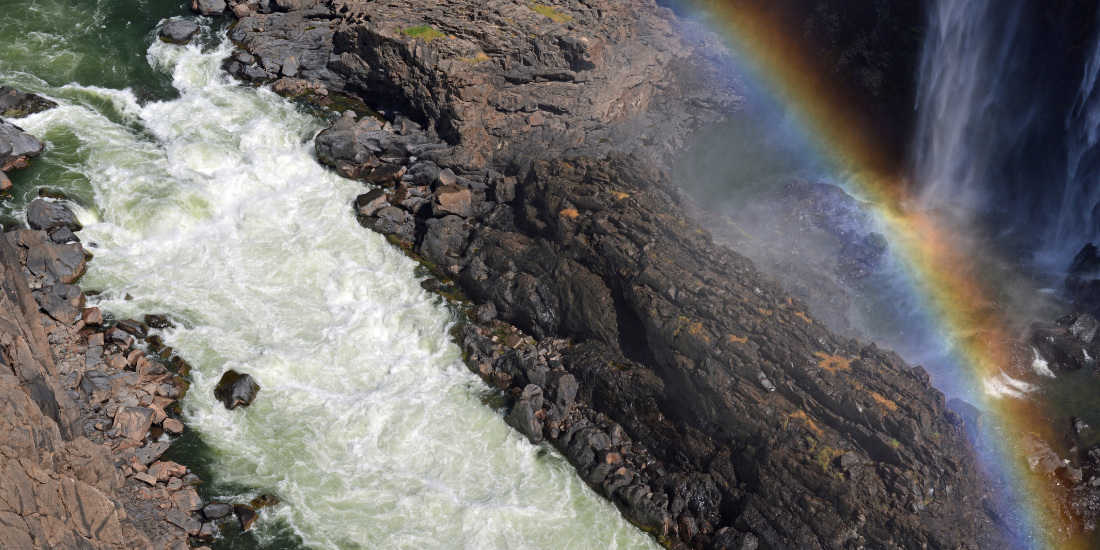
Thrill Seekers Unite: Conquer the Rapids with White-Water Rafting on the Zambezi River, Zambia/Zimbabwe, and Feel the Rush of Adventure Amidst Stunning Scenery.”
Safe travels and may your wildlife viewing and journey be filled with as many incredible experiences as possible as you explore the stunning inhabitants of the beautiful continent of Africa!
