Amazonia
Table of Contents
Show
Overview:
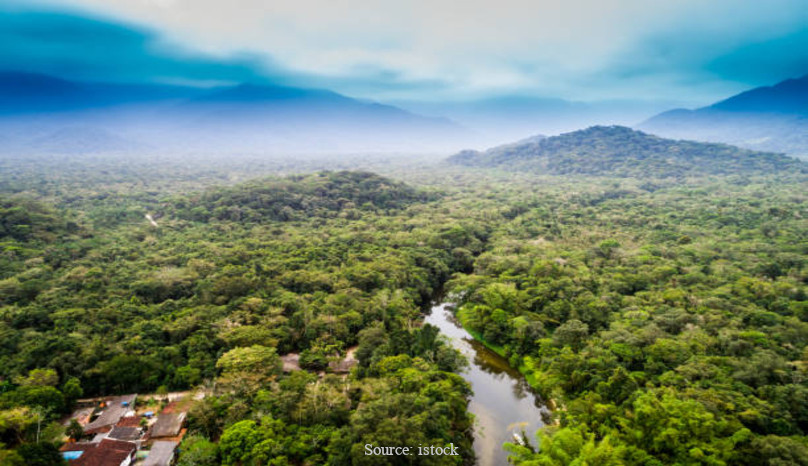
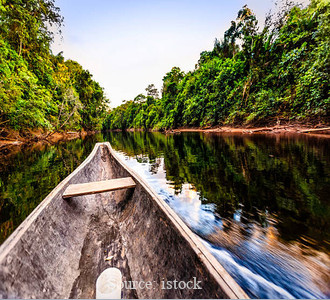
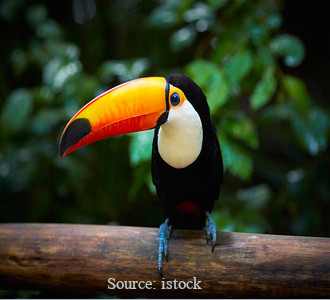
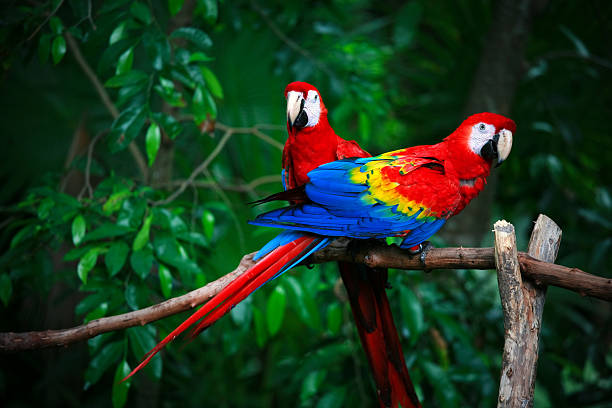
The source of life, Amazonia – or the Amazon Jungle and the Amazon Basin is a mass ecological and biological wonderland, stretching from the top of South America across six million hectares of land and some nine countries to the edges of Brazil with the rainforest and the 6,000 kilometre long Amazon river and basin giving a natural habitat to thousands of plant species, birds and animal species – which makes the this unique natural and immense rainforest a true wonder of the world.
Despite the continuing threat of deforestation and wildfires the Amazon also remains home to more than 30 million people, including some 300 different ethnic groups and up to 60 isolated tribes, and despite the images of inaccessibility that rainforest may conjure up it remains incredible accessible to tourism and explorers, with both Brazil and Peru offering fantastic bases from which to enter the Jungle and walk amongst the nearly 400 Billion trees and encounter some of the worlds most unique and threatened species including Jaguars, pink dolphins, amazon crocodiles, ant eaters and rare monkeys – with new species discovered on average once every 3 days, giving explores a chance to both journey into one of the worlds most spectacular wonders – and if they’re even more lucky unleash their inner Attenborough.
Where:
The Amazon Jungle officially stretches across the nine South American Countries of Brazil, Peru, Colombia, Bolivia, Ecuador, French Guiana, Guyana, Suriname, and Venezuela.
However the majority of the Amazonia is located in Brazil (60%) and Peru (13%) with both of these countries making great countries from which to enter the Amazon – with Manus in Brazil and Iquitos in Peru both serving as the best bases from which to explore the Jungle.
Best time to Visit:
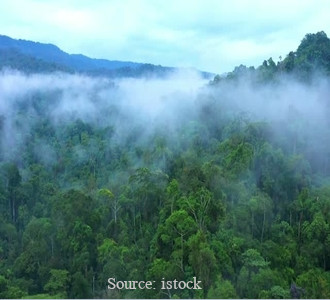
Given it’s name you can expect rain in the Amazonia all year round and expect it to be hot and humid, but that being said there are specific seasons for visiting the jungle based on your interests:
For those wishing to observe more water-based creatures (crocodiles, dolphins etc) and wanting better access to trekking the low river season (also known as the dry season) typically lasts from July – November and is ideal to explore the Jungle in a cooler setting and observe more wildlife on the river banks and in the Jungle as animals come looking for water.
For those wanting to explore the Amazon basin further and get to the harder to reach parts of the Amazon then the high river season and rainy season runs from December to May – in this period you can expect showers but also fewer tours and this a more isolated and environmentally emerged trip to the Jungle.
For the best of both worlds, and for a chance to explore both the rivers, treks in manageable heat and for a higher chance of seeing wildlife the best time to visit is unquestionably June or July.
Explore:
Although the Amazon stretches across nine countries and accounts for more than 50% of the world’s rain forest, exploring it is best done from Brazil with Manus as a base or Peru with Iquitos as a base.
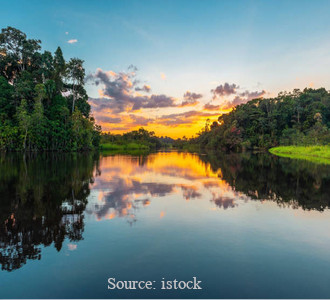
From here you may largely be at the mercy of your tour guides as to which part of the Jungle you explore (it’s strongly recommended not to go into the jungle by yourself), but if departing from Manus alongside the expected treks into the Jungle and the various river boat streams and kayaks down the estuaries , it’s important not to miss the stunning site of the meeting of the waters – where the brown Rio Solimões and the black Rio Negrorun flow side by side but do not actually meet until much further downstream creating a unique phenomena, as well as the January Ecological Park – which is normally teaming with wildlife.
If visiting from Iquitos – which would be our recommendation, with it being more untouched and bearing a larger concentration of wildlife and flora – the protected area of Pacaya-Samiria National Reserve, the Manu Biosphere Reserve, the Amazon river and perhaps most importantly the abundance of luxury lodges are absolutely most visits.
With either access from Brazil or Peru offering you the best chance to cruise the Amazon Jungle, trek amongst wildlife and explore this unique wonder of the world – but just be sure to do it with the safety of a local guide.
Cost:
As a way to fund the ongoing ecological protection and protect against Amazon deforestation trips to the Amazon don’t come too cheap – with flights from either rio to Manus or Lima to Iquitos starting at $100 each – and then the average 4 day tour from either city setting you back $400 – with those who wish to stay in the luxury lodges also expected to fork out at extra $50 a night.
However as explorations and travel trips go – a trek and exploration through the Amazon jungle is certainly something not to be missed – so it’s advised to fork our a little bit more to make this once in a lifetime trip truly memorable.
How long to stay: As a minimum 4 days in the Amazon Jungle itself is a must given the wildlife is so unpredictable – and to allow for hikes, river cruises and a chance to kick back in one of the Luxury Lodges. Although you should probably budget for at least 6 days given the trek and journey both into and out of the Jungle.
Top Tip:
Alongside making sure you bring plenty of insect repellent, have all the necessary Jungle shots, drink plenty of fluids and invest in a top of the range camera – the most enjoyable experience in the Amazon is definitely from the Peruvian side and the town of Iquitos – not just because of the Luxury Lodges that allow you to cool down after a hard days trekking but due to the Amazon river access and the abundance of Wildlife that inhibit the Peruvian Amazon Jungles.
Getting there:
Getting to the Amazon Jungle is always the challenge – luckily though there’s a range of tour guides that can take the hassle and stress out of this for you so the best advice is to fly into Manus or Iquitos and let the professionals take care of the rest.
From these bases, you can expect a river boat upstream across the Amazon basin to reach the jungle, strong trekking shoes to hike through the Jungle and a possible Kayak to explore the many rivers of the natural wonder.
Best photo spot:
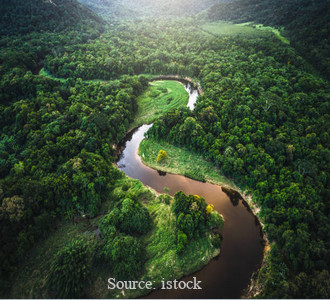
This really depends on your luck – a photo of a jaguar or an anteater – or a selfie with a river dolphin are hard to come by but make for exceptional photos, for those wanting a true picture postcard an ariel shot with the help of a chopper is your best bet.