Amboseli National Reserve
Overview:
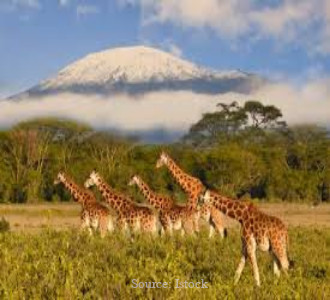
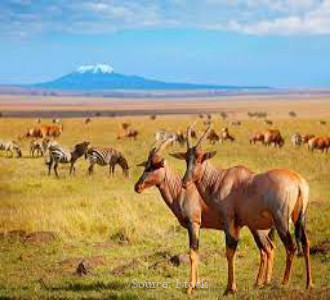
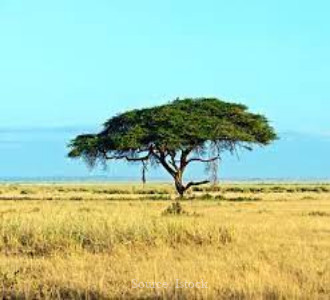
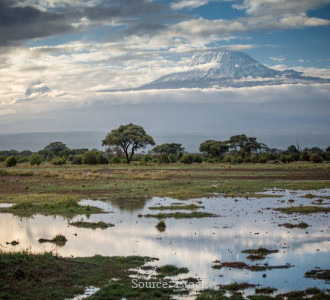
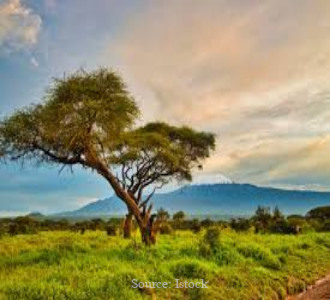
The land of the Giants – Amboseli is home to one of the most iconic sceneries across the whole of Africa, with this stunningly beautiful park lying against the backdrop of the mighty Kilimanjaro – and offering the unique chance to both view and capture unique memories of African Wildlife against the towering peak undoubtedly being the quintessential representation of Africa. Alongside this breath-taking image, Amboseli National Reserve is a unique wonder in its own right – with the National Park stretching 392 Kilometres across the plains of Kenya and being composed of five wildlife habitats – acacia woodland, marshland, rocky bush, plains and swamps – which are home to more than 800 different mammal species and 400 bird species – making Amboseli National reserve a true haven for wildlife and an undoubted wonder of the world.
Taking its ‘Land of the Giants’ name from the thousands of giant herds of Elephants – and their mighty tusks – that roam the plain, Amboseli is one of the few East-African Landscapes and parks that travelers can explore on a self-drive and off road adventure, with the plains of Amboseli being open to both game drive, walking safaris, by boat and by air – making it truly one of the great safari destinations on the planet.
Home also to members of the Maasai community – the wildlife of Amboseli are dependent on its vast natural resources to flourish, none more so that the great lake basin of lake Amboseli — which is fed by an underground water supply from the melting peak of the neighbouring Kilimanjaro.
Despite this, droughts and floods do still remain a constant threat to both the animals and beauty within this park, and this has been the case ever since the area was set aside as a reserve for the Maasai people in 1906 and established as a national park in 1974, with constant monitoring and flood protections now in place to preserve its natural beauty. Alongside these protections a strict poaching ban exists and is enforced across the park – which helps to preserve the life that calls these plains home.


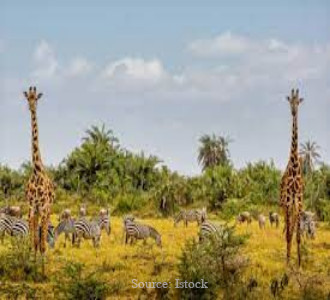
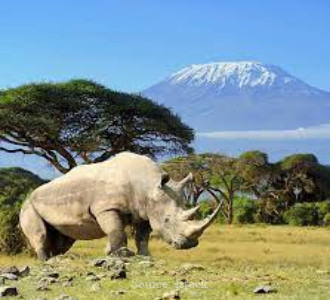
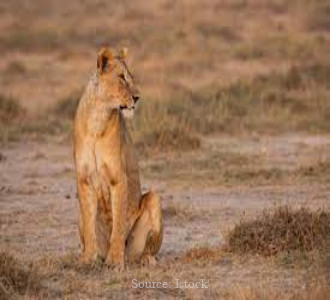
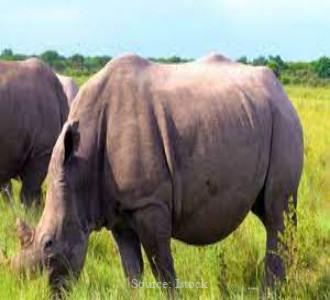
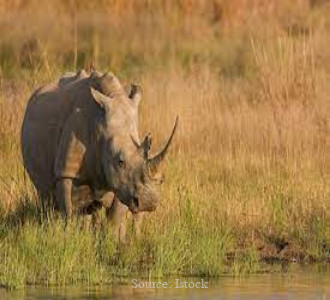
Explore: While such a ban came too soon to maintain and preserve the Rhino’s who wandered within Amboseli – who as a consequence of both poaching and natural reasons are sadly absent from this week or found in the nearby Tsavo West National Park making re-introduction a possibility – in addition to the thousands of elephants who are known at times to roam the plains of Amboseli in herds of hundreds, you’ll find a plethora of wildlife within Amboseli including Lions, Leopards, Buffalo, Giraffes, Zebra’s, Wildebeests, Cheetahs, Hyenas, Gazelles, monkeys and curious yellow Baboons.
You’ll also find swathes of wildlife grouped around Amboseli’s rivers, lakes, and swamps – including an array of Hippo’s and Crocodiles as well as hundreds of different bird species ‑with the bright pink flamingos standing tall as the most recognisable and easy to spot amongst them. For the keen eyed you’ll also be able to spot an array of pelicans, kingfishers and the mighty Goliath Herons – as well as a series of birds of prey including Eagles and Falcons who are known to glide over both the swamps and the plains in search of prey.
A truly magical place – particularly for Elephant spotting and research – with each Elephant is known to rangers and individually coded and named – making a sighting of them particularly against the backdrop of Kilimanjaro all the more special, the magic of Amboseli is also found in how travellers can explore it, with this being one of the only East-African Parks that explore it both by themselves during the day and night in a self-drive vehicle and even go off road – allowing them to get extra close and have a more intimate experience with wildlife for an awe-inspiring experience.
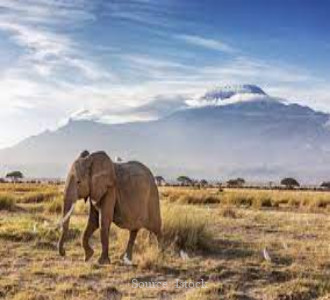
Amboseli is also a photographers paradise – not just due to the iconic Elephant standing tall against the backdrop of Kilimanjaro shot – but also thanks to the incredible African Sunsets you’ll witness against the plains and a range of scenic vistas including the Sinet Delta, Lake Amboseli and the well named Observation Hill – from where you can get an ariel view out over the park.
These vistas are also at the heart of Amboseli’s magic, with the spots becoming reliable places to spot wildlife, with self-drive or guided safari’s spending their time traversing the vistas around the lake and the plains with almost guaranteed sightings. The lakes themselves also allow for the unique experience of boating across the waters of Amboseli – helping explorers get up close and personal to the magic life teaming within team and observe first-hand the rawness of life in the African wilderness – as you watch crocodiles and birds of prey attack.
For those who want to truly immerse yourself in the beauty of Amboseli, we’d recommend staying for a couple of days, and you’ll find an array of incredible lodges spread throughout the park – where if you’re lucky you may find yourself woken by a curious Elephant trekking outside your window. It’s from these lodges that many of the great hiking trails – that can be undertaken on foot or by horse or camel originate from where you can get close – but not too close – to the great wildlife found across the plains of the National Park.
A truly magical place, thanks to the incredibly diverse eco-systems that sustain the hundreds of different and flourishing animal species, the stunning scenery of Amboseli National Reserve and it’s year round guaranteed animal population also makes it one of the greatest places in the world to take to the skies in a hot air balloon safari – with the chance to soar over the plains of this great national park at sunrise and witness heards of Elephants, Lions, Buffalos, Hippos and Crocodiles below as you gently glide towards the beauty of Kilimanjaro with the rising sun for company being truly special and one of the undoubted great ways to experience this true natural paradise and great wonder of the world.

Where:
Considered one of the greatest and diverse national parks on the planet and famed for its stunning wildlife and diverse scenery, Amboseli National Park is found in the southern part of Kenya close to the border of Tanzania.
Lying in the shadow of the mighty Mountain of Kilimanjaro – which gives Amboseli its natural water supply from melting ice, feeds into Amboseli lake and the Sinat Delta and of course contributes to its famed beauty and iconic views, trips to Amboseli are commonly combined with further safaris into the beautiful Serengeti in Tanzania, the Tsavo east and west parks and the Masai Mara Game reserve further North within Kenya.
Established in 1974 as a national park – although home to the Masai people long before that, the park of Amboseli covers 392 square kilometres and is often favoured as a day-trip for those short on time (although we’d recommend staying longer) and with it lying just over 200 miles south of the Kenyan capital of Nairobi, this stunning park and its many curious, photogenic and beautiful animal inhabitants, are easily reached and explored.
Getting There:
Despite representing true wilderness and one of the great natural and diverse paradises on the planet, it’s incredibly easy to get to Amboseli National Park – with this jewel of Kenya easily reached by direct flight into the park, flight and road, by road or through a series of tour companies from across East Africa.
By Plane:
First off and the most easiest and direct way to reach Amboseli – you’ll want to fly into the Kenyan capital’s airport of Nairobi and the fantastic and well serviced Jomo Kenyatta Airport (just expect to climb some stairs when you arrive) with the Jomo Airport being serviced by a series of major international airlines globally and acting as a major hub for travel across East Africa.
Once at Jomo airport, you’ll then have the most direct option to take a flight to the Amboseli airstrip which lies within the national park itself. This route – which is used also as the flying doctor route in the case of emergencies – will require you to transfer from Jomo airport to the private airstrip of Wilson airport – then board a private jet and finally make your way into Amboseli in style.
A great option for those for whom money isn’t an issue – and certainly a route that gives you an incredible view out over the plains of Amboseli on your approach – flying directly into Amboseli on your own private plane will stretch any budget, so for a more cost friendly and popular way to get to this incredible park, we’d advise flying into Jomo Airport within Nairobi and then heading by road on a self-drive trip to Amboseli.
This route, which will see you have to self-drive across Nairobi to the gates of Amboseli should only be undertaken in the day light and not by single female drivers and will certainly test your patience and driving abilities as you navigate the heavy Nairobi traffic and then head out on the main A104 or A109 highways towards the park – covering the 200 miles in around four hours if traffic is on your side.
Once at the park the main access if through the Namanga or Nairobi to Arusha road – which will take you into Tanzania through the Serengeti if you continue to follow it – and you will then have a choice of several gates of the park through which to enter – with the Meshanani Gat being the most popular and well developed and recommended for those travelling from Nairobi.
Tour / Self-Drive:
For alternative access into the Amboseli National Park explorers have the option of travelling and approaching from the south, crossing the Tanzania border out of the main town of Arusha following a tour from the Ngorongoro crater Crater and the Serengeti on the Tanzania side of the border. This route – which will see you explore two of the incredible national parks of Tanzania and no doubt encounter the big five, as well as pass through some increidble scenery, requires explorers to get themselves to Arusha and from there take a drive through the National Parks of Tanzania eventually hitting the Arusha to Naoriboi highway of A104 which will take you across the border to the Amboseli gate of Olkelunyiet and from where you can enter the park.
Alongside flying into Amboseli or flying into Nairobi and then self-driving, there is of course the option of a series of guided tours and safari’s that will completely take the hassle out of getting to Amboseli and navigating the sometimes-tricky Kenyan traffic. You can expect the majority of tours to leave from Nairobi – and you’ll find a series of day trip, multi-day trips and extended trips that combine the fabulous wonder of Amboseli with some of the other natural highlights in East Africa – including the plains of the Sergenti and Masai Mara parks.

Getting Around:
One of the undoubted thrills of Amboseli – alongside seeing and snapping the incredible wildlife and stunning scenery – is the freedom to explore this national park on a self-drive tour, with explorers having the option to explore the park at their own pace in their own vehicle on a series of self-defined roads that allow you to truly go off the beaten track.
While caution and care should be exercised – and explorers are strongly encouraged only to exit their vehicles at a designed point, the thrill of defining your own Safari in Amboseli is like no other, and for the absolute best experience we’d encourage you to invest a little when picking your rental car and at the very least make sure you get a car with working AC and a sunroof – to make your experience as enjoyable as possible.
Alongside self-driving – or exploring the park in a true safari car with an expert guide for those visiting Amboseli on a guided tour, you’ll also find three other incredible ways to explore the park – on foot, by boat and by air.
Firstly, on foot – and Amboseli is one of the few parks that allows explorers to hike on foot on designated trail paths – with the walking route up to the top of Observation hill being one of the highlights of any journey through Amboseli from where you can see sweeping views out over the national park and even encounter wildlife on your journey to the summit.
Combing these walks with night walks and safaris from lodges for those staying overnight, during the wet season there’s also the option to explore the wildlife and scenery of Lake Amboseli and the Sinat Delta by airboat – travelling freely across the river in search of some of the spectacular birdlife on the rivers, as well as the water dwelling animals – such as hippos and crocodiles and enjoying the thrill of the mammals of Amboseli coming to drink from the waters – with the heards of Elephants in particularly known for their love of grazing by lake Amboseli – giving you a truly close up view of these incredible animals.
Finally, and one of the undoubted best experiences and a must do across Amboseli is to take to the skies and get an ariel view of this incredible park – witnessing the many beautiful Elephants and wildlife below you and taking in the stunning scenery below you against the backdrop of Kilimanjaro with the rising African Sun. An experience that requires you to get up early – and be prepared for the cold conditions of an African morning and the occasional bump as you take off and land in your hot air balloon – the true and unique thrill of sailing over the beautiful plains of Amboseli looking down at the increidble scenery and life below you is unparalleled and undoubtedly one of the most incredible ways to experience the incredible wonder of the world that is Amboseli National Reserve.
Best time to Visit:
While Amboseli is open year-round from 6am to 6pm – and you can bank on dependable weather at a warm 28 degrees during the day which will drop to a chillier 10 degrees at night – the best time to visit is undoubtedly in the dry season which runs from June to September whilst also including the months of January and February,
During these months you’ll find wildlife viewing at an absolute premium, with the thousands of wildlife within Amboseli dependably flocking to the water holes within the park following the rainy season – and sighting of Elephants, Lions, Leopards, Hippo’s, Zebra’s and Giraffes almost guaranteed at the Sinet Delta, marshes and at the incredible Lake Amboseli.
Combine this as well with almost clear skies – which makes Kilimanjaro vieweing at a premium within the park, and certainly helps with photography and visiting during the dry season is undoubtedly when you’ll find Amboseli at its absolute best.
Yet it is still possible to go during the rainy season, and for those who fancy an unpredictable adventure – with minimal crowds and a chance to see the incredible scenery and five differing stunningly scenic wildlife habitats at their greenest and most beautiful then it may be worth considering going during the months of November – December and March to June – which is also when you’ll find prices at their most affordable – although for those visiting in April and May especially you’ll need to be prepared for completely torrential rains and areas of the park being washed out.
Therefore, while you can visit in the wet seasons – for the absolute best experience at Amboseli and for the best chance of wildlife vieweing we’d advise visiting in the dry season between the months of from June to September and January to February.

How long to stay:
Amboseli National reserve is billed as one of the greatest day trips on the planet – and while it certainly lives up to the hype we’d recommend staying for at least 2 days and 1 night – with the optimal time to stay undoubtedly being 3 days and 2 nights.
For those who are limited on time then it’s possible to explore this stunning park and the highlights on a day trip from Nairobi – with packages available to pick you up from both the city centre and airport early in the morning – and then see you take on the 4 hour drive to Amboseli before having lunch and a game safari across the park before departing in the late evening on your way back to Nairobi.
Whilst this option will see you experience the wonder of Amboseli – you’ll have to get very lucky to see the four members of the big 5 that reside in Amboseli – and you’ll be missing out on a hot air balloon experience over the plains and undoubtedly on snapping the iconic shot of an Elephant against Kilimanjaro – meaning that your time at Amboseli will not be everything that it could be.
It’s for this reason that we recommend a multi-day experience at Amboseli – with the extra time that multiple days within the park affording you the chance to truly see the best of this incredible wonder and its habitant – allowing you more opportunities to spot the incredible wildlife within the park including the four of the big five and the Giraffes, Hippos, Zebra’s, Wildebeest, crocodiles, Hyenas – and a range of bird life across the Sinet Delta and Amboseli lake as well as explore the five differing stunningly scenic wildlife habitats; acacia woodland, marshland, plains, rocky thorn bush and woodland for a magical experience.
Combining this with the chance to see at least one sunset and sunrise within Amboseli – and the thrill of a hot air balloon against the backdrop of Kilimanjaro – and by spending at least 2 days 1 night – but preferably 3 days and 2 nights – you’re guaranteed to get the absolute best of this incredible wonder of the world.
Top Tip:
One of the world’s most stunning natural wonders – that affords travellers not only a chance to see both the big five and other incredible African wildlife across five stunning diverse habitats, but also offers one of the greatest and most iconic photo opportunities on the planet – travelling across the plains of Amboseli is a breath-taking and awe-inspiring adventure that leaves explorers in true wonder at the beauty of this stunning natural reserve.
Fully explorable in a range of ways – both in the air, on foot, across the waters – and uniquely on a self-drive off road Safari – Amboseli is a true natural paradise. Yet this stunning park also comes with it a series of potential risks that have the potential to truly take the shine off your adventure – not least among them the risk of Malaria and Yellow Fever and staying safe across Kenya.
Combine these health risks with ever changing temperatures during the day, the unpredictability of animals and of course the need to ensure that any self-drive Safari to Amboseli is conducted safely and there’s a lot to consider to ensure that your journey to this incredible paradise is as enjoyable and safe as possible.
So, to help make sure all goes well when exploring Amboseli and that you get the absolute best out of this stunning reserve while encountering as many of its residents as possible, we’ve rounded out our tips for visiting Amboseli Natural Reserve:
- Getting There: Visa, Health & Cash:
While Amboseli National Reserve is easily accessed and found, you’ll need to ensure you’ve taken care of a couple of admin and health factors before setting off. First up is the visa – and you’ll find there’s conflicting advice across the web and on different Government sites about getting a visa and the requirements.
Having taken this route before – the easiest option is to go for the visa on arrival – which despite the advice on some sites can be given by immigration officers on arrival – and costs $15 USD for a 90 day stay in Kenya. As an alternative option we’d recommend consider opting for the East Africa visa – which is available on arrival in Rwanda, Uganda and Kenya and which lets you travel in and out of the three stunning East African Countries at your own pace with minimal hassle – with this being a great option for those who are planning combining their Safari in Kenya with Gorilla Watching in either Rwanda or Uganda.
Making sure that your passport is within the six month expiry period, travellers heading to Amboseli will also need to make sure they come prepared with plenty of US Dollars in cash on hand – as you’ll find no ATM’s in the park – with our recommendation being to budget $100 Usd in cash for each day, although for those staying in the luxury camps, you’ll find that card payment is available although it might be hit and miss as to whether it will go through.
Finally, it’s necessary also to make sure all your vaccinations are u‑to-date before heading into East Africa – with Yellow Fever an essential requirement for those entering the region, and travellers strongly recommended to pick up some Malaria tablets before heading to Kenya to ensure their stay in this beautiful county is as healthy as possible.
Safety:
Alongside ensuring that you have the necessary paperwork and health requirements to enter Kenya – we’d also encourage you to travel to Amboseli with one eye on your safety, noting that crime in Kenya and particularly around the areas of Nairobi is unfortunately common and can range from pickpocketing to carjacking, kidnapping and even violent incidents leading to death.
Because of this it is essential that travellers take extra care when travelling in Kenya – firstly by ensuring that they have appropriate transfers lined up at the Jomo airport when they arrive into Kenya and then by ensuring they follow basic safety tips when in the country – such as keeping doors locked, hiding valuables, declining offers of assistance and especially not travelling at night – which is especially important for solo travellers and females.
It’s also essential that anyone doing a self-drive Safari to Amboseli comes in an appropriate vehicle that has been well serviced, and sticks to the basic rules of Safari – which include not driving too close to animals, not exiting the car in any prohibited area and not doing anything that could ruin the natural environment of Amboseli – with those who find themselves in crashes subject to heavy fines from the Amboseli rangers and those who in any way interfere with the animals and environment subject to both fines and potential jail sentences.
Length of Stay & Lodges:
While Amboseli National Park is often advertised as one of the greatest day trips on the planet – and certainly lives up to that reputation with the stunning wildlife that call the park home and viewing opportunities, to get the absolute best out of this park – and to hopefully snap that iconic photo of an Elephant against the backdrop of Kilimanjaro we’d strongly advise budgeting at least 2 days 1 night – if not longer to explore all that this stunning park has to offer.
Extending your stay will not only see you get the chance to spot more of the incredible wildlife that roam the plains of Amboseli but also give you the chance to take a hot air balloon safari over Amboseli – taking on the true bucket list experience of watching the sun rise over Amboseli as you drift towards Kilimanjaro – to get the absolute best out of your experience at this stunning wonder. For those who do choose to stay at least one extra night at Amboseli be sure to stay at one of the many tented camps around Amboseli – where you can enjoy hot food and showers in a warm bed while looking out over the incredible vistas of Amboseli – for a truly stunning experience.
What to Bring & the Rainy Season:
While the weather in Amboseli stays constant over the year – you can expect the rainy season – which occurs between October to May (although January and February are good to visit) to see limited opportunities for wildlife viewing and challenging conditions for self-drive vehicles as a result of constant long rains – so we’d advise visiting during these times.
For those who do visit Amboseli at any point of the year – you’ll need to come prepared for dry weather and in particularly cold nights and mornings, with the dropping of temperatures being something that has the potential to catch explorers out and take the shine off their visit to Amboseli. For this reason we recommend brining a good jumper and hoodie, as well as some long safari style trousers for the night time and cooler weather, and a couple of t‑shirts, shorts and a long sleeve loose fitting jumper for the warmer days. Be sure to twin this with a good hat, sunglasses and plenty of sunscreen to protect against the rising African Sun – and to make the absolute most of your time at Amboseli – we’d also advise bringing a good set of binoculars and a camera capable of catching shots from long distance — to ensure you go home with incredible memories of the wonders of Amboseli National reserve.
Hot Air Balloon Tour:
Finally, and as a recommendation to get the absolute best out of Amboseli – we’d really recommend taking on a hot air balloon Safari – with the thrill of soaring above the incredible plains of this stunning nature reserve and it’s reflective lakes and delta as you drift towards Kilimanjaro whilst spotting animals below you – being undoubtedly one of the greatest ways to explore, appreciate and great incredible photos of this stunning reserve.
An experience that you will likely have to budget for – as hot air balloons start from $500 Usd a head – and one that requires you to get up early, as the balloons start at the same time as sunrise – the thrill of gliding over the plains and looking down at herds of Elephants especially is one of the truly great experiences and best ways to see Amboseli – and is an experience we’d really recommend to enjoy this stunning wonder of the world.
Cost:
Both easily accessible and easily found, the beauty of Amboseli National Park and exploring the incredible five different ecological habitat and the thousands of residents that lie within it is also incredibly affordable – with the parks options of doing self-drive Safari’s making it one of the most unique, fun and budget friendly safari parks across the whole of both East Africa and on the planet.
Getting there & Self Drive: Starting with what will be the major cost for most explorers – and getting to Kenya, the airport of Jomo Kenyatta Airport is well serviced from across planet, with those within Africa encouraged to budget at least $300 Usd to get into the airport, and those coming from outside Africa advised to budget at least $1000 Usd on travel expenses – with those on short budgets recommended to take a longer arial route into Kenya – with flights that pass through India but which take an extended amount of time a great way to cut back on costs.
For those who are combining a visit to Amboseli with a trip into any of the other incredible countries across East Africa – and particularly Rwanda, Uganda or Tanzania – there is also the option to get a bus directly into Nairobi which can cost as little as $5 Usd and represents a great to cut back on costs if being a little bumpy.
Having got yourself into Kenya and Nairobi – and accounted for the $15 Usd for the Visa – the next expense will come down to how you choose to get to Amboseli and begin exploring the park. For those on a hefty budget and short on time who want to arrive in style, then one glamorous option will be to charter a private plane directly into the airstrip of Amboseli – which will set you back a few thousand dollars at least.
For those without access to a private plane and want to keep their costs down as much as possible then a self-drive Safari into Amboseli will be the best option – and you’ll find a range of rental options at the airport and within Nairobi or Arusha that can take you to the plains of Amboseli.
We’d strongly advise getting a 4 x4 car when renting and being sure to take it steady when navigating the bumpy roads towards Amboseli. But accounting for car hire, petrol (jerry cans are a must as petrol is limited within the park) and insurance you can expect to pay around $100 Usd a day for your trip to Amboseli – which given there’s the option to both self-drive round the park and go off road within it is an incredibly affordable and enjoyable way to explore the park.
By Tour: For those who don’t fancy self-driving to Amboseli – and want to ensure they get the best experience of this stunning park with an expert guide to point out the incredible wildlife before them with no worries about the driving conditions on the Kenyan roads, then a guided tour will undoubtedly be the best option – and there’s a range of options available to suit travellers on all budgets and time scales.
Starting with the day trips of Amboseli – and undoubtedly this stunning park is one of the greatest day trips on the planet – you can get a one day Amboseli national park tour for as little as $150 and rising to $300 Usd – with these trips leaving from either Jomo airport or Nairobi and showing you the highlights of the park and typically featuring a long drive from Nairobi into Amboseli and then a game drive before retuning late at night.
While a one-day trip to Amboseli will undoubtedly be magical – and is a great option for the budget conscious traveller, we’d really recommend spending either 2 days and 1 night or 3 days and 2 nights at Amboseli to experience all that this incredible park has to offer – including multiple game drives affording you a chance to spot all of the stunning wildlife within the park, witnessing a stunning African sunrise and sunset, undertaking a hot air balloon ride and even giving yourself a chance to snap the iconic photo at Amboseli.
For those who opt for this experience on a guided tour you should expect to pay between $200 Usd to $450 Usd for a shared tour and $400 to $800 Usd for a private tour – with the tours including all food and also accommodation in one of the park lodges – and we’d encourage you to do your research before settling on a guided tour of Amboseli.
Available also as an option on an extended tour across the East African Safari parks – which include the Serengeti, the Maasai Mara, the Ngorongoro Crater and the Tsavo Parks – which can stretch from a week to 21 days in length and vary in price from $1000 usd to $5500 Usd – there truly is a tour and budget for everyone visiting Amboseli – making this stunning park truly affordable.
Whichever way you choose to get to Amboseli – either on a self-drive or guided tour – you’ll have to pay the entrance fees to access the park, with the fees being paying on the gate and currently being set at $60 Usd a day – although being known to be subject to chance at random intervals.
Accomodation: For those staying for more than one day at Amboseli – which is something we’d really recommend, then taking to the skies above the plains in a hot air balloon tour and looking down at the herds of elephants and animals below you as you watch the rising African sun come up to greet you and you slowly drift towards Kilimanjaro is one of the undoubted great experiences at this wonder of the world. So for those fortunate enough to be at Amboseli for more than one day we’d really suggest putting aside $500 Usd per person and booking a hot air balloon over this incredible national park – for an experience that is truly breath-taking.
Factoring in $100 Usd for food and guide tips – as well as souvenirs – and visiting Amboseli for those coming from Africa can be achieved for as little as $250 Usd for a one day self-guided tour and can range up to $8000 Usd for those coming from a far into Kenya and then embarking on an extended Safari.
But for our recommendation of visiting for 3 days and 2 nights on a self-guided tour including a hot-air balloon tour, accommodation, meals and gifts – we’d advise setting aside $1500 Usd for the total of your trip not including flights into Kenya to visit the incredible wonder of the world of Amboseli National Park.
Fun Fact:
Considered one of the largest East-African Safari Parks, the dependable wildlife within Amboseli – where you’ll find almost 100 different mammal species and more than 400 different bird species – has made it one of the most spectacular and reliable parks on the planet for wildlife spotting.
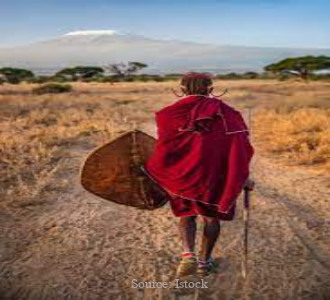
This is helped in no small part to the five different habitats found across the park (acacia woodland, marshland, plains, rocky thorn bush and woodland) which create not only stunning scenery but which are also home to the Maasai people, who can be frequently seen across the park thanks to their bright red clothing and sticks.
It is in protections of the Maasai that the land that encompasses Amboseli was cut from 8,000 square kilometres down to the current length of 392, to ensure the tribes survival and protection of their heritage, with the name Amboseli even derived from the Maasai language meaning ‘salty dusty place’ which accurately describes the plains of Amboseli.
Alongside this, the more than thousand elephants that roam the lands of Amboseli – and are often seen in herds of 100’s – are, somewhat remarkably, individually known and tracked by researchers – with Amboseli being one of the greatest places on the planet for Elephant Research with the habits of the more than 60 families and 300 independent adult males who have separated from herds being studied and offering a fascinating insight into the lives of these gentle giants.
A spectacular park, that – with the exception of infrequent droughts — flourishes thanks to the abundance of water flowing down from the peak of Kilimanjaro, Amboseli is also unique in that it’s one of the only East-African Safari parks that allows for both self-driving, off road driving and even walking safaris – which allows for explorers to both get up close and personal to wildlife – and snap stunning photos – with the quintessential and iconic heart of Africa – the shot of an Elephant against the backdrop of Kilimanjaro found in the beautiful and incredibly scenic wonder of the world that is Amboseli National Park.

Top Sights & Best photo spot:
A natural paradise – the scenic beauty of Amboseli is a true photographers dream – with the diverse eco-system composed of five differing stunningly scenic wildlife habitats; acacia woodland, marshland, plains, rocky thorn bush and woodland lending itself to a flourishing and dependable environment in which to spot and capture more than 80 mammal species and hundreds of bird species – for some of the best wildlife photography opportunities on the planet in some of the world’s best beautiful scenery.
Couple this incredible wildlife opportunity with dramatic sunrises – snapped from both the ground and in a hot air balloon – glowing African Sunsets and some of the clearest night-time constellation and star viewing across the continent and alongside wildlife photography, Amboseli offers a unique chance to capture the best and magic of Africa’s natural wonders.
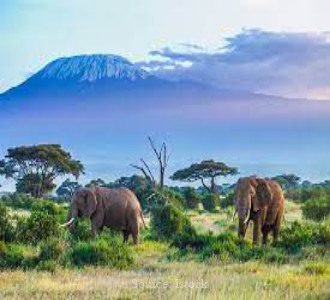
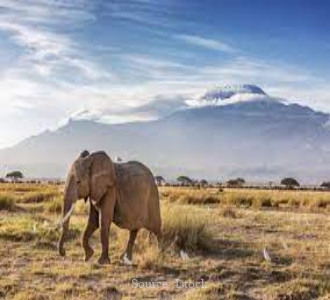
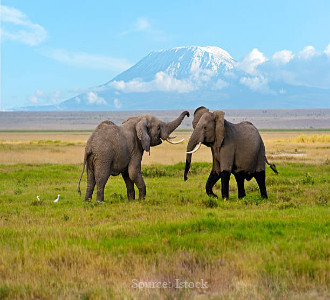
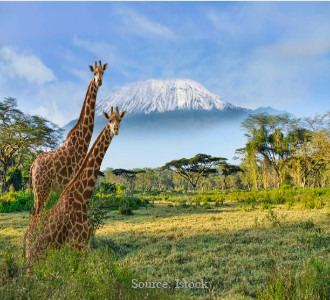
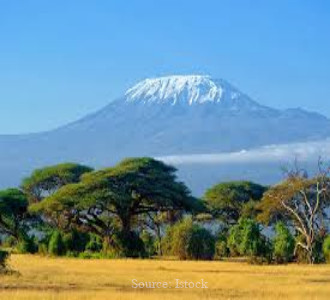
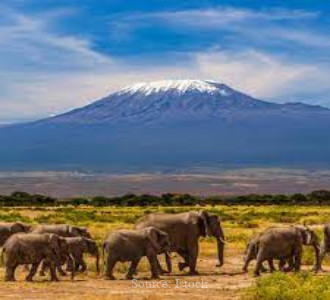
Home also to the iconic photo of Africa – the chance to capture one of the thousands of Amboseli Elephants gracefully marching against the backdrop of the snow-capped peak of Kilimanjaro – which is truly special and one of the worlds greatest photograph opportunities – and the wonder of Amboseli National Reserve is an undoubted paradise for photographers.
With shots of the stunning wildlife – including the four of the big five and the Giraffes, Hippos, Zebra’s, Wildebeest, crocodiles, Hyenas – and a range of birds of prey that call this national park home down to a little bit of luck and the animals themselves, capturing the best of Amboseli can be challenging and requires and immense amount of patience. So, to make things a little easier we’ve rounded out some of our top photography recommendations and spots to help you capture the absolute best of Amboseli and its residents:
The Land of the Giants:
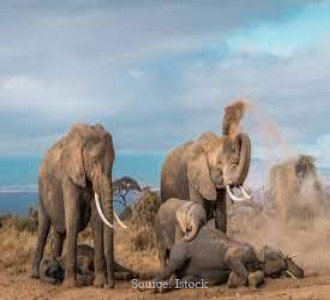
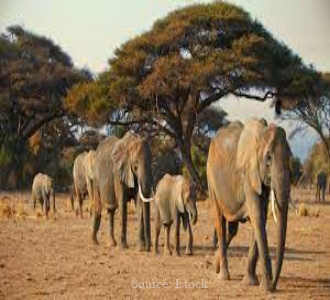
Chief amongst the most special wildlife photography opportunities are undoubtedly those provided by the great herds of Elephants – who have come to symbolise the wildlife parasite of Amboseli. In fact, so vast are the Elephants in this national park – who are believed to be in the thousands in numbers and can travel in great herds of up to a hundred – that Amboseli has earned a reputation as one of the great spots on the planets to capture photos of Elephants – with each Elephant individually tracked and known to guides, affording for incredible photos of these gentle giants.
Best found near watering holes – including the Lake of Amboseli – when bringing the camera be sure to take your time and patience when snapping them, as you’ll find that the younger elephants tend to cling closely to their parents, making capturing a shot of them a little tricky. Yet with a little patience – and given the guaranteed sightings of these majestic animals at Amboseli, if you take your time then you can walk away from Amboseli with some truly magical photographs of these African Elephants.

Mammal Photography:
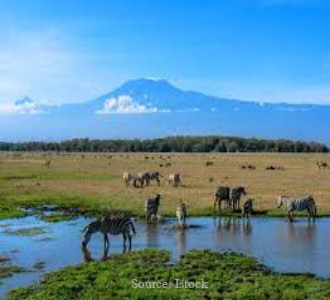
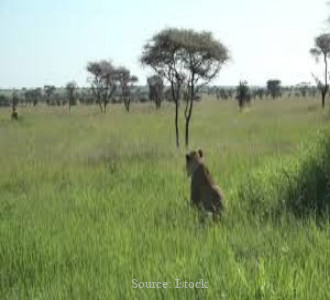
Alongside snapping the majestic Elephants – you’ll find further incredible wildlife photography opportunities across Amboseli – with three more the big five – the buffalo, Lion and Leopard all frequently visible throughout the park – helping to make your safari across East Africa truly special. Be sure also to bide your time and grab snaps of giraffes, hippos, zebras, wildebeest, cheetahs, warthogs, crocodiles and hyenas – with the hyenas in particularly known to be incredibly active in hunting – providing raw wildlife natural shots.
While you’ll find the more than 40 mammal animal species that call Amboseli home across the park – we’d recommend heading for both the Sinet Delta and the Lake Amboseli for incredible snaps, where not only can you see crocodiles attacking their prey but with both the lake and delta – thanks to its natural water supply – being a fantastic spot to snap photos of both the three of the big five roaming Amboseli and the larger animals that call this park home – with photos of the animals roaming the lakes being one of the truly great shots of African Mammal life on the planet.
Bird Photography:
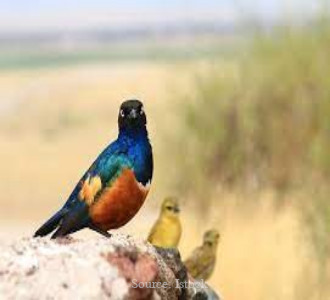
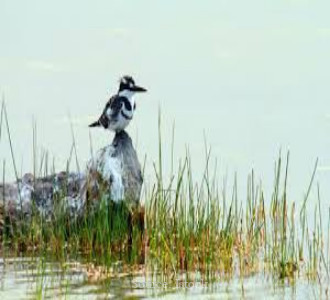
Amboseli is not just a paradise for mammal photography, but is also one of the worlds premier photography destinations for birdlife, with the diverse scenery – particularly the woodlands – combing with the Sinet Delta and Amboseli Lake – making the area a bird sanctuary, and seeing it home to more than 400 different species of birds.
Chief among these – and those which in our view are the most photogenic are the colourful – are the large number of Flamingos you’ll find at the lakes, as well as the mighty Goliath Heron, flocks of Pelicans, Crowned cranes, Love Birds — and flocks of Ostriches both sipping from the lakes and roaming freely across the plains. Couple this with flocks of birds of prey – including eagles and vultures – and you’ll find yourself in a true birding paradise.
Best photographed in our view at sunrise or sunset – when you can capture the majestic birds taking flight against the backdrop of the glowing African sun, Amboseli is one of the most special places on the planet to snap photos of diverse and colourful birdlife and you’ll no doubt be leaving with a series of incredible photos.


Game Viewing Safari:
Our tip for snapping the best photos of the mammal and bird life across Amboseli, undertaking a game viewing safari with a professional guide is a sure way to guarantee that you get incredible snaps – with the guides who operate the viewing safari having not only fantastic knowledge of the animals within the park and able to brief you on the life before you – but also being able to advise on photography tips and settings, which can be essential when snapping animals in the distance and making sure you get the actions shot of the mammal and bird life.
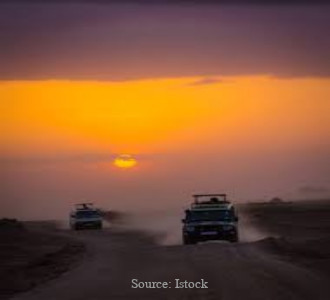
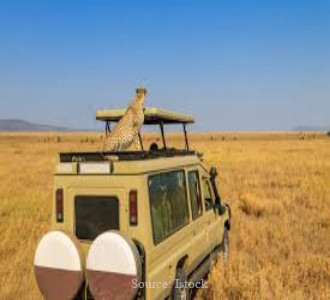
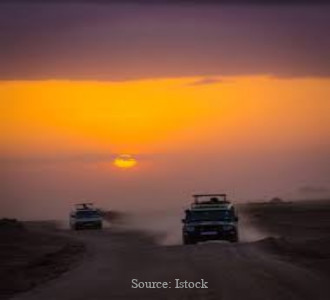
Seeing you ferry round in special safari jeeps – with open roofs, which can give you advantageous photography angles when compared to self-driving tours, Game viewing drives within Amboseli are extra special as it is one of the few parks across East Africa where you can go off-road – with the chance to go off road giving photographers even more magical shots as they get truly up close and personal to the stunning scenery and life within Amboseli.
Observation Hill:
Famed for it’s incredible panoramic views – from which the stunning scenery and wildlife across Amboseli can be both viewed and snapped, the well name pyramid shaped view of Observation hill within the park is a fantastic spot to grab mesmerising photos across Amboseli.
The home also of walking safaris within the park, which allow photographers to get truly up close and personal to wildlife – giving chances to snap the residents of Amboseli truly up close, the summit of observation hill is reached from a winding and what can be a tough ascent – if made on foot and under the African Sun – but the views from the top are truly breath-taking as you stare over the magnificent vistas of Amboseli, spotting it’s incredible residents against the backdrop of Kilimanjaro for some simply stunning photographs.
Sunrise and Sunset within Amboseli
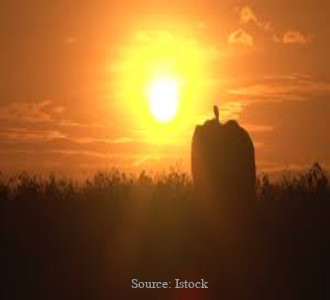
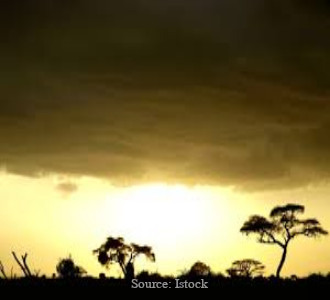
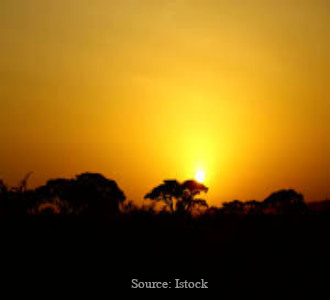
While the photography focus within Amboseli national park is understandably on snapping it’s incredible wildlife, lush scenery and of course hunting the iconic photo of an elephant against the backdrop of Kilimanjaro, Amboseli is also blessed with incredible African sunrises and sunsets – with both the ascending and descending events casting incredible bright glowing orange shades over the plains of the national park – which make for stunning photography opportunities.
Best seen in our view from either the top of Observation Hill – where you can get an elevated panoramic view of the spectacular events – or from the Sinet Delta where if you’re incredibly lucky you might be able to snap a photo of an Elephant across the descending sun at sunset for a troy special photo — an African sunrise or sunset is truly special in its own right, but witnessed and snapped against the stunning scenery and wildlife within Amboseli it’s truly magical and makes for some mesmerising photo opportunities.
Sunrise Hot Air Balloon Safari:
For an extra special experience and photograph opportunity, the views from the air of a hot air balloon safari across Amboseli are truly stunning and afford some of the most beautiful photographs anywhere on the planet – as you set off at sunrise and with the glowing African sun slowly rising behind you, glide over the plains of Amboseli spotting herds of Elephants and wildlife below you while drifting closer to the mighty peak of Kilimanjaro.
A truly stunning experience, the unique arial vantage point of Amboseli in a hot air balloon affords explorers incredible photo opportunities of all of Amboseli – with the Sinat delta and Amboseli lake being particularly beautiful from above – and the chance to snap and spot typically camouflaged wildlife – including tree dwelling Lions – whilst also snapping fellow balloon riders against the rising African sun – making a Hot Air Balloon Safari not only an incredible experience and one of the truly great ways to see Amboseli – but also one of the best ways to snap this beautiful wonder of the world.

The Iconic Amboseli photo:
Finally no photography journey to Amboseli would be complete without attempting to snap not only the iconic Amboseli National Park photo – but one of the most iconic photos of the planet that represents the best of Africa – the shot of an Elephant gracefully approaching you against the backdrop of Kilimanjaro.
A tough photograph to capture – given that the is 5,895 metres mountain of Kilimanjaro frequently hides between clouds – and so you’ll need not only perfect weather, but also the Elephants themselves to align for you to grab this shot, for those intent on capturing this shot we’d advise firstly giving yourself a couple of days within Amboseli for the conditions to line up – and also heading out in the early morning on a game drive, as with a bit of luck this will be the time when the cloud around the mountains is at its clearest and the Elephants are most active.
A truly stunning and special photo – and one that captures the full beauty of both Amboseli and Africa – you’ll need plenty of luck and patience to capture this photo, but for those who are fortunate enough to snap this iconic photo you’ll have snapped not only one of the truly great photos on the planet but the absolute best of the stunning wonder of the world that is Amboseli National Park.