
The 15 Best Wildlife Experiences Asia
The home of wildlife adventures – Asia’s stunning landscapes, rich ecosystem and diverse wildlife set the stage for some of the World’s most exhilarating wildlife encounters.
From tracking Orangutans in Borneo to exploring Mongolia’s steppes on horseback, and even scaling the peaks of the Himalayas to patiently wait for Snow Leopards, the adventure, thrill and truly beautiful wildlife that awaits you across Asia is truly life-changing.
While Asia offers endless exploration of the rarest wildlife across stunning scenery, below are our top 15 bucket list worthy wildlife adventures that offer to true best of Wildlife activities within Asia:
1.) Snow Leopard Spotting in Ladakh, India and the Tibetan Plateau
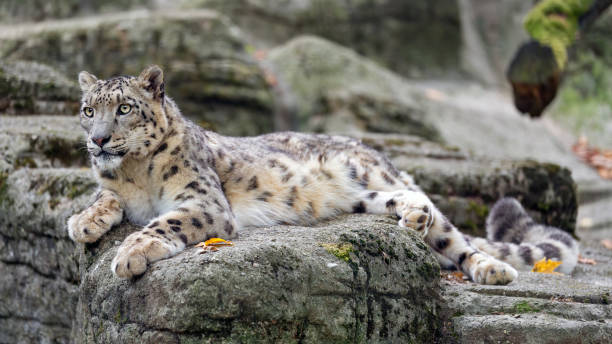
Embark on a High-Altitude Adventure to Find the Elusive Snow Leopard in Asia’s Majestic Wilderness.
2.) Whale Shark Diving in the Philippines
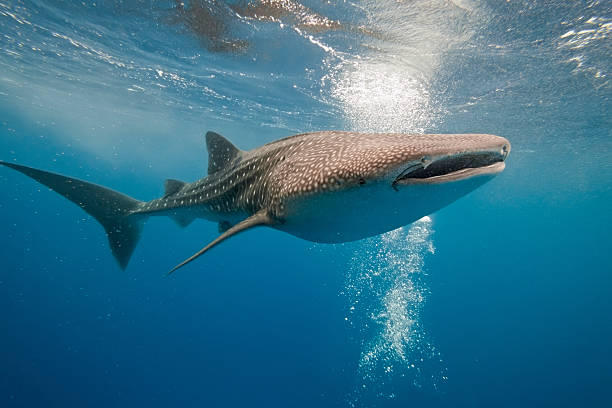
Dive into the Depths of the Philippines for an Awe-Inspiring Encounter with the Gentle Giants of the Sea.
Overview of the Activity: Whale shark diving in the Philippines offers a once-in-a-lifetime opportunity to swim alongside the world’s largest fish in their natural habitat. These gentle giants, known for their impressive size and docile nature, make for an unforgettable underwater experience. The activity typically involves guided boat trips to designated whale shark hotspots, where you’ll have the chance to snorkel or dive in crystal-clear waters. The experience usually lasts for about half a day to a full day, depending on the tour package and your preferences.
Location: For the best whale shark experience we recommend heading to either:
- Donsol, Sorsogon: This popular whale shark hotspot in the Bicol region is known for its seasonal whale shark sightings, particularly from November to June.
- Oslob, Cebu: Another well-known location, where whale shark interactions are available year-round. Oslob is famous for its consistent whale shark sightings due to local conservation efforts.
Duration: Whale shark diving trips typically last between half a day to a full day. Some tours offer multiple dives or snorkeling sessions to maximize your chances of encountering these magnificent creatures.
Estimated Cost: Expect to spend between $150 to $300 per person for a whale shark diving tour. This cost generally includes boat trips, snorkeling or diving gear, and guide services. Additional expenses may include transportation to and from the dive sites and park entrance fees.
How to Get There:
- To Donsol: Fly into Legazpi City from Manila or Cebu, then take a road transfer to Donsol.
- To Oslob: Fly into Cebu City and take a combination of land and sea transport to reach Oslob.
Top Tip: To enhance your whale shark experience, opt for early morning tours when the waters are calmer and the visibility is better. Also, choose a tour operator that follows ethical and sustainable practices to ensure the safety and well-being of these magnificent creatures.
3.) Scuba Diving in Sipadan, Malaysia
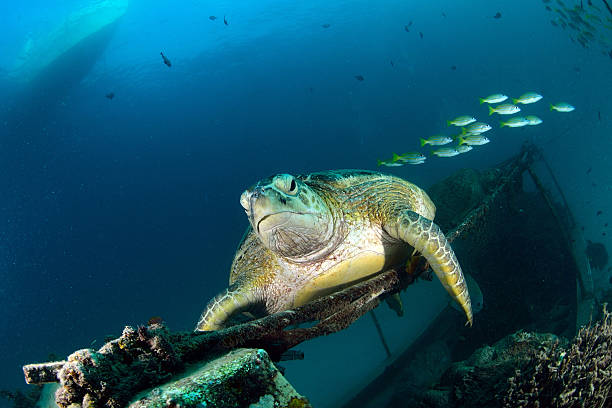
Discover Underwater Paradise: Dive into the Crystal-Clear Waters of Sipadan, Malaysia for a World-Class Scuba Adventure.
Overview of the Activity: Scuba diving in Sipadan, Malaysia, is renowned for its breathtaking marine biodiversity and vibrant coral reefs. Known as one of the top diving destinations in the world, Sipadan offers spectacular underwater encounters with an array of marine life, including schools of barracuda, green sea turtles, and reef sharks. The dive sites around Sipadan feature dramatic drop-offs, vibrant coral gardens, and an abundance of pelagic species. A typical diving experience here includes multiple dives per day over a period of 2 to 5 days, depending on your dive package and preferences.
Location: Located off the eastern coast of Sabah in Malaysian Borneo, Sipadan is celebrated for its pristine waters and diverse marine ecosystems. Access to Sipadan is usually through the nearby island of Mabul or Semporna, where accommodation and dive operators are based.
Duration: A standard scuba diving trip to Sipadan usually lasts between 2 to 5 days. This includes accommodation, multiple dives per day, and the necessary travel time to and from the island.
Estimated Cost: Diving packages in Sipadan typically range from $500 to $1,200 per person for a 3 to 4‑day trip. This cost generally includes accommodation, boat transfers, diving gear, and guided dives. Prices may vary depending on the time of year and the dive operator.
How to Get There: Fly into Tawau Airport from Kuala Lumpur or other major Malaysian cities. From Tawau, take a road transfer to Semporna, followed by a boat ride to Mabul or Sipadan Island. Most dive operators provide transfer services from Semporna to the dive sites.
Top Tip: To make the most of your Sipadan diving adventure, book your trip well in advance, as permits to dive at Sipadan are limited and highly sought after. Additionally, consider bringing your own high-quality dive gear to ensure a comfortable and enjoyable experience.
4.) Panda Spotting in the Wild in Sichuan, China

Journey into the Heart of Sichuan for an Extraordinary Encounter with the Iconic Giant Panda in Its Natural Habitat.”
Overview: Panda spotting in the wild in Sichuan, China, offers a rare and magical experience to see the giant panda in its natural environment. Unlike visiting pandas in captivity, spotting them in the wild requires trekking through lush bamboo forests and mountainous terrain. The activity usually involves guided treks with local experts who help track the elusive pandas. The experience typically spans 3 to 5 days, allowing ample time for both the journey and panda sightings.
Location:
- Wolong National Nature Reserve: Located in the Qionglai Mountains, this reserve is renowned for its efforts in panda conservation and offers some of the best chances to see pandas in the wild.
- Jiuzhaigou Valley: While primarily known for its stunning landscapes, Jiuzhaigou also provides opportunities for panda spotting in certain areas of the valley.
Duration: Panda spotting trips generally last between 3 to 5 days. This includes time for trekking, wildlife tracking, and exploring the natural beauty of Sichuan.
Estimated Cost: Expect to spend between $1,500 to $3,000 per person for a 3 to 5‑day panda spotting tour. This cost typically covers accommodation, guided treks, transportation, and park fees. Prices can vary based on the tour operator and level of service provided.
How to Get There:
- To Wolong: Fly into Chengdu, Sichuan’s capital, and then take a combination of road and possibly local transport to reach Wolong National Nature Reserve.
- To Jiuzhaigou: Fly into Jiuzhai Huanglong Airport from Chengdu or other major Chinese cities, and then take a road transfer to Jiuzhaigou Valley.
Top Tip: For the best chance of seeing a giant panda in the wild, visit during the spring or autumn months when the weather is milder and pandas are more active. Ensure you are in good physical condition for trekking and be prepared for a range of weather conditions. Hiring a reputable local guide is crucial for tracking and ensuring a respectful and eco-friendly panda spotting experience.
5.) Horseback Safari in Mongolia

Experience the Untamed Spirit of Mongolia on a Majestic Horseback Safari Across the Vast Steppes and Rugged Landscapes.
6.) Tiger Spotting in Ranthambore National Park, India
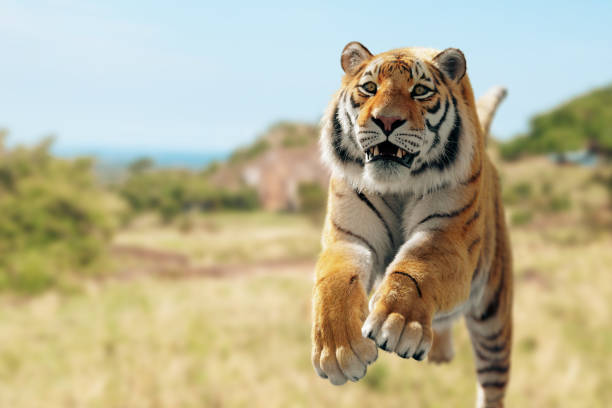
Embark on a Thrilling Safari to Encounter the Majestic Bengal Tiger in the Wilds of Ranthambore National Park, India.
Overview of the Activity: Tiger spotting in Ranthambore National Park offers a thrilling wildlife experience amidst one of India’s most renowned tiger reserves. Known for its diverse ecosystems and rich wildlife, Ranthambore provides excellent opportunities to see the Bengal tiger in its natural habitat. The safari typically involves early morning and late afternoon jeep or canter rides through the park’s varied terrain, including dense forests, open meadows, and ancient ruins. The adventure usually spans 2 to 4 days, giving you multiple chances to spot these elusive big cats and other wildlife.
Location:Ranthambore National Park: Situated in the Sawai Madhopur district of Rajasthan, India, Ranthambore is one of the largest and most famous national parks in the country. Its diverse landscapes and rich wildlife make it an ideal location for tiger spotting.
Duration: Tiger spotting safaris generally last between 2 to 4 days. This duration includes several safari rides to maximize your chances of spotting tigers and other wildlife, along with time to explore the park’s scenic beauty and historical sites.
Estimated Cost: Costs for a tiger spotting safari in Ranthambore typically range from $400 to $1,000 per person for a 2 to 4‑day trip. This price generally covers accommodation, safari vehicle fees, park entry fees, and guide services. Prices can vary based on the level of accommodation and the tour operator.
How to Get There: Fly into Jaipur, the capital of Rajasthan, from major Indian and international cities. From Jaipur, take a road transfer to Ranthambore National Park, which takes approximately 3 to 4 hours.
Top Tip: To enhance your chances of spotting a tiger, book your safari well in advance, as permits are limited and highly sought after. Opt for early morning and late afternoon safaris when animal activity is at its peak. Also, dress in neutral colors to blend into the environment and be patient, as tiger sightings can be unpredictable.
7.) Orangutan Trekking in Borneo, Malaysia/Indonesia

Venture into the Heart of Borneo for an Unforgettable Orangutan Trekking Adventure Amidst Lush Rainforests.
Overview of the Activity: Orangutan trekking in Borneo offers a rare and exhilarating opportunity to observe these incredible primates in their natural rainforest habitat. Guided treks through the dense jungles of Borneo’s protected reserves provide a chance to encounter orangutans up close while also exploring the rich biodiversity of the rainforest. The trek typically involves hiking through lush landscapes, crossing rivers, and navigating various terrains. Most trekking experiences span 3 to 7 days, allowing ample time to track orangutans and other wildlife while immersing yourself in the vibrant rainforest environment.
Location:
- Gunung Mulu National Park, Malaysia: Located in the Malaysian state of Sarawak, this UNESCO World Heritage site offers extensive rainforest and cave systems with opportunities for orangutan sightings.
- Tanjung Puting National Park, Indonesia: Situated in Central Kalimantan, this park is renowned for its orangutan rehabilitation centers and offers river cruises and treks to see orangutans in the wild.
Duration: Orangutan trekking trips usually last between 3 to 7 days. This duration allows for multiple trekking excursions, time to explore different areas, and opportunities for observing various wildlife.
Estimated Cost: Costs for orangutan trekking typically range from $1,000 to $2,500 per person for a 3 to 7‑day trip. This price generally includes accommodation, guided treks, transportation, park entry fees, and some meals. Prices may vary depending on the tour operator and the level of comfort provided.
How to Get There:
- To Gunung Mulu National Park: Fly into Mulu Airport from Kota Kinabalu or Kuala Lumpur. From the airport, park entrance and accommodation can be reached via short transfers.
- To Tanjung Puting National Park: Fly into Pangkalan Bun from Jakarta or Surabaya, then take a riverboat transfer to the park.
Top Tip: To make the most of your orangutan trekking adventure, pack lightweight, quick-drying clothing, and be prepared for humid and wet conditions. Bring a good quality pair of binoculars and a camera with a zoom lens to capture the wildlife from a respectful distance. Additionally, consider traveling during the dry season (typically May to September) to avoid heavy rains that can make trekking more challenging.
8.) Elephant Watching in Chiang Mai, Thailand
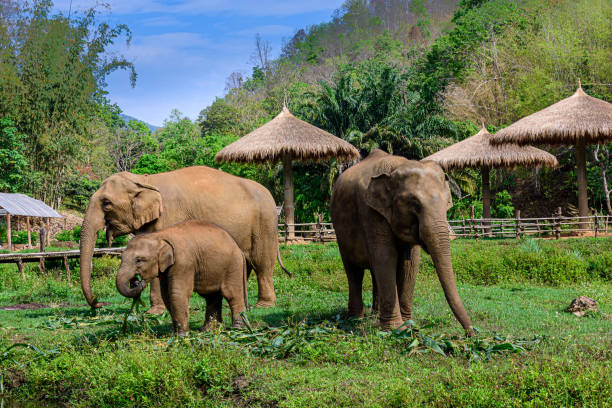
Immerse Yourself in the Tranquil Beauty of Chiang Mai with a Heartwarming Experience of Elephant Watching in Thailand.
Overview of the Activity: Elephant watching in Chiang Mai offers a unique and memorable opportunity to observe these gentle giants in their natural or semi-natural habitats. The experience typically involves visiting ethical elephant sanctuaries or reserves, where you can learn about elephant behavior, conservation efforts, and their cultural significance in Thailand. Activities often include guided tours, feeding sessions, and observing elephants as they roam freely or interact with their environment. The experience usually lasts from a half-day to a full day, providing ample time to appreciate and connect with these majestic creatures.
Location:
- Elephant Nature Park: Located just outside of Chiang Mai, this sanctuary is dedicated to the rescue and rehabilitation of elephants, offering visitors a chance to interact with and learn about them in an ethical setting.
- Elephant Jungle Sanctuary: Another popular option near Chiang Mai, this sanctuary focuses on the well-being of elephants and provides opportunities for visitors to engage in various activities while supporting ethical practices.
Duration: Elephant watching experiences typically last between half a day to a full day. Some tours offer multiple visits or extended experiences for those interested in deeper engagement with the elephants.
Estimated Cost: Costs for elephant watching experiences generally range from $80 to $200 per person for a half-day to full-day tour. This price typically includes transportation from Chiang Mai, sanctuary fees, guided tours, and sometimes meals. Prices can vary based on the sanctuary and the level of inclusivity.
How to Get There: Fly into Chiang Mai International Airport from major Thai cities or international hubs. From Chiang Mai, most sanctuaries offer transfer services, or you can arrange private transportation to reach the elephant reserves.
Top Tip: To ensure a positive and respectful experience, choose a sanctuary that follows ethical and sustainable practices, focusing on the welfare and well-being of the elephants. Wear comfortable, casual clothing and sturdy shoes suitable for walking in a natural environment. Additionally, bring along sun protection and insect repellent, as you’ll likely spend time outdoors.
9.) Sun Bear Viewing in Malaysian Borneo
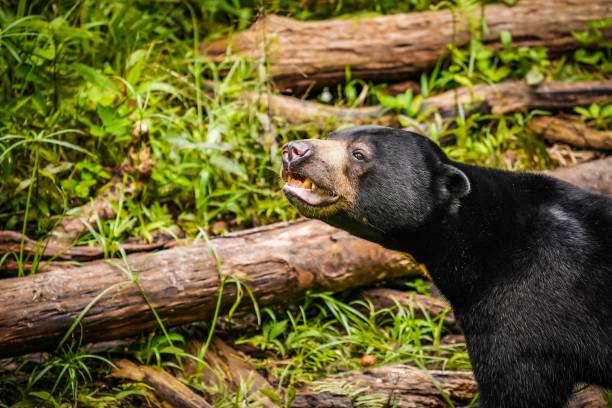
Embark on an Unforgettable Journey to Malaysian Borneo to Witness the Endearing Sun Bears in Their Natural Rainforest Habitat.
Overview of the Activity: Sun bear viewing in Malaysian Borneo offers a rare and captivating opportunity to see the world’s smallest bear species in their natural rainforest environment. Known for their distinctive golden-yellow chest markings and inquisitive nature, sun bears are a fascinating species to observe. The experience typically involves guided tours through lush rainforests and wildlife reserves, where you can watch these elusive bears forage, climb trees, and interact with their surroundings. Sun bear viewing trips generally last from half a day to several days, depending on your itinerary and the specific tour package.
Location:
- Sepilok Orangutan Rehabilitation Centre: Situated near Sandakan in Sabah, this center also offers opportunities to view sun bears at the Bornean Sun Bear Conservation Centre, which is dedicated to the rescue and rehabilitation of sun bears.
- Danum Valley Conservation Area: Located in Sabah, this pristine rainforest is another excellent location for sun bear sightings, known for its rich biodiversity and conservation efforts.
Duration: Sun bear viewing tours typically last between half a day to 3 days. This includes time for travel, guided tours, and opportunities to explore the rainforest and observe other wildlife.
Estimated Cost: Costs for sun bear viewing experiences generally range from $200 to $800 per person, depending on the duration and inclusivity of the tour. Prices typically cover accommodation, transportation, guide services, park entry fees, and sometimes meals.
How to Get There: Fly into Sandakan Airport from Kota Kinabalu or Kuala Lumpur. From Sandakan, you can access the Sepilok Orangutan Rehabilitation Centre and the Bornean Sun Bear Conservation Centre via a short road transfer. For Danum Valley, fly into Lahad Datu and take a road transfer to the conservation area.
Top Tip: For the best experience, choose a tour operator that supports conservation and ethical wildlife viewing practices. Wear lightweight, breathable clothing and bring insect repellent, as the rainforest can be humid and buggy. Binoculars and a camera with a zoom lens will enhance your viewing and photographic opportunities.
10.) Gibbon Trekking in Laos
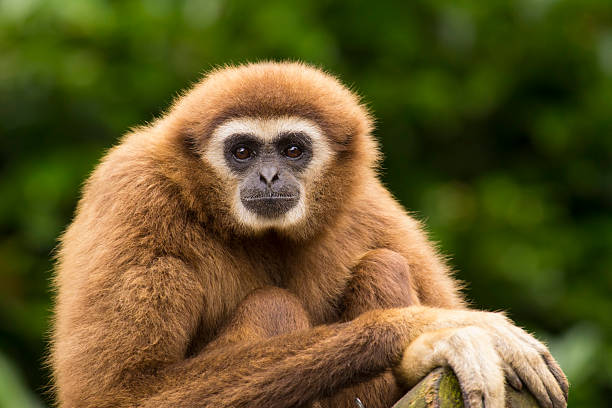
Discover the Enchanting Sounds of the Jungle with a Gibbon Trekking Adventure in the Pristine Wilderness of Laos.
11.) Komodo Dragon Watching in Komodo National Park, Indonesia
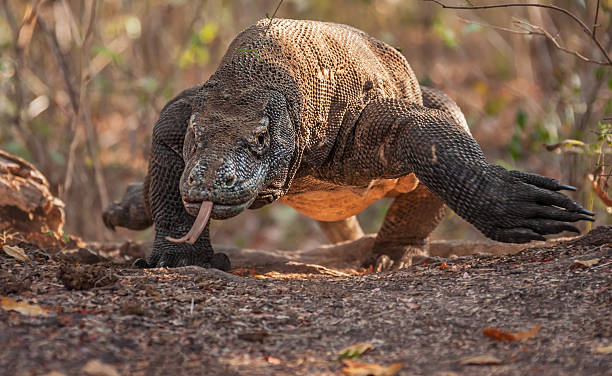
Encounter the Ancient Giants of the Dragon Realm with an Exciting Komodo Dragon Watching Adventure in Indonesia’s Pristine National Park.
Overview of the Activity: Komodo dragon watching in Komodo National Park offers a thrilling opportunity to observe the world’s largest lizard in its natural habitat. These formidable creatures, known for their impressive size and unique behaviors, are best seen on guided tours through the rugged terrain of the park. The experience typically includes guided walks, where you’ll track the dragons and learn about their ecology and conservation. The adventure usually lasts from half a day to 2 days, depending on the tour package and your interest in exploring the park’s diverse landscapes and other wildlife.
Location: Komodo National Park: Located in the Nusa Tenggara region of Indonesia, the park encompasses several islands, including Komodo, Rinca, and Padar. Komodo Island is the primary location for observing the Komodo dragons, while Rinca Island also offers excellent opportunities for sightings.
Duration: Komodo dragon watching trips generally last between half a day to 2 days. This duration allows for multiple excursions to see the dragons, as well as exploration of the park’s stunning landscapes and other wildlife.
Estimated Cost: Costs for Komodo dragon watching experiences typically range from $300 to $1,000 per person for a half-day to 2‑day tour. This price usually includes park entry fees, guided tours, boat transfers, and sometimes meals. Prices can vary based on the level of comfort and the tour operator.
How to Get There: Fly into Labuan Bajo, the gateway to Komodo National Park, from Bali or Jakarta. From Labuan Bajo, take a boat transfer to the park’s islands, with many tour operators offering organized trips and transfers.
Top Tip: To enhance your Komodo dragon watching experience, book your tour well in advance, as spots can fill up quickly, especially during peak seasons. Wear comfortable, lightweight clothing and sturdy shoes suitable for trekking. Bring sun protection, insect repellent, and a good quality camera with a zoom lens to capture the dragons from a safe distance. Follow your guide’s instructions carefully to ensure a safe and respectful encounter with these incredible reptiles.
For a full guide on visiting Komodo National Park Click Here
12.) Bird Watching in Bhutan
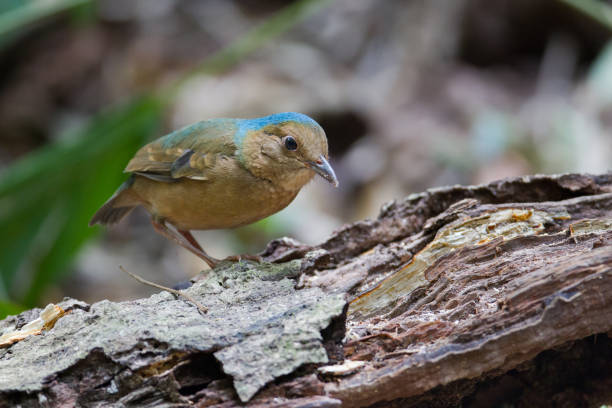
Embark on a Captivating Bird Watching Journey in Bhutan’s Untamed Wilderness, Where Rare Species and Stunning Scenery Await.
Overview of the Activity: Bird watching in Bhutan offers a unique and enriching experience in one of the world’s most pristine and biodiverse regions. With its diverse landscapes ranging from subtropical lowlands to alpine meadows, Bhutan is home to a variety of rare and endemic bird species. Guided bird watching tours typically involve trekking through lush forests, high-altitude passes, and serene valleys, where you can spot Bhutan’s avian treasures in their natural habitats. The experience generally spans 7 to 14 days, allowing ample time to explore different ecosystems and observe a wide range of bird species.
Location:
- Punakha Valley: Known for its diverse birdlife, including the rare and endangered black-necked crane. This valley offers both lowland and montane bird species.
- Phobjikha Valley: A wintering ground for the black-necked crane, this valley provides excellent bird watching opportunities, especially from October to March.
- Bumthang Valley: Offers a range of bird species in its varied habitats, from dense forests to open meadows.
Duration: Bird watching trips in Bhutan usually last between 7 to 14 days. This duration provides time to explore various birding hotspots and enjoy Bhutan’s spectacular landscapes and cultural heritage.
Estimated Cost: Costs for bird watching tours in Bhutan generally range from $3,000 to $5,000 per person for a 7 to 14-day trip. This price typically includes accommodation, transportation, guided birding tours, park entry fees, and most meals. Prices may vary based on the tour operator and the level of service provided.
How to Get There: Fly into Paro International Airport, the main gateway to Bhutan, from major Asian cities. From Paro, travel to the birding locations via road transfers arranged by your tour operator. Most bird watching tours include transportation as part of the package.
Top Tip: For the best bird watching experience, visit Bhutan during the prime birding seasons, which vary by region but generally include spring and winter. Wear comfortable, moisture-wicking clothing and bring binoculars, a spotting scope, and a camera with a good zoom lens. Bhutan’s diverse terrain can be challenging, so be prepared for varying weather conditions and ensure you have suitable hiking gear.
13.) Musk Deer Tracking in Nepal
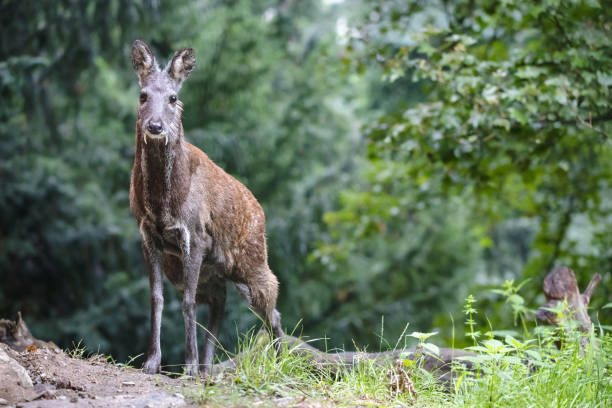
Embark on a Thrilling Expedition to Track the Elusive Musk Deer in Nepal’s Majestic Himalayan Wilderness.
Overview of the Activity: Musk deer tracking in Nepal offers an exhilarating adventure into the heart of the Himalayas to observe one of the region’s most elusive and rare species. Known for their distinctive tusks and musk glands, musk deer are typically found in the high-altitude forests and rugged terrain of Nepal. The tracking experience involves guided treks through dense forests and alpine meadows, where you’ll follow signs and tracks to locate these shy and solitary animals. The adventure usually spans 5 to 7 days, allowing time for acclimatization, trekking, and immersive wildlife observation.
Location:
- Langtang National Park: Located in the central region of Nepal, this park is known for its diverse wildlife and high-altitude ecosystems, offering excellent opportunities for musk deer tracking.
- Sagarmatha National Park: Home to the Everest region, this park provides a challenging and rewarding environment for tracking musk deer in its rugged and remote landscapes.
Duration: Musk deer tracking trips typically last between 5 to 7 days. This duration includes time for trekking, acclimatization, and observing the local wildlife, as well as experiencing the stunning Himalayan scenery.
Estimated Cost: Costs for musk deer tracking experiences generally range from $1,500 to $3,000 per person for a 5 to 7‑day trek. This price typically covers accommodation, guided treks, park entry fees, transportation, and some meals. Prices can vary based on the tour operator and level of service.
How to Get There: Fly into Kathmandu, the capital of Nepal, from major international hubs. From Kathmandu, take a domestic flight or road transfer to the nearest access point to the national parks. Many tour operators provide transportation and logistical support to reach the trekking areas.
Top Tip: To maximize your chances of spotting musk deer, schedule your trek during the cooler months of spring and autumn, when musk deer are more active and the weather is more favorable for trekking. Wear layered, moisture-wicking clothing and bring good-quality trekking boots, binoculars, and a camera with a zoom lens. Be prepared for variable weather and rugged terrain, and ensure you are in good physical condition for the trek.
14.) Dolphin Watching in the Andaman Islands, India
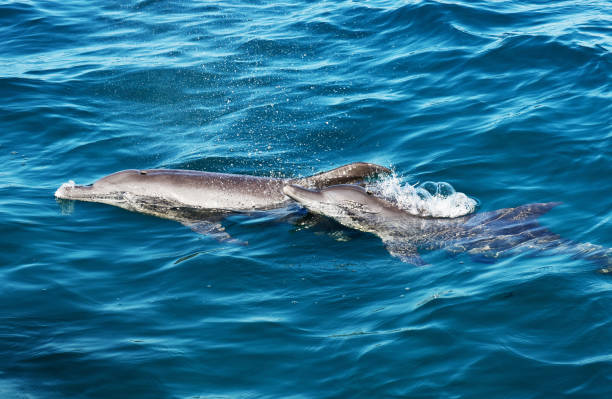
Set Sail for an Enchanting Dolphin Watching Adventure in the Crystal-Clear Waters of the Andaman Islands, India.
Overview of the Activity: Dolphin watching in the Andaman Islands provides a delightful opportunity to see playful dolphins in their natural marine environment. The Andaman Islands, with their pristine waters and rich marine biodiversity, are perfect for spotting these charming creatures. Guided boat tours take you through the serene waters where you can observe dolphins leaping and frolicking, and sometimes even interacting with the boat. The experience typically lasts from a half-day to a full day, offering ample time to enjoy the beauty of the islands and the excitement of dolphin sightings.
Location: North Andaman and South Andaman Islands: Both areas offer excellent dolphin watching opportunities, with clear waters and frequent dolphin sightings. Popular spots include around Havelock Island and Neil Island, known for their marine life.
Duration: Dolphin watching trips usually last between half a day to a full day. This allows time for traveling to the best dolphin viewing areas and enjoying the surrounding natural beauty.
Estimated Cost: Costs for dolphin watching tours generally range from $100 to $300 per person for a half-day to full-day trip. This price typically includes boat rides, guide services, and sometimes refreshments. Prices may vary based on the tour operator and the inclusivity of the package.
How to Get There: Fly into Veer Savarkar International Airport on Port Blair, the capital of the Andaman Islands, from major Indian cities like Delhi, Mumbai, or Kolkata. From Port Blair, take a ferry or additional flights to reach other islands such as Havelock or Neil, where most dolphin watching tours are based.
Top Tip: To enhance your dolphin watching experience, book your tour during the dry season from November to April when the weather is more predictable and visibility is better. Wear comfortable clothing and bring sun protection, a hat, and a camera with a zoom lens to capture the dolphins from a respectful distance. Additionally, choose a tour operator that follows eco-friendly practices to ensure a responsible and enjoyable wildlife encounter.
15.) Wildlife Safari in Yala National Park, Sri Lanka
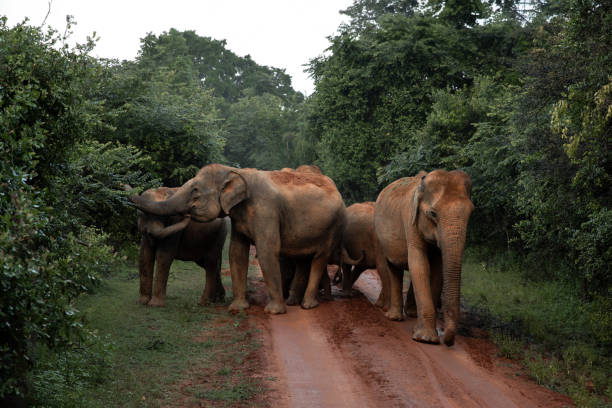
Embark on a Thrilling Wildlife Safari in Yala National Park, Sri Lanka, and Encounter the Rich Biodiversity of This Stunning Reserve.
Overview of the Activity: A wildlife safari in Yala National Park offers an exhilarating adventure through one of Sri Lanka’s most famous and diverse wildlife reserves. Known for its high density of leopards, Yala provides excellent opportunities to spot these elusive big cats, along with a range of other wildlife such as elephants, sloth bears, and a variety of bird species. The safari typically involves guided jeep tours through the park’s diverse landscapes, including dense jungles, open grasslands, and coastal areas. The experience usually lasts from half a day to 2 days, depending on your schedule and interest in exploring the park’s varied ecosystems.
Location: Yala National Park: Located in the southeastern region of Sri Lanka, Yala National Park is renowned for its wildlife diversity and stunning natural beauty. The park is divided into several blocks, with Block 1 being the most popular for safari tours.
Duration: Wildlife safari trips in Yala National Park generally last between half a day to 2 days. This allows for multiple game drives and opportunities to explore different parts of the park for optimal wildlife sightings.
Estimated Cost: Costs for wildlife safari experiences in Yala National Park typically range from $150 to $500 per person for a half-day to 2‑day safari. This price usually includes jeep rental, park entry fees, a guide, and sometimes meals. Prices can vary based on the tour operator and level of service.
How to Get There: Fly into Bandaranaike International Airport in Colombo from major international hubs. From Colombo, take a domestic flight or a road transfer to reach Yala National Park, which is approximately a 5 to 6‑hour drive from Colombo.
Top Tip: To make the most of your safari, book your tour in advance, especially during peak wildlife viewing seasons from January to April. Wear light, neutral-colored clothing to blend into the environment, and bring binoculars and a camera with a zoom lens for capturing wildlife. Early morning and late afternoon safaris are often the best times for wildlife sightings, as animals are more active during these cooler parts of the day.
Safe travels and may your wildlife viewing and journey be filled with as many incredible experiences as possible as you explore the stunning inhabitants of the beautiful continent of Asia !
