
The 15 Best Wildlife Experiences Australasia
The home of underwater wildlife viewing and adventures – Australasia aquatic paradise combines with the continent’s diverse population of rare – if deadly – land animals, to make this stunning continent a true haven for incredible wildlife viewing and adventures.
From diving with Jellyfish in Palau, coming face to face with Great White Sharks in Port Lincoln or unravelling the mystery that is a Platypus, Australasia’s stunning scenery boasts the most unique species on the planet – all found across stunning landscapes.
While Australasia offers countless thrill-seeking and wildlife vieweing opportunities, below are our top 15 bucket list worthy wildlife adventures that offer to true best of Wildlife activities within Australasia:
1.) Scuba Diving the Great Barrier Reef, Australia

Dive into an Underwater Paradise with Scuba Diving the Great Barrier Reef, Australia, and Explore One of the World’s Most Spectacular Marine Ecosystems.
2.) Quokka Selfie Adventure on Rottnest Island, Australia

Dive into the Depths of the Philippines for an Awe-Inspiring Encounter with the Gentle Giants of the Sea.
Overview of the Activity: The Quokka Selfie Adventure on Rottnest Island offers a delightful opportunity to interact with one of Australia’s most endearing creatures. Known for their friendly and photogenic nature, quokkas are small marsupials that are native to Rottnest Island. This adventure allows you to explore the island’s picturesque landscapes while seeking out these charming animals for the perfect selfie. The experience typically includes guided tours or self-guided exploration, providing tips on how to safely and respectfully approach the quokkas. The activity generally lasts between 2 to 4 hours, allowing ample time for photography and island exploration.
Location: Rottnest Island: Situated off the coast of Perth, Western Australia, Rottnest Island is renowned for its stunning beaches, clear waters, and friendly quokkas. The island is a protected environment, making it an ideal location for wildlife encounters and nature walks.
Duration: The Quokka Selfie Adventure typically lasts between 2 to 4 hours. This includes time for locating quokkas, taking photos, and enjoying the island’s scenic beauty.
Estimated Cost: Costs for the Quokka Selfie Adventure generally range from $50 to $100 per person. This price usually includes island entry fees and sometimes guided tours or advice on quokka interaction. Prices may vary depending on whether additional services or transportation are included.
How to Get There: Fly into Perth Airport from major international hubs. From Perth, take a ferry to Rottnest Island, which takes about 30 minutes. Ferries run regularly, and bookings are recommended, especially during peak seasons.
Top Tip: To get the best quokka selfies, visit early in the morning or late in the afternoon when the quokkas are more active. Approach them gently and avoid startling or feeding them, as they are wild animals. Wear comfortable clothing and sturdy shoes for exploring the island’s trails, and bring a camera or smartphone with a good quality lens. Be sure to follow local guidelines for interacting with wildlife to ensure a safe and respectful experience for both you and the quokkas.
3.) Jellyfish Lake Diving in Palau

Immerse Yourself in a Unique Underwater World with Jellyfish Lake Diving in Palau and Swim Amongst Millions of Gentle, Glowing Jellyfish.”
Overview of the Activity: Jellyfish Lake diving in Palau offers an extraordinary underwater adventure, allowing you to swim and snorkel among a remarkable population of non-stinging jellyfish in a serene lake environment. Located on Eil Malk Island in the Rock Islands, Jellyfish Lake is famous for its dense population of golden and moon jellyfish that have evolved in isolation, losing their sting in the absence of natural predators. The experience typically involves a guided snorkel or dive, providing a rare opportunity to observe these mesmerizing creatures up close. The adventure usually lasts around 3 to 4 hours, including transport, briefing, and time spent exploring the lake.
Location: Jellyfish Lake, Palau: Situated on Eil Malk Island in the Rock Islands of Palau, Jellyfish Lake is a saline lake surrounded by lush tropical forest. It’s part of the Palau National Marine Sanctuary, known for its unique ecosystem and stunning marine environments.
Duration: Jellyfish Lake diving or snorkeling generally lasts between 3 to 4 hours. This includes transport to and from the lake, a safety briefing, and time spent in the water observing the jellyfish.
Estimated Cost: Costs for Jellyfish Lake diving or snorkeling typically range from $150 to $300 per person. This price usually includes guided tours, park entry fees, snorkeling or diving gear, and sometimes refreshments. Prices may vary based on the tour operator and the level of service provided.
How to Get There: Fly into Palau’s Roman Tmetuchl International Airport from major regional hubs. From the airport, take a local transfer or join a tour that includes transportation to the Rock Islands and Jellyfish Lake. Many tour operators offer packages that include transport and guided snorkeling or diving.
Top Tip: For the best experience, plan your visit during the dry season from November to April when the weather is more predictable and water visibility is optimal. Bring a snorkel or diving mask and a wetsuit or rash guard to protect your skin from the sun and keep you comfortable in the water. Avoid wearing sunscreen or insect repellent that could harm the jellyfish or disrupt the lake’s ecosystem. Follow all local guidelines for interacting with the jellyfish to ensure a safe and enjoyable experience for both you and the delicate creatures.
4.) Great White Shark Cage Diving in Port Lincoln, Australia

Face Your Fears and Dive into Adventure with Great White Shark Cage Diving in Port Lincoln, Australia, and Get Up Close with the Ocean’s Apex Predator.
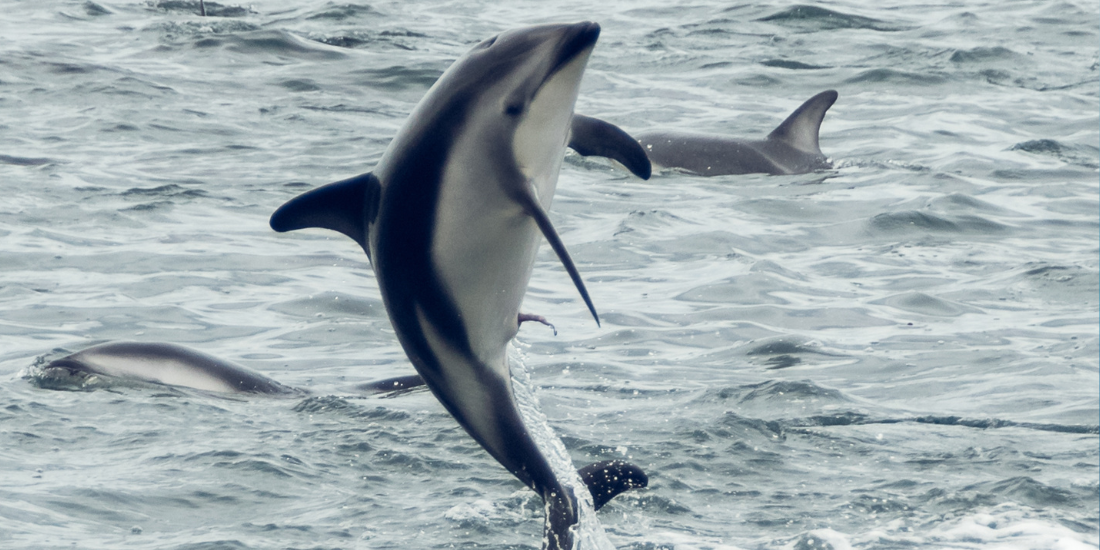
5.) Swimming with Playful Dolphins, Akaroa, New Zealand
6.) Bird Watching in Papua New Guinea

Discover the Avian Wonders of Papua New Guinea and Embark on an Unforgettable Bird Watching Adventure in One of the World’s Most Biodiverse Destinations.
Overview of the Activity: Bird watching in Papua New Guinea is a paradise for avid birders and nature enthusiasts, offering the chance to spot some of the most unique and rare bird species in the world. The country’s diverse ecosystems range from lush rainforests and alpine meadows to coastal wetlands, providing habitats for over 700 bird species, including many endemics like the magnificent Bird of Paradise. Guided by experienced local birding experts, you’ll explore various regions and gain insight into the rich avian diversity. The activity typically spans several days, allowing you to visit multiple birding hotspots and maximize your sightings.
Location: Papua New Guinea: The country boasts several prime bird-watching locations, including the Sepik River Basin, the highlands of Tari and Mount Hagen, and the coastal forests of Varirata National Park. Each region offers different bird species and habitats, enhancing the overall bird-watching experience.
Duration: Bird watching tours in Papua New Guinea usually last from 3 to 10 days, depending on the itinerary and the number of birding sites included. Tours are designed to cover diverse habitats and increase the likelihood of spotting a wide variety of bird species.
Estimated Cost: Costs for bird-watching tours in Papua New Guinea typically range from $2,000 to $5,000 per person. This price usually includes accommodation, meals, transportation, guided tours, and park entry fees. Prices may vary based on the length of the tour, the level of comfort provided, and the inclusivity of the package.
How to Get There: Fly into Port Moresby, the capital of Papua New Guinea, from major international hubs. From Port Moresby, domestic flights or road transfers are needed to reach various bird-watching locations. Many tour operators offer comprehensive packages that include transportation to and from birding sites.
Top Tip: To maximize your bird-watching experience, plan your trip during the optimal seasons, generally from April to September, when bird activity is high and conditions are more favorable. Bring high-quality binoculars and a field guide for Papua New Guinea’s birds. Be prepared for varying weather conditions and terrain by packing appropriate clothing and gear. Respect local wildlife guidelines and follow your guide’s instructions to ensure a safe and respectful interaction with the birds and their habitats.
7.) Great Crab Migration on Christmas Island, Australia
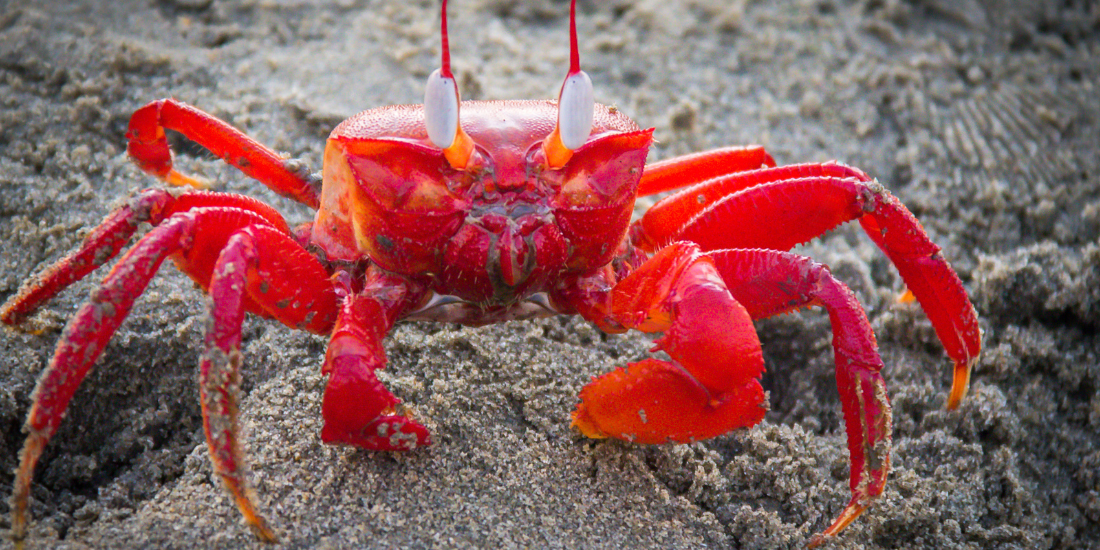
Witness the Spectacular Great Crab Migration on Christmas Island, Australia, and Experience One of Nature’s Most Extraordinary Wildlife Events.”
Overview of the Activity: The Great Crab Migration on Christmas Island is a breathtaking natural phenomenon where millions of red crabs embark on a mass migration from the forest to the sea to spawn. This incredible journey typically occurs annually between October and December, coinciding with the rainy season. During the migration, the island transforms into a living spectacle as the crabs move across roads, forests, and beaches. Guided tours and self-guided exploration options are available, offering opportunities to witness this impressive event up close. The activity usually spans a few days, allowing ample time to observe the crabs’ migration and learn about their behavior and conservation efforts.
Location: Christmas Island, Australia: Located in the Indian Ocean, approximately 2,600 kilometers northwest of Perth, Christmas Island is renowned for its unique biodiversity and the annual red crab migration. The island’s diverse landscapes provide a dramatic backdrop for this natural event.
Duration: The Great Crab Migration experience typically lasts between 2 to 4 days. This includes time for guided tours, self-guided exploration, and observing various stages of the migration, depending on the timing of your visit.
Estimated Cost: Costs for experiencing the Great Crab Migration generally range from $200 to $500 per person, depending on the type of tour and accommodation. This price usually includes guided tours, park entry fees, and sometimes transportation or accommodations. Prices may vary based on the tour operator and the inclusivity of the package.
How to Get There: Fly into Christmas Island from major Australian cities like Perth or Jakarta, with flights often connecting through one of these hubs. From the airport, various accommodations and tour operators on the island offer packages and transport to key migration sites.
Top Tip: To make the most of your visit, plan your trip to coincide with the peak migration period, which typically occurs during the first major rainfall of the wet season. Wear comfortable clothing and sturdy shoes, as the migration often involves walking through muddy and uneven terrain. Bring a camera with a good zoom lens to capture the scale of the migration, and follow all local guidelines to avoid disrupting the crabs’ natural behavior. Consider joining a guided tour for expert insights and the best viewing spots.
8.) Platypus Watching in Victoria, Australia

Discover the Elusive Charm of Platypus Watching in Victoria, Australia, and Catch a Glimpse of One of Nature’s Most Unique Mammals in Its Natural Habitat.”
Overview of the Activity: Platypus watching in Victoria provides a rare opportunity to observe one of Australia’s most intriguing and elusive mammals in its natural environment. The platypus, known for its distinctive bill and semi-aquatic lifestyle, is best seen during early morning or late evening when they are most active. Guided tours often take you to serene waterways and forested areas where platypuses are known to forage and swim. The experience typically includes wildlife spotting, educational insights about the platypus, and the chance to enjoy the tranquil beauty of Victoria’s landscapes. The activity usually lasts between 2 to 4 hours, depending on the time of day and the location of the tour.
Location: Victoria, Australia: Key locations for platypus watching in Victoria include the Yarra Valley, the Great Otway National Park, and the Lake Elizabeth area. These regions offer ideal habitats for platypuses, featuring clean, slow-moving rivers and lush surrounding forests.
Duration: Platypus watching tours generally last between 2 to 4 hours. This includes the time for transportation to the viewing locations, a guided search for platypuses, and briefings about their habits and conservation status.
Estimated Cost: Costs for platypus watching tours typically range from $100 to $250 per person. This price usually covers the guided tour, park entry fees, and sometimes refreshments. Prices may vary depending on the tour operator and the inclusivity of the package.
How to Get There: Fly into Melbourne Airport from major international hubs. From Melbourne, take a drive to the designated platypus watching areas, which are generally within a 2 to 4‑hour drive from the city. Many operators offer tours that include transportation from Melbourne or other nearby cities.
Top Tip: For the best chance of seeing a platypus, book your tour during the early morning or late evening, as these are the times when platypuses are most active. Wear warm, water-resistant clothing and bring binoculars for a closer view. Be prepared for possible damp or chilly conditions, and follow your guide’s instructions to minimize disturbance to the wildlife. Consider joining a small-group tour for a more personalized experience and greater flexibility in spotting these elusive creatures.
9.) Diving in Paradise at Tuvalu
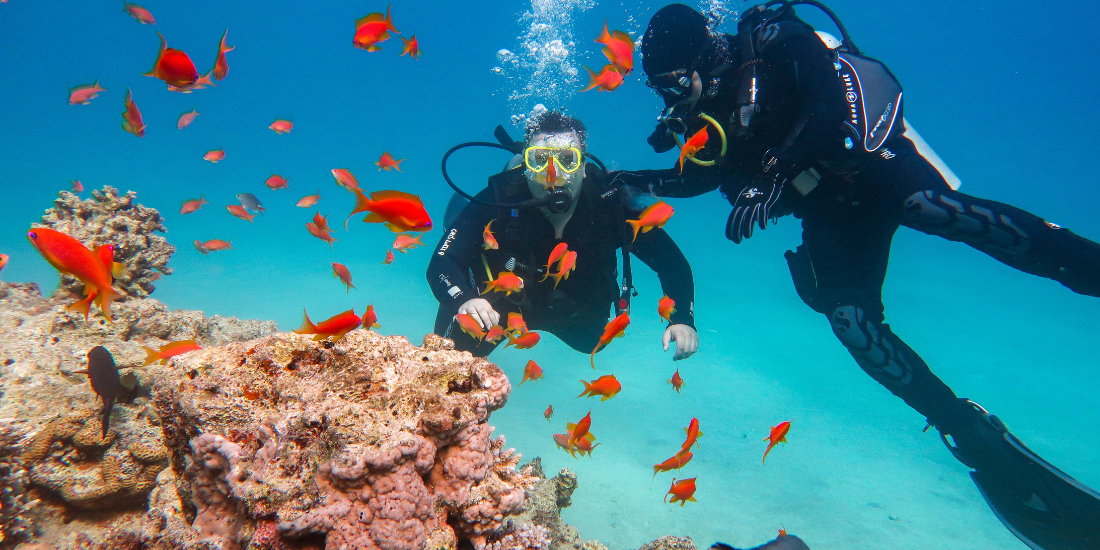
Explore the Unspoiled Beauty of Tuvalu with Diving Adventures in One of the World’s Least-Visited Coral Reefs and Discover a Hidden Underwater Paradise.
Overview of the Activity: Diving in Tuvalu offers a rare and tranquil escape into an underwater world that remains largely untouched by mass tourism. This Pacific island nation is renowned for its pristine coral reefs, clear turquoise waters, and vibrant marine life. Divers can explore a variety of dive sites, including coral gardens, drop-offs, and underwater pinnacles, teeming with colorful fish, sea turtles, and unique marine species. The diving experience in Tuvalu is characterized by its serene environment and minimal crowds, providing an intimate and memorable underwater adventure. Dive trips typically last 2 to 4 hours, including boat transport, briefings, and time spent exploring the reefs.
Location: Tuvalu: Situated in the central Pacific Ocean, Tuvalu is one of the smallest and least-visited countries in the world, composed of a chain of atolls and reef islands. The dive sites are spread across various atolls, including Funafuti Atoll, which is the main hub for diving activities.
Duration: Diving trips in Tuvalu generally last between 2 to 4 hours. This includes the time for boat transport to the dive sites, the dive itself, and any necessary briefings or surface intervals.
Estimated Cost: Costs for diving in Tuvalu typically range from $100 to $250 per dive. This price generally includes the boat trip, diving equipment rental, and guided dives. Prices may vary depending on the tour operator and the number of dives included.
How to Get There: Fly into Funafuti International Airport, the main gateway to Tuvalu, from major hubs like Fiji or Australia. From there, you can access local dive operators and accommodations. Given Tuvalu’s remote location, flights are limited and often require connections through other Pacific islands.
Top Tip: For the best diving experience, visit during the dry season from April to October, when visibility is at its best and weather conditions are more favorable. Bring your own high-quality dive gear if possible, as equipment rental options may be limited. Be prepared for a low-key and intimate diving experience with fewer crowds, and take the opportunity to enjoy the pristine and largely untouched underwater landscapes. Always follow local guidelines and environmental practices to protect the delicate marine ecosystems and ensure a responsible diving adventure.
10.) Whale Watching and Extreme Marine Adventure in Kaikoura, New Zealand
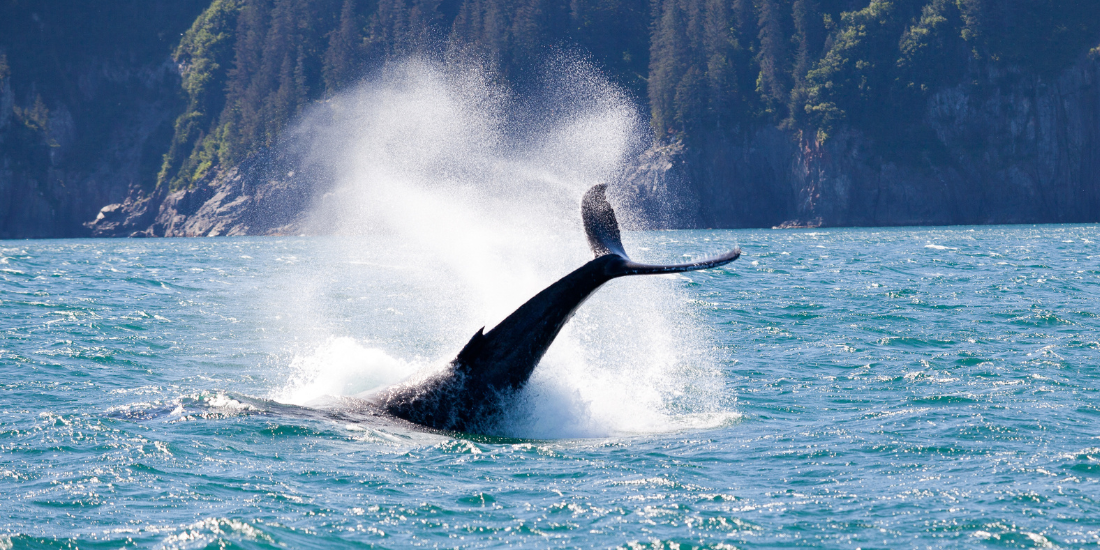
Embark on an Unforgettable Whale Watching and Extreme Marine Adventure in Kaikoura, New Zealand, and Witness Majestic Whales and Thrilling Ocean Excitement in One Stunning Location.”
11.) Koala Tracking and Kangaroo Encounter in the Grampians, Australia
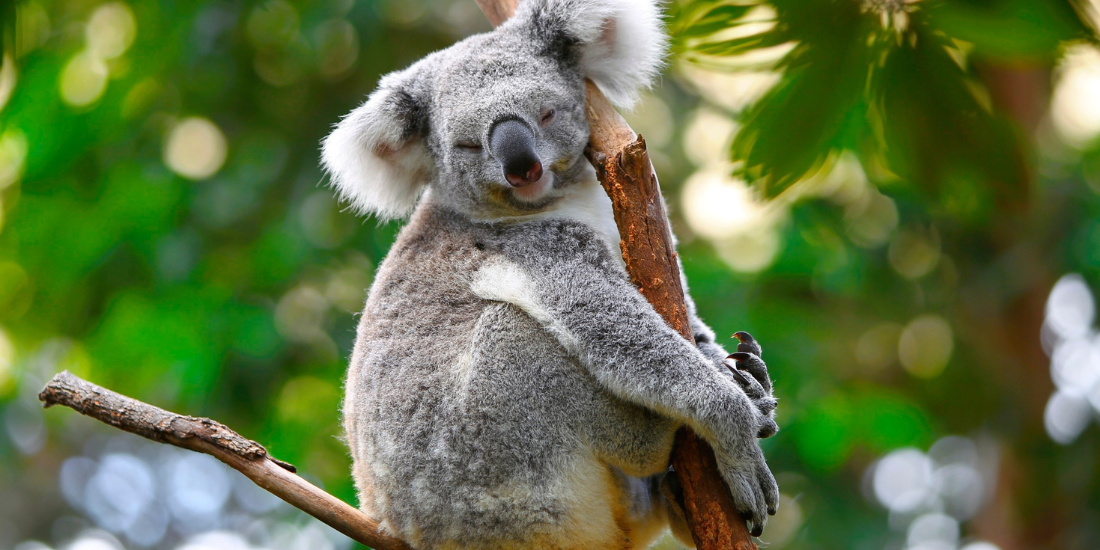
Discover the Charms of Australian Wildlife with Koala Tracking and Kangaroo Encounters in the Scenic Grampians, and Connect with Two of Australia’s Most Iconic Animals in Their Natural Habitat.”
Overview of the Activity: Koala tracking and kangaroo encounters in the Grampians offer a unique opportunity to observe these quintessential Australian animals in a stunning natural setting. The Grampians National Park, known for its rugged landscapes and rich biodiversity, provides ideal conditions for wildlife spotting. During the activity, you’ll embark on guided walks through eucalyptus forests and open woodlands, where you can track koalas and spot kangaroos in their natural environment. The experience typically includes educational insights about these animals’ habits and conservation status. The adventure usually lasts between 3 to 5 hours, allowing ample time for wildlife observation and exploration.
Location: Grampians National Park, Victoria, Australia: Located in Victoria’s western region, the Grampians National Park is renowned for its dramatic mountain ranges, diverse ecosystems, and abundant wildlife. It provides an excellent backdrop for tracking koalas and encountering kangaroos in their natural habitats.
Duration: Koala tracking and kangaroo encounter tours generally last between 3 to 5 hours. This includes guided walks, time for wildlife observation, and often some educational briefings about the animals and their environment.
Estimated Cost: Costs for koala tracking and kangaroo encounter tours typically range from $100 to $200 per person. This price usually includes the guided tour, park entry fees, and sometimes refreshments or transportation. Prices may vary based on the tour operator and the inclusivity of the package.
How to Get There: Fly into Melbourne Airport from major international hubs. From Melbourne, drive to the Grampians National Park, which is approximately a 3‑hour drive. Alternatively, you can join a tour package that includes transportation from Melbourne to the park.
Top Tip: To increase your chances of spotting koalas and kangaroos, plan your visit during the cooler parts of the day, such as early morning or late afternoon when these animals are more active. Wear comfortable walking shoes and dress in layers to accommodate varying weather conditions. Bring binoculars for a closer view and a camera to capture the wildlife and scenic beauty. Follow your guide’s instructions to minimize disturbance to the animals and ensure a respectful wildlife experience. Consider booking your tour in advance, especially during peak seasons, to secure your spot and enjoy a more personalized adventure.
12.) Watching the March of the Penguins, Phillip Island, Australia.

Experience the Magic of the Penguin Parade on Phillip Island, Australia, and Witness the Enchanting March of Little Penguins as They Return to Their Burrows at Dusk.”
Overview of the Activity: The Penguin Parade on Phillip Island offers a mesmerizing wildlife spectacle where you can observe the world’s smallest penguins, known as Little Penguins, as they make their way from the ocean to their burrows each evening. This natural event occurs at sunset, when the penguins emerge from the sea and waddle across the beach in large groups. The experience typically includes viewing platforms and boardwalks for optimal observation, along with educational presentations about the penguins’ behavior and conservation. The adventure usually lasts around 2 to 3 hours, including time for arrival, viewing, and departure.
Location: Phillip Island, Victoria, Australia: Phillip Island is located about 140 kilometers southeast of Melbourne and is renowned for its wildlife attractions, including the famous Penguin Parade. The island offers scenic coastal landscapes and a range of facilities for visitors.
Duration: The Penguin Parade experience generally lasts between 2 to 3 hours. This includes the time for transportation to the viewing area, observing the penguins, and any additional educational presentations or activities.
Estimated Cost: Costs for the Penguin Parade adventure typically range from $30 to $70 per person. This price usually includes admission to the Penguin Parade viewing areas. Additional costs may apply if you opt for guided tours, transportation packages, or premium viewing options.
How to Get There: Fly into Melbourne Airport from major international hubs. From Melbourne, Phillip Island is approximately a 1.5 to 2‑hour drive. You can also join a tour package from Melbourne that includes transportation to and from Phillip Island, which often provides a convenient option for visitors.
Top Tip: To make the most of your visit, arrive early to secure a good viewing spot, as the area can get busy during peak times. Dress warmly and bring layers, as it can get chilly in the evening. Follow all guidelines provided to ensure you respect the penguins and their habitat, including keeping noise levels low and using only designated paths. Consider bringing a small camera with a zoom lens to capture the event, but remember that flash photography is not allowed to avoid disturbing the penguins. For a more immersive experience, explore additional Phillip Island attractions like the Koala Conservation Centre or the Nobbies Centre.
13.) Cage of Death and Kakadu Adventure, Australia
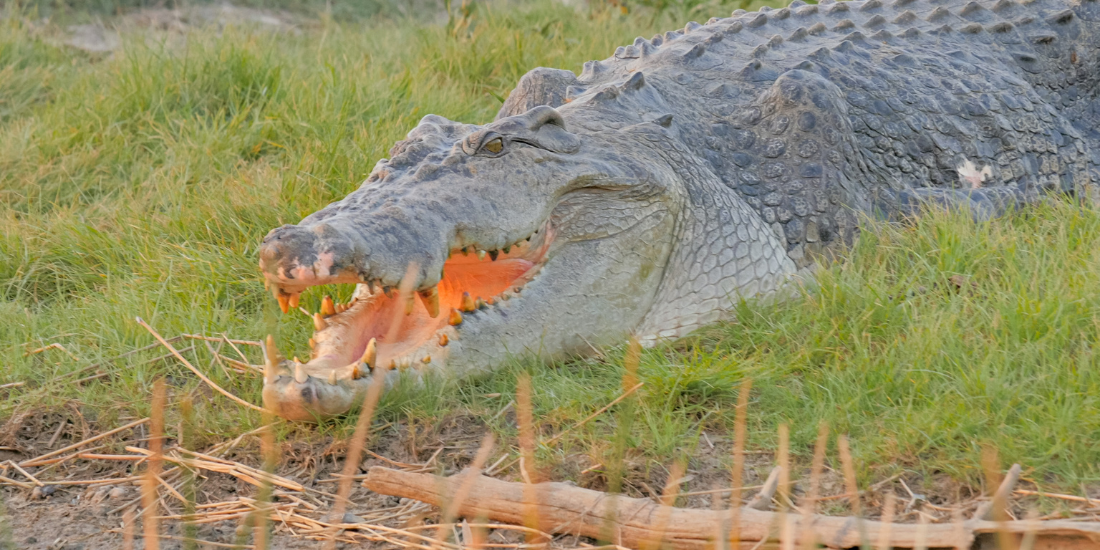
Dare to Conquer Your Fears with the Cage of Death and Embark on a Thrilling Kakadu Adventure in Australia, Combining Close Encounters with Crocodiles and Exploration of a UNESCO World Heritage Site.
14.) Snorkeling with Sea Turtles in Tuvalu
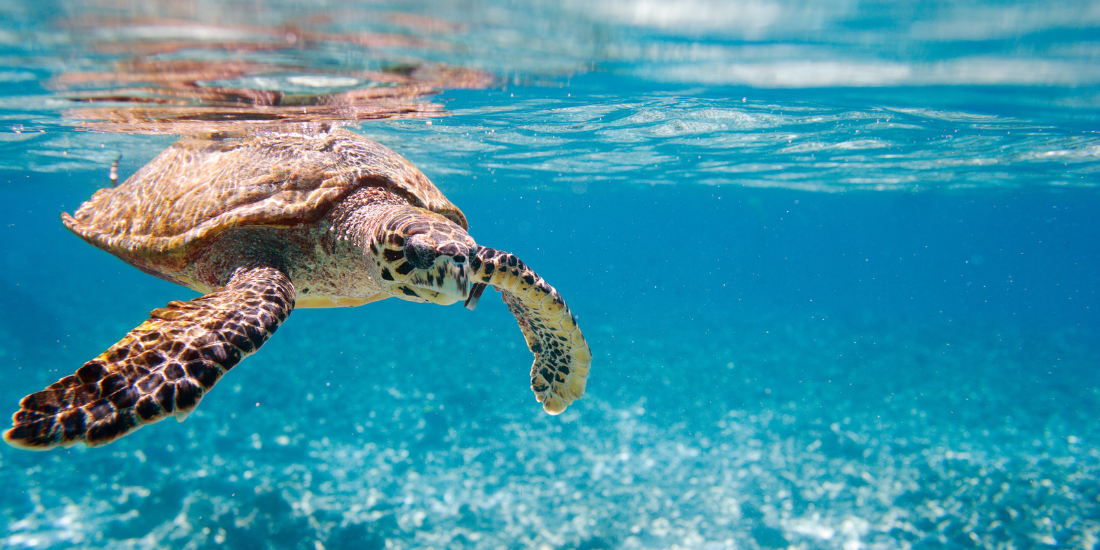
Dive into an Unforgettable Underwater Adventure and Snorkel with Majestic Sea Turtles in the Pristine Waters of Tuvalu, a Hidden Gem of the Pacific.
Overview of the Activity: Snorkeling with sea turtles in Tuvalu offers a serene and magical underwater experience in one of the world’s least-visited tropical paradises. The activity involves exploring the crystal-clear waters around Tuvalu’s atolls, where you can encounter green sea turtles and hawksbill turtles gracefully gliding through their natural habitat. Guided snorkeling tours ensure a safe and immersive experience, providing insights into the marine ecosystem and the behavior of these gentle giants. The adventure typically lasts between 2 to 4 hours, including boat transport to the snorkeling sites, briefing, and time spent in the water.
Location: Tuvalu: Located in the central Pacific Ocean, Tuvalu consists of a series of atolls and reef islands. Key snorkeling spots are often found around Funafuti Atoll, the largest and most accessible atoll, where you can find vibrant coral reefs and abundant marine life.
Duration: Snorkeling with sea turtles usually lasts between 2 to 4 hours. This includes time for boat travel to the snorkeling sites, equipment fitting, and the snorkeling activity itself.
Estimated Cost: Costs for snorkeling with sea turtles in Tuvalu typically range from $150 to $300 per person. This price generally includes the boat trip, snorkeling gear, guide services, and sometimes refreshments. Prices may vary depending on the tour operator and the inclusivity of the package.
How to Get There: Fly into Funafuti International Airport, the main gateway to Tuvalu, from major hubs like Fiji or Australia. From the airport, you can access local snorkeling operators who offer trips to the best sea turtle snorkeling locations.
Top Tip: To enhance your snorkeling experience, visit during the dry season from April to October, when water visibility is optimal and weather conditions are more favorable. Bring your own snorkeling gear if possible, as rental options may be limited. Wear a reef-safe sunscreen to protect both your skin and the marine environment. Follow all guidelines provided by your guides to ensure respectful and safe interactions with the sea turtles. Consider booking in advance, especially during peak travel seasons, to secure your spot and enjoy the tranquility of Tuvalu’s underwater paradise.
15.) Kiwi Night Trek in New Zealand
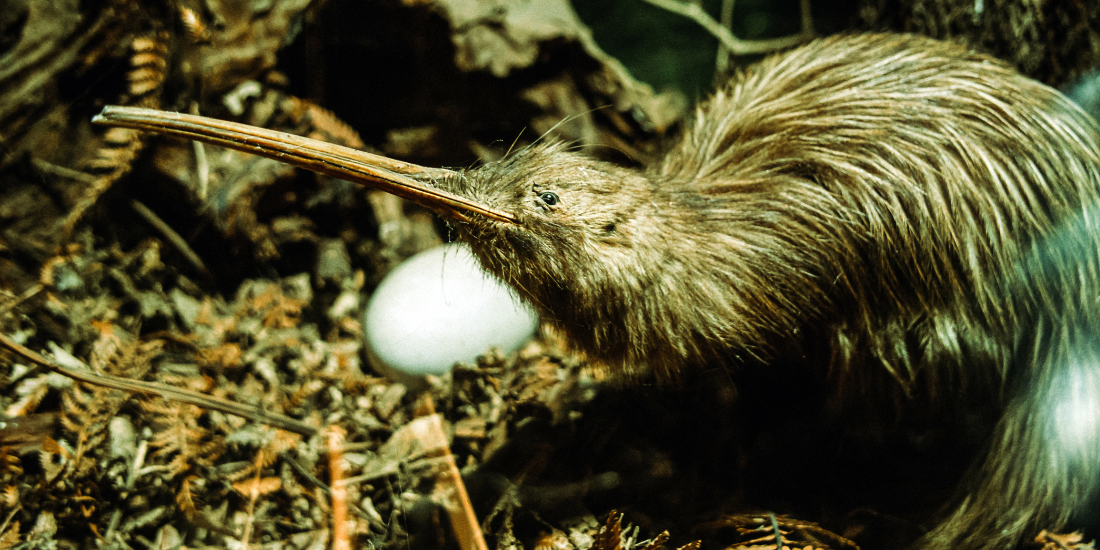
Embark on a Kiwi Night Trek in New Zealand and Experience the Enchanting Quest to Spot the Elusive Kiwi Bird Under the Starlit Sky.
Overview of the Activity: The Kiwi Night Trek offers a unique opportunity to observe New Zealand’s iconic but elusive kiwi bird in its natural nocturnal habitat. As these flightless birds are primarily active at night, this guided tour takes you through lush forests and protected reserves after dark, enhancing your chances of spotting these rare creatures as they forage for food. The trek includes educational insights about the kiwi’s behavior, conservation status, and the broader ecosystem. The adventure typically lasts between 2 to 4 hours, with a focus on stealth and quiet to minimize disturbance to the wildlife.
Location: New Zealand: The Kiwi Night Trek can take place in various locations throughout New Zealand, with popular spots including the Zealandia Eco-Sanctuary in Wellington, the Orokonui Ecosanctuary near Dunedin, and other conservation reserves known for kiwi populations. Each location offers a different setting and ecosystem, providing unique opportunities to observe the kiwi.
Duration: The Kiwi Night Trek generally lasts between 2 to 4 hours. This includes the trek itself, time for wildlife observation, and any educational briefings or introductions provided by the guide.
Estimated Cost: Costs for the Kiwi Night Trek typically range from $100 to $200 per person. This price usually includes the guided tour, park entry fees, and sometimes refreshments or transportation. Prices may vary based on the tour operator and the inclusivity of the package.
How to Get There: Fly into major New Zealand cities like Wellington or Dunedin, depending on the location of your chosen Kiwi Night Trek. From these cities, you can access the respective reserves or sanctuaries by car or local transport. Many tour operators offer packages that include transportation from the city to the trekking site.
Top Tip: For the best experience, dress warmly and wear comfortable, dark-colored clothing to blend into the environment and avoid startling the kiwis. Bring a flashlight with a red filter to minimize light disturbance, as bright lights can interfere with wildlife activity. Arrive early to familiarize yourself with the area and receive any necessary instructions from your guide. Keep noise to a minimum and follow all guidelines provided to ensure a respectful and successful observation of the kiwi birds. Booking your trek in advance is recommended, especially during peak travel seasons, to secure your spot and enhance your chances of a memorable wildlife encounter.
Safe travels and may your wildlife viewing and journey be filled with as many incredible experiences as possible as you explore the stunning inhabitants of the beautiful continent of Australasia!
