Baalbek
Overview:
The ‘City of the Sun’ – the vast, imposing and simply stunning the ruins of Baalbek stand as not only the most impressive, well preserved, and ancient site in the Middle East, but with its archaeological and historical significance, combined with the extravagant and immense temples, shrines, and statues that remain within this rural and wild desert setting, there’s not only a sense of the undiscovered and mystery across this stunning site, but an undoubted confirmation that the great city and ruins of Baalbek stands as one of the great wonders of the world.
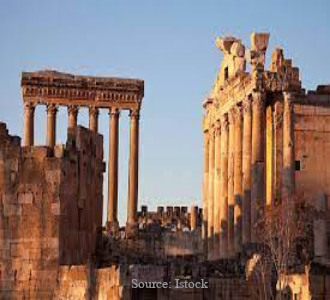
Found inside Lebanon and home to the largest Roman Temple ever built, Baalbek – which is also known by the name ‘Heliopolis’ – benefits from some of the best of Roman Architecture, including the mighty Jupiter Temple which is believed to be the grand envisagement of the Roman Emperor Piu, as well as featuring the remains of some of the best architectural genius and inspiration of the Phoenicians, Arabian, Greeks and others who have at one point called the city of Baalbek their own.
History: Yet despite the vast diverse multi-cultured array of established archaeological wonders, that draws inspiration from and was once a holy site and centre for both Christian and Islamic worship, the history of Baalbek remains clouded in mystery. With the first recorded findings and references to this wonder dating back to 8,000 B.C and believed to have been established thanks to its close proximity to the fertile land and rivers and lake of the Beqaa valley by the Phoenicians to whom the construction of the first temples – including the temple of the sky god Baal — are accredited.
How the temples and city fell from the Phoenicians remains unknown, but what is established is that the city of Baalbek was conquered and developed firstly by the Greeks in the 4th century (Ad), then Alexander the Great in the 5th Century (Ad) before passing into Roman Hands under Julius Caeser in the 1st Century (BC) under which not only was Baalbek renamed to Heliopolis but in which the temples of Bacchus, Jupiter and Venus – which stand as some of the mightiest at the site would be erected.
At the fall of the Roman Empire, Baalbek would slowly begin to fall to ruins thanks to a series of earthquakes and neglect and would pass from the Otterman to Byzantine to Arab ownership before finding its modern-day home in Lebanon in 1920 and remaining an integral part of the country to this day – serving as a major and prominent tourist attraction and the jewel of Lebanon.
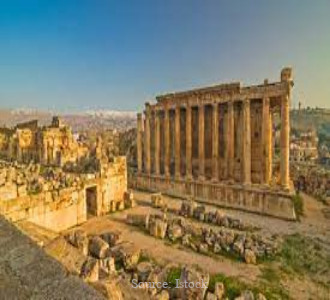
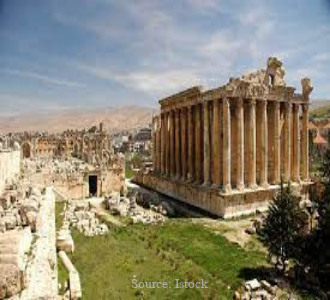
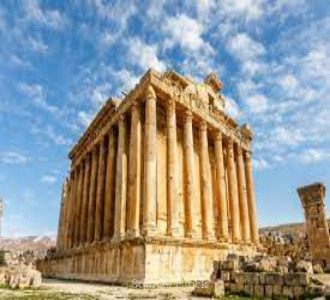
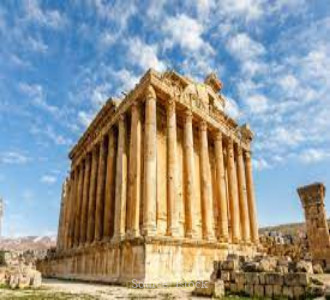
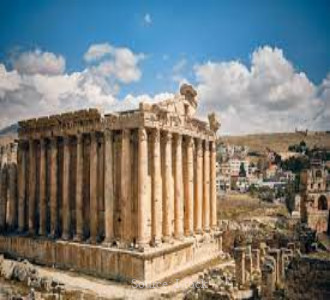
Explore: Easy to explore on both a road trip, self-guided or paid tour, a trip around the remains of ruins of Baalbek is truly awe-inspiring as explorers’ step back through time and get to admire the towering and imposing ruins of some of the best of this ancient city, including six of the original 54 columns – which stretch some 20 metres in height – of the Jupiter Temple, the mighty and incredibly well preserved temple of Bacchus – which stands bigger than the Parthenon (but smaller than Jupiter) and which houses 8 columns wide and 15 deep with incredible still remaining carvings of Lions on its entry and the third century temple of Venus – which stands on a horseshoe platform and is still used as a shrine to this day.
To walk amongst these temples and their ruins is truly inspirational – and yet the rich history and wonder of Baalbek extends further, with explorers able to take in further remains and ruins of this wonderous site including the mammoth Roman stone of the pregnant woman, which is believed to have been a tribute to the god fertility and stands as one of the largest artifacts at Baalbek to ever be discovered, the well preserved stairs that lead to the site that once hosted the great Temple of Mercury and the Sayeda Khawla Shrine which encompasses truly breath-taking Arabesque architecture and is believed to act as a source of blessing for all whom cast their eyes upon the shrine.
Magical at sunset, Baalbek is also home to a joyous International Music Festival – a true party that takes place within the grounds of the wonder of Baalbek and which attracts international music stars making for an incredible way to experience the wonder and it’s most vibrant, Baalbek’s beauty is further found not only in its incredible ruins, preserved temples and rich history – but also in the sheer feet of the construction of the temples by the various civilisations which have called Baalbek home over its rich history.
No more so is this underlined when we consider that some of the cornerstone of the three iconic temples of Baalbek – Jupiter, Bacchus and Venus – clock in at more than 100 tons in weight individually – and yet somehow the Romans and those who contributed to the construction of these temples found a way to transport them hundreds of miles from neighbouring valleys to Baalbek and stock them tens of metres high – a feat which both remains unexplained today and underlines the sheer architectural brilliance that lies at this incredible site.
Truly special and one of the most fascinating and unique places on the Planet, Baalbek does lie close to the Beqaa Valley and the Syrian border, both of which lie under the threat of terror and require explorers to exercise extreme caution when visiting. Yet with proper guidance and safety, there’s no reason that this incredible city – which stands not just as a truly fascinating historical site filled with immense ruins, temples, shrines and statues – cannot be enjoyed by all, with the ancient city of Baalbek remaining not just as an incredibly important historically, architecturally and religious site but as one of the greatest wonders of the world.
Where:
The jewel of Lebanon, Baalbek lies in the east of the country close to Litani River in the beautiful and historical Beqaa Valley – just over 40 miles northeast of the capital of Lebanon Beirut.
Truly beautiful, this historically and architectural wonder stands as the current capital of the Baalbek-Hermel Government – and yet given its current location – close to both the Beqaa Valley and the border of Syria, which sadly have both seen consistent and deadly fighting and civil wars over the last decade, explorers to the wonder of Baalbek should exercise increased caution and safety practices when visiting, and ensure they take appropriate routes and transport when getting to the ancient city of Baalbek.
Getting There:
Truly special to visit, access to Baalbek is easily found from across Lebanon, however given its location – set so close to the Syrian Border and within the Beqaa Valley – taking the appropriate route to reach Baalbek is not only essential for your exploration of this wonder but is essential for guaranteeing your safety.
First off it is essential that anyone heading to Baalbek does so from inside Lebanon – as opposed to crossing over from the Syrian border to enter the Beqaa Valley and heading onto Baalbek. To take this route explorers will need to fly into Lebanon – and you’ll find there is no direct flight into Baalbek or the surrounding areas – so you’re best – and realistically only – option is to fly into Beirut international airport – which is well serviced by both Istanbul and Doha for those travelling internationally – and from where you can begin your journey to Baalbek.
From Beriut: 42 miles away from Baalbek – Beirut makes for an excellent and convenient base to head to Baalbek – and there are four main options from which you can seek to get there; a guided tour, self-drive, public transport or public transport – with each option representing a great way to get to this wonder.
Tour: Starting with the tours – which will leave either direct from the airport of by collecting you from your hotel in Beirut, tours represent the easiest, safest and most relaxed way to explore the ancient city of Baalbek, and you can be sure not only of a safe journey to the wonder but also the services of a guide who will take you round the ancient ruins and ensure you get to hit all the great photo locations in the ancient city, fully capturing and exploring all of the ancient temples, statues and ruins of the wonder of Baalbek.
Alongside this on a guided tour you can no doubt expect to not only immerse yourself in the history and beauty of Baalbek, but snack at the famed Patisserie Jawhari for lunch – where those with a sweet tooth can indulge in the cream dish of a Namoura bel Ashta” – before then heading back safely to Beirut before dark after an incredible day at the wonder of Baalbek.
Self-Drive: For those who want to head to Baalbek with more freedom and adventure – and give themselves as much time as they desire at the wonder – which includes the opportunity to take in one of the incredible sunsets at this ancient city – then we’d advise self-driving. A method only to be undertaken by those confident in their driving skills and are prepared for potentially hazardous and traffic heavy conditions – cars can be easily hired from across Beirut including at the airport and at numerous rental shops – and from the center of Beirut you can expect an hour or so drive to Baalbek – which should be straight shot down the well named Zahlé – Baalbek Highway.
A bumpy and at times challenging drive – the road to Baalbek is sadly paved with bland desert and highway scenery, yet after a short period of driving you can expect to reach this incredible wonder – where you’ll have the freedom to explore this incredible ancient site – and its many temples, sites and statues at your leisure – giving you one of the best possible experiences at this ancient wonder.
Best of all though you also have the freedom – which isn’t always offered on a guided tour to stay for sunset and watch as the descending sun light up the ancient temple and provides an incredible kaleidoscopic bright background for stunning photos and views of this amazing historical site. A truly special view – we’d advise making sure you head back as soon as the sun sets – to make sure you minimize you time driving in the dark on the way back to Beirut.
Taxi / Uber: One of the best ways to see Baalbek for those who want to explore the site on their own schedule – for those who would like to consider the self drive option and the freedom it brings but don’t fancy driving – there is also a further option available, which is to book a taxi / uber to Baalbek. An option that will be a touch more expensive than driving there yourself – and something that we’d only advise for groups of 4 or more and certainly not for female solo travelers – booking an Uber from Beirut to Baalbek should be straightforward – however for getting back we’d encourage you to schedule one in advance – or find yourself at the mercy of the various taxi drivers and unlicensed cabs who flock to Baalbek towards the late afternoon and where’ll you find not only the prices inflated but also potentially safety risks if you should be unlucky enough to choose the wrong cab.
Bus: Finally for the budget conscious traveler there is also the option of public transport to Baalbek. A route that will undoubtedly save you money – but will cut down on your time at the wonder and see you dependent on potentially unreliable and unscheduled buses – for those wanting to take public transport to Baalbek then the bus will undoubtedly be your best option.
To hop on the bus firstly your best option is to head to the Cola Intersection in Beirut – where buses leave frequently although only when 8–10 people are onboard – and you’ll also find that the buses are unmarked so don’t be afraid to ask around to make sure you are on the right bus. Once on the bus and it sets off you’ll find the bus makes a series of unscheduled stops as and when convenient for the bus driver, and you will either find that the bus heads straight towards Baalbek – dropping you off around a kilometer from the entrance, where you can expect to be met by a taxi car who will offer to ferry you the rest of the way (for a fee of course) or drop you off in Chtaura – a small town where you will conveniently be dropped off near a local shop and from where you will have to board another bus to get to Baalbek.
An unpredictable – but certainly adventurous way to get to Baalbek – travelling by bus to the wonder will see you have to invest at least 3 hours of your day (one way) to get to Baalbek – and you need to consider the return buses which leave in the late afternoon as well and can be just as unpredictable – meaning not only will you likely be forced to cut your trip short but realistically you’ll miss the sunset against Baalbek – one of the great experiences at this incredible site.
An easily accessible wonder – with a range of options to get there – while no doubt budget and preferences will come into any decision that an explorer takes to reach Baalbek – if possible we’d really recommend going by a guided tour (that includes the sunset experience) given the safety and informative experience you’ll have at the wonder or by self-drive – to allow you freedom to explore the wonder at your own pace and ensuring your safety and security are within your control – with either of these two options recommended on the basis they will enhance your experience at Baalbek and help to ensure a stress free and safe journey to this stunning wonder of the world.
Best time to Visit:
A glistening wonder, Baalbek is at its absolute best and enjoyable in the Spring and Autumn months – where the Middle East climate is at its calmest and the weather is warm enough to be enjoyed but not chilly to require multiple layers – making your time spent exploring – and walking around the ancient site of Baalbek as easy as possible.
It’s also during these periods that you’ll find the sunsets at Baalbek as dramatic, photogenic and awe-inspiring as possible – one of the undoubted highlights of Baalbek – with the site operating with extended hours – from 9am – 6pm – during these and the summer period – to allow explorers to not only take in the incredible sunset but have as much time exploring this immense wonder of the world as possible.
While Baalbek is open during winter and summer – for those who are only available to travel during that period – it’s essential to come prepared for the changing climate in the region if you’re to make the most out of your trip – with summer brining intense heat and winter bringing chilly conditions – and also likely seeing your trip to Baalbek cut short as the site closes at 4pm.
It’s also essential to know that while Baalbek will be open on a Friday – you’ll find most places around the city closed – which can either mean if you visit on a Friday, you’ll find the city quieter and more empty – potentially giving you a more intimate experience with the site, or see you miss out on the liveliness and hustle and bustle around the site, with a number of the street markets and traders having shut their doors.
For those who do want to experience Baalbek at its most vibrant be sure to time your visit with the joyful Baalbek International Festival – which takes places towards the end of July each year in the evening – and during which you will get to experience not only this incredible ancient inspiring site but some of the world’s greatest musicians on display against the backdrop of this stunning wonder of the world.
How long to stay:
Easily explorable in a day, Baalbek lends itself to one of the greatest day trip on the planet – with explorers able to easily reach the ancient site from the Lebanon Capital of Beirut by guided tour, self-drive or public transport – with those who set off around 7am from the capital able to reach Baalbek as it opens giving themselves not only as much time as possible explore this incredible site – but also allowing themselves an exploration of Baalbek at its quietest and most peaceful before the site fills up during the late morning and afternoon.
A full day at Baalbek will allow explorers to take in the three main iconic temples – as well as additional statues, ruins and temples – including the stone of the pregnant woman and shrine of Sayeda Khawla – as well as having extra time to explore the bustling street markets around the complex and indulging in some of the fantastic Lebanese cooking – before retuning to the wonder to witness the truly spectacular sunset.
An awe-inspiring and easily accessible wonder – for the best experience at Baalbek we would advise spending one full day to explore all that this incredible site has to offer.

Top Tip:
While Baalbek is a historically, architecturally and beautifully rich wonder of the world, an exploration of this ancient site and the many stunning temples, sites and remains that lie within this great city requires consideration, planning and an understanding of the environment and culture which define it.
Chief amongst these is the safety aspect, which owing to Baalbek’s unique location close to the Beqaa valley and neighbouring the Syrian border, undoubtedly raises security concerns. Coupling this with ensuring your visit is as enjoyable by arriving at the right time via the right route and having one eye on the various touts and thief’s around the area and a visit to Baalbek can seem somewhat overwhelming.
So to help ensure your journey and exploration of this incredible wonder of the world is as enjoyable and safe as possible, we’ve rounded out our top tips for visiting the ancient city of Baalbek:
Safety: First up – and most importantly any trip to Baalbek must consider the safety aspects of a trip to this incredible wonder. While the wonder and city itself is generally considered safe to visit – it’s essential that any journey to this site is made from inside Lebanon — and specifically Beirut – due to ongoing civil wars and unsafe areas in the neighbouring regions – particularly Syria and the Raqqa Valley.
In addition, while travelling from Beirut to Baalbek is considered the safest route for travel, it is by no means 100% secure – so you’ll need to be on the lookout not just for pickpockets, but also avoid travelling in the city areas at night – particularly if you’re along, and we’d advise checking for any security alerts before setting off – noting that clashes between migrant and refugee camps and Law Enforcement near the Raqqa Valley are common.
Consider hiring a Guide: Alongside avoiding the Syrian border and watching your valuables, we’d encourage all travellers – but especially solo travellers – to ensure that they go with a guide to Baalbek – either as part of a guided tour (which would be our recommendation) or hire a guide at the entrance to the ancient city. Alongside ensuring that you will visit and get time at all the important sites of Baalbek and get to stay for the incredible sunset – having a guide with you will firstly add an extra layer of security to your trip, making it not only stress free – but ensuring that in the event of any incident you have an individual with you who can both communicate with Law Enforcement and communicate with locals.
Avoid Touts: Given Baalbek’s status as a major tourist attraction – and especially given it’s location in the middle east and as a place that is well protected, the entrance, exit and surrounding streets of Baalbek attract a number of touts – flogging everything from antiques to souvenirs to clothing. For those interested in taking home memorabilia of their trip to Baalbek – it’s essential that you don’t purchase from these touts, as so many of the goods – parituclarly the expensive antiques – are known to be fake, instead we’d encourage you to pick up such items in Beirut and ensure they come with a certificate of authentication.
Alongside this – and potentially most importantly – it’s important to know that Baalbek and the surrounding Raqqa valley is considered ‘Hezbollah territory’ – with the group, which is classified as a terrorist organisation by some governments having stormed to power through the last century. While this also brings security concerns, don’t be surprised if you see touts flogging shirts with the Hezbollah logos and slogans on – and we’d strongly advise you not to purchase these clothing items – given the potential negative connotation and impact they can have on you.
Be prepared for when you go: While Baalbek is beautiful and open year round – viewing the incredible wonder during the summer months is a world away from the winter, with Baalbek open later till 6pm and being warmer, dry and much more enjoyable during the summer months compared to winter — and the sunsets in particularly being immensely special during this period, so to get the best of Baalbek we’d really advise visiting during the summer months if possible.
Yet regardless of when you go you’ll need to come prepared for the conditions of Baalbek – making sure you bring a good hat, sturdy shoes, plenty of water – and for those travelling in the winter a good amount of clothing – particularly for the evenings – if you are to get the absolute most out of the incredible wonder of the world that is the ancient city of Baalbek.
Cost:
Best explored as a daytrip from Beirut or surrounding areas, the ancient city and true wonder of the world is best explored on a full and busy day trip – which really helps to ensure that a trip to Baalbek is among one of the cheapest wonders of the world to explore on the planet.
While we’d recommend making a stop off to Lebanon and Baalbek a part of an extended middle east tour for those travelling outside the Middle East – you can expect your main expense to come in the way of flights and visas into Beirut – with a visa likely to set you back $160 USD and flights from within the middle east coming in at around $100 Usd return, from Europe stretching to $400 Usd and around $1500 for those travelling from across the rest of the world.
For those looking to get their flight costs down be sure to both book well in advance ‑especially for those coming from across the world and do consider flying into neighbouring countries within the region where flights are a lot cheaper and then heading to Beirut and Baalbek as a long weekend.
Having got yourself to Beirut – the next stop is undoubtedly to get yourself to Baalbek – and in consideration of the day trip nature of your visit and more importantly the security element around Baalbek – we’d strongly encourage you to take on a tour – with a full day tour including the essential sunset viewing from Beirut costing in the region of $100 Usd – and being heavily discounted for the more people that join your tour.
While you can expect such a tour to take you to all the incredible highlight of Baalbek – and sample some delicious traditional Baalbek bread – including the mechtah for lunch and then end with the incredible sunset viewing over the Jupiter temple, for those wanting a cheaper option — and one more off the beaten track then your options are to either go by minivan or by bus.
For those going by minivan you can expect to find the vans outside the cola intersection and they leave at infrequent times costing $15 Usd for a return trip. An adventurous way to get there – the van will leave when full and don’t be surprised that they stop on multiple occasions along the way, with some van drivers asking you to switch vans halfway through. The vans will also stop around 2 kilometres away from Baalbek – at which point you have the option to walk the remaining way or jump in one of the many taxi’s that will greet you as you depart the bus.
Once at Baalbek having taken the van expect to pay a further $10 to get entrance into the site (paying in American dollars is fine) and for those heading into Anjar budget an extra $4, as well as putting aside at least $5 for lunch – also do be aware of what time the last van leaves as while we’d really recommend staying for sunset – it’s not worth it if you end up stranded in the middle of Baalbek, especially given the security considerations.
Finally, for those who want a truly unique experience at Baalbek – and have both the time and money to hand, then visiting Baalbek during the incredible Baalbek International Festival is a truly magical experience, where you can take in not only the incredible ancient site but view some of the worlds top artists performing on the immense complex. For those interested be sure to get your tickets well in advance online from the official Baalbek International Music site – and you can expect a day ticket for the 10 day festival to start from $240 Usd – meaning taking in the full festival will set you back $2400 – a steep price but one worth paying for this incredible and true bucket list experience.
Therefore given Baalbek’s ease of access and accessibility from Beirut and with it making for one of the world’s greatest day trips – for those who base themselves out of Beirut or a neighbouring country, you can budget for a regional flight and a day tour and get to see the wonder of Baalbek at its least expensive of around $350 Usd, with those travelling from further a field encouraged to budget between $1250 and $1750 which includes international flights and a day tour – with any explorer attending the Baalbek International festival at the same time encouraged to budget at least an extra $240 Usd for a ticket and $50 Usd for accommodation and food for each day they spend at the festival.

Fun Fact:
Considered one of the most significant architectural places on the planet, Baalbek has undoubtedly been an inspiration for architecture across the world – with this stunning roman inspired site seeing its influence in British Country thatches houses, Palmyra and in modern Europe inspired architecture – meaning that while some parts of the site and temples have fallen to history its influence undoubtedly lives on.
While best associated with Roman development, Baalbek was a sacred site before Rome stamped its mark on it with the construction of temples and remains a sacred and politically and socially important site today, long after the Roman Empire has fallen. However it is undoubtedly the Roman influence and mystique that adds to the romance of Baalbek – not just in the incredible trilogy of temples in Jupiter, Bacchus and Venus – but also how the temples were constructed.
With the quarrying of the stone that form these temples and the iconic statue of the pregnant lady – some of which weighed up to 100 tons — somehow transported for miles and designed to form these incredible temples and sites at Baalbek’s peak – a mystery which adds further grandeur and undoubted significance to the wonder of the world that is the ancient city of Baalbek.
Top Sights & Best photo spots:
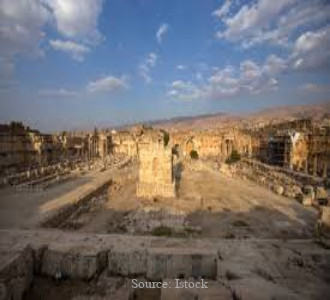
Undoubtedly one of the most photogenic places in Lebanon – and the Middle East – Baalbek truly earns its reputation as one of the most beautiful and photogenic places on the planet – with the well-preserved ruins, temples and statues – set against stunning landscape, bustling markets and home to one of the greatest and most dramatic sunsets on the planet – the wonder of Baalbek is a true photographers dream and lends itself for explorers to capture the absolute best of this immense ancient site.
The true city of the sun – the three iconic temples of Baalbek – Jupiter, Bacchus and Venus are undoubted photography highlights, as too is the stone of the pregnant woman and the mighty Baalbek Citadel – with the chance to capture modern life at this stunning wonder and in the city of Baalbek also immensely special.
With any trip to Baalbek likely done as a day trip – in consideration of both the easy access from Beriut, the size of this wonder and of course the security aspects when it comes to visiting the complex, capturing the best of this ancient site and knowing the best spots to photograph can by a challenge, so to make things as easy as possible and ensure you leave the wonder of Baalbek with truly stunning photos – we’ve rounded out our top picks for capturing the wonder of Baalbek:
Temple of Jupiter:
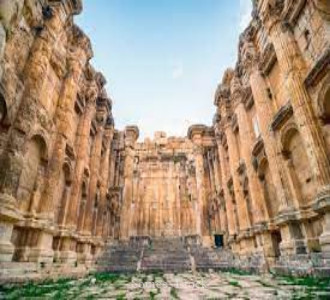
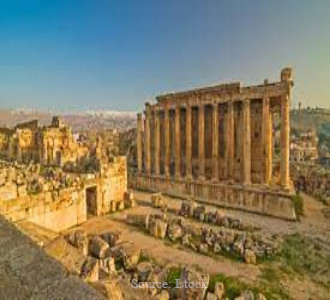
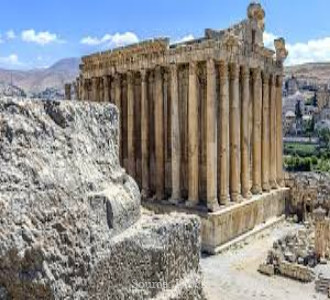
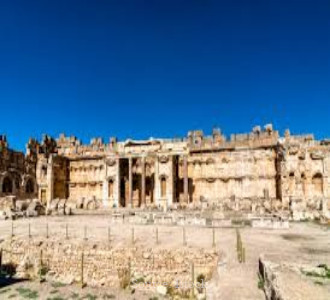
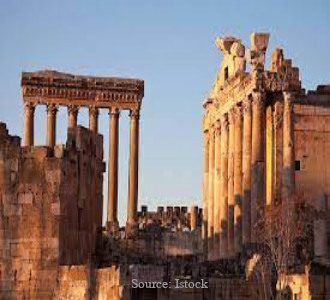
Starting with the icon of Baalbek – and the largest Roman temple ever built, the towering temple of Jupiter once stood as an incredibly imposing 54 column temple which served as both an Oracle and as a fitting dedication to the Jupiter Heliopolitanus. A true wonder of Roman Architecture – considering not just the height and architectural design of the temple – but also that some of the stone are believed have weighed more than 100 tons – todays explorers and photographers can capture 6 of the remaining columns, which creates a stunning outline and photograph of the legend and temple that once stood as the pride of Baalbek.
Undoubtedly the most popular photo spot across Baalbek – and understandably so – The Temple of Jupiter should be both your first and last call when exploring Baalbek – with a journey to this site first giving you the best chance to capture the remains of this temple from multiple angles, hopefully without excessive crowds – and the last port of call giving you a stunning sunset view (see below).
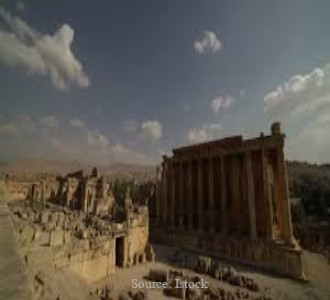
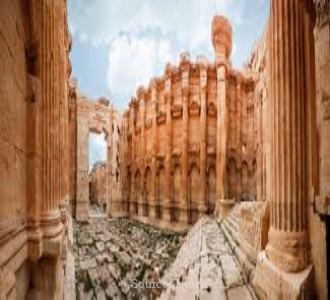
Captured well from a series of vantage points across the complex – including small downward hills that give an upward shot of the temple – and from panoramic view spots which allow for the capturing of the temple against the backdrop of the ruins of Baalbek, the Temple of Jupiter is best captured with a wide-angle lens and we’d encourage you to take multiple photos of the remains of this stunning temple as it stands as not only the symbol of Baalbek – but a chance to capture an incredible photograph that represents the very best of this ancient site.
Temple of Bacchus:
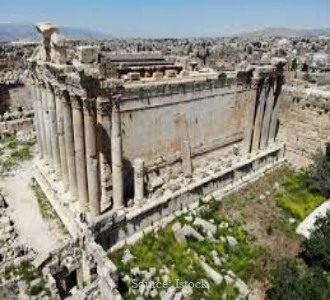
Home of the photogenic and well-preserved Lion carvings at its gate, the Temple of Bacchus stands not only as the most well-preserved temple across Baalbek – but thanks to its sheer size at an incredible 31 metres – bigger than the wonder of the Parthenon – it’s one of the most stunning and photogenic complexes across the whole of Baalbek.
Well preserved enough to allow explorers to immerse themselves in life in traditional Baalbek – the mighty temple allows not just for full scale and panoramic photographs, but also up close capture of the full beauty of this architectural masterpiece – with almost all of the original 8 wide and 15 length columns still fully intact – allowing for full exploration and snaps of this incredible masterpiece within Baalbek.
While the full beauty of this temple is undisputed, what is less clear is it’s actual purpose, with the Temple of Bacchus believed to be a tribute to the God of wine, ecstasy and youth – with careful photography required to make out the engravings and carvings on the temple walls to the respected gods.
A truly special temple – which is incredibly well preserved – snaps of the Bacchus Temple are guaranteed to be among some of the most special across Baalbek – and will give you a fascinating insight into how this incredible wonder of the world once stood.
Temple of Venus:
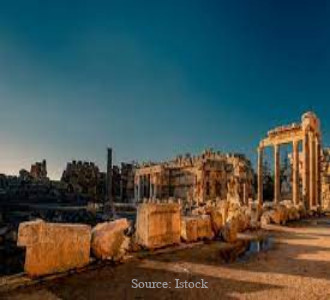
The final of the three trilogy temples of Baalbek – the third century temple of Venus stands atop a horseshoe platform – and it is this elevated position of the temple that offers stunning photographs of the remains of this temple with a straight on photograph – taking in two remaining columns and one of the faces of this circular temple – being the best shot available.
Still used as a shrine today – which requires explorers and photographers to be sensitive and careful when taking in this temple, the circular construction – which is easy to envisage when staring upon the temple – also lends itself to panoramic photos from different angles across Baalbek – with a panoramic photo across the ruins where the Temple of Venus, thanks its elevated position, standing in the distance being another special and iconic photo of the ruins of Baalbek.
Baalbek Stone of the Pregnant Woman
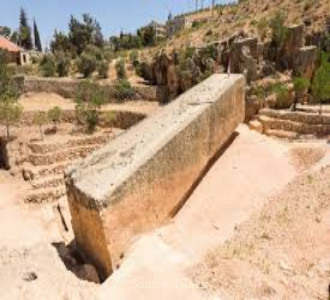
As well as the three main temples, the additional sites of Baalbek are unique and certainly photo worthy in their own right – and none more so than the Baalbek Stone of the pregnant woman. A truly interesting and unique architectural ruin and one most definitely rich in history, the Stone of the Pregnant Woman stands as the largest stone ever quarried in human history – is the undoubted highlight of the six stones of Baalbek – with an initial photo of this giant stone – which looks like a flatten isosceles triangle truly special.
Alongside photographing the stone, itself, the area also lends itself not only to a fantastic panoramic photograph of the stone against the temple of Jupiter and rest of the ancient complex – but also one of the best up close and personal shots of the ruins of Baalbek – as with the stone of the pregnant woman being 1500 tons, people are allowed to climb upon it and capture not only intimate photos of this incredible stone, but also grab a memorable photo of themselves stood upon one of the true highlights of Baalbek.
Sayda Khawla Shrine
Moving from the ruins to the more modern and complete aspects of Baalbek – and the shrine of Sayda Khawla is truly stunning, with this colourful bright blue and golden mosque being not only a fitting tribute to the granddaughter of the prophet Muhammed – but also being an incredible photo opportunity with it representing some of the best of Lebanese Architecture.
Truly special to photograph – thanks to its imposing minarets, turquoise doors and towering doors – the Sayda Khawla Shrine has earned a reputation thanks to its architectural beauty and religious significance as a major tourist attraction within Baalbek so for those keen on a special snap be sure to time your visit in between prayer time and if possible earlier in the morning when crowds are at a minimum. For an extra special experience be sure to head to the south of Baalbek and head for the Southern entrance of Sayda Khawala where you can have the privlige of exploring this incredible shrine.
Capturing Baalbek at Sunset:
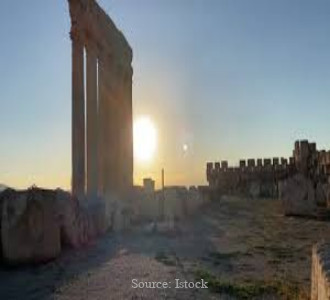
The quintessential and undoubtedly the most stunning and inspiring photo of Baalbek – witnessing and photographing the bright red, orange and yellow descending sun against the backdrop of Baalbek – and in particularly the Jupiter temple is a true sight to behold – and offers one of the most inspiring and simply stunning photos of this ancient site.
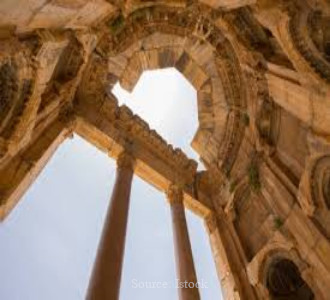
Best captured on a cloudy day – where the bright yellow sun creates a mystical orange and yellow illusion swirl against which the Jupiter temple and the whole complex – and it’s storied history – comes alive, you can get the best vantage point from standing behind and below the Jupiter Temple and looking upwards, and we’d advise to be in position a good hour before the sunsets to ensure you have the best spot.
From here it’s then a simple matter of setting your camera and enjoying the incredible show – as the descending sun lights up the incredible ancient site of Baalbek – and offers a truly incredible opportunity to capture a stunning shot and memory of this true wonder of the world.