Banff National Park
Overview:
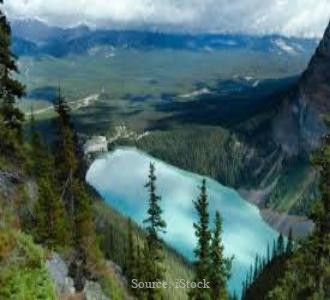
Home of the world’s greatest and most stunning lakes, the majestic Banff National Park is the true Jewel of Canada’s National Parks and is home to not just the towering and beautiful Rocky Mountains but also a series of rolling rivers, lush green valleys, cascading waterfalls, and premier hiking trails– which combined with multiple emerald sparkling turquoise lakes makes Banff National Park a true natural and beautiful wonder of the world.
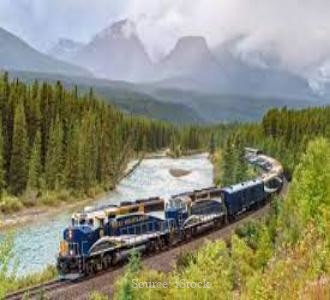
Established in the 19th century and officially the oldest National Park in Canada – and the third overall – Banff sits in the Canadian state of Alberts and stretches for more than a million and half acres, with the quaint and beautiful town of Banff – which serves as a great base from which to explore the park also being a destination for one of the great train journeys on the planet – with the Rocky Mountaineer providing easy access and stunning views to help travellers reach the wonder from Vancouver.
Home as well to a series of rare and endangered wildlife – including an assortment of Bears, Banff National Park is also an adventure paradise – offering hundreds of miles of hiking – including mountains summits and lake trails along the wilderness of Banff as well as Gondolas’ and Glacier Skywalks in the summer and transforming into a winter wonderland and marvellous skiing site in the winter – with the powder and facilities being amongst the best in the world – and offering Canada’s best ski site amongst a back drop of gorgeous scenery.
Easily explorable along the Icefields Parkway Road – which lets travellers journey through the Rocky Mountains — the more than thousand glaciers within the park feed into the kaleidoscopic coloured lakes – with the big three; Lake Louise, Moraine Lake and Lake Minnewaska being amongst the absolute best in the world – and if you’re lucky enough being a great spot to catch the dazzling natural phenomenon of the Aurora Borealis, which reflects back off the stunning lakes and lights up not only the clear Banff Skies, but the green valleys, stunning Glaciers and towering Rocky Mountain Peaks that make up the great wonder of the world that is Banff National Park.
Where:
Banff National Park spans for 1,641,027 acres and is found along the western border of the state of Alberta, Canada – with the nearest main town being Calgary and the best town within the National Park in which to base yourself being the stunning town of Banff which is easily accessed by road along the beautiful Trans-Canada Highway.
Getting there:
Most tourists come to Banff National Park by flying into Calgary International Airport, which is the closest airport to the park. From the airport, rent a car and take Trans-Canada Highway (HWY‑1) west from Calgary. The route goes through the Rocky Mountains and takes you directly to Banff. Approximate time to drive: 90 minutes.
By car
With Banff being a 90 minute drive from Calgary or full day drive from Vancouver having got yourself to a major Canadian city the easiest way to get to Banff – in the summer months – is by self-driving there – with the route to the wonder being incredibly beautiful as you journey alongside the stunning rocky mountains on either the Trans-Canadian Highway from Calgary or on the extended Icefields Parkway route from Vancouver or Alberta – with the drive taking you across the beauty of the Canadian Highway – surrounded by Lakes, Mountains and rivers and safely into the stunning town of Banff.
For those who come in the winter, the Icefields Parkway route will likely be partially closed – and you’ll require serious snow tires (available at most major supermarkets) to make the drive to the wonder – but you’ll also be treated to a scenic winter wonderland as you pass through the thick forests and lakes – blanketed in snow, with the stunning snow-capped rocky mountains that guide you into the winter wonderland of Banff.
By bus
For those who don’t fancy driving – especially in the winter – then you have the option to get to Banff using some of Canada’s incredibly efficient public transport with the famous Greyhound service offering return trips to Banff from all Major Canadian Cities – including Calgary and Banff – and giving you a generous onboarding allocation for those skiis or camping gear.
While you can book tickets in advance on the greyhound site, for a more direct route you an also gets shuttles direct from Calgary airport to take the hassle out of getting to Banff – with shuttles available to be pre-booked direct to the wonder for those flying into Calgary airport.
While travelling by self-drive gives you a quicker and more convenient way of getting to the town of Banff, the bus routes are incredibly efficient and offer a practical and cheap and safe method of getting to Banff and witnessing the wonder of this National Park without having the need to drive.
By the Rocky mountaineer train:
Distance: 378 miles
Recommended Route – Lake Louise – Vancouver.
Cost: 2000 CAD + — including an overnight stay.
Duration: 2 full days.
Available: Mid April – Mid October.
For those who want a true adventure to Banff and want to experience one of the greatest train journeys on the planet – then the Rocky Mountaineer Train is for you – as you journey in luxury through the magnificent peaks of the Rockies on a historic and world-famous route through the varied and stunning landscapes of Canada – passing by majestic waterfalls, pristine lake and towering mountains on your way to the stunning Banff National Park.
Available as a route either to or from Banff onwards to the beautiful National Park of Jasper or to the town of Vancouver – the Rocky Mountaineer train is a daylight only train requiring stop offs in the lake town of Kamloops – meaning no sleeping overnight on the trains – and also features all the pristine comforts of a world class travel – including fine dining, quality sight seeing and an interactive film that takes you through the history of the Rocky Mountaineer train – that has been in use since the 19th century.
While hopping on at any of the stations will give you a taste of this famous train journey – the traditional and true route lasts 2 full days and covers a distance of more than 370 miles – taking visitors either to or from Vancouver to Banff and Lake Louise and runs exclusively twice a day between Mid-April – Mid October – and takes explorers on a journey from Vancouver across the Black Canyon to the town of Kamloops for an overnight stay and then onto the Rocky Mountains, the Kicking Horse Canyon and across the Continental Divide before arriving at Banff and Lake Louise giving travellers the absolute best of Banff National Park from their windows.
However the trip does not come cheap – with the cheapest price for the 2 day journey coming in $2000 CAD – and the most Expensive clocking in at just over $4000 – including accommodation. With the carriages divided into Silver leaf (cheaper) or Gold-leaf services – with silver leaf offering huge panoramic views of the Rockies on a single deck platform and the Gold Leaf coming with an upper glass dome for stunning views – and of course complimentary food and wine to help pass the journey.
While the cost of this route of travel is pricey – and more expensive than other traditional methods of travel to get to Banff Park – the chance to journey on one of the worlds greatest train journeys and take in sweeping views of the mountains, lakes and Rocky Mountains from the comfort of first class train experience is truly special and makes for an incredible and unique way to get to the wonder of the world that is Banff National Park.
For those interested in riding the Rocky Mountaineer train, you can get tickets at: https://www.rockymountaineer.com/
Getting Around:
Banff
While the whole of the Banff National Park stretches more than a million and half in acres, most travellers tend to base themselves in the quaint and beautiful town of Banff within the National Park- which as well as being the highest town in Canada is also a stunningly beautiful town that offers incredible views over the rocky mountains, the pristine lakes and valleys of the National Park.
Home to a series of top class Spa’s and known to be frequented by the aurora borealis on clear nights, Banff offers easy access to some of the best lakes and rivers in the park as well as featuring the storied Fairmont hotel and a range of accommodation and restaurants.
While it does of course get a little crowded during the peak months – so booking in advance is recommended, Banff is unquestionably the best spot to base yourself while in Banff and is one of the most stunning and gorgeous towns in the world – and makes it easy for you toget around.
Around the park:
For those approaching Banff by self-drive – and arriving in the summer months, you’ll find getting around a breeze – as the stunning icefields parkway road cuts through the rocky mountains and takes you to all the pristine sights of the park – so it’s as simple as deciding which of the natural beauties within Banff you wish to see and following the icefields parkway road to your destination – with camping also available for those self-driving.
For those without a car, for getting around in the summer you have a couple of options – the first is to hop on one of the explorer buses that follow the icefields parkway and leave every 15 minutes – giving you a chance to be dropped off at the natural beauties described below – jus tbe warned that services run from 6am – 7:30pm – so miss the bus and oyu’re in for a long trek in the dark back to Banff.
For those who fancy a challenge, you can also cycle round the roads of Banff – but be warned you’ll be cycling at high elevation, with limited safety barriers, alongside cars and there are some tough uphill routes in the park – with rain showers known to be common in the summer months as well – so be sure to bring a cagoule.
Finally having driven, bussed or cycled to the main highlights of the park – be sure to take on some trekking and hiking – with the routes described in detail below – but with a trip to the viewpoints on the lake in particularly a sight not to be missed as you trek round some of the most stunning natural beauty spots in the world.

Best time to Visit:
Banff operates in two main seasons – summer and winter – with each season offering something unique and representing a great chance to see the wonder of Banff from a completely different perspective.
Summer: For the summer season, which lasts between June – August and during which temperatures will reach a comfortable 20°C, you’ll have full access to all of the wonders of the park with the campsites and main roads being open – and this being the best time to head to the park for Hiking, Summer Lake viewing, canoeing and evening swimming – and a great time for visit for those who aren’t used to the cold.
Winter: For winter – which runs between November ‑March, you’ll find portions of the Icefields parkway route closed and some accessibility to the park shut off – but you’ll also get to experience Banff transform into a beautiful winter wonderland as blankets of snow cover the great lakes and valleys making for some spectacular and festive scenery and if you’re lucky offering you a glimpse of the Aurora Borealis reflecting across the great lakes of the park.
This is also the time to head to Banff for adventure, with the three skiing sites, Lake Louise, Sunshine Village and Ski Norquay opening u ‑and offering some of the best skiing trails in the world against the backdrop of the incredible Banff scenery – be sure to wrap up warm though as temperatures can plummet to as cold as ‑12°C.
While you can also visit in Spring or Autumn – where prices will be cheaper — you’ll end up missing out on either the beauty of winter or the sights of summer, so we’d advise sticking to either of the main two seasons – or if you’re lucky enough heading to Banff to experience both as you enjoy the lush summer by the sparkling lakes and ski down the mountain against the backdrop of the Aurora Borealis for a truly stunning and spectacular experience.
Explore:
From its incredible kaleidoscopic lakes to its majestic mountains the stunning Banff National Park is a true natural wonder of nature and an adventure seekers paradise – with the pristine glaciers, incredible canyons and serene lake treks offering stunning views and breath-taking hiking experiences during the summer – and the upper Banff hot springs, ice walks and world class skiing making for a true winter wonderland in the colder months.
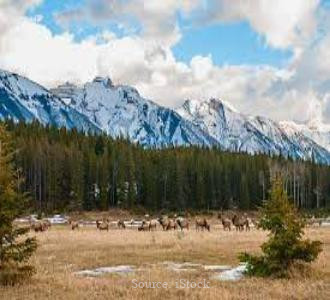
These natural beauties, combined with the chance to see the stunning Aurora Borealis reflecting off one of the many sparkling lakes and the chance to spot the incredible and endangered wildlife – including Elk, Wolves and Bears that all call Banff National Park home in their natural habitat makes Banff park an absolute must see and a true wonder of the world.
Given the more than million and half acres of land that make up the stunning Banff National Park and the changing of activities available in the seasons you’ll need to come prepared with a good plan and be view the best of Banff National Park in your stay there. With the below being our top picks of the incredible natural wonders that make up the stunning Banff National Park:
Banff
The base spot your visit to Banff National Park, the stunning town of Banff is one of the greatest towns in the world and serves as a unique and charming place to explore the wonder.
Found within the grounds of the Banff National Park on the southern end, you’ll find a range of tourist amenities – accommodations, shops, restaurants and also a stunning view of the rocky mountains in the distance, which makes for a great scenic view to take in while taking on breakfast – and if you’re lucky viewing the Aurora Borealis in comfortable and warm surroundings.
Home also to the storied Banff Castle – a historic hotel that makes for a great stop while you explore the town of Banff, you can expect Banff to be busy during any time of the year – with it being a summer hotspot for the treks and lakes of the park and a skiing hotspot in the winter – you’ll also find the stunning Cave and Basin Hot Springs just outside the down, our pick as a starting point to explore the natural wonder of Banff National Park.
Cave and Basin Hot Springs
A short trek from downtown Banff you’ll come on the first of the many natural wonders of Banff National Park – the warm and stunning Cave and Basin Hot Springs. Now considered the cornerstone of Banff history, the cave and basin hot springs were the first unique element of Canada that led to the creation of the Canadian National Park system designed to protect stunning natural sites from destruction.
Open since the 19th Century, the springs now offer a great self-guided tour around them, including a film depicting the history of Banff and take in an evening lantern lit tour of the network of caves and take in incredible views of the rocky mountains, and the Bow River valley – which lies just below the springs.
Whilst it’s not possible to take a dip in the Cave and basin hot springs – you can soak your troubles away in the equally stunning Banff Upper Hot Springs, whose warm and turquoise waters combined with the on site spa offer a great way to relax after a day exploring the beauties of Banff National Park – with the natural waters flowing into the springs and heated by the incredible Sulphur mountain which lies in the shadow of the Upper hot Springs.
Sulphur Mountain
The source of the Cave and Basin Hot Springs, the Sulphur Mountain offers incredible views of both the town of Banff, the valleys below and across the whole of the Banff National park – all of which you can take in from a series of cafes and tiered stories and a top quality restaurant on the top floors for incredible elevated views while you enjoy some great Canadian food.
You’ll also find the Sulphur mountain to be the main spot to take in some of the stunning experiences of Banff National Park that we’d recommend you don’t miss – including the Banff Skywalk and the Sulphur Gondola – for one of the best and easiest ways to experience the full beauty and some stunning views of this incredible natural wonder.
The Banff Gondola
Found at the top of the great Sulphur Mountain, the Banff Gondola is a cable car experience that lets you soar over the stunning valleys of Banff National park for some incredible and truly stunning views.
Operating in pods of four – so you may have to share the gondolas also double as ski lifts in the Ski Season and take you 2,200 feet to the summit of the great Sulphur mountain from where after a short walk you can stand a top of Sansons peak for incredible panoramic views of the beauty of the national park below you – and then after a short coffee at one of the restaurants at the top you can enjoy a scenic hike down the mountain and continue your adventure around Banff.


Icefields Parkway Drive
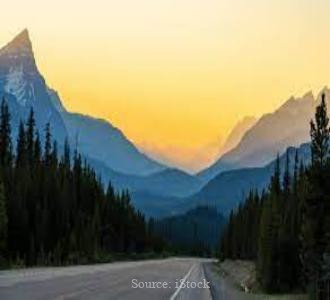
One of the greatest drives in the world, the Icefields parkway drive (officially Highway 93) is our pick to get around the northern part of Banff National Park as this stunning road takes you through stunning scenery – along the Trans Canada Highway and lets you pass by both the stunning lakes, treks and rocky mountains that make up the incredible Banff National Park.
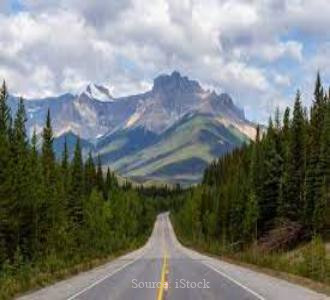
Best done as a self-drive tour the road runs for 230kilometres and dips into the equally stunning Jasper National Park and passes through town of Banff, as you have the chance to drive up and through the incredible 3,000 tall snow-capped Rocky mountain peaks and pass alongside the best lakes of both the national park and arguably the world — including the stunning Lake Louise and Lake Peyto – as well as past icefields, lush hills, rolling rivers and to a series of stunning viewpoint from which you can take in the very best views of the stunning sights of Banff.
While it’s possible to use the road as a multi-day trip and hike at sights on your way round – our pick would be to build a trip along the road into your arrival to Banff if travelling from the north or to base yourself in Banff and take on sections of the Icefields parkway drive on your way to visit some of the incredible treks and lakes found in this stunning wonder.
Johnston Canyon
Nestled inside the beautiful Bow Valley – Banff is home to a stunning canyon with the towering canyon walls hosting the parks best waterfalls — the well named as the upper and lower falls – that clock in at almost 100 feet at their peak.
Easily explorable by a well-marked trail and boardwalk, the canyon is a very popular spot for families – especially as it allows hikers to get up close and personal with the both the immense canyon walls and feel the power of the waterfalls as they cascade down into the valley floor below – for those who fancy exploring further we’d encourage you to take on the Johnston Canyon trail and extend your hike for another 3.5km to the beautiful spot of the Ink Spots – so named as a series of pools here resemble traditional ink spots – where a series of majestic turquoise and bubbling pools await you – for one of the most beautiful spots in the whole of the park.
Banff Skiing
While the summer season offers incredible hikes and serene views of the lakes, Banff National Park truly comes alive in the winter – where adrenaline seekers can get their kicks on the world class skiing and snowboarding, as well as sleigh rides and snowshoeing as the incredible scenery of Banff National Park transforms into a true winter wonderland.
The skiing and snowboarding is centred on three main sites; Lake Louise, Ski Norquay and Sunshine Village – known as the big three ski – with each one offering incredible experiences and safe and enjoyable skiing and snowboarding – with the Lake Louise ski experience having not only the use of Gondolas to ferry people to the top, but also allowing you to ski near the incredible Lake Louise for stunning views as you head down the slopes !
Yet you’ll also find the lake quite crowded and the skiing experience a tad expensive, so for those who want a cheaper but equally stunning experience then we’d advise to head to the Mount Norquay ski slopes, which has the honour of being not only a great place for snow shoeing but offering a free shuttle bus from Banff and giving you incredible views as you ski down the mountain from a height of 7,000 feet – with a Go-pro being a must for anyone skiing at Mount Norquay.
Finally for those who want the bes of both worlds the aptly named Sunshine ski resort is the second biggest ski spot in the whole of the park – and has world class skiing that lasts all the way to the end of spring – for those who want a bit of warmth when they ski. While you’ll have large breaks in between each session – as you need to take a gondola to the top of the slop each time which can take a good 30 minutes – the views, slopes and cost are all world-class at the sunshine village.
Of course, for those with plenty of time, decent skis and a hefty wallet – you could always take on all three, with the skiing, access and majestic snow scenery at Banff National Park making the wonder of the national park a must visit for those who wish to hit the slopes.
Wildlife
Alongside the beautiful lakes, stunning mountain peaks and lush green valleys, Banff National Park is also home to some of the most beautiful, engaged and rare animals – with there being at least 60 known mammal species, hundreds of birds species, and countless aquatic species that call the park home.
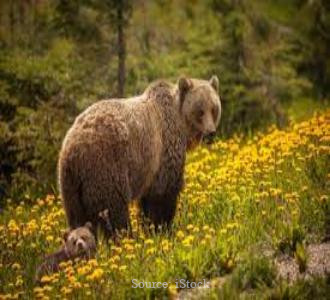
Chief among these are the great grizzly and black bears who are known to roam campsites and even cause the closure of hiking trails as they traverse the trails and nature of the park looking for snacks, with sightings known to be very coming in the summer season at dawn or sunset – so be sure to keep your eyes peeled for them and never approach them.
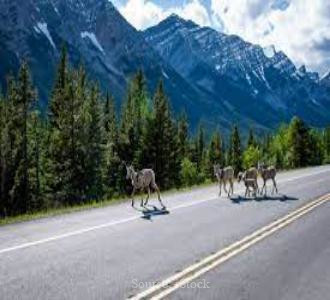
You’ll also find an array of mountain goats, elk, deer and Bighorn sheep – with the sheep in particularly known to frequent Lake Louise and Lake Minnewanka and be tame if not startled of provoked. For those who choose to take on a mountain ascent or who spend time gazing at the Rocky Mountains – you can expect to spot some of the most majestic birds on the planet as they soar above the great valleys of Banff National Park – with Golden Eagles and Falcon’s known to frequent the park as they migrate south.
While the animal residents of Banff undoubtedly add to the wonder and beauty of Banff national park and make for great natural wildlife photos – just be sure to take the necessary precautions if you do encounter them on your stay in Banff National Park – as you will be very much in their habitat and it can often take a while for help to arrive.
Glacier Skywalk
Not one for the fainthearted, the Glacier Skywalk is a sheer glass walkway that allows you to step out and in between Glaciers with – with the majestic lakes, Snow capped mountains and incredible Sunwapta valley of Banff National Park glimmering below you – for an absolute bird’s eye view of the natural beauty of this wonder.
Found on the icefields parkway to the north of lake Louise, the Glacier Skywalk is presented as an interactive experience telling the history, evolution and potential future of Banff Park and gives one of the best panoramic views in the world of a National Park – as you journey some 900 feet above the valley below.
Owing to the safety mechanisms associated with the Glacier Skywalk – which for viewers consist of a handrail to support you on the glass panel – we’d advise picking a clear day absent wind to take on the skywalk – as well as booking in advance if possible as crowd limits do apply, still for those who dare it the glacier skywalk is an incredible interactive experience that offers absolutely stunning elevated views of the beauty of Banff National Park.


Lakes in Banff National Park:
Easily accessed through the Icefields parkway drive, the true jewel of Banff National Park are in it’s iconic and multiple lakes – with the towering rocky mountains, and lush green valleys providing a stunning backdrop for the deep kaleidoscopic coloured beauties that are the lakes of Banff National Park.
While Lakes Louise, Moraine and Peyto rightly grab the headlines thanks to their sheer beauty and memorising turquoise and clear waters, there are countless lakes of stunning beauty within the park – all of which owe their source to the incredible Glaciers that stand proud at the base of the lakes.
While we’d encourage to hit as many as possible and make time as well to take on the hikes that surround the lakes for a more immersed experience in nature, the below are our top 8 lakes to see within the wonder of Banff National Park:
Moraine Lake
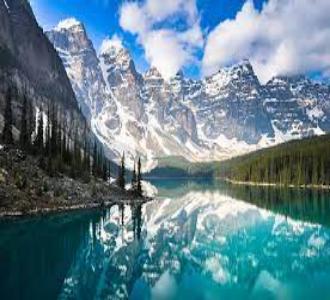
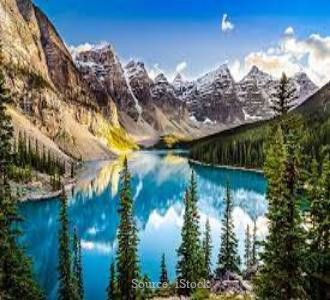
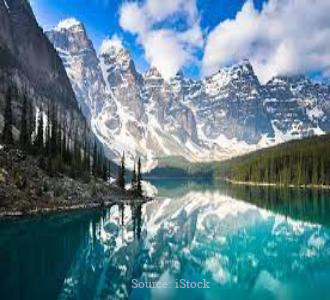
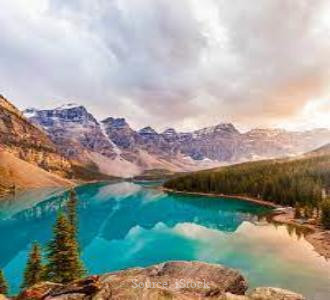
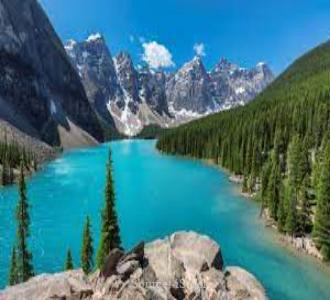
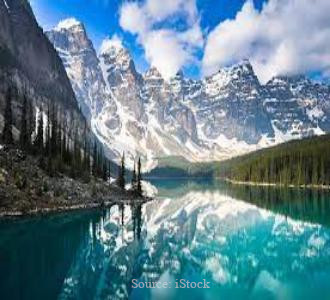
Unquestionably the most iconic and beautiful spot in Banff National Park – and arguably anywhere in the world, the stunning serene Moraine lake is easily recognisable from the postcards of Banff national park and thanks to its stunning turquoise waters against the backdrop of the sparkling Wenkchemna Glacier and10 of the incredible snow capped Rocky mountains which reach more than 3,500 feet into the beautiful North American sky it is undoubtedly the jewel of Banff National Park.
Found in the Valley of the Ten Peaks, Morain Lake is easily found along the road that leads from Lake Louise through the valleys of Banff National park, with the waters known to change colour as the Wenkchemna Glacier retreats and recedes into it during the changing of the seasons.
Best viewed (in our view) in the summer months when the lake is a mixture of turquoise blue and fluorescent green having reached the base of the 120 CAD Lake – and no doubt stopped to take in multiple photos of this jaw dropping wonder you have the option to explore the lake further – either by kayak and canoeing across the incredible waters to get up close to the waterfalls and rock piles that surround the lakes base – with canoes available from the nearby Morain house for hire at $100 Usd an Hour – a bit pricey but well worth it to travel across this stunning wonder.
For those who want a cheaper but equally stunning option to explore the lake further – there are a series of stunning hiking trails that take you around the lake where you can stroll around a series of gentle paths while taking in the beauty of the lake, the Rocky Mountains and the many waterfalls that source from the Wenkchemna Glacier.
Of the many hikes that take you round this wonder, our picks are the stunning Sentinel pass – a full day hike that takes you over the mountain passes of the Rockies (see below) and the more gentle yet also stunning 1.5 kilometre trek of the Rockpile Trail that will take you to an observation point where you can snap those famous images of the gorgeous lake in all its glory – for an absolutely stunning and awe-inspiring experience.
Lake Louise
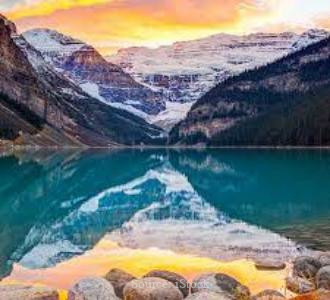
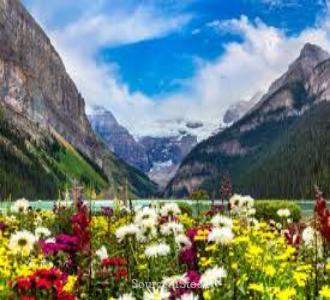
The most famous of Banff Parks lakes, the stunning lake louise sits in the shadow of Mount Victoria and offers a more unique lighter colour of water than its sister the Moraine Lake for an equally stunning and incredible natural wonder of Banff park.
Sitting again in the incredible valley and shadow of the Rocky Mountains, the light-coloured water of Lake Louise is of limits for swimming for all but the bravest (or crasiest) of swimmers but its an ideal canoeing spot as you journey round this stunning wonder – with the lightly coloured water offering a unique illusion where you appear to be floatinf on the water – an absolutely stunning photo for your memories.
The start of many of the stunning hiking trails in Banff park – including the plain of the six glaciers hike, Lake Louise is also our pick for grabbing a spot to eat – either at the base of the lake in a picnic or at the stunning and famous Fairmont Château Lake Louise – an idyllic lake house situation at the shoreline of the lake that dates back to 1924 and which still retains its charm – with the food inside also being of great quality and enjoyable as you sit back and take in the stunning sight of Lake Louise.
Bow Lake
Found above 2,000 feet the stunning Bow Lake is a smaller lake in comparison to its predecessors – but still stunningly beautiful as it sits against a background of gorgeous mountains and valleys which reflect of the river for a truly stunning photograph and an awe-inspiring scenery.
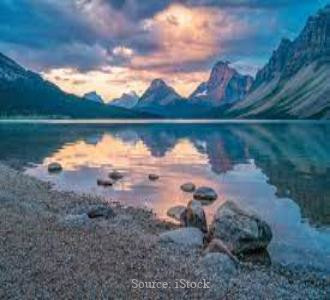
Found South of lake Louise, a trip to Bow Lake will also take you to the well name Crowfoot Glacier – which is unsurprisingly in the shape of a crows foot – and the Bow Glacier – both of which feed into the larger Icefields of Banff and which act as the source of the Bow lake which also has the unique honour of sitting almost on the continental divide making the stunning beauty of Bow lake both a geo-logical wonder and a truly beautiful natural wonder that encompasses the beauty of Banff National Park.
Lake Minnewanka
The biggest of all the lakes in Banff National Park – and arguably the most stunning the glittering Lake Minnewaska lies just 10 kilometres outside of Banff and is shaped in an almost u‑bend fashion with it’s dazzling green emerald waters shining against the backdrop of the rocky mountains for an almost Fjord lake experience that brings the beauty of Banff National Park alive.
Clocking at 22 kilometres in length, lake Minnewanka is also an adventure lake – featuring a series of popular hiking trail that lead onto both Johnson lake and Two Lake Jake and offering a variety of mountain biking hikes and boating – for those who want to spend an incredible day soaring round the lake or kicking back on a boat.
A place of stunning scenery, the lake is also a prime spot to see wildlife at the lake with their being a known family of bighorn sheep that call the lake home – and have been known to interrupt picnics – and the lake being home to a variety of aquatic wildlife – making the Lake Minnewanka a truly great and scenic spot in the wonder of Banff National Park.
Two Jack Lake
For those who want to take in a truly scenic lake with little crowds, Two Jack lake is the spot for you ! – with the beautiful Two Jake Lake lying smack bang in the middle of the Icefields Parkway Drive and also in the shadow of the rocky mountains and offering incredible panoramic views of lush forest, valley and glittering mountains – all of which reflect back of this stunning lake.
Found a short distance away from Lake Minnewanka, Two jack lake is a great spot for picnics – and also canoeing, hiking and for those who dare it swimming with the incredible natural beauty and sweeping landscapes that surround this lake making Two Jack Lake one of the best spots to relax and soak in the beauty of one of the best lakes in Banff National Park.
Johnson Lake
Found but a stones throw away from the Two Jack Lake, the Johnson lake is another beautiful and truly dazzling lake within Banff national park – that also sits on the beautiful Icefields parkway drive.
A glittering lake the water at the Johnson lake is a shade below turquoise which makes for truly incredible photos – especially when the sun sets in the evening, when the reflection of the towering rocky mountains, sweeping valleys and accompanying meadows slowly disappear into the blackness of the lake.
Featuring some incredible trekking and hikes – including the Johnson loop, the Johnson Lake is also a great spot from which to access the Johnstone Canyon – another stunning wonder within Banff National Park.
Vermilion Lakes
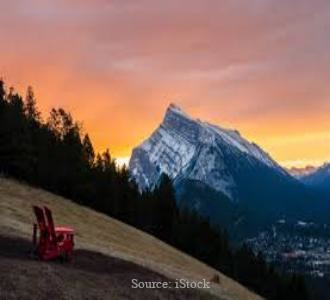
A series of three lakes that come together to form one of the most stunning sights in Banff National Park, the Vermilion Lakes sit in the shadow of Mount Rundle with the accompanying sweeping valleys, lush green meadows and of course the beautiful lakes making the Vermillion lakes a wonderful spot within Banff park.
Found to the north of Banff, the Vermillion lakes are an incredible scenic spot – and are especially popular for sunrise and sunset photos, where you’ll get to see not only the Lakes themselves lighting up but the peak of Mount Rundle illuminating in a kaleidoscope of colour – making for some truly stunning snaps.
With a number of hikes that lead to overlooks and viewpoints with breath-taking views, kayaking, canoeing and skiing options and of course the option to Swim (if you’re brave enough) the Vermillion Lakes are also an adventure seekers paradise and also offers a great place to picnic (in the summer) with their being numerous grassy banks where you can sit down, take in the stunning views – and if you’re lucky enough glimpse some of the famous animal natives of Banff National Park – as you enjoy stunning and evolving views of the incredible three lakes that make up the natural wonder of the Vermillion Lakes.
Peyto Lake
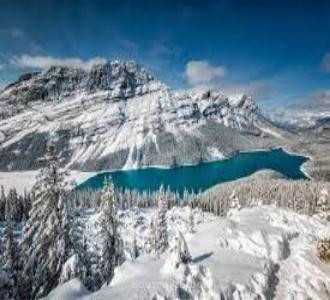
One of the most stunning lakes on the planet, the fluorescent turquoise Peyto Lake glitters against the backdrop of the Rocky Mountains and sits at a breath-taking height of 2,068 metres on the upper part of Bow Pass with the sparking lake, combined with the stunning glaciers, valleys, meadows and mountains that reflect of this lake creating one of the most scenic and beautiful natural wonder on the planet.
Accompanied on either side by the rolling Saskatchewan River, the Peyto lake is incredibly popular – so our top tip would be to take on a hiking trail around the lake – with the Peyto Lake viewpoint hike in particular offering incredible views of the stunning lake – and if you can get here for sunrise you’ll be treated to a truly stunning spectacle as the rising sun light up and skims across the emerald wonder for a truly stunning sight.
Known to have been a source of human life since the 19th century, the Payto Lake is truly stunning and one of the greatest and most beautiful spots in the whole of the Banff national park ‑and while you can expect it to be crowded it is a true not to be missed sight when exploring the wonder of Banff national Park.
Hikes:
While driving over the icefield’s parkway, stopping at viewpoints and skiing across Banff Park are all great ways to see this wonder, to get truly close to the stunning nature within Banff – and to get some of the picturesque viewpoints, photo spots and nature a trek or hike on one of the many hiking trails within Banff National Park is the best option!
With there being almost a thousand miles of unique hiking trails from easy short treks to stunning lake viewpoints and challenging all day hikes that take you to some of the must stunning panoramic viewpoints anywhere in the world – there are plenty of options for all hikers to explore the wonders of Banff.
While hiking in Banff is a truly awesome experience, we’d advise being sure to plan the treks you’re taking in advance and the timing on which you undertake them – as the treks do get busy in the summer and of course you’ll be hiking in the wild with the possibility of running into some of Banff’s animal residents.
But with the appropriate gear and a solid plan a hike through Banff is an incredible experience as you traverse round the stunning turquoise lakes, towering rocky mountains and awe-inspiring Glaciers, with the below being our top 12 picks for treks to take on when exploring the wonder of Banff National park:
The Rockpile Trek
Distance: 1 km
Time: 30 minutes
Difficulty: Easy
Beginning with the easiest, most rewarding and the most popular hike in Banff, the stunning Rockpile is ‘the’ trek to see the incredible and gorgeous turquoise water of the Moraine Lake.
Beginning with a side trail from the lake car park, you’ll find yourself hiking along a forest trail and then making an ascent up some cared and steep rocks where you’ll come to the observation point at a hill-top where the beauty of the lake – set against the rocky mountains, lush green meadows and stunning forestry — will be laid out before you.
Only a short 20 minute hike, the path is gentle and the views are absolutely stunning – including the famous picture postcard view of the lake – you can expect large crowds – and the occasional proposal at this stunning spot so we’d advise getting there as early as popular – with sunrise in particular being a great time to catch the early morning rays reflecting back along the lake as you gaze on one of the most iconic sights in the whole of Banff National Park.
Sentinel pass Trek
Distance: 11.5 km
Time: 7 – 8 hours
Difficulty: Moderate
Continuing from Moraine Lake and after taking on the Rockpile Trek, the next best hike is a half trek along the Moraine Lake, to the Minnestimma Lake and into the stunning Larch valley and along the mountain Sentinel Pass – for a series of sweeping views, stunning vistas and an awe-inspiring and challenging trek.
Beginning from the Moraine Lake, you’ll begin down a quaint forest track with grassy meadows, small lakes and – small rock hives – known as sentinels and journey deep into the Banff Lake system till you claim to a panoramic open field spot where there are stunning view of the great Banff valleys below – before you journey on to the emerald green waters of the Minnestimma Lake on the edge of the Stunning Larch valley – where the high altitude views will literally take your breath away with the sparkling lake below you backed by incredible views of the rocky Mountains and the snow capped glacier in the distance.
Having taken in the incredible views, we would recommend carrying and up into Sentinel pass – to an elevation of almost 2,00 feet — where you can get incredible views of the stunning towering peaks of Banff park and the Rocky Mountains themselves, with the views from the top being mesmerising and some of the best natural views on the planet – for a hike and trek the encapsulates some of the absolute best sights in the incredible wonder that is Banff National Park.
Lake Agnes Tea House Trek
Distance: 10.5 km
Time: 4 hours
Difficulty: Easy – Includes a tea break.
Our pick for a hike at the mesmerising Lake Louise – the Lake Agnes Tea House Trek takes you around the stunning lake Louise for a series of incredible viewpoints of this emerald green river and up the famous 19th century Lake Agnes tea house – where you can stop for delicious tea and cake – before continuing onwards with the trek.
Starting from the Lake Louise car park, you’ll immediately come upon the grand lake for stunning views right from the off, and you’ll see the tea house in the distance – so it’s simply a matter of traversing the lake’s shore and up along a series of side wood paths for seven kilometres until you come to the historic tea house.
Stopping for a cuppa and some finger sandwiches and a cake or two – which you’ll have definitely have earned from the previous hiking – you can take in incredible views of Lake Louise in front of you – as well the accompanying Glaciers and valleys that provide a stunning backdrop – before carrying on to the beehive – an observation deck a further 3 and a half kilometres onwards where you can snap incredible photos of Lake Louise – which just happens to be one of the greatest lakes on the planet.
Mount St. Piran
Distance: 13 km return
Time: 6 hours
Difficulty: Moderate
An off the beat trek the Mount St Piran hike offers incredible views of Lake Louise, Bow lake and valley and the Victoria Glacier as well as the encompassing valleys of Banff from an elevated view – while also being a quieter and challenging hike to get your teeth into.
Beginning from the from the shoreline of Lake Louise you can follow the same trail as the Lake Agnes trek (and even stop for tea if you like) and then upon reaching the beehive lookout point continue onwards on the trail until you come to a series of signs pointing you up the mountain in front of you.
As you follow the trail upwards you’ll find yourself slowly ascending to the summit and rising above the treelines of the Banff valleys, following a mad scramble upwards you’ll reach the summit – where you’ll get to enjoy incredible panoramic views of not just the stunning Lake Louise but also the mountains, valleys and meadows of Lake Louise – for a truly awe-inspiring experience and some of the most unique and picturesque views in the whole of the national park.
5 Plain of Six Glaciers Trek
Distance: 14 km return trip
Duration: 6 hours
Difficulty: Easy
The plain of Six Glaciers is another one of the stunning hikes that leads off from Lake Louise – and as the name suggests it gives you a chance to take in stunning views of the six glaciers and surround the great lake – including the towering peaks of Mt. Victoria and the Victoria Glacier – one of the sources of the stunning lake Louise.
Beginning on the shoreline of Lake Louise it’s a simple matter of hiking to the end of the Lake Louise Shoreline and to the tea house of six glaciers (where you can stop for snacks) and then following the signs ups a well-trod path on the plain of six glaciers hike where you’ll find yourself ascending slowly upwards some 360 metres to a height of 1,522 when you’ll come to the observation point with sweeping views of the mountains and glaciers that feed inbto the lake.
Clocking in at 14kilometres as a round trip, the plain of six glaciers is a pretty popular hike – thanks to the stunning views it offers and the chance to take in mountain summits at eye level – so if possible try and get here for sun rise where the beautiful lake Louise lights up and the mountains shine for trule special and stunning views.
Johnston Canyon & Ink Pots Trek
Distance: 7 km (one way)
Time: 5 hours
Difficulty: Easy.
The stunning Johnston Canyon is home to Banff parks amazing waterfalls – including the cascading lower and upper falls and is one of the most scenic and enjoyable hikes in the whole of the National Park – with the trek also being extendable up to the stunning blue pools of the ink pots reserve for a truly spectacular conclusion to this hike.
A gentle hike and one not requiring too much elevation, you’ll begin on Bow valley parking lot and follow the signs towards Johnstone Canyon – where you’ll get a first-hand view of the incredible towering limestone cliffs of the canyon – which are particularly beautiful at sunrise – before heading into the canyon on a well-marked trail passing a series of beautiful waterfalls on the way to the Lower Falls.
Roughly 1 kilometre in, you’ll come upon the lower falls – a majestic waterfall that cascades down into the canyon below – and a further kilometre and a half onwards you’ll come on the beautiful and even more impressive upper falls – which clock in at over 100 feet high and from where you can stop and feel the powerful water rush down into the canyon below as well as head to an observation deck for incredible views of the whole of the canyon and the falls below — a truly magical spot !
For those who want to explore even more amazing scenic sights on this trail then you can continue to follow the boardwalk onwards for another 3.5 kilometres to the bubbling and majestic ink pot pools – so named as the multiple pools in this area look like traditional ink pots – and which are accompanied by shining peaks and beautiful meadows for a real scenic spot and a fantastic way to conclude one of the best treks in the whole of Banff park.
Cirque Peak & Helen Lake
Distance: 12 km (Round Trip)
Time: 5 hours
Difficulty: Easy.
Leading to the incredible mountain peak of Cirque – where you get incredible panoramic views at 3,000 metres high of the mountains, lakes and valleys of Banff, the Cirque peak combined a trip to Helen Lake, Crowfoot Glacier and Bow falls in its list of viewable sights and is a nice gentle stroll through the forests of Banff to some of the best natural wonders in the whole of the park.
Beginning at the car park for Helen Falls, you’ll wind through dense forest and through some stunning meadows as you wonder past lakes and fields and head 3.5 kilometres on a track to the base of the lake where a short walk will take you to the base of the lake and an observation deck from where you can take in stunning views of the Glaciers and the bow falls below you.
After a stop to admire the stunning beauty of the lake you’ll see the towering peak of Cirque above you, and after a deep breath we’d advise you to continue up the mountain for another hour or so where you can reach the peak of the mountain – at a height of 3,000 metres where the full beauty of Helen Lake below you as well as the Crowfoot Glacier and the valleys of Banff which stretch for as long as the eye can see – for a truly incredibly panoramic view and one of the best spots in the whole of Banff National Park.

Parker Ridge
Distance: 5 km return
Duration: 2 hours
Difficulty: Easy
A great trek for those exploring Banff on the Icefields Parkway drive, the Parker Ridge hike is typically the first stop on the drive – as explorers flock to this spot to take in the stunning sunrise that lights up the turquoise waters of the Saskatchewan pool that sits in the shadow of a marvellous glacier.
A short hike and easily doable in 2 hours return, the Parker Ridge is also home to a number of viewpoints that offer incredible views of the Banff valleys below, as well as a series of stunning meadows that make for a great introduction to the wilderness and beauty of Banff.
Expect the hike to be a little crowded if you take it on during the day – especially as it’s short and easily doable – but with it’s incredible views, gentle ascent and easy steps forward it’s a truly great hike and a top hike to start off your adventure along the Icefields Parkway.
Lake Minnewanka
Distance: Up To 65 Kilometres.
Duration: Flexible.
Difficulty: Easy
Potentially one of the longest treks on offer, Lake Minnewanka is not just a place for adventurists ‑with boat rides, canoeing and biking – but is also one of the best places to enjoy a gentle stroll around the largest and grandest lake in the whole of the Banff National Park.
Easily accessible – as it’s only 10 km away from the town of Banff the trek begins very simple on the shoreline of Lake Minnewanka and you can choose to follow the shoreline round for as long as you wish – potentially up to 65 kilometres – with Lake Minnewanka also known for its many animal residents who will no doubt add to the enjoyment and excitement of your hike.
While the duration of your trip around Lake Minnewanka is up to you, we’d advise heading towards Stewart Canyon – just 2kilometres along the trek from the main shoreline where you will find yourself away from crowds and be rewarded of incredible views of the stunning Minnewaska Lake – for an awe-inspiring and stunning experience of the biggest and grandest lake in the whole of Banff National Park.
Peyto Lake
Distance: 2 km return
Duration: 30 minutes
Difficulty: Easy
One of the best lakes in the planet, the Peyto Lake also comes with an incredible and easy trek that lets you both circumnavigate part of the lake and ascend to a stunning observation point – where you can take in perfect photos and views of the incredible turquoise lake.
Beginning from the Peyto Lake carpark you’ll come first to the classic Peyto Lake viewpoint – which you can expect to be crowded – and from here it’s a case of following the trail for the Peyto lake viewpoint for about 15 minutes across a series of well defined wooded trails unit you reach the observation point that towers over the great lake – and from where you can take in stunning views of one of the best lakes on the planet.
Bow Glacier Falls
Distance: 9 km return
Duration: 3–4 Hours
Difficulty: Easy
Set on the Icefields parkway route the hike to Bow Glacier Falls begins at the edge of the stunning turquoise waters of Bow Lake – one of the greatest lakes in the park – and takes you along the stunning lake to multiple vantage point and then down a gentle path passed some incredible scenery – including lakes, valleys and meadows to the spectacular Bow Glacier Falls – one of the best waterfalls in the whole of the park.
The Bow Glacier Falls are truly stunning, with the falls cascading down more down 75 foot into the lake below and allowing you to get up close and personal to them – as you witness the immense power of this impressive waterfall that feeds into the incredible turquoise waters of Bow Lake.
Best of all this trek is a light and easy trek and somewhat off the beaten trail and unknown so you can expect ot have parts of the trail to yourself as you explore on of the most scenic and powerful trails in Banff National Park.
Wilcox Pass
Distance: 9.5 km return
Duration: 30 minutes
Difficulty: Difficult
The toughest hike of the lot the challenging Wilcox pass is found between Banff National Park and Jasper National Park on the Icefields Parkway route – and offers stunning views of both national parks.
Easily accessed along the Icefields Parkway you’ll find yourself faced with an immediate tough ascent through dense forest that will test your stamina before after approximately 1.5 kilometres the path levels out and you can take in the stunning views as you head towards the Wilcox summit – an assortment of rocks that marks the top of the 9,500 foot mountain.
A hike not for the light hearted, upon reaching the summit you’ll be rewarded with incredible views of the Glaciers that feed into both national parks – including the stunning Athabasca Glacier – as well as a series of snow capped mountains and an ice field – with views stretching across Banff park and encompassing the grand lakes and stunning valleys as far as the eye can see.
An undoubtedly tough hike – and one only open from summer to the end of Autumn, the summit of Wilcox pass is well worth it for panoramic and incredible vista views of the wonder that is Banff National Park.

Accommodation & Camping:
It’s almost impossible to cover Banff Park in a single day – so any trip to explore the wonder will require accommodation – and we’d recommend budgeting and planning for at least 4–5 nights in the wonder.
For accommodation you have two main options – a hotel or B&B or Camping, with camping only officially available and recommended during the summer months. While run of the mill accommodation is available in the form of a series of mountain lodges — including the popular Banff Inn for skiing – we’d recommend making your accommodation at Banff an extra part of your experience at Banff with a stair at the famous Fairmont Banff Springs Hotel.
Easily bookable online, the Fairmont hotel has become the stuff of legend within Banff, with the hotel, constructed in the 19th century, considered an icon of Banff and a key landmark on the Canadian Rocky Mountaineers train travel – with the hotel set against the background of the Rocky Mountains and offering both stunning views and an authentic Banff cabin experience in modern comforts.
Yet a stay at the Fairmont hotel can set you back $400 Usd a night – or even more in peak season, so for those who find the other B & B’s sold out and want a true wilderness experience you have the option of multiple camping sites – which come well equipped to give you a comfortable nights sleep in the heart of Banff.
While we’d obviously advise to take care when camping in the wild and nature – not least because of the wildlife that calls Banff Home – the chance to camp at the base of one of the lakes in particular is a true adventurist experience and puts you in prime position to get up early to witness the stunning sunrise over some of the most gorgeous spots in Banff National Park. So, in no particular order, the below are our top 3 campsites to stay at within Banff National Park:
Lake Louise Campground – found a few kilometres away from the stunning Lake Louise, this campground is our pick for those who want to witness the sunrise over the lake – and spend a night next to one of the icons of Banff Park, with the campsite being open all year to vehicles which means it also offering a great spot for those skiers who come in an RV and want an affordable option next to one of the premier ski sites in the world.
Accommodating camper vans and hikers or skiers, the Lake Louise campground is found in a shaded tree area which offers protection from the rain and consists of some 400 individuals’ spots with showers and toilets available – and even features an electric fence to protect you against wildlife – with the stunning Lake Louise, and it’s hikes, night time sky and early morning sunrise just a stones throw away from this incredible campsite.
Waterfowl Lake Campground Located next to the Icefields Parkway, offers excellent views and great hiking trails from the campground. In the shadow of the stunning Waterfowl Lake, the Waterfowl Lake Campsite offers an absolutely incredible view over some of the absolute best nature spots in Banff Park – with the chance to see the sunsetting over Waterfowl Lake in particular making this campsite a truly special spot.
One of the 14 spots on the Icefields Parkway route, the Waterfowl lake provides easy access to a series of hiking trails round the lake and accommodates Camper vans and hikers, with their being 116 spots that come with toilets, hot water and showers – and of course a series of picnic benches that face out over the lake.
Offering a more traditional camping experience that Lake Louise and a true feeling of wilderness, the waterfowl site opens only for the duration of summer and is a great spot for those looking for a serene yet quiet spot in which to spend a night exploring one of the best spots in Banff National Park.
Icefield One for the hikers and tentists, the icefield tent ground is situated on a hill overlooking the Rocky Mountains – and gives absolutely incredible views to wake up too – with this spot being one of the most scenic and gorgeous camping sites on the planet.
Found along the icefields parkway route, you’re going to need to get to the campsite at mid-afternoon as it’s understandably popular and there are but 30 sites available for explorers – it’s also only open in the summer months so you’re window for getting here is short — and you can expect a true camping experience with only a cook site available – and 30 or so people waiting in line to use it.
Offering incredible views and a true camping experience the Icefield tent site is a truly great way to connect with nature and wake up to the beauty of Banff National Park for a truly unforgettable experience.
Alongside the campsites of Lake Louise, Waterfowl and Icefield – you’ll also find an additional 11 campsites dotted along the Icefields Parkway drive, and while they may not offer the same stunning serene nature views as those three they all provide an incredible spot in which the immerse yourself in the beauty of Banff National park.
While you’ll need to come prepared with food, clothing and camping gear – as well as some extra layers, a big bonus of camping in Banff is not only the experience of camping in the wild and the stunning sunset views – but also the incredible star filled night-time views – and for those lucky enough a glimpse of the stunning Aurora Borealis.
The Night Sky & Aurora Borealis
Thanks to a lack of pollution, it’s unique geographical position and a strict enforcement of a series of law that ban light pollution in Banff – the night sky within the National Park is truly mesmerising with a stunning series of constellations lighting up the North American sky and reflecting back of the stunning lakes within the park.
Considered one of the greatest stargazing viewing spots in the world, Banff is also home to regular meteor showers and shooting star sightings – and a late-night stroll amongst the lakes with the great night sky above you is something we’d recommend taking in whether staying in a hotel or camping – for a true spiritual experience.
Yet for those who come between Autumn to Spring Banff can offer something more incredible – the stunning Aurora Borealis lighting up the beauty of the park – and thanks to the lack of light pollution the Banff National Park is one of the absolute best spots in the world to witness this stunning phenomenon – as you watch the emerald, green and violet rays of light twinkle above the incredible lakes and Rocky Mountains of Banff.
While the mesmerising show has been known to appear during the spring and summer months, it undoubtedly appears in all it’s glory in the later and early parts of the year – so for those wanting to witness it in full flow you’ll need to wrap up warm to watch the show, and we’d advise grabbing a good spot by a lake and coming with a top of the line camera – and we’d advise heading to one of the below fours spots to witness the stunning Aurora Borealis in Banff for the clearest and spectacular views of this wonder:
Lake Louise – A stunning spot to take in the Aurora Borealis, Lake Louise is easily accessed by those camping in the Lake Louise campground and gives viewers a chance to witness the natural phenomenon that is the Aurora Borealis over the most famous lake with the bright colours of the dazzling sky lighting up not only the night constellations and stars but also the stunning lake, the Rocky Mountains and famous tea house that sits nicely on the lake.
Expect your viewing experience to be alongside other explorers – given the popularity of the lakes, and to be joined (or spooked) by the emergence of sheep who are known to come down to the lake during the Aurora Borealis to see why people are gathering – but a chance to view the stunning lights over one of the most beautiful spots in the Banff National Park is a true privilege and a spiritual experience.
Lake Minnewanka – The biggest of the lakes – and closest to Banff Lake Minnewanka is one of the most popular spots to catch the Aurora Borealis shining and reflecting back off the stunning lakes within Banff, with the beautiful lake dazzling under the green and violet colours of the natural phenomenon.
Given its proximity to Banff you can expect this to be a popular spot for tour groups and explorers alike so we’d advise to get here early on possible Aurora Borealis and be sure to watch out for the local wildlife that are known to roam the lake from dusk onwards – but if you’re lucky seeing the great Aurora Borealis at Lake Minnewanka under neath the beautiful northern sky stars is a truly special experience and one we’d really recommend.
Moraine Lake – Whilst harder to catch then over Lake Louise and Lake Minnewanka, the iconic status or Moraine Lake and it’s sheer beauty make it one of the most romantic and spiritual spots to photograph the Aurora Borealis not just in Banff National Park but in the world.
If taking on the Aurora Borealis from here, we’d advise taking some headlights with you and trekking along the rockpile trek to the Moraine Lake viewpoint, where if you’re luck the stunning show of the Aurora Borealis will light up not only the incredible lake, but also the rocky Mountains and the Wenkchemna Glacier as you glimpse upon the special wonder of the Aurora Borealis from the true Jewel of Banff National Park.
Vermilion Lakes – If you’re lucky enough to catch the Aurora Borealis over the three stunning Vermilion Lakes you’ll be treated to a unique sight of the green and violet rays reflecting back of the lakes and towering into the clear night sky – with the moonlight also able to make the green meadows and the peak of Mount Rundle also light up for a truly stunning photo – if this your chosen spot we’d advise combining a view of the Aurora Borealis with a sunset photo – for two special photos in the space of a few hours.
While viewing the Aurora Borealis in full flight at any point is a magical experience, the chance to witness this stunning natural phenomenon reflecting back off one of the stunning lakes at Banff Park and lighting up both the evening stars and the snow capped rocky mountains, glaciers and valleys within the majestic Banff Park is both a true privilege and an awe–inspiring spectacle – and one that we’d certainly advise you plan your trip around with the witnessing of the Aurora Borealis providing a truly magical way to top off your experience in the true natural wonder of the world that is Banff National Park.
How long to stay:
While any trip to Banff National Park will depend on both the season you visit and the sights you wish to take in, given the remoteness of the wonder we’d recommend allocating at least 5 full days to explore the park.
This will give you enough time to take in the incredible pristine lakes, traverse the Icefields parkway and take on a trekking challenge to get really up close to nature within the park – of for those who arrive in the winter combine the above sights with plenty of opportunity to hit the slopes – with 5 days being our recommendation to allow you to take in all the highlights and give you plenty of time to explore the unique wonder that is Banff National Park.
Top Tip:
Thanks to its immense beauty Banff National Park is an incredibly popular destination – particular in summer and winter – so we’d advise making sure you plan when you’ll be arriving well in advance and for those not wanting to camp you’ll need to book your accommodation well in advance – and you can make your life easier by booking your Banff National Park pass required to enter in advance from the official Banff National Park website.
We’d also advise making a plan for your days as well, with a self-drive option in summer being advised and picking the lakes you wish to visit in advance and in which order – especially for sunrise – giving you the best chance of taking in the natural wonders without crowds and giving you enough time to explore all the unique nature and sights at Banff National Park.
Additionally, despite the weather being separated in seasons – Banff has been known to experience all four seasons in the space of a few hours – so you’ll need to come prepared with wet weather cloths, some decent hiking pants and a solid jacket regardless of the season you visit – and of course for those camping a decent tent, sleeping bag and sleeping mat are all essential gear – as well as plenty of food and water.
It’s also important to remember that you’ll be entering a nature reserve full of engineered animals – include black and grizzly bears. While the bears tend to live outside the main tourists spots and lakes encounters with them are not rare – so be sure to follow the code of not antagonising or approaching them, don’t make eye contact and be sure to carry protection against them just in case – but if you stick to the hiking trails and main spots, you’ll be fine.
Finally, regardless of the seasons you go, we’d advise being sure to make some time in the evening to take in the beautiful night sky and see if you can spot the aurora borealis – with the enjoyment of a night cap under the stunning Northern American Constellations and witnessing the beautiful phenomenon of the Northern Lights against the stunning scenery of Banff national park being a truly amazing spectacle and immense privilege.
Cost:
With Banff being a National Park there’s a range of cost options to suit everyone’s budget – giving everyone a chance to explore this incredible nature wander.
Starting off with the base price, everyone regardless of method of transport will be required to pay a national Park entrance fee of $9.80 per adult – and you can budget between $50 — $100 CAD a day for meals and water within the park.
On top of this accommodation can range from $15 CAD a night – for basic campsites to $400 CAD a night for the most expensive hotel within Banff (the storied Fairmont) with there also being a range of campsites within the Park with varying costs and B & B’s within Banff that offer a warm bed and a nice meal for those wanting a more comfortable experience.
In terms of getting there international flights (one way) to Calgary vary from $120 CAD — $700 CAD – and buses from across Canada start at $20 CAD – with car rentals often being charged by the day – and we’d advise setting your budget for $70 CAD for a decent Car that will take you safely round the Icefields Parkway – a decent 4 x 4.
For those who want to travel in luxury and experience the stunning views of the Rocky Mountains from the comfort of first class rail travel the Rocky Mountaineer train starts at $2000 CAD one way and can be as pricey as $4000 CAD one way – a steep price but one worth it for stunning views on the train trip and for a chance to ride one of the best train journeys on the planet.
You’ll also need to account for some decent hiking gear – including some sturdy boots, winter clothes and hiking poles as well as a decent tent, sleeping mat and sleeping bag which can set you back at least 100 CAD and for those who visit in the winter season the hiring or purchasing of skiing gear which can go well into the thousands for professional skiers.
So adding all the above together for a five day trip – for an absolute budget trip we’d advise setting aside $1000 CAD per person to visit Banff – with a top of the line trip likely coming in at $14000 CAD.
Fun Fact:
Alongside being one of the wonders of the world, Banff National Park is also considered the symbol of Canada – with the famous Morain lake once featuring on the reverse side of Canadian Currency – making it a true symbol of the beauty of this stunning park.
Alongside this Banff is also a hotspot for Hollywood – with beauty of the valleys of Banff regularly featuring in blockbuster films, and you can pick out some of the incredible scenery in films such as Alaska and the Days of Heaven – with the wolf scenes from Winterfell in Games of Thrones also being filmed inside Banff making the beauty a true wonder of both the North of America and the North of the (fictional) Seven Kingdoms.
Best photo spot:
While there are many beautiful natural wonders within Banff National Park there are a couple of absolute must see photo spots to make your journey complete.
Lake Louise — Starting off with the main highlights no trip here can go without the incredible photo spots of Lake Louise, and we’d recommend heading to the Lake for sunrise or sunset for some truly epic photos – where you’ll get to see the dazzling green, emerald waters light up against the background of the Rocky Mountains for a truly magical photo – whilst you can snap some great photos on the shoreline – we’d advise taking on one of the Lake Louise trails – especially the beehive viewing area and the Mount St Piran spots for stunning panoramic views of this famous spot and a true postcard snap.
Moraine Lake – the icon of Banff National Park – and in our opinion the best lake in the world, the Moraine Lake is simply stunning and no trip to Banff can go without a photo here, with the Emerald Green waters and stunning snow peak cliffs being always immensely beautiful– but especially at sunrise. For the best views be sure to climb the 15-minute rockpile trek to a stunning observation view – from where you can expect crowds but also incredible views as the majestic lake lights up at sunrise for an aew-inspiring experience.
Sulphur Mountain – The easiest accessed viewpoint and arguably the best panoramic spot in the whole of the National Park, the Sulphur Mountains summit lies just 10 minutes from Banff city centre – and best of all you have the option not to hike it, as a Gondola can take you some 30,000 feet from the valley base to the summit of the mountain as you journey up in a cable car accompanied with rising views of mountains, valleys and lakes to the summit – where you’ll find a stunning panoramic viewpoint that lets you see the absolute best and beauty of Banff National Park all around you which makes for some incredible photos.
Mount Norquay Viewpoint — Our pick for a panoramic view in Winter, the summit of Mount Norquay doubles up as one of the world’s best skiing spots and for us it’s the thrill of taking in the sweeping scenery of the snow-capped mountains and snow covered valleys below as you take the plunge down the mountains with the beauty of Banff National Park around you that makes this spot so unique and one of the most scenic and photo worthy shots in the whole of both the National Park and the world – just be sure to come with your go-pro attached to truly catch the immense sights as you rush by them !
Northern lights – Finally for a truly awe-inspiring and potentially spiritual invoking shot, for those lucky enough to be in Banff for on a clear night you have the chance to witness the incredible Aurora Borealis not only lighting up the beautiful Banff sky but reflecting along the stunning lakes, mountains and valleys of Banff National Park.
This unique experience can be captured not only from Banff city centre – for those who want to lean on a balcony and watch it tower over the National Park, but for a more unique shot we’d advise heading to one of the big three lakes within Banff – Lake Minnewanka, Moraine Lake or Lake Louise as well as the Vermilion Lakes – where you have the chance to see the incredible phenomenon of the Aurora Borealis reflect back of not only one of the greatest lakes on the planet, but also light up the surrounding rocky mountains and glow and twinkly in the clear Banff Sky – for an absolutely magical way to top off your experience in the true natural wonder of the world that is Banff National Park.