Borneo
Overview:
Deep within the Jungles, the magic of the wild and mysterious jungles of Borneo are truly the stuff of both legend and adventure, with this idyllic island – famed for its roaming habitat of native orangutans – being home to more than 1,000 animal species – 100 of whom are classed as endemic, and more than 15,000 plant species all of whom lie deep within the world’s oldest rain forest within Borneo. Alongside the stunning wildlife, you’ll also find sparkling white sandy beaches, world class scuba diving, towering mountains, scrumptious street food, the famed Iban headhunting tribe and some of the most incredible nature and scenery on the planet, all of which combine to Borneo not just a photographers and adventurous paradise, but one of the most strikingly beautiful places on the planet and a true wonder of the world.
Split across three countries – Brunei, Indonesia and Malaysia, Borneo clocks in at 287,000 square miles – making it the third biggest island on the planet, and despite its size, ease of access and growing reputation as an island and adrenaline paradise – which has seen Borneo open up to explorers – the roads through Borneo and our understanding of the 130-Million-year-old rain forest that lies throughout the island remain underdeveloped, with new species of life and animals still being discovered on a monthly basis – and for those who want to venture deep into the jungles of Borneo – including the striking Kalimantan jungle – required to undertake multi-day crossing and river passing’s along their journey.
Yet this mysteriousness only further adds to the magic of Borneo, and for those travelers who head to the Malaysian states of Sabah and Sarawak you’ll find not only access to the best of Borneo, but one of the great places in the world to undertake the jewel of a Borneo adventure – a chance to view orangutans in the wild, with only 100,000 of these precious animals currently believed to roam across this island state.
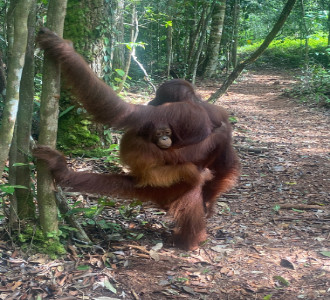
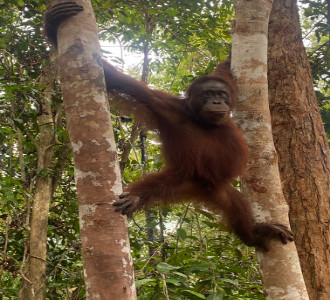
A true privilege and thrill to see them in their natural environment, the best chance of spotting these gentle giants in the wild now lie on the plantation found alongside the Kinabatangan River at dusk, where orangutans are known to both bathe and battle, with there also being multiple rehabilitate centres across Borneo that care and nurture for orphaned orangutans, who have found their homes and families destroyed as a consequence of human environmental destruction.
Alongside the orangutans, the beautiful roaming forestry, jungle and biodiversity hotspots of the Danum valley and Bako national Parks are home not only to immense flora – including the largest flower in the world – the rotting corpse smelling flower of Rafflesia Arnoldii – but rare species of wildlife, that makes a trip through these beautiful jungles and forests a truly awe-inspiring experience. With the jungle alive with the sounds of the hook nosed and curious proboscis monkeys, pigmy elephants, slow moving pangolins, flying lemurs, wild bears and – if you’re incredibly lucky – clouded leopards who are known to roam the Jungle floors in search of mates and food.
Yet alongside Borneo’s well-earned reputation for being a jungle and animal paradise, the islands offers more than its jungle paradise and inhabitants for explorers, with the island of Sapinda being one of the most premier dive spots on the planet, with the colonies of sardines, great whale sharks and peaceful turtles making for an underwater world like no other. You’ll also find gorgeous white sparkling sand beaches across the Derawan Archipelago, deep imposing caves at Niah and one of the worlds most stunning sunrises at the peak of the mighty Mount Kinabalu – whose tough early morning ascent is rewarded with an incredible dazzling display as the sun rises over this beautiful island.
A true adventurers paradise, and one gleaming with wonder after wonder, the diversity and fragility of Borneo further adds to both its legend and magic, with the island being the home of the elusive and jungle living Iban headhunting tribe, who are one of over 50 ethnic diverse human groups that call the island home. Yet despite this diversity, Borneo remains significantly threatened as well as unexplored, with the island – and its residents continually threatened by logging, mining, farming and poachers, which makes the need to both visit, explore and protect this stunning island one of globally urgency.
It is for this reason that we’d encourage Borneo to be at the top of any travellers list for exploring, so that you not only get the chance to glimpse the elusive orangutans in their natural habitat and walk and explore the worlds current oldest rainforest, but alongside summiting Mount Kinabalu for a glorious sunrise, diving in underwater paradise and relaxing on emerald beaches, you get the chance to visit and explore the fragility and untamed wilderness of Borneo, so that you can truly understand both the beauty and threats facing this island paradise, and ensure that future generations get the chance to marvel at the true wonder of the world that is the island of Borneo.

Where:
The world’s third largest island – Borneo is made up of beautiful land, reefs, sparkling sea and wild jungles and cities spread across three countries – Brunei, Indonesia and Malaysia, with the island – which officially clocks in at almost 290,000 square miles being considered divided into two half’s – the east side which is governed by Malaysia and makes up 26 % of the island and the west side that is governed by Indonesia which makes up 73% — with the kingdom of Brunei accounting for the last 1%.
A truly unique place – with world class reefs, the worlds oldest rainforest and one of the last frontiers for the beautiful orangutans, the Indonesian side of Borneo Kalimantan is famed for its wild jungles and beautiful island beaches, where as the Malaysia side which consists of the great states of Sabah – where you’ll find the town of Kota Kinabalu and its mighty mountain, glorious beaches and great wildlife – and the state of Sarawak here the off the beaten track jungle and wildlife reside along with the famed Iban people.
A truly glorious place – that will leave you breathless with its beauty and inspired by its fragility, owing to the three countries that this island paradise stretches across you’ll find a range of options when it comes to getting there and beginning your adventure.
Getting There:
One of the worlds most beautiful islands – access into one of the main cities of Borneo – from where you can begin both exploring this incredible island and begin your jungle adventure – is relatively straightforward, with there being direct flights into the major cities of Brunei, Indonesia and Malaysia that make up the island of Borneo from Kuala Lumpur, Singapore, Jakarta and Hong Kong.
So having got yourself into one of these three major transport hubs, you then have a choice as to which part of Borneo you fly directly into to – with the popular and recommended spots being Sandakan in East Sabah for a fast track to the Orangutang experience, Kota Kinabalu in Malyasia – which is one of the busiest airports across Borneo and provides a gateway to both the Kinabalu mountain and the island paradise of Tunku Abdul Rahman Park, the Kuching airport for those heading to Sarawak and finally for those starting their Borneo adventure in Brunei where you can explore the mangrove swamps of Bandar Seri Begawan and spot proboscis monkeys you can fly directly into the Begawan airport.
Having arrived in one of Borneo’s major cities – the next step will be to navigate your way around the island – in search of wildlife, flora, island paradises and adventure, with the easiest, and safest, way to do this to be to arrange to undertake tours to the part of Borneo you wish to see – especially when it comes to climbing Mount Kinabalu and undertaking rainforest treks in search of wildlife.
For this you will find a range of friendly tour operators both online and across the island, that will see you undertake coach journeys, river crossings and hiking to explore this incredible island.
Yet when it comes to getting across the island itself to reach the various cities that act as gateways to explore the island you’ll need to get around yourself, and you’ll find again find a range of options to accommodate every budget, with Borneo having fantastic Bus, Boats, Planes and private taxi options. For those undertaking the bus you’ll find the experience both comfortable and enjoyable, if a little bumpy, with the buses having full air-conditioning, being highly affordable and regularly leaving across the island. Further with the buses able to be booked a day or so in advance – it makes them a great option for both the budget conscious or flexible explorer.
You’ll also find a number of short haul flights across Borneo – that make for a great option when crossing the border into one of Borneo’s other two countries – with the flights which can make for an easy passage across the wild jungle being bookable on either short or advanced notice and having a reputation as being very affordable making for a great option for those short on time and who want a direct route to their next stop on their adventure.
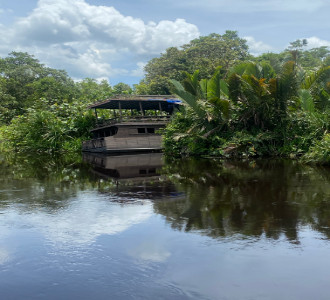
For a truly memorable – and cheap option – you’ll also want to check out a boat when moving across Borneo. As well as being a must do experience on the lower Kinabatangan River to spot for Orangutangs in Sabah, boats regularly run across Borneo and can me a great way to get from gateway city to gateway city – with there being round trip boats running from Sarawak to Sibu to Kuching, Bagawan to Labuan to Kota Kinabalu, and for a more adventurous journey consider taking the boat from Samarinda up the Mahaakam River across the jungle to the remote areas of Borneo – with this river journey being one of the most extreme and adrenaline pumping – and health and safety absence – boat rides on the planet.
Alongside hiring a taxi and a private guide, you’ll also find – for the more adventurous and those on a budget – you can try your way hitchhiking across Borneo, but do be warned to stay only within the citiies and major areas – as outside the cities of Borneo you should not – owing to the cultural sensitivity and significant dangers of exploring a raingofrest and untamed jungle by yourself attempt to venture by yourself without a guide across the rainforests of Borneo. Because of this when it comes to getting around Borneo we’d encourage you to hop from gateway city to gateway city and undertake guided tours with people who understand and know the island to get the best possible experience across this incredible island.
Finally, for the keen scuba divers set on visiting the marine paradise of Sipidan – you’ll want to head to the remote airport of Tawau – which can be reached from Kota Kinabalu, Kuala Lumpur or Singapore – and from there you should be greeted by whichever dive centre or live-aboard company you are exploring Sipidan with. Once at Tawau brace yourself for a transfer to Semporna and then a bumpy 90 minute boat ride to Mabul Island – which will either serve as a base for your diving expeditions or be the port to undertake your live-aboard.
Best time to Visit:
While Borneo is open year-round – and can be visited as such – humid and hot nature and then the intense rainfall seasons of the three countries that make up the island means that you need to be selective as to when you visit – in order to make sure that your visit to the island is as enjoyable as possible.
Considering the rainfall season first – you’ll find the wetter months between November and February – where rainstorms in the areas of Sabah and Sarawak known to be particularly forceful – potentially reducing your chances of spotting orangutangs – especially if you’re on a tight schedule, although as with most of Southeast Asia the rainstorms may be forceful but are known to clear up after a few hours.
While we’d advise not letting the wet season deter you from visiting – we would advise for those who travel during this period to budget a few extra days, as flights, boat tours and even land activities have been known to be cancelled at short notice – so it’s always good to factor this into your travel plans or risk finding yourself stuck in the jungles of Borneo.
For the dry season it typically begins straight after the wet season in March – and you’ll find temperatures at their most extreme in the months of March and April, with the heat, humidity and dust being a testing experience for anyone not used to such climates.
For this reason, while Borneo can be visited at any time of the year, if possible we’d advise visiting in the high season between May to September – when the weather is more manageable, the rainstorms are at a minimum and best of all you’ve got the best chance to spot the wildlife, fauna and enjoy the stunning scenery across the magical wonder of the world that is the island of Borneo.
How long to stay:
A paradise island – owing to the size, travel time needed between gateway cities and the incredible and multiple experiences that Borneo offers we’d advise setting aside at least 10 days to two weeks – if not longer to experience the magic that Borneo has to offer.
While it’s possible to have one week of packed activities if flying from one of the neighbouring Southeast Asian Countries – which would include a quick trip up Mount Kinabalu, a trip to the Kinabatangan river to spot Orangutans – and if you’re lucky a chance to spend a day relaxing on one of Borneo’s stunning beaches – a week in Borneo would undoubtedly be rushed and see you having to spend at least two days travelling to get between gateway cities – which in our view would really impact your enjoyment.
So for this reason we recommend budgeting at least two weeks for Borneo – which will give you enough time not only summit Mount Kinabalu and explore pristine beaches, but give you multiple chances to spot Orangutangs, explore the ancient rainforest and the Danum valley to search for the beautiful wildlife and flora of Borneo and give you plenty of time to both account for travelling across the island and exploring the fascinating cities and nature that make us this stunning island.
For those fortunate to have enough time – or for the keen divers – it’s also necessary to budget for at least 6 days if not longer if heading to Sipidan Island to undertake the world class scuba diving.
So while it is possible to sample the magic of Borneo in a quick one week journey, we’d strongly recommend setting aside at least 10 days to 2 weeks to truly connect and experience all that the incredible wonder of the world of the island of Borneo has to offer.

Top Tip:
A true island paradise, owing to the wild and untamed (and dangerous!) jungle terrain that makes up Borneo, combined with what will likely be your limited time and budget to explore this wonder – and the need to make sure you get the best chance of seeing the incredible wildlife – including the Orangutangs and proboscis monkeys and deep and wild Flora – a trip to Borneo requires not only a lot of planning, but in order to make sure you stay safe and healthy and get to experience the true magic of this island paradise we’d strongly recommend following our top tips below:
- Orangutang Spotting — Starting with the big one – Orangutang spotting, while Borneo is a truly majestic wildlife paradise, thanks to the natural camouflage of the jungle and the dwindling numbers and elusiveness of some of the animals that call home – we’d encourage any explorer to budget at least a couple of days when it comes to spotting Orangutangs – and make sure that any trip to see them involves a trip to the Kinabatangan River – where a river cruise gives you the best chance to spot them – with sightings not guaranteed, but the longer you can spend and the habitats you visit really giving you the best chance to see these majestic animals.
- Respect the Island — As well as budgeting time to see them – and the other fascinating animals across Borneo – do of course make sure you respect the animals and plant life as you trek across Borneo, with the delicate flora – and especially the Rafflesia Arnoldii plant – and the animals all being protected and strict protections in place to maintain their habitats – with jail sentences in place for anyone that disturbs the natural beauty of Borneo.
- Plan well in Advance — It’s also incredibly important to plan well in advance when visiting Borneo – as not only will you find flights at a discounted rate ahead of time, but given the large nature of the island, the need for visas, the lengthy travel times between gateway cities and the limited places available across tours (aimed at helping the conservation efforts) it’s entirely possible to visit Borneo and miss out on truly magical experiences if you’ve not planned ahead.
- On top of this – while we’d really encourage you to visit Sipidan Island to go scuba diving at one of the best Marine life sanctuary’s on the planet – it’s absolutely essential that anyone heading to Sipidan books well in advance – as entry to this incredible national park is limited to 176 people a day and a string of permits – often taken care of by a tour company are required to dive at the marine park. While you’ll of course also need your diving licence – do also be sure to set aside at least 6 days when heading to Sipidan as accommodation, dive tours or liveaboards only account for an extended stay.
- Use a tour guide — While we’d also encourage any explorer to indulge their adventurous side – including trekking through the jungles, diving into the emerald waters and summiting mountain peaks – do also bear in mind that parts of Borneo remain wild and untamed, and this is not a destination where heading into the wilderness is an option – owing to the dangerous terrain and jungle, the threat posed be predators and the jungle tribes that do not take kindly to foreign interference. For this reason, it’s absolutely essential that when exploring outside of Borneo’s great cities any exploration is done so with a guided tour ran by a local tour operator.
- Health – For those heading into the jungle in Borneo – both to seek Orangutangs and the wildlife and flora and explore the ancient rainforest of this incredible island, do also make sure that you take the necessary precautions against Dengue fever – a disease which is deadly and for which there are currently no vaccinations. While symptoms are often mild, it’s essential when visiting Borneo to practice good hygiene – washing your hands frequently and making sure that you consult a doctor if feeling ill.
- Weather – For those not living in South East Asia – you’ll also need to be wary of the weather, with temperatures at Borneo consistently in the 30 degree Celsius range – and owing to the rainforest – being prepared for rainstorms, which are frequent, powerful and can start at any moment – even in the dry season. For this reason it’s important that you come prepared with a chance of clothes, a good rain coat, multiple pairs of socks, some sturdy waterproof shoes – and clothes for the warm weather, including a good t‑shirt, sunglasses and a good hat.
- Travel time – Finally while Borneo is a true dream destination, do be warned that getting around and into the island can be time consuming – especially for those travelling by coach or boat to get from gateway city to gateway city. As the island stretches across three countries it’s essential that you not only plan well in advance for visas and travel times – but you can also expect any jungle, scuba diving or orangutang excursion to involve a combination of flight, bus and river crossings. For this reason we’d strongly advise that you budget an extra couple of days into your schedule at Borneo to account for the time it takes to both get around and into this incredible island – and thus give you the best possible experience on this true wonder of the world.
Cost:
A truly magical wonder, a trip to Borneo and the chance to explore all of the magic that this incredible island has to offer will require a bit of a budget – yet alongside the expenses of diving at Sipidan, going Orangutang viewing and summiting the mighty mountain of Kinabalu – Borneo lends itself as a favoured and welcoming destination for backpackers, so regardless of your budget this stunning island can be experienced and enjoyed by all.
Starting with getting there – and having got yourself to one of Kuala Lumpur, Singapore, Jakarta or Hong Kong, you’ll find flights to one of the gateway cities of Borneo very affordable – with one way tickets usually costing no more than a $100 Usd to arrive at Borneo.
Once at Borneo you can then budget for accommodation, and regardless of the cities you make as your base for exploration you can find a range of accommodation options – with backpacker forms typically starting from $5 usd a night – and high end hotels starting from $75 Usd a night – with there also being a range of accommodation options in between – making the accommodation in Borneo affordable for every budget.
Next up – and an expense that all will have to endure is the trips into the Jungle, mountains and waters of Borneo, firstly for those set on summiting Mount Kinabalu we’d advise to put aside at least $150 Usd for a 2 day tour to the top, with this price being well worth it to glimpse the stunning sunrise over the mountain and Borneo. For an Orangutang viewing expedition at the absolute minimum (2 days / 1 night) you’ll need to set aside $400 Usd – but we’d advise to budget at least $600 Usd for a viewing and make sure that any tour includes a journey along the Kinabatangan river – to increase your chances of seeing these incredible animals.
Further you should set aside at least another $600 Usd for a journey through the Danum valley and expect to budget $300 Usd for anyone set on discovering the Bako National Park – with the cost of visiting the Derawan Archipelago also likely to set you back another $200 Usd.
For the keen scuba divers amongst you, you’ll need to budget $1000 Usd for a 3 day 2 night stay at Mabul island to dive Sipidan – with liveaboards and night dives also known to add extra expense to any trip to Borneo.
While there’s no doubt the excursions can by pricy – and may result in a situation where you have to pick and choose which activities you undertake – particularly for the backpackers – other elements of Borneo are much more financially agreeable, with a trip to the Sepilok Orangutan Sanctuary costing a little over $5usd, food costing no more than $5 a meal (even cheaper if you eat street food) and taxi’s and buses costing roughly $2 a ride.
You can also save a little bit of money when it comes to getting across the island – while flights which cost roughly $100 Usd between the various cities – although you can get flights as low as $25 Usd if you book in advance and set-up flight alerts – boat trips across the island from city to city can cost as little as $2, with long haul bus journeys also known to be purchasable for $3 Usd – meaning that for those backpacking Borneo or who are on something of a budget, you have the option to save on travel, food and accommodation and give yourself a little more money to put towards the incredible experiences found on the stunning island of Borneo.
Making sure also you avoid travelling on or around national holidays – when flights will soar in price – and that you haggle in market places where appropriate, we’d advise putting aside $1500 Usd as a basis to discover Borneo over two weeks (not including inbound and outbound flights) and then, if you’re lucky and money allows, upping your budget to allow you to undertake more incredible experiences across this stunning wonder of world.

Fun Fact:
Home to the world’s oldest rainforest – at a youthful 140 million years old – the island of Borneo is not only unique in that it crosses the three beautiful countries of Brunei, Indonesia and Malaysia – but as the third largest island on the planet and thanks to the division across three countries and its states, Borneo arguably has a whopping seven capitals – with the Brunei capital Bandar Seri Begawan, the Indonesian part of Borneo Kalimantan having the capitals of Banjarmasin (South), Palangka Raya (Central), Samarinda (East) and Pontianak (West), and the Malaysian sides of Sabah – whose capital is Kota Kinabalu and Sarawak whose capital is Kuching.
Alongside this Borneo is one of the rare places in the wild where you’ll find not only the charming Orangutang but also jungle tribal life – with the Rungus people in Kudat and the Iban tribe in Batang Ai being some of the last remaining human jungle tribes on the planet – and for those fortunate enough it’s even possible to stay with these tribes to connect not only to their way of life, but also the heart and essence of Borneo.
Yet chief amongst the Borneo fun facts has to be the incredible wildlife – with their being more than 15,000 plant species including the Rafflesia Arnoldii flower and hundreds of animal species – including the endemic proboscis monkey, and the smallest elephant and bear species on the planet in the Bornean pygmy elephant – in fact so diverse and unique is the wildlife upon Borneo that the full extent of its residents has yet to be discovered – with researchers and explorers still discovering new species on expeditions – with more than 350 species having been discovered over the last decade alone across the incredible island paradise that is Borneo.
Sights & Best photo spot:
A true photographers dream – the lush green ancient rainforests of Borneo are stunning in their own right, but with the chance to capture the thousands of colourful flora – including the always photogenic (if foul spelling) giant plant of Rafflesia Arnoldii and capture some endemic and unique animals, including the charming and rare orangutans – then Borneo is a true paradise for any photographer.
Combine this nature and the stunning landscapes within the forests, with hundreds of diverse cultures, picturesque villages, sparkling beaches, world class scuba diving and marine life and one of the most incredible sunrises on the planet then it’s no understatement to say Borneo is the most photogenic island on the planet where you’ll be truly spoilt for choice for the best photos.
Yet noting that any photo in Borneo – particularly those of wildlife and orangutans is very much dependent on nature and your luck in spotting the endemic and sometime elusive wildlife, we’ve rounded out our picks for the top photo spots by including the guaranteed photo hot spots – to allow you to capture the scenic and beautiful nature of Borneo – and the spots where you have the greatest chance of running into some of the incredible wildlife that call the wonder of the world Borneo home:
Sunrise from atop Mount Kinabalu
The highest mountain peak between New Guinea and the Himalayas, the mighty Mount Kinabalu is not only a gloriously beautiful peak – but at a mighty 4,095 meters it dominates not only Sabah’s skyline but provides a perfect viewpoint to stand above the clouds of Borneo and watch as the rising sun illuminates the clouds, peaks, hills and rainforest before you into a warm orange, yellow and purple glow – for what is one of the great experiences and truly beautiful photos across Borneo.
A photo that you’ll have to earn – a journey to the summit of Mount Kinabalu will set you back a few hundred dollars and requires a two day undertaking up the side of this gorgeous mountain, with the second day beginning at 2am to make sure you reach the summit on time to watch the incredible sunrise – which is truly a sight to behold.
For those wanting to undertake this trek – and witness what is one of the most glorious sunrises on the planet and a true dream of a photo opportunity, you’ll need to make sure you plan a few months in advance, as owing to restrictions which see a cap on the number of people allowed to summit the mountain, you’ll find places in high demand to make the climb and witness the incredible sunrise.
Still for those fortunate enough to make the climb be sure to bring your cameras (and strong coffee) and be ready to witness a truly awe-inspiring experience and one of the truly great sunrise photo spots on the planet.
Sarawak’s Niah Caves
Otherworldly, awe-inspiring and a window out over the ancient rainforest – the ancient and painted caves of Niah are truly a sight to behold, and when you catch them at the right moment, when the bright Borneo sun creates a mirage of light shining through the caves – they are undoubtedly one of the most magical places across the whole of the island – and make for a truly magnificent photo.
Leading to a windowed view out over the worlds oldest rainforest, the Niah cliffs have developed a special place in the hearts of explorers – thanks in no small part to their ease of access and the almost identical resemblance to the deep jungle limestone cliffs that lie deep within the Borneo jungles – meaning that the Niah cliffs can give any explorers a true taste – and photo opportunity of the true wild and off the beaten track areas of Borneo.
Best undertaken towards sunrise or sunset – to capture that magical photo of the light seeping through the caves, a trip to the Niah cliffs allows you not only to experience one of the most interesting and raw parts of Borneo but also capture a truly magical photo at one a truly stunning scenic spot.
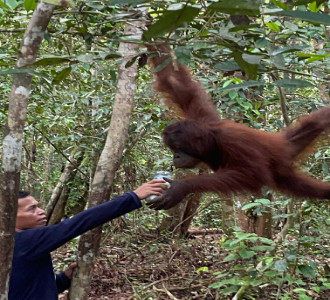
Borneo’s island paradise
So often overlooked in favour of the gorgeous wildlife and forests that roam the island, the islands of Borneo are truly stunning with the blue turquoise waters and glistening golden of Borneo’s islands – particularly those found off the Derawan Archipelago off Indonesia and the Tunku Abdul Rahman Park off Malaysia — being among some of the most scenic and photogenic islands on the planet – and making for a great spot to kick back, enjoy glorious sunsets and capture the absolute best of Borneo’s stunning island paradise.
For the Derawan Archipelago you’ll find 31 stunning islands – with emerald waters, beach huts and dazzling white sands off the cost of east Kalimantan, and the islands are simply gorgeous and allow you to capture not only an island paradise the represents the best of Borneo, but thanks to its protected status, the swaying palm trees and the thriving eco-logical conditions – you’ll also find a range of marine life off the islands shores, with 450 species of corals, curious sea turtles and hundreds of fish species known to live off the islands coasts. Although a little hard to reach – we’d advise heading for the islands of Derawan, Kakaban or Maratua as a first point of call, the islands off the Derawan Archipelago are simply incredible and make for an amazing photo opportunity to capture the stunning natural beauty of Borneo.
Alongside the Derawan Archipelago islands, the Malaysian side of Borneo also offers incredible islands – which are in our view a little bit more accessible – with the Tunku Abdul Rahman Park which is found just 20 minutes outside Kota Kinabalu (the gateway for mount Kinabalu) on the Sabah coastline being not only a place to once against capture majestic beaches – but known for being a hotspot for turtle hatching – which, if you’re lucky and sensitive can make a truly special photo opportunity.
Truly special and beautiful, the beaches of Borneo across the island are all uniquely beautiful and encompass the true beauty of this stunning island – but for a truly special shot we’d advise heading to either the Derawan Archipelago or the Tunku Abdul Rahman Park islands especially at sunset to snap truly magical photos that will undoubtedly be one of the most memorable highlights of your photo journey across Borneo.
Sipidan Island
One of the greatest dive spots on the planet – the island of Sipidan is not only the stuff of legend amongst divers, but this true magical marine paradise offers arguably one of the most magical places on the planet to capture marine life in full flow, with the bast array of whale sharks, Manta rays, Black tip and hammerhead sharks, schools of brightly coloured nemo, parrot and needle fish barracudas and of course photogenic turtles – combining to make this marine paradise one of the must visit photo spots across all of Borneo.
Thanks in no small part to the calm and clear waters – with visibility ranging up to 200 hundred feet below the waters, the waters of Sipidan are truly magical – with turtles and sharks known to be visible and photographable from the surface before Divers – armed with sturdy cameras take the plunge. It is this combination of immense visibility and teaming marine life that makes the challenging journey to Sipidan worthwhile – with explorers having to undertake flight, coach and then a speed boat to reach the nearby island of Mabul – from where dives or liveaboards can be undertaken.
Unlike anything you’ll find elsewhere on the planet, the marine life and photo opportunities at Sipidan are undoubtedly the best of Borneo and for those fortunate to take on both a daytime and night time dive there’s an almost guarantee that you’ll leave with not only incredible memories but also immense photos – both of which will last you a lifetime.
Wildlife and Flora Spotting in the Borneo Jungles:
Orangutans in Borneo:
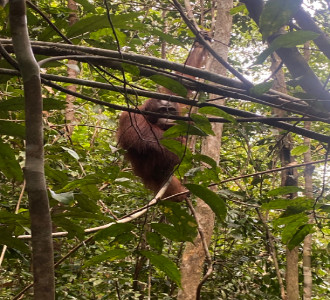
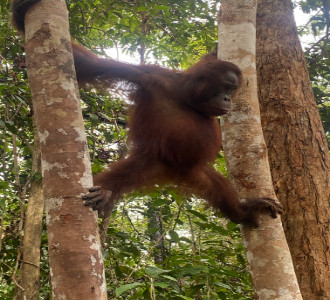
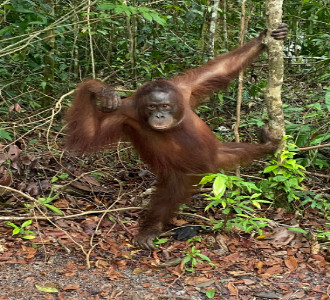
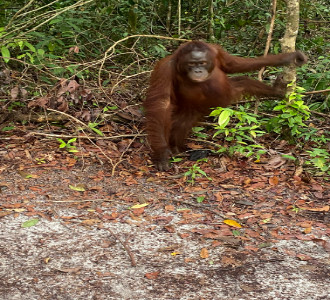
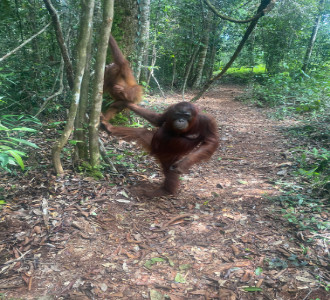
For the must have photo of any Borneo trip – the Orangutans that call Borneo home are one of only two magnificent places on the planet (Sumatra in Indonesia being the other) to see these curious beautiful and endangered primates, with the forests of Danum and the rivers of Kinatabangan in Borneo, being in our view the most accessible and greatest spot on the planet to both witness and photograph these hugely intelligent and sadly endangered animals.
Found also in the various refugee centres across the island including the famed one on Sabak, a snap of an Orangutan is undoubtedly the highlight of any wildlife and nature exploration of the 130-million-year-old jungles and forests of Borneo, but it is not the only one, with hundreds of flora and animals, including the adorable proboscis monkeys, wild bears, howling monkeys, flying lemurs and even leopards all potentially photographable on your journey through the forests.
While sightings and photo opportunities of these animals are down to chance, there’s no doubt that any photographer can improve their chances of snapping them by heading to the right – and beautiful and photogenic locations below:
The Danum Valley Rainforest:
The heart of Borneo’s great jungle and forest, the protected area of the Danum valley stretches across more that 400 square kilometres, and it’s here that you’ll be guaranteed incredible shots of the worlds oldest rainforest – which is both easily explorable on a series of treks and can be stayed overnight in – with this beautiful and historical valley being a truly worthy shot of Borneo in it’s own right, but when combined with the thousands of Flora and hundreds of animal species you’ll find living within the rainforest – it makes the Danum valley one of the premier spots to visit for truly iconic photos of Borneo.
Chief among these flora – and something you’ll probably smell before you see – is the famed Rafflesia Arnoldii, which is the worlds biggest flower and makes for a great and colour photo. You’ll also – if you’re lucky find orangutangs nestled across the valleys trees – which again makes for a truly memorable photo, as too do the families of monkeys, pigmy elephants and leopords, who can all be seen on nature walks and river rides across this truly beautiful valley.
For the best shots and experience, we’d really encourage you to spend at least one night in the Danum valley – with there being a range of accommodation options – from camping to hostels — to suit all travellers, with a night overnight in the Borneo jungle not only giving you the chance to undertake a late night and sunrise safari – where your chances of spotting animals and capturing great photos are greatly increased – but also giving you the chance to witness a stunning sunrise and sunset in the Danum Valley, which makes for a truly incredible photo and further underlines the beautiful and photogenic paradise of the Borneo jungle, which is in our view best captured in the Danum Valley.
Bako National Park:
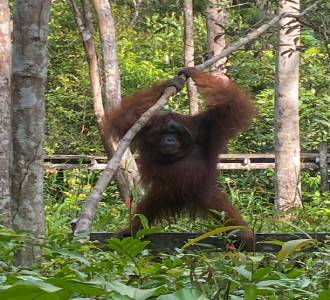
A park for those who want to soak in the great jungle valleys against the backdrop of stunning emerald waters and empty beaches of Borneo – and a park where you’ll find flocks of proboscis monkeys (although no orangutangs), the Bako National Park offers stunning and tree top photo opportunities – where – and especially at sunrise and sunset – you can capture far ranging views out over the ancient forests of Borneo to the horizon – for what is undoubtedly one of the great nature photos both within Borneo and the planet.
A truly photogenic park, the road through Bako is easily found – with there being a series of trails and hikes to take you both through the ancient jungle, and up to the cliffs above the emerald waters and down to the beaches below, with a panoramic photo from atop one of the cliffs – where you can capture both the jungle on your left and the beaches on your right being one of the must have and truly great photos across Borneo.
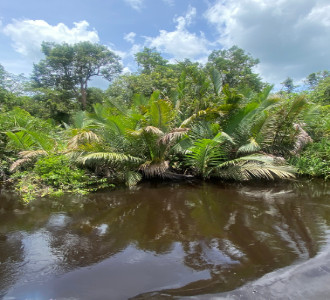
Alongside this within Bako you’ll also have the option to take on river rides and mangrove swamp tours, which make for a great way to get up close and personal within the jungle – and expect to see the Borneo native proboscis monkeys leaping alongside you in the mangroves – with these brightly coloured and peculiar monkeys – when captured against the backdrop of the deep Bako National park making for a truly magical shot that encompasses the very best of Borneo.
Sepilok’s Orangutan Sanctuary:
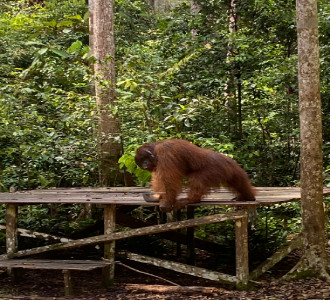
Along with catching a glimpse of Orangutangs in the wild throughout Borneo, to truly understand both these majestic animals and the fragility of their survival – with only 100,000 left in the wild – and the impact that logging and deforestation are having on them, we’d encourage every explorer to visit the Sepilok rehabilitation centre in east Sabah – where you’ll find a number of orphaned and in particularly baby orangutangs who are in need of care.
Alongside help you to understand the beauty of these majestic animals – the rehabilitation also offers you a good chance chance to see semi-wild orangutangs at feeding times – which combined with the opportunity to see baby orangutangs can also make for a great experience of seeing these endemic and endangered animals and grab photos of them in a controlled and supportive environment – which can serve as a reminder as to their beauty and the continued threat they face.
While different from the experience of seeing orangutangs in the wild – the care and preservation work going on at the Sepilok rehabilitation centre offers another side of Borneo and the stark and harsh reality facing these beautiful creatures – and the chance to both experience and capture this work – as well as snap baby and semi-wild Orangutangs up close is as an essential and beautiful photo as any that you’ll get the chance to take on your journey through Borneo.

The Lower Kinatabangan River:
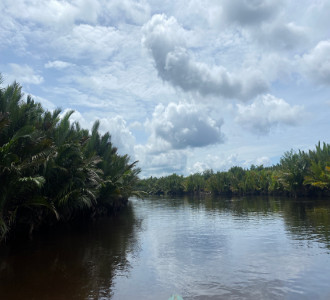
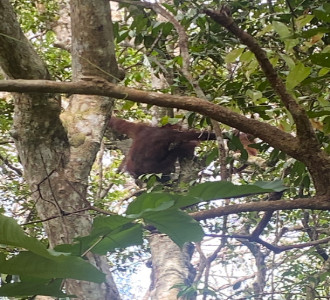
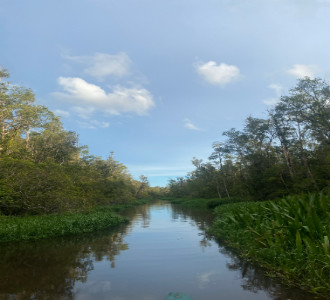
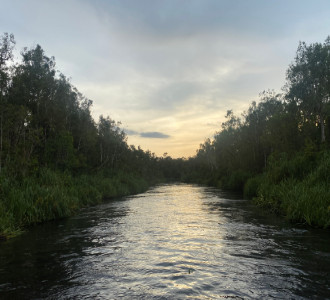
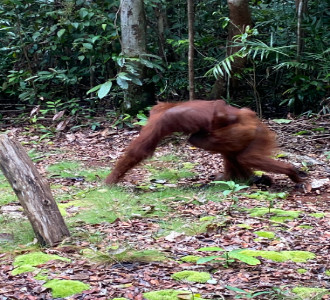
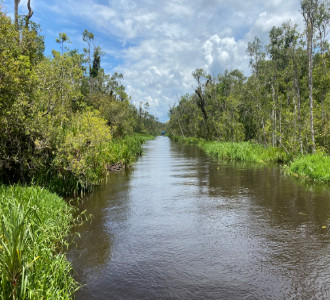
Our pick for spotting Orangutangs across Borneo – based both on your chances of seeing them and the stunning scenery that surrounds them – the lower Kinabatangan region is a true wildlife hotspot in Malaysia and a boat ride along the Kinabatangan river, which is a multi-day excursion and will require various forms of travel – giving you a fantastic chance to catch the true jewel of a photograph in Borneo – the chance to see Orangutangs fighting, bathing or relacing along the banks of these great river.
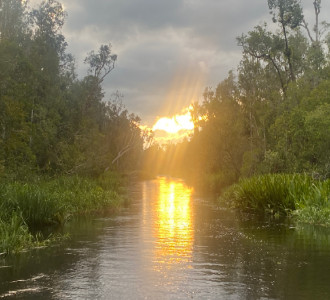
Best undertaken at dawn or dusk – where not only are the Orangutangs at their most active – but you’ll also get the incredible sunrise or sunset Borneo colours adding a fantastic colour enhanced background to your shot – a trip down the 560 kilometres of the Kinabatangan rivers also gives you the chance to snap other beautiful wildlife photos of the natives of Borneo – including the pigmy elephant and the flying lemur – with a journey down this incredible river offering you some of the best, most elusive and beautiful shots across Borneo.
While the journey to the river base may not be easy – and may be a little on the expensive side if you undertake it on a tour, a journey along the Kinabatangan River gives you the best chance to not only snap the mangroves and jungle of Borneo in its most rawest and beautiful form, but gives you the chance to photograph the true icon of Borneo in the Orangutang in its natural habitat, which is a privilege that future generations may not enjoy and which underlines the need to both explore and protect the incredible wonder of the world that is the island of Borneo.