
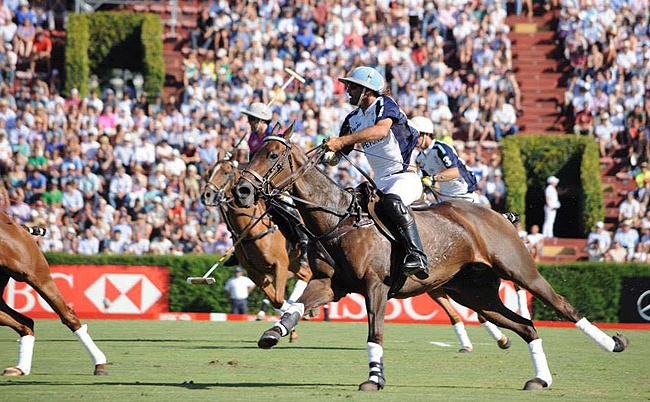
Elite Polo, Extraordinary Horses and Buenos Aires Tradition
At Palermo’s Campo Argentino de Polo, the Argentine Open brings high-goal competition into the heart of Buenos Aires. World-class riders, exceptional horses and fast tactical play give the grandstands their focus.
The finals atmosphere and social scene add to an event rooted in Argentina’s equestrian tradition. Learn the rhythm of the match and the spectacle becomes richer with every chukka.
Watch the horses, follow the space, feel the game.— THE TRAVEL LANTERN
Tournament Guide
Understand the sport, choose a match and enjoy Palermo’s great polo stage.
1Tournament Overview
Discover Argentina’s high-goal tradition, the importance of horses and the tactical detail behind the speed.

Palermo: a sporting stage in the city
The Campeonato Argentino Abierto de Polo, usually called the Argentine Open or simply Palermo, is one of polo’s great club championships. It combines the scale of a major outdoor stadium with the intimacy of a sport in which the relationship between rider and horse is always visible. The buildings beyond the field remind you that this is Buenos Aires, not a distant country estate: an equestrian tradition playing out inside a living city.
The social atmosphere is part of its appeal, but it should never obscure the game. The most rewarding afternoon begins when you start following the movement away from the ball, noticing the acceleration of a fresh horse and recognising why a player chooses a pass rather than another run. An expensive hospitality package cannot replace that understanding.

Argentina’s polo tradition
Polo developed in Argentina through nineteenth-century clubs, imported sporting traditions and a country with a strong culture of horsemanship. Over generations, breeding, training, competition and family knowledge created an exceptional concentration of skill. The modern high-goal game draws on that system as much as on the individual brilliance of its best-known players.
The Open forms part of the Argentine Triple Crown alongside Hurlingham and Tortugas. These are separate tournaments, with their own venues and fixtures, so a ticket to one is not admission to all three. Their place together in the season helps explain why Argentine spring is such an important period for followers of the sport.
The Campo Argentino de Polo opened in 1928, according to the Asociación Argentina de Polo. Its familiar nickname, the Cathedral of Polo, expresses the status of Palermo within that culture. The atmosphere is especially strong when a season of preparation reaches its decisive match, but an earlier fixture can be a better introduction for someone learning the game.

Four players, one moving tactical problem
Outdoor polo has four players on each team. Numbers help describe their usual responsibilities: attacking roles towards the front, a playmaking presence and a more defensive position. Those roles are fluid during open play. A player who appears to be riding away from the action may be creating the space that makes the next attack possible.
Start by identifying the two shirt colours and the direction of the current attack. Then look beyond the person striking the ball. One teammate may be available for a forward pass, another may be marking an opponent, and another may be protecting the space behind. The field is large enough for all of those decisions to matter at once.
Goals are scored between the posts, and teams change ends after goals. That can briefly confuse new spectators, especially after a stoppage. Use the restart and scoreboard to reset your bearings. You do not need to know every rule to enjoy the match, but understanding direction makes the patterns much easier to follow.
What high-goal polo means
Players receive handicap ratings that describe assessed ability, and a team’s total combines the ratings of its players. A high team handicap indicates a concentration of elite skill; it does not mean the scoreboard begins with that many goals. The Open is an open competition rather than a promise that a weaker team receives its rating difference as a head start.
Handicaps and rosters change, and sponsor names can change with them. Use the current AAP fixture and match programme for the actual teams taking the field. An old photograph or an earlier season’s famous lineup is an illustration of the sport, not confirmation that those players will appear during your visit.
At this level, clean striking is only the beginning. Players need anticipation, balance and a rapid judgement of space. Watch how an attack develops through passing and how defenders try to influence the next touch. A long shot may look spectacular, but a controlled shorter pass can reveal just as much tactical intelligence.

Chukkas, stoppages and the rhythm of a match
A chukka, also spelled chukker, is a period of play. Major Open matches are traditionally played over eight chukkas, with timing, stoppages and any extra period governed by the current competition rules. The elapsed afternoon is longer than the total playing clock because officials must manage restarts, fouls, intervals and other interruptions.
Use the pauses to understand rather than lose the thread. Check the score, notice changes in momentum and look at which side is winning useful field position. Penalties can alter the balance of a close match, and the whistle is part of the tactical story rather than an interruption to an otherwise simple race.
Ride-offs and challenges take place within rules intended to manage the interaction of fast-moving horses and riders. From a grandstand, a decision can be hard to interpret. Avoid assuming that every forceful-looking contest is a foul, or that a player is free to cross any line simply because the ball is nearby. The official AAP rules are the better reference for detail.
The horses are central to the competition
Horse quality and rotation are fundamental. A player’s string provides different combinations of acceleration, turning, balance and responsiveness, while rotation helps manage the demands of elite competition. Watch a rider return on a different horse and see whether the pattern of movement changes. The game is never the rider alone.
Grooms, trainers, veterinary staff and the wider support team make that performance possible. Their work is not a public attraction unless the organiser opens a specific area. Observe preparation only from permitted spectator spaces. Do not approach, touch or feed a horse, step into a pony line or seek a photograph beside a moving animal without authorisation.
Polo is physically demanding for horses and riders. Appreciating the skill does not require unsupported claims about welfare or a romantic account of everything behind the scenes. Follow the organiser’s published standards and report any immediate concern to venue staff rather than entering a working area yourself.

The final and the wider Buenos Aires experience
The championship final concentrates the season’s tension into one afternoon. Grandstands, supporters and the prospect of a trophy give every change of possession extra weight. An earlier group match can offer more room to learn; a decisive late-stage fixture can show how the same tactical choices feel under pressure.
Build the visit around the sport first. Arrive with time to find the correct gate and seat, learn the teams and watch the opening chukka. Food, conversation and any booked hospitality can enrich the day around the action, rather than becoming the reason you miss it.
Then let Buenos Aires complete the picture: Palermo’s streets, a meal after the match and the city beyond the stadium. The strongest memory of the Open is likely to combine both scales — a great urban occasion and one perfectly timed movement of horse, rider and ball.
2When & Where
Check the revised annual calendar, Campo Argentino de Polo access and the match-day sequence.
When the Argentine Polo Open Happens
The main season is usually November–December. Reviewed 6 November 2026: specialist reports dated 29–30 October give the revised 133rd Open as 14 November–12 December 2026, with the final reported for 4:30pm on 12 December, field 1. The AAP’s earlier April announcement still lists a 10 November opening. Treat the later dates as the latest reported plan and reconfirm directly with AAP before booking.
Campo Argentino de Polo
The venue is in Palermo, Buenos Aires, by Avenida del Libertador and Avenida Dorrego. Use the gate printed on the ticket, not just the venue’s main address. A match on field 1 and another on field 2 may have different access and sightlines.
Group Stage
The revised reported zone dates are 14, 15, 17, 18, 21, 22, 28 and 29 November, then 5 and 6 December. Check the actual teams, start times and field on the latest AAP fixture. Do not assume a ticket covers every match that day.
Semifinals
Do not assume a separate knockout semifinal round. Zone-deciding matches are sometimes described informally as semifinals; in a two-zone format the zone winners can advance directly to the final. Follow the current competition format and ticket descriptions rather than an invented semifinal date.
Final
The reported final date is 12 December 2026. Weather can change polo fixtures. Leave flexibility in travel plans and read postponement and refund terms. Trophy presentations take place only on relevant days and do not give spectators permission to enter the field.
Seating & Viewing Areas
Check the current seating plan for grandstands, reserved areas and hospitality inclusions. A higher price may buy services as well as a different view; it is not proof of better sporting sightlines. No current price list, gate-opening time or accessible-seat allocation was independently verified at review.
Best Time to Arrive
Allow roughly 60–90 minutes before your match as a planning buffer, longer for the final. This is visitor advice, not an announced gate time. Confirm when your gate actually opens.
- Travel to Palermo and find the ticketed entrance.
- Ticket and security checks, then locate your seat.
- Pre-match atmosphere and visible warm-up from public areas.
- Opening chukkas and first tactical patterns.
- Intervals and halftime; remain in spectator areas unless staff explicitly invite field access.
- Final chukkas, result and any scheduled presentation.
- Patient departure and transport beyond the busiest streets.
3Event Advice
Choose official tickets, prepare for outdoor conditions and respect the horses and working areas.

Tickets and seats
Start with AAP and follow its current ticket link. Choose the correct date, field, seat and package. Book major fixtures early, particularly the final, but do not interpret demand as a reason to use an unverified reseller. Keep the ticket available offline and check any identification requirements.
Dress for an outdoor sporting afternoon
Comfortable shoes, a hat and sun protection matter more than a formal polo stereotype. A smart-casual choice can work for many visitors, but hospitality may set its own dress rules. Bring a light layer and permitted rain protection if the forecast changes; Buenos Aires spring can turn wet.
Facilities and access
Check food and drink inclusions, bag limits, camera-equipment restrictions and children’s ticket rules before arrival. Contact the organiser about step-free entry, accessible seating, companion admission and toilets before buying. Do not infer accessibility from a general stadium photograph.
Respect working areas
Stay clear of horses, grooms, service routes and player access. Do not touch or feed horses or stand near a pony line for a closer picture. Ask staff before moving into any area that is not plainly public. Keep children beside you when horses are moving nearby.
Common Mistakes
- Buying the final without learning the basic rhythm of a chukka.
- Assuming all seats, fields and hospitality packages have the same view.
- Leaving tickets too late or using a seller AAP has not identified.
- Watching only VIP activity and missing the sporting contest.
- Approaching horses or entering restricted areas.
- Underestimating sun exposure, rain or the size of the field.
- Bringing equipment before checking the current rules.
- Assuming the tournament fits into one weekend.
Language and departure
Learn cancha (field), tribuna (stand), entrada (ticket or entrance) and chukker. Save the exact gate and return address. Major match days can mean traffic and concentrated pickup demand; a short walk to an agreed legal pickup point may be easier than waiting beside the busiest exit.
4How to Experience
Make the most of one major match or follow the tournament as the stakes rise.
Essential Polo Experience
Choose one confirmed major match, book an official seat and learn the two team colours. Arrive before the opening chukka. Follow one player for a few minutes, then widen your attention to the teammates creating space. Watch horse changes from your permitted position.
Full Tournament Experience
See an earlier group fixture before a decisive match or the final. The first afternoon teaches the pace and sightlines; the second reveals the stakes. Recheck the fixture after rain and distinguish a zone decider from a separately scheduled semifinal. Hospitality can be added if desired, but ordinary grandstand viewing is a complete sporting experience.
Best Sporting Experience
Use a seat with a clear field overview. Alternate between following the ball and watching the player positioned for the next pass. Notice when a team keeps possession, changes the angle of attack or commits to a long run. Pay attention to horse management and rotation, which are part of the contest throughout.
During breaks, check the scoreboard and programme rather than spending the whole interval away from your seat. Understanding speed, horse management and tactical sophistication makes the Open far more compelling than viewing it only as a stylish social gathering.
Combine it with Buenos Aires
Leave time for Palermo and the wider city without crowding the match schedule. A late lunch before the ground or dinner afterwards can complement the day. If you add an equestrian outing elsewhere, choose an operator that welcomes questions about horse care and clearly distinguishes visitor activities from elite tournament access.
5Photo Guide
Capture riders, galloping horses and the wide Palermo field from permitted spectator areas.

Best Subjects
Photograph galloping horses, riders shaping a swing, the ball in open play, team formations and the grandstands. Look for a complete sporting story rather than only fashion and hospitality.
Best Light
Late-day light can give riders and dust more shape. Harsh midday sun requires attention to shadow and bright shirts. Exposure depends on the actual conditions; check highlights and keep reviewing a few frames.
Best Positions
Use your allocated stand or a public place staff permit. A higher viewpoint helps show tactics; a lower permitted seat can emphasise speed. Check the stadium’s camera and lens rules before bringing equipment.
Polo Action Photography
Try continuous autofocus, short bursts and a shutter around 1/1000–1/2000 second as a starting point for fast action. A telephoto lens helps across the large field. Anticipate a pass or goal rather than trying to follow every change at once.
Horse & Rider Photography
Allow space in the direction of travel and avoid cutting hooves or a raised mallet unintentionally. Panning at a slower shutter can show movement, but practise during less critical passages. Keep all observation of preparation within authorised public areas.
Wide Field Photography
A wide view can include goalposts, formations, grandstands and Palermo architecture. These images explain the setting and tactics that close action alone cannot show.
Trophy & Celebration Photography
Remain in the spectator area during presentations. Use a longer lens if necessary and respect any restricted access. Do not assume the final permits a public field walk.
Phone Photography
Capture the stadium and nearby action rather than extreme digital zoom across the field. Burst mode can help with a passing group of riders. Keep enough battery for your ticket and return journey.
What Not to Do
Never enter the field, pony lines, stable or player zones for a photograph. Do not distract horses, use flash close to animals, obstruct spectators or step into staff routes. Follow event photography restrictions and ask before taking close portraits.
Practical Information
Choose the right match, allow time for entry and prepare for an outdoor afternoon.
Best Time to Arrive
Arrive well before the first chukka; allow extra time on final day.
How to Get There
Head to Palermo and the precise gate on your ticket.
What to Bring
Ticket, comfortable shoes, sun protection and permitted essentials.
What to Expect
Fast sport, horse rotation, a large field and a lively Buenos Aires crowd.
Best Time to Arrive
Allow about 60–90 minutes before the match as a visitor buffer, with more time for the final, ticket checks and traffic. Confirm the actual gate-opening time directly; this buffer is not an official entry announcement.
Weather can change the fixture. Recheck AAP on the morning of the match and avoid a tightly timed transfer from another part of Buenos Aires.
How to Get There
The Campo Argentino de Polo is in Palermo by Avenida del Libertador and Dorrego. Subte line D serves Palermo and Ministro Carranza; nearby rail options include Palermo on the San Martín line and 3 de Febrero on the Mitre line, subject to current service. Plan the final walk to your specific gate.
Buenos Aires buses, taxis and rideshare are alternatives, but road traffic can build around a major match. Use the city’s current journey planner and rail alerts on the day. Allow around 30–60 minutes from central districts as a broad planning allowance, with substantial variation by route and traffic. Do not assume every station is accessible or every service runs late.
What to Bring
Carry your ticket, phone, power bank, comfortable shoes, hat and sunscreen. Add a light layer or rain protection if forecast. Bring water, a camera and a small bag only within the current venue rules, plus a payment method accepted by on-site concessions.
Check camera-equipment limits and accessible-entry instructions before leaving. Keep valuables secure and avoid unnecessary bulky items.
What to Expect
Elite polo alternates tactical buildup with sudden speed across a very large field. Horses rotate, players reorganise and penalties can change momentum. The final adds concentrated crowd energy and high demand for good seats.
Grandstands, Argentine polo culture and the social atmosphere all contribute. Hospitality is optional. Respect the working space of grooms, players and horses, and stay out of restricted areas throughout the visit.
Photo Gallery
Fifteen credited photographs: eight archival Open scenes, four Palermo venue views and three clearly labelled wider polo and horse-culture images.


Current information and sources — reviewed 6 November 2026
Reviewed 6 November 2026. Asociación Argentina de Polo is the primary source for fixtures, ticketing links, teams, handicap updates and postponements. AAP’s April 2026 announcement gives an earlier 10 November opening; later reporting by Prensa Polo, 29 October and Polo.net.ar, 30 October gives 14 November–12 December and a 4:30pm final. The revised dates must be reconfirmed with AAP before purchase. No complete current ticket map, photography policy, accessible-seat inventory or gate times were verified; this page does not invent them.
Venue background: AAP’s Palermo page. Playing rules: AAP rules and foul code, 2025 edition; check for newer regulations. Transport: Buenos Aires Subte and Trenes Argentinos. Photographs illustrate earlier editions and labelled context, not current lineups.
Photo credits and licences
Archival photographs show earlier editions. Local-context images are labelled separately. Images use responsive cropping. Banner supplied by the site owner.
- The Argentine Open final at Palermo, 2014 — Tomiflores7. CC BY-SA 4.0. Source and original.
- Argentine Open action at Palermo, 2010 — Roger Schultz, photograph 1 — Roger Schultz. CC BY 2.0. Source and original.
- Argentine Open action at Palermo, 2010 — Roger Schultz, photograph 2 — Roger Schultz. CC BY 2.0. Source and original.
- Argentine Open action at Palermo, 2010 — Roger Schultz, photograph 3 — Roger Schultz. CC BY 2.0. Source and original.
- Argentine Open action at Palermo, 2010 — Roger Schultz, photograph 4 — Roger Schultz. CC BY 2.0. Source and original.
- Argentine Open match scene, 2010 — photograph 5 — Roger Schultz. CC BY 2.0. Source and original.
- Argentine Open riders and field, 2010 — photograph 6 — Roger Schultz. CC BY 2.0. Source and original.
- Argentine Open match scene, 2010 — photograph 7 — Roger Schultz. CC BY 2.0. Source and original.
- Campo Argentino de Polo seen from Avenida del Libertador — Fernando Martello. CC BY-SA 4.0. Source and original.
- The Palermo grounds seen from 3 de Febrero station — Fernando Martello. CC BY-SA 4.0. Source and original.
- Polo on the Campo Argentino de Polo field — Danirepe. CC BY-SA 3.0. Source and original.
- Palermo polo grounds and the Buenos Aires skyline — Beatrice Murch. CC BY 2.0. Source and original.
- Argentine horse-breeding context: Doña Sofia ranch, 2018 — not the Open — USDA. Public domain — US federal work. Source and original.
- Hurlingham Open action, 2010 — Triple Crown context, not Palermo — Σταύρος. CC BY 2.0. Source and original.
- Argentine polo presentation, 2009 — wider sporting context — Beatrice Murch. CC BY 2.0. Source and original.
