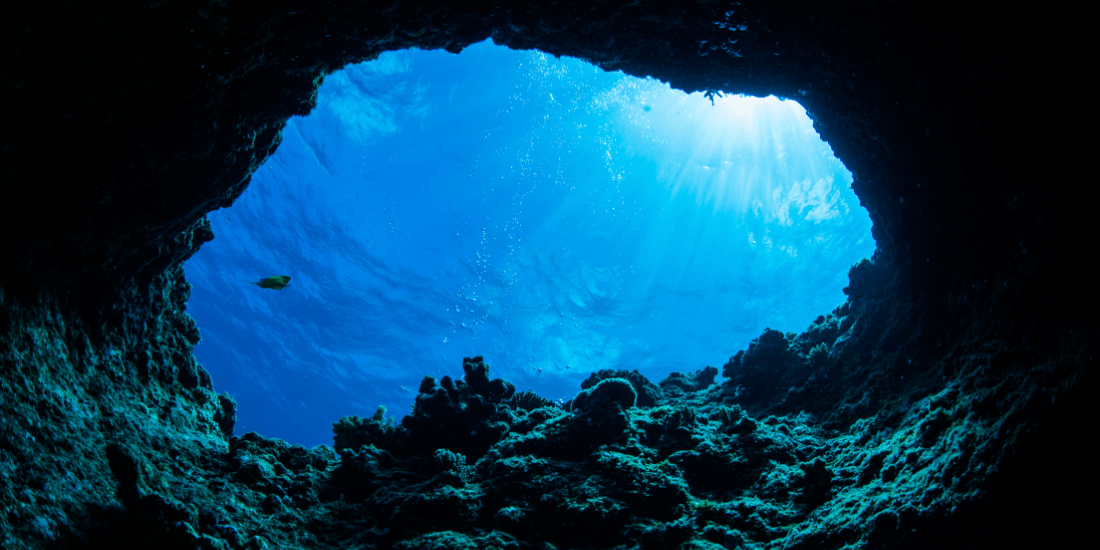
Few places in the world let you literally float between two tectonic plates, but Iceland’s Silfra Crack isn’t just any dive site. Nestled in Thingvellir National Park, where the North American and Eurasian plates slowly drift apart, Silfra is a surreal underwater world of crystal-clear glacial water, vibrant blues, and geological drama. It’s also the only place on Earth where you can dive (or snorkel!) directly between two continents.
Whether you’re a certified scuba diver or just someone willing to brave dry suit awkwardness for the snorkel of a lifetime, Silfra is one of those bucket-list experiences that makes you feel tiny, awestruck, and very, very cold—but in the best way possible.
The Silfra fissure was formed by earthquakes in the rift valley between the tectonic plates, and over the centuries, meltwater from the nearby Langjökull glacier has filtered through porous lava rock to fill the crack with some of the purest, clearest water on the planet. Visibility often exceeds 100 meters—yes, really.
Instead of colorful coral or marine life, you’re treated to alien rock formations, luminous shades of turquoise and teal, and the strange sensation of being suspended in time and space. Divers can quite literally reach out and touch two continents at once, making this one of the most geologically unique dive sites on Earth.
When to Go: Embrace the Chill
Silfra is open year-round, but the experience shifts with the seasons. In summer (June to August), the weather is milder, the skies are clearer, and the water remains a bone-chilling 2–4°C regardless of the season—so don’t expect a warm dip even in July.
Winter (November to March) brings snow-covered lava fields and dramatic, low-hanging light. It’s a starkly beautiful experience, especially for photographers. Fewer tourists mean a more intimate adventure, though the cold on land can be a real test of will.
Spring and fall offer a good balance—fewer crowds, decent weather, and still that famous underwater clarity. Since Silfra never freezes, diving is always an option if you’re properly geared up.
How to Get There: Reykjavik to the Rift
Silfra is located in Thingvellir National Park, about 45 minutes by car from Reykjavik. If you’ve rented a car, it’s a straightforward drive on paved roads, and parking is available near the dive site. Just note that you’ll need to pay a small fee to park inside the national park.
If you don’t have your own wheels, most tour companies offer round-trip transportation from Reykjavik as part of their snorkel or dive packages. These tours usually include everything you need—gear, guides, transportation, and a side helping of Nordic geology puns.
Silfra crack
Silfra crack
What to Expect: From Wriggling into Dry Suits to Underwater Magic
Let’s be real: putting on a dry suit isn’t exactly glamorous. You’ll probably feel like a human sausage and question your life choices as you waddle toward the water. But once you plunge into Silfra, all that discomfort fades into surreal calm.
Snorkeling tours usually last around 30–40 minutes in the water. You’ll float along the gentle current through four distinct zones: Big Crack (the narrowest section), Silfra Hall (a wide-open gallery of blue), Silfra Cathedral (with that famous 100m visibility), and Silfra Lagoon (where you can practice your best astronaut drift).
For certified divers, the experience is even more immersive. Dive tours max out around 18 meters deep and require recent dry suit experience or a dry suit certification. The sensation of swimming between tectonic plates, through a cathedral of stone and light, is unforgettable.
Photography and Visibility: Your Camera Will Thank You
With visibility that often rivals tropical seas—minus the fish—Silfra is an absolute dream for underwater photographers. Bring a GoPro or waterproof camera, and if possible, use a red filter or shoot in RAW to better capture the blue-heavy light.
Some tours offer photo packages taken by guides, which is a solid option if you want to focus on floating and flailing gracefully. Just remember: dry gloves make pressing camera buttons trickier than usual, so test your setup in advance.
Silfra Crack
Silfra Crack
Health, Safety, and Staying Warm
This isn’t your average snorkel safari. The water is glacier-cold year-round, and while dry suits keep you mostly dry, your face and hands will still feel the freeze. Good tour operators will give you thermal base layers, hoods, gloves, and help with getting suited up like a pro.
You need to be reasonably fit, a confident swimmer, and not prone to panic in tight suits or cold water. For divers, a PADI Open Water (or higher) certification and proof of recent dry suit experience are required.
After your dive, bring warm layers, thick socks, and maybe a thermos of hot chocolate. Trust us—you’ll want it.
Cost: An Icy Adventure That’s Worth It
Snorkeling tours usually range from 15,000 to 20,000 ISK (around $110 to $150 USD), including gear and guides. Diving tours are more expensive—typically around 30,000 to 40,000 ISK ($225 to $300 USD)—and often require proof of recent experience in dry suits.
While it’s not the cheapest activity in Iceland, it’s also not something you’ll find anywhere else. Think of it as paying for a once-in-a-lifetime bragging right—and one epic travel story.
Silfra Crack
Silfra Crack
Top Tips for First-Time Silfra Explorers
Book your spot in advance, especially in summer or holiday periods—slots fill up fast. Arrive early, listen carefully during the safety briefing, and be honest about your swimming comfort level.
Avoid caffeine right before your dive (hello, bathroom issues + dry suit = awkward). If you wear contact lenses, mention it to your guide so your mask is adjusted carefully. And don’t forget to bring a towel and change of clothes for afterward.
Other Adventures Nearby: Make a Day of It
Thingvellir National Park is packed with sights beyond Silfra. Hike the Almannagjá fault wall, walk around Lake Thingvallavatn, or check out the site of the world’s first parliament.
Many visitors combine Silfra with a Golden Circle tour—visiting Gullfoss waterfall, Geysir geothermal area, and Þingvellir in one epic day trip. If you’re not too frozen post-dive, reward yourself with a soak in the Secret Lagoon or Laugarvatn Fontana.
Final Thoughts: Dive Into Another World
Silfra isn’t about colorful fish or coral reefs. It’s about geology, clarity, and that otherworldly sensation of floating through a glacial crack between continents. It’s equal parts science lesson, adrenaline rush, and dreamscape.
Whether you snorkel or dive, you’ll leave Silfra buzzing with that “did I really just do that?” feeling. And when you show people the photos—blue as sapphire, sharp as glass—they’ll probably assume you Photoshopped them. You didn’t. Silfra’s just that cool.
So gear up, embrace the chill, and dive into the most extraordinary crack on Earth.