
Backpacking — Essential Items List
There are few adventures on the planet that afford someone freedom, adventure and the chance to explore the world on your terms, at your own pace and in your own place than backpacking. Whether it’s living the rural dream on a farm, finding yourself across different destinations or taking on one of the world’s greatest hikes backpacking across the planet is one of the world’s greatest adventures.
Yet, backpacking also comes with risk, worries and the need to be prepared,and having the right essentials can mean the difference between an amazing experience and unnecessary struggles. So whether you’re trekking through rugged mountains, hopping between hostels, or navigating bustling city streets, the below are our top 10 must pack items to make sure you are equipped for the challenges and excitement of life on the road:
1.) The Backpack: Your Trusty Travel Companion
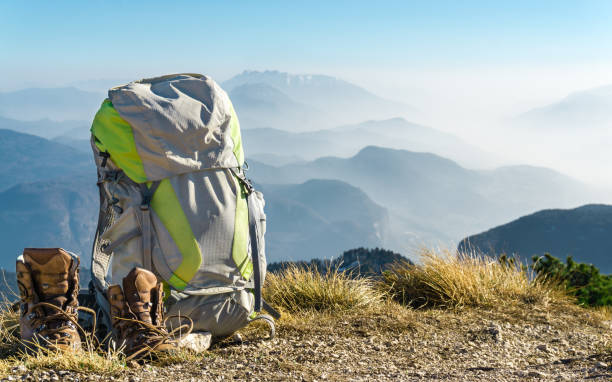
Overview: Your backpack is more than just storage—it’s your mobile home, carrying everything you need to survive on the road. The right backpack should be lightweight, durable, and comfortable, with an ergonomic design that distributes weight evenly across your back. Look for one with adjustable padded shoulder straps, a supportive hip belt, and breathable back padding to prevent discomfort during long journeys. Multiple compartments and external straps are a huge plus for organization and easy access to frequently used items.
A 40–50L backpack is ideal for short-to-medium-length trips, offering enough space for essentials without being bulky. If you’re venturing on an extended adventure, a 60–70L pack provides extra room but can become cumbersome if overpacked. Waterproofing is another crucial feature—either opt for a water-resistant pack or get a rain cover to protect your gear in unpredictable weather.
-
- Item: Backpacking backpack (40–70L)
-
- Recommended Quantity: 1 (your main pack), plus a foldable daypack
-
- Estimated Cost: $80 – $300, depending on brand and features
-
- Tip: Try it on before buying! A good backpack should feel comfortable even when loaded with weight. Look for brands with lifetime warranties like Osprey or Deuter.
2.) The Perfect Travel Wardrobe: Versatile, Layered Clothing
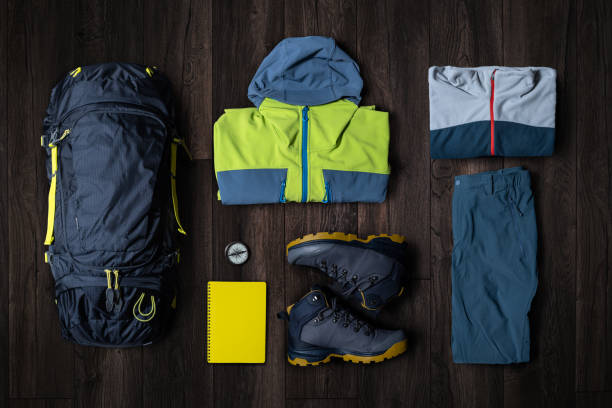
Overview: Packing smart means bringing clothes that are lightweight, quick-drying, and versatile. Instead of overpacking, focus on layering—a method that helps you adapt to different climates while keeping your load light. Merino wool shirts, lightweight hiking pants, and moisture-wicking underwear are game-changers, offering warmth, breathability, and odor resistance.
Stick to a neutral color palette so you can mix and match outfits easily. Convertible pants, a fleece jacket, a waterproof outer shell, and a lightweight scarf will keep you covered in a variety of conditions. Also, pack a few essentials for different occasions, such as a casual outfit for city exploration and activewear for hikes.
-
- Item: Lightweight, moisture-wicking clothing layers
-
- Recommended Quantity: 3–4 tops, 2–3 bottoms, 1 jacket, 5 pairs of socks/underwear
-
- Estimated Cost: $100 – $500, depending on materials and brands
-
- Tip: Choose multi-functional pieces—like leggings that work for both hiking and sleeping, or a jacket that can be used as a pillow in a pinch!
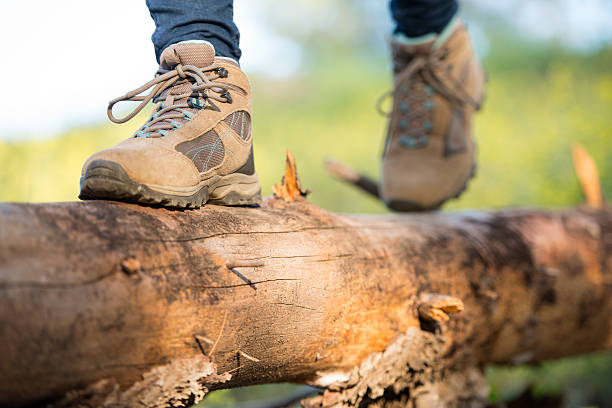
3.) Adventure-Ready Footwear: The Right Shoes for Every Terrain
6) First Aid & Emergency Kit: Be Your Own Lifesaver
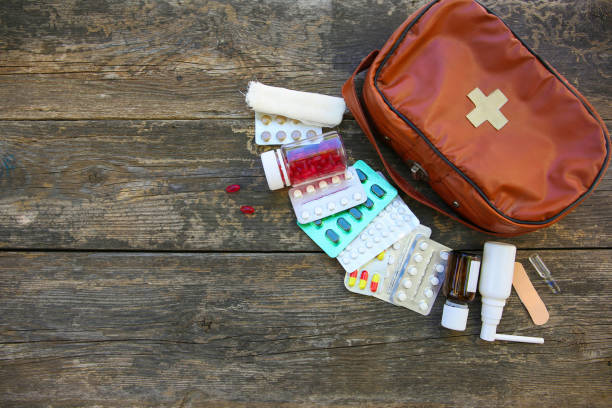
Overview: A well-stocked first aid kit is essential for treating minor injuries, preventing infections, and handling medical emergencies until professional help is available. It should include bandages, antiseptic wipes, blister pads, painkillers, anti-diarrheal medication, and any prescription meds you may need.
For remote adventures, consider adding a small emergency whistle, a space blanket, and a lightweight water purification system in case you get stranded.
-
- Item: First aid kit + emergency essentials
-
- Recommended Quantity: 1 small kit per traveler
-
- Estimated Cost: $20 – $50
-
- Tip: Customize your first aid kit based on your destination. Pack motion sickness tablets for boat travel or altitude sickness pills for high-altitude hikes.
7) Hydration Hero: Reusable Water Bottle & Water Purification System
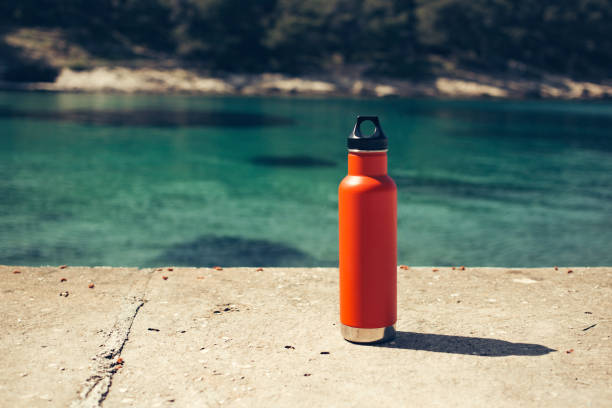
Overview: Staying hydrated is crucial while traveling, but buying bottled water constantly isn’t just expensive—it’s also bad for the environment. A durable, reusable water bottle with a built-in filter ensures that you have access to safe drinking water no matter where you are. Brands like LifeStraw and Grayl offer water bottles with integrated filtration systems that remove bacteria, parasites, and even some viruses.
If you’re venturing into remote areas, a compact water purification system (like a SteriPEN or purification tablets) is a lifesaver, letting you treat water from rivers, taps, or questionable sources. In some parts of the world, even tap water in hotels may not be safe, so having a purification method is invaluable.
-
- Item: Reusable water bottle (preferably with a filter) + water purification tablets/SteriPEN.
-
- Recommended Quantity: 1 bottle, 1 purification system.
-
- Estimated Cost: $20 – $70 for the bottle, $10 – $50 for purification gear
-
- Tip: Hydration bladders (like CamelBak) are excellent for long hikes, allowing easy sipping without stopping.
8.) Safety First: Lightweight Travel Lock & Hidden Money Belt
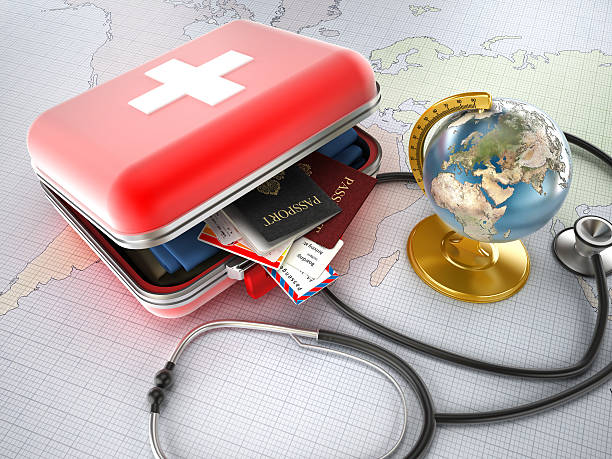
Overview: Traveling with valuables can be risky, especially in hostels, shared accommodations, or public transport. A lightweight combination padlock is a must-have for securing hostel lockers, luggage zippers, or even your daypack when exploring crowded areas. Opt for a TSA-approved lock if you’re flying, as it allows airport security to check your bag without breaking it open.
A hidden money belt or security pouch adds another layer of safety, letting you stash cash, cards, and important documents discreetly under your clothing. Choose one with RFID-blocking technology to protect against electronic theft.
-
- Item: Combination travel lock + RFID-blocking money belt
-
- Recommended Quantity: 1 lock, 1 money belt
-
- Estimated Cost: $10 – $40
-
- Tip: Divide your cash—keep some in your money belt, some in your bag, and a small amount in an easy-to-reach pocket for everyday use.
9.) Capture the Adventure: Camera or High-Quality Camera Phone

Overview: The best part of traveling is creating unforgettable memories, and having a good camera (or camera phone) ensures you can capture them beautifully. If you’re a photography enthusiast, a mirrorless or compact DSLR offers high-quality images while being lightweight and travel-friendly. For most travelers, though, a modern smartphone with a great camera is a fantastic alternative, eliminating the need for extra gear.
If you’re shooting a lot, consider carrying extra memory cards, a portable hard drive, or cloud storage for backups. A lightweight tripod (like the Joby GorillaPod) can also improve stability for night shots or self-portraits.
-
- Item: Camera (mirrorless, DSLR, or high-end smartphone camera)
-
- Recommended Quantity: 1 camera/smartphone, 2–3 memory cards, optional tripod
-
- Estimated Cost: $300 – $2,000 (depending on camera type)
-
- Tip: If using a smartphone, install a good camera app like Lightroom Mobile for manual controls and better editing. Also, always carry a microfiber cloth to clean the lens.
10.) Stay Connected & Inspired: eSIM + Notebook & Pen

Overview: Having internet access on the go is essential for navigation, translations, bookings, and keeping in touch with loved ones. An eSIM is one of the best travel innovations, allowing you to connect to local networks instantly without needing a physical SIM card. Services like Airalo, Nomad, or Holafly offer affordable, country-specific or global eSIM plans, eliminating expensive roaming charges.
Beyond digital connections, sometimes the best way to capture travel experiences is the old-fashioned way—with a notebook and pen. Whether it’s for journaling, sketching, jotting down directions, or collecting thoughts, a travel notebook helps preserve memories in a way that photos can’t. Choose a small, lightweight notebook that fits easily in your daypack.
-
- Item: eSIM (or local SIM card) + travel notebook & pen
-
- Recommended Quantity: 1 eSIM plan, 1 notebook & pen
-
- Estimated Cost: $10 – $50 for eSIM, $5 – $20 for a notebook
-
- Tip: Use apps like Google Maps offline for navigation without data. A physical notebook is also great for getting contact details from fellow travelers or sketching out plans.
Happy Backpacking ! — and we’re sure that with all these essential items with you, you are in for an incredible adventure !
Trekking & Mountain Climbing- Essential Items List
1.) The Right Hiking Boots – Your Most Important Investment
Overview: Your boots are the single most important piece of gear for any trek or climb. They support your feet, cushion your steps, and provide traction on rugged trails, rocky paths, and icy slopes. A good pair should be waterproof, breathable, and have strong ankle support to prevent injuries on uneven terrain. Cheap or ill-fitting boots can cause blisters, foot pain, and even serious injuries that could cut your adventure short.
When choosing hiking boots, opt for a high-quality pair with a durable sole and a snug but comfortable fit. Break them in before your trek by wearing them on smaller hikes to prevent painful blisters. For snowy or icy conditions, consider insulated, crampon-compatible boots. Investing in the right boots will keep your feet comfortable and protected, ensuring you can focus on the incredible journey ahead.
- - Item: Hiking boots
- Recommended Quantity: 1 pair
- Estimated Cost: $100 – $300
- Tip: Break in your boots well before your trek to avoid painful blisters and discomfort on the trail.
2.) A High-Quality Backpack – Carry Comfortably
- - Item: Trekking backpack (50–70L)
- Recommended Quantity: 1
- Estimated Cost: $100 – $250
- Tip: Pack smartly—heavier items should be close to your back and lighter items on top to maintain balance.
3.) Proper Layered Clothing – Stay Warm & Dry
6) Navigation Tools – Stay on the Right Path
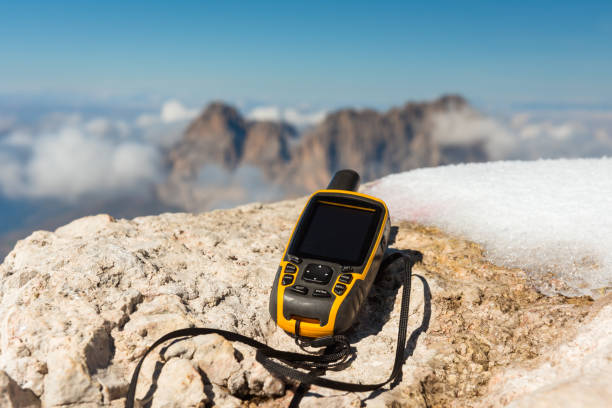
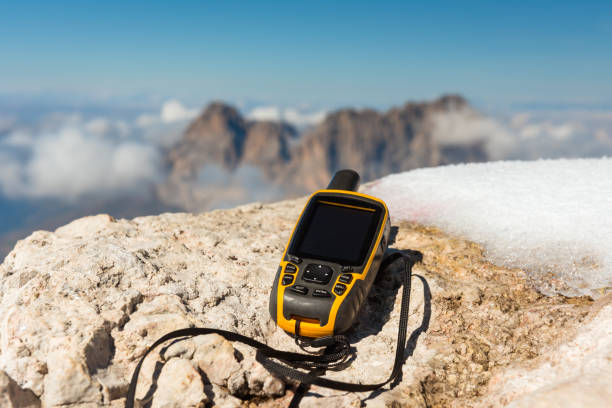
Overview: Getting lost in the mountains can be dangerous, so carrying proper navigation tools is critical. A physical map and compass are essential, even if you have a GPS device or smartphone with offline maps. Electronics can fail due to battery issues or extreme weather, so having a backup is crucial.
For remote treks, a GPS watch with topographic maps or a satellite communicator can provide extra security. Always familiarize yourself with your route beforehand and carry a whistle to signal for help if needed.
- - Item: Map, compass, GPS device
- Recommended Quantity: 1 of each
- Estimated Cost: $20 – $200
- Tip: Learn how to use a compass before your trip—navigation skills can be lifesaving.
7) Hydration System – Stay Energized & Avoid Dehydration
Overview: Water is one of the most critical necessities when trekking or climbing, as dehydration can lead to fatigue, dizziness, and altitude sickness. Carrying enough water for long treks can be challenging, so using a hydration system—like a hydration bladder (CamelBak) or lightweight water bottles—is a must. Hydration bladders allow you to sip water while hiking without needing to stop, making them an efficient choice for multi-day treks.
Additionally, when trekking in remote areas, natural water sources may not always be safe to drink. Carrying a water purification method, such as a portable filter, purification tablets, or a UV purifier, ensures you can safely drink from rivers and streams. Clean drinking water is crucial for maintaining energy levels and avoiding serious illnesses like Giardia or bacterial infections.
- - Item: Hydration bladder (2–3L) & water purification
- Recommended Quantity: 1 hydration bladder, 1 purification method
- Estimated Cost: $30 – $100
8.) Sleeping Bag & Lightweight Tent – Your Shelter in the Wild
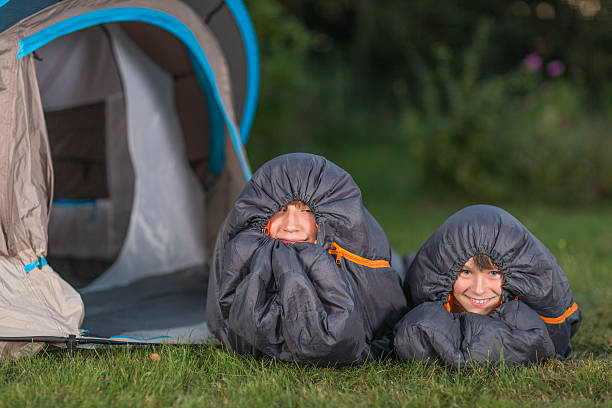
Overview: For multi-day treks or high-altitude climbs, having proper shelter is essential for safety and comfort. A high-quality sleeping bag designed for the expected temperatures is crucial. Down sleeping bags offer excellent warmth-to-weight ratio, while synthetic sleeping bags perform better in damp conditions. Ensure your sleeping bag is rated for the coldest temperatures you’ll encounter—hypothermia can be deadly in alpine environments.
If trekking without lodges or huts, a lightweight, durable tent provides essential protection from the elements. Four-season tents are best for extreme weather, while three-season tents work well for moderate conditions. For some hikes, a simple bivvy sack or hammock may be sufficient. Choosing the right shelter ensures a restful night’s sleep and keeps you safe from unpredictable weather.
- - Item: Sleeping bag & lightweight tent
- Recommended Quantity: 1 of each
- Estimated Cost: $100 – $500 (combined)
- Tip: A sleeping bag liner adds extra warmth and keeps your bag cleaner for longer.
9.) Headlamp & Extra Batteries – Light Your Path
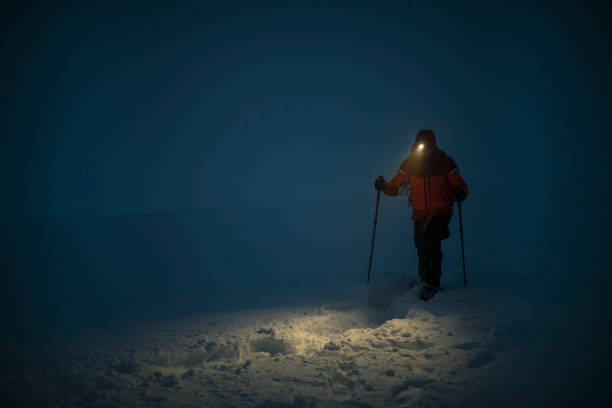
Overview: A reliable headlamp is essential for early-morning summit attempts, night trekking, and emergencies. Unlike handheld flashlights, headlamps allow for hands-free movement, making them ideal for technical climbs and setting up camp after dark. Look for a lightweight headlamp with at least 200–300 lumens for optimal brightness.
Bringing extra batteries or a solar-powered charger ensures your headlamp won’t fail at critical moments. Many climbers opt for rechargeable headlamps, but having backup disposable batteries is a smart precaution. Being caught in the dark without light can be dangerous, especially in rugged or high-altitude environments.
- - Item: Headlamp & extra batteries
- Recommended Quantity: 1 headlamp + spare batteries
- Estimated Cost: $30 – $80
- Tip: Use the red-light mode at night to preserve battery life and avoid blinding fellow hikers.
10.) Emergency Whistle, Multi-Tool & First-Aid Essentials – Be Ready for the Unexpected
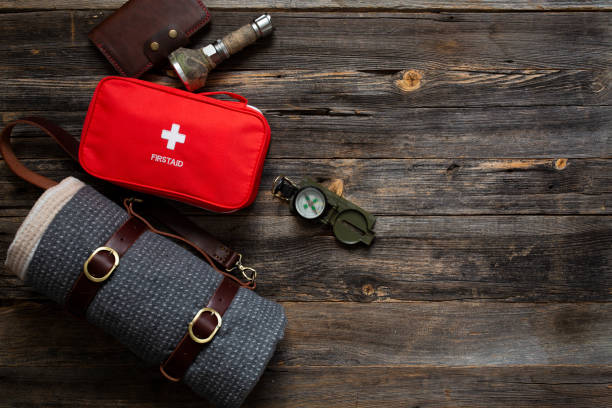
Overview: Safety should always come first in the mountains. Carrying a multi-tool or Swiss Army knife is invaluable for gear repairs, cutting rope, opening food packages, or even first-aid needs. A lightweight emergency whistle can help you signal for help if lost or injured—most hiking backpacks have one built into the chest strap, but carrying a backup is a good idea.
Additionally, a compact first-aid kit containing bandages, antiseptic, painkillers, altitude sickness medication, and blister treatment can make all the difference in an emergency. Many trekking routes pass through remote areas with limited medical assistance, so being prepared with basic first-aid skills is crucial.
- - Item: Emergency whistle, multi-tool, first-aid kit
- Recommended Quantity: 1 of each
- Estimated Cost: $20 – $80
- Tip: Keep your first-aid kit easily accessible in your backpack, and refresh supplies before each trip.
Happy Trekking and Mountaineering ! — and we’re sure that with all these essential items with you, you are in for an incredible adventure as your ramble on !
Road Trip — Essential Items List
Get your motor running — nothing says freedom like hitting the open highway, from the mighty Route 66 to the Pan American Highway to the bottom of the world, a long road-trip is one of the most exciting and liberating ways to explore a country, continents and the planet.
Yet, whether you’re driving across the USA, Europe or even venturing through remote regions of Mongolia, being prepared and staying safe is also an important part of your incredible journey. So, in order to allow you to enjoy the freedom of hitting Top Gear we’ve rounded out our top 10 essential items list to bring with you on your epic road trip to ensure you stay safe, legal and comfortable when cruising on the open road:
1.) Valid Driver’s License & International Driving Permit (IDP) – Stay Legal on the Road
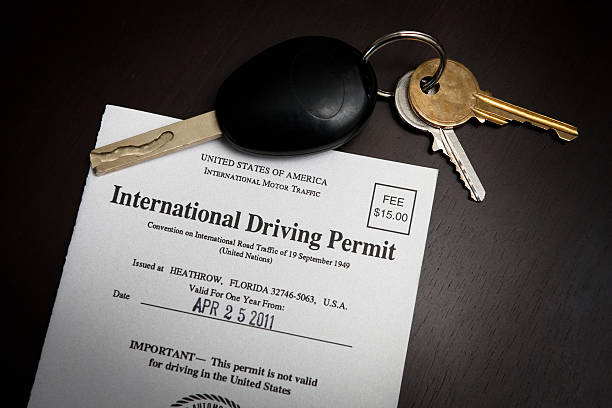
Overview: Before hitting the road, you must ensure your driver’s license is valid for the countries you’ll be driving in. Some countries require an International Driving Permit (IDP) in addition to your local license. The IDP translates your license into multiple languages, making it easier for law enforcement and rental companies to recognize its validity.
Driving without a valid permit can lead to heavy fines or even vehicle impoundment, so research the legal requirements for each country on your route. Some destinations also have age restrictions or specific driving rules that differ from your home country. Obtaining an IDP is affordable and easy, usually available through local automobile associations.
- - Item: Driver’s license & International Driving Permit
- Recommended Quantity: 1 of each
- Estimated Cost: $20 – $50 for an IDP
- Tip: Apply for your IDP at least a month before your trip, as processing times can vary.
2.) Visas & Travel Documents – Avoid Border Crossing Hassles
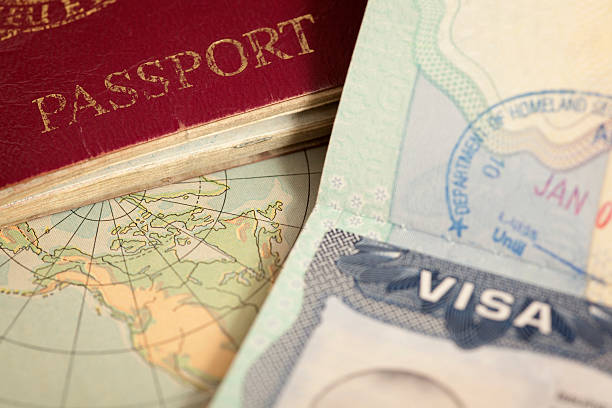
Overview: Crossing international borders by car requires more than just a passport. Depending on your nationality and itinerary, you may need visas, vehicle permits, or customs documents. Some countries require Carnet de Passage, a passport for your vehicle, while others issue temporary import permits at the border.
It’s also crucial to check visa requirements in advance—some countries allow visas on arrival, while others require applications weeks or months before entry. Additionally, having photocopies of all important documents (passports, insurance, registration, and visas) can be a lifesaver if anything gets lost or stolen.
- - Item: Passport, visas, vehicle permits
- Recommended Quantity: 1 set, plus photocopies
- Estimated Cost: Varies by country
- Tip: Keep digital copies of all documents in cloud storage or email in case of emergencies.
3.) Comprehensive Car Insurance & Roadside Assistance – Protect Your Vehicle
6) Emergency Kit & First Aid – Be Prepared for Anything
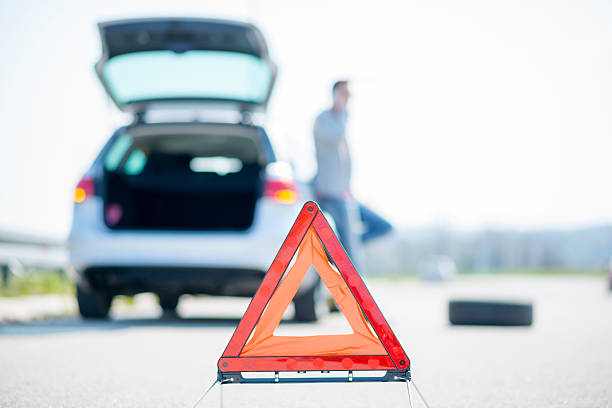
Overview: An emergency kit with basic first aid supplies, jumper cables, flashlights, and reflective triangles is vital for road safety. Accidents, sudden illnesses, or extreme weather can quickly turn dangerous without proper preparation.
If driving through remote or mountainous regions, consider adding extra water, non-perishable snacks, a blanket, and a power bank to your kit in case you get stuck overnight.
- - Item: First-aid kit, jumper cables, flashlight, emergency food/water
- Recommended Quantity: 1 complete emergency kit
- Estimated Cost: $50 – $150
- Tip: Keep the emergency kit in an easily accessible spot, not buried under luggage.
7) Road Trip Playlist, Podcasts & Audiobooks – Stay Entertained on Long Drives

Overview: Long hours behind the wheel can be monotonous, so having music, podcasts, and audiobooks helps pass the time. A mix of upbeat playlists for driving, engaging podcasts, and immersive audiobooks can make endless highways more enjoyable.
Downloading content before your trip ensures you have entertainment even in areas with no internet access.
- - Item: Pre-downloaded playlists, podcasts, audiobooks
- Recommended Quantity: As much variety as possible
- Estimated Cost: Free – $15/month for streaming services
- Tip: Curate a mix of high-energy songs for daytime driving and relaxing music for nighttime cruising.
8.) Travel-Friendly Snacks & Reusable Water Bottles – Save Money & Stay Energized
Overview: Roadside food stops can be expensive and unhealthy, so bringing your own snacks and reusable water bottles keeps you fueled and hydrated.
Opt for non-messy, high-energy snacks like nuts, protein bars, and dried fruit. Reusable bottles with built-in filters help you stay hydrated without constantly buying plastic bottles.
- - Item: Snacks, reusable water bottle
- Recommended Quantity: Enough for several days
- Estimated Cost: $10 – $50
- Tip: Avoid too much caffeine or sugar, which can lead to energy crashes while driving.
9.) Multi-Currency Travel Card & Emergency Cash – Pay Anywhere
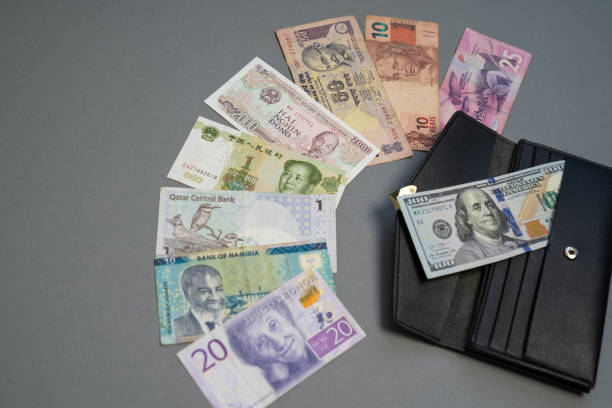
Overview: Money management is one of the most important aspects of a long road trip, especially if you’re traveling through multiple countries. Not all places accept credit cards, and foreign transaction fees can add up quickly, making a multi-currency travel card a smart financial tool. These cards allow you to store and spend in different currencies without high conversion rates, making it easier to pay for gas, food, and accommodations without unnecessary extra costs. Many also offer security features like freezing/unfreezing through an app in case of loss or theft.
That said, relying solely on cards can be risky. Some rural gas stations, toll booths, and small businesses only accept cash, and ATMs might be scarce in remote areas. Carrying a reasonable amount of local currency ensures you won’t be stranded without a way to pay for essentials. A good rule of thumb is to keep your cash in separate locations (wallet, glove compartment, hidden travel pouch) to minimize risk in case of theft. Research the local currency situation for each country on your route, as some places prefer U.S. dollars or Euros over their own currency.
- - Item: Multi-currency travel card, local cash
- Recommended Quantity: 1 travel card + a reasonable amount of emergency cash
- Estimated Cost: Varies based on exchange rates and card fees
- Tip: Withdraw cash in larger cities before entering remote areas to avoid being caught without money when you need it most.
10.) Car Charger & Power Bank – Keep Devices Powered
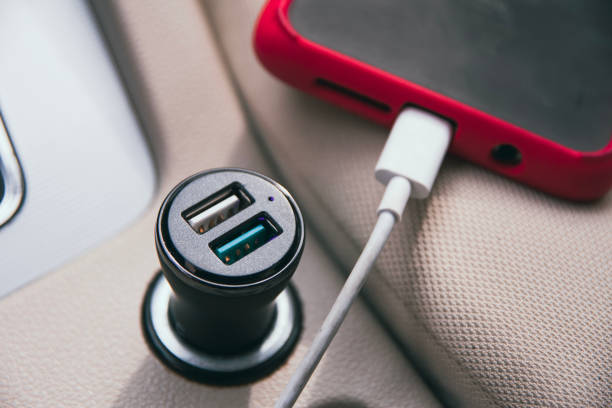
Happy Road Tripping ! — and we’re sure that by following these top tips and with these essential items with you, you are in for an incredible drive !
Cold Climate — Essential Items List
Surviving on the ice ! — venturing to the end of the world requires navigating and surviving some of the world’s coldest and deadly conditions, yet few adventures on the planet are as rewarding or unique as those that take yuo over the ice and over the edge.
Yet surviving in the cold requires proper training, planning and equipment, so whether you’re trekking through Arctic tundra, exploring icy mountain landscapes, or enduring a harsh winter in remote regions,we’ve rounded out our top 10 items for surviving the freezing temperatures, icy winds, and unpredictable weather that may lie ahead. With these items, based on our experience being able to keep you keep you warm, fueled, and safe and survive in cold climates:
1.) Layered, Insulated, and Waterproof Clothing – The Foundation of Warmth
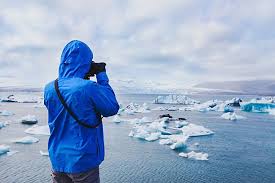
Overview: Proper clothing is the most critical factor in staying warm and protected in cold climates. Unlike in mild weather, where a simple jacket may suffice, freezing conditions require a layered approach to trap heat, wick moisture, and provide a shield against wind and precipitation. The key to staying warm in the cold is wearing multiple layers that work together to manage heat and moisture effectively. The three-layer system is widely recognized as the best way to dress for sub-zero temperatures:
The base layer should be made of moisture-wicking material like merino wool or synthetic fibers. This layer pulls sweat away from your skin, preventing chilling and hypothermia. The mid-layer, typically a fleece or insulated down jacket, acts as a heat trap, keeping your body warm while allowing for breathability. Finally, the outer layer should be waterproof and windproof, shielding against rain, snow, and freezing winds. Choosing high-quality Gore-Tex or similar waterproof fabrics ensures that external moisture doesn’t seep in and freeze on your skin. Along with thermal socks, insulated gloves, and a warm hat that covers your ears, this layered system provides full-body protection from the cold.
- - Item: Layered winter clothing (base, mid, and outer layers).
- Recommended Quantity: 1–2 full sets
- Estimated Cost: $150 – $600
- Tip: Invest in high-quality waterproof gear to stay dry and warm, as wet clothing leads to rapid heat loss.
2.) High-Calorie Food – Fuel for Warmth and Energy

Overview: When traveling in cold climates, your body burns significantly more calories just to maintain warmth. The combination of extreme temperatures, physical exertion, and harsh conditions requires a steady intake of high-energy foods to avoid exhaustion, hypothermia, and energy depletion. The human body generates heat through metabolism, so eating frequently and in sufficient quantities is crucial.
Pack nutrient-dense, high-calorie snacks like nuts, protein bars, cheese, chocolate, and dried fruit to sustain energy levels throughout the day. Since freezing temperatures can make some foods inedible, avoid items that solidify at low temperatures (e.g., energy bars with high water content). If you’re planning on extended exposure, dehydrated meals that can be rehydrated with hot water—such as instant soups, oats, and freeze-dried meals—are excellent options. Eating small, frequent meals ensures a constant supply of energy to keep your body functioning at optimal warmth.
- - Item: High-calorie, easy-to-eat food
- Recommended Quantity: Enough for the trip plus extra for emergencies
- Estimated Cost: $20 – $100.
- Tip: Eat small portions frequently to keep your metabolism running and maintain warmth.
3.) Hot Water Bottle & Hand Warmers – Extra Heat On Demand

6) A Solid Emergency Plan – Survival in the Cold Starts with Preparation
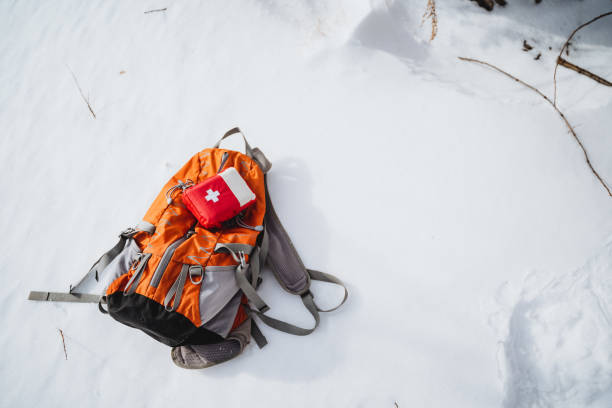
Overview: A detailed emergency plan is one of the most important yet overlooked aspects of traveling in cold climates. When dealing with sub-zero temperatures, icy terrain, and unpredictable weather, small mistakes can quickly turn into life-threatening situations. A well-thought-out plan ensures you have clear steps to follow in case of an accident, getting lost, or experiencing equipment failure.
Before heading into a cold environment, share your itinerary with someone you trust, including details about your route, expected return time, and emergency contacts. Additionally, research the nearest shelters, evacuation routes, and weather conditions to avoid unnecessary risks. If trekking or climbing in remote areas, carrying a satellite phone or emergency beacon can be a lifesaver, as standard mobile networks often have no coverage. A good emergency plan minimizes risks and increases your chances of survival in harsh conditions.
- - Item: Emergency plan & communication device
- Recommended Quantity: 1 written plan + 1 emergency beacon or satellite phone
- Estimated Cost: $100 – $600
- Tip: Always have a backup plan for worst-case scenarios, and let someone know where you are before heading into the wilderness.
7) Acclimatization Strategy & Altitude Sickness Kit – Beat the High-Altitude Blues
Overview: If you’re traveling in high-altitude cold climates, such as the Himalayas, the Andes, or the Rockies, altitude sickness can be a major concern. At elevations above 2,500 meters (8,200 feet), oxygen levels drop significantly, making it harder for your body to function efficiently. Symptoms include dizziness, nausea, headaches, and shortness of breath, and if left untreated, it can escalate into serious conditions like pulmonary or cerebral edema.
To combat altitude sickness, gradual acclimatization is key. Spend a few days at mid-altitude locations before ascending higher, allowing your body to adjust to lower oxygen levels. Additionally, drinking plenty of water, eating carb-rich meals, and avoiding alcohol can help prevent symptoms. Carrying altitude sickness medication such as Acetazolamide (Diamox) and a portable oxygen canister can be lifesaving in emergencies. Always listen to your body—if symptoms worsen, descend to a lower altitude immediately.
- - Item: Acclimatization plan & altitude sickness kit
- Recommended Quantity: 1 altitude sickness kit + acclimatization days in itinerary
- Estimated Cost: $20 – $100
- Tip: Acclimatize slowly, stay hydrated, and never ignore altitude sickness symptoms. If in doubt, descend.
8.) Heat Packs – Small but Powerful Warmth
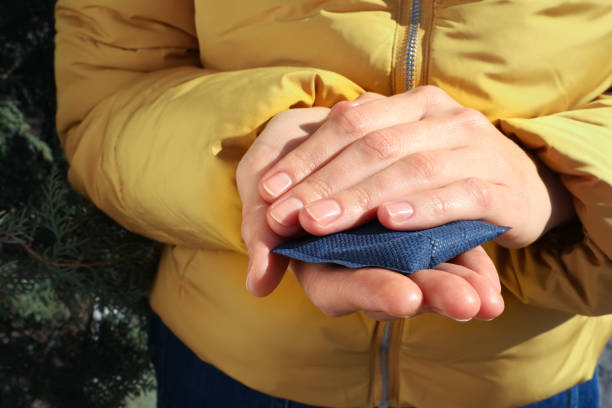
Overview: When temperatures drop well below freezing, extremities like your fingers, toes, and nose are the first body parts to lose circulation. This is where heat packs become an essential addition to your cold-climate survival kit. These small, portable warmers generate heat when exposed to air, providing hours of warmth for hands, feet, or even tucked inside clothing layers.
There are two main types of heat packs: disposable chemical-based warmers (which last 6–10 hours) and rechargeable electric warmers (which provide heat on demand but require charging). If you expect extended exposure to freezing temperatures, carry a mix of both types for reliability. A simple toe warmer inside your boots or a heat pack in your gloves can make a massive difference in preventing frostbite and maintaining mobility in extreme cold.
- - Item: Heat packs (disposable & rechargeable)
- Recommended Quantity: 6–10 disposable warmers + 1 rechargeable warmer
- Estimated Cost: $10 – $50
- Tip: Place heat packs inside gloves, boots, and inner pockets to keep extremities warm and prevent frostbite.
9.) Sleeping Bag Rated for Extreme Cold – Your Best Defense at Night
Overview: If you plan to camp or spend nights outdoors in freezing temperatures, your sleeping bag is your ultimate lifeline. Regular sleeping bags will not suffice—you need a sleeping bag rated for extreme cold, preferably with a temperature rating lower than the coldest conditions you expect to face. Look for four-season down-filled sleeping bags that offer warmth even in sub-zero temperatures.
Another essential feature is an insulated sleeping pad, which prevents heat loss from the ground. No matter how good your sleeping bag is, direct contact with cold surfaces like ice or frozen ground can drain body heat rapidly. A high-quality foam or inflatable insulated pad creates a barrier and helps retain warmth throughout the night. Investing in the right sleeping gear can mean the difference between a safe, warm night’s sleep and dangerous exposure to hypothermia.
- - Item: Extreme cold-rated sleeping bag & insulated pad
- Recommended Quantity:1 sleeping bag + 1 insulated pad
- Estimated Cost: $150 – $600
- Tip: Choose a sleeping bag rated at least 10°C lower than the coldest temperature expected. Pair it with a sleeping pad for full insulation.
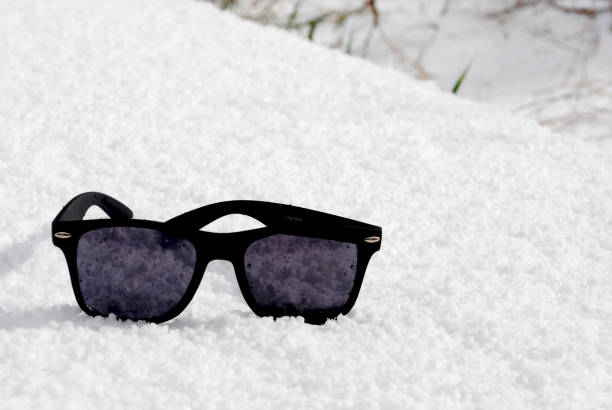
10.) UV Protection – Cold Doesn’t Mean You’re Safe from the Sun
Best of luck surviving the cold conditions ! — and we’re sure that with this equipment in hand you’ll be able to survive the challenging but rewarding journey ahead !
Adventure Travel — Essential Items List
Life should be a grand adventure ! — and yet whether you’re trekking through rugged mountains, diving into the depths of the ocean, or soaring through the sky part of our adventure is making sure life to tell the tale — with the road on adventures often taking you far from the beaten travel, it’s therefore essential you come fully prepared for the challenges that may lay ahead.
With this comes the need to be fully prepared and ensure you utilize smart packing and self-efficiency — and have access to the right gear to not only document your travels, but should the worse happen, be able to quickly call for help and address emergency situations. So, to make your adventure as stress-free and enjoyable as possible, we’ve rounded out our top 10 items for any adventure that will not only keep you prepared and protected — but ready for any adventure — to help make your life as spectacular as possible:
1.) Adventure Licenses (e.g. Scuba, Skydiving, Paragliding)
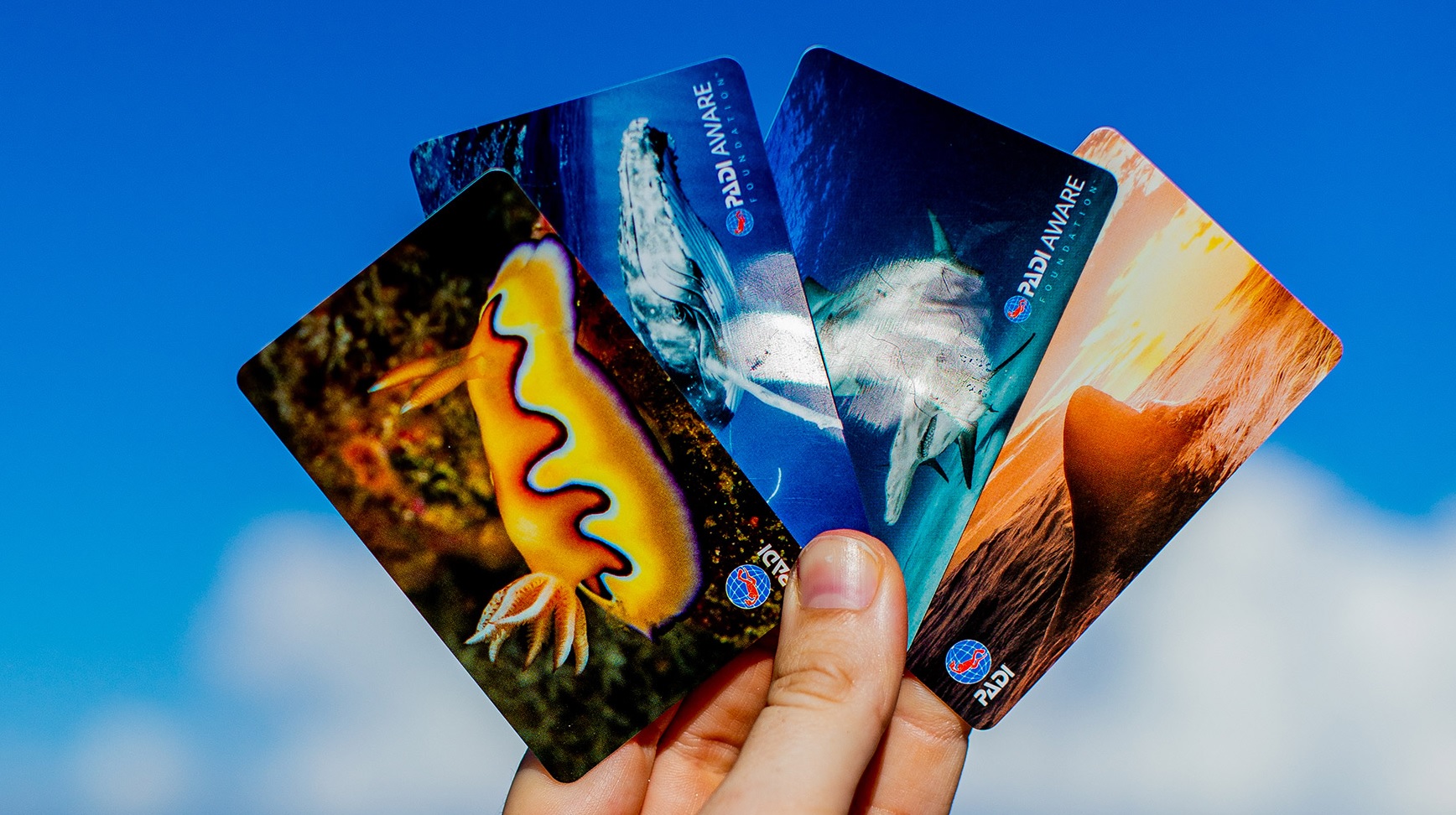
Overview: Many adventure activities, such as scuba diving, skydiving, and paragliding, require special licenses or certifications. Having the appropriate license ensures that you can legally and safely participate in these activities, and it often serves as proof of competence. Depending on the adventure, you may need a scuba diving certification (like PADI or SSI) for underwater exploration, or a skydiving license for jumping from planes.
These licenses ensure you’re trained in safety procedures, equipment handling, and emergency protocols, which can reduce the risk of accidents while participating in high-risk activities. Many countries require you to present your certification before you can rent equipment or book a tour. Obtaining a license ahead of time, or researching where to do so on your trip, is key for ensuring you don’t miss out on the adventure.
- - Item: Adventure activity licenses
- Recommended Quantity: 1 license per activity (as needed)
- Estimated Cost: $200 – $1,000 (depending on activity and certification level)
- Tip: Plan your adventure well in advance to obtain necessary licenses, and check the validity in your travel destination.
2.) Hiking Gear (Backpack, Boots, Trekking Poles, etc.)
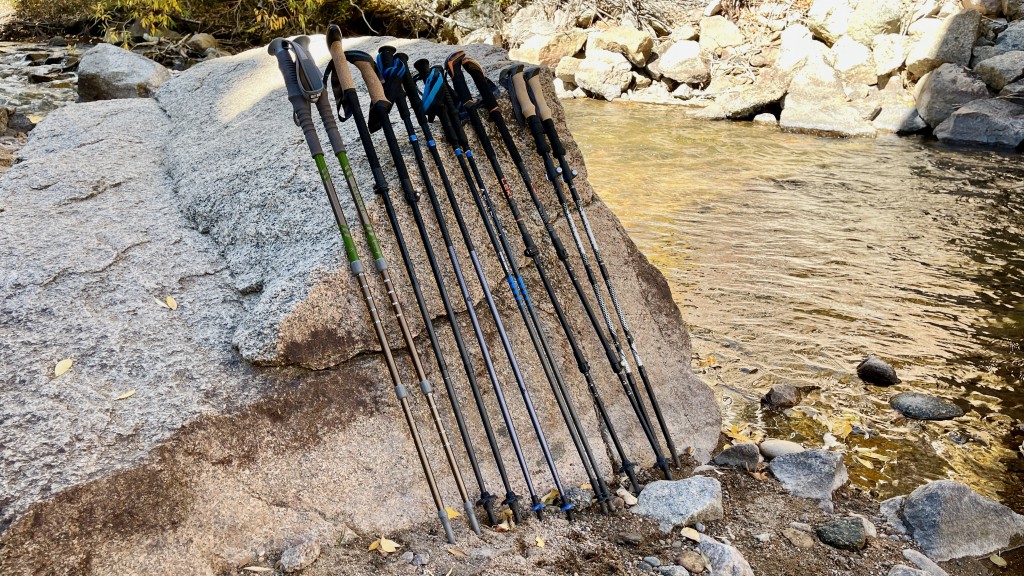
Overview: For any hiking or trekking adventure, having the right gear is paramount. Your hiking boots should be durable, waterproof, and provide adequate ankle support to avoid injuries on uneven terrain. Trekking poles are essential for balance, especially on steep ascents or descents. A backpack with good weight distribution helps you carry your essentials comfortably over long distances.
In addition to footwear and poles, you’ll need clothing designed for layering (to regulate temperature) and a high-quality sleeping bag if camping overnight. Consider investing in rain gear and first-aid kits, as well as lightweight cooking gear if your adventure includes multi-day hikes. A reliable water filter can also be a game-changer in remote areas where clean water may not be readily available.
- - Item: Hiking gear (boots, backpack, poles, etc.)
- Recommended Quantity: 1 set of gear (boots, backpack, poles, etc.)
- Estimated Cost: $150 – $1,000
- Tip: Opt for lightweight and breathable materials to avoid overheating or discomfort during long treks.
3.) First Aid Kit & Injury Supplies
6) Multi-Tool or Swiss Army Knife

Overview: A multi-tool or Swiss Army knife is an absolute must for adventure travelers. It can serve multiple purposes, from fixing gear to preparing food or even emergency first aid. These compact tools often include pliers, knives, screwdrivers, scissors, and other helpful implements that could come in handy during an outdoor adventure.
In remote areas, these tools can help you repair broken equipment, build shelters, or even help in survival situations. Some multi-tools also have specialized functions, such as a fishing hook or fire starter, making them useful for specific activities like camping, fishing, or trekking.
- - Item: Multi-tool or Swiss Army knife
- Recommended Quantity: 1
- Estimated Cost: $20 – $150
- Tip: Ensure your multi-tool is compact and lightweight but contains all the essential functions for your adventure.
7) Water Filtration System & Hydration Packs
Overview: When trekking or exploring in remote regions, having access to clean water can be challenging. A portable water filtration system is a lifesaver for long hikes, treks, and camping trips. Whether using a water filter pump, straw filtration system, or chemical water purification tablets, it’s important to ensure you’re drinking safe water.
Alongside the filtration system, a hydration pack or water bottles should be included for easy access to drinking water throughout your journey. Dehydration is a serious concern, especially in hot climates or during intense physical activity.
- - Item: Water filtration system & hydration packs
- Recommended Quantity: 1 filtration system + 1 hydration pack or bottles
- Estimated Cost: $20 – $200
- Tip: Bring extra water bottles, and always carry a reliable filtration system to ensure access to clean water during your adventure.
8.) Camera/GoPro & Memory Cards
Overview: Capturing the moments of your adventure travel is crucial, and a high-quality camera or GoPro ensures you can relive your journey through pictures and videos. A GoPro is particularly useful for action-packed activities such as surfing, mountain biking, or skydiving, as it’s compact, waterproof, and mounts easily to various gear.
In addition to the camera, don’t forget extra memory cards and batteries to store all your photos and videos, as well as a portable charger to keep your devices powered up during long days of exploration. Some adventure travelers also use drones for epic aerial shots, especially in remote or scenic areas.
- - Item: Camera/GoPro & memory cards
- Recommended Quantity: 1 camera + 2 memory cards
- Estimated Cost: $100 – $1,000
- Tip: Use a waterproof case for your camera to protect it from environmental elements and capture all the action.
9.) Portable Solar Charger
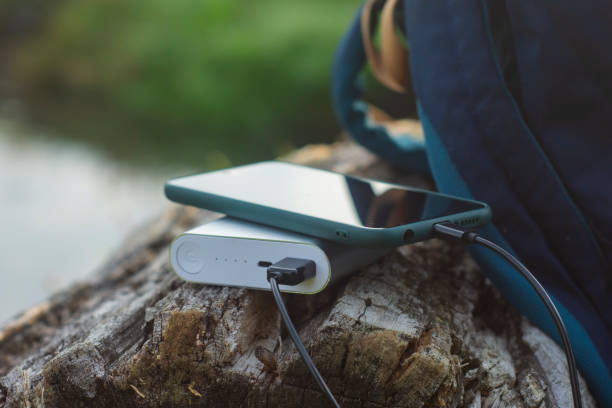
Overview: When adventuring in remote or off-the-grid locations, access to electricity can be limited. A portable solar charger is a great way to charge your phone, camera, or other devices while in the wilderness. These chargers convert solar energy into electricity and can power small electronics during the day, making them perfect for extended trips.
Solar chargers are lightweight, often foldable, and can easily fit into your pack. Many also come with multiple USB ports, allowing you to charge several devices at once. During multiday trips, these chargers will ensure your devices are ready for use when needed.
- - Item: Portable solar charger
- Recommended Quantity:1
- Estimated Cost: $30 – $150
- Tip: Look for solar chargers with high efficiency and fast charging speeds for maximum convenience.
10.) GPS Device & Maps
Enjoy the best adventures on the planet ! — and we’re sure that with these items and top tips you’ll be able to live life to the fullest and live to tell the tale !
