
Trekking & Mountain Climbing- Essential Items List:
1.) The Right Hiking Boots – Your Most Important Investment
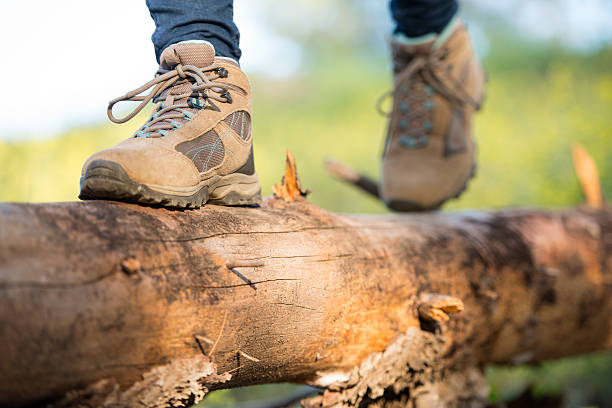
Overview: Your boots are the single most important piece of gear for any trek or climb. They support your feet, cushion your steps, and provide traction on rugged trails, rocky paths, and icy slopes. A good pair should be waterproof, breathable, and have strong ankle support to prevent injuries on uneven terrain. Cheap or ill-fitting boots can cause blisters, foot pain, and even serious injuries that could cut your adventure short.
When choosing hiking boots, opt for a high-quality pair with a durable sole and a snug but comfortable fit. Break them in before your trek by wearing them on smaller hikes to prevent painful blisters. For snowy or icy conditions, consider insulated, crampon-compatible boots. Investing in the right boots will keep your feet comfortable and protected, ensuring you can focus on the incredible journey ahead.
- - Item: Hiking boots
- Recommended Quantity: 1 pair
- Estimated Cost: $100 – $300
- Tip: Break in your boots well before your trek to avoid painful blisters and discomfort on the trail.
2.) A High-Quality Backpack – Carry Comfortably
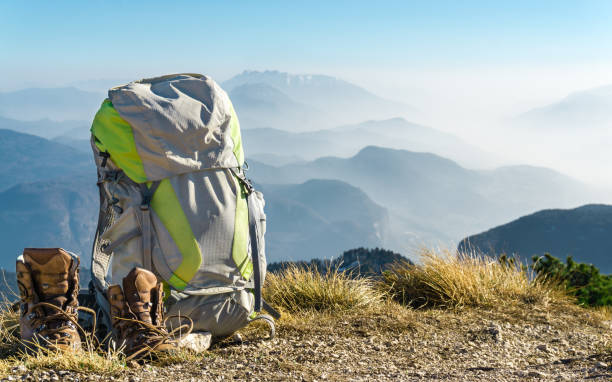
- - Item: Trekking backpack (50–70L)
- Recommended Quantity: 1
- Estimated Cost: $100 – $250
- Tip: Pack smartly—heavier items should be close to your back and lighter items on top to maintain balance.
3.) Proper Layered Clothing – Stay Warm & Dry
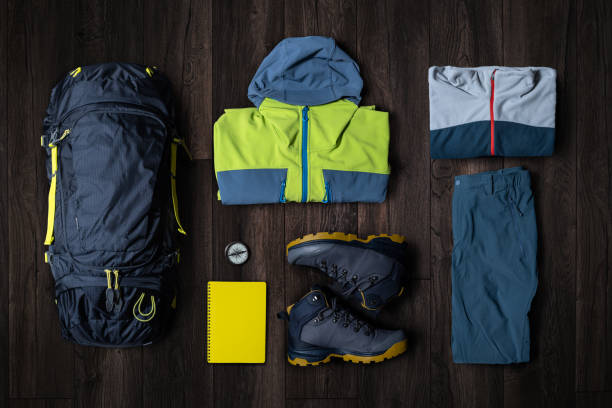
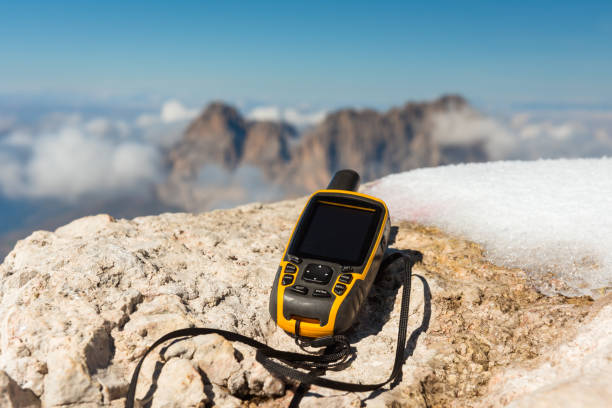
Overview: Getting lost in the mountains can be dangerous, so carrying proper navigation tools is critical. A physical map and compass are essential, even if you have a GPS device or smartphone with offline maps. Electronics can fail due to battery issues or extreme weather, so having a backup is crucial.
For remote treks, a GPS watch with topographic maps or a satellite communicator can provide extra security. Always familiarize yourself with your route beforehand and carry a whistle to signal for help if needed.
- - Item: Map, compass, GPS device
- Recommended Quantity: 1 of each
- Estimated Cost: $20 – $200
- Tip: Learn how to use a compass before your trip—navigation skills can be lifesaving.
7) Hydration System – Stay Energized & Avoid Dehydration
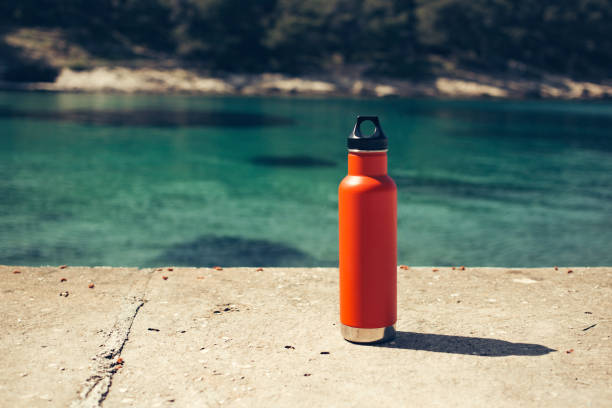
Overview: Water is one of the most critical necessities when trekking or climbing, as dehydration can lead to fatigue, dizziness, and altitude sickness. Carrying enough water for long treks can be challenging, so using a hydration system—like a hydration bladder (CamelBak) or lightweight water bottles—is a must. Hydration bladders allow you to sip water while hiking without needing to stop, making them an efficient choice for multi-day treks.
Additionally, when trekking in remote areas, natural water sources may not always be safe to drink. Carrying a water purification method, such as a portable filter, purification tablets, or a UV purifier, ensures you can safely drink from rivers and streams. Clean drinking water is crucial for maintaining energy levels and avoiding serious illnesses like Giardia or bacterial infections.
- - Item: Hydration bladder (2–3L) & water purification
- Recommended Quantity: 1 hydration bladder, 1 purification method
- Estimated Cost: $30 – $100
8.) Sleeping Bag & Lightweight Tent – Your Shelter in the Wild
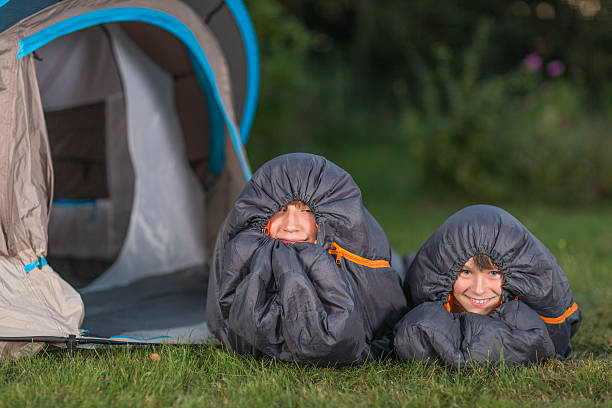
Overview: For multi-day treks or high-altitude climbs, having proper shelter is essential for safety and comfort. A high-quality sleeping bag designed for the expected temperatures is crucial. Down sleeping bags offer excellent warmth-to-weight ratio, while synthetic sleeping bags perform better in damp conditions. Ensure your sleeping bag is rated for the coldest temperatures you’ll encounter—hypothermia can be deadly in alpine environments.
If trekking without lodges or huts, a lightweight, durable tent provides essential protection from the elements. Four-season tents are best for extreme weather, while three-season tents work well for moderate conditions. For some hikes, a simple bivvy sack or hammock may be sufficient. Choosing the right shelter ensures a restful night’s sleep and keeps you safe from unpredictable weather.
- - Item: Sleeping bag & lightweight tent
- Recommended Quantity: 1 of each
- Estimated Cost: $100 – $500 (combined)
- Tip: A sleeping bag liner adds extra warmth and keeps your bag cleaner for longer.
9.) Headlamp & Extra Batteries – Light Your Path
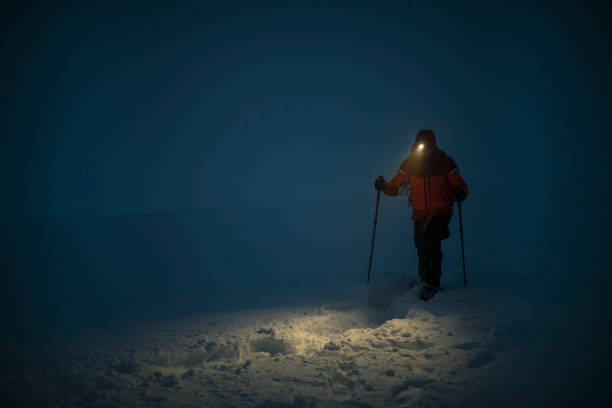
Overview: A reliable headlamp is essential for early-morning summit attempts, night trekking, and emergencies. Unlike handheld flashlights, headlamps allow for hands-free movement, making them ideal for technical climbs and setting up camp after dark. Look for a lightweight headlamp with at least 200–300 lumens for optimal brightness.
Bringing extra batteries or a solar-powered charger ensures your headlamp won’t fail at critical moments. Many climbers opt for rechargeable headlamps, but having backup disposable batteries is a smart precaution. Being caught in the dark without light can be dangerous, especially in rugged or high-altitude environments.
- - Item: Headlamp & extra batteries
- Recommended Quantity: 1 headlamp + spare batteries
- Estimated Cost: $30 – $80
- Tip: Use the red-light mode at night to preserve battery life and avoid blinding fellow hikers.
10.) Emergency Whistle, Multi-Tool & First-Aid Essentials – Be Ready for the Unexpected
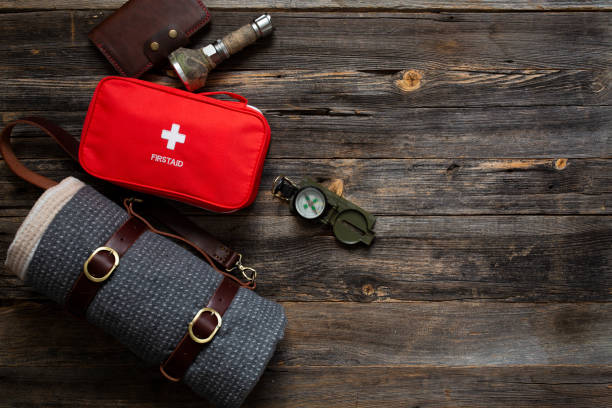
Overview: Safety should always come first in the mountains. Carrying a multi-tool or Swiss Army knife is invaluable for gear repairs, cutting rope, opening food packages, or even first-aid needs. A lightweight emergency whistle can help you signal for help if lost or injured—most hiking backpacks have one built into the chest strap, but carrying a backup is a good idea.
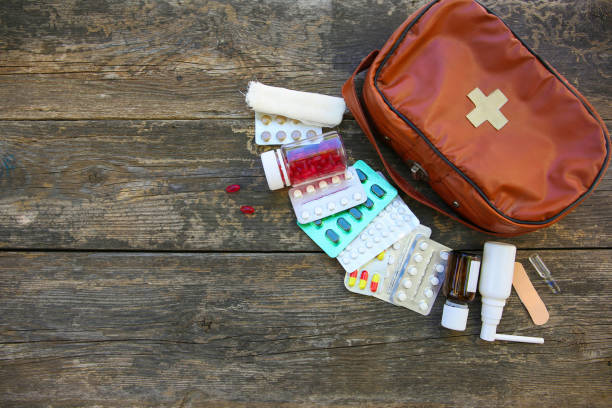
Additionally, a compact first-aid kit containing bandages, antiseptic, painkillers, altitude sickness medication, and blister treatment can make all the difference in an emergency. Many trekking routes pass through remote areas with limited medical assistance, so being prepared with basic first-aid skills is crucial.
- - Item: Emergency whistle, multi-tool, first-aid kit
- Recommended Quantity: 1 of each
- Estimated Cost: $20 – $80
- Tip: Keep your first-aid kit easily accessible in your backpack, and refresh supplies before each trip.
Happy Trekking and Mountaineering ! — and we’re sure that with all these essential items with you, you are in for an incredible adventure as your ramble on !
