
The 15 Best Wildlife Experiences Europe
The home of cultural wildlife experiences – the treasure trove of natural wonders across Europe are home to some of the most charming and unique wildlife experiences – with the ruggued coastlines, cool waters and rolling hills being home to a vast array of diverse wildlife.
From the majestic Andean condors soaring over Spain’s Pyrenees to the playful dolphins of the Azores, and even tracking bears across Nordic landscapes, Europe’s varied terrains offer countless opportunities to connect with the nature, wildlife and history of this stunning continent.
While Europe is awash with stunning wildlife nesting amongst magnificent scenery, below are our top 15 bucket list worthy wildlife adventures that offer to true best of Wildlife activities within Europe:
1.) Polar Bear Watching in Svalbard, Norway.
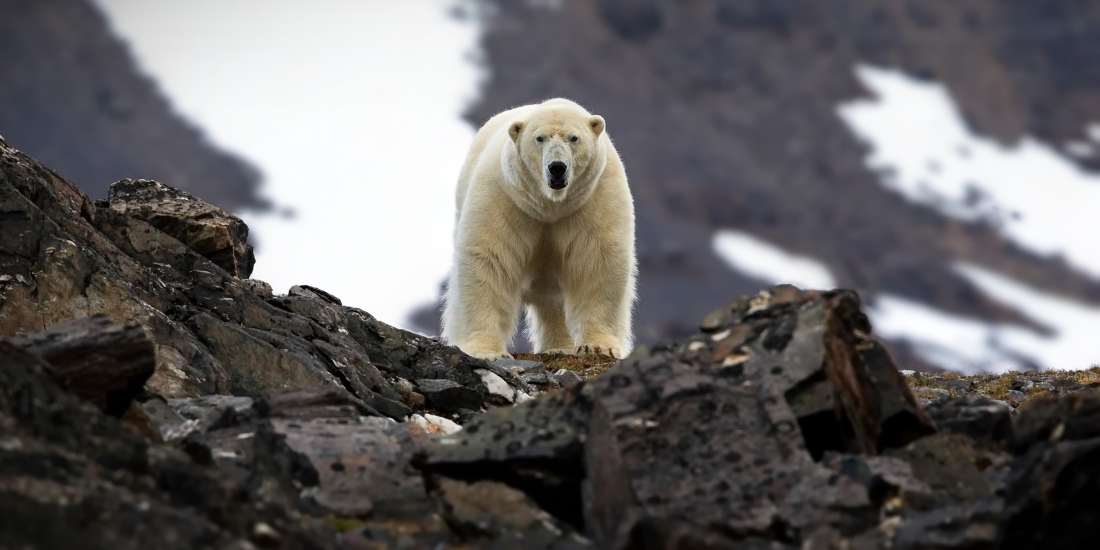
Embark on an Epic Polar Bear Watching Adventure in Svalbard, Norway, and Witness the Majestic Arctic Giants in Their Natural, Icy Habitat.
2.) Wildlife Safari in the Scottish Highlands, UK.
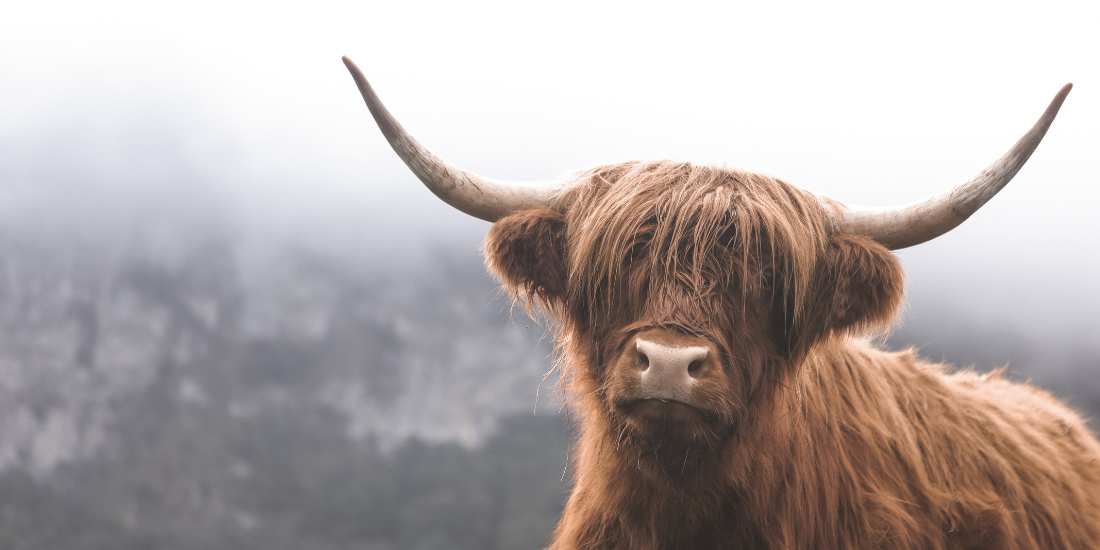
Experience a Wildlife Safari in the Scottish Highlands, UK, and Discover the Majestic Landscapes and Unique Wildlife of One of Europe’s Most Rugged and Remote Regions.
Overview of the Activity: A Wildlife Safari in the Scottish Highlands offers a captivating adventure through some of the UK’s most dramatic and picturesque landscapes. This guided safari allows you to explore diverse habitats, from ancient woodlands and peat bogs to rugged mountain ranges and lochs. You’ll have the chance to observe and photograph a variety of native wildlife, including Red Deer, Golden Eagles, Scottish Wildcats, and a host of other unique species. The safari typically includes expert guides who provide insights into the ecology and behavior of the wildlife you encounter. The experience usually lasts between 4 to 8 hours, depending on the specific itinerary and areas explored.
Location: Scottish Highlands, UK: Safaris are conducted throughout the Scottish Highlands, including areas such as the Cairngorms National Park, Loch Lomond and The Trossachs National Park, and the Isle of Skye. These regions are known for their stunning natural beauty and rich biodiversity.
Duration: Wildlife safaris in the Scottish Highlands generally last between 4 to 8 hours. This includes time for travel, wildlife observation, and guided commentary.
Estimated Cost: Costs for a wildlife safari in the Scottish Highlands typically range from £200 to £500 per person. This price usually covers the guided tour, transportation within the safari area, and sometimes refreshments or light meals. Prices may vary based on the duration of the safari and the inclusivity of the package.
How to Get There: Fly into Inverness or Glasgow, which serve as major gateways to the Scottish Highlands. From these cities, you can join guided safari tours or self-drive to various safari locations. Many tour operators offer transportation from major cities to the safari areas as part of their packages.
Top Tip: Dress in layers and wear waterproof, wind-resistant clothing to stay comfortable in Scotland’s variable weather conditions. Bring a good pair of binoculars and a camera with a zoom lens for wildlife observation and photography. Be prepared for a range of weather conditions and rugged terrain. Booking your safari in advance is advisable, especially during peak seasons, to ensure availability and secure your spot. Familiarize yourself with the local wildlife to enhance your viewing experience and increase your chances of spotting elusive species.
3.) Dolphin Watching in the Azores, Portugal

Embark on a Dolphin Watching Adventure in the Azores, Portugal, and Experience the Joy of Observing Playful Dolphins in the Stunning Atlantic Waters of These Volcanic Islands.
Overview of the Activity: Dolphin Watching in the Azores provides a thrilling opportunity to see and interact with various dolphin species in their natural habitat. This guided excursion takes you to the crystal-clear waters surrounding the Azorean archipelago, where you can observe dolphins such as the Common Dolphin, Bottlenose Dolphin, and Risso’s Dolphin. The adventure includes educational commentary about the dolphins’ behavior and conservation efforts, as well as the opportunity to witness other marine life and stunning oceanic landscapes. The dolphin-watching trips typically last between 3 to 4 hours, offering ample time for sightings and enjoying the marine environment.
Location: Azores, Portugal: The dolphin-watching tours are conducted around the islands of the Azorean archipelago, including São Miguel, Pico, and Faial. These islands are known for their rich marine biodiversity and clear waters, making them ideal locations for observing dolphins and other marine species.
Duration: Dolphin watching excursions generally last between 3 to 4 hours. This includes time for traveling to dolphin hotspots, observing the dolphins, and returning to the starting point.
Estimated Cost: Costs for dolphin watching in the Azores typically range from €60 to €150 per person. This price generally includes the boat tour, guide services, and sometimes refreshments. Prices may vary based on the specific tour operator and any additional inclusions.
How to Get There: Fly into Ponta Delgada on São Miguel Island, which is the main gateway to the Azores. From there, you can join guided dolphin-watching tours that depart from various locations around the archipelago. Some tours may also depart from other islands such as Pico or Faial.
Top Tip: Dress in layers and wear waterproof clothing to stay comfortable and dry during the boat trip. Bring sunscreen, a hat, and a good pair of binoculars or a camera with a zoom lens to capture dolphin sightings. Be prepared for potential sea spray and varying weather conditions. Booking in advance is recommended, especially during peak tourist seasons, to secure your spot. Familiarize yourself with the local dolphin species to enhance your experience and increase your chances of spotting these fascinating marine creatures.
4.) Brown Bear Tracking in Finland’s Taiga Forests
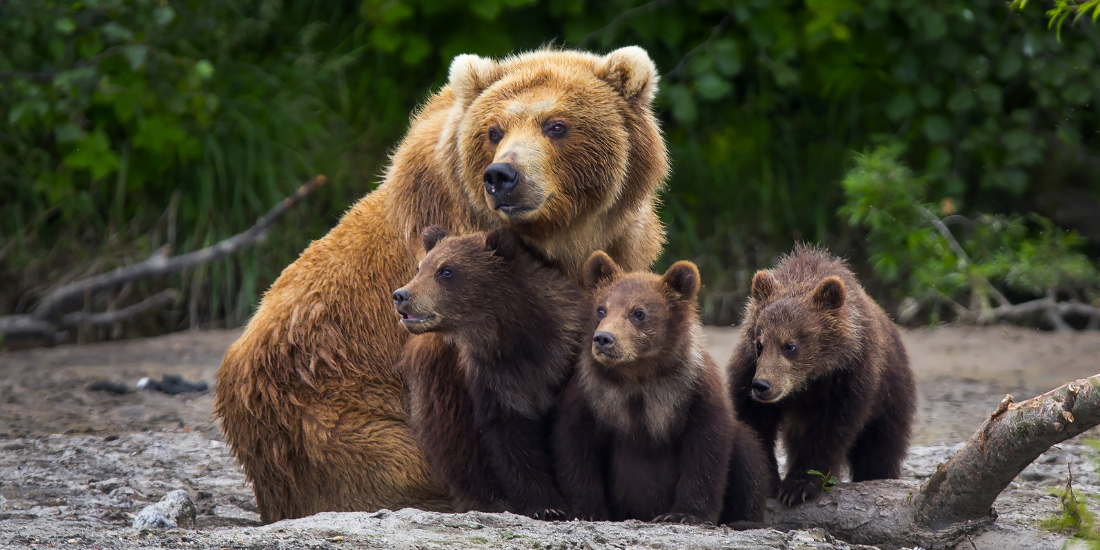
Venture into Finland’s Taiga Forests for an Unforgettable Brown Bear Tracking Adventure and Experience the Thrill of Observing Europe’s Largest Predators in Their Natural Habitat.
Overview of the Activity: Brown Bear Tracking in Finland’s Taiga Forests offers an exhilarating opportunity to observe brown bears in one of Europe’s most pristine wilderness areas. This guided expedition takes you deep into the dense taiga forests of northern Finland, where you’ll track and potentially see brown bears in their natural environment. The adventure includes expert guides who provide insights into bear behavior, ecology, and conservation, and ensure safety during the tracking process. The experience typically lasts between 4 to 8 hours, depending on the specific tour and weather conditions.
Location: Finland’s Taiga Forests: The tracking tours are conducted in the northern regions of Finland, particularly in areas like Kuhmo, Kainuu, and the surrounding wilderness regions. These locations are known for their dense forests, pristine lakes, and significant bear populations.
Duration: Brown bear tracking excursions generally last between 4 to 8 hours. This includes time for travel to the tracking area, the actual tracking process, and the return journey.
Estimated Cost: Costs for brown bear tracking in Finland typically range from €200 to €500 per person. This price generally includes the guided tracking experience, necessary equipment, and sometimes refreshments or a light meal. Prices may vary based on the duration of the tour and the inclusivity of the package.
How to Get There: Fly into Kajaani or Kuusamo, which are the nearest airports to the tracking areas. From these airports, you can join guided tours or self-drive to the tracking locations. Many tour operators offer transportation from major cities or airports to the tracking sites as part of their packages.
Top Tip: Dress in layers and wear waterproof, insulated clothing to stay warm and dry in Finland’s often chilly and damp conditions. Bring binoculars and a camera with a zoom lens to capture images of the bears from a safe distance. Be prepared for potentially rugged terrain and varying weather conditions. Following all safety and environmental guidelines provided by your guides is essential for a safe and respectful bear-watching experience. Due to the specialized nature of these tours and high demand during peak seasons, booking well in advance is highly recommended. Understanding basic bear behavior and tracking techniques will enhance your overall experience and increase your chances of a successful sighting.
5.) Whale Watching in Iceland

Embark on a Whale Watching Adventure in Iceland and Witness the Majestic Giants of the Ocean Amidst the Stunning Arctic Landscapes of This Nordic Island.
6.) European Bison Viewing in Poland’s Białowieża Forest

Discover the Majestic European Bison in Poland’s Białowieża Forest, and Immerse Yourself in the Untamed Beauty of One of Europe’s Oldest and Most Pristine Forests.
Overview of the Activity: European Bison Viewing in Poland’s Białowieża Forest offers a rare and thrilling opportunity to see the continent’s largest wild land animal in its natural habitat. This guided experience takes you through the ancient Białowieża Forest, a UNESCO World Heritage Site renowned for its biodiversity and historical significance. During the tour, you’ll have the chance to observe these impressive bison in their natural environment, learn about their behavior and conservation efforts, and explore the rich flora and fauna of the forest. The activity typically lasts between 4 to 6 hours, depending on the specific tour and the time spent observing wildlife.
Location: Białowieża Forest, Poland: The tours are conducted within the Białowieża Forest, located on the border between Poland and Belarus. This ancient forest is one of the last and largest remaining parts of the primeval forest that once covered much of Europe, and it is renowned for its rich biodiversity and historical importance.
Duration: European bison viewing excursions generally last between 4 to 6 hours. This includes time for travel within the forest, bison observation, and guided commentary.
Estimated Cost: Costs for European bison viewing in Białowieża Forest typically range from €100 to €250 per person. This price generally covers the guided tour, park permits, and sometimes refreshments or a light meal. Prices may vary based on the duration of the tour and the inclusivity of the package.
How to Get There: Fly into Warsaw or Krakow, and then take a train or drive to the town of Białowieża, which serves as the gateway to the forest. From Białowieża, you can join guided tours or self-drive to designated viewing areas within the forest. Many tour operators offer transportation from major cities to the forest as part of their packages.
Top Tip: Dress in layers and wear comfortable, waterproof footwear suitable for forest terrain. Binoculars and a camera with a zoom lens are essential for observing and photographing the bison from a safe distance. Be prepared for variable weather conditions and potential forest trails. Booking in advance is recommended, especially during peak tourist seasons, to secure your spot and ensure a well-organized tour. Understanding basic facts about European bison and their habitat will enhance your experience and increase your chances of successful sightings.
7.) Sea Kayaking with Seals in Cornwall, UK

Paddle Through the Serene Waters of Cornwall, UK, on a Sea Kayaking Adventure and Enjoy the Thrill of Encountering Playful Seals in Their Coastal Home.
Overview of the Activity: Sea Kayaking with Seals in Cornwall offers a unique and exhilarating experience as you glide through the crystal-clear waters along Cornwall’s rugged coastline. This guided adventure provides the opportunity to observe and interact with the region’s playful seal population. As you paddle through scenic coves and hidden bays, your expert guide will share insights about the local marine environment and seal behavior. The experience typically lasts between 2 to 4 hours, allowing plenty of time to explore the coastline and encounter these charming marine mammals.
Location: Cornwall, UK: The sea kayaking tours are conducted along Cornwall’s stunning coastline, with popular locations including the Helford River, Falmouth Bay, and the area around the Lizard Peninsula. These coastal regions are known for their clear waters, beautiful scenery, and abundant marine life, including seals.
Duration: Sea kayaking excursions generally last between 2 to 4 hours. This includes time for kayaking, seal observation, and exploring the coastal environment.
Estimated Cost: Costs for sea kayaking with seals in Cornwall typically range from £50 to £120 per person. This price generally includes the kayak rental, guide services, and sometimes safety gear and refreshments. Prices may vary based on the duration of the tour and the inclusivity of the package.
How to Get There: Fly into Newquay or Exeter, and then take a train or drive to the specific coastal location where your kayaking tour departs. Many tour operators provide transportation from major towns or cities to the departure points as part of their packages.
Top Tip: Wear comfortable, moisture-wicking clothing and bring a waterproof jacket to stay dry during the kayak trip. A hat and sunscreen are also recommended to protect against the sun. Bring a waterproof bag for your belongings and a good camera or smartphone to capture photos of the seals and the stunning coastline. Be prepared for potential changes in weather and follow all safety guidelines provided by your guide. Booking in advance is advisable, especially during peak summer months, to secure your spot and ensure a smooth experience. Familiarize yourself with basic kayaking techniques if you’re new to the sport to enhance your enjoyment and safety.
8.) Golden Eagle Watching in the Pyrenees, Spaind

Soar to New Heights in the Pyrenees, Spain, and Experience the Thrill of Golden Eagle Watching Amidst the Majestic Peaks and Scenic Vistas of this Iconic Mountain Range.
9.) Wolf Tracking in the Carpathians, Romania

Embark on a Thrilling Wolf Tracking Adventure in the Carpathians, Romania, and Discover the Mystique of Europe’s Last Wilderness While Following the Footsteps of the Elusive Grey Wolf.
Overview of the Activity: Wolf Tracking in the Carpathians offers an exhilarating and immersive experience as you follow the trails of Europe’s largest predator in one of Romania’s most pristine and wild landscapes. This guided expedition takes you through the dense forests and rugged terrains of the Carpathian Mountains, where you’ll learn about wolf behavior, ecology, and conservation. Expert guides will help you track and, if lucky, observe these elusive creatures in their natural environment. The adventure typically lasts between 6 to 8 hours, allowing ample time for tracking, observation, and exploration.
Location: The Carpathians, Romania: The tours are conducted in the Carpathian Mountain range, specifically in areas such as the Făgăraș Mountains, the Retezat National Park, and the Hoia Forest. These locations are known for their rich biodiversity and remote wilderness, providing an ideal habitat for wolves.
Duration: Wolf tracking excursions generally last between 6 to 8 hours. This includes time for travel through the wilderness, tracking, and guided commentary.
Estimated Cost: Costs for wolf tracking in the Carpathians typically range from €150 to €300 per person. This price generally includes the guided tour, necessary tracking equipment, and sometimes refreshments or a light meal. Prices may vary based on the duration of the tour and the inclusivity of the package.
How to Get There: Fly into Bucharest or Cluj-Napoca, and then take a train, bus, or drive to the Carpathian region. Many tour operators offer transportation from major cities to the tracking sites as part of their packages. Alternatively, you can use local transport options to reach specific areas within the Carpathians.
Top Tip: Dress in layers and wear sturdy, waterproof hiking boots suitable for rough terrain and potentially wet conditions. Bring binoculars and a camera with a zoom lens to enhance your tracking experience and capture distant views of the wolves. Be prepared for variable weather and rugged landscapes. Following all safety and environmental guidelines provided by your guides is crucial for a safe and respectful experience. Booking in advance is highly recommended, especially during peak seasons, to ensure availability and secure your spot. Familiarize yourself with basic wolf behavior and tracking techniques to make the most of your adventure and increase your chances of successful sightings.
10.) Puffin Watching on the Faroe Islands
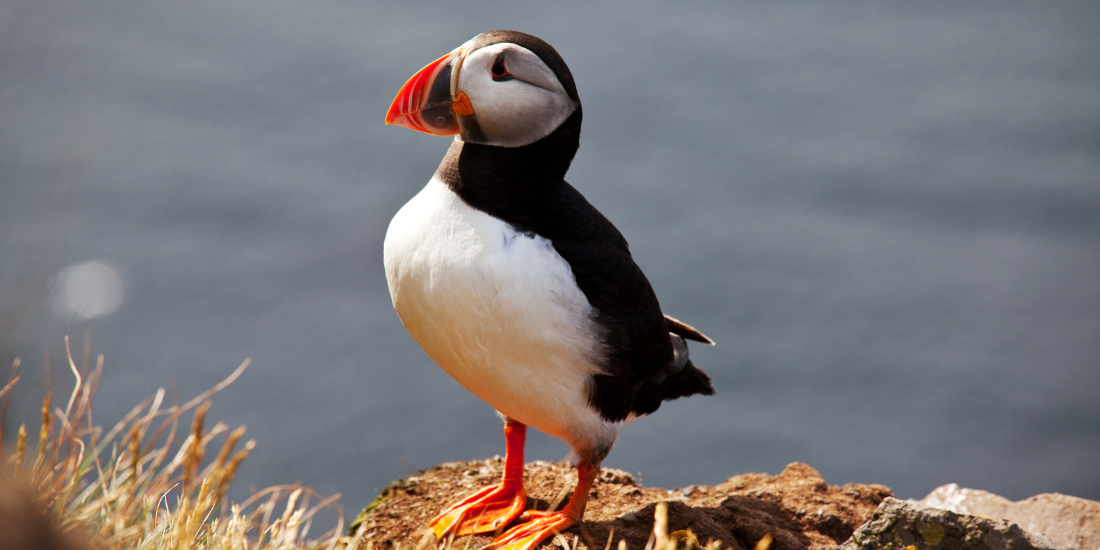
Experience the Charm of Puffin Watching on the Faroe Islands and Witness the Delightful Behavior of These Colorful Seabirds Amidst the Dramatic Landscapes of the North Atlantic.
11.) Wild Boar Tracking in Tuscany, Italy

Dive into the Heart of Tuscany, Italy, for an Exciting Wild Boar Tracking Adventure and Discover the Thrills of Observing These Elusive Creatures in Their Natural Countryside Habitat.
Overview of the Activity: Wild Boar Tracking in Tuscany provides an exhilarating opportunity to observe one of Italy’s most intriguing wildlife species in the picturesque Tuscan landscape. This guided adventure takes you through the rolling hills, dense woodlands, and scenic vineyards of Tuscany, where you’ll learn about wild boar behavior, habitat, and conservation efforts. Expert guides will help you track and, if fortunate, spot these elusive animals in their natural environment. The experience typically lasts between 4 to 6 hours, allowing ample time for tracking, observation, and exploration.
Location: Tuscany, Italy: The tracking tours are conducted in various parts of Tuscany, with popular areas including the Casentino Forests, the Chianti region, and the Val d’Orcia. These regions are known for their diverse landscapes and rich wildlife, including a healthy population of wild boars.
Duration: Wild boar tracking excursions generally last between 4 to 6 hours. This includes time for traveling through the countryside, tracking the boars, and guided commentary.
Estimated Cost: Costs for wild boar tracking in Tuscany typically range from €120 to €250 per person. This price generally includes the guided tour, necessary tracking equipment, and sometimes refreshments or a light meal. Prices may vary based on the duration of the tour and the inclusivity of the package.
How to Get There: Fly into Florence or Pisa, and then take a train or drive to the Tuscan region where your tracking tour departs. Many tour operators provide transportation from major cities to the tracking sites as part of their packages. Alternatively, local transport options can be used to reach specific tracking areas within Tuscany.
Top Tip: Wear comfortable, weather-appropriate clothing and sturdy hiking boots suitable for rural terrain. Bring binoculars and a camera with a zoom lens to enhance your tracking experience and capture distant views of the wild boars. Be prepared for varying weather conditions and potentially rugged trails. Following all safety and environmental guidelines provided by your guides is crucial for a safe and respectful experience. Booking your tour in advance is recommended, especially during peak seasons, to secure your spot and ensure availability. Understanding basic wild boar behavior and tracking techniques will make your adventure more rewarding and increase your chances of successful sightings.
12.) Alpine Ibex Viewing in the Swiss Alps
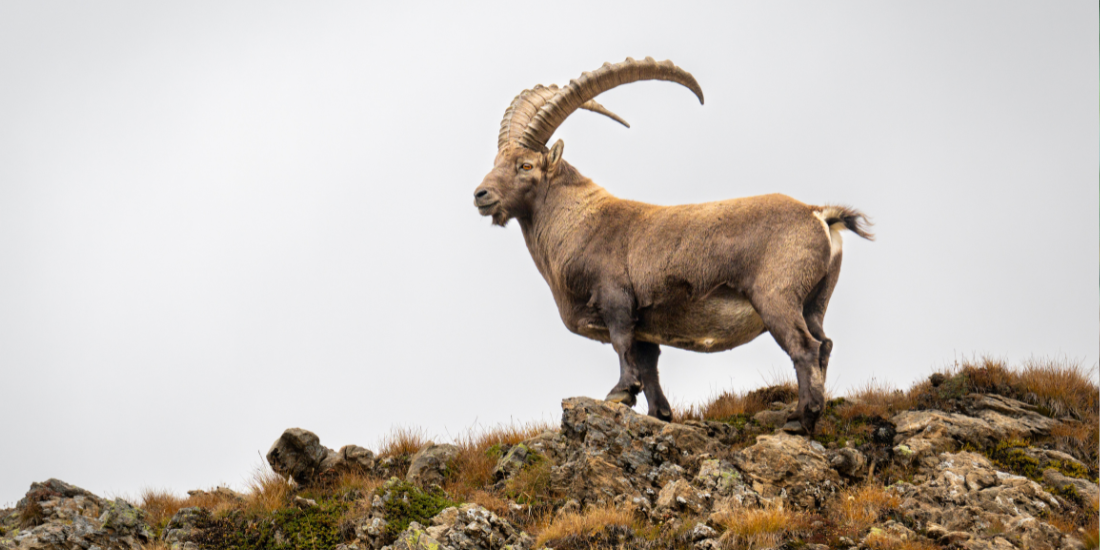
Embark on a Breathtaking Alpine Ibex Viewing Adventure in the Swiss Alps and Witness the Majestic Mountain Goats in Their Natural High-Altitude Habitat.
13.) Scuba Diving in the Mediterranean Sea

Dive into the Crystal-Clear Waters of the Mediterranean Sea and Explore a Vibrant Underwater World Teeming with Marine Life, Historical Wonders, and Stunning Scenery.
Overview of the Activity: Scuba Diving in the Mediterranean Sea offers a captivating opportunity to explore some of the world’s most beautiful and diverse underwater environments. This guided experience takes you to various dive sites across the Mediterranean, where you can encounter a rich array of marine life, from colorful fish and playful dolphins to ancient shipwrecks and underwater caves. Whether you’re a seasoned diver or a novice, the Mediterranean’s clear waters and mild temperatures make for an enjoyable diving experience. The adventure typically lasts between 2 to 4 hours per dive, with the option for multiple dives in a day.
Location: The Mediterranean Sea: Diving is available in numerous locations around the Mediterranean, including popular spots like the coast of Malta, the Greek Islands, the shores of Sardinia and Sicily, and the French Riviera. Each location offers unique underwater landscapes and marine life.
Duration: Scuba diving excursions generally last between 2 to 4 hours per dive, with the possibility of additional dives in a day. This includes time for briefing, diving, and surface intervals.
Estimated Cost: Costs for scuba diving in the Mediterranean Sea typically range from €50 to €150 per dive. This price generally includes the guided dive, rental of basic equipment, and sometimes refreshments. Prices may vary based on the dive site, the specific tour operator, and the inclusivity of the package.
How to Get There: Fly into major Mediterranean cities such as Barcelona, Athens, Rome, or Nice, depending on your chosen dive destination. From these cities, you can reach popular dive sites via local transport or through organized dive tour operators who often provide transportation from the city to the dive sites.
Top Tip: Ensure you have a valid scuba diving certification if you’re planning to dive independently or book guided dives, as many operators require certification for safety reasons. Wear a wetsuit or drysuit appropriate for the water temperature and bring your own mask, snorkel, and fins if preferred. Booking in advance is advisable, especially during peak diving seasons, to secure your spot and ensure a well-organized dive experience. Familiarize yourself with the specific dive sites and marine life in your chosen location to enhance your diving experience and make the most of your underwater exploration.
14.) Farmyard Experiences in the French Countryside

Immerse Yourself in the Charm of the French Countryside with Authentic Farmyard Experiences, Where You Can Connect with Rural Traditions and Enjoy Hands-On Activities Amidst Picturesque Landscapes.
15.) Lynx Tracking in the Bavarian Forest, Germany

Embark on a Fascinating Lynx Tracking Adventure in the Bavarian Forest, Germany, and Discover the Secrets of One of Europe’s Most Elusive Wild Cats in a Stunning Natural Setting.
Safe travels and may your wildlife viewing and journey be filled with as many incredible experiences as possible as you explore the stunning inhabitants of the beautiful continent of Europe!
