The Everglades
Overview:
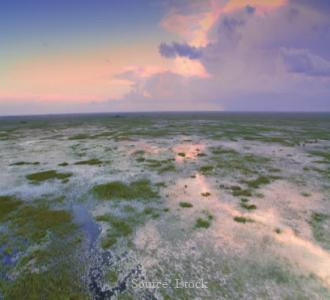
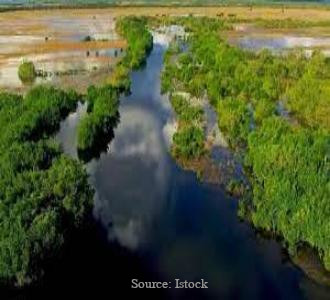
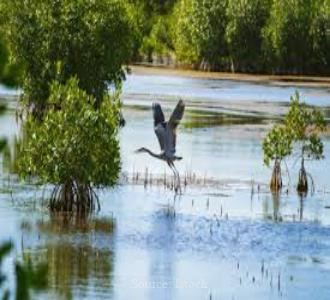
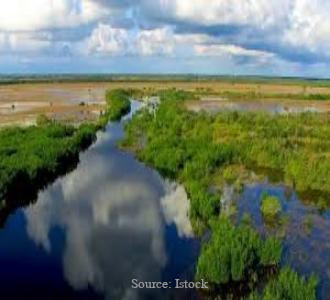
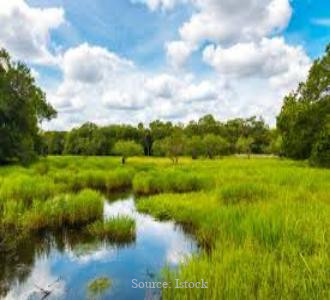
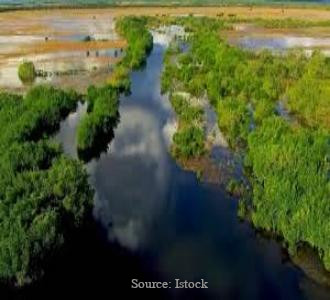
“The Grassy Waters” – the beautiful subtropical wetland preserve of the Everglades National Park is home to nine stunning ecosystems, that house some of the world most striking landscapes, habitats and some of the most endangered and rare animals on the planet. Set across more than one and half million acres of swampland, marches, mangrove forests and even human habitats, the Everglades have become synonymous with the Alligators that roam the wetlands, with these mighty predators and the wetlands being easily viewed from a range of trails, canoe tours and even on one of the icons of the everglades, the famed Airboat, which combined with both the fragility, heritage and stunning diverse nature of this incredible national park, makes the wetlands of the Everglades a truly special and stunning wonder of the world.
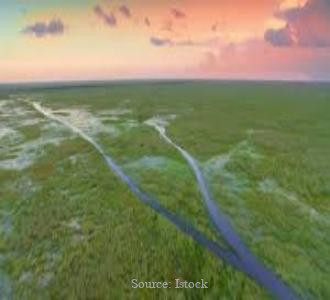
Known to Native Americans as “Pa-hay-Okee” – which translates as grassy waters, the Everglades is classified as a slow moving river which stretches from the Kissimmee River near Orlando to the shallow lake of Lake Okeechobee a few hours north of Miami, and was first designated a place of extreme beauty, which is when the now name of the “Everglades” was coined for this incredible reserve by the writer Marjory Stoneman Douglas.
It is the Everglades location – in southern Florida and so close to the Caribbean, which has helped the incredible ecosystems within the park develop, with the warm weather and rainy season helping the natural beauty and the animal residents flourish, and also providing two unique seasons in which the Everglades can be explored.
With those visiting in the winter season, privileged to explore the famed mangrove forests, wetlands and incredible ecosystems across the park, with a ride or hike through a range of wetland trails, including the well named shark valley – allowing explorers to get up close and personal to both the wetlands and residents of this stunning park. The wetlands are also easily explored through a range of water activities, taking you through the swamps and forests of the Everglades – and taking you eye to with Alligators, Crocodiles and Manatees, with the
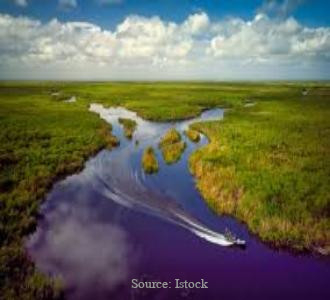
park famous for its water based activities, including pole boat tours, swamp buggies and the famed rush of a giant Airboat tour – with an experience seeking out the Everglades residents on one of the airboats in the incredible Big Cypress National Preserve a must do in the park.
Alongside finding Alligator farms and educational centres dotted through the Everglades, the park can also be a peacefulness and place of serene wildlife watching and contemplation, with the park having gained a reputation amongst anglers and birdwatchers as one of the top spots in the world, thanks in large the incredible abundance of wildlife set against the incredible scenery
Yet despite the natural beauty of the Everglades and its key role in both providing water to people in Florida and acting as a sanctuary for rare wildlife, the wonder of the Everglades remains under constant conservation threat, with the wetlands estimated to have shrunk by more than half of its original size and its animal residents facing increasing challenges from climate change, predators, and the decrease in fresh flowing water.
While a range of conservation efforts are underway to fight back and protect the Everglades against these threats, the unique beauty and diverse landscapes and wetlands of the Everglades remain an incredibly fragile eco-system and a trip to these grassy waters to explore the stunning mangroves and swamps, spot the animal residents and enjoy one of the most unique landscapes on the planet is an absolute must, to both help understand the existential threat and sheer beauty of the incredible wonder of the Everglades.
Where:
A series of incredible ecosystems – the Everglades is found across the heart of Florida – stretching more than a million and half acres across the three Floridan Counties of Collier, Miami Dade and Monroe from the top of the Kissimmee River to the shallow lake of Lake Okeechobee a few hours north of Miami.
Constantly evolving – owing to its status as a slow-moving river, the proximity of the Everglades so close to Caribbean climates has helped shape, define and grow this beautiful national wonder, with the proximity close to downtown Miami and the lights of Hollywood and Orlando also meaning that this stunning wonder of the world is incredibly accessible and easy to get to.
Getting there:
Found in the heart of Florida – the Everglades are incredibly accessible and easy to get to – with their being a range of options to both get to and explore these stunning wetlands.
First up you’ll need to get yourself to the great state of Florida – and we’d recommend doing so by flight, with Miami International Airport being the closest and most convenient airport for access to the Everglades. For those travelling internationally you’ll find a range of airlines service Miami directly from across Europe and America – with those travelling from further afield having to connect on your way to the sunshine state.
For those travelling to the Everglades from separate cities within Florida such as Orlando or Fort Myers – you’ll again find these cities serviced by both international and domestic flights – making for a great place to base yourself to reach the everglades.
Once within Florida – either in the glittering lights of Miami or elsewhere within the state — – we’d really recommend hiring a car if visiting during the summer months to get to the Everglades, and you’ll find driving along route 41 the easiest and simplest way to get to the three main entrances of the everglades – all of which offer a stunning way to enter this park.
For those travelling outside of 9pm to 6pm – we’d recommend heading for the Homestead and Everglades City entrances, which are open 24 hours a day, although of course be mindful of weather conditions and animals once you enter the park – with the Miami entrance – which offers the easiest access for those travelling from Miami being only open during 9am to 5pm in the wet season and 8am to 5pm in the dry season – although for ease of access straight into the park from Miami – this is the entrance we would recommend.
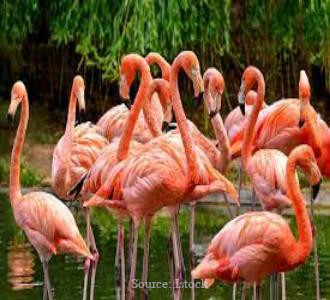
For those arriving or within the park during daylight hours, we’d also recommend a visit to one of the visitor centres, to allow you to both get acquainted with the park layout and make use of the helpful information found inside. While there are several visitor centres found across the park, we’d certainly recommend visiting the Shark Valley Visitor Centre – found near the always engaging shark valley trek or the Flamingo Visitor Centre which is at the south of the Everglades — and also offers a great place to spot Flamingos.
While driving into the Everglades is in our view the best to get this stunning wonder, you’ll also find a range of tour companies – stretching from one day to multiple day tours that offer an easy way to get into the park. Covering the highlights of the Everglades at pace, and making sure you see the highlights, a tour into the Everglades offers an easy, practical and stress-free way into this wonder – with there being a range of companies offering tours that leave all over Florida – meaning that you can from the glamour of Hollywood or Miami into the wildness of the Everglades and back in a day.
Getting around:
A vast and in places untamed wonder – filled with mangrove forests, wetlands and of course curious and rare wildlife, the Everglades offers a range of ways in which to explore – from driving roads, kayak, cycling – and of course the famous airboat.
Starting with those who have come by Car, and you’ll find a range of driving trails across the Everglades, with the main road taking you to some of the highlights of the park – including the Cypress reserve and Shark Valley trails – with the roads across the park being a combination of both gravel road – requiring maximum concentration, and easy to navigate highway. For those visiting the Everglades and getting around by Car, we’d advise to make time to take on the loop road – for some great highlights, and of course be sure to drive slowly across the park – making sure you’re aware of your surroundings.
Across the Everglades you’ll also find a range of stunning hiking and cycling trails that we’d strongly advise to take advantage of to get around and see the beauty of the park – with the anhinga trail, pa-hay-okee trail and of course the great trail at Shark Valley offering stunning photo spots across the Everglades – and giving you a chance to snap and come face to face with some of the animal residents of the Everglades.
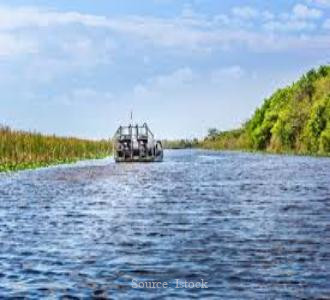
One of the best – and unique – ways of getting around the park is to explore the incredible wetlands on the water, which truly allows you to both explore and appreciate the wonder of the Everglades. To do this we’d advise both taking on a canoe or kayaking tour across designated kayaking areas, specifically the nine-mile pond or Turner River on a designated tour given the wildlife that reside in the Everglades – as well as taking on an airboat tour, which is one of the most thrilling and special experiences on the Everglades as you glide across the wetlands in search of both beauty spots, manatees, crocodiles and alligators – for a truly special experience.
Whichever way you choose to get around within the Everglades , it’s important that you take appropriate safety measures – remembering that this is a wild environment filled with challenging weather and terrain conditions as well as hungry predators – so do be sure to keep your distance from any wildlife and be prepared for sudden weather changes and the challenging terrain – to ensure your trip to the Everglades is both a safe and enjoyable one.
Best time to Visit:
A wonder defined by its seasons, the Everglades is divided into two distinct seasons – the wet and dry – with the wet season which runs from May to November being known for not only sudden thunderstorms, high levels of rain and plenty of mosquitoes but also immense wildlife experiences and fewer crowds, while in contrast the dry season which runs from November to April being milder, calmer and of course incredibly popular.
For those prone to heatstroke and who need to consider the heat as a factor for visiting, we’d recommend visiting in the dry season – where you can expect temperatures to average between 18 – 20 degrees Celsius, with these temperatures skyrocketing to a sweltering to an average of 25–32 degrees Celsius in the summer months – making it potentially to hot and humid for travellers coming from colder climates.
For those who want to centre their trip around wildlife viewing, you can expect to see the residents of the Everglades during both seasons – although the alligators and crocodiles have a reputation of being seen in more public places and boardwalks during the summer months, so for those who are set on seeing these incredible animals – we’d recommend braving the heat and timing your visit for the summer, which also has the added bonus of being when crowds within the Everglades will be at their minimum.
So, while you’re guaranteed stunning landscapes, enchanting wetlands, and encounters with rare and beautiful wildlife regardless of which season you visit the Everglades in, on balance we’d recommend visiting the Everglades in the dry season between November – April, where the combination of the reduced heat and mosquitoes and the chances of seeing wildlife and awe-inspiring sunrises make this an incredible time to explore the true wonder of the world that is the Everglades.
How long to stay
An easy to reach and explore wonder – we’d recommend putting aside at least two days to explore this incredible park – with those who wish to truly explore the incredible terrain, wildlife and beauty of this park recommended to stay at least three days.
Giving yourself multiple days will not only account for sudden adverse weather conditions, but allow yourself to truly explore so many of the wonders of the Everglades, giving you enough time to explore the incredible wetlands on foot along Shark Valley and take on at least one airboat ride – as you journey through the incredible wetlands in search of both beauty spots and the animal residents.
Further, staying for multiple days – either by camping or staying in a hotel within or outside the park and re-entering will give you not only at least one incredible sunrise – which is a must snap photo within the park, but will see you enjoy this incredible wonder at a relaxed pace in comparison to a day tour. So for this reason we’d encourage all travellers to budget for at least two days if not longer when visiting the incredible Everglades.
Top Tip
A truly magnificent and diverse natural wonder and a true sanctuary for some of the world’s most beautiful wildlife, the Everglades can be as dangerous as they are beautiful, so for any traveller who plans to truly explore this incredible natural beauty it’s essential that they come well prepared and follow the parks guidance – to ensure a safe and enjoyable adventure.
To make things as easy as possible and to ensure your journey to the Everglades is a truly enjoyable and safe, we’ve put together our top tips to help you make the best of this stunning natural wonder:
- Firstly, and perhaps most importantly – it’s important to be respectful of the wildlife in the Everglades – particularly around crocodiles and alligators who are known to make frequent use of the treks and trails. For this reason, we strongly advise not going out on the trails at dark and making sure you keep at least 15 metres away from and animals you do see.
- It’s also important not to feed the animals in the park – no matter how curious or charming they may be – as it’s been known to make animals aggressive leading in turn to incidents of animals attacking for more food. So serious have these incidents been that feeding wildlife in the Everglades has been made illegal – so it’s essential to make sure your food is well secure and only for human consumption.
- You’ll also need to be prepared for the conditions – as the Everglades gets incredibly hot and humid between June – November – but the weather can turn quickly into thunderstorms with very little notice. For this reason we’d advise coming with plenty of sunscreen, water, an umbrella and good solid walking shoes – to help make sure you don’t get caught out by the unpredictable nature of the weather in the everglades.
- Finally we’d also advise making sure you plan your trip well in advance – making sure you arrive with plenty of fuel in the tank, lots of snacks and water and that you’ve booked your accommodation, rental car and Everglades park pass online in advance – which alongside being incredibly popular during peak visiting season is essential given the harsh conditions and unpredictable weather if you’re to make the most of your time in the incredible wonder of the world of the Everglades.
Cost:
Explorable as a day trip or as we’d recommend over a period of days – the Everglades are incredibly accessible from over Florida – and there’s a range of accommodation, food options and exploration activities to meet all budgets.
Starting with the task of getting there – and easiest option is to simply fly into one of Florida’s major cities – with Miami International Airport being the closest and the one we’d recommend – with flight domestically within the United States coming in at between $100 — $500 Usd and international flights starting from between $400 — $900 Usd depending on your origin.
Once in Miami – and assuming you’re arriving in the winter season – we’d recommend then hiring a car to reach the Everglades – which can cost between $40 — $80 a day, with the entrance fee into the park for cars costing an extra $30, or for those who choose to get a bus to the Everglades – which costs $10 from Miami – you can expect to pay $15 for those who only intend on walking or cycling in the park.
Once within the park, we’d advise making sure you have plenty of snacks and food – or that you’ve planned and budgeted to eat at the restaurants at Everglades City – so we’d recommend setting aside at least $15 a day for snacks and bites and an extra $30 per person for evening and restaurant meals.
For those staying longer in the park there will also be the accommodation element to consider, and owing to the wetland nature of the everglades there are only two official campsites within the park – and one recommended base for hotels. For those campaign we’d advise heading to the Flamingo or Long Pine campgrounds – which will cost you $20 a night and which are only open between November – Early April – with the Everglades City being the recommended base for hotels – where you’ll find a range of condo’s, bed and breakfast and quaint hotels – all of which we’d recommend budgeting at least $100 a night for.
If driving into the Everglades seems a little bit risky – particularly if it’s out of season there is also the option to jump on a day tour from any of the main cities within Florida to explore the Everglades – with tours lasting a full day and starting at $140 — although we’d recommend shelling out for a more expensive tour that includes the airboat experience – which should add an extra $30 onto the cost of your tour. For those driving into the Everglades do note you can also book an airboat tour that departs from Everglades city which will also cost $30 – just be sure to book in advance as owing to large tour groups they do get booked up in advance.
Therefore, excluding the cost of flights – we’d recommend budgeting $150 — $250 Usd a day for the Everglades, which is a great price to explore this stunning wonder of the world.
Fun Fact:
Alongside being a slow moving river – that sustains nine incredible ecosystems the Everglades is a truly unique animal sanctuary – being home to more than 360 different species of birds, 300 species of fish, 50 different reptiles and 40 species of mammals – including rare panthers – whose numbers, despite a series of conservation efforts, are believed to be just above 100.
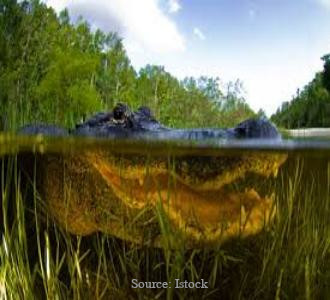
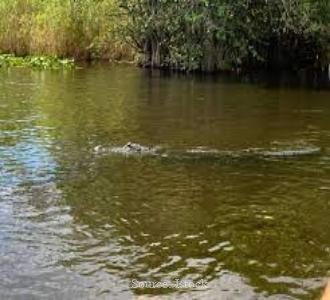
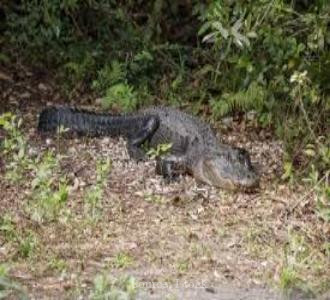
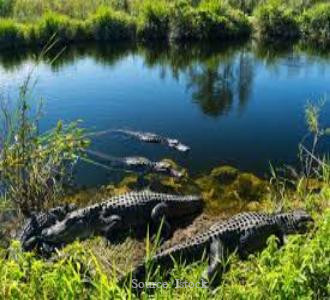
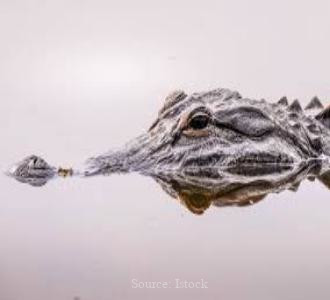
But perhaps most interestingly of all is that the Everglades is the only place in the planet where Crocodiles and Alligators are known to co-exist, with the plentiful wetlands providing a safe environment and enough food for the resident crocodiles – who are easily identified from their V‑shaped snouts and light brown colour – and the alligators who are darker than their crocodile neighbours – making the wetlands a truly unique wildlife sanctuary and a great place to see these incredible ancient ancestors of the Cretaceous period in one beautiful location.

Best photo spot:
With dramatic diverse landscapes, curious and rare wildlife and one of the most awe-inspiring sunrises on the planet, the grassy wetlands, mango swamps and beautiful eco-systems of the Everglades make for a truly rich place for photographers to capture not just the immense and raw stunning scenery of this National Park but also it’s many inhabitants.
A potentially challenging and dangerous National Park – owing to both the wetlands, seasonal changes and the large array of alligators that call the park home, getting the best shots within the Everglades can be a challenge, so to make things as easy as possible for any explorer and to help you make the most of this incredible wonder of the world we’ve rounded out our top photography spots in the magnificent Everglades National Park:
Anhinga trail
Greeting you at the start of the Everglades, the Anhinga Trail is awash with incredible photography opportunities – especially on the wildlife front, with this stunning trail taking you through along the edge of mangrove forests and wetlands where you can snap wading birds, including a range of very friendly – and picturesque – cormorant and Anhingas – as well as a families of Alligators who are known to frequently make use of the trail as well.
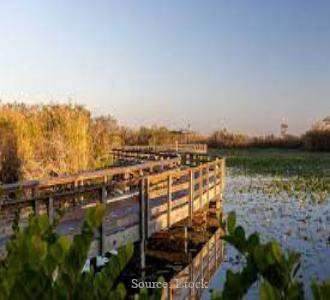
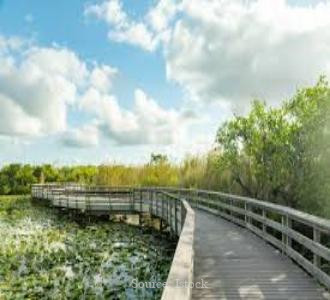
Taking you along a wooden boardwalk and leading to a lookout hut, which stares out over the rich wetlands – for another great photo opportunity, the Anhinga Trail is one of the most popular spots in the Everglades – owing in large to the fantastic photo opportunities it affords, so we’d advise to get here early in order to give yourself a crowd free experience and to make sure you capture the best of the Everglades from this stunning trail.
Pahayokee Road & Trail (Best Sunrise Location)
A little further along the road from the Anhinga Trail and along the main road in the Everglades lies the Pahayokee Road and its accompanying trail, a fantastic spot that stares out over the best of the Everglades dramatic landscapes and wetlands – making for an incredible photo opportunity to capture the raw power of the Everglades.
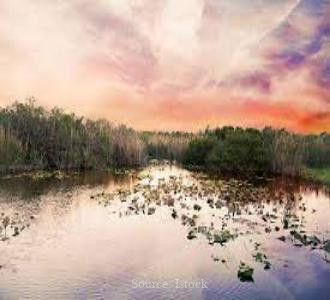
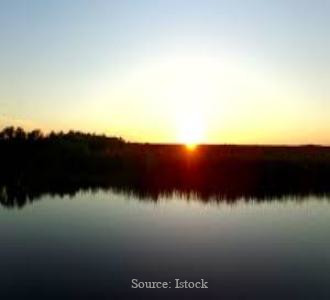
But to capture the best of this stunning area – and to snap one of the great photos of the Everglades, we’d advise getting here at least an hour before sunrise (6:30 am), where you can set up a camera and watch as the sun slowly rise from the east – lighting up the wetlands and a series of gorgeous cypress trees before you – with the sun reflecting off the wetlands to create a mirage of bright purple and deep orange – for one of the most sensational and beautiful sunrise photos on the planet.
A great place also to explore through the trail, where if you’re lucky you’ll get the chance to snap birds exploring and hunting in the wetlands – the Pahayokee Road and trail is a truly special place within the Everglades and one that can give you one of the most special photography shots of this incredible wonder of the world.

Shark Valley
Another special trail – that shows off the best of the south of the Everglades, Shark Valley is one of the icons of the Everglades, and for good reason – with this well maintained and developed trail offering a great spot to not only hike and cycle through the Everglades but capture some incredible shots of both the stunning wetlands – and perhaps most spectacularly of all the free roaming alligators which are known to inhabit the area.
A great trek – which should only be undertaken in daylight hours for safety, the Shark Valley trek is incredibly popular, and you can expect crowds particularly during holidays and weekends, so we’d advise again to get here early and make sure you don’t miss out on the elevated viewing hut found at the end of the trail – whose steep climb is worth it for the 360 degree panoramic photos afforded from the top of the tower – which is a fantastic way to capture the full beauty of the wetlands that stretch into the horizon – making for a great photo opportunity.
Wakodahatchee Wetlands
One of the best places across the Everglades to photograph wildlife – and particularly a range of birds in full flight – the Wakodahatchee Wetlands is a newly create sanctuary and offers a fantastic spot to capture some great shots of some rare and colourful birds – including Flamingos, herons and the colourful and loud purple gallinules – against the backdrop of the Everglades Wetlands for a great photo opportunity.
Easily explorable on a well-constructed boardwalk, that takes you past several bird watching huts that offer further photo opportunities the Wakodahatchee Wetlands are more isolated in comparison to the other wetlands within the Everglades – and if you get here just after sunrise you can enjoy spectacular views of the light reflecting off the wetlands while enjoying the incredible wildlife, for what can make for a truly special photo.
Airboat tour
As touristy as it may seem, an airboat tour within the Everglades is not only a fun experience but can take you to unique and beautiful parts of the Everglades that are simply not accessible by foot or car – with a journey deep into the heart of this incredible eco-system being not only a mini-adventure but also providing you with stunning views and photo opportunities out over the best of the untouched and beautiful wetlands of the Everglades.
A great chance also to get up close and personal to not only alligators, crocodiles and even Manatees – which can make for a great wildlife photo opportunities, it’s only by travelling through the mangrove forests and swamps of the Everglades on an airboat that you can truly appreciate the fully beauty of this incredible wonder – and snap full scale photos of the incredible wetlands – for what is one of the most fun and beautiful shots in this incredible park.
Loop Road
For a wide range of contrasting photo opportunities, that lets you take in the diverse landscapes of the Everglades in one quick motion — we’d recommend a drive along the Loop Road within the park, which will take you firstly along 10 miles of well-maintained road – where you can easily stop and snap pristine wetlands and a range of the parks wildlife – and then along 15 miles of unpaved gravel road – where the landscapes of the Everglades transform into their raw and untamed best – giving you a fantastic photo opportunity of the true power of the Everglades.
Bending towards the south of the Park – and intersecting with roads near Miami, the Loop Road is the best drive within the Everglades, and you can also expect to pass one of the hallmarks of the Everglades – the rare Z tree – a protruding tree shaped like a Z that makes for a great photo, as you travel along this incredible road to take in the full range of diverse wilderness, stunning scenery and the animal inhabitants that make the Everglades not just a photographers paradise but a truly unique and special wonder of the world.