A journey through History ! – Exploring the Pyramids of Egypt
Few landmarks in the world carry the kind of instant, goosebump-inducing recognition that the Pyramids of Giza do. Whether you grew up watching Indiana Jones, binge-watching National Geographic documentaries, or just had an Ancient Egypt phase in primary school (we’ve all been there), the pyramids top countless travel bucket lists for good reason. Standing at the edge of the Sahara, these ancient giants are both architectural marvels and timeless symbols of human ambition, mystery, and mathematical genius.
But what’s it really like to visit? Are they as awe-inspiring in real life as they look in all those Instagram photos? (Spoiler: yes, and then some.) Here’s everything you need to know to plan your own pyramid pilgrimage—whether you’re after history, adventure, or just that epic desert selfie.
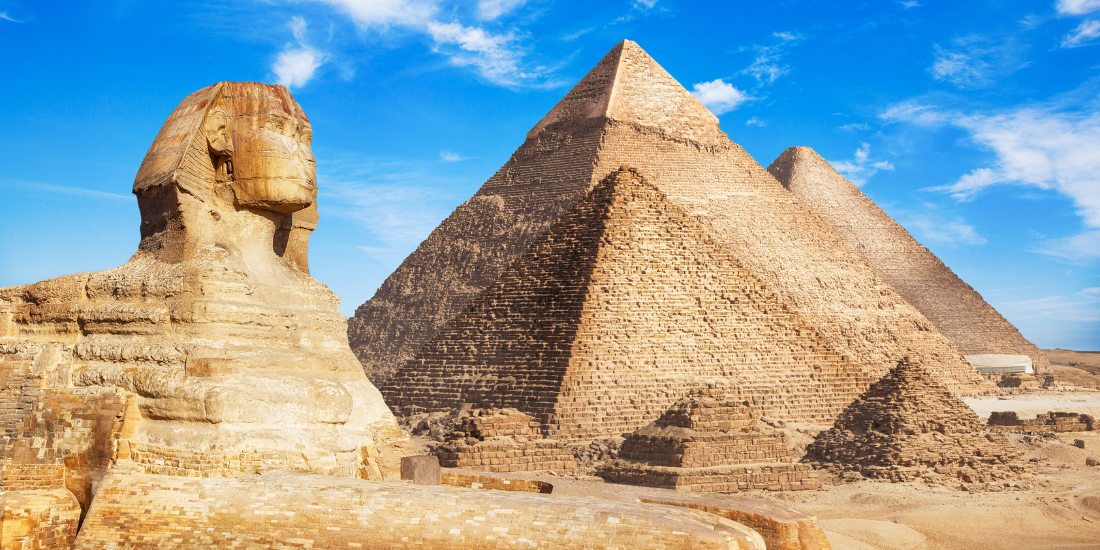
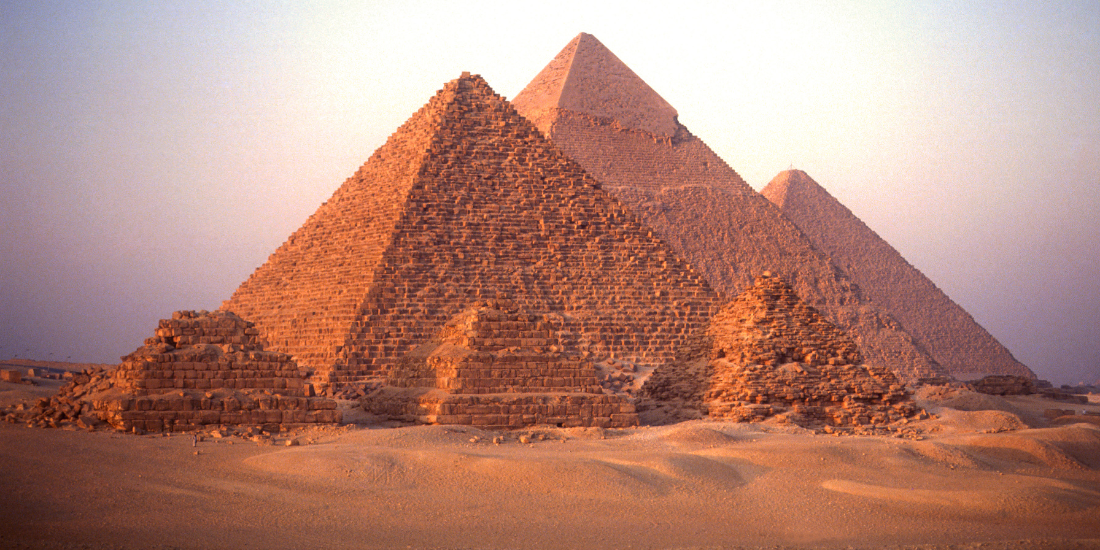
First things first: there are actually three main pyramids at Giza—Khufu (the Great Pyramid), Khafre, and Menkaure. Built over 4,500 years ago during Egypt’s Old Kingdom, they were designed as monumental tombs for the pharaohs and stand as some of the last remaining wonders of the ancient world. And yes, they’re every bit as massive, mysterious, and mind-blowingly old as they sound.
The Great Pyramid of Khufu is the largest and most famous, originally standing at 146 meters (480 feet) tall—though centuries of erosion (and a missing limestone casing) have shaved it down a bit. Right next door, you’ll find the iconic Sphinx, staring moodily across the desert like a giant stone guardian who’s seen it all and is quietly judging your sun hat.
Beyond their sheer size, what really blows people away is the craftsmanship. Each stone block weighs several tons, and historians still debate exactly how ancient Egyptians managed to transport and stack them with such precision. Aliens? Probably not. Ingenuity and a lot of manpower? Definitely.
What’s even more incredible is that the pyramids have withstood thousands of years of weather, shifting sands, and the occasional conqueror. The structures you see today were built before the invention of the wheel in Egypt, and yet they remain perfectly aligned with the cardinal points and the stars above. Standing at their base, looking up at these perfectly cut limestone giants, you can’t help but feel dwarfed by time and history.
Exploring the Pyramids
Exploring the Pyramids
When to Visit the Pyramids
If you want to avoid sweating through your entire outfit within the first 10 minutes, aim for the cooler months from October to April. During these months, daytime temperatures hover between 20°C and 30°C (68°F to 86°F), making sightseeing much more pleasant.
Peak tourist season falls between December and February, especially around Christmas and New Year. Expect bigger crowds and higher hotel rates, but also clearer skies and better light for photos. Early mornings are ideal for beating both the heat and the tour bus crowds, especially if you want those wide-angle shots with minimal photobombers.
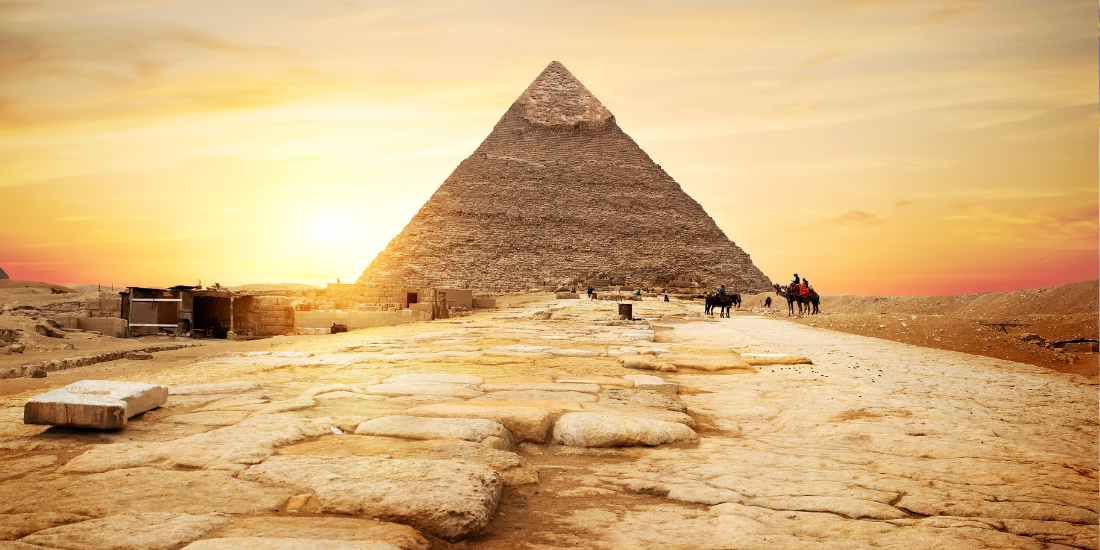
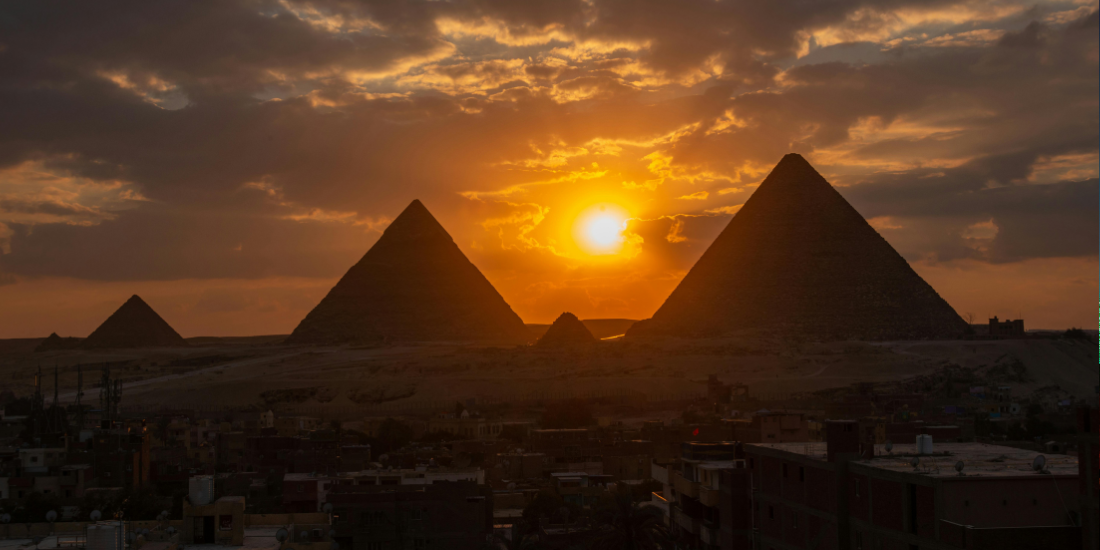
Visiting in the early morning or late afternoon also helps if you want to catch the pyramids bathed in that golden Egyptian light photographers rave about. If you’re a fan of dramatic shadows and a cooler walking experience, sunrise and sunset are hard to beat.
Summer months (May to September) bring scorching heat, with temperatures often climbing well above 35°C (95°F). If you do visit in summer, hydrate like your life depends on it—because, in that heat, it kind of does. Shade is minimal on the Giza Plateau, so come prepared with sun protection and take breaks when needed.
How to Get There
Most travelers base themselves in Cairo, which is just a short drive away from Giza. Cairo International Airport has direct flights from major cities around the world, making it a convenient starting point for your Egyptian adventure.
From central Cairo, you can reach the Giza Plateau by taxi, Uber, or via organized day tours. The drive typically takes 30 to 45 minutes, depending on traffic (and Cairo traffic has a reputation all its own). For a more budget-friendly option, you can also take the metro to Giza Station and then grab a taxi for the final stretch.
For those wanting extra comfort, many hotels and tour operators in Cairo offer guided day trips with air-conditioned transport, which can be a real bonus in the hotter months. Alternatively, some adventurous travelers opt to combine their pyramid visit with a camel ride from the edges of Giza—just make sure to negotiate your price beforehand to avoid any unexpected “extras.”
Going Inside the Pyramids: Should You Do It?
Yes, you can actually go inside the pyramids—but be prepared for narrow passageways, steep inclines, and a fair bit of crouching. The interior chambers are hot, stuffy, and honestly, a little claustrophobic. But for history buffs and bucket-listers, it’s worth it just to say you’ve stood inside one of humanity’s most iconic monuments.
Access to the Great Pyramid requires a separate ticket (not included with the general site entrance fee), and daily visitor numbers are limited, so arriving early is smart. Smaller pyramids like Khafre and Menkaure sometimes open to visitors on a rotating basis, depending on maintenance schedules.
There’s not much to see inside in terms of decoration—it’s mostly stone walls and empty chambers—but the atmosphere, the sense of scale, and the thought of being surrounded by thousands of years of history? Pretty priceless. Walking up the narrow shaft toward the King’s Chamber, you’ll feel a strange mix of excitement and eerie calm. It’s not hard to imagine ancient workers toiling in these same tunnels all those millennia ago.
Pyramids
Pyramids
Top Tips for Visiting the Pyramids
Start early to avoid the midday heat and the biggest crowds. Bring water, sunscreen, and a hat—you’ll need all three. Comfortable walking shoes are a must, especially if you plan to climb inside the pyramids or wander around the surrounding desert.
Expect lots of offers from camel and horse handlers. If you’re up for a ride, agree on the price before mounting, and don’t be afraid to negotiate. Same goes for souvenir sellers—haggling is part of the culture, so treat it as a fun back-and-forth, not a battle.
A word of warning: scams around the pyramids are unfortunately very common. Some of the most popular include people charging you to take photos (even if you didn’t ask for one), camel handlers demanding more money mid-ride, or fake ticket sellers near the entrance. Even unofficial “guides” may latch onto you, walk alongside you offering facts, and then demand payment at the end. To avoid hassle, firmly decline services you don’t want and don’t hesitate to walk away.
Honestly, unless you’re a hardcore history buff wanting in-depth details, you’re better off skipping a guide entirely. The pyramids are impressive enough to explore on your own, and there’s plenty of good background info available online or via audio guide apps. This way, you’ll save money and avoid being trapped in a long-winded lecture under the blazing sun.
Bring small change for tips, especially if you plan to take photos with camels or inside certain areas. Dress modestly to respect local customs, and if you’re into photography, consider bringing a zoom lens for great Sphinx close-ups without needing to fight the crowds for a front-row spot.
How Much Does It Cost?
Budget-wise, visiting the pyramids can be as affordable or as extravagant as you make it. A standard entrance ticket to the Giza Plateau costs around 200 Egyptian Pounds (about USD $6), but if you want to go inside the Great Pyramid, that’s an extra 440 EGP (about USD $14). Entry to smaller pyramids may also have additional fees, depending on which ones are open on the day.
If you’re booking a private tour from Cairo with transportation and a guide, expect to pay anywhere from USD $30 to $80 per person, depending on group size and extras included. Camel rides around the site typically start from USD $10 to $20, but again—negotiate first.
Extras like the Solar Boat Museum or the evening Sound and Light Show will add another $10–$20 each to your day’s budget. If you’re looking for a truly hassle-free experience, some hotels offer all-inclusive pyramid day tours that cover entrance tickets, transport, guide fees, and even bottled water for around USD $50 to $100 per person.
For budget travelers, taking an Uber from central Cairo and buying your tickets directly at the entrance will keep costs down. Just bring enough small cash for tickets, tips, snacks, and those inevitable bottles of water.
How Long Should You Spend There?
If you’re short on time, you can squeeze in a whirlwind pyramid visit in about two hours—enough for some quick exterior photos and a peek inside one pyramid. But to really do the site justice, aim to spend at least half a day.
A solid four to five hours lets you wander the full plateau, visit the Sphinx, climb inside a pyramid, check out the Solar Boat Museum, and maybe even enjoy a leisurely camel ride or sit for a bit soaking in the views. If you’re planning to add Saqqara or Dahshur to your itinerary on the same day, start as early as possible to make the most of your time.
Many visitors combine the pyramids with a morning at the Grand Egyptian Museum or an afternoon wandering Cairo’s vibrant markets. But honestly, there’s something special about just lingering at Giza, finding a quiet spot away from the crowds, and letting yourself absorb the sheer scale and history of it all.
Pyramids
Pyramids
Other Things to See While You’re There
Beyond the pyramids themselves, don’t miss the Solar Boat Museum, which houses an ancient wooden ship buried next to the Great Pyramid and painstakingly reconstructed. The museum is air-conditioned—a bonus on hot days—and gives a fascinating glimpse into ancient Egyptian funerary practices.
A short drive away, you’ll find the Saqqara necropolis, home to the Step Pyramid of Djoser—Egypt’s oldest pyramid and a brilliant prequel to Giza’s blockbuster trilogy. Nearby Dahshur also offers less crowded pyramid sites, including the Bent Pyramid and the Red Pyramid, both architectural experiments on Egypt’s road to pyramid perfection.
Back in Cairo, the Egyptian Museum is a treasure trove of ancient artifacts, including items from Tutankhamun’s tomb. Or, if you want something newer, the Grand Egyptian Museum (GEM) near Giza is slowly opening in stages and promises to be one of the most impressive museums in the world once fully completed.
For a different perspective, consider booking a sound and light show at the Pyramids at night. It’s a little kitschy but undeniably atmospheric—hearing the history of ancient Egypt narrated under the stars while the pyramids are lit up in dramatic colors is an experience many visitors fondly remember.
Final Thoughts: Why the Pyramids Are Still Worth the Hype
There’s a reason these monuments have captured the world’s imagination for centuries. No matter how many photos you’ve seen or documentaries you’ve watched, standing in front of the pyramids in real life feels surreal and unforgettable.
Whether you’re there for the history, the adventure, the photos, or just to tick a major bucket list item, the Pyramids of Giza deliver on every level. So grab your camera, channel your inner Lara Croft or Indiana Jones, and get ready for a day of epic storytelling—past, present, and future.
And when you finally stand before them, with the desert sun warming your face and history stretching out in every direction, don’t forget to pause, take it all in, and say a little thank you to the ancient architects who made it all possible.