Galapagos Islands
Overview:
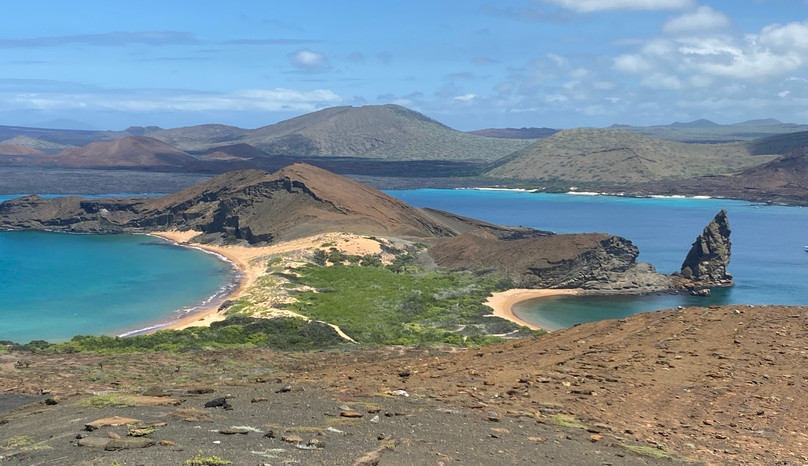
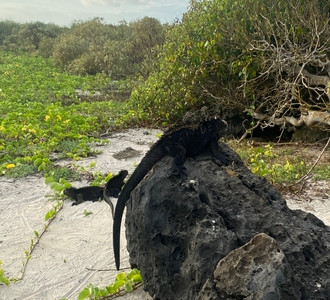
The home of Darwinism, the Galapagos Islands are a geological and wildlife enthusiasts dream – with the 61 islands being home to some 9,000 different species of animals – including the illusive giant tortoise, rare iguanas, stunning lava lizards and even whales and penguins – and some of the world’s greatest beaches, making these almost untouched and undeveloped islands a true wonder of the world.
Although officially belonging to Ecuador, the islands are found more than 1,000 km away from the countries land border in the heart of the stunning Pacific Ocean and against a backdrop of active volcanoes and lush scenery that sustains the many marine and land-based species who call the island home.
In fact so unique are the species that inhibit the Islands, that the Galapagos — alongside being both a National Park and a Marine Reserve and one of the most protected places on earth with a stric
or limit in place and tours only allowed with registered guides — is famed for allowing ‘evolution to be witnessed in motion’ with the evolutionary cycle on offer in the varying species of life, combined with its unique location and many stunning inhabitants making these unique islands a true wonder of the world.
Where:
While the 61 islands belong to Ecuador, they are located in the middle of the Pacific Ocean and accessible from flight by Quito. The islands unique location also mean that they cross both the northern and southern hemispheres – although you can expect temperatures on the islands to remain the same regardless of the hemisphere they belong to !
Getting there:
The islands unique position means a long journey – booked months in advance is required to get to them, with strict visitor limits in place at all times.
The best option is to fly to the capital of Ecuador and the lovely town of Quito before flying on to the two islands with air travel either San Cristobal or Baltra, and from there exploring the islands through either a series of day trips or onboard a cruise.
Best time to Visit:
While the Islands are accessible all year round and given their unique position suspect to frequent rainstorms – the best time to visit is between the months of December to May ‑where the temperatures drop a little making for a cooler experience, and more importantly the wildlife is in abundance across all the islands.

Explore:
There are two main ways to explore the islands once you get there – by a week long cruise across the islands, with hiking, diving and more remote islands on offer or by basing yourself in one of the inhibited islands of San Cristobal, Santa Cruz or Floreana and doing a series of day trips out to islands – (or both for those with an extreme budget).
Either option requires you to pre-register with the Ecuador government to get permission to visit the islands (visit http://www.gobiernogalapagos.gob.ec) and have a registered tour guide (so you can forget going into the wild) and across the whole islands, there are only 115 designated visitor sites – 54 on land and 61 in the water which you can only visit in 2‑hour shifts – so any trip to the Islands will be well structured to protect the natural beauty of the island.
Land Based option: For those doing day trips, alongside having more flexibility in your options, operating on a smaller option and getting to choose your evening meal – you will also be in a position where you are limited to visiting five islands in one day and will be taken to the main sites of the islands – with the more unique islands lying further way from the inhibited islands.
Cruise: If using a cruise to explore the Galapagos Islands, make sure it’s a small one ! – there are options for 100 passengers to board a cruise around the islands, which inevitably has an impact on the wildlife you see as they get scared off. For cruises you can expect to visit more remote islands, visit more scenic beaches and hiking treks (where you’ll need a dingy to get ashore) and have easier access to Scuba Diving (there are specially designed scuba diving boats for those pro divers) for a chance to see the elusive whales, iguanas and sharks that spend their time in the reefs.
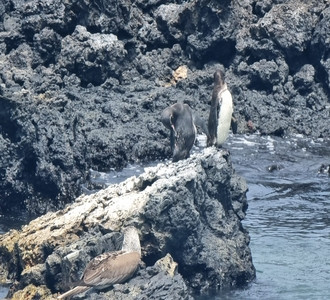
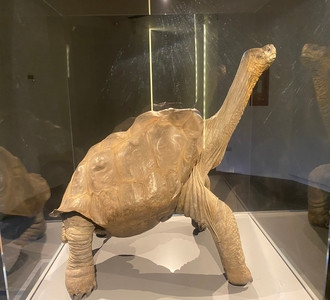
Whichever option you get yourself a trip which takes you to the three main islands of Española, Fernandina and the Floreana Island – all of which are considered prime tourist and exploration sites and are home to the Giant Tortoises, Penguins and iguanas which are must see on the islands.
Regardless of the option can expect to enjoy and explore the islands with; Wildlife watching, snorkelling, diving, trekking and for those who want to get even more into the Darwinism spirit volunteering in assisting habitat restoration.
How long to stay:
Although Darwin spent 5 weeks in the Galapagos Islands, we’d recommend taking a little less time – but still budgeting at least a week on the islands (excluding time travelling to and from the islands) with the more time you spend at the wonder – the more time you have to experience and spot the evolutionary wildlife and enjoy the beaches.
Given the length of tours, and the government limits, most travellers can expect to spend 10 days in total in their exploration of the Galapagos Islands.

Top Tip:
Alongside bringing a high-quality camera (both for land and diving) – it’s important to remember that while there are strict rules in place to govern activity in the island and animal interaction – the animals themselves aren’t aware of these and can’t be reasoned with, so take care if approached by a turtle, seal or shark.
Cost:
Although the islands are hard to reach, tourism is a key money maker for assisting in preserving the islands but be warned tours are pricey owing to the limited numbers allowed on the islands at any one time.
Once you’ve got your flights from Quito (budget for around $500 return) you can expect to pay around $100 USD for a night in a hotel on any of the inhibited islands, and then around $3000 usd for a series of land tours and $3,200 for an average cruise – although cheaper options are available if you shop around.
However, despite the price, the natural beauty of the islands, combined with the abundance of unique wildlife make a trip to the Galapagos Islands a worthy investment.
Fun Fact:
Despite their isolated, the Islands are actually home to some 25,000 Spanish speaking people who manage the islands and prepare tourist trips – they don’t factor in to the 9,000 unique wildlife inhabitants of the islands.
Best photo spot:
While the islands beaches are always stunning and any shot of a unique wildlife is a memory that will stay with you forever – grabbing a photo (or even a selfie) of either a hammerhead shark or the illusive and endangered underwater Iguana (a baby Godzilla) on a diving trip is a truly unique experience – speak to some of the diving trips before hand about heading for the best spots to see them.