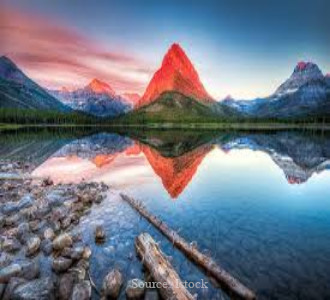
Glacier National Park
Overview:
The “Crown of the Continent” or in traditional Kootenai language “the place of many ice” Glacier National Park is a true nature wonderland and oasis of stunning scenery. With this towering and immense park – that straddles a continental divide between the pacific and arctic – famed for its many imposing Glaciers, some of which stretch more than half a mile in length, which create not only deep vista scenery but give life to more than 700 lakes, deep canyon’s, free-flowing waterfalls, lush fields, the snow-capped rocky mountains and unique and thriving wildlife within this one million acre paradise that is an undoubted wonder of the world.
Carved over the course of 200 million years across multiple ice ages, Glacier National Park’s diverse scenery undoubtedly earns it the title of the land of rock, ice, water, and wood – and thanks to thousands of hiking trails available and the great “Going-to-the-Sun” Road, which takes travellers through 50 miles of the best of the park, it is also an explorer’s paradise, with the deeper people venture into the park the more stunning the scenery becomes.
Couple the stunning scenery with not just the diverse wildlife, but also the majestic Glacier National Park scenery providing a stunning backdrop for one of the world’s greatest – and clearest ‑natural phenomena – the dazzling Aurora Borealis, which brings the full beauty of the wonder of the national park to light in a awe-inspiring display of emerald, purple, green and turquoise.
Perched not just on a continental divide, but on the borders of Montana and southern Canada – Glacier Park is blessed to experience all four seasons in a day at times – with the winter weather creating a wonderland of snow-capped peaks, shining white landscapes and creating ideal conditions for playful winter wildlife, whereas the changing seasons of spring and autumn create a kaleidoscope of bright leaves and ever-changing green hills – which slowly morph into the summer months where you’ll find warm temperatures and ideal conditions for hiking.
History:
A park explorable during any season or moment – so long as you come prepared for the conditions, the summers within Glacier National Park have found themselves evolving to be longer and more extreme in heat – which while extending the hiking season, has seen the many Glaciers within the park threatened due to extreme heat and climate change. This in turn has created a worrying scenario whereby due to consistent melting some scientists have estimated that all the Glaciers within this incredible wonder will have disappeared as soon as 2030.
A troubling and alarming prediction, this constant threat of climate change is a serious and worrying chapter in the story of this great wonder – whose storied history has seen it carve its way through ice ages and destruction – and been fist inhabited by humans more than 10,000 years ago by a native American group known as the Kootenai.
This first inhabitation would set the stage for the beauty of Glacier National Park to come to the forefront of exploration, with the Kootenai’s discovery of the magnificent vistas across the park bought into the 19th century by the famed explorers Lews & Clark during their famed expedition between 1804 – 1806.
Although they never actually set foot within the park’s boundaries as we know it today, their viewing of the vistas – combined with further reports of fights between corps of discovery and Piegan Indians throughout the rest of the 19th century saw Glacier National Park enter mainstream folklore of the time as a place of immense beauty.
The immense wonder of Glacier National Park would become international in the 20th century, when in 1932 its beauty earned it the title of the world’s first international peace park. With this title seeking ‘to celebrate and enhance the peace and friendship between the United States and Canada – a peace which continues to sustain and prosper into the 21st century – where the wonder of Glacier National Park stands not only as a beacon of peace, but contributes to agriculture irrigation, recreational lakes and sustains a thriving wildlife system that breeds life into the park.
Explore:
For those seeking to go one step further than Lewis & Clark – and who have come prepared for all seasons – the more than million acres of Glacier National Park are a true explorers paradise, with the many glaciers, lakes, waterfalls, hiking trails, roads and wildlife waiting to be discovered truly leaving explorers spoilt for choice.
In fact, given the size of the park, Glacier National Park is spilt into two distinct zone – east and west, with these two zones then split into seven sections, each with its own unique entrance- with the Lake McDonald Valley being the forefront of activity within the west, and the easiest access point to the famed Lack McDonald. Where as those approaching from the east able to take advantage of the easy access of the stunning viewpoints when arriving through the St Mary Valley or the well named many Glacier access point – where those seeking the best of the National Parks trails can easily access the Grinnell Glacier Trail.
Going to the sun road: As well as being blessed with the entry points of the remote Goat’s Haunt, North Fork and Two Medicine entry points – which are perfect for those off the beaten track – the entrance of Logan Pass offers a perfect entry point for those arriving into Glacier National Park by car, and taking on one of the true highlights of the wonder, the Going to the Sun road.
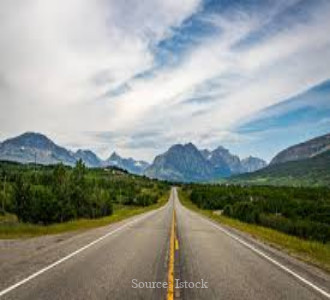
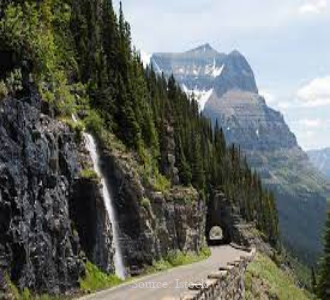
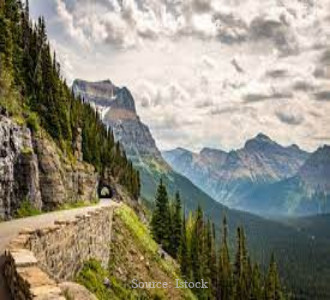
Aptly named for the mirage effect that those driving upon it experience – a true chase to the Sun – this incredible road is not only a feat of engineering, but is one of the best way to explore the many vista’s and panoramas across the park, with the Going to the Sun Road stretching 50 miles from the peak of the parks West Glacier to the panoramic paradise of St. Mary – for a thrilling and truly wonderful experience.
A drive that requires a ticket to access, and a road that only opens mid-summer (June or July) when the Snow is clear, explorers who don’t fancy driving within Glacier National Park can opt to join a guided tour of the road – which is truly worth it ! – or for those with nerves of steel, you can take on the narrow and rocky roads of this incredible drive – that reaches its summit at the Logan Pass entrance.
It is through to Going to the Sun Road, that the true wonders of the park can be reached, and chief among these are the fast shrinking and many truly beautiful Glaciers within the park – which now stand at 25 in number, down from a peak of 80. Of these Glacier’s the easiest to access and view is the towering Jackson Glacier, which is conveniently found along the Going-to the Sun Road near the Jackson pass, with the Jackson Glacier – the seventh largest within the park – being arguably the most photogenic set against a backdrop of wooded forest and – on a good day – clear blue sky.


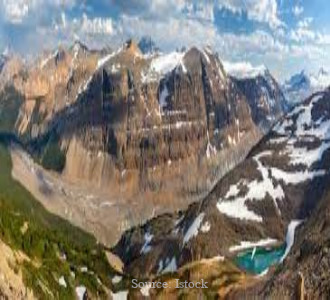
Logan Pass: For those who fancy taking in a even more beautiful and stunning Glacier view, then at the Logan pass you can take on the challenging highline view trek – a tough 4 mile ascent which can be done as a round-trip which leads to a viewpoint and overlook that gives awe-inspiring and simply stunning views of the vulture and two ocean glaciers.
A tough ascent, and for those seeking a more relaxed — but equally stunning vista and glacier experience, that underlines why this incredible park is a true wonder of the world – the highlight of Glacier National Park is undoubtedly the Many Glacier area. Accessed again through the going to the sun road, it’s within this area that you’ll come across firstly the Salamander Glacier – so named because of its unique shape that makes it look like a Salamander – the Grinnell Glacier that sits just above the Salamander Glacier and which is accessed through a tough 5 mile trek – and which rewards those who take on the trail with a truly incredible view at the grinnell glacier overlook – particularly at sunset.
Many Glacier area: It’s also within the many glacier area that you’ll find further scenic highlights of this incredible park, including the Iceberg lake – where icebergs remain till well into the summer, and which is explorable on a 10 mile hike which takes explorers best the towering Ptarmigan Falls. The Apikuni Falls – which lies just on the edge of the area and whose 2 mile hike offers incredible views of the Grinnell Glacier before finishing with a stunning view of the Apikuni Falls – a truly photogenic and stunning waterfall that comes complete with a charming pool at its base.
Yet for many the highlight at the Many Glacier Area is its serenity and peacefulness – with the area often compared to the wonder of the Swiss Alps- and no more is this tranquillity evident then with a stay at the Many Glaciers Hotel, that sits on the edge of cool waters of the Swiftcurrent lake. An incredible place to stay to soak in the atmosphere and beauty of the Glacier National Park – be sure to book well in advance to ensure your stay, as the legend and beauty of this gorgeous hotel see’s it booked up well in advance.
Lake Mcdonald Area: Alongside the stunning Many Glacier Area, you can also find more stunning vistas and Glaciers within the Lake McDonald Area – which is another must visit area within the park. The most stunning of these is undoubtedly the towering Glacier of Sperry which stands more than 8,000 feet into the towering Montana sky. Best viewed – rather than climbed – there are two main routes to catch a glimpse of the Sperry Glacier – the first on an intense and immensely challenging 17 mile round hike from the Lake McDonald Lodge which see’s 5,000 feet in elevation gain – and the second a more relaxed 3 mile hike from the Logan Pass that also features fantastic views of the hidden lake – another true Glacier National Park highlight.
Whichever way you choose to view the stunning Sperry Glacier, the area around Lake McDonald is also awe-inspiring and simply gorgeous. With the lake itself being a true highlight – with it’s clear waters reflecting the surrounding forest and Glacier scenery, and the lake itself fully explorable – offering a rare chance to swim in Glacial waters for a true bucket list experience.
Accompanied again by another serene and peaceful lodge that lies on the lakes shore, the Lake McDonald area is also home to one of the hidden jewels of Glacier National Park – a hidden beach that offers not just kayaking and paddleboarding – but makes for a great place to sit upon the shoreline and soak in the immense beauty of this incredible wonder of the world.
Whitefish: Having covered the two main areas and soaked in and marvelled at the many towering glaciers, for those with more time and who fancy heading deeper into the National Park and the beauty of Montana, then the town of whitefish and it’s glorious – if cold – beach make for an incredible place to spend a few days exploring national park life – as well as basing yourself for exploration into the park.
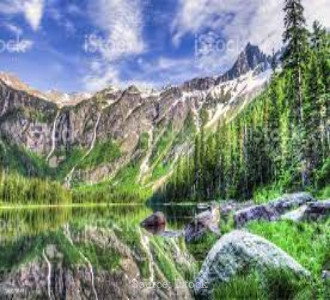
Blessed with stunning scenery, great places to eat and more incredible scenic beauty, whitefish also makes for a great place to connect to two further jewels of Glacier National Park. The first being Lake Bowman, a stunning lake that is accessible through a dirt road that will lead you to this angelic, reflective and truly serene and incredible lake that offers mirroring views of the glaciers and hills surrounding it – and the second being by taking highway 95 from whitefish and the going to the sun road to make your way along the country divide that stretches through Glacier National Park and into the northern parts of the park that lie within Canada.
A 2 hour or so drive, the Canadian side of Glacier National Park is equally stunning, with the highlight undoubtedly being the Waterton Lakes and Red Rock Canyon trail. The Waterton lakes – which lie just on the edge of the parks boundaries, again encapsulate the full beauty of Glacier National Park – with these reflective lakes perched on the edges of Glaciers, mountains and rolling green hills, for a simply stunning vista that is a true photographers dream.
Stretching across two countries – and undoubtedly living up to its billing as the land of ice, while Glacier National Park is accessible and visitable year round, your exploration method will vary base on the season in which you visit, with boat tours, kayaking, swimming, horse riding and paddleboarding all preferable in warm spring and summer months – and snowshoeing and winter vehicles and clothing needed for the colder winter months.
Yet whichever season you visit, so long as you come with appropriate clothing and gear, you’ll find a over 700 miles of hiking trails that offer incredible vistas of the park and its famed glaciers. With soft gentle trails such as the cedar of the pines and lake walks around Lake McDonald, to the moderate hikes with incredible views on Avalanche lake and the Hidden Lake, up to the more challenging Grinnell Glacier, Iceberg Lake and Scenic Point – whose tough ascents are complemented and rewarded with truly incredible views and photography opportunities.
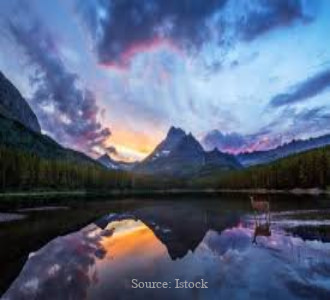
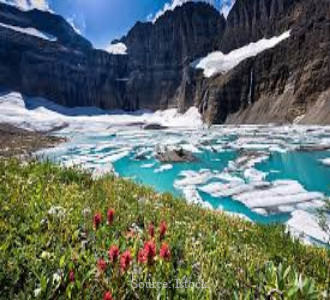
Photography: Alongside the scenery, photograph and viewing opportunities are plentiful for any wildlife fans, with Glacier National Park being home to more than 70 different species of mammal alone, which have been residents of the park since its formation. Undoubtedly the apex within the park are its grizzly and black bears – which should be treated with respect and only viewed from a distance, and these bears are known to seek out mountain goats, Pika and bighorn sheep within the park – which are much more common and sighted.
Alongside the bears and their prey, you’ll also find moose, wolverines, elk, deer and even the elusive Lynx within the park – with the lynx in particularly known to be the focus of not only scientific research, but multi-day photography trekking tours, as photographers seek the elusive and prized shot of a Lynx in the wild, with explorers having to get incredibly lucky to gaze on this incredible mammal.
While spending your days exploring this incredible national park and marvelling at its many glaciers, lakes, waterfalls and residents will undoubtedly be the highlight of any explorers travels across the planet, the stunning scenery – and the park itself – truly comes to life in the evening, and there’s no better way to top off an exploration of this wonder by taking some time in the evening to observe and witness the natural phenomenon of the aurora borealis which lights up the park in an incredible display of turquoise, emerald and deep purple and green – for what is a truly special moment.
Best viewed in the Autumn and early spring months, Glacier National Park is one of the world’s premier places to view this spectacular performance, and while it is incredible to watch across the whole of the park, watching – and photographing the bright lies shine and reflect across the lakes of Bowman, Waterton or Macdonald – where you can capture the Glaciers of the park lit up by the dazzling display is truly special and a top spot to grab incredible photos.
For those who don’t fancy braving the cold, and spending potentially hours waiting for the performance, then Glacier National Park offers one of the most comforting and unique places to witness an aurora borealis display – the Northern Lights Saloon and Café, which lies in the remote town of Polebridge – where explorers can relax with coffee, beer and even homemade pie while enjoying a live band and waiting for the spectacular show to begin.
A truly immense wonder – that we’d encourage explorers to explore from both the east and west side, forward planning for any trip to Glacier National Park is essential to make the most of your time at the wonder, with the aurora borealis display best viewed in the cooler months, but the park more open and accessible in the summer months. You’ll also need to ensure you make reservations and bookings well in advance – with the beauty and reputation of the wonder of the park seeing more than 100 million people visit annually, which in turn has resulted in a ticketed entry system being introduced and reservations required just to access the park – making explorers need to ensure they have the paperwork to enter and gaze at the full beauty of the Glaciers and vistas within this natural paradise.
Threatened by time and climate change, the beauty of the Glacier National Park is currently a tragic and time-sensitive wonder, with the Glaciers within the park having reduced in number by 70% over the course of the last century – and those which still stand having reduced in size by more than 80% over the course of the last decade. Whilst this reduction, combined with estimates that the Glaciers within the park will be all but disappeared by the turn of the next decade, places renewed importance and urgency on the work being done to salvage them, it also highlights just how sensitive and special this wonder of the world is.
With explorers encouraged to not only visit this stunning national park to gaze and marvel at its wonder while there’s still time, but visit to truly understand the imposing threat and need for preservation for the “crown of the continent” and to ensure this stunning park, which is blessed with glaciers, lakes, waterfalls and truly awe-inspiring scenery, remains an immense wonder of the world that can continue to be enjoyed by future generations.
Where:
A natural paradise Glacier National Park lies between the great American State of Montana and – thanks to the stunning Waterton Lakes park ‑crosses the Canadian border into Alberta.
Standing as an official peace park between the two countries – with shared park services and resource and connected by a single highway – Glacier National Park is also blessed to sit within the Rocky Mountains, which give life to both the many imposing peaks and Glaciers within the park – as well as the serene lakes, mighty forests and charming meadows that the many animals within the park call home.
Sitting also on a Continental divide between the Pacific and the Arctic – whose two airs meet and mix to create unpredictable and often freezing weather conditions, Glacier National Park is undoubtedly North America’s crown of the continent – and despite the wilderness and wild nature that lies within it, accessing this phenomenal wonder of the world is simple, straightforward and within the reach of all budgets.
Getting There:
The crown of the continent, Glacier’s Park remote wilderness and beauty is, thanks to a series well maintained road networks, combined with the architectural feat of the Going to the Sun Road that runs 50 miles through the park, getting to and getting around this stunning wonder of the world is incredibly easy.
Allowing explorers to easily arrive and then traverse full beauty of the park – and reach those off the beaten scenic spots, Glacier National Park offers a range of options to arrive at the park (Car, Plane, Train, Bus, Shuttle) – as well as a range of options to get around and explore (Hike, Shuttle, Tours, Boat, Car) the first stop in getting to Glacier National Park will be centred on arriving into Rocky Mountain area that the park calls home, with the big starry state of Montana on the US side of the park being the most accessible and popular gateway.
Arriving (Plane:)
In fact, explorers will have up to six airports from which they can opt to fly into Montana and the surrounding region to pick from, with the two most popular undoubtedly being the direct access airport handily named Glacier Park International Airport (FCA) which is a short 30 minute drive to the parks entrance – but to which flights are more expensive, or the main Montana International airport of Missoula Montana Airport (MSO) which is almost 3 hours away but has a reputation for cheaper fights – and provides explorers with more options to stock up on supplies and explore Montana before heading to the Glacier National Park.
While both airport are great options – and the Glacier National park airport is undergoing extensive renovation – for those travelling outside of the main travel season (Spring – Autumn) do be sure to check whether Glacier National Park Airport is open, as intense weather and snow conditions can cause runway closures.
Alongside the two most popular and common options to reach Glacier National Park – which are both served by frequent flights from across America – those combining an exploration of Glacier National Park with Yellowstone, will also find the Bozeman Yellowstone airport a half-day drive away from the gates main entrance. For those heading into Canada and exploring the Northern part of the park (including the stunning Waterton lakes) before heading south into the Many Glacier and Lake McDonald areas of the park, the main Calgary airport of Calgary International Airport lies just 3 short hours away from the parks Canadian entrance.
Getting There:
Having got yourself within touching distance of Glacier National Park and arrived at your chosen airport, the next part of getting to the park will centre on connecting from the airport to the entrance of Glacier National Park.
Self-Driving:
For those that are opting to self-drive around Glacier National Park – which is our recommendation for exploration of this incredible park, getting from the airport to the park will be a simple manner of hiring a car (be sure to book in advance) filling up with supplies and petrol and making your way to the nearest entrance of the park – which for those flying into either Glacier National Park airport or the Missoula Montana Airport will be the West Glacier entrance – which is the most popular, and in our view the best entrance upon which to head to.
Other Options (Uber, Shuttle & Train):
While self-driving is our recommended pick for access to the park, for some travellers this might not be feasible, due to both budget and practicalities – there’s also a range of public options to reach the park, although these are season dependent.
The first, and most expensive of these options would be to uber your way from the airport to the gateway town of Whitefish – which lies on the edge of Glacier National Park, and from here you can then try and your way into the national park or catch one of the many shuttle services that can transport you from Whitefish into Glacier National park to begin your exploration.
While Uber is a more direct option, it can be incredibly expensive – and so for the more financially conscious traveller then having arrived at the airport taking one of the many shuttle buses to either whitefish or direct to the park (season dependent) would be the best option. With these shuttles which can cost between $5 — $10 requiring an advance booking, operating during peak season frequently – and for those heading to Whitefish before heading to the park, it’s advised to book both tickets at the same time and well in advance.
Amtrak
Although self-driving and by shuttle are the most popular – and most efficient ways of reaching Glacier National Park, there is also a further option which may appeal to the romantics – and certainly the train lovers, and which offers a more in-depth view of the stunning scenery that leads into the heart of Glacier National Park; by Amtrak Train.
A slower – you’ll need to budget four days at least – and more expensive option, there’s a range of options to get to Montana and into Glacier National Park by train – however for those seeking a truly special experience, we’d advise taking on a multi-day train journey on the Amtrak – with a series of rail packages available that provide a truly special experience.
Chief among these are the exploration package that leaves from either Las Vegas or the wonder of the Grand Canyon, then passes through the equally stunning Yosemite, before arriving into Glacier National Park – with this 7‑day train exploration, which can be extended as the traveller requires, seeing explorers take in three beautiful national parks, and being treated to incredible views out of their train window before arriving into Glacier.
For those who want to experience a wonder of a train journey through Glacier National Park, but don’t have the budget – or time – for a multi-park exploration, you can also find a dedicated Glacier National Park express that departs from both Whitefish and within the park itself. With this train ride, which takes explorers along the highlights of the Going-to-the-Sun Road – and deep into the Lake McDonald Valley, allowing explorers to view the true highlights of the Glacier National Park – including the towering Glaciers, snow-capped mountains parks, serene lakes and rolling forests – from the window of their train carriage – for a truly unforgettable experience.

Getting Around:
Having got yourself into Glacier National Park – and ensured you’ve come with a full itinerary plan and loaded yourself up with plenty of supplies (including food, water and bear spray) you can then give consideration for getting around the park to ensure that you can explore the very best of this incredible wonder of the world.
Self-Drive:
Undoubtedly the easiest way of exploring Glacier National Park is through self-driving, and whichever airport you fly into you’ll be able to find a series of choices for rental cars – which you can then use to navigate you way into Glacier National Park using your closest entrance.
Driving into Glacier National park, it’s essential that you drive slowly, accounting for the winding nature of the roads into Glacier National Park – as well as account for the wildlife that are known to make use of the many roads as wildlife crossings, with their being a series of warning and protections in place to guard against animal accidents.
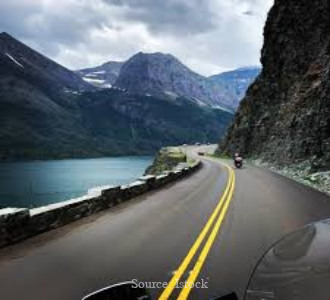
Still with a full tank of gas – and an extra jerry can (given the lack of petrol stations within the park) self-driving across Glacier National Park is one of the worlds greatest experiences. With an adventure and exploration along the incredible roads within the park, including the great Going-to-the-Sun road, the Logan Pass and the Looking Glass Road being undoubted highlights on any exploration of this park.
Shuttle Bus:
For those who are not self-driving around Glacier National Park, and have made their way into the park by shuttle bus or Uber, then it’s still entirely possible to explore both the Going-to-the-sun Road and the many vista’s, panoramas and hikes within the park – by using the shuttle services that run within the park.
A primarily summer venture – which means that those not self-driving will have to time their visit to Glacier National Park to coincide with the peak summer months – the free shuttle services run along the Logan Pas and Going to the Sun-Road every two hours (starting from 6:15am and ending at 8:30pm) and represent a great way to explore the highlights of the park for those without a car.
In addition to this, there is also a paid east park shuttle that will take explorers into the further sections of the park, with access to the Many Glacier Area — and which represents a great option for those seeking to take on some of the stunning hikes within the Glacier National Park – and even chase the Northern Lights – just be sure to make it back for the last shuttle.
A popular option – and one that is run on a first come first serve bases (requiring an early start and to be at the front of the queue) for those that find themselves wanting to explore the best of Glacier Park, but without a car, utilising the shuttle service is a fantastic option.
Hikes:
Finally, having got yourself to Glacier National Park – and figured out how you will navigate around the park and the key spots and activities you wish to undertake – when it comes to exploration we’d strongly encourage you to take on at least one – if not more – of the stunning hikes found within the park.
Ranging from easy one hour hikes (cedar woods, St. Mary Falls) to strenuous and tough hikes (Grinnell Glacier Overlook & scenic Point) the hikes within Glacier National Park are truly world class – with it being from atop the vantage points at the summit of these hikes where the best views and photography spots are found – that truly bring the towering glaciers, snow capped mountains and stunning scenery within the park to life.
One of the best places to spot wildlife as well, the many hikes available within Glacier National Park are explored further in our hiking section, but when it comes to getting around and an exploration of the stunning Glacier National Park, taking on a hike and being able to marvel at the stunning scenery laid out before you – is undoubtedly the best way to explore this true wonder of the world.
Best time to Visit:
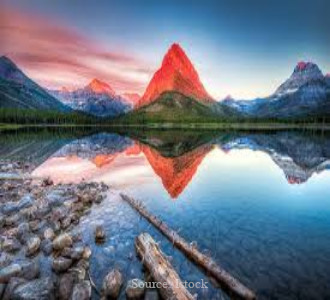
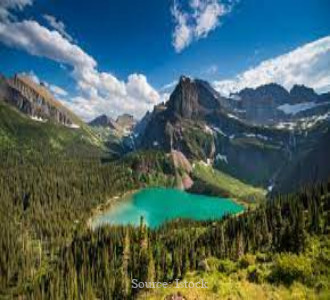
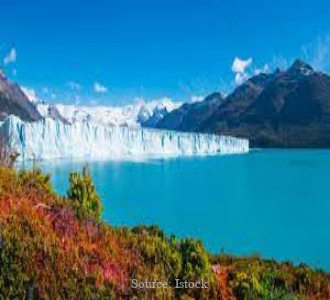
A natural paradise – Glacier National Park is blessed with some of the world’s most spectacular waterfalls, lakes, hiking trails, forests and snow-capped mountains – and is one of the remaining landscapes in the world where explorers can hike along, marvel at and photograph the time-threatened Glaciers.
A truly special place, Glacier National Park is open year round – yet the experiences – and landscapes — explorers will experience vary differently based on the season and time of year that a visit is undertaken. With access to services, accommodation, attractions – and even airports — all very much seasonal dependent.
For this reason, the enjoyment, and experiences of any trip to Glacier National Park will be defined not just by the weather – but by the time of year that explorers chooses to explore this wonder of the world. Making both prior planning and understanding of the conditions within Glacier National Park during your time of visit – to both stay safe and get the most out of your experience.
However, while prior planning is required, the varying seasons can also offer advantages to travellers – with it allowing trips to be tailored to the exact experience someone wishes – including exploring Glacier National Park with minimal crowds, having fun in the snow, taking on hikes, exploring the Going-to-the-Sun Road and giving the best chance of witnessing the Aurora Borealis.
So, when it comes to the best time to visit the wonder of Glacier National Park, there is no one single best time to visit, instead we recommend tailoring and planning your trip around the season and experiences you wish to explore within this incredible park:
Winter: — For those seeking solitude, stunning scenery, skiing and Glacial Experiences:
The best time explore Glacier National Park for those seeking solitude and who are adverse to crowds – the park transforms into a magical winter wonderland in the winter months (November – February) where the many forests and meadows are covered in a blanket of snow – and the waterfalls, lakes and mountain tops are frozen beneath the same blanket – creating a truly beautiful landscape to explore.
Along with the snow covered vista’s – visiting during winter is also perfect for those who fancy snow-shoeing and skiing, with the park transforming into an adventurers haven. Chief among these spots are the Logan Pass, Camas Roads – and the iconic Going-to-the-Sun Road – which makes for a fantastic place to snow-shoe and ski along.
The prime time to witness the Aurora Borealis in full flow as well – with the experience of witnessing this phenomenon across the park made even special by the absence of packed crowds. Visiting during the winter months is also a great time to witness the famed Glacier park Glaciers in full flow – with the cool and freezing weather contributing to the re-building and shining of the Glaciers within the park – with the mighty Grinnell Glacier being particularly photogenic and imposing during winter.
A season favoured by locals for exploration, visiting during winter also brings with it challenges, with the cold weather requiring plenty of preparation (layers, food, heat packs) to ensure explorers stay warm. Similarly visiting during winter is not recommended for those who are not-self-driving into the park – with the shuttle’s, buses and taxi’s – and accommodation within the park all not operating during the winter months.
Couple this as well with the Going-to-the-Sun Road being closed to cars and traffic – which in turn makes areas of the park out of reach, as well as a number of hikes either being inaccessible – or given the cold weather and snow & ice, dangerous, and for those not keen on winter sports and cold weather winter would not be the ideal time to visit and get the best out of Glacier National Park.
Spring: — For those seeking adventure, warm meadows & scenery, & Cycling.
While visiting during winter may be too cold, and inaccessible for most travellers – and see’s a number of the main highlights of the park out of reach – for those seeking to enjoy and explore the last remaining ice and snow of the park absent crowds – as the flowers and meadows begin to bloom – then visiting during the Spring Months (March – early May) is a fantastic time to explore Glacier National Park.
A season that will again require self-driving to explore – with the shuttles and buses still not operating – Spring brings with it chilly but manageable weather – and while the Going-to-the-Sun road will still not be open, explorers can navigate larger sections of the park through alternative roads and access, and for those who well prepared take on some of the challenging hikes within the parks to marvel at the still snow capped vistas and glaciers before you.
Spring is also the best time for those who fancy going extreme within Glacier National Park – with it being within spring that perfect conditions (water flow from melting Glaciers) are created to allow for extreme white water rafting, kayaking and canoeing. Along side the water elements, spring is also perfect for cyclists to explore the park – with the roads (including the going-to-the-Sun Road) being accessible by bike – and thanks to the reduced crowds and lack of traffic, cyclists are able to peddle their way across the park into the highlight areas of Lake McDonald and Many Glacier – exploring the true best of the beauty of Glacier National Park.
A great time to visit for those seeking stunning landscapes, incredible cycling and activities as well as getting to enjoy the park in peace – do bear in mind for anyone visiting during the Spring months that cold-weather planning and preparation is required and that this only a recommended option for those self-driving into the park.
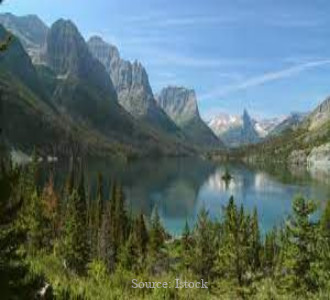

Summer: — For those seeking the best of the park’s beauty & experiences.
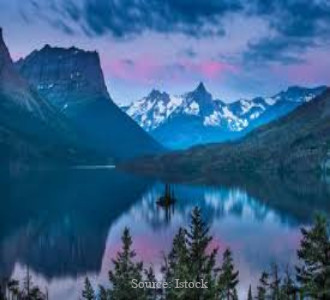
The peak season to visit – and our recommended time to visit, Glacier National Park comes alive in the summer months – with the beauty of the parks many natural landscapes on full display – and the Going-to-the-Sun Road, hikes, activities, shuttles and wildlife all fully active within the park.
Blessed as well with warm weather – which can stretch into the high 20 degrees, summer see’s all sides of the park – on either continental divide fully explorable, and while the Glacier’s and snow-capped mountains may have seen a loss of ice (which feeds into the lakes below) they are still fully viewable and explorable. Couple this with the wildflowers being in full bloom and the lakes being not only serene but still clinging onto the remnants of icebergs – and you can experience the very best of Glacier National Park in the summer months.
An ideal time for those who wish to explore the park but not drive – as the shuttle buses will be in operation – visiting in summer does come with some drawbacks – the main one of which is undoubtedly the mass crowds that flock to the park to experience its beauty. This in turn creates a first come first serve basis on the shuttles, see’s tickets required to drive the going-to-the-sun Road, and see’s both accommodation book up in advance and prices rise dramatically – which together can impact the enjoyment within of a visit to Glacier National Park.
So while visiting in the summer undoubtedly see’s the best of the parks beauty and accessibility on display – for those visiting during the summer months (June – September) we’d strongly encourage you to plan well in advance and make your bookings and reservations between 6 ‑12 months in advance.
Autumn: — For those seeking the leaf peeping, solitude & the best of dramatic scenery.
A leaf-peepers dream, visiting Glacier National Park in the two peak Autumn months (September – October) is an almost surreal experience – as the many forests, trails and surrounding meadows transform in colour from bright green into a kaleidoscopic range of yellow, orange, brown, gold and red – for a magnificent and surreal vista.
A change that spreads from east to west across the national park – and transforms the trails within the park into a truly cinematic and colourful journey, visiting Glacier National Park in Autumn also brings with it solitude – as the peak season of summer has passed and the trails and roads empty, meaning that for those who like hiking alone this is the ideal time to head to the park.
Yet, while the lakes, mountains, forests and Glaciers may be in full flow and dramatic during Autumn, visiting during the Autumn months is only suitable for those self-driving – with the shuttle buses that serve the park having been suspended at the end of summer. Alongside this finding accommodation and services within the park is also a challenge, with many of the hotels and lodges having shut their doors, and the café’s and restaurants also closed till the middle of spring.
While this in part explains the absence of people within Glacier National Park during autumn, it also means that prior preparation and coming with plenty of supplies is essential – especially for those staying for multiple days and taking on the hiking routes.
Still with the right preparation and supplies, and taking the transport option of self-driving – visiting in autumn can provide incredible vista’s, awe-inspiring scenery and see explorers get to enjoy the best of this incredible wonder of the world in not only solitude but surrounded by ever changing and illuminating leaf peeping underway that truly represent the best of Glacier National Park.
..
An incredible wonder – that can be explored and enjoyed at any time of the year – there is truly no bad time to experience Glacier National Park and we’d recommend that explorers tailor their adventure and the time they visit to coincide with the season that offers the best to them – based on interest, budget and method of travel.
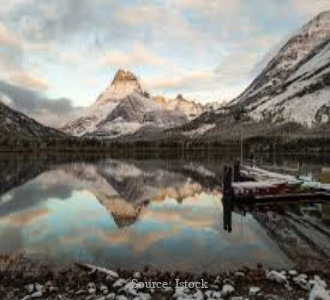
However if we were to make a recommendation based on the above and our own experience within Glacier National park, we would strongly recommend that travellers head to Glacier National Park in the summer season – when the weather is warm, the park is fully open and you can experience the absolute best of this incredible wonder of the world.

How long to stay:
With no one visit to Glacier National Park being the same – and given the vast size of Glacier National park (over 1 million acres), as well as for those visiting outside of the peak summer months not all areas of the park being open – it’s simply impossible to cover all of the highlights of the park in one visit.
For this reason we encourage explorers to take advantage of what time their calendar allows and pack as much as possible into their exploration as possible – with the recommended time to stay being at least four full days within the park – and if possible seven full days to allow travellers to cover the main highlights and experiences within this stunning wonder of the world.
Budgeting at least four days will give explorers travelling during the summer months to change the explore the highlights of the going-to-the-sun-Road and take on at last one of the incredible hikes within the park, as well as afford time to explore the twin areas of Lake McDonald and the Many Glacier Area. With those staying for longer able to traverse further hikes, seek solitude in either the bowman lakes of two medicine valley – and if they are lucky head north into the Canadian section of the park to seek out not only the serene waters of the Waterton lakes – but also the elusive Aurora Borealis.
In order to make your most of your time within the Glacier National Park, we’d highly recommend planning in advance and self-driving (see our top tips for more) – and in order to help with the planning and preparation, the below would be our recommend itineraries for 1, 2, 3, 4 and 7 days within the National Park:
One day Itinerary: Spend an action-packed day starting at Lake McDonald and taking on the Iceberg lake trail, before heading along the going to the sun road for the various viewpoints and ending with a sunset vieweing at Big Bend.
Two Day Itinerary:
Day 1: Spend the first day at Lake McDonald and taking on the Iceberg lake trail, before heading along the going to the sun road for the various viewpoints and ending with a sunset viewing at either Big Bend or Wild Goose Overlook.
Day 2: Take on one of the parks epic trails – with our recommendation being the Grinnell Glacier overlook or the hike to scenic point.
Three Day Itinerary:
Day 1: Begin in the West Glacier area, exploring the Logan pass before dropping down to Lake McDonald where you can take on the Iceberg Lake trail before witnessing a dramatic sunset at wild goose overlook.
Day 2: Take on the Grinnell Glacier Hike or scenic point hike, before exploring the many viewpoints and scenery along the Going to the Sun road and ending with a sunset vieweing at Big Bend.
Day 3: Head back towards the parks west stopping at the Many Glacier area to take in the views and lakes. If time allows take on a quick boat tour, swim or kayak, and complete 3 mile Hidden Lake Overlook.
Four Day Itinerary:
Day 1: Begin in the West Glacier area, exploring the Logan pass before dropping down to Lake McDonald where you can take on the Iceberg Lake trail before witnessing a dramatic sunset at wild goose overlook.
Day 2: Take on the mighty Grinnell Glacier hike before heading along the Going-to-the-Sun Road to take in the viewpoints and sunset at Big Bend.
Day 3: A day of incredible hikes – starting with the Scenic over point followed by the Cedar Trails and St.Mary & Virginia falls hike – with sunset witnessed from the summit of the hike before making your way down.
Day 4: Head back towards the parks west stopping at the Many Glacier area to take in the views and lakes. If time allows take on a quick boat tour, swim or kayak, and complete 3 mile Hidden Lake Overlook.
Seven Day Itinerary:
Day 1: Begin in the West Glacier area, exploring the Logan pass before dropping down to Lake McDonald where you can take on the Iceberg Lake trail before witnessing a dramatic sunset at wild goose overlook.
Day 2: Take on the mighty Grinnell Glacier hike at a relaxed pace and enjoy time in the evening to wonder through a softer trail or drive along the looking glass road in search of the Aurora Borealis (season and weather permitting) or wildlife.
Day 3: Spend a full day exploring the many wonders and pull-outs along the Going-to-the Sun road – including enjoying a sunset finale at Big Bend.
Day 4: Head to the Many Glacier area to take in the views and lakes – including taking a boat tour, swim or kayak, and then complete the 3 mile Hidden Lake Overlook for an epic conclusion to the day.
Day 5: Spend the day taking on another full day hike within the park – such as the scenic point overlook – before completing your day with a hike to St. Mary & Virginia falls.
Day 6: spend the day heading north through the park, stopping at the many incredible pull-outs before crossing the continental divide and to the spot of Waterton lakes. Spend the Afternoon hiking around Waterton Lakes and evening looking for the Aurora Borealis in the company of Bison.
Day 7: A final day spent hiking around the Bison paddock loop taking in the serene and stunning lakes of Waterton – before departing Glacier National Park.
..
A truly stunning wonder – with itineraries to suit all visit durations. Our recommendation is to budget at least four days to see the highlights of Glacier National Park – but if possible put aside at least seven days or longer to explore the park– with prior planning essential to get the most out of our time.
Still if your visit is one day to seven days or longer – you’ll be privileged to explore the incredible landscapes and vistas within Glacier National Park, and there’s no doubt that any visit will leave you inspired and in awe of the sheer natural beauty of this crown of the continent and incredible wonder of the world.
Top Tip
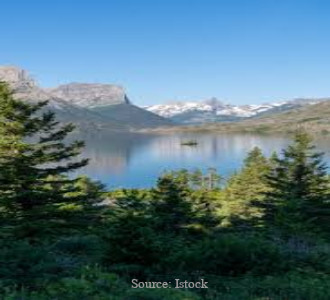
The true crown of the continent, Glacier National Park offers some of the world’s most perfect natural scenery, with the towering Glaciers, snow-capped mountain peaks, serene lakes and rolling forest all easily explored on foot, kayak, boat and by road.
Yet as stunning as this natural paradise is, a trip to Glacier Park is not without its risks – especially given the natural and wild environment into which you will enter for exploration, with travellers needing to be conscious and respectful of not just the risks within such an environment, but the animal residents that call this park home (especially the Grizzly Bears) – and who have been known to attack humans.
Combine this with ever changing weather, the challenging hikes that will be undertaken within the park, the need for advance planning and booking to take on the best sights and roads within the park – and the lack of phone signal within the park, and there’s a real chance that any dream trip to Glacier National Park can not only quickly fall to pieces, but can lead to serious and potentially deadly incidents.
So, to help ensure that your trip to the true wonder of the world of Glacier National Park is as safe and enjoyable as possible, and that any explorer gets to make the most of the stunning vistas, panoramic views and incredible unique nature and wildlife experience within this natural paradise, we’ve rounded out our top tips for visiting Glacier National Park:
Stay Safe: (Come Prepared):
First up – and undoubtedly most important when visiting Glacier National Park, is to come prepared for the environment into which you will be entering. A natural paradise, Glacier National Park is, for the large part, without regular Gas Stations, ATMs, shops and cell phone signal – which can pose significant challenges for those who do not come well stocked and prepared for any possibility.
First-up, explorers need to be prepared for the lack of cell phone signal, which means that carrying a physical map is essential within the park – as is making sure you’ve downloaded offline maps from Google before entering within the park. Alongside this we’d also encourage anyone heading into Glacier National Park to regularly check the parks website for possible closures, weather conditions and updates – as well as come prepared with all their essential documents – including bookings, documents and insurance.
Alongside accounting for the lack of cell service, those travelling by self-drive and car will need to plan not only for reservations (see below) but also for the lack of available petrol across the park. Which means coming into Glacier with a full tank – and at least one full Jerry Can, is essential to get the most out of your visit.
Similarly regardless of how one is travelling, it’s essential that any traveller comes prepared for the likely lack of food and water within the park – with dehydration listed as the number one cause of facilities within the park. For this reason we strongly advise stocking up on plenty of supplies in the entry towns of Columbia Falls of Whitefish and being aware of the closest town / saloon (especially the Northern Lights Case) for those venturing further into the park. With our recommendation being to come prepared with supplies or plans as to how you will have three meals a day and three litres of water a day – and being sure to bring filtered water tablets.
Finally when it comes to safety within the park, we’d strongly advise that individuals never hike alone, given the treacherous terrain and animal risks (see below) that will be encountered upon any venture into Glacier National Park. With it also being our recommendation that close contacts are notified of the travel itinerary of a traveller, before anyone undertakes an exploration within Glacier National Park.
Stay Safe (Wildlife):
Alongside making sure you’ve done all the necessary preparation for the hikes and activities you are undertaking – and that you’re well stocked up on gas, food and water especially, anyone visiting Glacier National Park will need to account and be prepared for the possibility of dangerous wildlife encounters.
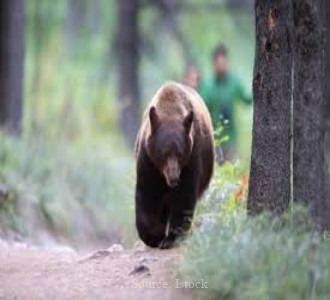
Chief on the least of wildlife to prepare for is undoubtedly the Grizzly and Brown Bears who roam the forests of Glacier National Park, with encounters and sightings almost frequent and guaranteed for those taking on any of the higher altitude treks within the park.
While sighting and photographing these incredible animals is a true privilege, it’s absolutely essential that any vieweing is done from a safe and respected distance, with all animals within the park – but especially Bears not approached at any points – with Mama Grizzly’s in particular known to be aggressive when they smell or sight a human.
For this reason, we’d also strongly advise that all explorers carry with them Bear Spray – which can only be bought when in Montana or at the Park (it’s not allowed in checked luggage) as well as strong and sturdy knife for emergencies – and in the event you do encounter an animal of any kind within Glacier National Park, be sure to remain calm and slowly back away and only utilise defence mechanisms when necessary.
Preparation – Bookings & Reservations:
As well as coming prepared for the conditions and wildlife encounters, given the immense popularity of Glacier National Park – and in an effort to preserve and protect this incredible wonder of the world – a series of reservation and ticketing policies have been placed in effect for the most popular and highlights of the park – meaning that booking and planning for trip in advance is essential.
A police which applies for anyone visiting the park in the peak late Spring – Summer – early Autumn months, between May – September, anyone wishing to access any of the following highlights between the hours of 6am – 3pm must have a reservation:
- Going-to-the-Sun Road (May – September).
- North Fork Area
- Many Glacier area (July onwards)
- Two Medicine area (July onwards)
While these policies can seriously impact anyone seeking to visit between the peak summer months of July – September, it also means that travellers need to have their plan and itinerary ready at least 12 months before their journey – and should seek to book their passes for the above areas at least 3 months in advance.
Similarly, for those seeking to stay within the park, advance booking is again essential – with hostel and hotel accommodation – particularly at the Many Glacier and Lake McDonald Lodges known to be booked up a year in advance, with campsites known to be booked up 9 months in advance – meaning that for those seeking to stay within the park, we’d encourage you to book your accommodation at least a year in advance.
Combine this with boat tours and hiking passes for the major trails also requiring reservations – 2–3 months in advance, and – particularly for those travelling in the summer months – forward planning – which we’d encourage to be undertaken a year in advance – is absolutely essential to ensure that any explorer heading to Glacier National Park gets the best out of this stunning natural paradise.
Equipment to Bring:
Recognising that Glacier National Park is a natural and wild wonder – and one where – in order to both get the most out of your exploration here, and to stay safe –accounting for Safety in the environment, safety with wildlife and booking and preparing your trips in advance is essential – all travellers heading to Glacier National Park, will need to come prepared with a range of equipment and clothing to both stay warm, account for the heat and successfully account for the challenging and beautiful trails that await you within the park.
Therefore as a minimum, we’d recommend that all explorers heading to Glacier National Park come with the following:
- Appropriate Clothing for all Seasons: Given weather can change in an instance at Glacier National park, it’s essential that a traveller comes with; a rain jacket, a solid coat, t‑shirts, a warm jumper, shorts, trousers and gloves. As well we’d recommend bringing plenty of layers, a solid hat and especially sunglasses and sunscreen to guard against the hard sun.
- Hiking Essentials – For those taking on the hikes within Glacier National Park, which would be one of our top tips to truly explore the beauty of this park, bringing the appropriate gear for hiking is essential for both safety and to get the best out of these incredible trails. As a minimum we would therefore strongly suggest brining solid worn in hiking shoes, trekking poles, plenty of good hiking shoes, extra sunscreen, a hat, headlamp, gloves – and plenty of snacks and water.
- Safety Equipment – Alongside bringing the hiking essentials, given the risks posed within the park from the natural terrain and from wildlife, bringing safety equipment and supplies is absolutely essential. As a minimum every explorer should be bringing a well-stocked first aid kit, bear spray, a large knife, navigation tools and maps (see above), a Swiss army knife, fire starter supplies and – for those taking on long day hike emergency shelter supplies. Alongside this we’d also strongly recommend – given the lack of phone signal within the park – that anyone heading into Glacier National park informs an emergency contact of their itinerary.
- Supplies: Next to safety equipment, anyone heading into Glacier National Park will need to account for the lack of food, water and petrol available in and around the park area. Essential for those staying for multiple days within the park is to not only be aware of this, but come prepared with plenty of food – enough to cover three solid meals for each day, at last 2 litres of water per person per day, a full tank of petrol and a full jerry can for those driving and plenty of snacks – noting that it is entirely possible that there will be no food and water available for the duration of your stay within the park.
- Photo Equipment & Binoculars: Finally, having accounted for all the safety elements associated with your exploration of Glacier National Park, we’d also advise making some time to account for two essential pieces of equipment that can help you not only maximise your enjoyment within the park – but help you capture stunning moments and the full beauty of this park that will undoubtedly last a lifetime. First up, given the plethora of amazing wildlife that roam the forests of Glacier National Park, we’d highly recommend investing in a high-quality set of binoculars that will let you not only glimpse and spot wildlife but which you can use to get a birds eye view of the peaks of the stunning glaciers and snow capped mountains across the park.
Alongside brining a good set of binoculars with you, we’d really advise brining a high-quality, high-resolution camera as well. Given the series of stunning landscapes and vistas available to you across Glacier National Park, combined with the chance to snap rare wildlife and the elusive phenomenon of the Aurora Borealis – which lights up the park in a dazzling display of green and violet – coming to Glacier National Park with a high quality camera, capable of full zoom and snapping night- time photography is an absolute must.
Make the Most of your Time:
Finally, having got all your gear together, accounted for safety and made all your booking and travel plans, you can then turn your attention to your experience to Glacier National park itself – and how to get the absolute best out of our time within this stunning wonder.
To help with this, we’d first off recommend starting your day within the park early – as not only will it give you the chance to capture some of the most amazing sunrise’s on the planet, but it will also give you a head-start on parking places (which fill up from around 9am) and in particularly trails – which can become crowded by 8Am.
Alongside letting you pack more into your day, the advantage that you get on trails is truly worth it – with it being a further one of our recommendations that every traveller heading to Glacier Park takes on a trekking trail. With over 700 miles of treks to choose from – which vary in length from one mile to a full days trek, the best viewpoints – and the best of Glacier National Park – are undoubtedly found at the summit of the incredible trails, with our top picks being the Grinnell Glacier Overlook, the Hidden Lake Overlook and Scenic Point.
Further as well as self-driving through the park if possible – as it lets you truly explore some of the special and remote parts of the park, and making sure you account for at least four full-days in the park – our final top tip for those visiting Glacier National Park is to make the most of your time in this special park, by signing up for activities, exploring as many regions of the park as you can, hunting the Northern lights, seeking out the wildlife that call this incredible park home, and submitting to the top of the many glorious peaks and trails that await you – with it being from these peaks where you can look out over the truly stunning vista and panorama of Glacier National park and soak in the stunning natural beauty of this true crown of the continent.

Cost:
A natural paradise, the wonder of Glacier National Park is seen not just in the stunningly beautiful lakes, forests, snow-capped peaks, towering Glaciers but also in its accessibility and affordability – with this charming wonder of the world being not only easy accessed but having a range of exploration itineraries, activities, accommodation and transport options to suit all budgets.
While this undoubtedly makes Glacier National Park a particularly attractive wonder – particularly for those based in North America where the cost of getting to the wonder is significantly cheaper – as is the case with planning your trip to Glacier National park, and making sure you come with appropriate supplies and equipment, when it comes to budgeting for a trip to this stunning park, a range of advance planning and calculation is required.
For starters there are at least six main factors that will influence how much you need to budget for a trip to Glacier National Park;
— The time of year you travel:
Across the park prices will fluctuate based on the differing seasons and based on the accessibility and openness of some of the park’s main areas and hikes. While this can of course influence your enjoyment levels and the level of beauty you get to experience within the park – it will also affect how much you pay, with tickets, accommodation and attractions all significantly higher in price between March — September and peaking in the summer months.
— Accommodation you opt for
With a range of accommodation options available to suit all budgets – there is something for everyone, so long as you book in advance. With camping a great option for those on a tighter budget, and for those with a hefty budget the lake lodges around Many Glacier and Lake McDonald making for a luxury stay. The price of accommodation will also be strongly influenced by the area within the park you opt for, with the main areas within the park having more options — which drives prices down, and for those who opt for the solitude of the East or Northern sides more limited in choice, and thus can expect to pay a little extra.
— Mode of Travel:
While we’d encourage everyone to take on hikes, which after permits are free of charge, if you opt to self-drive within the park you’ll need to account for the cost of a rental car and petrol supplies – which can quickly add-up, where as those on a tighter budget may need to consider and plan their trip around the shuttle bus.
— Length of trip & Activities:
What may well be the deciding factor in your budgeting, noting the potential high costs for accommodation and travel – particularly for those travelling in peak season, the length of your trip will strongly influence how long you can stay within Glacier National Park. While our recommendation is a minimum of four full days / five nights, do bear in mind that this may not be feasible for those on a budget.
Further while it is recommended to make these days as busy as possible, it’s worth noting that across the range of activities available within Glacier Park, we’d recommend prioritising the free hikes, viewing points, and Aurora Borealis chasing over the boat rides and paid activities for those on a budget. With the free activities being just as special – and giving travellers a truly magical experience in this stunning natural paradise.
So having decided on your itinerary and budget, the first step will be to budget for getting to Glacier National Park – and there are again two great options to suits both those on a budget and those with a little more cash available. The first will be to fly into the Missoula County International Airport – which is the main airport from Montana and from where you can hire a car or catch a bus to the park. With the second option – and more suitable for those not on a budget being to head to the Glacier Park International Airport – which is just on the outskirts of the National Park.
For those on a budget and travelling from within North America you can expect to pay around $500 Usd round trip to reach Missoula County International Airport, with those based outside the USA encourage to budget between $800 — $2500 for round trips when flying into Montana. For the more luxurious and closer option of Glacier Park International Airport – which is an option we’d only really advise for those based within the US, you can expect a round trip to come in at around $800 — $1000 from within North America – and almost three times that when based outside.
Noting that prices will be significantly cheaper if you travel outside of the peak season and book well in advance, having got yourself to Montana, you’ll then need to deicide on the method of transport that you’ll be taking to explore Glacier National Park, with their being two main options: self-driving or through public transport.
For those not on an incredibly strict budget, we’d strongly advise self-driving into Glacier National Park, with this option giving you the most freedom and ability to define where you explore within Glacier National Park. However self-driving within the park is sadly not cheap – particularly in peak season, with the average rental car cost (including insurance etc) likely to be around $150 Usd a day, and you’ll also need to account for a full tank of gas and a full jerry can – which can cost an extra $150 Usd, bringing the total for self-driving hire into the park for a 5 night stay up to $900 Usd – and that’s not accounting for snow tires, Gps and surcharges – with the entry fee into Glacier Park being an extra $35 in the summer months and $20 Usd in Winter.
So while self-driving is certainly recommended, for those on a budget for whom this may be out of reach, there is also the option to travel by coach to Glacier National Park and then hop on the shuttle bus to get around. For the coach to Glacier National Park the easiest option is to take the Amtrak or Greyhound to one of the entry towns to Glacier National Park (Columbia Falls, Kalispell and Whitefish) which should cost around $25 Usd and from these towns take the bus into Glacier National Park which should see you dropped off at the visitor centre for as little as $5 Usd.
Having made it into the park by bus, there is then the option to take a series of free shuttle buses along the Logan Pas and Going to the Sun-Road, with the buses running every two hours from 8:15am to 6:30 pm. For those who want to go a little further there is also a paid ($5) shuttle service that heads over into the East of the park as well, which makes for a great option for those seeking to take on more unique trails and capture and explore some of the beautiful and remote parts of the park.
While the shuttle bus system is undoubtedly budget friendly, do know that it operates only in summer months, is weather dependent and is on a first come first serve basis, which can really impact travel plans and departures if the bus is too full or is suddenly cancelled.

Accomodation:
Having got yourself into the park and sorted your itinerary, you’ll then need to budget for and book your accommodation, and again there a range of options to suit all travellers, ranging from $10 USD to $550 Usd a night.
For those on a budget, the undoubted best and most budget friendly option will be to camp within the park – with there being 13 campgrounds across the park which will set you back on average between $10 — $20 a night. An option that requires you to bring your own tent, sleeping mat and comfy sleeping bag – as well as the necessary camping supplies, camping is a great option to reconnect with nature and truly experience the ambience and atmosphere within the park. While the campsite you opt for may well be determined by access and availability (a booking in advance is required) — for those self-driving or based within Canada and seeking a special experience we’d advise seeking out the Waterton lakes campsite – where if you’re lucky – you may get to fall asleep under not only clear starry skies, but beneath the lights of the stunning Aurora Borealis – for a truly magical experience.
While camping can offer a fantastic and budget friendly way to stay and connect with Glacier National Park, it is not always the most comfortable or accessible for travellers. So, for those with a little bit more in their budget and who are seeking a more moderate level of comfort, there’s a range of hotels both within and outside the park that represent a great place to stay to explore the park.
The cheaper option, the hotels outside are found as far away as whitefish (where a shuttle can connect you to the park – and you can expect to pay around $100 a night for a stay, with the hotels providing all the expected amenities, and providing access to supermarkets and restaurants, which can really add to the enjoyment of your stay.
Alongside those hotels based outside the park, you’ll also find hotels closer to the park, and even within the park boundaries, with the Cedar creek lodge and conference centre, and the mountain pine and Glacier lodge both being great options and conveniently located. However, you will have to pay a little extra for the location perks, with rooms in these hotels booking up fast and starting from $200 Usd a night.
Finally, for those who are seeking not only a high level of comfort but to connect with the history of the park and be based not only inside the park but within and with views of the major peaks, glacier and lakes of the park – then the lodges inside the park are an incredible, if expensive option. Conveniently located on the perches of lakes, and offering stuning Glacier views, of the seven lodges we’d highly recommend the Sperry Lodge, the Lake McDonald Lodge or the Many Glacier hotel – all of which are not only superbly located but which come with the traditional cabin feel of a nature gateway.
Open seasonally, and incredibly popular – you’ll need to book early to grab a room in these lodges and you can expect to pay between $300 — $450 Usd a night in each lodge.
Experiences & Food & Supplies:
With your accommodation sorted, you can turn your attention to the cost of the experiences and your itinerary within Glacier national park, and Glacier Park is one of the unique wonders in that (aside from the entrance fee) experiencing the best of the park and its stunning nature is completely free to explore for everyone.
This applies not just to the incredible views and panoramas across the park but the majority of the trails as well (be sure to check in advance based on the trail you opt for) and you’ll even find free shuttle buses during the summer months to transport you. In fact, the only costs that explorers may face for exploring is if they opt to take on a drive across the going-to-tun-sun road — during the summer months, which requires reservation and costs $2 Usd, or if you opt for a guided tour inside the park (both lake and highlight exploration or Aurora Borealis chasing) both of which will cost between $50 — $100 Usd for a half day tour.
Alongside the option of paying for a half day tour, for those who are keen on their adventure activities and want to get their adrenaline pumping at Glacier National Park, then there’s also the option for either Kayaking or white-Water rafting, with both tours being half day trip and costing between $60 — $100 Usd per person.
An incredible park to visit for those on a budget, where the full nature and the best of the park’s activities (hikes, exploration, wildlife and nature viewing) can all be undertaken at a minimum cost, one area where travellers will need to budget and prepare for is when it comes to food and supplies.
For those on a bigger budget, you can budget to get breakfast, lunch (packed if on a hike) and your evening meal from the hotel or lodge in which you’re staying -, as well as at one of the cafes or shops dotted around the park that are open during the summer months. However, do be warned that food within the lodges and restaurants are not only subject to availability but come at a high cost – with meals averaging at least $30 if not higher when ordering within the park – and that doesn’t include drinks!
So for this reason, and especially for the budget conscious traveller, we advise coming into Glacier National Park with all your food, water and supplies ready to hand – with those taking on hikes advised to bring at least an extra meal for each hike and plenty of energy bars to power their way through the hike. The easiest and most efficient way to get your food, and water is to stock up beforehand by buying in bulk at any of the major American supermarkets.
Using this method you can not only ensure you are well equipped for your hikes with food supplies and water, but also vary the cost of your food cost to suit your budget, with our recommendation for the budget travellers who stick to pasta and bread being to budget $10 a day for food and water, and for those with a little more money to treat themselves able to set aside $20 usd a day for food and water.
Total Cost:
Couple the cost of food with additional costs, including bear spray ($40), hiking gear ($150), a knife and Swiss army knife ($35) insurance ($70) and a couple of well-earned souvenirs ($30) and excluding the cost of flights a budget conscious traveller who is not self-driving can budget $400 as a base to get to Glacier National park and then an extra $40 a day extra for each day spent within the park. With those self-driving and on a budget advised to set aside $550 as base and $200 a day for each day within the park.
Similarly, for those with a healthier budget, you can increase the amount on accommodation, food and activities and expect to pay either $500 as base if not self-driving or $600 as a base if self-driving, and then expect to budget between $100 — $300 a day based on your level of accommodation, transport method and feeding options. With the range of transportation methods, accommodation options and exploration options meaning that regardless of budget, Glacier national park is an incredibly accessible and affordable wonder of the world that can be enjoyed by all.
Fun Fact:
Across the Million Acres of stunning natural beauty found within Glacier National Park that lies not only 130 serene lakes, 100’s of species of wildlife, tens of thousands of pristine towering trees, hundreds of snow capped mountain tops – split across two mountain ranges – and of course the ever dwindling glaciers, whose number stands at 26 – down from more than 150 since 1880.
Yet alongside being a natural paradise and undoubtedly the true crown of the continent, Glacier National Park is awash with stunning history and interesting facts – with the park’s legacy since its founding in 1910 continuing to grow. So, to help explorers not only enjoy the full beauty of this true wonder of the world – but also understand the history, legacy and story of the park – we’ve rounded up a series of fun facts about the mighty Glacier National Park:
Fun Fact 1: The park has been inhabited for more than 12,500 years:
While Glacier National Park was first established in 1910, excavations and research have pointed to the park being the home of the Kootenai native American tribe as far back as 12,500 years ago – who would come to the lands seasonally (avoiding the cold winter) – who would come to the park to hunt, collect wood and make use of the abundance of natural supplies across the park. With the park still holding deep and spiritual meaning to the Kootenai people – which is explored within the parks visitor center.
Fun Fact 2: Glacier National Park the world’s first International Peace Park.
As well as being occupied by humanity for more than 12,500 years – and having been a staple of the famed adventures of Lewis & Clark in their early 19th century adventures – following the establishment of Glacier National Park in 1910, the park was awarded the world’s first international peace park status in 1932.
This status was granted with the aim of celebrating peace between Canada and the United States – into whose borders the park crosses – and, to date, the park stands as a symbol of the unity and friendship between the two countries – with park preservation and fire management within the park being jointly managed by both countries.
Fun Fact 3: Glacier National Park sits on the Continental Divide:
A fun fact – but also a warning! – Glacier National Park sits on the Continental Divide, perfectly balanced between the Pacific and Arctic. While this undoubtedly adds to the mystique and wonder of the National Park – it can also cause extreme weather and temperature – which can happen in an instant, with parts of the park – regardless of the season, known to be hit by instant cold snaps which can see temperatures plummet, for this reason coming with plenty of layers and an extra set of clothes is essential.
Fun Fact 4: Visitor Numbers & Architecture:
Such is the beauty of Glacier National Park – and despite the frequent weather snaps, Glacier National Park remains one of the most popular national parks for visitation anywhere in the world – frequently seeing more than three and a half million people visit annually – with estimates saying that there have been more than 100 million people visit the park since records began in 1910.
While the exploration of the park by this extreme number underlines the beauty of the park – it has also led to overcrowding particularly during the summer months, so a range of ticketing systems – particularly on the Going-to-the-Sun Road — have been introduced to curb park numbers during peak times.
This extensive visitor numbers has also led to development within the park – particularly within the accommodation and restaurant sectors, however in an effort to maintain the beauty of the park – this has been in the form or “parkitecture” designed to replicate the beauty of Swiss chalets in the form of a series of lodges – with the lodges at Lake McDonald and within the Many Glacier area being incredibly special.
Fun Fact 5: Walking Trails & Wildlife:
Undoubtedly the highlight of any trip to Glacier National Park will be witnessing and soaking in the incredible vistas atop the summit of the many hikes – with the views from the Grinnell Glacier Overlook, many Glacier Viewpoint and Scenic lookout being three of our favourites that offer the absolute best of the panoramas that have made Glacier National park such an icon.
Yet these three trails are just some of the 700 miles of hiking trails available across Glacier National Park – with there truly being a hike and trek for everyone, and the volume and scenery afforded upon these trails being some of the most spectacular on the planet.
It is also upon these trails – and particularly those that see dramatic elevation to reach their summit – where you are most likely to encounter some of Glacier Parks most famous residents and wildlife – including the elusive lynx, the mighty grizzly bear and the iconic mountain goat. With a sighting of these animals (from a safe distance) being not only privilege, but allowing explorers to step back through time – as the animal population and species within the park has remained almost the same over the last thousands of year – thanks to a series of protection efforts.
Fun Fact 6: Symbols of Glacier National Park:
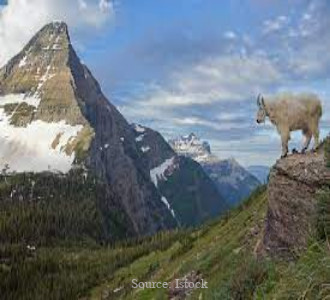
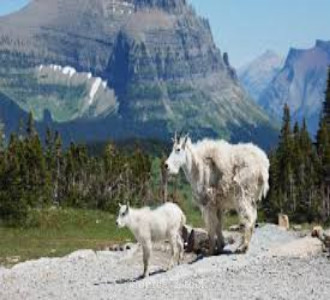
As well as being a privilege to witness, the animal residents of Glacier National Park stand as symbols of the beauty of both Montana and the park itself – with the Grizzly Bear being the national animal of the great state of Montana – and the mountain goat being the official symbol of Glacier National Park. While both animals are truly photographic – to take care upon interactions with them, particularly on the trails – as both can be aggressive when in search of food or threatened – see our top tips section on how to safely deal with animals within Glacier National Park.
As well as the Mountain Goat being the animal symbol of Glacier National Park, there’s another iconic symbol of Glacier national park that explorers should not only be on the lookout for – but should utilise as a form of transport; the bright red jammer buses. These bright red buses – which you’ll see frequently around the park during the summer months are styled on the original 1930’s park transportation – with a journey within one of these buses along the Going-to-the-Sun road being not only a chance to soak in the beauty of Glacier National Park – but ride an icon in what is sure to be one of the most memorable and enjoyable experiences of your exploration of the park.
Fun Fact 7: Glaciers:
Finally no visit to Glacier National Park would be complete without exploring, marvelling at and photographing the parks mighty Glaciers – of which there are currently 26 within the park – with the tallest being the 9,579 ft and 0.7 mile wide Blackfoot Glacier.
A truly immense and impressive Glacier – even during the summer months when its ice begins to dwindle, the Blackfoot Glacier is complimented by a series of mountain peaks and warm forests – and you can find stunning views of the Glacier across the park and atop the scenic overlook hike. While this Glacier is undoubtedly imposing, our favourite within the park is undoubtedly the 8851-foot Grinnell Glacier that lies on the edge of the Many Glacier Area – and from which the Grinnell Glacier and Many Glacier Viewpoint hikes offer stunning views – particularly early in the morning.
Yet while these two glaciers – and the accompanying 24 – will be the true highlight of the park, it’s worth noting how fragile this eco-system and these glaciers are, with the number of Glaciers having dropped from 150 in 1880 to the 26 that remain now, with scientists predicting that by 2030 all the Glaciers within the national park will have melted away.
For this reason, we’d strongly recommend a visit to Glacier National Park as soon as possible – not just to marvel at the incredible Glaciers while there’s still time – but also to understand and contribute to the ongoing efforts to preserve these time-threatened and dying wonders of the world.
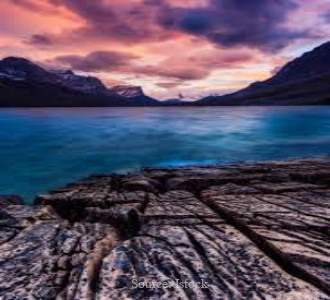
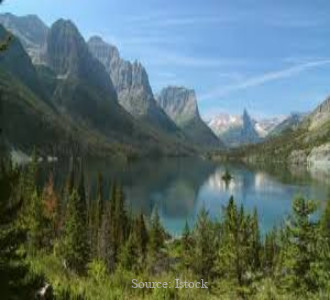
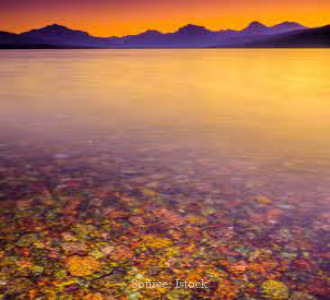
Top Sights & Best photo spots:
A photographers paradise, Glacier National Park is one of the few places on the planet where explorers can capture not only continental drifts – but the ‘crown of a continent,’ with this stunning natural paradise, topped by towering glaciers, serene lakes, rolling forests, panoramic vistas, a series or rare wildlife, and of course the elusive aurora borealis in all its glory making for some of the most charming, awe-inspiring and emotive photo opportunities on the planet.
In fact, with Glacier National Park home to more than 140 lakes, five national landmarks, two mountain ranges, hundreds of animal species – which are spread across 1,000 acres of charming land that encompass more than 700 miles of different trails– choosing the right spots to photograph and visit can be incredibly tricky. With photo planning within the park made even more complex by the seven different entrances, the differing landscapes in the east and west sides of the park – and that the park crosses and stretches into two separate countries.
Combine this with the early morning or late evening starts required to capture the wildlife within the park – including the elusive Lynx and Black and Brown bears – as well as the chase, patience and right spot to capture and gaze at the dazzling lights of the aurora borealis – and there’s a real chance that photographers could miss out on what could be a truly memorable photograph and to capture this incredible wonder of the world in all its glory.
So, to make sure any explorer can capture not only the full beauty of the natural wonder of Glacier National Park – but has the best possible chance to capture both natural phenomena and elusive wildlife – which really encapsulates the magic of this stunning natural paradise, we’ve rounded up our top photography spots and tips to help ensure than any exploration of this true wonder of the world can stay with explorers forever.
Going to the Sun Road:
Regardless of the photography spots you wish to capture within Glacier National Park – from towering glacier and mountain peaks, serene lakes and charming meadows, wildlife photography or even the Aurora Borealis – finding the best spot will undoubtedly see you make use of the 50 mile scenic drive of Going to the Sun Road.
A road that stretches across the entirety of the park, and an engineering marvel in itself, the going to the sun road is one of the most spectacular and scenic drive on the planet, so much so that a series of tours have emerged whose sole focus is to navigate the road to allow for photo shots.
So, whether self-driving or on a tour, the going to the sun road is one of the premier photo locations within Glacier National Park, and you’ll find awe-inspiring views at every turn – with the going to the sun road taking explorers to a series of stunning, easily reached viewpoints and panoramas, where the best of the highlights of Glacier National Park can be reached – including sweeping views of Lake McDonald, the cascading falls of the Weeping Wall, towering view of Mt Gould and Grinnell Glacier, and up over the Jackson Pass – where the mighty Jackson Glacier awaits you.
A road that requires a ticket to access – to both help maintain it and limit access to make a journey upon it that extra bit special – the going to the sun road is both a premier photo location within the Glacier National Park – that truly gives explorers a highlight reel of this immense wonder, and the jumping off point for a series of special hikes where further immense views await you. For those with a little extra time we’d encourage you to also make time for five great spots on the Going to the sun Road; the east tunnel pullouts, Big Bend, McDonald Creek, Looking Glass Road and the Logan Pass.


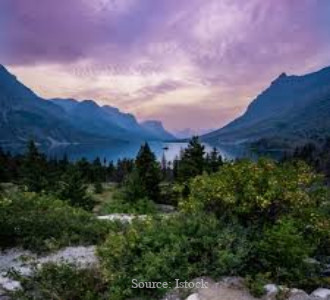
East Tunnel Pullouts:
An incredible spot on the going to the Sun Road, the East Tunnel Pullouts is the largest of the tunnels on the road – and it itself is an incredible marvel, having been expertly carved through 408 feet of mountain rock, to provide not only an easy passage through the park – but thanks to a series of pull-outs that lie past the tunnel and which take in the incredible vistas of Glacier National Park, one of the premier spots for sunrise and sunset photography.
Truly breath-taking, the East Tunnel Pullouts lie on an elevated peak, which help provide stunning sweeping views of mountain forests, lakes and glaciers both below and above, with the incredible panoramic views here truly coming to life at both dusk and dawn – where for those lucky enough to have got themselves a spot on a pullout – you can watch all of Glacier National Park laid out before you and come to life in a twinkling and dazzling display of light as the glowing sun reflects of the mountain peaks and lakes below – for a simply stunning and majestic photo opportunity.
Big Bend:
A further spot on the Going-to-the Sun Road, the Big Bend is one of the most stunning and beautiful spots within the park – and is a fantastic place to snap not only a beautiful sunset lighting up the forestry and Glaciers before you – but, for those seeking to capture the true natural beauty of the park – one of the best spots for wildflower photography.
Found just pass the photo spot of Weeping Wall – a stunningly beautiful formation blessed during the summer months with cascading flows of Glacial water – the Big Bend lookout has it’s own well-sized parking lot – which makes it perfect for those self-driving to find – and we’d advise getting to this lookout an hour before dusk – to ensure you can get a picture perfect spot to set up your photography equipment and truly take in the best of this incredible vista.
A spot blessed with incredible views out over a series of peaks and mountains – including Heaven’s Peak and Mount Cannon – the Big Bend is a perfect spot for those who don’t fancy hiking, but are seeking to take in the best of Glacier National Park and capture one of the most exquisite sunsets on the planet.
McDonald Creek:
A further stop on the Going-to-the-sun-Road – and one that is often skipped in favour of a direct route to Lake McDonald, the McDonald Creek is a small stop-off but one that offer a unique view of some of the most stunning scenery on Glacier National Park. These views include the towering McDonald Falls – fed by a series of imposing Glaciers, and the soft waterfalls of the Sacred Dancing Cascades – which when put against the backdrop of Grinnell Glacier, rolling forestry and serene water bodies – makes for a fantastic vista to capture.
A quiet and often overlooked viewpoint, the McDonald Creek is perfect not only for those seeking to take in the beauty of Glacier National Park in a quiet spot, but also for those seeking more intimate photographs of the nature within Glacier Park. With it being from this spot during the summer months that world-class photo opportunities of dancing bright wildflowers, charming meadows, and the rolling creek can all be captured – making McDonald Creek one of the best and most underrated photo spots across all of Glacier National Park – and one we’d truly recommending making time for.
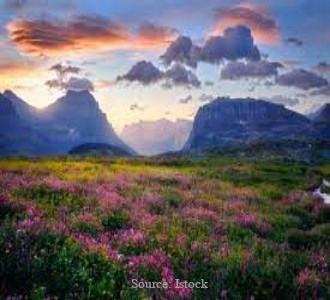
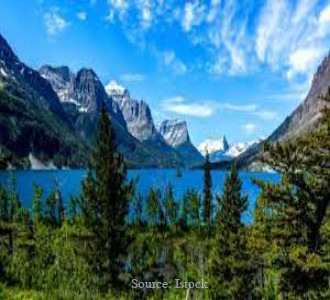
Looking Glass Road:
Another road only open during the summer period, the Looking Glass Road is a secluded and isolated road that is perfect for those seeking the best of Glacier National Park and photographing the beauty of its nature and wildlife away from the crowds.
Running from East Glacier Village norther towards the many Highway 89 that can take you into the Canadian part of the park, the looking glass road is blessed with a series of pullouts, where explorers can pull over and capture unique and off the beaten photos of the parks lakes and mountains – with the view of Mt Gould being particularly special from the pullouts on this road.
Couple this with incredible views of Glaciers and – as a result of the seclusion of the road outside the main parts of the park – the looking glass road being a hotspot for wildlife viewing, this stunning road is well worth visiting for spectacular and unique photo opportunities.
Yet best of all, given the seclusion of the road – and it’s position away from tourist hotspots and towns – the night skies along the road and within the pulloffs is incredibly clear, meaning that on a star light clear night, photographers who get incredibly lucky can be fortunate enough to witness the aurora borealis from along this road. With the chance to witness this immense and phenomenon lighting up not only the night sky, but reflecting the lakes, forests, mountains and glaciers below in a dazzling display of emerald green and purple being not only one of the most spectacular photo opportunities within Glacier National park – but one of the truly magical moments within this stunning wonder of the world.
Logan Pass (High Point):
Found just before the East Tunnel, and easily accessed by the Going to the Sun Road, the Logan Pass is not only the start of a series of trailheads that lead to incredible elevated vista points (see below) – but at almost 6,650 feet is the highest point on the going to the sun Road that is reachable by car – with this unique viewpoint providing a stunning elevated spot that looks out over a series of lush wildflowers, forestry and mountain peaks – for an easily reached photo spot.
Given that the Logan pass high point can be reached by car or by shuttle bus, it’s not surprising that this stunning vista and golden photography spot is extremely popular, with the car parks known to fill-up within half-an-hour of opening. For this reason – and given the immense beauty at the Logan Pass highpoint, we’d encourage to reach the highpoint at either sunrise and sunset – where crowds will be at a minimum, and you’ll get to take in not only the stunning vista before you, but see it lit up by the ascending or descending sun – whose bright yellow rays truly bring the immense views below you to life, making for a picture perfect shot.
For those who do get here early, or who find themselves overwhelmed by the crowds when they’ve reached the high point, we’d recommend taking on one of the Oberlin Bend Overlook – where you can grab a great photo of the beauty of the forests below you, or taking a gentle stroll down from the high point to the Logan Pass Visitor Centre – where if you’re lucky you may get to take in a series of wildlife photos. For those who fancy a hike – and want to take in a series of incredible panoramic vistas and photo opportunities – it’s also at the Logan Pass visitor centre where you’ll find a series of trailheads that lead you to not only some of the best hikes available in Glacier National Park, but some of the Parks, and world’s, greatest nature photo opportunities.

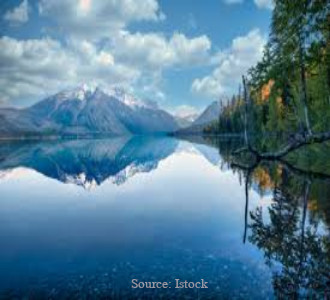
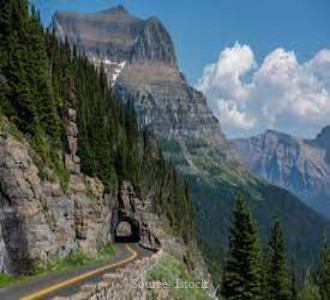
Hiking in Glacier National Park
While traversing the many pull-outs and scenic viewpoints along both the going to the sun road and the Logan Pass will give explorers stunning vista and panoramic photo opportunities, the real beauty of Glacier National Park is uncovered by delving deeper into the secrets of this great national park.
To do this, explorers can take on one of the trails that stretch across the more than 700 miles of trekking options within Glacier Park, where incredible photos, hidden jewels and the true immense beauty of Glacier National Park’s stunning scenery awaits you.
While there is truly no bad trail to undertake within the National Park, in our view there are nine key trails which provide iconic and must have photo opportunities of some of the absolute best of the great wonder of the world that is Glacier National Park:
The Trail of the Cedars:
Starting with one of the gentlest hikes in the park, but by no means not stunning hikes, the trail of the cedars is ideal for those who are a little averse to walking, the trail of the cedars is a short 1 mile round trip with little elevation gain – that see’s hikers take on a boardwalk through lush green rain forest and over a fantastic photo spot of Avalanche Creek – which is the true highlight of this trail.
Perfect for those in a wheelchair, the loop trail of the cedars starts and ends on the Going to the Sun Road, and alongside being incredibly accessible, and givers photographers a true chance to connect with – and snap – the beautiful nature of Glacier National Park – as they travel through the history of the park taking in and capturing hundreds of red cedar trees which stretch into the sky and which are believed to date back more than 600 years.
Through strolling and admiring this forest, explorers will then quickly come to the photograph highlight of the footbridge over Avalanche Creek – from where, perched above the creek, you can snap deep photos into not just the creek but the lower Avalanche gorge. A short but incredibly scenic hike, a trip along the trail of the cedars will allow you to capture the free flowing creek and the towering forests of nature of Glacier National Park in all its glory – and this hike is also a prelude for those who want to go a little further and seek out more stunning views of the creek and a serene lake on the Avalanche Lake trail.
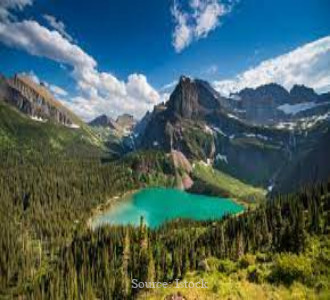
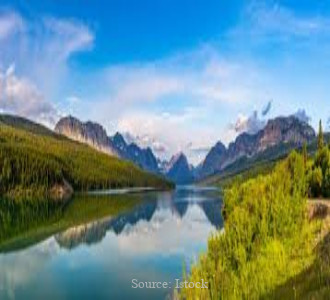
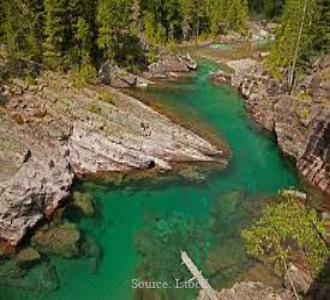
Avalanche Lake:
An extension of the trail of the cedars, the Avalanche Lake trail is again easily found on the going-to-the-sun road, with the start of the trail taking photographers on the same route as the trail of the cedars – affording the great shots of the Glacier National Park Forest on that hike along a boardwalk – before taking a turning at the Avalanche Lake Trail junction just pass the creek, that will lead you along this incredibly photogenic trail.
Clocking in at four and a half miles round trip, after conquering and photographing the trail of the cedars, the Avalanche Lake trail continues on for a good mile – where a stunning view of the creek from a unique angle awaits you, and where it truly is necessary to stop for a further photo of this Creek in all its glory.
Having snapped the creek again, the trail then continues to ascend alongside the creek and parallel to the cedar forest, and then after a short mile ascent, you’ll find yourself before the stunning lake vista of Avalanche Lake. A truly serene spot, the calm – if cold – waters of Avalanche Lake reflect both the forests on it’s shoreline, the 8700-foot Bearhaut Mountain in the distance, and the cool blue skies above – making for an absolutely incredibly photo of one of the most stunningly beautiful spots across the whole of Glacier National Park.
For those who want to soak in the beauty of the lake, and the stunning views of the mountain range before you, a little stroll along the lake will lead to a small beach, where you can again snap incredible views back across the lake. With the serenity and beauty of the lake behind you and well snapped, you can then begin the ascent to rejoin the trail of the cedars and journey on to your next hike in search of further stunning photo opportunities.
Hidden Lake Overlook – great for Sunrise & the continental Divide:
A fantastic hike to take on at sunrise, where not only will the crowds be at a minimum, but you’ll get to see the sun light up the reflective lake, the Hidden Lake Overlook is a five and a half round trip that has an elevation gain of more than 1,300 feet – which is sure to test both your cardio and morning alert skills in the early morning.
Accessible on both the going to the sun road, or the Logan Pass, the Hidden Lake Overlook trail start behind the parks visitor centre and takes explorers on a quaint early morning journey through some of Glacier Parks most serene flowery meadows, where explorers can snap the soft beauty of the flowers and plants of the park, which are particularly alive and colourful during the summer season.
From the meadow, a fantastic photo opportunity awaits, as for those armed with a GPS you will then cross the Continental Divide and continue to head upwards, where a stunning view of Logan pass awaits below you. Taking time to snap the road below, explorers will then enter the final part of the trek, where likely accompanied by goats and sheep who have risen early, some small charming waterfalls will await you – which again make for another fantastic photo opportunity.
Passing these waterfalls, and stopping for a breather, you will then be on the final stretch and will see the towering figure of the mighty Bearhaut Mountain before you, and as the track levels out – you will then arrive at the shores of the Hidden Lake, just in time for sunrise. A truly special place, the calm waters of the hidden lake are bought to life by not just the rising sun, which transforms the waters into a shade of reflective gold, but the surrounding mountain ranges and soft meadows – for one of the most glorious and must snap photo spots across the whole of the stunning wonder of Glacier National Park.
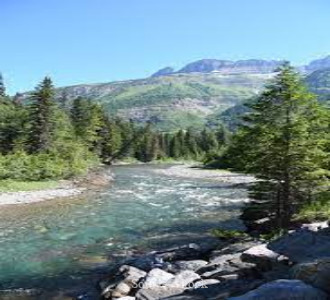
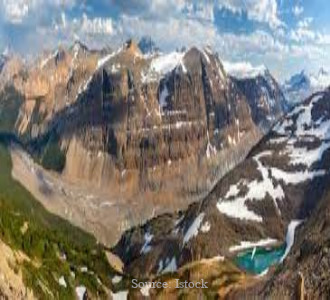
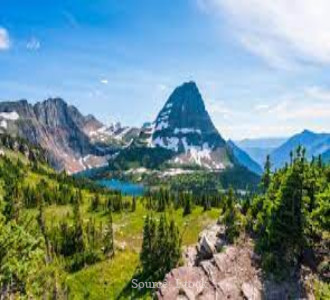
Many Glacier Grinnell Glacier Viewpoint:
Undoubtedly the highlight of Glacier National Park, and the chief Glacier, no trip to Glacier National Park would be complete without glimpsing and photographing Grinnell Glacier in all its glory, and there are two main hikes that let you snap this incredible icon of the park, the Many Glacier Glacier Viewpoint Trek and the more strenuous overlook trek, which extends from the Many Glacier trek.
Starting with the challenging but shorter Many Glacier Grinnell Glacier hike, this seven and a half mile round trip begins at the Many Glacier Hotel for those taking on the full length of the hike – however we’d advise taking a shuttle boat across the Grinnell Glacier and Swiftcurrent Lake to the opposite side of the hotel, and then, once at the edge of the Swiftcurrent lake you can then take a further boat across Lake Josephine, where your hike to glimpse the Grinnell Glacier will begin.
Taking the ascending and well marked road, and keeping right, the path will circumnavigate Lake Joseph and we’d strongly advise taking a few moments here to capture and photograph this serene and reflective lake below you, before following the signs to ascend on the Grinnell Glacier trail.
As you ascend the trail, you’ll find a series of stairs await you around a third of the way into the trek, which will see you quickly gain elevation, before the trail becomes flatter and then ascends again – testing your cardio to the extreme. It is after these second set of stairs that you’ll glimpse not the Glacier but the Glacier Lake of Grinnell which is fed by the mighty Glacier, which lie in the shadow of the twin mountains of Angel Wing and the 9,553 foot Mount Gold – and which represents another incredible photo shot of the raw but beautiful nature of Glacier National Park.
Continuing up through the trail, you’ll then pass a series a meadows, which are simply lush in the summer time and then be greeted by the sounds of cascading water, as the Grinnell Falls await you – as do does your first glimpse of the 8.851 foot Grinnell Glacier. A truly photogenic spot, and one to snap away, the Grinnell Falls serve as a halfway point on the trail, so we’d advise taking a moment to soak in the magnificent vista before you.
Back on the trail, and the path continue to ascend further, taking you pass and along a cliff edge, through grizzly bear country (so be sure to be aware of your surroundings and take bear spray), past a rest area (with a toilet) and then up a series of steep and challenging stairs where the summit of the Grinnell Glacier viewpoint – and a stunning vista will await you.
Truly special, you can catch you breath atop the mountain pass and in line with the clouds, and admire the incredible Grinnell Glacier before you – which is a true icon of this stunning park, and which encapsulates the very reason why Glacier National Park is a wonder of the world.
Taking time as well to admire the towering Mount Gold, the pristine Grinnell lake below you – and the accompanying ice plateau and caves, this unique vantage point is a truly special place and one of the premier Glacier photography spots in not just the park, but in the world – which makes the challenging ascent well worth it, and which makes the easy descent down that much more enjoyable.
Grinnell Glacier Overlook:
A longer, more challenging – but arguably more photogenic and stunning way to take in Grinnell Glacier, The Grinnell Glacier Overlook is a fifteen and a half mile full day hike that will take explorers alongside steep cliff edges, through rolling meadows, and alongside cascading waterfalls to reach one of the most incredible panoramic photograph spots of the icon of Grinnell Glacier.
While it’s possible to connect to this trail by using the Many Glacier Grinnell trek, the challenging ascend on that trail combined with the fact that the crossover takes you through dangerous terrain and into the heart of known bear nests, means that the recommended route to the Grinnell Glacier Overlook begins at the Highline trailhead which is easily reached on both the Highline Trailhead and the Going to the Sun Road at Logan Pass.
Beginning on the highline trail, you can expect to encounter not just fellow travellers but to begin your hike with a fantastic photo stop on the continental divide before the trail quickly diverges from the highline trail onto the steep ledge that requires careful movement to navigate. Thankfully now supported by a handrail, for those who manage to conquer the ledge you’ll find yourself greeted a few miles into the hike by not only a rest area but sunning view of the towering almost 9,000 foot mountains of Cannon, Oberlin and the well named heavens peak – with this spot making for an incredible photo opportunity of the sheer towering beauty of nature within Glacier National Park.
In awe at these towering mountains, you’ll then need to take a quick breath before sharply ascending up the stairs of haystack pass, which marks the half way point of the hike and will see you reach elevations of more than 7,000 feet as your approach towards Grinnell Glacier begins.
Climbing further, and passing alongside a further ledge, you should keep your eyes peeled for mountain goats, rams and grizzly bears, and continuing to climb you will then be greeted by sweeping views of the towering Swiftcurrent Mountain, which at almost 8,500 feet marks not only the highest point of the trail, but your final descent to the Grinnell Glacier Overlook, after navigating one final ledge.
Arriving into the Grinnell Glacier Overlook, you’ll find yourself not just eye to eye with this incredible Glacier but also stood atop a continental divide, and it’s from here that you can pause to not only catch your breath but to snap incredible photos of this awe-inspiring and stunning glacier and the panoramic vista before you.
A vista backed capped by the more than 9,500 feet Mount Gold, and which also features stunning views of two Grinnell Glacier fed lakes, which truly brings the scenery to life. The contrasting bright blue and white ice caves and tunnels are complimented by the bright blue sky, serene lakes and rolling mountains below – for what may well be the most complete, beautiful and magical overlook and photo opportunity anywhere on the planet – and which certainly makes the tough ascent on the Grinnell Glacier Overlook trail well worth it.
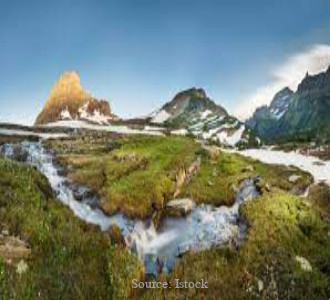
Iceberg Lake:
Another fantastic hike within the Many Glacier area, Iceberg Lake truly lives up to its name, with the soft serene waters of the alpine lake also home to a series of towering icebergs – which last well into summer – and which are formed as a result of the freezing glacial waters slowly cascading down into the base of the lake.
Combine these emerald and truly photogenic icebergs – which can be explored further on a river cruise – with a hike that not only circumnavigates the lake, but which takes explorers through soft meadows, quaint fields to reveal dramatic mountain views, in a place which is a haven for wildlife spotting – including grizzly bears, and this challenging 10 miles round hike is well worth it, especially given the many dramatic landscapes it presents to photographers.
A hike that begins by the Many Glacier hotel, on a well defined trailhead, hikers will face the most difficult part of this hike first – by taking on a step set of stairs that see’s the iceberg lake trail connect to the Ptarmigan Trail – an equally stunning trail. Yet once upon the Ptarmigan Trail, dramatic views will await you of the towering more than 8,000 feet peaks of Mount Wilbur and Mount Grinnell, and hikers can take a moment to photograph these stunning peaks, before continuing along the soft and easy trailhead – where the sounds and views of Ptarmigan Falls await you.
Another fantastic photo opportunity, passing by the Ptarmigan Falls will then see hikers reconnect to the Iceberg trail, and pass through a series of soft meadows and forests, heading towards a towering basin and snow-capped mountain, which marks the source of iceberg lake.
Approaching and arriving at Iceberg lake, you’ll be struck by the dramatic scenery that awaits you – and of course the incredible icebergs which drift silently along the lake – making for a truly incredible photo opportunity. Circumnavigating the lake, you’ll also find a series of vantage points to capture not just the lake, but the mountains background and the lush meadows and fields before you – which can make for not only a truly special photo spot, but one of the premier places to capture the natural beauty and wonder of Glacier National Park.
St. Mary Falls & Virginia Falls
Moving from stunning lakes and glaciers, the more relaxed St Mary and Virginia Falls trail has earned a reputation as not only a stunning hike to two of the most incredible and awe-inspiring waterfalls within Glacier National Park – but as one of the best places for up-close waterfall photography across the whole of the North American Continent.
With there being something truly serene about capturing cascading waterfalls, against the backdrop of quaint meadows, towering peaks and charming lakes, the St. Mary & Virginia Falls together clocks in at a gentle three and a half miles as a hike featuring minimal elevation gain and ascension, and you can find the start point at the St. Mary Falls Shuttle Stop, which is a little way down the going to the sun road.
Once upon the trail, you’ll be greeted not only by the sounds of the cascading water – but be treated to spectacular views of the more than 8,000 feet Dusty Star Mountain before you, and the twin 9,000 feet peaks of Little Chief Mountain and the well named Almost-a-dog mountain to your south – which both make for incredible photo opportunities.
Continuing along the path, and after a one-mile hike, you’ll reach the St. Mary River – which is fed by the St. Mary falls, and after taking a moment to admire this quaint river, you can proceed onwards to the first of the magnificent waterfalls on this trial, the St. Mary Falls. A truly special waterfall, watching – the St. Mary Falls is famed for its deep blue water and the scenic wooden bridge that not only allows for a crossing, but which is a fantastic place to snap great photos of this great waterfall.
Having captured this truly stunning waterfall, you can then continue onwards along the trail towards the highlight of this trek, the Virginia Falls. Accessed after a further half mile hike, the Virginia Falls see’s water drop more than 50 metres from the peak of the falls, and what is truly impressive about these falls, from an exploration perspective, is that you can stand at their base – making for some incredible photo opportunities of both yourself and the descent of the falls.
Two truly impressive and photogenic falls, this gentle hike is a fantastic place to capture two great icons of Glacier National Park, and is a must stop on any photographic exploration of the wonder of the world that is Glacier National Park.
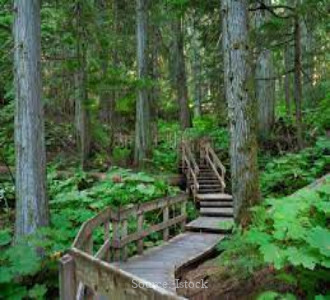

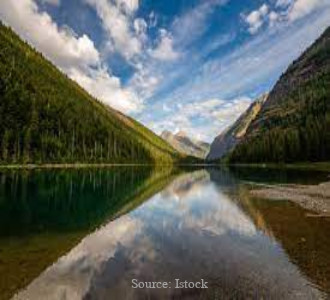
Apgar Lookout (West Glacier):
A hike that takes explorers to not just a stunning lookout point, but to an old fire observation point, the views from the Apgar lookout, which lies in the shadow of the Apgar mountain, are immense – with a clear day allowing for vieweing, and photographic, out over quaint meadows and fields, serene lakes snow-capped mountain peaks, and towering glaciers which stretch to the horizon, for a truly postcard perfect view of Glacier National Park.
A challenging hike, that see’s explorers traverse seven miles and make multiple ascents, the Apgar Lookout hike begins off the beaten track in the south corner of the park, towards the end of the going to the sun road. Having found the trailhead you’ll be treated to a gentle stroll amongst soft forest before arriving at a clearing, where a series of dead trees await you.
These burnt out trees, the result of a devastating 2003 fire, marks the beginning of a sharp, almost 2 mile ascent, that will lead you to the Apgar lookout. Given the length and challenging nature of this ascent, we’d advise you to take it slowly, taking regular breaks and snacks, and ensuring you’ve taken on plenty of water as you make your way up towards the lookout.
Arriving at the old fire post, and taking a moment to catch your breath, you can then relax and marvel at the awe-inspiring view before you – with the whole of Glacier National Park, in all its beauty, laid out before you – including a full view of Lake MCdonald and the towering peaks of Mount Gold and Grinnell Glacier, in what is a panoramic and vista photo opportunity that truly underline why Glacier National Park is a true photographers dream.
Scenic Point (Two Medicine Valley):
A hike and viewpoint, that truly lives up to its name, the Scenic Viewpoint is one of, if not the, premier photography and viewpoints across the whole of Glacier National Park. With the views from atop the Scenic Point – which is reached after a challenging four mile hike – giving stunning panoramic views out over the entire two medicine valley and its accompanying lakes, the East Glacier lakes and the town itself, the forests of Lewis and Clark – and a stunning wide ranging view of a series of snow-capped mountains and glaciers, for a postcard picture incredible view.
Beginning from the Scenic Point lookout area, the Scenic Point trail is found by firstly taking on the Mt. Henry Trail – which once served as a railway – and the hike begins with a soft ascent upwards, which includes a detour towards the Appistoki Falls – which for those with more time is a fantastic side trip to view and photograph another of Glacier Parks Stunning waterfalls.
Having past the Appistoki Falls turnoff, the trail winds its way through a series of clearings and then begins a tough ascent towards the Appistoki basin, which feeds its namesakes falls, and the more than 8,000 foot Appistoki mountain – with the first views of this mountain being simply spectacular and making for a great place to take a breather and snap this incredible mountain.
Continuing up along the trail, you’ll slowly see two medicine lake come into view, backed by a series of snow-capped mountains, with this lake not only marking the final ascent towards scenic point, but providing a taster and preview of the incredible views that await you at the points summit.
Leaving the view of the lake behind you for now, you’ll then find yourself circumnavigating the trail, before being able to take well marked road towards Scenic Point – do be warned though that this final ascent towards Scenic Point see’s you have to cross snow laden path and navigate a narrow ledge, before the steep ascent along a series of sharp rocks will see you finally arrive at Scenic Point, where the incredible panoramic vista awaits you.
A truly awe-inspiring viewpoint – and one to capture arguably the best photographs of Glacier National Park, the lakes, forests and mountain peaks which are laid out before you on this incredible viewpoint will not only underline why this point has rightly earned its name, but why Glacier Park is an immense wonder of the world.
So, having taken time to capture and marvel at this stunning vista at this incredible scenic point, you can begin your easy descent down the Mt. Henry Trail, undoubtedly with a smile on your face – as you leave one of the most stunning viewpoints on the planet behind you.
Exploration through self-drive, shuttle bus & bike:
Alongside exploring the many vistas and panoramic scenery and photo opportunities through the many incredible hikes across Glacier National Park, many of the wonders and vistas can also be accessed by Car, Shuttle Buses and cycling. While the views through these methods of transport may not provide the picture perfect and dramatic landscapes as those available up close and personal through hikes, they can certainly provide fantastic photo opportunities and the chance to explore the highlights of the park.
Lake McDonald:
Undoubtedly chief among these incredible vistas is the area of Lake McDonald, a stunning 10 mile long serene lake, that lies in the shadow of towering mountain vistas and the more than 8,000 foot tall Sperry Glacier – and in which explorers can get up close and personal in by boat exploration, kayak or paddleboard or by simply taking in the stunning waters from the Lake McDonald lodge – where incredible views of this Glacial Lake await you.
A lake that is unsurprisingly freezing cold – given its origin (although explorers are welcome to take the plunge if they are brave enough !) the views, and photography opportunities on the shoreline of Lake McDonald are simply incredible, and represent a fantastic place to snap one of the true icons of Glacier National Park. With the views on the West Side of the lake, near Apgar Village in particular, having developed a reputation as being one of the picture perfect spots from which to snap this incredible lake.
A lake blessed with colourful pebbles and clear water that descends to more than 500 metres, for those seeking an extra special photo, we’d encourage you to head to the Lake McDonald beach – where on chilly sand – you can relax and take in not only one of the world’s most unique beaches, but snap a unique angle of the stunning and picturesque Lake McDonald.
Many Glacier Area & Swiftcurrent Lake:
Alongside being a haven for a series of walks that can lead to some of the most stunning nature views on the planet, the Many Glacier Area can also be explored by bike, car or shuttle – with each of these options able to lead explorers to stunning viewpoints, including of the Grinnell Glacier and glimpses of the Apikuni Falls – without the need for strenuous hikes.
While not providing as panoramic views as the hikes, anyone within the many glacier area and certainly for those basing themselves out of the Many Glacier Hotel, you can expect to encounter a series of stable viewpoints along the going-to-sun road that will lead you to great lookouts, where sweeping views of the forests, lakes – and Glaciers of Glacier National Park will await you, for a series of incredible photo opportunities.
Known as “America’s Swiss Alps” this stunning area certainly lives up to its billing, and for those exploring the Many Glacier Area, we’d certainly encourage a stop at the tranquil Swiftcurrent lake, that is found by the Many Glacier Hotel, with this charming lake offering not just a chance to swim in Glacial Waters, but capture an incredibly reflective shot of the whole of the Many Glacier Area – complete with mountain peaks, forestry – and the iconic Glacial Peak all laid out before you – for a magnificent photo.
An area blessed with roaming wildlife, including grizzly bears, Lynx and Moose, the Many Glacier Area is an area that truly lives up to its name, with the stunning vistas, views and lakes – which can be explored through both hiking and by transport – representing some of the most scenic and picturesque spots in the incredible wonder of the world of Glacier National Park.
Waterton Lakes National Park:
Moving into the Northern Area of Glacier National Park – and crossing the border into the Canadian Part of the park – and a stunning oasis of serene and peaceful lakes await you within the Waterton Lake National Park.
Undoubtedly the highlight of the Canadian section of the park, the Waterton lakes area is made up over 80 different bodies of water – including lakes, ponds and streams – with the highlight undoubtedly being the main Upper Waterton Lake – which stretches for 7 miles in length, and which lies in the shadow of a series of stunning mountain peaks including the mighty 8,000 feet tall Mount Alderson and Mount Boswell – with a walk along the lake and viewing from the Paddock trail offering the most scenic view, vista and photography spot of this soft and serene collection of water.
Easily accessible through a range of walks – including the famed red rock canyon hike that see’s explorers wade through the rivers of Waterton Lakes — the lakes are a great spot for capturing the Northern Lights (see below) and for wildlife vieweing – with grizzly bears and Bison being particularly common here. A truly special place – and Glacier Parks premier biodiversity spot, a visit to explore and photograph the stunning Waterton lakes should be on every explorer’s itinerary when seeking out the best of the Glacier National Park.
Wild Goose Island Overlook:
A truly special spot – and a great place for sunrise photography, the Wild Goose Overlook is Glacier Parks most photographed spot — and for good reason, with the views from this special overlook stretching not only over the picturesque Wild Goose Island, but over the serene waters of St. Mary Lake, a series of stunning forestry and the giant Fusillade Mountain – for a reflective shot that capture the very best of Glacier National Park.
Particularly special at sunrise, where the ascending sun’s light transforms the mirror body of water at St.Mary Lake into a kaleidoscope of bright yellow, orange and red – where the reflective and bright mountains shimmer on its surface creating a perfect photo opportunity – the views at Wild Goose Island overlook are truly special, and would be our pick for sunrise photography across the whole of Glacier National Park.
Perfectly situated on the Continental Divide, which provides not only a chance to photograph yourself across two continents – but provides a stunning backdrop for daytime photography. The beauty and photo opportunities available at Wild Goose Island Overlook cannot be understated – and it’s really worth getting up early to not only beat the crowds to this stunning spot, but watch as the stunning scenery and park lights up from this incredible vantage point, for a truly special moment.
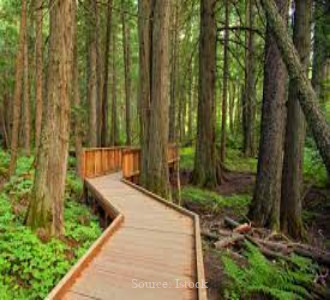
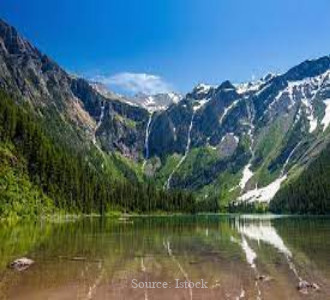

Wildlife:
Alongside providing stunning nature views and opportunities, and arguably the best Glacier photo opportunities on the planet, Glacier National Park is also a haven for wildlife photography – with the park and its majestic surroundings being home to more than 70 different species of mammals, and hundreds of different animal species – which flourish in this protected wildlife ecosystem.
Best viewed and encountered on any of the numerous hikes through Glacier Park – or on the quieter roads – including the Looking Glass Road, or on the shores of both Lake McDonald or Lake Swiftcurrent, animal sightings are for the most part frequent, and it’s essential that photographers follow safety guidance – including staying a safe distance, coming with protection and avoiding antagonization at all times.
Yet for those who do wonder within the park, and respect the nature and wildlife, it’s possible to snap incredible photos of grizzly and black bears in their natural habitat, as well as the elusive Lynx in the northern part of the park, with these two animals being the undoubted highlight of rare animal photography within Glacier Park.
Combine this as well with frequent sightings of mountain goats and bighorn sheep – which are frequently seen on the elevate hikes, as well as Moose and Wolverines who spend their times in the foots of Glaciers and at the shores of lakes – and the charming multi-coloured Harlequin Ducks, who you’ll often see racing across the many lakes within the park, and Glacier National Park is a truly special place for wildlife photography.
Shots that can require patience to snap, and of course are animal dependent, wildlife photography within Glacier National Park is best undertaken in the early hours or at dusk (when the animals are most active) and we’d encourage you to come with a wide-angled lens to make sure you have the best chance of snapping the incredible residents that call this incredible wonder of the world home.
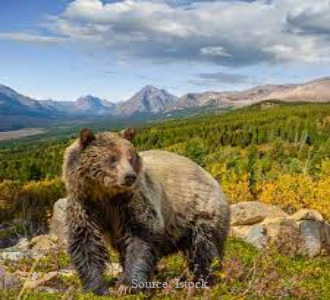
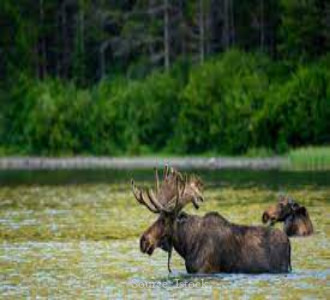
Northern Lights:
While Glacier National Park is undoubtedly the ‘Crown of the Continent’ there’s something beyond magical in watching this stunning wonder of the world lit-up and reflected by the great Aurora Borealis – and watching and photographing as the shimmering sky above the parks many lakes, forests, meadows, mountains and Glaciers makes the full beauty of the park truly come to life in a dazzling display of shining emerald, purple and green – for an awe-inspiring and spectacular show.
Undoubtedly the highlight of any photographer and exploration of Glacier National Park, the aurora borealis is unique within the park in that it can be viewed year round – but for the best chance of laying eyes and marvelling at this stunning phenomenon we’d advise heading to Glacier National Park in late winter and early spring, where the cool nights are longer and the sky is clearer, giving you the best chance to snap this stunning display.
A magical show – that will require a camera with a high DLS resolution and capable of snapping nighttime shots in order to photograph – capturing the best shots of the aurora borealis within Glacier National Park is a rare thing, and will require you to be in the right place at the right time in order to photograph. So, to help with this – and to give you the best chance of capturing the aurora borealis lighting up the beauty of Glacier National Park, we’ve picked our four favourite spots that provide a stunning backdrop to the aurora borealis – and where, if you’re lucky enough, you’ll get to see this dazzling show in all its glory, which truly represents the best of the wonder of the world that is Glacier National Park.

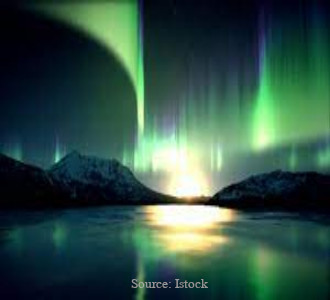
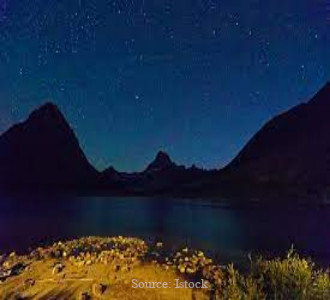
Bowman & Kintla lakes:
To seek and find the elusive Northern lights, you’ll need to venture deep into Glaicer National Park – stepping away from the crowds and bustling city lights that lie within the parks main zone and seeking out the tranquility and pollution-free clear skies in the heart of the park.
For this there’s no better place that the twin lakes of Bowman and Kintla that lie close to the charming community of Polebridge – and where, so remote is this area, that you’ll have to navigate through a series of dirt roads to reach the edges of these lakes.
Yet once upon there shore, you’ll find peace, tranquillity and clear skies – as well as a hotspot for the Aurora Borealis – where, with a warm thermos and plenty of snacks you can sit upon the shoreline and wait for the dazzling aurora to appear. A truly special and peaceful spot witnessing the Aurora Borealis by either lake is a true privlige as you watch the night sky, and the surrounding forests and peaks light up in a dazzling display of emerald, green, turquoise and light purple.
Yet perhaps best of all about this spot, from a photography perspective is that the clear waters of both lakes provide a stunning reflective surface on which to capture and photograph the Aurora Borealis – making it one of the unique and blessed photos in the world to capture reflective and stunning photos of the great Aurora Borealis in all its glory against a truly stunning backdrop.
Waterton Lakes National Park:
Moving into more seclusion – and one of the most peaceful parts of Glacier National Park, the Canadian located Waterton Lakes National Park offers one of the world’s most stunning and most frequent places to glimpse and photograph the stunning Aurora Borealis.
A spot often overlooked on Glacier Park itineraries – with it lying outside the U.S. boundaries of the Park off Highway 6 – the Waterton Lakes lie in the shadow of 40 named peaks, including the towering Mount Alderson and Mount Boswell that provide a perfect backdrop for the soft waters of the expansive Waterton Lakes – where on a clear night you will be treated to the mighty turquoise and violet lights reflecting off the serene waters – for both a stunning experience and an incredibly reflective photo opportunity.
A truly magical spot that offers incredible views of this stunning phenomenon, the best photography and vieweing points for the Aurora Borealis within Waterton Lakes undoubtedly lie upon the Paddock Loop. It is upon this loop that alongside vieweing heards of Bison, you can experience panoramic views out over the lakes and capture and view the absolute best of the Aurora Borealis in full flow reflecting back over the Waterton Lakes for a picture perfect moment.
Looking Glass Road:
Moving back into the American side of the park – and for those who fancy chasing the Aurora and who wish to take control of their vieweing experience as opposed to waiting in a set place, then the secluded and charming Looking Glass Road is a spot that truly lives up to its name – and offers a series of fantastic pull-outs where Northern Lights hunters can stop and view the sudden appearance of this phenomena against the backdrop of the greenery and forests of the national park – and if you’re truly luck against the backdrop of a Glacier.
A road that puts explorers in charge of hunting the Aurora Borealis, the looking glass road is only open during the Summer months and is found along the East Glacier Village where it runs towards Highway 89 – in a perfectly secluded and quiet place of the park, making for clear skies and perfect Aurora Borealis viewing opportunities.
A road that will require self-driving – given the late vieweing times that the Aurora Borealis appears, the winding road of Looking Glass Bay should be taken on at a slow speed – to both increase your chances of vieweing the Aurora Borealis and in consideration of the many wildlife that call this spot home. Taking to and venturing upon the Looking Glass Road is an experience in itself, yet when the mighty Aurora Borealis appear in the distance and you make your way round towards them, pulling in at a secluded spot – the full beauty of this phenomenon will not only appear before you – but will light up the full beauty of Glacier National Park before you, for an absolutely magical experience and truly awe-inspiring photo opportunity.
Northern Lights Saloon & Café:
Finally — for a truly special and legendary spot within Glacier National Park to witness the Aurora Borealis – while keeping warm and enjoying good drinks and food, the Northern Lights Saloon and Café is a special spot solely dedicating to providing explorers with the best possible Aurora Borealis experience.
Found in the small town of Polebridge, this iconic café is situated in one of the most pollution free and clear spots across the whole of Glacier National Park — with the views from outside it’s doors stretching across the warm forests, lakes and Glaciers and down into the valley below, for a stunning vista that comes to life when the Aurora Borealis twinkles above it and lights up the park in a variety of green, turquoise and violet light.
A popular spot, that you should be at no later than dusk, the Northern Lights Saloon & Café is a great spot during the colder and winter days to wait out the chill while you seek the phenomenon of the Aurora Borealis. And, we’d encourage you to tuck into the homemade pie, sample the classic beers and enjoy the live music – which makes for a perfect build-up while you wait for the truly stunning Aurora Borealis to appear, with the emergence of this stunning phenomenon outside the Saloons doors creating not only the perfect crescendo for a special evening, but providing stunning photo opportunities and truly underlining why Glacier National Park is an enthralling and beautiful wonder of the world.