Glaciers of the Southern Alps
Overview:
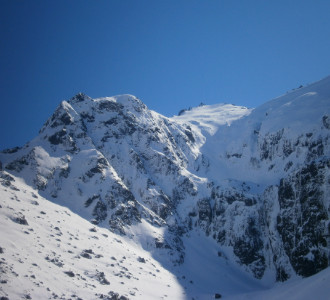
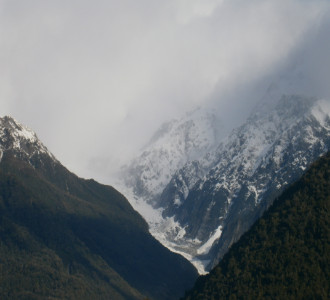
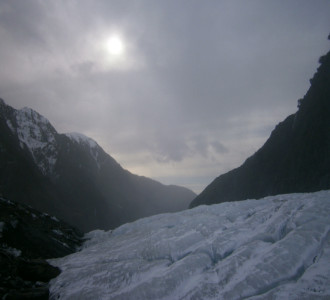
Sparkling Glacier Country – the towering imposing peaks of New Zealand’s Southern Island Glaciers are a truly stunning sight to behold, as you both marvel and explore these incredible ancient green, emerald ice wonders that cascade down to the sea on both foot, from the sky and from the serene fjord land and forest that lie at their base. Made up of thousands of individual ice glaciers – including the stars of the show of Fox and Franz Josef and the nearby Cook Mountain whose peak clocks in at an impressive 3,724 m – the Southern Alps, whose formation began at the time of the ice age, also stand as an incredible reminder of the fragility and evolution of nature, with the Glaciers known to be in retreat and scientists estimating that they will be unrecognisable by the end of the century. It is this heart-breaking notion, combined with the sheer stunning beauty of these ice paradises and the unique opportunity to stand atop a moving Glacier that make the glacial jewels of the southern alps a truly special wonder of the world – and one that we’d encourage you to visit as soon as possible.
Considered the most untamed and wild nature of New Zealand, the Glaciers of the Southern Alps form part of the Pacific Ring of Fire, and take their names from a combination of New Zealand icons – including the former New Zealand Prime Minister Sir William Fox. Yet despite their recent naming – the Glaciers which are rivers of ice now frozen and flowing down mountains – are known to date back more than 2 million years to the Pleistocene ice age, with the largest of these glacier’s the Tasman Glacier known to have retreated and advanced consistently over the years to reach is current length of more than 25km long – with the advancement and power of the Tasman Glacier known to have created the sparkling lake Pukai below – where explorers are able to come face to face with icebergs.
Alongside the Tasman Glacier and the more than three thousand glaciers found in the southern alps – with seventeen topping the 3,000 metre barrier — there’s a range of incredible glaciers in the more than 500 kilometres that make up the Southern Alps – but for the best of the Alps we’d encourage you to head towards Franz Josef and Fox Glaciers – who now stand as two of the remaining three glacial valleys on the planet that lie alongside rainforest.
Found just an hour apart by car, these two Glacier Valleys are the hub for exploration of the Southern Alps – and for good reason with the incredible ice caves, narrow passageways and stunning views found across them being both other worldly and truly inspiring. With the Glaciers themselves being easily explored and serviced by many tour operators, including Heli-day hikes – which see’s you grab your crampons and trek across the ice after arriving by helicopter, boat and kayak tours which see you come face to face with icebergs in the shadows of the glaciers, heli-skiing for the adventurous explorer who wants the unique experience of skiing on a moving glacier – and of course for a birds eye view and an adrenaline pumping experience there’s always the option to explore the Glacier from a skydive.
Truly incredible and on a clear day offering you dazzling emerald ice views and some of the most special and romantic photos on the planet, the Glaciers do remain under constant threat and there’s a harsh truth that they won’t be around forever, with the Glaciers of the Southern Alps having been in constant retreat since the late 19th century and having lost on average 25% of their volume since that time despite consistent efforts to maintain and protect these incredible wonders.
Still for those lucky enough to see and step foot on the beautiful icons of the Southern Alps and journey across these still moving Pleistocene ice age marvels you can expect an awe-inspiring experience filled with some of the world’s most incredible scenery and a truly fantastic opportunity to journey across not just history but one of the most magnificent, breath-taking and unforgettable wonders of the world.
Where:
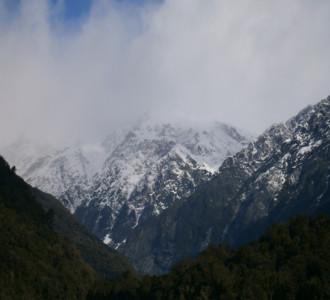
A vast wonder stretching for more than 500kilometres – the Southern Alps are made up of thousands of breath-taking snow-capped Glaciers – with the Glaciers themselves being both grouped together or standing alone across the South Island of New Zealand and stretching from the Spenser Mountains in the North down to the wonders of Fjord land at the very southern tip of the South Island.
Given their vast size and the inaccessibility of some of the Glaciers the focal point of the Glacier Country is found in the charming village of Franz Josef – where the Glaciers of Franz Josef and Fox lie – and which are the two main Glaciers for accessibility, beauty and that give explorers a truly unforgettable experience on these wonders of the world. With the village of Franz Josef lying in the Southern lying on the middle western side of the Island and being easily accessible from major Southern Island cities – including Queenstown, Christchurch and Wanaka – as well as from the North Island – giving explorers a range of options to get to these magnificent wonders of the world.

Getting There:
Nestled in the lower half of the South Island of New Zealand the jewels of the Southern Alps – the Franz Josef and Fox Glacier are incredible accessible – with a number of the other alps and Mount Cook requiring specialist arrangements to explore and summit.
So focusing on the twin Glaciers of Franz Josef and Fox– which we’d strongly recommend making your focal point for the exploration of the Southern Alps in consideration of both time and budget – and these two glistening glaciers are incredibly accessible – with a range of options to both get there and explore them.
Starting with getting there and Franz Josef and Fox are both served by the local Franz Josef Village – centred around exploring the Glaciers and which features a range of accommodation and food options, and which serves as an incredible base to explore these wonders.
The village itself – along with the Glaciers can be easily reached by flying into the Southern Islands of New Zealand and then by Car, with the Glaciers being just 4 hours drive away from the beautiful and adventurous city of Queenstown on the Southern Island or just three hours drive away from the incredible lakes and mountains of Wanaka.
Alternatively there’s also the option to fly into Auckland, explore the north island and take the ferry from the North Island to the South Island and then continue your drive down past other wonders of New Zealand and arrive at Franz Josef. For those driving and wanting to explore more of the Glaciers do note that given their size and volume for those wanting to witness the snow-capped peaks of Tasman Glacier your best bet is to drive from Christchurch – as the road from Franz Josef Village is inaccessible.
For those who don’t fancy driving in New Zealand there is also the option to take a bus to Franz Josef – with New Zealand’s intercity and NZbus services both being incredibly reliable and comfortable – and with bus services available to Franz Josef from across the islands – including from Wanaka, Queenstown and Christchurch on the South Island – and as part of a an extended tour leaving from the North Island – giving you plenty of options to reach the village of Franz Josef to begin your exploration.
Once within the village – the next stop will be to get yourself onto the Glaciers, which is also easily done, as they lie jus a short drive from the village – and there’s a range of options upon which to explore the Glacier. First up and the easiest, most enjoyable and highly recommended is to go on a day Heli-hike across the Glaciers – where you can expect to have the full services of a guide, be provided with Crampons and a pick axe and journey across and through these incredible Glaciers after arriving by helicopter– for an forgettable and awe-inspiring experience on the Glaciers.
Alongside hiking – there’s also the option to explore the Glaciers by kayak or canoe, by heading down into the Glaciers that lie at the foot and around the Southern Alps – which gives you a more peaceful and personal moment with these incredible wonders – and gives you the added bonus of kayaking alongside icebergs for another immense experience.
For a final option – and for one for the daredevils – the Glaciers of Franz Josef and Fox also make for an incredible place to skydive – with there being a number of tour operators who can see you hover above the Glaciers in a place before taking the ultimate plunge over these awe-inspiring wonders – making for an adrenaline and unforgettable way to experience these incredible wonders of the world.
Best time to Visit:
Open all year round – and despite their cold appearance fortunate to enjoy mild temperatures by global and glacier standards, there is truly no bad time to visit the wonders of Glacier Country – so it comes down to both your own schedule and availability or whether you prefer to visit during the summer season or the winter season with the varying advantages each season brings.
For those who fancy visiting during the summer season – which runs from September to May – and peaks in the Christmas months, you can expect activity on the Glacier to be in full flow, with multiple heli-hiking tours in action all day round – with the warm summery conditions both on the glacier and in the surrounding hiking trails, Fjords and rainforest being incredibly pleasant and enjoyable – with the heat on some days even meaning that the Glaciers can be explored in a t‑shirt and shorts.
Alongside the enjoyable summer vibes, visiting Glacier Country in the summer months does sadly come with a drawback – with the increase in crowds also resulting in high levels of booking in accommodation in and around Franz Josef village – which in turn results in the prices for accommodation rising – so for those planning a summer getaway to the Glaciers you’re advised to book well in advance and increase your budget.
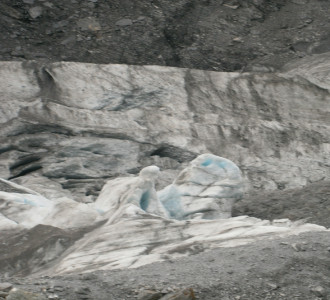
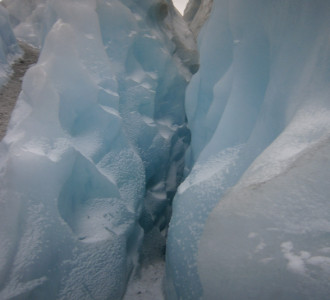
For those who aren’t a fan of crowds and have the option to visit during the winter months then you’re also guaranteed an incredible experience on the Glaciers – with the winter months, which run from June to August seeing temperatures of between 5 – 12 degrees, and as a result of the increased rainfall and the occasional snowstorm, those visiting in the winter months can expect not only more dramatic ice features – such as ice caves, tunnels and crevasses, but the extra rainfall really bringing to life the greenery of the surrounding forest and helping to make the Fjords more dramatic – for a truly serene and dramatic experience.
Combined also with fewer crowds, which can make for a more peaceful experience on the Glacier – as well as the increased snowfall which can make those photos on the Glaciers extra special, the drawbacks of both heli-hikes being postponed due to adverse weather conditions and having to bear some extra layers in the winter is more than worth it to experience the Glaciers and surrounding scenery in full flow.
So while there’s truly no bad time to visit the Glaciers – you can expect differing experiences in both the summer and the winter months and so when visiting this incredible wonder of the world it truly is up to the explorer which version of Glacier Country they want to experience – but visiting at any point is guaranteed to leave you with both breathless and in awe of this incredible wonder.

How long to stay
Given the vast size of the Southern Alps – and given the thousands of Glaciers to explore and the chance to summit the mighty Mouth Cook as well as step foot on the twin jewels of Franz Josef and Fox Glacier – it truly is possible to get lost in the beauty of the Southern Alps and spend weeks and months exploring these incredible natural wonders.
However owing to the constraints of both time, money and the realities of the working world, trips to the Southern Alps are sadly limited to days – and we’d recommend budgeting at least three days when visiting Glacier Country. Allowing for three days will give you time to not only get at least one hike in upon a Glacier, but give you spare time to enjoy Franz Josef Village, trek within the Rainforest and Fjord – and for those set on Heli-hiking give you a couple of days leeway in the event of adverse weather.
So, while it’s possible to both cover the Glacier in a day for those on a tight schedule, for those with unlimited resources who want to fully explore the beauty of these stunning Glaciers — we’d recommend setting aside three days to explore the incredible wonder of the world that is the Southern Alps.
Top Tip
A stunning natural wonder, trips to the Southern Alps can be fraught with danger – as you trek and explore these constantly evolving Pleistocene ice age marvels. Whilst every precaution are taken by those undertaking guided hikes on the two main jewels of Franz Josef and Fox Glacier, we’ve put together a series of top tips — including advice on the heli-hikes and general pointers – to help ensure your visit to this incredible wonder is both safe, hassle free and enjoyable as possible:
- Firstly we’d advise to make sure you undertake a hike on either Franz Josef or Fox Glacier – which is truly the best way to explore this incredible wonder – but to make sure you do it on a guided tour. Taking on a tour with a guide will not only see you have the incredible experience of a helicopter ride up the side of a Glacier to begin your trek but also ensure you are taken to the right places, as well as guaranteeing that you will be supplied with all the appropriate gear including crampons, pick axes and follow what is known to be a safe route using well placed and pre-planted ropes – which will help to not only ensure you get to see the absolute best of the Glaciers, but that you do so in a safe manner.
- We’d also advise – and particularly for those visiting in the summer months – that you book both your tour and accommodation well in advance. The reputation of the Southern Alps for being an incredible beauty spot is growing and growing – and thus the wonder is becoming more popular, leading in turn to both guided hikes and accommodation in Franz Josef Glacier selling out in advance – so to ensure you both get to experience staying in the Glacier Country Village and you’re guaranteed a spot on the Glacier we’d advise to book in advance.
- Additionally for those who want to take on a Heli-hike, we’d advise to not only book in advance but be sure to give yourself an extra couple of days – particularly in winter – as owing to the sometimes unpredictable weather at the Glacier, which can see sudden storms or downpours Heli-hikes only have a 40% success rate, and so given there’s a good chance any Heli-hike will be subject to weather conditions we’d advise budgeting an extra day to make sure you get to the adrenaline rushing experience of a Heli-Hike on a Glacier.
- Finally it’s important to be prepared for all weather conditions at Glacier Country – so we’d advise to make sure you come prepared with waterproofs, good hiking shoes, sunglasses and for those visiting in the summer months a pair of shorts and a t‑shirt and a back-up plan for how to spend a day for visit to the Glaciers are sadly off the table, noting that while the temperature is consistent with the seasons, the weather can be unpredictable and rainstorms and snowstorms can strike at any moment, so to ensure you get the absolutely best experience exploring the Southern Alps its best to come prepared for adverse weather conditions.
Cost
A glistening wonder a trip to Franz Josef and Fox Glacier will see you have to pay for accommodation, a Heli-hike – alongside the cost of reaching the village of Franz Josef from where you can base yourself to explore the Glaciers.
Considering getting there first and Franz Josef Village is incredibly accessible, with the easiest option being to fly into the major cities on the South Island – Christchurch or Queenstown and hire a car and drive directly to the village. For those flying domestically you can expect flights from Auckland in the North Island to cost you around $00 NZD dollar – and then the price of hiring a car ranging from between $40 — $80 NZD dollar a day.
For those travelling from further afar you’ll need to get yourself to New Zealand – with Auckland being the main hub for international travellers and flights leaving from across to planet – with a price of an international ticket varying from your origin point – but we’d advise to set aside at least $500 NZD for an international trip to Auckland. From Auckland you have the option of flying domestically to the South Island – or taking the scenic route which involves driving through the North Island and taking the ferry to the South Island and then continuing South to Franz Josef Glacier – with the scenic route estimate to cost around $250 NZD dollar to reach the Glacier.
Once at Franz Josef Village we’d recommend setting aside $100 NZ Dollar a day for accommodation and Food – although if your budget allows you will find some more upmarket accommodation then can cater for a more relaxing stay.
From the village undoubtedly the thing not to miss out on is a day tour Heli-hiking across one of the Glaciers – and you can expect a single slot on such a tour to cost between NZD $ 475.00 — NZD $ 650.00 – which is not cheap but accounts for your helicopter ride to the top as well as all the gear required for the hike and hopefully plenty of photos.
For those on a bigger budget and who want to explore the Glaciers from a different but serene angle we’d advise taking on a kayaking tour in the Fjords below – including on the iconic Lake Mapourika which lies just below the Glaciers and in the shadow of Franz Josef Village – and you can expect a one-day Kayaking tour to cost around $100 NZD, which in our book is well worth the money as you get to kayak alongside iceburgs next to the incredible Glaciers.
Finally for the thrill seekers and for an adrenaline pumping experience there is all the option to skydive over the Southern Alps for a true bucket list experience, again this experience is not cheap given the costs involved of being on a flight to the jump spot and having a skydiving master with you, so you can expect to fork out around $500 NZD per skydive – but a price worth paying for what is sure to be an experience that will stay with you forever.
So all in, once you’ve arrive in New Zealand we’d advise budgeting between $1200 — $1700 NZD for a trip to the Southern Alps, which is on the dear side but well worth it for an incredible experience on these stunning – and fast melting – wonders of the world.

Fun Fact:
Alongside stretching for more than 500 Kilometres and being home to more than 3,000 Glaciers – with the biggest the Tasman Glacier being more than 1,900 feet and 18 miles, as well as being the site of the highest Mountain in New Zealand the mighty Mount Cook at a peak of 12,218 feet, the Southern Alps are also the sight of multiple instances of rich history for New Zealand – with the nation which is now divided into two island once having stood as one thanks to the Southern Alps, as the Cook Strait which currently separates the islands having once connected the two islands before melting away sometime after the ice age.
Alongside this the Southern Alps have also been the scene of multiple plane crashes, with victims and the planes sadly finding themselves not only running foul of the icy structures but on occasion becoming buried within the Glaciers – only to be rediscovered years later as a result of the Glaciers movement, with the most recent discovery of a plane being in 1983, from a plane which crashed in 1951 – with the plane sadly remaining ensconced in ice until being discovered decades later.
Finally, the Southern Alps and their Glaciers are known as a hotspot for gold – with the Gold Rush of the late 1860’s known to have centred around the west coast of New Zealand as a result of melting Glaciers – and although most of the Gold is thought to have been discovered from the area there’s no telling what a true modern day explorer may discover on their journey across the mighty Southern Alps.
Best photo spot:
The most accessible and beautiful rivers of ice on the planet, the sparkling wonders of Glacier Country are truly a sight to behold and one of the undeniable jewels of the South Island of New Zealand. With these incredible Glaciers – which stretch more than 500 kilometres in width and tower more than 3,000 meters into the crisp New Zealand Sky being a true sight to behold.
Their dominance across the Southern Island skyline, combined with them being backed by easily accessible rainforest, glorious reflecting lakes and glistening fjords where icebergs float make these incredible Glaciers and all of Glacier town a truly beautiful place to not only marvel at these wonders but snap some of the greatest nature photographs on the planet.
While taking in the peaks of Mount Cook and Tasman and the mighty southern alps from any angle or from any of the neighbouring towns including Ōkārito and Franz Josef Glacier village are guaranteed to give you great angles of these special icons of New Zealand, we’ve picked out our top two favourite places and experiences across Glacier Country that can give you that extra special photo opportunity of these incredible wonders of the world:
A Heli-Hike on Franz Josef or Fox Glacier
Alongside snapping photos of the incredible Glaciers from the ground level, there’s no better way to both truly appreciate and photograph the Glaciers by stepping foot upon them – and luckily the two Glaciers of Franz Josef and Fox are both incredibly accessible through a Heli-Hike, as well as being easy to trek which can provide you with simply stunning photos of the inside, ground and scale of these incredible Glaciers.
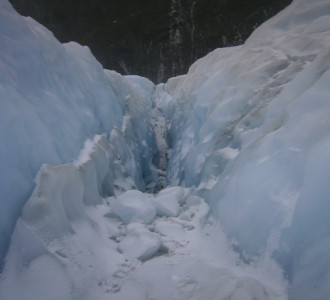
Fed by a series of rivers, and constantly moving and evolving, a Heli-hike trek on the Glaciers – which lie just a few miles away from Franz Josef Glacier Village – brings you truly face to face with ice views of the Glaciers – and you can expect to photograph the
narrow gaps of the Glacier – including yourself pushing through them, ice stairways carved into the Glaciers and the sheer cliff face of the Glacier – all of which makes for incredible photos.
Necessary to be undertaken on a guided Heli-hiking tour – which will ensure you will be taken to all the best photo spots across the Glaciers – a Heli-hike on the Glacier also provides an incredible photo opportunity at the summit of the glaciers when you land – with the panoramic view from atop the Glacier giving you an incredible shot out over the entire Southern Alps from above – where you get the unique chance to snap looking back down over the Glaciers, the Rainforest and the fjord land below that awaits you for an incredible combination photo of the mighty Southern Alps.
From Lake Matheson:
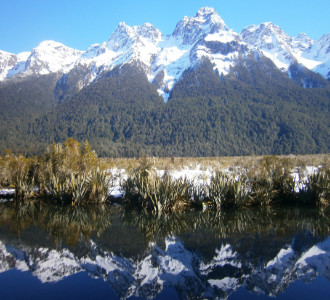
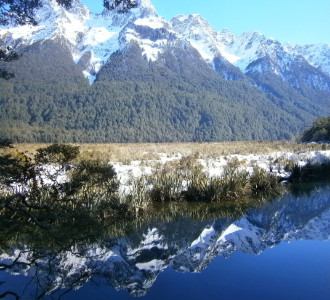
While there are many incredible lakes and Fjords to explore along the Southern Alps that give you beautiful shot of the Southern Alps against the glistening waters of New Zealand – there’s something truly special about the waters of Lake Matheson – known as the reflective lake – and undoubtedly it’s a truly special place to come to capture the full beauty of the Southern Alps in all their glory.
Offering a mirror lake view of the Southern Alps – the lake sits on the edge of lush green forestry and offers a picture perfect view of the beautiful southern alps in what is an absolutely incredible photo. Special during the day – particularly in the cool light crisp days of winter where the Glaciers become more prominent thanks to Snowfall, the views of Lake Matheson are even more stunning at either sunset or sunrise – where you can witness the incredible New Zealand Sun lighting up the lake in a kaleidoscopic range of orange, yellow – and if you’re lucky deep purple – for a truly mesmerising shot.
A truly special and magical place – offering diverse photo opportunities thanks to the ever changing sky and reflections — a trip to Lake Matheson is an absolute must for any explorer seeking to grab the best snaps of the beauty of New Zealand and the incredible wonder of the world that is the Southern Alps.