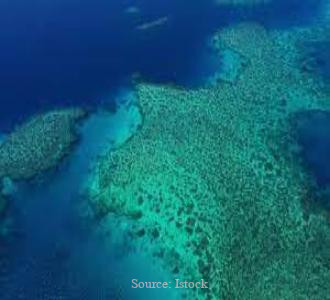
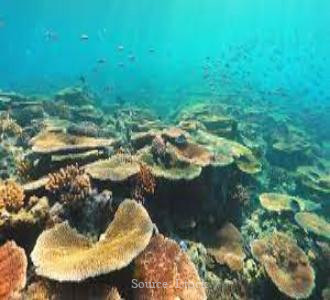
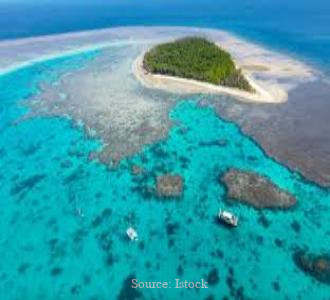
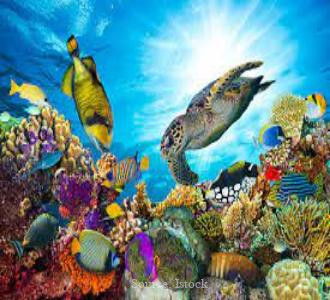
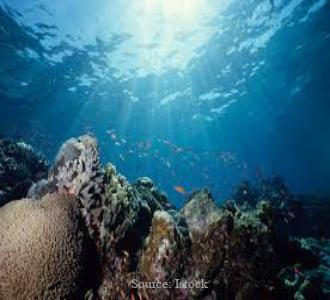
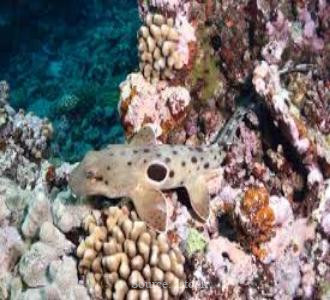
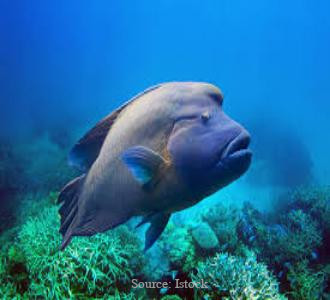
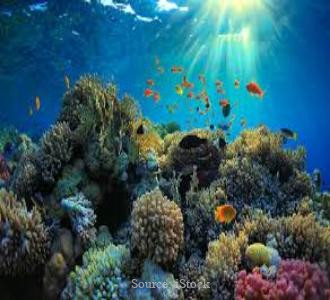
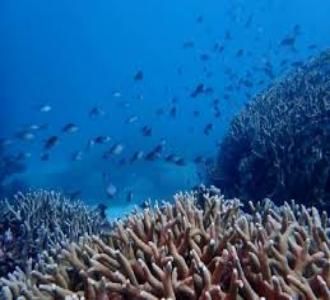
The largest living structure on the planet, Australia’s incredible Great Barrier Reef stands as not only an immense example of the sheer beauty and power of mother nature, but with its combination of more than 3,000 reefs, sparkling gold sandy beaches, turquoise waters, breath-taking dive spots and more than 900 romantic coral islands – all of which are home to more than 2,000 species of dazzling coral fish and marine life – make the Great Barrier Reef not only the true jewel of Australia and one of the greatest environments on the planet, but a truly special wonder of the world.
In fact, so colossal is the Great Barrier Reefs reach, that this incredible natural ecosystem is home to a third of all the planet’s living coral – with the mighty Reef, which stretches some 2,300km in length across the east coast of Australia – being so vast that the Great Barrier Reef remains one of the only wonders still visible from space. Yet despite its immense beauty and precious marine life sustaining ecosystem, the Great Barrier Reef faces constant natural and human inspired threats – with mass bleaching events, natural disasters, oil spillages and over tourism all contributing to the threats of the Reef’s existence.
It’s for this reason that exploration of the Great Barrier Reef has seen a renewed emphasis on sustainability and responsibility, with cultural and exploration now focused on helping this incredible eco-system to flourish, as well as offering travelers the chance to explore this spectacular underwater marine paradise – and there’s no better way to explore this incredible wonder than taking the plunge from one of the many dive or snorkeling operators that allows you to come face to face with the multi-coloured coral and the curious and fascinating turtles, whales, sharks and coral fish that call the reef home.
A true adrenaline and euphoric experience, the Great Barrier Reef is a diver’s paradise, with the famed dive site of the SS Yongala and the chance to explore the thousands of reefs both during the day and at night being a truly special experience. While Dive packages are offered for both first time and experienced divers – in sustainable and safe areas, such is the Reef’s beauty and vastness there’s also multiple other chances to explore the Reef without getting wet – including a flyover of the Great Barrier Reef – which allows you to truly soak in the scale of this incredible wonder, a glass bottom boat which allows you to spot the incredible marine life or for the more innovative options you can try the experience of taking an underwater scooter or a mini-submarine to explore the reef- which allows you to remain dry while coming face to face with the marine life in this incredible wonder.
Alongside the underwater paradise, the Great Barrier Reef also includes some of the worlds greatest islands, including the “gateway to heaven” of the Whitsunday islands – a group of 74 daydream islands whose highlight is undoubtedly the golden swirling sands of Whitehaven beach – which is flanked on either side by clear turquoise waters for a truly stunning natural paradise.
Home also to the idyllic reef islands of Green, Fitzroy and the well named Magnetic and Lizard islands – all of which see golden sands mixed with pristine snorkelling conditions, the Great Barrier Reef is truly special – and also offers a much-needed sanctuary for the endangered Humpback Whales in the Australian Winter and for Turtles in the summer – who are known to frequent the reef and beaches during the cooler summer months to take advantage of their protective status in Australia to lay their eggs.
One of the world’s truly special and magical places, the growing protections and conservation efforts has allowed for the Great Barriers Reefs incredible serene underwater paradise – that is teaming with easily explorable kaleidoscopically coloured coral and marine life — to flourish, which combined with the dazzling idyllic islands stretched over such a vast area that are both easily accessible and explored makes the Great Barrier Reef both a truly incredible natural eco-system and undoubtedly one of the greatest wonders of the world.
Where:
A truly special wonder, the vast size of the Great Barrier Reef see’s it occupy a special place across the North East of Australia and the state of Queensland. The focal point of the well named Coral Sea, the Great Barrier Reef is easily found and accessed from a range of towns across Queensland – with the Reef, which stretches from the tip of the Cape York Pensuinla, alongside the towns of Cairns, Port Douglas and Townsville down to the famed brewery town of Bundaberg, with the Great Barrier providing both a valuable source of tourism income and idyllic settings for these great Australian towns.
Created with GIMP
Created with GIMP
Created with GIMP
Getting There:
Stretching across more than 2,300 kilometres, the incredible wonder of the Great Barrier Reef is undoubtedly one of the jewels of Australia and a key economic tourism generator, which combined with its status as one of the greatest dive sites in the worlds and being home to some of the most dazzling and special islands on the planet means that accessibility to this natural phenomenon has now become incredibly easy.
While you can access the Reef and its islands from across the eastern coast of the Australian State of Queensland – the charming city of Cairns is considered the gateway to the Great Barrier Reef – and its here that we’d advise explorers to head to as a starting point to get to the Great Barrier Reef.
Lying about 2 hours flight north of the major city of Brisbane, Cairns can be reached both by direct international flights or by domestic flights from across Australia and is served by a series of major international airlines, including the main Australian airline of Qantas.
Alongside flying into Cairns you’ll also find the area serviced by buses – with the Australian greyhound seeing the city serviced from along the eastern coast of Australia and as far north as Darwin – which makes for a great way to reach the gateway to the Reef once within Australia.
From Cairns access to the Great Barrier Reef is typically done by boat – and you’ll find a range of tour options and private hire options to visit and dive within the Reef out of Cairns,
with their being half day, full day and multi day options which can suit every travellers budget and comfort requirements – with these tours easily booked both online and in person across the whole of Cairns.
For those wanting to explore more of the Reef then there’s the option to both take a flight over it, as well as hire a car of jump on a bus and head town the coast to explore some of the other popular dive sights – including the SS Yongala – from cities such as Townsville.
It’s also a great idea to make a little time to take on a couple of excursions to the islands of the Great Barrier Reef – and especially the Whitsunday islands and the incredible Whitsunday Beach, whose wavy sands are the stuff of dreams. Against as with all the Barrier Reef these islands can be easily accessed on day trips from Cairns, Port Douglas or by heading to towns along the eastern coast of Queensland and charting a boat, for those who want to explore the islands outside of a tour company.
A vast and truly beautiful wonder, there’s a range of options to explore the Great Barrier Reef and it truly is an immense wonder, so for getting there it’s as easy as heading to the town of Cairns and then deciding on which tour, boat company or method of exploring works best for you as you set out to explore this incredible wonder of the world.
Best time to Visit:
Incredible all year round – and home to thousands of unique marine life and kaleidoscopic coral the Great Barrier can be explored all year round – although undoubtedly the best time to visit is in Australia’s winter and spring months – where you’ll find the temperatures cooler, boats a plenty and some of the Marine Life – including whales and dolphins in full flow across the Reef.
Visiting in these months – between June and October – will also see you not only avoid the wet season – and the cyclone and box jellyfish season (November) but for Divers it also represents a great time to visit with visibility and clearer waters at their peak during these months. For those operating on a budget, we’d encourage you to visit at the start of June if possible – or be prepared to get the end of the wet season and head towards the Reef in May – as it’s during these months that you’ll find prices on accommodation and tours at their lowest.
So while the Reef is truly special all year round – for the absolute best experience and to give yourself the best chance of clear skies, turquoise waters, immense visibility and the chance to spot and dive alongside incredible Marine life – and ultimately experience the best of the Great Barrier Reef, we’d really encourage you to visit between the months of June and October.
Created with GIMP
Created with GIMP
Created with GIMP
Created with GIMP
How long to stay
A truly incredible place – with more than 3,000 reefs and 900 incredible islands – and some of the best diving in the world – it’s possible to truly lose yourself in the Great Barrier Reef and spend days, weeks and even months exploring the incredible marine life and sheer beauty that makes up this stunning natural wonder.
But with consideration of costs, practicalities and likely work and life commitments trips to the Reef are sadly likely to be shorter than any explorer would like and there’s a good chance that all of this stunning wonder will not be explored on a single trip.
Considering the many incredible dive sights, and our recommendation to get at least one night dive in as well as visit the incredible islands across the Great Barrier Reef and we’d recommend spending at least three days in the Great Barrier Reef as an absolute minimum. While three days won’t see you hit every single dive spot – it’s a much better option that visiting the Reef for one day on a day trip from Cairns and gives you enough of a chance to not only encounter some incredible Marine Life, while also giving you an option to re-arrange a trip if bad weather or adverse diving conditions should hit.
So while we’d encourage you to budget as much time as possible at the Great Barrier Reef – as it truly is possible to spend unlimited time exploring this great wonder – as an absolute minimum you need to budget 3 days to explore this incredible wonder.
Top Tip
Alongside being beautiful, the Great Barrier Reef, Cairns and Australia as a whole is also an incredible safe and welcoming place to visit – and so top tips for any visit to the Great Barrier Reef are cantered on ensuring you get the best value out of this incredible wonder, making sure you stay safe and respectful when diving and visiting responsibly.
- First up, when visiting the Great Barrier Reef we’d strongly advise to have your itinerary to hand well in advance, noting how you want to explore the Reef and particularly for Divers how many dives you want to do and where. While the Great Barrier Reef is incredible accessible, it has been known to reach its tourism limits in the peak season, which combined also with rushes on accommodation means that planning a trip in advance can not only save you money on the budget front but can ensure that your visit to this incredible wonder is everything you’ve dreamed off we’d recommend making sure you have a plan and booked your trips well in advance.
- Secondly – and perhaps most importantly, for those diving it’s paramount that you respect the coral and marine life in the reef – not seeking to disrupt the incredible ecosystems underwater. To ensure this expect to receive full safety briefings before any dive ‑and for those who do seek to disrupt the Reef you can expect to be subject to strong reprisals from the Australian Government.
- We’d also advise that Dives are only taken on by individuals confident in the water – although the Reef is normally a calm and serene environment, there are occasionally rough tides and challenging weather which can test Divers Skills. For those who haven’t dived before but want to give it a shot on the reef, there are a range of induction dives that can be done – which are fully supervised by Dive Masters – and you can expect these introduction Dives to come with a full safety briefing, with a particular emphasis on proper breathing techniques – to make sure your oxygen lasts for as long as possible.
- For those who explore further afield of the Great Barrier Reef and in particular the many incredible islands of this stunning wonder, do ensure you visit responsibly and make sure you observe and respect the culture and customs of the Aboriginal people who still call the Islands home. Across the many islands of the Great Barrier Reef you can expect to find more than 70 Aborigine groups still living in the lands and its essential that you show the lands and the culture respect when visiting.
- Finally while the Reef is an incredible place to visit – it does come with danger, and particularly in the rainy season the Reef is known to be the nesting place of the fearsome boxed jellyfish – who are capable of delivering a wicked sting which can be so strong it’s been known to cause death – so for those travelling to the Great Barrier Reef in the rainy seasons be sure to wear appropriate bodysuits and avoid disturbing or interacting with the deadly box Jellyfish.
Created with GIMP
Created with GIMP
Created with GIMP
Cost:
An immense wonder, the Great Barrier Reef does require a budget to be truly explored – luckily though given the vast size of this incredible ecosystem, and its focal point as a economic tourism generator for the state of Queensland there’s a range of options that can suit most travellers seeking to dive or experience the Great Barrier Reef.
Starting with flights and getting there, and the easiest option is to fly into the city of Cairns – considered the Great Barriers Reef premier town and from where the tour boats and dive centres operate out of. Flights to Cairns can be on the expensive side – with domestic flights from across Australia starting at $200 Aud and sometime stretching as far as $600 Aud based on season, with international flights into Cairns also coming in at between $500 Aud — $1500 Aud based on your starting point – so we’d advise to budget and book well in advance to get to Cairns.
Once in Cairns and you have the option to ease the pressure on your budget a little bit if required, with accommodation options ranging from $10 Aud hostels to premium hotels at $200 Aud a night – so there’s a range of comfort and budget options on the accommodation side in Cairns.
The same applies for exploring the Reef – which has to be done by a tour, particularly for those diving, with there being three broad cost categories, basic, advanced and multi-day tours.
For those on a basic tour you can expect to hit 2–3 dive spots on a day trip closer to the town of cairns – with prices for these trips starting from $130 Aud and a day out on these trips – which can give you the absolute best of the Reef and see you encounter flocks of Marine Life including turtles, whales and sharks – giving you plenty of photo opportunities and an incredible experience on this immense wonder.
For those who want to experience some of the famed reefs that lie further ashore from the town of Cairns – including the Agincourt Reef – which is well worth the money, you’ll need to budget a little bit more and get yourself on an advanced trip, with these advanced trips aimed at specialised divers and beginning in price from $200 Aud – and these tours often budgeting for a full day of your time and leaving from both Cairns and Townsville.
Finally for those who want the premier experience out on the reef, there is the option of a multi-day liveaboard tour – which see’s you treated to multiple dives and giving you the unique experience of sleeping on a boat and on the reef. These tours can last any where from between 2- 7 days – depending on the reef sites you wish to visit, and subsequently the prices will rise from between $400 to $300 Aud depending on the length of stay and the dive spots. Do bear in mind thought that even thought these tours may seem expensive you’ll be saving on accommodation back in Cairns – and you’ll be treated to one of the ultimate Reef experiences, the opportunity to both sleep and watch the sunset over this incredible wonder – which is a truly blissful experience.
The tours themselves are easily booked online or in person at one of the many dive sites – and we’d also advise budgeting an extra $30 Aud per day for whichever tour you opt for, to allow for the possibility of hiring a camera, purchasing photos and for some well-deserved post dive snacks.
For those want to get a truly stunning photo and to explore the reef further we’d encourage you to indulge in a reef plane trip – which leaves from the Cairns airport and takes explorers up above the Reef – where you can witness the full scale of the incredible turquoise waters and shinning Coral Reef and snap an incredible photo. We’d also encourage setting aside both time and money for a trip to some of the other jewels of the Great Barrier Reef and the surrounding area – including the dazzling golden sands of the Whitsunday Islands and the immaculate rainforests of Daintree – with both of these incredible spots easily visitable by car or on a tour – with one day tour prices from Cairns starting at $150Aud for both.
Budgeting as well at least $20 Aud a day for food, and an extra $50 Aud for gear including sunscreen, flip flops and an underwater camera and it’s possible to cover the great barrier reef for as little $250 Aud on a quick trip not including flights – but we’d advise budgeting at least $700 Aud and preferable $1000 Aud (not including flights) to take in all that this incredible wonder has to offer.
Fun Fact:
Alongside being one of the seven natural wonders of the world and visible from Space – the Great Barrier Reef is officially the worlds largest reef system – with the Great Barrier Reef being home to a vast array of incredible marine life, with the more than 5000 different animal species that call the Reef home. including thousands of individual coral fish species, 6 different species of curious turtle and more than 40 different whales, sharks and dolphins – all of whom are found in the 400 different multi-coloured coral species that sit on the floor of this incredible worlds largest reef.
While the threats to the Reef continue and are many – including over tourism, global warming and bleaching, the resilience of the Reef — alongside its beauty – is one of the marvels of this incredible eco-system, with a bleached reef being capable of reviving itself, which combined with the conservation effort to manage tourism and reduce the impact of chemical run off and dumping is helping to ensure this millions of years old incredible wonder of the world can be both maintained and hopefully continue to stand as one of the greatest natural beauty spots on the planet.
Best photo spot:
One of the most spectacular and beautiful natural wonders on the planet – the Great Barrier Reef is a truly special place for all photographers and explorers – but undoubtedly holds a special place for divers, with the turquoise waters, which are home to multi-coloured pristine coral and thousands of rare fish and marine life making the Reef an unequalled underwater photographers paradise.
Truly breath-taking, taking the plunge to capture the exotic marine life of the Reef requires specialist camera – which can be hired on site or provided by diving companies – and thanks to the deep-water visibility, divers can expect to capture moments at this incredible wonder that will truly last a lifetime.
Special also from the ground and the air, the beauty of the waters are complimented with magical shots of golden sands and romantic islands – with the golden wavy sands of the Whitsunday islands being truly special and allowing all explorers to capture the beauty of the Great Barrier Reef.
A truly incredible wonder of the world, the vast size of the Great Barrier Reef – combined with finding the best dive spots – can make it challenging to ensure you leave this paradise with truly special shots, so to make things as easy as possible we’ve rounded up our favourite dive spots (from experience!) and top beauty spots across this incredible wonder of the world.
Created with GIMP
Dive Spots:
SS Yongala
Starting with Dive Spots first, and a dive at the sunken wreckage of the 350 foot SS Yongala is truly special – and undoubtedly deserving of a place on any top list of the world’s best and most exciting dive sites.
Known for its vast collection of rare hunters – a dive on the SS Yongala is not for the faint hearted, as you can expect to come face to face with – and have the opportunity to photograph some of the most feared and rare animals on the planet – including Bull and Guitar sharks (Great Whites are not known to frequent the boat !), sea snakes, giant Manta Rays, barracuda and even giant humpback and whale sharks – making it a truly special place to capture incredible photos of some of the rarest and most beautiful marine life on the planet.
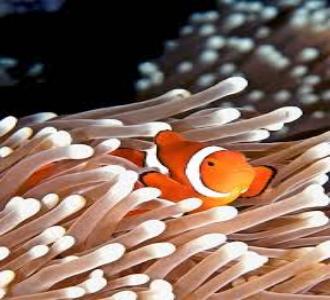
Alongside this, the Yongala wreckage is also home to vast numbers of incredible multi-coloured bright fish – including families of the always popular ‘Nemo Fish’ queenfish and snappers – with green turtles also known to favour the wreck site, again providing fantastic photo opportunities of this incredible icon of the Great Barrier Reef.
A truly special place for divers – and one that will see you diving with schools of fish, the Yongala is found south of Cairns in the town of Townsville – and alongside being a world class diving site, was also the scene of a tragic disaster – with the boat, which sunk in 1911 seeing the full crew – some 121 men sadly losing their lives.
Now a fantastic place to encounter the best of the worlds marine life and a true paradise for underwater photographers, be warned that you’ll need a boat to reach the site as well as a diving licence – with the wreck lying some 80 feet down from the surface, but for those who brave the chance to visit this incredible site – teaming with stunning marine life and photo opportunities.
The Agincourt Reef
The classic Great Barrier Reef, and one that can be enjoyed by snorkellers and divers alike, the Agincourt reef is the first port of call for trips heading out of Cairns to show off the best of the Great Barrier Reef – with the Agincourt Reef, which is made up of multiple dive sites being home to kaleidoscopic coral, bright colonies of curious fish and teaming with turtles, sharks and even whales.
A truly special place, and one that gives the Great Barrier reef its reputation as a stunning wonder of the world, the Agincourt reef offers fantastic photo opportunities from its shallows thanks to the turquoise and clear waters of the Reef– and such is the vast amount of coral and marine life here that its even possible to take incredible photos of both the Reef and the Reef’s residents without entering the water.
A popular spot – for good reason – the Agincourt Reef can get incredible busy during the peak season, despite the many dive spots, so we’d advise making sure you not only book in advance, but try and find a tour that leaves earlier than others, so you can enjoy the serene experience of diving in the Great Barrier Reef surrounded by the planet’s best marine life and coral and grab some spectacular and uninterrupted photos.
The Ribbon Reef (Cod Hole & Minke Whales)
Truly Magical the turquoise waters of Ribbon Reef are home to some of the world’s best coral and are a fantastic place to grab stunning photos of the natural beauty of the Great Barrier Reef – as well of course capture some great photos of the Marine Life that are found in droves at this incredible dive spot.
The Ribbon Reefs themselves are divided into a series of dive sites, and undoubtedly in our view the best of these when it comes to capturing stunning photos of Marine Life is the famed site of Reef Number 10 – which is known affectionately as Cod Hole – the best spot across the Great Barrier Reef for snapping a photo of — and alongside the famous Australia potato cod, a tame and photogenic giant fish – that makes for one of the best and most fun photos across the whole of this incredible wonder.
Teaming with colonies of Nemo Fish, cuttlefish and families of Turtles, the Ribbon Reef is also particularly special in the Australian winter months of June and July when it is visited by pods of dwarf Minke Whales. With these 20 feet giants of the sea being not only photographable from the Ribbon Reef but also being known for being incredibly curious and even approaching divers for a truly special experience – as they pose for photos for a magical snap.
A stunning reef, the Ribbon Reefs can be explored all year around – and have a reputation as an easy and less strenuous dive site in comparison to others, but above all the Ribbon Reefs offer incredible photo opportunities and unique experiences which make it one of the truly special diving spots in the incredible wonder of the Great Barrier Reef.
North Horn, Osprey Reef
The teardrop reef, the North Horn of Osprey Reef has gained a reputation of being not only a stunning example of the natural beauty of the Reefs of the wonder, but thanks to many species of shark – including the famed grey Reef Sharks — that call the North Horn home it makes for a truly incredible experience and photo opportunity.
Harmless (in the most part) to humans, the grey reef sharks found here can reach 8 feet and are known to not only gather in pods but also be calm with the presence of divers amongst them – making for an adrenaline rising experience. While the reef sharks taken the headlines, as an ever present at the North Horn, the osprey reef is also blessed with other sharks including hammerheads and tiger sharks, as well as large schools of manta rays, potato fish and giant tuna – making dives at the North Horn a truly incredible experience.
A dive site that should be undertaken with an experienced dive master and not as a solo dive, we’d also recommend making time to schedule a night dive at the North Horn – not just because the marine life is known to be more active in the evening, but also so you can capture the western wall of the North Horn which is truly spectacular in the evening, as the fantastic visibility allows you to capture one of the most incredible photos of your time at the Great Barrier Reef.
Created with GIMP
Beauty Spots:
From the Skies:
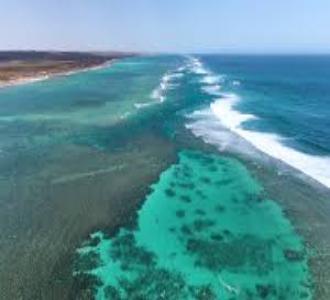
While seeing the vast swatches of coral underwater and from atop the deck of a boat will give you incredible shots of the reef – which in some instances will stretch to the horizon – to truly appreciate the vast scale and beauty of the Great Barrier Reef it’s necessary to take to the skies in the form of a seaplane and soar over this incredible wonder.
Giving you a chance to grab a photo of the Barrier Reef’s Ocean teaming with visible coral below its surface, a ride in a sea plane will also see you get a birds eye view over some of the incredible islands that make up the Great Barrier Reef – including Green Island and Magnetic Island as well as the picture perfect spot of Heart Reef a truly special island in the romantic shape of a heart – for what is a truly magical photo opportunity.
While a trip in a reef plane is not cheap – you can expect to pay at least $150 Aud – it does provide some spectacular photo opportunities, and if you get the chance we’d also advise opting for a plane trip that takes you as far south over the reef to the incredible Whitsunday Islands – with the view from above giving you a unique chance to grab a truly special photo of this paradise islands and their unique wavy sand curves.
Whitsunday Islands
Alongside viewing the incredible Whitsunday islands from the air, it’s possible to visit these stunning islands via boat and then on foot – as you journey across these incredible 74 islands which are found just next to the Great Barrier Reef, with the golden sands, turquoise waters and tropical islands making for a series of stunning snaps.
While each of the islands are gorgeous, we’d advise setting aside some time to check out the golden sands and turquoise waters of Hamilton Island and of course make a trip to Whitehaven Beach – one of the true icons of the Great Barrier Reef – with this beach being undoubtedly one of the most gorgeous on the planet thanks to its clear waters and wavy sands – with a trip to the top of the Hill Inlet Lookout being a fantastic place to grab a stunning photo of this truly magical beach.
Easily found – and heavily advertised – the Whitsunday islands can be incredibly popular, so we’d advise visiting in either the off season or making sure you get on a tour that see’s you at the islands – and particularly Whitehaven beach at sunrise in order to give yourself the best chance of capturing the picture-perfect shot of these incredible islands – and the accompanying reef.
The Reef from a Boat
While we’d strongly encourage exploring the Reef underwater to get the best shots, for those who don’t fancy getting themselves wet – it’s entirely possible to capture incredible photos of the vast marine life and beautiful coral from either atop a boat – or from a glass bottom-boat.
Giving you a glimpse of the beauty of the Great Barrier Reef, Snapping photos from either kind of boat can provide you with photos of Turtles breaching the turquoise waters of the surface as well as some of the bright multi-coloured coral that lingers before the surface – with it also being possible to snap a range of the thousands of reef fish that lurk within them – including the always photogenic Nemo fish – and of course on a lucky day snap whales, sharks and dolphins, all from the comfort of your boat.
A nice way to explore the Reef – particularly in the off seasons or on a day clouded by rainstorms – the chance to photograph the wonders of the Reef is always special, and doing so from a boat on the reef is one of the great ways to ensure you get to experience this incredible wonder while snapping some breath-taking photos of the life above and below it.
Sunset
Finally, while the Reef is truly special during the day and at night, there’s something truly magical about witnessing a sunset on the Great Barrier Reef – where the descending sun lights up the incredible turquoise waters and creates a mirage of light stretching across the coral-soaked waters stretching to the horizon – for a truly special event and an incredible photo opportunity.
A pure spectacle – you’ll need to find yourself a boat, a tour company or an island on the Reef where you can stay out beyond the typical tour schedule, but for those who do you can expect to toast this incredible wonder while witnessing a sky and Reef filled with bright deep orange light for what is undoubtedly one of the greatest photos on the planet – and one of the many reasons why the Great Barrier Reef is a truly incredible wonder of the world.