
The Greatest Natural Phenomena:
From the fiery glow of the Northern Lights to the mysterious Blood Falls, our planet is home to some of the most awe-inspiring and mystical natural phenomena. These breathtaking spectacles, shaped by the forces of nature over millennia, offer travelers the chance to witness the raw power and beauty of the Earth in its purest form — for a spectacle like no other.
Whether it’s the rare sight of a moonbow lighting up the night sky, the otherworldly landscapes of the Danakil Depression, or the violent beauty of a tornado, each natural phenomenon is a reminder of how little we truly understand the mysteries of our planet. Yet seeking out these phenomena and knowing how, when and where to find them can be a challenge, so to make things as easy as possible we’ve rounded out the top 15 Greatest Natural Phenomena on the planet:
1.) Aurora Borealis & Aurora Australis
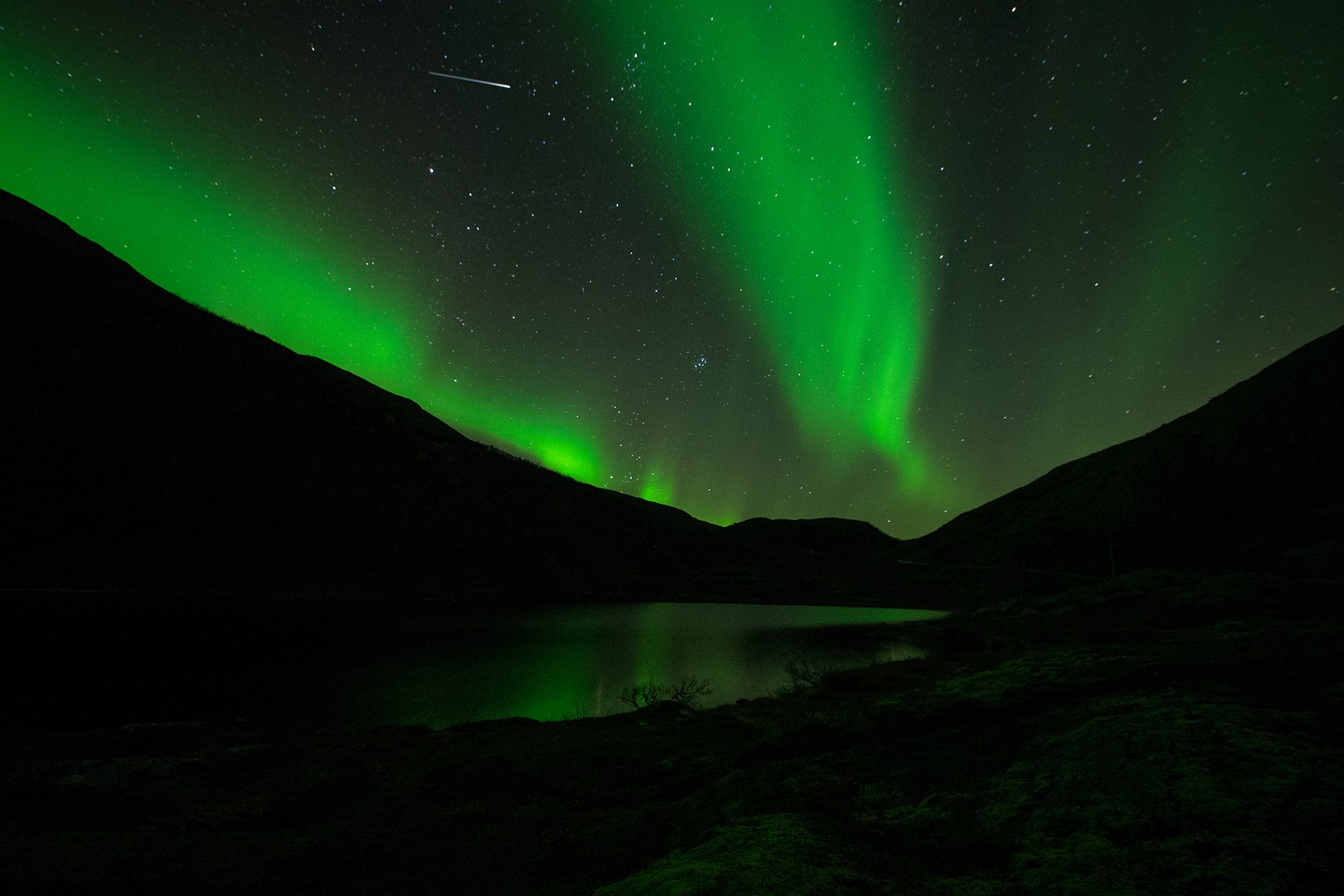
Overview: The Aurora Borealis (Northern Lights) and Aurora Australis (Southern Lights) are two of nature’s most awe-inspiring phenomena. These stunning light displays occur when charged solar particles interact with Earth’s magnetic field, creating vibrant swirls of green, purple, and sometimes red light in the sky. The Northern Lights are visible in the Arctic regions, while the Southern Lights light up the skies near Antarctica. The ever-changing colors and patterns of the auroras are truly magical and have drawn travelers from across the world to witness this natural spectacle.
When to See: The best time to see the Northern Lights is between September and March, while the Southern Lights are most visible from March to September.
Where to See: The Northern Lights can be seen in Norway, Iceland, Canada, Finland, Alaska, and Sweden, whereas the Southern Lights are visible in Tasmania, New Zealand, and Antarctica.
How to See: To witness this incredible spectacle, travelers should book a guided tour to remote areas away from light pollution. Staying in a glass igloo or an aurora cabin, particularly in places like Finland, offers a comfortable and unforgettable viewing experience.
Top Tip: Check aurora forecast websites and choose clear, dark nights for the best chances of witnessing this phenomenon.
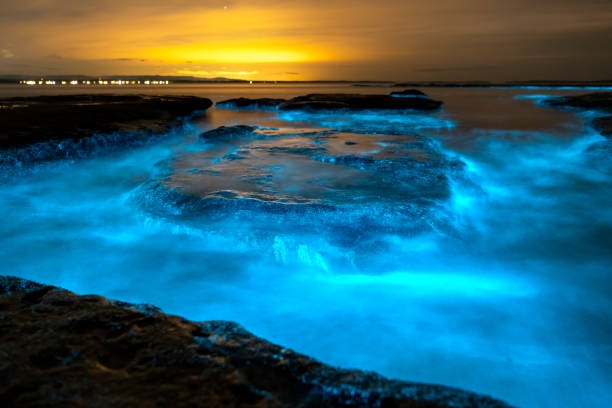
2.) Bioluminescent Beaches
3) Eternal Storm of Catatumbo
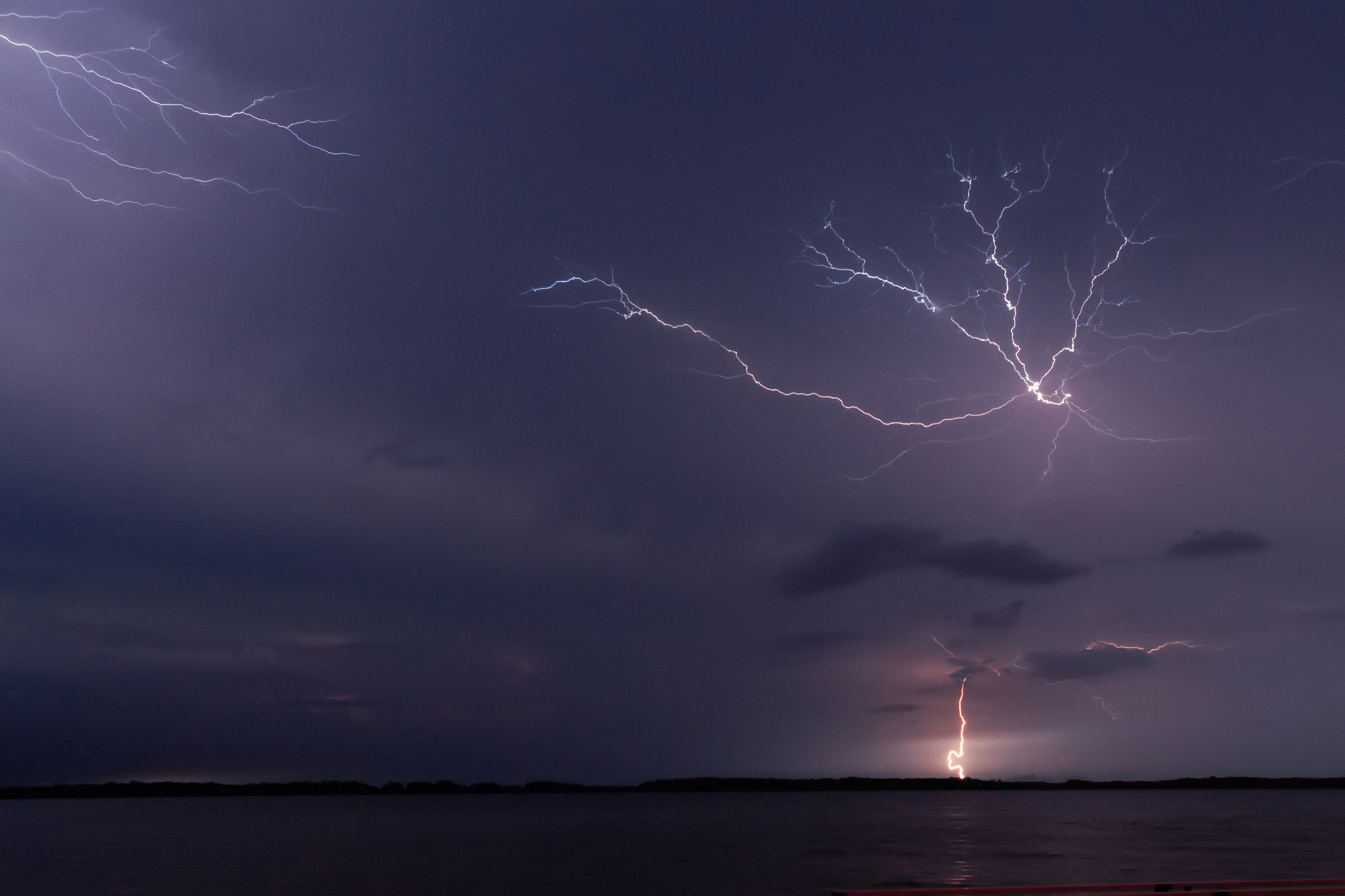
Overview: The Eternal Storm of Catatumbo is a spectacular and unique weather phenomenon that occurs over Lake Maracaibo in Venezuela. This rare storm generates an astonishing amount of lightning, with up to 250 lightning strikes per hour during peak activity. It is caused by a combination of meteorological conditions, such as the warm air from the Andes meeting the humid air from the Caribbean Sea. This continuous storm is a sight to behold, lighting up the night sky with dramatic bolts of electricity and is one of the most intense lightning storms in the world.
When to See: The best time to witness the storm is between October and March, though it can be seen on nearly 150 nights per year.
Where to See: The storm is visible from Lake Maracaibo in Venezuela, particularly in the areas around Puerto Concha and Palmarito.
How to See: The best way to see this incredible phenomenon is by taking a boat tour from nearby towns, which allows travelers to witness the lightning up close.
Top Tip: For the most immersive experience, booking an overnight stay in a stilt house on the lake offers an unforgettable opportunity to watch the storm from the water.
4) Grand Prismatic Spring
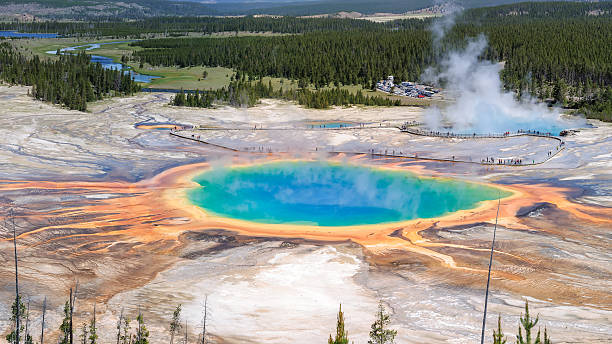
Overview: The Grand Prismatic Spring in Yellowstone National Park is the largest hot spring in the United States and one of the most visually striking natural wonders in the world. Known for its vivid rainbow colors, the spring’s hues are a result of heat-loving bacteria that thrive in its different temperature zones. The rich colors, from brilliant oranges and reds to deep blues, are due to the presence of various microbial mats that color the waters differently depending on the heat of the spring. Visitors flock here to witness the vibrant, almost otherworldly display in one of America’s most famous national parks.
When to See: The best time to visit is between April and October when the weather is mild and access is easier.
Where to See: The spring is located in the Midway Geyser Basin in Yellowstone National Park, USA.
How to See: Visitors can walk along the boardwalk to get close to the spring or hike the Fairy Falls Trail for the best aerial perspective.
Top Tip: Visit in the early morning or late afternoon to avoid crowds and see the spring’s colors at their most vibrant.
5.) Sailing Stones of Death Valley

Overview: The Sailing Stones of Death Valley are one of nature’s most intriguing mysteries. These large rocks, some weighing hundreds of pounds, mysteriously move across the dry desert floor, leaving long trails behind them. The movement is caused by a rare combination of ice, water, and wind that allows the stones to slide across the cracked surface of the playa. Though the phenomenon has been studied for decades, the stones’ movements continue to baffle scientists and fascinate visitors from around the world.
When to See: The best time to visit is from October to April when temperatures are cooler.
Where to See: The phenomenon occurs in Racetrack Playa, located in Death Valley National Park, California, USA.
How to See: Reaching the stones requires a rugged 4x4 vehicle, as the area is remote and off regular tourist routes.
Top Tip: Bring extra water and fuel, as Death Valley is one of the hottest places on Earth, and services are limited.
6.) Blood Falls
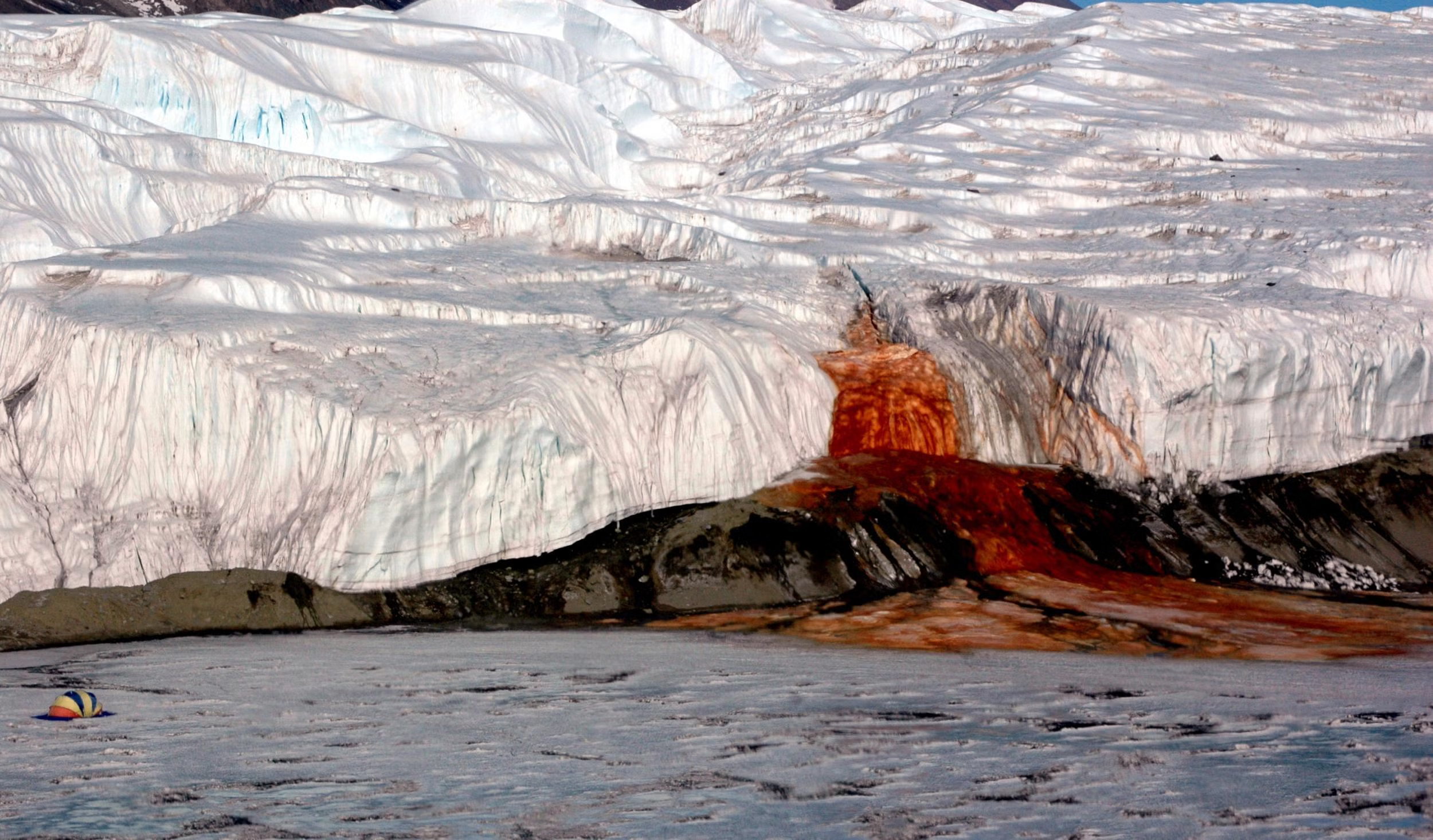
Overview: Blood Falls, located in Antarctica’s McMurdo Dry Valleys, is a striking and eerie phenomenon where bright red water flows from Taylor Glacier, creating a stark contrast against the icy white surroundings. The red color comes from iron-rich saltwater that oxidizes upon exposure to air, and it’s believed to be caused by the presence of ancient, saltwater reservoirs trapped under the glacier. This phenomenon has intrigued scientists and visitors alike, and despite its blood-like appearance, it poses no danger to humans.
When to See: The best time to visit is during the Antarctic summer, from November to February.
Where to See: Blood Falls is located in the McMurdo Dry Valleys of Antarctica.
How to See: The site is only accessible via specialized research expeditions or exclusive Antarctic tours.
Top Tip: Consider combining your visit with a tour of nearby research stations for a deeper understanding of Antarctica’s extreme environment.
7.) Morning Glory Clouds
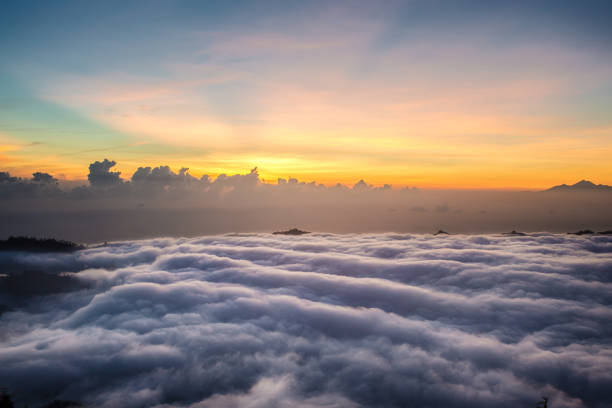
Overview: Morning Glory Clouds are an awe-inspiring meteorological phenomenon, where giant, rolling, tube-shaped clouds form at dawn. These clouds are most commonly observed in the Gulf of Carpentaria in northern Australia, where specific atmospheric conditions create these rare, perfect spirals. The clouds can stretch for hundreds of kilometers, moving with the wind at high altitudes and offering an unforgettable sight. Witnessing them in flight or from the ground gives travelers a rare opportunity to see nature’s artistry at its most spectacular.
When to See: The best time to witness these clouds is between September and November.
Where to See: Morning Glory Clouds are primarily seen in the Gulf of Carpentaria, Queensland, Australia.
How to See: The best views come from scenic flights over the region, which allow travelers to see the full extent of the cloud formations.
Top Tip: Pilots and glider enthusiasts visit this area for a rare chance to “surf” the clouds in the sky.
8.) The Gates of Hell (Darvaza Crater)
9.) The Staircase to the Moon
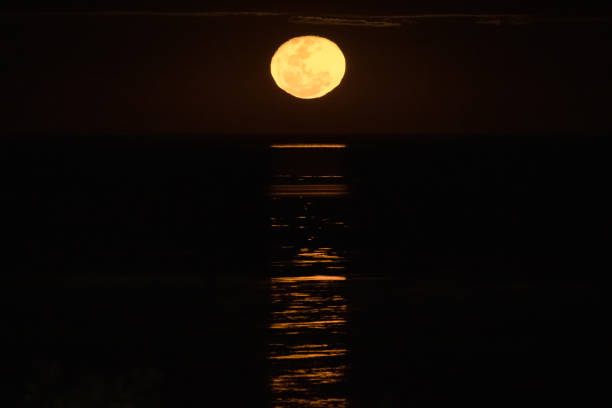
Overview: The Staircase to the Moon is a stunning optical illusion that occurs when the full moon rises over the exposed mudflats of Broome, Australia. As the moon ascends, the reflection on the wet sand creates the illusion of a staircase leading into the sky. This captivating sight is only visible during certain times of the year when the tides and moon phases align perfectly. The event attracts both locals and tourists to Broome’s beautiful coastline to witness this natural wonder.
When to See: The best time to see the Staircase to the Moon is during the full moon phases, typically from March to November.
Where to See: The Staircase to the Moon can be seen in Broome, Western Australia, at Cable Beach and the surrounding mudflats.
How to See: Head to the beach just before the moon rises for the best view, and if you visit during the right times, you’ll witness the moon’s reflection creating the illusion of a “staircase.”
Top Tip: Arrive early to find a good spot and make sure to bring a camera to capture this stunning phenomenon!
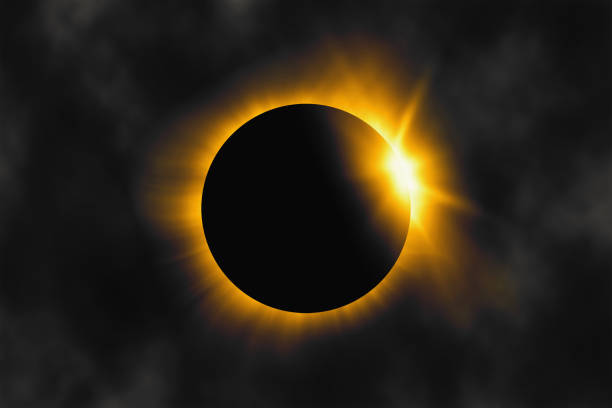
10.) Solar Eclipse
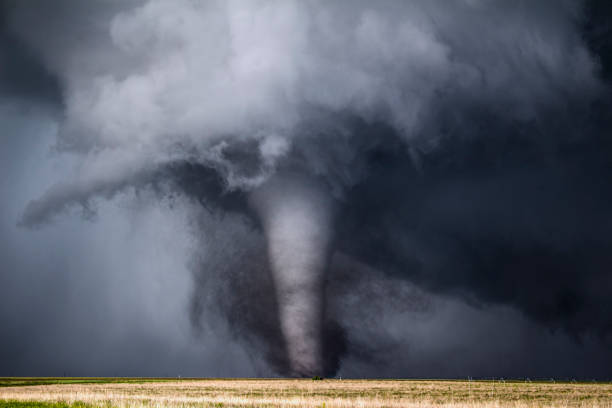
11.) Tornadoes
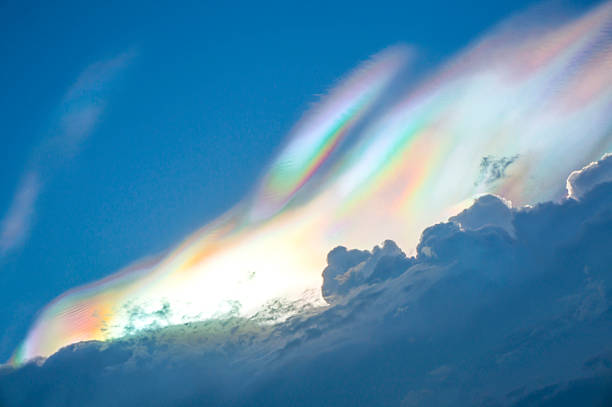
12.) Fire Rainbows (Circumhorizontal Arcs)
13.) The Eye of the Sahara (Richat Structure)

14.) Danakil Depression
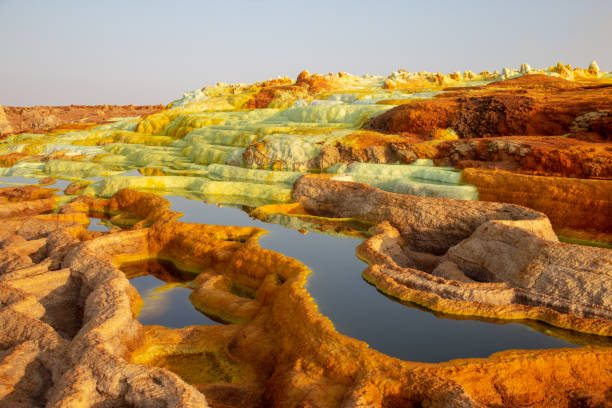
Overview: The Danakil Depression is one of the hottest and most inhospitable places on Earth, located in the northeastern part of Ethiopia. Known for its extreme heat, volcanic activity, salt flats, and colorful mineral springs, this desert region is a geological wonder. The depression sits below sea level and is bordered by active volcanoes, creating a surreal landscape of alien-like terrain. The region is also home to the Afar people, who have lived in this challenging environment for centuries. Visitors who venture to the Danakil Depression are treated to an otherworldly experience with views of sulfuric springs, hot lava lakes, salt formations, and unique geological features like the Dallol Volcano. This harsh environment is also one of the hottest places on Earth, making it both a difficult and awe-inspiring destination.
When to See: The best time to visit is during the cooler months, from October to March, as temperatures can soar above 50°C (122°F) during the summer.
Where to See: Danakil Depression, Ethiopia, located in the northeastern part of the country near the border with Eritrea and Djibouti.
How to See: The best way to explore the Danakil Depression is with a guided tour. The harsh climate, extreme heat, and difficult terrain make it essential to have an experienced guide and the right equipment. You can travel to the region via the town of Mekelle or through nearby cities, with access to the depression typically arranged by specialized travel agencies.
Top Tip: Due to the extreme heat and challenging environment, make sure to stay hydrated, wear sun protection, and travel with a well-prepared guide to ensure a safe and comfortable experience.
15.) Moonbow
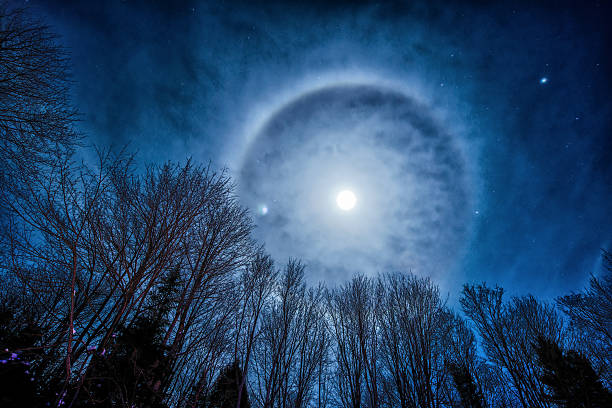
Overview: A moonbow is a rare and magical phenomenon similar to a rainbow, but instead of being created by sunlight, it occurs when moonlight is refracted through water droplets in the air. Moonbows appear as arcs of light in the night sky and are typically white or faintly colored due to the dimness of the moon’s light compared to the Sun. These ethereal rainbows are most commonly seen in areas with a full moon, mist, or light rain. The light from the moon is weaker than sunlight, so moonbows are usually much dimmer and harder to spot than their daylight counterparts. This rare event is a treat for stargazers and nature lovers, offering a surreal and almost mystical experience.
When to See: Moonbows are best seen when the moon is full or nearly full, and when there are water droplets in the air, such as after a rainstorm or near waterfalls. They are most likely to occur on clear, moonlit nights.
Where to See: Moonbows can be observed anywhere that experiences both full moonlight and moisture in the air, especially near waterfalls like those in Yosemite National Park in the USA or Victoria Falls in Africa.
How to See: Look for moonbows after rainfall or near waterfalls during a full moon. The best viewing conditions require the moon to be low in the sky, with the observer facing the water droplets and moonlight.
Top Tip: Moonbows are dim and faint, so bring a camera with long exposure capabilities to capture their beauty, and choose a location with little light pollution for the best chance of seeing them.
Best of luck on seeking out these stunning Natural Phenomena !
