Driving the Hana Highway: Your Ultimate Road Trip Through Maui’s Wild Side
More Than Just a Drive — If you think a road trip should be all about open windows, dramatic views, waterfalls around every corner, and banana bread that changes your life—welcome to the Hana Highway. This isn’t just a road; it’s a rite of passage for anyone visiting Maui. Officially known as the Hana Highway or Route 360, it’s a stretch of winding road that hugs the island’s lush eastern coast, delivering jaw-dropping scenery and a crash course in tropical wonder.
But be warned: this isn’t a trip for the faint of heart—or the impatient. With more than 600 curves and 50+ one-lane bridges, the Hana Highway makes you earn every mile. Yet, for those who lean into the journey rather than rush to the destination, it’s an unforgettable plunge into the wilder, wetter, and more magical side of Maui.
So fill up your tank, clear your camera roll, and grab that ginger candy (you’ll thank us later). Here’s everything you need to know for a day—or two—on one of the most iconic roads in the world.
Stretching approximately 64 miles from Kahului to Hana town, the Hana Highway isn’t about the destination—it’s about every waterfall, overlook, and hidden beach along the way. Built in the early 20th century and continuously upgraded since, the road traces a path through rainforests, bamboo jungles, cliffside curves, and oceanfront vistas.
What makes it truly unique is how alive it feels. You’ll find stands selling fresh coconut water, locals waving from their porches, and trails leading to secret swimming holes. The road is a sensory overload in the best way—wet leaves brushing the car, the scent of ginger in the air, the occasional downpour followed by a rainbow.
This is Maui’s heartland—less polished than the resorts but infinitely richer in culture and beauty. It’s where you slow down, pull over, and let the island guide you.
Hawaii
Hawaii
When to Go and How to Prepare
Aim for an early start—like 6 or 7 AM. This allows you to beat the crowds and have more daylight to linger at stops. Weekdays are generally quieter, and the morning light on the jungle makes for incredible photos.
Weather-wise, the drier season (April to October) makes for easier driving, but even the rainy months (November to March) can be magical—just be ready for slippery roads and potential closures. Always check local conditions before heading out.
You’ll want a small to mid-size car for handling the narrow lanes, and pack motion sickness meds if you’re prone to queasiness. There’s very little cell reception, so download offline maps or use a GPS app with preloaded stops like GyPSy Guide. Bring cash for roadside stands, snacks, water, swimwear, towels, and a full tank of gas (there’s nowhere to refill until Hana).
Stops Along the Way – Mile Marker Highlights
Mile 0–5: Paia to the Jungle’s Edge Leaving Kahului, you’ll pass through Paia, a laid-back surfer town that makes a perfect coffee and breakfast stop. Paia Bay Coffee is a favorite for acai bowls and good vibes. This little town is your last real pitstop before entering the untamed east coast, so fuel up both your car and your appetite.
The first few miles are tame, easing you into the journey with glimpses of sugarcane fields and scattered homes. You’ll feel the shift as trees thicken and the road begins to twist—like a friendly warning that the real adventure is coming.
By Mile 5, the urban edge fades completely. You’ll notice how the air feels cooler, the sounds of traffic give way to birdsong, and the canopy begins to close in. It’s the moment the Hana Highway starts to cast its spell.
Hawaii
Hawaii
Mile 5–10: Into the Green Twin Falls, just after Mile Marker 2, is a favorite for early risers. A quick walk brings you to waterfalls and pools perfect for a morning dip. The farm stand here is usually buzzing—don’t skip the fresh pineapple juice or warm banana bread.
From here, things get curvier and narrower. You’ll start crossing the first of many one-lane bridges, which call for caution, courtesy, and a bit of courage. The jungle gets denser, wrapping around the road like a leafy tunnel, occasionally opening up to glimpses of rushing streams or coastal cliffs.
Between Mile 5 and 10, you’ll also see the first of many roadside waterfalls that require zero hiking—just a good eye and quick reflexes to pull over safely. Some are unnamed and appear suddenly after rainfall, adding to the road’s spontaneous magic.
Mile 10–15: Eden and Overlooks Mile 10.5 is home to the Garden of Eden Arboretum. This lovingly curated spot offers trails through tropical flora, Instagram-worthy overlooks, and a moment of tranquility amid the highway’s wild pace. It’s a great stop for families or anyone wanting a gentler jungle encounter.
A little further is Kaumahina State Wayside, a scenic rest stop with ocean vistas and restrooms. It’s one of the better-maintained pull-offs and makes a nice place to breathe, snack, and take in how far you’ve come.
Road conditions here are mixed—some stretches are smoother, but blind curves and overgrown edges mean you can’t drop your guard. Take it slow, and always yield to uphill drivers on narrow sections.
Mile 15–20: Bays and Banana Bread Just before Mile 14, Honomanu Bay appears as a hidden cove flanked by jungle-draped cliffs. The beach is rocky, and currents are strong, so it’s more of a photo op than a swim spot. Still, the contrast of black lava rock and turquoise water is worth the stop.
At Mile 17, turn off toward Ke’anae Peninsula—a detour you absolutely shouldn’t skip. The drive down is short but dramatic, and once there, you’ll find a stunning lava rock coastline and the iconic Aunty Sandy’s banana bread. Eat it warm, preferably with a view of waves crashing against volcanic boulders.
The road from here begins to show its age. Expect rough patches and sections where two cars can’t comfortably pass. Be patient—it’s part of the charm.
Hawaii
Hawaii
Mile 20–25: Valley Views and Mini Falls Mile 19 features Wailua Valley State Wayside, where a short climb gives you sweeping views of taro fields, waterfalls, and distant ridges. It’s a great perspective shot—and a reminder that much of Maui’s charm lies in its slower, agricultural roots.
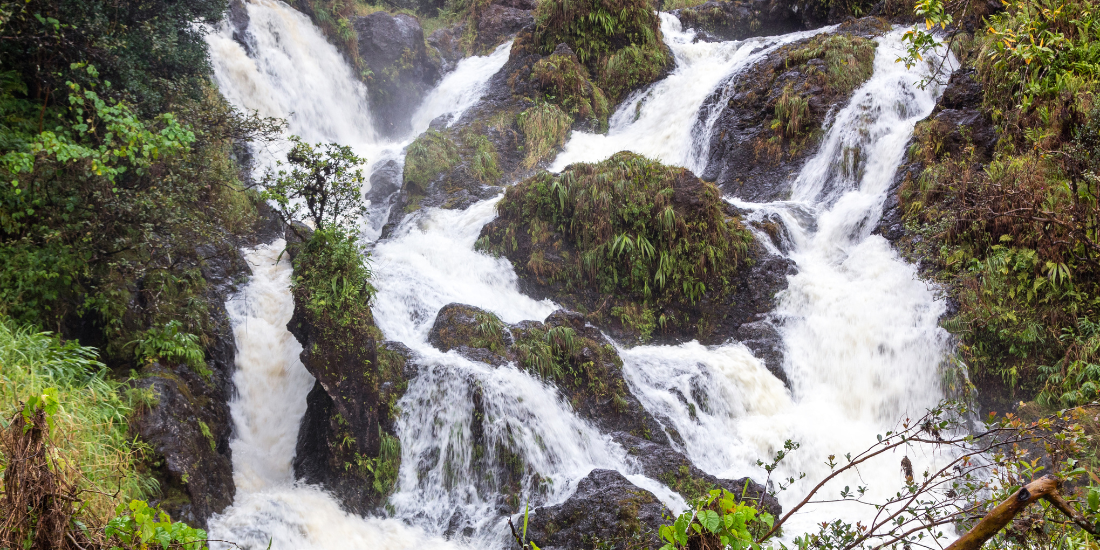
Hanawi Falls at Mile 22 is one of those blink-and-you-miss-it waterfalls right off the roadside. After a good rain, it gushes dramatically under the bridge, and it’s worth waiting your turn to get a good shot. But watch for traffic—there’s not much room to pull off.
This stretch is rich in sudden vistas and ephemeral cascades. Keep your camera ready and your pace relaxed, because half the beauty of this road is in the surprises you didn’t plan.
Mile 25–30: Jungle Vibes Makapipi Falls (Mile 25) is unique because you drive directly over it. A tiny turnout lets you look straight down at water plummeting beneath the bridge. It’s one of the road’s underrated gems—quick but impressive.
Nahiku Road around Mile 26 is a detour worth taking if you’re craving solitude and don’t mind a tighter road. It dead-ends near the ocean with few amenities, but the atmosphere—mossy trees, dripping vines, misty air—is pure Jurassic Park.
As you approach Mile 30, the road fluctuates between wide-open curves and cliff-hugging tight spots. It’s a rollercoaster of vegetation, moisture, and ever-changing light filtering through the jungle.
Mile 30–35: Iconic Views and Big Stops Wai’anapanapa State Park (Mile 32) is the crown jewel of this segment. Its black sand beach feels like stepping onto another planet. Explore the sea caves, wander the coastal trails, and book ahead—it’s reservation-only and gets crowded for a reason.
Before that, Hana Farms at Mile 31 is your gourmet jungle outpost. Their open-air kitchen serves up farm-to-table goodness, including wood-fired pizzas and lilikoi (passionfruit) lemonade. Stretch your legs here and refuel.
By now, the road starts to hint at mellowing out. You’ve conquered most of the hairpin bends, but don’t let your guard down yet. The scenery continues to evolve, shifting from thick rainforest to more open coastal stretches.
Hawaii
Hawaii
Mile 35–40: Hana Town Finally, you arrive in Hana, a peaceful town that feels like another world compared to Maui’s resort-heavy west side. It’s not flashy, but it’s full of soul—check out the art galleries, the tiny eateries, and the historic churches dotting the landscape.
Hasegawa General Store is a charming relic and great for souvenirs, snacks, and chatting with locals. Grab a plate lunch, kick back on the beach, and soak in the serenity—you’ve earned it.
Hana isn’t about doing; it’s about being. Spend some time here if you can, either overnight or as a long pause before the drive back.
Mile 40–52: Beyond Hana—The Wild East If you’re up for it, keep driving past Hana to Ohe’o Gulch and Pipiwai Trail in Haleakalā National Park. This is the spiritual end of the road: bamboo forests, banyan trees, and Waimoku Falls, a 400-foot vertical wonder.
The trail is well-marked and about four miles round trip, with changing scenery that feels like walking through different worlds. It’s a must for hikers and one of the best trails in all of Hawaii.
Road conditions here deteriorate. Some sections become gravel or poorly maintained pavement, and sharp curves are frequent. Check your rental agreement—some companies prohibit this route. But if you go, it’s unforgettable.
Hawaii
Hawaii
Top Tips for Driving the Hana Highway
Take it slow—literally and figuratively. With over 600 curves and 59 one-lane bridges, rushing this road is missing the point. Let locals pass, never stop on a blind corner, and pull off only in designated areas.
Bring snacks, water, and a reusable bag for fresh produce and baked goods you’ll definitely be tempted by. Wear sturdy shoes for short hikes, and keep a towel and swimsuit handy—some of the best moments are unplanned waterfall dips.
Respect the land and the people. Many areas are sacred or privately owned, so follow signs, stay on trails, and leave no trace. The Hana Highway is not just a road—it’s someone’s backyard.
Final Thoughts: It’s the Journey, Not Just the Destination
Driving the Hana Highway is less about checking off stops and more about surrendering to the rhythm of the road. The rain might soak you, the potholes might test your patience, but the views will fill your soul.
So take your time. Swim under a waterfall. Eat banana bread from a roadside shack. Smile at strangers. This isn’t just Maui—it’s magic, mile by mile.
Let the road wind. Let the jungle whisper. And let yourself get lost (just a little).