Hawaiian Islands
Overview:
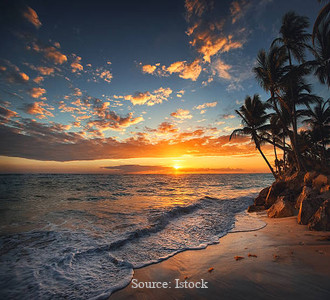
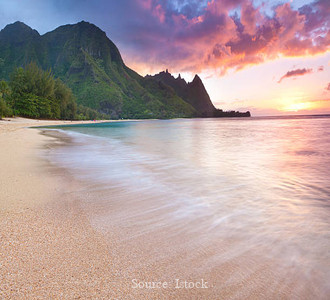
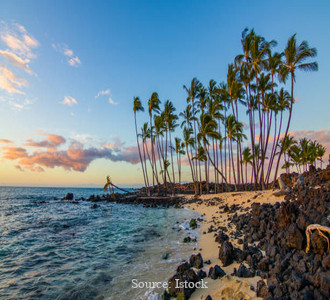
“Aloha” – the paradise islands of Polynesian Hawaii are a blitz of sparkling golden sun kissed beaches, blue turquoise waters swimming with marine life, rolling green valleys, deep rouge canyons, lava spewing volcanoes, dense tropical rainforest and some of the best and adventurous hiking trails, breath-taking snorkelling and diving and roads on the planet. Awash with stunning natural scenery, the 50th state of the United States of America Hawaii is made up of 136 gorgeous islands and alongside being an adventurer’s playground is also a place of deep spirituality, unique indigenous culture, and the sight of some of the most historic and world changing events – which combined with the beauty of its islands help make Hawaii one of the most fascinating, adventurous and truly beautiful wonders of the world.
A true haven, of the 136 islands all but 7 remain inhabited and given the ease of access and development you’ll find the true highlights on the four “main” islands of The Big Island, Oahu, Maui and Kauai – which allow explorers to take on the best of Hawaii and immerse themselves in local traditions and culture while also enjoying the best comforts and luxury the world has to offer.
Across these big four islands, you’ll find each is blessed with immense coastlines and stunning beaches, with each islands also having its own unique identify sand wonder – with the big island home to the Lava spewing and erupting thrills of the Volcano National park and the towering Mauna Loa and imposing Kilauea, as well as a series of black sand beaches where you’ll find curious if grumpy turtles nesting.
On Oahu – the gathering place – you’ll find not only the famed streets of Honolulu and the soft iconic beaches of Waikiki and Lanikai but also the snorkelers paradise of Hanauma Bay and for those who dare it the chance the cage dive with sharks at Shark Cove, with it being on Oahu you’ll also get the chance to immerse yourself in local Hawaiian Culture – with Oahu being home to the educational and explorative Polynesian culture centre – and for our money the tastiest Luau across the islands.
On Maui — you’ll find one of the greatest sunrise on the planet, with the spectacle at the Haleakala crater being truly jaw dropping and making the early start truly worth it as you look out over one of the most stunning sights on the planet. Maui is also a favourite spot of Humpbacks, with whale watching and dolphin swimming available across the island during the season. But for us the real highlight of Maui are the twists and turns of the Hana Highway – an incredible 40 mile journey taking you past stunning waterfalls, rainbow coloured trees and some of the most stunning valleys, beaches and lookouts that show off the best of Hawaii – with the challenging road being undoubtedly one of the greatest drives on the planet.
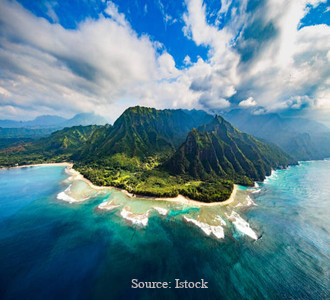
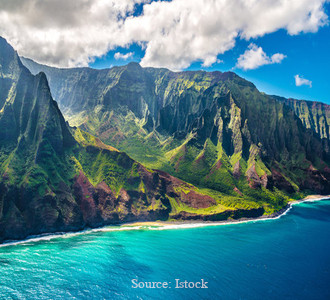
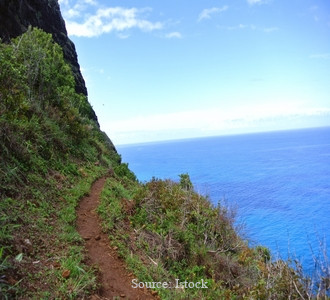
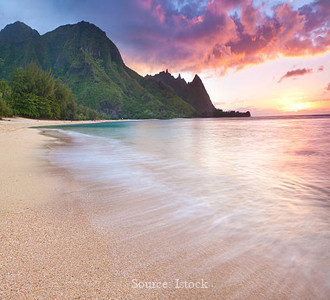
For those who journey to the Garden Isle and the lush greenery of Kauai, you’ll find not only gorgeous beaches and the “pacific Grand Canyon” in the Waimea Canyon, but also one of the most iconic and stunning sights on the planet, with the dramatic, inspiring, and stunning Na Pali Coast – made famous in Jurassic Park – occupying part of the island’s northern coastline. The incredible coastline, which counts towering cliffs, rolling streams, deep jungle, sparkling beaches, rolling green valleys, cascading waterfalls and deep valleys amongst its wonders, is a true spectacle, and you can explore it on foot on the great Kalalau trail, on air or by boat – with the sunset here being particularly special and romantic and the Na Pali Coastline truly encapsulating the best of Hawaii’s natural beauty.
Alongside the natural beauty and despite the geographical distance from mainland America – Hawaii lies more than 3,750 miles off the coast of California – events at Hawaii have truly shaped and defined American history. With it being the events at Pearl Harbour on the Oahu Island on the 7th of December 1941 which triggered the direct involvement of the United States into the Second World War. Making for an important step away from an island get-away to understand and pay respect to the fallen, today explorers can visit the remains of the USS Arizona and explore a touching and thought-provoking museum that underlines the sacrifices made in what is one of the key and defining moments of the 21st Century.
A place like no other, the unique blend of awe-inspiring sunset and sunrises, peaceful dazzling beaches and turquoise waters combined with the natural phenomena of volcanic activity, the great Na Pali Coast lines, challenging adventures and the storied and influential history, spirituality and culture truly provides something for everyone across the whole of Hawaii, and there’s no doubt that an exploration across these incredible islands is both thrill-seeking, enchanting and life changing and leaves explorers in no doubt that the paradise islands of Hawaii are a true wonder of the world.
Where:
Although Hawaii stands as the 50th state of the United States, it lies more than 2,000 miles from any other state and mainland USA – with the 136 paradise islands lying slap bang in the middle of the Pacific Ocean and just below the Tropic of Cancer.
Getting there:
Despite its long distance from mainland USA – the Hawaiian Islands – and particularly ‘the big four’ are incredibly accessible with the islands being served daily by multiple flights by multiple routes both domestically and international – making flight the easiest and cheapest option to reach these incredible islands.
Further with the Hawaiian Islands, being the 50th state it makes entry also incredible easy as a flight from within America is considered domestic – meaning for those flying internally you can avoid potentially long lines at customs (having already cleared them upon your arrival elsewhere within the United States) and simply breeze your way straight onto the golden shores that await you within Hawaii.
For this reason, while you can fly direct to Hawaii from Australia, Japan or Canada for those visitors flying internationally, we’d strongly recommend basing yourself out of the United States and flying on a domestic flight into Hawaii (Honolulu) for a cheaper, smoother, and more enjoyable experience.
You’ll find the best port of call for flying into Hawaii is the main airport and capital of Honolulu on the Oahu Island – which is served from states across mainland USA – as although there are direct flights to Maui, the big island and Kauai – the Hawaiian capital and the state’s main airport serve as both a fantastic launchpad to affordably and easily reach the other states and the island of Oahu and its fascinating wonders serve as a great place to begin your Hawaiian adventure.
Getting around the Islands:
No trip to Hawaii should be limited to just one of the islands and we’d recommend as a minimum making time to explore the golden sands and natural landscapes and wonders across at least the big four islands on any journey.
To get across the major and big four islands, the easiest option is to simply fly from island to island – with there being a range of flights across the islands that can quickly and easily drop you from airport to airport to allow for your exploration on each island to being, with the major airport on the Big Island being Kona, on Maui Kahului and on Kauai Lihue – all of which are well serviced by flights and provide for a great landing spot to being exploring each island.
For those who take on a helicopter tour on the islands – and we’d recommend taking one over the Volcano National Parks on the big island and on the Na Pali Coast on Kauai – you can also find the option to extend your flight and be dropped off at another island, which makes for a great optional way of transferring between islands at your own convenience, with the potential to save a few dollars – and also giving you an extra special trip across the blue pacific ocean onto your next island.
In terms of getting around the islands themselves and to the natural wonders across them, you’ll find a range of public transport available on Oahu available to you, particularly around downtown Honolulu, and across all four islands there are a range of taxi and Uber options who can drop you of at the wonders to allow you to explore. You’ll also find a range of tour options across all four of the main islands to get you close and allow you to explore the wonders – with these tours being the logical and sometime only option for some of the wonders – such as shark diving, helicopter tours and trips to island reefs for snorkelling and diving.
But to get the absolute best out of the islands and to ensure you get to explore the best of the islands wonders, we’d really encourage and advise you to hire a car to explore the islands and reach some of the stunning wonders. While this is particularly recommended for the island of Maui – where you’ll find one of the greatest highways in the world in the Hana Highway – which is a true highlight, you’ll also find stunning wonders and roads across the other three islands which are only accessibly be car (see below) – so to get the best out of these islands we’d really encourage you to hire a car on each island to allow you to freely get around and truly explore the incredible wonder of the world that is the islands of Hawaii.
Best time to Visit:
There is truly no bad time to visit these incredible islands – so much of your time and date of travel will come down to your own personal preference and what you want to get out of the experience.
For those who want to enjoy a rain free vacation and warm weather, beaches and water – then visiting between the months of March and October are for you – when the skies are blue and the days and weather add to the paradise feel of these incredible islands. Although do be warned that you’ll find crowds and prices at a premium during the months of June and July during the summer holidays.
For those who are prepared to chance a few wet days but want to experience the best of the surf and visit during whale watching season then the months of November – March are for you, where you’ll find the weather cooler but wildlife a plenty which can make for an incredible combination and really add to the mystique and beauty of the islands – with January being a particularly notable month for whale watching enthusiasts. Again though do be warned that the months between December – February are particularly notorious for crowds and price increases as people come to experience both Christmas and escape from the cold of America Mainland.
Therefore while Hawaii is a paradise all year round – and you’re for in for a truly beautiful experience whatever time of the year you visit – for those who want the best of both worlds with warm days, whale watching opportunities and minimum crowds we’d encourage you to visit from the middle march up to the start of April – where you can truly enjoy the absolute best of these stunning islands.

Explore:
A natural paradise, the 136 islands of Hawaii are home to more than 100 stunning beaches, curious and rare wildlife, lava spewing volcanoes, dense tropical rainforest, and some of the greatest hikes, drives and diving and snorkelling on the planet – with the great island paradise truly being an explorer’s playground and having something for everyone.
Although all but 7 of these islands are currently called home by people, some of the Islands – for both cultural and practicality reasons are off limits – and given the ease of access, beauty and wonders that await you we recommend centring your visit around the four “main” islands of The Big Island, Maui, Oahu and Kauai – where you’ll find the best of Hawaii and be able to fully immerse yourself in the traditions, beauty and natural wonders of the Hawaiian Islands.
A place also of culture and history – with Oahu being the sight of the infamous pearl harbour attacks which triggered America’s entry into World War II and the islands featuring both cultural centres and nightly Luau’s to assist in educating about and preserving local traditions – the beauty of the four islands can be explored on foot, by car, in the air and underwater, with the below being out top picks across the four selected islands that will help explorers experience the absolute best of the wonder of the world that is the tropical paradise of Hawaii.
The Big Island (Hawaii)
Home to the iconic Lava Spewing volcanoes, glorious black and green sandy beaches, refreshing coffee plantations, towering waterfalls, scenic drives and world class snorkelling and diving, the truly glorious and serene “Big Island” lives up to its billing being not only the largest of Hawaii’s stunning islands – with 10 incredible different microclimates – but a large island paradise that encapsulates the full beauty and wonder of Hawaii.
Officially named the island of Hawai’i and renamed both to avoid confusion and on account of its size, the jewel of the big island is undoubtedly the Volcano National Park, that is home to the two main volcanoes of Hawaii electric active volcanoes; the submarine volcano of Kama‘ehuakanaloa, the volcano of Hualalai whose most recent lava flow now sits beneath the big island, the largest volcano on earth in the Mauna Loa and the active and lava spewing Kilauea – with Kilauea being the place to be to grab those iconic photos of Hawaii’s Volcanoes at sunset.
Alongside the volcanoes, the Big Island is a rich and diverse natural paradise, with the multiple coffee and nut plantations set against a backdrop of lush green rainforest, turquoise waters, explorative hiking trails – and even snow-covered mountain peaks on cold winter days.
You’ll also find the Big island rich in Hawaiian cultural and a true paradise for beach lovers, with the black beach of Punalu’u and green sand beach of Papakolea being true highlights – and also home to colonies of loggerhead turtles who rock up onto the beaches to enjoy the stunning scenic beaches, whose bright and colourful turquoise waters are home to not only kaleidoscopic coral and swarms of tropical fish, but also manta rays and dolphins – giving explorers a unique opportunity to swim with these fascinating and beautiful creatures.
A true paradise and one that holds not only true bucket list experiences but some of the icons of Hawaii and the best natural wonders on the planet the big island is a true paradise on earth and an incredible place to explore the wonder of the world of Hawaii, with the below being our top highlights to explore when on the Big Island:
Kehena black-sand beach
Truly living up to Hawaii’s reputation as an island paradise, the Big Island is blessed with some of the greatest beaches in the world, none least among these is the fascinating black sand beach of Kehena.
Found within the Puna region on the western side of the big island, the Kehena beach lies within the shadow of the Volcanoes National Park – putting it well within the range of a possible eruption from Mauna Loa at any moment – but this threat seems to both add and enhance the atmosphere of the beach, with it becoming a hallmark for the island’s surfer and hippie community – with a frequent drum circle, good surf and frequent nudity all found on it’s black shores.
Aside from the atmosphere, Kehena is truly beautiful in its own unique way, with the black rugged sand stretching into the cool – if unpredictable Pacific Ocean – which come together to make Kehena a true beauty spot and a fascinating stop on your exploration of the big island.
Papakōlea Beach
From Black sand to Green– the Green sand beach of Papakōlea showcases the beautiful diversity of the Big Islands beaches, with the green sand beach — which is found against a backdrop of green cliff tops creating an almost mirage effect and is one of only five green sand beaches on the planet – being one of the most unique and fascinating beaches across the whole of Hawaii.
Fading effortlessly into the warm waters of the Pacific Ocean, Papakōlea also lives up to its billing as being other-worldly through its accessibility, with explorers who wish to step upon its green sands facing a drive or trek across difficult terrain along the bumpy South Point Road – which though a challenge is well worth to witness and explore the green sandy shores of Papakōlea.
Punalu’u Beach
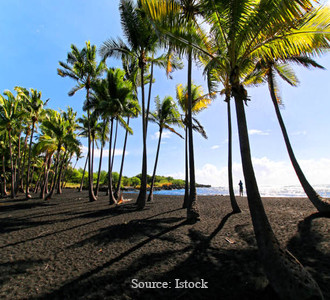
Formed from volcanic ash, the black sandy shores of Punalu’u are set against a backdrop of both the dense tropical rainforest and the blue pacific ocean to form what is a stunning natural paradise and of the best beaches on the Big Island.
But the real wonder of Punalu’u is it’s curious – if sometimes ill tempered residents – with the black sands being home to a colony of giant green and loggerhead turtles – who can be seen daily resting and relaxing on the black sands, although access to the turtles is strictly guarded and protected so you’ll have to be content with snapping them in all their relaxed glory from a series of viewing points.
A popular beach – and for good reason – we’d advise heading to Punalu’u just after sunrise, where you’ll get to witness the turtles and enjoy it’s majestic black sand in almost isolation – before busloads of tour companies arrive.
Kalae — Snorkelling and Cliff Jump:
A snorkellers paradise the waters at Kalae, which is also known as South Point are both warm and crystal clear – but best of all they are home to some of the most beautiful coral on the planet, which attracts thousands of dazzling brightly coloured shoals of fish – making the south point a true snorkellers paradise.
Found by taking the road towards the Papakōlea beach, for those who want to go one step further after enjoying a refreshing dip and snorkelling alongside the corals of fish – then south point is also home to another unique thrill-seeking experience within Hawaii – the great cliff jumping point of South Point, where you can summit to the top of a cliff edge overlooking the Kalae waters, take a deep breath and let the adrenaline surge through you as you head into the warm and beautiful Hawaiian Waters below you – for a heart stopping experience in one of the most beautiful spots in the world.
Dolphin Watching and Swim:
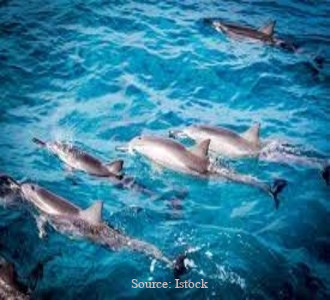
Alongside the incredible coral and diving found on the beaches across the Big Island, the blue turquoise waters off the coast of the Kailua-Kona waters are also the known resting spot of pods of peaceful dolphins – with sightings of these incredible mammals almost guaranteed throughout the year.
Although viewing pods of dolphins gliding through the waters are itself is a true treat, the waters of Kona also offer the unique opportunity to swim and snorkel with these dolphins on half day tours – although it is essential that thorough research into any tour is conducted to ensure that any swim with a wild dolphin is done ethically – being sure to avoid tours where the dolphins are chased by boats and of course avoiding SeaWorld and captivity establishments.
Yet for those who feel comfortable enough engaging in a wild dolphin swim – and a chance to tick off what is a true bucket list item – you’ll have no better chance to do it that in the warm waters near Kona off the Big Island, and you can expect to pay at least $100 Usd for the privilege.
So having got your snorkel gear fitted and with an underwater camera in hand – it’s time to jump into the crystal clear waters and swim alongside the friendly dolphins – for what will be an experience you will be sure to never forget.
Dive with Manta Rays
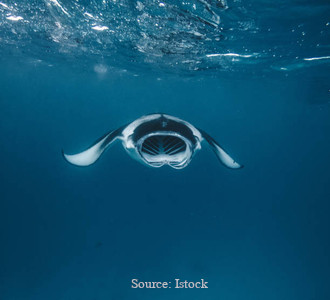
Staying on the Kailua ‑Kona peninsula – which is a true divers paradise and home to some of the best coral in the world – you’ll have not only the unique chance to swim with dolphins, but also snorkel or scuba dive with the might manta Rays – the largest rays on the planet – who come nightly to feast on the plankton in the peaceful and warm Hawaiian waters.
Helped by underwater lighting set-up by local tour companies, snorkellers have the chance to float above these incredible rays, while licensed divers swim among them, with both sets of explorers being careful to avoid the rays while taking in their immense beauty and power as the mighty Manta Rays – which can stretch-up to 18 feet in width — glide effortlessly over and between the watching onlookers.
A peaceful, serene and powerful experience, you can expect Manta Ray experiences to begin from $150 Usd – which is a price truly worth paying for what is a unique chance to swim with and feel the power of these incredible Rays in what is one of the worlds greatest night time diving and underwater experience.

Hawaii Volcanoes National Park:
Overview:
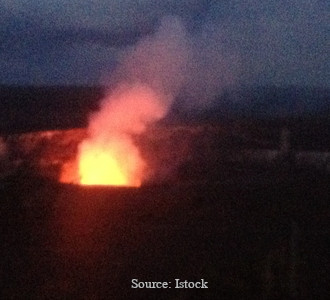
Out of fire and into the sea – the undoubted highlight of the Big Island, the Volcano National Park, gives explorers the unique chance to witness land being created, trek atop summits and volcano floors of active volcanoes – and at dusk watch the incredible active volcano of the majestic Kilauea burn brightly against under the Hawaiian stars – for a show like no other.
A true chance to dive into an ecological and beautiful paradise, the Hawaiian Volcanoes National Park is blessed with two of the greatest Volcanoes on the planet in the towering Mauna Loa and the erupting Kilauea, which both sit within the more than 300,000 acres of this stunning national park, against the backdrop of incredible fauna, rainforests and desert while sat on the edge of the pacific ocean and at night-time under magical twinkling stars, and is fully explorable by both Car, on foot and in the air.
A truly magical and special place, these are out top hits when within the park to ensure you get to fully immerse yourself in this incredible and sacred national park and witness the true power of active volcanoes:
Kilauea:
Starting with the undoubted highlight – the lava spewing active volcano of Kilauea whose lava spills into the incredible crater of Halema’uma’u crater – giving you a great place to capture some awesome shots of bright burning lava flow, Kilauea is the youngest – and thus more active of all the volcanoes on the Big Island – with its immense power having created over 870 acres of new land on Hawaii since its eruption in 1983.
Believed to be more than almost 300,000 years old, Kilauea and its accompanying fissure cones are truly impressive and are easily explorable through a series of hikes, drives with a plethora of incredible viewing spots across the park available to capture this true scenic and beautiful volcano – in what is one of mother earth’s most spectacular and beautiful natural wonders.
* As a word of warning and to ensure your experience is as enjoyable as possible be sure to follow all the advice on staying safe and keep your distance when exploring as Kilauea has been the site of accidents and death
Halema’uma’u Crater:
The home of Pele – the Hawaiian goddess of fire – and the home of incredible towering steam vents, the Halema’uma’u crater is the site of Thomas Jagger Museum – within which sits an incredible observation deck from where you can view the incredible steam vents rising from this incredible crater – for what is both an incredible photo opportunity and an awe-inspiring experience.
The Halema’uma’u crater itself sits within the much grander and wider Kilauea Caldera – and was up until the end of the last decade filled with molten bubbling lava, with the lava passing as a result of geological movement as the crater toppled within itself – forcing the craters floor to deepen by more than 1,500 feet and giving rise to the incredible steam vents and natural phenomenon that is the Halema’uma’u crater.
Ha’akulamnu Steam Vents Trail
Alongside viewing the rising steam vents from the observation deck of the Thomas Jagger Museum, for those who want to get a little bit more up close and personal to the majestic rising steam, you have the option of taking on an incredible ecological journey into the form of the Ha’akulamnu Steam Vents Trail – which will take you both up close and personal to these stunning steam vents and to a series of stunning observation points for some incredible photo opportunities.
Beginning at the start of the Thomas Jagger Museum, the path – which is accompanied every step of the way by the strong smell of raging sulphur – takes you on a mile round trip on a paved then board walked rim trail, past the ecological wonders and gem stones that make up these vents along the edge of the Kilauea summit caldera to the tip of the crater of Kilauea summit caldera, allowing you to truly witness the incredible roaring stem as it descends from the core of the earth below into the magic of the clear blue Hawaiian sky – for what is a truly beautiful and awe-inspiring experience.
Crater Rim Drive & Hike.
Alongside witnessing the mighty power of Kilauea and immersing yourself in the wonder of the Ha’akulamnu crater and steam vent, an absolute must do while at the Hawaiian Volcanoes National Park is drive the incredible 11 mile of the mighty Crater Rim Drive – which is a true journey on a circular route and which takes you to both the ecological, natural and photo highlights of this stunning national park.
Circumventing the whole of the Calderon of the volcano of Kilauea, the crater rime drive gives you a true taste of the park, passing by the breath-taking overviews of Puu Puai and the Kilauea Iki Crater, the Thurston Lava tubes and dropping you off at a series of stunning trails – including the well named devastation trail and Kīlauea Iki trail.
The Rim Drive itself is also doable as a daylong hike – although explorers who take it on would have to be conscious of the impact that sustained exposure to sulphur gas can have so for this reason we’d advise driving the rim and stopping off at one of the hikes listed below, but regardless of how you choose to explore this incredible road you can be guaranteed for a whistle-stop tour of some of the finest sights within Hawaii and some of the most unique and mesmerising Volcanic activity on the planet.
Chain of Craters Road & Holei Sea Arch
For those who want to go a little further and enjoy further incredible views stretching over the beauty of Ha’akulamnu crater then you can extend your journey along the Crater Rim Drive by taking the chain of craters road – a short de-tour that offers yet more gorgeous photo stops and whose path ends abruptly because of destructive lava flow.
The highlight of the chain of craters road is undoubtedly the Holei Sea Arch – a protruding sea arch that stretches off the edges of the Hawaiian cliffs into the pacific ocean, which when you catch the sun at the right time and get your angles right – allows you to capture the sun shining through this magnificent arch for a truly special photograph.
Reached by following the chain of craters road to its conclusion and then walking to the cliff edges, it’s also at this point where you can enjoy the unique natural phenomenon of the cool ash and remnants of the lava flow meeting the sea for what is a unique coming together of some of the most beautiful of the worlds elements.
Kīlauea Iki Trail
Back on the Crater Rim trail, and you come to what in our view is the premier trail across the whole of the Volcanoes National Park, the four mile Kīlauea Iki trail which offers explorers a reach reward of stunning viewpoints, rich green rainforest, wildlife spotting opportunities and an abundance of photo opportunities – as well as a chance to feel the true power and heat of the Volcano National Park as you descend to the bottom of the crater floor.
Beginning at the Kīlauea Iki Overlook, we’d encourage you to begin early with some sturdy walking boots as the trial being by taking you through some dense rainforest and passes some burnout shrubbery – where you should keep your eyes peeled for wildlife – before descending down to the crater floor, which was formed some 500 years ago.
You can expect the road to be rocky in some places, but the journey down is well worth it as you enjoy the unique experience of walking along the crater floor – amidst steam vents, sulphur and heat for what is truly unique experience – before you take the road back up and on to continue along the crater rim trail.


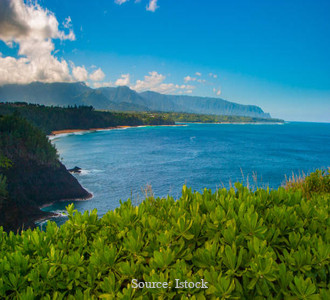
Thurston Lava Tube
Offering the unique chance to walk within a lava tube and truly go within the Volcano National Park, the Thurston Lava Tube is reached on a half mile trek which begins at a well sign posted trailhead just after the Kīlauea Iki overlook, with the first part of the trail taking you down through lush green ecologically protected Hawaiian rainforest on a well-defined path to the entrance of the Thurston Lava Tube and into the earth itself.
Illuminated during the daytime, the hike through the Thurston Lava Tubes, which were formed after the lava drained from the tube after a completed eruption – with the national park leaving them in almost there complete natural state for a truly authentic ecological experience.
Taking care on the slippery floor – and being sure to immerse yourself in the 400 foot long tube, you will find yourself slowly heading towards the light at the end of the tunnel after a sharp U‑turn, from where you can proceed back up the path with the unique claim to fame of having trekked through a dazzling lava tube and truly gone within the Hawaiian Volcanoes National Park.
Mauna Loa
The “Long Mountain” Mauna Loa is one of the most active Volcanoes on the planet – clocking in an incredible 33 eruptions since records of it began in 1843 –making it responsible not only half of the land mass on the Big Island – but thanks to the nearby continuous steam vents – and the sheer height of Mauna Loa, which stretches some 74 miles into the cool Hawaiian Sky makes for one of the most dramatic and impressive landscapes across the whole of the Islands.
Mauna Loa is also one of the few places in Hawaii where snow is visible – with the volcanoes’ top known turn a dazzling white in the peak of winter – as its summit stretches more than 75 miles into the cool Hawaiian Sky at a peak of more than 10,211 meters – higher than that of Everest. It’s this unique beauty, combined with the geological activity at its base and the promise of an eruption to come soon that makes Mauna Loa one of the most unique and fascinating spots on the Big Island.
While submitting and climbing to the rim is impractical for several reasons, for explorers who to capture the beauty of Mauna Loa – before any impending eruption – you have the option of heading to as series of boardwalk lookouts to capture this magnificent volcano, as well as taking on a helicopter flight – or taking on the Mauna Loa Strip Road.
The Mauna Loa Strip Road
The sheer beauty of Mauna Loa is truly difficult to comprehend, with its stunning volcanic peak breaking the Hawaiian sky, backed by the incredible geo-logical features below and the backdrop of lush green Hawaiian rainforest which stretches down to the blue Pacific Ocean of Hawaii’s waters.
While visible from a standing level, and from viewpoints which stretch across the park, our pick for a truly special photo spot – and to add a little adventure onto your trip is to take on the warm scenic drive of The Mauna Loa Strip Road – which is a gorgeous 11-mile road easily driveable that slowly ascends you to the Mauna Loa lookout point some 2000 metres above sea level where you can take in incredible stunning views of the true wonder of Mauna Loa against a backdrop of magnificent geo-logical activity – for a truly special spot and one of the best vantage points across the whole of Hawaii.
Helicopter tour
While trekking though Lava Tubes, driving the Rim Trails and taking in the stunning views of Kilauea and Mauna Loa from the incredible vantage points are all immense ways to explore this stunning national park, to truly grasp and experience the full scale and magnitude of this incredible park — and for a view like no other – a helicopter tour over the Volcano National Park is truly the way to explore this ecological paradise.
Offering views of both active lava flows, steam vents and the two Volcanoes from above – as well as the lish green rainforest, black sand beaches and a series of waterfalls found within the Volcano Park and across the Big Island — helicopter tours depart from the main hubs within the Big Island – namely Hilo, Kona and Waikoloa – and you can expect them to last anywhere from an hour to a half day, with prices coming in at around $250 Usd per hour – which is not cheap but truly worth it experience this unique National Park.
A true bucket list experience, a helicopter tour over the Hawaii Volcano National Park affords explorer the unique chance to not only hover across the whole of the park for dramatic photo opportunities, but if you’re lucky witness eruptions from the air for what is a potentially mesmerising and breath-taking experience – and one that we’d really recommend to truly experience the best of this National Park.

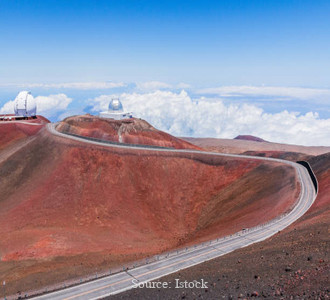

Sunset Viewing:
Feeling the glow – there’s no doubt that one of the most special moments and experiences of the Volcano National Park comes at sunset and dusk at the Halemaumau Crater where the Kīlauea volcano burns brightly against the dark clear Hawaiian sky for what is both an incredible photo opportunity and mesmerising and spiritual experience as you feel the power of the burning crater.
Best viewed at the viewing point outside at the Thomas Jaggar Museum, at one of the viewing spots along the crater rim drive or at the Kilauea overlook point, we’d advise getting to either spot a little early (well before sunset) to make sure you get the best possible viewing spot as you watch the crater before burn into a kaleidoscopic deep red colour, giving you a beautiful reminder of the earths power as the vent before you comes to life – for what is an incredible night time finale for your visit to the true wonder of the Hawaiian Volcano National Park.
Waipi’o Valley
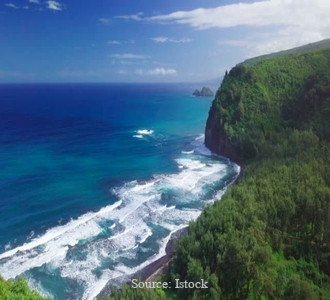
The “Valley of the Kings” – truly living up to its reputation, the Waipiʻo valley is a beautiful, lush dense forest complete with sparkling cascading waterfalls, glorious black sand beaches and breath-taking panoramic vistas – making it one of the most scenic and special spots across the whole of the big island.
Found along the North West Coast – you have two options to take in the incredible valley, the first being by driving along Highway 240, where glorious ocean views accompany you, up to a viewing point where you can take in and photograph this incredible valley from the Waipiʻo valley viewpoint, where on a clear day you can see all thew ay along the pacific coast to the outskirts of Maui – or truly immerse yourself in this stunning valley by taking on the Waipiʻo, valley of the kings trek, which leads you to stunning viewpoints, past glorious waterfalls and to the valley floor.
For those who do take on the trek, you can find the trailhead just past the Waipiʻo valley lookout, and from here it’s a steep drop down a gravel road along a dangerous cliff edge (you’ll see remains of cars that have taken on this road and fell to the cliff floor on below you), before the road opens up onto the dazzling Waipiʻo black sand beach on the valley floor – where incredible panoramic views of this great valley await you.
Having taken a moment on the beach, you can trek across it and continue along the coastline, with the path along the beach taking you past the towering Kuluahine falls and to yet another immense lookout that gives you sparkling views over the whole of the Waipiʻo valley for an absolutely breath-taking view – before you head slowly back up the gravel road to continue you journey along the scenic Highway 240.
Pololu Valley Hike
Found at the north of the Big Island, the Pololu Valley hike and its viewpoint are one of the best across the whole of the Island – with incredible views over the Polou Valley awaiting you at the conclusion of this great hike – which is one of our top picks to enjoy a beautiful Hawaiian sunrise over a stunning valley when on the big island.
A little tough to reach – you have to drive past Mauna Kea or through Kona to find the trailhead – and a little tough at the start of the trailhead, where a steep ascent awaits you, but once conquered you can enjoy a flat path along some beautiful shrubbery before you reach the Pololu Valley viewpoint and a sparkling black sand beach — where a gorgeous valley and gorgeous sunrise await you – for one of the best views across the whole of the Big Island.
Pepe’ekeo Road
Distance: 4 Miles
Estimated Time: 45 Minutes
Our pick for the roads to ride on the Big Island – and unquestionably the most scenic. The Pepe’ekeo road lies on the incredible Mamalahoa highway and takes you to some stunning views over the Onomea bay, the start point of the Onomea trail before finishing at the incredible Hawaiian Botanical Gardens.
Found on a turn off halfway between mile markers 7 and 8 on highway 19 on the Big Island, this stunning road stretches for only four miles, but will provide you with incredible scenic views over the Onomea Bay that a truly breath-taking and represent the absolute best of Hawaii’s natural beauty, before delivering you at one of the best hikes in Hawaii, the Onomea Bay Trail.
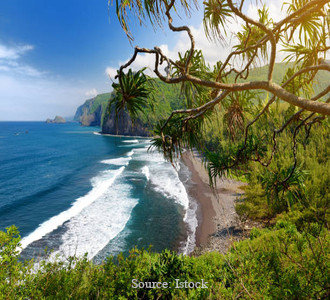

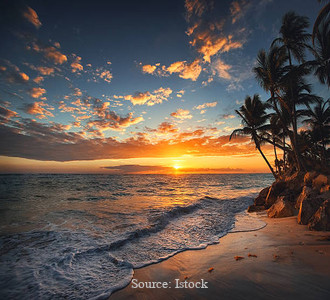
Onomea Bay Trail
Continuing on the road along Pepe’ekeo, the Onomea Bay Trail is one of the best short hikes in the world – and you have two incredible trails in which to explore this bay, both of which lead you through incredible forestry to an immense viewpoint over the sweeping bay.
Being sure to arrive at the trailheads early – as there’s minimal parking – you’ll be faced with the option of the first trailhead – the well named “Donkey Trail” which was once used to help with the unloading of merchandise from the bay below. With the Donkey Trail beginning with a short but tough ascent up a hill, before you pass over the Onomea stream on your way to the finale of this trail which is a majestic 25 foot waterfall and an incredible scenic lookout over Onomea bay – where breath-taking views await you.
The other option is the official Onomea Trail – which begins by following an old government road (used for moving product) and takes you on a direct route to the Hawaiian Botanical Gardens taking you up an onto cliff edges and giving you ariel views of the bay below where you can capture the full panoramic beauty of this incredible bay. The Onomea trail also gives explorers the chance to take a small de-tour down to the bay itself, where you can enjoy the turquoise waters and golden sand – before returning to the trail and heading down to and onwards to the Botanical Gardens.
Hawaii Tropical Botanical Garden
Reached by either following the Onomea trail down or by continuing along the Pepe’ekeo Road, the Hawaiian Tropical Botanical Gardens, is one of the most stunning and gorgeous botanical gardens on the planet – which is home to thousands of different flora, the towering 120 foot Onomea waterfalls, a serene orchid garden and incredible sweeping views out over the beauty of the Pacific Ocean – for what is truly one of Hawaii’s most stunning spots.
Requiring a $25 USD fee to enter and open between 9 ‑5, the gardens are best explored at a gentle and relaxed pace by taking on the many well-defined walkways that lead you through lush forest into the orchid gardens, as well as to one of our personal highlights the mighty jackfruit tree – which if you catch in season can see fruit stretching as long as 2 foot hanging from its branches.
Be sure also to make time to take on the boardwalk, which takes you past the bird houses, and through a valley alongside streams, giant bamboo and to the great Onomea Falls, where sweeping views of the pacific ocean and Onomea Bay await for you, for what is one of the most incredible viewpoint and incredible photo spot across the whole of the magnificent Big Island.

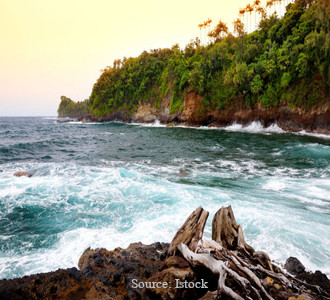

Oahu
“The Gathering Place”, the Island of Oahu is not only home to the capital and largest city of Hawaii in Honolulu but is also home to a series of stunning beaches – including the world famous and stunning golden shores of Waikiki and the surfer’s paradise and turquoise waters of the North Shore, as well as such natural jewels as the summit able volcanic cone of Diamond Head (Lēʻahi) and the snorkelers paradise of Hanauma Bay and the aplty named Shark Cove.
Considered the heart of Hawaii, Oahu is also a fascinating and intriguing place to learn about Polynesian culture, with the nightly and touristic Lūʻau’s combining with the great Polynesian cultural centre offering a rich and diverse blend of cultures against the hustle and bustle of Honolulu.
An island rich in modern comforts, resorts and Spa’s, Oahu and its capital is also the governmental and political centre of Hawaii, as well as the spot of one of the most infamous moments in American History with the USS Arizona National Memorial and museum at Pearl Harbour – the sight of the attack which spurred America’s entry into the second World War – also providing a historic place for reflection and education.
A true fusion of native and modern ways of life, the historic and educational monuments of the culture centre and USS Arizona come together with the pristine and paradise beaches, natural wonders and turquoise blue waters of the pacific ocean to make the island of Oahu a true jewel of Hawaii and one of the most romantic and beautiful islands on the planet.
Honolulu (Downtown)
The cultural heart and centre of Hawaii – as well as its main port, capital and likely your first place of call as you explore Hawaii – the magical city of Honolulu on Oahu’s south shore has it all, from the sparkling natural wonders and culture and monuments of the icons of Hawaii detailed below who fall within its boundaries – to the downtown comforts of high-end modernity to laid back beach resorts, as well as some of the greatest trails, nightlife, shopping and food across the whole of the United States.
The main focal point for explorers visiting Oahu, you’ll also find a range of accommodation options within downtown Honolulu – as well as a series of laid back affordable beach shacks as you head out towards the golden shores of Waikiki – with the range of food on offer, which includes what is arguably one of America’s greatest Chinatowns in the Kalihi-Palama region making sure that explorers within Honolulu are spoilt for choice when it comes to food.
Alongside the range of cultural and multi-religious temples – including the dragon shrine of Kuan Yin – Downtown Honolulu also makes for a great place to do a spot of shopping, with the Maunakea Marketplace next to the mighty red clock tower being our pick to ensure you take home a piece of Oahu and get to enjoy and immerse yourself in the local Oahu way of life.
Bristling with culture, entertainment and life, Downtown Honolulu makes you for a great introduction to Hawaii and a perfect place to base yourself as you enjoy and explore the wonders of the island of Oahu.
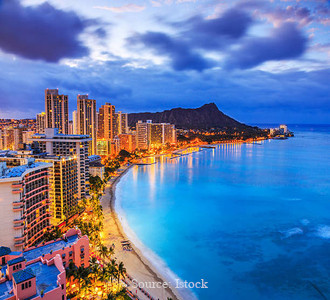
Waikiki Beach
The icon of Oahu, and one of the most famous beaches in the world, the golden kissed sands and turquoise waters of Waikiki Beach are the closet thing the planet has to true paradise.
Set along two miles of glorious warm sand, the beach is backed by a series of high-rise luxury hotels, which while casting a shadow over the natural beauty of the Waikiki itself, add to the glamour, luxury, and pomp of this incredible beach – that was once considered a spot only fit for royalty as the Kings and Queens of Hawaii spent their days upon its golden sand.
Accompanied also by restaurants and bars, the breaks on Waikiki are also legendry, having once been frequented by the legendary Duke Kahanamoku – whose memorial you’ll find greeting you as you arrive on the beach – the warm waters offer a perfect landing spot for the many surfers who ride the swell and surf on this majestic beach.
Offering explorers their first glimpse also of the mighty Diamond Head that lies at the far end of the beach, Waikiki is famed also for its incredible sunsets – that see the Hawaiian sky light up in an arrangement of deep red, orange and gold, Waikiki beach is a true paradise and truly one of the most special and beautiful spots across the whole of both Oahu and Hawaii.


Diamond Head Crater
Named after it’s sparkling summit – the Hike to and into diamond crater is one of the most unique, enthralling and must do experiences in Oahu, with the steep hike up this crater rewarding explorers with twinkling panoramic views and the chance to descend into a volcanic crater.
An icon across the Oahu skyline, we’d advise packing some solid trainers and beginning the hike to Diamond Head Crater from Waikiki beach – giving you a chance to enjoy the cool sea breeze as you wind your way across the boardwalk and up onto the Diamond Head Crater path. Once on the path you’re in for a steep climb up along a well maintained trail– so be sure to come prepared with plenty of water and take it nice and easy, as you slowly ascend up to the top of this 450 metre long craters head.
Formed some 200,000 years ago as a result of a volcanic eruption on the Koʻolau Mountain Range, the views from top are simply breath-taking – with the views stretching along the beauty of lush green rainforest and mountain ranges alongside the full scale and panoramic views of the golden sun soaked shores of Waikiki below you and the hustle and bustle of downtown Honolulu in the distance.
For those who want to go one step further, you can also take on the hike along the edge of diamonds head, which dips down into the crater itself – although be warned this path will take you through a series of narrow tunnels and test your climbing ability – before circling back to the trailhead that can take you (thankfully !) downhill and back to the golden sand of Waikiki to continue your adventure.
Lanikai Beach
The sister of Waikiki, Lanikai Beach offers the same beautiful golden sands and turquoise waters as its sister – but without the crowds and high-rise buildings of its sister.
A truly serene and calm beach, you can find Lanikai at the tip of the Kilua Bay, on the opposite side of Honolulu – roughly half an hour away from downtown – with its calm blue waters making it a popular place to go snorkelling, although be sure to be on your guard as jellyfish are known to frequent the area.
With views that stretch to the islands of Mokulua on a clear day and with more than a mile of sands that greet you, the gorgeous sun kissed beach of Lanikai, represents the absolute postcard image of Hawaii and its famous beaches and makes the beauty of Lanikai Beach a great place to lose yourself in the peace and tranquillity of Oahu.
Pearl Harbour — The USS Arizona & Battleship Missouri
A place for reflection, contemplation and of History, the soft pearl harbour bay is forever enshrined with the memory of the attacks and destruction of the 7th December 1941, with Japan’s actions in bombing and attacking the American naval fleet leading to not only the loss of thousands of American Lives, but the American entry into World War II and set the world on a path that would forever change the fate of mankind.
The most visited memorial across the islands, Pearl Harbour – and the museum and wreckage of one of the main vessels attacked that day the USS Arizona now stands as a permanent memorial and museum, with a trip to the still sunk wreckage of the USS Arizona offering both a fascinating glimpse of the realities of the attacks and a reminder of the unnecessary horrors of war.
Accessible only by boat and requiring pre-paid tickets, you’ll find a trip to the USS Arizona both touching and poignant, with the museum split into three separate parts, firstly allowing you a view over the USS Arizona, then detailing the events of the day and the events and history that followed, before ending with a deep memorial that gives explorers a chance to pay respects to both the fallen and survivors of this tragedy.
Alongside the USS Arizona, you’ll also find further exhibits and historical artifacts from the second world war at the same site, with the USS Bowfin offering explorers the chance to experience life on a WWII submarine, and the pacific submarine museum allowing people to understand the full horrors and depth of life aboard these warships.
Docked in the harbour you’ll also find the USS Missouri, a symbol of hope amongst such moving history – with this warship being the site of the official signing of surrender of Japan on the 2nd of September 1945. Officially the last American Battleship, the USS Missouri allows explores to navigate parts of its 900 foot long deck – and visit the site where a fragile and moment of peace in our time was officially declared.

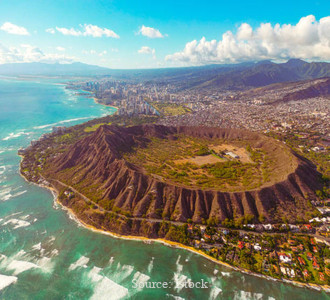

Koko Crater
Away from the bustle of Honolulu and the crowds of Waikiki lies a crater to rival that of Diamond Head – the imposing 1,208-foot-tall cone of the Koko Crater, which was again born of volcanic eruption and magma chamber activity.
A fully explorable crater – that features stables and its own botanic garden inside – the summit of Koko Crater also makes for an exceptional hiking destination, with the trail which features more than a thousand steep and challenging steps up a series of railroad track steps, before leading onto an old unsupported rope bridge held together by the rail steps, which explorers must cross to reach the summit, being one of the most testing and enthralling experiences across the whole of Hawaii.
Still the view and experience from the top of the Koko Crater makes the challenge of reaching it truly worthwhile, as you descend into the volcanic crater and are greeted by not only horses, but the warm sweet sight and smell of Hawaiian flora in the form of the botanical gardens and vast breath-taking sweeping panoramic views – that make for an excellent backdrop as you begin to slowly head back down the volcano.
Makapu’u Point Lighthouse Trail:
Our pick to enjoy the best views of sunrise on the Oahu, the glorious trail that leads to the picture perfect Makapu’u lighthouse, takes you along fantastic well paved road for two miles of stunning views above and alongside sparkling golden beaches, sweeping views of the deep blue pacific ocean, and over serene wildlife and nature viewing spots – for what is one of the most beautiful short trails on the planet.
Leading to the famed and charming red-roof lighthouse of Makapu’u, you’ll need a car (or to hop in an early morning uber) to get the start of the trailhead, and we’d advise getting here very early as the car park and the crowds are known to gather after dawn. But for those who are able to beat the sun in getting to the trail – a truly glorious spectacle awaits you as the rising sun lights up the Pacific Ocean for an awe-inspiring and breath-taking sight.
A great place as well to spot wildlife, including migrating humpback whales who can be spotted off the shores of the trail between November – March, do be warned that the Makapu’u lighthouse trail is very much exposed – with frequent winds and chills hitting explorers during the winter months and before sunrise, so be come prepared with an extra layer of clothing as you set off on one of the most stunning and beautiful trail across the whole of Hawaii.
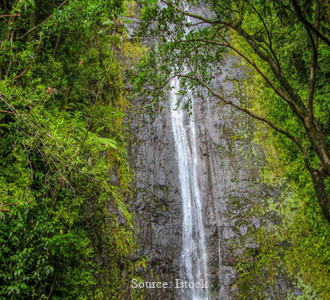
Manoa Falls:
Undoubtedly the best waterfall across the whole of Oahu, Manoa falls and valley is a lush green valley of paradise found just a short drive away from the glorious sand and crowds of Waikiki beach.
Taking you deep into the Manoa valley – and its Jurassic Parklike shrubbery and greenery, the trek to the Falls themselves takes around half an hour, and it’s a gentle but enthralling stroll through some of the incredible Hawaiian forestry, which helps you to truly connect to the Islands diversity and origins.
The gentle stroll eventually gives way to the roaring sounds of the mighty Manoa Falls, that welcomes (and splashes !) you, from a series of beautiful overlooks where you can capture this incredible waterfall as it cascades down over a hanging cliff into a small – but strictly off limit pool below.
A gentle and enjoyable hike, the path to Manoa Falls is a picturesque and beautiful walk and one of our favourite spots on the island as you combine the adventure of hiking through the jungle with one of Hawaii’s stunning waterfalls for a truly rewarding experience.


Iolani Palace:
The site where American flags raised the stars and stripes to signal Hawaii’s move as part of the union, the Iolani palace is a charming European architectural inspired palace found in the heart of downtown Honolulu which was once the home of the Kalakaua dynasty, the last king and queen of Hawaii and which now sits as a reminder of Hawaii’s cultural and ancestral past.
Incredibly well restored and maintained, the four-story house is now open to the public and features a fascinating range of exhibits including a range of collections from the glory days of the Kalakaua dynasty and allow explorers to tour what was once a royal palace, exploring the living areas, dining rooms and reception areas in a true throwback to the monarch years of Hawaii.
Sat near the shores of Waikiki, the palace makes a great spot to immerse yourself in Hawaiian history and culture, and if you’re lucky you may even be treated to a performance by the Royal Hawaiian Band, who come to provide a beautiful soundtrack as you make your way around the stunning and historical monument of Iolani palace.
Hanauma Bay:
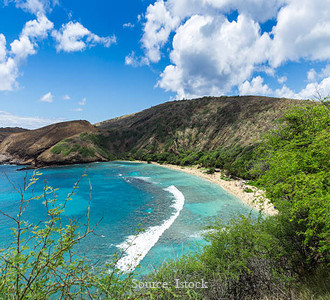
The premier snorkelling spot in Oahu – the sparkling and protected Hanauma Bay, which sits in the shadow of the mighty Koʻolau Mountain Range, is a truly glorious bay where golden sun kissed sands meet immense turquoise see-through waters that are home to some of the best coral, fish and marine life on the planet.
Once considered a spot so beautiful, that only Hawaiian Royals were allowed access, the dazzling sands lie just a short walk away from Downtown Honolulu, which makes it both incredibly accessible but also popular as crowds of people flock to the golden shores with snorkel in hand to seek out the green turtles and Nemo fish that call the Hanauma Bay home.
Alongside the waters, you’ll also find a marine education centre which is perfect for kids to learn more about the rich marine life that calls the bay home, and a glorious beach as well, with the coconut and palm trees that line sands offering welcome shade and a great place to take in the beauty of Hanauma Bay that lies before you.
Halona Blowhole
After a refreshing dip at Hanauma Bay, we’d really encourage you to head north and take on not only the koko Trail above, but also make time to stop at one of Oahu’s most startling and exciting natural phenomena – the Halona Blowhole.
Set against a backdrop of towering cliffs and of course a line of Oahu shoreline, the Halona blowhole is undoubtedly the best of Oahu’s many blowholes, with the water that comes in from the shoreline seen filling the lava tube below it and then shooting the water more than 35 feet back in the air — making for a quite spectacular performance and a great photo opportunity.
Best viewed from the Halona panoramic viewing point — “Halona” translate to “viewing place” in Hawaiian — the Halona Blowhole is a great and beautiful reminder of the power of Hawaii’s natural landmarks, as you enjoy the thrilling sight of the water suddenly reaching into the sky against the backdrop of the cliffs, blue waters and golden beaches that accompany the Halona Blowhole.
Sharks Cove
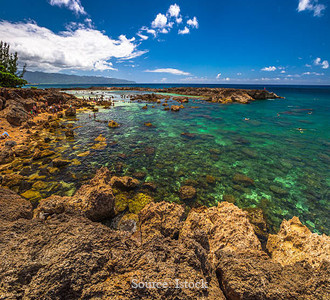
For those who head to Hawaii for adventure and want to get their heart pumping even more after the treks to the Volcano’s at Koko and the swimming in the ocean – then the Famous Shark Cove that lies off Oahu’s North Shore is the place for you, where groups of sharks – including back tip, hammerheads and sand sharks offer explorers a unique chance to observe and came face to face with these giants of the pacific.
Only explorable on a tour, the trip to the well named Sharks Cove see explorers gather their snorkelling gear and jump on a boat heading out over the rocky coast area and into the Kulalua bay where an assortment of below surface rock formations, which the sharks call home, await you.
Once there, if you head out on a bumpy day you’ll contend with the choppy waves and watch as a steel shark viewing cage which comes complete with thick bars on each side and with a viewing gap in the middle is dropped into the water, alongside a little bit of chum to entice the sharks to appear before you.
On spotting the first fin, you’ll then jump into the water with both your underwater camera and snorkelling gear and let yourself slowly descend to your limit as you watch as shoals of great sharks from black tips to hammerhead circle the catch and occasionally attempt to take a nibble of the tasty humans in the cage.
An experience that lasts for about 45 minutes, the shark cage diving in Oahu is truly one of the best in the world, as on a clear day not only do you have the joy of calm waters, but you’ll also find the water incredibly warm and comfortable and the visibility, which lets you spot sharks across the seabed, spectacular – for what is truly a once in a lifetime and enthralling experience.

Whale and Dolphin Watching / Swimming at Waianae
South from the predators found at Sharks Cove and just below the Makaha Valley lies another great spot for exploring and viewing some of Oahu’s best marine life as pods of dolphins and humpback whales breach the waters off the coast of Waianae.
Known as the whale watching capital of Oahu, for explorers that head to this small town and onto a boat between the months of November and March you’ll find the gentle giants of the sea constantly breaching in the warm waters as they gather off the coast of Oahu to mate, breed and feast on the many krill that occupy the waters of Waianae.
A truly majestic sight to see the Whales breaching, the waters of Waianae are also home to pods of Dolphins that cruise through he waters all year round and explorers have the chance to both observe these majestic animals from the boat, or for the more adventurous and up close and personal experience you can also be dropped into the water amongst known Dolphin habitats for a chance to snorkel with these majestic mammals.
A true bucket list experience, the dolphin snorkelling experiences at Waianae is best enjoyed in the early morning when the dolphins are more active and on a professional tour, and we’d really encourage you to bring along or hire a go-pro as you enjoy the experience of a lifetime by being dropped into the warm waters off the coast of Waianae to swim amongst these Hawaiian Dolphins in a truly unforgettable experience.
Turtle Canyon snorkelling
For those who visit the great beaches of Waikiki, Lanikai and the dazzling bay of Hanauma and still haven’t had their fill of snorkelling among the great marine life that call this area home, then as always Hawaii can offer something more – with the area of Turtle Canyon – named after its rich abundance of sea turtles which call the area home, offering one of the best places in the world to snorkel and relax alongside groups of sea turtles.
Accessible by boat and half day tours from downtown Honolulu and particularly off the pier of Waikiki beach, Turtle sightings at the canyon are almost guaranteed – but be warned it’s incredibly important not to antagonise the turtles – as they do bite!
A truly magical experience that is one of the must do and iconic experience across Hawaii – a turtle swim will leave you both breathless and in awe of these incredible gentle relaxed creatures and help build your appetite up for a Luau in the evening !
The Polynesian Culture Centre and Luau
Giving explorers a true chance to explore, understand and immerse themselves in the Polynesian way of life, the Polynesian cultural centre is one of the highlights of Oahu, with a range of exhibits, museums displays and artifacts truly bringing the Polynesian culture to life.
Walking explorers through the evolution of the Polynesian culture, the centre is also one of the best places across Hawaii to learn and witness the famed Polynesian Dance and Māori war dance, with teachers on hand to guide explorers and families through mastering the art of syncing to the rhythm and beat and mastering the famed Polynesian moves.
Situated next to the Hukilau Marketplace – which makes for a great place to pick up a local souvenir – entrance to the centre comes in at $60 Usd, which while on the expensive side also includes access to six self-guided island villages where you can test you hand at palm tree climbing, spend time canoeing across a magnificent lagoon and enjoy the “Ha Breath of Life” show – a truly awesome show that not only keeps the Polynesian legends alive but features a truly incredible dancing performance that is sure to mesmerise you.
Best of all though, the Luau (a traditional Hawaiian feast and a must do in Hawaii) at the Polynesian Culture Centre is one of the best across the whole of Hawaii – with the food being one of the tastiest on the planet and coming in ample portions, as you enjoy the rich taste of locally long cooked meats and fresh Hawaiian fruit for an experience that is sure to leave you completely full and what is undoubtedly the true taste of Hawaii.


Maui
The valley Isle, the island of Maui is not only the biggest of Maui County’s four islands, but with its incredible golden sun-soaked beaches, stunning Pacific Ocean turquoise waters, rolling hills, lush rainforests and the more than towering 3,000-metre-tall volcanic mountain crater of Haleakala, Maui is one of the most scenic, romantic, and beautiful places on the planet.
Maui island is also an adventures paradise, with the turquoise waters being home to some of the best snorkelling and scuba diving spots in existence, and also being a favourite destination and incredible viewing spot for pods of whales on their annual migration. Combined also with the stunning sunrise at Haleakala crater, and a series of diamond golf courses, opportunities to waterski, surf and handglide, nightly Lūʻau’s, world class spa’s and of course the challenging and testing Hana Highway – one of the world’s greatest drives that takes you past so many of the islands highlights – there is truly something for everyone on Maui.
Officially split into five regions, offering explorers a chance to base themselves in the bustle of a city near Kahului, the cultural and spiritual centre of Wailuku – the official capital or on one of the many beach resorts including the golden shores of Kaanapali or Wailea, Maui represents the absolute best of Hawaii and gives explorers the chance to immerse themselves in not only stunning scenery and a range of adventure activities, but the culture and spirituality of the stunning wonder of one of Hawaii’s best islands.
With so many of the islands highlight coming along the Hana Highway, we’d really advise to structure your journey around Maui on a drive through this highway, and we’ve provided a full guide to driving this highway as well as some of our favourite spots on Maui to help you get the absolute best out of this magnificent island.
Haleakalā Volcano Sunrise & Exploration.
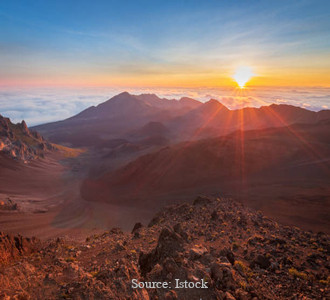
One of the most beautiful, romantic and simply stunning sunrises on the planet – the sunrise at Haleakalā volcano is truly breath-taking and one of the most spectacular displays of the earth’s natural beauty.
A true privilege to witness, the sunrise spectacle takes place at the Haleakalā volcano on Maui, — which according to legend is said to be the place where the Hawaiian God Maui tamed the sun – and you’ll want to be up at 2am and have booked at the park in advance if heading there yourself or be ready at 3am if heading to the sunrise spot on a guided tour.
Alongside the early start, you’ll want to make sure you come prepared with plenty of layers, and a spot of warm breakfast, as the Haleakalā sunrise viewing spot lies some 10,000 feet above sea level, where it can get a little cold, and thanks to the popularity and legend of the sunrise spots at the viewing platform fill up a few hours before the sunrise – so you may be in for an hour or so of standing in the cold.
Still despite the early start, cold and crowds, the sunrise over the Haleakalā volcano does not disappoint – as the golden sun slowly rises over the Volcano and above the clouds, turning the sky into a multitude of kaleidoscopic bright yellow and orange colours which makes for one of the most stunningly beautiful sights on the planet – and a hell of a photo opportunity.
After what is undoubtedly one of the greatest sunrises, we’d also advise sticking around at the Haleakalā Volcano and taking some time to enjoy the sights of Haleakalā National Park, which you’ll find quieter as the sunrise tour crowds slowly disappear, giving you almost a free run at this stunning park, where you can enjoy some great treks – including hiking to the volcano summit, across the cinder desert and rainbow bridge, and on the Kīpahulu district – which you’ll find on the Hana Highway, for a full day of incredible hiking.
For those who still have energy left in the tank after witnessing the sunrise and having explored the full beauty of this park, we’d also recommend sticking around for sunset and a spot of star gazing, with the sunrise which descends over the volcano again seeing the park light up in a kaleidoscope of deep red rouge which then gives way to one of the most majestic and magnificent places in the world to star gaze – which rounds off an incredible day spent at the Haleakalā volcano and National Park.
Molokini Crater
The moon of Maui – the Molokini island, also known as the crescent island, stands as the sinking remains of a volcano crater, and is now undoubtedly one of the most unique and beautiful spots on Maui’s west coast – with the moon like island and its incredible turquoise waters being an absolute haven for rich marine life and attracting snorkellers and divers who come to enjoy the warm waters and admire the marine life within them.
Molokini Island is also the focus of one of the more dramatic of Hawaiian legends, with the islands moon shape a result of the Hawaiian god Pele cutting her love rival into two and condemning her to stand as a broken island for eternity – which according to legend is the reason why the island remains unvisitable and uninhabited to this day.
Still even though you can’t step foot on the island itself, which was once a former bomb testing site, the scenic lush green of the island itself, combined with the absolute paradise of shoals of underwater life that life off the island, make Molokini not only an absolute dream for underwater explorers, but one of the most beautiful spots in Maui.

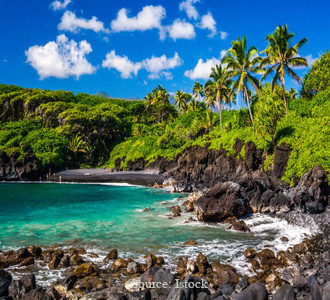
Iao Valley & Needle hike
A true off the beaten track experience and one that lets you experience portions of Maui which are untouched and untamed, the needle hike within the gorgeous Iao Valley leads you deep into a green valley surrounded by cliffs as you take in the incredible needle peak which stretches more than 1,200 feet into the cool Hawaiian Sky on one of the best hikes within Maui.
An experience that lets you get in touch with true Hawaiian nature, the beauty of the trek has grown in popularity recently and given that its possible to spend a full day here exploring this stunning valley, we’d advise arriving at the trailhead early – and coming prepared with some waterproofs as the trail takes you up into the mountains into one of the wettest and rainiest part of Maui – where rainstorms and lighting are known to break at any moment.
Yet this sudden rain adds to not only the Ioa Valleys mystique, but also its beauty as you begin the trail walking along free flowing streams in the shadow of the green valley, before winding you way up past raw jungle and towards the green cliffs that surround the monument of needle peak in what is one of the most testing, but rewarding and mesmerising hikes into the true natural beauty of Maui.
Riding the waves of Maui
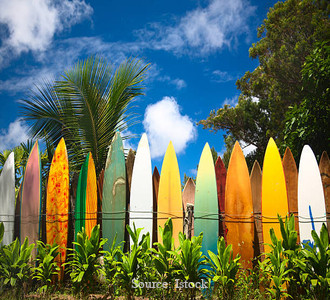
The home of Hawaiian Surfing, the differing combination of swells, combined of course with the golden sands, warm waters and great weather across the many beaches of Maui, make it a true surfers paradise and a great spot to either ride your first wave or for the more experienced surfers truly challenge yourself.
Blessed with a range of choices, the beach park of Cove is the standout for beginners – where you’ll find a true surf laidback atmosphere – and many keen instructors on hand to guide you through your first wave, with the beaches on the north shore including the bay of Honolua and the swell at Ho’okipa Beach providing the most reliable, trusted and challenging conditions for surfers who want to take on the best surfing conditions that Maui has to offer.
A thrilling experience – and one that we’d recommend everyone visiting Maui tries at least once, the feeling of riding your first wave is one that stays with explorers forever and there’s no better place to get your kicks that one the paradise island of Maui.
Maui’s Beaches:
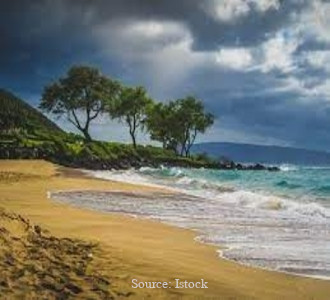
Alongside enjoying the swell and surf off Maui’s Coast, the island of Maui is no exception to its sister island in being home to some of the greatest and most stunning beaches on the planet – with the golden sands, turquoise waters offering not just a great place to kick back after a long day exploring the wonders of Maui but also some truly breath-taking and postcard perfect scenery.
Kamaole Beaches
Among these beaches, the golden sands of the three beaches of Kamaole stand out as some of the most spectacular, with the first two beaches – named Kamaole I and II – being perfect places to take a dip in the calm waters and then relax amongst palm trees and golden sands, and the third beach – Kamaole III – considered the adventure beach, with the swell being a popular spot for surfing, wakeboarding, and horse riding.
Kaanapali Beach
You’ll also find stunning scenery, turquoise waters and more than three miles of stunning golden sand at the resort centred beach of Kaanapali. Once holding the coveted title of America’s best beach, the natural beauty of Kaanapali’s surrounding has been hit by the over development of resorts, gold courses and hotels which lie on its edge.
Yet despite this natural beauty of Kaanapali is still capable of leaving explorers breathless, with the waters in particularly being home to shoals of marine life making for a great snorkelling spot – and the nightly sunset diving spectacle – which sees daredevils plummet from the rocks above the beach into the cool waters below in tribute to the last independent king of Maui a unique and fun way to ring in the sunset, before enjoying a nightcap at one of the many resorts that lie on the edge of Kaanapali as the sun goes down on another stunning day on Maui.


Maluaka Beach
Alongside the glistening warm sands and turquoise waters, Maui’s beaches are also frequently visited by one of the most charming animals on the planet – the mighty turtle, with colonies of loggerhead and green turtles known to regularly frequent the shores of Maui’s beaches to mate, birth and just relax.
A true icon of Hawaii, the turtles can be discovered both within the turquoise waters and on its shores, and there’s no place better to find them than at the “turtle town” beach of Maluaka where green turtles can be found both underwater and nesting on the sides of the golden shores of this stunning beach.
Found along the Makena Alanui highway on the south-west side of Maui, the beach of Maluaka, lies close to the Molokini crater and makes for a great stop off after visiting the crescent moon island, with its close proximity to the popular Molokini Crater also meaning that the shores of Maluaka often go overlooked by travellers, meaning that you can work the beaches golden shores and swim and relax with the turtles in a rare moment of peaceful solitude on Maui.
Pa’iloa (Honokalani) Beach
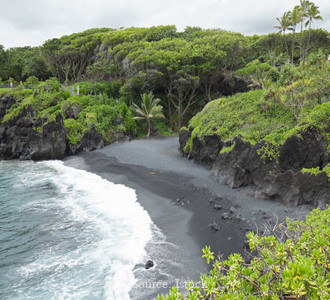
Found along the glorious Hana Highway just above the city of Hana, deep within the incredible Waianapanapa State Park, the black sands of Pa’iloa Beach – which also goes under the name of Honokalani as mesmerising as they are beautiful, with the black sands a result of millions of years of ash and lava settling on the beach line and giving birth to what is one of the most distinct and stunning black sand beaches on the planet.
It’s also the home of both a legend – with the beaches water filled caves believed to be the site where ancient Chief Ka’akea murdered his wife Popo’alaea after witnessing her reflection in the waters of Wai’anapanapa after she fled to the caves for sanctuary – and colonies of loggerhead turtles, who come to the black sand to rest, breed and birth, with the combination of the dazzling black sands and the chance to witness the turtles in their undistributed habitat making the Pa’iloa beach one of the most pristine and beautiful across Maui.
Makena Beach & Cove
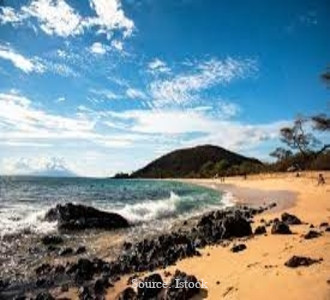
Found on the south side of Maui, the beaches that lie on the Makena Beach State Park which stretches for a full mile of coastline are truly exquisite, with so much of this beauty down to the fact that the edges of the beach remains, thanks to a series of conservation and preservation efforts free of resort development – giving the beaches that lie within this park a truly authentic and natural feel.
Billed as the “largest and undeveloped” beach area across the whole of Maui, the main two beaches are affectingly known as big beach and little beach – and you’ll find that both beaches are blessed with not only golden sand and turquoise waters, but with lines of palm and coconut trees – creating what is truly one of Maui’s most scenic and picture-perfect beaches.
Connected by a small beach path, that lets you sample both beaches, the little beach has, in recent times, earned a reputation as a party beach after hours, with rowdy gatherings known to take place here on New Year’s Eve especially – so for those seeking solitude and a relaxing experience its best to steer clear of this beach after sunset. We’d also advise steering clear of the waters on the big beach during swells and storms, with the waters on the big beach known to be unpredictable and potentially life threatening at times.
Still these two beaches, caught at the right moment can offer a truly authentic beach experience and give you one of the best spots across the whole of Maui to catch some rays and truly relax in a serene and stunning environment.
Makena Cove
A truly hidden gem of Maui, you’ll also find another stunning spot – where the Volcano meets the Sea – just off the beaches of Makena, with the Makena Cove being a small palm treed beach cove that is one of the most picturesque and romantic spots across the whole of Hawaii.
A favourite for wedding photos thanks to its natural beauty, the Makena Cove sometimes eludes the maps of google, but you can find it tucked between a few luck houses and down a small path where the beauty of this secret cove will open to you. Truly breath-taking, if you’re lucky you may get the cove to yourself, and we’d recommend timing your visit for sunset, where the slow lapping of the waves glow under a kaleidoscopic and bright sunset that sees the whole cove light up for you – in what is a true moment of magic and one of the most memorable experiences on Maui.
Humpback whale watching:
For those luck enough to be in Maui between October and March – you’ll find the waters of Maui alive with thousands of Humpback Whales who come to feast on krill and enjoy the warm waters of Hawaii before making their migration north towards Alaska.
A true privilege to witness these majestic mammals breaching in the waters, the calm waters around Maui – especially around Lahaina Harbour – make for an ideal place to take on a whale watching trip, with the chances spotting a humpback so high on a day trip that Maui has earned a reputation as being one of the best places in the world to go whale watching.
For those who want to go a little further in their whale watching journey, then we’d encourage you to take part in the Maui Whale Festival which takes place in February each year, which combines whale watching with a series of educational and interactive activities including talks from the world’s greatest marine biologist and a series of whale themed fairs and events.
For an extra special experience, be sure to book your whale watching trip our of Lahaina harbour at sunset – where not only can you enjoy some of the greatest whale watching viewing experiences on the planet, but you can do so against the backdrop of one of the greatest sunsets on the planet — for a truly magical experience.
Lahaina Harbour & Luau
Home to an iconic sunset, the beautiful Lahaina Harbour sits perfectly between the sea and the mountains of west Maui – and alongside being the gateway to the wonders of Kapalua and Ka’anapali down the road and your port of call for dolphin swimming, surfing and whale watching adventure trips, is one of the most serene, relaxed and historic spots on the island – and home to one of the tastiest Luau’s in Hawaii!
Found in downtown Lahaina, the harbour features a row of classic Hawaiian shops, known as front street and it’s here where you can find not only traditional shops, but some of the best food in Hawaii as fresh fish are bought in from the Pacific Ocean straight to the grill for a mouth-watering experience.
Alongside the famous surf break wall in the harbour – a great spot for those who want to take on their first wave in Hawaii and master the art of surfing, the harbour is also a port of call for history, with the famous sixty foot tall Banyan Tree – planted as part of a protestant mission and the Baldwin museum which has the honour of being the oldest house in Lahaina – and offers a fascinating insight into early life at Lahaina both sitting a short walk away from the downtown harbour.
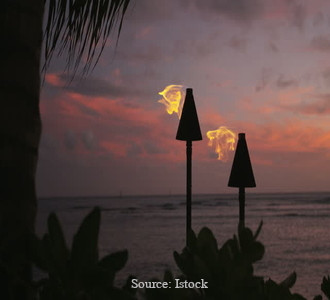
But the real beauty and gem of the harbour is undoubtedly the sunset – where the harbour lights up in a truly majestic display of deep orange and purple – illuminating the boats sailing out of harbour and making the turquoise waters and soft sand on the harbours edge come alive — in what is an absolutely glorious display and one of the best and truly breath-taking sunsets on the planet.
Following the amazing sunset – that will leave you in absolute awe of the beauty of Lahaina Harbour and Maui – there’s no better way to top off your evening by enjoying one of the best Luau’s on the island – at the Old Lahaina Luau. A truly authentic taste and experience of Maui – you’ll need to book in advance to secure your seat at the table – such is the popularity of this Luau, but for those who are lucky enough to get a seat you can expect a feast of the senses, with fresh fish, grilled steak and barbeque pig all backed by traditional dance and music and topped off by the glistening views of the panoramic Lahaina harbour below you – for what is a truly special and memorable experience and that represents the absolute best of Maui.
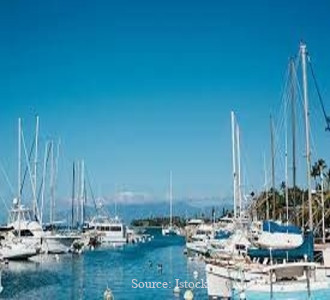
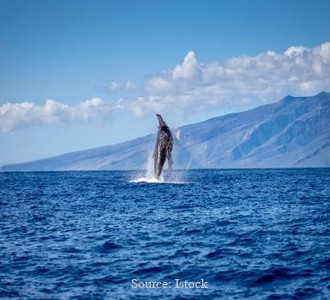
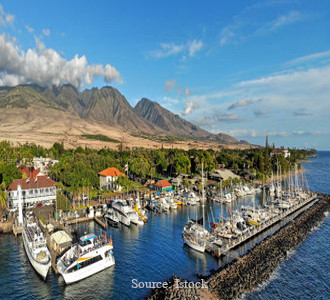
The Road to Hana (The Hana Highway)
Overview:
The road to Hana is paved with glorious beaches, towering waterfalls, stunning valleys, quaint beautiful towns, incredible food and some of the most stunning scenery on the planet – as you wind round the 64.4 miles of the absolute best of Maui on one of the world’s greatest drives.
Beginning with a first stop at the beauty spot of Paia, the Hana Highway takes you across 59 bridges and more than 600 nerve-wracking turns past and to some of the jewels of Maui as you journey along the Hawaiian routes 36 through to 360 on a narrow – but gorgeous and scenic road – from the Maui’s main centre Kahului to the beautiful town of Hana on the east of Island through a series of rainforest, waterfalls and valleys.
A road that will test not only your driving ability – but also your nerves, patience and relationship – with the Hana highway having earned the nickname “the divorce highway” given the number of arguments the navigation of this highway has caused between couples – and sometimes even honeymooners – a trip along the Hana highway, if undertaken with care and caution is undoubtedly one of the most stunning and scenic roads in the worlds and offers the absolute best sights of the stunning island of Maui.


So to make things as easy as possible, to ensure you hit the best sights on this highway – and even to keep the potential arguments at bay, the below is our guide and a series of top tips to riding the road to Hana:
Driving the Hana highway:
Making sure to have got up early, and prepared with a series of road snacks, a good sat-nav and plenty of petrol in the fuel (as there’s no spots to fill up on the road) you can begin the drive along the Hana highway and along this stunning road that will take you all the way from the
Taking you from the centre of Maui near the islands capital of Kahului centre and airport (for those who want to take on the Hana Highway straight upon landing) – the Road to Hana is an electrifying series of twists and turns that takes you not only to some of the less visited, but equally stunning parts of Maui – including immense towering waterfalls, golden greens scenery, incredible hiking trails and glistening beaches – as well as stops to some of the absolute best of Hawaiian and island food and drink stalls – with many of them operating on the honour system.
So, with a reliable car and a decent sat nav or map it’s time to put your driving skills (and even relationship) to the test – as you head out on 40 miles of the incredible Hana Highway.
The beginning and Paia.
Beginning from Kahului centre or Kahului airport the road to Hana is easily found and labelled with state highway 36 doubling up as Hana Highway – and as soon as you join the highway you’ll be treated to incredible views of Maui’s coastline, passing the gorgeous beach of Spreckalsville and Baldwin beach park – on your way to the first official stop of the Hana Highway – the small hippy town of Paia.
A world away from the bustle of Kahului – Paia is found off a short de-tour down Baldwin Avenue – and although only consists of one small main road, is a great place to grab a quick coffee to prepare you for the road ahead – with the Paia bakery in particularly having gained a reputation for serving some of the best coffee on the island.
Taking your time to stroll round this relaxed town, and get a feel for a Hawaiian town off the beaten track ‑it’s time to hit the Hana Highway again – and you will find yourself passing more incredible beaches – including the North Paia Beach Kaulahao beach before arriving at the first official lookout of the Hana Highway – the Ho’okipa Lookout.
Offering incredible views over not the gorgeous golden sand of the Ho’okipa beach below but also the warm blue North Pacific Ocean, for those who arrive at the lookout early you’ll get a fantastic view of early morning surfers taking on the brakes on this stunning beach – and if you’re lucky there may also be colonies of Green and Leatherback turtles kipping on the beach below – which makes for a truly awesome sight and an incredible introduction to the Hana Highway – before you travel on to your first waterfall of the highway.
Mile marker 2: Twin Falls.
Leaving the Ho’okipa Beach and lookout (and the Turtles) behind you, the Road to Hana cuts inland – and you’ll pass what is the official Hana Highway marker 0 (this is the official start, but realistically you have to drive from Kahului to get here) and follow a series of testing switchbacks and bends as Highway 36 merges into Highway 360 – as you enter the gorgeous green valley of Ho’olawa before arriving at the towering and gorgeous waterfall of Twin Falls.
The first waterfall on the highway – and one with incredibly easy access, twin falls is well named – having two incredible waterfalls – with the first being easily accessed by a trek that lets you get right up and close to the waterfalls – where you can feel not only their power and the incredible sounds of these thunderous falls – but have an incredible spot to marvel at their beauty at the overlooks.
The second (caveman falls) can also be accessed as well, and despite the road to it being a little tricky – it’s well worth it as caveman falls has become well established as a postcard spot on the highway – and for good reason as this incredible waterfall offers a truly special site, with the incredible falls towering down against a backdrop of lush greenery – which makes for an awesome sight.
Back on the road and leaving the incredible falls behind, you’ll pass a series of farm stands selling some of the best coconuts and fruit on the planet – which is well worth indulging in, before you (slowly) take on a series of twists and turns – that will truly test your driving skills – as you past through the famous Heuelo lookout smoothie stand – another incredible spot on your way to the next highlights of the highway – the Bamboo Forest and Rainbow trees.
Mile Marker 7 — Bamoo forest hike, Haipua’ena Falls and Rainbow Trees.
Having survived the twists and turns of the Hana Highway through the first eight of the road – it’s time for another incredible stop – and this time to explore some of the best forestry and trees across Hawaii, as you hit three stunning wonders – the Bamboo forest hike, the Rainbow Trees and the Haipua’ena Falls in quick succession.
Found between mile markers 6 – 7, the first of these stunning sights is the Bamboo Forest and Hike. A short walk, the Bamboo forest will see you journey through some of the best and most beautiful of Hawaii’s plantation – as you stroll through thick bamboo forest with a cool breeze in your face along a well-defined trail that leads to a clear opening and another mesmerising waterfall.
Taking time to enjoy the experience of walking amongst incredible bamboo, do be sure not to follow the example of other tourists who have carved their names into the trees – and instead simply enjoy the unique experience of these incredible and beautiful towering trees as you wander along this path.
Having conquered the trail – and enjoyed the experience of wandering back through the forest, it’s back on the highway to one of the most special spots of the highway the mighty Haipua’ena Falls and the gorgeous rainbow trees.
Following the Hana highway round, and you’ll soon enter a patch of forestry with towering multi-coloured eucalyptus trees – known as the rainbow trees. These truly special trees (which are mainly found on the left) have natural bright coloured trunks of Orange, Green and Blue – creating a kaleidoscope of colours and a dreamy otherworldly experience as you pass through them.
For those who want to stop and admire this incredible phenomenon further, you have the option of pulling over into a car park at Haipua’ena Falls, and not only wandering among these trees – but taking on the trial to Haipua’ena Falls, which is smaller but gorgeous small waterfall.
A true highlight of the Hana Highway, for those who do take on the Haipua’ena Falls trek you can expect not only incredible views of the Rainbow trees below you, but also see the hike take you to an overlook point beyond the waterfall – where an incredible panoramic view of the middle of Maui – and the blue Pacific Ocean awaits you – for a majestic photo spot on this stunning road.
Returning to the car and back on the Hana highway, the 2 miles of the road ahead will be a little bit tricky as you navigate some of the toughest switchbacks and turns in the road, so be sure to take it easy and slowly – before you arrive at the next incredible sight on the Hana highway – the Waikamoi ridge trail.

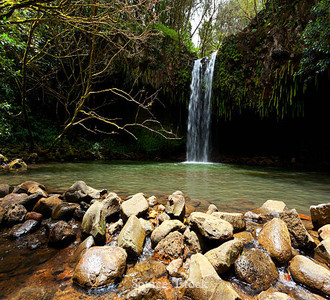
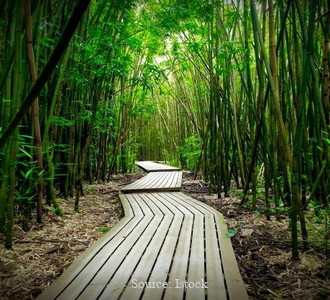
Mile marker 9.5 – The Waikamoi Ridge Trail
Nestled at the halfway point between mile 9 and 10 is one of the most underrated attractions of the Hana hihgway – the Waikamoi Ridge Trail.
As you follow the bendy road round from the mile 9 marker you’ll notice an opening on the right hand side of the road (facing inland) that slowly turns into a hard shoulder, which acts as the parking lot for this trail, with their being two main loops – a shorter 15 minute and a longer half an hour route, which both give explorers the chance to wander within this incredible ridge.
Regardless of which trail you take, the Waikamoi Trail is a truly special hike. With a well-defined path, which benefits from a cool and luxurious ocean breeze, taking you on a journey through some incredible green plantation and up to a clearing where stunning views out over the island of Maui – which stretch to the edge of the island, across the deep blue Hawaiian waters and into the horizon – await you, for what is truly one of the most romantic and special spots on the Hana Highway.
Mile marker 10: Garden Of Eden Arboretum
Having conquered the Waikamoi Trail – and enjoyed the incredible views from the clearing, it’s back on the Hana highway, and having navigated a few more twists and turns in the road, you’ll come to true paradise on earth – with the aptly named Garden of Eden Arboretum.
A truly beautiful natural garden, that lets you explore the best of Maui nature, the Garden of Eden Arboretum is a rich paradise of incredible unique colourful flowers, plants and trees (including the famous 100 year old Mango tree) all set within the stunning climate and island of Maui – making it one of the must stop places on the Hana Highway.
Officially a “beautification project” you can expect to pay a $20 entry fee – which is a little pricey, but definitely worth it – as the garden opens up to you to reveal not only it’s beauty – which can be explored over 25 acres of incredible trails – but also a series of ocean and island views – which make for some of the best photo sptos across the whole of both Maui and Hawaii.
Chief among these viewing spots is the Keopuka Rock Overlook – which shot to fame as being the filming point for the opening scene of the fist Jurassic Park film – as well as both the Anthorium Garden and the enchanted Forest and a unique viewing spot for the towering and majestic Puohokamoa Falls – all of which make for incredible photo spots.
A special place, the Garden of Eden truly lives up to its name, and makes for an incredible place to have a spot of brunch or an early lunch – taking advantage of one of the food trucks that line the entrance – and is undoubtedly a spot not to be missed on this Highway – as you get to enjoy the experience of walking in and experiencing the true paradise of the Garden of Eden.
Mile marker 12 & 13: Kaumahina State Wayside Park & Ke’anae Peninsula Viewpoints
Leaving the stunning Garden of Eden – and its incredible views and nature – it’s back onto the Hana Highway and for one of the toughest stretches of the road – as the highway dips down and then ascends over an incredible tricky switchback over the course of 2 miles – before you arrive at the first of two great viewpoints – the Kaumahina State Wayside Park viewpoint.
A great spot for a rest and picnic (and one of the few stops on the highway with a restroom) – the Kaumahina State Wayside Park viewpoint also comes with a hiking trail for those who want to explore the park further, but our recommendation is to make this a quick stop to take in the incredible forestry and ocean views from the viewpoint – before hopping back in the Car and taking on one of the easiest and straightest stretches of the highway to mile marker 13 – where the Ke’anae Peninsula Viewpoint awaits you.
Another great stop – the Ke’anae Peninsula Viewpoint offers wide ranging and sweeping views looking both back along the coats and inland into the green hills and forestry of Maui – for a truly exception photo. Best of all though from here you can also glimpse the road ahead and onto the next highlight the Honomanu Bay – where one of the most peaceful and relaxing beaches within Maui awaits you.
Mile marker 14: Honomanu Bay
Twisting and turning down from mile marker 13 and the Ke’anae Peninsula Viewpoint you’ll slowly see an incredible sweeping bay open up on your left – complete with a lovely black sand beach which a series of turtles call home.
Although viewable from the Highway – we’d really recommend making time to turn off and head down to the Beach itself, as thanks to its rocky appearance and location on the Highway you’ll find that this is one of the few beaches across the whole of Hawaii that is almost always deserted.
A beautiful spot – helped in no part to the lack of crowds, the bay is truly beautiful and you can enjoy not only the isolation, but some stunning photo spots where the forest meets the sea. For those who are brave enough you can also try your hand at having a dip – with the waters on the bay being home to some amazing coral and a plethora of colourful fish – which adds to the charm and beauty of this incredible and sometimes overlooked bay.

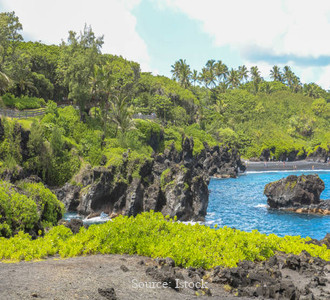
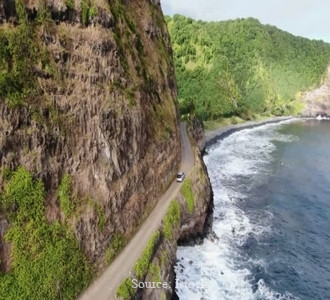
Mile Marker 16.5 — Ke’anae Arboretum & Aunty Sandy’s Banana Bread
Leaving the stunning Honomanu Bay behind you, and you can journey on along the highway following the zig zag turnings and up and down along a peninsula section of the road that guides along the Nua‘ailua Stream before arriving in the area of Ke’anae around mile marker 16.5.
Following the road shortly round and you’ll come to the Ke’anae Arboretum – the second of the Arboretum’s after the Garden of Eden – where again a sea of stunning plantation greets you. Free to explore in contrast to the Garden of Eden, the trial through the Ke’anae Arboretum is known to be muddy (so watch your shoes if you’re renting a car) but the trail through the Arboretum again leads explorers to a great viewpoint over the Ke’anae Peninsula for a gorgeous photo opportunity.
Best of all though within the Ke’anae Arboretum you’ll find more of the Rainbow trees from mile marker 7 – with the trees inside the Arboretum being equally special and allowing you to get up close and personal to them – for a great chance to take some fun photos with these natural wonders.
Back on the Hana Highway and you’ll come to an intersection where you can either follow the Hana highway round or take a left turn that would lead you to the Keanae Peninsula viewpoint – for a series of stunning views and some of the best Bannana bread on the planet !
Following the road round to the left and just after you pass Waialohe Park the Keanae Peninsula viewpoint will appear before you and can slowly pull into the car park for a better view at this stunning Peninsula – where you’ll see a series of titanic waves crash against the volcano rocks and turquoise coastline for what is both a beautiful and powerful reminder of the incredible nature on Maui island.
Taking as many photos as you can handle of this stunning beauty spot – it’s time for a well earned and deserved treat – a taste of the famous Aunty Sandy’s Banana Bread which is found in a small stall on the one way road back Keanae Peninsula viewpoint. A true treat this banana bread lives up to its reputation as being one of the world’s best – with the $6 bread being a true treat and a great snack to set you up for the road ahead.
Mile Marker 17: Halfway to Hana Snack Stand and Wailu
Returning to the Hana Highway and you’ll pass by another scenic spot – the beautiful swimming spot of Ching’s pond – which makes for one of the best places on the highway to not only take a quick dip and work off the Aunty Sandy’s Banana Bread, but for those who want a further unique ‘bucket list’ experience on the Hana Highway – you have the chance to swim right out to the edge of the pond and through a Hawaiian Waterfall – for a magical experience.
Having dried yourself off and back on the Hana highway you can follow the road through the twists and turns and reach the official “Halfway to Hana” marker which makes for a nice photo spot – and gives you another opportunity to pick up some Banana Bread – with a small family run stand which has been present on the road since the early 1990’s offering more of this tasty Hana staple treat.
Mile Marker 19: Upper Waikani Falls
Cruising past the Halfway to Hana stand and with plenty of Banana Bread in stock, you can journey on down the highway for the next two miles along relatively straight road as you approach one of the true Jewels of the Hana highway – the mighty Upper Waikani Falls.
Found just past Mile Marker 19, the Upper Waikani Falls – more affectionately known be locals as the three bear falls based on their differing heights – are three mighty towering waterfalls (although based on rain conditions they may merge into one giant cascading fall) that are truly stunning with the falls – which reach a height of more than 70 feet – surrounded by lush green vegetation and making for one of the most scenic and stunning photo spots on the whole of the highway.
Viewable from the highway as a “drive-by” waterfall, we’d really recommend heading about 500 foot past the falls to the parking area and then taking a short walk back to the falls to both feel their power and take advantage of the Wailua Overlook which offers immense views of the three bears – and on a good day affords you stunning views over some of the best of the Maui landscape as far as the stunning Haleakala Crater.
For those who want to get even closer to the Upper Waikani Falls – there’s also a short 1‑mile trek that takes you past a series of stunning viewpoints – and even to the base of the falls where the Wailua Nui Stream, which makes for a great place to take one of the most refreshing dips on the planet, awaits you.
Having cooled off in the waters of Wailua Nui and admired the stunning beauty of the three bears falls, it’s back on the highway for one of the toughest and bendy sections of the highway as you make to the falls of Pua’a Ka’a.
Mile marker 24: Hanawi Falls
Leaving the three bears falls behind you, the road will immediately see you taking on a series of challenging switchbacks and some sharp and sudden turns that will test both your patience and driving abilities.
Taking the road slowly and following the bends you’ll eventually come to a clearing – known as the Pua’a Ka’a State Wayside pool – which is a small swimming hole surrounded by lush green vegetation – which makes for a nice place to stop for a breather having conquered one of the most challenging and testing sections of the Hana Highway.
Back on the highway and fortunately the next two miles are relatively flat and straight – and will lead you to another incredible and awe-inspiring waterfall on this stunning highway, the Hanawi Falls.
Towering 200 feet above the Highway, the mighty Hanawi Falls is considered the jewel of the waterfalls on the Hana Highway, with the falls here known to be always flowing on the right hand side of the highway, and after a particularly rainy season known to glisten and dazzle against the backdrop of rainbows on the left hand side.
As you approach we’d recommend pulling into the Hanawi Falls carpark and getting out on foot to explore these falls, with a well-trodden and defined path taking you not only to a stunning viewing point for the Hanawi Falls – where you can capture both the Upper and Lower Falls in full flow, but also taking you beyond the falls themselves giving you a great chance to explore the surrounding deep green Hawaiian Rainforest that these falls give life to – for a truly special experience and unique chance to immerse yourself in some of the best of Hawaiian nature.
Further the beauty of Hanawi Falls can be further explored, with the falls offering a fantastic place to have a swim, where you have the chance to not only swim in the base of the falls which traverses all the way to the Hanawi Stream – but for those who dare it swim up to and through the lower falls of Hanawi – for a truly magical experience.

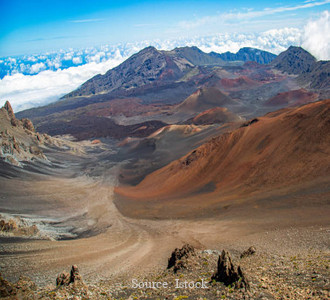
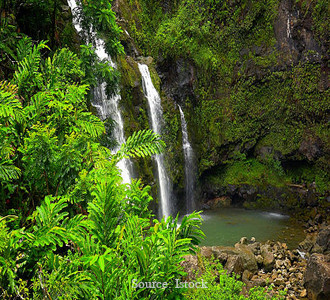
Mile Marker 25: Makapipi Falls – Mile Marker 29: Lunch at Nahiku Marketplace
Having snapped the Hanawi Falls in all their glory, and dried yourself off after having a swim in the falls – it’s back on the Hana Highway and onwards to some great places to stop for lunch.
As you leave mile marker 24 behind over a relatively easy stretch of highway, we’d advise slowing down as you approach mile marker 25 and pulling over at the bridge that marks this section, to observe falls of Makapipi which can be seen benath the bridge towering and feeding into the Hanawi Stream, with the vantage point from the top of the bridge looking down over the falls making for a unique and special photo spot as you capture the falls below.
Back on the highway and you can follow the road round — again on relatively easy road – and pass through some great spots for lunch, including the Hana Harvest restaurant, which offers some great wood fried pizza around Mile Marker 27, Coconut Glens at Mile Marker 28, which offers some of the best Ice Cream in the whole of Hawaii or our pick the Nahiku Marketplace at Mile Marker 29, which is a series of traditional food stands serving both the best of Hawaiian food and a series of dishes from around the world – giving you a range of options for which to enjoy a well earned lunch.
For those who do stop at the Nahiku Marketplace it’s also a great place to spend a little bit of time shopping – with there being a range of souvenir and market shops which can make for a great place to pick up a memento of your trip and stay in Hawaii.
With a good lunch behind you it’s back on the highway for another two miles as you approach one of the highlights of the Hana Highway – the Hana Lava Tube.
Mile Marker 31: The Hana Lava Tube
Found on a small turn off the Hana Highway on Ulaino road, the Hana Lave Tube is one of the most interesting and educational spots on the Highway and one that allows you to explore the Volcanic heart of the island of Maui.
Formed almost a thousand years ago, the Lava Tube was formed following an eruption from the Maui Volcanoes, where hot pipping Lava flowed underground and reached the surface, forming the caves that serve not only as a fascinating insight into the geological structure of the earth – but which have also acted as Nuclear fallout shelters in parts of America’s darker past and which are now hike able as a fascinating stop on the Hana Highway.
Allowing for an hour to go through the whole cave on a self-guided route, you can expect to pay $13Usd for entry and you’ll need to hire a flashlight to find your way – as the route begins by taking you down some steep steps and into the deep lava tube which makes for a fascinating exploration into the geological history of Hawaii and one of the most unique and stuning spots on the Hana Highway.
Mile Marker 32: Wai‘anapanapa State Park and Black Sand Beach
Having conquered the Lava tube and immersed yourself in the unique experience of traversing through a Lava Tube, it’s time to head south on the Ulaino road and back onto the Hana highway.
Passing by Mile Marker 31 you’ll pass by a great little snack stand known as the Hana Farms Snack Stand – where not only more Banana Bread is on offer but also a range of fruit, cookies, and baked goods – many of which operate on the honour system, with this little stand being a great place to pick up some snacks as you head onwards to the natural beauties of the Wai‘anapanapa State Park and Black Sand Beach – which you’ll need to have made an advanced booking to visit.
Continuing straight along the Highway from the Hana Farms Snack Stand and past Mile Marker 31, you’ll come to a turn off on your left-hand side for the road of Honokalani which you’ll want to take and which will lead you straight to the beauty spot of Wai‘anapanapa State Park.
Having made an advanced booking you can park up at the Wai’anapanapa car park – and we’d advise immediately heading for one of the most scenic and beautiful beaches on the planet – the black sand beach of Pa’iloa Beach, which is a truly stunning and majestic beach and which is easily reached by following a short coastal path.
Upon the Pa’iloa Beach, we’d advise taking a bit of time to reflect on this stunning paradise – and tucking into the snacks from the Farms Snack Stand on it’s black shores – as you admire the glistening turquoise water before you and the unique beauty of the lava pebble beach, whilst also keeping an eye out for the loggerhead turtles which are known to call this beach home.
Having immersed yourself in this beach and taken in the beauty of the dazzling water before you — which gives the name of for Wai’anapanapa which literally translates to “shining water” – you can explore some more of the stunning sights of the Pa’iloa Beach with a pathway at the far end of the beach leading you to two unique freshwater caves, which are shrouded in local legacy.
Believed to have been created by the gods, and also being the site where the ancient Chief Ka’akea is said to have murdered his wife Popo’alaea after witnessing her reflection in the waters of Wai’anapanapa after she fled to the caves for sanctuary – the two caves at the far end of the Pa’iloa Beach are filled with floating freshwater above the salt below and makes for a stunning photo spot, with the glistening water reflecting against the sides of the cave for yet another magical spot in this incredible park.
Exiting the caves, and making your way back along the black sand of Pa’iloa Beach, you can then enter into the Wai‘anapanapa State Park and taking one last glance at the beach and the stunning rolling hills and mountains in this park it’s time to head back along the Honokalani road and onto the Hana Highway – as you make your way to the town of Hana.
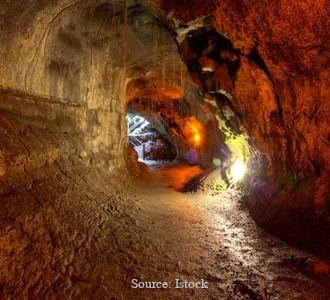
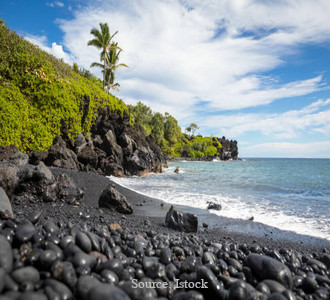
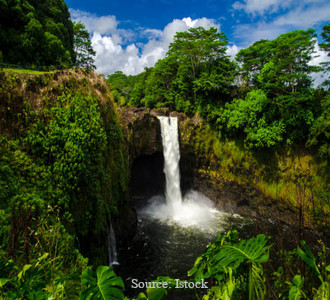
Mile Marker 34 — Hana Town
Onto the final stretch of the highway and finally approaching the last piece of road to Hana, the two miles down from the Wai‘anapanapa State Park are thankfully flat and straight and will guide you past a series of honour based fruit stands and into the town of Hana.
A quiet and charming town, you’ll find a couple of restaurants as well as the food stands which make for a great place to refuel, and for those who fancy it the nearby dramatic red sand beach of Kaihalulu makes for a great place to snap for dramatic colours of the red sand against the south Pacific Ocean – especially at sunset.
But to truly immerse yourself in Hana – which has remained almost unchanged by the changing sands of time – and retained its unique identify from years gone by, we’d really recommend taking a quick stroll through the town, which will allow you to soak in the history and atmosphere of Hana, before hopping back in the Car and continuing down the highway for some of the final beauty spots of the stunning Hana Highway.
Mile Marker 40: Koki and Hamoa Beaches
Continuing on the Highway and leaving beautiful Hana behind, you can enjoy the beautiful highway with the blue Pacific Ocean on your left as you travel down the ‘Ōpūohina peninsula on relatively straight road for a couple of miles towards the two beautiful and relaxed beaches of Koki and Hamoa.
Found just before mile marker 40, the first beach you’ll hit is the surf beach of Koki. Found down the short turn off of Haneo Road, Koki features iconic striking and deep red cliffs and warm golden sand, which makes for a great place to kick back and watch the locals surf or just admire the beauty of yet another one of Maui’s stunning beaches.
After a good spot of relaxing, you can follow Haneo Road down to the south after leaving Koki Beach and it will bring you straight to the pull in for the deep sands and turquoise waters of Hamoa Beach. A great swimming spot, the highlight of Hamoa Beach is undoubtedly its clear waters – which are known to be home to a variety of wildlife – and with Hamoa Beach being so far off the beaten trail in Maui, this makes for a great place to enjoy some world class snorkelling and beach time, with minimal crowds, for an almost perfect finale to the Hana Highway.

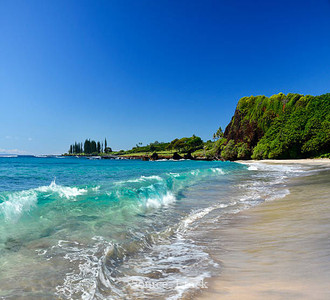
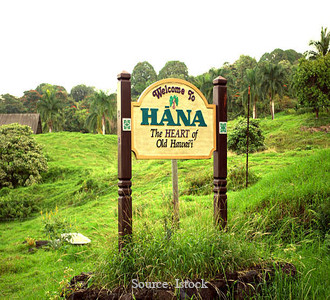
Mile Marker 42 Ohe’o Gulch and Bamboo Forest
Back on the Hana Highway and you can again enjoy stunning views of the pacific ocean on your left, with the popular beauty spot Waioka Pond, which is found at mile marker 41 making for a great spot to capture the beauty of the pacific ocean in all its glory against the backdrop of some stunning cliffs.
Continuing on from Waioka Pond and a half mile south you’ll come to the towering waterfall of Wailua Falls – which are found along almost slap bang on the highway after passing a small bridge. Whilst you can’t swim or access them like the falls of Waikani, these 173 foot falls are equally as stunning and make for yet another postcard perfect photo spot on this gorgeous highway.
It’s also here where you’ll find locals selling homemade souvenirs, which can make for a great and best of all (in our opinion) a series of further honour-based fruit stands and banana bread, which can provide a hearty snack for the road and trail ahead.
One mile further south and you’ll come to the stunning finale of the Hana Highway the Ohe’o Gulch area of the Haleakala National Park, with its stunning seven sacred pools and legendary Pipiwai Trail that leads into one of the most serene bamboo forests on the planets.
Pulling in at the Kīpahulu Visitor Centre, the seven sacred pools can be found on a short trek from the visitor centre where you walk along a beautiful wooden boardwalk up to the edge of the pools – which are several stunning small waterfalls which cascade down into a pristine pool below, where if the water levels allow it, you can take a dip in some of the refreshing and relaxing water on the planet.
Following the path round from the seven sacred pools and back to the Kīpahulu Visitor Centre, you can take a turning at a well-placed sign to join the Pipiwai Trail and journey deep into the forests of Maui. Clocking in at two miles each way (four for the round trip) the trail begins be taking you immediately into some stunning lush green forestry.
Taking the trail onwards and you expect the occasional hill to climb – as well as the odd muddy patch if it’s been raining, before the path opens up into a stunning section of Bamboo Forest – which can rival that of the Arashiyama Bamboo Grove – for what is both a spiritual and beautiful section of this incredible trail.
As you journey towards the end of the bamboo grove, you’ll hear the familiar sound of rushing water, as the incredible 400 ft waterfall of Waimoku awaits you. This owering and stunning waterfall is the biggest that you’ll cross on the Hana Highway and you can take a moment to drink in its incredible beauty and power as you watch and witness the immense power of the cascading water plummet into the stream below – for what is a truly immense finale to the Hana Highway and the completion of one of the worlds greatest drives.
The Journey Home.
Having been privileged enough to observe the sheer power of the Waimoku falls, and witnessed a series of stunning waterfalls, towering and rolling forestry and incredible beaches, as well as feasted on loaves of Banana Bread. along the 42 miles of immense road that is the Hana Highway, you can head back to the car park at the Kīpahulu Visitor Centre and back onto the Hana highway to begin to make the journey back to the centre of Maui and Kahului – with the knowledge that the testing switchbacks, sharp turns and beautiful landscapes that make up the Hana Highway await you once again as you journey home.
Top Tips for the Hana Highway:
One of the World’s greatest Drives, there’s no doubt that the Hana Highway can be tricky, challenging and require an immense planning, with the many turns and switchbacks rightly earning the Hana Highway its reputation as a true “relationship tester.”
So to help in making the drive and all parts of the Hana Highway as easy as possible we’ve put together our quick top tips to help you conquer this stunning road, with your car, sanity and (hopefully !) relationship in tact:
- Firstly while there are tours available for the highway, we’d really recommend doing the Hana Highway drive as a self-guided tour after renting a car following your arrival at Kahului. With the easiest place to rent a car being at the Kahului Airport and we’d recommend going for a comfortable midsize car (you don’t need a jeep) which you pick up on arrival ‑ready to conquer the highway the next day.
- On the road itself, be sure to take it nice and slow – it is a dangerous road with many switchbacks and sharp turns and blind corners. It’s also essential that you don’t stop randomly at the road but make stops only at car parks and be sure to take on the highway with a full tank of fuel – as petrol stations along the highway are few and far between.
- Be sure also to allow locals to overtake and pass you when they approach, the Hana highway is also the main road across the island and you’ll find locals use it frequently, with the tell-tale sign for a local being that they’ll flash their lights at you on two occasions – so if you see this be sure to let the car behind overtake when it’s safe to do so – as the last thing you want to be responsible for is a traffic jam on the Hana highway.
- Be sure to plan your stops based on the above in advance, and especially if heading to the Wai‘anapanapa State Park make sure you’ve booked well in advance to guarantee your spot on the incredible black sand beach, or risk finding the road ahead blocked to you.
- Finally we’d really advise taking on the Hana Highway in one full day, as beautiful as it is and with so many stops, the Highway does only stretch for 42 Miles one way so is easily conquerable in a day – and for this reason our final and best top tip is to make sure you’re on the highway at sunrise, as not only will you get the true thrill of the majestic Hawaiian sunrise rising over the Highway but it will also leave with you enough time to conquer one of the best roads in the world in the Hana Highway.


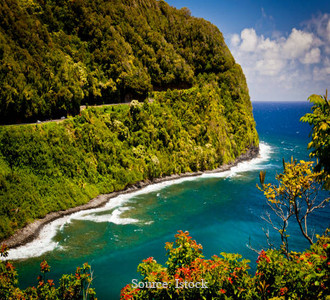
Kauai
Affectionately nicknamed The Garden Isle, the island of Kauai is a land of dramatic and inspiring landscapes, with the iconic lush green towering cliffs and waterfalls of the Na Pali Coast (of Jurassic Park fame) combined with the mighty falls of Waipoo– which cascade down into the great canyon of Waimea –the towering mountain of Waialeale and the soft golden beaches of Hanalei bay, Tunnels beach and the longest beach in Hawaii the beautiful Polihale – make Kauai one of the most unique and scenic islands on the planet.
The oldest of Hawaiian’s modern islands – Kauai is rich in both culture and history, making for a great place to immerse yourself in and understand true Hawaiian culture, as well as being one of the most diverse spots in Hawaii when it comes to the climate, with the mountain of Waialeale earning the unique title of being one of the rainiest spots on the planet.
Full of dramatic landscapes, charming beaches, mesmerising sunrises and incredible lush green forest, Kauai is also a great place to get your kicks, with the island being home to one of the world’s greatest treks – the Kalalau trail, which takes explorers along the absolute best of the Na Pali Coastline as well as being arguably the world’s most scenic and greatest spots for a helicopter ride, as you tower over the lush green forest, incredible coastlines and immense waterfalls for a true birds eye view in what is undoubtedly an unforgettable experience on this paradise island.
Nā Pali Coast
True paradise, the famous cliffs of Nā Pali are truly breath-taking, with the almost 16 miles of breath-taking green cliffs, waterfalls and sandy beaches being the undoubted highlight of Kauai, representing the absolute best of Hawaii’s natural landscapes and being one of the most beautiful spots on the planet.
Found on the northwest corner of the island, the stunning Nā Pali coastline hit the mainstream due to its appearance in the Jurassic Park franchise amongst others, and it can be explored on foot on the great trek of the Kalalau Trail, by boat in the cool turquoise waters of the coast – where if you’re lucky you’ll have turtles and even humpback whales for company – and by air in what is one of the most scenic and thrill-seeking experiences across the whole of Hawaii and a true bucket list experience.
Whichever way you choose to explore the Nā Pali coast, you’re guaranteed to be awe-struck by its sheer beauty, with the towering 4,000 feet cliffs providing a stunning drop-off to the warm green valleys that lie within it which are cut only by deep flowing rivers that carve down into the blue Pacific Ocean – for one of the most gorgeous and serene sights you’ll ever encounter.
The Nā Pali coast is also believed to be where the first Hawaiian’s settled, with explorers able to immerse themselves in the deep island spirituality and cultural significance of the coastline evident through both its radiant beauty, but also through exploring and viewing a series of stone wall communities – which was one home to native Hawaiians – at the foot of the giant cliffs.
A truly special place, we’d advise setting aside at least one day if not more to fully immerse yourself in the miles of dazzling coastline and true natural wonder and paradise of the Nā Pali coast.
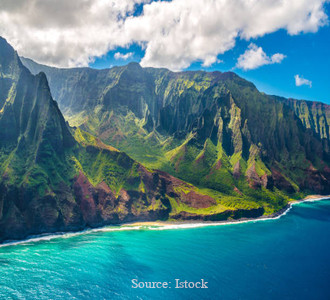

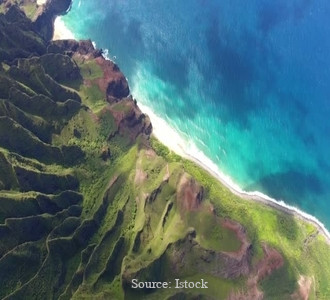
Sail the Nā Pali Coast
A great way to experience the full length of the Nā Pali coast and appreciate the full scale and beauty of the towering lush green cliffs of the Nā Pali valley – a chance to sail alongside the highlight of the Garden Isle, as well as whale watch and snorkel with turtles in the cool turquoise waters of Nā Pali is a true highlight of Kauai.
Leaving from across the island – including Lihue – you can expect a sailing adventure along to take you gently along the whole stretch of the coast with stops at viewpoints to observe the rolling valleys and thunderous waterfalls that lie inland, before you feast on an assortment of various fresh fruits and local meats in the stunning setting of Nā Pali.
For those who fancy it, sailing trips can also see you taken to some of the sparkling beaches that lie on the Nā Pali coast, for a fantastic chance to enjoy and relax on some secluded yet dazzling beaches – and you can also expect a chance to snorkel in the waters of Nā Pali, where turtles, coral and shoals of brightly coloured fish await you.
If you’re lucky enough to visit during the months of November – March you can expect smaller crowds, mild days and best of all the chance to combine your sailing trip along the Nā Pali coast with a spot of whale watching, as gracious humpbacks breach and patrol the shores during these months to feast, breed and birth before they head along the colder climates of the pacific towards Alaska.
A truly special experience, you’ll find sailing experiences leave along the coast at various times throughout the day, giving you a chance to catch sunrise on the coast, or enjoy snorkelling in the cool waters in the late afternoon. But for a truly special and romantic experience, we’d advise taking on a sailing cruise at sunset where you can enjoy delicious food and champagne while toasting a gorgeous Hawaiian sunset and watching the Nā Pali coast light up for what is a truly a touching experience in one of the most beautiful places in the world.
Nā Pali Coast from Above
To truly appreciate the full magnitude and beauty of the Nā Pali coast there’s only one real option – to take a helicopter tour over this incredible paradise.
Allowing you to fly over the valleys, cliffs and even spot whales below you, a helicopter tour over the Nā Pali coast is a true bucket list experience, and you have a range of options before you as to how to take on this adventure, with helicopter tours leaving from private airstrips around Nā Pali and even from the main airport in Lihue and the choppers themselves ranging from private tours with doors off to large family experiences.
A chance to stretch beyond the classic view of Nā Pali, helicopter tours do come in a little expensive – with the reliable one’s starting from $350 Usd for an hours flight, but for a as you hover over the great cliffs and take in the sweeping valleys and paradise of the coastline below you its an experience that is truly worth it and will stay with you forever– and yes you can expect the Jurassic park theme tune to accompany you as you soar over the beautiful wonder of the Nā Pali coast.
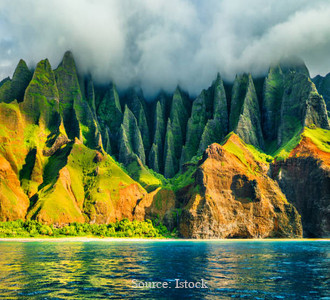
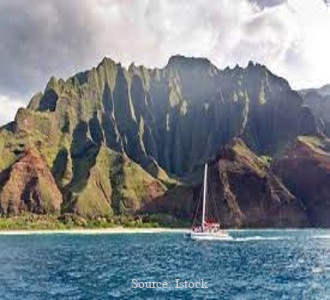
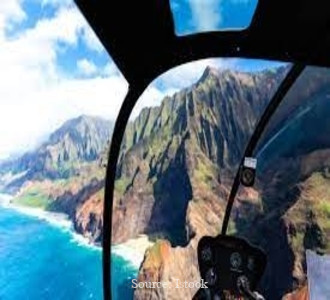
Nā Pali Coast (Kalalau) Trail
Distance: 11 miles (one way – with option of additional four-mile add-on) 22 miles.
Recommended Duration: 1 – 5 days
Overview:
One of the most beautiful and dangerous hikes on the planet – the 11 mile one way / 22 mile round hike of the Kalalau trail is the premier trek on Kauai – with this stunning and gorgeous trail taking you through the absolute best of the gorgeous and mesmerising paradise of the Nā Pali Coast – as you journey through and past incredible waterfalls, sparkling beaches, enchanting caves, glistening Polynesian waters and into the wonderland of the Kalalau Valley and beach.
A trek that requires reservations for those taking on more than the short 2 mile hike at its beginning, the Kalalau trail – while stunning and mesmerising is no short undertaking, with the trail frequently seeing loss of life as a result of treacherous conditions and adverse weather conditions.
Yet with proper planning and understanding of the risks, there’s no doubt that this trail – which offers the absolute best of Hawaiian and the world’s natural beauty – as well as some of the most scenic photo spots on the planet – can be one of the most enjoyable, scenic and breath-taking hikes you will ever undertake.
The below is our short guide to help you conquer and enjoy the miraculous Kalalau trail.
Getting there:
Although perched on the edges of the stunning coastline and cliffs of the Nā Pali Coast deep within the Kauai jungle, you’ll find the Kalalau trailhead and the start of the trail – which begins at Keʻe Beach – easily accessible, with you having three main options to reach the start of the trail; Taxi / Uber, shuttle or by self-drive.
Taxi / Uber: For those who fancy taking the stress out of your trip to the trailhead at Keʻe beach and arriving by Taxi / Uber – you’ll need to get to an entry voucher from the Hā’ena State Park website and then it’s a simple matter of booking a taxi or uber in advance or an the day of your travel to arrive to take on the trailhead.
For returning using this method you have the option of scheduling a taxi / uber for when you return or using the shuttle to return to downtown Kauai after completing the trail – but do be sure to book in advance as there’s limited cell service in the Keʻe beach area. For our view and for those who don’t fancy driving / leaving their car in the Keʻe beach car parking lot – using a taxi / uber offers the best way to get to the trailhead at your convenience – and perhaps more importantly ahead of the possible crowds who arrive on the shuttle.
Self drive: For those who fancy a self driving to the start of the Kalalau trail and Keʻe beach parking lot – you’ll want to be sure to set off early – and be sure to book well in advance as the car park is limited to only 70 parking spots for each day with reservations again possible at the Hā’ena State Park website.
While the car park is generally safe and secure – there have been incidents of cars being targeted so we’d advise making sure you take all your belongings with you when self-parking. An easy option for those who fancy driving, self-driving to the trail head is also the best option for those who plan taking on the 22-mile round trek in one day as it removes the time restrictions imposed by using a shuttle or Taxi / Uber – but just be sure to be back before your time slot expires as cars outstaying their welcome will be towed !
Shuttle: An extra option for those who don’t fancy driving or taking an uber, the Kauai shuttle company runs a daily shuttle that drops hikers off at the start of the trail – and then ferries hikers back to the centre of Kauai.
Costing $11 all in for a return you can expect pickups to run in the early morning every half an hour between 6am and 11:30 from the Waipa Park and Ride – and drop you off at the start of the trail ready to begin a day’s hiking – with the departure leaving from the trailhead every half hour from the trailhead drop off point between 7am and 12 noon and 2pm – 5:30pm – on a first come first served basis – with booking available at: https://gohaena.com/shuttle-schedule-stops/.
For those who do use the shuttle expect to begin the hike in the company of other hikers and plan to stretch your hike over at least 2 days to allow for you to experience the full beauty of this trail while accommodating for the pick-up and drop-off time of the shuttle.
Regardless of what transportation methods you use – we’d again advise to be sure to book and plan well ahead – as the trail only allow for 900 visitors per day, meaning that both visitor passes, parking permits and spots on the taxi’s and shuttle will fill up early and you risk losing your spot on the trail if you’ve not fully prepared in advance.
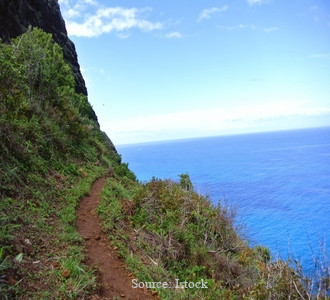
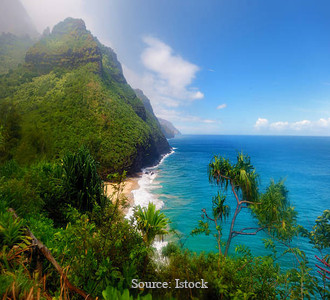
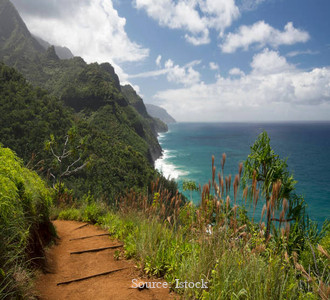
Hike:
This magnificent, thrilling and simply stunning Kalalau will take you not only alongside one of the most beautiful wonders of the world in the Na Pali Coast but on a true journey through wild jungle, breath-taking and rugged coastlines, along sparkling beaches and deep into gorgeous valleys – for an incredibly hike.
Hike able as either one long journey – from the starting point of the Keʻe beach 11 miles to the Kalalau Valley and beach – and back again (as there’s no way to re-join a road of a city at the end of the trail you’ll have to retrace your steps) or as a multi-day hike – or even just hiking the first or second sections outlined below – there’s no doubt that stunning trail truly lives up to it’s reputation.
So having got yourself to the Keʻe beach trailhead – and being sure to have made an online reservation with the goheana state authorities (https://gohaena.com/) to make sure you’re one of the lucky 900 who can access the trail if going further than the first section – it’s time to ramble along the first section of the magnificent Kalalau trail:
Section 1: Ke’e Beach To Hanakāpīʻai Beach
Having arrived at the trailhead at Keʻe Beach, the first section stretches for two incredible miles to the white sand beaches of Hanakāpīʻai – and the trail begins as it goes on – with stunning and postcard perfect views over the Na Pali Coast and in particularly the gorgeous beach of Keʻe – which features not only golden sand but turquoise waters – with the beach being known as a popular snorkelling spot.
Taking a moment to enjoy the sea air and the gorgeous coastline before you, you’ll follow the well-marked path and signs along the coastal path – trekking above the beach and enjoying stunning views of the gorgeous Na Pali Coast.
As you ramble on, you’ll find the occasional challenging bit of climbing – that will no doubt test your cardio – but this is easily offset by the stunning waterfalls that you pass and of course the views. Continuing further and as you head towards the end of the 2‑mile trek you’ll be greeted by an opening that affords incredible views of the coast.
A truly special spot – you’ll have a unique chance to grab panoramic photos of the full beauty of the Na Pali Coastline – with the rugged cliffs and famous lush green protruding valleys on full display – backed of course by a sea of gorgeous beaches and turquoise waters – for a unique view of this paradise that is a true photographers dream.
Back on the trail and you’ll find the path slowly takes you down towards the end of this section and you can pass both the stream of Hanakāpīʻai and enter the warm beach of Hanakāpīʻai that marks the end of this section.
Taking a moment to sit on the beach and admire the incredible warm Polynesian waters – do be sure to take and follow the advice of the many beach signs that warn against entering the waters for a dip – as the surf and current here are known to be incredibly unpredictable.
For those who are only taking on a day trip on the miraculous Kalalau trail – the beach of Hanakāpīʻai marks the end spot of your journey – and it will be time to turn around and back to Keʻe beach – however for those journeying on for either the full trail or a multi-day trip – it will be to journey on to another incredible section of this amazing trail.
Hanakāpīʻai to Hanakoa – 4miles
Making sure you have your permit to hand – as you’ll need it as soon as you journey past the Hanakāpīʻai beach into the rest of the trail, with this part of the trail taking you into the steepest and toughest section Kalalau trail – with yet more stunning views awaiting you.
Continuing on from the Hanakāpīʻai beach and you’ll journey through more of the stunning Hanakāpīʻai valley – with wild terrain and jungle accompanying you on the left hand side and the cool breeze and coastal views on your right. Following the trail round and you’ll enter a tough section of hiking as the Hanakāpīʻai valley draws to a close – with a step ascent of 800 metres over often muddy and rocky terrain and through a series of switchbacks leads you to the end of the valley and into a clearing where incredible views of the Na Pali Coast greet you once more.
Continuing along the trail – which has thankfully flattened out – you can enjoy the luxurious sea breeze and the stunning Hanakāpīʻai beach views – before continuing past the beach and arriving at an intersection on the trail. For those taking on the trail in one day or who are short on time be sure to take on the right trail which will see you continue along the Kalalau trail – but for those with a bit more time on your hand you can take the left road and the 4 mile round trip to the stunning Hanakāpīʻai Falls.
Hanakāpīʻai Falls (optional round trip – 4 miles).
For those taking on the gorgeous trek to Hanakāpīʻai falls – which is something we’d really recommend if time allows – you can follow a well signposted trail up from the edge of Hanakāpīʻai Beach and into a section of the Hanakāpīʻai valley along a challenging and testing trail.
Notorious for landslides, flooding and fallen trees – we’d strongly advising only taking this de-tour to Hanakāpīʻai falls in the summer months and definitely not as a solo traveller – but having conquered the first mile – you can expect some seriously challenging scrambling over rocks and broken trees – as the sounds of the 320 falls echoes across the valley.
Moving and navigating your way through the trail towards the falls – you’ll eventually come to a well-defined clearing – where the wonder of this majestic falls awaits you. Taking a moment to appreciate this phenomenal natural wonder – and soak in both the incredible sounds and aurora of this stunning waterfall – you can grab as many photos as you desire – before retracing your steps and re-completing the scramble over fallen trees back to the intersection – where you can take the right trail to carry on along the Kalalau trail.
Back on the trail – and thankfully on even terrain with minimal mud and no scrambling required, you can journey on and follow the road towards the right – enjoying further stunning views of the coastline below you as you slowly enter the incredible valley of the Na Pali Natural Area Reserve.
A true jungle and wild paradise, this area feature a range of fascinating flora and towering plants – and gives you a real feel of wilderness as you journey through this unique valley. Following the trail along for another mile or so and you’ll slowly hear the sound of frantic rushing water growing louder and louder – which marks your entry into the Hanakoa valley – and the sounds of the c stream.
For those who are breaking the trail into a 2 or 3 day hike – this stream marks the spot – so long as you have a permit – to set up camp and rest for the night with their being a solid camp ground and shelter. But for those carrying on – or taking back on the trail in the morning after a good nights rest in a stunning surrounding you can follow the Hanakoa stream down through the valley and into the next stage of the trail which takes you to the beauty of Kalalau.

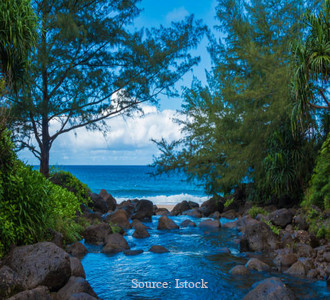
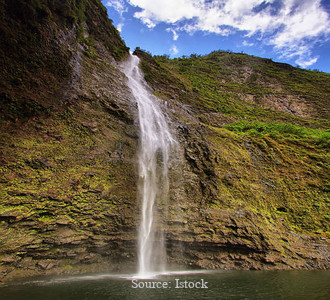
Hanakoa To Kalalau (2 miles)
Onto the last stage of the trail – and being sure to savour all the incredible views of the Na Pali Coast and Kauai coastline before you – you can leave the Hanakoa valley behind you and enter into an incredible clearing with stunning views of the Kalalau valley before you – with the road ahead offering you a direct route into this stunning valley.
Keeping an eye on the time – to ensure you’re back to either the campground or the Keʻe Beach in time – you can move forward along the trail which is now both even and more elevated that the previous section.
But more dangerously you’ll also find that the path not only hugs the coastline – but becomes incredibly narrow – with only room for one hiker at time to tread upon it – and it is at this point that you must use extra caution when upon the trail, with there being no barriers or protection to prevent tumbles down the cliff edge to the sea floor below.
Treading carefully and understanding why the Kalalau trail earns its reputation as one of the most dangerous trails in the world at this point, you can steer away from the cliff edge and follow the path along as it slowly begins to descend into the Kalalau valley down the red hill.
Descending into the valley – you’ll find yourselves tramping alongside glorious flora and towering plantation – and you wonder across this glorious valley for a further half a mile – until the stunning serene sparkling beach of Kalalau awaits you.
Arriving on the beach – which is visible from the air along the Na Pali coast – you can take a moment to sit back and relax and soak in the incredible views of the mountains, greenery and turquois waters before you – and reflect on both the stunning sights before you and the incredible trail you’ve just hiked and conquered – with the best bit being that you can either spend the night camping here or after a short break on the Kalalau beach you can get to do it all again as you head back to Keʻe Beach and re-join the livelihood of Kauai.
Top Tips & Need to Know:
A truly glorious trail – and undoubtedly one of the most scenic and beautiful hikes on the planet, to truly enjoy and stay safe on the Kalalau trail – which earns its reputation as being dangerous – there’s a series of top tips and advice that we’d recommend both before taking it on and when upon the trail:
- Firstly be sure to plan your trip well in advance – as the trail is limited to only 900 people a day and spots tend to fill up a few months in advance, so for those planning on rambling beyond the beach of Hanakāpīʻai it’s essential that you have your permit (which you can get from https://gohaena.com/ ) well in advance of your trek.
- The same applies for the process of getting to the trailhead at Keʻe Beach – while we’d encourage the booking of the shuttle or a taxi / uber well in advance – it’s absolutely essential that for those who plan on self-driving to the trailhead that you get your parking spot reserved in advance – as spaces are limited to a 100, with 30 of these reserved for locals – so prior booking is important, especially if you plan on self-driving and taking on the trail in one long day.
- In addition, for those who plan on taking on the whole trail as a multi-day trek, you’ll need to apply for a permit to camp in advance – with the daily limits again in place. For those who do plan on campaign be sure to bring the relevant gear – including a tent, sleeping bag and plenty of food – and be warned that camping is only permitted at either the Hanakāpīʻai camp site found by the Hanakāpīʻai stream or on the beach at Kalalau – with heavy fines in place for those who camp anywhere else along the trail.
- As part of the hike do be warned when planning that having trekked the 11-miles (or 15 if you visit the Hanakāpīʻai falls) – the trek concludes at the incredible Kalalau beach – with stunning views of the Na Pali Coast before you. From here though the only way back to civilisation and Kauai is by hiking the 11 miles back to the start of the trail at Keʻe Beach – with there being no road or boat option to return to Kauai from the Kalalau beach. Therefore, as a top tip it’s essential that you plan ahead to either reach the Kalalau beach by early afternoon if doing a day trip so you have enough time to hike the trail back – or plan ahead for camping if doing the trail over two days – knowing that the Kalalau trail is very much a one way trail.
- As a further top tip, be sure to come prepared for the trail when it comes to gear, packing light but essential gear only. For this we’d recommend coming prepared with sturdy walking shoes that can handle large swathes of mud, a walking stick if required and a first aid kit – as well as enough food and water to last the hike. With those who are campaign coming prepared with a light tent, light sleeping bag and anything else required for a good night’s sleep.
- On top of this we’d emphasise again the care needed when hiking the Kalalau trail, as the trail has a well-earned reputation – particularly at the Hanakāpīʻai falls and at the final section of being Hanakoa To Kalalau as being dangerous – with the paths being steep, narrow and unsupported and exposed to cliff edges that have seen travellers fall to their death. It’s also essential to consider that the Kalalau trail is found deep within the jungle – meaning that cell phone reception is limited – so we’d advise extra caution for those travelling solo on this path as help can often be far away.
-As a final top tip – we’d advise to enjoy this trail as much as possible ! – despite the hassle of permits, the risks it carries and the unpredictable weather on the trail at times, it truly is one of the most breath-taking and scenic hikes on the planet, and there’s no doubt that the incredible views this majestic hike affords of the crystal clear turquoise waters, the sparkling beaches, the towering Hanakāpīʻai falls and the stunning Na Pali Coastline are memories that will stay with you forever – as you trek and complete the incredible Kalalau trail

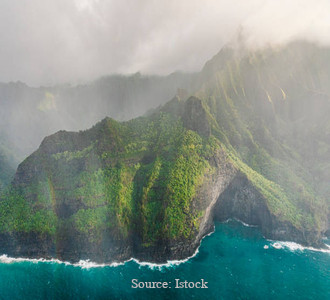
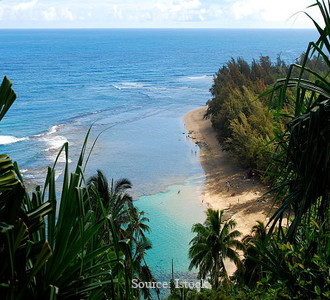
Waimea Canyon
The Grand Canyon of the Pacific – the rolling canyons of Waimea Canyon which lead to the thunderous Waipo’o Falls are one of the true gems of Kauai, with the deep brown ridges and canyon edges, that stretch more than three and a half thousand deep into the valley below across 14 miles of stunning geo-logical formations, standing as a unique landscape against the rest of the green of Kauai and another stunning natural wonder on the island.
Lying close to the Kalalau trail, the Waimea Canyon can only really be explored by car – with the drive there from the Na Pali Coast requiring you to have to circle back round the island – to where you’ll find the Waimea Canyon Road, which very handily runs through the whole of the park, meaning after you pay your $5 entrance fee you can simply drive to the highlights and viewing points across the park.
Among these highlights, we’d really recommend making time firstly for the main canyon overlook (also known as Waimea Canyon Lookout) – which gives you sweeping panoramic views over the best of the canyon with views stretching to the Waipo’o Falls themselves, as well as driving round the canyons rim to the Pu’u Hinahina Lookout for more incredible views and for those who want to truly explore the canyon taking on one of the trailheads accessible along the road, with the cliff trail offering a short introduction down into the canyon and the longer canyon trail leading you all the way to the foot of the Waipio Falls – for an adrenaline rushing — and wet — experience.
Having driven the canyon and taken in this stunning valley and its deep orange ridges, we’d advise rather than heading back towards Lihue or the shores of your beach resort, continuing onwards to the green valleys of the Kokeʻe State Park for yet more stunning views of the Na Pali Coast and some incredible hikes in Kauai valleys.
Kokeʻe State Park
Found just beyond the Waimea Canyon along highway 550, Kokeʻe State Park sits perfectly on the edge of the Na Pali Coast, with the perched position offering incredible views and hikes down into the canyon and valleys for stunning scenery and allowing you to immerse yourself in the best of Kauai’s nature.
Also featuring a museum explaining the parks vegetation and evolution, as well as the cultural significance of the area to indigenous Hawaiians, we’d recommend heading to the Pu’u O Kila Lookout as your first point of call – with this lookout giving you simply breath-taking panoramic views over the Na Pali coast, the valleys below and to the horizon over the pacific ocean – for what is considered one of the best views across the whole of the islands of Hawaii.
Given the stunning views, you can expect crowds to form at the lookout after 10am, especially with this being a popular spot for tours, so we’d advise getting here both before then and if possible at dusk – where you can enjoy a beautiful sunset view over the valley.
For deeper and equally stunning views with less crowds, you’ll find a number of hiking trails within the Kokeʻe State Park that can you take to mesmerising viewpoints – with the pick of the bunch being both the Pihea Trail which lets you walk along the rim of the valley taking in the Na Pali Coast below from different angles and the Awa’awapuhi Trail – which starts with a 1500 foot drop down to a panoramic viewpoint and then leads you gently through the valley with plenty of shade in a circular route as you cover both the highlights of the Na Pali Coast below and the rolling green valleys of the Kokeʻe State Park on a truly special hike.
Queen’s Bath & Hideaway Beach
Up on the North Side of Kauai you’ll find 9 miles of glorious coastlines and charming beaches that stretches from the photo spot of the Kilauea Lighthouse – a 1913 lighthouse since disused but which makes for a great spot to admire the coastline, to the beaches of Anini and sealodge, which make for nice places to relax to two great spots on the north coast the Queen’s Bath & the Hideaway Beach.
The Queen’s bath itself, is in our view particular special – with it being a small lava stone pool that makes for a truly fascinating place to take a dip and sit back and admire the coastline around you, with the Queen’s bath truly coming to life at dusk – as when caught at the right moment against the backdrop of the illuminated Hawaiian Sky you’ll find this unique pool turning a soft shade of green making for a magical photo opportunity.
Further onwards down the coast and you come to one of the most underrated and glistening beaches across the whole of Hawaii – the well named Hideaway beach whose bright turquoise see through waters are truly special and which makes for a great secluded spot to enjoy some snorkelling amongst shoals of fish who are known to come right the way to the shoreline.
You’ll also find glistening sand here, although be sure to time your visit with the tides – because as the name suggests at high tide much of the sand area can disappear, which helps this beach truly live up to its name as it hides away !
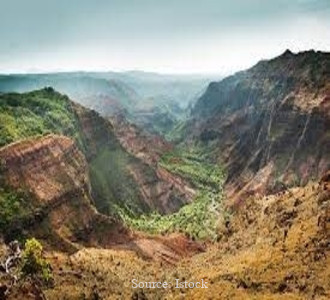
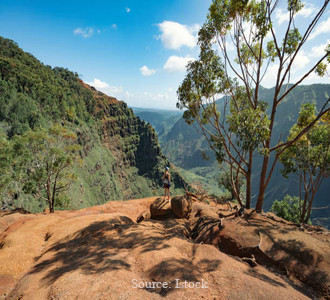

Kauai’s Beaches – the home of Turtles and Seals
Kauai is blessed with numerous dazzling golden beaches which come complete with turquoise waters, perfect swell, towering cliffs and best of all some incredible wildlife that call these beaches home and make for some fantastic viewing spots in a truly serene setting.
While there isn’t a disappointing beach among the 63 miles of coastline along Kauai, in addition to those beaches that lie on the Kalalau trail and within the Na Pali Park and the hideaway beach, we’d really recommend making time to visit at the least the three stunning beaches of Poipu, Tunnels and the beach found on the bay of Hanalei so you can sample the absolute best of Kauai islands beaches.
At Poipu beach, which sits on the south of the island, you’ll find dazzling sun kissed sands set against a backdrop of palm trees, with the clear turquoise waters being a great spot for snorkelling and when the waves are right snorkelling. But what makes this beach truly special for us is the western side – which earns the name baby beach – where you’ll find a small patch of sand and rocks which is known to be home to families of green turtles and some loud and sometimes disagreeable monk seals.
An endangered species you may well smell the seals before you see them, but to see them out in their natural habitat is a true privilege and its worth taking a little time to observe them from a safe distance before heading back to enjoy more time on the golden sands of Poipu beach and then with snorkel in hand head into the clear waters to chance your luck at spotting more turtles in the ocean.
You’ll also find turtles galore at the iconic Tunnels Beach, whose golden sands sits against a backdrop of rising green valleys and palm trees and which is known to be one of the best snorkelling and dive sites on the whole of Kauai – with the cool turquoise calm waters home to a deep coral reef that attracts turtles, neon coloured fish and if you’re lucky the occasional dolphin.
A glorious beach in itself and a great place to relax, we’d recommend heading towards the beach at low tide as while you may be a little short for space on sand you’ll find the turtles closer to the shore and the chance to swim, snorkel and dive with these fascinating and beautiful creatures is a truly special moment on anyone’s trip to Hawaii – and there’s no better place to do it than in the sparkling setting of Tunnels Beach.
Back on the North Coast and you’ll find the idyllic beach of Hanalei which sits on the Hanalei Bay and which is backed up truly incredible scenery with the three miles of golden shores set against rising green mountains and lush green valleys for a simply stunning beach.
Another spot in Kauai to have made it big in Hollywood – this time in the film the Descendants – the beach and the bay are a great place to Kayak, with renting companies and tours dotting the edge of the beach, and you’ll also find the deep blue waters a refreshing place to take a dip and enjoy a spot of snorkelling, with turtles and coral known to reside in the cool waters just offshore.
But the real highlight of Hanalei for us is the sunset, which sees the golden sun light up the beach in a shade of deep orange – and if you’re lucky even turn purple – which against the backdrop of the wooden Hanalei pier makes for a stunning photo and a truly incredible way to cap off your day exploring the wonders of Kauai and Hawaii.
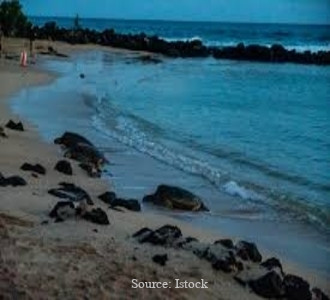


How long to stay:
While it’s possible to get truly lost in the beauty of Hawaii and spend months exploring all these incredible islands – due to costs and, in all likelihood, practicalities we’d recommend budgeting at least 14 days to get across the islands and cover the incredible wonders on the main four islands – as well as allowing for 2 days to both get to and from mainland United States to the paradise islands of Hawaii.
By budgeting two weeks of time, this will allow you to fully cover the incredible highlights across the islands in an action packed two weeks – giving you enough time to explore the highlights including the Na Pali Coast and Kalalau trail, the mighty volcano national Park, and drive the Hana Highway – as well as enjoy some relaxing time on some of the stunning Hawaiian Beaches across all four of the big islands – and we’d really advise planning your trip in a clockwise direction from Oahu to Maui to the big islands to Kauai and back to the big islands to ensure your journey across the islands is as time efficient as possible.
Top Tip
Although Hawaii is a truly beautiful paradise, with some of the greatest wonders and experiences on the planet, there are a couple of things that all travellers need to know before heading into the islands deep blue sparking waters. So, in no particular order, these are our top tips to ensure you have a safe and enjoyable time on the islands, and truly get the best out of this stunning wonder of the world:
- Firstly, we’d advise everyone, as obvious as it seems, to make sure your trip extends beyond the classic tourist sights of Downtown Honolulu and Waikiki Beach. While both of these sights are truly special and make for great places to visit – the islands of Hawaii are full of natural beauties and wonders – and so its essential that any trip there goes beyond the resort and sun lounger to truly explore these incredible islands.
- To make the most of the islands, we’d advise heading to the big four islands – Oahu, Maui, the Big Islands and Kauai – and covering them in that order in a clockwise direction to both safe on cost and for practicality reasons. In order to fully help yourself explore the best of the islands – we’d also recommend hiring a car to help you get around. This will save not only on costs as you avoid some of the overpriced tours, but also allow you to go at your own schedule and cover some fo the islands gems found off the beaten track – while we’d advise hiring a car on all four islands, where the roads are well maintained, as an absolute minimum we’d advise hiring one on Maui to allow you to take on one of the wonders of the world in the Hana Highway.
- We’d also advise making sure you have a rough schedule for your trip – not just to allow you to make the most of your time on the islands – but also because so many of the attractions – including the state parks and trails – require you to book and pay in advance in order to manage crowd numbers. This is particularly true of Pearl harbour, Luau’s and those who take on the Kalalau trail at Na Pali Coast – all of which tend to fill up weeks in advance – so be sure to book in advance!
- It’s also important to be aware of your surroundings when visiting Hawaii – particularly in both downtown Honolulu and for those who take on treks where you leave belongings in a parked car, as despite the beauty of the islands, Hawaii still struggles with incidents of theft and crime. So we’d advise protecting your valuables and for solo female travellers avoiding unlit areas at night – and to take extra care if camping.
- On top of this, there’s no doubt that one of the highlights of any Hawaii trip is the fun and beauty found at the many incredible beaches – and while we’d really encourage you to enjoy them as often as you can, it’s important to come prepared with plenty of sunscreen – and in particularly reef safe sunscreen. Using this sunscreen will not ensure you don’t cook under the Hawaiian sun, and have to spend a few days dealing with sunburn – but also that when you enter the water, the reefs, coral, fish and turtles are all protected from any sunscreen chemicals, helping to maintain and preserve this incredible marine life.
- You also need to ensure that you respect and observe native Hawaiian Culture, particularly when visiting national parks and cultural sites. As a minimum be sure not to go without a top in public, and wear appropriate and respectful clothing – including long sleeve shoulder covering tops in temples and be sure to remove your shoes when entering the home of any resident. It’s also incredibly important that natural sites on the islands are treated with respect – including no littering, desecration and for those lucky enough to visit the Volcano national park, be sure to leave only footprints and not take any volcanic rock with you – as the park is considered incredibly sacred to native Hawaiians.
Finally, alongside ensuring you’re not travelling during a natural disaster or a volcanic eruption, we’d really advise you to ensure you make the most of your trip to Hawaii – the islands are full of incredible wonders, but are also one of the more expensive wonders of the world – so it’s important you make the absolute best use of your time by following the top tips above and making sure you enjoy and soak in every second of your exploration across the true wonder of the world that is the incredible Hawaiian Islands.


Cost:
There’s no two ways about it – a trip to Hawaii and the islands is costly – but the money spent is well worth it to explore these incredible islands.
For budgeting, we’d advise setting aside at least $650 Usd for flights to and from mainland America to Oahu and Honolulu, as well as an extra $500 Usd for flights between the islands if you choose to cover all four – and you’ll find prices and the route much kinder if you follow the islands in a clockwise direction from Oahu.
We’d also advise setting aside a further $600 Usd for helicopter flights across the Na Pali Coast and the Volcano national park – while both are a little pricey, the chance to fly over these incredible wonders is a true bucket list experience and one that is really worth the money to fully capture and explore these incredible wonders.
We’d also advise budgeting entry to some of Hawaii’s top attractions, including a Luau ($100), the Pearl Harbour USS Arizona Memorial ($83) and the Polynesian Cultural Centre ($60 Usd), as well as budgeting for a couple of day trips – including whale watching ($35), shark diving ($120) and a trip to the Molokini Crater ($150) and the sunrise at Haleakalā Volcano ($150).
Factoring in as well Car rental for at least the Hana Highway ($60), if not on the other islands as well ( budget around $500 Usd for 10 days) and the cost of the expensive hotels, meals and additional expenses ($300 Usd a day) and a trip to Hawaii does begin to add up, even with the offset of the beaches being free to access and enjoy.
All in – we’d recommend budgeting, for the recommend 16 days across Hawaii’s main four islands a minimum of $7000 Usd per person – which is steep, but this is truly an adventure and wonder of a lifetime.
Best Photo Spot:
Paradise on earth, thanks to the dramatic, contrasting, rich and differing natural landscapes, beaches, turquoise waters, and teaming biodiversity and marine life – the islands of Hawaii are a true photographers dream and will leave you absolutely spoiled for choice when it comes to snapping memorable and breath-taking photographs.
So from the breath-taking Na Pali Coast, to the Lava Spewing Volcanoes and into the underwater marine life at the dazzling sand beaches and through the untamed raw jungle, the below are our top picks for must snap photos when you visit the wonder of the world of the Hawaiian Islands:
Haleakalā Volcano Sunrise.
Starting with what is arguably the most beautiful sunrise on the planet – witnessing the sunrise at the great Haleakalā Volcano on Maui is a true privilege and is guaranteed to leave you both awe-struck and in awe of the natural beauty of Hawaii as you witness this incredible natural phenomena and snap photos till your heart is content.
Arriving at the viewing spots early (5am) to ensure you get a good spot, we’d advise to come prepared with a warm breakfast and plenty of layers as it does get chilly at the more than 10,000 foot high viewing platform – but the cold and early start are truly worth it as you watch the beautiful Hawaiian sky light up in shades of bright yellow and deep orange as it slowly rises from behind Haleakalā in one of the most beautiful, romantic and simply stunning sunrises on the planet.
Volcano National Park:
Allowing you to capture lava spewing volcanoes, towering steam bents, deep volcanic craters and thousands of acres of incredible geological desert, rainforest and sea – as well as witness the formation of land – the big islands Volcano National Park is a landscape photographers dream as the incredible natural park offers some of the best shooting opportunities and unique vantage points to capture volcanic activity.
While any angle across the Volcano National Park is guaranteed to leave you with an incredible shot – for an extra special photo we’d advise timing your trip to coincide with any volcanic activity from Kilauea and then shooting the eruption from above on a helicopter trip. For something a little less dangerous and guaranteed, we’d advise making sure you make time to head to the Thomas Jaggar Museum or to one of the viewing spots along the crater rim drive at dusk – where you can witness the nightly glow of Kilauea from the Halemaumau Crater and snap one of the worlds most powerful and beautiful phenomena.
Na Pali coast
Heaven on Earth, the gorgeous Na Pali Coastline features the absolute best of Hawaiian Landscape, with the almost 16 miles of coastline featuring 4,000-foot towering iconic green cliffs against the backdrop of the deep blue waters of the pacific and within them lying deep green valleys, sparkling beaches and untamed jungle – for what is one of the most scenic photo spots in the world.
For those lucky enough to explore the Na Pali Coast on Kauai, you have the choice of exploring the stunning coastline by sea, air and on foot – and for the best photo shots we’d really recommend booking yourself onto a helicopter flight where you can capture the full beauty of the Na Pali coast and grab those famed Jurassic Park Shots – as well as setting aside a day or two to conquer the Kalalau Trail, an incredible 11 mile one way trek which is one of the most scenic on the planet and which takes you not only deep into the Na Pali Coast but to a series of breath-taking photo vantage points to allow you to capture the absolute best of this natural wonder.
The Hana Highway
The greatest drive on the planet – the challenging twists and turns will truly test your driving ability and patience – but the drive is simply stunning and will take you to some of the most stunning scenery and photo spots across the whole of both Maui and Hawaii.
Winding across 600 turns and from anywhere 40 to 65 miles depending on how far you go, you can expect an array of stunning beaches, towering waterfalls and lush rainforest – and for truly special photos we’d recommend making time to stop at the Garden of Eden – a blissful garden that truly lives up to its name with stunning views, the rainbow trees – where a dazzling display of multi-colour trees await you, the great towering falls of Waikani (70 foot), Hanawi Falls (200 foot) and Makapipi falls (270 foot), the great black sand beach and turtles of Wai‘anapanapa State Park and of course the finale of the bamboo forest on the Pipiwai Trail – as well as the many beaches and deep jungle you pass through.
Being sure to drive slowly and pull in only at designated spots to snap these wonders, a drive down the Hana Highway is not only a thrilling experience but can take you to some of the most scenic wonders of Hawaii – so be sure to buckle up and come with your camera ready as you navigate the twists and turn of the Hana Highway.
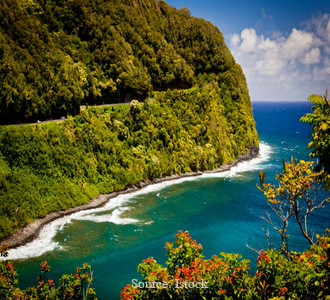

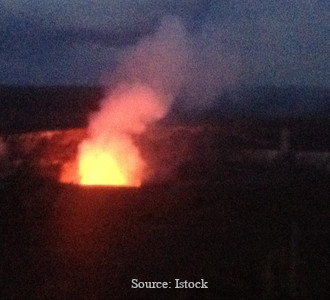
Whale Watching
Hawaii is a true paradise for marine life and especially for whale watchers, with thousands of pods of Humpback Whales known to frequent the warm waters of Hawaii and particularly the blue waters of Oahu in the small town of Waianae and in the great harbour of Lahaina on Maui – giving photographers a fantastic chance to snap these incredible mammals in full flow as they breach, navigate and blow through the cool Hawaiian waters.
Best seen between the months of November and March – when the whales frequent Hawaii as part of their migration towards the colder waters of Alaska – we’d really recommend taking on a cruise from Waianae or Lahaina Harbour to give you the best chance to enjoy the true privilege of both witnessing and photographing these amazing animals in what will be one of the true photographic highlights of your journey around Hawaii.
Dolphins and Manta Ray Swimming
Alongside photographing the incredible breaching Whales – the islands of Hawaii also offer unique chances to get close to and photograph more unique marine life, with the Big Island and the turquoise waters off Kailua-Kona being the known resting place of pods of dolphins, with a range of tours not only giving you the opportunity to snap dolphins in full flow but actually get up close and personal to them on a swimming and snorkelling tour – giving you a truly unique chance to photograph these magnificent animals up close.
Alongside grabbing great photos of Dolphins – a truly special photo opportunity and experience awaits you at dusk, where for divers and snorkellers you have the unique chance to dive below the cool waters of the big island on the Kailua ‑Kona peninsula –and came face to face and photograph the largest rays on the planet – the mighty Manta Rays — who come nightly to feast on the plankton in the peaceful and warm Hawaiian waters.
One of the best places on the planet to photograph Manta Rays – you’ll find the coral and seabed lit up by underwater lighting carefully set-up by local companies, and it’s the combination of this lighting, the warm waters and the nightly presence of the Rays and Dolphins that make the Kailua ‑Kona peninsula such a privilege to photograph and one of the best marine diving spots in the world.
Shark Photography
Head to the North Shore of Oahu and you’ll again find another great spot for some marine photography and exploration – this time in the heart pumping and adrenaline thrill seeking activity of photographing species of sharks – including hammerhead and black tip sharks – as you act as bait and head into the water in a shark cage for an eye to eye and up close experience with these giants of the sea.
A unique chance to photograph these predators – whose reputation precedes them – Shark Cage Diving is only possible on a tour – and we’d advise hiring out a sturdy camera beforehand to make the most of what are some of the warm waters and incredible visibility in one of the best places to photograph sharks in the world.
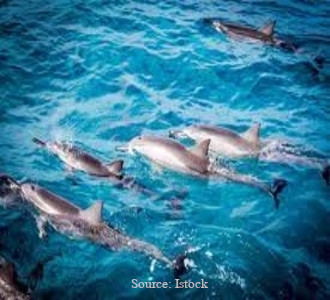
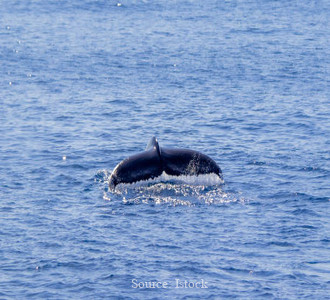

Hanauma Bay, Oahu
Found just outside of Honolulu – the sparkling and dazzling bay of Hanauma is a twin wonder for photographers – as the incredible bay offers a stunning chance to capture not only the curved crescent golden shores of the beach which sits beneath the stunning Koʻolau Mountain Range making for a dramatic shot of the land meeting the shore – but also as Oahu’s most accessible and marine diverse rich snorkelling spot it’s a great spot to grab your snorkel and head into the cool turquoise waters and capture incredible photos of Hawaii’s marine life and snap a close up shot of colonies of turtles.
A truly beautiful bay – the beach and waters do tend to fill up during the day so if you want to capture a perfect shot we’d advise heading to the bay at sunrise, or for an ever better shot sticking around till sunset – where the descending sun sees the blue Hawaiian skies and the bay glow in a shade of deep yellow and orange for a truly special shot as you capture the great bay, the turquoise waters and the Mountain Range against an incredible sunset.
Molokini Crater
The moon of Maui – the Molokini Crater is another stunning natural wonder that photographers can’t leave Hawaii without snapping. This island – which is the sunken remains of a volcanic crater has evolved in such a way as to resemble a beautiful great green island moon protruding out of the deep blue pacific makes for an incredible paradise-esque shot, with this unique natural wonder being one of the iconic shots across Hawaii to capture the island beauty at its best.
Best captured at sunrise or sunset to get the iconic image of the crater – we’d also advise making sure you stick around and for those with underwater cameras be sure to take on a spot of diving or snorkelling around the island as you’ll find the incredible turquoise waters being an absolute haven for rich marine life, again giving you a chance to capture the best of the rich underwater life that lives beneath the volcanic land of Hawaii.
Waimea Canyon
Amongst the beaches, volcanos, coast lines and turquoise waters – the Waimea Canyon on Kauai is often overlooked when it comes to Hawaiian Highlights, but for those who manage to take on the Waimea Canyon Road – you’ll be treated to a true gem with the Waimea Canyon rightly earning its nickname as “the Grand Canyon of Hawaii” and the deep canyon and its rolling valley red and brown ridges which lead to the thunderous Waipo’o Falls making for one of the great natural wanders and a truly special photo opportunity of this great canyon.
Best photographed towards sunset – when the descending sun see’s the valley walls come alight the best vantage points for capturing the full beauty of the Waimea Canyon are found by the visitors centre where the Waimea Canyon Lookout – with views stretching to the Waipo’o Falls – and at the Pu’u Hinahina Lookout for sweeping panoramic views – and we’d encourage you to take on the Waimea Canyon road drive along the rim of the canyon to admire and snap this incredible Canyon from multiple stunning viewpoints for some truly special photos.
Diamond Head Crater
The Diamond of Oahu and easily accessible from Waikiki Beach and downtown Honolulu the path along the shoreline and then the summit up old railway tracks to the top of the Volcanic Crater of Diamond Head can be breath-taking – but the rewards are equally stunning as you gaze out over panoramic views that include sweeping mountain ranges, the golden shores of Waikiki below you, the hustle and bustle of downtown Honolulu and of course the deep blue pacific waters that stretch into the horizon.
A great vantage point to capture the best of Oahu and particularly the icons of Honolulu, we’d advise heading to the summit for either sunrise or sunset – where the views over the beach are particularly stunning and you’ll find the crowds at a minimal – allowing you to take in and photograph the beauty of Oahu below you in one of the greatest spots across Hawaii.
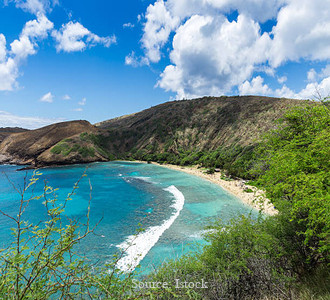
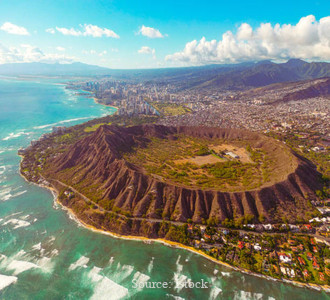
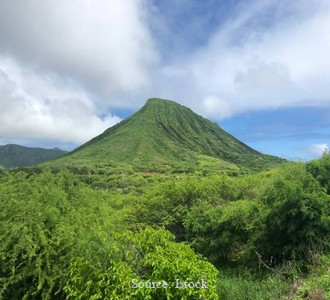
Beaches
Famed for its picture perfect Beaches the islands of Hawaii offer photographers some truly special beaches to capture golden sun kissed sands set against turquoise waters and rolling valleys and even volcanic activity.
From the famed golden shores of Waikiki in downtown Honolulu to the black sand beach of Wai‘anapanapa State Park on the Hana Highway, these are our top Six beaches that we’d encourage photographers to visit the capture not just the full beauty but also the diverse range of stunning Hawaiian Beaches.
Waikiki Beach
Starting with one of the most iconic beaches in Hawaii and arguably the planet – the golden shores of Oahu’s Waikiki Beach which lies just a stone’s throw from downtown Honolulu and with its deep turquoise waters, charming sand and array of palm trees and restaurants and watering holes that lie on the beaches edge – Waikiki is a true paradise and a beach photographers dream.
Set against the backdrop of another photogenic wonder of Oahu – the mighty Diamond Head that adds to beautiful scenery surrounding Waikiki, the beach is often beach lovers first call at Hawaii – and for an extra special shot we’d encourage you to head to the beach at dusk, where you can capture the charming waves that will be alive with surfers, golden sand and the beauty of Diamond Head dazzling under a great Hawaiian Sunset.
Papakōlea Beach
Believed to be one of only four Green Sand Beaches on the planet – the green sands of Papakōlea not only stands to highlight the stunning diversity of the big Islands and Hawaii’s beaches – but with its otherworld shores set against a backdrop of mountains cliffs and deep blue waters, it’s one of the most fascinating and unique beaches to photograph across the whole of Hawaii.
Tough to access – the Papakōlea beach will test your desire to photograph this stunning landscape, with the beach only accessible through a difficult and somewhat bumpy trek along the cliffs of the South Point Road – but for those who conquer this difficult terrain the chance to step upon and capture the unique green sands will leave you not only stunned at the sheer beauty of this beach but with a truly otherworldly and beautiful snap of a unique Hawaiian beach.
Pa’iloa Beach
One of the jewels of the great drive of the Hana Highway, the Wai‘anapanapa State Park Black Sand Beach (Pa’iloa Beach) is not only shrouded in Hawaiian legend, but thanks to the glistening turquoise water, the lava ash black sand and an array of loggerhead turtles that call this beach home – it’s one of the most photogenic beaches on Hawaii.
Requiring and advance booking and an entrance fee, the Pa’iloa Beach was, according to Hawaiian legend, created by the Gods – and its easy to understand this belief, with the black sands and sparkling waters stretching into two freshwater caves that make for a great place to snap the reflection of the still waters against the reflection of the cave and also give a great spot to take panoramic and landscape photos of the black sand and still waters of the dazzling Pa’iloa Beach.

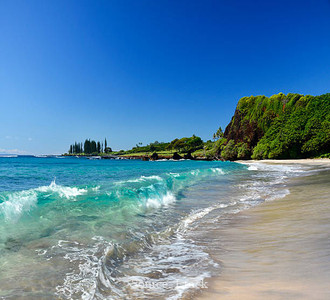
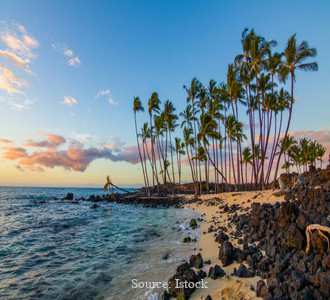
Punalu’u beach
Containing to another gorgeous black sandy beach – this time on the Big Island – the shores of Punalu’u were formed from Volcanic Ash and today you can walk along and photograph this strong sands which sit against a backdrop of dense tropical rainforest and the deep blue pacific ocean in what is one of the most photogenic and beautiful beaches across Hawaii.
Helped by its black sand, Punalu’u beach is also a great spot to come to for those with a keen interest in viewing and photographing some of Hawaii’s most charming if grumpy residents – with colonies of green and loggerhead turtles known to come to its shores to rest and relax providing a great chance to snap them on an amazing beach. For those heading to Punalu’u – be sure to arrive either early in the morning or at dusk as you’ll find the beach crowded during the day as busloads of tourists arrive to enjoy the black sands, which can take the shine and glamour off your photo.
Maluaka Beach
Turtle Town – the beach of Maluaka see’s not only miles of spectacular sun kissed golden sand, turquoise waters and swaying mighty palm trees, but thanks to its close proximity to Molokini Crater, you’ll find the shores of Maluaka awash with colonies of turtles, making it a great spot to both capture a calm and beautiful beach and one of the icons of Hawaii’s blue waters.
Thanks in part to its close proximity to Molokini Crater, the sands of Maluaka are not only blessed with Marine Life, but they are also often overlooked by travellers who tend to head to the more popular and established Crater to get their turtle and beach fix – meaning that if you head to Maluaka on the right day there’s a chance you’ll be able to enjoy true solitude on this beach and you can snap both its stunning sand and its natives in peace – for one of the most special and clear photos of Hawaii’s beaches.
Kaanapali Beach
Returning to more traditional golden sand beaches which have earned Hawaii’s reputation as a paradise island, and alongside the famous golden sands of Waikiki and the dazzling golden sands on the Na Pali Coast, the beach at Kaanapali in Maui to be of the most picture perfect beaches – with the beach having an incredible blend of three miles of golden sand, turquoise waters and lush green palm trees that makes it a postcard perfect beach and which once earned it the title of “America’s Greatest Beach.”
Although now threatened by the overdevelopment of resorts on its edge, the sands of Kaanapali still remain their charm and if you can capture this beach at sunrise when the shores are quieter or from one of the panoramic balconies that lie on its edge at sunset – when you can enjoy the nightly sunset diving spectacle – the beach of Kaanapali is still one of the most stunning on Hawaii and makes for a great beach to snap a postcard perfect photo of Hawaii.
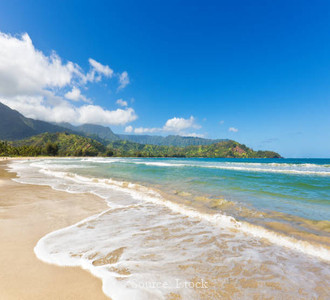
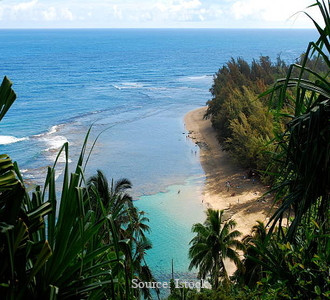
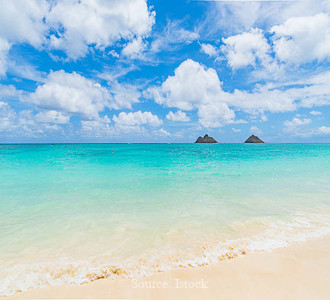
Sunsets:
Alongside its great beaches and natural wonders, Hawaii’s sunsets are the true stuff of legend, with the great sunsets – that see the sky light up in deep yellow, rouge, orange and sometimes even purple being one of the most iconic and photographed images in the world.
While there’s no bad place to enjoy a Hawaiian sunset – and you can find great photo opportunities on any of the stunning beaches and at any of the photo hotspots listed above, we’ve picked out four special spots, that sometimes go overlooked, where you can enjoy and photograph the absolute best of Hawaii’s stunning sunsets:
Hanalei Bay
Alongside the glistening Hanalei beach on Kauaui – where three miles of golden shores against green valleys and turquoise waters await you, is the bay of Hanalei an incredibly beautiful bay that stretches out onto the beach and with it’s idyllic wooden pier it creates a truly picturesque landscape to enjoy one of the most spectacular sunsets on the planet — as the whole bay and beach lights up nightly in a kaleidoscopic display of bright yellow and orange – for what is a truly special sunset photograph.
Lahaina Harbour
The famed harbour of Lahaina on Maui is not just a great place to take on whale watching tours and enjoy the surf and sands of the waterfront beaches, but for those lucky enough to be here at night – you’re in for a true treat as the whole harbour, accompanied by boats sailing out in the deep blue waters, lights up under the descending sun to create a true spectacle as the harbour glows in what is an absolutely glorious display of bright orange, pink and purple – for one of the best and truly breath-taking sunsets on the planet and an absolutely incredible photo opportunity.
For an extra special experience, we’d advise taking in the awe of this incredible sunset not only with a tipple on one of the bars at the harbour – where you can enjoy panoramic views of the sunset – but also at the Old Lahaina Luau where a tasty Luau feast with direct views over the Harbour awaits you, allowing you to enjoy both a feast of the senses and the incredible sunset – in what is one of the most delicious sunset photos in Hawaii.
Makena Cove
A true hidden gem of Maui – the Makena Cove is found just off the beach of Makena and you’ll have to navigate through a few backstreets to find it – but once you you’ll find a small perfect beach cove – with golden sun kissed shores, turquoise waters, an array palm trees and even a spot where volcanoes meet the sea await you – for what is one of the most beautiful and romantic spots across the islands.
A favourite for wedding pictures – the Cove is stunning during the day, but at dusk its picture perfect, as the glowing sunset creates a perfect backdrop to this cove lighting up both the golden sands and waters and creating a moment of true magic that offers you one of the most gorgeous sunset photographs on the planet.
Na Pali Coast
A stunning natural landscape and one of the must see highlights of Kauai, the 17 miles of the Na Pali Coast – and their rolling valleys, towering cliffs, turquoise waters and dazzling beaches make for an incredible photo spot during the day – but at sunset this magnificent coastline turn into something extra special, as the descending sun lights up the coastline in shades of yellow and orange making the 4,000 foot cliffs truly come alive and creating one of the most special and romantic spots on the planet.
While you’ll find most tours of the Na Pali Coast return before dark, and you’ll have to stay local to take on a sunset sailing cruise – which we’d really recommend for getting breath-taking shots – for an extra special photo of this incredible multi-coloured sunset we’d advise taking on the Kalalau trail, where for those who manage to make the 11 mile journey and camp up on the beach, from the shores of Kalalau you can witness one of the worlds most incredible sunsets that represents the absolute best of Hawaii and truly underlines why these stunning islands are a magnificent and beautiful wonder of the world.