Beyond the Ice ! — How to reach Antarctica
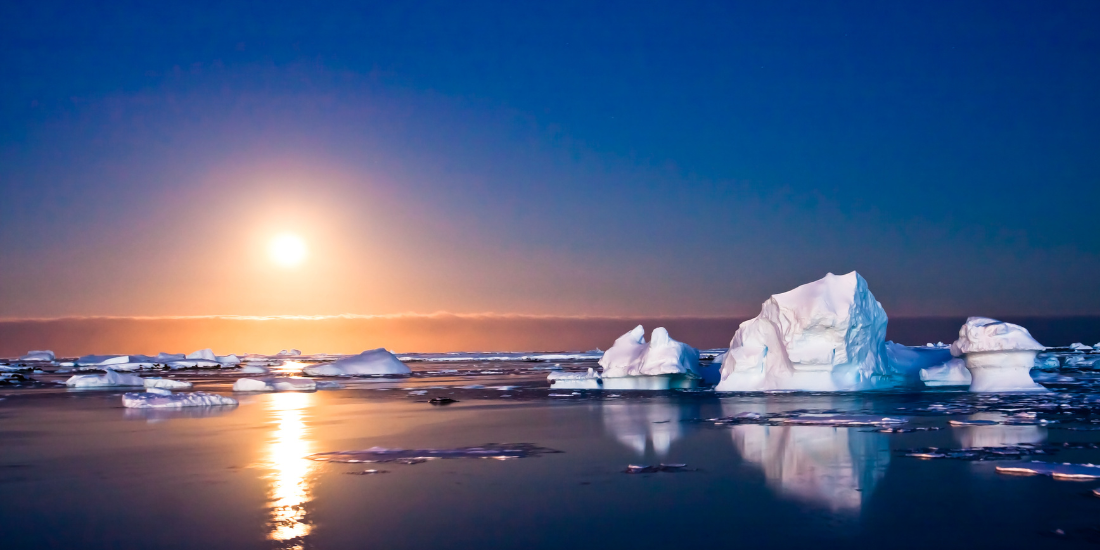
There are few places on Earth that stir the soul quite like Antarctica. It’s remote, untouched, and unimaginably beautiful — a continent of towering icebergs, waddling penguins, surreal silence, and raw, wild nature at its most elemental. But how exactly do you get there?
Planning a trip to Antarctica isn’t as straightforward as booking a beach holiday, but that’s part of the appeal. With a bit of know-how (and the right boots), this once-in-a-lifetime adventure is more accessible than you might think. Here’s everything you need to know to reach and explore the 7th — and often final — continent of the world:
Why Go to Antarctica?
Antarctica is the only place in the world where you can stand in complete silence, surrounded by nothing but ice, sea, and sky. It’s the last true wilderness on Earth — no permanent human settlements, no cities, just the elemental forces of wind, water, and ice shaping the land. It’s home to massive colonies of penguins, breaching humpback whales, sculpted glaciers, and surreal midnight suns. For nature lovers, photographers, scientists, and adventure seekers, there’s simply nothing else like it.
Whether you’re drawn by the wildlife, the science, or the sheer remoteness, Antarctica offers a journey of deep reflection and unforgettable beauty. Every moment there feels like a privilege. The silence, the scale of the ice, and the purity of the landscapes create a powerful emotional response that stays with you long after you’ve returned.
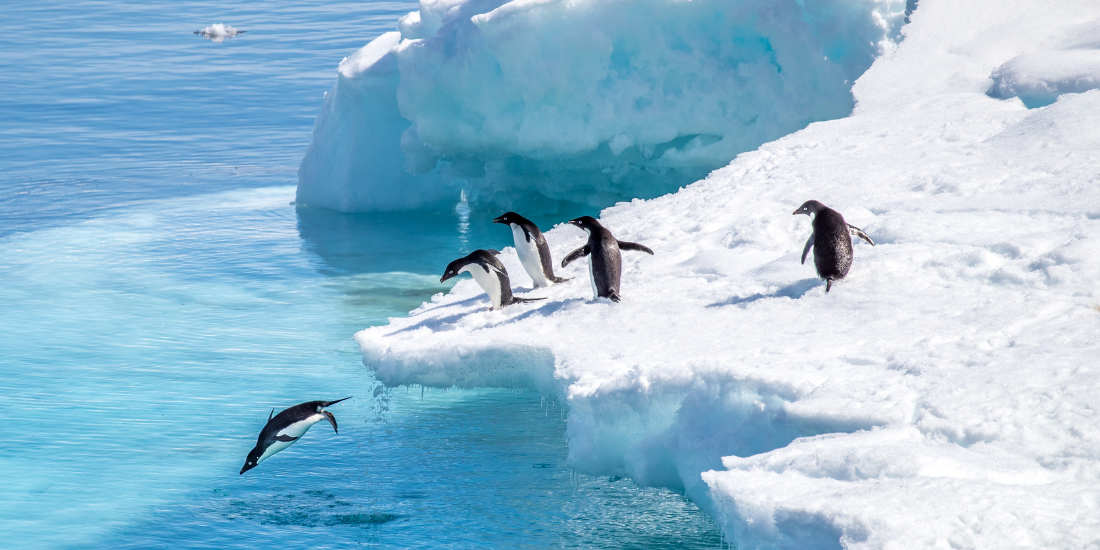
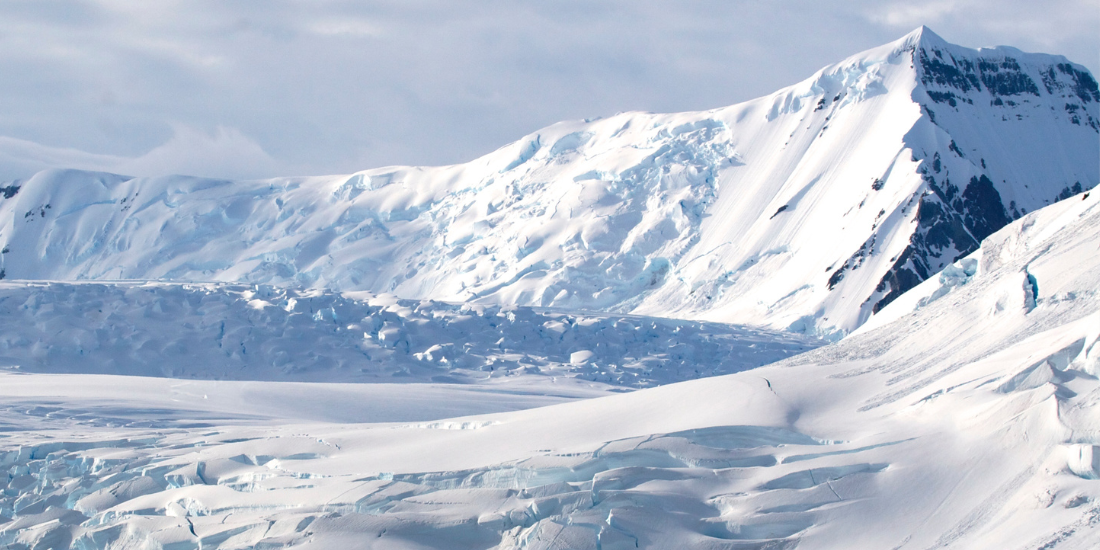
Types of Antarctic Trips: There’s a wide variety of trip styles available, each designed for a different type of traveler. Expedition cruises are the most common and provide a balanced mix of adventure and education. These ships are built for navigating icy waters and come equipped with zodiacs for landings. You’ll visit penguin rookeries, historic research stations, and icy bays while listening to naturalists and guides explain the environment around you.
Some cruises focus on a particular theme, like photography, marine biology, or climate science, giving guests deeper insight into specific interests. Others offer more hands-on activities, such as kayaking, snowshoeing, or even spending a night camping on the continent. For the most adventurous, you can join mountaineering or polar diving excursions.
Luxury cruises take things a step further. These vessels offer five-star accommodations, wellness spas, gourmet meals, and personalized service, all while taking you deep into the Antarctic wilderness. It’s a surreal juxtaposition: sipping champagne while watching a glacier calve into the sea. But the comfort doesn’t take away from the exploration—many of these cruises still include landings and wildlife watching.
Fly-cruise trips cater to those who want to save time or avoid the Drake Passage. These often attract older travelers or those with limited schedules. They’re typically shorter but still provide access to the same majestic landscapes and animal encounters. For those interested in rare, high-adrenaline experiences, there are also deep-field expeditions that take you into the heart of Antarctica for trekking, photography, or scientific support.
When to Go: :The Antarctic season runs from late October to early March. During this time, conditions are warm enough for travel, and the wildlife is active. However, different parts of the season offer different highlights.
In November, the landscape is still pristine and blanketed in snow. It’s the best time for dramatic ice and fewer tourists. December and January are peak months, with temperatures at their warmest, days at their longest, and wildlife at its most active. You’ll likely see penguin chicks hatching and seals sunning themselves on the ice.
February and early March are ideal for whale watching. The sea ice has melted further, allowing ships to explore deeper into the continent. The light also takes on a golden hue, making it a perfect time for photographers. No matter when you go, be prepared for quickly changing weather and the potential for schedule adjustments due to ice or wind.
Visas and Travel Documents: You don’t need a visa for Antarctica itself, but you do need to follow the entry requirements of the country from which your trip departs. If you’re flying into Argentina or Chile, check if your nationality requires a tourist visa. Many travelers — including those from the US, UK, EU, Australia, and Mexico — don’t need visas for short stays, but it’s always worth confirming.
Your passport should be valid for at least six months beyond your return date. Travel insurance is mandatory for most Antarctic trips and must cover emergency evacuation, medical care, and sometimes trip interruption due to weather. Some operators also require a health declaration form, especially for passengers over a certain age or with preexisting conditions. Always check these details well ahead of departure.
Budget and Costs: Antarctica is a major investment, but the experience is often described as priceless. Standard expedition cruises typically start at $5,000 to $7,000 USD for a 10-day itinerary. Fly-cruise options are generally more expensive, starting around $10,000. Luxury cruises and longer journeys can reach $15,000 to $30,000 or more, especially for premium cabins or specialty experiences.
Add to that the cost of international flights, travel insurance, winter gear, pre- and post-trip accommodations, and gratuities. Some operators include extras like polar parkas, photography workshops, or chartered airport transfers. Others offer optional excursions, such as kayaking or ice camping, which can add to the price. It’s smart to book as early as possible — many trips offer early bird discounts and sell out a year in advance.
What to Pack: Packing for Antarctica requires a careful balance of warmth, practicality, and layering. Most tour operators provide waterproof boots and sometimes a parka. You’ll need thermal base layers, mid-layer insulation like fleece or down, and a weatherproof outer shell. Bring waterproof pants, warm gloves, a beanie, and a neck gaiter or buff to protect against the wind.
Sunglasses and high-SPF sunscreen are essential, as the sun reflects strongly off the snow. Don’t forget a dry bag to protect electronics during zodiac rides, as well as spare batteries and memory cards — the cold drains both quickly. Motion sickness medication is a must for sea voyages, especially if you’re crossing the Drake Passage. Binoculars and a good camera will help you make the most of the incredible wildlife and icy landscapes.
Recommended Tour Operators: Several companies have earned reputations for offering safe, enriching, and well-organized Antarctic expeditions. Quark Expeditions and Oceanwide Expeditions are leaders in the field, offering expert-guided trips with a strong educational component. Hurtigruten combines adventure with comfort and sustainability.
Antarctica21 is the go-to operator for fly-cruise options from Chile, while Aurora Expeditions focuses on small-group travel and scientific learning. Luxury travelers might consider Ponant or Atlas Ocean Voyages, which blend comfort with cutting-edge polar access. Always choose a company with a strong safety record, environmental commitment, and clear communication before and during your trip.
Final Tips: Book your trip well in advance — ideally 6 to 12 months before departure — especially if you want specific cabin categories or fly-cruise availability. Be mentally prepared for weather delays and bring patience along with your gear. Flexibility is part of the Antarctic experience.
Don’t skimp on travel insurance, and take time to read reviews or join forums for tips from recent travelers. Most importantly, embrace the spirit of adventure. Antarctica is one of the few places on Earth where the unexpected becomes the most memorable part of your journey.