
Inti Raymi
What: The Festival of the Sun, Cusco’s Inti Raymi both celebrates and re-enacts the Inca Empire’s winter solstice festival and the traditional Inca New Year– with processions, dances, ceremonial readings, music, parade’s, rituals and even a sacrifice (superficial in nature) taking place to honour the most sacred god in Inca culture – Inti — the god of the Sun.
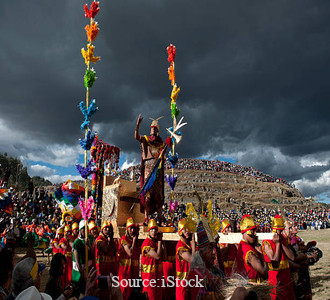
While the re-discovery of Machu Pichu has shone a renewed light on to both Cusco and the Culture of Inca’s, Inti Raymi retains all of its traditional elements (minus the mummification and large scale sacrifices) and the main day of the festival begins with a ceremony at Cusco’s temple of the sun attended by members of the remaining four provinces of the Inca Empire, before a parade and series of performances and rituals – presided over by the elected sun king and sun queen for the festival – take place in cusco’s main square, before the procession moves to one of the last Inca sites still standing in cusco for a further parade, ritual and ceremonies – designed to pay homage to the sun and guarantee a good harvest in the months to come.
As dusk falls, the ceremony is officially bought to an end by a traditional Inca ceremony – which includes the blowing of wood pipes and the banging of drums and the lighting of bonfires, before people head back to the streets of Cusco to celebrate Inti Raymi into the night.
When: The Inti Raymi takes place over nine days in June, beginning on the 16th and finishing with the main event and ‘real festival’ of Inti Raymi on the 24th – with the first several days dedicated to more modern celebrations such as parties, and the final day featuring the modern day re-enactment of the original festival, with the parade, ceremonies and rituals.
Where: The best (and easiest) place to experience Inti Raymi is in the town of Cusco, Peru where for the main days of the festival the downtown area be closed to traffic to accommodate the performers and artists who will gather from the four former ‘provinces’ of the Inca Empire to celebrate Inti Raymi.
In terms of witnessing the festival as a tourist, there are three main areas withing Cusco where Inti Raymi is predominantly celebrated; Qurikancha, Plaza de Armas and Sacsayhuamán.
The festival begins in Qurikancha on Cusco’s Avenida El Sol at the temple of the Sun with the parade and a ceremony, where there are no official seating arrangements but plenty of spots to stand.
In Plaza de Armas, which is the main square of Cusco, a number of festivities and performances take place — however the entire area will be cordoned off, so the best and most practical viewing spots are in the balconies and cafes surrounding the square.
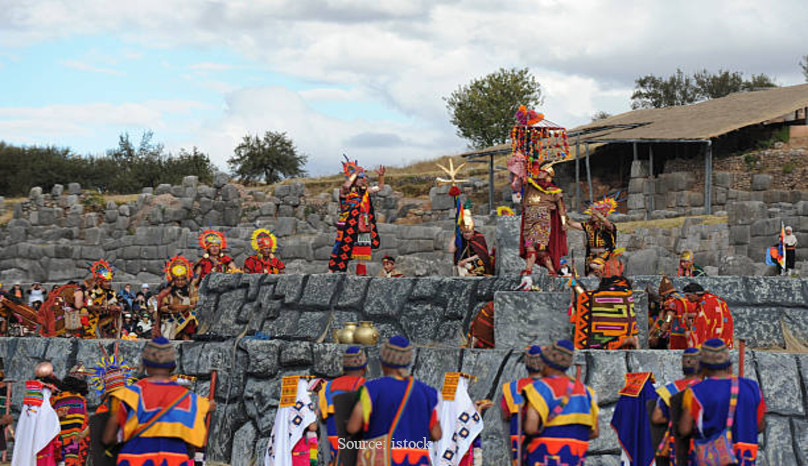
For the area of Sacsayhuaman, where the main ceremony and parade takes place (and the recommended place to be) there is the option to watch to gather in one of the local parks which overlook the area for a free viewing of the ceremony or (and the recommended option) secure a spot in the seated stands that overlook the parade with the help of a tour or local guide.
Duration: Officially Inti Raymi lasts for nine days, however the first several days are dedicated to more modern elements of celebrations, including parties, street food and night-time food and drink events.
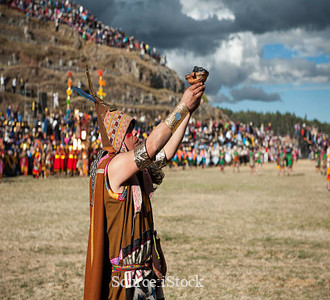
For the day itself of Inti Raymi on the 24th June, performers and artists and importantly members of the four former Inca provinces will gather first at Qurikancha at the “temple of the sun” where a priest (known as the Sapa Inca) will perform an early morning ritual and address the dawn of the sun – before following a procession through to the centre of Cusco and Plaza de Armas.
From here a number of festivities, dances and performance will take place in the centre of Cusco and the Plaza de Armas – before the procession carries on to the area of Plaza Sacsayhuaman, where the same Sapa Inca will give a speech to the watching audience (in the traditional Quechua language) and to the sun at exactly 1:30pm – before the main parade, ceremonies and a staged llama sacrifice take place, with a series of native and traditional inca dances then taking place .
When dusk begins the Inti Raymi will wind down, with a series of drum performances and horn blowing signalling the end of the festival – and giving people the chance to head back into the centre of the Cusco to celebrate.
Tickets: To watch the Inti Raymi there are again three options, depending on which part of the festival you wish to watch and in which area.
The best area for viewing and the one that lets you watch the most of the festivities is to secure seats in the grandstand area of Sacsayhuamán – this is done through purchasing tickets, with the best option being to secure seats as part of a guided package and tour through a local Cusco operator.
For a more local experience and to enjoy Inti Raymi with the locals, there are two main parks that overlook the area of Sacsayhuaman and offer free viewing – however the view here can be limited and expect to have to arrive at 8am to secure a good spot and bring lots of supplies in advance.
To watch the beginning of the festival at Qurikancha, there is not paid option or seating – but plenty of standing options with a good view, although you need to arrive in the early hours of the morning. To watch the opening of the ceremony the best option is to head to Cusco’s Avenida El Sol and find a spot looking at the temple of the sun, then wait for dawn to break for the ceremonies to begin.
For those wishing to watch the more traditional ceremonies in the plaza de Armas and enjoy seating and drinks at the same time, the best option is to secure a table or spot on one of the balconies in the square in advance and enjoy the views from there, again using both a local guide or booking in person in advance are the best options.
Need to Know: As with the above, local in Cusco will arrive in the very early hours for the free viewing spots – so it’s advised to get there very early and book everything in advance – especially as this is also high season for trips to Machu Pichu (which we’d recommend adding into your itinerary as well.)
If attending the festival, be also warned that it can get very crowded and unfortunately is considered a prime place and event for pick pockets – so have your wits about you and protect your valuables.