Kinkakuji Temple (Golden Pavillion)
Overview:
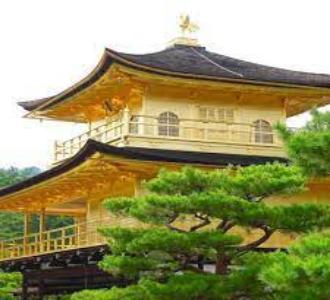
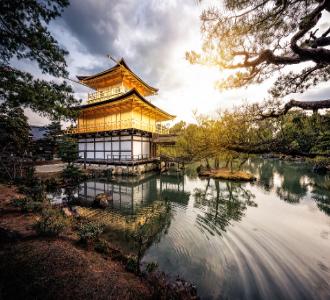
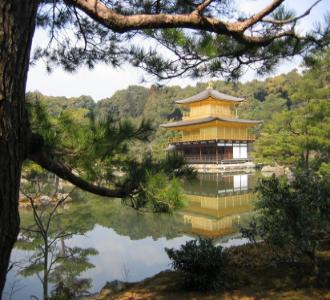
The Golden Temple, the Kinkakuji Temple stands as an incredible Zen Temple dating back to 1397 conceived by the former Japanese military leader Yoshimitsu which features three stunning stories, each set in its own unique architecture representing an element of Japanese culture — and for which the top two floors are covered in pure gold leaf, which sparkles in the reflecting pristine lake and glorious maple trees that frame the Kinkakuji Temple – making it not just an embodiment of Japan’s fascinating culture but also a truly unique and stunning wonder of the world.
Also known as the temple of fire – due to the temple’s shimmering reflection in the lake below it, the 12-metre-high temple has faced its share of hardship and fire related mishaps, burning down twice in the Japanese Civil war and again when it was set ablaze by a mad Monk who lived within it and attempted to commit Seppuku – leading to the temple being re-built and revarnished in Gold in 1955.
Although access to the temple is forbidden, the three floors of the stunning temple and the Golden Phoenix statue that sits atop it are viewable from numerous vantage points and the exquisite Japanese gardens that surround the Kinkakuji temple – with visitors also encouraged to receive their fortune as they exit the temple, meaning that a visit to this incredible wonder will not just be something that enthrals you in the present, but could even play a key role in dictating your future.
Where:
The Kinkakuji Temple sits in the north of the major Japanese city of Kyoto and is easily accessible by public transport, bike or car.
Getting there: Having made your way to Kyoto – either by bullet train from Tokyo of through direct flight, you’ve got a couple of options to reach the wonder of Kinkakuji Temple.
Firstly given the temple lies in the north of Kyoto, it might be easier for those with a decent wallet to grab a taxi there first thing in the morning, to allow yourself to be one of the first into the complex.
For those without Taxi or who want to experience the incredibly Japanese public transport system, starting from Kyoto station found in the heart of Kyoto – you can take either the 101 or 205 bus – or take the underground on the Karasuma Line from JR Kyoto Station to Kitaoji station, and then take a taxi or bike to the Kinkakuji Temple – just make sure to plan your travel times in advance to avoid peak tourists time at the wonder.
Best time to Visit:
Whenever you go to the Kinkakuji Temple you’re guaranteed two things, an incredible wonder – and large crowds, with the temple being one of the top tourism spots in the country.
For this reason we’d suggest visiting on a weekday, preferably Monday at either first thing or two hours before the temple closes at 5 – with busloads of tourists tending to be dropped off between 11 and 2 during the day.
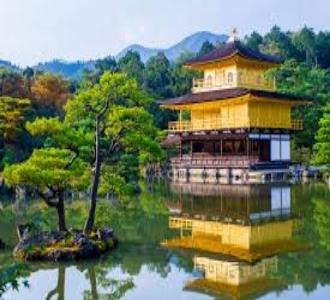
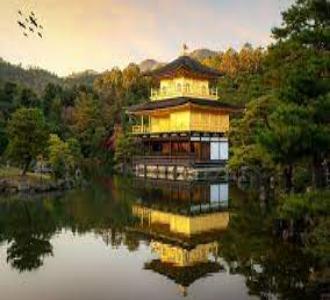
For the best season to visit, if you can time your visit for autumn, you’ll get to see the magnificence of the temple against the backdrop of the autumn leaves from the stunning trees that frame the temple, which combined with the incredible reflection in the lake and the fact that autumn is considered off peak season for tourism makes for a stunning and enjoyable time to explore the Kinkakuji Temple.
Explore:
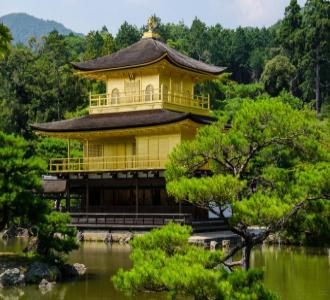
The Temple itself, while not allowing explores inside is best viewed and explored from multiple angles, with the temple incorporating three distinctive styles of architecture on each floor – which supposedly represents different elements of the Kitayama culture from the Temple’s construction in 1397 and at the wish of Yoshimitsu.
While it’s incredibly important to get to Kinkakuji either at it’s opening or before it’s closing hours for maximum enjoyment, the below are the key sites to observe and explore when visiting the Kinkakuji Temple:
Gateway and Viewing Platform
The first site you’ll pass through upon getting your ticket for the Temple is the Somon – the main gate of the Kinkakuji Temple – itself a stunning example of Shinto architecture, as you follow the pathway in front of you you’ll pass a series of trees, which are especially beautiful in Autumn and lead you down the pathway to the main viewing point of the Kinkakuji Temple.
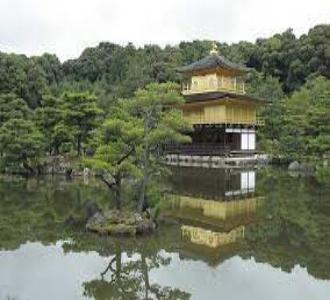
From here you’ll need you camera hadny as you snap some incredibly photos of the wonder and from where you’ll be able to see the beauty of the Gold Temple reflecting in the lake – and the three floors of the temple all with their own unique story.
Shariden Kinkaku (First Floor)
The First floor of the Temple, known as the Shariden Kinkaku floor, was built in the Japanese style of Shinden-Zukuri, it’s notable that despite the Temple being called the Golden Temple, this floor is absent Gold and is constructed entirely from wooden beams which echoes it’s purpose as being used as a reception hall in the days when the Yoshimitsu occupied the temple.
Aloongside the open nature of this floor, those with good eyesight (or Binoculars) will be able to peak through the open windows on the floor to view the numerous statues of Buddha and the lord Yoshimitsu that were kept and which are now archived on this floor in lieu of it being used for official functions. Although absent of Gold the first floor is renowned as an incredible architectural beauty
and it is well worth taking a few moments appreciating its splendour before turning your attention to the gold floors that reign above it.
Chou-on-dou – The Second Floor:
Covered in pristine Golf from the Temple’s Revamp in 1955, the Second Floor is nicknamed both the The Tower of Sound Waves and Chou-on-dou and was constructed in the style of traditional Samurai Houses (buke-zukuri style) – with the addition of the stunning Gold.
Looking past the stunning Gold, you’ll notice further statues related to Buddha and Buddisihm and that this floor has traditional Japanese sliding wooden doors – with the inside of this floor, which is sadly not available for public viewing containing not just statues of the four gods but also a series of meeting rooms and halls – with it known to be the place where Yoshimitsu held his private meetings with visitors.
Kukkyou-chou – The Third Floor:
The Stunning third floor, which comes complete with a pure gold 4 foot phoenix statue on its roof, was built in the style of a Chinese Zen hall and is not only pure Gold outside but also inside and was constructed and designed by Yoshimitsu to reflect both his wealth and power.
Also known as the ultimate floor, it is also the smallest of the three floors of the Kinkakuji Temple and was used as both private residences and for tea ceremonies by Yoshimitsu, with it also believed to contain the prized possessions – including multiple Buddha statues – of Yoshimitsu and the Monks that have called the Kinkakuji Temple home.
Upon observing and appreciating the beauty of all three floors, and grabbing those stunning photos of the Temple reflected in the lake and framed by the stunning accompanying trees, it’s time to explore the rest of the Temple Complex further, following the one way path that guides explorers through the Kinkakuji Temple.
Hojo:
First up on exploring the rest of the Kinkakuji Temple is Hojo, which is the monks former living quarters – including the mad monk who burned the temple, while again not open to the public, you’ll see the famous sliding doors that allowed access to the monks and which are believed to be a throwback to the design of Yoshimitsu – it’s well worth stopping here to take in the stunning sites of the doors before exploring the gardens of the temple.
Sekkatei Teahouse
As the path winds round the temple you’ll find yourself in the stunning gardens of the temple, with the gardens being home to the incredible Sekkatei Teahouse – which dates back to 1874 and which was unsurprisingly used for tea ceremonies. The teahouse itself is stunning standing in the middle of the gardens with an ancient stone lantern and an intact series of seats – giving a real chance to experience how Yoshimitsu would spend his days in his temple.
Anmintaku Pond
Alongside the Sekkatei Teahouse, you’ll find the fabled Anmintaku Pond in the gardens of the Kinkakuji Temple, with the pond surround in the legend that no matter what happens it will never run or water and that the many statues that dot the pond will bring visitors luck – so long as they drop a 5 yen coin into the Pond.
As you carry on the pathway round the temple, we’d advise taking one last look and photo of the wonder, and for those who feel lucky grabbing a fortune from the fortune telling vending machines that dot the exit, before grabbing a cup of traditional Japanese tea in the small garden outside the temple and reflecting on the beauty of the wonder that is the Kinkakuji Temple.
How long to stay:
While the Temple is open 9 ‑5, we’d recommend allocating 2 hours in either the early morning or from around 3pm to best explore it, you’ll find that tourists cram in from around 11-am – 2pm and while the Temple is magnificent at any time your enjoyment of it can be lessened if you’re jostling for position with other people.
Top Tip:
Although Kinkaku-ji Temple comes with a big reputation, it’s important to know you can’t actually enter the temple – and any visit to it should come in the off peak seasons and either at early morning or just before closing – as you’re enjoyment in visiting the wonder will be off put by the many crowds that flock to see the Temple.
Alongside this, we’d strongly recommend combining your visit to see the Kinkaku-ji Temple with the other incredible sights of Kyoto, including:
- A hike Through Torii Gates at Fushimi Inari Shrine
- A visit to Gion and Yasaka Pagoda.
- A visit to oshida Hill Temple.
- A visit to Kiyomizu-dera Temple.
- A walk along the Philosophers Path at Sunet.
For more on the best things to see and do in Kyoto (Click Here)
Cost:
Entrance to the Kinkaku-ji Temple comes in at 400 Yen (4 USD) with the journey there from Kyoto coming in at roughly 300 Yen if done by public transport – making the Kinkaku-ji Temple an incredibly affordable wonder to Visit.
Fun Fact:
Alongside the firey history of the Temple – we’d encourage any visitor to take their chances in getting a fortune from one of the Fortune Dispensing Vending Machines that dot the exits of the Temple.
Best photo spot:
As touristy as it may seem – grabbing a photo of the Gold Reflection of the Kinkaku-ji Temple in the main pond against the backdrop of the Autumn Leaves from the main viewing point in the Temple Complex is the best way to capture the splendour