Komodo National Park
Overview:
The last remaining home of the Dragons – Komodo National Park is made up of 29 stunning Islands and is home to not only the rare and incredible Komodo Dragons, but incredible lush green hills, stunning sparkling beaches and crystal-clear waters which host some of the greatest dive sites and marine life on the planet, which helps to make the Komodo National Park one of the truly immense natural wonders of the world.
Found in the heart of Indonesia, the most popular spots of the 1,733 km² Komodo National Park are undoubtedly the three main and biggest islands of Padar, Komodo and Rinca – with Padar featuring the postcard panoramic 360 views of the Island in all its glory and the island of Komodo and Rinca being the only natural habitat of the legendary Komodo Dragons.
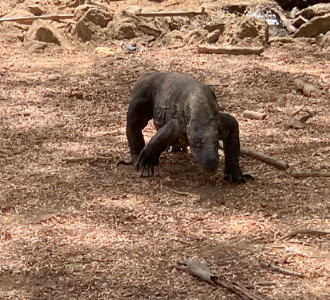
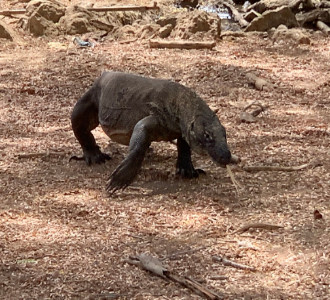
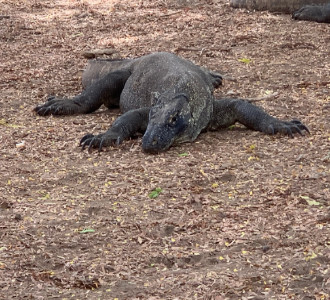
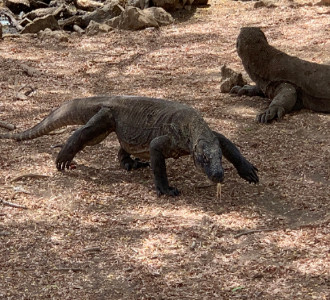
Known as the largest lizards on the planet, and considered a throwback to pre-historic reptilian the Dragons are one of the most endangered species on the planet and are known to grow up to 9 foot long, weigh 200 lbs and come with a thick chain mail like skin, with each viewing trip required to have an accompanying expert guide, who will likely come prepared with giant stick to fend off the dragons if they attempt to attack a human – which they have been known to do. Yet despite their occasional aggressive side – especially during mating season, the Dragons are a true wonder to look at and the opportunity to observe them in their natural habitat is both a privilege and an awe-inspiring site, with the guides on hand to snap as many photos of yourselves with them as required.
Alongside the Dragons, the Komodo National Park is also one of the best places in the world to see manta rays, with thousands flocking to the stunning clear water in the autumn to join the many Turtles and thousands of fish for breeding and feeding, making the islands a diver’s paradise – which combined with the stunning sunsets and the incredible nightly milky way viewing opportunities help to make the incredible Komodo National Park and it’s stunning natural beauty and dragon residents a truly incredible wonder of the world.
Where:
Komodo National Park and its 29 islands are found in Indonesia as part of the Lesser Sunda Islands – with the base for most travellers being the town of Flores which serves as a gateway to the stunning national park.
Getting there:
Getting to Flores and the National Park can require a bit of logistics – unfortunately for those without a helicopter and private cruise ship you can’t just enter the national park you’re going to have to fly to Flores and then jump on a ship or tour into the wonders and the islands.
To get to Flores you’ll need to get yourself to Bali or Jakarta – with Bali and Jakarta being the only place where flights to Labuan Bajo (also known as Komodo Airport) are available, you can then use the town of Flores as a base to either take a boat to the parks, hop on a live aboard or jump on a scuba diving day trip to explore the many islands and wonders of the Komodo National Park.
When at the park be warned that you’ll be required to have a guide with you at all times when you embark on your trek to see the Dragons – as they do have a bit of a temper and have been known to go at explorers, so having them by your side is required for your protection – and to let them grab some stunning photos of you next to them.
Best time to Visit:
Komodo National Park is great to visit year round – so it’s more a case of the volume of heat you’re comfortable with in Indonesia – with January to March being the monsoon season and increasing your chances of getting wet and June to November being the peak season for best weather but also bringing with it volumes of tourists – so much so that visits to each island are now subject to a daily cap.
For the Komodo‑s chances are you’ll see them year-round, but they are known to be especially active during mating season which is May to August when the Males in particularly get a desire to mate and go seeking out females – leading to more aggressive behaviour from them.
For those who believe life is better underwater, peak Manta season is between September and November with Flocks of Mantas viewable in September and November at the best points – and much harder to see outside these months – of course for those with a big wallet you could always head to Komodo National Park for Komodo mating season and then again for Manta spotting season to truly take in the best of this unique wonder.
Explore:
While Komodo National Park is divided into 29 sublime and beautiful islands the main three are Komodo, Rina and Padar – which is where you’ll be able to spot the Great Dragons, take in the famous views and absorb yourself in this stunning wonder of the world.
While we’d encourage getting off the beaten track and explore the rolling hills, lush greenery and stunning natives – both above and below land at Komodo National Park, below are our absolute must see sights in the wonder of the Komodo National Park:
Padar:
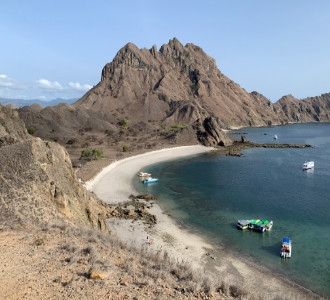
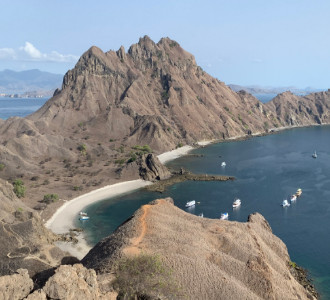
Starting with the closest spot to Flores and with what will likely be your first port of call in the wonder, the third biggest island of the Komodo National Park, Padar is famous for is stunning views and hiking trails – with the steep hill that leads you to the Padar Island Main lookout offering what is now the postcard panoramic view of the multi-coloured beaches, hills and sea that has become a staple of Komodo National Park – as first stops on tours go taking in this stunning view is among the best in the world.
Komodo Island
Next up is the island of Komodo – you’ll disembark your boat on to a long jetty walkway and pass a couple of giant docked cruise ships before entering the island under a Jurrasic Park style gate and next to a beach — then making sure you have your guide, you’ll then taken on one of the three designated treks around the island to hunt for the endangered and stunning Komodo Dragons that call this island home.
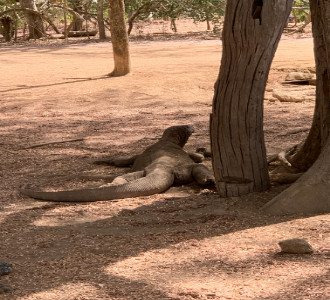
Starting off from beneath the gate, you’ll also get a brief from your guide about the Dragons – essentially warning you that they do attack humans, so be careful not to antagonise them and underlining that they can outrun your average human, before you seek out one of the 3,000 dragons that lie on the island. As you journey round chances are (unless you visit in mating season) you’ll find them relaxing under a tree and occasionally adjusting positions to walk to a hole – which while not being as exciting as seeing them wrestle each other gives you the chance to get some up close photos – and some special illusion photos that your guides will help you with while observing them in their natural habitat.
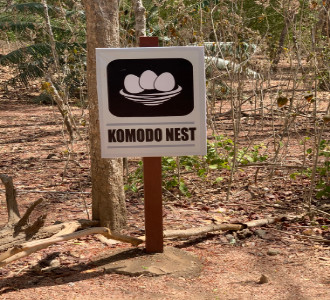
As you journey round the island, you’ll also get a chance to walk amongst the incredible forest of the island, and more than likely witness some Komodo Nests that are sheltering eggs and possibly new-born Komodo’s – as well as looking out into the stunning Flores sea – with the island and it’s residents making Komodo Island an incredible and unique natural spot and a true wonder.
Rinca Island
Alongside Komodo Island you’ll also find Komodo Dragons living on the beautiful Rinca Island, with this island being both smaller and thus less visited by explorers giving you potentially a unique and untouched island to explore and hunt for dragons.
Rinca is also a great place to see an abundance of other native wildlife, including owls, buffalo, goat, pigs and monkeys as well as two incredible Komodo Dragon statues that have been put in for tourists and again features multiple hiking trails and some incredible woodlands and greenery that is home to the Dragons – with the waters near Rinca Island known not just as a great snorkelling spot but also a unique place to occasionally see the Dragons taking a dip – just remember not to get too close to them as they will still go for you even if its underwater.
Diving / Snorkelling in Komodo National park
While Komodo Islands may be known for its above land stunning views, greenery and the famous Komodo Dragons – life underwater in this National Park is equally stunning, with the Komodo National Park being one of the best dive spots in the world, known not only for its stunning reefs, manta rays, turtles, multiple fish, sharks and the odd swimming dragon but also it’s crystal clear waters.
Luckily, basing yourself out of Flores you will have multiple diving and Scuba options, including day trips and liveaboards and you’ll also find many trips to the island offer a combined island / Diving trip for those who want to combine the two.
While there are some incredible reefs, we’d highly recommend making sure that you take in the snorkel spots of Batu Bolong – a 60 metre rock that is known as a hang out spot for multiple species of fish.
The snorkel or Dives spots of Manta 1 and Manta 2 and Manta 3 which make up the Manta points of Komodo National Park – where particularly in September – November you are likely to see multiple Manta rays gliding along the incredible Flores sea waters and get the chance to swim alongside them and photograph them in all their beauty.
On top of this scuba prices in Komodo National Park are some of the best in the world, and you can expect to be accompanied by a professional photographer on every trip as you explore the stunning reefs and come face to face with Manta rays, Turtles and some of the best aquatic life on the planet.
Island Hopping and Stargazing:
Alongside the beauty of the National Parks and the immense underwater experiences, Komodo National Park helped by its lack of pollution, stunning scenery and crystal clear waters is also the home of some of the best natural displays and beach wonders.
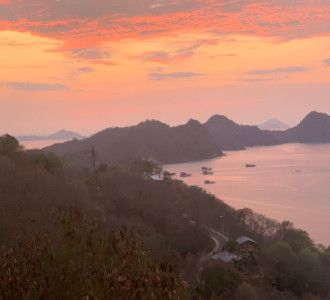
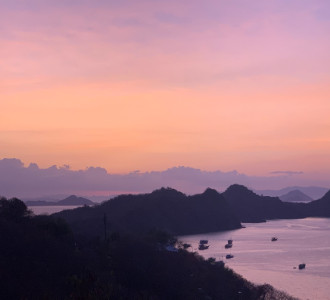
Flores Sunset — For those who base themselves in Flores, be sure to head up the top of the main Flores hill (it’s the only hill in town) around 7pm to witness an incredible orange and yellow sunset over some of the 29 volcanic islands in the distance – it’s a truly stunning sight.
The Milky Way — We’d also recommend – and especially for those doing liveaboards to go stargazing, with a clear night sky in the middle of the National Park giving you some of the best and most incredible vantage points of the Milky Way, with the Stars and Planets of other worlds coming together to light up the incredible wonder in a stunning evening sky performance – it’s one of the main selling points of the liveaboard experience and one definitely worth investing in a high-tech camera for.
Gili Lawa – while all of the 29 islands on Komodo have their own unique identity, chances are you’ll only hit the main three on most tours, yet for those who a multi-day liveaboard cruise you may get the unique opportunity to visit our favourite non big three island of Gili lawa – a stunningly beautiful island full of green lush hills and which features a view point which in our opinion eclipses that of Padar Island. Although it’s a much steeper climb and the trail is tigher and less well developed that Padar – the view from the top which features a 360 view including the big three islands on a clear day and the crystal clear water below is truly stunning and makes for a unique yet beautiful shot of the Komodo National Park – which is well worth checking out.
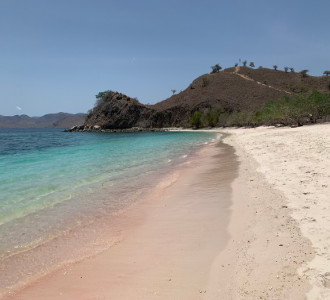
Pink Beach — Alongside the many incredible islands of the National Park, you’ll find multiple stunning beaches and sandbars – but perhaps none is more famous (or Instagram Famous) that the iconic pink beaches – including the one found on Padra Island. These incredible beaches formed by the red coral of the underwater beauty of Komodo reefs breaking away and mixing with water cover incredible beaches against the crystal clear waters of the Flores sea and make not just for stunning snorkelling spots but a truly romantic and idyllic spot in the incredible beauty of the Komodo National Park.
How long to stay:
While we’d advise a minimum of 5 days, this one is really up to you – as a minimum you’ll need three days – as you have to arrive the day before any trip departs to check in with your operator and fill in various health forms and you’ll need to budget a day for leaving the island given that day trips don’t get back in time to leave the same day.
For trip durations, you have the following options:
Day trip by speed boat:
Allowing you to see the main highlights and if you’re luck a dragon – you can expect to leave at 5am from Flores and be ferried directly to Padar island for a morning hike to the viewpoint then onto Rinca Island to view the dragons before having lunch on the pink beach and having a chance for some snorkelling to view rays – before heading back to Flores to watch the sunset and kick back with a beer or some great Indonesian food and reflect on your day.
2 days / 1 night:
The most popular option which includes trips to Padar, Rinca and Komodo islands in all their beauty, as well as the option of Scuba Diving and taking in the stunning Milky Way in the evening – the 2 day option is the most favoured by visitors and gives you plenty of time to explore the beauty of the national park at your own pace and take on the longer trek on Komodo Island giving you a greater chance of seeing the illusive and incredible Komodo Dragons.
Multi-day and diving Trips:
As with the above, this trip will include all the main highlights but give you plenty of time to visit the smaller island of Komodo National Park including the fantastic Gili Lawa island, you’ll also find that various diving liveaboards for those who want to spend a lot of time at the Manta points operate their trips as a combined explore the island and go diving style trip – giving you as much time as you could possibly want in the incredible Komodo National Park.
Alongside this you’ll find as well that individual dive trips run daily and can be jumped onto a few hours before they depart – which means for those who don’t fancy living on a boat for a few days but still want to see the incredible aquatic wildlife you have the chance to do a one day speed boat trip and then rest up in Flores before heading out on a separate day trip to cover the best diving spots.
Top Tip:
With the Komodo Dragon being the largest lizard on the Planet and clocking in at an average of 200lb and having chain mail like skin – and being known to bite, attack and kill humans – they are not to be messed with – so be sure to follow the advice of the guide you are with, don’t wander off and avoid eye contact – with these guidelines being especially necessary for women on their periods as the Dragons can smell and do react to Blood.
It’s also highly advised to carry plenty of sunscreen and water – and if possible get yourself an overnight trip to the island that takes in the Milky way viewing and some diving at the Mantra points as well as the main islands – which gives you a chance to experience the absolute best of this incredible wonder.
Cost:
While a bit of a challenge to get to once you’ve got your flights to Flores from Bali (expect to pay about $150 — $200 USD) you’ll find the island of Flores incredibly affordable – with accommodation, food and Taxi all being minimal in price and the average daily costs easily coming in at below $30 usd.
For trip to the island you have many options – but we’d recommend for those not a strict schedule to get your trip from one of the many dive or tourist shops in Flores itself rather than booking through Viator or TripAdvisor beforehand – as those are normally booked by agents on your behalf and come with a 200% — 300% inflation fee.
For a one day speedboat tour of the best spots – you can expect to pay roughly $50 USD about IDR 700,000 for a high quality comfortable experience of the main spots — with that likely increasing to $125 for a one night two day experience – which will take you to Komodo Island and give you a chance to experience the incredible Milky Way from the middle of the incredible Flores Sea.
We’d also highly recommend budgeting for a diving experience either one day or as part of a multi-day trip which takes in the manta ray points – for this expect to pay $125 usd as a basic and $25 for each additional dive – and $25 usd for photos from a professional guide who will accompany you.
Also be warned that while meals and the guide for the park will be included, you’ll need to pay for extras (additional snacks / souvenirs) and daily expenditures by cash only – which will include a 150,000 IDR (10 USD) National Park fee which won’t be included in the tour price and is applicable for all 3 of the major islands – so it’s advised to stock up on cash before you head to the incredible wonder of the Komodo National Park.
Fun Fact:
Despite being somewhat lethargic on most viewings, Komodo Dragons are no slouches and can reach speeds of 14 mph when provoked or hunting – and their favourite method of hunting is to bite their prey (which includes humans) and to let them walk away – with their bite containing poison which slowly sets in leaving them a nice meal once their prey falls victim to it.
You’ll also find various nests roped off and guarded by bright signs warning you to stay away – the reason there’s so many is that when the female Komodo Dragons lay their eggs they cunningly lay many replicas to confuse hunters – and leave the real eggs for a few months before returning as they are due to hatch – while a great system in practice it has its flaws as sometimes the female Komodo’s replicas are so good they confuse themselves – which means for those head to the islands in November – December time don’t be surprised if you see some confused and lost female Komodo’s on the island.
Best photo spot:
Komodo National Park is a Photographers Paradise – with the trip to summit of the mountain on Padar Island and the incredible 360 views on offer of the lush mountains, ocean and greenery combined with the great Pink beach and of course the incredible Sunset and Milky way viewings on offer all making for incredible photos.
But the truly special photos come in capturing the rare wildlife that call the wonder of Komodo National park home, with shots of the underwater wildlife at the mantra points and scuba spots combined with the chance to photograph and pose with the great and last remaining Komodo Dragons an incredible and privileged opportunity and helps leave you in awe of the wonder of the world that is Komodo National Park.