Lake Titicaca:
Overview:
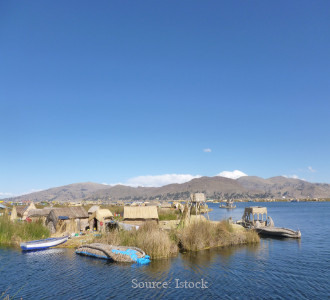
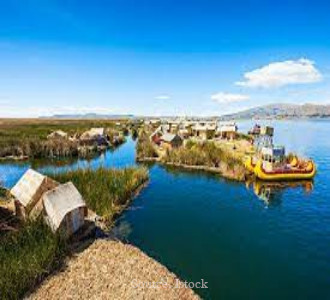
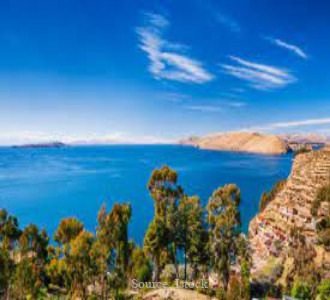
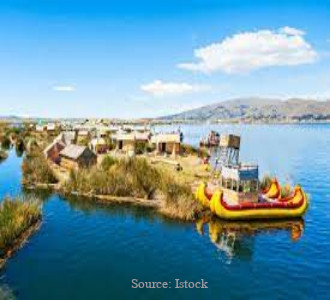
“The Mount of the Puma” Lake Titicaca is guaranteed to leave explorers breathless – in more ways than one ! — with this serene and fabled lake not only sitting 3,812 meters above sea level, making it officially the highest lake in the world – but thanks to its extreme beauty, the enchanting panoramic vistas, its rich wildlife, the many charming islands and unique experiences that lye upon it, combined with its rich history, mythology, life sustaining waters and floating islands (Uros) Lake Titicaca is not only one of the most iconic lakes on the planet – but is also a true wonder of the world.
Sitting and fed by the high Andean Mountain range, Lake Titicaca cuts through the borders of Bolivia and Peru, and is made of two distinct sections (the Lago Pequeno which lies in Bolivia and Lago Grande which lies in Peru) which together combine to stretch for more than 191 km in length – with a surface are of more than 8, 372 km2 — making Lake Titicaca officially the biggest lake across the South American Continent and the highest navigable lake on the planet.
Alongside its many records, the calm waters and blue skies of Lake Titicaca also serve as not only the place of one of the world’s greatest festivals in the Fiesta de la Virgen de Candelaria – as well as being the home of hundreds of different endemic species of birds and fish. Yet the real magic and enrichment of exploring Lake Titicaca comes from the fascinating insight it provides into Incan culture, with the local Incan people still calling the many serene and beautiful islands, including the famed Amantani, and Isla del Sol, home and continuing and carrying on their thousands of year-old culture across the Lake.
Mythology & History
For the Incan people Lake Titicaca is believed to be the birth of all creation – with it being on these very shores that the Incan God Viracocha creating life. Yet upset with humanity’s choices he then sought to flood and drown his creation, only to have his plans thwarted by the God Viracocha – who used the waters of the lake to create the sun, moon, stars and life as we know it today.
Still, while Lake Titicaca is heavily associated with the Incans, it was not until the 15th century that the Incan people inhabited the lake, with evidence of human occupation and settlement on the lake believed to date as far back as the 2nd millennia BC – where a series of various tribes farmed, fed and flourished on the shores of Lake Titicaca which sustained life.
The lake would undergo a serious evolution of infrastructure in 200BC, when the tribes who lived there would be displaced by the emerging Tiwanaku empire, who fashioned not only tools but stone housing and a village upon the lake – which at its height consisted of pyramids, monuments, statues and was believed to be home to more than 80,000 people – a far cry from the 1,200 people who call the lake home today.
Yet as a result of a series of natural disasters – including a sustained drought, the Tiwanaku people were forced to flee their village and it would not be until the dawn of the early centuries of AD that tribes and people would re-occupy the lake making use of the stone village of the Tiwanaku Empire – which is still visible at the lake today.
Lake Titicaca as we know it truly began to take shape in the 15th century, when in an effort to expand their empire the Incas marched onto the Lake – quickly rounding the local tibes – and claimed Lake Titicaca as their own – living peacefully and developing the lake until the middle 16th century – when the Incas themselves would be conquered during the 1531 Spanish inquisition.
It was during this inquisition that the history of Lake Titicaca took a bloody turn, with the Inca people subject to harsh rule – and following the discovery of gold and silver at the depths of the lake – Titicaca would be the sight of bloody battles and rebellions through the 16th century. In fact, it was not until the establishment of the town of Puno in 1668 that – influenced by Christianity, relative peace would come again to the lake and its population.
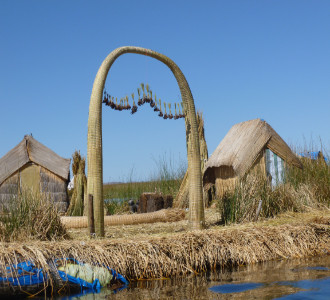
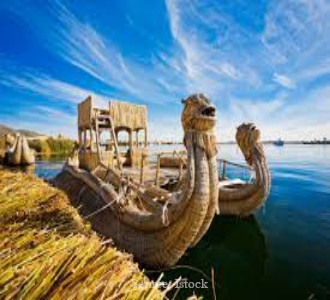
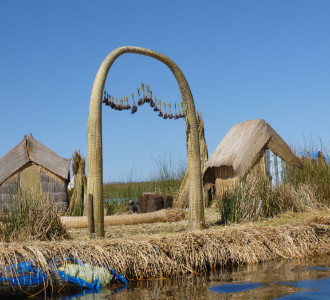
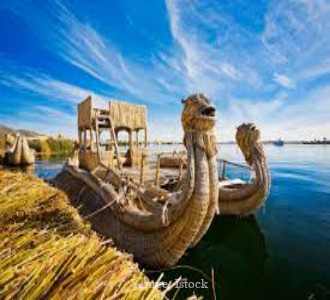
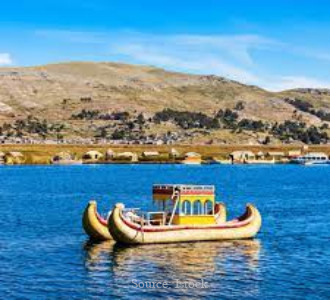
The current home of Peruvian folklore and festivity, Puno serves as a gateway and entrance to Lake Titicaca, and today the traditions encountered by the Spanish in the 16th and 17th century remain – including the growing of crops, the creation of clothes and the cultures and customs. However, the Inca people and life upon Lake Titicaca has also evolved with the times – with the 20th century seeing the expansion and development of artificial islands and the upgrading of reed boats – not to mention the inclusion of technology and tourism upon the islands.
Exploring:
It is this unique combination of rich history and culture, as well as social modernity that makes Lake Titicaca so special, and allows the local Inca people to strive and utilise tourism to strive for education and a better quality of life for their children, while still maintaining and preserving their ancestral beliefs and cultures.
For this reason, any visit to Lake Titicaca is truly special – and there’s no better place to start your exploration than from the lake town of Copacabana in Bolivia. It is from this charming seaside town – that lies on the shores of Lake Titicaca that explorers can board a ferry to reach one of the most iconic islands across the lake – the Isla del Sol.
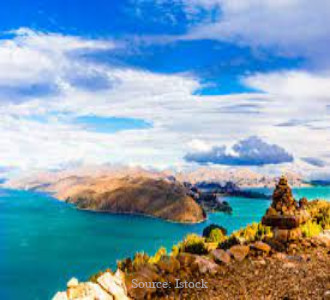
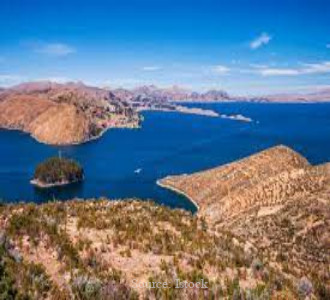
Offering a chance to walk across a large section of the lake, the Isla del Sol encapsulates the mystique and legend of Lake Titicaca- with it being not upon this island where the Inca god Viracocha would create the stars, sun and moon. A deeply special place – and one that holds a dear and sacred spot in the hearts of Incas, exploring Isla del Sol will allow explorers to step back in history and walk amongst the remains of holy and sacred Inca sites – including the fascinating “Labyrinth” — a stone complex for priests, the Tiahuanacu a spiritual and political city dating back to 900 AD and allow explorers to make the ascent to the top of Cerro Uma Qolla – a lookout point – that represents one of the great photo spots and views across the entirety of this wonder of the world.
A fantastic introduction to the wonder of Lake Titicaca, Isla del sol is easily explored on foot and accessed from Copacabana. Yet for those seeking a more authentic and deeper exploration and understanding of the lake, we’d encourage travellers to head over to the lively town of Puno on the Peruvian side of the lake, where the iconic floating Uros and island hopping await you – as well as one of the greatest festivals in the world at the Festival of the Virgin of Candelaria.
A great place to base yourself for exploration of Lake Titicaca – Puno is bustling with restaurants, hotels and the best of Peruvian culture and it’s on the shores of the lake within Puno where the religious processions, dancing competitions, firework parties and street parades that honour the cities patron saint — the Virgin of Candelaria. A truly wild and carnival festival – that takes place at the start of Lent in February or March – being within Puno – or even within Lake Titicaca during the festival – is a truly memorable and wild experience, that represents Lake Titicaca at its spiritual and lively best.
Alongside the great festival – for those seeking to connect deeper with Lake Titicaca’s fascinating history, you can also visit firstly the temple of fertility in the small town of Chucuito – a fascinating stone temple with explicit images of male and female genitals, that the Inca’s believed blessed those struggling with fertility problems. Secondly explorers could also journey to the complex of Pukara which stands as the first inhabited area of Lake Titicaca from 500 BC – it is at this site where explorers can look upon a series of fascinating artifacts from Incan life to understand further how ancient civilisation survived and thrived upon Lake Titicaca.
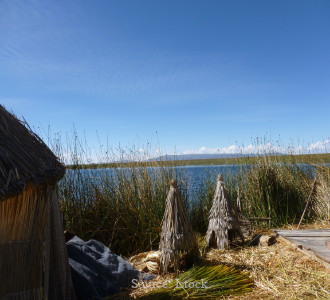
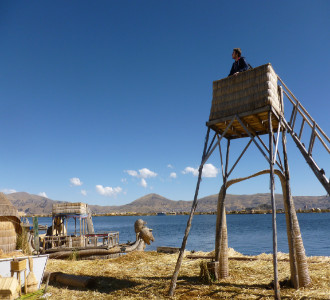
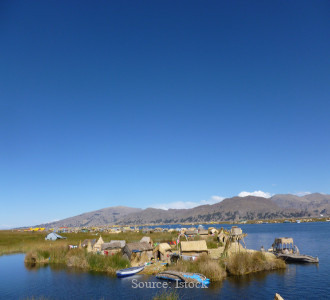
Puno also offers a gateway to one of the great experiences on Lake titica – Island Hopping and exploring the Uros – a series of small floating islands. For those seeking to explore this undoubted highlight of Lake Titicaca we’d advise first heading for the small community and beautiful spot of Luquina – home to both Inca’s and some of the most stunning views out over the lake.
One of our favourite spots across the lake Luquina truly allows explorers to connect with traditional Inca life, with the people here living simple, technology free life and spending their days herding sheep and farming crops.
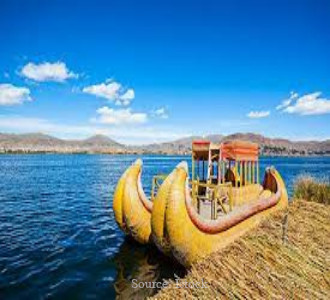
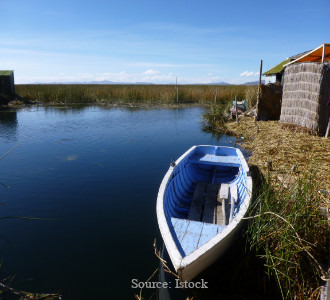
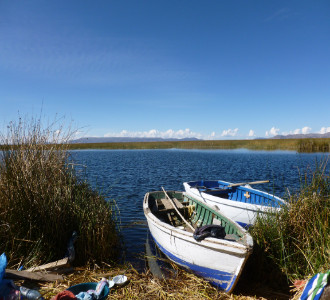
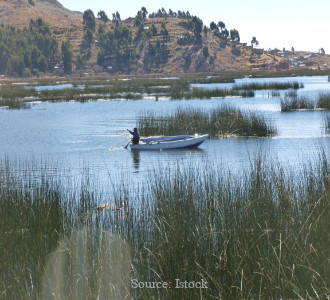
A chance to understand the Inca people, it is also at Luquina where travellers can take a journey on the famous reed boats to visit other islands – and for those who fancy it take a ride on a traditional kayak in the freezing cold waters of this incredible lake – for an immersive and unique way to connect with the lake.
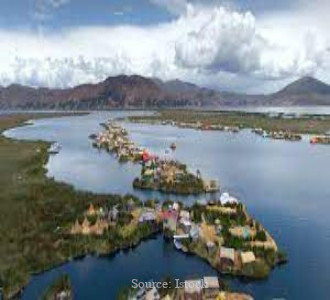
For those taking on a reed boat, or island hopping from Luquina – we’d advise heading next to the colorful island of Taquile – where you’ll find the local people dressed in an assortment of bright colorful clothes – which all symbolise something – including hat wearing man indicating they are married. An official Unesco side, Taquile offers not just stunning locals – but stunning views with the views from the hill placed centre square a fantastic place to grab something to eat and marvel at the shimmering lake before you.
For those looking for a great souvenir from this wonder, we’d advise making time to pick up some bright clothing or a rug from Taquile – before heading on to the next Uros – the inhabited lake Amantani. Considered the most beautiful of all Lake Titicaca’s islands, Amantani is disconnected from the central tourisim hub of Puno and the other major islands – retaining its charm, beauty and most importantly history – with it being upon Amantani while you’ll find the mighty temples of Pachamama and Pachatata – which are both perched atop mountians and from which stunning views of the whole of Lake Titicaca can be enjoyed.
A truly special wonder of the world, filled with natural beauty, fascinating and living history, and unique experiences, Lake Titicaca is also a bird and animal watchers dream – with the lake being a bio-diverse and eco-system paradise, home to thousands of species of birds – including multiple species of owls, parrots, finches and teals – and multiple endemic amphibians, including the staple and mascot of Lake Titicaca – the Giant Titicaca frog.
While the wildlife, Uros and highlights of Lake Titicaca are explorable on a short or series of day trips from either Puno or Copacabana, for a truly unique and authentic experience, we’d advise setting aside at least two days to explore the lake – which will allow explorers to not only fully explore and appreciate this incredible wonder of the world, but take on one of the most unique experiences on the planet only available at Lake Titicaca, an overnight homestay with a local family in a traditional Inca hut.
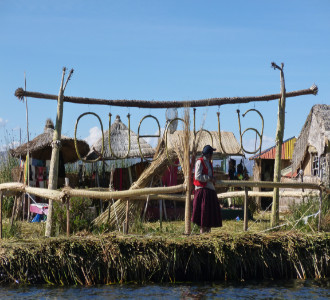
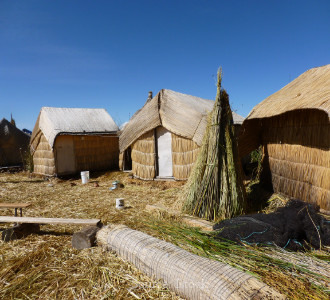
A fascinating and enriching experience – a homestay on Lake Titicaca will see explorers help and assist Inca’s with daily tasks and experience true Inca daily life, before being provided with home cooked meals. If you’re lucky – and your host is truly accommodating, you may even be treated to a traditional local dance and performance – where kitted out in traditional bright Inca clothing you become fully immersed in Inca culture.
A memorable experience – and one that will last a lifetime, those undertaking a home stay on the lake will be expected to go without electricity (so say goodbye to wifi !) and there’s a rnage of great options across the Uros for a homestay, with those truly prepared to experience basic Inca Life able to find and pre-book huts on Taquile, Luquina or Amantani – where you can enjoy not only the homestay option, but the incredible beauty and history upon these islands.
For those who fancy the island overnight experience but not the idea of disconnecting from the world, there’s also the option to stay in luxury overnight on Lake Titicaca – with islands of Suasi and Andean both providing provide luxury resorts for overnight stays – where you can enjoy the beauty of the lake laid out before you – while enjoying spa treatment, a cocktail and a warm soft bed – for one of the best and most beautiful sleeps available on the planet.
A truly immense and beautiful wonder, Lake Titicaca stands as not only the highest lake on the planet – and the largest in South America – but one of the most historically fascinating, mythical, and stunning lakes on the planet. With an exploration of Lake Titicaca allowing explorers to not only connect with a rich belief system and storied history, but truly immerse themselves in the Inca way of life through Island exploration, archaeological sites and the unique homestay experience. Couple this with the soft serene and shimmering waters and views, the diverse endemic wildlife and one of the greatest festivals on the planet, and there’s no doubt that the mighty Lake Titicaca is a truly special place and an undoubted wonder of the world.

Where:
The biggest lake in South America – and the most accessible lake in the world, at a breth-taking 3,812 metres Lake Titicaca serves not only as a source of life and the last home of the Inca’s – but as a natural border between two of South America’s most vibrant and fascinating countries; Bolivia and Peru.
Such is the size of this incredible wonder, that Lake Titicaca stretches 3,200 square miles across both nations – yet it is from the charming town of the Copacabana in Bolivia and from the lively and historic Puno on the Peruvian side that the shores of the lake are reachable and explored from.
Sitting in the shadows of the wonder of the Andes mountains, which provides a stunning backdrop that only serves to bring to life the full beauty of the lake, despite the high-altitude legend, history and mythology that continues to surround Lake Titicaca, this stunning lake – that is undoubtedly one of the most serene, beautiful and unique in the world – is incredible easy and affordable to get to.
Getting There:
Despite sitting against the backdrop of the Andes mountains, and being the world’s highest navigable lake at a mighty 3,812 metres – which is sure to leave travellers breathless at both the high altitude and the beauty of the wonder – Lake Titicaca is incredibly easy to access, and there are a range of options to put you on the lakes shores to being your exploration.
Amongst these options are the fact that there are two main cities from which exploration to the shores of Lake Titicaca can begin, the Copacabana in Bolivia and Puno in Peru, with both cities being accessed through three main travel routes: Plane, Bus and Train – once you’ve arrived within either Bolivia or Peru.
Having decided on which city you want to access the lake from, the first step on your travel journey to lake Titicaca – regardless of which of the three travel methods you opt for – will be to either head to La Paz in Bolivia or Cusco in Peru, with it being our recommendation to head to Cusco in Peru after making a top off at one of the true wonders of the world Machu Picchu.
Reaching Copacabana or Puno:
So with your first port of call decided on, for those travelling from outside Bolivia or Peru you’ll need to get yourself a flight into western central south America and the two main cities within either country. For those based in South America this is often achieved either directly or with a stop off in Colombia or Brazil depending on your start location.
For those based further afield – we’d advise not only combining you trip with Machu Picchu – but also booking well in advance, as those travelling from North America can expect a full day trip via Panama or Colombia to reach La Paz or Cusco, and those travelling from Europe, Africa, Asia and Australia likely in for a multi-day trip with multiple stops to reach the starting cities for journeys to Lake Titicaca.
Still, despite the long journey for those living outside of South America, the beauty of Lake Titicaca is well worth it, so having got yourself to La Paz or Cusco, and having taken some well earnt rest, you can now continue your journey on to Copacabana or Puno in one of three ways.
By Plane:
For those seeking the most direct and comfortable route – and with a healthy budget for their travels, then it is possible to fly just 30 miles away from Puno – giving you not only a chance to witness the grand scale of Lake Titicaca from above on your approach but also the most direct approach into the lake.
To fly in you’ll need to depart from across Peru (Lime or Cusco) heading towards not Puno but to the Inca Manco Cápac International Airport which is found in Peruvian town of Juliaca – and which lies just 30 miles from Puno, where exploraiton of the lake can begin.
To get from Inca Manco Cápac International Airport to Puno and to cover the thirty miles to Puno, you again have three main options; taxi, bus or arrange for a private transport to Puno – with private transport being the most direct but expensive, taxi being expensive and a bus ride being the cheapest – and in our view the best option.
By Bus:
For those on a budget and who are visiting Lake Titicaca after further exploration around Bolivia and Peru – then the best option and undoubtedly the most popular and well-travelled route is to take a bus from across either Peru or Bolivia to reach the gateway cities that lie on the shore of Lake Titicaca.
A great option for those exploring Chichen itza or having travelled across Death Road in Bolivia, there are a range of bus companies across both countries that “claim” to provide easy access to the shores of Lake Titicaca, however the most comfortable and reliable runs across Peru known as “PeruHop” and you’ll find daily departures from Lima, Cusco and Arequipa – with the bus departures being incredibly budget friendly ($10 Usd) and seeing travellers travel in a luxury bus, with power sockets, bathrooms and even wifi.
A trip that will take between 6 – 10 hours depending on your departure city – PeruHop services can be booked both online and with travel agencies across Peru. Yet best of all for those on a tight time and money budget, the buses run both during the day but at night – meaning that you can save both time and money while taking an overnight bus from across Peru to the shores of Lake Titicaca and Puno arriving in the early morning.
For those travelling by bus but heading to the Copacabana and the Bolivian side of the lake, the most common and popular route is to depart from the high-altitude capital of La Paz to reach the shores of Lake Titicaca. In comparison to Peru this journey is simpler and straightforward taking around 4 hours and from which there is a direct bus service available via both the travel agencies of Vicuña Travel and trans Titicaca.
These buses, which lack the amenities of those in Peru, but are much more budget friendly ($5 USD) will see explorers travel not just through the heart of the Bolivian capital but journey upon a series of roads that run parallel to Lake Titicaca for a scenic ride into Copacabana – just be sure to get a window seat.
Finally, for a scenic option and a great option for those who are seeking to explore further into Inca culture, there is the Inka Express – a tourist bus that will take you not only from Cusuco to Puno – but which stops off at a series of Inca sights on its journey across Peru. A truly fascinating expereince, the Inka Express typically takes a full day to arrive in Puno – but gives explorers the chance to visit unique sights across Peru – including a series of Inca temples and ruins before arriving into Puno.
A unique and fascinating way to reach lake Titicaca, the Inka express bypasses the highways to take scenic routes along Peru – and while being pricier that the traditional bus (expect to pay $80usd) it’s a fantastic way to immerse yourself further into the beauty and histroy of the Inca people and Peru.
By Train:
A less common option for arriving into Puno is to head into Puno’s main train station by train – which while not a great option for the budget conscious traveller (expect to pay $250 Usd) for a ticket – there is the option to hop onboard a Peruvian rail train and the Andean explorers and take a 12 hour journey across the country from Cusco to Lake Titicaca – where you will get a front row seat to the beauty of the Andean mountains and the best of the stunning scenery of Peru.
An option best suited for those travelling during the day – so you don’t miss out on the scenery — the Andean Explorer only runs on Mondays, Thursdays and Saturdays, and as well making sure the train fits within your schedule you’ll also need to make sure you book the Andean Explorer well in advance, as due to a result of its immense beauty and the scenery it affords seats on the train book up well in advance.
From the Copacabana & Puno to the Uros:
Having got yourself to either the Copacabana or Puno, and spent time exploring either city to take in sweeping views over Lake Titicaca and explore the Incan ruins and archaeological sites that lie in both cities, you can turn your focus to visiting the undoubted highlights of Lake Titicaca, the floating islands, Uros and the traditional Inca people who dwell upon the lakes islands.
To venture and explore upon the lake the only practical way is to take a ferry out from either the Puno or Copacabana docks, through a tour or through arranging transportation through a hotel – with both methods requiring you to take a boat and sail across the serene waters of Lake Titicaca to reach an island.
For those travelling independently do bear in mind that the first boat leaves the docks in both cities at 6am and the last ferry returns at 6pm in the evening, with the boats heading to both the Uros and the main islands of Amananti and Taquile – allowing for independent travellers to easily venture across the lake and explore this incredible wonder of the world.
Best time to Visit:
A truly special and serene wonder of the world, Lake Titicaca’s unique mix of beauty, mythology, culture and life – combined with it being the biggest lake in South America and the highest navigable lake in the world truly makes it one of the most unique and special places on the planet.
Alongside its beauty and ease of accessibility, Lake Titicaca also lends itself to exploration year around – as, despite it being perched 3,812 meters above sea level, thanks to its location in the high Altiplano region of the Andes, and its presence below the equator – there is a warm subtropical climate across the lake – making for perfect conditions for exploration.
With this warm climate, Lake Titicaca see’s two distinct seasons – the wet seasons, where frequent rain which helps sustain the lake is frequent and which take place between December and January and the dry season – which takes place between February and November – with the dry season, which peaks in the summer months of June and July seeing bright sunshine, clear blue skies and Lake Titicaca at its beautiful and sparkling best.
For this reason, the best time to visit is undoubtedly within the dry months – where temperatures will vary between 15°C — 28°C and drop to around 5°C at night – meaning that those planning on a homestay on the lake will need to come prepared with layers.
With the dry season peaking – and the weather being at its most reliable and warmer in the evenings during the summer months of June, July and August – these months are the most popular to visit Lake Titicaca, and you’ll find that during these months’ accommodation, tours and homestays book up in advance. But for those timing their holidays around the summer holidays, visiting during these months – so long as you prepare well in advance is a fantastic time to enjoy the beauty of Lake Titicaca.
For those on a tighter budget, or who don’t fancy visiting the lake during its peak tourism season – then visiting during the months of April- May or September – November can be absolutely ideal to visit Lake Titicaca, where you’ll not only find prices reduced – but also the dry season in full flow and the warm temperatures and clear skies combining to give you a truly unforgettable experience at the lake.
Alongside ensuring you time your visit to Lake Titicaca during the dry season – for those seeking an extra special experience at this true wonder of the world – and who want to enjoy Lake Titicaca and Puno at its vibrant and colourful best, we’d advise timing your visit with one of the greatest festivals on the planet – the Festival of the Virgin of Candelaria.
Taking place for 10 days, 40 days before Eater Sunday (likely in February or March). the Festival of the Virgin of Candelaria is celebrated on the shores of Puno to honour the patron saint of Puno – and see’s Puno come alive with a series of parades, carnivals, processions, dancing, bright colours and free food and drink – making visiting Lake Titicaca during the 10 days of the Festival of the Virgin of Candelaria, not only an incredible chance to explore Lake Titicaca at its vibrant best, but to experience one of the world’s greatest festivals.
So – while we’d strongly advise explorers avoid visiting Lake Titicaca during the months of December and January – where the wet season makes visiting less enjoyable and the lake is not at its best. For those seeking low prices and minimal crowds – then heading to Lake Titicaca during the months of April-May or September-November are undoubtedly best, for those seeking warm weather and the Uros and Islands at their bustling best then the summer months of June, July and August are best – and for our top pick and recommendation for a truly unique experience and to explore the lake at its vibrant best, timing your visit during the Festival of the Virgin of Candelaria in the months of February to March is the best time to visit the stunning wonder of the world that is Lake Titicaca.

How long to stay:
Stretching for more than 191 km in length, and with a mammoth surface area of more than more than 8, 372 km2 — there are parts of Lake Titicaca that remain both off limits to explorers and which are yet to be fully explored.
Yet despite its vast size, the serene soft deep blue waters, Inca Culture, floating Uros and highlights of Lake Titicaca are easily accessed and explorable from the gateway towns of Puno in Peru and the Copacabana in Bolivia ‑with both towns lying on the shores of this spectacular lake and making for a perfect place to begin your exploration.
From the shores of Puno or Copacabana you can find both guided tours and the option to travel independently to Lake Titicaca and its floating islands on day trips, two-day explorations and multi-day trips. With day trips being ideal for those on a limited time frame and budget who still want to explore this stunning wonder of the world.
Yet for those seeking to marvel at the never-ending body of blue water that stretches to the horizon that is Lake Titicaca, as well as truly immerse themselves in the Incan culture, our recommendation for how long to stay would be two days, one night – with the one night spend in a homestay with the local Incan people on one of the floating islands.
Spending two days and one night will not only give you the chance to take in incredible views across at least two of the islands – and take on some of the hikes available on the islands for breath-taking photo opportunities – but enrich yourself in Inca culture – visiting the colourful island of Taquile and its many ruins – before heading to Amantani Island – where a home-cooked meal and stay in a traditional Inca home awaits you – for one of the most unique and beautiful places to spend a night.
Allowing you to fully explore the wonder at your own pace and in detail – for those with more time there is also the option to stay longer – yet in consideration of budget, time constraints and the amount of time needed to truly enjoy this wonder – our recommendation would be to spend 2 days and 1 night exploring Lake Titicaca from either gateway town.
How Long to Stay: 2 Days and 1 night.
Top Tip:
A natural paradise, and a truly beautiful shimmering wonder of the world – Lake Titicaca is blessed with not only serene deep blue waters, but is cloaked in deep mythology, history and culture not found anywhere else on the planet.
Yet for all its beauty, a trip to the shores and exploration of Lake Titicaca comes with a series of potential pitfalls, not least of which is the high altitude at which the wonder sits – with the peak of the lake sitting at 3,812 metres bringing with it a series of altitude sickness and concerns that travellers must account for before setting out on their voyage.
Combine the high-altitude threat with the need for cultural sensitivity when visiting, exploring and staying within Inca culture, with the threat of not only a relentless sun but also parts of the lake being inaccessible due to an ongoing tribal dispute – and it’s possible for a dream exploration of Lake Titicaca to easily go under.
So, to help ensure that any exploration of this incredible lake is an enjoyable, enriching and special as possible, we’ve rounded out our top tips for visiting the true wonder of the world that is Lake Titicaca:
Staying Healthy:
Altitude:
Undoubtedly part of the charm and wonder of Lake Titicaca is its high-altitude placement – with this mighty natural paradise sitting 3,812 metres above sea level combining with the serene and beauty of the lake being sure to leave travellers breathless in more ways than one.
Yet while the high-altitude adds to the adventure of an exploration of Lake Titicaca, it also brings with it serious threats to travellers health – with the high elevation reducing the amount of Oxygen – which can lead to altitude sickness. With altitude sickness having the ability to reduce travellers appetites, leave explorers short on breath and cause incapacitating headaches, accounting for the high altitude and its risks is something every traveller will need to consider before heading to Lake Titicaca.
While symptoms and reactions do vary, we’d advise not taking on any strenuous physical exercise within the first 48 hours of arriving within Copacabana or Puno, eating light meals frequently – rather than overloading on one heavy meal, and coming prepared anti-altitude tablets. With coming prepared for the altitude being essential to ensure you are able to explore Lake Titicaca while staying healthy.
Protecting against the Sun:
With clear blue skies and consistent bright and warm days for 10 months a year, so much of Lake Titicaca’s beauty is found from the bright sun that greets visitors on their exploration – with the sunshine not only creating perfect conditions for truly beautiful sunrises and sunsets – but bringing the serene and soft waters of Lake Titicaca to life.
Yet for all the beauty that the sun reflects – it also poses a strong risk to travellers, especially for those visiting during the summer months – with the sun across Lake Titicaca being both relentless and strong, which combined with a lack of shaded area, puts explorers at extreme risk of sunburn and dehydration.
To counter this, and the risk of heatstroke, we’d advise significantly stocking up on sunscreen before heading to the lake, as well as coming prepared with plenty of water (account for the lake of water on homestays), as well as a strong wide brimmed hat, sunglasses and strong UV protected clothes.
Motion Sickness:
Finally, when it comes to staying well and healthy across the lake, explorers need to be prepared for the potentially choppy waters that can meet you when making your way both to the lake and on your way to or between the floating islands and Uros.
A seasonal occurrence, that can be incredibly strong during the wet season for those who do opt to visit during the months of December and January, for those who do suffer from sea sickness, we’d advise not only booking a preferable seat on the boats ahead of time, but coming with plenty of fisherman’s friends and sea sickness tablets, to help make sure your passage across the waters of Lake Titicaca is as smooth as possible.
To take:
Having accounted for the health risks and altitude across Lake Titicaca you can then turn your attention to ensuring you have everything you need to make account not just for the relentless sun, but the islands, homestay and exploration of your journey across the lake. With the below being our recommendations to bring you with when exploring the wonder of Lake Titicaca:
Sunscreen – Arguably the most important item to pack, the sun across Lake Titicaca can be relentless, so be sure to take and apply plenty of Sunscreen during your stay.
Water, Hat & Sunglasses – Alongside the sunscreen, be sure to boost your protection against the sun and prevent sunburn and heatstroke by bringing plenty of water, a good hat and some strong sunglasses.
Solid Walking Shoes – The best exploration of the islands of Lake Titicaca and the gateway cities are done on foot, with the hikes across the islands taking you not only through charming cobblestone pathways, but to hilltop summits where the best views await you. For this reason it’s essential to come with a solid pair of walking shoes.
Clothes (Sun protection & Cold Nights) — Alongside bringing the standard warm weather clothes for exploration, we’d advise taking some UV protecting long loose shirts and trousers to help reenforce your protection against the sun. Alongside this, for those staying overnight in a homestay on the islands, do be aware that temperatures across Lake Titicaca drop significantly during the evening – reaching as low as 0 degrees. So, for this reason we’d also advise bringing some warm clothes – including a thick jumper and trousers – to guard against the cold weather.
Medication: As well as accounting for the harsh sun with plenty of sunscreen, we’d also advise bringing along medication – including anti-altitude tablets, sea sickness pills, and medicine to guard against a rough tummy, headaches, and other illnesses. With protecting yourself against illnesses and ensuring you’re fit and healthy being essential for getting the best out of your time on Lake Titicaca.
Travel Essentials: Alongside accounting for all the health and environment factors of Lake Titicaca, it’s also essential that you come with the travel essentials to Lake Titicaca, including a well charged camera, power bank, sturdy rucksack, food supplies, travel adaptor and plenty of cash. With the essential being all the more important for those taking on a homestay – where access to modern comforts are removed.

Book & plan in advance:
Such is the beauty of Lake Titicaca – and the cultural and mythology uniqueness that surrounds it, that this natural paradise is understandably an incredibly popular destination – particularly during the summer months of June, July and August, and during the Festival of the Virgin of Candelaria in February / March.
Because of this, and especially for those visiting during the peak periods, we’d strongly advise planning and booking well in advance, with prices not only rising the close you get to these periods, but accommodation becoming booked up well in advance.
Additionally, for those set on staying overnight on a homestay and traveling between the islands independently– do be aware that boats run between the hours of 6am – 6pm from the Puno side and from 8am – 5pm from the Copacabana side, and we would again strongly advise to book homestays in advance – as they again book up well in advance.
Cultural Respect & where to visit:
A truly beautiful place, the marvel and enrichment of visiting Lake Titicaca is found in exploring the deep history and mythology of the Incan people, and observing, learning and interacting with the Incan people and ancient archaeology is a truly special unique experience when visiting the lake.
For this reason, it’s essential that anyone visiting the shores and islands of Lake Titicaca treats the Inca people they meet – and the ruins and sacred sites – with complete respect, ensuring to not photography Inca people without permission, not stepping and disrespecting the archaeological sites and recognising that they are guests of the Incan people – with incidents of cultural disrespect, which do sadly still occur, being heavily clamped punished by local authorities.
Alongside ensuring that any visit and exploration of the islands is done so in a respectful manner, it’s also essential that explorers recognise that only some parts of Lake Titicaca are accessible to non-Incan people. This is particularly important for those heading to the Isla del Sol – where, due to an ongoing dispute between two indigenous tribes, the north part of the island is strictly out of bounds for any explorers, with the area of Challapampa also being off limits and posing a significant danger to anyone who travels there.
Make the most of it:
Still while some sections of Lake Titicaca may be out of bounds, for those travellers who account for the altitude and sun, come prepared with the right gear and plan well in advance – Lake Titicaca is not only an altitude defying enormous lake – but one of truly immense beauty cloaked in ancient mythology, history and living culture – making it one of the unique places on the planet.
From this combination, our final top tip would be to ensure that anyone travelling to Lake Titicaca truly immerses themselves in this unique wonder, making sure to take time to explore and learn about local cultural, take part in a homestay and take on the hikes and viewpoints where incredible views of the beauty of the lake await you. With it only being through immersing yourself in the culture and beauty of this fascinating natural paradise that explorers can truly appreciate and understand this immense wonder of the world.
Cost:
A stunning natural wonder, despite Lake Titicaca’s unique high altitude position, thanks to the gateway towns of Puno in Peru and Copacabana in Bolivia, combined with a wide range of available boat, day tours and shore access – Lake Titicaca is incredible accessible, which combined with the low cost of living in both countries and high, the likely 2 day stay and with exploration of Lake Titicaca being natural and largely free of cost, makes visiting this incredible wonder of the world incredibly budget friendly.
Getting there: In fact, the large majority of your expenditure when visiting Lake Titicaca is likely to come from getting there and in your flights – with it being recommended to book flights to either Lima or Cusco for those heading to Puno on the Peruvian side, or into the Bolivian Capital La Paz for those beginning their exploration of Lake Titicaca from Copacabana.
While the prices will vary based on your starting location – and we’d strongly advise combining a trip to Lake Titicaca with other wonders within the region (Machu Picchu especially) for those heading from across South America and outside of Peru or Bolivia to the capitals of Peru or Bolivia we’d advise setting around $400 Usd for your return flight tickets.
For those based outside of South America, your flight tickets are likely to significantly increase and affect your budget, with those seeking return tickets from North America advise to put around $600 — 800 Usd aside. Those heading from Europe advised to budget $900 — $1200 Usd, and those across MENA, Asia or Australasia looking at least at having to spend $1200 — $1800 Usd on flights.
Still this high cost of getting to the capitals of Peru or Bolivia is offset by the cheap price it takes to get to the gateway town of Puno or Copacabana. With those travelling from Cusco or Lima able to pay as little as $7.50 for a bus to Puno – with prices increasing to $20 for the best bus seats. Similarly, those travelling from La Paz to Copacabana can expect to pay as little as $3 if travelling by bus.
For those with a little bit more of a budget and time, and who are interested in exploring the history and culture of the Inca’s a little more, for those setting off from Cusco, there is also the option to take the day long Inka Express which will take you on the scenic route and afford stops at a series of Inca Cultural heritage sites – which can make for an educational and enriching experience. For those interested in the Inka Express be sure to book well in advance and set aside an extra $50 usd for your bus ticket.
While travelling from the capitals to the gateway cities by bus is the most popular and budget friendly option, there also exists the option to arrive in style and luxury – with Peru Rail offering a day or even multi-day option to arrive by train. A train trip that will set you back $200 Usd for the journey (including Drinks and Food) and will see explorers get the chance to catch the best of the Peruvian countryside from the train window before arriving into Puno.
Exploring: Having got yourself to Puno or the Copacabana – and taken time to explore the fascinating gateway towns and marvelled at the stunning views of Lake Titicaca from the lake’s shore, the next part of your exploration you will need to account for the cost of getting to the Uros and floating islands – where stunning views of the lake, as well as the chance to immerse and education yourself in Inca culture await you.
To reach and explore Lake Titicaca’s islands there are two options available, through an organised tour or through a self-exploration. For those who fancy the comfort of a tour – a 1 day tour on Lake Titicaca which will see you explore the main islands of Amananti and Taquile, have a home-cooked lunch and get free time on the Uros you should budget around $30 — $50 Usd for a shared tour, and $100 — $125 Usd for a private tour.
Similarly for those who want the thrill of a 2 day tour – which features more time to explore the islands and Incan culture, as well as an overnight homestay usually on Taquile – you can expect to pay between $200 — $250 Usd for the tour, which will again include a homecooked meal, a show and all of your ferry costs.
While a tour represents a great way to ensure you get to experience the full highlights of Lake Titicaca, it does see you stuck with a group, and without the full freedom to explore at your own pace – as well a being a bit pricey.
So for those who are on a budget and want the freedom to truly explore the lake – we’d recommend a 2 day / 1 night self-exploration, which is both much more budget friendly and provides the opportunity for greater exploration. To take this route, you will first need to budget for the ferry cost of getting to the island – which will be $7.50 one way ($15 return), and you can then budget $40 Usd for your food and one additional expenditure across the islands.
Homestay: For those who are then set on doing a homestay – which is an experience we’d highly recommend, you can also budget between $25 — $50 a night for a homestay on an Uros, which will come with a home-cooked meal – and if you’re lucky a show and entertainment, which represent a great way to not only learn more about the Incan culture, but a fantastic way and place to spend a night.
A truly unique and beautiful experience, as well as budgeting for your method of travel, exploration method and experiences, there are also a series of travel costs that will be incurred by all explorers to Lake Titicaca. These include the cost for at least 2 nights of a hotel in either Puno or Copacabana– which can range from $15 Usd for a budget option up to $150 Usd for those who fancy a little bit more luxury.
Similarly, we’d advise setting aside $5 Usd – whichever way you travel for a journey in a reed boat, as well as budgeting $50 Usd for food, an extra $20 for a taxi for those who are coming to Lake Titicaca with heavy luggage, $25 for travel insurance, and an extra $10 Usd for souvenirs.
While Lake Titicaca is incredibly affordable, compared to other wonders, for those on a very strict budget, there are a few extra steps you can take to further reduce the cost of your travel. The first of which would be to ensure you do a self-exploration – which can lower your cost by at least $100 Usd and see you not miss out any of the Lake Titicaca experiences.
Further for those seeking to cut down their expenses further, we would recommend making sure you book your flights well in advance and avoid timing your adventure and travel during the peak summer season – where accommodation and tours will be much more expensive – with the wet season (December and January) being the cheapest time to travel.
So, putting aside the cost of flights – which will vary based on your starting point – for our recommendation for a 2 day / 1 night exploration of Lake Titicaca we would advise explorers who are on a strict budget to put aside $150 Usd – and for those who want a little more comfort we would advise budgeting no more than $350 Usd for your stay at this incredible wonder of the world.
Top Sights & Best photo spots:
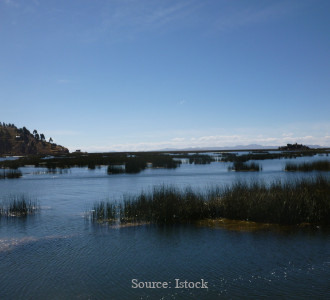
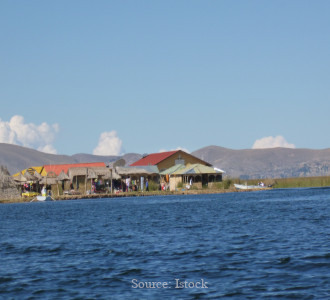
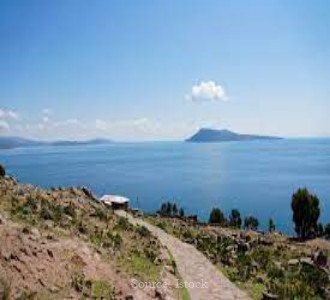
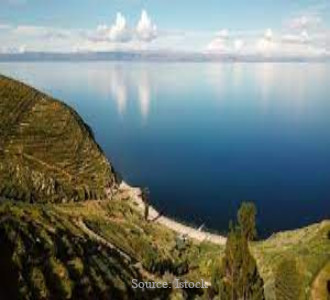
The birthplace of the sun – Lake Titicaca is famed for its picturesque and magnificent scenery, with the iconic floating Uros and reed boats, the soft serene waters that stretch to the horizon, the fascinating Inca history and culture – combined with one of the greatest sunsets on the planet – combining to make this natural paradise, and the world’s highest navigable lake, a true photographers dream.
Steeped in rich, history, culture and mythology – Lake Titicaca is one of the few remaining sights in the world where explorers can travel through and photograph the preserved history of the Tiwanaku, Colla and Inca monuments, whilst immersing themselves and capturing the traditional Inca way of life – for a culturally and educational enriching photograph.
Combine this opportunity to step back through time, with the many photogenic floating Uros of the lake – which over panoramic views of the soft deep blue serene waters, that stretch to the horizon and the chance to photograph one of the greatest festivals on the planet in the Virgen de Candelaria, all backed by smiling colourful local and the mighty Andes Mountains.
Yet given the vast size of Lake Titicaca – which stretches across Bolivia and Peru in over 191 km in length – with a surface are of more than 8, 372 km2 — making sure you head to the right spots and Uro’s can be a challenge, especially given the likely lack of time that most travellers set aside for their visit. So, to help ensure anyone heading to the stunningly beautiful and photogenic paradise of Lake Titicaca gets the absolute best out of their exploration and gets the opportunity to explore and photograph the highlights of this natural paradise, we’ve rounded out our top photography tips for those visiting the worlds highest navigable lake:
Copacabana
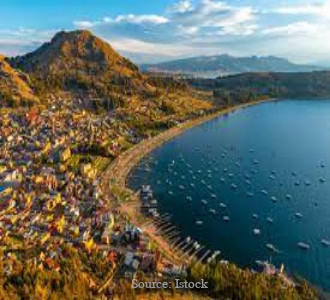
A town that is overshadowed by its sister beach in Brazil, the Bolivian town of Copacabana serves not only as a gateway to Lake Titicaca and its sparkling Uros – but as a charming and photogenic town in its alright – with its cobbled streets, exquisite restaurants, Inca ruins and 16th-century cathedral all making for worthy photo spots on your exploration.
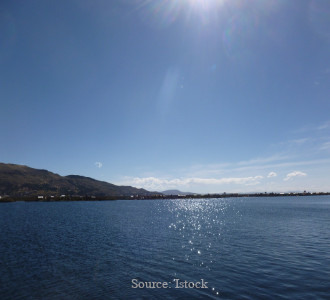
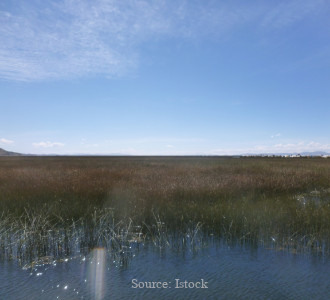
Yet undoubtedly, while the unassuming Copacabana will serve as your entry point to Lake Titicaca, you’d be amiss if you didn’t spend half a day making the trek through cobbled streets of the Copacabana to the peak of Calvary Hill – the Cerro El Calvario — from where you can look out not only the charming town below you – but get wide-reaching panoramic views of the deep blue waters of Lake Titicaca stretching into Peru and to the Horizon.
A truly incredibly spot for capturing the beauty of Lake Titicaca – for those staying overnight in Copacabana before beginning their exploration of Lake Titicaca we’d highly recommend being at the Calvary Hill for Sunset, where you can witness the whole lake light up in a dazzling warm display for an extra special photo opportunity.
Tiahuanaco
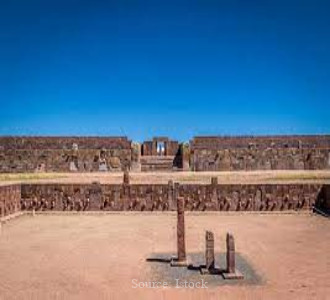
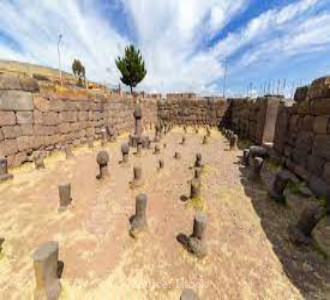
For those exploring Lake Titicaca from Copacabana, we’d also highly recommend a visit and photograph exploration of the ruins of Tiahuanaco – where, backed by the warm waters of the lake behind you, travellers can explore and photograph the remains of a series of stone built pyramids, temples and social infrastructure that date back as far as 500 AD.
An incredible step back through history, the undoubted main highlights at Tiahuanaco are the 125 ton pyramid shaped structure of Akapana and Pumapunku and the temple of Kalasasaya – which all served both political and spiritual purposes. A living museum, exploring and capturing the remains of the great city of Tiahuanaco is undoubtedly one of the highlights of exploring the history and culture of Lake Titicaca, and only adds to the mystique and specialness of this great lake.
Isla del Sol, Bolivia
The island of mythical legend – with it being here that the Inca god Viracocha ascended from the depths of Lake Titicaca to create the moon, sun, stars and universe – the fables of the Isla del Sol are only matched by its immense beauty, with it being upon this floating Uro – which can be easily accessed from the Bolivian side – where you’ll find the best views and photo spots of the serene waters of the lake, and great shots of Inca life, reed boats and Incan culture.
One of the largest islands across Lake Titicaca, the Isla del Sol is an uro that is best explored on foot (after arrival) and which explorers can easily circumnavigate the whole of to get different angles for their shots – the beauty of the lake and island are also complemented by a series of sacred sites and monuments, which again make for great photo opportunities. Chief among these are the “The Labyrinth” – a holy complex for priests which can be easily accessed by the charming and picturesque village of Challapampa.
It is also from Challapampa – that you’ll find one of the most photography spots across the whole of Lake Titicaca – the Cerro Uma Qolla. Accessed through a steep hill climb – and off limits to cars, the summit of Cerro Uma Qolla offers perfect views from a top this high altitude lake that look out over not just surrounding islands, but allow you to capture the best of this stunning wonder of the world.
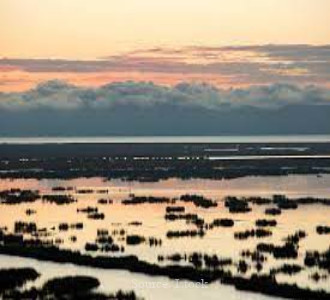
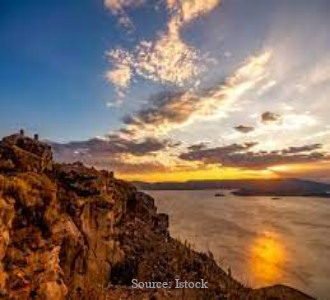
A truly special spot, for those exploring Lake Titicaca and the Isla del Sol over the course of one day – we’d highly recommend being at the Cerro Uma Qolla for sunset, where the descending sun lights up the serene waters of the lake in warm shades of yellow, orange and red – creating a truly kaleidoscopic and breath-taking view and photo-opportunity of this spectacular lake.
Puno
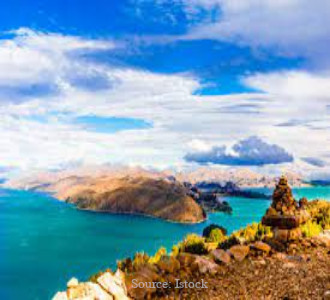
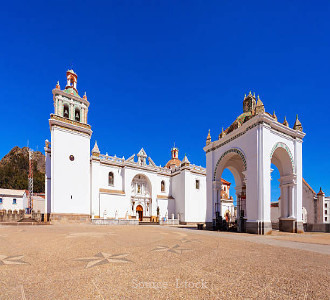
For those exploring Lake Titicaca from the Peruvian side then Puno will be your main base and first port of call – with this lively town making for not only a perfect place to begin your exploration, but like Bolivia’s Copacabana being photogenic and worthy of exploration in its own right.
Encompassing the best of Peruvian culture and life, Puno is blessed with a series of charming cobblestone streets and the bustling Calle Lima main street which leads to the heart of puno, the cities main plaza. It’s wihtin the main plaza where you’ll find the most photogenic spots of Puno – inlcuding the cathedral, the Carlos Dreyer Mueseum and fascinating Boat Mueseum.
While all are undoubtedly worthy of capturing — the highlights from our side are undoubtedly the carved scupltures and statues that lie within the main square and within the mueseums, which represent a fascinating insight into the Inca way of life and introduction and explanation of the history and legend of Lake Titicaca and the Inca way of life.
Cutimbo:
Having explored and photographed the many historical and cultural landmarks within Puno – before setting off to the Uros, we’d advise making time to dive further into the history and legend of Lake Titicaca, by exploring and capturing two fantastic archeological sites found on the outskirts of Puno; Cutimbo and Pukara.
Beginning with Cutimbo, this fascinating site is drenched in stunning history – having been used first for the Colla and then by the Inca’s as a spiritual and sacred site that paid tribute to the gods and both cultures ancestors. The homage – and photogenic sites — at Cutimbo are found in a series of tall burial towers that served as ancient tombs, with these towering landmarks, that are well preserved, featuring ancient hieroglyphics in the form of sacred animals (snakes, pumas and monkeys) carved into the side of the tombs – which make for great close-up photo opportunities to capture the details and beliefs of the Inca and Colla people.
Best captured by summiting to the top of a table-top mountain, through the Cutimbo main road, for those seeking to not just visit Lake Titicaca but immerse themselves in the history and culture of this stunning site, visiting Cutimbo makes for a photogenic and important stop on your journey through Lake Titicaca.
Pukara
A fascinating full day trip from Puno – the ancient archaeological site of Pukara is believed to be the firstly occupied site across the whole of Lake Titicaca, with human inhabitants first occupying this area as far back as 500 BC – making it one of the most historical spots visitable and photographable across the lake.
A chance to step back through history – a visit to Pukara offers a fascinating insight into life within the first Andean Civilisation – as well as initial Inca life, that continues to this day. Traversing the sights of Pukara will offer photographers and explorers the chance to examine and photograph tools, pottery and ancient stone housing from these civilisations and ponder and capture the evolution and similarities of life on the lake today.
For those making a full-day trip out to Pukara we’d advise not only enriching your understanding of the Andean way of life and history at Lake Titicaca by visiting the archaeological site – but also by spending time at the Pukara Lithic Museum, a charming little museum that offers further insight and history into the mythology and way of life for the first inhabitants of Lake Titicaca.
Templo de Inca Uyu
Found in the small city of Chucuito whihc lies just south of Puno – the temple of fertility truly lives up to its name, with this towering temple found within a stone complex and blessed with a series of male reproductive organ carvings which – according to Incan beliefs – helped to bless women who were struggling with fertility.
A once sacred place for the Incan females – both wishing for fertility and a safe birth, having taken time to enjoy and marvel at the explicit carvings (and provided observations) you can take time to appreciate the history and beliefs that the temple of fertility held – and still holds for the Incan people. With a photography tour and exploration around this temple providing some of the most unique – if explicit ! — photos across the whole of Lake Titicaca.
Sillustani
Continuing the exploration and photography tour of the history, mythology and archeology of Lake Titicaca and the Inca people – your next stop will be to travel to the grand and charming Lake Umayo to visit the main and grand finale of the archaeological sites on Lake Titicaca – the pre-inca Cemetry of Sillustani – home to the iconic and mysterious chullpa towers.
These grand towers – which are both circular and square in nature serve as tombs for the former nobles of the residents of the tribes that lived on lake Titicaca — and the fact that they are sitll standing – underline both the archaeological feat of the Chullpas, but also the importance of those who lie beneath.
A culutrally and historically important site – the Chullpas are worthy of exploraiton in thier own right, but what makes this ancient graveyard so spectacular is it’s hilltop location – which given Lake Umayo is an island in itslef – affords spectacular views not only of Sillustani but out over the soft waters of the lake and into the horizon – for a truly spectacular photo opportunity.
Luquina (great for sunrise)
Having stepped back in time through the archaeological sites on Lake Titicaca – and explored and photographed the way of life that has sustained the Inca Culture, the next photographic journey and exploration will take you to meet and photograph a small community still living a traditional life – at the charming peninsula of Luquina – that lies on the edge of Lake Titicaca.
Luquina also affords some of the best sunrise photography spots across the whole of the lake – thanks to its position facing east – with the shores of the popular playa Churro beach being not only a great place to kayak – but being one of out top picks to lay upon and watch the sun rising over the beautiful water of Lake Titicaca for a truly incredibly photo.
An incredible town – that will undoubtedly enrich explorers — the photo opportunities available at Luquina don’t stop at the waters edge, with Luquina being one of the last fronts of traditional life, and home to farmers who will spend their days living a simple life surviving on their harvest and residing in small stone-built houses absent modern essentials – and who, if you ask nicely and come with a tip, are happy to pose for photos.
Island Hopping Tour
Having delved into the rich history of the Inca people and Lake Titicaca, it’s time to explore the Uros and islands, to adventure upon reed boats, stay upon a floating island, immerse yourself with the colourful residents – and soak in the full beauty of Lake Titicaca.
While Island exploration can be done in a day trip from Puno or Copacabana we’d highly recommend setting aside at least two days to explore the best of the Uros in Amantani and Suasi and making time to explore the charming island of Taquile, with it being upon these islands where you can not only experience the traditional reed boat and homestays, but marvel at one of the greatest sunsets on the planet and snap photo that will truly last a lifetime.
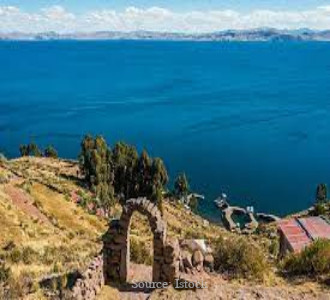
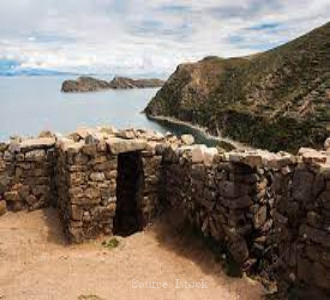
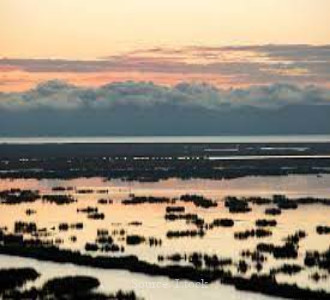
Amantani Island, Peru
Starting with the most serene – and in our view most beautiful and photogenic of the Uros, the charming Uros of Amantani feels truly authentic and remote – and represents for explorers the real experience of Lake Titicaca and traditional life.
Home to around 3,000 local Inca – who like those on Luquina follow a simple life of farming, harvesting and raising livestock – Amantani firstly offers fantastic photo opportunities of the “real Incas” and a unique insight into a way of life that has been largely unaltered over generations.
Alongside the incredible chance to photograph remote island life, Amantani truly lives up to its reputation as the most scenic spot across Lake Titicaca, with the views across this Uro offering stunning photo opportunities of the serene and deep blue waters of the lake which stretch to the cloud free horizon – for a shot that is truly magical.
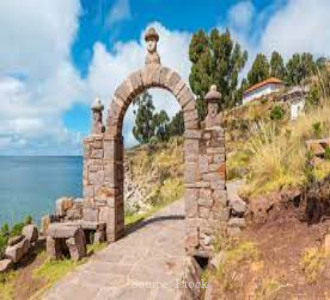
While snapping the beauty of this wonder from the shores of the island is undoubtedly a great spot for photography – for those seeking an extra special shot, we’d encourage you to journey along the cobbled pathways on Amantani towards the mountain top temples of Pachamama and Pachatata – which stand as tribute to Incan gods.
It is from atop these elevated temples where you’ll discover the best views across the whole of Lake Titicaca and be able to marvel and photograph the full beauty of Lake Titicaca laid out before you – with the views at sunset from atop these temples – where the descending sun reflects off the lake in a dazzling display of yellow, orange and red – for a fitting finale to any exploration of Lake Titicaca and a truly mesmerising photo opportunity.
Taquile Island
Moving from the Uros to an Island – Taquile Island sits as one of the most modern islands across the lake and is the centre for island exploration for explorers, with the reed boats, colourful clothing and stunning views from this island being true icons of Lake Titicaca.
Reached by a multi-hour boat journey across the lake for those arriving from Puno – which itself affords great photo opportunities – visitors will arrive on the banks of Taquile and then need to make the hike up a hill to the main plaza – where a dazzling photogenic display of colourful clothing and Inca people will be there to greet you.
Taking time to interact – and with permission – photograph the colourful clothes of the locals, we’d then advise heading to the textile factory and market found at the far south side of the main plaza – where alongside picking up some colourful clothes, you can have the unique opportunity to explore and photograph the production of these clothes – and be sure to ask about the unique symbolism and meaning behind each clothing item.
Having dived further into the Inca culture, we’d then advise turning your exploration and photograph attention to the beauty of the lake around you – all of which is easily seen and viewed from the edges of the elevated main plaza – with it being from the main plaza where you can sit down, enjoy some food, and stare out the full beauty of the glorious lake Titicaca before you – for another truly special photo opportunity.
Suasi & Andean Island
For those seeking stunning views enjoyed in full bliss and relaxation – and with a healthy budget to enjoy – we’d advise heading to either Suasi or Andean Island where you’ll find luxury abundant, with both islands boasting world class resorts featuring spa’s, sauna’s and beachside views out over the glorious waters of Lake Titicaca.
Both perfectly positioned so that you get stunning sunset views – both islands, while lacking in cultural experiences, are absolutely ideal for photographers who want to take their time position their camera’s for the perfect shot – with the uninterrupted beaches, and absence of tourists – combined with the fantastic positing within the lake combining for fantastic photo settings.
While snapping and exploring in luxury at these private islands is a fantastic way to grab memorable and unique photos, for those seeking out a special photo spot and viewpoint on these islands and staying at Suasi should take the long hike up to the top of Itapilluni Hill – where from an elevated view you can look out view the best of Lake Titicaca and marvel at the full beauty of the soft and deep blue waters of the lake stretching to the horizon – for one of the most incredible views of this stunning wonder of the world.
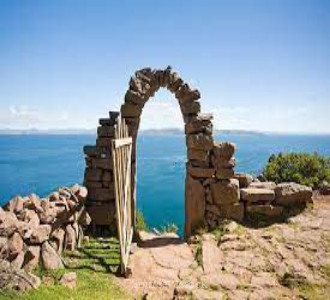
Festival of the Virgin of Candelaria
A two week celebration paying homage and tribute to Lake Titicaca’s patron saint – the Virgin of Candelaria – the festival of the Candelaria is not only Lake Titicaca’s most enthralling, lively and colourful celebration – but is in its own right one of the most unique experiences and photo opportunities on the stunning lake.
Truly brining Lake Titicaca to lake the festival of the Candelaria is celebrated for 10 days – with the main day being on the 2nd of February, and you can expect both Puno and the Copacabana to be awash with bull runs, ceremonies, street dancing, festivals, free food and beer – making for a truly unique experience and a chance to photograph one of the world’s most, crazy and unique festivals against the backdrop of the serene blue waters of Lake Titicaca.
Officially marking the end of Christmas, the festival of the Candelaria is also a deeply religious time for many attendees, and you can expect masses and blessings to occur throughout the towns – so do be careful to ensure you are respectful in your enjoyment and photography. Yet for those who are lucky enough to time their exploration of Lake Titicaca with the festival of the Candelaria – you can expect a truly vibrant and colourful festival – and one of the most unique experiences and photography opportunities on the planet.
For more on the festival of the Candelaria – see here.
Homestay on Lake Titicaca
Finally for those seeking a truly unique experience and photo opportunity – we’d highly encourage you to make use of the homestay option available across Lake Titicaca – for a fascinating insight into the life of Inca’s and a chance to enjoy truly unique and special memories on this incredible wonder of the world.
The true highlight of any multi-day visit on the lake, a homestay option will see travellers disconnected from modern comforts – such as running water and wifi – and spend the night in basic accommodation inside a traditional Inca straw hut as you are hosted and cared for by a local Incan family – on a true adventure.
Best enjoyed on the islands of Taquile or Amantani – travellers can expect to be dressed up in colourful clothing, enjoy a home-cooked meal and dance – and then head with the local family to the summit of either the main plaza (Taquile) or to the mountaintop temples of Pachamama and Pachatata for glorious sunset views and photography.
Alongside this, as you get more comfortable with your hosts, you can also experience – and photograph – local Incan culture and people in free flow, and for those able to stay up late and get up early – combine your homestay with a chance to stargaze (and photograph) some of the clearest night-time views on the planet – and enjoy a dazzling sunrise the following morning.
Offering a unique experience – and the true best experiences and photo opportunities of Lake Titicaca (Inca Culture, Sunrise, Sunset and star gazing) – staying with a local Inca family to enjoy Lake Titicaca is an unforgettable experience and one that will afford not only incredible views and photograph opportunities of Lake Titicaca, but that will truly underline and leave explorers in no doubt why this incredible lake is an undeniable wonder of the world.