Lunar New Year (China)
What: The Lunar New Year or Spring Festival is the biggest and brightest festival in China as families from across the entire region come together to celebrate the Chinese New Year over the course of almost 23 days.
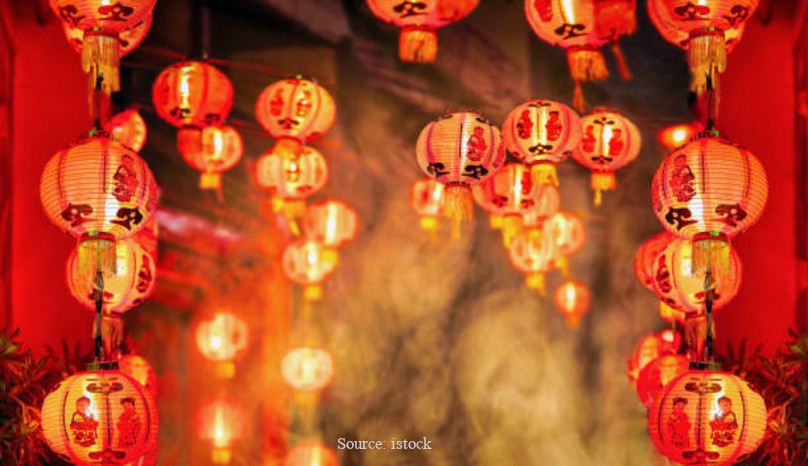
Combining both modern and traditional New Year’s Eve celebrations, the celebrations begin with an initial sweeping of the house, streets and tombs of family members to rid the coming New Year of any bad luck that may be lingering, before families will decorate their houses and the streets with hanging red lanterns and decorations and then exchanged red couplets, envelopes and paper messages – which always feature wishes for good fortune and happiness for the coming year.
On the main day of the festival, the Lunar New Year’s Eve, the world’s greatest migration and the spring travel rush will see some 200 million individuals from all across China race against time to make it back to their families to take part in the traditional reunion dinner.
With the dinner giving families a chance to not just get together to celebrate, but also almost always indulge in the eating of dumplings before sitting down to watch the New Year Gala – the most watched television show around the world – and then heading into the streets to ring in the New Year with a firework display, set off fireworks and firecrackers to chase away bad luck and of course witness a series of parades that continue to take place over the rest of the festival featuring lions, dragon dances and the prominent animal derived from the zodiac calendar that symbolises the current year ahead.
When: The Lunar Festival has no fixed date and varies according to the Chinese Lunar Festival – but expect it to last for around 23 days, with 7 days beforehand and 15 days after the New Years Celebration and to take place between the 20th of January and 21st of February.
Where: The Lunar New Year is celebrated all around the world and in particularly across China, with the best place to witness the festival in our opinion being Beijing – which provides enough entertainment with prominent Temple Fairs (Longtan and Ditian are particular good), the spring festival Gala and a series of unmatched fire works (taking place at the China Millennium Monument) and parades taking place across the festival.
Alternatively, for a more unique experience you can base yourself in Beijing and head to the great wall, where further fire work shows take place giving you an opportunity to ring tin the New Year with both a bit of exercise and on top of the worlds greatest wonders.


Duration: The festival lasts for 15 days officially, with the week before spend dedicating for preparations for the festival – which includes the cleaning and sweeping of houses, the decorating of houses and streets with red lanters and the exchanging of red envelops, letters and couplets, is a time dedicated to eating and drinking and releasing firecrackers and is considered the most festive time of the festival.
New Years Eve begins on the last of these seven days and will see the Annual reunion dinner taking place in homes or restaurants at mid-afternoon – with the New Years Eve Gala beginning its broadcast at 8pm Sharp and lasting until after Midnight – at which point the grand firework ceremony will take place in Beijing followed by hours of firecrackers being release to ring in the New Year.
From Here the official 15 New Years festival will begin, with the first three days a public holiday for the workers and each day having a dedicated theme, with the fourth and fifteenth day also being of significant important during the festival:
- The first day is a time to visit relatives and honour the elderly family members and visit extended family members – with this day also seeing the further release of fireworks and firecrackers and often seeing the parading of lions and dragons in the street.
- The Second day is focused on visiting friends and requires married women to visit their birth parents bringing gifts of fruit, vegetables and cakes.
- The third day is considered a day of reflection, where it is viewed as unlucky to see anyone and will often see individuals burning their sins away on paper and visiting temples.
- The fourth day see’s the return to business with shops and stores opening around the country and often seeing shoppers flock to stores for the latest discounts of bargains.
- On the fifteenth day, which is considered the Lantern Festival, the previous nine days – which are dedicated to reflection – will come to a head and the Lunar New year celebrations will close with another reunion dinner – always featuring dumplings – and the release of further firecrackers and the lighting of candles, with the day also being the equivalent of valentines day in the west as single females will seek out a partner and offer their phone numbers to would be suitors.
Tickets: There are no tickets required to witness the lunar day celebrations or watch the fireworks if attending in a public space – but it is highly advised to buy tickets for travel well in advance owing to the migration numbers, and to book accommodation and a restaurant spot and a spot at the World Summit Wing for firework viewing in advance if wanting to celebrate the reunion meal and festival with friends and family in Beijing.
Need to Know: Be aware of the great migration and spring travel rush taking place when visiting or planning to attend the Lunar New year celebrations – train tickets will book up in months in advance and commuting in China will be more packed and crowded than usual – so it’s recommended to plan well in advance for travel and accommodation.
Also be warned that the three days at the start of the holiday are public holidays for all workers, so if planning to go shopping, on tours or visit entertainment complexes – chances are they’ll be closed as Chinese Workers enjoy time with their family and a rest.
It is also required to wear bright clothes (normally red) on the days of the festival and avoid wearing black or white – which are considered bad luck and a sign of morning during the festival, it’s also highly recommended to get somewhere high if visiting Beijing and watching the fireworks (the atmosphere Bar on the 80th floor of the China World Summit Wing is usually touted as the best spot) as not only does the millennium square get crowded but chances are you may miss some of the action if watching from the street level.