Madagascar
Overview:
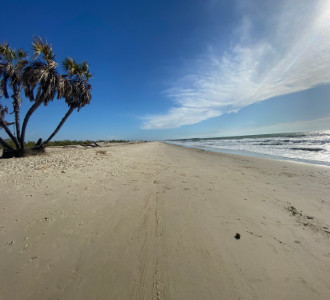
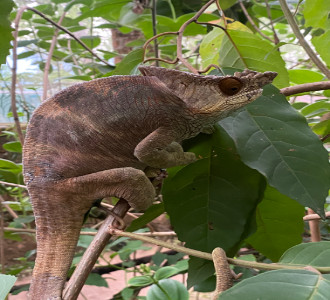
A Nature and Wildlife Paradise, the stunning island of Madagascar is home not only to lush green rainforest, stunning canyons and sparkling sandy beaches, but also the rare and incredible baobab trees, the endangered lemurs, colourful chameleons and unique Flora which is not found elsewhere on the planet – with this geo-logical and beautiful life-giving island being a truly unique and incredible wonder of the world.
Alongside being home to almost a hundred species of rare and adorable Lemurs, Madagascar is also a key spot on the migration route of Humpback Whales — meaning that for 3 months in the Autumn you’ll see thousands of Whales breeding and nursing their infants in the crustal clear waters of the Indian Ocean that lie off the main island – with the Island also being one of the few places you can spot and swim with the great whale shark – the largest fish on the planet !
While made famous by the funny – but somewhat inaccurate – Madagascar animated film and home to stunning scenery, the Island is still facing and battling against poverty – a legacy of its occupation by France, with much of the island infrastructure underdeveloped – meaning less than 400,000 visitors reach the island each year. With the roads that lead around the island being full of potholes and visitors and locals often facing long delays in their travels – especially for those who take the famous taxi-brousse — a public transport bus system where passengers often find themselves travelling alongside livestock to reach the tourist hotspots.
Yet despite this, the island of Madagascar is a true paradise, and is also composed of 13 smaller islands, that give a great chance to go island hopping and explore the incredible sandy beaches and marine life that lie off their shores, with the stunning jungles, incredible canyons (which come complete with rickety rope bridges) thousands of unique animal and plant life , stunning Flora, towering baobab trees and of course the resident Lemurs helping to make the beautiful island of Madagascar a truly unique wonder of the world.
Where:
The island of Madagascar is the fourth largest island in the world and the main island, along with is accompanying 13 smaller island are found to the east of mainland Africa next to Mozambique and is bordered by the stunning and sparkling Indian Ocean.
Getting there:
Given Madagascar’s position as both a lone island and with it being based on the eastern coast of Africa it can be a challenge to get to – with land or ferry crossings ruled out from central Africa, you’re only option is to fly direct to the capital Antananarivo.
While this sounds relatively straight forward, the flying options are limited to a select few countries – France, Canada, America, Turkey and South Africa for reputable airlines and from some select African Countries such as Ethiopia and Kenya.
With these flights also operating a couple of times a week and being in high demand, the cost for these flights gets continually pushed up – so it’s highly advised to book well in advance and even then you’ll be looking at paying at least $700 Usd and as much as $2000 Usd depending on your departing country – so the sooner you book the better !
However while getting there is expensive, getting around and to the sights is not, with the famous taxi-brousse – a public bus that runs off its own schedule and takes you and locals round the island costing no more than a dollar or two – while a cheap way of getting round the island, expect it to be crowded, not spacious and to have the occasional bit of livestock shoved in your face – it’s ceraintly a momerable experience for traversing the wonder !
Alternatively for those who don’t fancy the taxi-brousse – you have the option of hiring your own 4x4 (and driver if you wish) expect this to be a tad more expensive but also be a bumpy experience as the roads in Madagascar are notorious for pot holes ! – but it does mean you can go at your own pace and take in all the sights of the wonder at your own whim.
Alternatively and perhaps the safest, cost effective and best option once you arrive in Antananarivo you can take the hassle out of things and simply book a series of day or multi day tours around the island to the various stunning sights of the Island – and then jump on a boat to explore and get to the additional 13 islands and treat yourself to some scuba, snorkeling or just kick back on one of the incredible golden sand beaches that make up the wonder.
Best time to Visit:
While Madagascar is stunning the year round, it also has both dry and wet seasons – with the wet seasons which given the rainforest and the incredible Baobab trees life running from November – March and the dry season from April to October.
As the dry season not only avoids the chances of you getting soaked but also gives you the best chance to see the incredible wildlife of Madagascar, we’d strongly recommend visiting the wonder between April – October.
With the period between August and September our top pick for when to visit as this is when you’ll find the Whale Sharks, Humpback Whales and Lemurs all viewable and converging on the island – giving you the best chance to experience all the incredible wildlife of Madagascar on one trip.
Explore:
Madagascar is a nature and wildlife lovers paradise, with an incredible assortment of rare, plant life, fauna, animals and stunning nature reserves, national parks and sparkling sandy beaches – with something for everyone.
Whilst you’re spoilt for choice between diving with Whale Sharks, watching humpback whales, spotting elusive lemurs, walking beneath the stunning and iconic Baobab trees, island hopping or simply kicking back on the incredible beaches that stare out into the Indian Ocean – the below is our top 14 things to do and explore when visiting the wonder of
Avenue of the Baobabs:
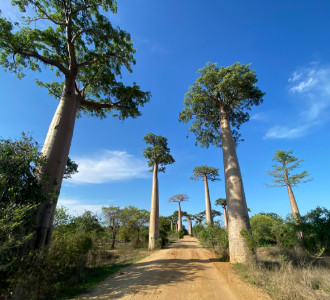
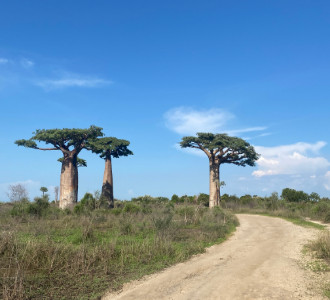
Starting with perhaps the most iconic sight of Madagascar, the rare and incredibly beautiful Baobab trees – which can be found all over the beautiful island but in particularly at the stunning Avenue of the Baobabs – a long and clear road that are lined with hundreds of the incredible trees – and that is unquestionably the postcard snap of the beauty of Madagascar.
Under threat by both logging, resources and time, the Baobab trees can grow up to 100 feet tall and perhaps more impressively 36 foot wide – as a result of the gallons of water they soak up during Madagascar rainy seasons – with visitors free to walk among the trees along the stunning avenue and be both dwarfed by them and get a sense of their grand scale.
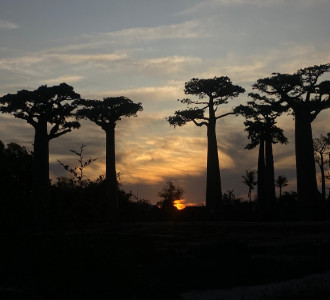
While the Baobab trees are also the origin of many legends in the island – that you’ll no doubt be told as you journey through them, they have also occupied the island for more than a thousand years – with the oldest ones on the avenue believed to date back more than 750 years – with a trip to see the Baobab trees especially at sunrise or sunset being not only a incredible and unique experience but something you can’t miss out on at the wonder of Madagascar.
Tsingy de Bemaraha National
Although a little off the beaten track, the stunning Tsingy de Bemaraha National Park looks out over the west coast of the island into the Indian Ocean and features the most dramatic and best unique landscapes of Madagascar – including the famous rope bridge and ladders of Madagascar that takes you across and over the stunning limestone cliffs and deep gorges that make up the park.
Accessibly only by a 4x4 drive – and being a half day drive from the capital of Antananarivo the park is the place to come for hiking in the country. With the park, which was formed as a result of geological decay over hundreds of years of the limestone cliffs that form the border of Madagascar, featuring not only the option to cruise down the stunning Tsiribihina River which lies in between gorges, but featuring unique botanical scenery, lush green fields and forests and striking and deep canyons – and if you’re lucky some stunning and incredible wildlife including the famous Lemurs and their prey which make the island a truly magical place to visit.
Andasibe-Mantadia National Park :
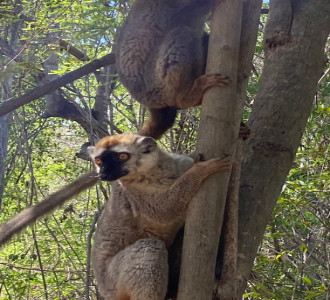
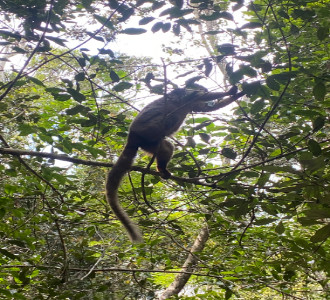
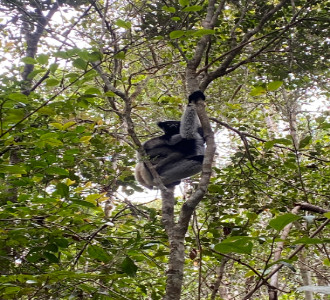
Home to the Indri Lemur – a cute teddy bear like but certainly loud Lemur that has become the national Symbol of Madagascar, and which you can find at home in the stunning Andasibe-Mantadia National Park.
Home to 14 other lemur species – which are equally unique if not quite as cuddly, the Andasibe-Mantadia National Park is an area of protected and sweeping rainforest that not only contains the Lemur but features some incredible hiking trails where you can observe the unique plant life of Madagascar, some stunning lakes, towering waterfalls – with the park being noted for its night walks, which not only give you a chance to walk through the rainforest at night and see the Lemurs at their most active – but where you can see an assortment of the other natives to the rainforest including chameleons, Frogs and monkeys as you walk amongst the towering trees and lush green scenery of the Andasibe-Mantadia National Park
Lemur Island
Found Next to the Andasibe-Mantadia National Park , Lemur Island is a rescue Sanctuary for Lemurs who have either been injured or been kept in captivity before they are released back into the wild. With the almost 100 multiple species of Lemurs in the park known for not only their unique cuteness – with sizes ranging from small babies to full grown adults, but also how tame they are – giving you the perfect chance to snap a selfie with one if you wish – and making the Lemur Island a great place to come to understand, appreciate and view Lemurs outside their natural habitat.
Isalo National Park
Another incredible spot for hiking and wildlife viewing, the Isalo National Park features some of the best stunning scenery that Madagascar is famous for – with glistening lakes, deep gorges and incredible plant and wildlife – which can all be explored over a series of stunning hikes deep into this national park.
The highlight though (at least for us) is both the three incredible waterfalls you can dip in – and the many Lemurs who are known to be much more inquisitive on the island and follow and even steal food from humas in the Isalo national park – giving you a great if risky chance to see the adorable Lemurs in the wild.
To get to the island you’ll need either a tour or long trip by 4x4 as it’s found in the south and you’ll be required to hire a guide to ensure you both don’t get lost and are respectful to the Lemurs – but the chance to trek round the island with them and view the stunning sights of the park including the impressive Canyon des Makis, the beautiful Piscine Naturelle and the stunning arch of the Isalo Window – which makes for a window view over the rest of the park from where you can look
Ranomafana National Park
Home to 12 species of Lemurs including the incredible and endangered golden bamboo lemur the Ranomafana National Park is a great spot for the unique wildlife on Madagascar with their also being chameleons, monkeys and an incredible assortment of colorful birds that call this unique national park – which is full of immense and towering rainforest, lakes and waterfalls home.
With visitor restrictions and a guide required to access and trek in the park, you’ll have the best chance to spot the wildlife and also enjoy the park in relative solitude and you even hae the option to go both during the day and the night time to increase your chances of lemur spotting – with the incredible rainforest scenery that makes up the Ranomafana National Park being arguably the best and most scenic spot in the whole of the wonder of Madagascar.
Berenty Private Reserve
A scientific research post dedicated to the study and preservation of lemurs – the Berenty Private Reserve is a spot where you can almost guarantee Lemur sightings in the wild and where you can tour the reserve with the help of scientist and guides to truly understand the conservation work and threats that face both the Lemurs and Madagascar.
Found on the south of the Island the reserve also gives you the chance to witness the stunning ‘dancing moves’ of Lemurs – a sight featured on the Planet Earth documentary where sifakas Lemurs will jump and dance between trees in a quite incredible and somewhat bizarre display of their beauty. If lucky you’ll also get a chance to tour the reserve in the evening to see the nocturnal lemurs and follow the scientist that work here in their daily work and even assist in protecting and preserving both the wonder of Madagascar and the incredible lemurs.

Kirindi Forest
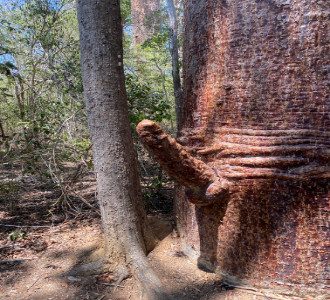
Explorable by two looped circuits the stunning Kirindi Forest is not only a reformed logging site which now houses incredible green trees and some unique baobab trees – but is a true unique sight in Madagascar as it is the best place to see the fossa – the arch enemy and predator of the Lemurs.
Known as a mini skinless leopard, the Fossa use the Kirindi Forest as a mating place – and you’ll see the females summit the trees looking to survey their possible matches below before deciding on a partner – and it’s this process that makes the Fossa so visible in the Kirindi forest – with a trip here an incredible experience not just for the Fossa sightings but also the incredible green and lush forest and the chance to walk amongst baobab trees in the middle of the unique Madagascar rainforest.
Diving the Indian Ocean
Alongside the incredible rainforest, baobab trees and Lemurs that make Madagascar a unique wonder – there’s also an abundance of life and incredible coral teeming underwater – with the seas off the coast of Madagascar being home to the third largest coral reef system and more than 7,000 different marine life – including sharks, turtles, manta rays, stingrays, octopus and an assortment of bright and colourful fish – with a chance to dive the incredible crystal clear sparkling waters or even get scuba certified a truly immense and beautiful experience – just be sure to bring a high quality go pro.
Nosy Be & diving with Whale Sharks
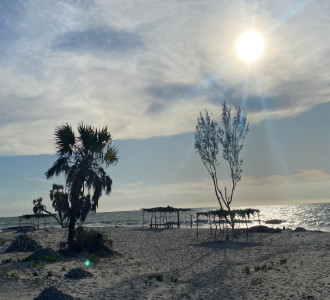
Located off the mainland of Madagascar as a small island the famous small beach of Nosy Be is quite simply everything you could ever wish for from a beach, with white sandy shores and crystal clear blue water that stretch for over a hundred miles – complete of course with numerous beach resorts and beach parties – it’s exactly what people imagine when they think of the Golden Shores of Madagascar.
Alongside the stunning beach Nosy Be also offers incredible snorkelling and diving opportunities right from the shore – but perhaps more uniquely and incredible it is also a key spot on the migration of Whale Sharks – and every September – November you have the chance to snorkel alongside the worlds largest fish in warm waters – with these non-threatening 30 foot majestic animals often accompanied by shoals of fish who use the size of the whale sharks for both protection and to sweep up the algae that the whale sharks pick up on their trails – with a chance to swim alongside these majestic beasts being a truly incredible and awe-inspiring experience and one not to be missed.
Île Sainte Marie & whale watching –
The former pirates bay of Île Sainte Marie is again another stunning beach spot – with sparkling water and stunning white sand beaches leading into the incredible Indian Ocean – with the Île Sainte Marie which is a small island of mainland Madagascar known as a fantastic place to sample fresh seafood and base yourself when heading out island hopping in Madagascar.
But more importantly than the beaches and food — Île Sainte Marie is also the best place to go in Madagascar to go whale watching – with the incredible humpback whales stopping off here between July – September to breed and then raise their young. While the adults can grow up to 16 metres in length, you’ll get to see them not only breach the waters but also gather in legions of thousands to feed – with the sight of witnessing the incredible and majestic animals from either the safety of the shore or from a scenic boat ride over the warm and crystal waters a truly memorable experience in the wonder of Madagascar.
Island Hopping
For those who have a spot more time and have trekked the rainforests and gone diving and just can’t get enough of the stunning coastline and crystal-clear waters – Madagascar offers some of if not the best island-hopping opportunities on the planet.
Allowing you to move between scenic paradise island –Madagascar has a further 10 unique and stunning islands in addition to Nosy Be and Île Sainte Marie that all offer stunning dive and snorkelling trips and each complete with their own unique white sandy beach. Best of all these islands are often off the tourist trek so you’ll have the pick of the best beach spots to yourself.
While all the islands are stunning the islands of Tsarabanjina, Manafiafy and Nosy Iranja are particularly stunning, with each one offering the idyllic surroundings of palm beaches, the chance to cruise the islands by boat, parasailing and if you’re lucky the sight of turtles coming ashore to lay their eggs and their younglings hatching and heading into the ocean – with a spot of island hopping a truly magical and wonderful experience and a great way to kick back after exploring the unique wonders of mainland Madagascar.
Getting around: Road Trip or Train
While not necessarily a wonder – part of the exploring experience on Madagascar is simply getting around it, with the country while beautiful being a tad underdeveloped in its infrastructure. While you can take the famous taxi-brousse to get around the island – and accept you may end up with a few chickens on your lap and a local falling asleep against your shoulder – we’d recommend a more scenic and probably more comfortable option – with the self-drive experience of the incredible dirt road of the N5 highway or the train ride of Fianarantsoa to Manakara as two alternative options that will not only make your travel experience more enjoyable but give you a unique and thrill seeking experience to get around Madagascar.
For the N5 highway, you’ll need to hire a 4x4 – which can be easily done at the airport and then head to the highway, which as soon as you get on you will find is covered in potholes for a bumpy yet adventurous experience. But more than that it will also take you off the beaten track, allowing you not only to get to all the mainland wonder of Madagascar above but giving you the chance to pass through unique jungle, waterfalls, lakes and desert like terrain – and improve your chances of spotting Lemurs in the wild – with the N5 highway going in a circular motion to the best spots of the island and being one of the most bumpy and scenic experiences in the world – for a truly incredible way to see Madagascar.
For the Fianarantsoa to Manakara train – it’s a truly beautiful train ride and one of the only ones we’d recommended in the country on account of safety and infrastructure concerns. When hopping on the train you’ll be amongst locals and get a real experience for everyday Madagascan life – as the train which can take a full day to reach its destination ploughs through the incredible scenery of mainland Madagascar to the sea – and best of all you’ll get a chance to chat, eat with and sing with the locals for truly authentic experience as journey through the heart of this incredible country – just don’t expect healthy and safety standards to meet those of the western world.
Antananarivo
Undoubtedly where you’ll arrive and get your first impressions of the wonder of Madagascar the town of Antananarivo serves as the capital of the island – and since the independence of Madagascar is now home to nearly 2 million people.
While lacking in the lemur sightings, dive sights and rainforest of the rest of the country, Antananarivo is a great place to base yourself – or hire a 4x4 – with tours to the countries wonders in abundance from here and also being a place of stunning French architecture, local marks and a great place to stock up on waters, food and souvenirs before you head into and begin exploring the true wonder of the world that is Madagascar.
How long to stay:
Given the logistics involved in getting to Madagascar, the numerous incredible sights to see and the opportunities the wonder affords to see humpback whales, swim with whale sharks and see Lemurs in their natural habitat – we’d recommend a minimum of 2 weeks preferably 3, which will give you enough time to see everything and account for the slow pace that things in run at in the island.
Top Tip:
While Madagascar is a truly beautiful country, it’s also one of the poorest – and for this reasons it’s advised to keep an eye on your items and not to flash the cash or show off wealth – as this is likely to make you a target for pickpockets, scammers and thieves, particularly in the markets of Antananarivo.
We’d also advise making sure you stock up on water and food in Antananarivo – the only place where major supermarkets operate and be warned that Madagascar runs on ‘island time’ so it’s advised not to set yourself a strict itinerary or depend on public or international transport to meet your travel needs – as chances are you’ll be faced with delays and setbacks which can ruin your trip there !
Cost:
The tricky bit of Madagascar is getting there and regardless of where you travel from you can expect to budget $700 Usd for flights in low season and up to $2000 USD in high season – and we’d advise to book well in advance and combine your trip to Madagascar with a stop off or visit elsewhere such as Paris or America to help bring the overall cost down.
However once there, you’ll find that prices are incredibly cheap in Madagascar with food and drink costing no more than a couple of dollars and reasonable quality hotels all available for no more than $20 Usd a night – or cheaper if you don’t mind slumming it.
You’ll also be able to get tour guides and trips – which are pretty much mandatory when visiting the rainforest for no more than a $100 usd a spot — and some go as cheap as $40 USD which can offer you multi day trips to chase the lemurs, go diving or explore the stunning rainforests on the islands.
While we’d recommend hiring a 4x4 to get around – either with or without you own driver, you can expect that to come in at around $50 usd a day – and getting some jerry cans with petrol is strongly recommended given the lack of petrol stations around the island. For those who use up their budget on flying in and want to keep the costs down then the taxi-brousse is the best option for you – and again it comes in incredibly trip costing no more than $2 USD for a round trip across the island.
While the cost of your Madagascar trip will vary based on the itinerary and activities you choose – especially for the divers – you can expect to pay the lump sum of your trip in getting there and then easing off the costs when you arrive, with the average 2–3 week trip to Madagascar expected to come in at 3,000 USD.
Best photo spot:
While Madagascar is truly a natural and wildlife paradise, the best place for photos are two-fold – firstly at the incredible Avenue of the Baobabs especially at sunset when the trees come alive and their scale and beauty is illuminated – it truly is the postcard snap.
Secondly, you’ll require a bit of luck but snapping the Lemurs, Whale Sharks and Humpback Whales in their natural habitat, especially against the backdrop of either the stunning rainforest or white sandy beaches is a truly awe-inspiring and epic experience – and that encapsulates the natural and incredible beauty of the wonder of Madagascar.