Mount Kilimanjaro
Table of Contents
Show
Overview:
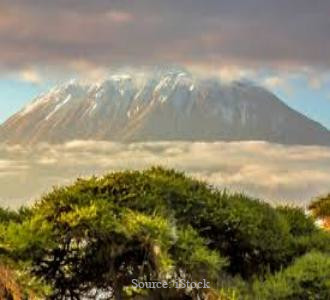
The highest peak in Africa and the World’s tallest free-standing mountain, the Mighty Mount Kilimanjaro, which clocks in at 5,895 meters, is considered one of the jewels of Tanzania and is one of the greatest, most challenging and beautiful hikes on the planet – with the incredible snow capped mountain being a picturesque and stunning wonder of the world.
While the exact origin and meaning of the Kilimanjaro name remains unknown, what is clear is the sheer beauty of the mountain, with their being five different climate zones to experience as hikers ascend the mountain – with the lush green fields, incredible rainforest, sweeping moors, other worldly ash landscapes and of course the famous snow-capped peak combining to make more than 5,000 feet of stunning scenery as a result of both the volcanic origins of the mountain and its unique location – with it lying just over 200 miles away from the equator.
Summited by one of six incredible hikes, that take on average a week and require a decent level of fitness and altitude acclimatisation – the mountain is also visible from the incredible neighbouring Amboseli National Park over the border in Kenya, where you have the chance to view the incredible wonder in all is glory against a backdrop of both the incredible Savanah plains and in the company of the African big 5 on safari – with the thrill and challenge of summiting the incredible mountain, combined with the sheer beauty, sweeping views and symbolism of the majestic Mount Kilimanjaro helping to make it a unique and truly worthy wonder of the world.
Where:
The highest peak in Africa, Mount Kilimanjaro lies in the north of the beautiful country of Tanzania near the border of Kenya – with the nearest towns being Arusha and Moshi from where most hiking trip depart.
Getting there:
Your best bet is to head to the appropriately named Kilimanjaro airport — and then as all treks require a guide and a pre-booked trip you’ll either be picked up at the airport by your pre-booked tour group or you can head to the town of either Arusha or Moshi – from where your trip will depart.
For those who hate flying, you also have the option of heading to the capital of Dar es Salaam or Dodoma (Tanzania has two capitals) and then grab a bus, taxi or self-drive to Arusha or Moshi – but the ascent being a tough trip, we’d recommend letting your tour guide do the driving up the start point and keep thins as simple as possible for yourself to maximise your enjoyment !
Best time to Visit:
Given the wonders proximity to the equator, there’s no summer or winter here – instead you’ll get to experience the diverse ecological climates of the mountains in either the wet or dry seasons – so we’d strongly recommend missing the wonder between April – June as it’s the wet season and despite the incredible beauty of Kilimanjaro hiking it in rainstorms is not the funniest thing – especially if altitude sickness kicks in!
Therefore, we’d suggest the months of January – February or August – October, where you’ll find the conditions drier and cooler, and crowds at a minimum as you’re outside the summer holidays – it’s also a great time to spot the big 5 in the nearby Amboseli national Park for those who want to venture into Kenya to capture a shot of the whole of the wonder.
One other thing to consider is the timings of the full moon – if you have the time and the stars align for you – you can actually time your summit to the evening of the full moon, which is a truly magical experience as you are able to summit the mountain not just against the backdrop of the beauty of the clear African night sky with thousands of stars above you, but with the incredible full moon lighting your path to the summit as you conquer a true wonder of the world.
Explore:
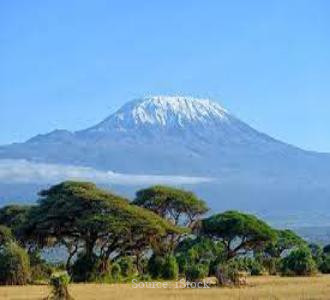
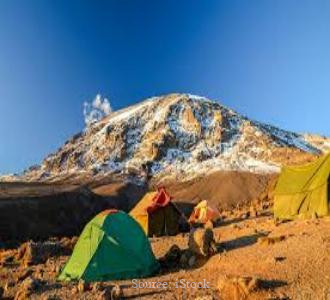
There are two main ways to experience and explore the wonder of Mount Kilimanjaro – the first and highly recommended is to summit it by one of the six different official routes – and the second is to view it from the incredible home of the African Elephant the Amboseli National Park in Kenya – where you can see the Mountain against the backdrop of the big 5 and the incredible African plains on Safari.
Starting with the direct route up the mountain, the first thing to note before you pick a route, sort your visas and get trekking is that the landscape and views from Kilimanjaro are both beautiful and varying – with the 5,895m hike to the summit not only giving you plenty of altitude adjustments, but being divided into 5 different climate zones – which gives you a taster of each of the unique climates of the different continents in the north of Tanzania.
The first zone unsurprisingly starts off at the lower levels with gentle altitude although steep climbing – and is more bushland in its appearance – with the their being sweeping forests visible on each side and lush green fields that accompany you at the start of your journey.
The second zone which kicks in around 2,000 metres up the mountain is more rain forest in appearance – you’ll notice tall trees and shrub and a distinct change in the altitude as if you’re walking on the top of a rain forest.
From 3,000 metres you’ll start to experience the origins of the volcano with rocky land underneath you but also an Emily Bronte moorland scenery around you – with their being long beautiful heaths stretching into the distance — that are especially pleasant in spring and autumn time.
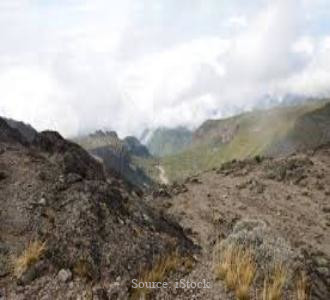
For the fourth stage (4,000 Metres), you’ll need a few days for the sharp altitude and the landscape will be somewhat otherworldly with thick rocks and sharp edges on your path and barren hazy scenery on either side of you – this stage is normally the bit where the landscape is both barren and harsh – and you’ll see hikers who have come ill-prepared really struggling in this area.
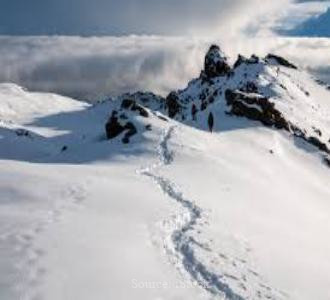
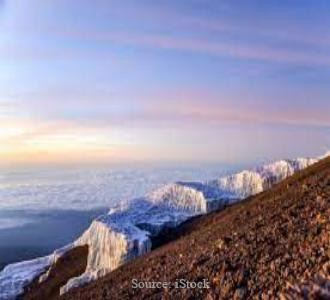
Finally at the summit, it’ll come as now surprised that this scenery and landscape is comparable to the arctic – with you standing on an incredible snow-capped Glacier at more than 5,000 metres high it’ll also be a little bit chilly so you’ll need those warm gloves as you stare out over the incredible and beautiful snow-capped summit of the wonder of Kilimanjaro.
In terms of hiking the mountain – you can expect a 5–9 day trek (anymore is taking advantage of you and any less is dangerous) with there being six official routes (the Shira route is a 4 x4 emergency route so be sure to avoid that) that you’re advised to hike up and for which you’ll need to be accompanied by a guide, chef and porters (for your luggage). While the routes vary in length, difficulty, time and scenery – each one ultimately leads to the same destination of the summit, and are briefly summarised below in recommended order:
Marangu Route:
The official and oldest route up the mountain, the Marangu Route has been serving explorers since the first known of Kilimanjaro in the 19th Century and offers a great balance between comfort, scenery and crowds.
Beginning from the Marangu Gate you’ll spend the first day gently hiking up the first section to Mandara Hut base camp an incredible of about 8,000 metre in elevation over the course of a half day, before spending the next two days ascending through the Horombo Hut and Kibo hut up to an elevation of 4,500 metres – where you’ll likely rest for a day for acclimatisation and take on a side trek across the landscape of the 4th stage of lunar like landscape before attempting the summit to the peak of Kilimanjaro the Uhuru Peak on the fifth day of your hike.
From here it’s back down the same way – on an incredible descent from the clouds to the floors over the course another one a half day – giving you a round trip time of 6 days to scale and descend the highest peak in Africa.
While the Marangu Route follows the same trail – making for a repetative experience on the way down, it also offers the most comfort – with each leg of the trek being to a hut which can make a hell of a difference for altitude sickness and in adverse weather conditions – with the route affectionately earning the nickname of the coca-cola route on account of the vendors who are known to frequent the hut with sugary and uplifting treats.
Yet for this reason it’s also popular – so for those wanting an isolated experience up the mountain this is not the route for you, but it is not the Machame Route below – where human traffic jams are known to form due to overcrowding and you’ll struggle with crowds up the mountain.
It’s also a faster route up – which can be good for those on a budget but does take away from the days you get to spend exploring the incredible wonder of Kilimanjaro. Yet on balance, given the comfort, scenery, time, accessibility and occupancy of the Marangu Route – it is in our view to route to go for if you get a choice !
Machame Route:
The most popular route and the cheapest – and one favoured by backpackers the world over, the Machame Route is as close to a defined and easy trail up the wonder of Kilimanjaro as you’ll get to – and offers the best chance of getting to the summit.
You’ll start at the Machame Gate at 1500metres high and spend the first day hiking to the camp over the course over 6 hours in what will a steep but gentle ascent up the mountain – from there you’ll spend the next 2 days ascending through the second and third days hiking 1,500 metres through two different ecological zones to the Barranco camp – and then have 2 reduced days of no more of 3 hours hiking to allow for gradual acclimatisation – before taking on the summit of Kilimanjaro on the 5th day for sunrise and an incredible experience at the snow capped peak – before heading back down through a different trail know as Mekwa – a special descent trail only over the course of 2 days.
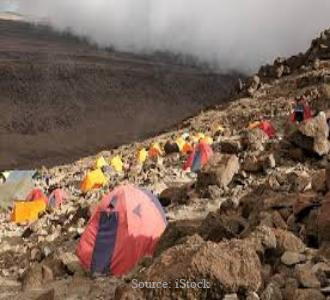
While spending a week reaching the summit along the Machame Route is an incredible experience – you should be prepared to camp at each evening – and though porters will assist you with this, if the weather is tough or your camp buddy is a snorer it can take the shine off your hiking experience.
You’ll also find that as well as being the cheapest, the Machame Route is the most popular – so much so that crowds of people have been known to form along the route and you can find yourself waiting for hours to reach the summit in a long traffic queue of people.
So while the Machame Route offers stunning views, a camping experience and a good chance to reach the summit – it also is an increidble tourist route to the summit and one best avoided if possible.
Lemosho Route:
The officially longest route up the mountain and perhaps the most scenic the Lemosho Route takes in all five of the climates of Kilimanjaro in all their glory – and is also a great trek for those who want to experience the summit away from crowds of people – for a truly authentic and beautiful experience up the incredible wonder.
Beginning on the west side of the Mountain, you’ll spend day one in the incredible base rainforests of the mountain and head from the Londorossi Gate to the Mti Mkubwa camp an elevation gain of only 600 metres – which gives you a chance to take in all the incredible scenery and Tanzanian rainforest. Form there the next two days are spent ascending through the beauty of the moors and the lunar like surface as you reach the Barranco camp – after an incredible de-tour to the greatly named Lava Tower – a mini volcano like structure that is an hours detour of the trek.
At Barranco you’ll either have some time to acclimatise – or if everyone in the group feels okay you’ll head on to the Barafu camp and then up to the summit and the incredible snow toped peak of Kilimanjaro the same day – and then back along the Mweka trek over the next day and a half – for a total round trip of between six — eight days depending on altitude acclimatisation days.
While the Lemosho Route is incredibly scenic especially at the first stage and at the lava tower is an other worldly experience a trip along the Lemosho Route again requires you to camp so enjoyment is weather dependent – and you can expect to reach into your pocket for the experience with trip costing at least 150% more than those of the Machame Route – but given the incredible scenery, the route to the top and the off the beaten trek element of the Lemosho Route – it’s an incredible investment for a great and once in a lifetime unique experience.
Rongai Route
the route for those looking to take on Kilimanjario from Kenya, the Rongai Route starts on the Kenyan border (you still need visas to enter Tanzania) and takes you on a rural route up from the North Side of the Mountain past a series of caves to the incredible summit in an off the beaten track route.
Starting at the Rongai gate, you’ll only get minimal rainforest experience in level 2 and find yourself more in rural farms with a great chance of spotting wildlife and local Masai Tribe elders, before hiking to the incredible 1st caves camp – for a camping exepreince near a cave where you’ll get the chance to visit the cave and top up on fresh water.
The 1st cave is followed by the Kikelewa Cave base camp the following evening and the on to the Mawenzi Tarn camp at 4,200 metres before you having a slow day joining up with the folks on the other routes at the Kibo hut at 4700 metres on day 4. The following day you’ll have to get up early to beat the crowds and witness the incredible sunrise, but if you do you’ll be rewarded with stunning views of the snow capped Uhuru Peak – where you can pose for some photos before heading back down the Marangu Route into the incredible Tanzania.
While you can expect to spend 6–7 days on the Rongai Route, and you’ll miss out on some of the incredible rainforest from the Lemosho Route, the Rongai Route is perfect for those who want a truly unique experience up the mountain, with stunning views and also gives you much more accessibility to travel from the stunning Amboseli National Park in Kenya – the best place for full views of the wonder.
Umbwe Route
The toughest route and one that’s probably harder for acclimatization, the – Umbwe route is one of the longest routes up the mountain and one for those who enjoy a challenge – but also has the advantage of being not favoured by crowds and makes your achievement of summoning the mountain all the more impressive !
Beginning form the Umbwe Gate and spending the first day passing through fields to the first camp spot at just under 3,00 metres and then onwards to Barranco Camp on day 2 and Karanga Camp on day 3 – the first days will be spent going up steep pathways as you gain elevation – and the acclimatisation will be hared than on the other routes.
Yet once you manage to pass day 3, you’ll get yourself an acclimatization day – and suddenly the wonder of the Kilimanjaro will be a lot sweeter as you’ll be presented with stunning views as you trek on day 4 up from Karanga to Barafu against a back drop of stunning scenery and make a detour to the incredible lava peak. Having made it to Barafu you’ll then get an incredible shot at summiting to peak of Uhuru and witnessing the sunrise – and grabbing a photo at the summit sign against snow caped peaks – before heading back down the Mweka trail into Tanzania.
A tough ascent at the start, the Umbwe route also has tough acclimatization conditions – and is not recommended for those with limited hiking experience – but for those who fancy a challenge this route offers incredible views and a much more rewarding hike up this incredible wonder.
Northern Circuit Route:
A newer route – and thus less crowded the northern circuit route is unique in that it is flexible in how long you can spend up the mountain ! – if you’re a hiker who prefers a couple of days for each stage and plenty of acclimatisation time, this route if for you !
Starting at the Londorossi Park Gate – you’ll head to the new Mti Mkubwa Camp through rainforest and lush green fields, before spending the next two days passing through the two Shira camps, and de-touring to the Lava Tower for stunning views and then to the Moir Camp on day 5, before heading to the Buffalo camp on day 6 – and then to the Rongai cave on day six and the almost summit camp of the school hut at almost 5,00 metres – before you head up the snow capped peak of the summit on day 8 for sunset !
While taking longer than the other treks the Northern Circuit takes in all the highlights of the previous 5 treks, including the stunning Lava Tower and the experience of camping at a cave near Rongi – and gives you a lot more time to explore the unique five eco-sections of the incredible mountain. It also has the advantage of normally arriving at the summit later in the day – so you’ll not only got more time but miss the mass crowds that try and arrive for sunrise – which will give you a much more enjoyable experience at the summit !
While new and gaining in popularity – and coming with greater costs that the Marangu and Machame Routes – the Northern Circuit is a highlight reel of this incredible wonder and gives you more time, freedom and sights as you summit the highest peak in Africa and the incredible Mount Kilimanjaro.
Descending the Mountain:
Having reached the summit and spent some incredible time at the summit, exploring the snow-capped peak and grabbing some photos that will last a lifetime – it will sadly be time to descend the mountain.
The route you take down will be based on the route you took up – with those on the Northern Circuit, Lemosho, Machame, Umbwe, or, having to take the Mweka Route down and those on the Rongai or Marangu having to take the Marangu Route back down.
While the descent normally takes a day and half back down, the routes back down are something to bear in mind as not only will it affect the scenery you see on the way down – but the traffic for those on the Northern Circuit, Machame, Umbw or, Lemosho route on the descend is likely to be stronger and meaning you’ll have to be on your watch when camping.
The non-summit viewing — Amboseli National Park
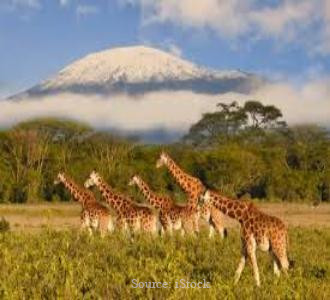
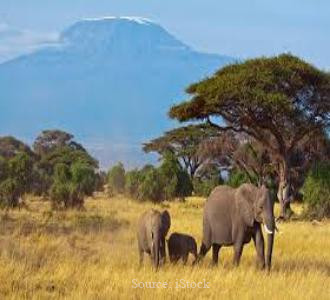
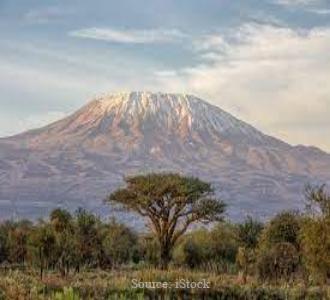
For those who don’t fancy hiking up the mountain – or for those who just can’t get enough of the wonder of Kilimanjaro and want to see it in all it’s glory while on Safari and against the backdrop of the big 5 African Animals – there’s only one place for you, the incredible home of the African Elephant at the Amboseli National Park – for the postcard photo of the wonder of Kilimanjaro against the plains of Africa.
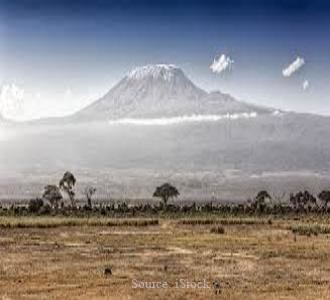
Found in the south of Kenya over the border from Tanzania the 39,00 hectares of the Amboseli National Park gives you views of the savannah and on a clear day lets you capture Kilimanjaro in the distance often topped by clouds.
With the incredible Amboseli National Park being a worthy rival to the great Masai mara park and home to over 900 Elephants, and thousands of Zebra, Giraffes, Lions, Antelope and Moneys – that make the park an incredible place to go on Safari, particularly between July and October as the few swamps in the park see animals gather to take in water which offer incredible viewing opportunities of some of the worlds most Endangered animals.
Home also to some of the Masai tribes, the Park is itself an incredible experience and with many viewing observation peaks spread out across the park and some of the worlds best safari lodges you have an incredible change to view the wonder of Kilimanjaro and observe some of the world’s rarest animals in their natural habitat – and if you get incredibly lucky they might just photobomb you as you capture the stunning peak for a truly memorable and unique moment.
How long to stay:
While you can make the summit in 5 days by taking the shortest and fastest trails – you’re going to need to budget at least a week for whole trek, and up to 10 days if you take on the incredible northern trek route. We’d therefore recommend budgeting at least 10 days regardless of which route you take in, which will give you good time to acclimatise and if you have the budget take in the stunning sight of Kilimanjaro from the incredible Amboseli National Park.
Top Tip:
As elementary as it may sound – make sure you’re prepared! – on average 6 out of 10 climbers fail to reach the summit and there are 10 death a year, which are attributable to either through poor planning, altitude sickness or coming with the wrong gear – so it’s vital that you understand that while Kilimanjaro is a unique wonder, it’s also a force of nature and a challenge to climb.
Alongside having a good fitness regiment in place, it’s necessary to keep yourself well hydrated and come with plenty of sunblock – regardless of whether you climb or view the wonder from Amboseli National Park.
For those who do climb, we’d recommend as a minimum you don’t skip on the costs, as the food and camping facilities provided by your tour can make all the difference to your experience, and be sure to come prepared with the following gear:
- Decent Hiking boots.
- Solid gloves and a woolly hat – especially as you approach the summit.
- Sunglasses to protect against the African Sun.
- A cosy, mosquito proof sleeping bag.
- Basic Toiletries – especially deodorant – you don’t want to be the one in your group that stinks on day 2.
- An assortment of hiking clothes – tops, fleeces leg warmers
- Plasters – for those inevitable blisters that will plague you as you begin your ascent.
Cost:
Having made you way to Arusha – which should cost a couple of hundred USD, you can expect to pay roughly $250 USD for all you camping gear, and $100 USD for all your shots to enter Tanzania as a base price and an extra $50 USD for the necessary Malaria tablets.
From here the cost of your hike will vary based on your route and your operator – but expect to pay at least $1200 USD in total when all is added in – including the food, routes, and drive to the starting point – while expensive it’s worth forking over a little more for those home comforts and a better route up the mountain than it is cutting costs and having a lesser experience – we’d also recommend booking in advance – at least a couple of months as slots do fill up quickly but be sure to book direct with the company rather than go through Viator or Trip Advisor – as you’ll find the price greatly inflated if you go through a travel agency.
One unaccounted cost is the tipping for guides, porters and cooks who accompany you – and really do make your experience truly enjoyable. While not featured in the price of your tour – we’d recommend budgeting $25 a day for each accompanying and supporting staff – and you can expect 3 per person, a cook, a guide and a porter – which should add to at least $450 USD if not more depending on your route – it’s a hidden cost, and one which companies are not open about, but at the end of a long trek there’s no doubt it’s been earned by your support team – especially if something goes wrong.
All in all then you should budget around $2000 USD for your trip to Kilimanjaro – a steep price but one that is definitely worth if to see, explore and conquer this stunning wonder of the world.
For those on a budget who wish to see the wonder, or for those who simply wish to see the rest of the incredible mountain from the Amboseli National Park, the price comes in a lot cheaper – with an average 2 day safari that will take you to the observation peaks coming in at $300 USD from inside either Tanzania or Kenya – and often including a night in one of the 5* lodges that dot the park – which makes for an incredible way to see the mountain and kick back with the big 5 after conquering the wonder.
Fun Fact:
Alongside the origins or meaning of the name Kilimanjaro remaining unknown, the mountain is actually the worlds tallest free standing mountain!
With the other higher seven peaks and mountain all being part of Glacier Ranges – where as Kilimanjaro is the result of a volcanic activity, which while the mountain remains dormant could return in the near future.
Best photo spot:
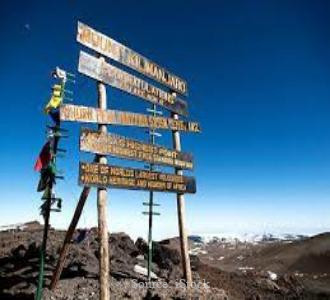
Unquestionably the best photo spot lies at the summit – after a tough but beautiful trek to the famous Green Sign that indicates you’ve conquered the highest peak in Africa !
For a truly magical photo at the summit, we’d recommend climbing Kilimanjaro at full moon – where the incredible moon lights up the passageway to the summit in clear African skies, and lets you wonder the summit against the backdrop of stars. While you’ll need an impressive camera to properly capture everything seeing the wonder illuminated by the full moon adds extra beauty to this incredible wonder.
Finally after conquering the summit, it’s definitely worth heading to Amboseli National Park over the border in Kenya – where you capture incredible photos of the whole of the mountain from the observation peaks with the beauty of the Savanah in the foreground – and if you’re luck one of the big 5 in shot – making for a truly beautiful photo of the incredible wonder of the world that is Mount Kilimanjaro.