Mount Kilimanjaro Trekking Guide:
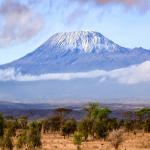
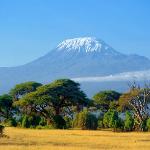
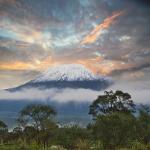
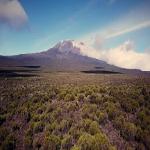
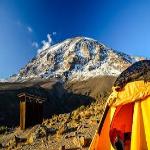
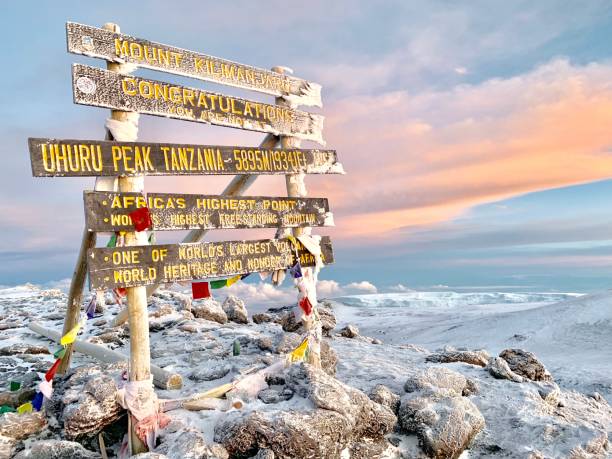
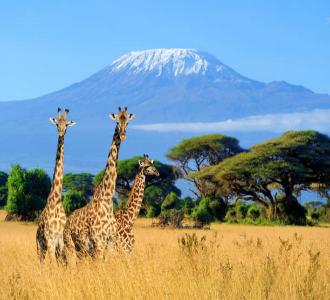
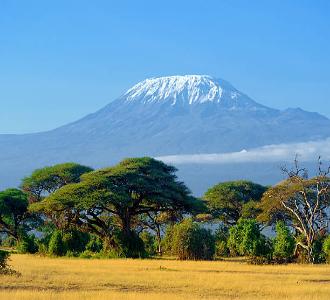
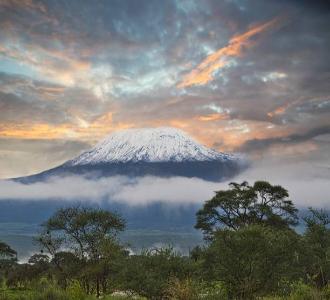
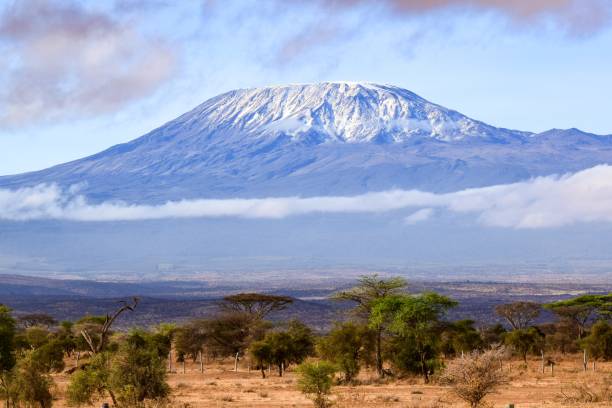
Standing proudly as Africa’s highest peak at 19,341 feet (5,895 meters), Mount Kilimanjaro is a beacon for trekkers and adventurers from across the globe. Rising dramatically above the plains of Tanzania, Kilimanjaro’s snow-capped summit and distinct ecological zones—from dense rainforest to barren alpine desert—make it one of the world’s most iconic and rewarding trekking experiences. Unlike many of the world’s great summits, Kilimanjaro requires no technical climbing skills, making it uniquely accessible to those with determination, preparation, and a passion for high-altitude adventure.
Despite its non-technical reputation, reaching the top of Kilimanjaro is a serious challenge. The rapid altitude gain, extreme shifts in climate, and physical demands of multi-day trekking push climbers to their mental and physical limits. Success demands proper acclimatization, physical conditioning, and a slow, steady approach to combat altitude sickness—one of the most common reasons trekkers turn back short of Uhuru Peak.
There are three primary trekking routes to the summit of Mount Kilimanjaro:
- Marangu Route (“Coca-Cola Route”): The most established and straightforward path, offering hut accommodations rather than camping. It’s the only route where climbers sleep in dormitory-style huts, making it popular but often crowded. The route is shorter, but the quick ascent means acclimatization can be a challenge.
- Machame Route (“Whiskey Route”): Known for its scenic beauty and better acclimatization profile, this route follows a steeper and more varied path through different climate zones. Trekkers camp along the way, and while it’s more physically demanding than Marangu, it boasts a higher success rate due to a longer and more gradual ascent.
- Lemosho Route: A quieter, more remote route that offers stunning vistas, excellent acclimatization, and a higher summit success rate. Lemosho joins the Machame route higher up but allows for a slower, more gradual climb through some of Kilimanjaro’s most breathtaking landscapes.
While the Marangu Route remains the most direct and popular, many trekkers opt for the Machame or Lemosho routes to maximize acclimatization and experience the mountain’s full natural diversity. So, to help you to stand on the Roof of Africa — we’ve rounded out our trekking guides for each route, beginning with the Marangu Route:
Route 1: Marangu Route (Coca-Cola Route) Trekking Guide:
The Coca-Cola Route, officially known as the Marangu Route, is one of the most popular and oldest paths to the summit of Mount Kilimanjaro. Often called the “tourist route” or the “easiest” trail because of its gradual slope and use of mountain huts rather than tents, it still demands serious physical effort and altitude awareness to succeed. Marangu is unique among Kilimanjaro routes for offering hut accommodation—simple but welcome shelters compared to camping—and a relatively direct ascent to the summit via Gilman’s Point and Stella Point. However, don’t let the route’s reputation for “comfort” fool you: summiting Africa’s highest peak at 5,895 meters (19,341 feet) requires determination, acclimatization, and preparation for extreme altitude:
- Duration: 5–6 days (typical)
- Distance: Approx. 72 kilometers (45 miles) round-trip
- Elevation Gain: Approx. 4,000 meters (13,123 feet) from trailhead to summit
- Technical Difficulty: Moderate (non-technical trekking, but steep altitude gain)
- Best Season: January–March and June–October (dry seasons)
Day-by-Day Climbing Guide
— — —
Route 2: Machame Route (“Whiskey Route”) Trekking Guide:
The Machame Route, famously known as the “Whiskey Route,” is one of the most popular and scenic trails up Mount Kilimanjaro. Compared to the “Coca-Cola Route” (Marangu), Machame is more challenging but offers much better acclimatization and dramatically varied landscapes — from lush rainforest to heather moorlands, alpine desert, and the glaciated summit. Despite being steeper in sections, the “climb high, sleep low” profile gives a higher summit success rate than Marangu. This route is perfect for adventurous trekkers looking for a more rewarding experience without technical climbing.
- Duration: 6–7 days
- Distance: Approx. 62 km (38.5 miles) round-trip
- Elevation Gain: 4,045 meters (13,270 feet) from Machame Gate to Uhuru Peak
- Technical Difficulty: Moderate to challenging (no technical climbing, but longer, steeper days)
- Best Season: January–March and June–October
Day-by-Day Climbing Guide
Day 1 – Arrive in Moshi or Arusha, Tanzania
After arrival at Kilimanjaro International Airport (JRO), you’ll transfer to Moshi or Arusha, the busy towns nestled below the mighty Kilimanjaro. A comprehensive pre-trek briefing and gear check by your guides ensures you’re fully prepared for the climb ahead. Feel the anticipation build as you get your first full view of the mountain!
Day 2 – Drive to Machame Gate (1,800 meters / 5,905 feet) and Trek to Machame Camp (3,010 meters / 9,875 feet)
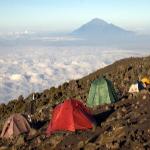
You’ll drive through coffee farms and local villages to reach Machame Gate for registration. Once the trek starts, you’ll climb steadily through the rainforest, where towering fig trees, lichens, and tangled vines envelop the trail. The humid climb can be muddy, but it’s a lush and lively start to your adventure. After 5–7 hours, you’ll reach Machame Camp, situated just above the tree line.
Trekking Time: 5–7 hours
Habitat: Rainforest
Day 3 – Trek from Machame Camp to Shira Camp (3,840 meters / 12,600 feet)
Leaving the forest behind, you ascend into the Moorland Zone. The trail steepens and opens into vast expanses of heather and volcanic rock. Today is shorter but steeper, and you’ll start to feel the effects of altitude. Clear weather reveals stunning views of the Shira Plateau and Kibo Peak ahead. By afternoon, you’ll reach the windswept Shira Camp.
Trekking Time: 4–6 hours
Habitat: Moorland
Day 4 – Trek from Shira Camp to Barranco Camp (3,960 meters / 12,992 feet) via Lava Tower (4,630 meters / 15,190 feet)
A critical acclimatization day. You ascend gradually to the massive Lava Tower, a prominent volcanic formation. Most climbers experience the first symptoms of altitude sickness here — which is normal — before descending to Barranco Camp. This classic “climb high, sleep low” strategy helps your body adapt for the days ahead. Barranco Camp sits beneath the dramatic Barranco Wall, a huge natural rampart.
Trekking Time: 6–8 hours
Habitat: Alpine Desert, Moorland
Day 5 – Trek from Barranco Camp to Karanga Camp (4,035 meters / 13,238 feet)
The day starts with a thrilling scramble up the Barranco Wall — a steep but non-technical ascent offering exhilarating views over the plains below. Once atop the wall, the trail undulates across rocky valleys and ridges before descending into the Karanga Valley. After a short climb, you arrive at Karanga Camp, perfectly placed for acclimatization.
Trekking Time: 4–5 hours
Habitat: Alpine Desert
Day 6 – Trek from Karanga Camp to Barafu Camp (4,640 meters / 15,223 feet)
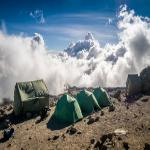
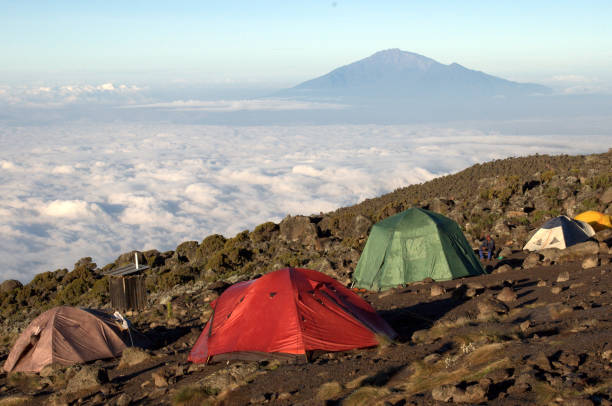
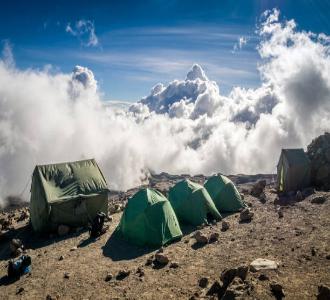
A steady, steep climb up the barren slopes leads to Barafu Camp, your basecamp for the summit push. “Barafu” means “ice” in Swahili — fitting, given the cold, windy conditions here. Spend the afternoon resting, rehydrating, and preparing gear for the final ascent. Early dinner and early sleep: summit night starts before midnight.
Trekking Time: 3–4 hours
Habitat: Alpine Desert
Day 7 – Summit Day: Barafu Camp to Uhuru Peak (5,895 meters / 19,341 feet), then Descend to Mweka Camp (3,100 meters / 10,170 feet)
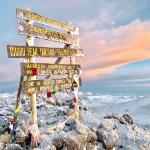
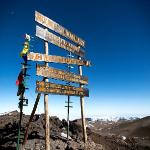
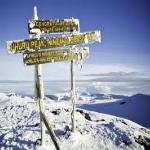
Just after midnight, you begin the slow, grueling ascent by headlamp over scree and rock. It’s steep, cold, and mentally challenging. You’ll reach Stella Point (5,739 meters / 18,828 feet) at sunrise, an emotional milestone with breathtaking views. From there, a final push along the crater rim brings you to Uhuru Peak, Africa’s highest point!
After celebrating at the summit, you descend carefully back to Barafu Camp for a short rest and then continue downward to Mweka Camp for your last night on the mountain.
Trekking Time: 12–16 hours (total summit day)
Habitat: Arctic near summit; Alpine Desert during descent
Day 8 – Descend to Mweka Gate and Return to Moshi/Arusha
After breakfast, you descend through the damp, vibrant rainforest to Mweka Gate (1,640 meters / 5,380 feet). Here, you’ll receive your well-earned climbing certificates. Transfer back to Moshi or Arusha for a hot shower, a real bed, and a celebratory meal.
Trekking Time: 4–6 hours
Closing Reflection
Trekking the Machame Route is more than just a climb — it’s an emotional, physical, and mental journey through some of the most diverse landscapes on Earth. Every step, from the humid rainforest to the icy summit slopes, reveals new challenges and breathtaking beauty. It’s often said that Kilimanjaro is a mountain that ordinary people can climb — but make no mistake: the Machame Route demands resilience, patience, and determination.
Standing atop Uhuru Peak as the sun rises over Africa is a moment that stays etched in your heart forever. It’s a profound reminder of what perseverance can achieve. Whether you’re drawn by the adventure, the challenge, or the sheer beauty of the experience, the Machame Route delivers a life-changing journey you’ll never forget.
— — —
Route 3: Lemosho Route Trekking Guide:
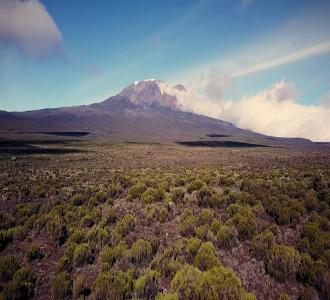
The Lemosho Route is often regarded as the most beautiful, remote, and ultimately one of the most successful routes to reach the summit of Kilimanjaro. Beginning on the western side of the mountain, it offers a slow and steady ascent through pristine rainforest, vast moorland, and dramatic high alpine desert before joining the Machame Route near Lava Tower. Thanks to its longer itinerary and gradual acclimatization profile, Lemosho boasts some of the highest summit success rates on Kilimanjaro, making it a top choice for those seeking both solitude and the best chance of standing atop Uhuru Peak.
While the Lemosho Route is slightly more expensive and logistically complex due to its remote starting point, it rewards trekkers with an immersive wilderness experience, stunning views of Shira Plateau, and fewer crowds compared to more direct routes like Machame or Marangu.
- Duration: 7 — 9 days
- Distance: Approximately 70 kilometers (43 miles)
- Elevation Gain: From 2,100 meters (6,890 ft) to 5,895 meters (19,341 ft)
- Technical Difficulty: Moderate to Challenging
- Best Season: January–March and June–October
Day-by-Day Climbing Guide
Day 1 – Arrival in Moshi (Elevation: 900 meters / 2,950 ft)
Your adventure begins in Moshi, the bustling gateway town at the base of Kilimanjaro. After checking into your hotel, you’ll meet your guides for a detailed pre-climb briefing covering the trek plan, safety procedures, altitude sickness prevention, and final gear checks. Spend the evening organizing your backpack and preparing mentally for the journey ahead.
Day 2 – Drive to Londorossi Gate and Trek to Mti Mkubwa Camp (2,650 meters / 8,692 ft)
Trekking Time: 3–4 hours
Distance: 6 kilometers (4 miles)
After breakfast, you drive about 3–4 hours to Londorossi Gate for registration and permits, followed by a short transfer to the trailhead. The first few hours of trekking take you deep into Kilimanjaro’s lush, dense rainforest, alive with the calls of Colobus monkeys and colorful birds. The trail can be muddy and humid, so gaiters and trekking poles are helpful. You reach Mti Mkubwa Camp (meaning “Big Tree”) in the late afternoon, nestled in the heart of the forest.
Day 3 – Trek to Shira 1 Camp (3,505 meters / 11,500 ft)
Trekking Time: 5–6 hours
Distance: 8 kilometers (5 miles)
Leaving the rainforest behind, the trail climbs steadily through the moorland zone, where the vegetation changes dramatically to heathers, giant groundsels, and unique high-altitude plants. After a few hours of uphill trekking, you emerge onto the wide, expansive Shira Plateau, a surreal, almost lunar landscape. Views of Kibo Peak begin to dominate the horizon. You arrive at Shira 1 Camp for a well-earned rest.
Day 4 – Trek to Shira 2 Camp (3,850 meters / 12,631 ft)
Trekking Time: 3–4 hours
Distance: 7 kilometers (4 miles)
Today’s trek is a relatively gentle walk across the plateau, allowing for excellent acclimatization. Along the way, you’ll pass bizarre volcanic rock formations and enjoy stunning vistas of Kilimanjaro’s glaciers and surrounding valleys. By mid-afternoon, you reach Shira 2 Camp, situated on the far eastern edge of the plateau. Weather permitting, this is one of the best campsites to watch the sunset over the Shira Ridge.
Day 5 – Trek to Barranco Camp via Lava Tower (4,640 meters / 15,223 ft)
Trekking Time: 7–8 hours
Distance: 10 kilometers (6 miles)
This is a challenging yet crucial acclimatization day. You ascend steadily up to Lava Tower, a dramatic 300-foot volcanic rock formation, and the highest point of the day at 4,640 meters. Many trekkers feel the first real effects of altitude here. After a lunch stop at Lava Tower, you descend into the beautiful Barranco Valley, filled with giant senecio trees and colorful flora. Your camp, Barranco Camp, is located beneath the towering Barranco Wall — tomorrow’s first major obstacle.
“Climb high, sleep low” is the acclimatization mantra here, helping prepare your body for the summit push.
Day 6 – Trek to Karanga Camp (4,035 meters / 13,238 ft)
Trekking Time: 4–5 hours
Distance: 6 kilometers (4 miles)
The day begins with a scramble up the Barranco Wall — a thrilling but non-technical climb where you’ll use hands and feet at times to clamber over rocky sections. At the top, you’re rewarded with jaw-dropping views of the Karanga Valley and the Southern Icefields. The trail then undulates across small valleys and ridges to reach Karanga Camp, your next rest point. This relatively short day is vital for continued acclimatization before moving higher.
Day 7 – Trek to Barafu Camp (4,640 meters / 15,223 ft)
Trekking Time: 3–4 hours
Distance: 4 kilometers (2.5 miles)
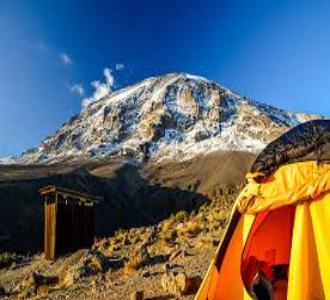
Today is a gradual, steady ascent up barren, wind-swept ridges to Barafu Camp, your final base before the summit attempt. Barafu (Swahili for “ice”) lives up to its name — expect cold, strong winds, and a stark, alpine environment. After an early dinner and final briefing, you’ll try to get a few hours of sleep before the midnight summit push.
Day 8 – Summit Day: Trek to Uhuru Peak (5,895 meters / 19,341 ft) and Descend to Mweka Camp (3,100 meters / 10,170 ft)
Trekking Time: 12–15 hours
Distance: 17 kilometers (11 miles)
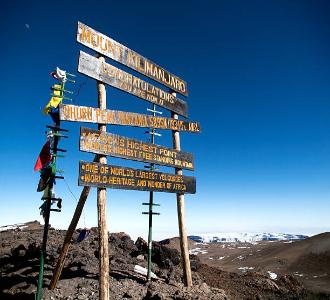
Summit day begins around midnight. Under a blanket of stars and guided by headlamp light, you ascend steep switchbacks across loose volcanic scree to Stella Point (5,739 meters). From here, it’s a relatively gradual but grueling walk along the crater rim to the true summit at Uhuru Peak — the highest point in Africa.
At the summit, you’re greeted by incredible views of the glaciers, the African plains below, and often an emotional sense of triumph. After quick celebrations and photos, you begin the long descent back to Barafu, where you rest briefly before continuing downhill to Mweka Camp in the lush rainforest zone.
Day 9 – Trek to Mweka Gate and Drive Back to Moshi
Trekking Time: 3–4 hours
Distance: 10 kilometers (6 miles)
The final day is a pleasant downhill hike through rainforest, alive with the sounds of birds and the occasional monkey sighting. You’ll reach Mweka Gate by late morning, where you officially sign out and receive your Kilimanjaro summit certificates — a green one for reaching Stella Point, and a coveted gold one for Uhuru Peak.
A transfer takes you back to your hotel in Moshi for a hot shower, a celebratory meal, and some well-deserved rest.
Closing Reflection
The Lemosho Route is more than just a trek to Africa’s highest summit — it is a profound journey through ecosystems, through physical barriers, and through mental endurance. Each day on the mountain sharpens your connection with nature, yourself, and the raw beauty of Kilimanjaro’s landscapes.
The gradual ascent, breathtaking variety of scenery, and high summit success rates make Lemosho an unforgettable experience. Whether it’s watching mist coil through the rainforest, traversing the vast Shira Plateau under a cobalt sky, or standing breathless atop the “Roof of Africa” as the first rays of sun strike the glaciers, climbing Kilimanjaro via Lemosho leaves you with memories — and strength — that will last a lifetime.
— — —
Mount Kilimanjaro: Need to Know, Top Tips & Best Photo Spots
Permit Information
Climbing Kilimanjaro requires you to book through a licensed local operator. No independent trekking is allowed.
- Fees: All park fees, camping fees, and rescue fees are included when you book with a registered company.
- Costs: Expect to pay between $2,000 and $4,000 depending on the operator, route, and length of climb.
- Insurance: High-altitude trekking insurance is highly recommended, including evacuation coverage.
Top Tips for a Successful Kilimanjaro Climb
- Acclimatize Properly – Choose a longer route (7–9 days) to give your body time to adapt to the altitude. Routes like Lemosho and Northern Circuit have the highest success rates because of better acclimatization.
- Go Pole Pole (Slowly, Slowly) – “Pole Pole” is Swahili for “slowly slowly.” Hiking at a slow, steady pace, even when you feel strong, is crucial for acclimatization and energy conservation.
- Stay Hydrated – Drink 3–4 liters of water per day. Dehydration increases the risk of altitude sickness and hampers performance.
- Train Ahead of Time – Focus on endurance, strength, and cardio fitness. Hiking uphill with a weighted pack, stair training, and long hikes at lower altitude will prepare your body.
- Layer Your Clothing – Learn to adjust your layers quickly. Weather can change from humid rainforest heat to subzero summit winds in a few days.
- Eat Even When You Don’t Feel Hungry – Altitude can dull your appetite, but maintaining calorie intake is vital for strength and recovery.
- Mentally Prepare for Summit Night – Summit night is long, cold, and physically demanding. Mentally committing to taking it one small step at a time is often the key to reaching Uhuru Peak.
- Take Altitude Medications if Necessary – Some trekkers benefit from taking Diamox to assist acclimatization. Discuss options with your doctor before the trip.
- Protect Yourself from the Sun – The equatorial sun combined with high altitude can cause severe sunburn. Reapply sunscreen frequently, even on cloudy days.
- Listen to Your Guides – Experienced Kilimanjaro guides are trained to monitor trekkers for signs of altitude sickness and know how to pace the group. Trust their advice for a safe and successful climb.
Best Photo Spot:
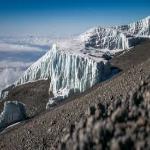
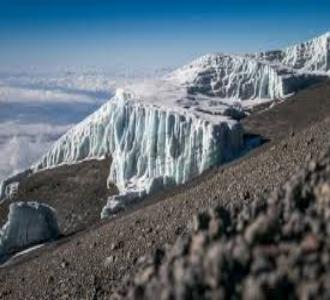
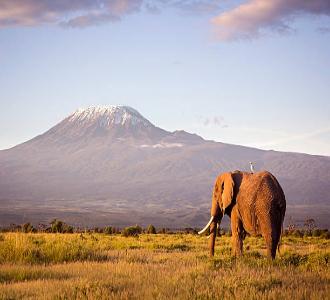
Kilimanjaro offers some of the most dramatic and diverse photographic opportunities of any trek in the world. Early in the journey, the Shira Plateau provides expansive views of the mountain and dramatic skies, perfect for capturing the majesty of the peak from afar. As you ascend, the Barranco Wall offers thrilling action shots of climbers scrambling upward, with a backdrop of vast ridgelines and cloud inversions. The Karanga Valley, nestled between towering ridges, becomes especially photogenic at sunset, when the sky turns gold and orange above the rugged landscape. On summit night, Stella Point offers your first panoramic views from the crater rim, bathed in the soft light of dawn, while the summit itself, Uhuru Peak, is the ultimate photo location — a triumphant moment captured against the backdrop of ancient glaciers, the curvature of the Earth, and the vast African plains far below. Each zone along the route offers its own unique aesthetic, making Kilimanjaro a paradise for adventure photographers.