
Mount Kosciuszko- The summit of the Australasia…
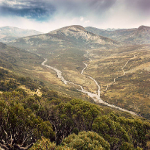
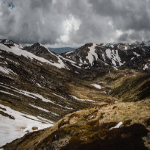
The Highest Point in Australia – Rising proudly above the alpine landscape, Mount Kosciuszko stands as the highest peak on the Australian continent, reaching an elevation of 2,228 meters (7,310 feet). Nestled in the Snowy Mountains of New South Wales, it commands attention as the pinnacle of the Australian highlands. While it may not possess the dramatic altitudes of towering giants like Everest, Kosciuszko holds a unique place in the hearts of Australians and outdoor adventurers alike. Known for its breathtaking beauty and its relatively accessible summit, Kosciuszko is a serene yet awe-inspiring mountain, surrounded by rolling alpine meadows, pristine lakes, and the rugged terrain of Kosciuszko National Park.
The mountain’s gentle slopes and picturesque scenery create an inviting atmosphere, but Kosciuszko also offers a distinct sense of achievement. Unlike the severe challenges of remote peaks, the climb here is more about soaking in the natural wonders of the Snowy Mountains and embracing the quiet solitude of the alpine wilderness. From the lush valleys to the sweeping vistas at the top, every step of the journey provides a rewarding connection with Australia’s natural heritage, steeped in both Indigenous and European history.
The History of Mount Kosciuszko
Mount Kosciuszko’s legacy stretches far beyond its elevation. First named in 1840 by Polish explorer Paul Edmund Strzelecki, the mountain was named after Tadeusz Kościuszko, a national hero of Poland who fought for independence. Strzelecki, who was deeply moved by Kościuszko’s spirit of resistance, paid tribute to the Polish general by naming the peak in his honor. The name resonated with a sense of freedom and heroism, linking the land’s history to that of distant struggles.
Before Strzelecki’s exploration, the region was known to the Ngarigo people, the traditional custodians of the land. For thousands of years, the Ngarigo have roamed the alpine valleys and highlands, using the area for seasonal migrations and ceremonial purposes. Today, the Snowy Mountains remain a place of cultural and spiritual significance for Indigenous Australians, with many sacred sites surrounding Mount Kosciuszko.
In European history, the mountain stands as a symbol of early Australian exploration, though it does not carry the extreme challenges faced by more imposing peaks. Nonetheless, Kosciuszko’s historical importance and accessibility make it a cherished part of Australian identity, representing both a natural wonder and a point of national pride.
How to Get to Mount Kosciuszko
Mount Kosciuszko is situated within Kosciuszko National Park in New South Wales, with access primarily from the nearby town of Jindabyne. The most popular starting point for the trek to the summit is from Thredbo Village, a bustling alpine resort and gateway to the Snowy Mountains. From Thredbo, visitors can take the Kosciuszko Express Chairlift, which transports them to the top of the mountain’s lower slopes. From there, a well-maintained walking path, known as the Summit Walk, leads hikers on a 6‑kilometer (3.7‑mile) journey to the peak, offering sweeping views of the surrounding alpine wilderness.
For those seeking a more challenging experience, the Main Range Track presents a rugged option, winding through steep terrain and offering stunning panoramic views of the Snowy Mountains. This alternative route is a full-day trek, taking hikers past alpine lakes and over ridgelines, while providing a deeper exploration of the region’s natural beauty.
The best time to visit Kosciuszko is during the warmer months, from December to March, when access roads to the park are open, and the weather is more favorable. During the winter months, snow and icy conditions make the climb more challenging, and specialized winter gear may be required. Visitors can also access the park by road, with parking available at various points, including Thredbo and Charlottes Pass.
No matter the route, a visit to Mount Kosciuszko offers a unique opportunity to stand atop Australia’s highest point and take in the striking views of the Snowy Mountains, all while traversing an area rich in history and natural beauty.
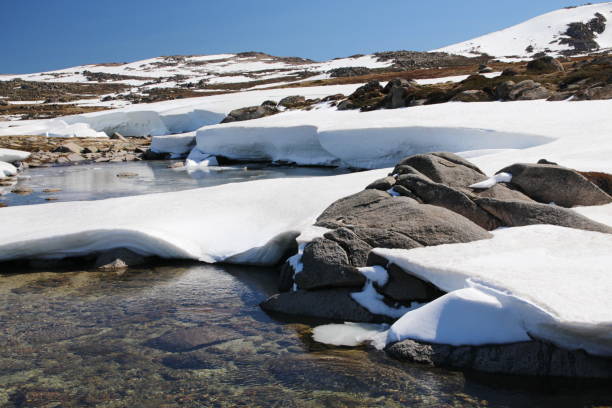
Mount Kosciuszko Facts & Figures:
- Location: New South Wales, Australia, within Kosciuszko National Park
- Mountain Range: Snowy Mountains
- Altitude: 2,228 meters / 7,310 feet above sea level
- First Ascent: 1840 by Paul Edmund Strzelecki (Polish explorer)
- Main Climbing Season: November to March (summer months; best weather and accessibility)
- Common Routes: Summit Walk from Thredbo Village (most popular), Main Range Track (more challenging)
- Summit Duration: Typically 1 day, with the Summit Walk taking about 3–4 hours round trip from Thredbo Village
- Permit Cost: Free entry to the national park; no special permits required for hiking Mount Kosciuszko
- Guided Expedition Cost: N/A (self-guided hiking is most common)
- Weather Conditions: Kosciuszko’s weather is typically mild, with temperatures ranging from 10–20°C (50–68°F) during summer. However, weather can change rapidly, and snow is possible even in summer months. Winter conditions can be extreme, with temperatures dropping below freezing and heavy snowfall.
- Acclimatization Needed: Not required for Mount Kosciuszko as the altitude is relatively low compared to higher peaks.
- Fitness Level Required: Moderate — while the hike to the summit is not extremely difficult, hikers should be in good health and able to manage a few hours of walking in mountainous terrain. Some routes (like the Main Range Track) are more challenging and may require higher levels of fitness.
- Technical Difficulty:
- Summit Walk: Easy — well-maintained and mostly paved, with only slight elevation gains. Suitable for walkers of all skill levels.
- Main Range Track: Moderate — involves more rugged terrain and steeper sections, requiring good hiking skills and fitness.
- Permit Required: No — while visitors are encouraged to respect national park rules, no special permits are required for hiking or trekking to the summit.
- Emergency Services: There are emergency services and ranger support available in the park, particularly during the busy summer months. Evacuation can be arranged for serious injuries, with helicopter access available in some parts of the park.
- Wildlife: The Snowy Mountains are home to a variety of unique Australian wildlife, including kangaroos, wallabies, wombats, and various bird species like the superb lyrebird and the endangered eastern ground parrot. In the alpine regions, alpine grasshoppers and a variety of small mammals are common.
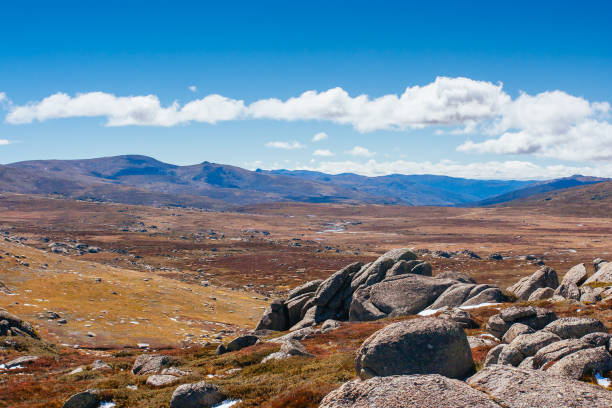
Mount Kosciuszko Trekking Guide:
Overview: Standing as Australia’s highest peak at 2,228 meters (7,310 feet), Mount Kosciuszko offers a stunning yet accessible adventure for outdoor enthusiasts. Nestled in the Snowy Mountains of New South Wales, this peak attracts hikers with its gentle slopes, breathtaking alpine scenery, and rich natural beauty. Known for its easy-to-moderate trails, Mount Kosciuszko provides an ideal setting for those looking to experience Australia’s rugged mountain terrain without the technical challenges of steeper, more treacherous climbs.
The trek to the summit of Mount Kosciuszko is achievable for hikers of all skill levels, making it a popular choice for those exploring Australia’s great outdoors. The route is well-marked, with a mix of paved and dirt trails that offer spectacular views of the surrounding Snowy Mountains. Along the way, hikers can encounter diverse ecosystems, including alpine meadows, snowgums, and rocky outcrops. Despite its ease of access, the mountain provides an opportunity to witness Australia’s dramatic highland landscapes and enjoy a sense of accomplishment upon reaching the peak.
The trek to the top of Mount Kosciuszko is typically completed in one day, but can also be extended for those who want to take their time exploring the surrounding area. Here’s your comprehensive guide to walking to the top of Mount Kosciuszko:
How to Get There:
To reach Mount Kosciuszko, most visitors fly into Canberra or Sydney and then drive to the Snowy Mountains region. The nearest major town is Jindabyne, where you can find accommodation, supplies, and rental equipment if needed. From Jindabyne, the most common starting point for the summit walk is Thredbo Village, where you can either take the Thredbo Chairlift (for a shorter route) or start from the base of the mountain.
Walking to the Top: The most popular route to the summit is the Kosciuszko Summit Walk, which begins at Thredbo Village. This well-marked trail is 13 kilometers (8 miles) round-trip and typically takes 4–6 hours to complete.
Starting Point: Begin your journey at Thredbo Village, located at an elevation of 1,370 meters (4,495 feet). From here, hikers can either take the Kosciuszko Express Chairlift to the top of the mountain’s lower slopes (reducing the total walking distance to about 6.5 kilometers / 4 miles) or walk the full distance starting from the base.
Trail Overview: The paved path climbs gently and steadily, passing through lush alpine meadows, across picturesque streams, and offering panoramic views of the Snowy Mountains. As you ascend, the landscape becomes more rugged, with rocky outcrops and alpine vegetation. Near the summit, you’ll encounter the Kosciuszko Summit, where a metal plaque marks the highest point of Australia.
Distance: 13 kilometers (8 miles) round-trip
Duration: 4–6 hours
Elevation Gain: 858 meters (2,815 feet)
Difficulty: Easy to moderate, with a well-maintained trail
What to Expect:
The weather at Mount Kosciuszko can be unpredictable, with cold temperatures, strong winds, and occasional snow, even in summer. It’s crucial to come prepared with suitable clothing, including layers, waterproofs, and sturdy footwear. Make sure to carry plenty of water and snacks, as there are no facilities along the trail.
The final stretch to the summit is relatively straightforward, with a gentle ascent leading to the top. Once at the summit, you’ll be rewarded with spectacular 360-degree views of the surrounding Snowy Mountains, including nearby peaks such as Mount Townsend and Mount Twynam. On clear days, you can see as far as the distant ranges and valleys that define the Snowy Mountains region.

Mount Kosciuszko: Need to Know, Top Tips & Best Photo Spots
Climbing Mount Kosciuszko, Australia’s highest peak at 7,310 feet (2,228 meters), is a rewarding adventure that offers an accessible yet beautiful hiking experience. Located in the Snowy Mountains of New South Wales, the peak is a favorite among outdoor enthusiasts due to its relatively easy trail and breathtaking panoramic views. The hike is perfect for all levels, including families and first-time mountaineers, offering a manageable ascent with stunning alpine scenery. The trek to the summit is marked by alpine meadows, lush wildflowers, and a chance to connect with Australia’s unique mountain environment.
Here’s everything you need to know to prepare for your Kosciuszko adventure:
Clothing and Layering
- Lightweight Insulated Jacket – While the temperatures rarely dip below freezing, a light jacket is essential to stay warm during cooler mornings and evenings, especially in winter and early spring.
- Waterproof Jacket and Pants – The weather can be unpredictable, with occasional rain showers, so a reliable waterproof jacket and pants are key to staying dry and comfortable.
- Mid-Layer Fleece or Sweater – A fleece layer helps regulate your body temperature as you ascend, ensuring comfort without overheating.
- Base Layer – Moisture-wicking base layers are important, as even mild activity can cause sweating. Avoid cotton to prevent feeling chilled once you stop moving.
- Sturdy Hiking Boots – A good pair of waterproof, supportive boots with adequate ankle support is important for navigating uneven or rocky terrain.
- Hats and Gloves – A warm hat is recommended for cooler months, and lightweight gloves may be needed if you’re climbing in the colder seasons.
- Sunglasses and Sunscreen – The sun is strong at higher altitudes, and UV exposure can lead to sunburns. Sunglasses protect your eyes from the glare, and sunscreen prevents skin damage.
Camping and Sleeping (if staying overnight)
- Four-Season Tent – While Mount Kosciuszko is not typically a dangerous peak, it’s important to have a weather-resistant tent if you plan on camping near the summit or in the alpine region.
- Sleeping Bag – A sleeping bag rated for temperatures between 30°F to 40°F (around 0°C to 5°C) will suffice for the summer months. However, if you are climbing in the colder seasons, a warmer sleeping bag may be necessary.
- Camping Stove – Lightweight and compact, a stove is essential for boiling water or preparing meals if you’re camping along the trail.
Climbing and Hiking Gear
- Trekking Poles – Poles offer stability, especially in snowy or rocky conditions, and help reduce the strain on your knees during the descent.
- Backpack – A daypack with plenty of space for water, snacks, and extra layers is ideal for a comfortable hike.
- Water Bottles/ Hydration System – Staying hydrated is important throughout the hike. Insulated bottles can prevent freezing in colder months.
Miscellaneous Essentials
- Headlamp – If you’re starting early or staying late, a headlamp is important for navigating in low light.
- First Aid Kit – A basic first aid kit with bandages, antiseptic, and blister treatment is essential for any hike.
- Map and Compass or GPS – Even though the trail to the summit is well-marked, it’s a good idea to have navigation tools just in case.
- Snacks and Energy Foods – High-energy, lightweight snacks are perfect for refueling during breaks.
Elevation Profile Overview
Mount Kosciuszko rises to 7,310 feet (2,228 meters) above sea level, making it a relatively gentle climb compared to other mountain peaks. The ascent involves an easy to moderate hike, typically starting from either the Thredbo Village or the Charlotte Pass car park.
- Thredbo Village to Summit – The hike from Thredbo Village to the summit covers approximately 13 km (8 miles) and takes about 4 to 6 hours round trip. The trail is mostly well-maintained and offers some beautiful views of the Snowy Mountains.
- Charlotte Pass to Summit – This alternative starting point offers a shorter hike of about 6 km (3.7 miles) and takes roughly 3 to 4 hours round trip. The route provides impressive alpine scenery and is ideal for those who want a quicker, less strenuous hike.
Permit Information: Climbing Mount Kosciuszko does not require a climbing permit. However, if you plan to camp in the area, especially within the Kosciuszko National Park, you will need to obtain a National Parks and Wildlife Service (NPWS) camping permit, particularly during peak seasons. Entrance fees for the National Park may apply. It’s essential to check current regulations and fees before your trip.
Top Tips for a Successful Kosciuszko Climb
- Plan for Weather Changes – The weather in the Snowy Mountains can change rapidly, even during summer, so it’s essential to come prepared for rain, cold winds, or unexpected storms.
- Choose Your Season Wisely – The best time to summit is during the warmer months (November to March), but if you want to experience the snow-covered landscape, winter climbs are also possible for experienced hikers.
- Take It Slow – While the climb isn’t technically challenging, it’s still a mountain, and it’s wise to pace yourself. Take breaks, drink plenty of water, and enjoy the stunning scenery.
- Check Trail Conditions – Before setting out, check if the trail is clear of snow, ice, or any other potential hazards, especially if you’re hiking in winter.
- Respect Wildlife – The Snowy Mountains are home to unique wildlife, including snow gums and kangaroos. Avoid disturbing wildlife and follow Leave No Trace principles.
Best Photo Spot: For breathtaking views and the best photo opportunities, the summit of Mount Kosciuszko offers panoramic vistas of the Snowy Mountains, alpine meadows, and the surrounding valleys. The view from the top is especially beautiful during sunrise or sunset when the light casts a golden glow over the peaks. The trail leading up from Thredbo also provides scenic opportunities, with stunning wildflowers in spring and early summer and the opportunity to capture the beauty of Australia’s alpine flora and fauna. For a unique shot, capture the rolling hills of the Snowy Mountains with the summit in the background, especially if you’re lucky enough to catch a snowfall!




The Travel Lantern:
