Mount Vinson — The Roof of Antarctica
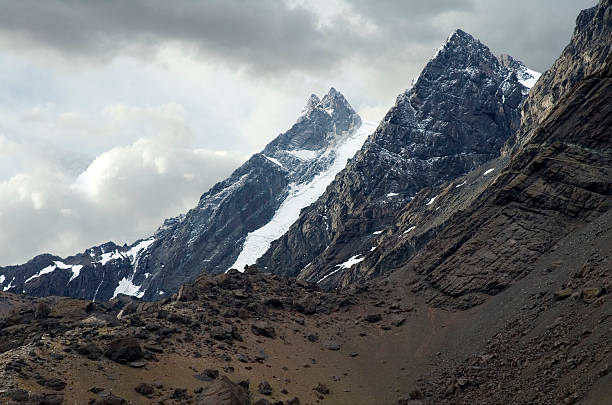
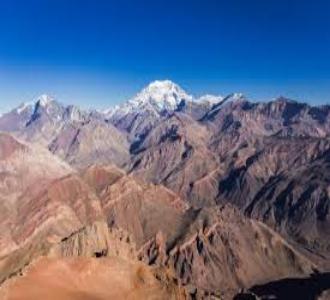
The Roof of Antarctica! – Rising from the heart of the icy Sentinel Range, Mount Vinson towers to 4,892 meters (16,050 feet), claiming its place as the highest peak on the frozen continent. Shrouded in perpetual ice and bathed in 24-hour daylight during the Austral summer, Vinson is a remote and awe-inspiring titan—accessible only to the most determined adventurers. Its wind-scoured ridges, towering ice walls, and gleaming glaciers form a stark, surreal landscape, untouched by civilization and governed by silence, solitude, and the harshest climate on Earth.
Unlike more frequented Seven Summits like Kilimanjaro or Aconcagua, Mount Vinson demands serious commitment—not just in terms of physical endurance, but in logistics and mental resilience. There’s no rainforest or alpine meadow here—just a vast, unrelenting world of snow and sky. And yet, for those who journey here, Vinson offers a profound and unforgettable reward: the chance to stand on the very top of Antarctica, surrounded by endless horizons of white and the humbling grandeur of the coldest place on the planet.
The History of Mount Vinson
Mount Vinson was one of the last great peaks to be discovered, named after U.S. Congressman Carl Vinson, a supporter of American Antarctic exploration. Despite its prominence, the mountain remained unexplored until relatively recently due to the extreme remoteness of the Ellsworth Mountains. It wasn’t until 1966 that the first successful ascent was achieved by an American expedition led by Nicholas Clinch, supported by the American Alpine Club and the National Geographic Society.
This first ascent marked a major milestone in Antarctic exploration. The climbers faced brutally cold temperatures, unpredictable storms, and the challenges of working in an environment where nothing—equipment, communication, logistics—was simple. Since then, only a few hundred people have stood on Vinson’s summit, making it one of the least-climbed of the Seven Summits. Advances in air travel and logistical support by companies like Antarctic Logistics & Expeditions (ALE) have made it more accessible, but it remains a serious undertaking—an expedition into one of the most isolated corners of the Earth.
Climbing Mount Vinson isn’t just a physical achievement—it’s a testament to human determination, endurance, and the desire to explore the truly unknown. In an age of shrinking wilderness, Vinson still offers a rare opportunity to face nature on its most raw and unforgiving terms.
How to Get to Mount Vinson
Reaching Mount Vinson is an expedition in itself. Climbers typically begin their journey by flying into Punta Arenas, Chile, the southernmost major city in mainland South America. From there, you board a specialized Ilyushin-76 aircraft that crosses the Drake Passage to land on a blue-ice runway at Union Glacier Camp in Antarctica.
From Union Glacier, climbers take a smaller ski-equipped aircraft (usually a Twin Otter) for a final flight to Vinson Base Camp at about 2,150 meters (7,050 feet). This multi-leg journey is entirely weather-dependent, with flights often delayed by storms or poor visibility. The remoteness and logistical demands of this approach make Vinson one of the most expensive and exclusive climbs in the world.
Once on the mountain, climbers follow a standard route that leads from Base Camp to Low Camp, then up the Branscomb Glacier to High Camp, and finally to the summit. The climb typically takes 10–14 days, depending on weather windows and acclimatization progress. Summit pushes are usually timed to coincide with periods of calm weather, though even in summer, temperatures can dip below ‑30°C (-22°F), and high winds are common.
All expeditions must be guided through authorized providers, and independent climbing is practically impossible due to the extreme logistics, high costs, and environmental controls enforced under the Antarctic Treaty.
Mount Vinson Facts & Figures:
- Location: Sentinel Range, Ellsworth Mountains, Western Antarctica
- Mountain Range: Sentinel Range (part of the Ellsworth Mountains)
- Altitude: 4,892 meters / 16,050 feet above sea level
- First Ascent: December 18, 1966, by Nicholas Clinch and the American Alpine Club expedition
- Main Climbing Season: Late November to late January (Antarctic summer — 24-hour daylight and relatively stable weather)
- Common Routes: The Standard Route via the Branscomb Glacier is used by nearly all expeditions. Some advanced climbers attempt the West Ridge or East Face, but these are rare and far more technical.
- Summit Duration: Typically 10–14 days round-trip, depending on weather delays and acclimatization
- Permit Cost: No formal permit system due to Antarctica’s unique governance, but climbers must join authorized logistics providers (like ALE) who handle environmental protocols under the Antarctic Treaty
- Guided Expedition Cost: Ranges from $45,000 to $55,000 USD per person, depending on the company, group size, and level of support (includes flights from Chile, logistics, guide services, tents, meals, and safety equipment)
- Weather Conditions: Extreme. Expect temperatures between ‑20°C and ‑40°C (-4°F to ‑40°F) even during the climbing season. Winds can exceed 80 km/h (50 mph), and whiteouts or sudden storms are common. There is no precipitation in the form of rain—only snow and blowing ice crystals.
- Base Camps:
- Union Glacier Base Camp (Arrival Hub): ~700 meters / 2,297 feet
- Vinson Base Camp: ~2,150 meters / 7,050 feet
- Low Camp: ~2,800 meters / 9,200 feet
- High Camp: ~3,850 meters / 12,630 feet
- Acclimatization Needed: Yes — although Vinson’s summit altitude is lower than many other Seven Summits, its polar location and harsh conditions magnify the effects of altitude. A gradual ascent with rest days at Low Camp and High Camp is standard.
- Fitness Level Required: High — climbers must carry 20–25 kg sleds and backpacks, travel roped on glaciers, and manage steep, icy sections. Prior mountaineering experience, especially in cold environments, is strongly recommended.
- Technical Difficulty:
- Standard Route: Moderate — not highly technical, but includes steep snow slopes (up to 45°), fixed rope sections, and crevasse hazards. Requires use of crampons, ice axe, and knowledge of glacier travel and self-arrest techniques.
- Permit Required: No official government permit system exists. However, all expeditions must be environmentally approved and organized through licensed Antarctic operators like ALE, who comply with the Antarctic Treaty System.
- Emergency Services: No formal rescue infrastructure exists. Medical care and rescue are the responsibility of your expedition provider. Evacuation by Twin Otter aircraft is possible from Base Camp, weather permitting, but delays of days are common. Comprehensive evacuation insurance is mandatory and must cover Antarctic operations.
- Wildlife: Very limited near Vinson. You may spot snow petrels, skuas, or microscopic life in ice, but larger Antarctic wildlife such as penguins, seals, and whales are typically seen only around the coast and at Union Glacier—not on the mountain itself.
Mount Vinson Trekking Guide:
Standing as the highest peak on the coldest, driest, and most remote continent on Earth, Mount Vinson rises to 16,050 feet (4,892 meters) in the heart of Antarctica’s Sentinel Range. Often overlooked due to its isolation, Vinson is one of the ultimate mountaineering objectives in the world and a crown jewel of the Seven Summits. Despite its relatively moderate altitude compared to peaks like Everest or Aconcagua, Vinson’s location—deep within the icy expanse of the Ellsworth Mountains—makes it an expedition unlike any other.
Though not highly technical by alpine standards, Vinson is a serious undertaking. Climbers must contend with sub-zero temperatures, high winds, glaciated terrain, and total self-sufficiency in one of the most hostile environments on the planet. Access to the mountain is only possible via specially chartered ski-equipped aircraft, and every step of the expedition is governed by the extreme logistics of Antarctic travel. Success depends on prior mountaineering experience, physical resilience, and the ability to adapt to rapidly changing polar conditions—as well as a healthy respect for the unpredictable nature of the White Continent.
There is only one primary climbing route up Mount Vinson—the Standard Route via the Branscomb Glacier. This is the safest and most established path to the summit:
The Standard Route begins at Vinson Base Camp (~2,150 meters / 7,050 feet), then ascends gently up the Branscomb Glacier to Low Camp. From there, climbers follow a fixed line up a steep headwall to reach High Camp at around 3,850 meters. After a rest and acclimatization day, summit attempts are made along a gradual snow slope, followed by a steeper final ridge that leads to the icy summit plateau.
While the terrain does not require advanced technical climbing, climbers must be comfortable with crampons, rope travel on glaciers, fixed-line ascents, and hauling sleds in frigid conditions. With no crowds, no infrastructure, and no margin for error, Mount Vinson is as much about self-reliance and expedition discipline as it is about physical strength.
In this guide, we’ll walk you through every step of the Standard Route—from landing on the Union Glacier, to base camp, to the final push toward the summit of Antarctica’s tallest mountain.
The Standard Route on Mount Vinson: Branscomb Glacier Approach
The Standard Route on Mount Vinson, the highest peak in Antarctica, is the most well-established and safest path to the summit—an extraordinary journey through the remote and icy heart of the continent. While not technically demanding by Himalayan standards, Vinson requires solid mountaineering skills, glacier travel competence, and the grit to endure bitter cold, harsh winds, and complete isolation. There are no huts, no porters, no external support—just you, your team, and the frozen silence of Antarctica.
This route follows the Branscomb Glacier, gradually climbing from Vinson Base Camp through vast glacial terrain to Low Camp, then steeply up a fixed-line headwall to High Camp. From there, climbers push toward the summit via moderate snow slopes and a narrow, wind-swept ridge, culminating on the ice-covered summit plateau at 4,892 meters (16,050 feet). What it lacks in altitude, Vinson more than makes up for in commitment, logistics, and polar severity.
- Duration: 8–12 days on the mountain (weather dependent)
- Distance: Approx. 21 km (13 miles) round-trip
- Elevation Gain: Approx. 2,700 meters (8,858 feet)
- Technical Difficulty: Moderate (glacier travel, fixed ropes, extreme cold)
- Best Season: Late November to late January (Antarctic summer)
Day-by-Day Climbing Guide
Day 1 – Arrive at Union Glacier Camp (Antarctica)
After flying from Punta Arenas, Chile, aboard a ski-equipped Ilyushin jet, you’ll land on the blue-ice runway at Union Glacier—your gateway to the continent. This fully equipped expedition camp offers relative comfort: heated communal tents, mess areas, and even limited internet access. You’ll meet your guides, attend briefings, and begin prepping gear for the flight to Vinson Base Camp.
Day 2 – Fly to Vinson Base Camp (2,150 m / 7,050 ft)
Weather permitting, a Twin Otter aircraft takes you on a stunning 45-minute flight over the Ellsworth Mountains to Vinson Base Camp on the Branscomb Glacier. You’ll establish camp on the snow and review glacier travel protocols, rope techniques, and sled hauling systems. If weather delays the flight, you’ll wait it out at Union Glacier—this is part of the Antarctic experience.
Day 3 – Load Carry to Low Camp (2,750 m / 9,000 ft)
Today you’ll do a “carry day” to haul gear and food to Low Camp, giving your body time to adjust to the altitude while lightening your final move load. The trail winds gently up the glacier in rope teams, pulling sleds past massive crevasses and icefalls. After caching gear at Low Camp, you descend back to Base Camp for the night.
Trekking Time: 4–6 hours
Conditions: Glaciated terrain, cold but typically calm
Day 4 – Move to Low Camp
With camp broken and sleds loaded, you make the full move to Low Camp and settle in for the night. The total ascent is gradual but requires steady pacing and efficient rope travel. Camp setup includes digging out tent platforms, building snow walls for wind protection, and melting snow for water—true polar expedition life.
Trekking Time: 5–6 hours
Elevation Gain: ~600 m / 1,968 ft
Day 5 – Rest and Acclimatization at Low Camp
This is a critical rest and acclimatization day. You may do a short hike toward the base of the headwall to stretch your legs and practice fixed-line climbing techniques with jumars. The team also reviews summit strategy and packs for the move to High Camp. Patience here helps maximize success higher up.
Day 6 – Climb to High Camp (3,850 m / 12,631 ft)
The most strenuous day of the expedition. You’ll ascend the steep fixed-line headwall, gaining nearly 1,000 meters of elevation over a 1,200-meter stretch. Crampons and ascenders are mandatory. The views from the ridge above are stunning—vast glaciers and serrated peaks spreading out in every direction. High Camp sits in a spectacular alpine bowl, where temperatures can drop below –30°C.
Climbing Time: 6–8 hours
Ascent: ~1,100 m / 3,609 ft
Conditions: Fixed lines, steep snow, cold and windy
Day 7 – Rest Day at High Camp
You’ll spend this vital day rehydrating, eating, and resting to recover from the headwall and prepare for summit day. This is also a key weather-watch period—Antarctica is unpredictable, and you may need to wait out storms or biting winds before a safe summit bid.
Day 8 – Summit Day: High Camp to Mount Vinson Summit (4,892 m / 16,050 ft)
Before dawn, you begin your final push. The route leads across gently rising slopes, with occasional wind-swept ridges and short steeper sections. After several hours, you reach the narrow summit ridge—a stunning knife-edge of ice and sky. Finally, you arrive at the summit of Mount Vinson, standing atop the highest point in Antarctica. On a clear day, the views stretch endlessly over the white continent—pure silence, raw beauty, and the rarest kind of triumph.
After photos and brief celebrations (it’s often brutally cold), you begin the descent back to High Camp.
Climbing Time: 9–12 hours round-trip
Conditions: Arctic cold, high winds, exposed ridgelines
Day 9 – Descend to Low Camp or Base Camp
Depending on weather and energy levels, you may descend only to Low Camp today or push all the way to Base Camp. Descending the headwall requires careful rappelling on fixed lines, with rope team management and safety checks at each anchor. It’s a long, taxing day, but the downhill momentum keeps morale high.
Day 10+ – Return to Union Glacier and Punta Arenas
When weather allows, the Twin Otter will return to pick you up from Vinson Base Camp for the flight back to Union Glacier. From there, the Ilyushin jet takes you back across the Drake Passage to Punta Arenas. Depending on conditions, this may take one day—or several. Delays are part of any Antarctic expedition, so flexibility is essential.
Closing Reflection
Though considered “non-technical” in mountaineering terms, Mount Vinson is no easy feat. Its isolation, extreme cold, and logistical complexity place it among the most demanding of the Seven Summits. Climbing here isn’t just about reaching a high point—it’s about discipline, self-sufficiency, and adapting to the uncompromising reality of Antarctica. For those who make it, the summit of Vinson offers more than a view—it offers the profound satisfaction of standing in one of the most remote, awe-inspiring places on Earth.
— — —
Mount Vinson: Need to Know, Top Tips & Best Photo Spots
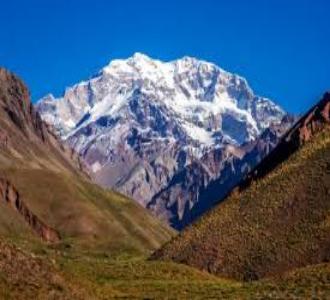
Climbing Mount Vinson is one of the most remote and extraordinary mountaineering objectives on Earth. At 4,892 meters (16,050 feet), it’s Antarctica’s highest peak—cold, wind-blasted, and isolated in every sense of the word. While the Standard Route via the Branscomb Glacier is non-technical by alpine standards, it demands polar expedition discipline, glacier travel skills, and the ability to function in extreme conditions with little margin for error.
You’ll traverse vast glaciers, ascend steep fixed ropes, and camp in an environment where temperatures routinely drop below –30°C (–22°F). There are no porters, no shelters, and no outside support. Your success depends on self-reliance, preparation, and patience, especially when the Antarctic weather shuts everything down for days.
Here’s everything you need to prepare for a successful Mount Vinson expedition:
Essential Gear List for Climbing Mount Vinson
Clothing and Layering:
- Expedition Down Parka – Your most critical item. A heavyweight, expedition-grade down jacket is essential for summit day and cold evenings at High Camp. Look for one rated well below –30°C.
- Hard Shell Jacket & Pants – Fully waterproof and windproof outer layers to protect against snow, spindrift, and extreme wind.
- Insulated Pants – Essential for High Camp and summit day. Down or synthetic insulation helps prevent heat loss during rest breaks.
- Base and Mid-Layers – Multiple thermal, wicking base layers (merino or synthetic), plus fleece or synthetic mid-layers for insulation and versatility.
- Glacier Glasses & Goggles – Category 4 glacier sunglasses for most days; ski goggles with anti-fog and full UV protection for whiteout or windy conditions.
- Multiple Glove Systems – Bring thin liner gloves, warm insulated gloves, and expedition mitts with outer shells. Gloves freeze fast in the Antarctic wind.
- Balaclava, Buff, and Warm Hat – Face protection is critical. Windburn and frostbite happen fast without full coverage.
Footwear:
- Double Mountaineering Boots – Plastic or synthetic double boots (like La Sportiva G2 Evo or Scarpa Phantom 6000) are mandatory. Warmth and reliability are non-negotiable.
- Overboots and Gaiters – Neoprene overboots add insulation and protection during summit day. High gaiters help keep snow out of your boots and add warmth.
- Thick Wool Socks – Several pairs of expedition-weight socks, plus liners for added comfort and moisture control.
Camping & Sleeping:
- Four-Season Tent – Your guide team will supply these, but they must be strong enough for high winds and drifting snow.
- Sleeping Bag – A –40°C (–40°F) rated expedition down bag is required. Use with a compression sack and waterproof storage.
- Sleeping Pad System – Use two pads: one foam closed-cell pad underneath and an inflatable insulated pad on top. Ground insulation is critical.
- - Snow Stakes / Deadmen – If setting your own tent, snow anchors are essential for securing shelters in high winds.
Technical and Climbing Gear
- Crampons – 12-point mountaineering crampons for glacier travel and the fixed rope section. Fit them to your boots in advance.
- Harness and Ascender – You’ll use a climbing harness with a locking carabiner and a mechanical ascender (like a Petzl Ascension) for the fixed lines.
- Helmet – Protects against falling ice and is often worn on summit day.
- Ice Axe – A standard mountaineering axe (not a technical tool) for balance and arrest on summit slopes.
- Trekking Poles – Adjustable poles are useful on the approach to Low Camp and for managing sleds.
- Headlamp – Essential for summit day. Use lithium batteries as they perform better in the cold.
- Insulated Water Bottles and Thermos – All water freezes fast. Use wide-mouth insulated bottles and bring a small thermos for warm drinks on summit day.
- Personal Repair Kit – Include duct tape, spare buckles, zip ties, lighters, and crampon parts.
- - Snacks and Calories – High-fat, high-energy foods like cheese, nuts, jerky, and energy bars are critical in the cold. Freeze-resistant packaging is key.
Top Tips for a Successful Mount Vinson Climb
- Train for Cold, Not Just Altitude – Vinson’s altitude is modest compared to Himalayan giants, but extreme cold and wind are the real challenges. Train your layering system and test your gear in freezing conditions before you go.
- Master Glacier Travel – You’ll spend most of the climb roped up on glaciated terrain. Be proficient in using crampons, managing a rope team, and navigating crevasse fields.
- Stay Warm by Staying Dry – Moisture is your enemy. Avoid sweating by adjusting layers often, and make sure all your gear (especially hands and feet) stay dry. Frostbite is common for those who mismanage moisture.
- Respect the Weather – Weather in Antarctica is brutal and unpredictable. Be mentally ready to wait for days at Base or High Camp. Bring books, music, and patience—it’s part of the game.
- Hydrate Aggressively – The cold masks dehydration. Aim for 3–4 liters per day. Melt snow early and often, and insulate bottles to prevent freezing.
- Fuel Up – You’ll burn thousands of calories per day. Eat high-calorie snacks regularly, especially before summit day. Cheese, salami, peanut butter, and energy gels all work well.
- Take Summit Day Seriously – It’s a long, cold, and exposed ascent. Dress wisely, double-check all gear, and pace yourself carefully. The summit may only be 16,050 feet, but the polar environment makes it feel much higher.
- Use Sunscreen and Lip Protection – The sun in Antarctica reflects off the snow and ice, causing fast and severe sunburns. SPF 50+ sunscreen and zinc-based lip balm are essentials—even on cloudy days.
- Communicate with Your Team – Whether on fixed lines or hauling sleds, clear communication and mutual support are key. This is a place where teamwork makes or breaks the expedition.
- Choose the Right Operator – Go with an experienced Antarctic guiding company. Logistics in Antarctica are complex, and a seasoned guide service ensures safety, efficiency, and adaptability in a high-stakes environment.
Best Photo Spot:
The summit ridge of Mount Vinson, bathed in the low-angle light of the Antarctic summer, offers some of the most surreal photo opportunities on Earth. From here, you’ll see endless snowfields, jagged peaks of the Sentinel Range, and the stark curvature of the continent’s icy horizon. Sunrise and sunset create soft pink and orange alpenglow across the glacier—a dream for photographers. Other highlights include the approach up the Branscomb Glacier with your rope team silhouetted against sheer blue ice walls and the dramatic exposure at the top of the fixed ropes. Bring a camera that functions well in cold conditions, and keep spare batteries close to your body—they drain fast in the cold.
The Travel Lantern: