

An Extraordinary Celebration of Mongolia’s Three Manly Games
Every July, Naadam brings Mongolia together through wrestling, horse racing and archery. Ulaanbaatar’s opening ceremony fills the National Sports Stadium with music, dance and national pride; beyond the city, the celebration reaches across the steppe.
Deels, family gatherings and shared food complete the celebration. Combine the capital with a local festival to appreciate its reach.
Follow the games; stay for the people.— THE TRAVEL LANTERN
Festival Guide
Explore Mongolia’s games, July celebrations and practical ways to experience Naadam.
1Festival Overview
Discover how wrestling, horse racing, archery and shared traditions make Naadam one of Mongolia’s most important national celebrations.

A national celebration with deeper roots
Naadam is one of Mongolia’s great gatherings: a summer celebration in which sporting achievement, national ceremony and everyday family life share the same space. Its best-known competitions are wrestling, horse racing and archery, but the experience also includes praise songs, clothing, food and the pleasure of meeting people who have travelled to celebrate together. Watching only a final or a stadium show reveals one part of a much wider occasion.
The games draw on skills long associated with life on the steppe. Their history reaches beyond the modern national holiday into older assemblies and local celebrations. Today the July festival also marks the anniversary of the 1921 revolution. These layers help explain why a single description — sporting tournament, cultural festival or national commemoration — never quite captures the whole event.
The Three Manly Games — a historical name
The traditional phrase eriin gurvan naadam is often translated as the “Three Manly Games”. Explain that wording historically rather than treating it as a description of everyone taking part today. Men compete in the national bökh wrestling tournament, while women’s participation is particularly visible in archery; young riders and families also have important roles across the celebration.
Participation differs between disciplines and traditions. An archery contest in western Mongolia may follow different customs from one in the capital. Let the actual competitors and their local rules guide your understanding, rather than assuming that every event has identical eligibility, equipment or ceremony.

Opening ceremony and the capital’s atmosphere
The National Sports Stadium is the focal point of Ulaanbaatar’s opening celebration. State symbolism, performers and the Nine White Banners place the games in a larger story of Mongolian identity. The programme is produced anew each year, so an archival photograph is a record of that edition rather than a promise of a particular performance on your visit.
Outside the stadium, the day continues in queues, conversations and food stalls. Many visitors wear a deel, the belted robe seen in a wide range of colours and fabrics. These clothes belong to living personal and regional traditions. Enjoy the detail, but ask before a close portrait and avoid stopping someone who is trying to reach an event.

Wrestling: learning to watch bökh
Mongolian wrestling rewards balance, timing and the ability to unseat an opponent. The national tournament is an elimination competition, traditionally without weight divisions. A field of 512 produces nine rounds; larger anniversary editions can use a different field. Check the current programme before quoting a fixed number of competitors or assuming the finals will follow last year’s timings.
Look beyond the decisive fall. The ceremonial movement, the wrestler’s hat and the attendant or herald known as a zasuul form part of the spectacle. Titles such as nachin (falcon), zaan (elephant) and arslan (lion) acknowledge achievement. Ask a knowledgeable guide to explain the competitors and the stakes of the round; a few names make an afternoon far more absorbing.
Horse racing: a wider landscape
Naadam racing takes place over open country rather than around a compact stadium track. Horses are grouped by age, with distances varying by category and current rules. Near Ulaanbaatar, Khui Doloon Khudag is the main racing area. The space, weather and journey there change the rhythm of the day: you may spend as much time waiting and moving as watching a finish.
Trainers, riders and families give the racing grounds their character. Listen to local explanations of the horses and the ceremonial songs, and leave room for working animals and officials. The approaching dust cloud can be dramatic, but the route and the run-out beyond a finish must remain clear. A long lens and a designated spectator position are the right combination.
Young jockeys, safety and welfare
Children participate as jockeys, and their involvement raises serious questions about injury, protection and education. Safety equipment and published rules do not remove those concerns. In October 2026, the UN country team in Mongolia again raised concerns about proposed changes affecting spring racing; that statement concerns a different season and must not be mistaken for a confirmed July programme rule.
Visitors can acknowledge the tradition while taking child protection seriously. Do not pressure children to perform for a picture, seek access to restricted preparation areas or praise dangerous riding. Horse welfare also deserves attention, but claims about an individual animal’s condition require evidence. Follow officials, keep your distance and choose visits that respect both people and animals.

Archery and the sound of encouragement
Archery offers a different pace. Watch the preparation, draw and release, then listen to the calls around the targets. Khalkh, Buriad and Uriankhai traditions have distinct rules and practices; the bow alone does not tell the full story. Women’s competition is an important part of the modern festival, alongside other categories defined by the organisers.
In Ulaanbaatar the archery area is close to the stadium, which makes it a practical companion to a wrestling session. Closer spectator access is never permission to step into a shooting lane or behind targets. Ask an official where to stand and settle into one position so the competitors can work without distraction.
Anklebone shooting, music and shared heritage
You may also find shagai, or Mongolian knuckle-bone shooting, on the programme. It is a separate precision tradition with its own teams, equipment and etiquette, not a fourth version of archery. UNESCO inscribed Mongolian knuckle-bone shooting separately in 2014; Naadam itself joined the Representative List of the Intangible Cultural Heritage of Humanity in 2010.
Naadam’s cultural setting includes music, performance and skills passed between generations. Listen for the morin khuur and explore a scheduled concert if time allows. Food is another point of connection: khuushuur, the fried meat pastry often associated with festival days, is a familiar option. Ask what is being served, choose a busy stall and take time to sit rather than hurrying between photographs.

National and local Naadam
The capital offers large ceremonies and leading competitors. An aimag or soum celebration can bring you closer to the pace of a particular community, sometimes with simpler seating and fewer visitor facilities. Neither is a substitute for the other, and a smaller festival is not a performance staged to provide tourists with an “authentic” scene.
Confirm the local date directly before arranging travel. A welcome may include a conversation, a place to watch or an invitation to share food; accept on the host’s terms. Leave competition space clear, pay fairly for services and take your rubbish away. The strongest visit combines the scale of Ulaanbaatar with the patience to understand a community celebration in its own setting.
2When & Where
Separate city venues from the racing grounds, check local dates and build your visit around the current annual programme.
When Naadam Happens
The usual national festival dates are 11–13 July. The next occurrence of those calendar dates is 11–13 July 2027, but the detailed 2027 competition programme, gates, prices and road arrangements were not verified as announced when this guide was reviewed on 5 November 2026. Do not treat a 2026 timetable as a confirmed 2027 booking schedule.
Ceremonies, qualifying competitions and cultural events may extend beyond the principal dates. Provincial and soum festivals use their own programmes; confirm the specific place and date with its organiser or a local host.
Ulaanbaatar National Naadam
Plan around two distinct settings: the National Sports Stadium and nearby archery areas in the city, and Khui Doloon Khudag outside it. Sükhbaatar Square can host associated civic and cultural events, subject to the annual programme. Save venue names in Mongolian as well as English and reconfirm the correct entrance, not just a general map pin.
Opening Ceremony
The opening ceremony is normally on 11 July at the National Sports Stadium. For the next edition, verify the start time on the organiser’s announcement and your ticket. Plan to reach the stadium area roughly 60–90 minutes before your required entry time, then allow more if the organiser advises it. This is a planning buffer, not an official gate-opening time.
Identify your gate and seating section before leaving the hotel. Queues, security checks and temporary road restrictions make a last-minute taxi arrival unreliable. Use the seat you purchased and keep aisles clear.
Wrestling
Wrestling rounds take place at the stadium across the main celebration. Early rounds offer many simultaneous bouts; later sessions narrow toward the title. Confirm which sessions a ticket covers, whether you may re-enter, and the actual round times. The opening show and final are different viewing priorities, so decide which matters most before committing your day.
Archery
The National Archery Field is beside the stadium complex. Different styles and categories can have separate sessions; confirm the field and time rather than assuming every contest runs continuously. Public spectator access has commonly been available without a stadium-ceremony seat, but check current entry controls and stay behind marked boundaries.
Horse Racing
Khui Doloon Khudag lies west of Ulaanbaatar and requires a separate road journey. The visitor guide places it roughly 35 km from the city, but your actual distance and travel time depend on your starting point and the assigned approach. Do not plan it as a short transfer from the stadium.
Race classes and finish times determine your departure. A dawn start may be needed for morning races. Ask the driver or operator for a festival-day estimate, parking permissions and a clearly agreed return meeting point. Delays can turn the transfer into a multi-hour commitment; avoid a tight flight or another timed ticket afterward.
Local & Rural Naadam Festivals
Aimag and soum events may fall before, during or after the national celebration. Confirm directly with local authorities or a host who is involved in that edition. Build in travel and an overnight stay where needed; a remote celebration is not automatically a feasible afternoon outing from Ulaanbaatar.
Ask about toilets, shade, seating, road conditions and access before booking. A smaller crowd can be easier to navigate, while uneven ground and limited infrastructure may require more preparation.
Best Time to Arrive
Arrive in Ulaanbaatar at least a day before your first essential event, ideally with another buffer if tickets or regional transport need collecting. Avoid an international arrival on the same morning as the opening ceremony. Book accommodation early and reconfirm arrangements shortly before departure.
A typical sequence — adapt it to the published programme
- Opening day: arrive early for your ceremony gate and seat.
- City session: watch wrestling and nearby archery when the programme allows.
- Separate racing morning: leave early for Khui Doloon Khudag rather than rushing out halfway through the ceremony.
- Countryside races: stay in authorised spectator areas and leave time for the return journey.
- Back in the city: rest, eat and choose a confirmed cultural or evening event.
- Extra day: add a verified regional celebration if the geography and dates work.
3Festival Advice
Plan tickets, transport, weather protection and comfortable breaks before the crowds arrive.
Tickets and official sales
Use the organising committee’s current announcements to identify the authorised ticket channel. Enaadam was the announced online channel for the 2026 national sales; that is evidence that online purchase exists, not confirmation of the next sale date. The old advice that tickets cannot be bought online is outdated.
For context only, the 2026 committee announcement reported sales starting at 07:00 on 1 July and a 150,000-tögrög opening/closing ticket. These are past-edition details, not a current quote. Verify currency, fees, identity or phone requirements, collection, refunds and exactly which sessions your next-edition ticket includes. Never assume a tour enquiry guarantees a seat; obtain written confirmation.
Opening-ceremony demand is high. Buy through the announced channel or a reputable operator with a documented allocation. Avoid informal resellers and never send money solely on the strength of an unsolicited social-media offer.
Venue entry and transport
Carry the ticket and any required identification in the form specified by the organiser. Save an offline copy and check bag restrictions, camera rules and re-entry conditions. A general spectator ticket is not permission to enter the arena, press area or an archery lane.
Allow a separate half-day or longer for the racing grounds. Ask about festival traffic, parking permits and walking from the parking area. Confirm a named driver, vehicle, pickup location, return time and contingency if mobile reception is poor. Agree a taxi fare or use a recognised booking service arranged through your accommodation.
July weather: sun, dust and sudden rain
You can spend long periods outside with limited shade. Bring a hat, sunscreen, drinking water where admitted and a light waterproof layer. Wind and rain can change the feel of a summer day quickly; a warm layer helps on early starts and late returns. Comfortable closed shoes are more useful than footwear chosen only for photographs.
Dust is particularly relevant around moving vehicles and horses. Keep lenses and phones in a secure bag when unused, and consider a light face covering if dust bothers you. Do not move into a dangerous position to escape a dusty spectator area; ask staff for an alternative.
Food, toilets and payments
Plan a meal break instead of relying on buying food in the middle of a queue. Busy stalls with food cooked thoroughly in front of you are a sensible choice. Carry drinking water and check any dietary needs in advance; menus and ingredient explanations may be limited at rural events.
Locate toilets before a long session. Carry tissues and hand sanitiser, and allow for basic facilities outside the city. Have small amounts of local cash as well as a card; a stall or remote venue may not accept your preferred payment method. Keep valuables close in crowded areas.
Phones, data and meeting points
Bring a charged phone, power bank and offline addresses. Arrange mobile data before heading out of town and save tickets, driver details and hotel information locally. Busy networks and an empty battery should not determine whether you can find your group. Set a physical meeting point and a time before separating.
Children, older travellers and accessibility
Choose fewer events with longer breaks. Discuss seating, shade, toilet access and the walk from drop-off with the operator before paying. Stadium steps, crowds and open ground at the race site can be difficult; do not assume wheelchair routes or accessible toilets are available without written confirmation for the venue and date.
For children, agree what to do if separated and keep them away from horses, traffic and shooting lanes. Older travellers may prefer a seated city session and a separately arranged countryside visit with an early return. Ask for a realistic walking-distance estimate and a vehicle that can get to an authorised nearby drop-off.
Photography and rural-event etiquette
Ask before close portraits and accept a refusal without negotiation. A friendly welcome does not remove competition boundaries or give access to homes, gers or private family space. Do not touch equipment, clothing or a horse without permission. Leave drones packed unless the relevant authorities and event organisers have explicitly authorised your flight.
Book accommodation and transport early, especially if Naadam is part of a wider Mongolian journey. Confirm local dates before paying for a remote detour and leave enough time to return without racing across unfamiliar roads.
Common Mistakes
- Assuming every competition is held inside the stadium.
- Trying to combine a timed ceremony and distant horse race without allowing for road delays.
- Arriving late or going to the wrong stadium gate.
- Underestimating July sunshine, wind, rain and dust.
- Expecting reserved seating, card payments and accessible facilities at every local event.
- Standing in a race route or the run-out beyond the finish.
- Blocking an archer or wrestler for a photograph.
- Assuming all local festivals use the national dates.
- Booking a hotel too late or treating an unconfirmed tour seat as a ticket.
4How to Experience
Combine the national celebration with the wider rural traditions of Mongolia, at a pace that allows you to understand what you are watching.
Essential Naadam Experience — one full day
Choose a city-focused day if you have only one. With a confirmed opening ticket, start at the stadium and give the ceremony your attention. Stay for a wrestling session if your admission permits it, then visit the archery field at a scheduled time. Leave space for food, traditional clothing and the atmosphere around the grounds.
Without an opening ticket, build the day around verified public-access archery, community activity and a scheduled concert or exhibition. You do not need to force a rushed transfer to the horse races to make the day worthwhile. If racing is your priority, make it the day’s main outing instead and organise transport around a specific race.
Full National Naadam Experience — several days
Separate the capital and countryside settings. Use one day for ceremony, wrestling and nearby archery; reserve another morning for Khui Doloon Khudag, with a confirmed return plan. Add finals or an evening cultural programme only when the actual schedule and your energy allow.
Learn a little before each event. Ask which wrestler is competing, what a title signifies and how the elimination round works. At archery, watch a full sequence rather than one release. At racing, ask which age class you are seeing and how its course differs from the others. Exact distances belong to the current category rules, not a single number applied to all horses.
Best Cultural Experience — national and local
The strongest Naadam experience combines the major Ulaanbaatar events with Mongolia’s wider rural and community traditions. Arrange a smaller regional festival only after its date is confirmed. Stay long enough to observe the community’s rhythm, and use a guide or host who can explain invitations, boundaries and the local programme.
Appreciate the ordinary details: families meeting, people discussing a result, a carefully chosen deel, musicians preparing and food shared during a break. Traditional clothing is not a costume service for a visitor’s camera. Let a conversation happen before asking for a portrait and give people room to decline.
Make room for food, music and conversation
Try khuushuur if it suits your diet, listen to a confirmed music performance and ask questions at a moment when someone is free to answer. A cultural visit is richer when the day contains pauses. Keep the itinerary flexible enough for weather, long competition sessions and invitations that do not fit a precise timetable.
Treat competitors as people at work. Do not enter a wrestling area, walk into a shooting lane or approach a moving horse. Watch from an authorised place and let the event continue around you. Respectful distance often gives a better view of the whole scene.

5Photo Guide
Photograph sport, ceremony and community respectfully from safe, authorised positions.

Best Subjects
Build a varied story: the stadium and opening ceremony, wrestlers and their ceremonial movements, archers preparing, riders and open countryside, musicians, families and the detail of a deel. Include wide views and quiet moments as well as action. Date archival captions clearly; a photograph from 2023 cannot establish a future programme.
Best Light
Early and late daylight can be gentler than midday sun. Event times take priority, so prepare for hard light: watch exposure on faces, avoid blown highlights and use shade when a person has agreed to a portrait. Overcast weather can suit clothing and portraits. Protect your camera before rain or dust arrives, rather than opening the bag repeatedly in poor conditions.
Best Positions
Ask staff where spectators may stand, then work within that boundary. A higher authorised seat can reveal the stadium’s scale; an unobstructed side view may help with archery. At racing, choose a designated spectator area safely away from the route and finish run-out. Never step forward as horses approach, even if others do.
Wrestling Photography
A telephoto lens helps isolate a pair from a busy arena. As a starting point, try around 1/1000 second for fast movement, continuous autofocus and short bursts; adjust ISO to the available light. Include the moments before and after a bout, when gesture and ceremony add context. Do not block seated spectators or use a camera as a reason to enter the field.
Horse-Racing Photography
Use a long lens from a safe authorised position and start around 1/1600–1/2000 second if you want to freeze movement. A wider frame can show the landscape and the approach without making you chase the horses. Panning at a slower shutter is an optional creative technique from the same safe position, never an excuse to move closer.
Keep straps and bags secure, avoid flash around horses and protect equipment from dust. Do not approach young riders for intrusive close-ups or interfere with trainers. A clear route and the welfare of the participants take priority over an image.
Archery Photography
Photograph the preparation and release from an approved spectator side. Never stand downrange or behind a target. A moderate telephoto lens helps isolate hands, bow and expression without entering the competition area. Follow officials’ instructions even when a shooting lane appears temporarily quiet.
Cultural & Portrait Photography
Ask first, make a clear request and accept the answer. For a willing portrait, choose a simple background and take only the time offered. Do not rearrange someone’s clothing or interrupt a ceremony for another attempt. Seek a parent or guardian’s permission for a close portrait of a child and avoid publishing identifying details without consent.
Phone Photography
Use the optical zoom options your phone actually provides and avoid extreme digital magnification. Tap to focus, lower exposure slightly if highlights are clipping and shoot a short burst for movement. A wide shot with the event in its setting will often look better than a distant, heavily cropped competitor. Save battery for tickets and transport as well as pictures.
What Not to Do
- Do not enter horse-racing routes or finish run-out areas.
- Do not approach fast-moving horses or stand between a horse and its handler.
- Do not cross an archery lane, obstruct a wrestler or ignore a marshal.
- Do not assume a large lens gives press access; check accreditation and equipment rules.
- Do not fly a drone without the required permissions.
- Do not pressure families or competitors into posing, or use flash around horses.
Practical Information
Plan early arrivals, separate venue journeys and a comfortable day in Mongolia’s summer weather.
Best Time to Arrive

Reach Ulaanbaatar before your first essential event and allow time for entry and transfers.
How to Get There
Fly into Chinggis Khaan International Airport, then plan city and race-ground journeys separately.
What to Bring
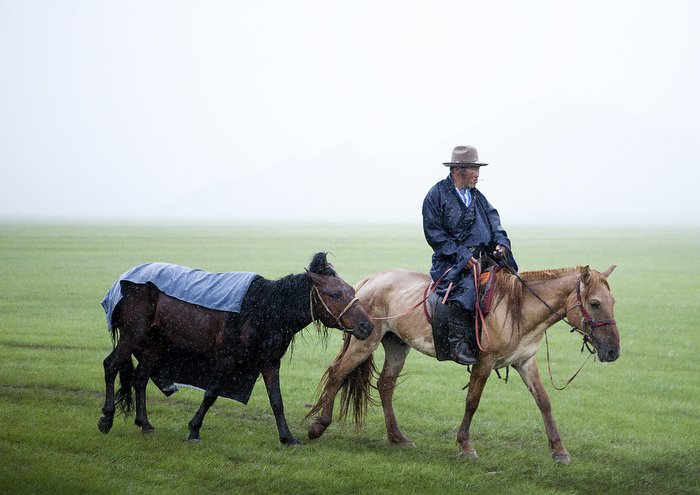
Bring sun protection, water, rain and wind layers, comfortable shoes and a charged phone.
What to Expect
Expect national pride, family gatherings, sport and ceremony, with crowds and travel between venues.
Before the festival
Arrive at least one day before your first timed event; two days can help with delays, orientation and ticket collection. Avoid an international arrival on the opening-ceremony morning. Reconfirm your booking, gate and the latest programme with your host.
Ceremony and racing days
For the stadium, allow roughly 60–90 minutes before the required entry time as a planning buffer, then follow the organiser’s specific advice. For Khui Doloon Khudag, departure must match the chosen race and festival traffic; an early start may be necessary. Reserve a separate outing rather than assuming an easy midday transfer.
Add a regional celebration
An extra day can work for a nearby confirmed event; remote festivals need more travel time and may require an overnight stay. Obtain the local date before extending the booking.
Airport to Ulaanbaatar
Chinggis Khaan International Airport is outside the city. The airport’s current public-transport page lists bus services, including overnight provision, and directs passengers to the terminal’s kiosk or bus-and-taxi counter. Check the live timetable and destination on arrival. Authorised airport taxis or a pre-booked hotel transfer are alternatives.
Ask your accommodation for a realistic journey estimate for your arrival time. A transfer may take roughly 1–2 hours in ordinary conditions and longer with congestion; this is a planning range, not a guaranteed service time. Keep a large buffer before any booked event.
Around the city
Central areas can be explored on foot where pavements and crossings are suitable. Use city buses or a recognised taxi booking arranged with your hotel for longer journeys; confirm the fare, payment method and pickup point. During Naadam, road closures can alter normal stops and drop-offs.
For the stadium, confirm the gate and the final walking approach. For Khui Doloon Khudag, book organised or private return transport with agreed meeting details, parking permissions and time for delays. Do not rely on finding an available return taxi at the grounds.
Regional travel
Arrange countryside transport with a driver familiar with the route. Confirm road conditions, fuel and rest stops, the local event’s exact location and an overnight option. Ask about vehicle access and walking surfaces if anyone in your group has mobility needs.
A practical Naadam bag
- Comfortable closed shoes and a hat.
- Sunscreen, drinking water where permitted, and food for any long transfer.
- A light rain layer and something warmer for early starts or wind.
- Dust protection if useful, plus a cover or bag for camera equipment.
- A phone, power bank, offline tickets and saved hotel/driver details.
- A camera if wanted, with a secure strap and suitable zoom.
- A small secure bag, tissues, hand sanitiser, local cash and a payment card.
Check admission rules
Verify bag-size, food, drink and camera restrictions before leaving. Bring only what you can carry comfortably through queues and across uneven ground. Keep medicines or other personal essentials readily available.
One festival, different settings
In Ulaanbaatar, expect large crowds, timed stadium access and formal ceremony. At the racing grounds, expect open space, horses, dust and changing weather. Rural festivals vary in size, schedule and facilities; simple seating or basic toilets may be part of the visit.
Pace and atmosphere
Wrestling and archery reward patient watching. Race finishes may follow a long wait and road journey. Leave room for meals, music and breaks rather than filling every hour. Families, traditional clothing and strong national pride connect the different settings.
Boundaries and respect
Follow marshals, leave competitors space and ask before portraits. Keep clear of horses, shooting lanes and competition areas. Children’s participation in racing raises documented safety and welfare concerns; cultural interest does not require ignoring those issues.
Photo Gallery
Archival Naadam photographs: ceremony, wrestling, archery, horses, music and community across Mongolia. Images do not confirm the next edition’s programme.


Current information and sources — reviewed 5 November 2026
Naadam’s usual national dates are 11–13 July. Detailed 2027 schedules, ticket prices, gate times, transport, road closures, accessibility and camera rules were not verified as announced at review. Confirm directly with the organising committee and your venue before booking; regional dates vary. The commercial Naadam Festival guide below is operated by Discover Mongolia Travel and is not the government organising committee.
UNESCO: Naadam (2010 inscription) · UNESCO: Mongolia and knuckle-bone shooting · Enaadam ticket channel · 2026 committee ticket announcement reported by iKon · Official airport buses · Airport summer-traffic notice · Commercial visitor guide: programme · History · Wrestling · Archery · Horse racing · UN Mongolia: child-jockey concerns, 29 October 2026 · Mongolian ministry: child-jockey protection
Photo credits and licences
Banner supplied by the site owner. Gallery photographs are archival and may be responsively cropped. Original files, authors and licences are linked below; CC BY-SA cropped adaptations retain the applicable share-alike licence.
Naadam Festival 2024 Opening Ceremony.jpg — Chongkian · CC BY-SA 4.0. Responsive cropping.
Naadam 2023, Ulan Bator 07.jpg — Bernard Gagnon · CC0. Responsive cropping.
Naadam 2023, Ulan Bator 08.jpg — Bernard Gagnon · CC0. Responsive cropping.
Naadam 2023, Ulan Bator 05.jpg — Bernard Gagnon · CC0. Responsive cropping.
Naadam 2023, Ulan Bator 06.jpg — Bernard Gagnon · CC0. Responsive cropping.
Mongolian Archery Competition.jpg — Bfreeproductions · CC BY-SA 4.0. Responsive cropping.
Naadam 2023, Ulan Bator 01.jpg — Bernard Gagnon · CC0. Responsive cropping.
Naadam 2023, Ulan Bator 02.jpg — Bernard Gagnon · CC0. Responsive cropping.
Naadam 2023, Ulan Bator 03.jpg — Bernard Gagnon · CC0. Responsive cropping.
Naadam 2023, Ulan Bator 04.jpg — Bernard Gagnon · CC0. Responsive cropping.
Musicians at Naadam 2023.jpg — Bernard Gagnon · CC0. Responsive cropping.
Naadam 2023 — Horse racing 02.jpg — Bernard Gagnon · CC0. Responsive cropping.
Naadam 2023 — Horse racing 05.jpg — Bernard Gagnon · CC0. Responsive cropping.
Naadam 2023 — Horse racing 08.jpg — Bernard Gagnon · CC0. Responsive cropping.
Naadam 2023 — Horse racing 10.jpg — Bernard Gagnon · CC0. Responsive cropping.
Naadam 2023 — Horse racing 13.jpg — Bernard Gagnon · CC0. Responsive cropping.
Mongolia Naadam 10.JPG — Taylor Weidman/The Vanishing Cultures Project · CC BY-SA 3.0. Responsive cropping.
Mongolia Naadam 19.JPG — Taylor Weidman/The Vanishing Cultures Project · CC BY-SA 3.0. Responsive cropping.
Women resting at a Mongolian Naadam Festival in Bayan-Ölgii.jpg — Bfreeproductions · CC BY-SA 4.0. Responsive cropping.
Naadam Festival 2.jpg — Zazaa Mongolia · CC BY-SA 4.0. Responsive cropping.


