
The 15 Best Wildlife Experiences North America
The home of natural wonders and national parks – North America’s vast natural paradise and rich ecosystems provide an unparalleled playground for wildlife enthusiasts and adventurers alike – with this stunning continent being home to some of the greatest wildlife adventures on the planet.
From tracking polar bears across the Canadian Arctic to diving in the warm waters of Hawaii, and even hugging a whale in Baja, California, North America is home to incredible unique wildlife species and experiences – all easily accessible and easily found.
While North America promises and unparalled wildlife experience, with a long list of epic experiences, below are our top 15 bucket list worthy wildlife adventures that offer to true best of Wildlife activities within North America:
1.) Polar Bear Viewing in Churchill, Canada.

Experience the Majestic Polar Bears of Churchill, Canada, and Witness the Iconic Apex Predators in Their Arctic Habitat During an Unforgettable Wildlife Adventure.
Overview of the Activity: Polar Bear Viewing in Churchill offers a unique and thrilling opportunity to observe these majestic creatures in one of the best locations in the world for polar bear encounters. This guided tour takes you to the remote tundra surrounding Churchill, Manitoba, where you can view polar bears from specialized tundra buggies designed for safety and comfort. The experience includes educational commentary about polar bear behavior, ecology, and conservation. The adventure typically lasts between 4 to 8 hours per day, with multiple days of viewing often available, depending on the tour package.
Location: Churchill, Manitoba, Canada: Churchill is situated on the western shore of Hudson Bay, which provides one of the most accessible and reliable locations for polar bear viewing. The surrounding tundra and sea ice offer an ideal setting for observing these apex predators as they await the freeze-up of the bay.
Duration: Polar bear viewing excursions generally last between 4 to 8 hours per day, with multi-day packages commonly available. This includes time spent on tundra buggies, viewing polar bears, and receiving guided commentary.
Estimated Cost: Costs for polar bear viewing in Churchill typically range from CAD 1,500 to CAD 4,000 per person for a multi-day package. This price generally includes guided tours, transportation in tundra buggies, accommodation, and sometimes meals. Prices may vary based on the duration of the package, inclusivity, and the specific tour operator.
How to Get There: Fly into Winnipeg, Manitoba, and then take a connecting flight to Churchill. Regular flights are available from Winnipeg to Churchill, and many tour operators offer package deals that include flights from Winnipeg to Churchill.
Top Tip: Dress in layers and wear warm, waterproof clothing, including insulated gloves, a hat, and sturdy boots, as temperatures can be extremely cold even in the peak viewing season. Bring a good quality camera with a zoom lens to capture distant polar bear sightings. Be prepared for variable weather and ensure you follow all safety and environmental guidelines provided by your guides to ensure a respectful and enjoyable experience. Booking well in advance is highly recommended, especially during peak polar bear viewing season from October to November, to secure your spot and ensure availability. Understanding basic polar bear behavior and ecology will enhance your viewing experience and make your adventure even more rewarding.
2.) Whale Watching in Baja California, Mexico
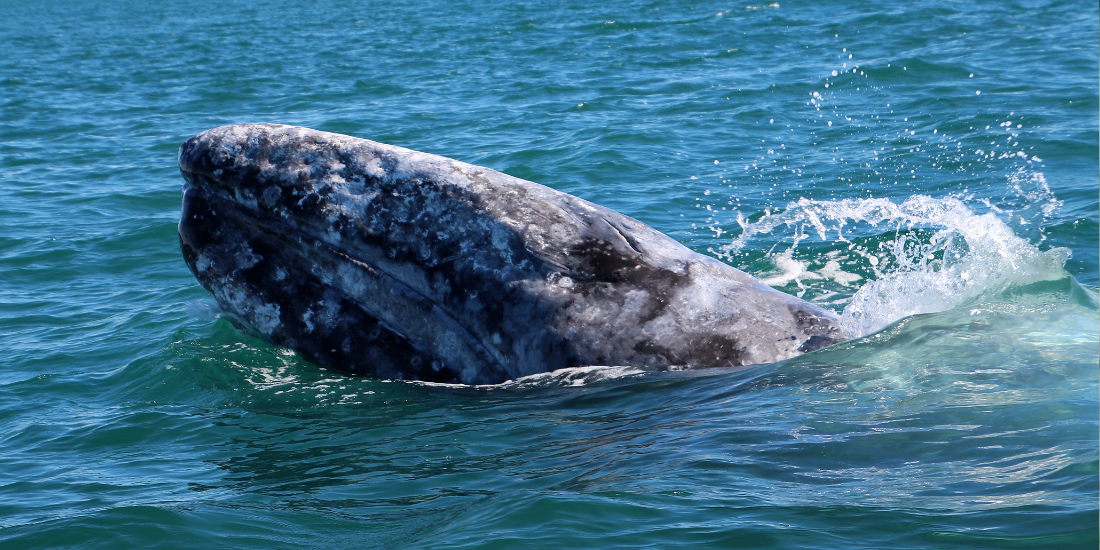
Dive into the Thrills of Whale Watching in Baja California, Mexico, and Witness the Majestic Giants of the Ocean in One of the World’s Premier Whale-Watching Destinations.
Overview of the Activity: Whale Watching in Baja California offers an extraordinary opportunity to see some of the ocean’s most magnificent creatures up close. This guided tour takes you to key whale-watching hotspots along the Baja California Peninsula, where you can observe various whale species, including gray whales, humpback whales, and blue whales, depending on the season. The experience typically involves boat excursions where naturalists provide insights into whale behavior, migration patterns, and conservation efforts. Tours generally last between 3 to 6 hours, with options for multiple trips available during the whale-watching season.
Location: Baja California, Mexico: Popular whale-watching locations include Laguna San Ignacio, the waters off Guerrero Negro, and Magdalena Bay. These areas are renowned for their seasonal whale migrations and offer prime viewing opportunities.
Duration: Whale-watching tours typically last between 3 to 6 hours per excursion. Many operators offer multiple trips per day and extended tours for those wishing to maximize their whale-watching experience.
Estimated Cost: Costs for whale watching in Baja California generally range from USD 100 to USD 250 per person for a half-day tour. Prices may vary based on the specific tour operator, the duration of the trip, and any additional inclusions such as meals or transport. Multi-day packages or private charters may be available at a higher cost.
How to Get There: Fly into Los Cabos International Airport or Tijuana International Airport. From there, you can drive or take a local flight to whale-watching hubs like Guerrero Negro or San Ignacio. Many tour operators offer transportation from these airports to the tour departure points as part of their packages.
Top Tip: Dress in layers and bring warm clothing, as temperatures on the water can be chilly even in warmer months. A camera with a zoom lens and binoculars will enhance your viewing experience and help capture memorable moments. Follow all safety and environmental guidelines provided by your guides to ensure a respectful encounter with the whales. Booking in advance is recommended, particularly during peak whale-watching season from December to April, to secure your spot and ensure availability. Familiarize yourself with the different whale species you might encounter to make the most of your whale-watching adventure.
3.) Bear Viewing in Banff National Park, Canada
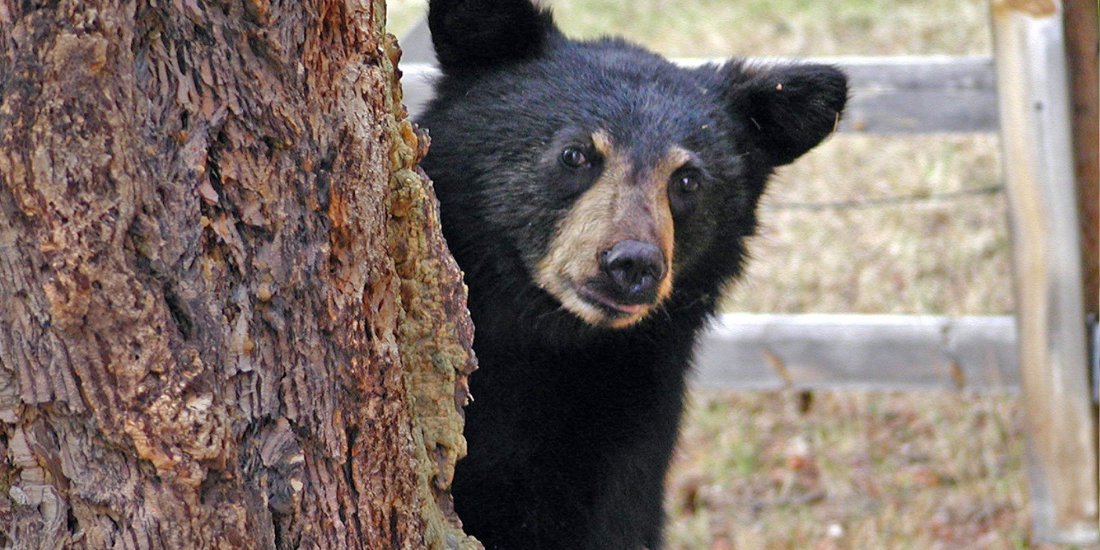
Experience the Thrill of Bear Viewing in Banff National Park, Canada, and Witness the Majestic Bears of the Rockies in One of Canada’s Most Scenic and Wildlife-Rich Destinations.
Overview of the Activity: Bear Viewing in Banff National Park offers an exciting opportunity to observe both black bears and grizzly bears in their natural alpine habitat. This guided experience takes you through the park’s stunning landscapes, including dense forests, meadows, and river valleys, where expert guides will help you spot and safely observe these magnificent creatures. The tour includes educational insights into bear behavior, habitat, and conservation. Bear viewing excursions generally last between 4 to 6 hours, providing ample time to explore the park and increase your chances of seeing these iconic animals.
Location: Banff National Park, Alberta, Canada: Located in the Canadian Rockies, Banff National Park is renowned for its dramatic landscapes and rich wildlife. The park offers diverse habitats for both black bears and grizzly bears, with popular viewing areas including the Bow Valley, Lake Louise, and the Moraine Lake region.
Duration: Bear viewing excursions typically last between 4 to 6 hours. This includes time for travel through the park, bear observation, and guided commentary.
Estimated Cost: Costs for bear viewing in Banff National Park generally range from CAD 150 to CAD 300 per person. This price typically includes the guided tour, transportation within the park, and sometimes refreshments or a light meal. Prices may vary based on the duration of the tour and any additional inclusions.
How to Get There: Fly into Calgary International Airport, and then drive or take a shuttle to Banff National Park. The park is about a 1.5‑hour drive from Calgary. Many tour operators offer transportation from Calgary to Banff as part of their packages, or you can use local transport options to reach the park.
Top Tip: Dress in layers and wear sturdy, weather-resistant hiking boots suitable for varying terrain and weather conditions. Bring binoculars and a camera with a zoom lens to capture distant views of the bears. Be prepared for potentially variable weather and follow all safety and environmental guidelines provided by your guides to ensure a respectful and enjoyable experience. Booking in advance is highly recommended, especially during the peak bear viewing seasons of late spring to early fall, to secure your spot and ensure availability. Understanding basic bear behavior and ecology will enhance your viewing experience and increase your chances of successful sightings.
4.) Scuba Diving in Hawaii

Immerse Yourself in the Vibrant Underwater World of Hawaii with Scuba Diving Adventures That Showcase Colorful Coral Reefs, Abundant Marine Life, and Crystal-Clear Waters.
Overview of the Activity: Scuba Diving in Hawaii provides an unforgettable experience to explore some of the world’s most stunning marine environments. This guided adventure takes you to various dive sites around the Hawaiian Islands, where you can encounter diverse marine life including colorful reef fish, sea turtles, and even manta rays and sharks. Dive sites often feature dramatic underwater landscapes such as lava tubes, coral gardens, and shipwrecks. The experience typically includes guided dives, equipment rental, and briefings about the local marine ecosystem. Each dive generally lasts between 30 to 60 minutes, with multiple dives available depending on the package.
Location: Hawaii: Scuba diving is popular across the Hawaiian Islands, including Oahu, Maui, the Big Island, and Kauai. Notable dive sites include the Molokini Crater near Maui, the Kona Coast on the Big Island, and the USS Arizona Memorial dive site on Oahu.
Duration: Scuba diving excursions generally last between 30 to 60 minutes per dive. Many operators offer multiple dives per day, with some packages including additional activities or extended dive options.
Estimated Cost: Costs for scuba diving in Hawaii typically range from USD 100 to USD 200 per dive. This price usually includes the guided dive, basic equipment rental, and sometimes refreshments. Prices may vary based on the specific dive site, the tour operator, and any additional inclusions such as meals or transport.
How to Get There: Fly into major Hawaiian airports such as Honolulu International Airport (Oahu), Kahului Airport (Maui), or Kona International Airport (Big Island). From there, you can reach your dive destination via local transport or rental car. Many dive operators offer pickup services from major hotels or central locations.
Top Tip: Wear a swimsuit and bring a towel and sunscreen, as you may need to spend time on a boat before and after your dive. A camera with an underwater housing and a logbook for recording your dives can enhance your experience. Follow all safety and environmental guidelines provided by your guides to ensure a safe and respectful diving experience. Booking in advance is highly recommended, particularly during peak travel seasons, to secure your spot and ensure availability. Familiarize yourself with the local marine life and dive sites to make the most of your underwater exploration and enhance your appreciation of Hawaii’s vibrant marine ecosystems.
5.) Bison Watching in Yellowstone National Park, USA

6.) Sea Otter Viewing in Monterey Bay, California, USA

Delight in the Charm of Sea Otter Viewing in Monterey Bay, California, USA, and Observe These Playful Marine Mammals in Their Natural Habitat Along the Stunning California Coastline.
7.) Bald Eagle Watching in Alaska
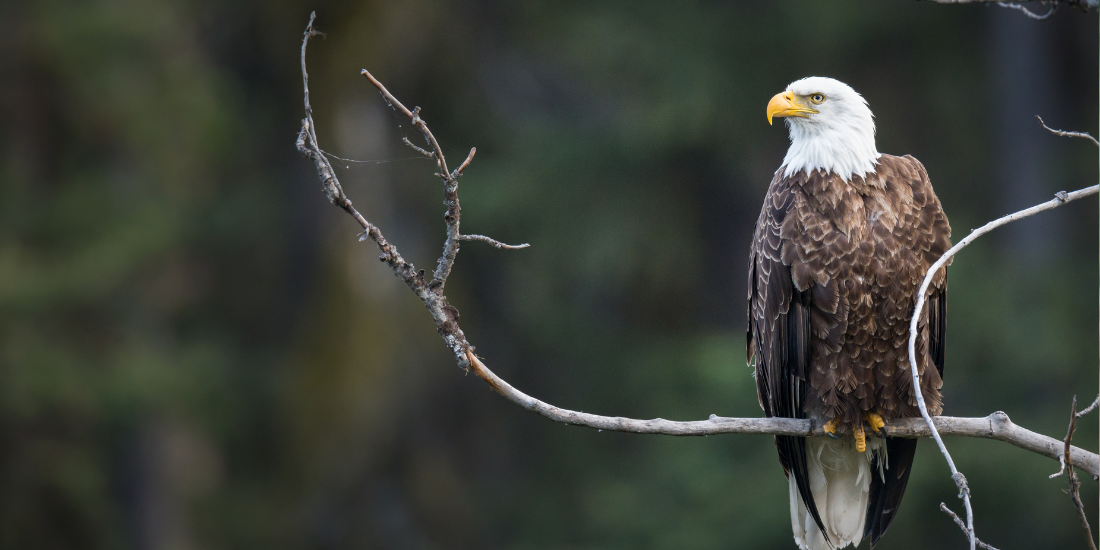
Witness the Majestic Bald Eagles of Alaska in Their Natural Habitat, and Experience the Thrill of Observing America’s National Bird in One of the Most Pristine Wilderness Areas.
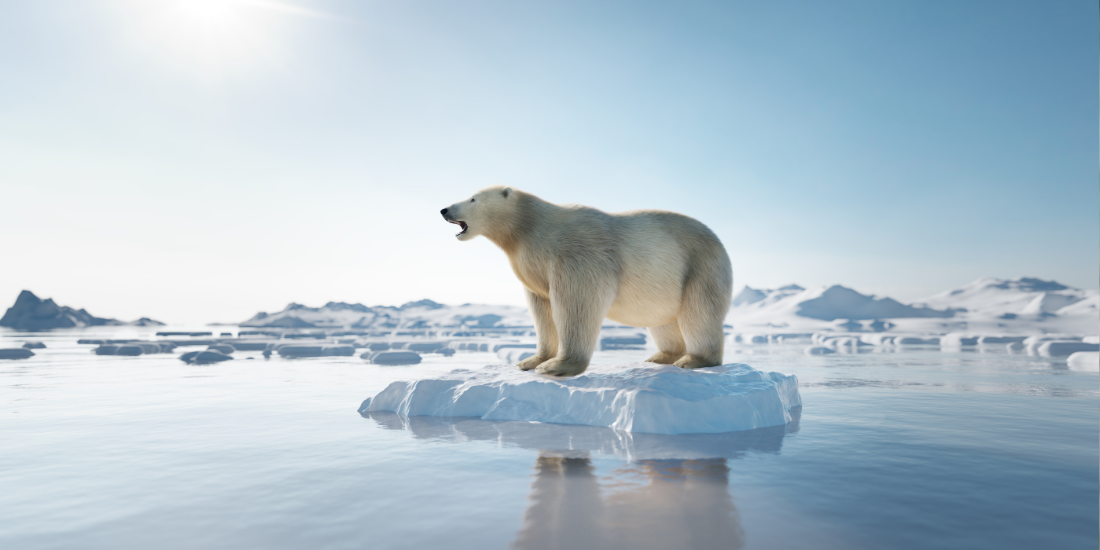
8.) Polar Bear Photography Tours in Wrangell-St. Elias National Park, Alaska
9.) Whale Watching in Alaska’s Inside Passage

Embark on an Unforgettable Whale Watching Adventure in Alaska’s Inside Passage, Where Majestic Whales Grace the Pristine Waters of One of the World’s Most Stunning Coastal Landscapes.
Overview of the Activity: Whale Watching in Alaska’s Inside Passage offers an extraordinary opportunity to observe some of the ocean’s most magnificent giants in their natural habitat. This guided tour takes you through the serene and scenic waters of the Inside Passage, where you may encounter a variety of whale species including humpback whales, orcas, and gray whales. The tours typically involve a boat excursion led by experienced naturalists who provide information on whale behavior, migration patterns, and conservation. Expect to spend between 3 to 5 hours on the water, with ample time to witness these incredible creatures and enjoy the breathtaking scenery of Alaska’s coastal wilderness.
Location: Alaska’s Inside Passage, USA: The Inside Passage is a coastal region in southeastern Alaska known for its deep fjords, lush forests, and abundant marine life. Popular whale watching departure points include Juneau, Ketchikan, and Sitka, each offering access to prime whale viewing areas in the region.
Duration: Whale watching tours generally last between 3 to 5 hours. This includes time for boarding, traveling to whale-watching sites, observing the whales, and returning to the departure point.
Estimated Cost: Costs for whale watching in Alaska’s Inside Passage typically range from USD 150 to USD 250 per person. This price usually includes the guided boat tour, onboard commentary, and sometimes refreshments. Prices may vary based on the specific tour operator, the duration of the tour, and any additional inclusions such as meals or transportation.
How to Get There: Fly into major Alaskan airports such as Juneau International Airport, Ketchikan International Airport, or Sitka Rocky Gutierrez Airport. From these airports, you can access local whale watching tours via taxi, shuttle, or rental car. Many tour operators offer pickup services from central locations or provide information on meeting points.
Top Tip: Dress warmly in layers and wear waterproof clothing, as it can be chilly and wet on the water. Bring binoculars and a camera with a zoom lens to capture images of the whales and the stunning landscape. Be prepared for possible rough seas and follow all safety and environmental guidelines provided by your guides. Booking in advance is highly recommended, especially during peak whale watching seasons (spring to early fall), to secure your spot and ensure availability. Familiarize yourself with the types of whales you might encounter to enhance your viewing experience and appreciation of these magnificent marine mammals.
10.) Gray Wolf Tracking in the Yukon, Canada

Discover the Thrill of Gray Wolf Tracking in the Yukon, Canada, and Immerse Yourself in the Untamed Wilderness to Observe One of North America’s Most Elusive Predators.
11.) Caribou Migration Viewing in the Northwest Territories, Canada

Witness the Spectacular Caribou Migration in the Northwest Territories, Canada, and Experience the Thrill of Observing One of Nature’s Most Dramatic Wildlife Events in a Pristine Arctic Landscape.
12.) Manatee Viewing in Crystal River, Florida, USA
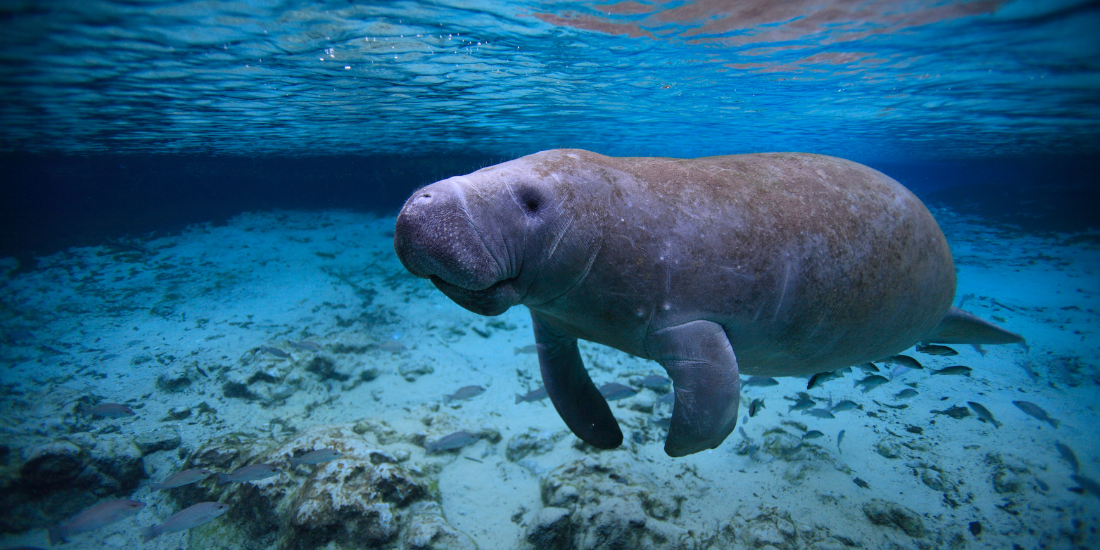
Experience the Gentle Giants of the Gulf: Manatee Viewing in Crystal River, Florida, Offers a Unique Opportunity to Observe and Interact with these Endearing Marine Mammals in Their Natural Hot Springs Habitat.
13.) Mountain Lion Tracking in Arizona

Embark on an Exciting Adventure Tracking Mountain Lions in Arizona, and Discover the Thrill of Following the Footprints of One of North America’s Most Elusive Predators Through Stunning Desert Landscapes.
Overview of the Activity: Mountain Lion Tracking in Arizona provides a thrilling and immersive experience in the wild, offering a chance to observe one of the most elusive and majestic predators in North America. Guided by experienced trackers and wildlife experts, you’ll follow the signs and tracks of mountain lions through diverse desert and mountainous terrains. The activity typically involves a combination of hiking, tracking, and possibly using tracking technology like GPS collars if available. Guides provide valuable insights into mountain lion behavior, habitat, and conservation. Tours generally last between 4 to 8 hours, with some options for multi-day adventures for a deeper experience.
Location: Arizona, USA: Arizona’s diverse landscapes, including the Sonoran Desert, the Santa Catalina Mountains, and the Grand Canyon, offer ideal habitats for mountain lions. Popular tracking areas include the mountainous regions around Tucson, the desert areas near Phoenix, and the expansive wilderness of northern Arizona.
Duration: Mountain lion tracking tours generally last between 4 to 8 hours for a single day. Multi-day tracking experiences are also available, allowing for more extensive exploration and greater chances of encountering mountain lions.
Estimated Cost: Costs for mountain lion tracking in Arizona typically range from USD 500 to USD 1,200 per person for a full-day tour. Prices can vary based on the tour’s duration, inclusivity (such as transportation, meals, and gear), and the specific tour operator. Multi-day packages or private tours may be available at a higher cost.
How to Get There: Fly into major airports such as Phoenix Sky Harbor International Airport or Tucson International Airport. From these airports, you can rent a car or use local transportation to reach the tracking locations. Many tour operators provide pickup services from central locations or offer transportation as part of their packages.
Top Tip: Dress in layers suitable for variable desert weather and wear sturdy hiking boots. Bring binoculars and a camera with a zoom lens for capturing distant wildlife and scenic views. Follow all safety and environmental guidelines provided by your guides to ensure a respectful and safe experience. Be prepared for physically demanding conditions and always stay on marked trails or guided paths. Booking in advance is recommended due to the specialized nature of the tours and high demand. Familiarize yourself with basic mountain lion behavior and tracking techniques to enhance your experience and increase your chances of observing these elusive cats.
14.) Alligator Watching in the Everglades, Florida, USA

Dive into the Wild World of the Everglades: Alligator Watching in Florida Offers an Exciting Opportunity to Observe These Ancient Reptiles in Their Natural Swampy Habitat.
Overview of the Activity: Alligator Watching in the Everglades provides an exhilarating experience to see Florida’s iconic reptiles up close in their natural environment. Guided tours typically include boat rides, airboat excursions, or walking safaris through the Everglades’ unique wetlands and waterways. During the tour, experienced guides share insights about alligator behavior, habitat, and conservation, and you may also encounter other local wildlife such as birds, turtles, and fish. Tours generally last between 2 to 4 hours, allowing ample time to observe alligators and enjoy the scenic beauty of the Everglades.
Location: Everglades National Park, Florida, USA: The Everglades is a vast, subtropical wilderness located in southern Florida, known for its unique ecosystem of swamps, mangroves, and marshes. Popular starting points for alligator watching include Miami, Homestead, and Everglades City, each offering access to different parts of the park.
Duration: Alligator watching tours generally last between 2 to 4 hours. This includes time for travel to and from the viewing locations, the activity itself, and any necessary briefing or debriefing.
Estimated Cost: Costs for alligator watching tours in the Everglades typically range from USD 50 to USD 150 per person. Prices can vary based on the type of tour (boat, airboat, or walking safari), the duration, and the specific tour operator. Some tours may include additional features such as transportation from central locations or refreshments.
How to Get There: Fly into Miami International Airport, Fort Lauderdale-Hollywood International Airport, or Orlando International Airport. From there, you can drive to the Everglades, which is approximately a 1.5 to 2‑hour drive from Miami and Fort Lauderdale, or a longer drive from Orlando. Many tour operators offer pickup services from major cities or provide transportation as part of their packages.
Top Tip: Wear lightweight, breathable clothing and bring a hat and sunscreen to protect yourself from the sun. Use insect repellent to guard against mosquitoes, which are prevalent in the Everglades. Bring binoculars and a camera with a zoom lens to capture close-up shots of the alligators and the lush landscape. Follow all safety and environmental guidelines provided by your guides to ensure a respectful and safe experience. Booking in advance is recommended, especially during peak tourist seasons, to secure your spot and ensure availability. Familiarize yourself with basic alligator behavior and the park’s unique ecosystem to enhance your viewing experience.
15.) Elk Rut Viewing in Rocky Mountain National Park, Colorado, USA

Witness the Majestic Elk Rut in Rocky Mountain National Park, Colorado: An Unforgettable Experience to Observe the Thrilling Mating Rituals of North America’s Iconic Elk in a Stunning Alpine Setting.
Overview of the Activity: Elk Rut Viewing in Rocky Mountain National Park offers a spectacular opportunity to observe the dramatic mating rituals of elk during their annual rutting season. Guided tours typically involve early morning or late afternoon excursions, where experienced naturalists help you locate and observe elk herds as males engage in impressive displays of dominance, including bugling calls and antler clashes. The tours include insights into elk behavior, mating rituals, and conservation. The experience generally lasts between 3 to 5 hours, with some options for extended tours that delve deeper into the park’s diverse ecosystems.
Location: Rocky Mountain National Park, Colorado, USA: Located in northern Colorado, Rocky Mountain National Park is renowned for its rugged mountain landscapes, alpine lakes, and diverse wildlife. The park’s high-altitude meadows and forested valleys provide prime viewing areas for elk rutting behavior, especially in the Moraine Park, Horseshoe Park, and Upper Beaver Meadows areas.
Duration: Elk rut viewing tours generally last between 3 to 5 hours. Some tours may extend into a full-day adventure, allowing for more comprehensive exploration of the park and increased chances of observing elk.
Estimated Cost: Costs for elk rut viewing tours in Rocky Mountain National Park typically range from USD 75 to USD 150 per person. Prices can vary based on the tour duration, inclusivity (such as transportation, meals, and park entry fees), and the specific tour operator.
How to Get There: Fly into Denver International Airport, which is approximately 1.5 to 2 hours away from Rocky Mountain National Park by car. From Denver, you can rent a car or use local transportation to reach the park. Many tour operators offer pickup services from central locations or provide transportation as part of their packages.
Top Tip: Dress in layers and wear waterproof, insulated clothing and sturdy hiking boots to prepare for variable mountain weather. Bring binoculars and a camera with a zoom lens to capture the impressive elk displays from a safe distance. Be prepared for early mornings and late afternoons to catch the peak rutting activity. Follow all safety and park guidelines provided by your guides to ensure a respectful and safe viewing experience. Booking in advance is highly recommended, especially during peak rutting season in late September to early October, to secure your spot and ensure availability. Understanding elk behavior and the park’s terrain will enhance your viewing experience and appreciation of this remarkable wildlife event.
Safe travels and may your wildlife viewing and journey be filled with as many incredible experiences as possible as you explore the stunning inhabitants of the beautiful continent of North America!
