The Okavango Delta
Overview:
Sitting along the Spine of Africa, Botswana’s Okavango Delta is one of the world’s largest inland deltas and a true natural paradise for animal lovers – with the large waterholes, lush green grasslands and incredible lagoons being home to hundreds of thousands of animals and some of the most unique and endangered species on the planet.
Set amongst 15,000 square kilometres of the Kalahari Desert, the Okavango delta is unique in that its river delta’s flow inwards as opposed to the ocean – creating a permanent Delta that acts as a constant source of life through the year and a series of constantly changing seasonal deltas that spill into the Okavango area from neighbouring Angola during the Summer months creating a magical eco-system that allow the stunning fauna and lush Greenery of the plains along with the famous African wildlife including the Big 5 to thrive.
Although climate change continues to threaten the volume of water reaching the Delta, the rich oasis of the Okavango Delta which includes the famous Moremi Game Reserve sees a range of stunning wildlife including Hippos, Crocodiles, Giraffes, Lions Leopards, Zebra’s and Elephants gather in one easily accessibly location and offers explorers to chance to traverse the beautiful Delta’s on traditional Mokoro Canoe, by bush walk, by game drive and even on an elephant to get up close and personal with some of the worlds’ most stunning wildlife for a truly unique experience as they travel across the beautiful wonder of the world that is the Okavango Delta.
Where:
The stunning Okavango Delta is found in Northern Botswana – with the town of Maun being considered the gateway to the wonder.
Getting there:
On account of the Okavango Delta being made up of volumes of Water, you’re in for a bit of trek to get there.
The easiest way is to fly to the town of Maun in Northern Botswana which serves as the gateway to the Okavango Delta– and which you can reach by direct flight from South Africa from either the town of Johannesburg or Cape Town.
Having reached Maun, it’s then a matter of getting a bush flight – a flight in a small scenic plane over the vast Okavango Delta during which you’ll see the incredible Delta and if you’re lucky some of it’s resident below you, before arriving at the airstrip inside the Delta that serves the lodges.
Alternatively for those with a fear of flying or who are on something of a budget, you can actually self-drive (discussed in detail below) into the Okavango Delta park – for this option we’d advise starting in one of the main towns of Gaborone or Maun and getting a 4 wheel drive before making your way across Botswana into the park. Just be warned that you can’t drive at night in the park, you’ll have to keep on the route – and make sure to avoid driving into the Water holes !
Once inside the park, if not self-driving, you’ll be able to explore the Okavango Delta either on foot, by safari drive, by Mokoro Canoe, by air balloon or by Elephant back – with a range of tours and prices available to explore this wonder all of which need to be arranged beforehand and require a guide.

Best time to Visit:
There’s a clear wet and Dry Season in the Okavango Delta – as the floods from neighbouring Angola flow into Botswana in the summer months add to the permanent Delta creating many waterholes and providing this incredible eco-system and its many animal residents with it’s source of life.
This unique phenomenon not only creates the many incredible waterholes in the delta that you can explore by Mokoro canoe, but also influences the cycle and travel of the animals – with the animals forced to travel inland to the permanent Delta in the traditional winter months and moving outwards to the temporary Delta’s and the thriving grasslands during the traditional spring and summer months – which heavily increases your chances of viewing them.
In fact during the months of December – April, which is considered the green low season, you’ll find that animals disappear from the Delta as despite some rain, most animals are forced to head inland or move of the Delta completely to survive. Yet despite this, its still a great time to go as prices are cheaper and you’ll still see of the wildlife that prefer to stay put – with aquatic creatures in particular great to spot during these months.
During April – June we’d advise steering clear of the Delta if you can, it’s of course still beautiful, but you’ll be getting worst of both worlds with biblical like floods creating a tough environment to explore and a danger to yourself and your guides – and also seeing the last remaining animals from the green season disappear – meaning if you can get on a tour chances are you won’t see much – definitely a season to avoid.
During July – November – you’ll find the peak season, which means increased prices but also comfortable warm temperatures as the floods simmer down creating the right amount of water for grass to flourish and animals to nourish. You’ll find wildlife at its peak in August – September, with this being mating season and then the birthing season beginning in September – November – with the combination of grasslands, Delta’s and stunning wildlife making the July – November period a truly great time in the Okavango Delta.
Therefore we’d strongly recommend avoiding April – June and if you can time your visit for the peak wildlife period of September – November, which while more expensive will give you the best possible experience in the wonder of the Okavango Delta.
Explore:
As arguably the worlds greatest spot for wildlife and a truly incredible wilderness area a trip to the Okavango Delta is all about coming face to face with the incredible wildlife that life in the natural splendour of the delta.
Animals:
The Okavango Delta is home not only to the African big 5 (the Cape buffalo, Elephant, Leopard, Lion, and rhinoceros) but thanks to the beautiful and life-giving eco-systems of the Delta is home to at least 150 different species of mammals and reptiles, 500 species of birds, 35 different species of aquatic animals and more than 1500 species of different plant and fauna, making it a true nature paradise.
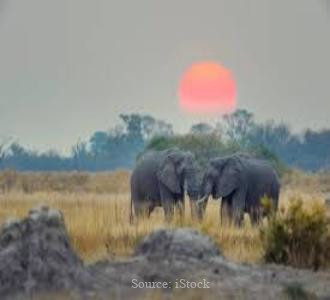
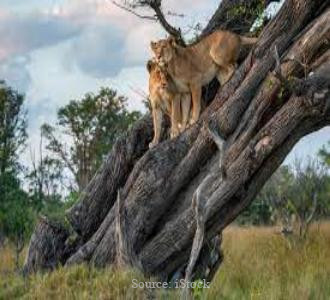
In particular the Okavango delta is known for the size and numbers of its herds of Giraffes, Elephants and its playful leopards, with the famous Marsh pride of Lions that hang out on the famous delta river of Chobe also considered a must see when tracking animals across the Delta.
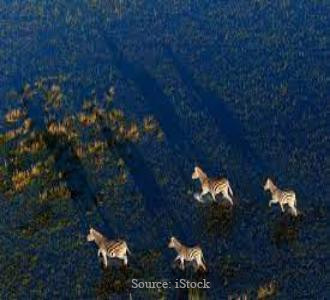
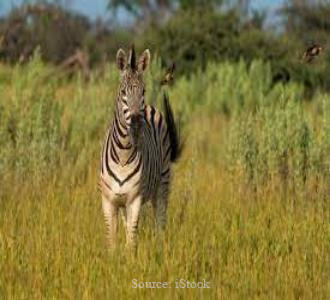
In fact the Chobe river is considered one of the best of the many incredible natural spots in the Delta – with the dry season in particular seeing hundreds of thousands of animals being forced inwards and congregating at its life giving waters – with packs of Zebra’s, buffalo and antelope gathering to provide not just incredible photo shots for explorers but also a chance for their predators to strike as Crocodiles, Hippos and Lions seek out their prey – which makes for an incredible and raw viewing opportunity of the wonder of nature in action.
Birds:
Alongside the Mammals and Amphibians that call the park home, the Delta is also a bird lovers paradise with the at least 500 species providing not just a constant stream of bird song that lights up the wonder, but also incredibly and rare viewing opportunities.
With the Grasslands and tall trees combing with the Delta making a perfect spot for the birds to flourish – you’re likely to spot some of the rarest species on the planet – including the African Skimmer and the Pel’s fishing owl along with the colourful kingfishers, giant eagle owls, egrets and hornbills – which all provide incredible photo opportunities.
With the extravagant, colourful and plentiful mammals and birds that call the Okavango Delta home making it a true wildlife paradise and given the raw power, beauty and rarity of these animals unquestionably making the Okavango Delta a true wonder of the world.
The Okavango Delta
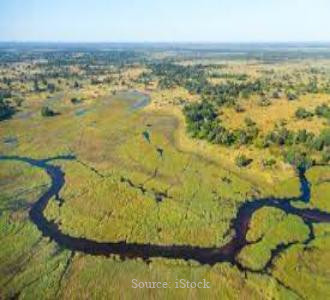
The Okavango Delta itself is constantly changing with water flowing in from Neighbouring Angola from Spring helping to expand the size of the Delta during the spring and summer months – before it slowly detracts again in Autumn as the cycle begins again.
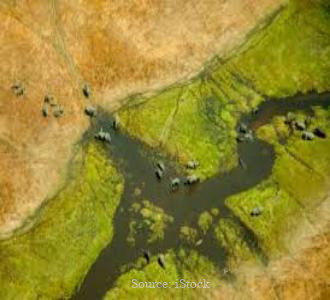
Although the area of the Delta has been slowly decreasing due to a lack of rainfall in Angola, the Delta can be split into two distinct parts – a permanent swamp that the crocodiles, hippos and fish call home and the constantly moving outer edges of the Delta that is seasonal and where you’ll find the majority of the mammals moving between grasslands and the swamps.
Moremi Game Reserve
The most famous area of the Delta and one which combines bother permanent and seasonal water holes is the Moremi Game Reserve – that covers a third of the whole area of the delta and is known for its stunning lush green woodlands and grasslands which attract hoards of both mammals and tourists – chances are you’ll be spending the majority of your Okavango Delta experience here !
Accessible by self drive as well which is a real bonus for those on a budget (although self drive night drives are off limit)– the Moremi Game Reserve is both accessible and well trekked full of 5 star lodges and campsites and encompasses famous wildlife spots including the Chief’s Island – a private island full of wildlife that once served as the poaching centre of the Chief of Botswana and the Moremi Tongue island which is set amongst wetlands and shrub – again affording incredible viewing opportunities.
The Moremi Game Reserve is also one of the only places on the planet where all the big 5 are known to live and thanks to a series of conservation efforts one of the best places to spot both black and white rhinos as well as the illusive and endangered African Dog. Explorable by both foot, game safari, self-drive, hot air balloon and on a horst or Elephant back the Moremi Game Reserve is a truly unique sight and the best place in the Okavango Delta to spend your trip as you travel across the stunning rivers, deltas and woodlands in search of life.
The rest of the delta is split into multiple sections, including the famous connecting ‘wrist section’ – which is known for cheap camps – and where those on a budget can look to camp for the night – surrounded of course by the glittering songs of the birds and the possible intrusion of curious wildlife.
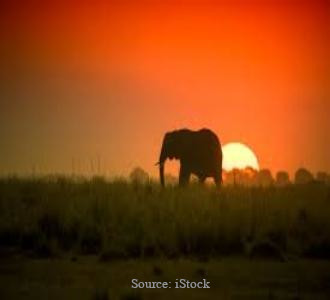
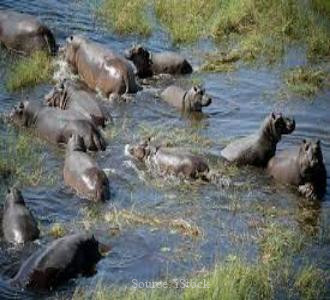
While all of the camps and sections in the Okavango Delta are unique and offer incredible wildlife opportunities, for those on a limited time and budget we’d really recommend a trip to either the stunning paradise pools for some incredible aquatic and hippo viewing or the vast Duba Plains – a dry area known for its incredible Lion sights, with a sunset trip offering you a chance to see packs hunting against the warmth and beauty of an African sunset.
How to Explore the Okavango Delta:
With the Okavango Delta being vast and made up of multiple Delta’s and containing a series of predators you are going to need to take precautions when getting round – luckily multiple companies and guides offer multiple ways to explore this stunning wonder — and keep you both safe and close to the action and give you the chance to see the stunning animals that inhabit it and experience the best of this wonder up close:
Bush Walks
The most obvious and easy way to get around, you and an armed guard will trek through the incredible grasslands and to the edge of multiple water holes and deltas looking for the animals who reside in the Okavango Delta. While walks normally last 2 hours and take place at either sunrise or dusk you can expect to stop at numerous waterholes to glimpse hippos, crocodiles and buffalo and observe (from a safe distance) the Giraffes, Lions, Leopards and Elephants as well as the stunning birds in the Okavango Delta for a truly incredible experience – just be sure to bring your Camera and Binoculars !
Mokoro Canoe
With so much of the Okavango Delta being a Delta river – the best way to really experience the wonder is to travel through the waters– which let’s you not only see the animals up close but also experience the traditional way of crossing the Delta that has been the traditional way of crossing the delta by the San Bushmen – who still live in the Okavango Delta — for generations.
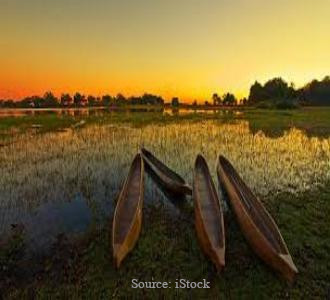
For the incredible journey through the Delta, which often takes place on the wildlife paradise of the Chobe river, you’ll find yourself lying down in a small wooden canoe known as a Mokoro and being paddled by your guide or a member of the San Bushmen tribe and gently strolling through the incredible Delta’s coming within inches of Hippos and Crocodiles and seeing giant elephants sipping from the water as well as being able to spot the stunning animal and bird residents of the Delta on the water’s edge.
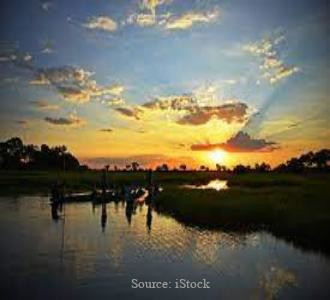
Most tours also take place right on sunrise and sunset – which means you get to experience the deltas against the backdrop of the great African Sunrise or Sunset and when the animals are at their most active, with the sunset tours in particular offering stunning views and being the perfect end to what will surely be a perfect day at the wonder of the world that is the Okavango Delta.
Motorboat
For those who feel the Canoe doesn’t offer enough security or who want to explore the Delta’s at a faster pace you’ve also got the option of a Motorboat to get through the wetlands at a faster pace. While you’ll still get a shot at the same wildlife, expect the land mammals to disappear upon hearing the boat approach – minimising your chance of viewings – but you’ll still be able to spot hippos and crocodiles, who have been known to approach motorboats our of curiosity!
Game Drives
Perhaps the most popular and easiest method of exploring the Okavango Delta, Game Drives see you taken around in a 4 x4 to the animal hotspots of the Delta’s and is an almost guarantee that you will see the big 5 and multiple mammals that call the Delta home.
Stopping at key grasslands and Delta edges to allow you to view both land and water-based animals, you’ll be accompanied by an armed guide who will not only serve as protection but give you a briefing on the animal and help you with your photos. The Game drive is also the best and one of the only ways of experiencing the wonder at night – allowing you to see animals on the hunt and those who spend their days safely tucked away sleeping – for a truly incredible experience – we’d really recommend fitting in multiple game drives during your time at the wonder!
Self-Drive:
An option for those on budget, the Okavango Delta is one of the few natural wildlife places in the world that you can actually self drive into and around – giving you the chance to decide where you go in the park and how long you stay !
While night driving is off limit for this option and you’ll still be required to get a guide for a monoko experience – self driving provides an option for those who are operating on a strict budget to explore the wonder, with the multiple camp sites across the wonder offering a place to securely spend the night.
Whilst we’d strongly advise taking the hassle out of your trip and booking a tour, which will give you a much better chance of seeing wildlife and staying safe, for those who do wish to self-drive be sure to avoid the ‘top gear experience’ and make sure you come well prepared, with a pre-defined route and a 4x4 – but the option of self-driving is both an affordable and adventurous way to explore the Okavango Delta.
Hot air Balloon safaris
For those who can’t get enough of the Okavango Delta on the ground or the water, you’ve got the option to soar above the wonder for a bird’s eye view of the incredible residents and the grass plains and Delta below in the form of a hot air balloon Safari.
Typically lasting an hour and beginning at sunrise you’ll soar above the wonder in the summer months and be able to look down and get a true appreciation for the scale of the Delta below, as you glide above the many animal residents and get some incredible photos of a true wonder of the world.
Elephant & Horseback Rides
Alongside trekking into the grass plains with a guide, you can also take either a horseback or elephant ride into the great Delta. While a little slow and perhaps ethically questionable for the Elephants, the chance to get an Elephants perspective as you cruise round in your very own herd through the grasslands, no doubt encountering some of the Big 5 is a fantastic and unique way to explore the Okavango Delta.
Lodges:
Alongside the basic camps available for those on a budget, the Okavango Delta also offers some of the best wildlife Lodges on the Planet. These Lodges found in the hotspot of the Moremi Game Reserve offer a unique chance to eat and sleep alongside the incredible wildlife of the Delta as you the incredible wildlife strides past your Lodge.
Although a little pricey the Lodges offer welcome respite after a long day in the Okavango Delta and most come with compliment walking Safari’s and Game Drives – as well as internet. For those who do wish to book in a camp the big two are the Xaranna Camp and the Xudum Camp – that both offer air conditioning and sunset and wildlife views from balconies.
For those wanting a camp – which we’d really recommend if your budget can stretch it – you’ll need to be quick to book in advance as there are both limited rooms and the prices are known to increase the longer you wait – but there’s no doubt that retiring to a luxury lodge adds an extra element of enjoyment to your travels after a long day trekking, driving and canoeing across the incredible wonder of the world that is the Okavango Delta.
How long to stay:
While it’s possible to book day tours of the Okavango Delta – having made it all the way to Maun and given the Delta is one of the best wildlife viewing spots on the planet we’d strongly recommend that as a minimum you should spend 4 days 3 nights here – this will give you enough chance to hike through the grasslands, cruise down the Chobe River, witness multiple stunning African sunrises and sunsets and give you enough time to spot multiple incredible residents of the delta.
Our best recommendation though for the best experience would be to spend a week to 10 days in the wonder – not only giving you enough time to explore it a relaxed pace but take on some of the extra activities such as ballooning or meeting the San Bushmen to truly immerse yourself in this incredible wonder of the world.
Top Tip:
Botswana is not only an incredibly beautiful country but one of the safest, stable and travel friendly in Africa – meaning that other than making sure you keep an eye on your possessions as you normally would there’s no need to observe the extra security precautions that you may need in other countries on the continent.
Therefore, given the Okavango Delta is one of the best wilderness areas on the planet – our top tip would be to load up on sunscreen, mosquito repellent and come equipped with a high-quality camera and be sure to give yourself at minimum 4 days / 3 nights in this incredible wonder so you can truly soak up it’s natural beauty and encounter as many of its residents as possible.
Cost:
Given Botswana’s relative safety and stability – it also means it’s one of the priciest places to visit in Africa – especially for a safari along the Okavango Delta with prices known to double and treble during the peak season.
For starters flights to Maun – which are usually done via Johannesburg will come in at around $1500 Usd round trip during peak season – and then there is normally the small matter of the bush charter flight into the heart of the Delta give it inaccessibility which comes in at another $300 Usd – although you can massively cut your costs down by self-driving into the park which will cost you a rental fee and petrol and then hiring a guide, just be sure to watch the tides and drive safely!
Once inside the park there are normally a range of options to suit your budget – which will all vary based on the time of Year, the way you choose to explore the Delta and the time you stay in the Delta.
You’ll find day trips – which include a Safari Walk, Game Drive and mokoro canoe trip starting at around $250 per day in the light season, increasing to around $400 USD for the high season – and increasing by either $100 USD per day in the light season and $250 for each additional day you stay in either season.
For those who truly want to experience the Delta though, you’ll need a multi day trip – and this will involve either camping or spending some nights in one of the incredible lodges – for many this offers the chance to either cut back on your accommodation costs by getting a camping permit ($150 Usd per day) or going full out in luxury in one of the lodges for between $300 usd — $800 Usd a night – for those in camping you can expect a tent, a cot, a mosquito net and the chance to be interrupted by wildlife during the day – where as the Lodges offer a true 5 star experience with all the home comforts and the chance to wake and have breakfast amongst the incredible wildlife of the Okavango Delta.
While there is the chance to add on optional extras including further trips down the Chobe River and walking Safaris – as well as a balloon flight (150 usd) which can up the cost on average for a 4 day 3 night safari you can expect to pay around $3000 Usd as a minimum assuming you don’t self-drive.
While it is expensive, the chance to witness all of the big 5 in their natural habitat and drift along the incredible deltas of the Chobe River is a truly unique and awe-inspiring experience and one that will definitely stay with you forever.
Fun Fact:
Although the Okavango Delta stretches for some incredible15,000 kilometres during based on the flowing of the inland rivers – the Okavango Delta is itself incredibly flat – reaching just 2 metres in height at its peak and with a noticeable lack of famous African mountains and hills – making for perfect wildlife viewing opportunities !
Best photo spot:
While the best photography will undoubtedly be based on your encounters with the stunning wildlife – we’d certainly recommend making sure you have enough camera battery left for your trip down the stunning Chobe River at sunset – which is normally both the highlight and finale of your trip — as you cruise down the incredible river in a paddled mokoro grabbing shots of the incredible African sunset alongside the worlds greatest wildlife in the incredible wonder of the world that is the Okavango Delta.