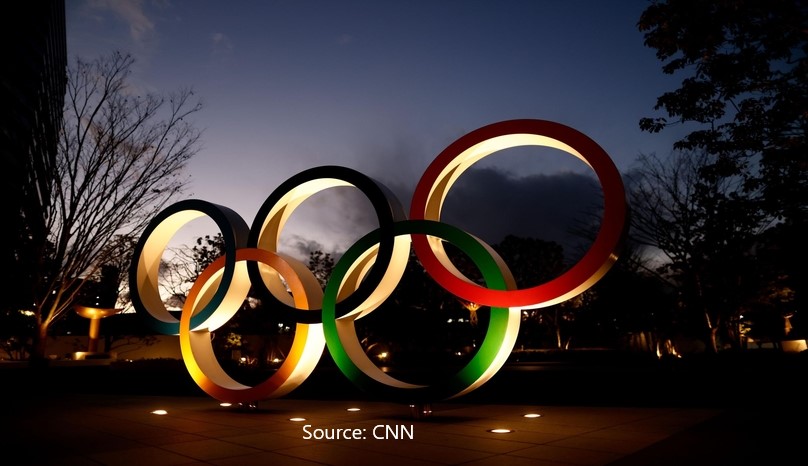
Olympic Games
What: The world’s most foremost sports competition, the summer Olympic Games see’s the world’s top athletes from more than 200 nations compete across 28 sports for the chance to win not just an Olympic medal, but create history and become both a sporting legend and a national and international hero.
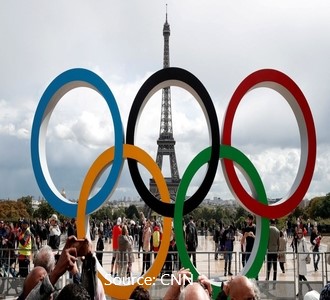
Inspired by the ancient Greek Olympic Games, the Olympics are also synonymous with not just the five Olympics rings representing both the continents of the world and global harmony, but also the flame of the Olympic torch, which burns from the beginning to the end of the Olympics.
Each Olympics will also kick off with an extravagant opening ceremony, with not just fireworks and musical acts, but a theatrical colourful performance which gives the host country an opportunity to showcases its history, virtue and uniqueness to the world as the many athletes taking part in the games, led by the flag bearers, parade around stadium track.
This is likewise followed by a closing ceremony at the close of the 17 days of the games, where in a show of unity and peace all the competing athletes will gather together to relieve and reflect on the best and iconic moments of the games and then celebrate the games in in a party like atmosphere accompanied by the best artists of the host nation.
When: The Olympic games take place in the summer months, usually from Mid-July to Mid-August, with the exact dates varying for both the start and end of the games and the days on which individual competitions will be contested.
Where: The venue and host country of the games will rotate every four years, with countries required to submit applications eight years in advance to host the games and then requiring significant investment in infrastructure and stadiums to accommodate both the athletes and spectators – expect the Olympics to take place in a first world country.

Duration: The games themselves typically last for 17 days, including the opening and closing ceremony, with events lasting as long as multiple days or taking place over the course of seconds. For the athletes involved the qualifying takes place in the years prior and for the host nation an Olympic torch relay – which sees the lit Olympic torch carried across all areas of the host nation will begin two moths prior to the opening ceremony.
If attending, it’s advised to look for a day when multiple events will be contested – often dubbed ‘super Saturday or manic Monday’ – as this gives you the best chance to witness multiple events being contested and the worlds greatest athletes compete.
Tickets: Tickets for the Olympics are divided into two main sections – the first being for people living in the host nation and then for those living abroad.
For those living in the host nation, given the infrastructure and spending of the host nation, priority will be given to local residents, with the Olympics creating a specially designated portal for those individuals accessible through [https://www.olympic.org] with sign up and then application required for tickets, which are distributed through a lottery based system.
For those living abroad, the same sign up and registration process is required but tickets can only be purchased through authorized ticket resellers – a list of whom for the previous Olympics is available at [https://ticket.tokyo2020.org/Home/ATRList?culture=en-us].
With both options also allowing a re-sale and the release of special tickets as the days of the games get closer, ticket prices varying between $70 usd to $300 usd, depending on the reseller purchased from and the day of the games being attended.
Need to Know: Alongside the laborious ticket process, it is strongly advised that if attending the Olympics in a foreign country to plan well in advance – with both hotels and transport expected to frequently increase in price as the games approach.
More Information: For further information on both the opening and closing ceremony, the past Olympics, the upcoming venues, the dates of the next games and to begin the process of applying for tickets visit [https://www.olympic.org].