Salar de Uyuni (Salt flats of Bolivia)
Table of Contents
Show
Overview:
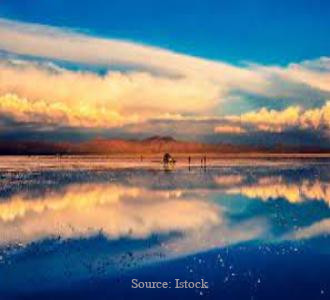
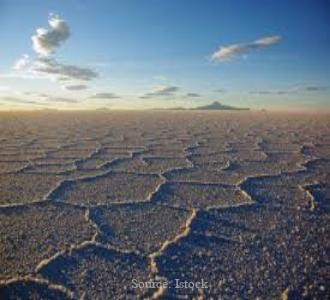
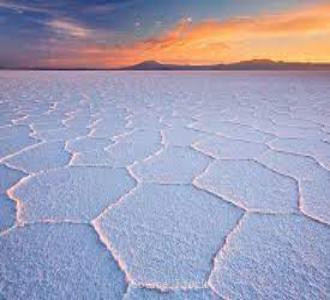
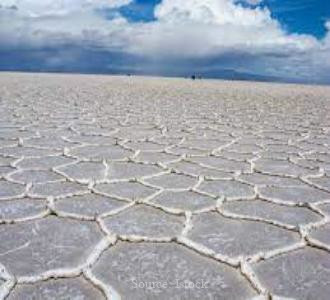
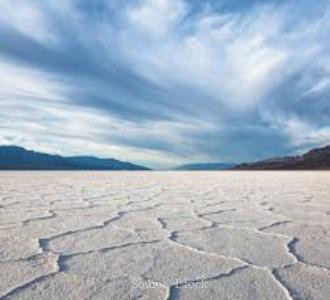
The world’s biggest mirror – and the world’s largest salt flat, the majestic Salar de Uyuni is a more than 10,000 square kilometre beautiful almost other worldly natural wonder filled with incredible hexagonal salt flats, beautiful cactus, rocky islands, towering volcanoes, multi-coloured lakes, flocks of flamingos – and arguably the greatest spot to see the sunrise, sunset and milky way on the planet – with the Salar de Uyuni which sits more than 3,000 feet above sea level being a place that will truly take your breath away.
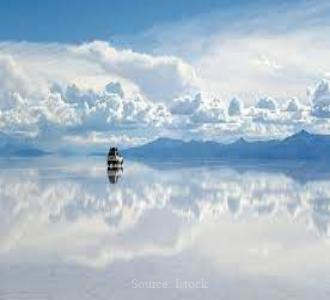
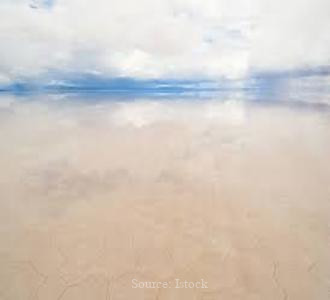
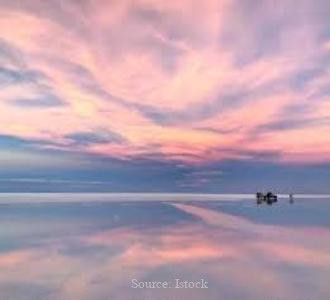
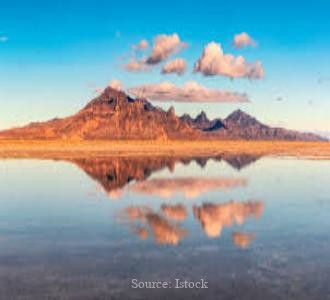
Home to more than 10 billion tonnes of salt and officially the worlds biggest lithium reserve, the Salar de Uyuni was formed some 10,000 years ago when the lake that once occupied this giant land mass dried up giving birth to the iconic flats – with the wet season in Bolivia seeing the nearby lakes flood onto the flats creating the famous mirror and reflective effect on the plains and blurring the lines between where the heavens and earth begin.
Alongside being home to stunning emerald and red lakes and a series of geothermal wonders – including bubbling mud pools and dormant volcanoes, the beauty of the Salar de Uyuni has also seen it hit the big screen with the other worldly landscapes of the Salar de Uyuni providing perfect setting for the disappointing Star Wars the Last Jedi and the Hollywood blockbusters of The Fall and the James Bond film the Quantum of Solace.
Further the stunning and unique setting of the Salar de Uyuni allows for not only illusion like photos – where the landscape allows explorers to place toy such as dinosaurs or cars and stand in the distance making them life size for funny illusion photos – but also sweeping views of the incredible flats – which are most evident during sunrise and sunset – where the beautiful flats are lit up by the bright sun turning a shade of orange and red – but also in the night time where the clear pollution free skies above the Salar de Uyuni allow for the perfect chance to star gaze and wonder upon the constellations, milky way and galaxy that reflect down upon the magical wonder of the world that is the Salar de Uyuni.
Where:
Found almost 12,000 feet above sea level the beautiful and majestic Salar de Uyuni is found in the Daniel Compos area of in the middle West of Bolivia close to the Andes Mountains and the Chilean Border.
Getting There:
Being a desert your in for a bit of a trek to get to the Salar de Uyuni – and you’ll need a tour guide to get into the highlights and explore the wonder – as the terrain is wild, unpredictable and not suitable for self-drive tours.
Given it’s size and it’s location to the border of Chile – the Salar de Uyuni is mainly accessed from the Bolivian cities of Uyuni or Tupiza or the Chilean town of San Pedro de Atacama – and for those doing the trip as a tour across South American it’s also a top tip that you can also finish at either of these cities as well – with the town of Uyuni being the most popular spot and town from which to commence tours.
So, if taking on the Salar de Uyuni from the Bolivian towns of Uyuni or Tupiza what we’d suggest is to fly into the main Bolivian airport of La Paz and then for those on a budget hop on a 10 hour bus or 4 hour train town to either city – or fly direct to save time and money and then begin your tour from either city with tours including pick up from hotels in both towns.
We’d advise against driving – both as you won’t be able to get your car onto the Salar de Uyuni – and also because the Bolivian traffic is both fast paced and unpredictable – so public transport is our pick to get to the wonder in Bolivia.
If heading to the Salar de Uyuni from the Chilean side, then your best bet is to fly into the airport of Calama from wherever you start your journey and then hopping on a bus to the town of San Pedro de Atacama in Chile – from where you tour will start.
From our side we’d recommend starting your trip in Uyuni and then ending in Chile and Salar de Uyuni – as your journey in will be a lot easier from the Bolivian side and the town of Uyuni – and it gives you an easy and cheap way to cross into the beautiful country of Chile to continue your journey.
When it comes to tours, be sure to do your research before hand — as some of the tours do skim on aspects such as safety, accommodation and meals – so we’d strongly advise budgeting a little more – (somewhere in the region of $300 Usd) for a private multi-day tour, that takes in all of the highlights of the beautiful Salar de Uyuni.
Best time to Visit:
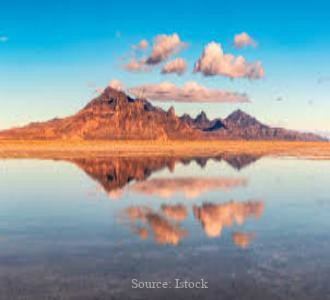
While you’ve no doubt seen the famous reflective Salar de Uyuni photos – it’s important to note that the effect doesn’t happen all year round in fact it’s only really only available in the wet season of Bolivia which occurs between December — April.
Alongside catching the stunning reflective view – you’ll also be in for far greater stunning sunrises and sunsets and have a much better stargazing experience which all reflect off the beautiful salt flats during the wet season.
However the wet season also brings with it both flooding and mud tracks which can also mean that trip to the beautiful Incahuasi Island and its incredible panoramic viewpoints of the Salar de Uyuni are off limits – so for this reason we recommend visiting between March – April where you should get the best of both worlds – both access to the stunning sights at the wonder and the beautiful reflective experience for a truly enjoyable experience at the wonder of the world that is the Salar de Uyuni.

Explore:
Stretching into the horizon, the 10,000 square kilometres of the wonder of the Salar de Uyuni is a truly majestic site, with the stunning reflective hexagonal shaped salt flats, the sparkling lakes, the towering mountains and of course the beautiful wildlife – including the flocks of flamingos combining into a desert like wilderness full of incredible natural beauty and diverse landscapes.
While the highlight of your trip will undoubtedly be stepping onto and exploring this rich beauty of Salar de Uyuni that is almost from another planet– the easiest way to do so on is tour as travelling across the vast wilderness by yourself will not only see you have a tough time navigate to the highlights, but you also run the risk of both breaking down in the salt flats and of course finding yourself alone amongst the 10,000 square kilometres of the Salar de Uyuni – which while beautiful can be unforgiving.
So before beginning your exploration we’d advise to carefully select your tour operator – make sure they’re reputable, it’s a private trip and the accommodation they provide is up to scratch – and make sure it’s a multi-day trip as you don’t want to miss out on the gorgeous sunset, sunrise and night time stargazing experience on Salar de Uyuni – still with that all sorted and having given yourselves a few days to adjust to the high altitude (the Salar de Uyuni stands at 3,650 meters) the below are our picks of things to do and see when visiting the majestic and beautiful Salar de Uyuni:
Witness Sunrise on the Salar de Uyuni:
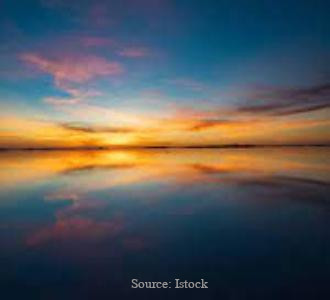
You’ll have to get up early, but witnessing the incredible sunrise on the Salar de Uyuni is truly awe-inspiring, as you see the border between heaven and earth merge into one and the dark violet reflections of the Salt Flats light up in deep red and orange giving the Salar de Uyuni life and creating a truly beautiful and kaleidoscopic array of colours – that reflect back off the mirror like reflection of the salt flats.
One to make sure your tour includes, we’d recommend making sure that you get a tour with multi-day option to take advantage of camping or getting a decent holiday on the flats – to make your morning wake-up call that bit easier and be prepared to come with a flashlight and some warm layers as the night time does get chilly – but if you come well prepared and with a decent camera you’re in for a full treat as you observer one of the greatest sunrises on the planet that lights up the incredible wonder of the world that is the Salar de Uyuni.
Uyuni Train cemetery
Once one of the greatest train lines on the planet, the Uyuni train ferried foods, metals and of course salt across the Salar de Uyuni and connected Bolivia with Chile and to the cost of the South Pacific Ocean.
Now while the train line lies abandoned, a series of empty carriages and locomotives lie on the line creating the Uyuni Train Cemetery and adding to the eeriness and desert atmosphere of the Salar de Uyuni.
Officially abandoned in the 19th century, the former British train carriages are now adorned with Graffiti – and make a really interesting destination to explore as you climb within the carriage and photograph this historic and abandoned carriages that help tell the fascinating story of the Salar de Uyuni.
Monuments (Dakar Rally & Island of Flags)
Travelling on from the Uyuni Train Cemetery, you’ll come to two monuments – the first being the monument to the famous Dakar Rally – the biggest and most dangerous rally in the world that see’s adventurers travel across thousands of kilometres of terrain in tough conditions and unsuitable cars.
Unfortunately, though the Dakar Rally which was once the pride of the Salar de Uyuni and which bought a great economic boost and attention to this majestic wonder has moved on from South America to the deserts of Dubai, but a quick visit to the monument is definitely worth it in our books – not only to get your imagination and interest going for future rallies but as it offers a great spot to look over the beauty of the Salar de Uyuni.
From the Dakar Rally monument, you’ll also come to our favourite monument in the whole of the Salar de Uyuni – the monument to flags – where you channel your inner Amundsen and plant a flag of either your country, football team or family to mark the spot where you stood on the Salar de Uyuni.
Colchani
The beautiful town of Colchani is a true desert town – with a population of just 700 – and it’s hear where you will likely stop for both some food, a good sleep – and perhaps most importantly of all a souvenir – with the selling of tourist memorabilia being a vital economic resource for this small town.
It’s a also a unique town – as any town situated in the desert will be being home to a giant salt distribution operation that harvests the salt from the Salar de Uyuniand makes sure it reaches Bolivia and beyond – and we’d really recommend not only trying the salt on offer but also investing in a souvenir to support the locals and make sure you have a beautiful reminder of your trip within the wonder of the world that is the Salar de Uyuni.
Incahuasi Island & Rock Formation:
Moving further on and you’ll get to the postcard spots of the Salar de Uyuni — the Incahuasi Island it’s famous cactus and rock formations that will give you those sweeping views of the salt flats in all their glory.
The Incahuasi island – which is often not accessible in the wet season (which is why we advise going in March or April where you can the best of the reflection and the beauty spots) is a desert rocky hill in the middle of the flats that stretches for some 60 acres and is home to a series of classic desert Cactus — some which tower 10 feet into the air and which are testament to the ability of life to thrive in even the harshest of conditions.
Believed to have been formed as the result of one of the volcanoes that dot the Salar de Uyuni erupting tens of thousands of years ago, the Island sits in the middle of Salar de Uyuni – and after a steep 15-minute trek to the summit you’ll get incredible panoramic views that stretch all the way into the horizon for majestic views that reflect the clear blue sky of the stunning salt flats – for one of the best photo spots in the whole of the wonder.
For those who spend a bit more time at the top you’ll also get the chance to explore the aptly names Desert of Dali – a series of unique rock formations that supposedly resemble the famous works of the great painter with their unique and other worldly shapes providing further awe—inspiring if confusing — sights for you to both photography and admire within the wonder of the Salar de Uyuni.
The Big Stone — Arbol de Piedra
Leaving the glamour and stunning views of the Incahuasi Island – your next stop will be a quick one as you head to the Arbol de Piedra – a big rock found in the valley of Rocas that summits at least 20 foot fall that resembles an overgrown tree.
While the rock itself may not sound interesting, the fact it still stands in the middle of the incredible Salar de Uyuni make it unique and gives it an almost mirage effect as you snap if from both close up and a far and adds to already other worldly and beautiful landscape of the Salar de Uyuni – for one of the greatest rocks on the planet.

Tunupa Volcano
From the glamour of the rock – you can then expect your tour to take you to one of the most beautiful sights that dots the landscape of the Salar de Uyuni – the mighty Tunupa Volcano.
Officially dormant, the Tunupa Volcano is not only a stunning wonder on the edge of the Salar de Uyuni that makes for incredible photos when standing on the salt flats, but is also sacred to the indigenous Bolivian Communities who live on the Salar de Uyuni, with the Volcano carrying it’s traditional name of Tunupa – which literally means God of Thunder.
Towering over the Salar de Uyuni – the Tunupa Volcano stands at more than 17,000 feet so you’ll need a special tour and plenty of mountain climbing experience to summit it as well as a good head for altitude, so what we’d suggest is asking your guide to let you summit to the view point on the Tunupa Volcano- which is accessed after a 3 hour hike and from where you can reach the first level of the Volcano – at a much more manageable 5,000 feet – and from where after a trek up some soil and ash you will find yourself at a viewpoint where you can look over the whole of the Salar de Uyuni for some absolutely incredible views of this beautiful and natural wonder.
Sol de Manana
A geo-thermal wonder, the Sol de Manana is in our view one of the most underrated sights in the whole of the Salar de Uyuni – as it sees a series of bubbling mud lakes stretched out over miles from where you can see the Volcanic activity of the dormant volcanoes of Salar de Uyuni first-hand.
Bubbling away under the surface, the lake is affectionately known as the Morning Sun (not to be confused with the stunning sunrise) — but you’ll smell it before you see it as the strong sulphur aroma of the lakes greets you – but as you do approach the bubbling lakes you’re in for a rare treat as you can get as close as you wish (just be sure not to get too close) – with the lack of safety barriers allowing you to get great photos of this special geo-thermal wonder.
Eduardo Avaroa Reserve
The Famous Eduardo Avaroa Reserve and its Lagoons of the Salar de Uyuni is home to not only stunning birds – including the famous desert Flamingos – but also a series of stunning and sweeping landscapes – including mountains, hot springs, geysers, and Volcanoes – and lies at the south side of the stunning Salar de Uyuni.
A chance to experience different terrain – you can expect multi-day tours to head to the Eduardo Avaroa Reserve for a true exploration and adventure paradise in the heart of this natural beauty with the reserve being not only the most visited and protected within Bolivia, but also being one of the highest on the planet – clocking in at more than 13,000 foot in height ! – for some stunning natural scenery that is guaranteed to take your breath away.
Laguna Colorada
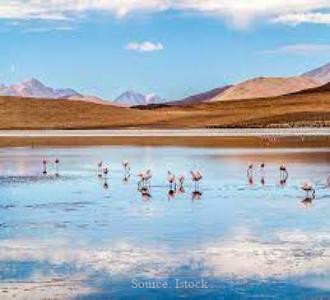
Chief among the beauty of the Eduardo Avaroa Reserve is the famous Laguna Colorada – the great Red and famous lagoon which is home to a number of species of beautiful Flamingos – who flock to the lake all year round.
A true privilege to watch these beautiful birds in the wild – it’s even more beautiful at both the high altitude, against the beauty of the Salar de Uyuni and combined with the beauty of the red lake – which shines a colour of dark red thanks to the algae and environment in which it sits.
Another stunning and unique other worldly photo spot, the Laguna Colorada is easily hike able – which makes it even more incredible as you travel around the beautiful lake watching the beautiful flamingo’s basking in the unique beauty of the Laguna Colorada.
Laguna Verde
From the Red Lake of Laguna Colorada you can also head to the green lake of Laguna Verde – the sparkling and shining lake that frequently turns shade of different variants of green and which sits against the beautiful Lincancabur volcano creating a beautiful reflection of the geothermal volcanoes and the Salar de Uyuni in one stunning bright lake.
An unsurprisingly Salt Lake, the Laguna Verde is unfortunately absent flamingos as it’s somewhat acidic, but it is found in the south of the Salar de Uyuni in the Altiplano region – which means you can easily use it as a final stop on a trip round Salar de Uyuni — and wonder around the turquoise and Emerald lake of Laguna Verde and marvel on its beauty and that of the whole of the Salar de Uyuni before travelling on.
Photos:
Alongside visiting the many enjoyable wonders of the Salar de Uyuni – one of the most fun experiences is taking photos on the flats – not just so you have the famous images of yourself reflected on the flats or gazing into the night sky – but also because the unique terrain of the Salar de Uyuni allows you to create a series of fun illusion photographs whereby if you stand in the distance and place a small item or toy – such as a dinosaur, truck or figure in the forefront of the photo you can snap some illusion photos.
Using clever depth and light settings on your camera – you’re in for no end of fun and you’ll see people stopping all over the flats to create these photos – so our advice would be to come prepared not only for the stunning terrain, sunrise and sunset photos of the Salar de Uyuni – but also come with a series of mini toys or items to let you truly take advantage of this natural wonder for a series of hilarious shots set across the beauty of the incredible wonder.
Sunset watch:
Having snapped sunrise, the beautiful Laguna Colorada and the stunning panoramic views from a top the Incahuasi Island you’ll be almost at the end of the day – where the best is till yet to come in the form of the beautiful sunset that reflects against the stunning salt flats into the horizon and lights up the beautiful terrain of the Salar de Uyuni.
Beginning around 6pm, this phenomenon is truly special and will present a kaleidoscope of colours from bright orange to dark red that reflect back off the stunning salt flats, into the horizon as the bright Bolivian suns burns for a truly beautiful display – giving you a series of truly stunning photos — before it gives way to something even more spectacular – crystal clear images of the galaxy and Milky Way.
Stargazing:
Thanks to both the reflective salt flats, the high altitude and the complete absence of pollution in the Salar de Uyuni owing to its desert landscape — the Salar de Uyuni is one of the best spots on the planet to go Stargazing with the clear nights and location of the Salt Flats turning it into the best Planetarium in the world and giving you beautiful views of the galaxy and milky way above that stretch into the horizon.
Best viewed in our view from one of the Kachi Lodges – a series of circular domes with clear roofs from where you can view the night sky in comfort – you can also wrap up warm to go camping under this stars – and it’s highly advised to bring a decent camera and a beginners guide to cosmology as you witness the almost other worldly view of the Galaxy, the Milky Way and the heavenly stars above you that reflect back off the true wonder of the world that is the Salar de Uyuni for a truly magical experience.
How long to stay:
While there are 1 day tours available from all three cities that will take you to the main day time spots of the Salar de Uyuni – you’ll only get a snapshot of this beautiful wonder – and miss out on the incredible sunrise, sunset and stunning clear skies and milky way views reflected on the Salar de Uyuni in the evenings – which are truly breath taking and awe-inspiring.
For this reason we really recommend a 3 day tour – which will give you enough time to venture deep into the salt flats and experience multiple sunsets and star gazing opportunities and get a ache to experience the many scenic and beautiful spots during the day – and snap those all important reflective and illusion photos.
Factoring in the important and necessary 2 days for altitude acclimatisation in Uyuni (or from your starting point) all in all you can expect your trip to the wonder of the Salar de Uyuni to be spread across 5 incredible days.
Top Tip:
Thanks to the more that over 10,000 square kilometres of beautiful, reflective and majestic natural plains that make up the Salar de Uyuni there’s little need to worry about safety compared to when exploring the rest of the beautiful city of Bolivia – however there are a few things to be conscious of when visiting the Salar de Uyuni.
Firstly – unless you have an unlimited budget or an adventure travel show behind you – you’ll need to get yourself on a tour to explore the incredible Salar de Uyuni, and this is where you’ll encounter your main obstacle for visiting the wonder.
While prices for trips from all three of the access towns (Uyuni, Tupiza, San Pedro de Atacama) vary between $100 Usd — $350 Usd in price, you need to account that the cheaper options are likely saving money by putting travellers in outdated buses, cramped accommodation and will often give you limited time at each of the key exploration spots – if any at all.
So our tip would be to ensure you not only budget a bit more money for a tour – and make sure it’s private and an overnight (so you can watch the incredible sunrise, sunset and Milky Way) but also make sure you have a strict criteria – which includes a capacity limit, a driver who speaks your native tour, making sure the tour drops you off where you want (you can use the tour to travel between countries) and most importantly has a decent reputation for safety – with the tour companies Oasis and Dali known to have had previous incidents of safety breaches in the past.
Alongside this we’d also advise you to book your tour in advance and online through a reputable vender – with those who book in persons at one of the cities especially Uyuni likely to face scammers and high prices and over-priced and low quality tours and we’d advise as well to come prepared with plenty of snacks and water regardless of your tour as they can be hard to come by in the Salar de Uyuni.
Having sorted your tour, it’s also necessary to account for the high altitude of the Salar de Uyuni – with the wonder lying at some 12,000 feet – we’d advise both giving yourself some acclimatisation time in Uyuni and coming with plenty of water and altitude sickness tablets – which combined with the large amount of time you will spend in the car both arriving and crossing the slat flats can make the flats a rocky and unbalanced place – so be sure to plan ahead.
Further, despite the desert vibes of the Salar de Uyuni, the wet season while being the most popular and offering the reflective view also offers the coldest temperatures at the wonder – especially at night – so we’d advise for the evening to be sure to bring a couple of extra layers, glove and a sleeping bag if camping to give yourself a more enjoyable experience when stargazing – and then for the daytime be sure to come prepared with sunscreen, a decent brimmed hat and some swimming gear for the day – as you are likely to experience both the extremes of heat and cold during your trip round the wonder.
Finally for the keen photographers amongst you – be sure to not only time your visit for the wet season between December – May where the rain creates the incredible mirror and reflective effect for truly stunning photos – but come along with a series of props – such as toy cars, dinosaurs and movie memorabilia – which when laid on the salt flats with yourselves in the distance will allow you to create a series of fun and illusion like photos with a series of poses against the backdrop of the wonder of the world that is the Salar de Uyuni.
Cost:
Half the battle with the cost is making sure you get the right tour guide and company who really can make of break your trip – and alongside all the top tips for picking a tour guide for the salt flats you’ll also have a range of prices for your tour – which differ based on length, comfortability, duration and of course whether it’s a private or shared trip.
While prices for yours range from $100 Usd — $350 Usd for tours – we’d really recommended heading for one that’s a multi-day trip at the top of the price range that’s private. This will not only ensure that you get to see the incredible sunrise, sunset and get stargazing opportunities over the Salt Flats, but give you control of which bits of the Salar de Uyuni you get to see from the explore section above – and if it’s private as accommodation can be unpredictable in the desert give you a decent chance of ending up in the Kachi lodges for star gazing opportunities.
You’ll also find the multi-day tours take in more of the stunning sights of the region – including the Eduardo Avaroa Reserve and see you paired with an English Speaking guide – which can really help you appreciate the beauty of the salt flats as you travel across them.
So combining a more expensive multi-day private tour – and being sure to haggle when booking if booking in person and combining the cost with the entrance fee $20 Usd to the park, the crossing of the border $2Usd along with a budget for some snacks you can expect a multi-day tour to come in at $200 Usd – a decent price to explore one of the worlds most remote and majestic natural wonder of the world.
You can expect this price to rise by between $10 — $500 Usd to get to one of the three towns ( Uyuni, Tupiza, San Pedro de Atacama) from where the majestic Salar de Uyuni can be accessed and accounting for visas based on your travelling start point.
Fun Fact:
Alongside being the worlds largest Salt Flats – and the World’s most natural (and in our view stunning) mirror – the Salar de Uyuni is unsurprisingly a hot spot for Hollywood with numerous blockbusters taking advantage of the majestic salt flats to create other worldly or eerie scenery – with the disappointing Star Wars the Last Jedi film, and the excellent Fall and the James Bond Film Quantum of Solace both using the Salt Flats for their finales.
Best photo spot:
With the salt flats offering other worldly terrain, as well as being the sight of many epic film locations and being the largest mirror in the world with the horizon blurring the lines between where the heavens meet the earths – it’s not only a majestic and beautiful natural wonder but one of the best places on the planet to create ‘mirage’ and wacky and fun photos.
Because of this, you’ll get a unique chance to play photography tricks – including perception and distance – so we’d advise bringing a series of props – including the popular toy dinosaurs, buses, and spaceships – which when sat on the Salar de Uyuni and when you take a few steps back allow you to create a phenomenon that the toys are life size – giving you some truly funny shots and poses.
On a more serious notes – the more famous salt plane reflection photos are a must snap – so remember to time your visit during the rainy season for this shot – or if visiting outside the rainy season make sure you get on a tour that heads up to the top of Incahuasi island from where you get panoramic and sweeping views of the salt flats in every direction.
Finally regardless of the time you go you’ll be in for some of the best sunrises, sunsets and sight time views on the planet – which are doubly enhanced thanks to the symmetry effect of the salt flats mirror phenomenon – with a stay in the Kachi huts on the planes definitely recommended as you enjoy the stunning galaxies and milky ways lighting up the salt flights in some of the most clear and romantic skies that stretch to the horizon that cap off a day spent exploring the true natural wonder of the world that is the Salar de Uyuni.