Serengeti National Park
Overview:
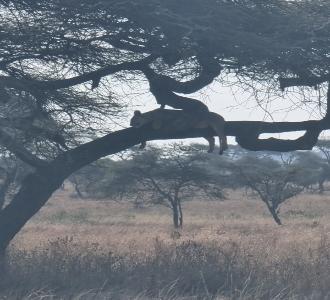
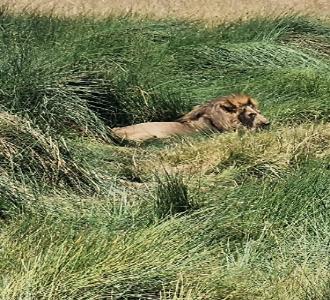
The greatest and most spectacular eco-system on the planet – the vast 12,000 square miles of the Serengeti National park is home to millions of incredible wildlife and Fauna, with the stunningly beautiful plains, woodlands, rivers and forests of the Serengeti being host to the greatest natural spectacle on earth the great migration –- and being the best place in the world to spot the Big 5 (elephants, buffaloes, rhinos, leopards and lions) on safari, which helps make the incredible Tanzania African plains of the Serengeti National Park a truly incredible natural wonder of the world.
While the great migration, which sees which millions of wilderbeest, half a million Zebra and 350,000 Gazelles amongst others traverse the great plains of the Serengeti battling the odds against prey, overcrowding and the elements to survive and breed helps fuel the immense wildlife spotting opportunities at the Serengeti, the National park is also home to rare fauna and canyons and millions of rare birds which help make up the more than 800 species that call the Serengeti home. With the Serengeti National Park being considered part of the larger Serengeti Eco System that also includes the incredible and unique wonders of the Ngorongoro Conservation Area and the Masai Mara National Park that lies over the North border of Tanzania in Kenya.
With the national park being easily explorable through incredible exploration drives – which let you take in a magnificent African sunrise and sunsets, as well as on foot through guided walks and from the balcony of some of the worlds greatest nature lodges, the incredible plains and natural paradise of the Serengeti along with it’s millions of animal residents help make the Serengeti National park a natures paradise and a truly incredible wonder of the world.
Where:
The Serengeti National Park is found in the North of Tanzania – with the Serengeti Eco system stretching from the North of Tanzania all the way into Southern Kenya and is part of which includes the Ngorongoro Area, the Maswa Game Reserve and the Masai Mara National Reserve.
Getting there:
The easiest way to get to the Serengeti National is to head to one of Tanzania’s main international airports – either Kilimanjaro International Airport or the Julius Nyerere International Airport – from where you can get picked up for a multi-day tour that will take you to the main highlights of the park with tours also leaving directly from the town of Arusha near the Kilimanjaro International Airport for those we are travelling round Tanzania at the same time as exploring the wonder of the world that is the Serengeti.
Alternatively for those who want to get straight into the Serengeti you have the option to fly by private plane into Seronera Airstrip or even self-drive to the Serengeti with the main highway from the town of Arusha leading you to the gates of the park and into the vast eco-system of the Serengeti – just be warned that anyone self-driving will be liable for any animal related incidents.
Best time to Visit:
The Serengeti is one of the few wonders where there’s no best time to visit – as the beauty of the animals, plains and parks stay fresh and can be seen all year round.
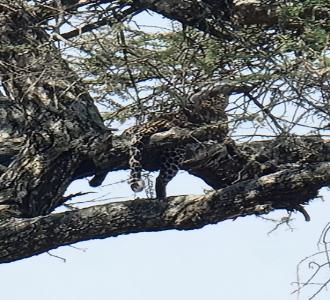
What we’d recommend though is timing your visit to the Serengeti with the great migration which is especially good during July – October and December – March as the wildebeest cross the Serengeti plains – for those who want the off peak tourist season you might to try your luck in April – May when there are occasional rain storms, but which make for great viewing of animals at the various river and watering holes in the Serengeti, including our favourites of the Seronera River, the Grumeti River, the Mara River and the always spectacular Retina Hippo Pool.
But a visit to the Serengeti is always special and should be done based on your own personal preference, with the full Great Migration schedule listed below:
January – March: The migration will begin from the southern edges of the Serengeti – expect to see the herds graze, birth and raise their young in these three months, with a flock of predators following them and seeking to separate the young from the adults for easy prey.
April – June: Following the raising of the young and the consumption of the graze, the herd will move into the centre of the Serengeti, followed by flocks of Zebra’s and smaller mammals, you can expect the early parts of courtship (read fights between males) to begin amongst wildebeests during this period.
June – August – this is the danger zone for the herd and animals, you can expect dramatic scenes as they try to navigate the crocodile infested waters of the Serengeti – including the famous Mara River where packs of lions wait on the banks to ambush any animal separated from the pack, for those wanting to watch nature at its rawest and most extreme, this is the time to head to the Serengeti.
September – December –the heard enjoys a month of quiet as they cross the border into Kenya and take time to further graze, before following the rains they cross back over the Mara surrounded by waiting cheetahs – and begin the cycle again.
Explore:
Alongside the incredible and vast plains, the true beauty and wonder of the Serengeti is in the Millions of wildlife, birds and fauna that call the area home, with more than 1 million wildebeest, half a million Zebra and 350,000 Gazelles as well elephants, Giraffes, Lions, Buffalo, hippos, crocodiles, monkeys and an assortment of exotic birds making up the more than 800 animal species that call the 12,000 square miles of vast plains, forest and water holes in the Serengeti home.
While the Serengeti is home to the greatest natural spectacle on Earth in the Great Migration – where more than 2 million species traverse the plains to feed, birth and survive, it’s also an incredible natural and beautiful paradise that can be explored in an assortment of ways including nature walks, game drives, hot air balloons, river cruise and even overnight comping.
Although the Serengeti is officially split into the following four areas:
The North – which features the areas of Kogatende, Lobo, Loliondo which is the home to the Mara river and is considered the more luxurious and high end area of the Serengeti for tourists.
The East and central area – which is the most popular and crowded area and which offers stunning views and incredible wildlife options.
The South – which is a great place to see birthing activities of the animals in January and March and sits right on the road from Arusha.
The West – which features the fabled western corridor – with great spots to view wildlife, rivers and is a great option year-round.
The vast plains means that as long as you follow the cycle of the Great migration, you’ll be guaranteed an incredible experience, with plenty of wildlife viewings and memorable experiences. Alongside this the below are our best recommendations of things to do, see and explore when visiting the incredible wonder of the Serengeti:
Sunrise game drive:
An incredible opportunity to witness the great sunrise over the beauty of the Serengeti and spot the African big 5 (buffalo, elephant leopard lion, rhino) and the rest of the residents of the Serengeti who have their morning caffeine – you’ll find yourself in an open top 4‑wheel drive cruising along the great plains of Africa for about 4 hours, until the midday sun begins to rise, with an early morning sunrise game drive offering you the best chance to spot lions on the hunt and leopards and Buffalos by watering holes for an absolutely incredible experience.
Sunset Game Drive – as with the sunrise drives, you should also get yourself on a sunset rise, as like humans the residents of the Serengeti tend to avoid the midday sun over the plains and will return to activity – giving you the best chance to view them as the sunset sets. As well as offering stunning photos of the incredible African Sunset over the beauty of the Serengeti plains – you’ll also get the chance to grab a torch and spot nocturnal animals and witness the beauty of the wonder of the Serengeti illuminated by the night stars.
Just one tip to note for the sunset and night-time drives, in that only a select few lodges have permission to drive along the plains at night for the safety and protection of animals – so it’s advised to book well in advance and be sure to make sure the tour you’re with is legitimate.
Guided walks:
While the presence of the Big 5 on the hunt can be enough to put some people off walks along the Serengeti – a series of guided tours across the wonder give people the chance to get up close and personal and discover rare resident sof the Serengeti. Just be sure to go with a guide, who will likely carry a gun for protection and take you off the beaten track deep into the heart and undiscovered terrain of the Serengeti.
Hot Air Balloon Safari:
A truly memorial (if expensive) experience – taking a hot air balloon over the Serengeti is unquestionably one of the best to witness the true scale and majesties of the Great Migration and get a real feeling and understanding of the scope and scale of the Serengeti – as you soar about thousands of migrating and hunting animals beneath you.
Incredibly popular with the migration cycle Ait balloons ascend in the morning and typically carry 10 people – although you can hire one for yourself if money allows – and start with the exceptional African sunrise as you get a sky high view of the beauty of the nature below – and are then typically topped off with a morning champagne class to allow you to celebrate and reflect on the incredible wonders of the Serengeti you’ve just witnessed.

Lodging in the Serengeti:
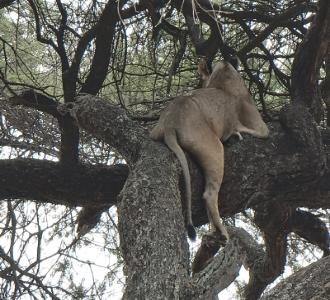
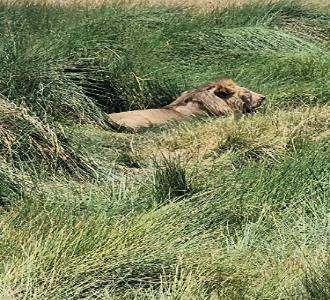
An underrated element of exploring the Serengeti, but it’s possible to stay in the heart of the Serengeti – either in a small tent in the wilderness or in a high end exclusive lodge and watch the beauty of the Serengeti and it’s residents stroll pass you – or even be waken by the sound of elephants, lions hunting or Zebras on the march.
While camps and tents are offered all offer the main four parts of the park, we’d recommend heading away from the centre and setting yourself up in a Lodge in the south or the Serena area, where panoramic views of wildlife can be seen as you eat, swim and relax, with the lodges also being the best place to jump on a night safari cruise or evening walk.
Alongside the best way to explore the Serengeti, there are also multiple nature highlights of the great wonder that really shouldn’t be missed. While there are numerous across the 12,000 square miles of the wonder, the below are our top 7 natural sights not to be missed:
Serengeti National Park & Plains (Proper):
While used as a broad term to describe the whole of the Serengeti Park – which is a part of the Serengeti Eco System, the National Park and plains are the home of the millions of animals and home to the great migration – so it’s where you want to make sure you end up when heading to the wonder.
It is in this area that you’ll find yourself based when you first begin exploring the wonder, and from there where you’ll be able to witness the big 5 and millions of mammals that roam the grassland,
forests, hills and lakes of the wonder and from where you begin the process of exploring the wonder through the methods above.
Wildebeest Migration:
The greatest natural show on the planet – the Wildebeest Migration takes home in the Serengeti and is a a year round event in which millions of wildebeest and hundreds of thousands of game migrate in a circular motion in an endless journey seek out fresh grazing grounds, water, partners and mating and birthing condition – and is what makes the Serengeti so special as the residents and migration offer guaranteed sightings of some of the most majestic animals on the planet all under one roof.
Beginning at the start of the year in the Tanzania’s southern Serengeti, the herds which includes zebra’s, gazelle’s and elands travel 500 miles clockwise through the Serengeti and up into Kenya’s Masai Mara reserve, having to navigate along the way predators, which include lions, hyenas and gators hunting in packs and the tough conditions of the plains which cause thirst, hunger and exhaustion causing the loss of a quarter of a million of the herd – making the migration not just one of the toughest journeys on earth, but also a natural spectacle like no other.
For those witnessing the Wildebeest migration in the Serengeti, be prepared for epic clashes between prey and predator, especially over the Mara river which offers stunning natural sights, but which can also be an upsetting sight for some as tens of thousands of animals are known to drown, stampede or fall victim to their prey in attempt of making it across the river.
Mara River:
Unquestionably the best spot for natural nature viewing in the Serengeti during the Wildebeest Migration, the Mara River crosses both Kenya and Tanzania, and flows into the Maasai Mara area in Kenya – with the Mara river being one of the best places to witness the action in the Serengeti National Park as crocodiles attempt to feast on the wildebeest crossing the river and sections of the river being too deep for the Wildebeest to cross.
Known for its life and death parade and for its countless features by Attenborough, if you arrive early enough at the river you’ll actually see the Wildebeest queuing to cross the river – with tours known to spend days perched safely away watching the splendour and raw nature that is one display here during the great migration.
The Retina Hippo Pool:
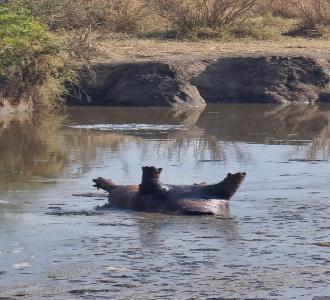
For a more gentle experience to witness nature in the Serengeti waters, we’d recommend checking out the Retina Hippo Pool – which should come as no surprise to you houses hoards of Hippos and is neatly located in the south of the park – with the Hippo pool being a great chance to observe hippos in their natural habitat and snap some incredible photos.
Seronera River:
Found in the heart of the Serengeti the Seronera river sits in one of the best and most accessible areas to see wildlife as the beauty of the area and it’s natural river attracts animals seeking food and water, which in turn attracts prey who seek out their own food – with the river crossing considered one of the big three rivers that migrating animals must cross on their journey across the Serengeti – meaning that the Seronera river is truly special place to witness both the natural and nature wonders of the Seregnti.
Grumeti River:
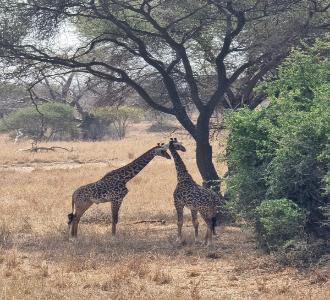
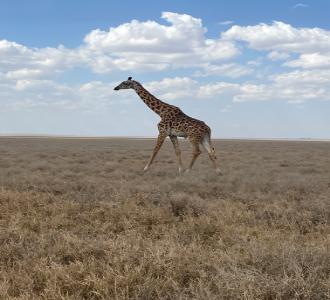
Another key river to be crossed by animals migrating, the Grumeti river is found in central Tanzania again near Seronera and is considered the place to witness Darwinism in action, action guaranteed – as the migrating herd cross the heavily crocodile infested river to try and continue on their journey – with the Grumeti river also so special and arguably better than the Mara river for wildlife and nature lovers as the great grumeti river is also a hot spot for Giraffes with the tall trees and beautiful flora enticing them to the river – and offering a place for truly stunning photos.
Visit the Masai Tribe:
While the focus in the Serengeti is rightly on the incredible wildlife and natural beauty, it’s often overlooked that there are still tribes that call the great plain of the Serengeti home – the Masai Tribe.
The Maasai tribe are known to have lived and hunted in the Serengeti for more than 400 years and are often dressed in bright red colours being known to live in both Kenya and Tanzania. You’ll find that most tours across the Serengeti end with a stop to visit the tribe and their villages – both as a way to increase funds to the tribes and as a way to educate tourists about the history of the Serengeti, with a visit to the tribes often seeing a well-rehearsed musical performance and giving visitors a chance to explore and learn more about the culture, beliefs and lifestyle of the indigenous Serengeti Masai Tribe.
Alongside the Serengti National Park – we’d strongly recommend combing your trip there to see the wonders of the Ngorongoro Conservation Area and the Maasai Mara National Reserve – which are frequented by the migrating herd and are themselves unique wonders that make up part of the Serengeti Eco System.


How long to stay:
While you get 2 days 1 night packages – having journeyed to the Serengeti we’d advise staying at least a week and preferably 10 days to make sure you have a chance to truly explore the incredible nature at the park and give yourself a chance to see all of the Big 5 and witness the greatest natural spectacle on earth in the great migration.
Top Tip:
Alongside the obvious tip of being careful around wild animals and not antagonising the animals, especially the Big 5 – we’d advise to read up on exactly which part and where you want to see the migration and Serengeti and bring plenty of water and sunscreen – with our personal recommendation being to head to the Serengeti in August to witness the incredible crossing over the Mara and Grumeti rivers – and going all out with daily sunrise and sunset tours, a hot air balloon and a pricey lodge – as experiencing the great migration at it’s peak is likely to be a once in a lifetime experience.
Cost:
A trip to the wonder of the Serengeti is pricey, while entrance to the parks clock in at $60 USD a person – you’ll have to book tours as part of a package which normally come in at $3000 USD for a decent multi day tour that includes sunrise and sunset drives and guided hikes to the best areas, with a hot air balloon safari coming in at at least $500 usd and a decent lodge – which is really recommended coming in at $600 usd a night – for those on a bit of a budget you can camp for $50 Usd a night – but be warned there is no protection from the animals.
All told we’d advise budgeting $6000 Usd for a top class experience at the Serengeti – which is a big investment but surely worth it given the quality of the wonder.
Best photo spot:
Any photo of one of the big 5 in the wild is something that will stay with you forever – and alongside the no doubt hundreds of photos you’ll take in your time at the Serengeti Park a shot of the giant plains from above in a balloon tour, or at either sunrise and sunset are great options for a unique yet spectacular photo of this incredible wonder of the world.