Skeleton Coast
Overview:
The end of the Earth – a journey across the 500 kilometre haunting and dramatic coastline of Namibia’s Skeleton Coast is as enthralling and as off the beaten track as any explorer can go, with the strong and relentless Benguela currents and winds of the Atlantic Ocean combining with 100 metre sand dunes and harsh and remote desolate desert to create not only a striking and unique nothingness landscape – but the world’s largest cemetery for sailors from which this unique wonder of the world takes its name.
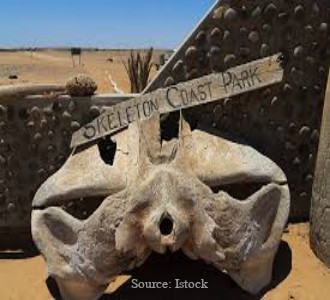
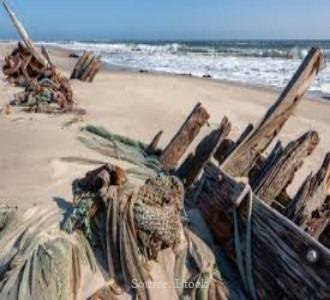
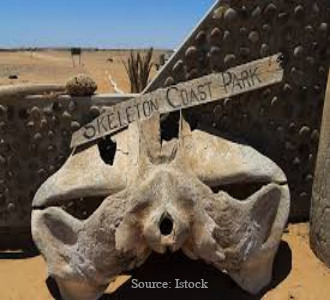
In fact so harsh are the conditions on the skeleton coast – which included a combination of dense fog, restless tides and maelstrom currents — that it would not only be sailors who would meet their end on this vast desert, but whales too – with the hallowed out remains of shipwrecks and whale bones still dotted along the coast for those unfortunate enough to have run aground in this desolate desert as a result of either the tough conditions, through lack of water or food in the harsh desert or from the waiting preying packs of hyenas, jackals or lions who served as a welcome party and patrol the shores.
Yet while the Skeleton Coast serves as reminder of the power – and havoc – that nature can bring, it is also uniquely beautiful standing as a landscape like no other and so far removed from civilisation that a journey across the coast surveying the rusted remains of the ships and whales who have fallen here that dot the coast not only make for an evocative and inspiring journey, but also give explorers a chance to take in the best of Africa – with parts of the Skeleton Coast having developed into one of the most unique eco-systems on the planet, home to not only unique flora but some of Africa’s big 5 who have found a way to not only survive but thrive in these tough conditions.
Christened also as the “land God made in anger” – thanks to its reputation as a barren landscape – the vast an Skeleton Coast, which is backed by its famed soaring sun-coloured dunes, extends south from the Angolan border down to the town of Swakopmund – and is officially divided into two parts – with the southern part from the Ugab River to the bay of Torra being open to all, and the Northern part – which is where you’ll find the most dramatic – and in our view best scenery – only explorable with licensed operators given the challenging and deathly conditions that await travelers there.
Explore: Explorable by self-driving 4x4, through a tour – including the famed mobile desert safari – and by the air where a scenic flight allows for dramatic and the full scale of this remarkable landscape to be absorbed, an exploration across the Skeleton Coast is one of the most unique and thrill-seeking adventures on the planet.
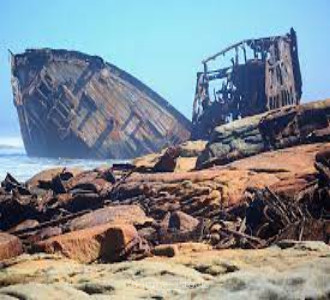
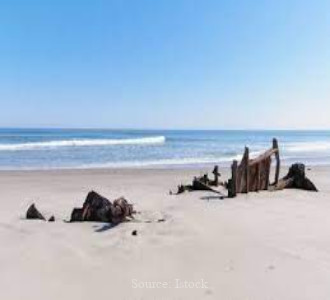
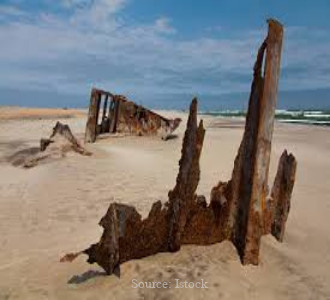
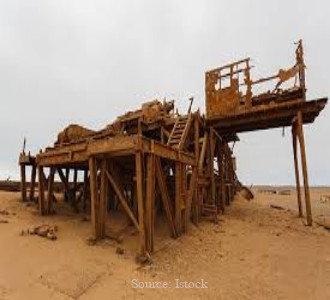
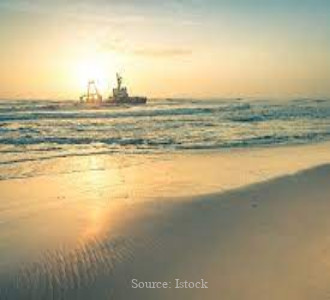
A true oasis, the most striking feature those traversing the Skeleton Coast will come upon is undoubtedly the remains of shipwrecks, with the ships of the Dunedin Star (ran aground 1942) and the Eduard Bohlen (ran aground 1909) undoubtedly standing as the highlights and most in-tact remains, along with the photogenic Zelia ship – all of which lie as victims of the harshness of this vast landscape.
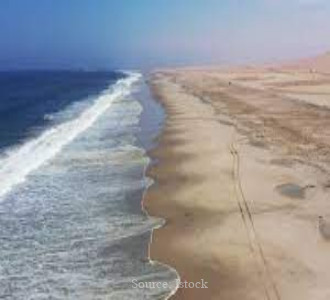
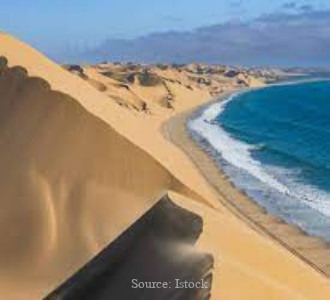
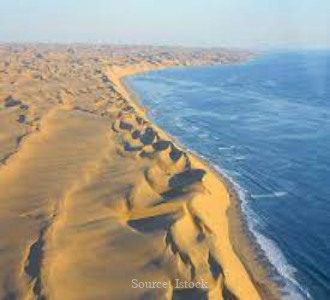
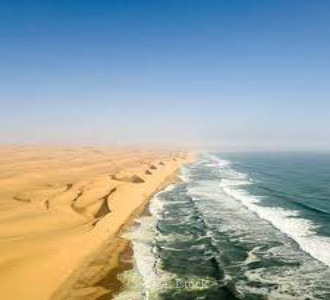
But the landscape itself is simply stunning and as unique as any on the planet – with the desolate yet beautiful Namib desert being truly striking. One of the most ancient deserts in the world, the thrill of crossing this desert is truly sensational and you’ll no doubt come upon and traverse the iconic sand dunes of the Skeleton coast on your way, with these dunes that are constantly moving known to tower as high as 100 meters – creating truly unique photo opportunities and leaving you in awe of the immense and powerful beautiful nature of this desert paradise.
As well as giving you a chance to visit the unique Skeleton Coast town of Swakopmund – a beach backpackers paradise – the unforgiving waters of the Benguela Coast have mixed with the Namib Desert to create not only an incredible series of lagoon – including the beauty of the Walvis Lagoon – but some of the most stunning beaches on the planet, with the coastline of the Skeleton Coast home to a series of turquoise sand and multi-coloured beaches that truly come to life as the sun sets against them – making for an incredible photograph and an immense spot of beauty across this treacherous desert.
Alongside being a vast stretch of wonderous landscape – and one of the most unique and thrilling journeys on the planet, thanks to the windy conditions meeting the Benguela Coast, the unique eco-system within the Skeleton Coast and a good supply of African Rain, the Skeleton Coast has also become a habitat for Africa’s big five, with Zebra’s, Elephants, Black Rhino, Giraffe’s and Lions — all known to frequent the sandy shores of the coast, along with large colonies of seals, hyenas and jackals also found in the sands of the desert, and the lagoons and Benguela Coast wates being home to flocks of Flamingos, reef fish and multiple species of sharks – including the Apex predator of the Great White Shark.
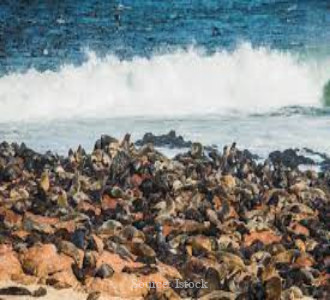
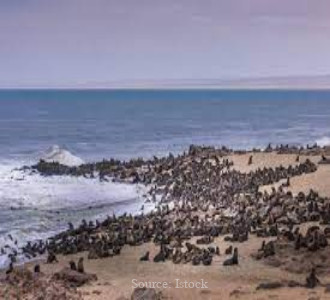
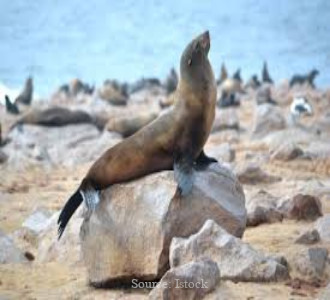
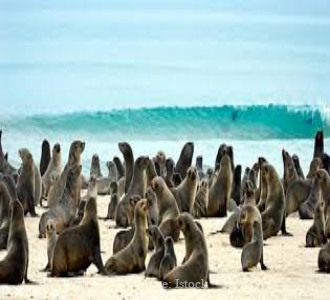
One of the only places in the world where such wildlife flourishes in the desert, the chance to glimpse this deserted adapted wildlife in one of the few places in the world without modern human habitat only adds to the wonder of the Skeleton Coast, with those self-driving across the Skeleton Coast who are seeking glimpses of this incredible wildlife encouraged to look for (or follow their ears or nose) the large colonies of Cape Cross Seal Colonies at the water’s edge – with these loud seals serving not only as predators for the reef fish, but being a tasty meal for Great White’s and Lions alike, meaning that where the seals are sighting of unique wildlife will likely follow.
Unique and stunning, and offering a landscape and photography opportunities like nowhere else on earth, the treacherous conditions of the Skeleton Coast are only inhabited by the semi-nomadic indigenous Himba people of the Kunene region and travellers must ensure they come fully prepared for the challenging and remote conditions before setting of on a thrill-seeking journey to the end of the world and to explore the vast landscape, towering dunes, stunning beaches, flourishing wildlife and shipwrecked remains in the incredible unique desert landscape of the Skeleton Coast that is a true marvel and an ultimate wonder of the world.

Where:
Truly standing on the end of the world, the vast and mysterious Skeleton Coast stretches from the northern tip of Namibia on the Angolan Border 500 kilometres down the coast of the Atlantic Ocean to the town of Swakopmund in a unique part of the world stretched between the Namib Desert and the Atlantic Ocean. With this vast landscape being both treacherous and untamed and yet full of immense beauty for a wonder of the world unlike any other on the planet.
So vast is the Skeleton Coast that the full park is officially divided into a Northern and Southern part, with the Northern part which stretches from the beautiful Torra Bay to the Namibia — Angolan Border city of Kunene only being explorable on a tour – with this area chich undoubtedly houses the most scenic and photogenic areas of the wonder being home to African wildlife, yet also being amongst the most treacherous parts of the Skeleton Coast — as evidenced from the shipwrecks and whale bones you’ll find here.
For those exploring by themselves or on a day-trip then undoubtedly the Southern Part of the Skeleton Coast is the area to head to – with the Southern Area which stretch from the Ugab River up to the Northern Starting point of Torra bay being freely accessible (although you’ll need a permit to access the coast at the entrance points of Ugabmund and Springbockwater) and housing eerie stretches of the Skeleton Coast landscape as well as being home to the famed wildlife of the Skeleton Coast, Shipwrecks and some of the most dramatic and awe-inspiring landscapes on the planet.
Getting There:
Truly at the edge, a trip to the Skeleton Coast is an adrenaline pumping thrill-seeking adventure in itself – with the prospect of getting to this remote wilderness a daunting prospect in itself.
First of given the potential treacherous nature of the Skeleton Coast and its vast size it’s essential that explorers come up with a solid plan as to which part – north or south or both – that they intend to visit and how they intend to visit– and being sure, to avoid under any circumstances arriving to the Skeleton Coast by sea !
For those intending on visiting both the North or South parts – or the dramatic and beautiful scenery of the Northern part of the Skeleton Coast, you’re only option to visit is on a tour – with tours to this area leaving from either the capital of Namibia Windhoek or the Skeleton coast last frontier town of swakopmund.
Windhoek — For those leaving on a tour from Windhoek — which is likely to be a multi-day camping tour – which will no doubt take you to the absolute best and most dramatic spots along the Skeleton Coast and afford you chances to spot the big 5 and predators along the coast – then your getting there option is incredibly simple – with the best and easiest option being to simply fly into Windhoek, with the international airport being served by a range of airlines across the world.
Alternatively, travelers also have the option to take a bus or drive from across Namibia or across southern Africa to Windhoek, with the capital being a modern place, where travellers are recommended to look after themselves. Similarly, for those taking on tours from the Skeleton Coast town of Swakopmund – you’ll find heading to Windhoek as your first port of call a great option to being your journey, with you then having the option to grab a bus for $10 USD or self-drive from Windhoek to swakopmund to reach the town and begin your tour.
Direct to Swakopmund (Air & Road): For those who don’t fancy heading to Windhoek and want a more direct way into Swakopmund to begin your tour, then you’ll find the nearest airport being Walvis Bay International airport – which lies a half hour drive away from Swakopmund — be warned though for those taking this route the road between the two towns can be bumpy, taxis are at a minimum and the flight costs do border on the expensive side during the summer months.
For those who are setting off on an adrenaline pumping thrill-seeking journey along the Skeleton Coast and self-driving along the Southern Section of the park – the first thing to know before deciding on how to get there is that the hours for entry into the park are restricted to 7:30am to 3pm for entry and explorers must exit by 7pm – with entry and exit done through the Springbokwasser gate in the east or through the Ugabmund Gate in the south – with it being essential that travellers exit by these times unless they are in possession of an overnight pass which allows you to stay at the Terrance Bay Resort.
With this in mind, the best option for those self-driving is in our view to fly into Windhoek airport and hire a car. While this will see you required to do an extra spot of driving – it’s a lot easier to load up with essentials, supplies and patrol cans in Windhoek than it is if you fly into Walvis Bay. You’ll also find the airport the best place to arrange for and hire a car – which is best done in advance through a reservation – and we’d strongly recommend forking out the extra money for a 4x4 to allow you to comfortable explore the Skeleton Coast and reduce your chances of getting stuck in the potentially treacherous sand when exploring.
Making sure you have insurance – and that your rental comes with air conditioning, having pi picked up the Car at the airport, the next stop is undoubtedly to head to Windhoek and pick up supplies and then take on the 220-mile drive to the town of Swakopmund or head directly to the Skeleton Coast which is a drive of 300 miles direct to begin your adventure.
Entrance: Having reached the Skeleton Coast via self-drive, and remembering entry is only via the Springbokwasser gate in the east or through the Ugabmund Gate, it’s essential that you drive carefully and stick to the roads on the Skeleton Coast, bearing in mind that wild animals roam the plains – and can hide in plain sight. Do also be sure to come with plenty of food, water, first aid kit and driving supplied – including toe ropes, a tyre change, back-up fuel and basic car maintenance skills – with the sandy conditions on the Skeleton Coast posing a huge challenge to all who self-dive and travellers encouraged to compensate for these conditions when crossing the Namib desert.
It’s also essential to know the roads you can and can’t travel, with a sat-nav and manual map recommended for all explorers undertaking a self-drive – with it being essential to know that the road from Torra Bay to Terrance Bay is not open or passable, meaning that it’s not possible to self-drive to the delta at the Uniab river.
A stunning wonder – the road to the Skeleton Coast can be treacherous and dangerous as too can the passing and traversing of this wonder, so whichever way you plan to reach this incredible and unique wonder – but especially for those self-driving – it’s essential that you come prepared for the sandy and tough conditions, accounting for the wildlife that roam the sands and the remote and desolate nature of this wonder – to ensure your experience and journey at this haunted but incredibly beautiful wonder is as safe and enjoyable as possible.
Best time to Visit:
Not only unique thanks to its diverse and eerily haunted landscapes, the Skeleton Coast is unique in that it sees no season’s rains – with the weather at the Skeleton Coast being predictably dry and warm throughout the year, which contributes in no small part to not only the flourishing of the Namib desert eco-system but adds to the atmosphere and beauty of this vast wonder of the world.
Yet owing to the position of the Skeleton Coast, on the western side of Namibia on the shores of the Atlantic Ocean explorers who are campaign out along the coast and spending multiple days would be advised to head between the months of October and March – as this is when you’ll find the temperatures warming slightly, meaning that the desert nights – where temperatures can really drop – will be much more manageable.
Going during the period between October to March is also recommended for those seeking wildlife experiences both across the Skeleton Coast and the rest of Namibia, with the warmer temperature in these months being kinder to the desert adapted natives of the Skeleton Coast – and also being the best time to spot predators in the ocean and engage in a spot of deep sea fishing.
So while the Skeleton Coast is accessible and explorable all year round, we’d recommend heading between the months of October – March when you will get to see this unique and diverse wonder of the world at its absolute best.
How long to stay:
Owing to its vast size, deep haunted beauty, inaccessibility and the safety considerations needed to visit and explorable the Skeleton Coast – a trip to the Skeleton Coast is undoubtedly a multi-day destination.
For those self-driving and who are on a strict time budget – our recommendation for the minimum time for the Skeleton Coast would be 3 days, allowing one day to fly into Walvis Bay or Windhoek and then drive to the town of Swakopmund or an appropriate camp site close to the entrance gates, with the second day then set aside for a full day exploring the Skeleton Coast and the third day allowing for a final visit and then heading onwards.
Noting as well that those exploring by self-drive are only allowed to visit between sunrise and sunset, our recommendation for exploring the Skeleton Coast is to budget multiple days – at least 7 for those only doing exploration of the Southern part of the Coast on a self-drive – and up to 14 for those exploring the Northern and Southern side of the Skeleton Coast.
With the Northern Side only accessibly and explorable via tour – you’ll find a range of options and companies offering exploration, and our advice would be to go on a tented tour – so that you can witness the incredible night sky and sunset over the desert – and these tours which depart from Swakopmund and Windhoek will last anywhere between 4 – 15 days – giving explorers a range of options when it comes to how long to stay on the Skeleton Coast – and ensuring that explorers will get the full experience and get to explore the absolute best of this incredible wonder of the world.
Therefore while the Skeleton Coast can be explored in a 3 day trip allowing for a 1 or 2 day drive into the Park where you explorers can sample a taste of the Southern Part of the Coast, we’d recommend putting aside at least a week to 10 days if not longer to explore both the North and South of this unique, diverse and stunning part of the world.
Top Tip:
Truly unique, haunting, and beautiful – the Skeleton Coast has not earned its reputation as being a sailor’s cemetery and one of the most haunting, desolate and treacherous places on the planet by chance – with the remote and in places barren nature of the Skeleton Coast necessitating that those who travel here must come fully prepared and equipped for the dangerous that lie ahead.
A place once described as being less preferable to death by Swedish Explorer Charles Andersson, a journey to the Skeleton Coast and upon its sandy grains is not for the light hearted – with those who self-drive likely to face breakdowns, sand blocks, sweltering conditions and find themselves far removed from other human life – with only the barren desert and predators for company. Alongside this there’s also the still treacherous waters of the Benguela Coast and Atlantic Waters that crash against the shoreline – with the waters still being so dangerous that many boat companies refuse to go near the haunted waters.
Yet despite these risks, the Skeleton Coast is fully explorable – whether by self-drive in the Southern part or through a guided tour in the Northern and Southern sections, with explorers– who will need to get into the skeleton coast in a 4x4 – able to step foot upon the sands of the Namib Desert, take in the vast panoramic vistas, beaches and cost of the Skeleton Coast and even spot the big 5 while on one of the most unique Safaris on the planet.
So, to help ensure your visit is as enjoyable, planned out and as safe as possible, we’ve rounded out our top tips for exploring the incredible wonder of the world that is the Skeleton Coast:
Plan in advance:
Alongside being a treacherous and dangerous wonder, a trip to the Skeleton Coast requires immense planning from a logistical perspective before visiting – with one of the key things for any explorer to know is that only 800 visitors are allowed into the park each year. This restriction – which helps to ensure the Skeleton Coast maintains its unique beaty and that the beaches and coastline are kept pristine, also means that before finalising and booking anything it’s essential to ensure that access to the park is still allowed.
Given also the risky nature of the road to the Skeleton Coast – and the remoteness of Swakopmund, it’s also essential that any traveller heading to the Skeleton Coast comes with an exact itinerary – knowing how long they will spend on the Coast, which parts of the wonder they will visit and where they will stay – with this being so essential as it allows for explorers to budget their supplies and needs before heading into the remoteness of the Skeleton Coast.
Safety:
While the Skeleton Coast has its well earned reputation as being a treacherous and potentially deadly wonder of the world, the dangers found within this park can be seriously mitigated if explorers take proper and appropriate measures to mitigate the risk.
To do this firstly it’s essential that anyone undertaking a self-drive your does so as an experienced driver, who has experience of handling a 4x4 Car in a desert environment – with it also being recommended if possible to drive in convoys when crossing the Namib desert, with the use of convoys helping to ensure maximum safety.
Knowledge of basic car maintenance is also essential, with those self-driving strongly encouraged to come prepared with basic breakdown and car essentials, including a spare tire and the knowledge of how to change it, jumper cables, tow ropes and an air pump.
For those exploring the Skeleton Coast either by self-drive or on a guided tour into both the Northern and Southern sections of the park, it’s essential, in consideration of the environment of the Skeleton Coast, that you come prepared for any eventualities by bringing a first aid kit, excessive water supplies and plenty of food and snacks which will not only keep you going when visiting the Skeleton Coast but, in the possible event of a breakdown help keep you alive till help arrives.
Emergency Contacts:
As well as making sure that all the appropriate above safety advice is followed, it’s also essential in consideration of the desert and remote environment of the Skeleton Coast that regardless of which part of the Coast you visit or whether you self-drive or go on a multi-day tour, you make friends and family aware of your travel plans to explore the Skeleton Coast – so they can follow-up in the event of no contact.
We’d also strongly advise brining with you an emergency satellite phone, noting that cellular service is limited across the Skeleton Coast and in consideration of the need to make emergency phone calls in the events of breakdown or incidents – with satellite phones easily rentable from Windhoek and being an essential item that could just save your life on the Skeleton Coat.
Opening Hours, Permits & Getting in:
For those self-driving and exploring the Skeleton Coast by themselves, it’s also essential that you are fully aware of how to get into the park – and especially when you must exit. For those self-driving the only way into the parks is through the Springbokwasser gate to the east or the Ugabmund gate to the South for which you will need to obtain a transit permit which can be done at the gate itself.
The gates themselves are both open from 7:30am and allowing last entry at 3pm – with travellers having to have exited the park by 7pm – and we recommend you leaving at 5pm – unless you are in possession of an overnight permit – with the overnight permit which allows you to stay at the Terrace Bay Resort again obtainable at either entrance gate.
These limits, which are introduced to help preserve the beauty of the Skeleton Coast, also mean that owing to the lack of campsites and accommodation around the gates, also means that for those self-driving and on a short timescale you’ll need proper planning to ensure you get the maximum time in the park and can safely exit at night. To help with this – and for those following our recommendation to stay in the town of Swakopmund – it takes two and half hours to drive from Swakopmund to Ugab gate and 4 hours from Swakopmund to Springbokwasser gate – meaning the most time efficient route is to head from Swakopmund to Ugab and exit via Springbokwasser.
Clothing:
Owing to the warm conditions of the Skeleton Coast, the frequent mosquitoes that call the area home – and of course in consideration of the cultural aspects of Namibian culture – it’s essential that you come prepared with the right clothing for the conditions of the Skeleton Coast if you are to enjoy this wonder of the world to it’s full potential.
Noting the conditions on the coast itself, and no traveller should visit the Skeleton Coast without a good pair of sunglasses and a strong hat, with travellers advised to pack smartly for warm conditions – with the essential for the skeleton coast being loose fitting shirts of cotton jumpers – with the long sleeves necessary to protect against mosquitoes and sunburn, shorts, trousers and some sturdy hiking shoes and socks.
We’d also advise making sure you bring a wind breaker on account of the prevailing winds that visit the Skeleton Coast, a warm jumper for the evenings and a pair of swimming shorts for any hotel you may stay at with a pool, with it being essential that no swimming is undertaken at the Skeleton Coast – and in respect of cultural values that no public nudity is undertaken at any part of the Skeleton Coast – with aggressors who do risking serious fines and jail sentences as a punishment.
Safari and Wildlife Viewing:
As well as being a land at the end of the world filled with truly incredible vistas, one of the most incredible sunsets on the planet – and being one of the most treacherous and haunted spots on the planet, the Skeleton Coast is also a fantastic place to take on a safari in one of the most unique locations in the planet, with all of the ‘big 5’ seals, springboks, flamingos and even Great White Sharks viewable along the Skeleton Coast.
While these animals tend to lie inland from the coast and inhabit the river systems of the Skeleton Coast inland, it’s far from uncommon to see them venturing inland – and so because of this it’s essential that explorers – and particularly those self-driving exercise caution when travelling across the Skeleton Coast.
These precautions include:
- Ensuring that you perform necessary checks when exiting your vehicle along the skeleton coast – and not getting out to interact with any animals that you may come across or that may approach you.
- Locking essentials in the car at all times – and especially food, so as not to tempt the animals to approach.
- Avoiding going into the waters off the coast of the Skeleton Coast – with these waters being both treacherous and filled with the Apex predator of the Great White Shark.
- Ensure you come prepared with appropriate medical insurance, a first aid kit and a satellite phone in the event of any incidents.
- Do not travel into the Skeleton Coast National Park after dark – as this is when the Animals are at their most active and the darken conditions make the risk of incident much higher.
Cost:
A truly remote destination – getting to the end of the world does come at a cost regardless of whether explorers choose to explore only the Southern part of the coast or both the Northern and Southern parts of the Skeleton Coast.
Firstly getting to Windhoek – which will be the first port of call for most travellers and the cost of flights will depend on your point or origin, but for those travelling from either North or South America or the far parts of Asia or Australasia, you’ll need to budget around $3,000 Usd for return flights, with the cost of flights reducing the closer you get to Namibia and running into double figures from across Africa.
Having got yourself to Windhoek, for those leaving on tours from the capital you can safely find our way to accommodation, but for those self-driving or leaving on tours from Swakopmund you’ll have to get yourself to this skeleton coast town. To do this you have three options – the first and most direct being to fly into Walvis Bay, which will set you back $400, but remains the most direct and comfortable, the second being to take the bus which will cost you $18 Usd – and will no doubt be an experience but can be a tad unreliable and the third being to directly drive there – which will see you need to hire a car from Windhoek airport.
For those hiring a car, the drive to Swakopmund and subsequently onto the gates of Springbokwasser or Ugabmund must be factored into the cost, and we’d recommend getting a 4 x 4 when you hire a car, with plenty of insurance and car essentials – with the average cost of hiring such a car coming out to around $50 Usd a day – meaning that for those on a budget self driving is an incredibly affordable option to explore the Skeleton Coast.
Those Self-driving will also need to consider the cost of the permits getting into the park, with the pass, which can only be purchased at the tourism office of the Skeleton Coast or at gates themselves costing $50Usd per person and $10 Usd per Car for each day entry – or you can opt for the camping permit at a similar price which allows you to stay at the designated government camping spot in the national park – be prepared to pay between $10 — $50 Usd a night for camping, as prices vary based on the season – or alternatively you can opt for a hotel outside the park which will set you back between $50-$150 Usd a night.
For those who are leaving from either Windhoek or Swakopmund to explore the coast and are jumping on a tour, tours themselves last for a minimum of 4 days and range in length between 4, 7, 10 and 15 days – with the price of your tour of course affected by it’s length – for those on four day tours you can expect prices to start from $600 Usd and rise to as much as $11,000 depending on it’s length.
While this may be a little steep – it is a chance to explore this incredible wonder of the world in a tented tour – giving you not only the best of the Skeleton Coast, including the incredible shipwrecks against a vast and stunning vista, see the Cape Cross Seal reserve and search for the big 5, take in incredible desert plains and beaches and witness one of the world’s most incredible sunsets along the incomparable and simply beautiful Skeleton Coast.
Budgeting as well at least $50Usd for snacks, water and a first aid kit – and another $100Usd for investing in appropriate clothing and gear before heading to the Skeleton Coast – and our recommendation would be to budget between $2650 to $6,000 Usd to explore the incredible and unique wonder of the world that is the Skeleton Coast.
Fun Fact:
As well as being and offering unique landscapes like no others, the Skeleton Coast is blessed with many appropriate nicknames – being the worlds largest ship cemetery, the end of the world and a land where death is more preferable than staying. However, the latter may be a little harsh – and certainly for the Himba people who live across the Kunene region which borders the Skeleton Coast at the top of the Angola and Namibia border.
A semi-nomadic tribe the Himba people have managed to find a way to thrive in the harsh and treacherous lands of the Skeleton Coast – mostly through farming and rearing cattle – with these unique tribe people, who are known to live in mud huts, easily recognised through by their facial of a red paste and thick braids – which certainly makes them stand out.
While some Himba people have begun to adopt modern society – and have opted to send their children to school, these fascinating tribes can be found on the Skeleton Coast, just be sure to be respectful should you run into one in any of the Skeleton Coast Towns – and in return you can expect a friendly conversation over a good drink.
Top Sights & Best photo spots:
Other worldly, haunting and truly dramatic – the scenic photography opportunities at the Skeleton Coast are truly unique, with the land that God created in anger being home to some of the most intimidating, emotive and formidable landscapes, beaches, dunes and peninsulas, which combine with the desolate and untouched wilderness to give explorers to chance the capture the true remoteness, treacherousness and beauty of the Skeleton Coast.
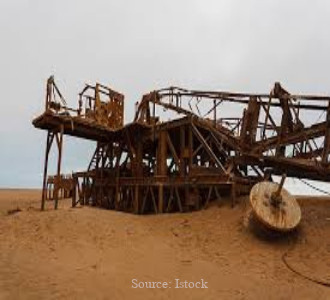
Truly off the beaten coast, the rusting shipwrecks and whale bones – which stand as incredible emotive photography opportunities against the backdrop of the desolate Namib desert and towering Sand Dunes – give a chance to capture the snap a photo which underlines why and how the Skeleton Coast earned its name.
Yet there’s also a chance to capture true beauty along the Skeleton Coast, not just in the diverse and desert scenery but also in the wildlife that frequents and patrols the sands that roll to meet the water of the Benguela Coast, with the Skeleton Coast being one of the most unique and beautiful places on the planet to spot ‘Africa’s big five’ as well as spot and photograph some of the world’s apex predators.
Combining these incredible wonders and photo opportunities with one of the most incredible and powerful sunsets on the planet, and alongside being one of the most dramatic and isolated wonders on the planet, the Skeleton Coast is truly a photographer’s dream. Yet given the vast size, dangers and in consideration of the remoteness and true wilderness of the Skeleton Coast, knowing where to head to — to grab the iconic shots that capture the beauty of the Skeleton Coast can be a challenge, so to make things as easy as possible we’ve rounded out our top Skeleton Coast photography opportunities to help ensure you capture the absolute best of this stunning wonder of the world:
Shipwreck Photos:
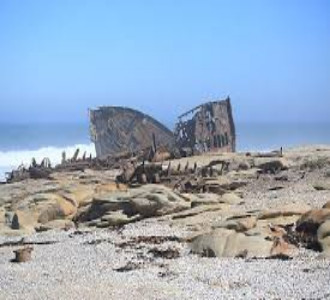
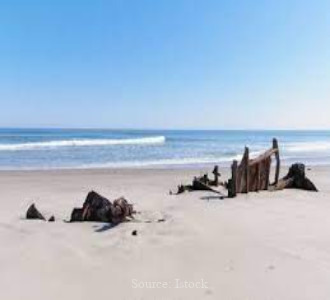
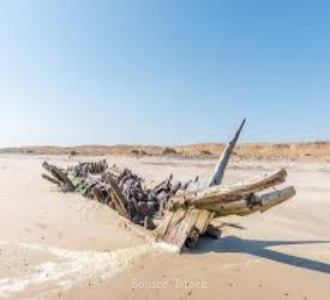
Defining the Skeleton Coast, the ill-fated shipwrecks and Whale bones that dot the Namib desert along the Skeleton Coast are a true marvel and undoubtedly one of the must snap photographs along the increidble vista of the Skeleton Coast. While there’s many unique remains of those that have fallen on the Skeleton Coast along the 500-kilometre stretch of the Namib desert – for the best photos we’re recommend heading for the shipwrecks of the Dunedin Star, the Eduard Bohlen or the Zelia – all three of whom are in the best condition and can provide truly incredible photos when set against the vastness of the Skeleton Coast.
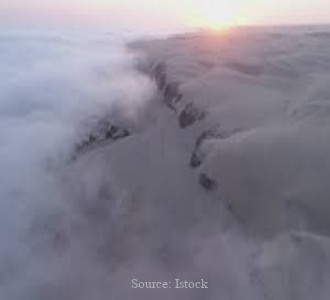
For truly incredible photos – that allow you to capture the eeriness and truly haunting nature of the Skeleton Coast – be sure to head to the shipwrecks in periods of dense fog to capture dramatic photos of the wrecks. Created as a result of the Benguela coast mixing with the Namib desert and air the dense fog not only adds to the mysterious atmosphere of the Skeleton Coast but has the ability to create a truly dramatic landscape for incredible photos of the shipwrecks along the coast.
Skeleton Coast Landscapes:
Truly dramatic and a photographer’s dream, the vast striking landscape of the Skeleton Coast is both other worldly and haunting and is chief amongst the reasons for photographers to visit this incredible wonder of the world. A panoramic natural vista unlike any other on the planet, the Skeleton Coast Landscape first comprises the vast Namib desert – one of the most ancient deserts in the world – and you can grab incredible photos of this unique and at times desolate desert landscape from pretty much anywhere along the coast – but for extra special photos we’d advise snapping panoramic photos from either atop the dunes looking down or from the area.
Photographs of the Namib desert and the Skeleton Coast as a whole are no doubt enhanced by the emptiness of the landscape before you, with so much of the stunning beauty you can capture owed to the lack of development and human infrastructure on the desert plains. It is this lack of development that also helps the Skeleton Coast Landscape to maintain its unique end of the world vista – and no more fitting and photogenic is this vista in the towering and photogenic Sand Dunes, which at times can rise more than 100 feet in length.
Truly imposing and adding to the treacherous atmosphere on the coast, these Sand dunes are typically crescent-shaped and the mountains dunes which blend seamlessly into the Namib desert make for an incredible shot – particularly along the coast, where you cna feel and capture the full intimidating nature of the desert of the Skeleton Coast for an absolutely stunning photo.
Skeleton Coast Wildlife & Cape Cross Reserve:
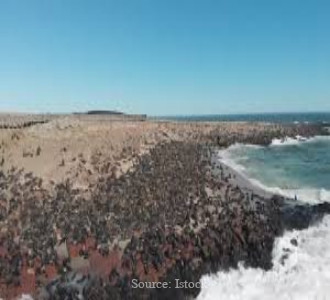
One of the most unique and surprising elements about the Skeleton Coast is that it is home to desert adapted wildlife – including the African big five, the apex predator of the Great White Shark, thousands of seals, herds of springboks, flocks of flamingos and birds and of course jackals and hyenas who feast on those unfortunate to find themselves shipwrecked on Skeleton Coast. A true testament to the adaptability of wildlife, the Elephants, Lions and Rhinos on the Skeleton Coast are particular adapted and frequent on the coast – meaning for those keen on wildlife photography the Skeleton Coast not only provides a unique opportunity to snap these rare and endangered animals but also do so against a dramatic and diverse landscape for increidble shots.
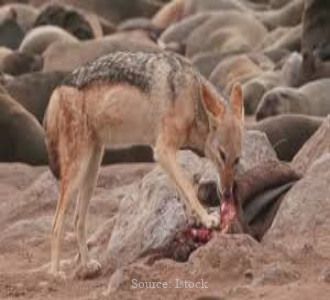
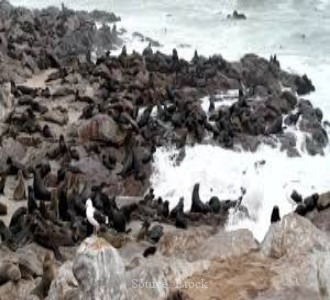
Given the vast size of the Skeleton Coast it can be a challenged to snap all of the unique wildlife, particularly as some are so well adapted and camouflaged against the Namib desert, so for the best chance of snapping and sighting the most diverse wildlife, we’d recommend heading to the Cape cross Seal reserve – some 30 miles north of Henties Bay – where you’ll find thousands of photogenic seals. A true sight by themselves, the seals are also stuck in the middle of the food chain – being hunted by Lions, Great Whites and Jackals a like – whilst also cruising through the waters of the Benguela Coast on the hunt – meaning that for those interested in snapping photos of the Skeleton Coasts animals in full flow and at their rawest – this is the place to head to for incredible live shots of the desert adapted wildlife of the Skeleton Coast.
Henties Bay:
Our pick for one of the safest and intriguing bays along the Skeleton Coast, the Heneties Bay is the only real town along the Skeleton Coast – and it makes for an absolutely fascinating photo spot, given the remoteness of this quaint town, with the cluster of small fishing huts standing stark against both the bay and the coast to create a wonderful photography opportunity.
One of the few places in the Skeleton Coast where traditional posing photos are taken in complete safety, the tourist association of Henties has also helped on the photography front 0 – with many of the huts and town sites being somewhat colourfully named. Found an hour or so drive from Swakopmund – the bay of Henties is a fascinating insight into life on the Skeleton Coast and a great place to capture sensational and unique photos of life in one of the most challenging and inhospitable places on the planet.
Walvis Bay Lagoon:
The flamingo capital of the Skeleton Coast, the bright pink lagoon of Walvis Bay is as photogenic as they come – with the unique mix of wildlife and bright coloured waters sitting almost exactly halfway between the treacherous waters of the Benguela Coast and the towering sand dunes to give not only an incredible photo of a pink lagoon – but if snapped as a panoramic photo a truly immense photo of the diverse and stunning landscapes of the Skeleton Coast.
Often visited as the final highlight of a trip along the skeleton coast, the Walvis Lagoon is also incredibly unique and special at sunset – where you’ll see the descending sun light up the waters of the Bay enriching the pink colours into a deeper rogue and shining under the African Sun – for an absolutely stunning photography opportunity.
From the Air:
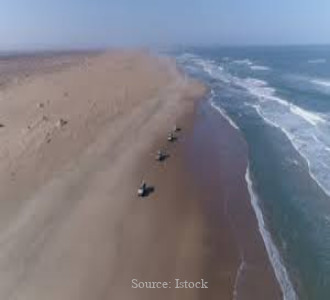
The only true way to appreciate and photograph the vastness, remoteness and yet rugged beauty of the Skeleton coast, soaring over this vast shipwreck tomb, whilst simultaneously spotting some of Africa’s most precious and remarkable wildlife is one of the most enthralling experiences not just at this wonder but on the planet – with the increidble landscape photography opportunities on offer from the air being truly unique and allowing you to capture the absolute best of the Skeleton Coast.
A little more expensive- but absolutely worth it – in comparison to other tours along the Skeleton Coast, for extra special photos we’d encourage you to try and get a flight at sunrise – where you’ll see the rising sun reflect over the Benguela Coast and Atlantic Ocean – giving you not only the best chance to spot both the Apex predators of the Ocean and the shipwrecks safely from above, but allowing the diverse and kaleidoscopic beaches, sand dunes and Namib desert to come to life – giving you truly increidble panoramic and landscape photos of the vast wilderness and stunning beauty of the Skeleton Coast.
Sunset on the Skeleton Coast:
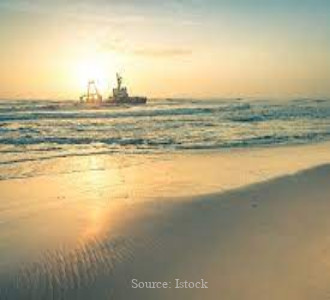
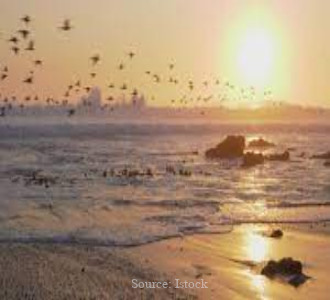
Finally, the vast wonders of the Skeleton Coast – including the rolling sands of the Namib desert, the plentiful lagoons, the towering sand dunes and the rusting shipwrecks and whale bones – come together to create a desert mirage and paradise that provides the perfect backdrop for a truly stunning photo as the bright African descending sun – which shines and reflects perfectly against the swirling waters of the Benguela Coast – creates a dramatic photo of the whole of the highlights of the Skeleton Coast lit up in bright shades of yellow and orange for what is undoubtedly one of the greatest photos across this stunning wonder.
A truly great way to conclude a day or your adventure on the Skeleton Coast, capturing the Skeleton Coast as it comes to life at sunset – and with the landscape embodying both the tragedies, beauty and diversity of the end of the world is truly special — there’s no doubt that capturing a shot of the Skeleton Coast under a deep African sunset will not only leave photographers with an incredible and truly unique photograph, but help truly underline why this unique and dramatic landscape is an undoubted wonder of the world.