The 15 Best Wildlife Experiences South America
The home of evolution – South America is not only where are understanding of wildlife began, but also a stunning continent that beckons Wildlife explorers and adventurers with its breathtaking landscapes and unparalleled wildlife encounters.
From exploring the Amazon jungle, to diving with turtles, hammerheads and penguins at the Galapagos Islands, and even trekking through the Andes for spectacled bears, South America truly lives up to its reputation as a wildlife paradise – with some of the world’s most extraordinary wildlife encounters.
While South America – and it’s incredible array of jungles, coral reefs and natural habitats offer countless wildlife viewing opportunities, below are our top 15 bucket list worthy wildlife adventures that offer to true best of Wildlife activities within South America:
1.) Jaguar Spotting in the Pantanal, Brazil
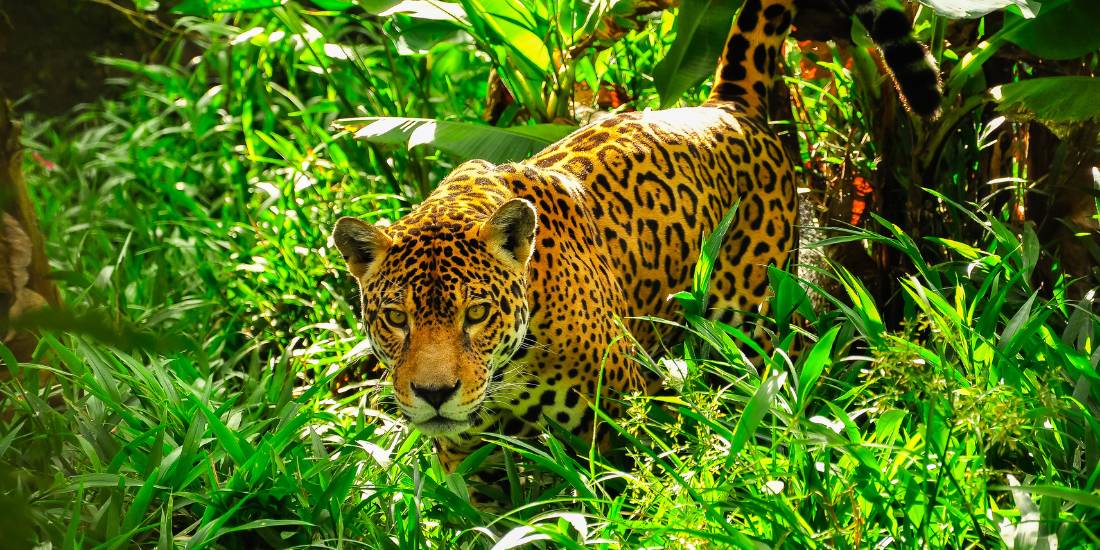
Embark on an Exciting Jaguar Spotting Adventure in the Pantanal, Brazil: Witness the Majestic Big Cats in Their Natural Habitat in One of the World’s Most Breathtaking Wetlands.”
Overview of the Activity: Jaguar Spotting in the Pantanal offers a thrilling and immersive experience to observe the elusive jaguars in one of the best locations for big cat sightings. This guided tour involves traveling by boat or vehicle through the extensive wetlands of the Pantanal, where you’ll search for jaguars along the riverbanks and forested areas. Expert guides provide insights into jaguar behavior, their role in the ecosystem, and conservation efforts. Tours typically last between 4 to 8 hours per day, with some options for multi-day packages that allow for deeper exploration and increased chances of sighting these magnificent predators.
Location: Pantanal, Brazil: The Pantanal is a vast, seasonally flooded wetland region in western Brazil, extending into Bolivia and Paraguay. It is renowned for its rich biodiversity and is considered one of the best places in the world to spot jaguars. Key areas for jaguar viewing include the Cuiabá River, the Piquiri River, and the Transpantaneira Highway.
Duration: Jaguar spotting tours generally last between 4 to 8 hours per day. Multi-day packages are available, typically ranging from 3 to 7 days, offering more extensive exploration and higher chances of jaguar sightings.
Estimated Cost: Costs for jaguar spotting tours in the Pantanal typically range from USD 1,500 to USD 4,000 per person for a multi-day package. Prices vary based on the duration of the tour, inclusivity (such as accommodation, meals, transportation, and park entry fees), and the specific tour operator.
How to Get There: Fly into Cuiabá, the main gateway city for accessing the Pantanal. From Cuiabá, you will typically take a connecting flight or drive to your lodge or camp within the Pantanal. Many tour operators provide transportation from Cuiabá as part of their packages, including transfers to and from the Pantanal.
Top Tip: Dress in lightweight, breathable clothing and bring waterproof gear to handle the wet conditions of the Pantanal. Binoculars and a camera with a zoom lens are essential for capturing jaguars from a safe distance. Be prepared for early mornings and late afternoons, which are the best times for wildlife activity. Follow all safety and environmental guidelines provided by your guides to ensure a respectful and safe experience. Booking well in advance is recommended due to the high demand for jaguar tours and the remote location. Understanding jaguar behavior and the Pantanal’s unique ecosystem will enhance your experience and increase your chances of witnessing these magnificent big cats.
2.) Amazon Rainforest Wildlife Expedition, Peru
Immerse Yourself in the Heart of the Amazon: The Amazon Rainforest Wildlife Expedition in Peru Offers a Unique Opportunity to Explore One of the World’s Most Diverse Ecosystems and Encounter a Rich Array of Wildlife.
Overview of the Activity: The Amazon Rainforest Wildlife Expedition in Peru provides an unparalleled adventure into the world’s largest tropical rainforest, where you’ll have the chance to observe an incredible diversity of wildlife in their natural habitat. Guided by experienced naturalists, you’ll embark on boat rides, jungle hikes, and canopy walks to explore various ecosystems within the rainforest. Activities may include spotting elusive creatures like jaguars, tapirs, and a myriad of bird species, as well as learning about the flora and fauna of the Amazon. Tours typically last from 3 to 7 days, depending on the itinerary and the depth of exploration.
Location: Amazon Rainforest, Peru: The Peruvian Amazon is a vast, biodiverse region that spans across eastern Peru, including areas such as the Tambopata National Reserve, Manu National Park, and the Pacaya-Samiria National Reserve. Each of these locations offers unique wildlife viewing opportunities and immersive rainforest experiences.
Duration: Amazon rainforest wildlife expeditions generally last between 3 to 7 days. Longer tours may provide more extensive exploration and a greater chance of spotting a wider variety of wildlife.
Estimated Cost: Costs for an Amazon Rainforest Wildlife Expedition in Peru typically range from USD 1,500 to USD 4,500 per person for a multi-day tour. Prices can vary based on the tour duration, inclusivity (such as accommodation, meals, transportation, and park entry fees), and the specific tour operator.
How to Get There: Fly into Lima, Peru’s capital, and then take a domestic flight to a city such as Puerto Maldonado or Iquitos, which are key gateways to the Amazon. From there, you will typically travel by boat or small aircraft to your lodge or expedition base within the rainforest. Many tour operators provide transportation from these gateway cities as part of their packages.
Top Tip: Pack light, breathable clothing and bring waterproof gear to handle the humid and wet conditions of the rainforest. Essential items include insect repellent, a hat, and a high-quality camera with a zoom lens to capture wildlife from a distance. Be prepared for both warm and rainy weather, and follow all safety and environmental guidelines provided by your guides to ensure a respectful and safe experience. Booking in advance is recommended, especially during peak seasons, to secure your spot and ensure availability. Familiarizing yourself with the rainforest ecosystem and wildlife behavior will enhance your expedition and maximize your wildlife viewing opportunities.
3.) Galápagos Islands Wildlife Tour, Ecuador
Discover the Untamed Beauty of the Galápagos Islands: An Extraordinary Wildlife Tour in Ecuador Offers Unforgettable Encounters with Unique Species in a Pristine Archipelago.”
Overview of the Activity: The Galápagos Islands Wildlife Tour provides a remarkable journey through one of the world’s most unique ecosystems, renowned for its diverse and endemic species. Guided tours often include boat excursions, snorkeling, and land hikes across various islands, where you’ll have the chance to see iconic wildlife such as giant tortoises, marine iguanas, and blue-footed boobies. Tours also offer insights into the islands’ fascinating geology, conservation efforts, and Charles Darwin’s evolutionary discoveries. The duration of these tours typically ranges from 4 to 8 days, allowing ample time to explore multiple islands and fully appreciate the Galápagos’ diverse environments.
Location: Galápagos Islands, Ecuador: The Galápagos archipelago is located in the Pacific Ocean, approximately 600 miles (1,000 km) west of mainland Ecuador. The islands are divided into four main groups: the Northern, Central, Eastern, and Western islands, each offering unique wildlife viewing opportunities. Popular islands for tours include Santa Cruz, Isabela, and Española.
Duration: Galápagos wildlife tours generally last between 4 to 8 days. This includes time for island-hopping, wildlife viewing, snorkeling, and exploring various natural wonders throughout the archipelago.
Estimated Cost: Costs for a Galápagos Islands Wildlife Tour typically range from USD 2,500 to USD 6,000 per person for a multi-day package. Prices can vary based on the duration of the tour, the type of accommodation (luxury, mid-range, or budget), inclusivity (such as meals, transportation, park entry fees, and activities), and the specific tour operator.
How to Get There: Fly into Quito or Guayaquil, Ecuador, and then take a domestic flight to one of the Galápagos Islands’ main airports, located on Baltra or San Cristóbal. From there, you will typically join a tour that includes transportation by boat or small aircraft to various islands. Many tour operators provide comprehensive packages that include all transportation, accommodations, and guided activities.
Top Tip: Pack light, breathable clothing and bring swimwear and waterproof gear for snorkeling and boat excursions. Essential items include sunscreen, a hat, and insect repellent. A high-quality camera with a zoom lens will help you capture the unique wildlife and stunning landscapes. Follow all environmental and safety guidelines provided by your guides to ensure a respectful and safe experience. Booking well in advance is advisable due to the high demand for Galápagos tours and the limited visitor numbers to protect the islands’ delicate ecosystems. Familiarize yourself with the Galápagos’ unique wildlife and conservation efforts to enhance your understanding and appreciation of this extraordinary destination.
4.) Andean Condor Viewing in Colca Canyon, Peru
Experience the Majestic Andean Condor in Colca Canyon, Peru: Witness the World’s Largest Flying Bird Soar Gracefully Above One of the Deepest Canyons on Earth.
Overview of the Activity: Andean Condor Viewing in Colca Canyon offers an awe-inspiring opportunity to see these magnificent birds in one of their natural habitats. The activity typically involves guided tours to designated viewpoints in Colca Canyon, such as the Cruz del Condor, where you can observe the Andean condors as they glide on thermal updrafts above the canyon. Tours often include insights into the condor’s behavior, ecology, and conservation status, along with information about the local culture and the breathtaking landscape of the canyon. The experience generally lasts between 2 to 4 hours, depending on the tour package and the time spent at different viewpoints.
Location: Colca Canyon, Peru: Colca Canyon is located in southern Peru, near the town of Chivay. It is one of the world’s deepest canyons and offers stunning landscapes of rugged terrain and terraced fields. The Cruz del Condor viewpoint is a prime location for observing the Andean condors as they soar above the canyon.
Duration: Andean condor viewing tours generally last between 2 to 4 hours. Full-day tours may include additional activities such as visiting nearby villages, hot springs, and other scenic spots in the Colca Valley.
Estimated Cost: Costs for Andean condor viewing tours typically range from USD 50 to USD 150 per person. Prices can vary based on the duration of the tour, inclusivity (such as transportation, meals, and entry fees), and the specific tour operator.
How to Get There: Fly into Arequipa, the nearest major city to Colca Canyon. From Arequipa, you can take a bus or private vehicle to the town of Chivay, which serves as the main gateway to the canyon. Many tour operators provide transportation from Arequipa to Chivay and to the canyon viewpoints as part of their packages.
Top Tip: Dress in layers and wear warm, comfortable clothing, as temperatures can vary significantly throughout the day. Bring binoculars and a camera with a zoom lens to capture the soaring condors and the stunning canyon views. Arrive early to maximize your chances of seeing the condors in action, as they are most active in the early morning. Follow all safety and environmental guidelines provided by your guides to ensure a respectful and safe experience. Booking in advance is recommended, especially during peak travel seasons, to secure your spot and ensure availability. Understanding the Andean condor’s behavior and the geography of Colca Canyon will enhance your viewing experience and appreciation of this remarkable wildlife encounter.
5.) Piranha Fishing in the Amazon Basin, Brazil
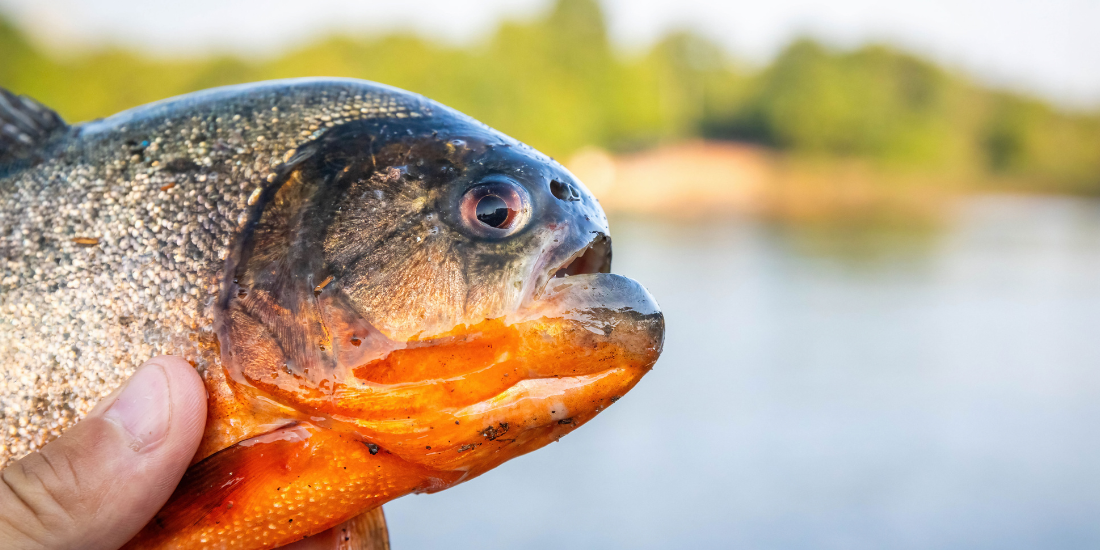
Dive into an Adventure with Piranha Fishing in the Amazon Basin: Experience the Thrill of Catching One of the Amazon’s Most Notorious Predators in a Vibrant, Wild Ecosystem.
Overview of the Activity: Piranha Fishing in the Amazon Basin offers an exhilarating and unique experience in one of the world’s most diverse and remote ecosystems. Guided by experienced local experts, you’ll use traditional fishing techniques to catch these infamous fish in the rivers and lakes of the Amazon. The activity typically includes a combination of boat rides through the rainforest, hands-on fishing sessions, and educational insights into piranha behavior and their role in the ecosystem. Tours often last between 4 to 8 hours, depending on the package and the location of the fishing spots.
Location: Amazon Basin, Brazil: The Amazon Basin is a vast and complex network of rivers, lakes, and wetlands in northern Brazil. Key areas for piranha fishing include the Rio Negro, Rio Solimões, and the surrounding tributaries. These locations provide rich habitats for piranhas and offer picturesque settings for fishing.
Duration: Piranha fishing tours generally last between 4 to 8 hours. Some tours may be part of multi-day packages that include additional activities such as wildlife viewing, rainforest hikes, and visits to local communities.
Estimated Cost: Costs for piranha fishing tours in the Amazon Basin typically range from USD 100 to USD 300 per person for a half-day to full-day experience. Prices can vary based on the tour duration, inclusivity (such as transportation, meals, and equipment), and the specific tour operator. Multi-day packages that include accommodation and additional activities are available at higher prices.
How to Get There: Fly into Manaus, the main gateway city to the Amazon Basin in Brazil. From Manaus, you can take a boat or small aircraft to reach the fishing lodges or base camps in the Amazon. Many tour operators provide transportation from Manaus to the fishing locations as part of their packages.
Top Tip: Wear lightweight, breathable clothing and bring waterproof gear to handle the wet conditions of the Amazon. Use insect repellent to protect against mosquitoes and other bugs. A hat and sunglasses can help shield you from the sun. Bring a camera with a waterproof case to capture the adventure, but remember to keep it secure. Follow all safety and environmental guidelines provided by your guides to ensure a respectful and safe experience. Booking in advance is recommended, especially during peak travel seasons, to secure your spot and ensure availability. Understanding the basic behavior of piranhas and the local ecosystem will enhance your fishing experience and enjoyment of this thrilling adventure.
6.) Whale Watching in Península Valdés, Argentina
Experience the Majesty of Whale Watching in Península Valdés, Argentina: Witness the Awe-Inspiring Southern Right Whales in Their Natural Habitat Along Argentina’s Stunning Patagonian Coastline.
Overview of the Activity: Whale Watching in Península Valdés offers a spectacular opportunity to see Southern Right Whales up close as they come to the protected waters of this UNESCO World Heritage site to breed and give birth. Guided tours typically involve boat excursions from Puerto Pirámides, the main whale-watching hub, where experienced naturalists provide insights into whale behavior, migration patterns, and conservation. Tours usually last between 2 to 4 hours, depending on the specific package, and may include additional activities such as visits to local wildlife reserves or exploration of the region’s unique landscapes.
Location: Península Valdés, Argentina: Located in Patagonia, Argentina, Península Valdés is a prominent wildlife haven on the eastern coast of the country. The peninsula is surrounded by the Atlantic Ocean and provides crucial breeding grounds for Southern Right Whales, along with other marine and terrestrial wildlife, including orcas, sea lions, and elephant seals.
Duration: Whale watching tours typically last between 2 to 4 hours. Some tours may be part of full-day excursions that include other activities and visits to nearby attractions.
Estimated Cost: Costs for whale watching tours in Península Valdés generally range from USD 100 to USD 250 per person. Prices vary based on the tour duration, inclusivity (such as transportation, meals, and park entry fees), and the specific tour operator. Full-day packages or private tours may be available at higher prices.
How to Get There: Fly into Trelew or Puerto Madryn, the main cities near Península Valdés. From there, you can take a car or join a tour operator who will provide transportation to Puerto Pirámides, the primary departure point for whale-watching boats. Many tour operators offer packages that include transportation from Trelew or Puerto Madryn to the peninsula.
Top Tip: Dress in layers and bring warm, waterproof clothing, as weather conditions can vary, and it can be windy on the water. Don’t forget sunscreen, a hat, and sunglasses for sun protection. Bring binoculars and a camera with a zoom lens to capture the magnificent whales from a safe distance. Follow all safety and environmental guidelines provided by your guides to ensure a respectful and safe experience. Booking in advance is recommended, especially during the peak whale-watching season from June to December, to secure your spot and ensure availability. Familiarize yourself with Southern Right Whale behavior and the unique features of Península Valdés to enhance your viewing experience.
7.) Giant River Otter Spotting in the Madre de Dios River, Peru
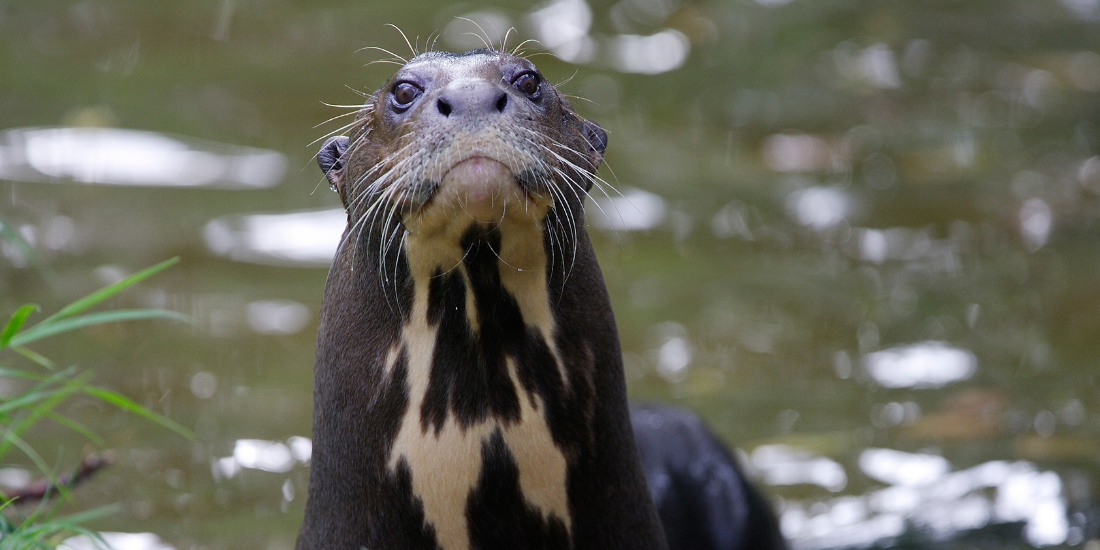
Discover the Charismatic Giant River Otters in the Madre de Dios River, Peru: An Unforgettable Wildlife Adventure in the Heart of the Amazon Rainforest.
Overview of the Activity: Giant River Otter Spotting in the Madre de Dios River offers a unique and thrilling opportunity to observe one of the Amazon’s most fascinating and endangered species. Guided tours typically involve boat excursions along the river and its tributaries, where you’ll search for the elusive giant river otters in their natural habitat. Expert guides provide insights into the otters’ behavior, ecology, and conservation challenges, enhancing your understanding of these remarkable animals. Tours usually last between 4 to 6 hours, depending on the specific package and the locations visited.
Location: Madre de Dios River, Peru: The Madre de Dios River is a major tributary of the Amazon River, located in southeastern Peru. This region is renowned for its rich biodiversity and is a critical habitat for giant river otters. Key areas for spotting include the Tambopata National Reserve and the Manu National Park, both of which are accessible from the town of Puerto Maldonado.
Duration: Giant river otter spotting tours generally last between 4 to 6 hours. Some tours may be part of multi-day packages that include additional activities such as wildlife viewing, rainforest hikes, and visits to indigenous communities.
Estimated Cost: Costs for giant river otter spotting tours typically range from USD 150 to USD 300 per person for a half-day to full-day experience. Prices can vary based on the tour duration, inclusivity (such as transportation, meals, and park entry fees), and the specific tour operator. Multi-day packages that include accommodation and additional activities are available at higher prices.
How to Get There: Fly into Puerto Maldonado, the main gateway city to the Madre de Dios River region. From Puerto Maldonado, you will typically take a boat or small aircraft to reach your lodge or base camp. Many tour operators provide transportation from Puerto Maldonado to the river and lodges as part of their packages.
Top Tip: Wear lightweight, breathable clothing and bring waterproof gear to handle the humid and wet conditions of the Amazon rainforest. Essential items include insect repellent, a hat, and a high-quality camera with a zoom lens to capture detailed shots of the otters from a safe distance. Early mornings and late afternoons are the best times for wildlife activity, so be prepared for early starts. Follow all safety and environmental guidelines provided by your guides to ensure a respectful and safe experience. Booking well in advance is recommended, especially during peak travel seasons, to secure your spot and ensure availability. Understanding the giant river otters’ behavior and the rainforest ecosystem will enhance your experience and increase your chances of spotting these captivating animals.
8.) Condor Watching in the Argentine Andes
Soar to New Heights with Condor Watching in the Argentine Andes: Experience the Awe-Inspiring Sight of the Andean Condor in Its Majestic Mountain Realm.
Overview of the Activity: Condor Watching in the Argentine Andes offers a breathtaking chance to observe the Andean condor, one of the world’s largest flying birds, in its natural mountainous habitat. Guided tours typically include excursions to high-altitude viewpoints where you can witness these magnificent birds gliding effortlessly on thermal currents. The tours often involve a combination of scenic drives and short hikes to prime viewing spots, where expert guides provide insights into the condor’s behavior, ecology, and conservation. The experience usually lasts between 2 to 4 hours, depending on the tour package and the locations visited.
Location: Argentine Andes, Argentina: The Argentine Andes stretch along the western border of Argentina and offer stunning landscapes ideal for condor watching. Popular areas for viewing include the Parque Nacional Los Glaciares near El Chaltén and the Quebrada de las Conchas near Cafayate. These locations provide excellent vantage points for observing condors in their natural environment.
Duration: Condor watching tours typically last between 2 to 4 hours. Full-day tours may include additional activities such as exploring nearby natural attractions or visiting local communities.
Estimated Cost: Costs for condor watching tours generally range from USD 50 to USD 150 per person. Prices can vary based on the tour duration, inclusivity (such as transportation, park entry fees, and guide services), and the specific tour operator. Private or custom tours may be available at higher prices.
How to Get There: Fly into major Argentine cities such as Buenos Aires or Mendoza, and then take a domestic flight or drive to your chosen condor-watching location. For example, to reach Parque Nacional Los Glaciares, you can fly into El Calafate and drive or take a tour to El Chaltén. For Quebrada de las Conchas, fly into Salta and drive or join a tour from there.
Top Tip: Dress in layers and wear warm, comfortable clothing, as temperatures can vary with altitude. Bring binoculars and a camera with a zoom lens to capture the condors from a distance without disturbing them. The best times for viewing are early mornings and late afternoons when condors are most active. Follow all safety and environmental guidelines provided by your guides to ensure a respectful and safe experience. Booking in advance is advisable, especially during peak travel seasons, to secure your spot and ensure availability. Familiarize yourself with the condor’s behavior and the geography of the Andes to enhance your viewing experience and appreciation of these magnificent birds.
9.) Inca Trail Birdwatching, Peru
Embark on a Feathered Journey with Inca Trail Birdwatching in Peru: Discover an Avian Paradise Along One of the World’s Most Iconic Trekking Routes.
Overview of the Activity: Inca Trail Birdwatching combines the adventure of trekking with the thrill of spotting diverse bird species along the historic Inca Trail to Machu Picchu. This specialized activity involves guided birdwatching tours that take you through varied habitats, from lush cloud forests to high-altitude grasslands. Expert guides help identify and provide insights into the rich avian diversity found along the trail, including species such as the Andean Cock-of-the-Rock, the Spectacled Bear, and various hummingbirds. Tours typically last between 4 to 8 hours, with options ranging from half-day excursions to multi-day birdwatching treks along the full Inca Trail.
Location: Inca Trail, Peru: The Inca Trail is a historic trekking route that leads to Machu Picchu, traversing diverse ecosystems along the way. Key birdwatching sections include the cloud forests near Km 82 and the high-altitude areas around Dead Woman’s Pass. The trail offers spectacular birdwatching opportunities due to its varied altitudes and habitats.
Duration: Birdwatching tours along the Inca Trail typically last between 4 to 8 hours. Multi-day birdwatching treks that cover longer stretches of the Inca Trail and include additional activities such as visits to Machu Picchu can last several days.
Estimated Cost: Costs for Inca Trail birdwatching tours generally range from USD 150 to USD 500 per person, depending on the duration and inclusivity of the tour. Prices vary based on the length of the trek, accommodations, meals, park entry fees, and the level of guide expertise. Multi-day treks and private tours may be available at higher prices.
How to Get There: Fly into Cusco, the main gateway city for the Inca Trail. From Cusco, you can take a train or drive to Ollantaytambo, where the Inca Trail begins. Many tour operators provide transportation from Cusco to Ollantaytambo and the start of the trek as part of their packages.
Top Tip: Dress in layers and wear comfortable, moisture-wicking clothing suitable for a range of temperatures and weather conditions. Bring binoculars and a field guide for Peruvian birds to enhance your birdwatching experience. Early mornings and late afternoons are the best times for bird activity. Follow all safety and environmental guidelines provided by your guides to ensure a respectful and enjoyable experience. Booking well in advance is recommended, especially during peak trekking seasons, to secure your spot and ensure availability. Familiarize yourself with the key bird species along the Inca Trail and the trail’s elevation changes to maximize your birdwatching success and enjoyment.
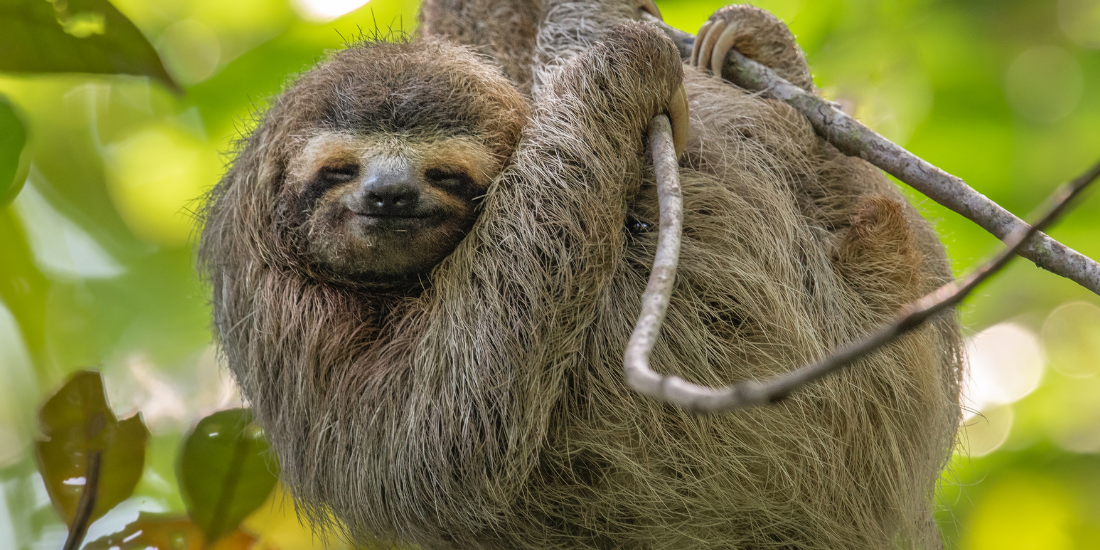
10.) Sloth Spotting in Costa Rica
Embrace the Slow Pace with Sloth Spotting in Costa Rica: A Relaxing Adventure to Discover the World’s Slowest Mammals in Their Natural Rainforest Habitat.
Overview of the Activity: Sloth Spotting in Costa Rica provides a unique and leisurely opportunity to observe these fascinating creatures in their natural rainforest environment. Guided tours focus on locating both two-toed and three-toed sloths as they hang languidly from the trees. Expert naturalists lead you through lush rainforests and tropical jungles, offering insights into sloth behavior, diet, and conservation. The experience often includes a mix of hiking and canopy observation, and tours typically last between 2 to 4 hours, though some may extend to full-day excursions that include additional wildlife viewing.
Location: Costa Rica: Known for its rich biodiversity, Costa Rica offers several prime locations for sloth spotting. Popular spots include the Manuel Antonio National Park, Tortuguero National Park, and the Monteverde Cloud Forest Reserve. These areas provide ideal habitats for sloths and are accessible from major cities like San José and Liberia.
Duration: Sloth spotting tours generally last between 2 to 4 hours. Full-day tours may include additional activities such as guided hikes, wildlife viewing, and visits to local conservation projects.
Estimated Cost: Costs for sloth spotting tours typically range from USD 50 to USD 150 per person. Prices vary based on the tour duration, inclusivity (such as transportation, park entry fees, and guide services), and the specific tour operator. Private or custom tours may be available at higher prices.
How to Get There: Fly into San José or Liberia, the main gateways to Costa Rica’s wildlife regions. From these cities, you can travel by car or join a tour operator who will provide transportation to your chosen sloth-watching location. Many tour operators offer packages that include transportation from the airport to the rainforest areas.
Top Tip: Wear lightweight, breathable clothing and sturdy walking shoes suitable for wet and uneven terrain. Bring binoculars and a camera with a zoom lens to capture close-up shots of the sloths without disturbing them. Early mornings and late afternoons are typically the best times for wildlife activity. Follow all safety and environmental guidelines provided by your guides to ensure a respectful and enjoyable experience. Booking in advance is recommended, especially during peak travel seasons, to secure your spot and ensure availability. Familiarize yourself with sloth behavior and the ecosystems where they live to enhance your spotting experience and appreciation of these charming animals.
11.) Llanos Wildlife Safari, Colombia
Dive into the Untamed Beauty of Llanos Wildlife Safari, Colombia: Encounter the Diverse Wildlife of the Colombian Llanos in a Thrilling and Scenic Safari Adventure.
Overview of the Activity: The Llanos Wildlife Safari in Colombia offers an exhilarating chance to explore the expansive savannas of the Llanos region, known for its rich biodiversity and stunning landscapes. This safari focuses on spotting a variety of wildlife, including capybaras, caimans, jaguars, and an array of bird species such as the Orinoco Goose and the Scarlet Ibis. Guided tours typically include jeep safaris, boat excursions, and walking trails, led by experienced naturalists who provide insights into the ecology and behavior of the region’s inhabitants. Tours generally last between 4 to 8 hours, with options for full-day or multi-day safaris.
Location: Llanos, Colombia: The Llanos, or Los Llanos, is a vast tropical savanna ecoregion stretching across eastern Colombia and Venezuela. The Colombian Llanos are accessible from cities like Villavicencio and Yopal. Popular areas for safaris include the Llanos Orientales and the buffer zones of the Everglades-like wetlands.
Duration: Llanos wildlife safari tours typically last between 4 to 8 hours. Multi-day safaris are also available, offering extended exploration of the region’s diverse habitats and wildlife.
Estimated Cost: Costs for Llanos wildlife safaris generally range from USD 150 to USD 400 per person for a full-day tour. Prices vary based on the duration, inclusivity (such as transportation, meals, and park entry fees), and the specific tour operator. Multi-day safaris or private tours may be available at higher prices.
How to Get There: Fly into Villavicencio or Yopal, the main cities nearest to the Llanos region. From these cities, you can take a car or join a tour operator who will provide transportation to the safari locations. Many tour operators offer packages that include transportation from the airport to the safari base camps or lodges.
Top Tip: Wear lightweight, long-sleeved clothing and sturdy footwear to protect against insects and brush. Bring binoculars and a camera with a zoom lens to capture distant wildlife without disturbing them. The best times for wildlife viewing are early mornings and late afternoons when animals are most active. Follow all safety and environmental guidelines provided by your guides to ensure a respectful and safe experience. Booking in advance is recommended, especially during peak travel seasons, to secure your spot and ensure availability. Familiarize yourself with the local wildlife and the unique characteristics of the Llanos ecosystem to enhance your safari experience.
12.) Macaw Viewing in the Tambopata National Reserve, Peru
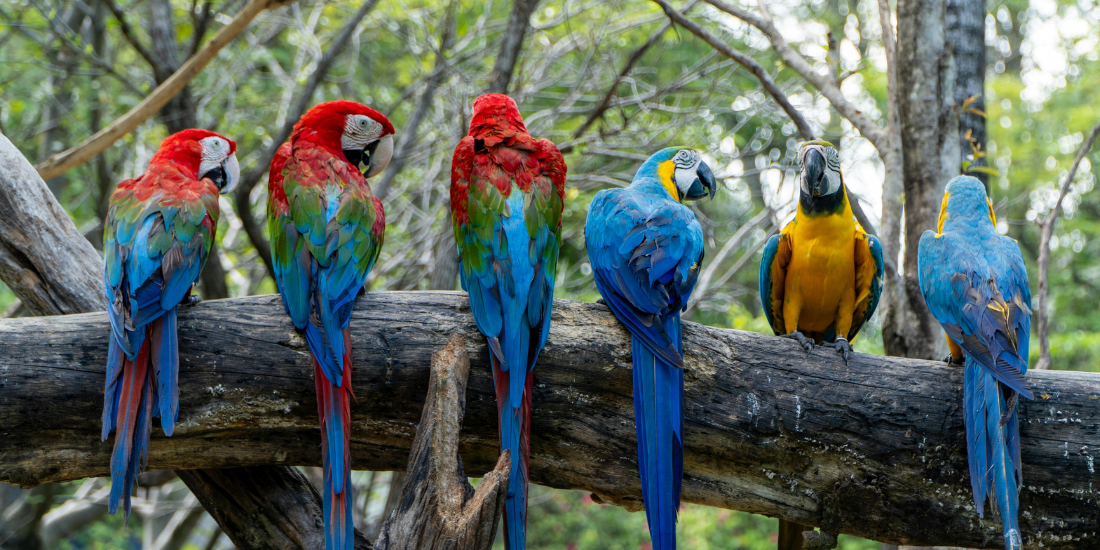
Experience the Vibrant Colors of Macaw Viewing in the Tambopata National Reserve, Peru: Witness the Majestic Macaws in One of the Amazon’s Most Richly Diverse Ecosystems.
Overview of the Activity: Macaw Viewing in the Tambopata National Reserve offers an extraordinary opportunity to observe some of the Amazon’s most stunning and colorful residents. This activity involves guided tours to key macaw viewing spots, such as clay licks, where macaws gather to ingest mineral-rich soil. The experience often includes boat rides, forest hikes, and canopy observation, led by expert guides who provide insights into macaw behavior, ecology, and conservation. Tours typically last between 4 to 8 hours, with options for multi-day packages that allow for deeper exploration of the reserve and its wildlife.
Location: Tambopata National Reserve, Peru: The Tambopata National Reserve is located in southeastern Peru, within the Madre de Dios region. It is renowned for its rich biodiversity and is one of the best places to observe macaws in their natural habitat. The reserve is accessible from Puerto Maldonado, which serves as the gateway to this pristine area of the Amazon rainforest.
Duration: Macaw viewing tours generally last between 4 to 8 hours. Multi-day packages are available, offering extended exploration of the reserve and additional activities such as night hikes and visits to other wildlife hotspots.
Estimated Cost: Costs for macaw viewing tours typically range from USD 150 to USD 350 per person for a full-day tour. Prices vary based on the tour duration, inclusivity (such as transportation, meals, park entry fees, and guide services), and the specific tour operator. Multi-day packages that include accommodation and additional activities may be available at higher prices.
How to Get There: Fly into Puerto Maldonado, the main gateway city to the Tambopata National Reserve. From Puerto Maldonado, you will typically take a boat or small aircraft to reach your lodge or base camp within the reserve. Many tour operators provide transportation from the airport to the reserve as part of their packages.
Top Tip: Wear lightweight, breathable clothing and sturdy, waterproof footwear to handle the humid and often wet conditions of the rainforest. Bring binoculars and a camera with a zoom lens to capture the vibrant macaws from a distance without disturbing them. The best times for viewing are early mornings and late afternoons when macaws are most active. Follow all safety and environmental guidelines provided by your guides to ensure a respectful and safe experience. Booking in advance is highly recommended, especially during peak travel seasons, to secure your spot and ensure availability. Familiarize yourself with macaw behavior and the diverse ecosystem of the Tambopata National Reserve to enhance your viewing experience.
13.) Spectacled Bear Viewing in the Andes, Ecuador
Discover the Enigmatic Spectacled Bear in the Andes: An Unforgettable Wildlife Encounter Amidst the Majestic Mountains of Ecuador.
Overview of the Activity: Spectacled Bear Viewing in the Andes offers a rare chance to observe the elusive Andean spectacled bear in its natural habitat. These guided tours take you through lush cloud forests and high-altitude grasslands where spectacled bears, known for their distinctive facial markings, are most commonly found. The experience typically involves hiking through diverse terrains, with opportunities to spot other wildlife such as deer and various bird species. Expert guides provide insights into bear behavior, ecology, and conservation. Tours generally last between 4 to 8 hours, with options for full-day excursions or multi-day adventures in the Andes.
Location: Andes, Ecuador: The Andes Mountains in Ecuador provide a prime habitat for the spectacled bear, particularly in areas such as the Cotopaxi National Park and the Podocarpus National Park. These regions feature a range of ecosystems, from cloud forests to páramo, which are ideal for spectacled bear viewing.
Duration: Spectacled bear viewing tours typically last between 4 to 8 hours. Multi-day adventures are available, offering extended exploration of the Andes and additional activities such as birdwatching and visits to local communities.
Estimated Cost: Costs for spectacled bear viewing tours generally range from USD 150 to USD 400 per person for a full-day tour. Prices vary based on the tour duration, inclusivity (such as transportation, meals, park entry fees, and guide services), and the specific tour operator. Multi-day tours or private experiences may be available at higher prices.
How to Get There: Fly into Quito or Cuenca, the main gateway cities to the Andes in Ecuador. From these cities, you can travel by car or join a tour operator who will provide transportation to the spectacled bear viewing locations. Many tour operators offer packages that include transportation from the airport to the starting points of the trekking routes.
Top Tip: Dress in layers and wear sturdy, waterproof hiking boots to handle varying weather conditions and rugged terrain. Bring binoculars and a camera with a zoom lens to capture distant sightings of spectacled bears without disturbing them. Early mornings and late afternoons are often the best times for wildlife activity. Follow all safety and environmental guidelines provided by your guides to ensure a respectful and safe experience. Booking in advance is recommended, especially during peak travel seasons, to secure your spot and ensure availability. Familiarize yourself with spectacled bear behavior and the diverse habitats of the Andes to maximize your viewing experience.
14.) Penguin Watching on the Falkland Islands
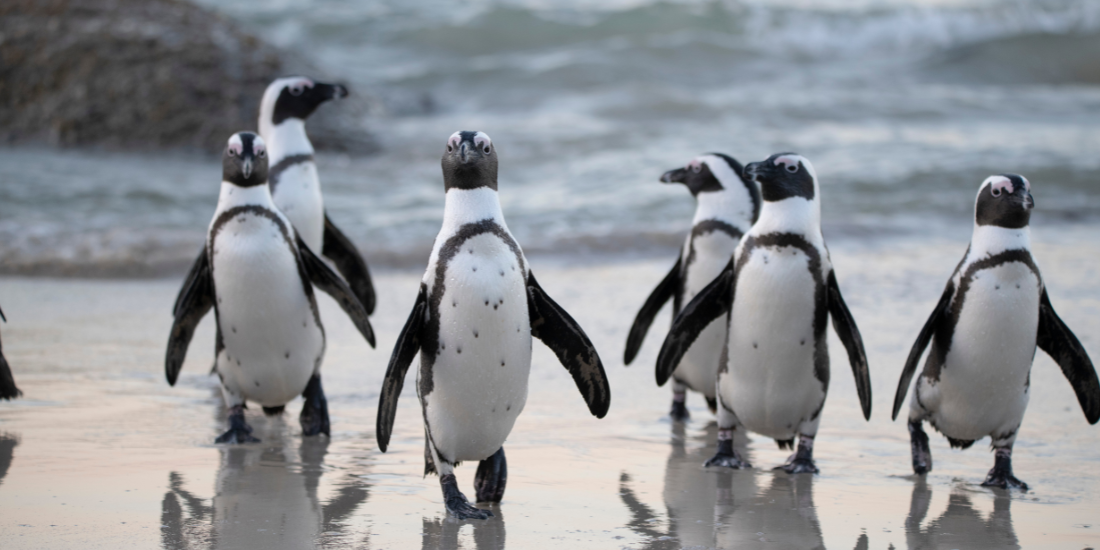
Experience the Charm of Penguin Watching on the Falkland Islands: Encounter Majestic Penguins in One of the World’s Most Remote and Pristine Wildlife Destinations.
Overview of the Activity: Penguin Watching on the Falkland Islands offers a captivating opportunity to observe several species of penguins in their natural, untamed environment. This activity typically involves guided tours to key penguin colonies where you can see various species such as the King Penguin, Gentoo Penguin, and Rockhopper Penguin. Tours often include scenic drives and boat trips to reach remote islands and are led by experienced naturalists who provide insights into penguin behavior, breeding habits, and conservation. Tours usually last between 4 to 8 hours, with multi-day options available for a more in-depth exploration of the islands.
Location: Falkland Islands: The Falkland Islands, located in the South Atlantic Ocean, are home to several important penguin colonies. Key locations for penguin watching include Saunders Island, Bleaker Island, and the Sea Lion Island. The islands are accessible via flights from Argentina or Chile.
Duration: Penguin watching tours generally last between 4 to 8 hours. Multi-day tours are also available, offering extended exploration of the islands and additional wildlife viewing opportunities.
Estimated Cost: Costs for penguin watching tours on the Falkland Islands typically range from USD 200 to USD 600 per person for a full-day tour. Prices vary based on the tour duration, inclusivity (such as transportation, meals, park entry fees, and guide services), and the specific tour operator. Multi-day packages or private tours may be available at higher prices.
How to Get There: Fly into Stanley, the capital of the Falkland Islands, typically via a connecting flight from Buenos Aires, Argentina, or Santiago, Chile. From Stanley, you can join a tour operator who will provide transportation to the various penguin-watching locations on the islands. Many tour operators offer packages that include flights, transfers, and guided tours.
Top Tip: Dress in layers and wear sturdy, waterproof clothing and footwear to handle the island’s often unpredictable weather conditions. Bring binoculars and a camera with a zoom lens to capture the penguins without disturbing them. The best times for penguin watching are during the breeding season (October to April) when the penguins are most active. Follow all safety and environmental guidelines provided by your guides to ensure a respectful and safe experience. Booking well in advance is recommended, especially during peak travel seasons, to secure your spot and ensure availability. Familiarize yourself with the different penguin species and their behaviors to enhance your viewing experience.
15.) Sea Turtle Nesting on the Osa Peninsula, Costa Rica
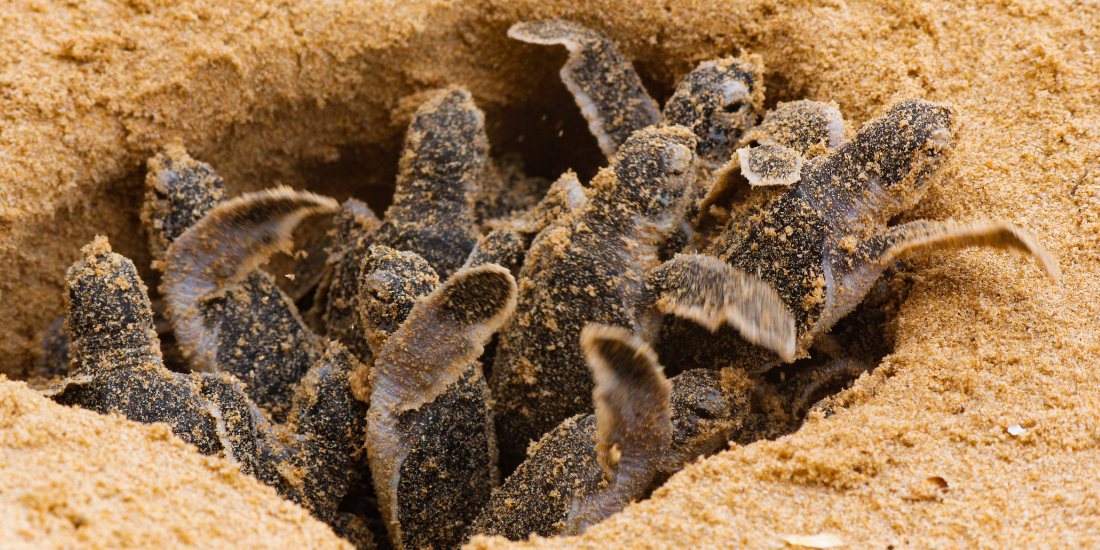
Witness the Majestic Sea Turtle Nesting on the Osa Peninsula, Costa Rica: Experience One of Nature’s Most Breathtaking Marine Events in a Pristine Rainforest Setting.
Overview of the Activity: Sea Turtle Nesting on the Osa Peninsula offers a spectacular chance to observe the nesting behaviors of various sea turtle species, including the Olive Ridley and Hawksbill turtles. Guided tours are timed to coincide with the nesting season when turtles come ashore to lay their eggs. These tours often include nighttime beach walks, where you can witness the nesting process and, if fortunate, see hatchlings making their way to the sea. Expert guides provide information on sea turtle biology, conservation efforts, and the ecological significance of the nesting sites. Tours generally last between 2 to 4 hours, with options for multi-day packages to explore the Osa Peninsula more fully.
Location: Osa Peninsula, Costa Rica: The Osa Peninsula is located in the southern part of Costa Rica and is renowned for its rich biodiversity and pristine natural habitats. Key nesting beaches on the peninsula include Playa Matapalo, Playa Carbonera, and Playa Tortuga. The area is accessible from Puerto Jiménez, the main gateway to the Osa Peninsula.
Duration: Sea turtle nesting tours typically last between 2 to 4 hours, often conducted in the evening or early morning when turtles are most active. Multi-day tours are available, offering extended opportunities to observe nesting and explore the surrounding rainforest and wildlife.
Estimated Cost: Costs for sea turtle nesting tours generally range from USD 100 to USD 250 per person for a single night tour. Prices vary based on the duration, inclusivity (such as transportation, park entry fees, and guide services), and the specific tour operator. Multi-day packages or private tours may be available at higher prices.
How to Get There: Fly into San José or Liberia, Costa Rica. From these cities, take a domestic flight to Puerto Jiménez, the nearest town to the Osa Peninsula. From Puerto Jiménez, you can join a tour operator who will provide transportation to the nesting sites. Many tour operators offer packages that include flights, transfers, and guided tours.
Top Tip: Wear comfortable, lightweight clothing and sturdy, waterproof footwear to handle the beach environment and potentially wet conditions. Bring a flashlight with a red filter to minimize disturbance to the turtles, and consider using binoculars and a camera with a zoom lens for capturing the nesting process from a distance. Tours are often conducted at night, so be prepared for nighttime conditions and follow all safety and environmental guidelines provided by your guides. Booking in advance is recommended, especially during the nesting season, to secure your spot and ensure availability. Familiarize yourself with sea turtle nesting behavior and conservation issues to enhance your understanding and appreciation of this remarkable natural event.
Safe travels and may your wildlife viewing and journey be filled with as many incredible experiences as possible as you explore the stunning inhabitants of the beautiful continent of South America!
The Travel Lantern: