Stonehenge
Overview:
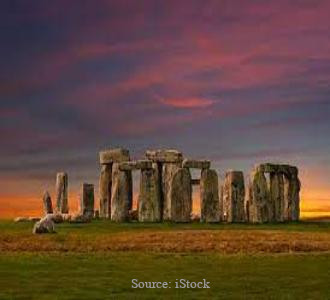
A stunning prehistoric monument, the incredible Stonehenge is both an architectural and mysterious wonder, with the famous stone circle, which sits in quaint English Countryside, being not only the largest still standing Stone Circle but one who’s undiscovered meaning, historical importance and unique beauty help to make it a true wonder of the world.
Constructed to perfectly align with the rising Sun on the summer solstice in England – the longest day of sunlight in England – Stonehenge is believed to have been built over 3000 years ago BC and being home to numerous important historical archaeological finds in history – with the structure as it stands today having gone through numerous evolutions over multiple centuries and been built through continuous shaping, carving and erecting of the famous stone – with the continuous evolutions to the structure reflecting the advancement in beliefs, ability and mankind over the years.
Yet the real uniqueness of Stonehenge is in the unanswered questions that surrounds its purpose, with the prehistoric structure – which stands out on the flat grasslands on which it sits – leaving scholars divided over whether Stonehenge was created to study the movement of the planets and the sun, whether the site was once a temple to pay homage to the gods and the sun or whether some of the more unique theories including it being constructed by giants or wizards have merit – a mystery which explorer gets to ponder when they visit the incredible wonder.
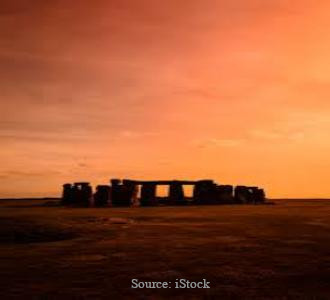
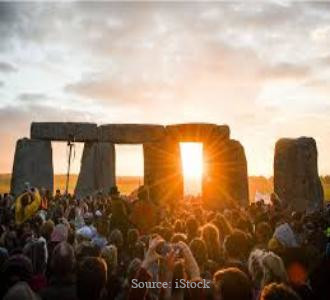
Regardless of its true intention when constructed, Stonehenge today is the sight of one of the greatest festivals on the planet in both the warm summer solstice and much colder winter solstice – where crowds flock to the wonder to greet the rising or setting sun that is perfectly aligned with the monument and which makes for incredible photos as the monument illuminates.
With Stonehenge being explorable on foot or by bike – and with those lucky enough to visit either during the solstice or on a special access tour being given the chance to walk among and between the incredible stone circle monument there are plenty of opportunities for travellers to explore, appreciate and ponder the origins of the incredible wonder of the world that is Stonehenge.
Where:
Stonehenge lies on the Sainsbury Plain in the English county of Whiltshire, with the nearest town to the monument – which are visible from miles being the lovely towns of Amesbury or Salisbury.
Getting there:
On account of Stonehenge’s size and it’s location it’s an incredibly accessible wonder of the world – with one of England’s main motorways passing right by it and able to drop you off at Stonehenge’s doorstep.
By Car – For those travelling by Car, it should be as easy as putting Stonehenge into your sat nav (or Stonehenge car park as you can’t drive onto the monument) and the drive is only an hour from London and 90 minutes from Heathrow as you take the A303 up out of London and follow the signs to Stonehenge – for those coming from the North of England (unofficially everything above Watford – you can likewise get yourself onto the A344 main motorway and simply cruise along it until you see the signs for Stonehenge until you find yourself in the main car park.
By train – For those who don’t want to travel by car but wish to avoid getting on a tour you have the option to travel by Train using England’s great train system – where you can take the train direct from London Waterloo or from anywhere in the country and head to the town of Salisbury – where you can then flag down a taxi or uber to take you to the wonder.
By tour – Finally for those who don’t fancy driving, there are multiple tour options to get to Stonehenge. While we’d advise to avoid them if possible – as you’ll find yourself on a packed tour bus and will miss out on the stunning sunrise and be at the mercy of your tour as to how long you spend at the wonder, a tour package offers an easy and quick way of seeing the incredible monument.
Once at the wonder you’ll arrive at the main visitor centre, and after spending some time getting familiar and exploring the mysteries and construction of the wonder at the exhibits you’ll get the chance to walk around the incredible wonder on foot on the 260 hectares of quaint English land and circumnavigate, explore and ponder the wonder of the world that is Stonehenge.
Best time to Visit:
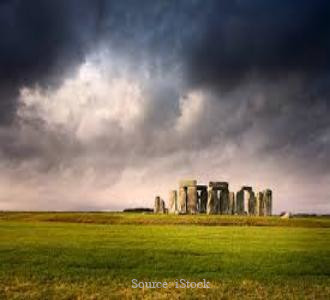
Given the English weather – we’d recommend making time to visit Stonehenge between late spring to early Autumn – with the summer months often giving warm and breezy days and ideal conditions to see the wonder and being the summer solstice undoubtedly being a much more enjoyable experience that the winter solstice where the cold days can ebb away at your enjoyment — regardless of then you visit we’d recommend to bring a coat and Cagoule to make sure you don’t get caught in a shower burst.
We’d also strongly recommend getting up early for either a stone circle experience tour or making your way to a viewpoint to capture the stunning sunrise over the wonder – where the glittering sunrise offers incredible illuminated views of the monument – arriving early or in the late afternoon is also a good time to visit as it’ll allow you to steer clear of the bus loads of tourists that flock to the wonder on day trips from London – just be sure to book your tickets in advance to avoid missing out as there are crowd control limits in place.
Explore:
Standing as a prehistoric monument a trip to Stonehenge is both about admiring and exploring the incredible stone circle wonder and also about appreciating it’s construction more than 3000 years ago BC, while pondering and reflecting upon it’s meaning and purpose – which still remains a mystery to this day.
While archaeological evidence points to Stonehenge once being used as a gravesite – on account of the human remains discovered beneath the site, other speculate it once existed as a tribute to the gods, whilst others have pointed to it being an ancient sundial on account of it’s unique position for sunrise and sunset.
Yet while you ponder on its true purpose yourself, it’s also worth taking a moment to reflect on its construction – which is believed to have taken centuries as large pieces of stone were carved, transported, and erected as humanity and the monument evolved.
While we’d encourage you to explore Stonehenge at your own pace and in your own unique way (although you’ll need to buy tickets in advance) the below are out top recommended sights and ways to explore the incredible wonder of Stonehenge:
Stonehenge (Stone Circle)
Beginning on foot and having got yourself a ticket into the wonder, you’ll be upon 260 hectares of land, with the incredible stone circle lying almost a mile away from the entrance point.
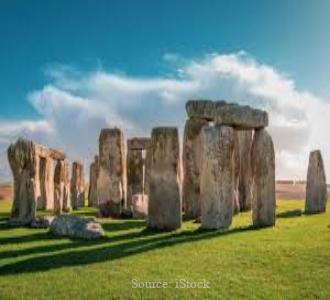
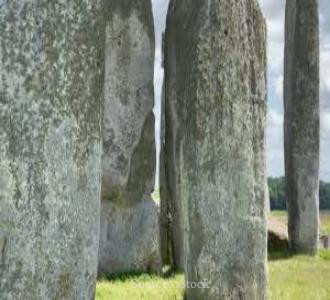
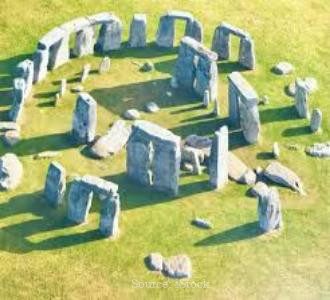
At first glance you’ll notice the sheer size and thickness of the stone, as you get the chance to walk alongside them and view this prehistoric monument in all its glory. One thing that often surprises visitors who visit Stonehenge is that on a normal walking tour during the day you won’t actually be able to walk amongst the stones – as they are protected by a small rope – but you can get within 10 foot of them – but you will have the chance to walk along a well-defined circular pathway complete with a free audio tour that will tell you about the stunning stone and both their construction and possible purpose.
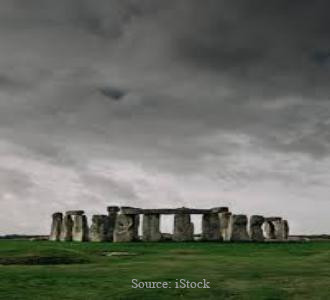
A walk around the wonder also allows you to step back in history through the centuries to the stone’s creation and envisage and understand what an awe-inspiring and spiritual place was once for so many people across England. AS you journey round the incredible wonder you’ll also notice the differing rock types that make up the stone circle – with the larger and arched rocks being made of locally found sandstone – and the smaller stones being Blue Stone – which are believed to have originated from neighbouring Wales giving you a true idea of the architectural and engineering ingenuity that helped create this stunning wonder of the world.
A trip round the wonder, complete with audiobook and as many photos as you can muster should take around an hour and will give you plenty of time to consider the meaning of Stonehenge and appreciate its beauty as you explore and discover this iconic prehistoric and stunning English monument.
Stone Circle Experience
For those who want to get truly up close and personal to the Stonehenge monument, you have the opportunity to walk amongst the incredible stones and truly discover its beauty through the Stone Circle Experience.
This experience – open to only 30 people a day so you’ll have to be quick and book well in advance, allows individuals to not only tour the incredible wonder and walk amongst the stunning Stones for a truly awe-inspiring experience, but also arrive to the monument out of hours – particularly at sunrise and sunset – where you will have the chance to capture stunning photos of the incredible monument as the rising or descending Sun illuminates the incredible Stone Circle creating a glowing and dazzling effect and allowing Stonehenge to shine in all its glory.
For those who aren’t seeing the wonder as a day trip and wish for a unique and off the beaten track experience the Stone Circle Experience is the one for you – allowing you to not only walk amongst the incredible wonder but also see it at its most beautiful.
Summer solstice:
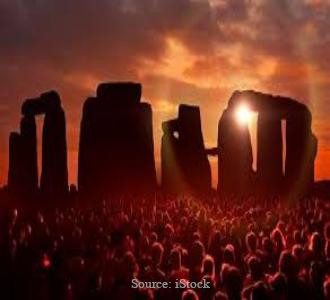
Alongside both walking round the incredible wonder, and getting an up close after hours experience a truly unique way to see the incredible monument is by visiting it at either the summer (21st June) or Winter (21st, 22nd or 23rd December) Solstices where crowds of people flock to the wonder and walk amongst the stone to mark either the longest (summer) or shortest (winter) day as the Earth’s pole reach their maximum tilt.
Offering another and somewhat bizarre way of experiencing the wonder, you’ll also find that not only can you walk amongst the Stones freely – but perhaps best of all there is no entrance fee to get into Stonehenge as a part atmosphere takes hold of the Monument in the form of a religious and historical festival that has been celebrated for years and which features a full night of parties, spiritual awakening performances, religious ceremonies – and dance and music.
Best of all the Solstice – and we’d strongly recommend going for the summer solstice on account of the English Winter being particularly cold also offers a unique opportunity to grab some incredible photos at the moment – with the sunrise and sunset – which line up perfectly against the stunning stones making for an incredible photography opportunity.
While a little unconventional and an experience that will see you mix with multiple crowds and bear a winter night, the chance to watch the sunset and rise at this incredible monument as well as walk amongst the stones is a truly unique experience and an incredible way to see this wonder – just be sure to bring a few extra layers to cope with the weather.
Alongside the monument itself, the area of Stonehenge features a range of historic and storied monuments and sites that are well worth checking out and give you a chance to explore the incredible English hillside and offer unique views of the Stunning Stonehenge. While Salisbury itself is a truly beautiful town worthy of spending a few days exploring the below are our top picks in the Stonehenge park that can help enhance your experience at this truly stunning monument:
Visitor Centre & Exhibitions:
Beginning perhaps with the most obvious spot, the Stonehenge Visitor Centre is the first port of call for most travellers and is a great place to learn about both the construction of the wonder and ponder upon its purpose.
Featuring a series of exhibits which tell the story and construction not just of the wonder but also the neighbouring town, the visitor centre and its encompassing museum features displays on the stones, landscape and a series of films that depict life at Stonehenge dating back through the centuries – with our favourite bit being the recreation, based on fossils and bones found at the site, of the face of modern man when Stonehenge was at his peak thousands of years ago.
Offering the chance to stand – and with a clever green screen – have your picture taken inside the famous Stonehenge circle, the visitor centre and its museum gives you a real feeling, understanding and history for the incredible wonder before you – and if that’s not enough for those of you visiting Stonehenge on a cold English day features a great café with traditional English muffins and tea – for a truly warming experience – and one not to be missed at the wonder.
King Barrows Ridge
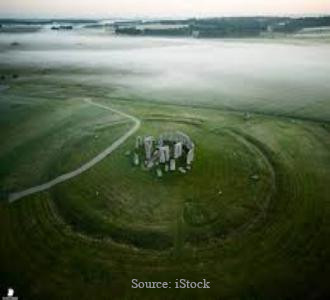
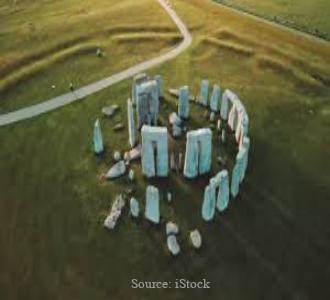
A spot for those who want to get a great shot of the inner circle of the Stonehenge bowl – but who don’t make it onto one of the Stone Circle tours, the Kings Barrows ridge is a small ridge on an Avenue that links Stonehenge to the nearby river Avon and gives you an ariel view of the wonder down below you – it’s a particular good spot to observe the celebrations and sunrise of the Solstice.
Stonehenge Cursus
Often overlooked on account of the stunning monument of Stonehenge being so close buy, the Stonehenge Cursus is a one-and-a-half-mile long earth work monument that actually predates Stonehenge. As an earthwork it is hard to fully capture the uniqueness of the Cursus as it features a ditch and a bank, but it’s believed to have been used as a place for ancient gatherings both before and after the creation of Stonehenge – and is a great spot for the history buffs who visit Stonehenge.
Woodhenge
A wooden version of Stonehenge – Woodhenge was once a similar monument to Stonehenge aligned to meet the rising sun on the solstice that lies a mile away from the still standing Stonehenge.
Offering a fascinating insight into the reverence of which Stonehenge held, unfortunately the wooden Stonehenge no longer stands – and all that remains of this once dominant structure are a series of concrete slabs that work where the pillars once stood.
Still for a unique experience that offers further insight into both the history of the area and the mystery of Stonehenge, the chance to see where it’s wooden sister — that is believed to be connected to Stonehenge — once stood is well worth a visit. .
Cycling trip
Finally for those who seek a bit more solitude and want to soak in all of the majestic scenery as well as the Cursus, Woodhenge and Kings Barrows Ridge, there are a range of traditional quaint English Cycling Paths that run round the outer skits of the Stonehenge park and take you through small villages up to the Woodford Valley and to the wonder.
While you’ll have to disembark off your bike to actually see the wonder, cycling through Salisbury and up to the wonder is a cheap and truly scenic way of seeing the wonder at your own pace and gives you a chance to retreat the roads likely walked by those who constructed this incredible wonder of the world.
How long to stay:
Unless attending for the solstice – where you’ll need to budget a whole evening for the festival and trip to the wonder – we’d recommend budgeting half a day to see Stonehenge – with the half day hopefully giving you enough time see the incredible sunrise and then spend enough time walking around or within the incredible monument – with you likely to spend time pondering both the beauty and mystery of Stonehenge long after you’ve left the incredible monument.
Top Tip:
Alongside making sure you get your tickets in advance and potentially combining your trip to the wonder with both the stone Circle pass and Summer Solstice celebration for a truly unique and up close experience with the wonder – we’d advise making sure that you allocate a bit of time to browse not just the main wonder but also the incredible visitor centre which can help you unlock the true mystery of Stonehenge.
Alongside this be sure to time your visit at either early morning or late afternoon to avoid the crowds of tourists who are regularly bussed up from London to the wonder and who can take the edge of your experience.
Finally given the unpredictability of English Weather – regardless of the season you visit be sure to come prepared with a coat and cagoule on the off chance that a traditional English shower hits when you’re touring the wonder !
Cost:
Given the popularity of Stonehenge – and the numerous tour group that shuttle people to the wonder from London, entry to Stonehenge now operate on a timed entry-based system in order to avoid overcrowding – and Adults can expect to pay £21 to enter the wonder.
Given the time-based system we’d also highly recommend booking your tickets online for a much easier experience and to avoid missing out on a visit to the wonder – with tickets available at [https://www.english-heritage.org.uk/visit/places/stonehenge/plan-your-visit/ticket-options/] – just be warned that during winter the opening times are 9:00am to 17:00 am which extends to 19:00 in summer – and last entry is 2 hours before it closes, so for those journeying to the wonder from London be sure to time your visit to meet these deadlines.
While normal entry to the wonder will give you a chance to explore and ponder upon the beauty of Stonehenge, for a truly up close and unique experience you have two further options – the first of which is to get a Stone Circle Access Pass which will set you back £49 and which will allow you to arrive at the wonder at sunrise and walk within it – and which are very popular so you’ll need to book well in advance.
The second option is to combine your trip to the wonder with one of the greatest festival on the planet in the Summer Solstice at Stonehenge where you can witness both sunset and sunrise at the wonder and walk and party amongst the incredible monument – just be prepared for the occasional shower and cold weather and for your view of the wonder to be hindered by the huge crowds who come to greet the magical sunrise.
Fun Fact:
While there are many interesting theories about why Stonehenge was built and it’s exact purpose – one of the more interesting ones is that originates from Medieval times is that it was created by the famous English Wizard Merlin – as his lair, although how he managed with the traditional English rain in winter given its open top design is another mystery.
On a more serious note, while the purpose of Stonehenge still remains disputed, what is established is the ingenuity and genius used to first create it — with the rocks first being cut using makeshift hammers that involved feeding water into wood, then being transported to the site over river and land and then erected using a series of rope and rock cranes – which given this all happened some 3000 years ago BC – makes the creation and wonder of Stonehenge all the more impressive.
Best photo spot:
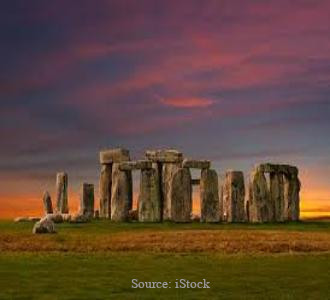
While catching Stonehenge on a sunny English day is always spectacular – watching the sunrise over this incredible monument makes for an absolutely stunning photo as the morning sun illuminates the full beauty of the stones and creates a dazzling and majestic site – so while you may need to be there in the early hours or time your visit with the Solstice if you manage to grab a shot of the sun rising over Stonehenge you’ll get an immaculate shot of the this incredible wonder of the world.