Pack your board, wax up, and get ready to paddle — as we explore the best 15 spots on the planet. From surfing the tidal rush of the Severn Bore, to catching waves in the sun-kissed spots of California, Bali and Surfers Coast, there is truly nothing like the thrill of a breaking wave, and with these 15 spots, we’ll bring you not only to the heart of heart of surfing culture and nature’s liquid wonder, but explore the best times to ride, essential insights for each spot, the cost of chasing perfection, and the unique culture and characteristics that defines each of these stunning locations.
So for those beginning their surfing adventure, to the seasoned pro, a crescendo of waves and adventure await you — in a place where the journey is as exhilarating as the ride itself — as you paddle out to explore the 15 greatest surfing spots and breaks on the planet that all can enjoy:
1.) Riding Giants at Banzai Pipeline: Unraveling the Surfing Odyssey
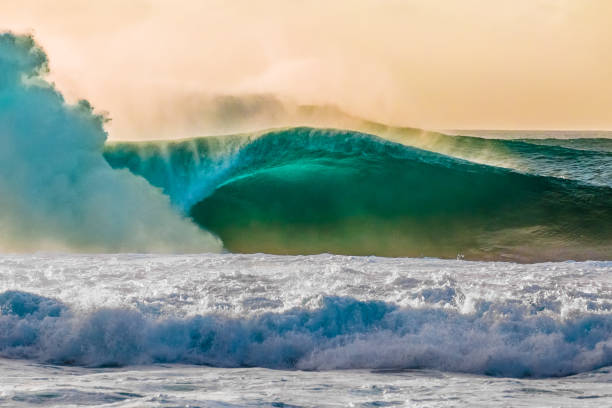
Beautiful waves highlight the winter on the North Shore of Oahu.
Overview: Welcome to the mecca of surfing, where the Pacific roars with an indomitable spirit, and the waves at Banzai Pipeline stand tall as titans of the ocean. Nestled on the North Shore of Oahu, Hawaii, Pipeline is not merely a surf spot; it’s a legendary arena where only the bravest and most skilled dare to challenge the ferocious barrels that unfold during the winter months. This is the story of riding giants, where surfers become modern-day warriors conquering the ultimate aquatic challenge.
Landmark of Rio de Janeiro. Sugarloaf mountain.
Booking Surfing Lessons at Pipeline: For those who hear the siren call of Pipeline but have yet to master the art of riding waves, fear not. Several surf schools along Oahu’s North Shore offer lessons for surfers of all skill levels. Booking a lesson not only provides you with the necessary equipment but also grants access to knowledgeable instructors who understand the intricacies of Pipeline’s waves. They’ll guide you through the basics, ensuring a safe and thrilling introduction to the world of surfing.
Now, let’s dive into the heart of the Pipeline experience with insights on the best time to surf, essential things to know, the cost of conquering the barrel, getting there, choosing the right board, understanding why Pipeline is the holy grail, and practical information for the Pipeline pilgrim.
Best Time to Surf at Pipeline: Banzai Pipeline comes to life during the winter months, typically from December to February. It’s a season marked by powerful North Pacific swells, creating the perfect conditions for the legendary barreling waves that Pipeline is renowned for. If you’re seeking the ultimate surfing challenge, this is the time to don your wetsuit and paddle out.
Things to Know Before You Drop In: Pipeline is not for the faint of heart. Known for its heavy and challenging waves, it’s essential to be an experienced surfer before attempting to conquer this aquatic beast. Respect the lineup, follow surf etiquette, and be aware of the reef below – it’s all part of the thrilling Pipeline experience.
Cost of Conquering the Barrel: Surfing Pipeline comes at the cost of dedication and skill, but there are some practical expenses to consider. If you’re renting equipment, expect to pay around $20 to $50 per day for a high-performance surfboard suitable for the powerful waves. Factor in accommodation costs on Oahu, where you’ll likely want to stay close to the North Shore for convenient access to Pipeline.
Getting There:Oahu, Hawaii, is where the adventure begins. The island is served by the Daniel K. Inouye International Airport (HNL), and from there, it’s a scenic drive to the North Shore. Renting a car is recommended for flexibility, as Pipeline is situated on the North Shore, famously known as the Seven-Mile Miracle, home to numerous world-class surf breaks.
Best Board to Ride the Beast: Choosing the right board is crucial when facing Pipeline’s powerful waves. Opt for a high-performance shortboard with good paddle power and a shape that suits barreling waves. A board in the range of 6′6″ to 7′6″ with a pulled-in nose and tail can help you navigate the steep drops and critical sections of the wave.
Why Pipeline is the Holy Grail: Pipeline is more than a wave; it’s a rite of passage for surfers around the world. Its reputation as a proving ground for the best of the best has made it the holy grail of surfing. The wave’s unique shape, created by the shallow reef, leads to some of the most perfect and challenging barrels on the planet. Riding Pipeline is not just about conquering a wave; it’s about pushing the boundaries of skill and courage.
Practical Information for the Pipeline Pilgrim:
Local Vibe: Respect the local surf community. Pipeline has a tight-knit group of regulars, and earning their respect is key.
Weather Conditions: Keep an eye on weather forecasts and surf reports. Pipeline’s conditions can change rapidly, and being prepared is essential.
Safety First: Understand the dangers. Pipeline’s waves can be powerful and unforgiving. Know your limits and prioritize safety.
2.) Chasing Perfection at Jeffreys Bay: Navigating the Endless Right-Handers
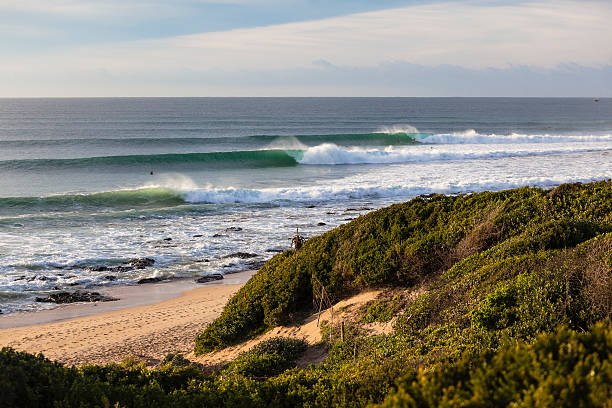
Ocean waves crashing along coastline beach reef point
Overview: Welcome to the jewel of the Eastern Cape, where golden sands meet endless right-hand point breaks. Jeffreys Bay, or J‑Bay, stands as a surfing utopia, drawing enthusiasts from across the globe with promises of world-class waves and the thrill of riding the longest, most perfect walls. This is the tale of chasing perfection at J‑Bay, where every surfer becomes a protagonist in the mesmerizing narrative of the endless right-handers.
Booking Surfing Lessons at J‑Bay: If the allure of J‑Bay beckons but you’re yet to ride its iconic waves, fret not. Surf schools lining the shores of Jeffreys Bay cater to surfers of all levels. Booking a lesson not only provides access to top-notch equipment but also pairs you with seasoned instructors who know the ins and outs of J‑Bay’s breaks. From mastering the basics to catching your first wave, these lessons ensure an immersive introduction to the magic of surfing.
Now, let’s carve through the waves of information, exploring the best time to surf, essential things to know, the cost of catching the perfect wave, getting there, choosing the right board, understanding why J‑Bay is a surfing mecca, and practical tips for your surf odyssey.
Best Time to Surf at J‑Bay:J‑Bay experiences consistent swell patterns throughout the year, making it a year-round surf destination. However, the prime time for the ultimate J‑Bay experience is during the South African winter months, from June to August. This period welcomes larger swells and offshore winds, creating the perfect canvas for those signature long, right-hand point breaks.
Things to Know Before You Drop In:While J‑Bay is celebrated for its consistency, respect for the wave and fellow surfers is paramount. Familiarize yourself with the lineup hierarchy, adhere to surf etiquette, and be mindful of the rocky sections. The allure of J‑Bay’s waves is matched only by the responsibility each surfer bears in preserving its unique spirit.
Cost of Catching the Perfect Wave: Surfing J‑Bay is a priceless experience, but there are practical costs to consider. If you’re renting equipment, anticipate spending around $20 to $40 per day for a board suitable for point breaks. Accommodation options vary, with beachfront options providing convenient access to the waves.
Getting There: J‑Bay is situated in the Eastern Cape of South Africa, and the nearest major airport is Port Elizabeth Airport (PLZ). From there, a scenic drive along the coast brings you to the surfing haven of Jeffreys Bay. Renting a car is recommended for flexibility in exploring other nearby breaks.
Best Board to Ride the Endless Right-Handers:Choosing the right board at J‑Bay involves opting for a high-performance board that handles long, peeling waves. A standard shortboard in the range of 6′0″ to 7′0″ is ideal, providing the maneuverability needed to dance along J‑Bay’s walls.
Why J‑Bay is a Surfing Mecca:J‑Bay’s reputation as a surfing mecca is etched in the allure of its waves. The endless right-handers, wrapping along the coastline like liquid perfection, have made it a staple on the international surf circuit. Hosting events like the J‑Bay Open, it attracts top surfers who come to dance with the waves and etch their mark on the liquid canvas.
Practical Tips for Your Surf Odyssey:
Local Insights: Embrace the local surf culture. J‑Bay has a tight-knit community of surfers, and blending in adds a layer of authenticity to your experience.
Wetsuit Consideration: While the water is generally temperate, a wetsuit might be necessary during the winter months. Check local conditions and pack accordingly.
Explore Beyond J‑Bay: The Eastern Cape offers more than just J‑Bay. Explore nearby breaks and hidden gems along the rugged coastline for a comprehensive surf adventure
3.) Confronting Titans at Teahupo’o: Mastering the Raging Glass Walls
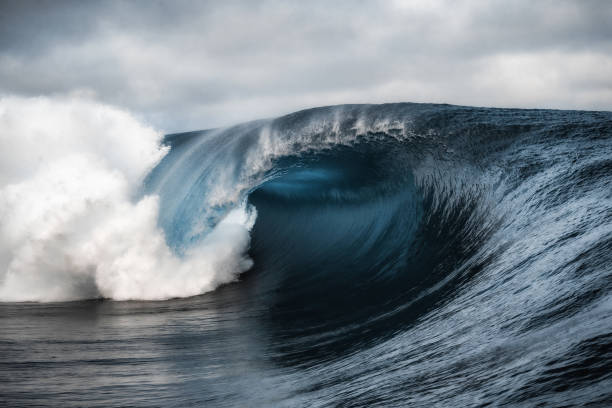
Powerful Tahitian Wave
Overview: In the heart of the South Pacific, where the azure waters of Tahiti meet the untamed power of the Pacific Ocean, lies Teahupo’o—the sacred ground of big wave surfers. Renowned for its heavy, glassy waves, Teahupo’o is not merely a surf spot; it’s a proving ground that beckons the boldest to confront titans in the pursuit of mastering some of the most challenging waves on the planet. This is the saga of riding giants at Teahupo’o, where each wave is a chapter in the relentless narrative of oceanic supremacy.
Booking Surfing Lessons at Teahupo’o:For those drawn to the allure of Teahupo’o but wary of its formidable reputation, fear not. Local surf schools in Tahiti offer lessons for all skill levels, providing a gateway to understanding the dynamics of this mighty wave. Booking a lesson not only ensures access to quality equipment but also pairs you with experienced instructors who comprehend the nuances of Teahupo’o’s breaks. From navigating the reef to experiencing the exhilaration of a heavy barrel, these lessons serve as a portal into the realm of big wave surfing.
Now, let’s navigate the tempest, exploring the best time to surf, essential things to know, the cost of facing the oceanic behemoth, getting there, choosing the right board, uncovering why Teahupo’o is a surfer’s pilgrimage, and practical tips for your aquatic odyssey.
Best Time to Surf at Teahupo’o: Teahupo’o comes alive during the Southern Hemisphere’s winter, from May to August, when powerful swells pulse across the Pacific. This period sees the manifestation of colossal waves, creating the ideal conditions for surfers seeking the ultimate challenge.
Things to Know Before You Drop In: Teahupo’o demands respect and mastery. Before dropping into its waves, familiarize yourself with the nuances of the break. Understand the power of the reef beneath and the intensity of the waves, and always adhere to surf etiquette. Awareness and respect are your allies in this aquatic coliseum.
Cost of Facing the Oceanic Behemoth: While the experience of Teahupo’o is priceless, there are practical costs to consider. Equipment rental may range from $30 to $50 per day for specialized big wave boards. Accommodations in Tahiti vary, and it’s advisable to stay near Teahupo’o for convenient access to the break.
Getting There: Tahiti, the gateway to Teahupo’o, is accessible via Faa’a International Airport (PPT). From Tahiti, a scenic journey by boat or road takes you to the village of Teahupo’o. Renting a car or joining local transportation services ensures flexibility in exploring the island and its surf breaks.
Choosing the Right Board to Conquer Titans:Selecting the right board at Teahupo’o is crucial. Opt for a specialized big wave board designed to handle the immense power and speed of Teahupo’o’s waves. Boards in the range of 7′0″ to 10′0″ with increased volume and a gun shape are ideal for navigating the steep drops and formidable barrels.
Why Teahupo’o is a Surfer’s Pilgrimage: Teahupo’o’s reputation transcends the surfing world; it’s a sacred pilgrimage for those seeking the pinnacle of big wave riding. The heavy, glassy waves that break over the infamous razor-sharp reef have etched Teahupo’o into surfing mythology, attracting elite surfers and thrill-seekers from around the globe.
Practical Tips for Your Aquatic Odyssey:
Local Guidance: Connect with local surfers and guides. Teahupo’o has a close-knit community, and insights from those who understand its nuances are invaluable.
Safety First: Prioritize safety. Teahupo’o’s waves can be unforgiving, and being well-versed in water safety and rescue techniques is essential.
Respect the Ocean: Teahupo’o is a place where nature’s raw power is on full display. Respect the ocean, follow local regulations, and leave only footprints on these sacred shores.
4.) Uluwatu Unleashed: Riding the Rhythm of Bali’s Consistent Reef Breaks
Overview: In the enchanting embrace of Bali’s southern coast, where lush cliffs meet the roaring Indian Ocean, lies Uluwatu—a surfing sanctuary that echoes with the harmonious cadence of consistent reef breaks. Uluwatu is not just a surf spot; it’s a canvas where surfers paint their stories on the rolling canvases of the Indian Ocean. This is the tale of Uluwatu, where every wave is a brushstroke in the vibrant masterpiece of Bali’s surfing culture.
Booking Surfing Lessons at Uluwatu: For those lured by the allure of Uluwatu’s waves but yet to dance upon them, fret not. Local surf schools in Bali cater to surfers of all levels. Booking a lesson not only grants you access to quality equipment but also pairs you with skilled instructors who understand the intricacies of Uluwatu’s breaks. From mastering the art of paddling to conquering the rolling waves, these lessons offer an immersive introduction to the rhythmic world of Bali’s surf culture.
Now, let’s ride the waves of information, exploring the best time to surf, essential things to know, the cost of unlocking Uluwatu’s secrets, getting there, choosing the right board, understanding why Uluwatu is a surfing haven, and practical tips for your tropical surfing adventure.
Best Time to Surf at Uluwatu:Uluwatu welcomes surfers year-round, but the best time to experience its magic is during the dry season from April to October. This period sees consistent swells, offshore winds, and the unveiling of Uluwatu’s most inviting waves.
Things to Know Before You Drop In: Uluwatu’s reef breaks demand a blend of skill and respect. Familiarize yourself with the lineup etiquette, be mindful of the reef beneath, and embrace the vibrant surf culture that defines Uluwatu. Awareness and camaraderie are your allies in this tropical surf haven.
Cost of Unlocking Uluwatu’s Secrets:While the experience of Uluwatu is priceless, there are practical costs to consider. Equipment rental in Bali ranges from $10 to $30 per day for a board suitable for reef breaks. Accommodations near Uluwatu vary, offering options from budget-friendly guesthouses to luxurious cliffside resorts.
Getting There:Bali, the Island of the Gods, is accessible through Ngurah Rai International Airport (DPS). From there, a scenic drive to the southern Bukit Peninsula brings you to Uluwatu. Renting a scooter or car is recommended for exploring the diverse surf breaks and cultural gems scattered across Bali.
Choosing the Right Board for the Rhythmic Waves:Selecting the right board at Uluwatu involves opting for a high-performance shortboard that can navigate the consistent reef breaks. Boards in the range of 5′8″ to 6′6″ with good maneuverability are ideal for dancing on the faces of Uluwatu’s waves.
Why Uluwatu is a Surfing Haven: Uluwatu’s allure extends beyond its consistent waves. It’s a haven where the surfing culture intertwines with the spiritual and artistic essence of Bali. The breathtaking coastal setting, dotted with cliffside temples and vibrant beach bars, creates an atmosphere that transcends the ordinary, making Uluwatu a must-visit on every surfer’s pilgrimage.
Practical Tips for Your Tropical Surfing Adventure:
Temple Visit: Explore Uluwatu Temple. Perched on the cliffs, it offers stunning views of the surf breaks and captivating Balinese performances during sunset.
Local Eateries: Savor local cuisine. Uluwatu boasts a diverse range of beachside warungs (local eateries) where you can refuel with Indonesian delicacies.
Sun Protection: Bali’s sun can be intense. Pack sunscreen, a rash guard, and a wide-brimmed hat to stay protected during your surf sessions.
5.) Riding the Waves in Taghazout: A Surfing Journey on Morocco’s Golden Coast
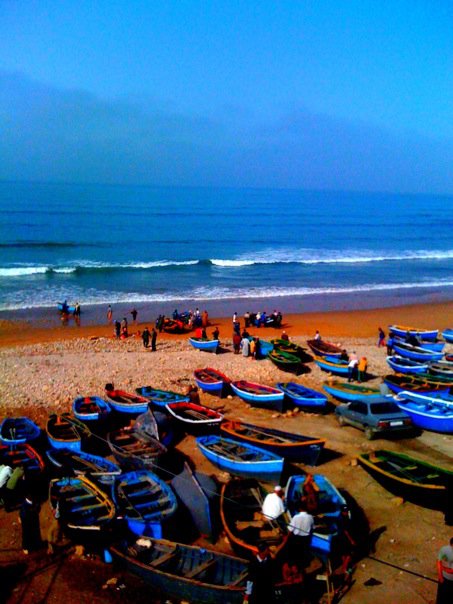
Overview: Nestled along Morocco’s picturesque Atlantic coast, Taghazout is an emerging surfing haven where golden sands meet consistent swells. This charming fishing village, located just north of Agadir, has transformed into a surf paradise known for its diverse waves, welcoming atmosphere, and vibrant local culture. Whether you’re a seasoned surfer or a novice eager to catch your first wave, Taghazout offers a unique and exhilarating surfing experience that’s rich in both natural beauty and adventure.
Booking Surfing Lessons in Taghazout: For those keen to dive into the surfing world or sharpen their skills, Taghazout is home to several surf schools catering to all levels. These schools provide essential equipment and experienced instructors who are well-acquainted with the local surf conditions. Lessons typically include surf theory, practical coaching, and safety guidelines, ensuring a supportive introduction to the waves of Taghazout.
Best Time to Surf in Taghazout: The prime surfing season in Taghazout runs from September to April, when the Atlantic swells are most consistent and reliable. During these months, the village enjoys moderate temperatures and excellent wave conditions, ranging from mellow, beginner-friendly breaks to more challenging swells for advanced surfers. Summer months, while warmer, can see less consistent surf.
Things to Know Before You Hit the Waves: Taghazout’s surf scene caters to a wide range of skill levels, but it’s important to be mindful of local surf etiquette. Respect the lineup, be aware of the varying wave sizes, and keep an eye out for the rocky sections of the coastline. The local surf community is friendly but appreciates respect for their waves and culture.
Cost of Catching the Waves: Surfing in Taghazout is relatively affordable. Surfboard rentals typically range from $10 to $30 per day, depending on the type and quality of the board. Surf lessons generally cost between $30 and $70 per session. Accommodation in Taghazout varies widely, from budget hostels to more upscale options, with prices often more reasonable compared to other popular surf destinations.
Getting There: Taghazout is accessible via Agadir, which is served by Al Massira Airport (AGA). From Agadir, it’s a short, scenic drive of approximately 30 minutes to reach Taghazout. Renting a car is a convenient option for exploring the area and accessing various surf spots along the coast.
Best Board for Taghazout Waves: The choice of board depends on the specific surf conditions you’re aiming to tackle. For the varied conditions in Taghazout, a versatile shortboard or a funboard is often recommended. Boards in the range of 6’0” to 7’0” offer good maneuverability and are suitable for both small and medium-sized waves.
Why Taghazout is a Surfing Gem: Taghazout is celebrated for its diverse surf breaks and laid-back vibe. The area features a mix of beach breaks, point breaks, and reef breaks, catering to surfers of all levels. Its cultural charm, combined with the warm Moroccan hospitality, makes it an enticing destination for those looking to experience surfing in a less commercialized, yet equally thrilling, environment.
Practical Information for the Taghazout Surf Adventurer:
Local Vibe: Embrace the relaxed and friendly atmosphere of Taghazout. The surf community is welcoming, and interacting respectfully with locals will enrich your experience.
Weather Conditions: Check surf reports and weather forecasts regularly. Conditions can change rapidly, so staying informed helps in planning your surf sessions.
Safety First: Be aware of local surf conditions and potential hazards. The coastline can include rocky areas, so it’s crucial to stay cautious and understand your own surfing limits.
6.) Bells Beach Ballet: Dancing with Power on Victoria’s Rugged Coast
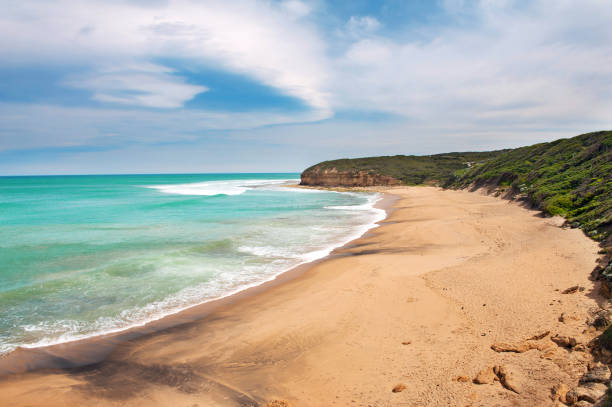
Bells beach is located approx. 100km South from Melbourne on the Great Ocean Road. It is famous movie location and for surfing competitions, Australia
Overview: Perched along the rugged coastline of Victoria, Australia, where the Southern Ocean collides with the continent’s edge, lies Bells Beach—a wave-worn amphitheater renowned for its powerful waves and dramatic coastal landscape. Bells Beach is not just a surf spot; it’s a stage where surfers engage in a ballet with the raw power of the Southern Ocean. This is the tale of Bells, where every wave is a crescendo in the symphony of Australia’s surf culture.
Booking Surfing Lessons at Bells Beach:For those captivated by the allure of Bells’ waves but seeking guidance to navigate its powerful breaks, fret not. Surf schools in Victoria cater to surfers of all levels. Booking a lesson not only provides access to quality equipment but also pairs you with experienced instructors who understand the nuances of Bells’ breaks. From mastering the art of reading the ocean to taming the powerful waves, these lessons offer an immersive introduction to the dynamic world of Victoria’s surf culture.
Now, let’s paddle into the waves of information, exploring the best time to surf, essential things to know, the cost of riding Bells’ waves, getting there, choosing the right board, understanding why Bells Beach is an iconic surf destination, and practical tips for your Victorian surf odyssey.
Best Time to Surf at Bells Beach: Bells Beach welcomes surfers year-round, but the prime time to experience its magic is during the Southern Hemisphere’s autumn and winter months (March to September). This period sees larger swells, offshore winds, and the unveiling of Bells’ most powerful waves.
Things to Know Before You Drop In: Bells’ powerful waves demand a combination of skill and respect for the ocean’s might. Understand the wave dynamics, respect surf etiquette, and immerse yourself in the surf culture that defines the rugged beauty of Victoria’s coastline. Awareness and reverence are your allies in this coastal arena.
Cost of Riding Bells’ Waves:While the experience of Bells Beach is priceless, there are practical costs to consider. Equipment rental in Victoria ranges from $15 to $30 per day for a board suitable for powerful waves. Accommodations in nearby towns offer a range of options to suit different budgets.
Getting There: Victoria is accessible through Melbourne Airport (MEL). From there, a picturesque drive along the Great Ocean Road brings you to Bells Beach. Renting a car or utilizing local transportation ensures flexibility in exploring the diverse surf breaks and natural wonders along the coast.
Choosing the Right Board for Powerful Crescendos:Selecting the right board at Bells Beach involves opting for a board with enough volume to handle powerful waves. Boards in the range of 6′2″ to 7′0″ with a balanced design for paddling and maneuverability are ideal for dancing with the waves at Bells.
Why Bells Beach is an Iconic Surf Destination: Bells Beach’s reputation extends beyond its powerful waves. It’s an iconic surf destination where the Rip Curl Pro, one of the world’s longest-running surf competitions, unfolds annually. The rugged coastal landscape, steep cliffs, and the historical significance of Bells make it a must-visit for surfers seeking an authentic Australian surf experience.
Practical Tips for Your Victorian Surf Odyssey:
Rip Curl Pro: If timing aligns, attend the Rip Curl Pro, an iconic surf competition that transforms Bells Beach into a global surfing stage.
Explore the Great Ocean Road: Take time to explore the Great Ocean Road, home to stunning coastal views and iconic landmarks like the Twelve Apostles.
Weather Preparedness: Victoria’s weather can be changeable. Pack layers, including a wetsuit appropriate for the season, to stay comfortable during your surf sessions.
7.) Superbank Symphony: Riding the Liquid Speedway on Australia’s Gold Coast
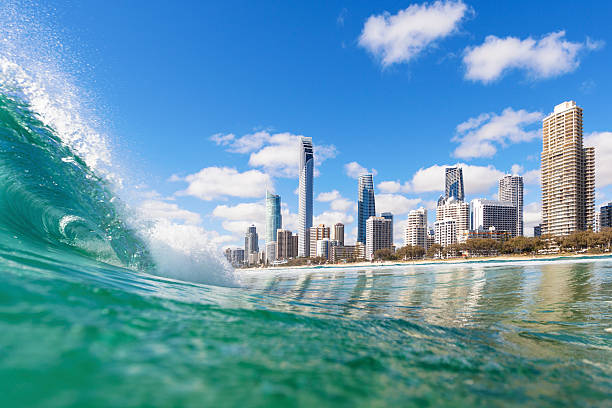
Blue waves rolling on Surfers Paradise beach, QLD, Australia
Overview: Nestled along the sun-drenched shores of Australia’s Gold Coast, where the Pacific Ocean meets the sandy embrace of the coastline, lies Superbank—an amalgamation of breaks that form a liquid speedway. Superbank is not just a surf spot; it’s a stage where surfers become participants in a symphony of long, fast rides, drawing wave riders from around the globe. This is the tale of Superbank, where every wave is a note in the Gold Coast’s surf serenade.
Booking Surfing Lessons at Superbank:For those enticed by the allure of Superbank’s long, fast rides but seeking guidance to master its dynamic breaks, worry not. Surf schools along the Gold Coast cater to surfers of all levels. Booking a lesson not only grants access to quality equipment but also pairs you with experienced instructors who understand the intricacies of Superbank’s breaks. From mastering the art of riding the liquid speedway to navigating multiple breaks, these lessons offer an immersive introduction to the exhilarating world of the Gold Coast’s surf culture.
Best Time to Surf at Superbank: Superbank invites surfers year-round, but the best time to experience its liquid speedway is during the Southern Hemisphere’s autumn and winter months (March to September). This period sees consistent swells, offshore winds, and the unveiling of Superbank’s most inviting rides.
Things to Know Before You Drop In: Superbank’s long, fast rides demand a blend of skill and respect for the variety of breaks. Familiarize yourself with the lineup hierarchy, understand the wave dynamics, and immerse yourself in the vibrant surf culture that defines the Gold Coast. Awareness and camaraderie are your allies in this liquid playground.
Cost of Chasing Superbank’s Liquid Speed:While the experience of Superbank is priceless, there are practical costs to consider. Equipment rental on the Gold Coast ranges from $15 to $30 per day for a board suitable for fast rides. Accommodations in the lively surf communities nearby offer options for every budget.
Getting There:The Gold Coast is accessible through Gold Coast Airport (OOL). From there, a short drive brings you to the iconic breaks of Superbank. Renting a car or utilizing local transportation ensures flexibility in exploring the diverse surf breaks and attractions along the Gold Coast.
Choosing the Right Board for Liquid Speed: Selecting the right board at Superbank involves opting for a high-performance shortboard with good paddle power. Boards in the range of 6′0″ to 7′0″ are ideal for carving down the faces of Superbank’s long, fast rides.
Why Superbank is a Global Surf Hotspot: Superbank’s reputation transcends local acclaim; it’s a global surf hotspot that has earned its place in the surfing lexicon. The consistency of long, fast rides across multiple breaks, including Snapper Rocks and Greenmount, makes it a pilgrimage site for surfers seeking the ultimate in wave riding.
Practical Tips for Your Australian Surf Adventure:
Explore Local Cafés: After a surf session, explore the vibrant cafés along the Gold Coast. They offer a mix of delicious bites and panoramic views.
Surf Festivals: Check for surf festivals or events. The Gold Coast often hosts surf-related celebrations, adding an extra layer to your surf experience.
Sun Protection: The Australian sun can be intense. Pack sunscreen, sunglasses, and a rash guard to stay protected during extended surf sessions.
8.) Mavericks Majesty: Conquering the Giants on California’s Rugged Coast
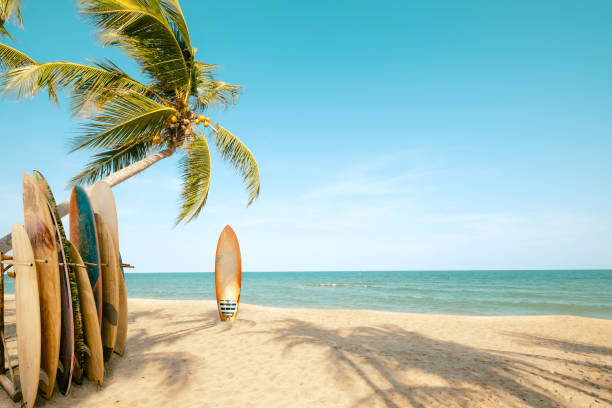
Surfboard and palm tree on beach with beach sign for surfing area. Travel adventure and water sport. relaxation and summer vacation concept. vintage color tone image.
Overview: Along the untamed coastline of California, where the Pacific Ocean meets the rugged shores, lies Mavericks—a realm renowned for its colossal, powerful waves. Mavericks is not just a surf spot; it’s a theater where big-wave surfers become protagonists in a saga of adrenaline-pumping rides. This is the tale of Mavericks, where every wave is a chapter in California’s surf epic.
Booking Surfing Sessions at Mavericks: For those captivated by the allure of Mavericks’ massive waves but seeking guidance to navigate its powerful breaks, fear not. Professional surf outfits and experienced instructors cater to surfers skilled in big-wave riding. Booking a session not only grants access to specialized equipment but pairs you with knowledgeable guides who understand the intricacies of Mavericks’ breaks. From mastering the art of reading massive swells to conquering the giants, these sessions offer an immersive introduction to the heart-pounding world of big-wave surfing.
Now, let’s paddle into the waves of information, exploring the best time to surf, essential things to know, the cost of challenging Mavericks’ giants, getting there, choosing the right board, understanding why Mavericks is a mecca for big-wave enthusiasts, and practical tips for your California surf odyssey.
Best Time to Surf at Mavericks: Mavericks awakens during the Northern Hemisphere’s winter months (November to March), when massive swells from the North Pacific deliver the giants that make this surf break legendary. During this period, the big-wave community converges on Mavericks in anticipation of the colossal rides it offers.
Things to Know Before You Drop In:Mavericks’ powerful waves demand the utmost skill and respect for the ocean’s might. Familiarize yourself with the specific challenges of big-wave riding, understand the wave dynamics, and immerse yourself in the unique surf culture that defines Mavericks. Awareness, preparation, and camaraderie are your allies in this arena of giants.
Cost of Challenging Mavericks’ Giants: While the experience of Mavericks is priceless, there are practical costs to consider. Specialized equipment and safety measures come at a premium. Big-wave surfing sessions may range from $200 to $500, ensuring access to experienced guides and safety protocols. Accommodations in nearby coastal towns offer various options for every budget.
Getting There:Mavericks is located near Half Moon Bay, south of San Francisco. The closest major airport is San Francisco International Airport (SFO). From there, a scenic drive along the California coast brings you to the legendary breaks of Mavericks.
Choosing the Right Board for Conquering Giants:Selecting the right board at Mavericks involves opting for specialized big-wave boards designed to handle the power and speed of colossal swells. Boards in the range of 9′0″ to 10′0″ with a sturdy, paddle-friendly design are crucial for navigating the giants at Mavericks.
Why Mavericks is a Mecca for Big-Wave Enthusiasts:Mavericks has earned its reputation as a mecca for big-wave enthusiasts globally. Its massive, powerful waves, sometimes reaching heights of over 50 feet, attract the world’s most skilled big-wave surfers seeking the ultimate adrenaline-pumping rides. The unique underwater bathymetry creates a wave that transforms Mavericks into an arena of both beauty and danger.
Practical Tips for Your California Surf Odyssey:
Safety First: Prioritize safety. Familiarize yourself with the specific risks of big-wave surfing and adhere to safety guidelines provided by experienced guides.
Local Insights: Connect with the local surf community. Mavericks has a rich history, and learning from those who know the break well can enhance your overall experience.
Weather Awareness: Monitor weather conditions closely. Swell forecasts, wind patterns, and tidal movements play a crucial role in the dynamics of big-wave surfing.
9.) Lances Right Reverie: Conquering the Hollow Power in Indonesia’s Mentawai Islands
Overview: In the remote embrace of Indonesia’s Mentawai Islands, where turquoise waters meet lush tropical landscapes, lies Lances Right—an aquatic cathedral renowned for its powerful, hollow waves. Lances Right is not just a surf spot; it’s a sanctuary where surfers become disciples in the art of riding world-class waves. This is the saga of Lances Right, where every wave is a verse in the surf poetry of the Mentawai archipelago.
Booking Surfing Sessions at Lances Right: For those captivated by the allure of Lances Right’s powerful, hollow waves but seeking guidance to navigate its pristine breaks, worry not. Surf charters and experienced guides cater to surfers seeking the thrill of world-class waves. Booking a session not only provides access to idyllic breaks but pairs you with knowledgeable guides who understand the intricacies of Lances Right. From mastering the art of entering the tube to experiencing the raw power of these waves, these sessions offer an immersive introduction to the enchanted world of Mentawai surf culture.
Now, let’s paddle into the waves of information, exploring the best time to surf, essential things to know, the cost of chasing Lances Right’s perfection, getting there, choosing the right board, understanding why Lances Right is a world-class surf gem, and practical tips for your Indonesian surf odyssey.
Best Time to Surf at Lances Right: Lances Right awakens during the dry season, from April to October, when the Indian Ocean delivers consistent swells, creating the powerful, hollow waves that make this surf spot legendary. The middle months of this season are prime for experiencing the best conditions.
Things to Know Before You Drop In: Lances Right’s hollow waves demand skill and an understanding of tube-riding techniques. Familiarize yourself with the wave dynamics, surf etiquette, and immerse yourself in the unique surf culture that defines the Mentawai Islands. Awareness, respect, and connection with the ocean are your allies in this tropical surfing haven.
Cost of Chasing Lances Right’s Perfection:While the experience of Lances Right is priceless, there are practical costs to consider. Surf charters to the Mentawai Islands typically range from $1,500 to $3,000 per person, depending on the duration and level of luxury. Accommodations, meals, and the chance to ride these pristine waves contribute to the overall experience.
Getting There: Access to the Mentawai Islands involves a journey from Padang, Indonesia. Fly into Minangkabau International Airport (PDG) in Padang and embark on a boat charter from there. The journey through the Indian Ocean is an adventure in itself, offering glimpses of Indonesia’s remote beauty.
Choosing the Right Board for Tropical Perfection:Selecting the right board at Lances Right involves opting for a high-performance shortboard with good maneuverability. Boards in the range of 5′8″ to 6′4″ are ideal for navigating the powerful and hollow waves with precision.
Why Lances Right is a World-Class Surf Gem: Lances Right has earned its status as a world-class surf gem. The powerful, hollow waves, pristine barrels, and the remote, untouched beauty of the Mentawai Islands create a surfing paradise. Surfers from around the globe pilgrimage to this spot to experience the perfection of Lances Right.
Practical Tips for Your Indonesian Surf Odyssey:
Respect Local Customs: Embrace the local culture. The Mentawai Islands have a rich heritage, and respecting local customs enhances the overall experience.
Pack Essentials: Bring essentials like reef-safe sunscreen, tropical surf wax, and appropriate surf attire. The Mentawai Islands’ remote setting may limit access to certain items.
Explore Beyond Surfing: Take time to explore the pristine landscapes and vibrant marine life. Snorkeling and island hopping unveil the natural wonders of the Mentawai archipelago.
10.) Rincon Reverie: Gliding Along California’s Timeless Point Breaks
An incoming wave and whitewater at Rincon Park near Santa Barbara, California.
Overview: Along the sun-kissed shores of California, where the Pacific Ocean meets the undulating coastline, lies Rincon—a timeless sanctuary celebrated for its long point breaks and consistent swells. Rincon is not just a surf spot; it’s a canvas where surfers become artists, painting graceful lines on the waves of this classic Californian coastal gem. This is the tale of Rincon, where every wave is a stroke in the surf masterpiece of the Golden State.
Booking Surfing Sessions at Rincon: For those enticed by the allure of Rincon’s long, peeling point breaks but seeking guidance to navigate its classic waves, worry not. Local surf schools and experienced instructors cater to surfers of all levels. Booking a session not only provides access to quality equipment but also pairs you with guides who understand the intricacies of Rincon’s breaks. From mastering the art of riding the points to dancing along the waves, these sessions offer an immersive introduction to the iconic world of California surf culture.
Now, let’s paddle into the waves of information, exploring the best time to surf, essential things to know, the cost of chasing Rincon’s elegance, getting there, choosing the right board, understanding why Rincon is a classic Californian surf haven, and practical tips for your coastal California surf adventure.
Best Time to Surf at Rincon: Rincon welcomes surfers year-round, but the prime time to experience its elegance is during the Southern Hemisphere’s winter months (November to March). This period sees consistent swells and offshore winds, creating the perfect canvas for long, peeling rides.
Things to Know Before You Drop In:Rincon’s long point breaks demand a combination of skill and appreciation for the art of riding waves. Familiarize yourself with the lineup hierarchy, surf etiquette, and immerse yourself in the rich surf culture that defines California’s coast. Awareness, respect, and a love for the wave-riding craft are your allies in this iconic surf haven.
Cost of Chasing Rincon’s Elegance:While the experience of Rincon is priceless, there are practical costs to consider. Surfboard rentals in the area range from $20 to $40 per day, and accommodations in nearby coastal towns offer options for every budget. Local surf schools may charge between $50 and $100 for lessons, providing valuable insights into Rincon’s classic waves.
Getting There:Rincon is easily accessible by car along the Pacific Coast Highway. The closest major airport is Santa Barbara Municipal Airport (SBA). From there, a scenic drive brings you to the classic waves of Rincon. Renting a car or utilizing local transportation ensures flexibility in exploring other surf breaks along the California coast.
Choosing the Right Board for Coastal Elegance: Selecting the right board at Rincon involves opting for a board with good paddle power and maneuverability. Longboards or funboards in the range of 8′0″ to 9′0″ are ideal for gliding along Rincon’s long, peeling point breaks.
Why Rincon is a Classic Californian Surf Haven: Rincon has earned its status as a classic Californian surf haven. The long, peeling point breaks, consistent swells, and the picturesque coastal setting create an environment that has inspired surfers for generations. Surfers from near and far pilgrimage to Rincon to experience the timeless elegance of its waves.
Practical Tips for Your Coastal California Surf Adventure:
Explore Local Cafés: After a surf session, explore the charming coastal towns. Local cafés offer a mix of culinary delights and panoramic ocean views.
Sun Protection: California’s sun can be intense. Pack sunscreen, a wide-brimmed hat, and a rash guard to stay protected during extended surf sessions.
Surf Community Bonding: Connect with the local surf community. Rincon has a rich history, and sharing stories with fellow surfers adds to the overall experience.
11.) Trestles Tapestry: Weaving Waves and Surfer Dreams in California
San Clemente coastline.
Overview: On the sun-drenched shores of California, where the Pacific Ocean meets the rugged coastline, lies Trestles—a surf haven celebrated for its diverse breaks and vibrant surf culture. Trestles is not just a surf spot; it’s a canvas where surfers of all levels become part of a dynamic tapestry. This is the saga of Trestles, where every wave is a thread in the surf fabric of the Golden State.
Booking Surfing Sessions at Trestles: For those captivated by the allure of Trestles’ variety of breaks but seeking guidance to navigate its dynamic waves, fret not. Local surf schools and experienced instructors cater to surfers of all levels, from amateurs to aspiring professionals. Booking a session not only provides access to quality equipment but also pairs you with guides who understand the intricacies of Trestles. From mastering the art of riding different breaks to embracing the vibrant surf culture, these sessions offer an immersive introduction to the eclectic world of California surf.
Now, let’s paddle into the waves of information, exploring the best time to surf, essential things to know, the cost of chasing Trestles’ diversity, getting there, choosing the right board, understanding why Trestles is a magnet for surf competitions, and practical tips for your Californian surf journey.
Best Time to Surf at Trestles: Trestles beckons surfers year-round, but the prime time to experience its diversity is during the Southern Hemisphere’s winter months (November to March). This period sees consistent swells, offshore winds, and the unveiling of Trestles’ most inviting breaks.
Things to Know Before You Drop In: Trestles’ various breaks demand an understanding of different wave dynamics. Familiarize yourself with the lineup hierarchy, surf etiquette, and immerse yourself in the rich surf culture that defines California’s coast. Awareness, adaptability, and a love for the surf tapestry are your allies in this diverse surf sanctuary.
Cost of Chasing Trestles’ Diversity:While the experience of Trestles is priceless, there are practical costs to consider. Surfboard rentals in the area range from $20 to $40 per day, and accommodations in nearby coastal towns offer options for every budget. Local surf lessons may range from $50 to $100, providing valuable insights into navigating Trestles’ variety of breaks.
Getting There:Trestles is easily accessible by car along the Pacific Coast Highway. The closest major airport is John Wayne Airport (SNA). From there, a scenic drive brings you to the diverse breaks of Trestles. Renting a car or utilizing local transportation ensures flexibility in exploring the different surf spots along the California coast.
Choosing the Right Board for Surf Variety: Selecting the right board at Trestles involves opting for a versatile board that can handle different breaks. A shortboard in the range of 6′0″ to 7′0″ offers the maneuverability needed to navigate the various waves at Trestles.
Why Trestles is a Magnet for Surf Competitions:Trestles has earned its reputation as a magnet for surf competitions, including the renowned Hurley Pro. The variety of breaks, consistent waves, and the overall surf-friendly environment make Trestles an ideal stage for both amateur and professional surfers to showcase their skills.
Practical Tips for Your Californian Surf Journey:
Explore Local Eateries: After a surf session, explore the local eateries in nearby coastal towns. They offer a mix of culinary delights and a chance to mingle with the surf community.
Celebrate Surf Culture: Check for any surf events or competitions happening at Trestles. These gatherings celebrate the vibrant surf culture that defines the California coast.
Respect the Variety: Each break at Trestles has its own personality. Embrace the diversity, try different breaks, and connect with the surf community to glean insights into each wave.
12.) Snapper Symphony: Riding the Golden Swells of Australia’s Gold Coast
Surf in snapper Rocks
Overview: Nestled along the iconic Gold Coast of Australia, where sun-kissed sands meet the azure Pacific, lies Snapper Rocks—a wave-riding sanctuary that resonates with the harmonies of long rides and consistent waves. Snapper Rocks is not merely a surf spot; it’s a stage where surfers become performers, dancing on the liquid canvas of the Gold Coast. This is the saga of Snapper, where every wave is a note in the symphony of Australia’s surf culture.
Booking Surfing Lessons at Snapper Rocks: For those captivated by the allure of Snapper’s waves but yearning for the skills to navigate them, worry not. Surf schools along the Gold Coast cater to surfers of all levels. Booking a lesson not only provides access to quality equipment but also pairs you with experienced instructors who understand the nuances of Snapper’s breaks. From mastering the art of reading waves to carving down the golden faces, these lessons offer an immersive introduction to the rhythmic world of the Gold Coast’s surf culture.
Now, let’s paddle out into the information, exploring the best time to surf, essential things to know, the cost of catching the Gold Coast’s waves, getting there, choosing the right board, understanding why Snapper Rocks is a surfer’s haven, and practical tips for your Australian surf odyssey.
Best Time to Surf at Snapper Rocks: Snapper Rocks offers rideable waves year-round, but the best time to experience its magic is during the Southern Hemisphere’s summer and autumn months (December to May). This period sees consistent swells, offshore winds, and the unveiling of Snapper’s most enticing waves.
Things to Know Before You Drop In: Snapper’s long rides demand a combination of skill and surf etiquette. Understand the wave hierarchy, respect fellow surfers, and immerse yourself in the vibrant surf culture that defines the Gold Coast. Awareness and camaraderie are your allies in this golden surf haven.
Cost of Catching the Gold Coast’s Waves: While the experience of Snapper Rocks is priceless, there are practical costs to consider. Equipment rental on the Gold Coast ranges from $15 to $30 per day for a board suitable for point breaks. Accommodations in the vibrant surf communities nearby offer options for every budget.
Getting There: The Gold Coast is accessible through Gold Coast Airport (OOL). From there, a scenic drive along the coast brings you to Snapper Rocks. Renting a car or utilizing public transport ensures flexibility in exploring the diverse surf breaks and attractions along the Gold Coast.
Choosing the Right Board for Golden Rides: Selecting the right board at Snapper Rocks involves opting for a versatile shortboard that can handle the long rides and consistent waves. Boards in the range of 6′0″ to 7′0″ with good paddle power are ideal for gliding down the golden faces of Snapper.
Why Snapper Rocks is a Surfer’s Haven: Snapper Rocks’ allure extends beyond its consistent waves. It’s a haven where the Gold Coast’s surf culture converges with the laid-back Australian lifestyle. The golden sands, vibrant beachfront communities, and the annual Quiksilver Pro make Snapper a must-visit for surfers seeking the quintessential Australian surf experience.
Practical Tips for Your Australian Surf Odyssey:
Quiksilver Pro: If timing aligns, attend the Quiksilver Pro, an annual event that transforms Snapper Rocks into a world-class surfing arena.
Beachfront Cafés: Explore beachfront cafés. The Gold Coast is dotted with establishments offering picturesque views and delectable bites.
Sun Safety: The Australian sun can be intense. Pack sunscreen, sunglasses, and a rash guard to stay protected during extended surf sessions.
13.) Raglan Rhapsody: Riding the Long Lefts in New Zealand’s Surfing Paradise
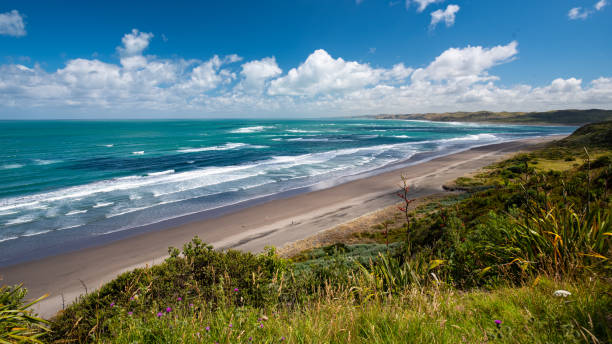
Panorama of Ngarunui beach, perfect surfing spot in Raglan, Waikato, New Zealand
Overview: On the western shores of the North Island, where the Tasman Sea meets the rugged coastline, lies Raglan—a surfing haven celebrated for its long left-hand point breaks and a laid-back atmosphere. Raglan is not just a surf spot; it’s a sanctuary where surfers find solace in the long, peeling waves and the unhurried rhythm of New Zealand’s coastal beauty. This is the tale of Raglan, where every wave is a verse in the surf ballad of the Kiwi surf culture.
Booking Surfing Sessions in Raglan: For those captivated by the allure of Raglan’s long left-hand point breaks but seeking guidance to navigate its graceful waves, worry not. Local surf schools and experienced instructors cater to surfers of all levels. Booking a session not only provides access to quality equipment but also pairs you with guides who understand the intricacies of Raglan. From mastering the art of riding the long lefts to embracing the laid-back Kiwi surf culture, these sessions offer an immersive introduction to the waves of New Zealand.
Now, let’s paddle into the waves of information, exploring the best time to surf, essential things to know, the cost of riding Raglan’s elegance, getting there, choosing the right board, understanding why Raglan is a surfer’s paradise, and practical tips for your New Zealand surf adventure.
Best Time to Surf in Raglan:Raglan welcomes surfers year-round, but the prime time to experience its long left-hand point breaks is during the Southern Hemisphere’s winter months (May to September). This period sees consistent swells and offshore winds, creating the perfect canvas for long, peeling rides.
Things to Know Before You Drop In: Raglan’s long left-hand point breaks demand a combination of skill and appreciation for the unhurried surf culture. Familiarize yourself with the lineup etiquette, surf-friendly Kiwi spirit, and immerse yourself in the serene surf atmosphere that defines Raglan. Awareness, respect, and a love for the wave-riding craft are your allies in this Kiwi surf haven.
Cost of Riding Raglan’s Elegance: While the experience of Raglan is priceless, there are practical costs to consider. Surfboard rentals in the area range from $20 to $40 per day, and accommodations in the laid-back town offer options for every budget. Local surf lessons may range from $50 to $100, providing valuable insights into mastering Raglan’s long left-handers.
Getting There:Raglan is easily accessible by car or bus from major cities in the North Island. The closest major airport is Hamilton Airport (HLZ). From there, a scenic drive brings you to the relaxed surf town of Raglan. Renting a car or utilizing local transportation ensures flexibility in exploring the various surf breaks along the New Zealand coast.
Choosing the Right Board for Kiwi Elegance: Selecting the right board in Raglan involves opting for a board with good paddle power and maneuverability. Longboards or funboards in the range of 8′0″ to 9′0″ are ideal for gliding along Raglan’s long, left-hand point breaks.
Why Raglan is a Surfer’s Paradise: Raglan has earned its status as a surfer’s paradise. The long, peeling left-handers, consistent swells, and the laid-back atmosphere create an environment that beckons surfers from around the globe. Raglan epitomizes the essence of Kiwi surf culture, where the focus is on the joy of riding waves and embracing the natural beauty of the ocean.
Practical Tips for Your New Zealand Surf Adventure:
Explore the Surf Community: Raglan’s surf community is welcoming. Connect with locals, share stories, and attend surf events to fully immerse yourself in the Kiwi surf spirit.
Cherish the Coastline: Beyond surfing, explore Raglan’s picturesque coastline. Hike to vantage points for stunning views or relax on the black-sand beaches that frame the town.
Celebrate Sunset Sessions: Raglan’s sunsets are enchanting. Experience the magic of a sunset surf session, where the fading light paints the waves with warm hues.
14.) Cloud 9 Symphony: Riding the Perfect Wave in the Philippines’ Surfing Gem
Overview: In the azure waters surrounding Siargao Island in the Philippines, where the Pacific meets the pristine shoreline, lies Cloud 9—a surfing jewel celebrated for its perfect barreling right-hand wave. Cloud 9 is not just a surf spot; it’s a stage where surfers become protagonists in the aquatic symphony of the Philippines. This is the saga of Cloud 9, where every wave is a note in the surf melody that has put the Philippines on the global surfing map.
Booking Surfing Sessions at Cloud 9: For those captivated by the allure of Cloud 9’s perfect barreling right-hand wave but seeking guidance to navigate its flawless breaks, worry not. Local surf schools and experienced instructors cater to surfers of all levels. Booking a session not only provides access to quality equipment but also pairs you with guides who understand the intricacies of Cloud 9. From mastering the art of riding the perfect wave to embracing the vibrant surf culture of Siargao, these sessions offer an immersive introduction to the waves of the Philippines.
Now, let’s paddle into the waves of information, exploring the best time to surf, essential things to know, the cost of chasing Cloud 9’s perfection, getting there, choosing the right board, understanding why Cloud 9 is a global surf destination, and practical tips for your Siargao surf adventure.
Best Time to Surf at Cloud 9:Cloud 9 welcomes surfers year-round, but the prime time to experience its perfect barreling right-hand wave is during the Southeast Asian monsoon season (September to November). This period sees consistent swells and offshore winds, creating the ideal conditions for the famous Cloud 9 wave.
Things to Know Before You Drop In: Cloud 9’s perfect barreling wave demands not just skill but an understanding of its unique characteristics. Familiarize yourself with the wave dynamics, surf etiquette, and immerse yourself in the vibrant surf culture that defines Siargao. Awareness, respect, and a love for the pristine ocean are your allies in this tropical surf haven.
Cost of Chasing Cloud 9’s Perfection: While the experience of Cloud 9 is priceless, there are practical costs to consider. Surfboard rentals in the area range from $10 to $20 per day, and accommodations in the laid-back island offer options for every budget. Local surf lessons may range from $30 to $80, providing valuable insights into mastering Cloud 9’s iconic wave.
Getting There: Siargao is accessible by air from major cities in the Philippines. Fly into Sayak Airport (IAO) and, from there, a short journey brings you to the mesmerizing breaks of Cloud 9. Renting a motorbike or utilizing local transportation ensures flexibility in exploring other surf spots and the natural beauty of Siargao.
Choosing the Right Board for Tropical Perfection:Selecting the right board at Cloud 9 involves opting for a high-performance shortboard with good maneuverability. Boards in the range of 6′0″ to 7′0″ are ideal for navigating the perfect barreling right-hand wave with precision.
Why Cloud 9 is a Global Surf Destination:Cloud 9 has earned its status as a global surf destination. The perfect barreling right-hand wave, consistent swells, and the laid-back island atmosphere have attracted surf enthusiasts from around the world. Siargao’s Cloud 9 is a symbol of the Philippines’ emergence as a must-visit destination on the global surfing map.
Practical Tips for Your Siargao Surf Adventure:
Explore Island Vibes: Siargao is not just about surfing. Explore the island’s vibrant culture, indulge in local cuisine, and embrace the laid-back island lifestyle.
Capture the Magic: Bring a waterproof camera to capture the magic of riding Cloud 9’s perfect waves. The turquoise water and the lush surroundings provide a picturesque backdrop.
Respect the Local Community: Siargao’s surf community values respect and camaraderie. Engage with locals, learn about their surf culture, and contribute positively to the island’s charm.
15.) Severn Bore Ballet: Surfers Glide on England’s Tidal Stage
A freak bore on the river Severn.
Overview: In the heart of the United Kingdom, where the River Severn gracefully winds through the landscape, emerges the Severn Bore—a captivating tidal bore phenomenon. Surfers from around the world gather to ride the powerful tidal surge, transforming the serene river into a stage for a unique surfing experience. This is the tale of the Severn Bore, where surfers dance with nature on England’s tidal canvas, creating a one-of-a-kind aquatic performance.
Joining the Tidal Ballet at Severn Bore:For those enticed by the allure of riding the Severn Bore but seeking guidance to navigate its tidal ballet, worry not. Local surf enthusiasts and experienced guides cater to surfers of all levels. Joining a session not only provides access to specialized equipment but also pairs you with experts who understand the intricacies of the Severn Bore. From mastering the art of riding tidal surges to embracing the unique surf culture along the River Severn, these sessions offer an immersive introduction to the world of bore surfing.
Now, let’s paddle into the waves of information, exploring the best time to surf the Severn Bore, essential things to know, the cost of joining this tidal ballet, getting there, choosing the right board, understanding why the Severn Bore is a surfing marvel, and practical tips for your unique surfing adventure in the heart of England.
Best Time to Surf the Severn Bore: The Severn Bore is best experienced during the spring and autumn months, coinciding with the equinoxes. During these periods, the gravitational pull is at its peak, creating powerful tidal surges that make for an exhilarating bore surfing experience.
Things to Know Before You Glide In: Surfing the Severn Bore demands a unique set of skills and an understanding of tidal dynamics. Familiarize yourself with the bore’s characteristics, surf etiquette specific to the Severn, and immerse yourself in the surf culture that defines this unconventional surfing experience. Awareness, adaptability, and a respect for the river’s nuances are your allies in this extraordinary tidal ballet.
Cost of Joining the Tidal Ballet:While the experience of surfing the Severn Bore is priceless, there are practical costs to consider. Some surfers bring their boards, while others may choose to rent specialized bore boards. Costs can vary, but renting a board may range from £20 to £50 per session, depending on equipment and services included.
Getting There: The River Severn is accessible from various points along its course. The popular bore surfing locations include Newnham-on-Severn, Minsterworth, and Over Bridge. Gloucester is a convenient city to base yourself for Severn Bore surfing adventures. Travel by car or public transport to reach the chosen bore surfing location.
Choosing the Right Board for Tidal Elegance:Selecting the right board for the Severn Bore involves opting for a specialized bore board designed to navigate the river’s tidal surges. These boards are typically longer and more buoyant than traditional surfboards, providing stability and control in the dynamic river environment.
Why the Severn Bore is a Surfing Marvel: The Severn Bore stands as a surfing marvel, offering a rare opportunity to ride tidal surges far inland. The convergence of the river’s topography and the unique tidal conditions creates a spectacle that draws surfers seeking an unconventional and exhilarating surfing experience.
Practical Tips for Your Bore Surfing Adventure:
Check Bore Predictions: Stay updated on bore predictions to plan your surfing sessions. Predictions consider factors like tidal heights and weather conditions.
Join a Guided Session: If you’re new to bore surfing, consider joining a guided session with experienced surfers who can provide safety guidance and insights into navigating the Severn Bore.
Respect the River: The Severn is a dynamic and powerful river. Respect its currents, be aware of safety guidelines, and prioritize the well-being of yourself and fellow surfers.
So remembering that safety and respect to others and nature comes first, may you ride high and feel the thrill as you catch the waves — for an adrenaline rush and feeling unlike any on the planet !