Tracking the Big Five on an African Safari
Where the Wild Roars ! – In the heart of the African wilderness, where acacia trees dot the savanna and the horizon stretches unbroken, a classic safari goal draws travelers from around the world: tracking the Big Five. Made up of the lion, leopard, elephant, rhinoceros, and African buffalo, these animals are not just famous—they’re emblematic of Africa’s incredible biodiversity and beauty. For many, seeing them in the wild is a bucket list experience, combining adventure, nature, and cultural discovery in one unforgettable journey.
Spotting the Big Five often involves early morning game drives, patient tracking, and the quiet thrill of a sighting—whether it’s an elephant family grazing peacefully or a leopard resting in a tree. It’s a chance to slow down and connect with nature, to learn from expert guides, and to appreciate the delicate balance of life in the wild. While there’s no guarantee of seeing all five, the journey itself—through some of the continent’s most stunning national parks and reserves—is just as rewarding.
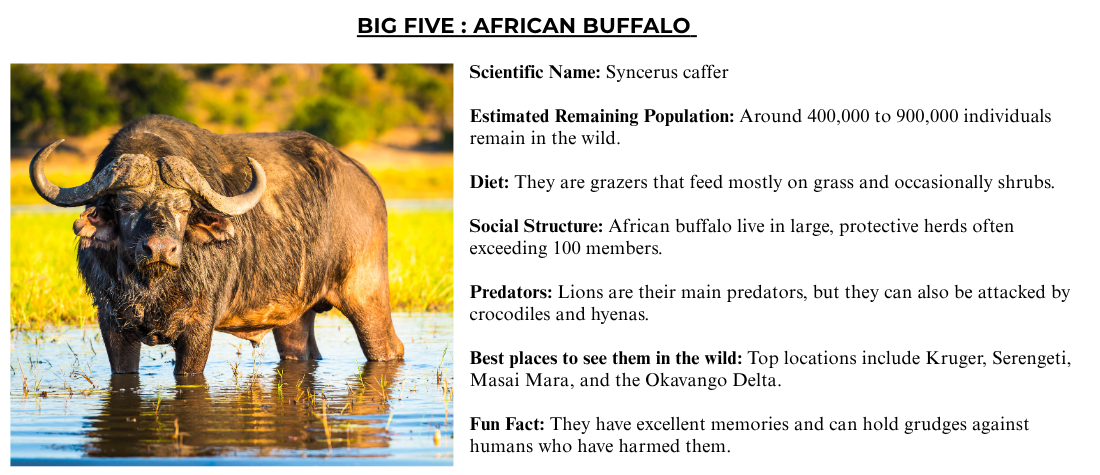
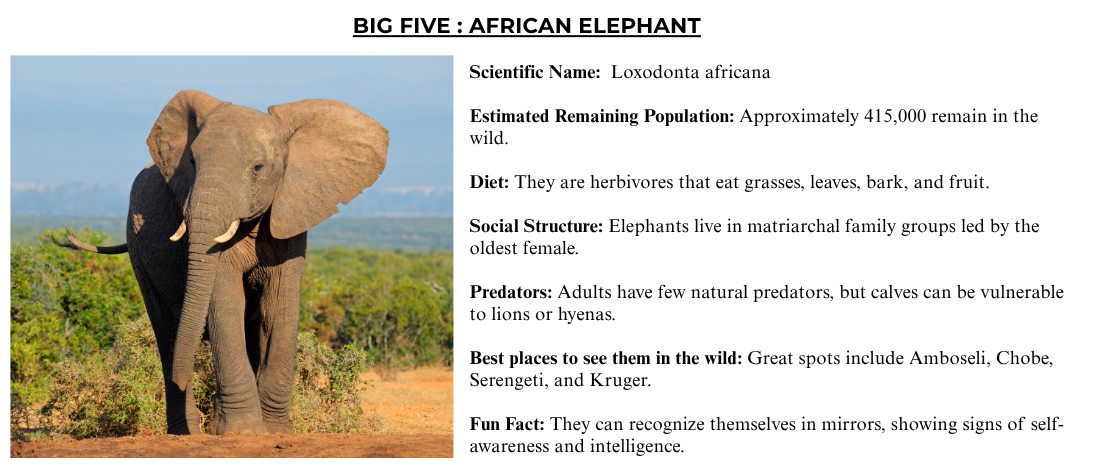
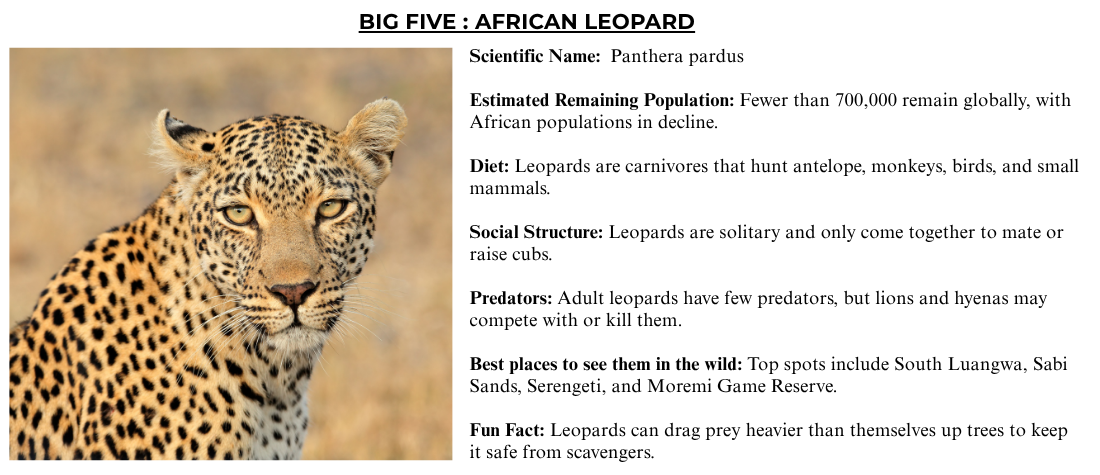
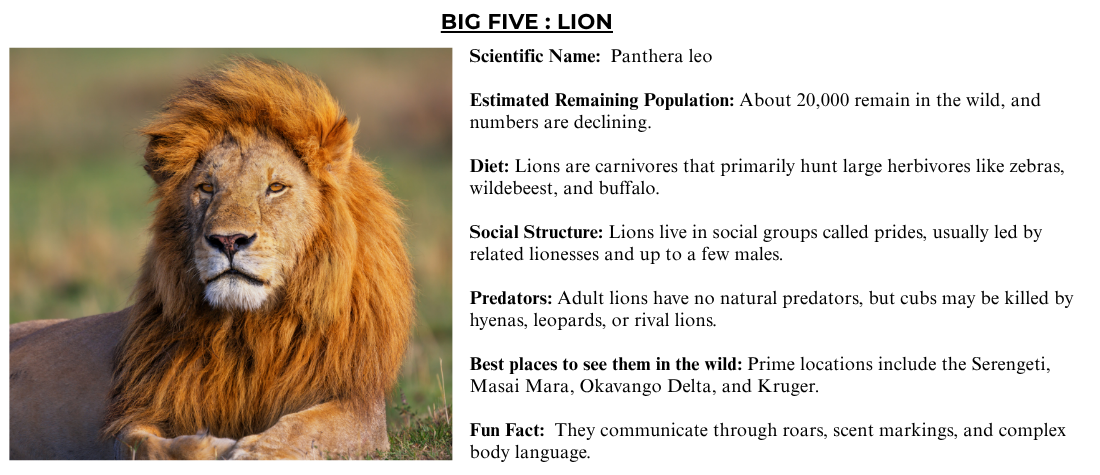
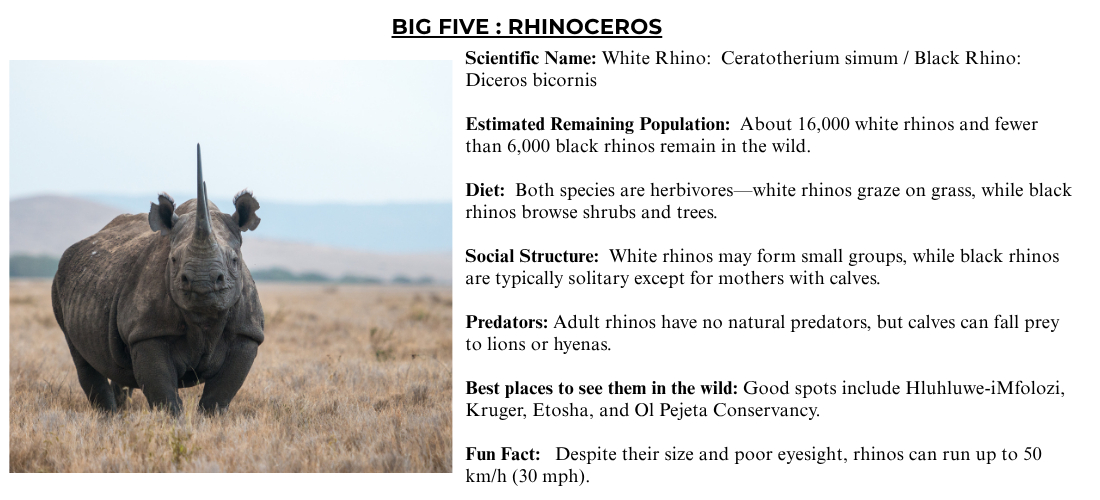
In the sections ahead, we’ll highlight ten of the best places in Africa to see the Big Five, each offering a unique mix of landscapes, wildlife, and safari experiences — but first, let’s recap the big five — click on the images below to learn more about each of the magnificent big five:
Best Places for an African Safari & To Spot the Big Five:
From vast savannahs to riverfront wetlands, Africa’s most iconic national parks offer not just breathtaking scenery but some of the best chances in the world to see the legendary Big Five—lion, leopard, elephant, rhino, and buffalo—in their natural habitats. Whether you’re gliding through the Okavango Delta in a mokoro or tracking rhinos in Hluhluwe, each destination on this list offers its own unique safari experience. Here are ten of the best places across the continent where your chances of spotting all five are high, and the adventure is unforgettable.:
1.) Masai Mara National Reserve – Kenya
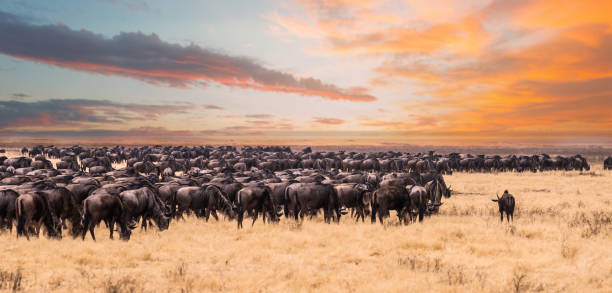
Overview: The Masai Mara National Reserve, located in southwestern Kenya, is one of Africa’s best-known safari destinations. It forms part of a larger cross-border ecosystem shared with Tanzania’s Serengeti, creating a wide, open landscape ideal for wildlife viewing. The reserve is home to a rich variety of animals and habitats, from rolling grasslands to seasonal rivers, making it a reliable and rewarding place to see African wildlife in its natural environment.
The reserve is particularly famous for the annual Great Migration, when over a million wildebeest and hundreds of thousands of zebras and gazelles cross from Tanzania into Kenya, braving crocodile-filled rivers and stalking predators. But the Masai Mara offers spectacular wildlife viewing year-round. Game drives here are never predictable, and that’s part of the magic. One day you might watch a pride of lions sleeping in the shade; the next, you’re following the tracks of a leopard through the early morning mist.
Beyond the wildlife, the cultural richness of the Mara enhances the experience. The Maasai people, with their vibrant traditions and deep connection to the land, add depth and meaning to a visit. Whether you’re chatting with a local guide or visiting a nearby village, the human story of the Mara is just as compelling as the natural one.
Best time to go: The best time to visit the Masai Mara is during the dry season, from July to October, when wildlife viewing is at its peak and the Great Migration is in full swing. However, the reserve remains an excellent safari destination throughout the year, with lush green landscapes and fewer crowds outside the migration months.
Members of the Big Five you can Expect: In the Masai Mara, you have an excellent chance of seeing lions, elephants, buffalo, and leopards. Rhinos are present but more elusive, typically found in specific areas such as the Mara Triangle.
Other Animals to look out for: Apart from the Big Five, visitors can expect to see cheetahs, hyenas, giraffes, zebras, wildebeest, hippos, crocodiles, warthogs, jackals, and a wide range of antelope species. Birdwatchers will also find the Mara rewarding, with over 450 bird species recorded.
Special Safari Experiences: One of the standout experiences in the Masai Mara is witnessing a river crossing during the Great Migration—a dramatic and powerful event that is unlike any other in the safari world. Hot air balloon safaris offer a peaceful aerial view of the reserve at sunrise, while walking safaris and cultural visits provide a more personal connection to the landscape and local communities.
Budget: The Masai Mara offers a range of safari options to suit different budgets. Mid-range and luxury lodges are the most common, though there are more affordable camps just outside the park. Entry fees, game drives, and accommodation can add up, so it’s wise to plan for a moderate to high budget depending on the experience you want.
How to get there: The most convenient way to reach the Masai Mara is by a short flight from Nairobi’s Wilson Airport to one of the airstrips inside or near the reserve. Alternatively, it’s a 5–6 hour drive from Nairobi, which can be part of the adventure but includes some rough roads.
Recommended time to stay: A stay of 3 to 4 nights allows for relaxed game viewing and a good chance of seeing a wide variety of wildlife, including the Big Five. Those visiting during migration season may want to stay longer to increase their chances of witnessing a river crossing.
Accommodation Options: There is a wide range of accommodation in and around the Masai Mara, from luxury tented camps and lodges with all-inclusive service, to more budget-friendly safari camps just outside the reserve boundaries. Many lodges also offer private guides and customized game drives.
Iconic Photo moment: An unforgettable moment is capturing a lion pride at golden hour on the open plains, or photographing wildebeest splashing across the Mara River during a migration crossing, with crocodiles lurking nearby.
2.) Serengeti National Park – Tanzania
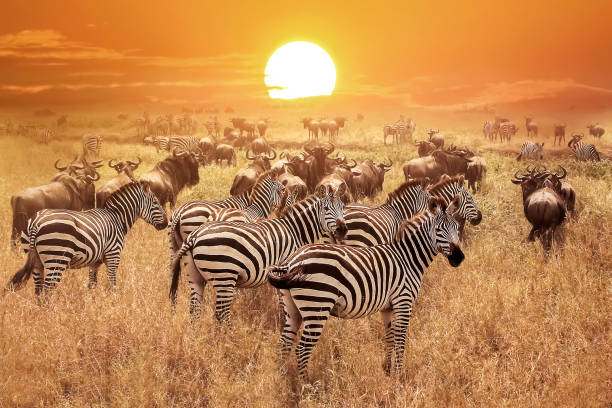
Overview: Serengeti National Park, located in northern Tanzania, is one of the most renowned wildlife reserves in the world. It forms the core of the greater Serengeti ecosystem, which spans into Kenya and includes the Masai Mara, making it a key region for the annual Great Migration. The name “Serengeti” comes from the Maasai word siringet, meaning “endless plains,” which perfectly describes its wide, open grasslands that stretch as far as the eye can see.
The park is particularly well-known for its sheer density of wildlife and its vast, unspoiled landscapes. Visitors can expect to see large herds of grazing animals, frequent predator sightings, and a range of habitats that include open savannas, riverine forests, and rocky outcrops known as kopjes. Its diverse terrain supports everything from big cats to hundreds of bird species, offering a varied and exciting safari experience at almost any time of year.
Serengeti’s significance also extends to conservation and research, with many ongoing efforts to protect its delicate ecosystems. Whether you’re a first-time safari-goer or a returning wildlife enthusiast, the Serengeti offers a timeless and authentic African experience that balances adventure with a deep sense of natural wonder.
Best time to go: The Serengeti is a year-round destination, but the best time depends on what you want to see. For the Great Migration, plan to visit between June and July for river crossings, or January to March for calving season in the southern plains.
Members of the Big Five you can Expect: The Serengeti is one of the best places in Africa to see lions, leopards, elephants, and buffalo. Black rhinos are present, but sightings are rare and usually occur in the Moru Kopjes area.
Other Animals to look out for: Beyond the Big Five, you can spot cheetahs, hyenas, giraffes, zebras, wildebeest, hippos, crocodiles, servals, bat-eared foxes, and a rich variety of antelope. The park is also home to more than 500 bird species.
Special Safari Experiences: One of the Serengeti’s highlights is witnessing the Great Migration, particularly the dramatic river crossings or the calving season, which attracts a high concentration of predators. Sunrise hot air balloon safaris offer a peaceful, panoramic view of the plains, and guided walks in adjacent areas like the Grumeti Reserve add a deeper level of exploration.
Budget: The Serengeti caters to a wide range of budgets, though most trips fall in the mid to high range due to park fees, transportation, and accommodation. Luxury lodges and mobile tented camps are popular, especially during migration season.
How to get there: Most visitors arrive via a short flight from Arusha or Kilimanjaro Airport to one of several airstrips in the park. It’s also possible to reach the Serengeti by road, typically as part of a longer northern Tanzania safari circuit that includes the Ngorongoro Crater and Lake Manyara.
Accommodation Options:The park offers everything from luxury tented camps and eco-lodges to mobile safari camps that move with the migration. Options exist within the central Serengeti, the quieter northern regions, and along the western corridor, depending on the season and wildlife movement.Iconic Photo moment: Capturing thousands of wildebeest galloping across the Mara River during the migration is a bucket list shot. Another iconic image is a lion lounging atop a rocky kopje, surveying the vast plains below.
3.) Kruger National Park – South Africa
Overview: Kruger National Park is South Africa’s most famous safari destination and one of the largest national parks in Africa. Covering nearly 20,000 square kilometers in the northeast of the country, it offers a mix of well-developed infrastructure, diverse ecosystems, and exceptional wildlife viewing. With its accessible roads and well-established lodges and camps, Kruger is ideal for both first-time visitors and seasoned safari travelers.
The park is home to a wide range of habitats, from open savanna to thick bushveld and riverine forests, creating excellent conditions for spotting a variety of animals. Kruger is particularly well known for its consistent sightings of the Big Five, often all within a single game drive. In addition to guided safaris, it is also one of the few parks in Africa where self-drive safaris are encouraged and easily arranged, making it popular with independent travelers.
As a long-standing part of South Africa’s conservation history, Kruger combines modern infrastructure with natural wilderness. The surrounding private game reserves, which form part of the Greater Kruger area, offer more exclusive experiences, with off-road driving and fewer vehicles at sightings. Whether you choose a public rest camp or a private lodge, Kruger offers an authentic and well-rounded safari experience.
Best time to go: The dry season, from May to September, is the best time for wildlife viewing as vegetation is sparse and animals gather at water sources. The summer months (October to April) bring lush greenery and great birdwatching, though spotting wildlife can be more challenging.
Members of the Big Five you can Expect: Kruger is one of the most reliable places in Africa to see all five members of the Big Five—lion, leopard, elephant, rhino, and buffalo—often within a couple of days.
Other Animals to look out for: The park is home to cheetahs, hyenas, hippos, giraffes, zebras, wildebeest, crocodiles, wild dogs, and a wide variety of antelope. It also boasts over 500 bird species, making it excellent for birdwatching.
Special Safari Experiences: Kruger offers unique opportunities such as self-drive safaris, guided bush walks, and sunset or night drives with SANParks rangers. In nearby private reserves like Sabi Sand or Timbavati, guests can enjoy more flexible game drives and closer encounters with wildlife.
Budget: Kruger suits a broad range of budgets. The public rest camps are affordable and well-equipped, while the private lodges in the Greater Kruger area offer high-end, all-inclusive experiences with guided game drives.
How to get there: The park is easily accessible by car from Johannesburg, with the drive taking around 5 to 6 hours. Alternatively, regional flights connect Johannesburg or Cape Town with airports like Skukuza, Hoedspruit, or Nelspruit, which are located near or inside the park.
Recommended time to stay: A stay of 3 to 5 nights is a good amount of time for exploring different areas of the park and maximizing your chances of seeing the Big Five. Longer stays in both the public and private sections offer a more varied experience.
Accommodation Options: Visitors can choose from basic bungalows, campsites, and family cottages in SANParks rest camps, or opt for more exclusive lodges in private reserves. Options range from budget-friendly to ultra-luxury, depending on your travel style.
Iconic Photo moment: One of the most classic shots is of a leopard draped over a tree branch in the early morning light. Another unforgettable scene is a large herd of elephants crossing the road just meters from your vehicle on a self-drive safari.
4.) Okavango Delta – Botswana
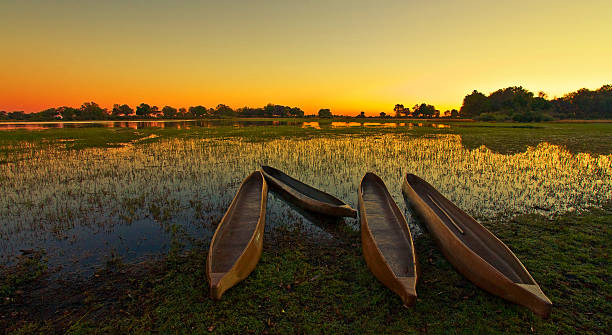
Overview: The Okavango Delta is one of Africa’s most unique safari destinations, known for its vast wetlands, seasonal floodplains, and diverse wildlife. Located in northern Botswana, the delta is created by the Okavango River, which flows into the Kalahari Desert and fans out into a lush inland delta system. Unlike the open plains of the Serengeti or Kruger’s road networks, the Okavango offers a quieter, water-based safari experience where nature feels untouched and remote.
Much of the wildlife viewing in the delta is shaped by its seasonal flooding, which typically begins in May and peaks around July. This brings an incredible transformation to the landscape, turning dry grasslands into a maze of lagoons, channels, and islands. Animals adapt to the rhythm of the water, and the result is one of the most visually stunning and ecologically rich ecosystems in Africa. Game viewing here is done not just by vehicle, but also by traditional dugout canoes called mokoros and guided walking safaris.
The Okavango Delta is also a UNESCO World Heritage Site, celebrated for its biodiversity and natural beauty. Safari camps are typically small and intimate, located on private concessions that allow for more flexible activities and fewer vehicles. For travelers seeking a peaceful, immersive, and slightly off-the-beaten-path safari, the Okavango offers a completely different way to experience Africa’s wild spaces.
Best time to go: The dry season from May to October is the best time to visit, especially during the annual flood, when wildlife concentrates on higher ground and water-based safaris are at their best. Birdwatching is excellent year-round but peaks from November to March.
Members of the Big Five you can Expect: Elephants, buffalo, and lions are commonly seen, with leopards frequently spotted in wooded areas. Rhinos are present but rare, mainly in the Moremi Game Reserve section of the delta.
Other Animals to look out for: The delta is home to cheetahs, hippos, crocodiles, hyenas, giraffes, red lechwe, sitatunga, wildebeest, and African wild dogs. It’s also a birdwatcher’s paradise, with species such as African fish eagles, kingfishers, and herons found throughout the wetlands.
Special Safari Experiences: Water-based safaris in mokoros are a signature experience in the Okavango, offering a peaceful way to explore the waterways. Walking safaris led by expert guides provide a deeper look at animal tracks, plants, and smaller wildlife. Private concessions allow for off-road game drives and night safaris, enhancing the chance to see elusive nocturnal species.
Budget: The Okavango is generally a high-end destination, with most camps offering fully inclusive packages that include game drives, meals, and flights in. Budget options are limited due to the remoteness and the need for fly-in access, but the experience reflects the value.
How to get there: Most visitors fly into Maun, the gateway to the delta, and then take a short scenic flight on a light aircraft to their lodge’s private airstrip. Access is usually only by air, as the delta has no public roads and limited overland routes.
Recommended time to stay: A stay of 3 to 4 nights is ideal for exploring both land and water-based safari areas. Some travelers combine time in different camps across the delta to see various landscapes and wildlife concentrations.
Accommodation Options: Lodges in the Okavango are often eco-friendly, intimate, and luxurious, with options ranging from classic tented camps to high-end lodges with plunge pools and panoramic views. Most are located on private concessions with excellent guiding and service.
Iconic Photo moment: A mokoro gliding silently past a pod of hippos at sunrise, with mist rising off the water, is a signature delta scene. Another unforgettable moment is capturing a herd of elephants wading through the floodwaters, their reflections mirrored in the still channels.
5.) South Luangwa National Park – Zambia
Overview: South Luangwa National Park, located in eastern Zambia along the banks of the Luangwa River, is often described as one of Africa’s best-kept safari secrets. It offers an authentic, less-commercialized safari experience in a setting known for its striking natural beauty, abundant wildlife, and strong conservation ethos. The park features a mix of open plains, woodlands, and riverine habitats, making it particularly rich in both animal and bird life.
What sets South Luangwa apart is its focus on walking safaris, which were pioneered here and remain one of the park’s signature experiences. These guided walks offer a completely different perspective on the bush, allowing visitors to learn about tracks, plants, and animal behavior while exploring at ground level. Vehicle-based safaris are also excellent, with day and night drives providing reliable sightings of predators and other key species.
The park’s relative remoteness contributes to a quieter, more exclusive atmosphere, with fewer crowds and smaller safari camps. It’s a destination that appeals to travelers looking for a more immersive and personal connection to the landscape and its wildlife. For those seeking an off-the-beaten-path safari with high-quality guiding and great biodiversity, South Luangwa delivers a rewarding and memorable experience.
Best time to go: The dry season from June to October is the best time for game viewing, as animals concentrate around the river and waterholes. November to March brings the green season, which is great for birdwatching but less ideal for spotting larger mammals due to thick vegetation and limited road access.
Members of the Big Five you can Expect: Elephants, buffalo, and leopards are commonly seen. Lions are also present in healthy numbers, while rhinos are not found in the park.
Other Animals to look out for: South Luangwa is known for large hippo and crocodile populations, especially along the Luangwa River. You can also see giraffes, zebras, hyenas, bushbucks, kudu, and the endemic Thornicroft’s giraffe and Crawshay’s zebra. The park supports over 400 bird species.
Special Safari Experiences: Walking safaris are a highlight in South Luangwa and offer an in-depth, safe way to explore the bush on foot. Night drives are another unique experience, giving guests the opportunity to see nocturnal species such as civets, genets, and leopards on the move.
Budget: South Luangwa caters primarily to mid-range and high-end travelers, with most accommodations offering full-board or all-inclusive packages. Prices tend to be lower than in some other top safari destinations, making it good value for a premium experience.
How to get there: The nearest airport is Mfuwe, which has daily flights from Lusaka and seasonal flights from Livingstone. From Mfuwe Airport, it’s about a one-hour drive to most lodges near the park entrance.
Recommended time to stay: Three to five nights is ideal to explore different areas of the park and participate in both vehicle and walking safaris. Those combining South Luangwa with other parks in Zambia may opt for a longer stay.
Accommodation Options: Lodges and camps range from rustic bushcamps deep in the park to stylish lodges along the river. Most camps are small and owner-run, offering a personal and relaxed safari experience with excellent guiding.
Iconic Photo moment: Photographing a leopard draped over a tree branch during a night drive, or capturing elephants crossing the Luangwa River at sunset, are classic moments that define the South Luangwa experience.
6.) Etosha National Park – Namibia
Overview: Etosha National Park, located in northern Namibia, offers a unique safari experience defined by wide open spaces, stark beauty, and exceptional wildlife viewing at waterholes. Unlike the more densely vegetated parks of East and Southern Africa, Etosha’s landscape is dominated by a vast salt pan that stretches across nearly a quarter of the park. This open terrain makes it easier to spot wildlife, especially during the dry season when animals gather around the park’s many natural and manmade waterholes.
Etosha is particularly well-suited for self-drive safaris, with well-maintained roads, clear signage, and a good selection of rest camps. Visitors can explore at their own pace, stopping at waterholes where elephants, lions, antelope, and other animals often congregate in surprising numbers. The scenery itself is striking—sun-bleached plains, camelthorn trees, and the shimmering white expanse of the Etosha Pan, which can sometimes flood and attract flamingos and other migratory birds.
The park also stands out for its accessibility and affordability compared to more remote safari destinations. With a range of accommodation options inside and just outside the park, and the ability to drive yourself, Etosha appeals to both independent travelers and those seeking a more structured safari. It offers a rewarding mix of freedom, wildlife, and dramatic scenery that is distinctly Namibian.
Best time to go: The best time to visit Etosha is during the dry season, from June to October, when wildlife concentrates around waterholes and vegetation is sparse. The green season (November to April) brings fewer crowds and better birding, though wildlife can be more dispersed.
Members of the Big Five you can Expect: Etosha offers reliable sightings of elephants, lions, and rhinos—particularly the endangered black rhino. Leopards and buffalo are present but more elusive, with buffalo being the rarest of the Big Five in the park.
Other Animals to look out for: Etosha is home to giraffes, zebras, cheetahs, hyenas, jackals, oryx, springbok, and kudu. It also supports over 300 bird species, including ostriches, secretary birds, and flamingos during wetter months.
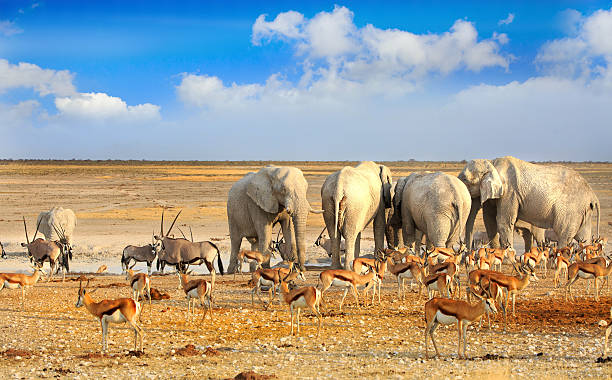
Special Safari Experiences: Etosha’s waterhole-based game viewing is a highlight, especially at Okaukuejo Camp, where animals gather in large numbers and can be watched even at night. The option to self-drive and explore independently is another key feature, offering a more flexible and personal safari.
Budget: Etosha caters well to a range of budgets. Public rest camps inside the park offer affordable lodging and basic amenities, while mid-range and upscale lodges are available just outside the gates, often with more luxurious touches.
How to get there: Most visitors arrive by car from Windhoek, which is about a 5–6 hour drive. Alternatively, some lodges in the area offer fly-in options via charter flights to nearby airstrips.
Recommended time to stay: Three nights is generally a good amount of time to explore the main sections of the park and visit multiple waterholes. Longer stays are ideal for those interested in photography or traveling during quieter months.
Accommodation Options: Accommodation ranges from government-run rest camps with chalets and camping facilities to private lodges with swimming pools, guided drives, and bush dining experiences. Staying inside the park allows for early access to key waterholes.
Iconic Photo moment: A classic shot in Etosha is a line of elephants approaching a waterhole under the vast Namibian sky. Another unforgettable image is the reflection of a lone black rhino drinking at night, illuminated by floodlights at Okaukuejo’s viewing platform.
Overview: The Ngorongoro Crater is one of the most unique and accessible safari destinations in Africa. Located in northern Tanzania, it is a UNESCO World Heritage Site and part of the broader Ngorongoro Conservation Area. The crater itself was formed by the collapse of a massive volcano millions of years ago and today forms a natural enclosure teeming with wildlife. Measuring about 19 kilometers across and 600 meters deep, it functions like a self-contained ecosystem, with rich grasslands, freshwater springs, forests, and a seasonal lake.
What makes Ngorongoro special is the high density of animals within such a compact area. Because of the permanent availability of water and grazing, many animals stay in the crater year-round, making sightings both frequent and reliable. It’s one of the few places in East Africa where you might see all members of the Big Five in a single day. The scenery is also stunning—lush green walls rise all around you, and the crater floor opens into a landscape that feels both dramatic and serene.
Though it can be more visited than some other Tanzanian parks due to its accessibility, the crater remains a must-see for anyone doing a northern safari circuit. It’s often combined with visits to the Serengeti or Lake Manyara, but even a single day in Ngorongoro can provide some of the most rewarding wildlife viewing in Africa.
Best time to go: Ngorongoro can be visited year-round, but the dry season from June to October offers the best wildlife viewing conditions. The green season (November to May) brings lush landscapes and fewer crowds, although roads may be muddy.
Members of the Big Five you can Expect: Lions, elephants, and buffalo are commonly seen. Black rhinos are present and one of the main highlights, although sightings can require patience. Leopards are occasionally seen on the crater rim but are less frequently spotted on the floor.
Other Animals to look out for: The crater is home to hippos, hyenas, jackals, zebras, wildebeest, gazelles, eland, and warthogs. It’s also a great place to spot servals and various bird species, including crowned cranes and kori bustards.
Special Safari Experiences: Game drives on the crater floor are the main activity, offering concentrated wildlife viewing. The conservation area also allows cultural visits to Maasai villages and walking safaris along the crater rim, which provide excellent views and birdwatching opportunities.
Budget: Ngorongoro is a mid-to-high-end destination due to its popularity and park fees. Day trips are available from nearby lodges, but many visitors stay in upscale lodges on the crater rim, which offer full-board safari packages.
How to get there: Most visitors travel by road from Arusha (about 4–5 hours) or arrive via charter flight to Lake Manyara Airstrip, followed by a short drive. The crater is often included in guided safaris of the northern circuit.
Recommended time to stay: A two-night stay is ideal—one for arrival and another for a full day exploring the crater. While the crater floor can be seen in a single day, the surrounding highlands and cultural sites add value to a longer visit.
Accommodation Options: Lodges on the crater rim offer spectacular views and easy access to the descent road. Options range from luxury lodges with all-inclusive service to more modest accommodations in the nearby Karatu area.
Iconic Photo moment: A wide-angle view of the entire crater at sunrise, with mist rising over the grasslands, is one of the most memorable scenes. Another classic photo is a close-up of a black rhino grazing in the open, set against the dramatic green crater walls.
8.) Chobe National Park – Botswana
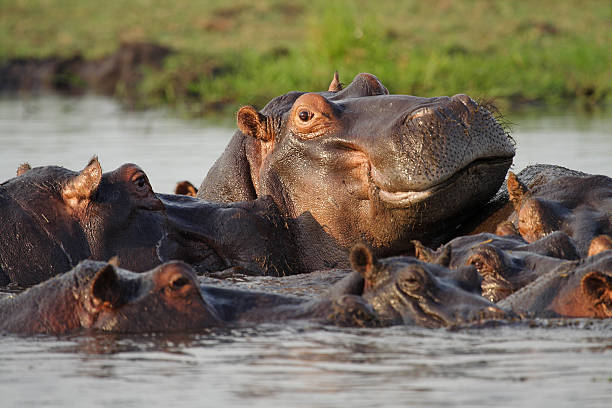
Overview: Chobe National Park, located in northern Botswana near the borders of Namibia, Zambia, and Zimbabwe, is one of Southern Africa’s top safari destinations. Known especially for its large elephant population, the park is centered around the Chobe River, which supports a high density and variety of wildlife. The river forms a natural border along the park’s northern edge and creates a scenic and productive environment for game viewing, particularly during the dry season when animals come to drink.
Chobe is divided into distinct regions, each offering a different experience. The most visited area is the Chobe Riverfront near Kasane, where game drives and boat safaris provide excellent opportunities to see herds of elephants, buffalo, and other animals. Further into the park, areas like Savuti and Linyanti offer more remote and wild terrain, popular with those looking for predator sightings and fewer vehicles. These areas are well-known for lion, leopard, and wild dog encounters, as well as dramatic seasonal changes in landscape and wildlife behavior.
One of the park’s advantages is its accessibility. With good infrastructure and its proximity to Victoria Falls, Chobe can be visited as a stand-alone destination or as part of a larger regional trip. Whether you’re gliding silently down the river on a sunset cruise or following fresh tracks on a morning drive, Chobe offers a rewarding mix of river and land-based safari experiences in a beautiful setting.
Best time to go: The best time to visit is during the dry season from May to October, when wildlife gathers in large numbers along the Chobe River. The wet season (November to April) brings lush landscapes, fewer tourists, and excellent birding.
Members of the Big Five you can Expect: Elephants and buffalo are easily seen in large numbers. Lions are frequently spotted, particularly in Savuti. Leopards are present but more elusive, and rhinos are not found in the park.
Other Animals to look out for: Chobe is home to giraffes, hippos, crocodiles, zebras, impalas, sable antelope, kudus, warthogs, and hyenas. African wild dogs are sometimes seen in the Savuti and Linyanti areas. The park is also excellent for birdwatching, with over 450 species recorded.
Special Safari Experiences: Boat safaris on the Chobe River offer a unique way to view wildlife, often up close and at eye level. Sunset cruises are especially popular. In Savuti and Linyanti, off-road game drives and mobile camps offer a more remote, adventurous experience.
Budget: Chobe offers a range of options, from mid-range lodges near Kasane to luxury camps in remote areas. Self-drive safaris and camping are possible within the park, making it suitable for different budgets.
How to get there: The park is easily accessible via Kasane, which has a regional airport and is close to the Zimbabwean border and Victoria Falls. Many travelers include Chobe as part of a multi-country itinerary.
Recommended time to stay: A stay of 2 to 4 nights allows for a good mix of game drives and boat safaris. Those interested in exploring deeper into Savuti or Linyanti may extend their stay or split time between different camps.
Accommodation Options: Lodges and camps range from comfortable riverside hotels near Kasane to exclusive safari camps in remote areas of the park. Houseboat safaris on the Chobe River are also available for a unique overnight experience.
Iconic Photo moment: One of the signature images of Chobe is a herd of elephants crossing the river at sunset, with golden light reflecting off the water. Another memorable shot is a hippo yawning or a crocodile basking along the banks, viewed from a boat just meters away.
9.) Hluhluwe-iMfolozi Park – South Africa
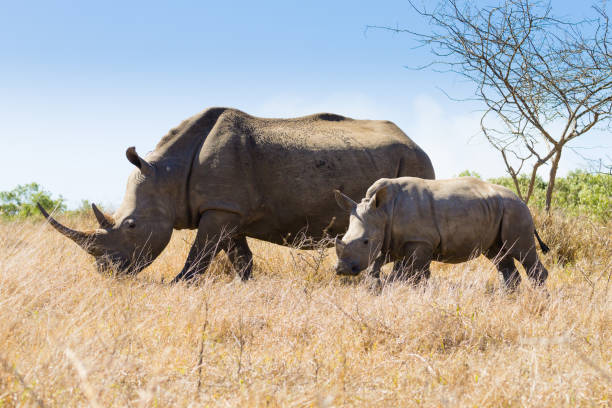
Overview: Hluhluwe-iMfolozi Park, located in KwaZulu-Natal, South Africa, is the oldest proclaimed game reserve in Africa and a significant conservation success story. The park is known for its rolling hills, river valleys, and thick bushveld, offering a varied landscape that supports a wide diversity of wildlife. Unlike some of the more expansive and open parks in southern Africa, Hluhluwe-iMfolozi is more compact and often more densely vegetated, creating an experience that feels both intimate and wild.
The park is historically important for its role in rescuing the southern white rhino from extinction, and it remains one of the best places in the world to see both black and white rhinos in their natural habitat. Game drives here are scenic and immersive, with winding roads through lush terrain and regular chances of spotting large mammals and predators. Its manageable size makes it well-suited to shorter visits without sacrificing wildlife viewing opportunities.
Though less visited than Kruger, Hluhluwe-iMfolozi offers an authentic and rewarding safari experience, particularly for those exploring South Africa’s east coast or combining their safari with a beach holiday along the Indian Ocean. With self-drive routes, guided game drives, and a variety of accommodations, the park is both accessible and appealing to a broad range of travelers.
Best time to go: The dry season from May to September is best for wildlife viewing, as animals congregate around water sources and the vegetation is less dense. The summer months (October to April) are greener and good for birding, though spotting animals can be more challenging.
Members of the Big Five you can Expect: Hluhluwe-iMfolozi is home to all five of the Big Five: lion, leopard, elephant, buffalo, and both black and white rhinos, with rhino sightings being a particular highlight.
Other Animals to look out for: The park also has giraffes, zebras, wildebeest, hyenas, cheetahs, warthogs, and several species of antelope. It is rich in birdlife, with over 340 recorded species including vultures, hornbills, and raptors.
Special Safari Experiences: Self-drive safaris are popular and well-supported with good infrastructure. The park also offers guided game drives, boat cruises on nearby Lake St Lucia, and occasional wilderness walking trails for those seeking a more active experience.
Budget: Hluhluwe-iMfolozi is one of South Africa’s more budget-friendly Big Five destinations. Entry fees and accommodation costs are lower than in private reserves, making it ideal for independent travelers or families.
How to get there: The park is around 2.5 to 3 hours’ drive from Durban, making it an easy addition to a coastal itinerary. The nearest town is Hluhluwe, and most visitors arrive by road via private car or guided tour.
Recommended time to stay: Two to three nights is usually enough to explore the park’s main sections and enjoy multiple game drives. The park’s size makes it possible to see a variety of wildlife without needing an extended stay.
Accommodation Options: There are several rest camps and lodges within the park offering basic to mid-range accommodation. Additional guesthouses and safari lodges are available in nearby areas just outside the park’s gates.
Iconic Photo moment: A memorable shot in Hluhluwe-iMfolozi is a white rhino crossing a dirt road in the early morning light, with mist rising from the valley behind. Another is a classic safari silhouette at sunset from one of the park’s scenic viewpoints overlooking the rolling hills.
10.) Lake Nakuru National Park – Kenya
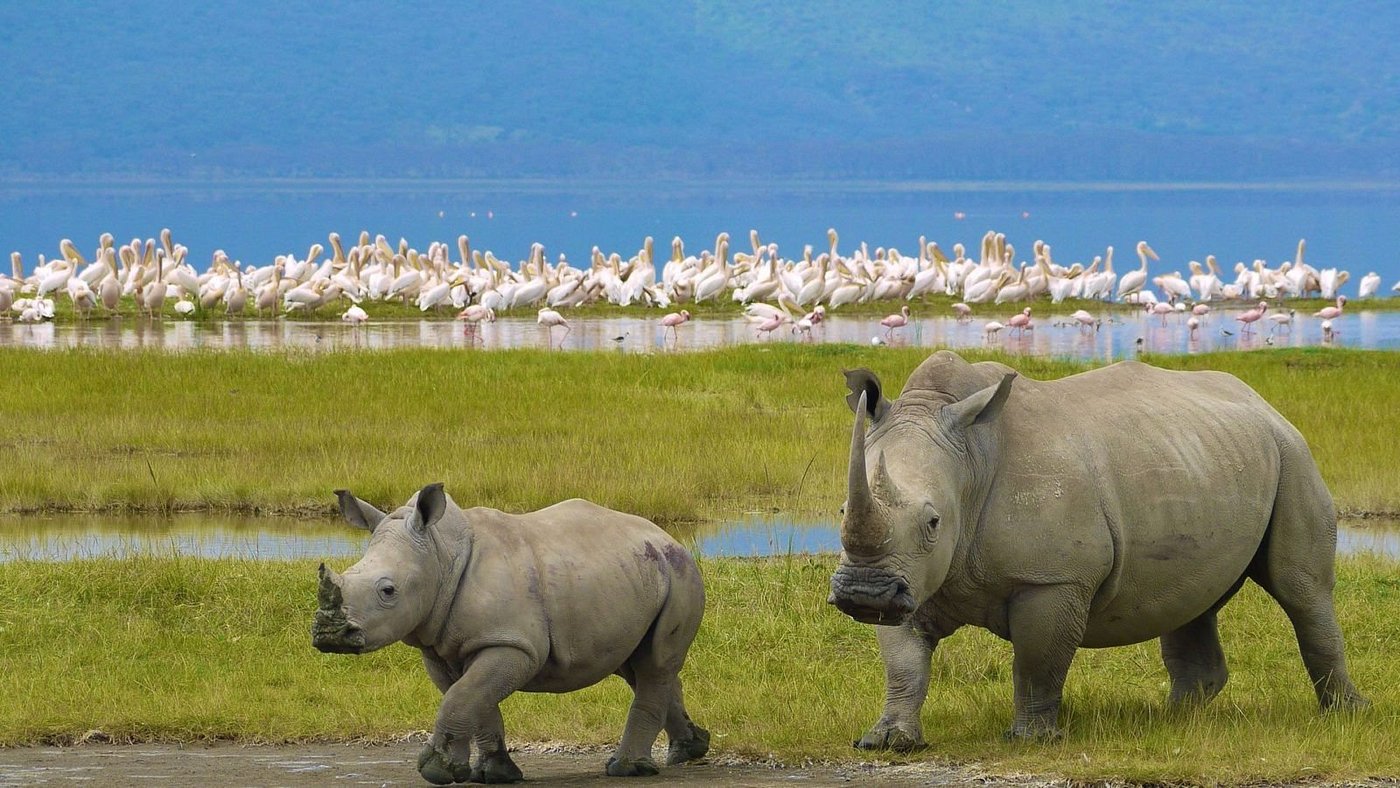
Overview: Lake Nakuru National Park, located in central Kenya’s Rift Valley region, is a compact but wildlife-rich park centered around the alkaline Lake Nakuru. The park is best known for its birdlife, especially the flocks of flamingos that once famously painted the lake pink, though their numbers now vary depending on water levels and feeding conditions. Despite its small size, Lake Nakuru offers excellent wildlife viewing in a scenic setting, with a mix of acacia forest, open grasslands, and rocky escarpments.
The park’s accessibility—only a few hours’ drive from Nairobi—makes it a popular destination for both short trips and as part of a longer safari circuit. Over the years, it has become one of the most reliable places in Kenya to see both black and white rhinos, which were reintroduced to the park and are now well protected. Game drives wind through forested areas and open plains, offering close-up views of large mammals, bird species, and even predators.
Lake Nakuru provides a relaxed, well-managed safari experience that is ideal for families, first-time safari-goers, or travelers with limited time. Its manageable size means wildlife can often be spotted easily, and the diversity of landscapes adds visual interest to every game drive.
Best time to go: The best time to visit is during the dry season from June to October, when animals are more concentrated and roads are easier to navigate. However, birdwatching is best from November to April during the wetter months.
Members of the Big Five you can Expect: Rhinos are the stars here, with both black and white rhinos commonly seen. Lions and leopards are present and often spotted, while buffalo are abundant. Elephants are not found in this park.
Other Animals to look out for: Expect to see giraffes, zebras, warthogs, baboons, waterbucks, hyenas, and occasionally hippos. The birdlife is outstanding, with pelicans, flamingos, fish eagles, and over 400 recorded species.
Special Safari Experiences: Lake Nakuru is ideal for rhino tracking and birdwatching. The viewpoints such as Baboon Cliff offer sweeping panoramas over the lake, perfect for photography and scenic stops during game drives.
Budget: Lake Nakuru is a mid-range destination, with affordable park fees and a variety of accommodation options inside and outside the park. Day trips from Nairobi are also common and relatively economical.
How to get there: The park is about a 3‑hour drive from Nairobi via good roads, making it easily accessible by car. There’s also a small airstrip nearby for chartered flights.
Recommended time to stay: One to two nights is typically enough to explore the park and enjoy multiple game drives. It also works well as a short stop between other major safari destinations.
Accommodation Options: The park has several lodges and camps, including options with lake views or forest surroundings. More budget-friendly hotels and guesthouses are available in the nearby town of Nakuru.
Iconic Photo moment: A group of white rhinos grazing near the lakeshore with flamingos and pelicans in the background is a classic Lake Nakuru image. Another memorable shot is from Baboon Cliff, looking out across the shimmering water and acacia forest.