The Dead Sea:
Overview:
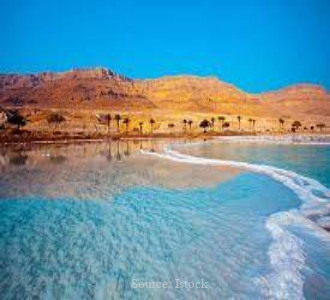
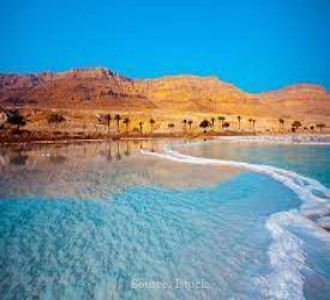
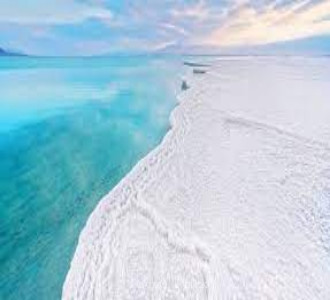
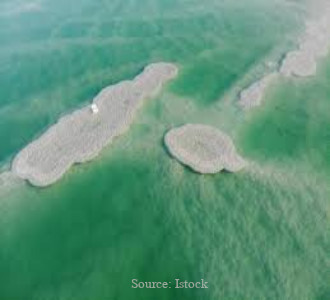
The lowest place on earth, the Dead Sea sits 434 metres below sea level and is one of the most unique and fascinating places on earth – with the salt infused water, which is more than 10 times saltier than ocean water, allowing not only for the iconic ‘floating experience’ but also allowing for a deep mineral rich healing experience whilst spilling into the air to create a rich-oxygen infused atmosphere that not only prevents sunburn but allows for deep relaxation on the shores of this stunning wonder of the world.
The site also of both religious stories and Roman Conquests – including the famed Masada site, as well as mirage like spectacles in the desert waters of Ein Gedi – the Dead Sea, which sits on a great valley rift sandwiched between the west of Israel and the east of Jordan, is also the sea of many names, including the salt sea, the sea of lots, and our favourite – the sea of Death, named so because the salty conditions of the water make it impossible for either marine of plant life to survive within it.
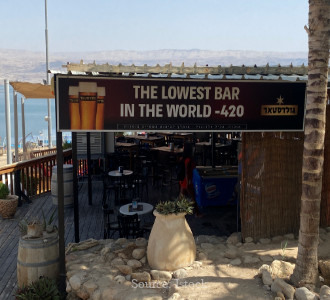
Explore: Yet, despite these harsh conditions, life finds a way within the Dead Sea and you’ll be able to find charming ibexes and unique flora across the desert plains leading to the sea. With this unique life in a harsh environment — combining with the spa like waters and chance to float within the Dead Sea – only adding to the uniqueness of this fascinating wonder, which is only enhanced by the chance to relax on one of the many stunning beaches on either side of the Sea in both Jordan and Israel – before retiring for a sunset drink at the world’s lowest bar and restaurant to cap off a perfect day.
Fed by the holy River Jordan (the scene of Jesus’s baptism) despite its name the Dead Sea is actually a lake, failing to meet the sea criteria of connecting to an ocean as a result of having been formed millions of years ago when the African and Arabian tectonic plates shifted to create the dense lake as we know it today that was completely cut off from the Ocean – and which in turn left it without a natural salt purifier that gives the Dead Sea its unique salty texture that we know it today.
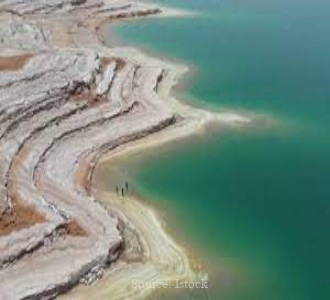
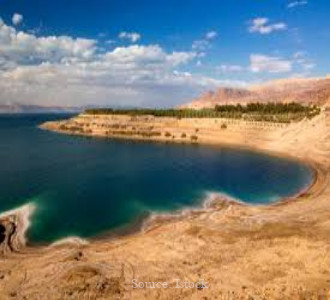
This isolation – which was further aggravated by the drying out of a north to south connecting river within the Dead Sea itself – and as a result of increased temperatures, climate and human led excavation of minerals the Dead Sea is rapidly decreasing. In fact, so great is this contraction that the Dead Sea has gone from being over a thousand square kilometres in the 1950’s to being less the 700 today, with the current rate of water evaporation meaning that the Dead Sea as we know it could have less than 45 years left – which in turn has earnt it the nickname the ‘dying sea.’
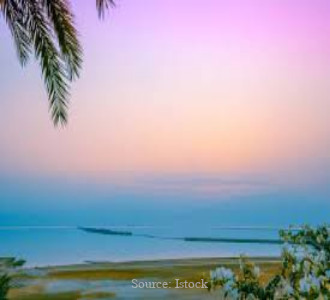
While the alarm on its impending destruction has been sounded since the early 2000’s by a joint Israel, Jordan and Palestine delegation, who have implemented an as yet unsuccessful Red-Dead Canal to address the problem the impending disappearance of the Dead Sea, means that it ranks as one of the most pressing and must visit wonders of the world while time allows.
Accessible from both Israel and Jordan (and we’d recommend Israel so you can soak in the great site of Masada as part of your trip) the highlight of any trip to the cobalt mud waters of the Dead Sea will be to float in its unique waters. Yet while the Dead Sea stretches more than 700 square kilometres, finding a place for a deep is incredibly easy – as there’s only a few designated places where swimming / floating are permitted and safe.
While on the Jordan side, the beaches of Amman and O beach are both stunning – and get crowded quickly, and on the Israel side the beaches of Neve Zohar and Kaila offer a great experience – the iconic and our pick for floating on the dead sea would be the beach of Ein Bokek within Israel – where you’ll find not only the world’s lowest bar, but an incredible golden sand beach and the premier experience and picture perfect spot for floating on the Dead Sea.
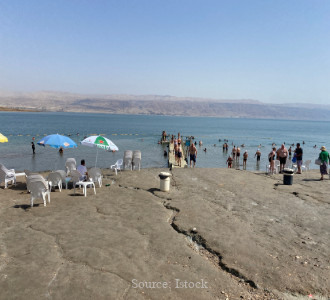
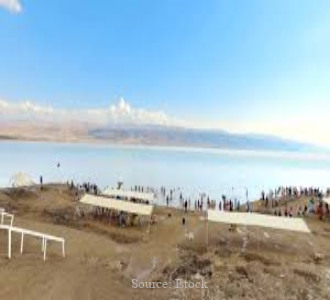
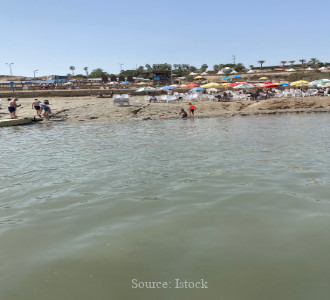
A popular spot, and one that should be timed so that you avoid the bus day tours, as with the other beaches the opening hours of Ein Bokek beach are between 9am – 5pm and you’ll find you need to pay to access the Dead Sea and safe swimming area. Yet once through the turnstiles – and passed the tourist and food shops and down onto the beach, you’ll need to be conscious of the searing temperature of the sand – making sure you take off your flip flops on the shores of the sea – and you can then make your way into the brown waters of this incredible sea and experience the thrill of floating in the dense and spectacular waters of this incredible wonder of the world.
A truly special experience, be sure to limit your time in the water to no more than 10 minutes – and avoid swallowing the salt water! — and you can simply relax and enjoy the stunning views out toward the mountains of Jordan as you rift in the waters. The popular nature of the Dead Sea also means that you’ll likely be kept company by short wearing and swimsuit wearing and locals – and it will be the locals who you see applying the mud and minerals on themselves to create a ‘Dead Sea mud coat’ that replicates the experience of a world-class Spa treatment, and is something that any explorer should do their best to replicate, both for incredible photos and for the cleansing experience that the Dead Sea’s natural minerals provide.
After a relaxing float and some great time on the beach admiring this special and unique wonder, we’d then encourage you to make sure you take a shower to wash the salt off your skin and then sit back and relax with that (overpriced) drink at the worlds lowest bar.

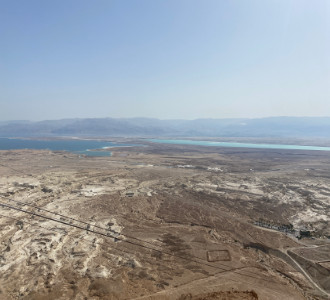
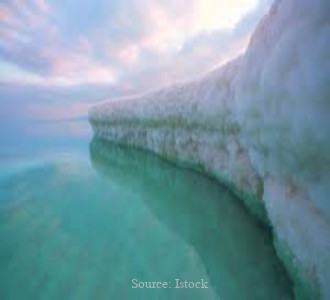
A truly inspiring wonder, for those with a little bit of time and who to go deeper into the Dead Sea area and explore and understand both the epic history of this area and the emerging threats to this wonder, we’d encourage you to spend time exploring three riveting sights around the area; Masada, Ein Gedi and Qumran.
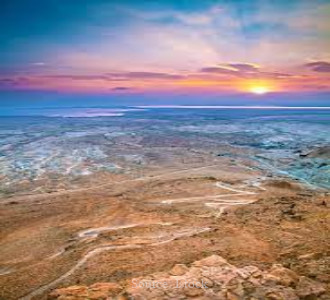
For those heading to Masada, our advice would be to head their early morning to catch the incredible sun rise over the Dead Sea from this fortress – which will require you to be up early and take on the 400 metre Snake Trail to the summit of this fortress. A place of immense history – particularly for Jewish people, Masada was the site of refuge of thousands of Jews who flew Jerusalem over Roman occupation, and where they made their last stand – before group suicide – against the romans, with the roman marking and top of the fortress offering a great insight into one of the most famous pieces of Jewish history.
Arguably even more spectacular is the reserve of Ein Gedi, two natural waterfalls and canyons in the middle of the desert – that during rainy season head all the way to the Dead Sea. Mirage-like in their nature, the chance to bathe and soak in these desert pools is remarkable – and it’s in this area as well that you are most likely to spot the charming ibex wildlife that can make for a great photo opportunity. For those who want to go deeper into the religious and sanctity of the dead Sea we would also recommend heading to Qumran, which lies on the west bank of the Dead Sea and where you’ll find the ancient Dead Sea scrolls – a series of 2000 year old scrolls that depict the Hebrew Bible – and which stand as one of the most important Jewish religious artifacts ever discovered.
A truly special and unique wonder – the Dead Sea is home not only to one of the world’s most thrilling bucket list experiences – the chance to float on its salty waters – but also the unique chance to stand at the lowest point on earth and enjoy the Dead Sea’s healing and spa-like mud minerals. Which combined with the unique and historical sites that surround it, the chance to relax and enjoy this stunning paradise on the golden and relaxing sand beaches that lead to the Dead Sea’s shores and enjoy a sunset drink at the lowest bar on Earth, makes the Dead Sea not only a place that should be cherished and explored in the present, but a place that must be urgently preserved and protected against the rising tides of climate change and evaporation, so that future generations can enjoy this incredible and beautiful wonder of the world.
Where:
The lowest place on Earth – the Dead Sea is in fact incredibly accessible, with this fascinating and historically ad religiously reach wonder found landlocked between Jordan to the East and Israel to the West within the Jordan Rift Valley– with the lake forming part of the borders between the two countries, and the eastern shore belonging to Jordan and the Western Shore belonging to Israel.
Yet despite its split ownership travel between the two countries through the lake is incredible difficult – owing to the restrictions on swimming and navigating the lake, which combined with its high salt concentration and the lake being 427 meters deep is probably for the best.
Still you’ll find access to this wonder, which is fed by the River Jordan, within either country incredibly easy – with the beaches of Amman in Jordan or the main beach of Kalia within Israel being both incredibly easy to access and straightforward to get to.
Getting There:
One of the most unique, fascinating and beautiful wonders on the planet — the salty waters of the Dead Sea and the thrill of floating within them, alongside exploring the desert waterfall mirage of Ein Gedi and the history and stunning views atop the fortress of Masada – are incredibly accessible, with explorers even having the opportunity to visit the Dead Sea from two different countries in either Israel or Jordan.
From Israel:
For those who opt to visit the Dead Sea from Israel – which would be our recommendation as it allows easy access to the main Kalia Beach, for access to the iconic photo opportunities and the world’s lowest restaurant – as well as Masada and Ein Gedi, you’ll find three main options to visit the Dead Sea; by car, bus or on a tour, with all three options being available from the main cities of Tel-Aviv or the wonder of Jerusalem.
By Car: For those setting off by Car, which is undoubtedly the easiest and most convenient way to travel across Israel, the best place to pick up a rental will be at the Tel Aviv Ben Gurion International Airport – and from either Tel Aviv or Jerusalem, we’d recommend managing your route so that you avoid the West Bank Highway 90, and also avoid arriving before 2pm when most tour buses arrive – so you have parts of the Dead Sea to yourself.
Once you’ve arranged your car, it should then be a simple matter of taking the road along highway 6 to the beaches of Ein Bokek and Kalia, being sure to watch for potholes as you go, and arriving at the Dead Sea beaches, with those who have more time recommended to stay overnight and head early morning to Masada – where you can catch an incredible sun rise over the Dead Sea, for a truly magical experience.
By Bus: For those who don’t fancy driving in Israel, which is quite understandable, the best options are going to be to explore the Dead Sea by bus or tour – with those who want the freedom to explore the Dead Sea at their own leisure, and again skip the mass of tourists who arrive around 2pm each day, advised to make their way independently to the Dead Sea and the Kalia Beach independently.
For those following this independent route, you’ll need to base yourself within Jerusalem for a few days (our recommendation would be to base any stay within Israel at Jerusalem as well) and allow a full day to explore the Dead Sea.
For those following this route within Jerusalem, it will then be a simple matter of getting yourself to the main bus station within Jerusalem and hopping on bus number 486 which will take you not only to the beach of Kalia, but also to Masada and the Ein Gedi Reserve for a great day. Buses from Jerusalem tend to leave on the hour – and return at half past the hour, but be sure to check in advance for the timetable – and particularly check if there’s a public holiday on your planned date of travel – which can see pubic transport halted.
By Guided Tour: A great option for those who want to take the hassle out of both driving in Israel and navigating their way around the dead sea area, whilst ensuring you cover the main sights of not only Kalia Beach – but also Masada and the Ein Gedi Reserve – guided tours to the Dead Sea run daily from both Jerusalem and Tel Aviv and represent a stress free and easy way to explore this stunning wonder.
For those taking on a tour, we’d advise booking beforehand online – and budgeting between $70 — $100 Usd – and you can expect a day tour to the sights to include a guide, a bus and at least 2 hours at the Dead Sea and Kalia Beach – which is typically in the afternoon around 2pm.
An option that will see you lose some of your flexibility for exploration – as well as head to the Dead Sea during peak hours, taking a guided tour to explore the Dead Sea is a stress free and easy way to explore this wonder, and a great option for those short on time.

From Jordan:
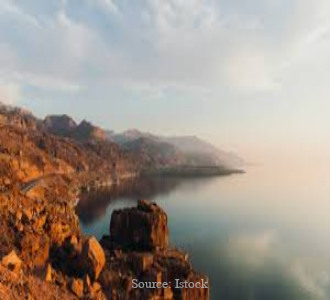
For those who wish to explore the Dead Sea from the East and the Jordanian Side – you’ll again find incredible beaches leading to its shores, with the Amman and O Beach in particularly both being spectacular spots to explore this wonder. Given the size of Jordan, a trip to the Dead Sea is also easily combined with exploring the wonder of Petra (when returning to Amman) or for those who head further south on the return from the Wadi Rum desert – meaning that a stop off and couple of hours at the Dead Sea can be the crowning jewel on your trip to Jordan.
Found just 45 minutes from the Jordanian capital Amman, there are again a range of options to reach the Dead Sea from within this stunning country:
By Car: Given the size of Jordan – and in consideration of the connectivity and road network across the country, Jordan really lends itself to exploration by Car – with a four day journey self-driving across the country being one of the great travel experiences on the planet.
For those comfortable self-driving in Jordan, we’d advise ensuring you pick your car up from a reputable company (those at the airport are highly recommended) and ensure you have both air-conditioning and insurance, and from there it should be a simple matter of following your sat-nav or the arabic and English signs along Highway 65 – which is handily also known as the Dead Sea Highway to the shores of the wonder of the Dead Sea, which stretches from south to north — making it conveniently located for those visiting the sea on the return from Petra.
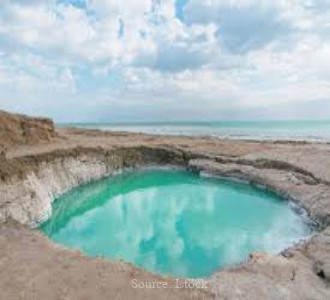
For those driving in Jordan, we’d advise ensuring you only drive during the day, as sinkholes have been known to open up around the Dead Sea, and sadly driving at night can see your car targeted by Rocks. It’s also essential that you respect and do not exceed the speed limit – despite the speed of others – as not only can wild animals appear, but police checks on highways are frequent – and there have even been reports of rental cars being confiscated for excess speed.
Taxi (Uber): Alongside self-driving, given the short distance between Amman and the Dead Sea getting a private hire car to the Dead Sea for a couple of hours is also an option. For those taking on this option – which can be costly – we’d strongly suggest utilising Uber for the journey not only because you get a fixed price – which is often well below the taxi rate, but also from a security perspective.
For those taking an uber to the Dead Sea, it is essential to arrange with the Uber Driver for your return trip a few hours later – with many drivers willing to stay for a small fee and then drop you off back in Amman after you’ve experienced the wonder of the Dead Sea – and be sure to bring a working SIM Card and be aware of the bus times back to Amman just in case.
But for those with the budget and who want a day exploring the Dead Sea without the hassle of driving hiring an Uber or Taxi can be a great way of exploring the salty waters of the Dead Sea.
By Bus: For those who don’t fancy driving in Jordan and who are budget conscious as well – then there’s also a reliable bus service that leaves from Amman to the Dead Sea and back in a day – meaning that you can spend a full day enjoying the waters and the beaches of the Jordanian Dead Sea.
For those taking the bus, know that it leaves from the 7th circle bus stop and is run by the Bus Company JETT – with tickets purchasable online. The buses will leave on schedule on the way there – however for getting back we’d advise being there at least half an hour before departure – and be warned that there are instances were buses have been supposedly ‘cancelled’ and a fleet of taxi’s have turned up to charge tourist to return to Amman – with it being advised to ensure that the JETT representative covers your fair if this happens.
Still despite the possible return hassle (which is rare) for those who don’t fancy driving, we’d highly recommend taking the bus to the Dead Sea through JETT and spending a day relaxing, swimming and marveling at this incredible wonder of the world.
By Tour: Another great option to explore the Dead Sea within Jordan is to ensure it’s combined as part of any tour across the country – with a range of tour companies offering package deals that include the Dead Sea and Petra, or a multi-day Petra, Wadi Rum and the Dead Sea tours.
The best option for those who only feel a few hours at the Dead Sea will suffice and who may be on something of a time budget, those taking on a day tour can expect to leave Amman early and head first to the wonder of Petra, before making the afternoon journey back towards Amman along Highway 65 and stopping at the Dead Sea for sunset — which can make for a truly stunning experience, and give you enough time to float in its salty waters. With those on the multi-day trip again likely to visit the Dead Sea but on return from the Martian Deserts of Wadi Rum – which can make for a great way to cool off after a day of peak sun in the Desert.
Not advisable as a single day-trip that doesn’t include Petra, those taking on a tour to the Dead Sea can expect to pay a little more than those travelling independently and be at the salt waters of the Dead Sea at peak times – but will also benefit from the services of a guide who will explain the uniqueness an rich history of this incredible wonder, whilst being guaranteed a hassle free stop at this stunning wonder of the world.

Best time to Visit:
Coming prepared and understanding the Dead Sea environment and climate you’ll be entering into is essential for getting the best out of your swim and experience at the Dead Sea.
First off, it’s important to understand that both Israel and Jordan have relatively matched and typically stable climates – with temperatures ranging between the 15 degree – 20 degrees in the winter- where rainstorms are common and hitting highs of between 35 — 40 degrees Celsius during the summer, where intense heat requires constant hydration and extra protection against the sun.
Because of this, for those visiting in the cooler winter months you can expect the risk of flash floods and a cooler temperature when dipping, however you’ll also find that this is both Israel and Jordan at off-season, meaning that hotels will be at their lowest, making this a great option for those on a tight budget.
For those visiting in the summer, you may again find beaches around the Dead Sea deserted – however this is due to the intense heat, which likely means – outside of the 15 – 20 minutes you’ll get in the Dead Sea to cool off – that the weather is so hot it makes the entire experience of exploring the Dead Sea – and inm particularly Masada – uncomfortable and unenjoyable as a result of the heat.
Therefore, to get the best of both worlds, our recommendation for a time to visit would be to head to the Dead Sea during the spring and autumn months, where you should – if you’re lucky – enjoy the best of both worlds, with the temperatures being more manageable, the swimming being more enjoyable – and hopefully the crowds being at a minimum.
The Shabat and Public Holidays
As well as visiting the Dead Sea during the Spring and Autumn months, to see this wonder at its best – for the maximum experience at the Dead Sea, it’s absolutely essential that when arriving into Israel you ensure that you are not arriving on any public holiday – or between the afternoon on a Friday and sunset on a Saturday – which is known as the Shabat.
This is because during these holidays and the Shabat, you’ll find firstly that everything within Israel is closed down – especially public transport and taxi’s — which can make getting to the Dead Sea incredibly difficult and expensive. In particularly for anyone planning their trip and arriving into Israel on either the Shabat or a public holiday, you’ll find that the only method of transportation from the airport to your accommodation or to the Dead Sea is through ‘taxi drivers’ waiting at the airport, who will seek to significantly overcharge and scam you – which can really put a dampener on your entire visit to Israel.
It’s also essential to be aware that for those within either Israel or Jordan that the beaches around the Dead Sea will become incredibly crowded and increase in price for entry on any public holiday. With the intense crowds meaning that rather than swimming in the Dead Sea you’re more joining a mosh pit, which can again create an incredibly uncomfortable experience and ruin what should be a unique and once in a lifetime experience at this stunning wonder.
Therefore, for those visiting the Dead Sea – we’d advise the best time to visit is in either the Spring or Autumn months, ensuring that you don’t arrive into Israel on the Shabat and that you are not visiting the Dead Sea on any public holiday.

How long to stay
One of the most unique wonders on the planet, the Dead Sea is also the most flexible when it comes to timescales for visiting, with these salty waters lending themselves to half-day, full-day and multi-day visits, meaning there’s an itinerary and timeframe to suit all travellers.
For those rushed on time, we’d advise making your trip to the Dead Sea to incorporate the highlights, which can be achieved in either Jordan or Israel in the space of half a day. This half-day trip, which is one of the best options for those visiting from Jordan can be done from either Amman, as part of a trip back from Petra or on a public transport from Jerusalem, will see you head to one of the Dead Sea beaches, and enjoy your 20-minute swim, a spot of sunbathing and have time to pick up a souvenir, before making you way back.
While giving you the highlights of the Dead Sea, a half-day trip will be rushed and will likely see you miss out on truly understanding the wonder of the Dead Sea, as well as seeing you swim time and visit time-limited and at the mercy of the crowds and weather on the beach which you choose to visit, which – if you’re unlucky – can really take the edge off your enjoyment at the wonder.
Therefore a better option – will be to spend an entire day at the Dead Sea, taking in both the warm salty waters – spending a couple of hours enjoying the pristine beaches (particularly at O Beach) and for those based in Israel truly immersing yourself in this incredible wonder by visiting the desert mirage of Ein Gedi and the hilltop fortress of Masada – where stunning views out over the desert of the Dead Sea and the sparkling salty waters await you.
A great option for those undertaking a day trip from Israel, or an extended tour of the wonders of Jordan a full-day at the Dead Sea will give you enough time to explore, at an easy and stress-free pace, the beauty of this incredible wonder – as well as grab stunning photos of the vast, panoramic deserts leading to the waters of the Dead Sea.
Finally, for those who want an extra special and unique experience at this incredible wonder – and who are staying on the Israel side, we’d advise setting aside two days and one night to explore the Dead Sea. With the first of these days dedicated to floating in the dense waters (early in the morning before the crowds and tours arrive), then exploring Ein Gedi. After Ein Gedi you’ll then need to retire to a Dead Sea Resort, for a night of comfort and luxury – before rising early in the morning to take on the Snake Trail to the top of Masada for sunrise – where incredible views of the Dead Sea plains and waters – lit up by the rising sun await you – for the very best of this stunning wonder.
A wonder truly flexible and up to the traveler on how you explore it, for those traveling to explore the Dead Sea from Jordan, we’d recommend budgeting at most one day to get the best of the Dead Sea – whereas those exploring the Dead Sea from Israel should budget between one day to two days for exploration.
With both of these options allowing you to not only experience the thrill of floating in the Dead Sea, but get the absolute best of the culture, history and beaty of the stunning wonder of the world that is the Dead Sea.
Top Tip:
One of the most unique spots on the planet – the dense salty waters of the Dead Sea and it’s accompanying golden beaches, desert plains and the historical sites that surround this deep lake – offer not only a range of bucket list and scenic experiences, but also the chance to truly immerse yourself in unique landscapes and witness first hand the impact that climate change is having on this evaporating wonder.
Yet despite its immense beauty, any visit to the Dead Sea needs to come with an understanding and respect of the desert environment you’ll be entering into, the security and safety elements within both Jordan and Israel, and of course the time limits and how to visit and float on the waters of the Dead Sea.
Alongside these factors, the success and enjoyment of any trip to the Dead Sea is also dependent on timing your visit correctly – with throngs of tour buses known to arrive at the most popular spots at particular times in the afternoon each day – which can see the waters become crowded, the queues at eateries become unmanageable and really dampen the overall experience at this incredible wonder.
So, in order to make your trip to the Dead Sea as safe, enjoyable and stress free as possible, we’ve rounded out our top tips to help you get the absolute best out of your exploration of this unique and incredible wonder of the world:
Swimming (Floating) in the Dead Sea:
First up – and undoubtedly the most essential top tip for anyone floating in the Dead Sea is to understand the do’s and dont’s and rules of floating in this dense water:
- To begin with it’s essential that you float only within the designated areas on the three main beaches within Israel (Ein Bokek, Neve Zohr and Kalia) or two main beaches within Jordan (Amman Beach and O Beach). With it being at these beaches where security is in place, the waters are safe, and you’re guaranteed the best experience.
- Once at these beaches, there is no need to worry about sinking or not being able to swim – you will float, regardless of hard you might try not to. Which makes dipping in the water incredibly safe and a great experience for those who might not be the strongest swimmers or scared of water.
- Be sure to limit your floating experience to between 10 – 15 minutes in the Dead Sea. While this will be enough time for you to soak in the incredible experience – and grab some photos of this unique wonder – staying any longer than 15 minutes will cause irritation and damage to your skin on account of the high content of salt in the water, so be sure to avoid staying too long in the water.
- Don’t swallow the water ! – the water of the Dead Sea is incredibly salty and will not only taste incredibly bad, but has the potential to do a bit of damage to your kidneys if swallowed and ingested. Be sure to keep it away from your eyes as well – as the stinging sensation can really leave a mark if you don’t immediately rinse them.
- Be sure to shower after entering the Dead Sea ! – while floating in the salty waters, and giving yourself a lavish spa treatment using the Dead Sea’s mud and minerals, it’s essential that you wash the salt off your body to avoid any lasting damage from the salty waters upon your skin.
- Be mindful of the costs! – while both Israel and Jordan are expensive countries in general, you’ll need to come with a working credit card and some cash when travelling to Dead Sea beaches in either country, as most will charge an entrance fee. For those travelling in Jordan, we’ve found you can reduce the price of getting around by using Uber – and in both countries we’d encourage you to be prepared for haggling, potential rip-offs and scams, which are sadly common.
- Finally, be sure to keep an eye on your camera and phone when entering the Dead Sea. While we’d suggest having a friend or partner on standby on the shores of the Dead Sea to snap you floating in the salty waters. For those who opt to bring their electronics into the waters be warned that the salty waters can corrode them quickly and easily – so it’s essential that you come prepared with a waterproof case and take the necessary precautions to protect your devices.
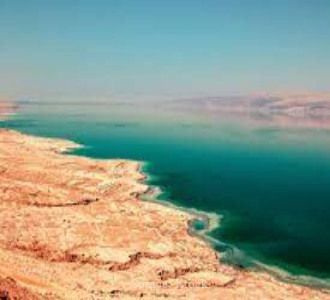
Come prepared (Timing & Conditions):
As well as being conscious of the salty waters into which you’ll be entering of the Dead Sea – you’ll also need to be mindful of both the environment and the time in which you opt to enter to this incredible wonder to guarantee yourself the best experience.
Considering the environment first, and part of the Dead Sea’s charm is that it sits amidst desert climates. While this provides a stunning scenic backdrop for photography – and an incredible landscape shot from atop Masada – it also means you need to come prepared for the desert conditions.
First off you’ll need to ensure you bring along plenty of sunscreen – as while tanning at the Dead Sea is easy and safe (within reason) the harsh desert sun in both Jordan and Israel can see you burn quickly, which when combined with the salt water can make your trip to the Dead Sea an uncomfortable experience.
Further be sure to come prepared with some strong sunglasses and plenty of water to stay hydrated at all times, and especially for when you exit the Dead Sea’s salty waters to ensure you recover appropriately from your experience floating in the waters – and particularly if you’re unfortunate enough to swallow any of the salty water.
We’d also recommend bringing shorts and clothes that you are prepared to subject to the salty and muddy conditions – understanding that they may not be useable again – as the salt waters of the Dead Sea can tear through and ruin the best of clothing.
Finally, in consideration of the environment and at the Dead Sea – be sure to bring solid flip-flops to the Dead Sea. This is to account not only for some of the sharp rocks that lie on the beaches – but especially due to the soaring temperature of the sands that lead to the waters, which, as a result of the soaring heat, can become unbearable hot and in turn burn your feet – making for a truly uncomfortable experience.
As well as coming prepared for the environment and the soaring heat and salty waters, it’s essential that you plan ahead in terms of when to visit the Dead Sea. This includes accounting for the Israel Shabbat and any public holidays (when things close down between Friday afternoon to Saturday Sunset) – when public transport will not be available and taxi prices will be significantly increased and recognising the peak times during the day when the beaches will be crowded.
For those on a guided tour you’ll need to accept that your visit to the waters will likely coincide with fellow tour groups – meaning that the waters will likely be more occupied than if you’ve travelled independently. But for those travelling independently – either by public transport, taxi or self-driving, we’d encourage you to avoid the time period between 2pm – 4pm which is commonly when tour groups will arrive at the Dead Sea beaches.
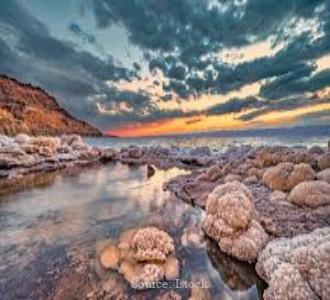
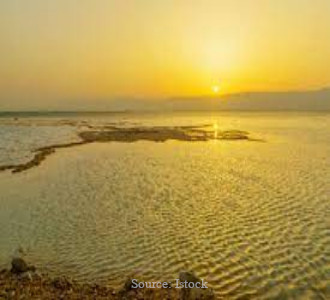
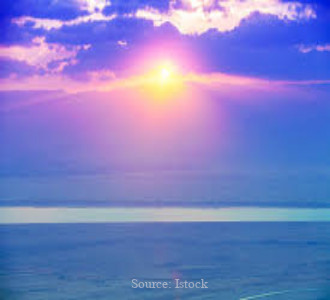
Additionally for those self-driving – we’d encourage you to head to one of the beaches that is open for sunset – where you can get incredible photos of sunset over the Dead Sea, for a picture-perfect way to end your trip at this stunning wonder of the world.
For more on the best time to visit the Dead Sea – including being conscious of the Shabbat – see the Best Time to Visit Section.
Staying Safe (& the Shabbat)
As well as accounting for both the Dead Sea’s salty waters, the conditions of the desert and the times to visit to avoid mass crowds on the Dead Sea, you’ll also need to be mindful of the safety considerations that come when visiting either Jordan or Israel.
Israel: Starting with Israel, and you need to be mindful that some of the beaches – including the popular Keila Beach lie within the West Back and close to Jerusalem and the Gaza strip, which can be a source of conflict and in particularly an area where you need to be mindful of your safety.
While this is an area where police presence is high, things can change instantly, and it’s not uncommon for tourists to be targeted, so we’d really encourage you to be aware of news alerts, the current security situation and be on your guard before setting off from within Israel towards the Dead Sea.
Additionally for those heading to the Dead Sea or arriving into Israel on a Friday or Saturday morning, be warned that taking options for public transport will be limited as it’s the shabbat. The Shabbat – which begins at sundown on Friday and finishes at sunset on Saturday, see’s the majority of businesses in Israel close, and will see taxi fares – particularly for those being picked up from the airport be extortionate – and see you be ripped off.
While it is sometime affordable for arrival times – if possible we’d strongly advise avoiding travel on the shabbat, and be sure to ensure that a meter is running at all times for those getting a taxi.
Jordan: Within Jordan you’ll find an incredibly safe – if expensive – environment. With the main concerns we’d advise watching out for is possible scams and being overcharged, with one observed scam we’ve seen being that operators of the Jett buses will not turn up – but a fleet of taxi’s charging overprice trips back to Amman will arrive instead.
To counter this we’d advise considering using Uber for those heading to the Dead Sea from Amman on a day trip and arranging for the driver to stay while you enjoy the waters, or pick you up later at an agreed point, with the Jett buses which offer a low-cost option not always departing on time.
An alternative option – and one that is incredibly safe and a great way to travel Jordan is to self-drive with a rental car, with the highways in Jordan being well maintained, well signposted and easy to navigate – making this a great option for Jordanian travel.
For those who do opt to self-drive in Jordan – and take the Dead Sea highway from Amman to the salty waters – do be sure to hire a car from a reputable company and perhaps most importantly be sure not to speed – as not only do you run the risk of hitting desert animals (particularly camels) who claim the highway as their own, but owing to the advanced cars within Jordan it’s possible for rental companies to disable your car if you go above the speed limit – with it then requiring a fee to have them turned back on.
Respect the Dead Sea:
Finally, for anyone visiting the Dead Sea – either on the Israel or Jordan side – it’s essential you keep in mind that as well as being a natural wonder, these unique dense and beautiful waters – and the landscape around them are not only an important cultural and religious site – but also a fast-shrinking wonder.
Because of this, it’s essential that as a guest to these waters you respect the deep wonder of the Dead Sea, ensuring that you leave no rubbish behind, keep your noise levels under control, don’t insult the local customs, only take photographs of yourself and the landscape — and take maximum care to respect and not disrupt the waters or cause damage to the natural and stunning wonder of the world that is the Dead Sea.
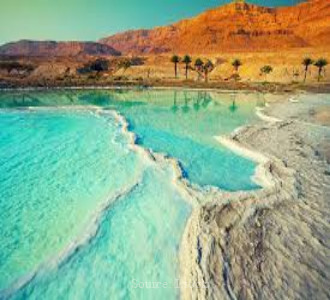
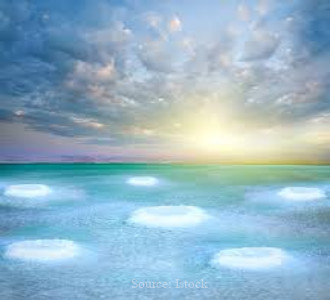
Cost:
Unique and stunning – visiting the lowest place on earth is not within its cost, with both Israel and Jordan being expensive countries in their own right, and the hill-top fortress of Masada (and its stunning sunrise views), the desert mirage of Ein Gedi and of course the main Dead Sea beaches in both countries requiring explorers to pay to explore this incredible wonder and enjoy the thrilling experience of floating in its waters.
Yet despite this high cost, a trip to the Dead Sea is undoubtedly worth it – not just to enjoy the incredibly dense and salt waters, and all that they offer, but also due to the time limited shrinking and evaporating nature of the waters themselves, which at current estimates, may only have decades remaining.
While all explorers, but particularly those on a budget – and those with extra time – are strongly encouraged to combine a trip to the Dead Sea with an exploration of the nearby wonders of Jerusalem (Israel) and Petra (Jordan), focusing purely on the Dead Sea your first cost will come in the form of getting to either Israel or Jordan from where your journey to the lowest place on earth can begin.
Getting there: For those traveling from within the Middle East to either country, you can expect to pay around $200 to $300 Usd for a return ticket to either country – so long as you book in advance, with those traveling from Europe or Asia needing to budget $800 Usd for return flights and those travelling from the Americas advised to set aside at least $1200 for their flights.
For those landing in Jordan, self-driving is the easist option to explore the country – however for those not keen on self-driving we’d advise you to get an Uber from the airport – which should cost around $25 Usd and will drop you off in Amman. While there is a bus that runs hourly, our experience is that it can be incredibly difficult to get a ticket from the booth and the bus itself drops you off at either the 7th circle stop or the North of Amman, both of which can then be difficult to reach accommodation from.
For those arriving into Israel – and particularly for those on a budget, be sure to time your flight so you are not arriving on the Sabbath (mid-afternoon Friday to sunset Saturday) where you’ll find the entire shuttle bus, train system and taxi service shut down – and you’ll be at the mercy of ‘taxi drivers’ who will charge you an extortionate amount to drop you anywhere (at least $35 Usd). Instead, we’d suggest making sure you arrive on the weekdays or Sunday where you’ll find budget options – including a great train system that can drop you as far as Jerusalem for $10 Usd or a range of affordable shuttle buses – that should cost no more than $5 Usd – or a taxi which should cost around $15 Usd to Tel Aviv and $25 to Jerusalem.
Once you’ve arrived at your base in either Amman or Tel Aviv or Jerusalem, you’ll then need to get to the Dead Sea. For those based in jordan the easiest option is to self-drive in a rental car – which can easily be picked up at the airport and – including insurance and air conditioning you can expect to pay around $50 Usd a day to drive along the Dead Sea highway to explore this stunning wonder.
For those based in Jordan and not self-driving and who do not wish to join a tour, the next best option is undoubtedly to get the bus from the 7th circle – which will cost you $5 Usd one way (be sure to guarantee a return ticket when you purchase), with those with a little more money able to hire an Uber or Taxi – which should cost you around $30 Usd for the day and include a few hours at the Dead Sea before being returned to Amman.
For those based in Jerusalem – you’ll find a public bus service number 486 that runs to the Dead Sea (Kalia Beach) and back every half an hour which you can board at Jerusalem main bus station – and at $2 one way – makes for a great way to get to the Dead Sea for those on a budget. Alternatively, you can also consider hiring a car within Israel – which will again cost around $50 Usd a day and which makes for a great independent option to visit the Dead Sea for those travelling from across Israel and in particularly Tel Aviv.
Tours:In both Jordan and Israel you’ll also find a range of tours that include the Dead Sea – which can be a great option for those who want a stress free and easy way to explore this wonder and grab that great photo of themselves floating in the salty and dense waters of the Dead Sea. From Jordan you can expect one day tours to include a visit to Petra – and overnight tours to include an exploration of the deserts of Wadi Rum, while in Israel the easiest option is to opt for a full day tour that includes Masada, Ein Gedi and then a couple of hours at Kalia Beach.
For those opting for a tour, we’d encourage you to budget between $60 — $100 Usd for a day trip and between $120 — $175 Usd for an overnight trip – with a guided tour being a potentially easy and cost-effective way of exploring this incredible wonder.
Getting in:Once at the Dead Sea – and within either Israel or Jerusalem, you’ll also need to pay a fee to access the beaches where swimming or floating is allowed.
For those on the Israel side expect to pay $25 to access Kalia Beach when on a tour, and for the beaches of Neve Zohar and Ein Bokek you are officially supposed to pay $15 Usd to enter, but you may find access free out of hours. Similarly, it’s a $30 Usd price to enter Amman Beach on the Jordan Side and a $15 Usd for the O Beach – with the O beach being our recommendation when visiting the Dead Sea from Jordan – thanks to its Golden Sands and overall experience.
Factoring in the cost of food, accommodation and a souvenir in either country – which due to the high costs we’d encourage budgeting at least $50 Usd for – if not more based on the quality of accommodation and a trip to the Dead Sea does, unfortunately, not come cheap.
With our estimates for the cheapest option to visit the Dead Sea using only public transport and excluding flights being $80 Usd, and a more comfortable option which includes a tour and high quality food being $225 Usd and for those who want to enjoy a luxury experience including overnight advised to budget at least $350 usd for their experience at the Dead Sea.
A pricey wonder to experience, especially in consideration that most trips to the Dead Sea will only last half a day at most, a journey to the Dead Sea will require you to carefully budget and invest – but in consideration of the uniqueness and the chance to reach, swim and float at the bottom of the Earth, it’s a truly unique experience to float on these salty waters and undoubtedly worth investing in the opportunity to create a moment and memory that will stay with you forever at this incredible wonder of the world.
Fun Fact:
Unique and fascinating – the Dead Sea is not only an immensely beautiful and scenic wonder, but also one awash with interesting science and facts.
Chief among these must be that the salty waters of the Dead Sea – which has an average salinity of more than a third, ten times that of the Ocean – is officially the lowest place on earth, at a depth of 430 metres below sea level – with one of the bars that aligns its shore at Keila Beach in Israel all laying claim to the title of lowest bar in the world.
Truly at the bottom of the world, despite its name – and reputation as a Sea, the Dead Sea is in fact not actually a sea but is instead a lake ! — with the official classification of a sea being that the water needs to connect to an ocean, with the Dead Sea, who is fed by the river Jordan, instead being landlocked by both Israel and Jordan.
It is this landlocked nature that gives the Dead Sea its high concentration of salt and its rapid rate of evaporation, that leads not only to a high concentration of Oxygen in the air around the Dead Sea – helping to significantly reduce the chances of sunburn, but also gives rise to its name, as no animals or plant life are able to thrive within its waters.
However, this high concentration of Oxygen and salt does give life to the minerals and notoriously rich mud that adorn the shores of the Dead Sea – with the application of this mud and floating in the salty waters of the Dead Sea known exfoliate skin cells, clean pores and draw toxins from Skin – meaning it can rival the most expensive and luxurious spa treatments on the planet.
Yet as a consequence of this rapid rate of evaporation, combined with the impact of climate change, mineral harvesting – and a 1960’s river project that diverted the Dead Sea water elsewhere, the Dead Sea / Lake is rapidly shrinking and is faced with the prospect of extinction. With the water levels within the Dead Sea having dropped by more than 25% over the course of the last five decades the impact of the Dead Sea’s slow destruction has been seen not just in the tidal pullback, but in the emergence of sinkholes, the shortage of waters and wells running dry.
While efforts are underway to introduce governmental projects — including the Red-Dead Canal – to restore and protect the Dead Sea, this stunning wonder of the world faces and uncertain and time-critical future and challenge if it is to survive for furture generations to marvel at is beauty and uniqueness.
Top Sights & Best photo spot:
One of the most unique – and scenic – wonders of the world, the Dead Sea not only affords stunning photographs of the desert landscape across two countries (Israel and Jordan) in one shot, but offers one of the ultimate bucket list photographs on the planet – with the chance to snap yourself and experience the thrill of floating on the salty waters of the Dead Sea being truly iconic.
Combined also with witnessing sunrise from the peak of Masada, the mirage waterfalls of Ein Gedi and some of the most stunning – and thankfully sunburn free – beaches on the planet, and the Dead Sea is one of the most spectacular photography and wonders on the planet.
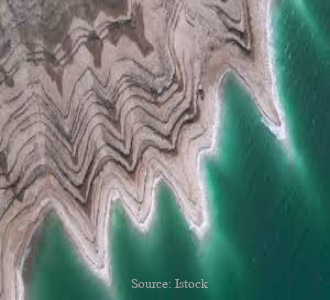
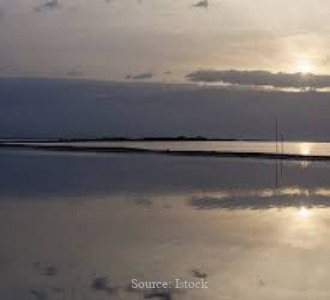
A site that lends itself to photography through any camera (just be sure to protect your camera in the salt waters) the Dead Sea also present the chance for specialised photography, including – thanks to it lying 400 metres below sea level and the rich levels of Oxygen – for water evaporating off the surface of the lake of the Dead Sea, and of the Great Rift Valley – that can be traced all the way to East Africa – adding unique geographical and nature elements to any photographs snapped at the Dead Sea.
Easily accessible and accessed, the Dead Sea truly lends itself to both thrill-seeking experiences and exploration, as well as some fantastic photography opportunities. So, to help make your journey to the Dead Sea as enjoyable and photogenic as possible, we’ve rounded up our top photography picks when visiting the incredible and unique wonder of the world of the Dead Sea:
Floating & Washing in the Dead Sea:
Starting with the iconic shot, and the absolute must snap – the thrill and unique experience of floating in the Dead Sea is the premier photo when visiting this incredible wonder – with the dense saltwater helping to elevate explorers to the top of the lake.
Undoubtedly the best way to snap a photo is to have a friend or partner stood on the shores of the Dead Sea to snap you floating and rocking back in forth in the salty and muddy waters. We’d advise making sure that your photographer friend is wearing shoes as the sand of the Dead Sea beaches does get incredibly hot – and from there they should be able to snap away making sure the light, angles and yourself are all aligned and as photogenic as possible.
Additionally, for those who are traveling solo, who want a shot in the water – it is possible to take your phone or camera into the water, but for those who don’t posses a waterproof device you’ll need to ensure it is secure in a water-resistant bag or case – and then safely remove it to grab those great selfies and photos of yourself in the water.
Alongside experience the thrill of floating in the waters of the Dead Sea and snapping photos – which should take no more than 10 minutes, given the high salt volume in the Dead Sea – you can also enjoy the relaxing and muddy experience of applying the Sulphurous mud to your skin for a rejuvenating experience that rivals the best spas on the planet. Moreover, those indulging in this unique spa treatment can also stop for a great photograph of themselves covered in unique Dead Sea mud, which when snapped against the muddy waters of the Dead Sea and the shining Desert Landscape of Israel, Jordan and the Dead Sea – makes for yet another incredible shot and memory of your time at this wonder.

Beaches:
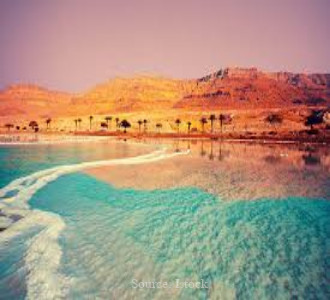
As well as soaking in the salty waters of the Dead Sea, another incredible sight and photography opportunity lies on the stunning beaches that lead to the Dead Sea. The spot also for soaking in the rich vitamin minerals of the Dead Sea’s mud – and then kicking back and safely tanning, whichever country of the Dead Sea you opt for, you’re guaranteed to be met with sparkling golden sands that lead to the salt waters of the Dead Sea.
While, due to safety reasons, large swathes of the coastline across the Dead Sea are out of bounds for explorers and you’ll be limited to select beaches which do fill up quickly on holidays and the weekends, you can still find tranquillity and peace on sections of these beaches to sit back and soak in both the oxygen rich and sunburn free heat and the wonder of the Dead Sea. The below are the beaches we’d recommend to visit when exploring the wonder of the Dead Sea for the best experience and photograph opportunities:
Ein Bokek Beach (Israel) The premier Dead Sea Beach across Israel – and the hallmark of the Dead Sea experience, the Ein Bokek beach is blessed with golden sands and easy accessibility to the Dead Sea, making it one of the truly great places to explore and photograph the wonder of the Dead Sea in all its glory.
Accompanied also by all the needed amenities (Showers, Lifeguards, Toilets) to make your Dead Sea experience as comfortable as possible, one of the major advantages from a photography perspective of Ein Bokek is that, despite being located in a resort town, access to the Beach is available at all hours (despite the official hours being 7am- 5pm) – meaning that for those seeking incredible sunrise and sunset photographs of the Dead Sea, this is undoubtedly the spot to head too for stunning photographs of the wonder of the Dead Sea.
Neve Zohar Beach (Israel) A much smaller and cosier beach, Neve Zohar lies a few kilometres further south from Ein Bokek – Neve Zohar beach is a great spot for photographers who want to capture the beauty of the Dead Sea beaches away from the crowds – with this small beach also being blessed with incredible turquoise waters that lead to the Dead Sea – making it a truly photogenic spot.
Slowly gaining in popularity, it’s a beach that again can be accessed (unofficially) at all hours, and for those who have a couple of days on their hands, this is a fantastic spot to come wide a wide-angle lens at sunset, where you can capture stunning panoramic sunset shots over not just the Israel side of the Dead Sea – but on a clear day out over the stunning backdrop of the deserts of Jordan.
Kalia Beach (Israel) Lying within the West Bank, Kalia Beach has earned a reputation as the main tourist beach of the Dead Sea, with its proximity to Jerusalem lending it as the premier spot for travellers on day trips from either Tel Aviv or Jerusalem to visit for their Dead Sea experience.
Requiring an entrance fee of a hefty $20 Usd, a visit to Kalia does not come cheap as well – and during peak season you can expect large crowds and the need for patience for those wanting to grab a deckchair to enjoy the beach and the view over the Dead Sea.
Yet despite the cost and possible crowds, Kalia Beach offers an incredible experience at the Dead Sea – with the money for entry going towards the upkeep of facilities, which includes showers, restrooms and dining facilities – with any highlight to this beach being the chance to dine and enjoy a drink at the lowest bar on the world – which itself is undoubtedly worth a snap of.
Moreover, it’s here where you can find the classic Dead Sea Experience guaranteed, with their being a well-defined — and generous section for floating in the waters – which allows all travellers to grab the iconic Dead Sea photograph, as well as an abundance of mud for bathing in the Dead Sea’s rich minerals – which again lends itself to a great shot against the waters of the Dead Sea.
A beach open from 8am – 5pm, and our pick for those travelling independently by bus to explore the Dead Sea, you can get great and iconic photos at this beach – just be sure to be aware of the crowds and time your visit for the early morning so you can beat the tourist buses to the best spots.
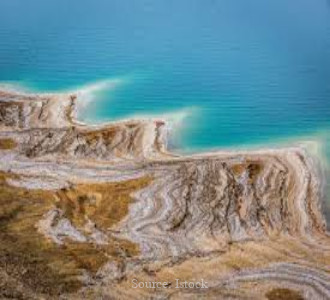
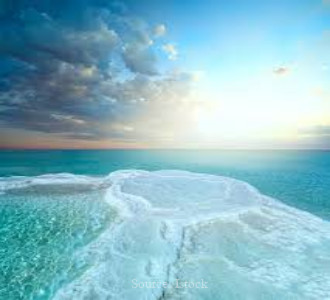
Amman Beach (Jordan) – For those visiting the Dead Sea from the Jordan Side, there’s two main beaches we’d recommend visiting for the Dead Sea experience and the grab photos – the first of which is Amman Beach. Despite being named after the concrete capital of Jordan, you’ll find this beach about 40 minutes drives outside the capital and you can expect to experience the thrill of floating in the dead sea and observing the salt waters and minerals.
However do be warned that the beach itself here is not one of the best on the Dead Sea – so for those seeking glorious, golden sun-kissed snaps this is not the beach we’d recommend. You’ll also be expected to pay an 8JD ($12 USD) entrance fee to access the Dead Sea, which in consideration of the facilitates and sea is a little on the expensive side.
Still, despite the drawbacks, for those wanted to experience the Dead Sea within Jordan and who are on a budget, the Amman Beach offers to chance to visit and photograph this stunning wonder of the world – and with a bit of luck it’s possible to grab incredible shots out over the waters of the Dead Sea against a desert backdrop, which can be truly spectacular.
O Beach (Jordan) – Our recommendation for those visiting the Dead Sea in Jordan – and particularly for those seeking incredible photographs, the O beach is Jordan at its best – with this golden sand beach being a luxurious and beautiful celebration of the wonder of the Dead Sea – and one that lends itself to incredible photographs with turquoise waters – presenting the chance to capture stunning memories from behind a lens.
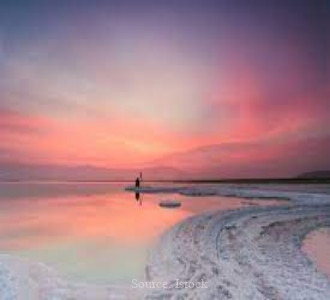
Best photographed at sunrise and sunset – where you’ll find a spectacular golden backdrop that stretches over the Dead Sea, for incredible photographs. For those wanting to make sure they capture the perfect photo of the Dead Sea you’ll find a range of high-end hotels around O Beach – which can be an ideal substitute for those who want to avoid the crowded beach that does fill up during weekends and holidays.
A pricey beach to access – you can expect to pay $30 Usd to do so – the stunning sands and turquoise waters found at O Beach, combined with the incredible backdrop that the golden Jordan Sun provides, make O Beach one of the great places for capturing the full beauty of the Dead Sea and one we’d recommend every photographer visits.
Ein Gedi Nature Reserve (Israel)
A spot away from the waters of the Dead Sea, Ein Gedi nature reserve is not only one of the most sacred places to the Jewish people, but stands as a mirage marvel and an incredible photo spot amidst the deserts of the Dead Sea – with the twin waterfall canyons of Wadi David and Wadi Arugot – creating a barely believable water oasis in the middle of the desert.
Accompanied also by families of Ibexes, who have found a way to thrive in the harsh desert conditions, the beauty of the twin canyons is found in the clear turquoise water – and for those with their swimsuits to hand we’d really encourage you to get a shot showering in the waterfall – with the thrill of capturing and enjoying the cool waters in the middle of the desert being one of the great photographs across the whole of the Dead Sea.
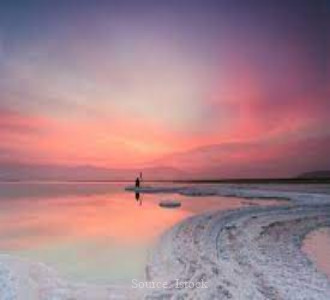
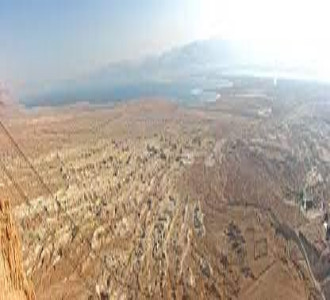
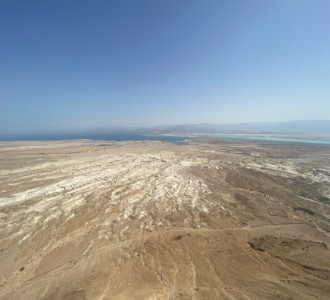
Masada & Sunrise (Israel):
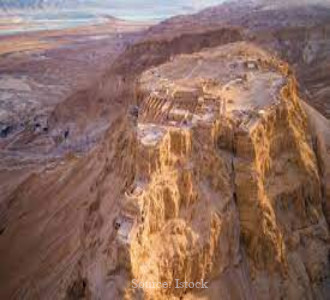
Finally, no journey across the Israel side of the Dead Sea would be complete without a visit to the fortress of Masada – a stunning historical and evocative 400 metres hill-top monument, that marks the site of the last stand of a Jewish rebellion against the Romans in 66 CE following the sacking of Jerusalem.
A last stand that saw the more than 1000 Jewish resistance opt to take their lives than surrender and be condemned to slavery, the last stand has been immortalised in the film ‘Masada’ – and for visitors you can expect a fascinating retelling and reliving of history of one of the most important sites in Jewish History.
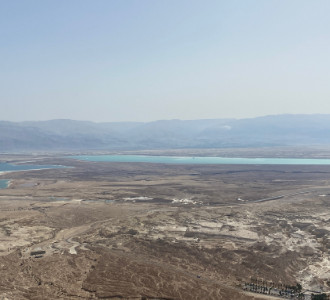
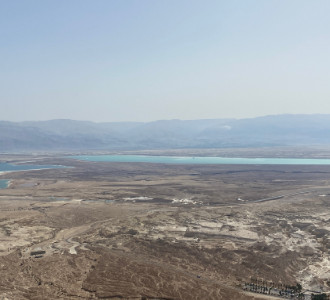
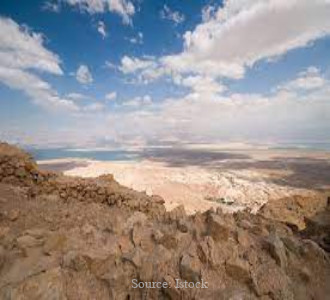
Moreover though, the views from atop this fortress – which stretch out over note just the remains of Roman encampments – but to the Dead Sea, provide a truly stunning photo spot for landscape and long distance shots of the Dead Sea – allowing you to capture both the beauty and waves of the Desert against the waters of the Dead Sea and even as far out and into the sands of Jordan – giving a truly stunning shot that truly captures the fully beauty of this wonder.
While the hill-top of Masada can be reached during the day by a cable car – for those who want an extra special shot out over the plains of the desert of the Dead Sea and the lake itself, then you’ll need to summit the fortress of Masada at sunrise, where the rising sun gives an incredible backdrop for a stunning photo.
To grab this photo – which is truly special – you’ll need to not only make your way to Masada, which is a 90 minute drive from Jerusalem, or a 15 minute drive from the Dead Sea resorts – and then summit the steep Snake Path up the mountain, which take an hour. But despite a steep ascent the view from the top of Masada at sunrise is truly mesmerising and makes for an incredible photograph that truly showcases and allows you to capture the absolute best of the stunning wonder of the world that is the Dead Sea.