The Giant’s Causeway:
Table of Contents
Show
Overview:
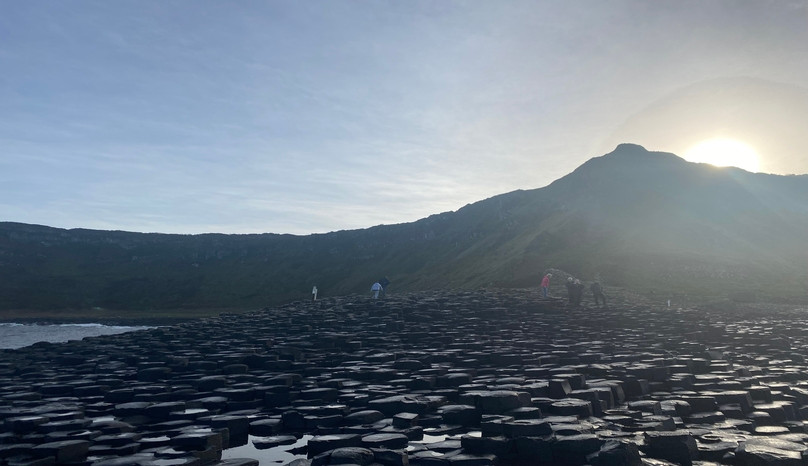
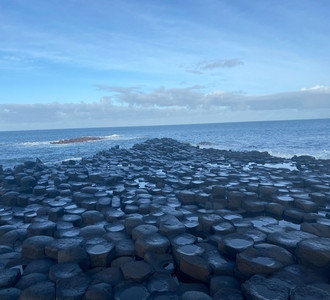
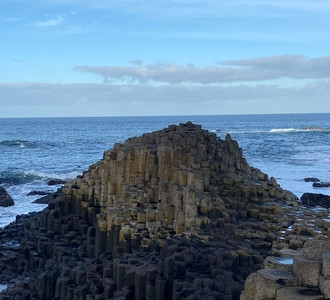
The stuff of legends, the geological paradise of Northern Irish Giant’s causeway is 40,000 awe inspiring beautiful and mountainous basalt columns that sit on the edge of the scenic causeway coastline, that were apparently formed when the Irish giant Finn McCool picked a fight with the Scottish giant Benandonner and single handedly created the large ‘stepping stones’ of the giants causeway to reach and confront his foe.
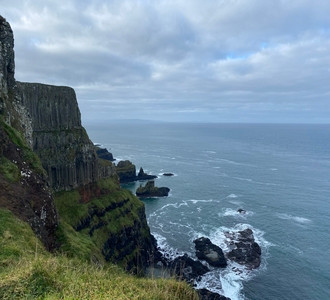
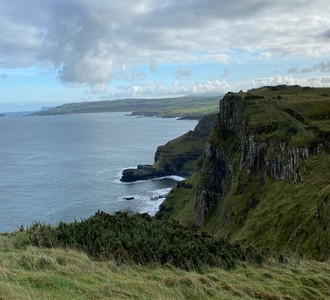
Alternatively, for those with a scientific mind, the Giant’s causeway was formed some 60 million years ago during the Paleogene age, as a result of Lava cooling when it reached the sea – either way the columns, which reach some 25 metres in height and are set against the backdrop of serene 100 metre cliffs are a true wonder and the pinnacle of the famous Northern Irish coastline, offering not just a fitting finale to one of the worlds greatest driving routes, but a true geological wonder with stunning views over the Irish coast and a deserving legend tale to accompany this natural wonder of the world.
Where:
The Giants causeway (Bushmills, BT57 8SU) is located on the causeway coastline in Northern Ireland in the County of Antrim with the town of Portballintrae about a mile out from the causeway offering access to a stunning walkable beach path that leads straight to the wonder and offers stunning view of the coastline as well.
Best time to Visit:
While the causeway is accessible all year round – the best time to visit is unquestionably in the British summertime – when the weather will be warm, they’ll be less chance of rain and ice cream will be plentiful. If visiting it’s advised to time your visit to avoid the hours of 11am-3pm as this is peak tourist time and can lead to overcrowding – besides you wouldn’t want to miss the sunrise or sunset photo opportunities.
Explore:
The causeway itself allows for climbing, posing and exploring – and for those brave enough a platform to enter the Irish sea, with a visitors’ centre there to detail the history and legacy of the 40,000 basalt columns.
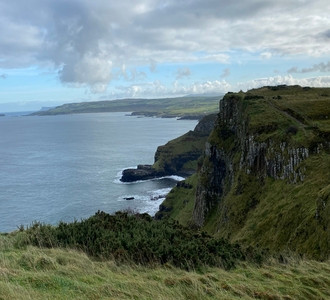
For a more intimate exploration of the wonder it’s certainly advised to climb the shepherds steps – 160 steps that take you to the top of a cliff for stunning view, and make sure you check out the amphitheatre section on the ground floor for that all important sunset photo snap.
Alongside this, the unique rock formations which include Finn McCool’s wishing chair and Giants boot make for interesting viewing as does a trip across the nearby Carrick-a-Rede rope bridge which again offers stunning view of the northern Irish coastline.
For those wishing to truly experience both the beauty of the causeway and the causeway coastline, a driving or walking trip is recommended from at least the base of Dunluce Castle where alongside the castle ruins, you get the chance to walk along the coastline taking in white sandy beaches, stunning cliffs, scenic shorelines and final arriving at the wonder of the causeway.
Cost:
The causeway is actually free to visit – so your main expenditure will likely be parking – with parking on the official carpark setting you back 12 pounds.
However to avoid this and to take in more of the causeway it’s recommended for those journeying by car to park up in the town of Portballintrae or further afoot (just be sure to avoid parking on the greenery leading up to the causeway) to save yourself a bit of extra cash – which can then be put towards enjoying either a traditional Irish drink or a spot of ice cream as you take in the wonder.
Getting there:
The causeway is extremely accessible with plenty of parking spots in either the town of Portballintrae or at the wonder itself.
With the causeway also being accessible by bus from the nearest airport of derry by 2 hours (and 2 changes) for 10 pounds or being a short 61km drive from Belfast – making it entirely possible to get to the wonder in back in a short day trip from the capital of Northern Ireland – although it’s recommended to spend a day or two both exploring the wonder and the beauty of the causeway coastline.
Fun Fact:
On a clear day (and with the aid of binnoculars) you can see the coastline of Scotland – making it possible to envisage the route Finn McCool would have taken across the Irish Sea to confront his rival.
Best photo spot:
For a scenic panoramic shot of the causeway the shepherds steps offer a unique vantage point — and for the money sunset shot a trip down to the base of the rocks where the full beauty of the Irish coast can be seen can’t be missed.