The Himalayas
Overview:
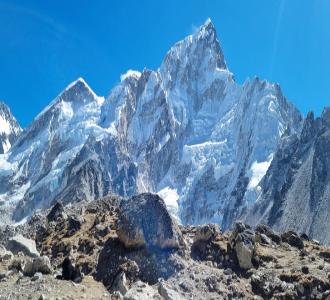
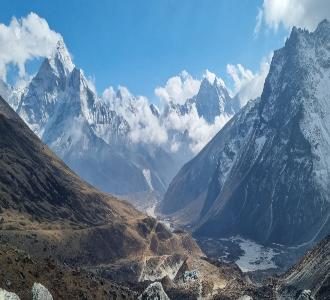
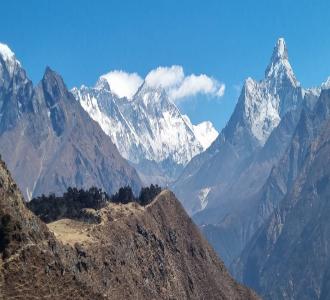
The roof of the world – the Himalayas is a vast range of iconic mountains – including the mighty Everest – and stretches through the Indian Subcontinent across the tip of Asia, with the Himalayas also home to stunning mountain ranges, unique glacier valleys, majestic sweeping hills some of the worlds rarest wildlife, and the greatest mountain treks on the plant — which combine to make this awe-inspiring and majestic mountain range a truly stunning wonder of the world.
Alongside the famed Mount Everest, the Himalayas is also home to fifty mountains higher than 7,000 foot and features 10 of the 14 mountains on the planet that top 8,000 feet making taking on one of the many challenging treks in the region a totally unique and life changing experience – just be sure to have your wits about you as every year explorers succumb to the harsh conditions and challenging hikes in the Himalayan Mountains when not fully prepared.
Alongside the mountains, the Himalayas it also home to Tibet, the home of the Dali Lama as well as numerous key Tibetan monuments, and you’ll feel the warmth of the culture and the people radiate as you journey through the region – with the name Himalayas a Tibetan word for ‘land of snow’.
Formed by tectonic plate collisions and believed to be growing in length each year, the snow-capped mountains of the Himalayas are as mystical and magical as their reputation and offer a chance for none but the brave to stand on top of the world having conquered the World’s highest Mountain – with the mountain peaks, stunning glaciers, green valleys of the Himalayas combining to not only represent the best of Mother Nature but make the Himalayas a truly magnificent wonder of the world.
Where:
The Himalayas stretches across the countries of Nepal, Bhutan, Pakistan, China, India, Tibet and Burma – and comes in at more than a thousand and a half miles in length – it’s unique in that it doesn’t belong solely to one country but can be found in the heart of South Asia.
Getting there:
Given the Himalayas is over over one and a half thousand miles, you’ve got a couple of options for getting there.
Firstly you can combine your trip to the Himalayas with a trip to the wonder of Kathmandu, which is easily reachable by flight or by train from India – and then hop on a bus or tour into the Himalayas mountain range depending on the trek and area of the Himalayas you wish to take on.
To get closer to the Himalayas, you can journey to Kathmandu and then fly to Lukla for the Everest regions or base camps, or the other major port of Pokhara which is the best spot for the Annapurna trek.
Or alternatively you can get the train from anywhere in India to Kathgodam and then drive from Kathgodam to Pkhara, Lukla – or even further into the Himalayas to both begin exploring and launch your trekking challenge across this unique wonder of the world.

Best time to Visit:
You should be prepared for all weather conditions when visiting, but unquestionably if you’re planning a hike head to the Himalayas in March – April, as the weather will be cooler it’s outside monsoon season and you’ll avoid the sub zero temperatures of winter – making these two months the best for trekking and exploring this unique wonder.
Explore:
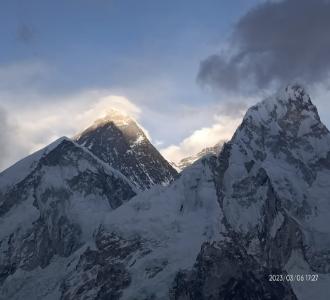
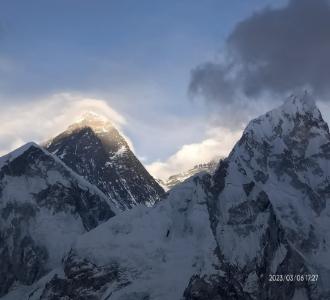
The Himalayas crown Jewel is undoubtedly Everest – and it’s a tough and challenging hike to the base camp and a daring and life changing experience to the summit – but one that is well worth it and rewards you with stunning views of the best peaks and valleys in the world.
Yet alongside Everest and the famous treks, there also sit fifty mountains that are higher than 7,200 metres – including ten of the worlds 14 peaks which top 8,000 metres – making for a truly stunning and spectacular site that can take years to fully explore. The mountains, which incorporate Glaciers, also give life to pristine forests, sparkling lakes and a range of unique and rare wildlife including the snow leopard and Rhino and which are all sight able on the treks and sights below, combine to make the Himlayas a true wonder.
The top 5 treks that will truly let you explore the Himalayas are noted below, we’d also recommend checking out the following four ‘quick sites’ when exploring the Himalayas:
Dharamsala
The home of the Tibetan Government, Dharamsala officially sits in India and is often included in Himalayan tours out of India – with the city being one of the key spiritual and religious centres in the world, given it’s unique position and stunning scenery against the backdrop of the Himalayas the area offers not just the home of the Dalai Lama, but also fantastic hiking and one of the best places to go cycling in the Himalayas.
The Nubra Valley
One of India’s best Natural Park, the Nubra valley is home to Camel Caravans, green hilltops and the best Orchards in the world, with the Valley being especially known for its Floral Beauty and scenic beauty, making a stop here an incredible way to get a sample of the Himalayas.
Ladakh
Come to Ladakh for the view, it’s got the best of the Himalayas in one place, with long sweeping green fields and hills, snow-capped peaks and mountains and Tibetan monasteries, with the city being a great place to take on some trekking and experience the Himalayas for those who don’t want to take on the summit and challenges of the annapura trek or Everest hikes below.
Alchi
A green Paradise, Alchi needs to be visited to experience the Tibetan culture and traditions that make the hills come alive in this small town, with a warm welcome and smile adding further beauty to the Tibetan Town, which is home to the Alchi Monestry and Hreen sweeping hills, making it an incredible place to experience the laid back vibe and spirituality of the Himalayas.
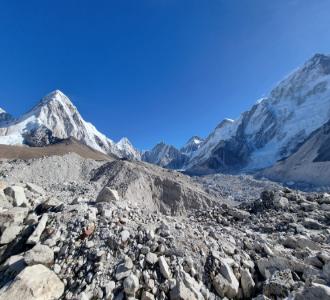
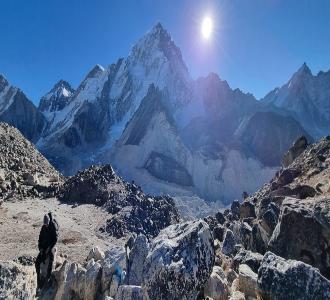
Yet to truly get up close, understand and get lost in the Himalayas, we’d strongly recommend taking on one of the treks below – which range from day treks to multiple months, that will let you get up close and personal to the famous Himalayan mountains – and for those brave enough stand on top of the world. While there are many treks and routes in the Himalayas to trek, below are our top 5 based on our experiences:
Langtang, Helambu and Annapurna Treks:
Basing yourself out of the wonder that is Katmandu, you have easy access to the best treks not just in the HImalyas, but also the world, with our top three picks being the Langtang, Helambu and Annapurna Treks – all of which will let you lay eyes on the beauty of the Himalayas, pristine lakes, stunning valleys and awe inspiring and life changing experiences. Below are short summeries of each of these treks:
Langtang Trek
Length: 1–5 days.
Cost: $100 minimum
Tour Guide required: No – and not required.
Preparation time: 1 months.
Difficulty: Easy.
Achievable as a multi day hike o a series of day hikes The Langtang Trek – which can be extended to include to Gosainkund Trek as well is a fantastic trekking option for those who want to experience the beauty of the Himalayas on a quick schedule through a relaxing hike.
Starting at Syaphru Besi – at just 1400 metres above sea level and accessible from Kathmandu – you’ll spend the first two days trekking up the Langtang valley and you can spend the night kipping at a hotel, including our favourite – the Lama Hotel, which sits against a pristine green valley with valleys of flowes with the Himalayas and the mountains as a backdrop.
At the top of the valley you’ll find the official town of Langtang and Kyanjin Gompa – two of the best villages in the Himalayas, as you’re approaching Altitude territory here we’d suggest spending a day or two acclimatising – and enjoying the skiing lodges which need to be booked well in advance – with the summit of Langtang Glacier providing a spectacular view of pristine lakes and snow capped mountains that encapsulate the best of the Himalayas.
From here you can then follow your steps back down the valley, or for those who wish to travel on take the road into the stunning Gosainkund trek.
Alongside the above, the towns of Langtang and Kyanjin Gompa are both reached by public transport, so for those really short on time and with a tight itinerary, it’s possible to journey up to the top of the Glacier from Langtang and then trek back down, meaning you can experience the beauty of the Himalayas in as little as a day.
Helambu
Length: 4–5 days.
Cost: $200 minimum
Tour Guide required: No – and not required.
Preparation time: 1 months.
Difficulty: Easy.
The best trek for those short on time the Helambu short trek is perfect for those who want to explore the Himalayas but only have 5 days – with the trek taking you through dense mountains, rice fields, small towns and giving you a picturesque view of the exquisite Himalayas.
Best trekked as a one way trek from Melamchi Bazar or Sundarijal – the trek can be trekked as a solo hike or a trip and you’ll pass through the famous Langtang Gosaikunda Region along stunning ridges, journey through the Gosainkunda Lake as you follow the route in either direction going through Tharepati, to the town of Tarke Gyang and across the Melamchi River across 40 kilometres of pristine Himalayan Nature.
The Helambu trek also feature the stunning Langtang valley – which truly earns its nickname as the land of glaciers – with the full splendour of the Himalayan mountains viewable on either side with the snow capped mountains providing a truly pristine experience for a fantastic taste of the Natural Wonder that is the Himalayans.
The Annapurna Trek
Length: 12 – 21 days.
Cost: $2,000 minimum
Tour Guide required: No – but advised for those who get lost easily – you can also do it solo if you wish.
Preparation time: 1 months.
Difficulty: medium.
The Annapurna trek, whilst not as well known as the Everest Base Camps is a spectacular hike to explore the Himalayas that takes you through mountain vistas, small villages, sparkling rivers, and deep into the beautiful Annapurna Ranges.
The Annapurna Trek is commonly divided into one of two treks the Annapurna circuit Trek or the Annapurna base Camp Trek which both typically start in the wonder of Kathmandu where you’ll be driven or grab a bus to Besisahar – in the heart of the Himalayans from where you will embark on a multi day hike through the mountains – in an anti-clockwise route.
From Besisahar you’ll embark on a stunning trip through the Himalayas to the town of Bahundanda and then on to Dharapani and Pisang over the course of a stunning week – with crowds often flocking to Annapurna year round.
After leaving Pisang and in the shadow of the Worlds tallest mountains you’ll start gaining more elevation as you pass through manang and muktinath – which is the gateway to the infamous and challenging Thorong La Pass – which will test you to your limits.
Expect to take on the Thorong La Pass at sunrise, and be prepared to battle through snow and tough terrain and up stepp hills as you make your way to top of Annapurna – but if you go at your pace, make time to take in the beauty of the Himalayas and go at your own pace – having conquered the pass and the rest of the route – you’ll be able to look back on the Annapurna trek as a life changing and once in a lifetime event that took you through one of the worlds greatest wonders.
The Everest Treks:
The most famous of the Himalayas, the Everest Base Trek and the Everest summit climb are the best and most challenging treks in the world – with only 4,000 people having managed to make it to the summit of Everest.
While the high altitude, challenging conditions and expenses make these two treks challenging, the views from the summit of the Himalayas and the worlds highest peak are just rewards as you challenge and conquer both yourself and Mother Nature and walk in the valley of one of the worlds greatest wonders and stand atop the world.
Everest Base Camp.
Length: Approx. 12 days.
Cost: $2,000 minimum
Tour Guide required: Yes — Mandatory.
Preparation time: 2 months.
Difficulty: Medium.
The hike to Everest base camp is not as daunting as it sounds, with the standard route which goes from Lukla to the summit, follows a well-defined road along Mountain paths – with an average of 6 miles walking each day – with numerous steep hills and altitude adjustments required.
Starting from Lukla (home to the worlds most dangerous airport) you’ll journey along the spectacular Milk River, through small vilalges and pass by friendly local as the sparkling scenery and beauty of the Himalayas unfolds before you – with the tough ascent of the Namche mountain which often brings altitude sickness occurring on the second day.
At the top of the mountain – you should be able to glimpse Everest in all its glory – and you’ll then get the special experience of stopping in a teahouse – specially designed huts for explorers, before continuing again up the path towards the small town of Dingboche, and onwards to Lobuche – where you should stop not just for altitude adjustments – but also take in the snow-capped mountains and pristine scenery that sits at the foot of the town.
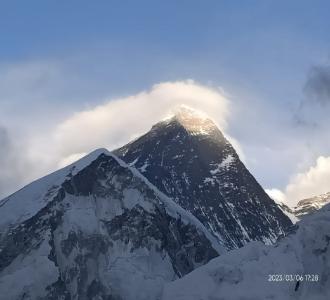
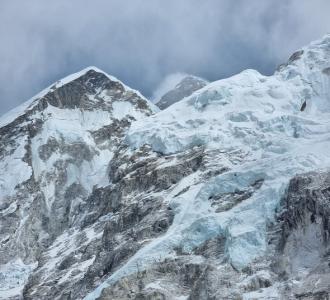
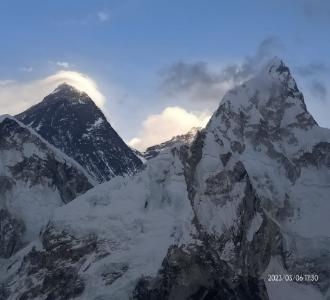
From Lobuche, you’ll be a day away from the base Camp – and despite aching legs and likely headaches from the Altitude you can journey on against stone pathways and alongside the beauty of the Himalayas to the bottom of the Base Camp. From Base camp – if you can summon the energy we’d strongly recommend trekking to the mountain of Kala Patthar – where you can experience in full view the sun rise over Mount Everest, for an experience you will truly never forget.
Everest Summit:
Length: Approx 60 days.
Cost: $50,000 minimum
Tour Guide required: Yes – mandatory.
Preparation time: 6 months.
Difficulty: Hard
Chance of Death: High.
For those who truly wish to stand on top of the world – be warned it’ll cost you, with the average Everest summit trip coming in at $60,000 – and some people paying up to $100,000 to climb the worlds greatest summit, with the help of a tour and sherpa’s absolutely required and bookable online months in advance.
For those with the bank balance, and who are seeking to join just 4,000 people who have conquered Nature’s greatest feat, you’re going to need to be in tip top mental and physical shape as you spend around 2 months in the care of Sherpas summiting the 8 848-metre peak.
The ascent will begin with the tough hike up to base camp – which stands at 5,300 metres and itself requiring intense days of trekking and altitude adjustment. From here and having made use of the hospitality of a tea house for a couple of days – you will begin your ascent to the world’s greatest summit – with a trek through the icefall at the summit and on to the narrow yet scenic path that guides you up the mountain and brings you to the secondary base or advanced base.
With time to acclimatise at the advanced base, it’s on to camp and camp 4 – although if possible, skip camp 3 as it’s the sight of many deaths due to falling debris and land falls – the advancement to these camps will likely take in the region of 20 days – despite it being a smaller hike in height than the base camp hike – as you’ll need oxygen support and time to acclimatise at each teahouse – but the acclimatisation will undoubtedly be compensated for by the stunning views over the Himalayas and the pristine mountains that very few have laid eyes on.
With a last push and leaving out of Camp 4 with the right temperatures and winds, you’ll then make your up to the summit of mount Everest – where it’s time for a cuppa, a photo and a reflection on what you’ve achieved with one of the world’s best views across the wonder that is the Himalayas – before taking on the hike back down.

How long to stay:
This one is truly up to you – based on which trek you choose to take on and how you best wish to explore the Himalayas. For those not taking on the summit to the worlds highest peak, and taking on one of the other hikes we’d recommend 3 weeks, to allow for acclimatisation, setbacks, adverse weather conditions – and also a chance to take in the four quick sights while reflecting on the magnitude and beauty of the Himalayas.
Top Tip:
Taking on the Himalayas is beautiful – but challenging. So in no particular order these would be our top tips for taking on the treks and surviving in the Himalayyas:
- Plan (and book) well in advance – not jsuit booking your tour or trek but be sure to research the route you’re taking what you want to see and especially for those taking the summit map out exactly how long you need to prepare for taking on the tough hikes – and make sure you’re in good physical and mental health to take them on.
- Make sure you’re there at the right time of year – especially for the Annapurna Trek if you choose to go by yourself, while you should be prepared for all weathers when journeying to the Himalayas heading there and taking on the treks in April or May is unquestionably the best time – whereas if you head there in Winter you risk constant and dangerous snow conditions.
- Hire a guide – especially if taking on the Everest Base camp or Summit treks – not only will they be able to pace you, provide you with advice on when to stop but the Sherpa’s in particularly will be a life saver as you trek further and further up the mountains.
- Make sure you come prepared with the right equipment – as obvious as it might sound, a lot of travellers try and brave and rough it in the Himalayas, so make sure you come prepared with a tent, sleeping bag, mat, suitable clothing – and altitude sickness tablets as you never know when it will hit.
- Enjoy it – you’ll hear a lot of warning about attempting the treks, and while you’re right to be cautious and not do anything too daft – trekking in and exploring the Himalayas is a once in a life time opportunity, make sure you make the most of it and savour every moment.
Best photo spot:
For those that can’t grab a selfie from the top of Everest – then we’d strongly recommend the hike to Kala Patthar hill to catch the sunrise over Everest after conquering the base camp trek – for a truly stunning Photo of the worlds mightiest wonder.